

News About Farming in Shipping Containers & Limited Indoor Spaces
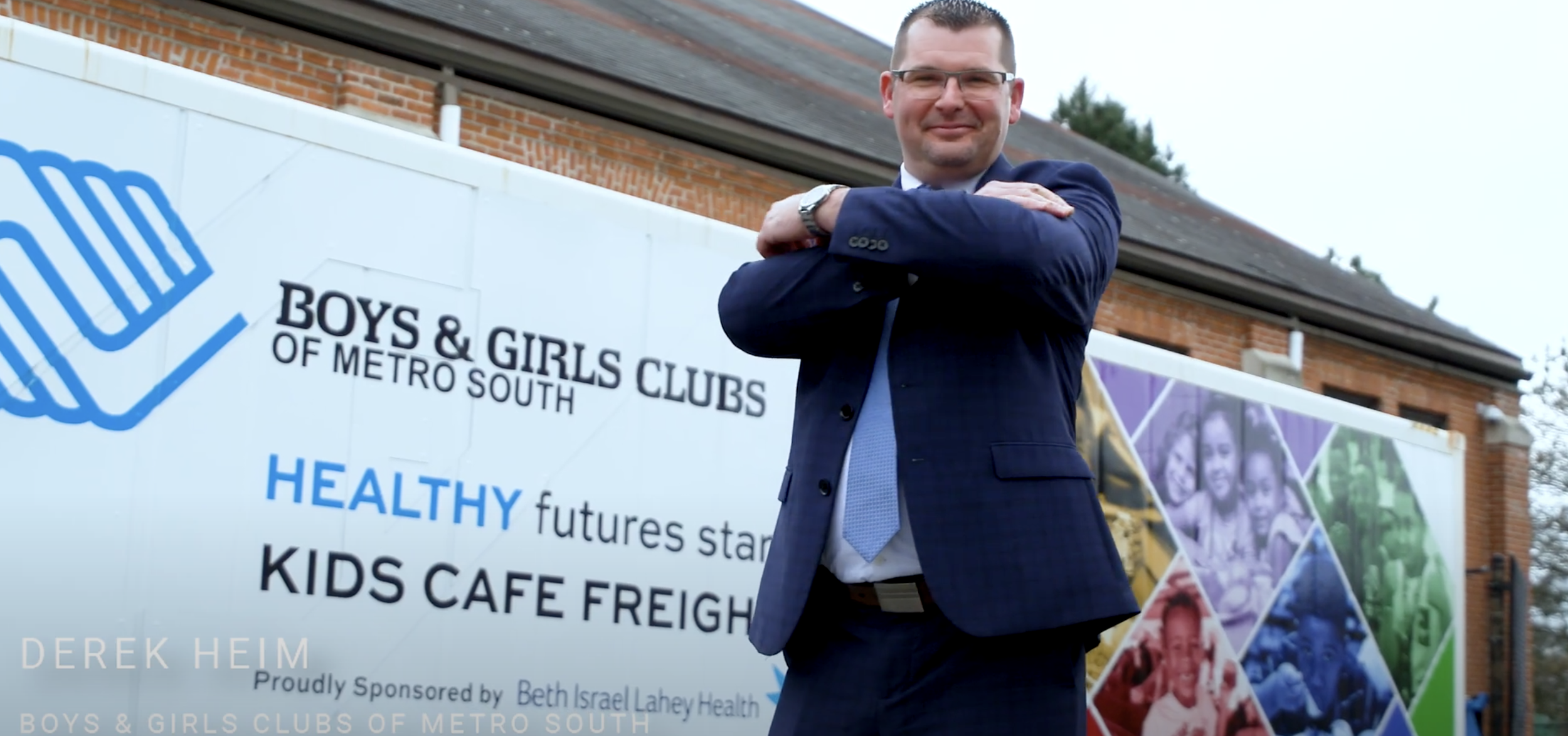
USA - BOSTON - VIDEO: Grow Food Here – Boys and Girls Clubs of Metro South
What happens when a Boys & Girls Club starts container farming? In Boston Metro South, two Freight Farms hydroponic container farms are doing far more than just growing food.
They are creating hands-on learning opportunities for kids, engaging community volunteers, attracting major donors, and supporting local nonprofits.
Discover how these farms became teaching tools, hands-on labs for youth programs, and a powerful way to bring the community together.
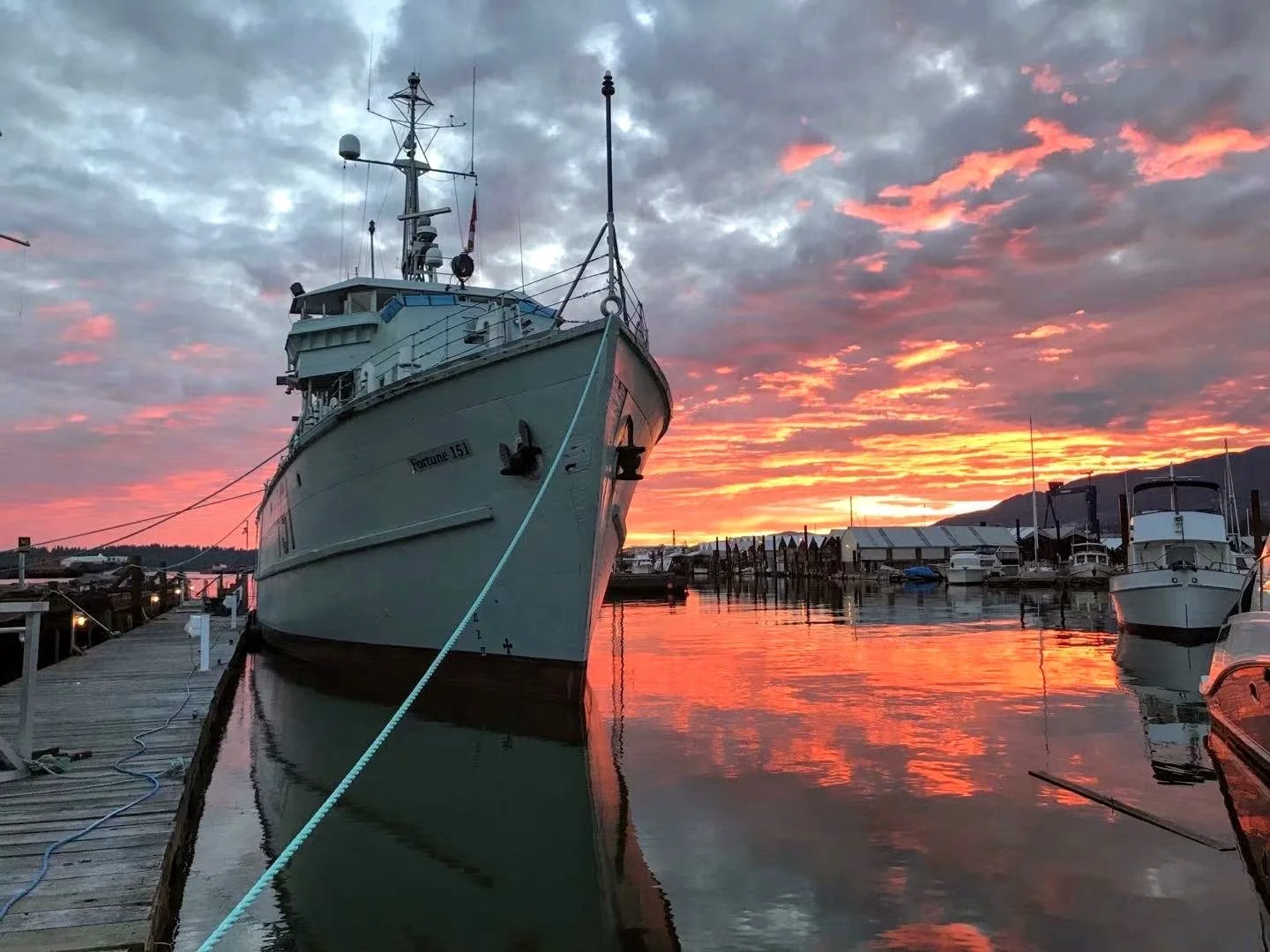
From Warship to Greenhouse: Canada’s Floating Farm
On the quiet coast off the traditional territory of the Squamish people in British Columbia, a retired Canadian warship lies moored in the still waters of Burrard Inlet. Once a Bay-class minesweeper, she braved Arctic ice and Pacific storms, serving the Canadian Navy through tense decades of the Cold War. Today, her mission has shifted dramatically: she grows food.
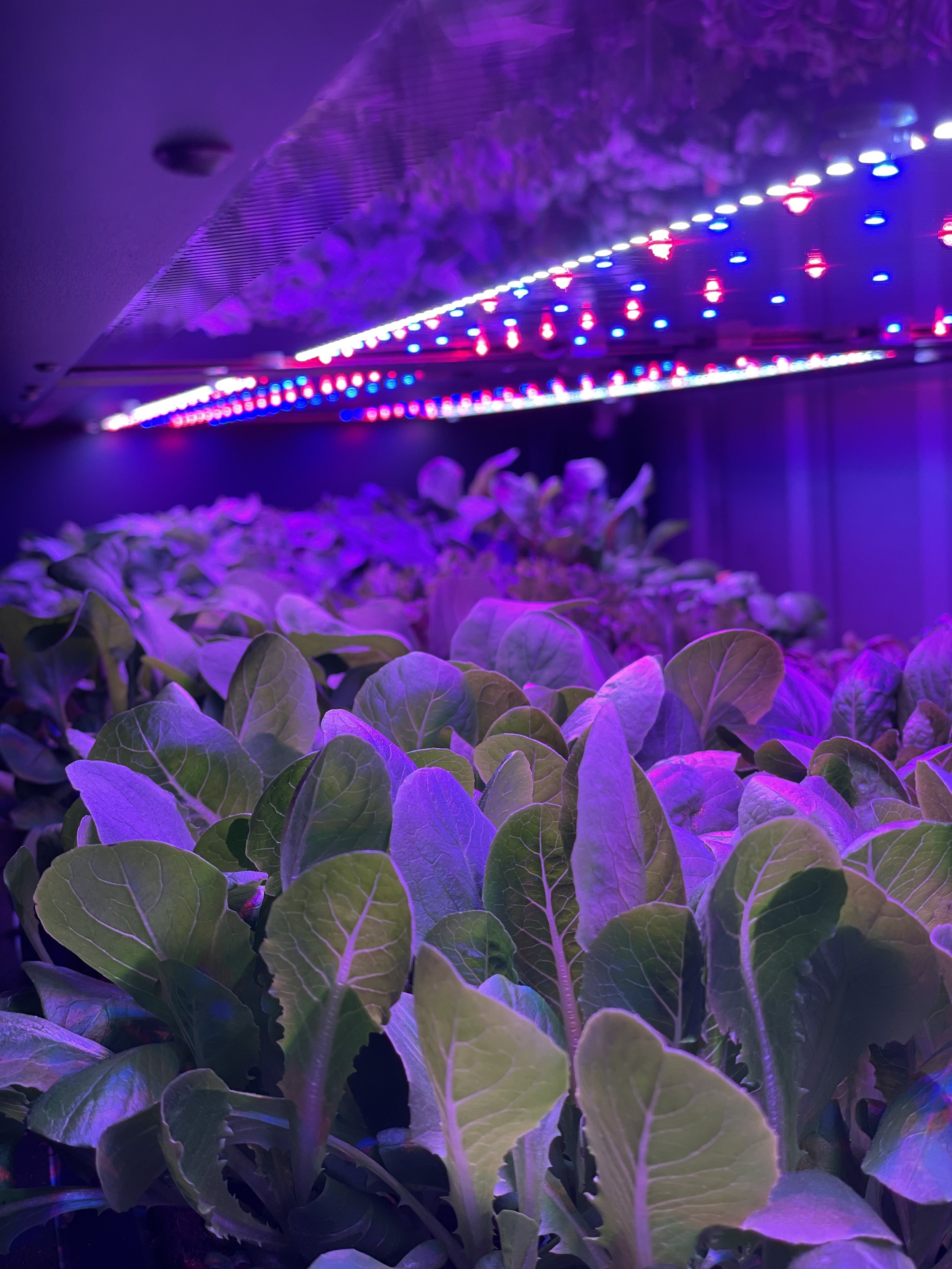
Inside her steel hull, the armory has been cleared, sailors’ bunks disinfected, and reflective film laid along the walls. Rows of vertical racks glow with violet LED light, cradling lettuces, cherry tomatoes, and bright red peppers. What was once a machine of war has been reborn as a floating vertical farm, a vessel now committed not to combat but to sustenance, resilience, and innovation.
Hydroponic Farming Takes Root in Indiana
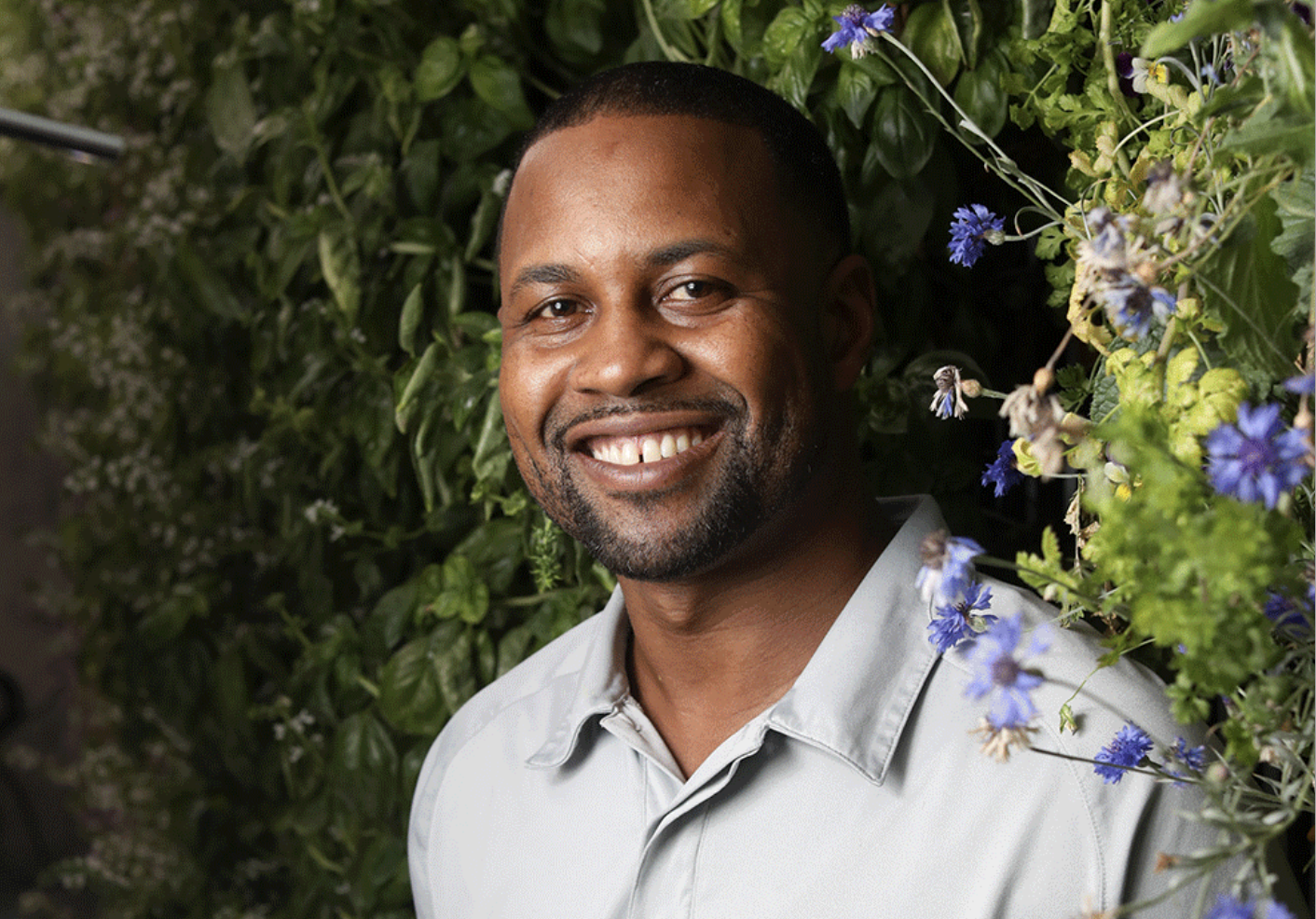
Mario Vitalis, owner and founder of New Age Provisions in Indianapolis, Indiana.
Hydroponic farming is a growing industry in Indiana.
“Hydroponic farming allows us to reimagine how and where we can grow food,” says Mario Vitalis. “We are no longer bound to the rules of traditional farming. Technology gives us a new way to farm and a fresh take on the supply chain.”
Vitalis is owner of New Age Provisions, where he grows a variety of leafy greens inside two 40-foot shipping containers on a repurposed used car lot off 10th Street in Indianapolis. His Indiana-based hydroponic farming operation requires no land or soil, and it uses controlled lighting and less water to produce nutritious, locally grown kale, lettuce, herbs and collard greens.
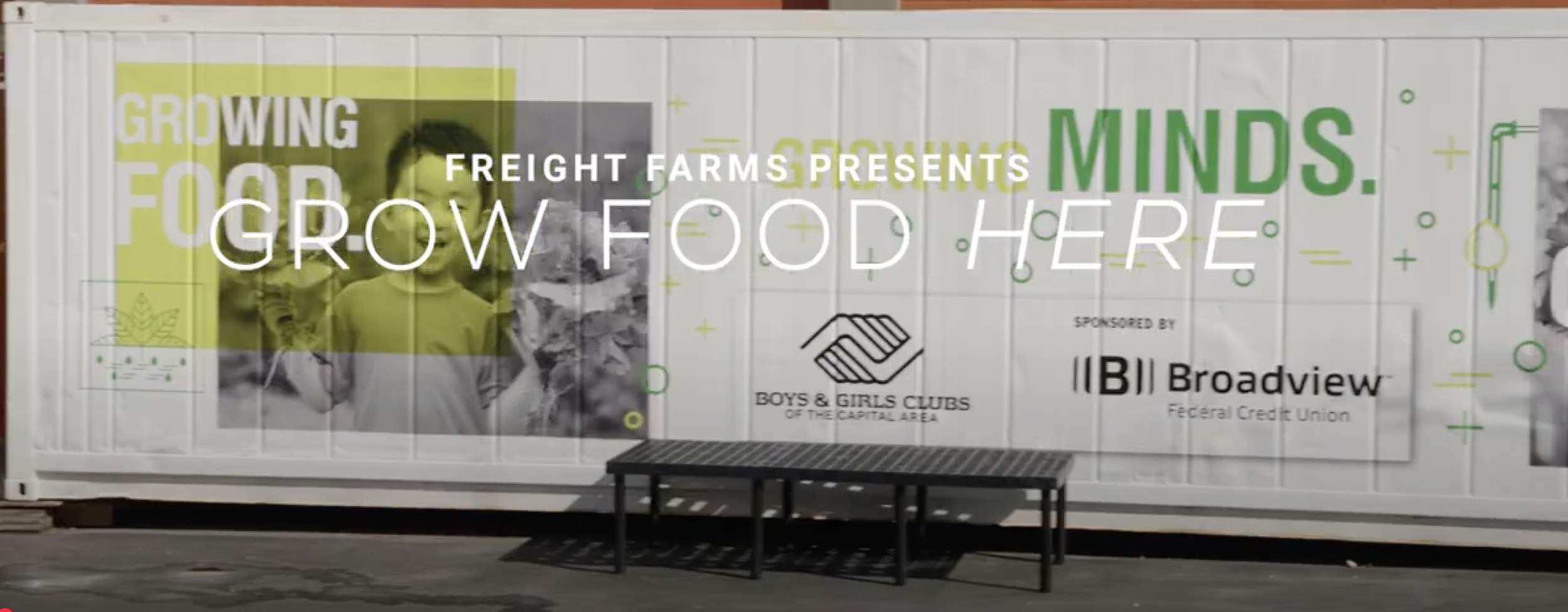
VIDEO - ALBANY, NEW YORK: Grow Food Here – Broadview Federal Credit Union
Discover how Broadview Federal Credit Union is transforming food security in Albany, NY through sustainable container farming!
Since 2018, Broadview has invested in four Freight Farms hydroponic container farms and donated three of them to local nonprofit organizations.
This initiative is helping fight food insecurity, provide hands-on farming education for kids, and improve community health outcomes. Learn how container farming makes fresh, healthy produce accessible year-round and supports local nonprofits in building a more sustainable future.
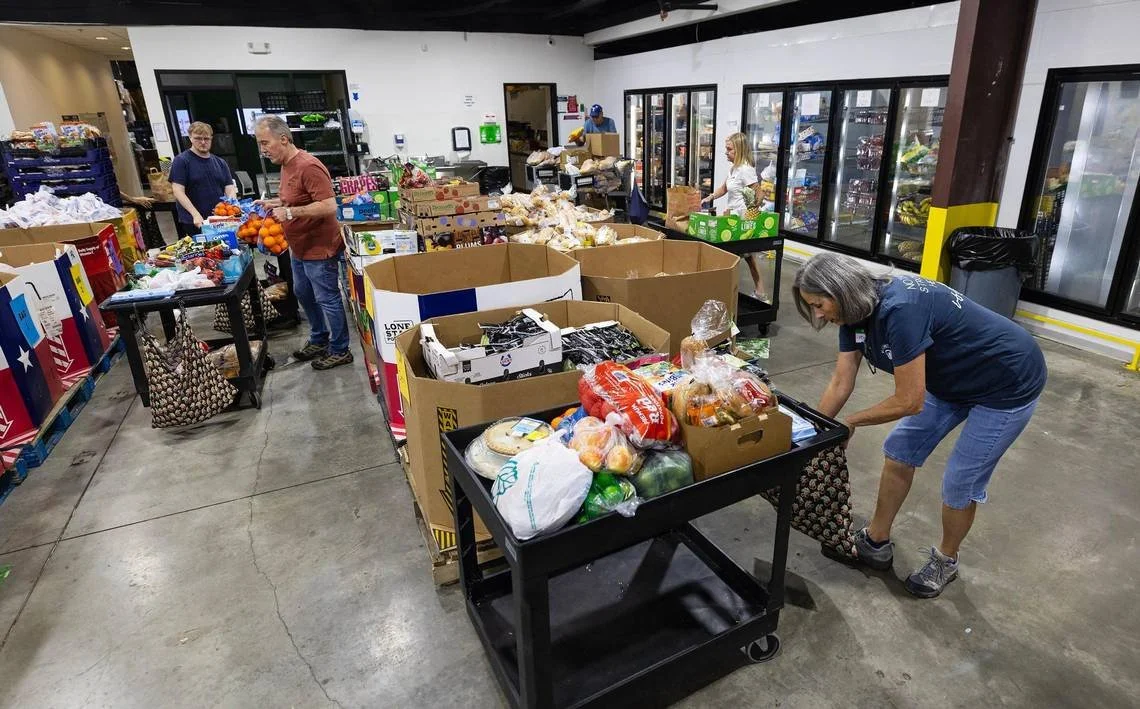
How This Group is Fighting Food Insecurity in Northwest Tarrant County
Community Link is addressing this through a new project called ‘Fresh Link Farms,’ a hydroponic freight farm that’s able to grow lettuce, leafy greens, herbs, root vegetables and edible flowers in a 320-square-foot space, which will be next to the Azle Farmers Market, a press release said.
“It looks just like a shipping container, but inside it’s a hydroponic vertical farm, and it will grow at max capacity about 1,000 heads of lettuce a week,” Harper said. Vanessa Thompson, food program manager, said that some customers have been coming to the pantry since it opened 20 years ago.
The pantry gives a variety of what is on hand each day: frozen food, meat, eggs, produce, bread, hygiene products, and pantry items like coffee and pet food.
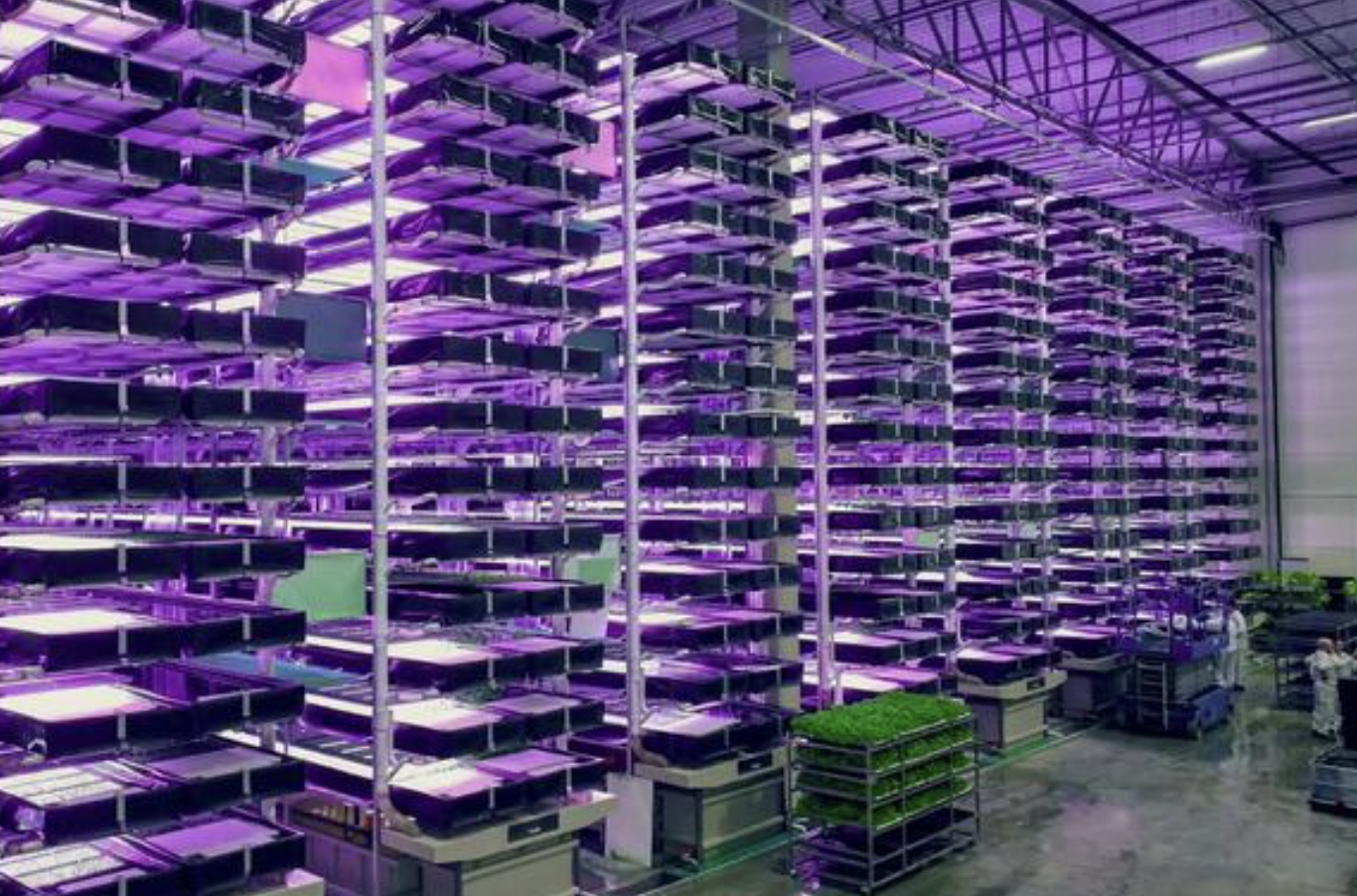
Researchers Discover 'Light Recipe' That Could Help Grow Food in Major Cities: 'There is a Growing Need'
Researchers from the University of York in the United Kingdom have developed a new model that could help farmers decide which "light recipe" to use in indoor farms to boost yields, which will come in handy as the world's population grows.
As the news release on the study, which was published in Quantitative Plant Biology, explained, the recipe is essentially different combinations of lighting that can be altered based on location and the type of plants grown. The research was conducted at the indoor urban farm Grow It York, which is uniquely located inside a shipping container. Vertically Urban, a UK-based horticultural lighting company, also collaborated on the study and analyzed how lighting impacted the growth of crops in various parts of the facility.
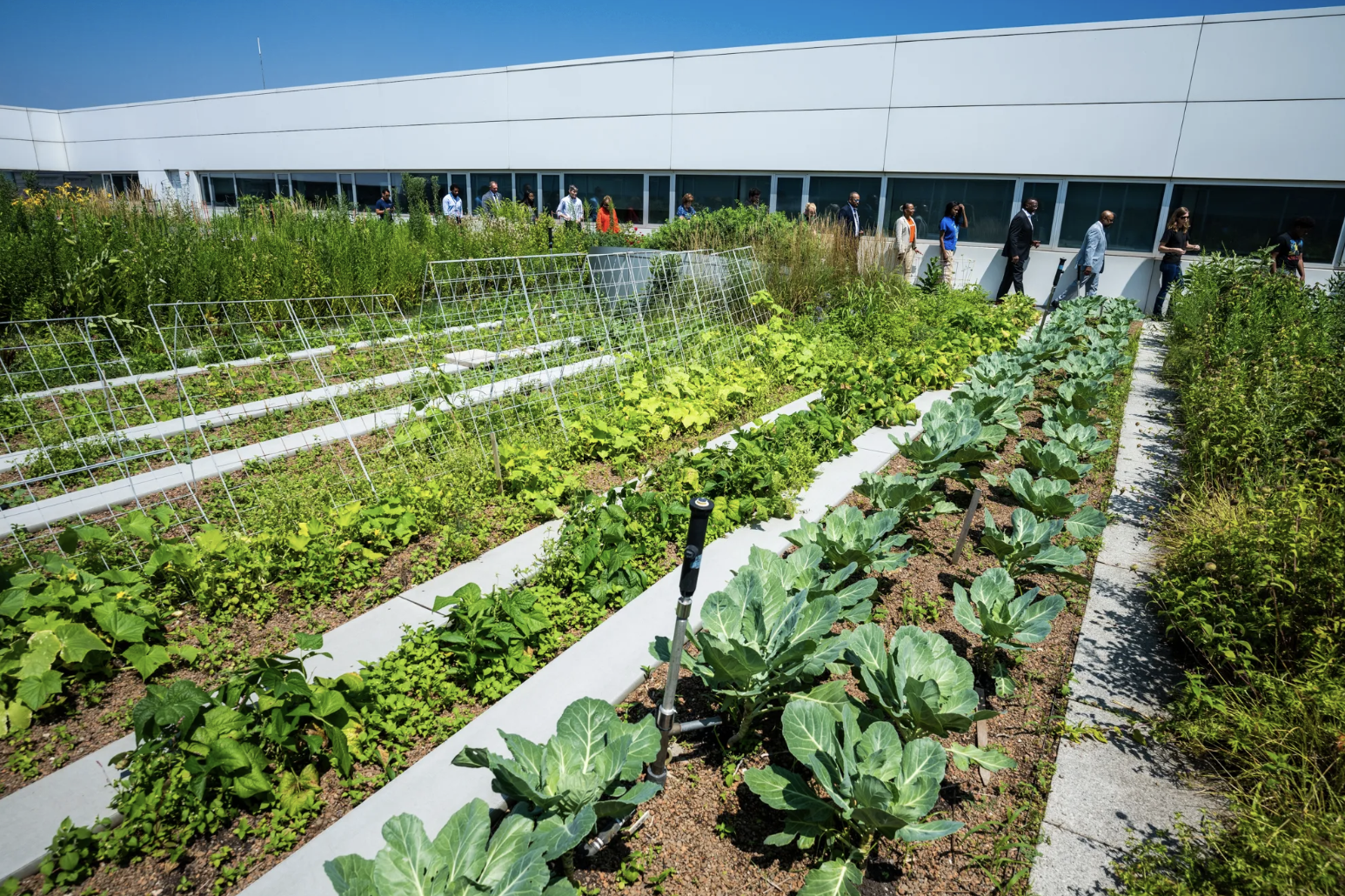
CHICAGO: Greater Grand Crossing Youth Center Gets $250,000 Grant To Expand Urban Farming Program
A South Side agricultural hub where young people grow food, cook healthy dishes and supply fresh produce for neighbors was one of 14 projects awarded a Neighborhood Opportunity Fund grant Thursday.
The Gary Comer Youth Center Food Sovereignty Hub will receive $250,000 through the grant program. Mayor Brandon Johnson joined campus leaders and Ald. Desmon Yancy (5th), whose ward includes the youth center, to announce the news in Greater Grand Crossing Wednesday.
The money will be used to expand the Food Sovereignty Hub, 7230 S. South Chicago Ave., which will include a greenhouse, an outdoor kitchen classroom, a Farmbox container farm with an indoor hydroponic garden, a newly designed commercial space for Farmers Markets and a chicken coop.
USA - VERMONT: Oxbow High School Sets Up Hydroponic Farm In Shipping Container
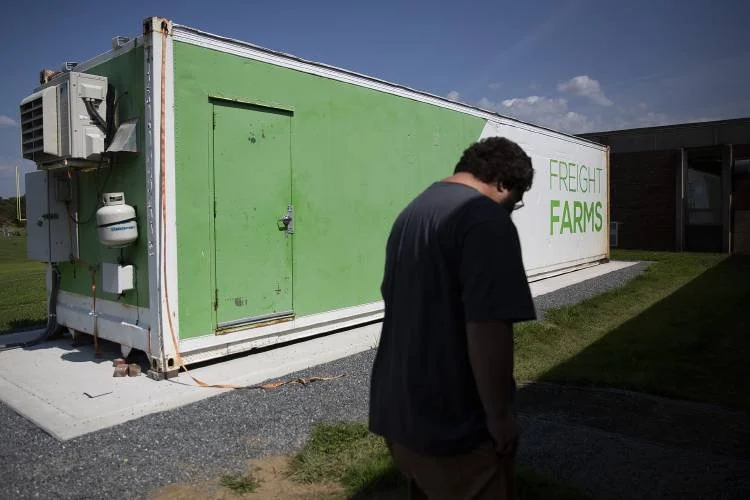
Oxbow High School is in the process of setting up a hydroponic farm built inside a modular container that will serve as an educational tool for students year-round.
Stony Brook University in New York donated the structure, which was designed by Boston-based company Freight Farms, to Oxbow last fall. An average Leafy Green Machine unit costs about $76,000.
Oxbow staff learned about Stony Brook’s plan to part ways with the Freight Farm through a facilities person at the college who is a relative of a staff member at Oxbow. The high school “seized the opportunity” to acquire the farm, Oxbow Principal Ken Cadow said via email.
Oxbow’s Freight Farm will be located behind the school’s library and STEM (science, technology, engineering and mathematics) lab, which opened last fall.
CANADA: ‘We Should Be Celebrating Our Food’: A Hydroponic Farm Will Make Culturally Relevant Food Accessible to African Nova Scotians
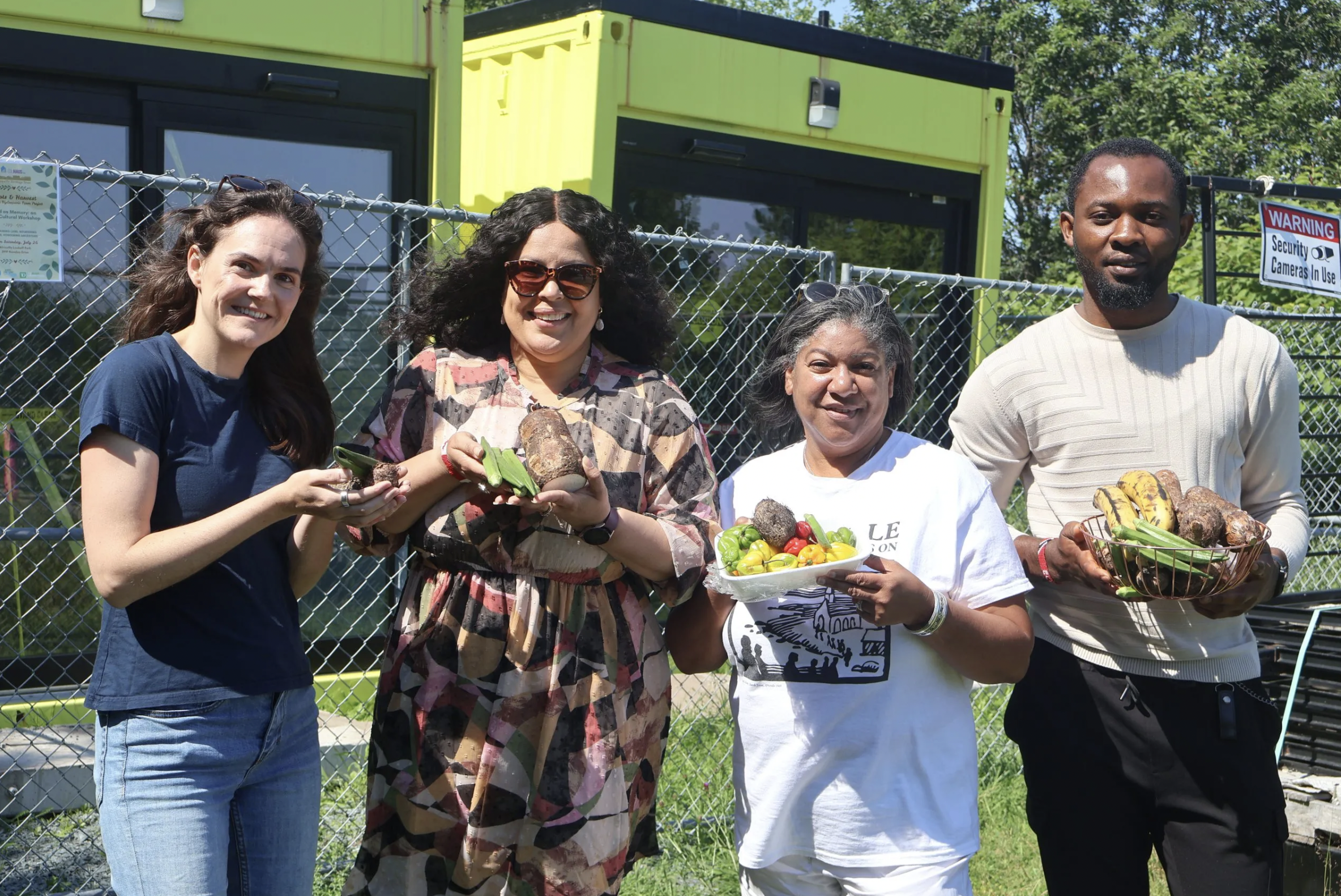
On Saturday morning, a hydroponic farm was launched at Africville Lookoff Park to provide the immigrant and African Nova Scotian communities access to culturally relevant food.
The project, co-founded by Dr. Simone Le Gendre and Chukwuku Orji under EduHaus Inc., is called the Roots and Harvest Africville Farm Project. It was initiated when Feed Nova Scotia announced its Shipping Containers Community Pitch Project — which called for pitches from community organizations working to promote food justice.
The co-founders participated in the contest and won two shipping containers. They then converted the containers into an AI-powered hydroponic farm with the help of several partners, including Halifax Regional Municipality.
CEA Advisors Delivers First Tissue Culture Growtainer® Lab to Nash Nurseries
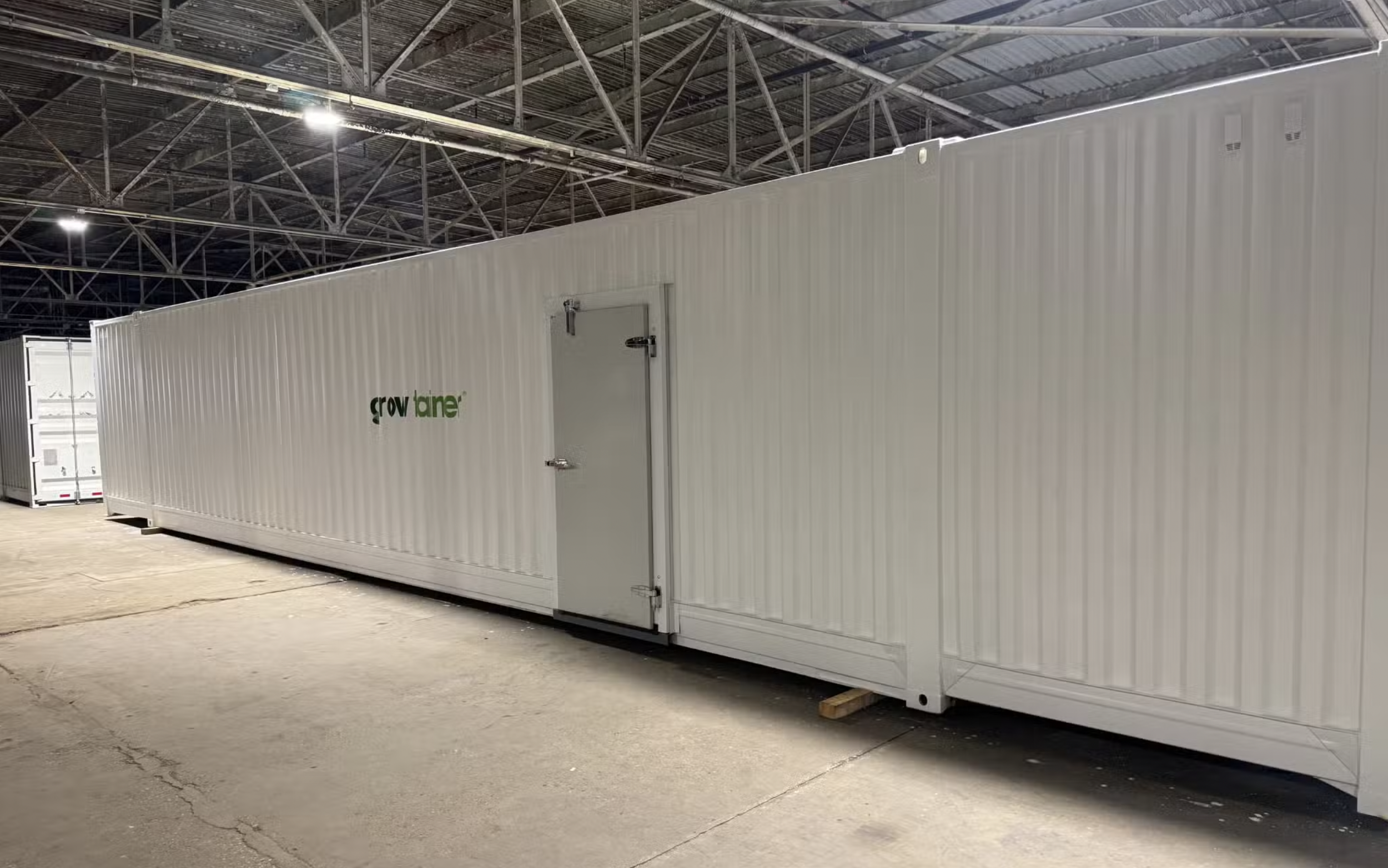
CEA Advisors, in collaboration with Hydrofarm and Sycamore, Illinois-based CM-Fabrication, has announced the delivery of its first Tissue Culture Micropropagation Growtainer® Lab to Nash Nurseries in Owosso, Michigan. The nursery, which has been in operation for over 160 years, specializes in chestnuts, pawpaws, trees, shrubs, and ornamentals.
The Growtainer® Lab is designed to support plant tissue culture and micropropagation through a controlled, modular system housed within insulated shipping containers.
VIDEO: Maine Harvest Farms - Delivery of a Freight Farms Shipping Container Farm
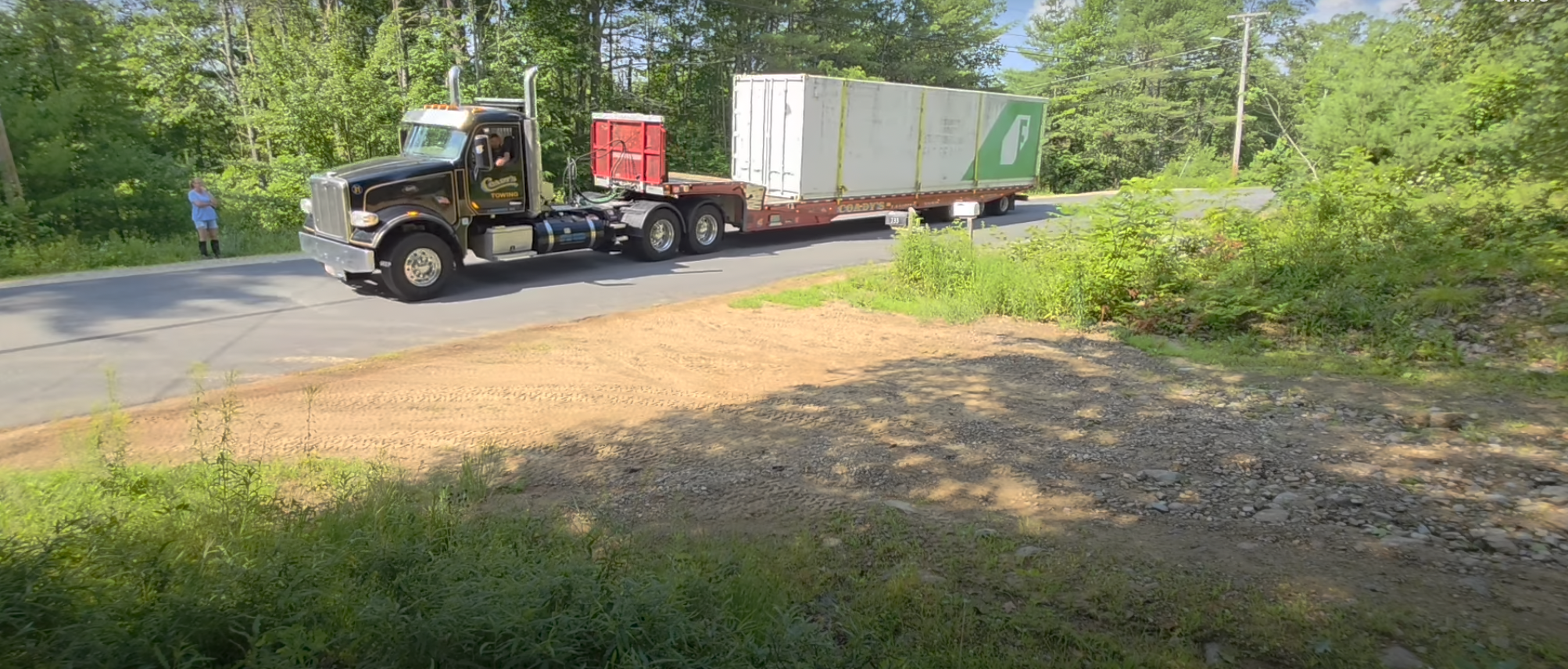
VIDEO: Maine Harvest Farms - Delivery of a Freight Farms Shipping Container Farm.
Welcome to Maine Harvest Farms! We are a farm located in Southern Maine offering all-natural locally produced farm products to our customers.
We will be partnering with other local Maine Farmers to offer you a wide selection of high-quality and ethically raised beef, poultry, pork, produce, and more!

Hale Kipa Installs ‘Freight Farm’ in Ewa Beach, Honolulu, Hawaii
Venus Kau’iokawekiu Rosete-Medeiros, right, CEO of Hale Kipa, and Gerry Labiste, left, communications manager at Hale Kipa, walk toward the Freight Farm structure, Thursday, July 24, 2025, in Ewa Beach.
Hale Kipa installed the “Freight Farm,” a hydroponic agricultural facility built inside of a shipping container, which can grow 2 to 6 tons of green crops a year.
Homeless and at-risk shelter residents will cultivate their own healthy food and share with the community.
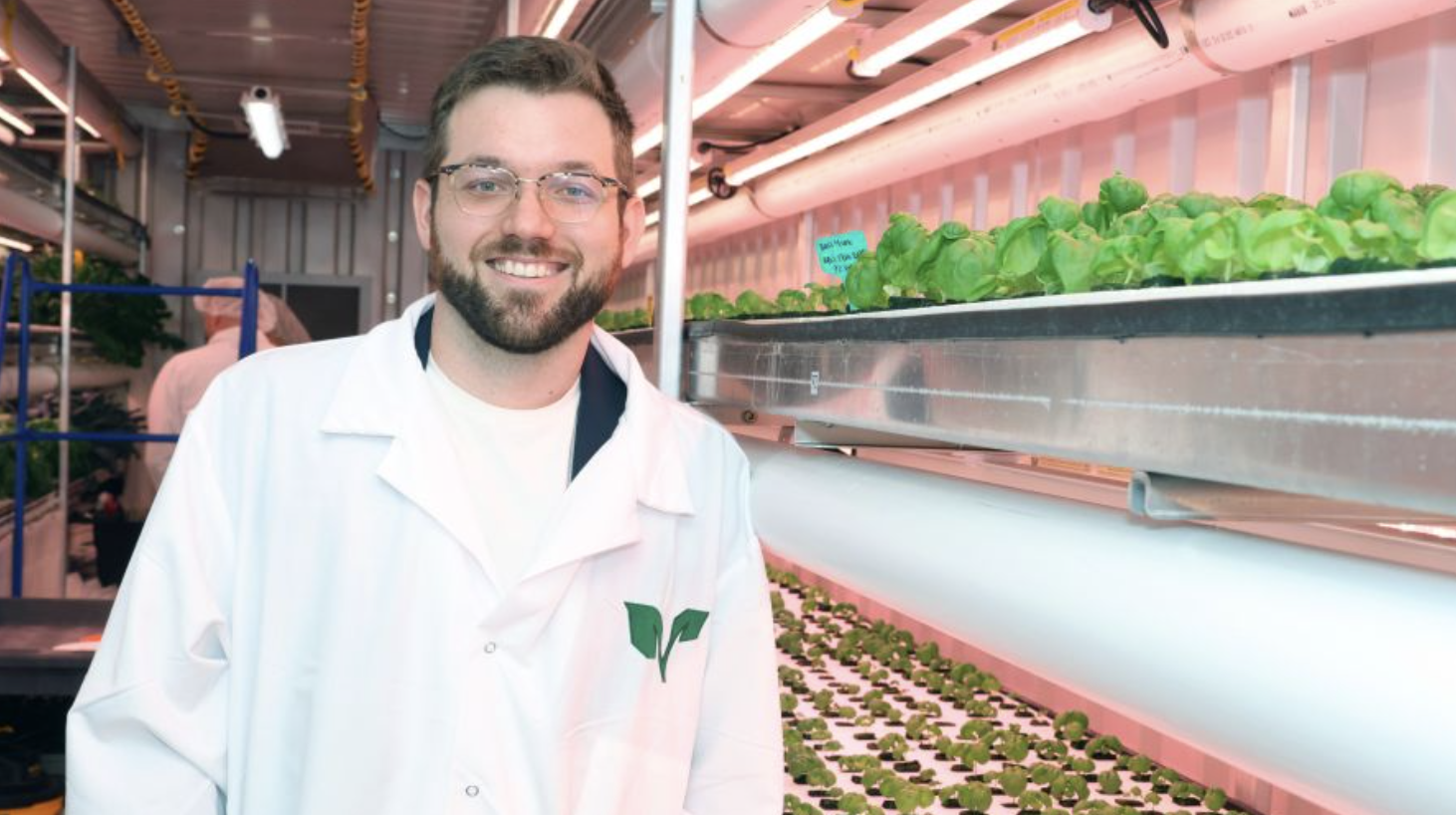
Q&A: Growcer’s CEO on Container Farm Profitability and What’s Next for Freight Farms Growers
Even with vertical farming’s recent struggles, the Freight Farms’ bankruptcy announcement in April 2025 came as a shock. The company, founded in 2011, had been one of the first to commercialize container farming, selling turnkey hydroponic farms housed in retrofitted shipping containers.
It had grown to serve more than 600 customers in all 50 U.S. states and was developing a widespread presence around the world. The day after the bankruptcy announcement, Freight Farms growers were informed via email that they no longer had access to tech support, core software platforms, farm supplies, or replacement parts.
VIDEO: Vertical Farm Grows Sustainable Food Production, Student Learning Opportunities
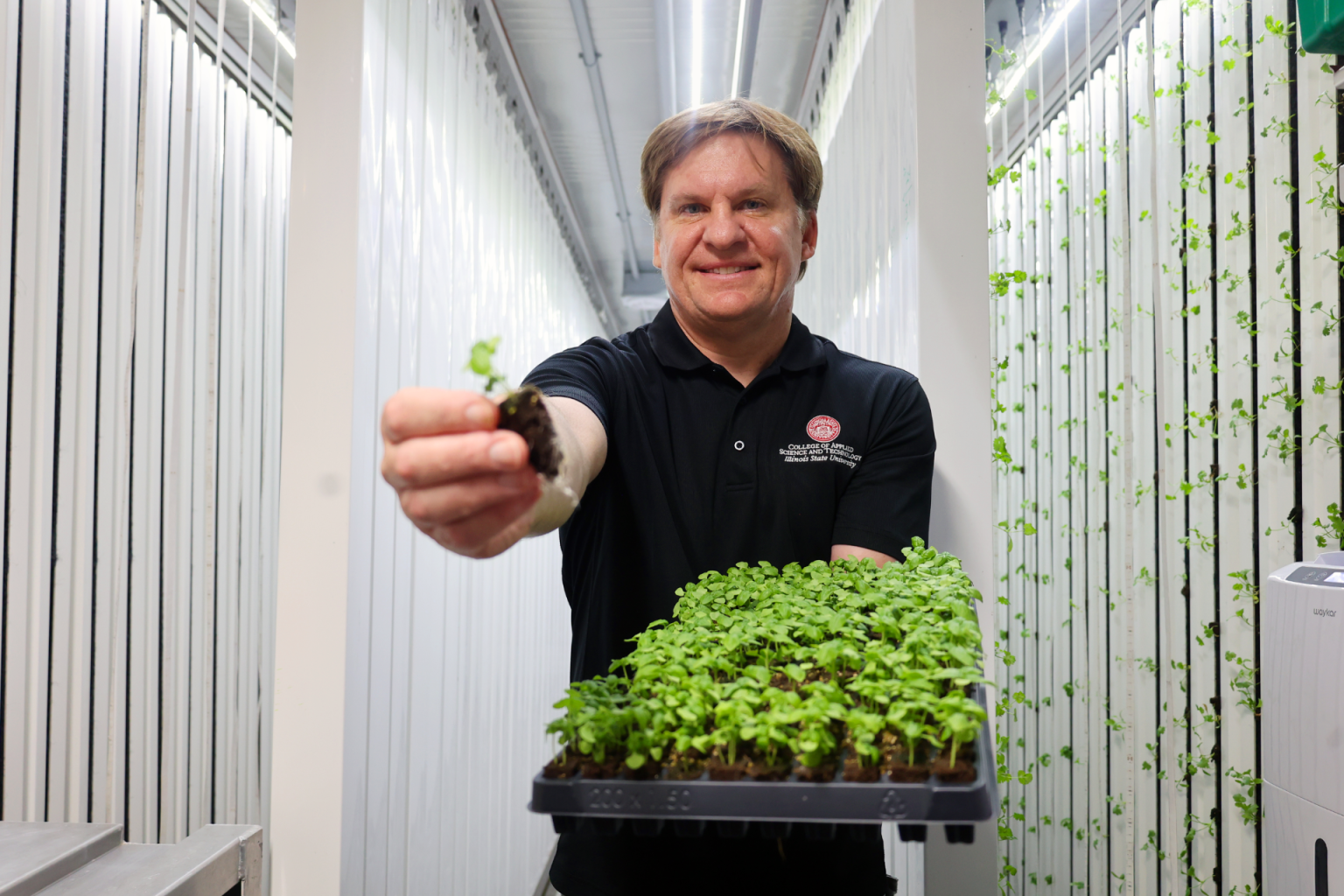
Illinois State University has launched its first Vertical Farm, a high-tech, climate-controlled agriculture system housed inside a repurposed shipping container. After years of planning, the farm opened in the spring and is now producing its first crop of leafy greens, with a focus on student learning and sustainable food production.
“This project started five years ago, so to finally have seeds growing and students involved is incredibly rewarding,” said Dr. David Kopsell, a horticulture professor in the Department of Agriculture. “We’re creating an environment where plants can thrive year-round, and where students can explore the future of food.”
Study Helps Urban Farmers Create 'Light Recipe' To Increase Crop Yield
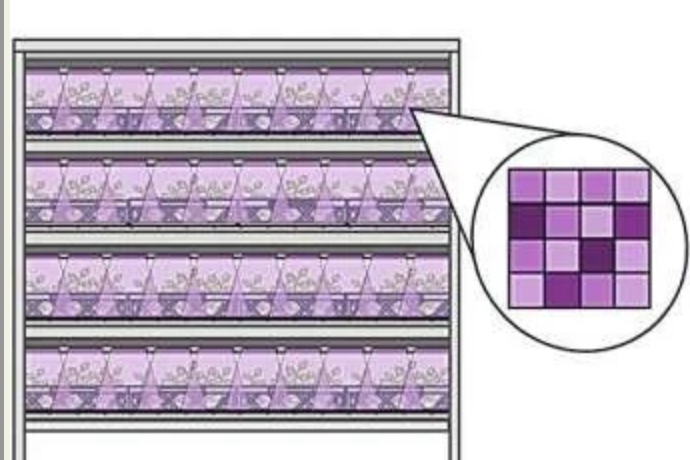
Researchers have developed a new formula to allow urban farmers to design their own "light recipe"—a combination of different colors of lighting that could help increase crop yields in vertical farms.
The study, conducted at Grow It York, an indoor urban community farm based in a shipping container at SPARK in the city, developed a mathematical model that could help inform urban farmers of how light varies in different areas of a confined space and how to use this information to design better lighting systems.
“We Believe Canada’s Food Producers Can Lead The World in Sustainable, High-Output Agriculture”
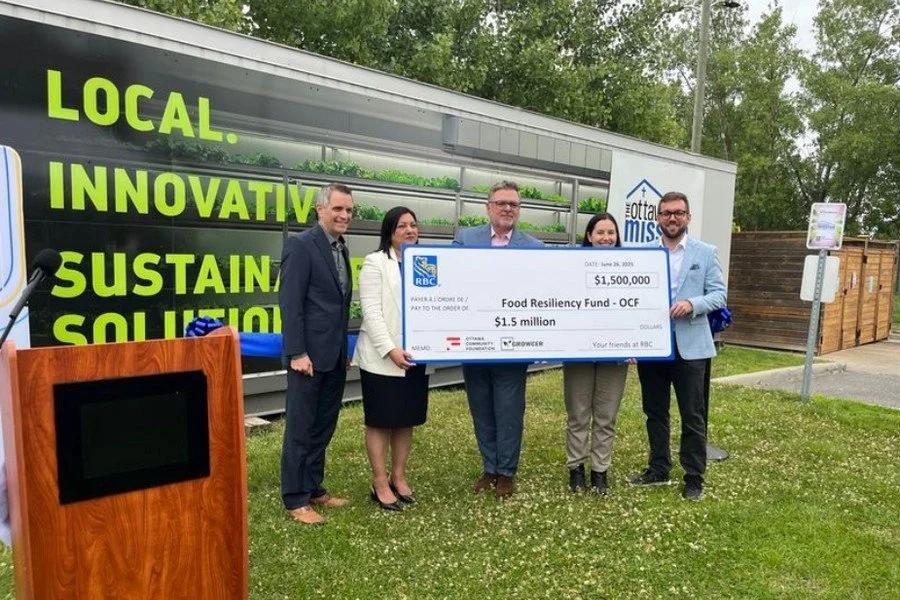
Through partnerships with Growcer, food banks, and community farms, the Royal Bank of Canada (RBC) is positioning vertical farming and controlled environment agriculture (CEA) as a strategic solution to climate, skills, and food access challenges.
When The Ottawa Mission, the city's oldest homeless shelter, recently installed two modular vertical farms, it became more than a food relief effort. The project, a partnership between the shelter, agtech firm Growcer, and the Royal Bank of Canada, represented a collaboration that merges philanthropy with infrastructure building.
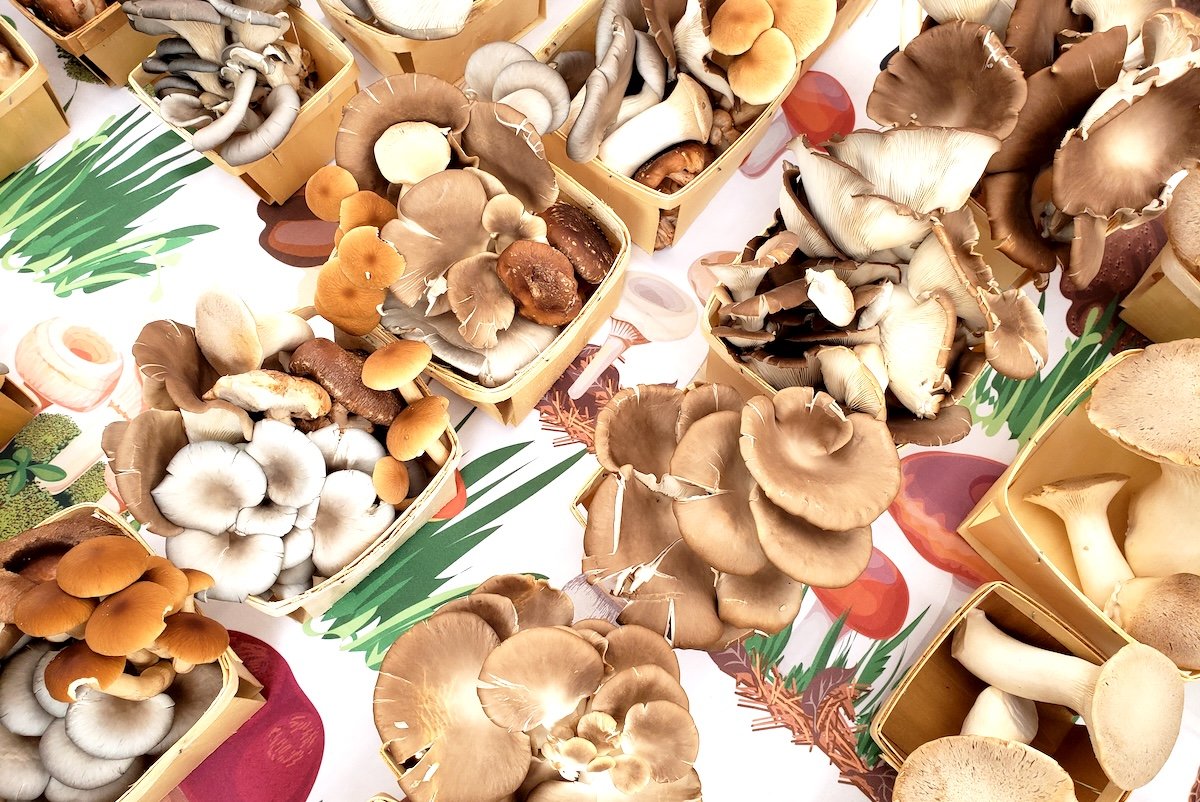
Farmed Mushrooms Are Getting Popular, and Denver Is So Here For It
We all like to think that the fancy gourmet mushrooms advertised on the menu of our favorite restaurant were foraged in the wild by a grey bearded man with a wooden cane, knee-high forester boots, and a feathered fedora.
In reality, those mushrooms were likely grown on a farm. But when we say mushroom farm it’s sometimes a climate-controlled shipping container sitting in a gravel parking lot somewhere on the outskirts of town. While this doesn’t sound as glamorous as gallivanting around the woods, the mushrooms are just as good.
Growing Smarter: Rethinking Sustainability in Controlled Environment Agriculture
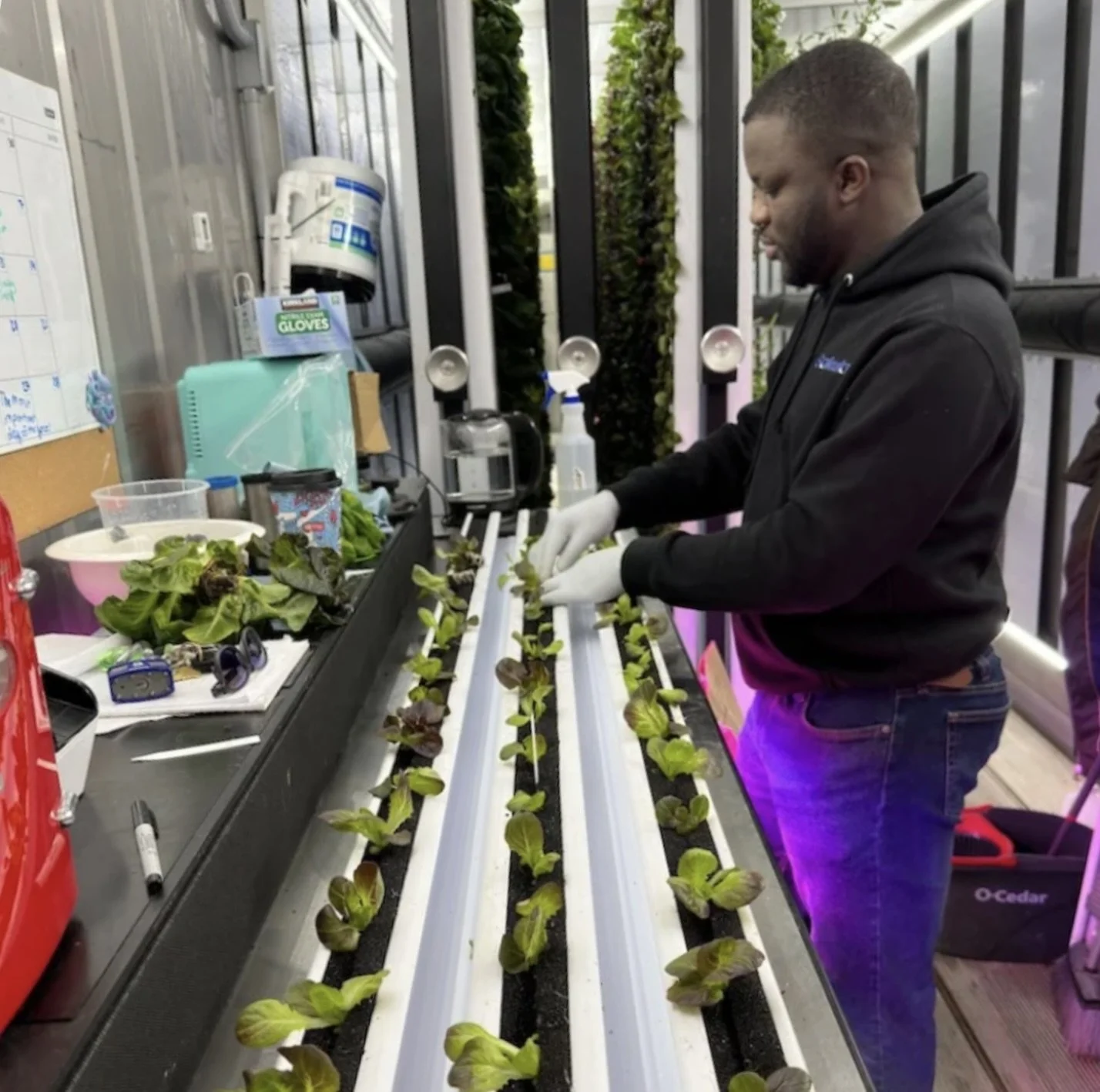
According to the U.S. Department of Agriculture, the number of Controlled Environment Agriculture operations in the United States more than doubled between 2009 and 2019, from 1,476 to 2,994. As Aliu began to research the motivations behind this growth, he found that the discourse around CEAs was theoretical or promotional in nature–an unhelpful “agricultural techsplaining” approach to an increasingly consequential method in the food system.
“There was a clear and urgent need for real-world, holistic data, and that was the inspiration for my dissertation,” he says. “I saw the opportunity to, at the very least, foreground and perhaps trailblaze situational and operational approaches to system sustainability in this rapidly evolving sector.”