

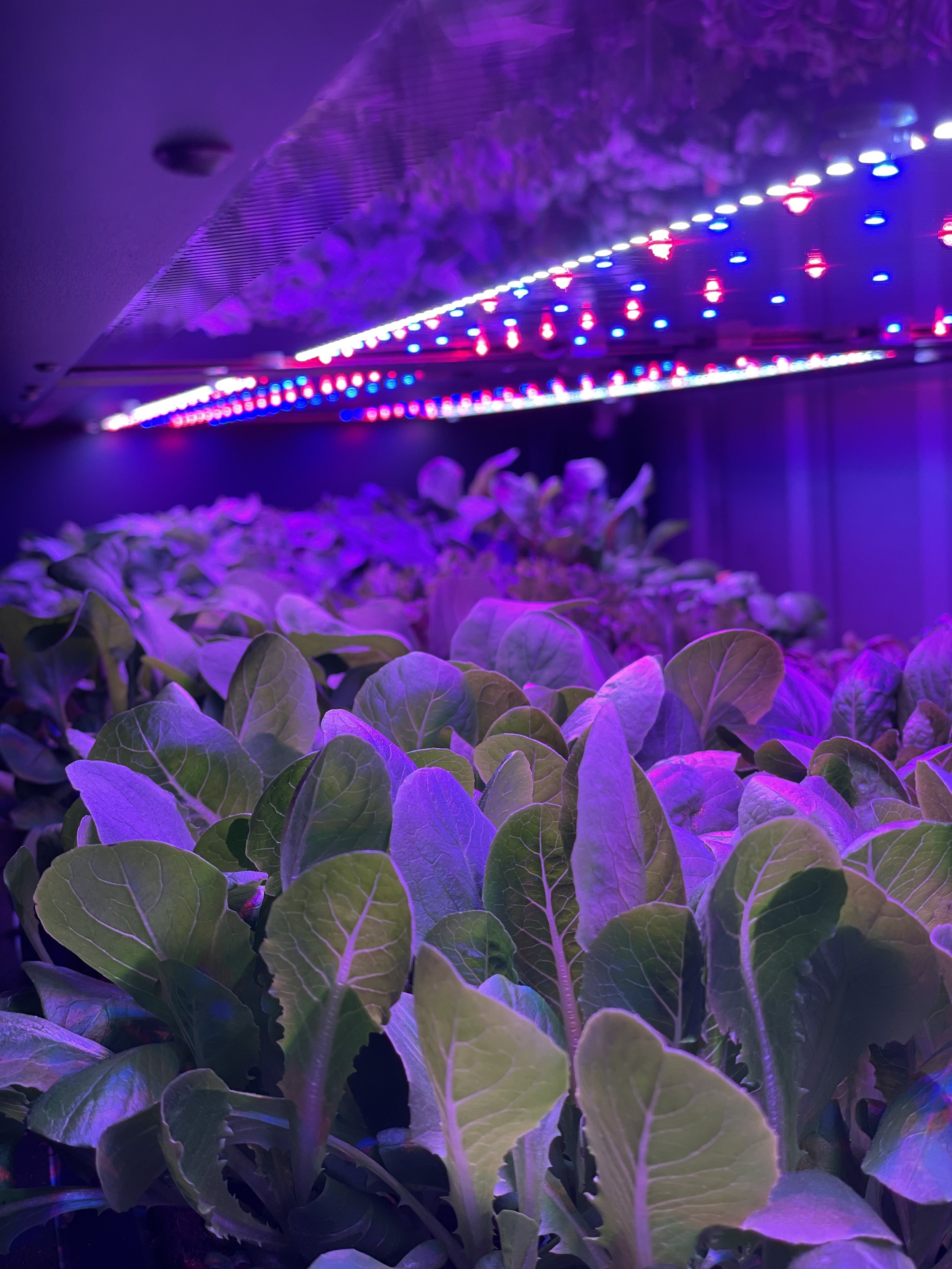
News About Farming in Shipping Containers & Limited Indoor Spaces
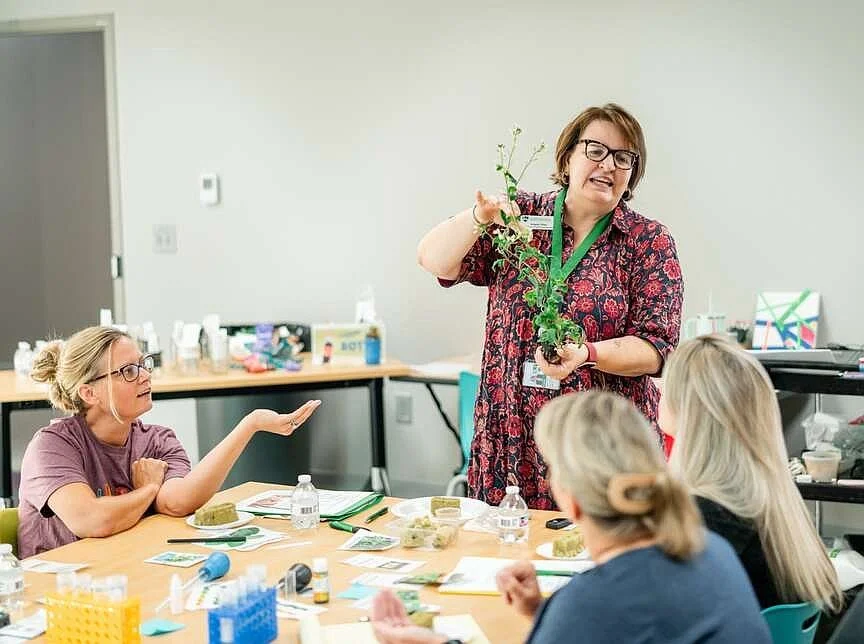
Arkansas Colleges of Health Education Brings Hands-On Learning to Area Classrooms Through Hydroponic Gardens
The Arkansas Colleges of Health Education Research Institute Health & Wellness Center expanded its hydroponic gardening efforts this summer by equipping area teachers with the tools and knowledge to bring hydroponics directly into their classrooms.
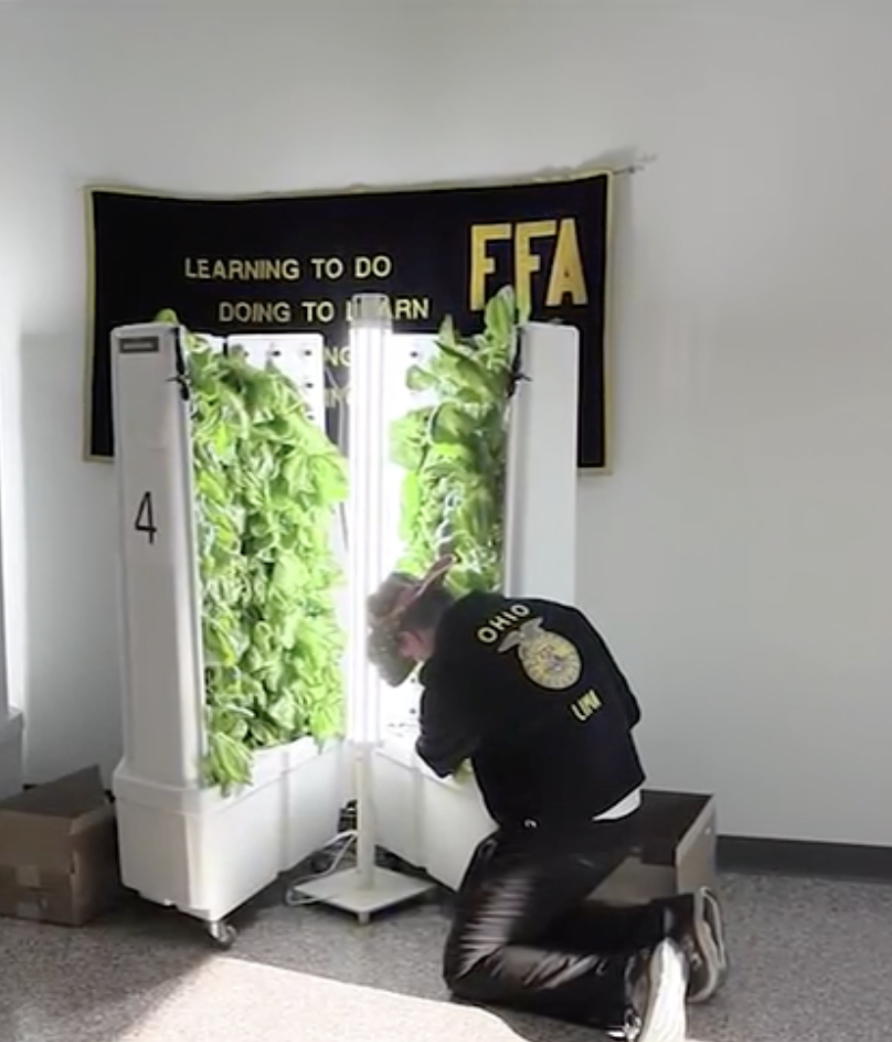
USA - OHIO: Lima Senior Agriculture Students Turn Hydroponic Towers into Fresh Food for the Community
It’s a win-win as Lima City Schools and the West Ohio Food Bank partner to provide fresh produce while addressing food insecurity in the area.
The West Ohio Food Bank used grant dollars to purchase five hydroponic growing towers for the program. Students plant, care for and harvest leafy greens, including lettuce, arugula and collard greens.
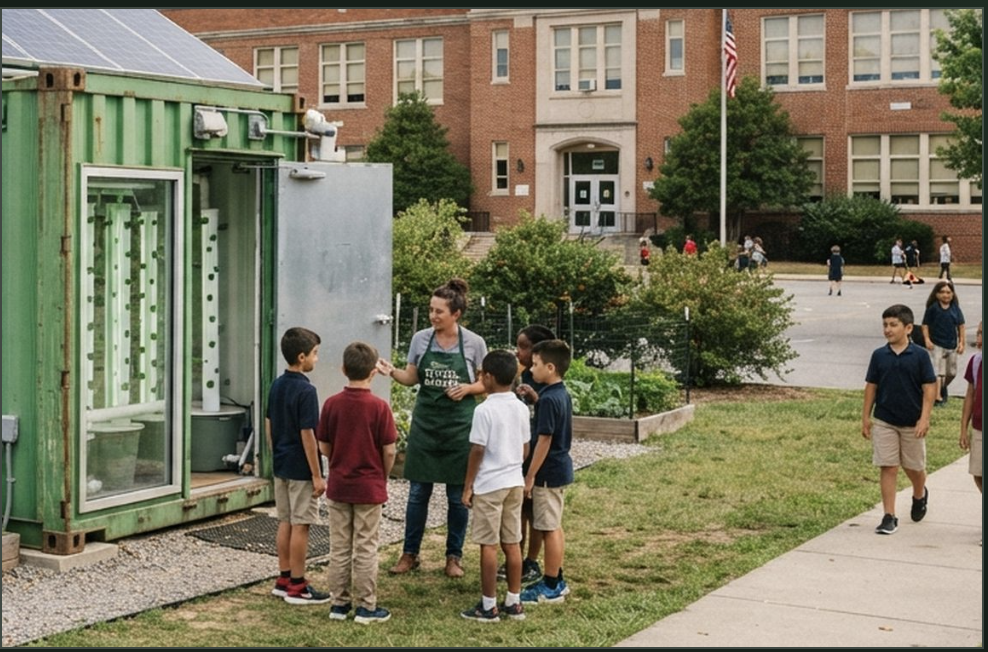
Growin’ Up Organic
Most schools stop at "we'd need a grant." There are five other ways to fund a container farm, and one of them probably already fits your calendar. Answer five questions and find out which.
CANADA: Growing Mushrooms With AI
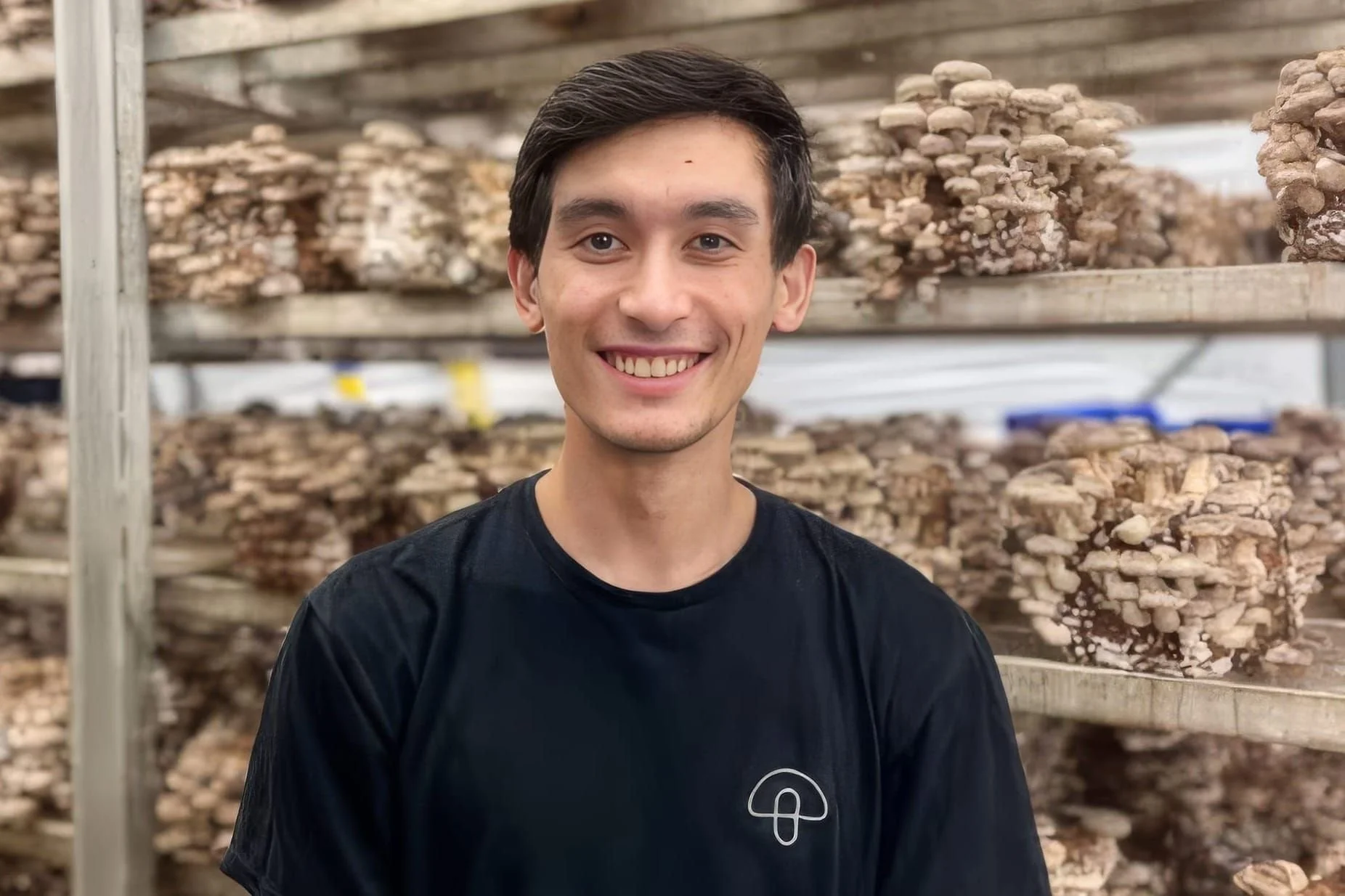
Officially founded in Toronto by Christopher Klich and Justin Cheng, the startup joined the University of Waterloo’s Velocity incubator in mid-2023 to scale its AI-driven gourmet mushroom farms in shipping containers.
USA - ARKANSAS: Fort FireFly Opens in Fort Smith; Teachers Learn About Hydroponic Gardens
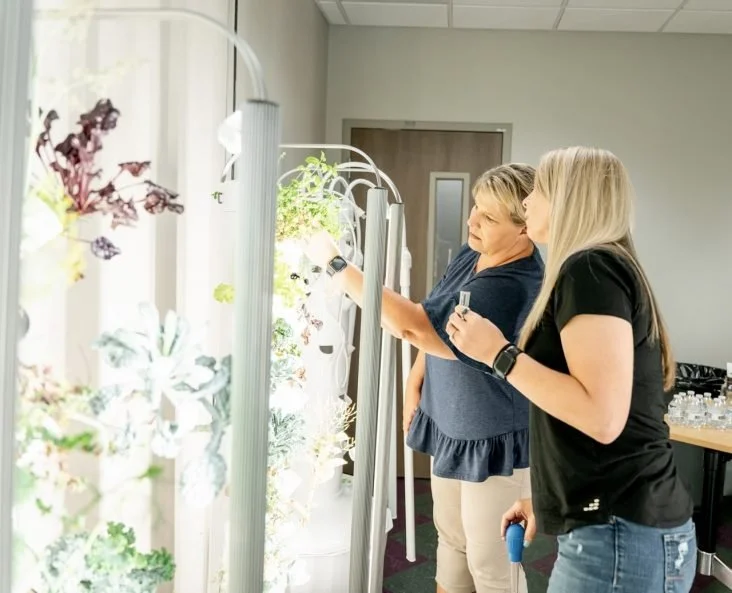
This summer, the Arkansas Colleges of Health Education (ACHE) Research Institute Health & Wellness Center (RIHWC) expanded its hydroponic gardening efforts by equipping area teachers with the tools and knowledge to bring hydroponics directly into their classrooms.
Growing Good: Steel Shells Incubate Incredibly Productive Microfarms
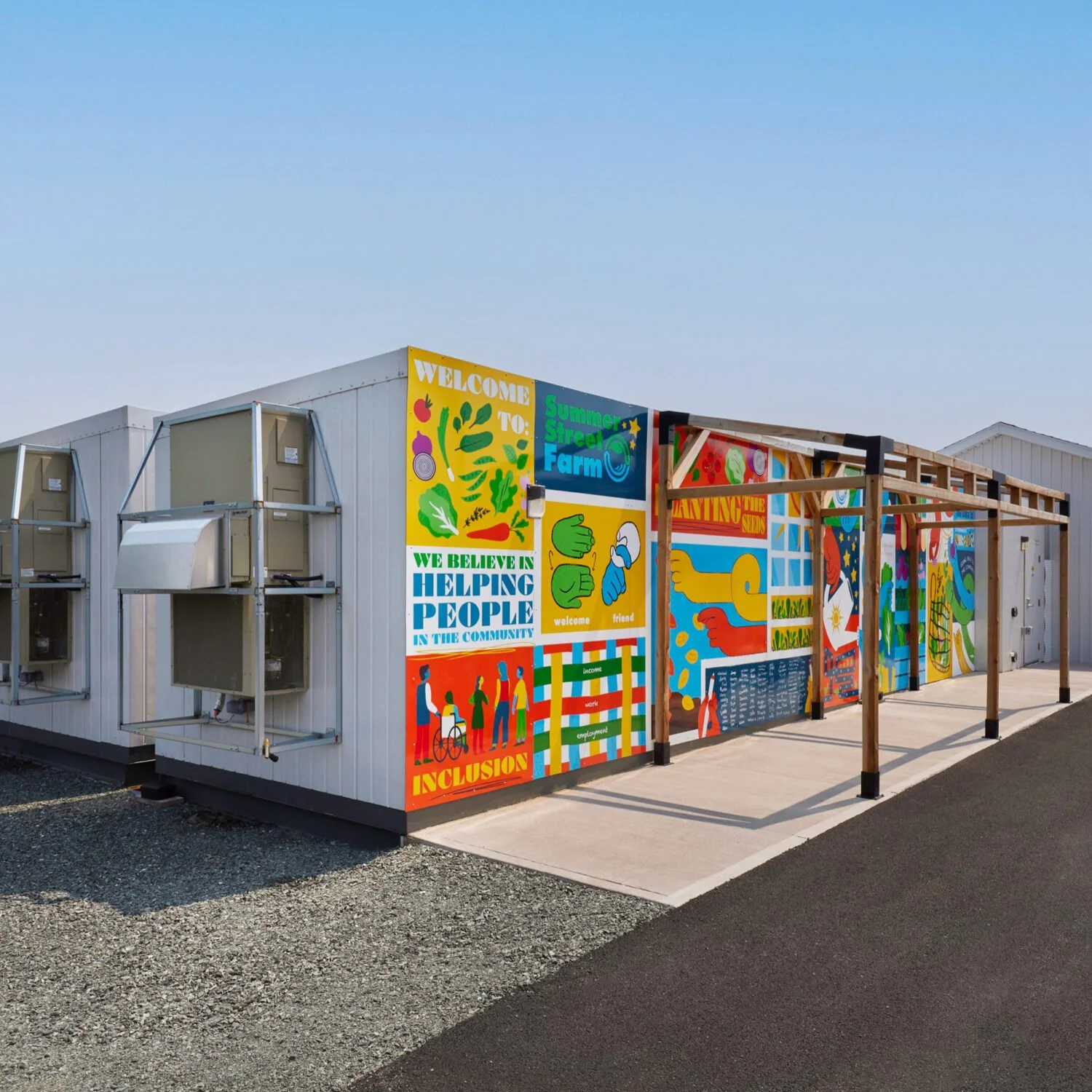
The hydroponic farm is designed by Growcer, an Ottawa-based company that was initially founded in response to high food costs in northern communities. It’s a serious need — according to Statistics Canada, 60% of Nunavut (Canada’s northernmost territory) residents are food insecure, and food prices have risen by 22% (as opposed to 12% across the rest of the country) in recent years.
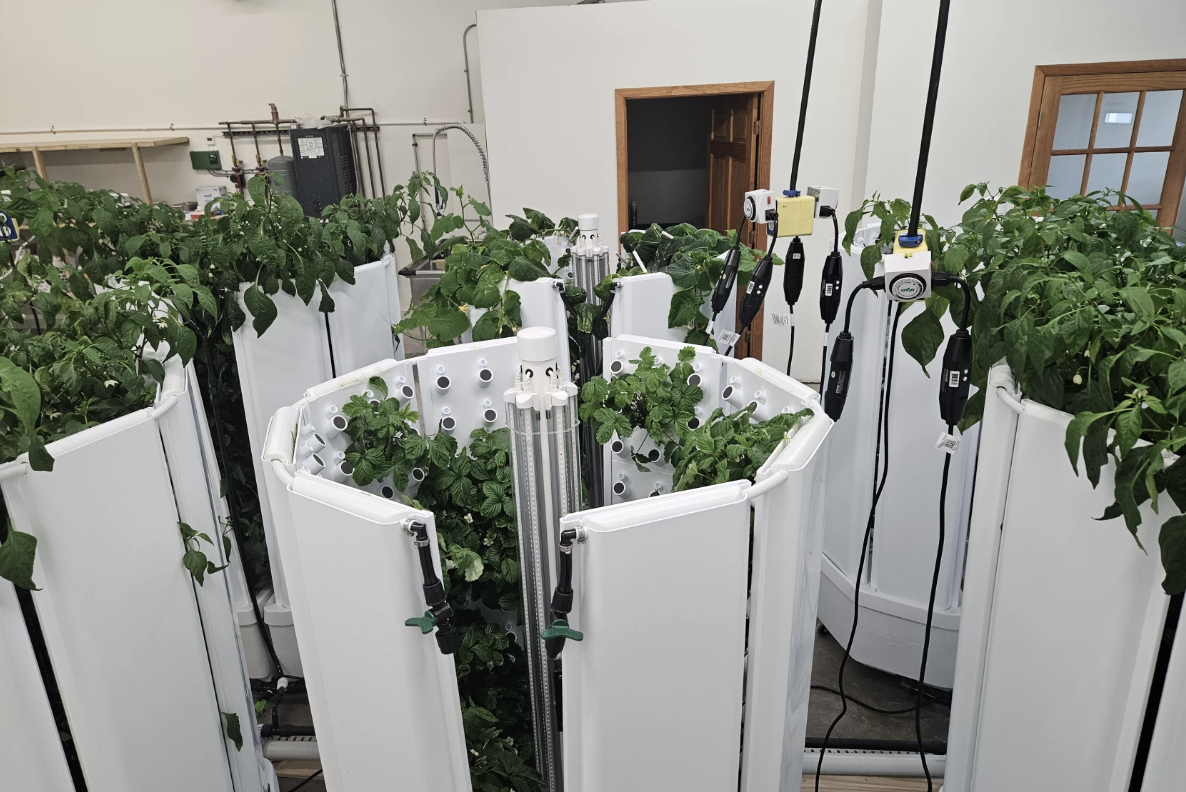
Hydroponics Are a Big Hit at The Detroit Lakes Boys and Girls Club
What began as a singular machine in 2021 has blossomed into a state-of-the-art hydroponics hub operated by the Boys and Girls Club of Detroit Lakes.
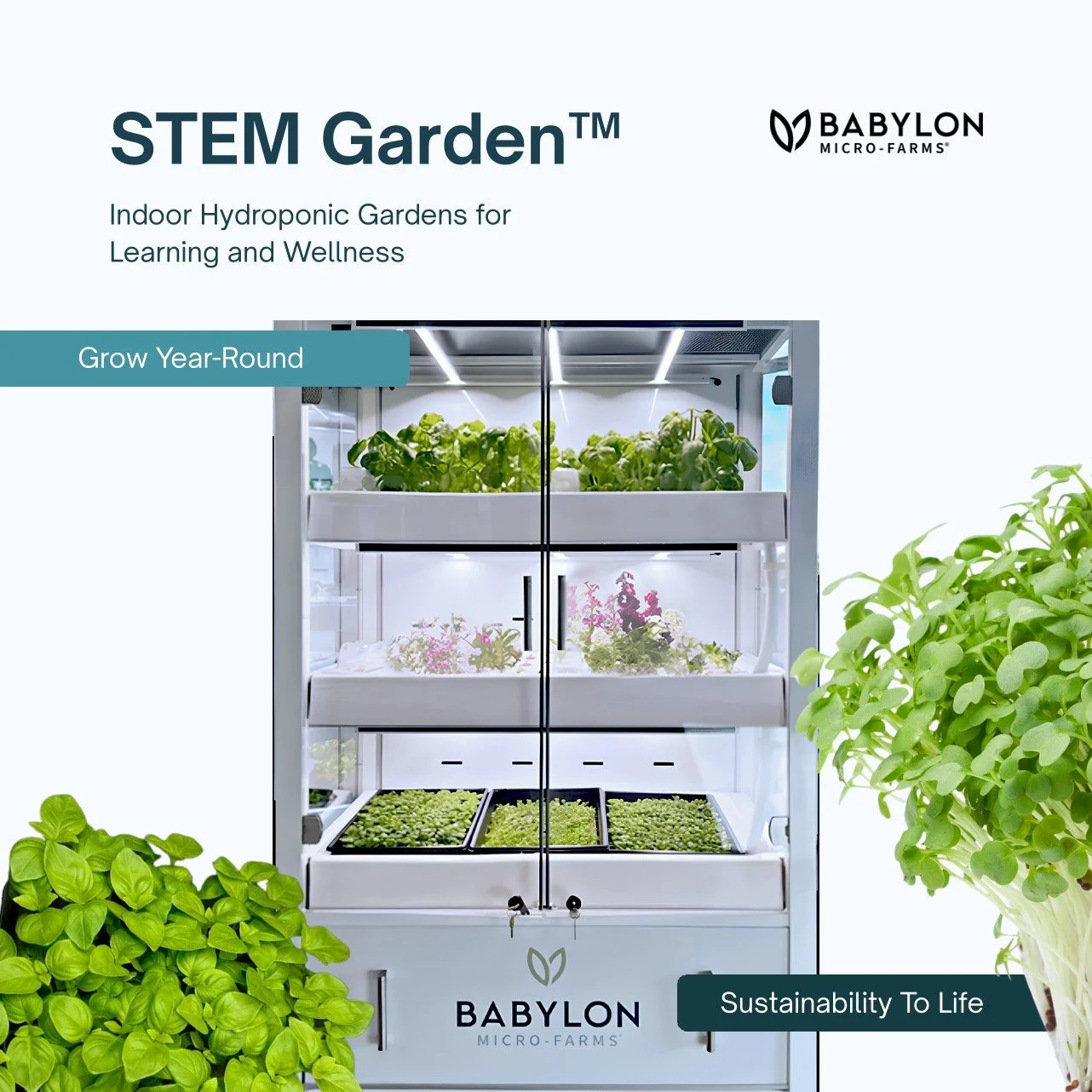
What Can You Grow in a STEM Garden™
STEM Garden™ by Babylon Micro-Farms brings the benefits of indoor growing into schools, senior living communities, libraries, community centers, wellness spaces, and shared environments where people gather, learn, and connect.
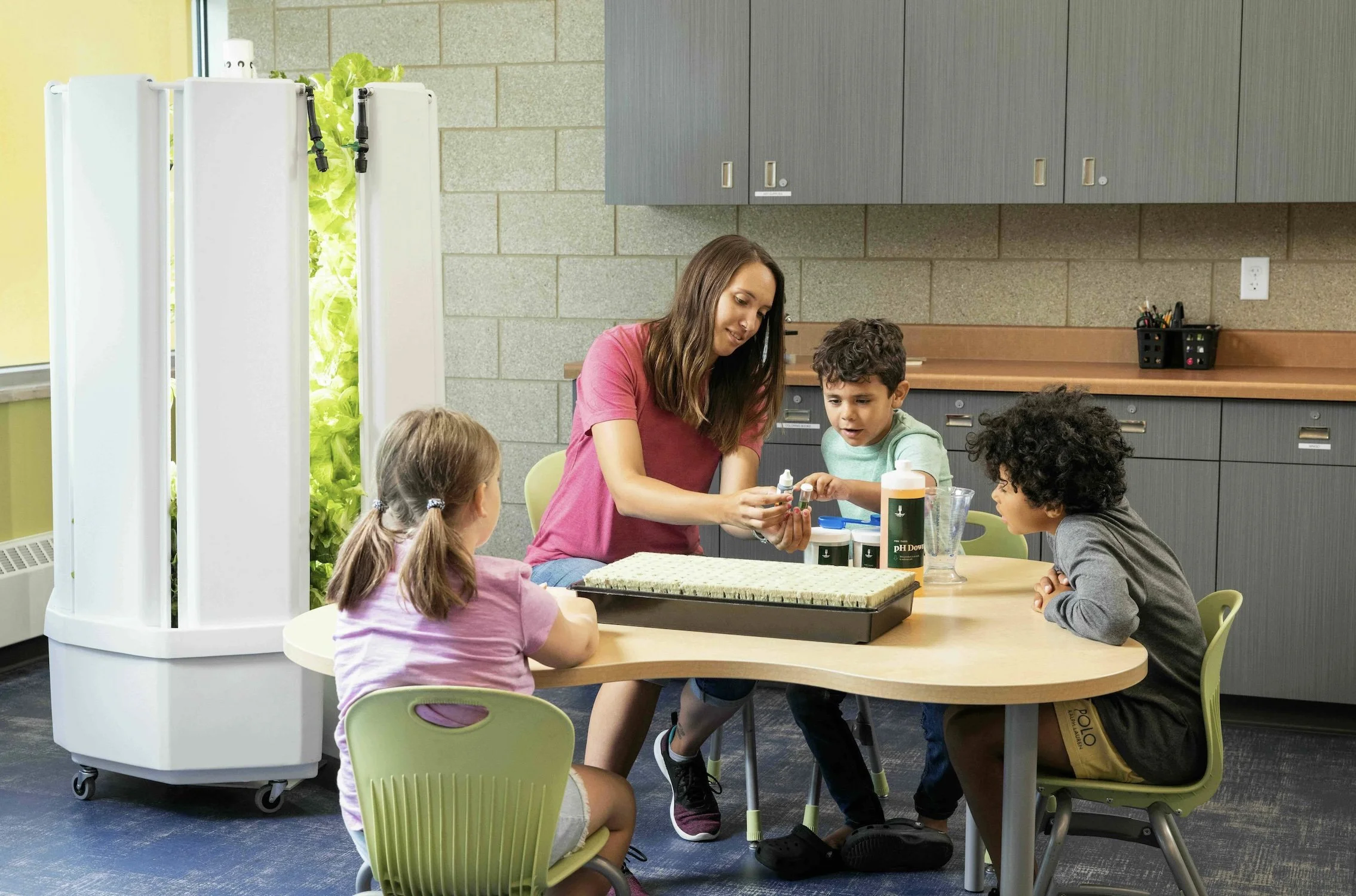
Fork Farms Launches New School Growing Guide to Help Districts Bring Fresh Food, STEM, and Student Engagement Together
When schools grow food on-site, they're creating opportunities for students to connect with where food comes from, supporting healthier meals, and turning classrooms into living laboratories.”
— Alex Tyink, CEO of Fork Farms
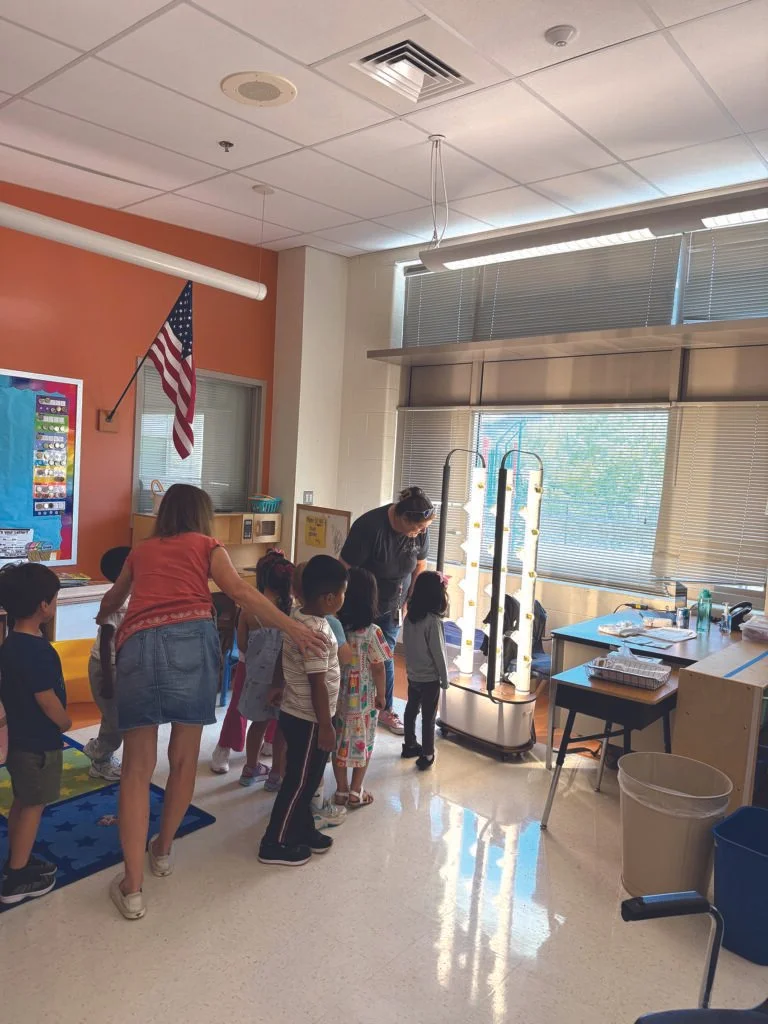
USA - MARYLAND: Gardyn Hydroponic Systems Installed at Howard County Schools
The Howard County Food Council has installed Gardyn Hydroponic Systems at seven county schools to grow fresh vegetables, herbs, and flowers through hands-on instruction with students.

Innovation in a Changing Ag Economy Highlighted at Midwest Agriculture Summit
Fork Farms, an indoor hydroponic farming company based in Green Bay, Wisconsin, helps people grow their own food. Company founder and CEO Alex Tyink believes in the importance of building resiliency and access to fresh produce in communities.
“The whole purpose behind what we're doing is we're trying to get fresh food more within reach to everybody everywhere,” he said.
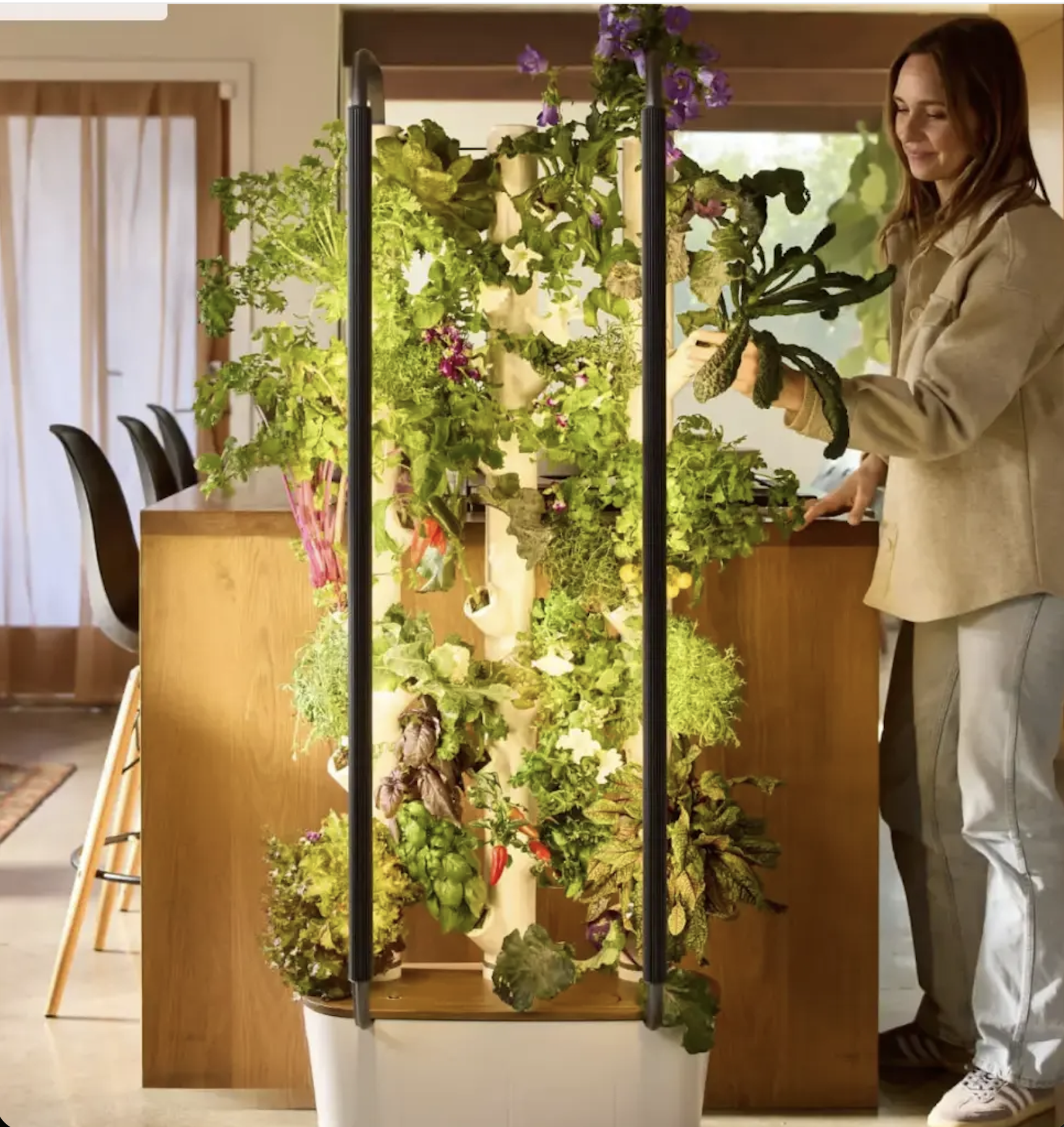
USA - MARYLAND: Howard County Students Grow Fresh Produce in Schools Via Hydroponic Gardening Systems
The Howard County Food Council (HCFC) has installed Gardyn Hydroponic Systems at seven County schools to grow fresh vegetables, herbs, and flowers through hands-on instruction with students.
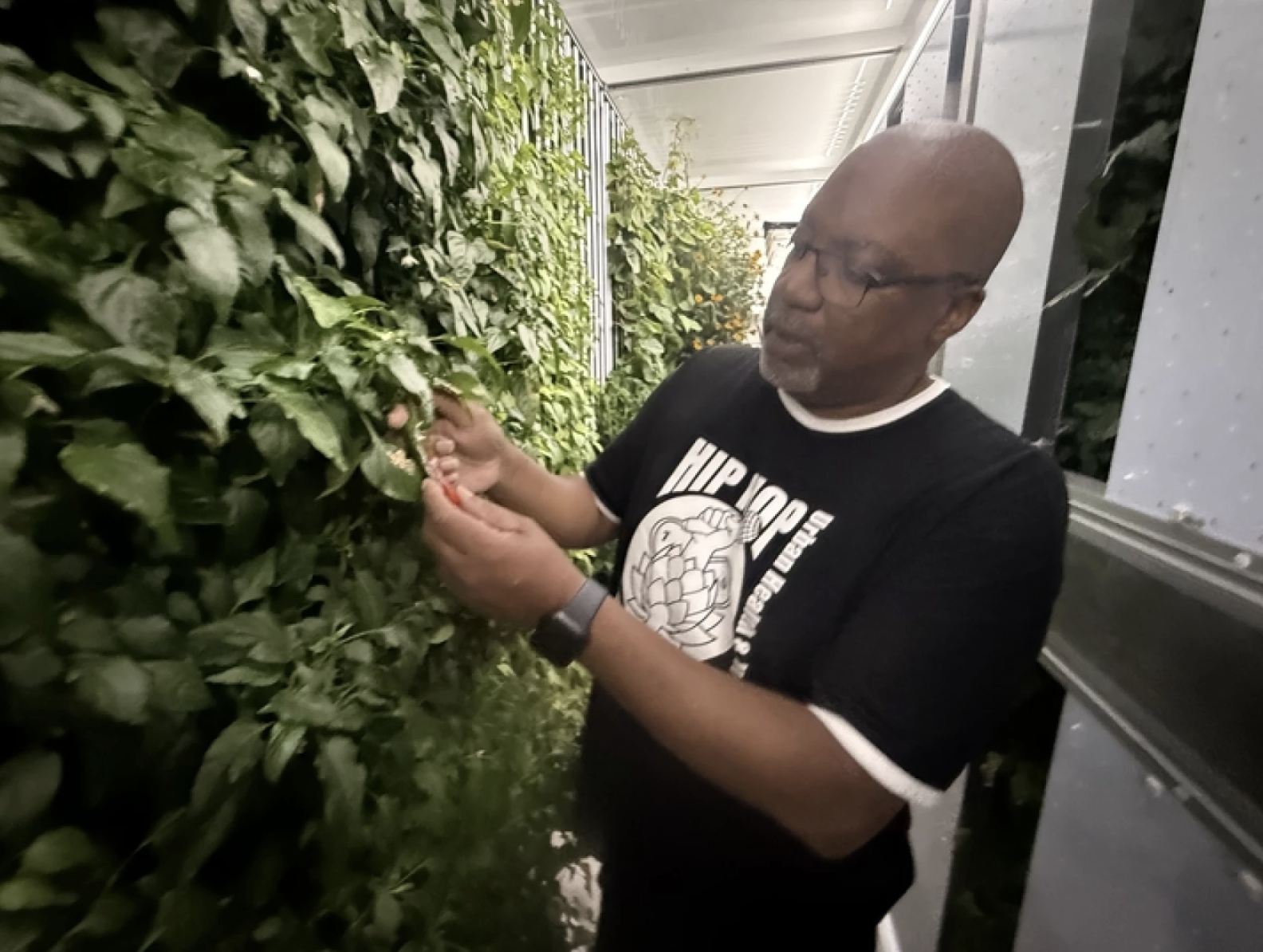
USA: WASHINGTON STATE - New Seattle Farm Teaches Kids How to Grow Acres of Food in the City
Cherry Street Farm and Lab features raised beds, solar panels that power the site, a youth food education "lab" featuring a large kitchen, and an outdoor plaza.
Its centerpiece is a hydroponic trailer that can grow up to two acres of fresh food at a time, using just five to six gallons of water per day.
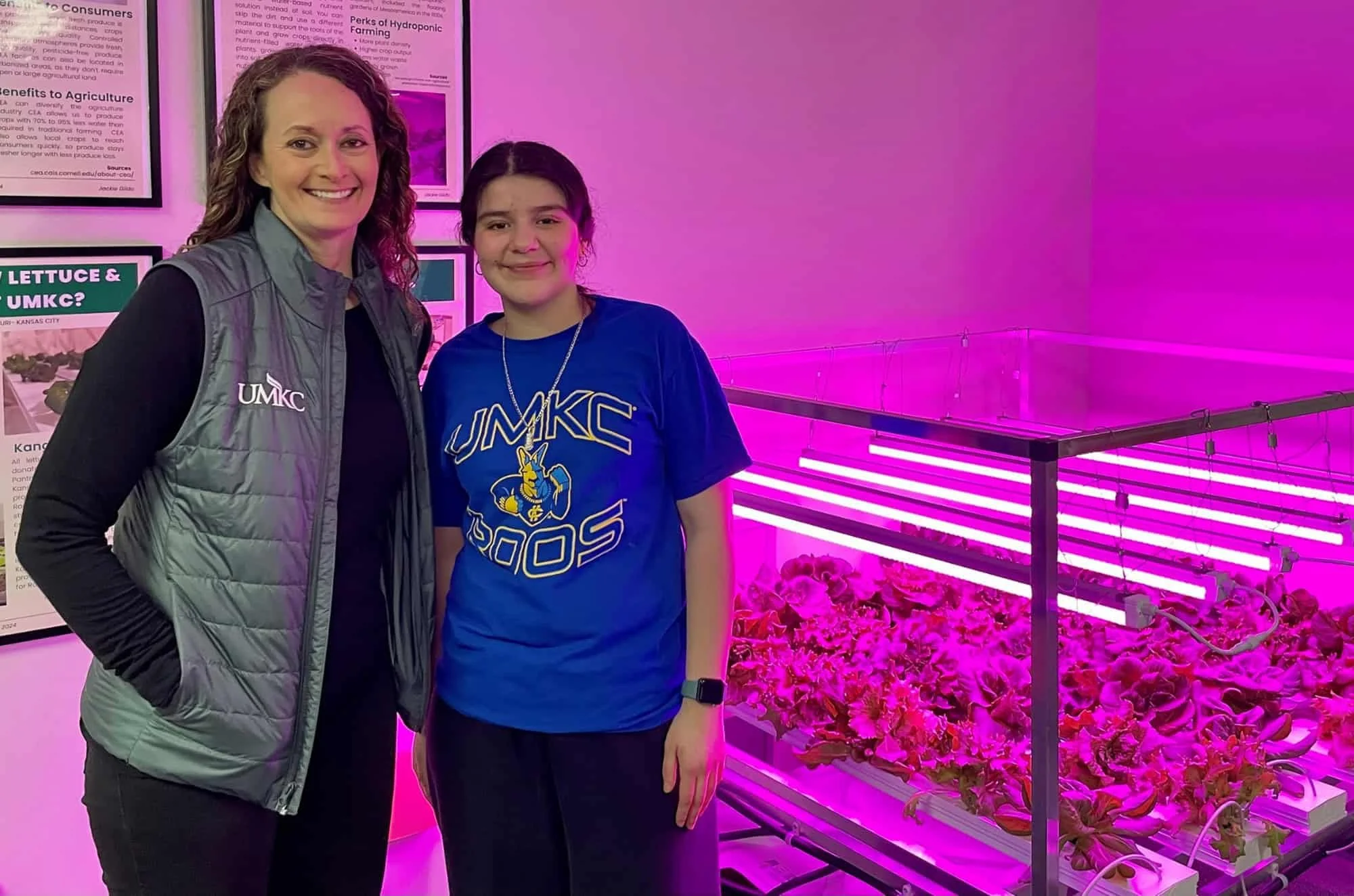
USA - KANSIS CITY, MISSOURI: UMKC Student-Staff Duo Launch Agriculture Certificate to Address Food Insecurity
A $730,000 multi-university initiative is helping researchers rethink how food is produced and delivered to improve access to fresh produce across region
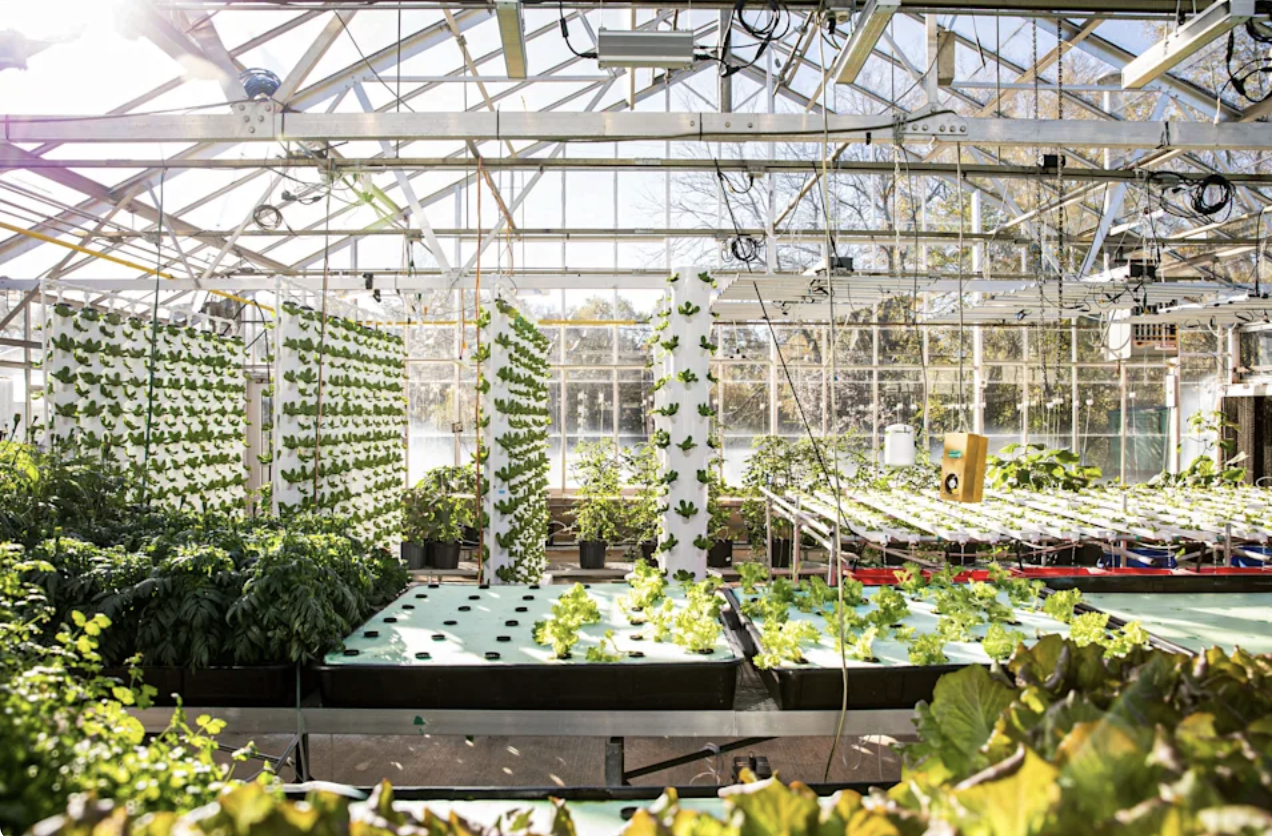
Controlled Farming May Help Crops Survive Climate Swings, University of Georgia Says
"We also have four converted shipping container farms at a neighboring research site," he said. "Later this year, we'll be able to conduct indoor growing trials and study how different light types and wavelengths affect crop production and quality."
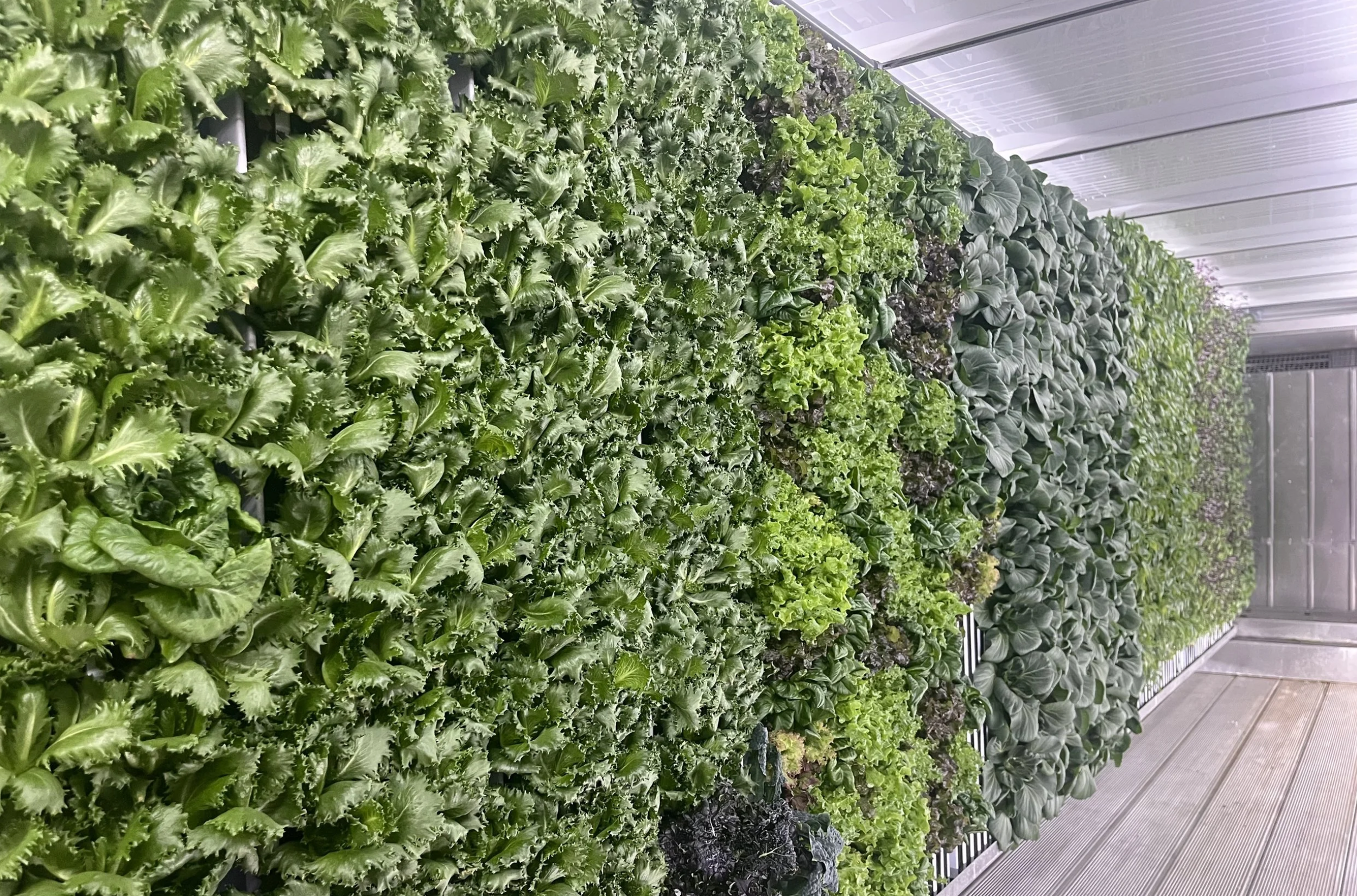
NEW YORK: A Freight Farm Becomes a Living Laboratory: Riverdale Country School, The Bronx
Launched: January 2025, the Bronx, New York
Goal: Bring year-round local food production and cross-disciplinary, place-based learning to an independent school campus in New York City
CANADA: Horizon School Division, Nutrien Brings Hydroponic Learning Lab to Lanigan Students
Students at Lanigan School will soon get their hands dirty while learning about food production and agriculture.
Horizon School Division and Nutrien announced this week a partnership that will see the installation of a hydroponic grow container at the school.