

News About Farming in Shipping Containers & Limited Indoor Spaces
USA - MAINE: Castine Hydroponic Farm Donates 100 Percent of its Produce
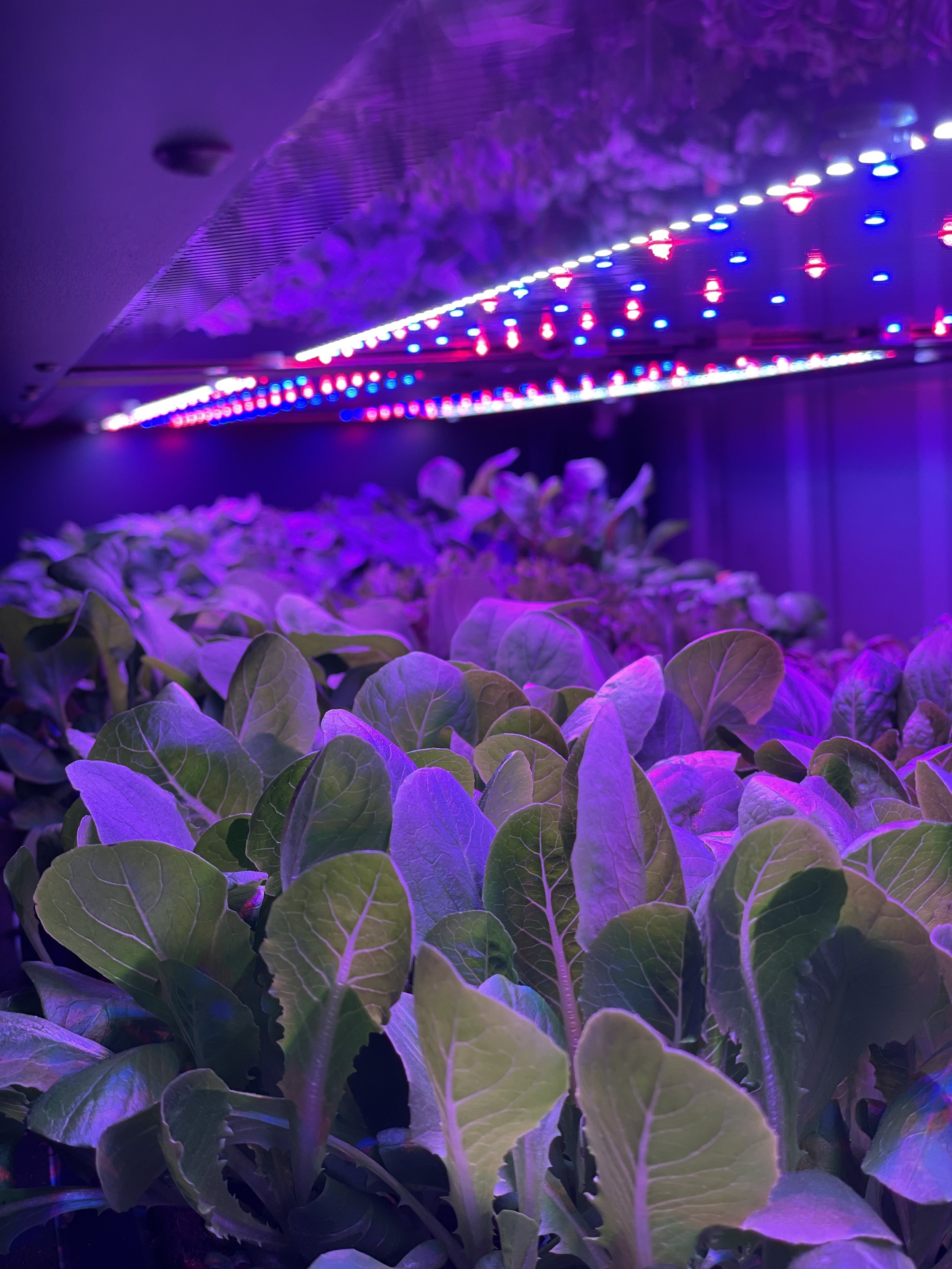
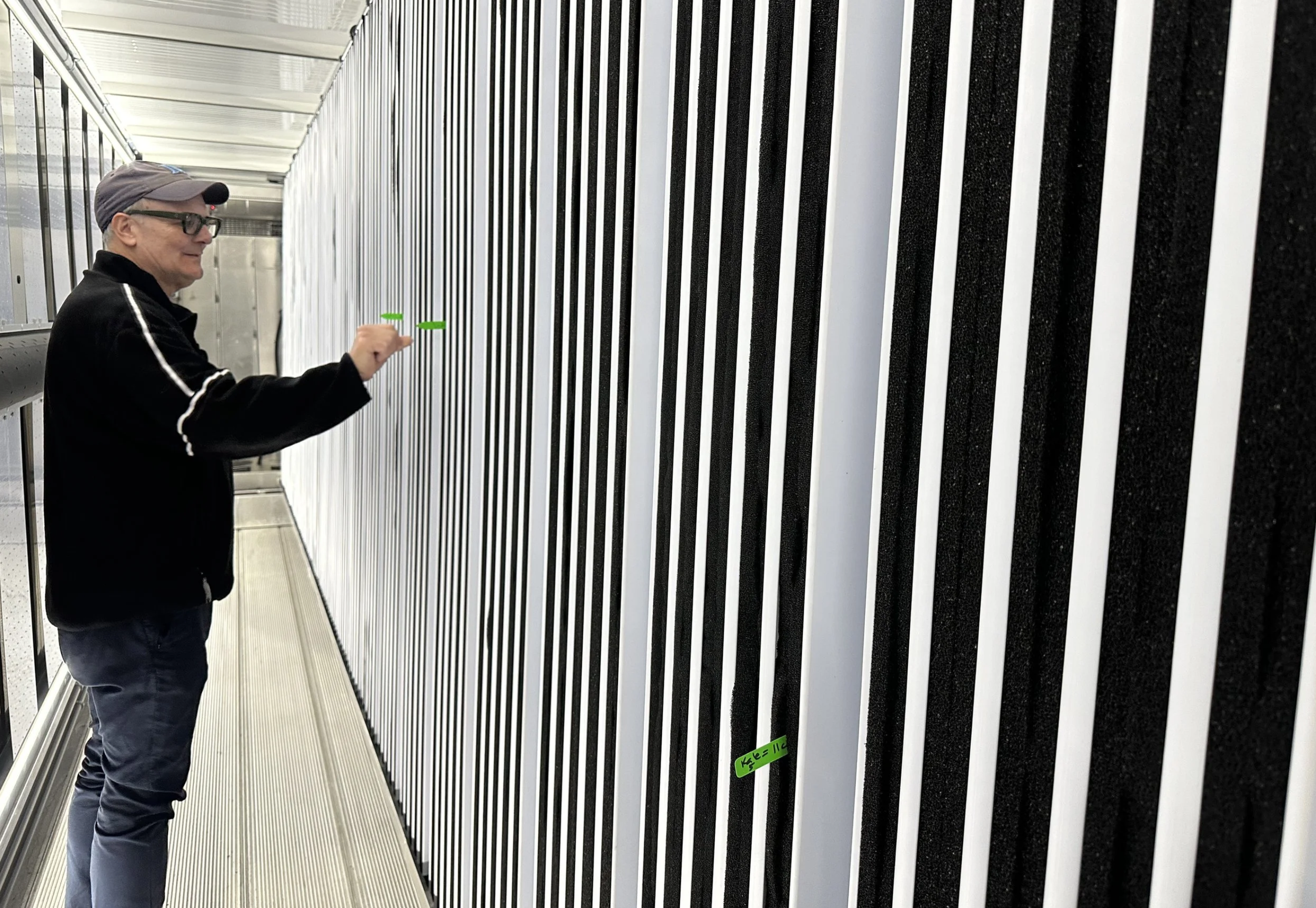
A containerized hydroponic farm refers to a self-contained growing system, normally built inside a repurposed shipping container. Plants can grow inside these shipping containers without dirt or sunlight. LED grow lights and nutrient-rich water stand in for sunlight and soil, enabling plants to photosynthesize year-round.
USA - How Plant Science is Taking Root in East St. Louis
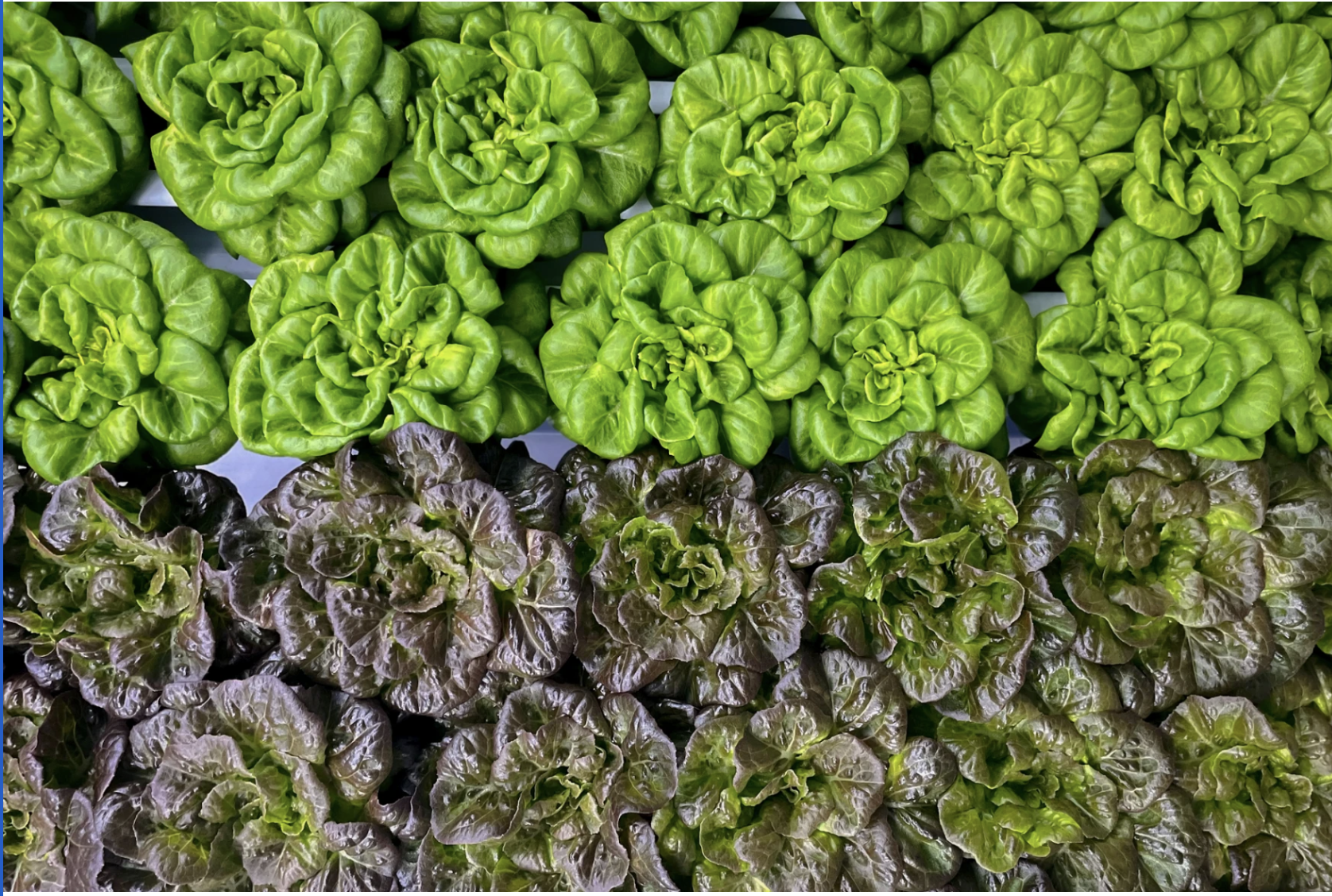
Tova Feinberg, the founder of Vertigreens, has spent the past five years developing a vertical hydroponic farming startup. Instead of using acres of soil, she grows lettuce on shelves that she stacks to the ceiling in shipping containers.

The Latest Shipping Container Farming News
The global platform covering container farm funding, innovation, deployments, and market trends across every growing region.
Growin’ Up Organic
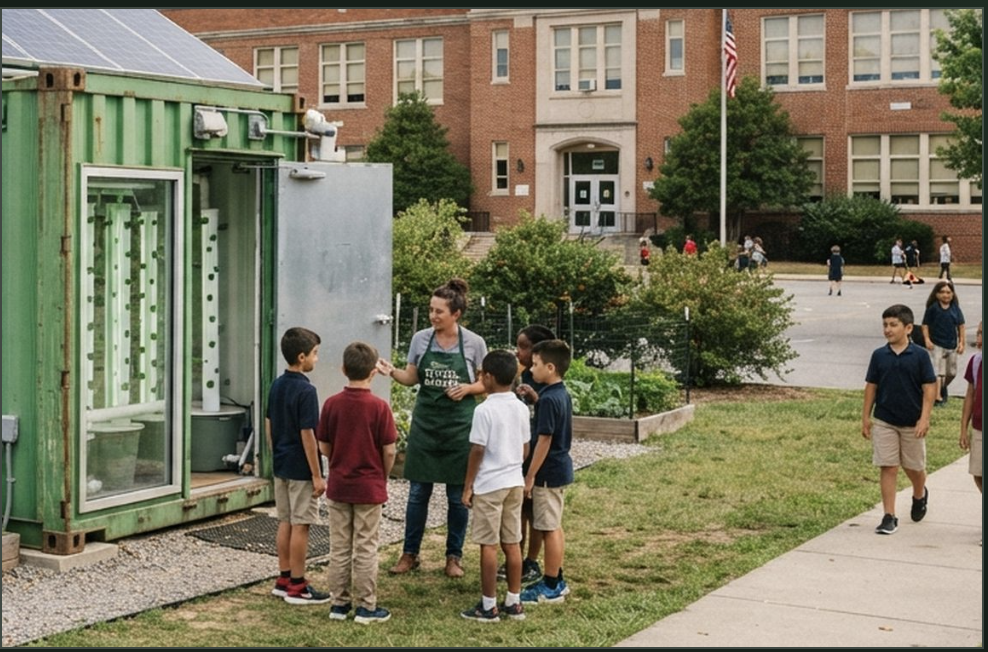
Most schools stop at "we'd need a grant." There are five other ways to fund a container farm, and one of them probably already fits your calendar. Answer five questions and find out which.
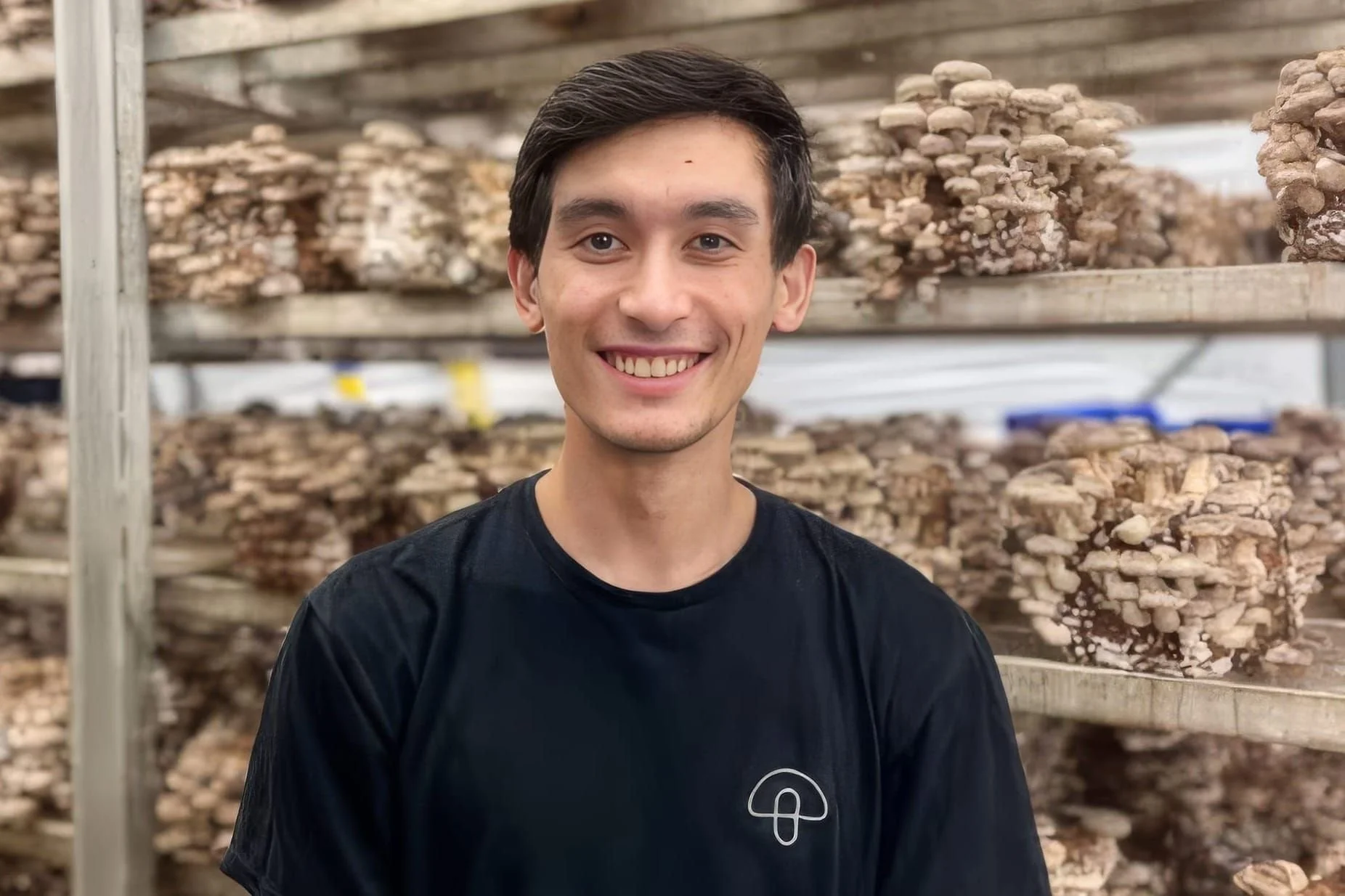
CANADA: Growing Mushrooms With AI
Officially founded in Toronto by Christopher Klich and Justin Cheng, the startup joined the University of Waterloo’s Velocity incubator in mid-2023 to scale its AI-driven gourmet mushroom farms in shipping containers.
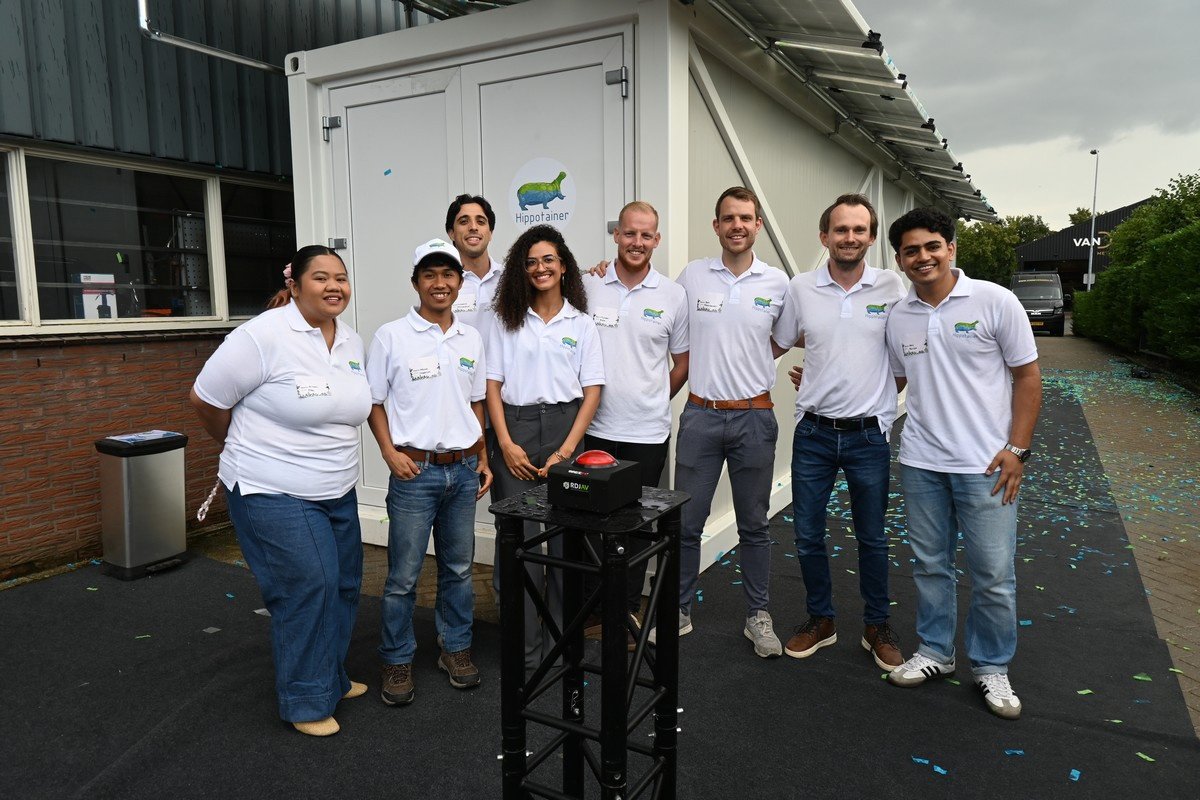
Bonaire Project To Test Containerised CEA Under Local Conditions
A containerised controlled-environment agriculture (CEA) system has been christened ahead of its planned deployment to Bonaire, marking the next stage of a project focused on local food production, resource efficiency and decentralised growing.

The Local Mushroom Farm Behind Your Favorite Restaurant Dishes
The first time I visited KC Sullivan, founder of Two River Gourmet Mushrooms, his entire operation fit inside a retrofitted shipping container tucked behind White Chapel Project in Long Branch.
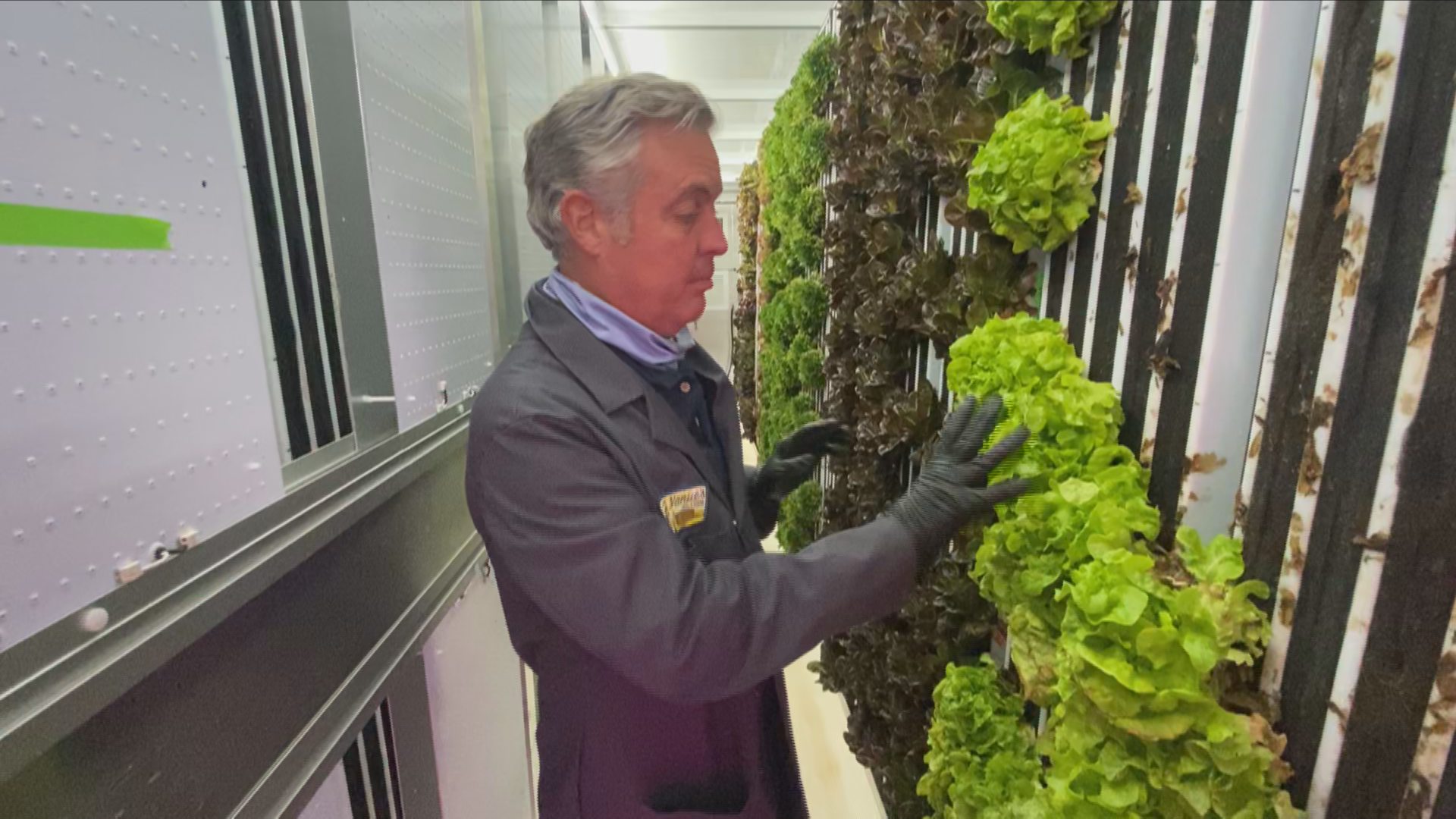
Is Hydroponic Produce Safer During Foodborne Illness Outbreaks?
Inside a shipping container in downtown Raleigh, there is no soil, rain or sunshine. At Nanue Farms, lettuce grows vertically under LED lights. Water mixed with nutrients drips through panels to the plants’ roots, drains into a holding tank and circulates through the system again.
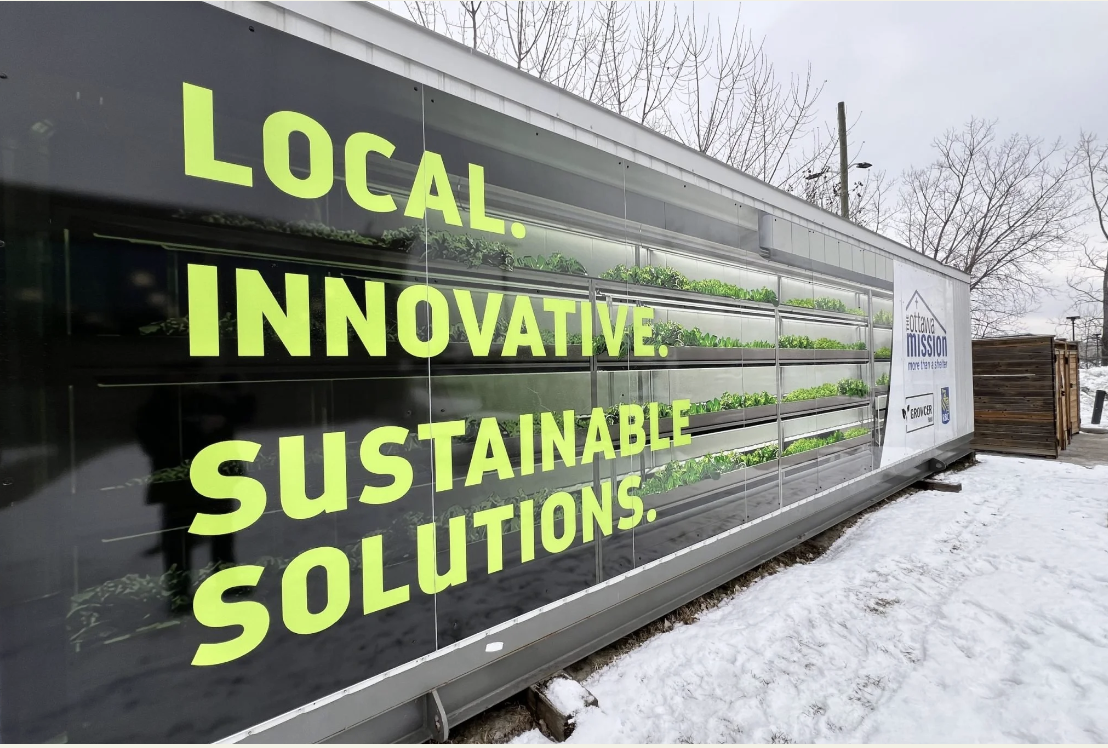
Why Buying a Pre-Owned Container Farm Beats Buying New
Every prospective container farmer runs into the same wall: the sticker price. A new turnkey hydroponic container farm is a six-figure purchase before you have harvested a single head of lettuce.
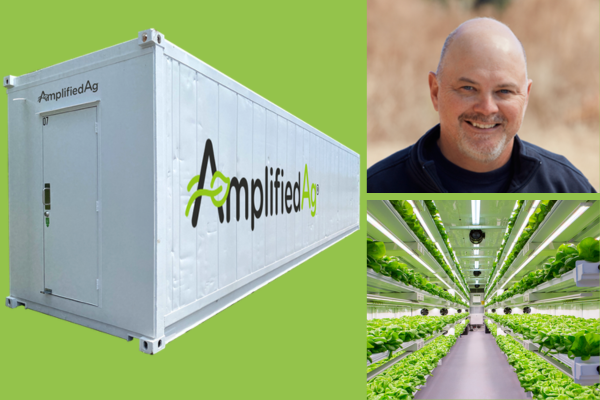
Right-Sized, Not One-Size-Fits-All: AmplifiedAg’s CEO on Serving Research and Commercial CEA Together
AmplifiedAg CEO David Flynn doesn’t see institutional and commercial agriculture as competing priorities — he sees them as two inputs into the same platform. The institutional side alone ranges from USDA research labs to compliant farm programs inside correctional facilities, part of the company’s Growing Justice initiative.
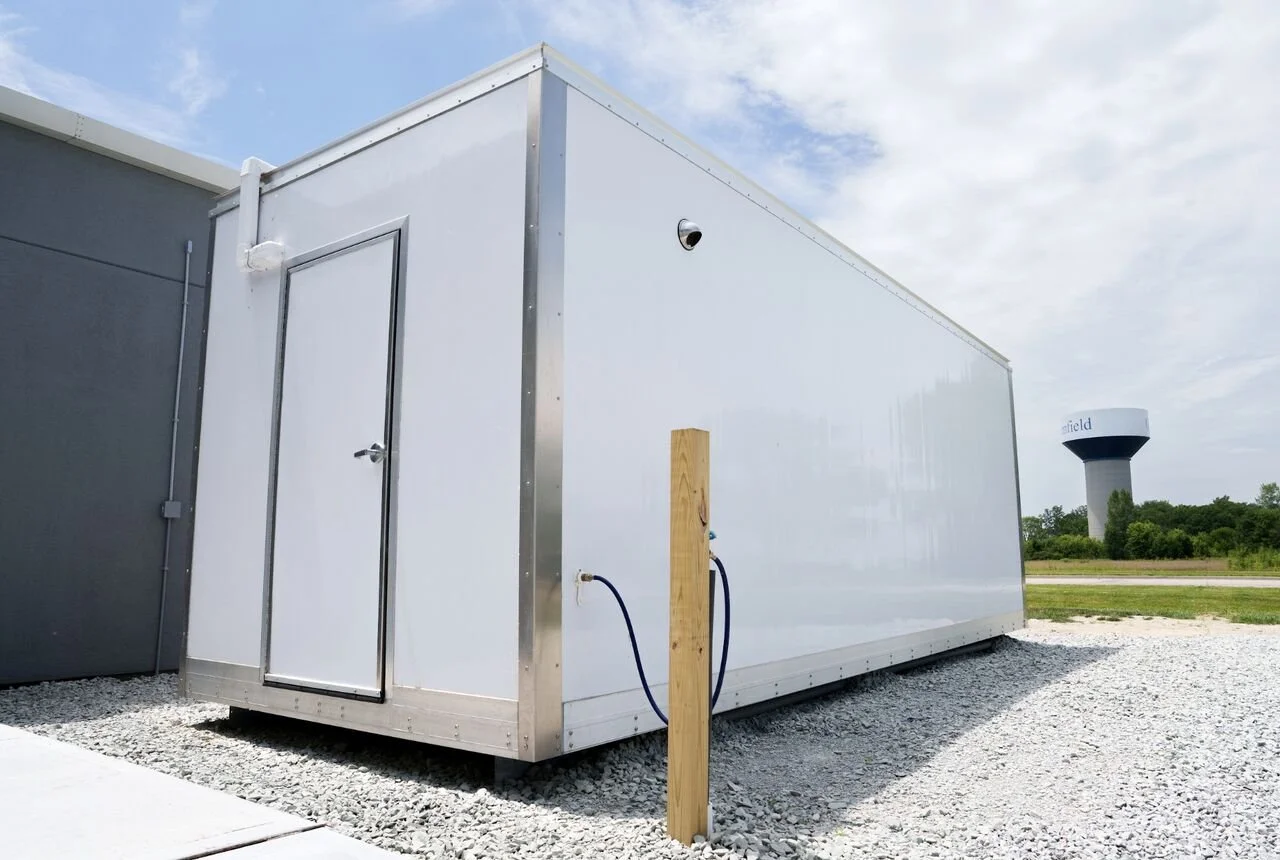
Hancock Health Expands Food is Medicine Program With Hydroponic Garden at Wellness Center
By locating the container within the footprint of Hancock Health’s medical fitness campus, the health system is creating a new model for integrating fresh food access into preventive health, chronic disease management and wellness education.
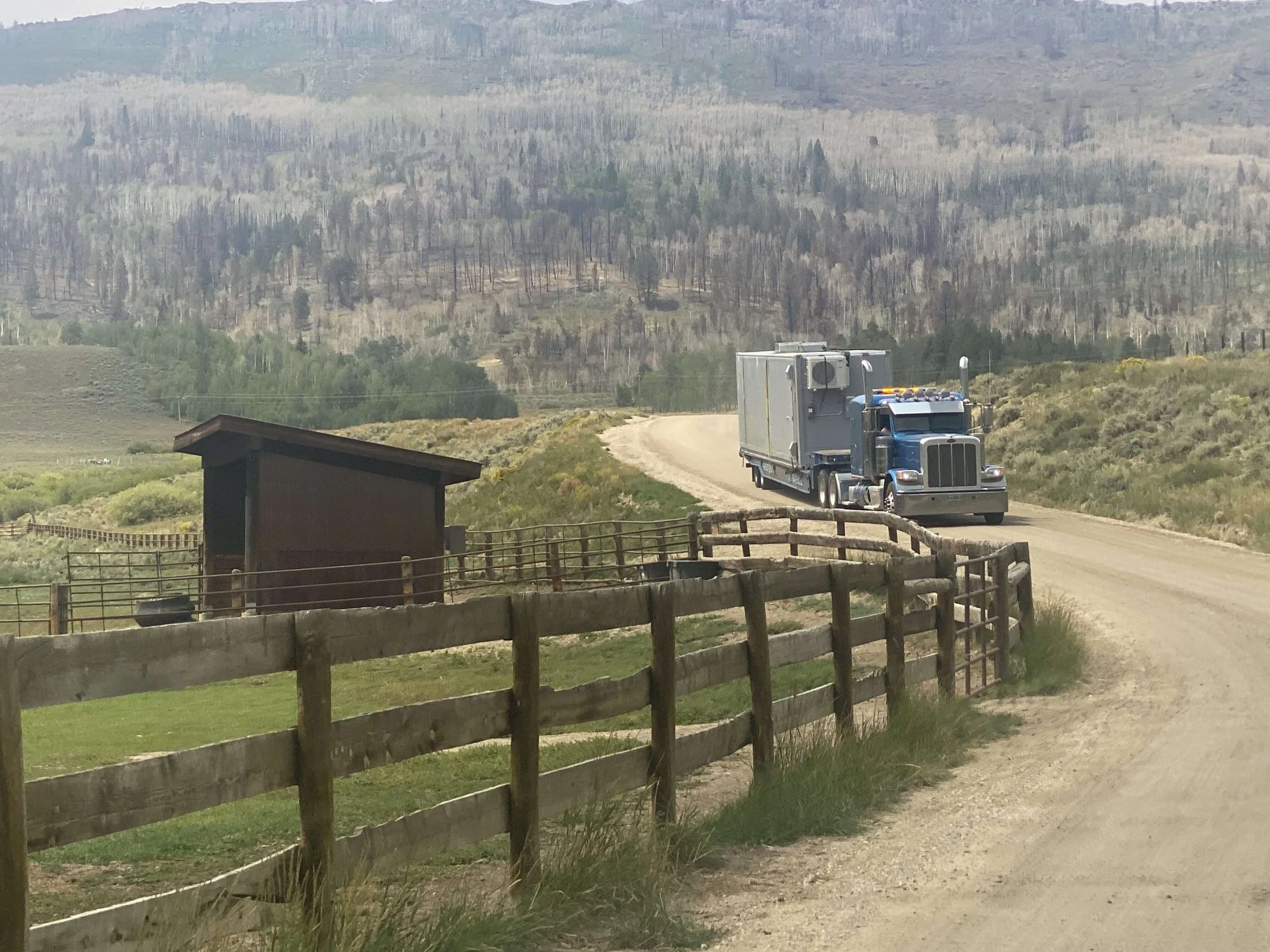
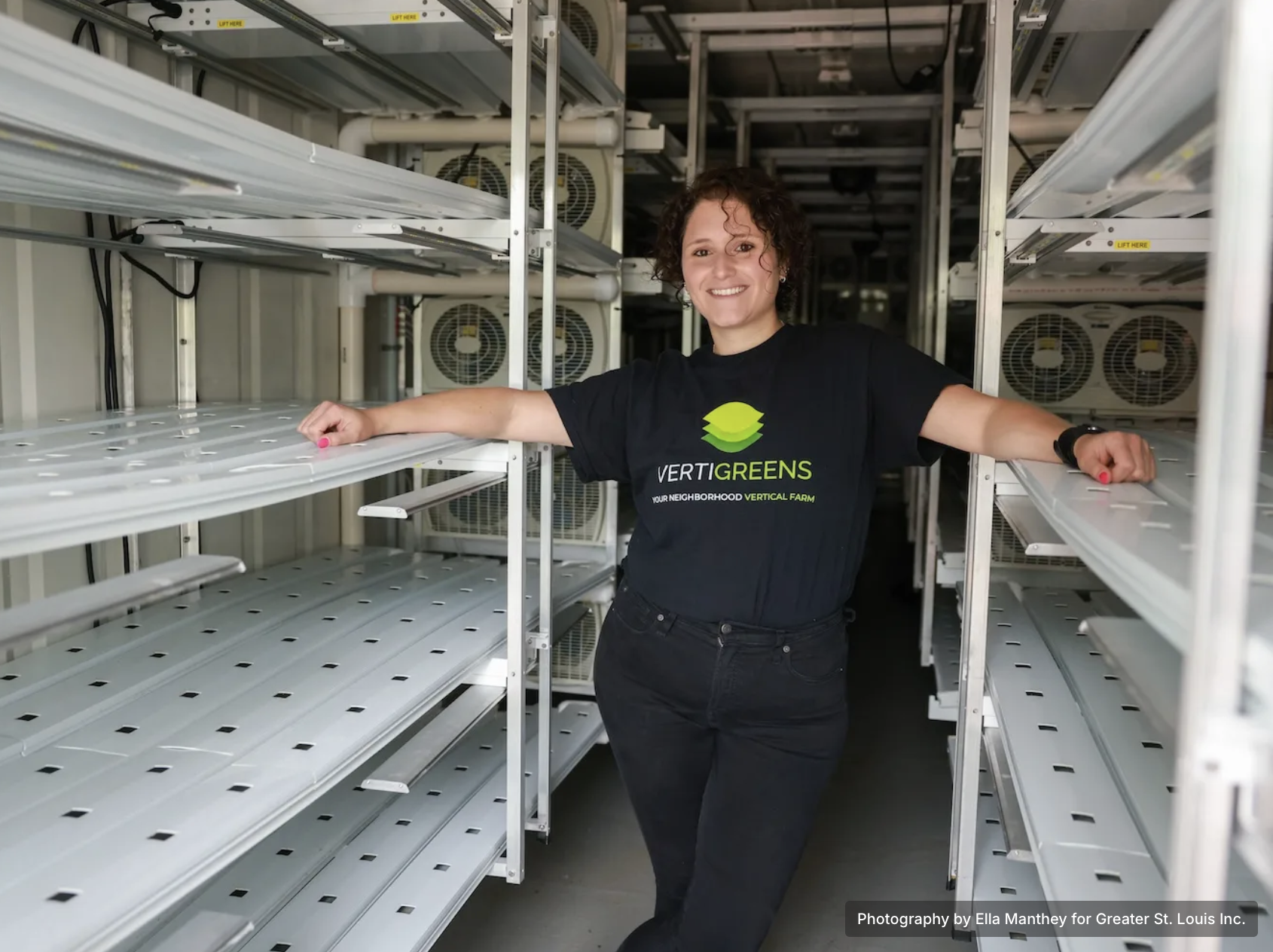
Hydroponic Grower Vertigreens Booms as Lettuce Becomes a Big Concern
While the lettuce-driven cyclospora outbreak has generally been bad for businesses across the nation—including some St. Louis chefs who’ve been forced to take extra precautions—the outbreak has come with an upside for one St. Louis-area startup.
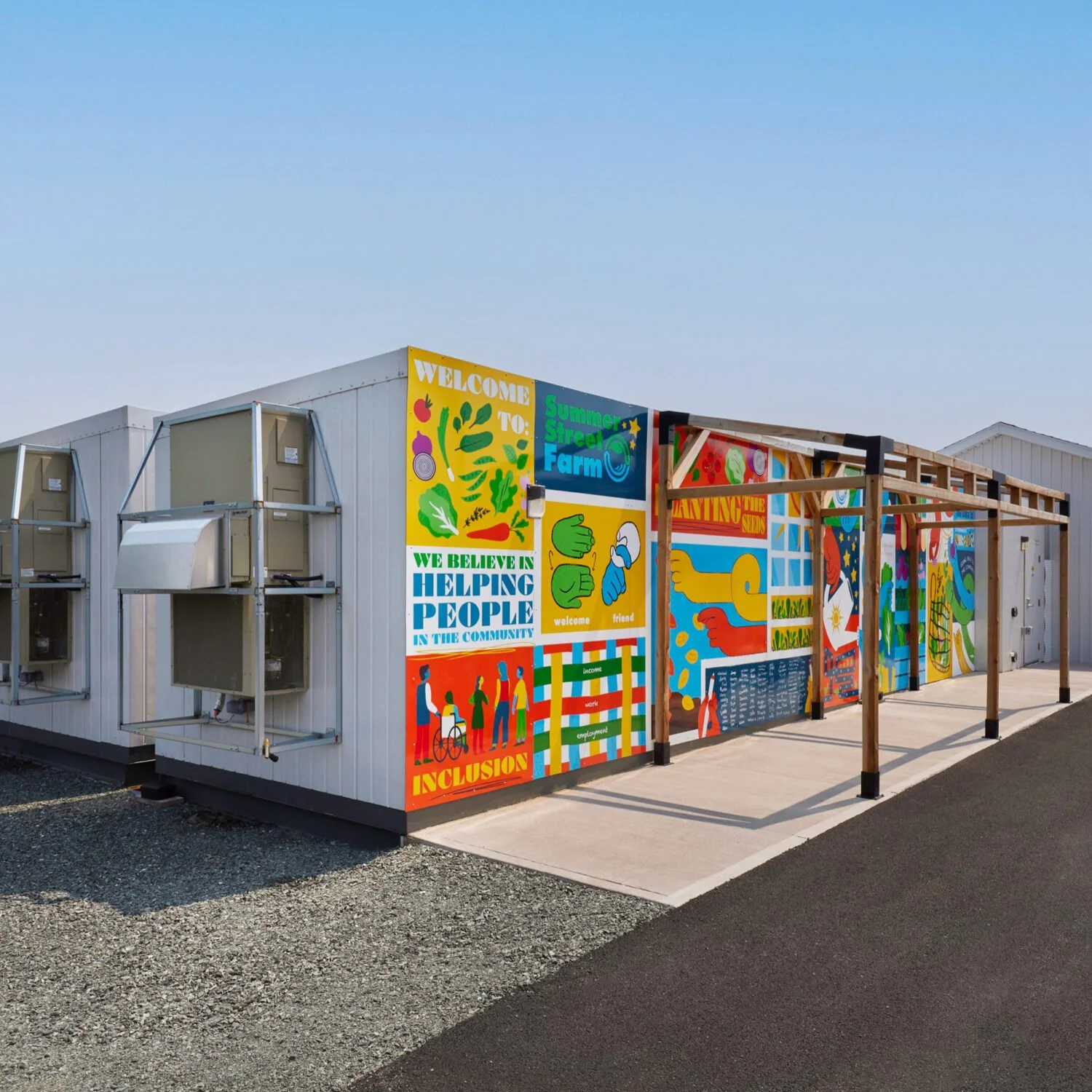
Growing Good: Steel Shells Incubate Incredibly Productive Microfarms
The hydroponic farm is designed by Growcer, an Ottawa-based company that was initially founded in response to high food costs in northern communities. It’s a serious need — according to Statistics Canada, 60% of Nunavut (Canada’s northernmost territory) residents are food insecure, and food prices have risen by 22% (as opposed to 12% across the rest of the country) in recent years.
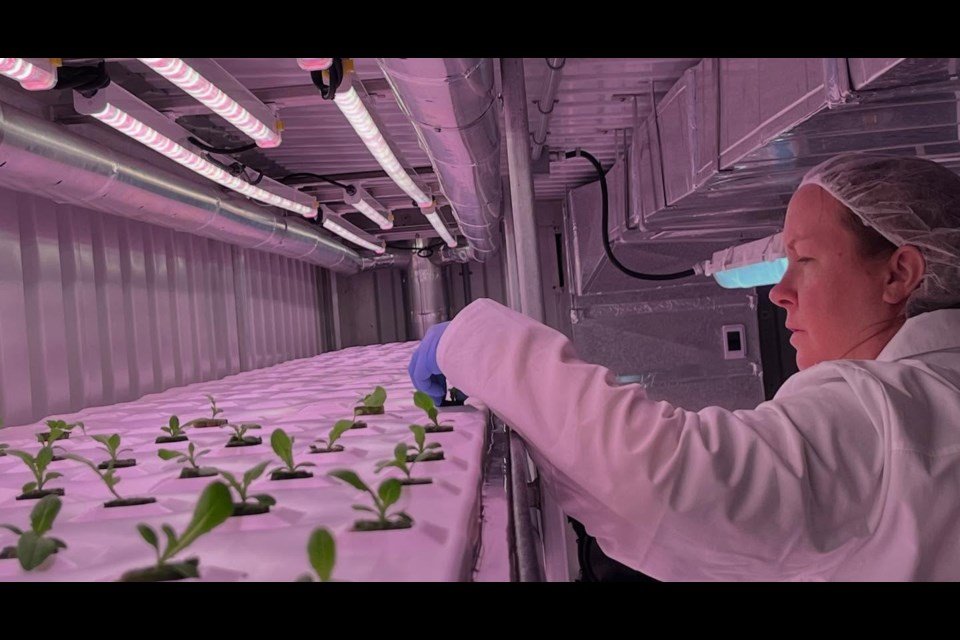
Rocky View County Farm Uses Hydroponics to Grow Fresh Greens Year-Round
With Growcers’ virtual tour it shows the farm is the size of a large shipping container. Inside are left and right plant reservoirs, a work and seeding station, nutrient monitors, C02 sensors, thermostat, HVAC system, environmental sensors, LED lights and more.
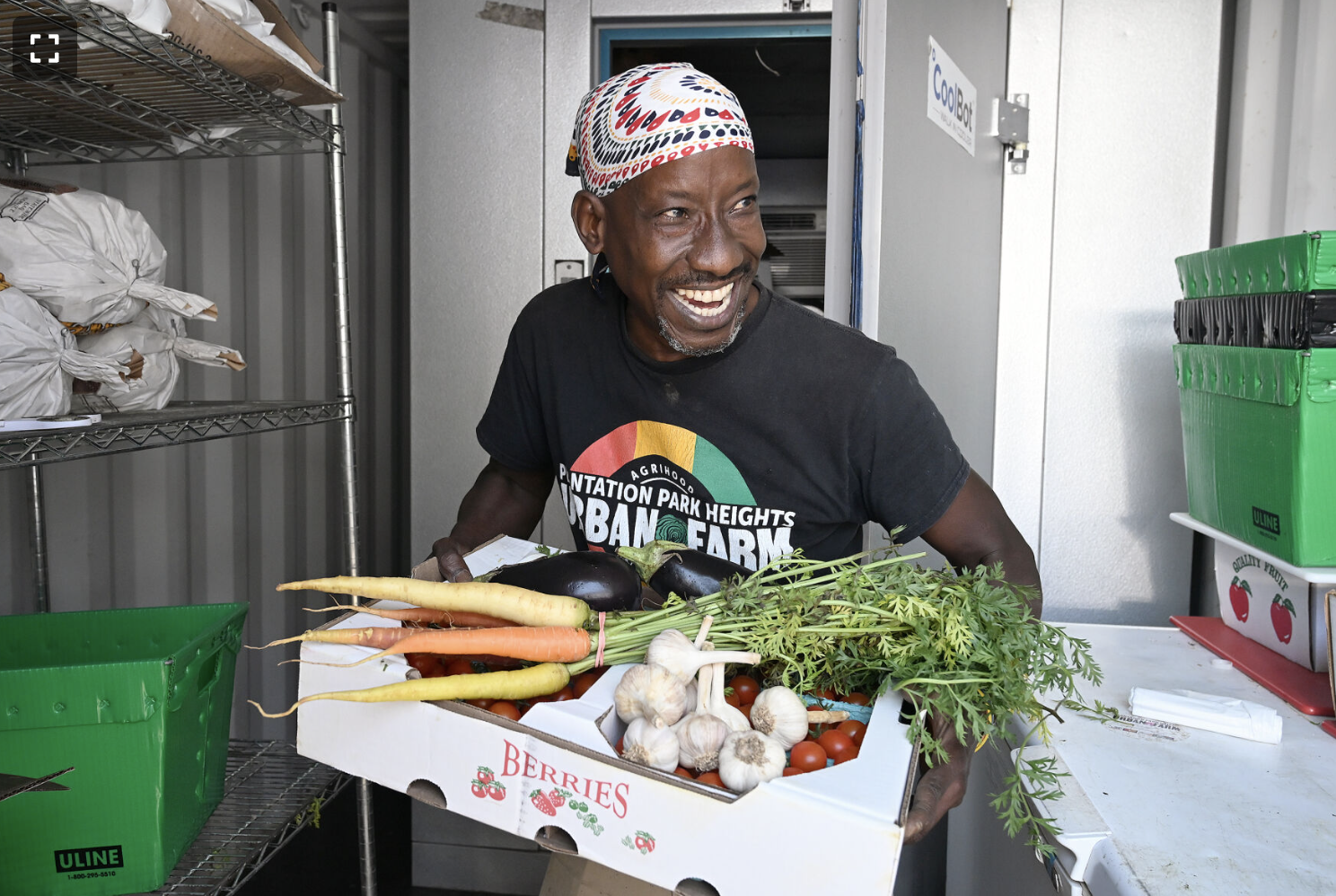
Growing Smarter Farmers: University, Neighborhoods Localize Climate Science
Plantation Park Heights, founded in 2014, is an urban farm sprawling across several blocks in Baltimore’s Greenspring and Central Park Heights neighborhoods, where greenhouses and gardens seem to sprout from every vacant lot.
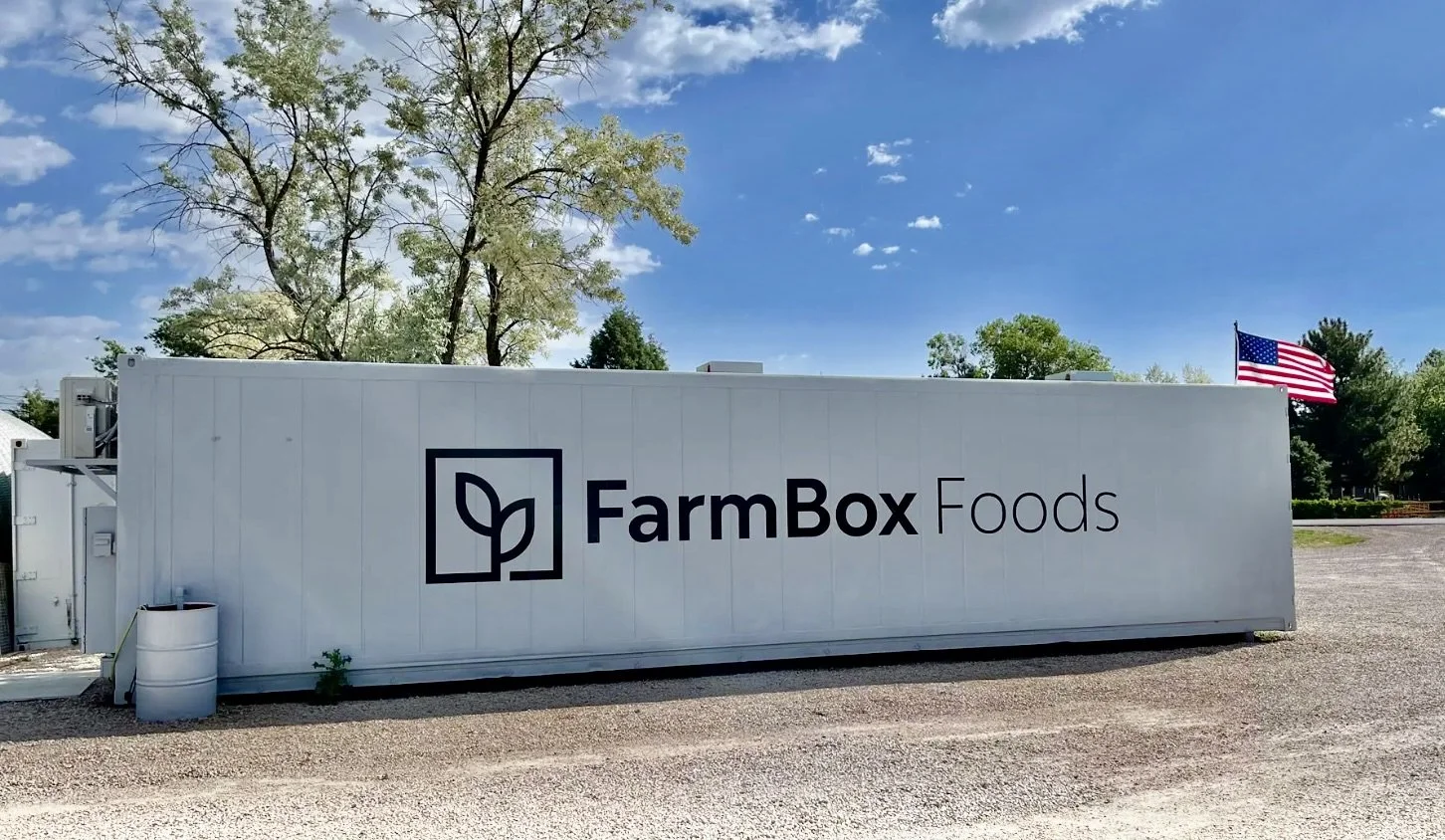
Mamdani Admin To Turn Felons Into Gourmet-Food Producers for ‘Farm-to-Table’ Dining at NYC Jails
The New York City Correction Department has awarded a nearly $230,000 annual contract to a Colorado-based firm, FarmBox Foods, to teach inmates — or “persons in custody” — at Rikers Island and other municipal jails how to “vertical” farm in an urban setting.
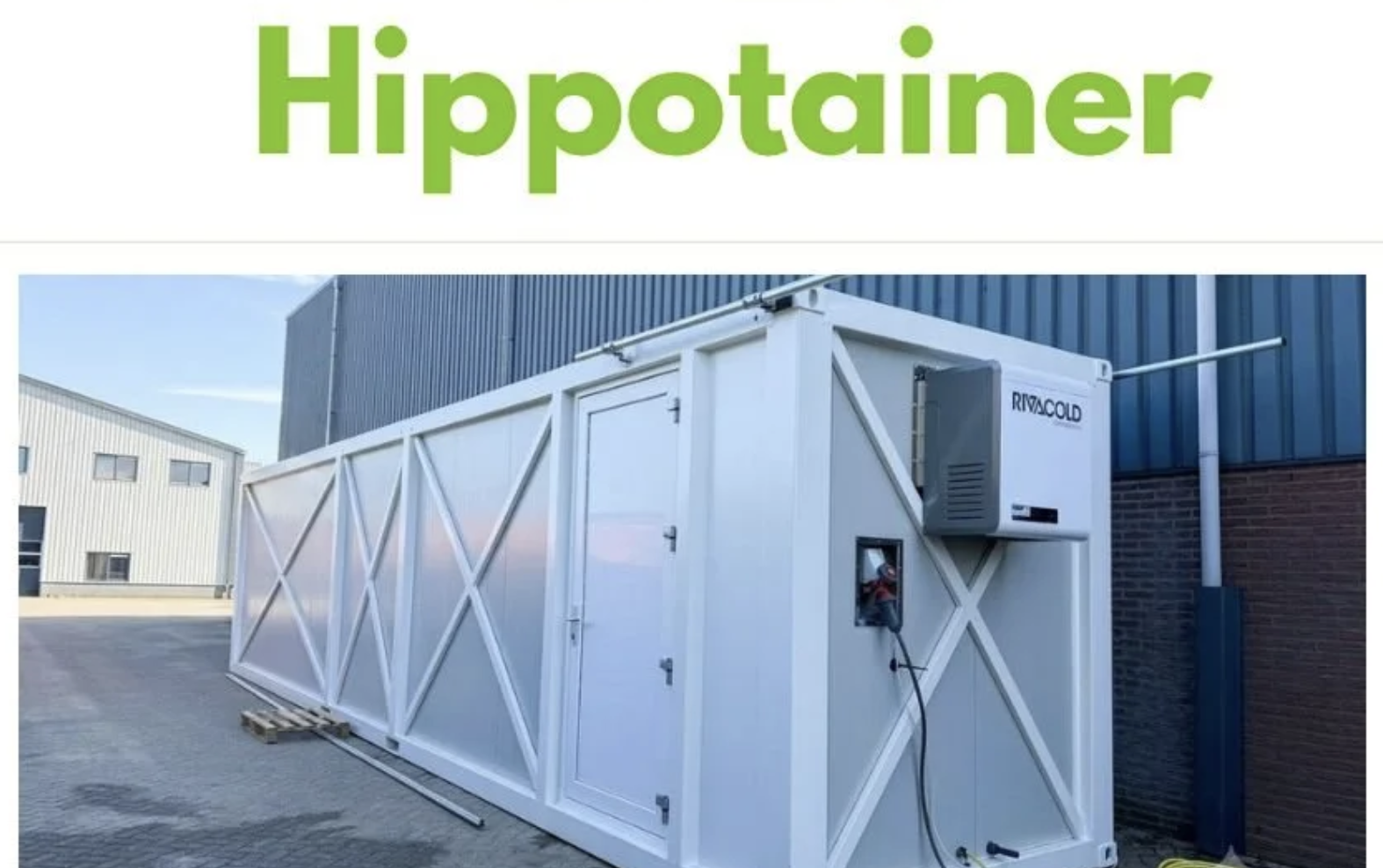
Exciting News From StartLife Alumnus Hippotainer
🌍 This milestone marks an important chapter in Hippotainer's journey to develop innovative and sustainable solutions for the future of agriculture. After the christening, the container will set sail for its next adventure in Bonaire, where it will play a vital role in contributing to local food security.