

CANADA: ‘We Should Be Celebrating Our Food’: A Hydroponic Farm Will Make Culturally Relevant Food Accessible to African Nova Scotians

July 28, 2025

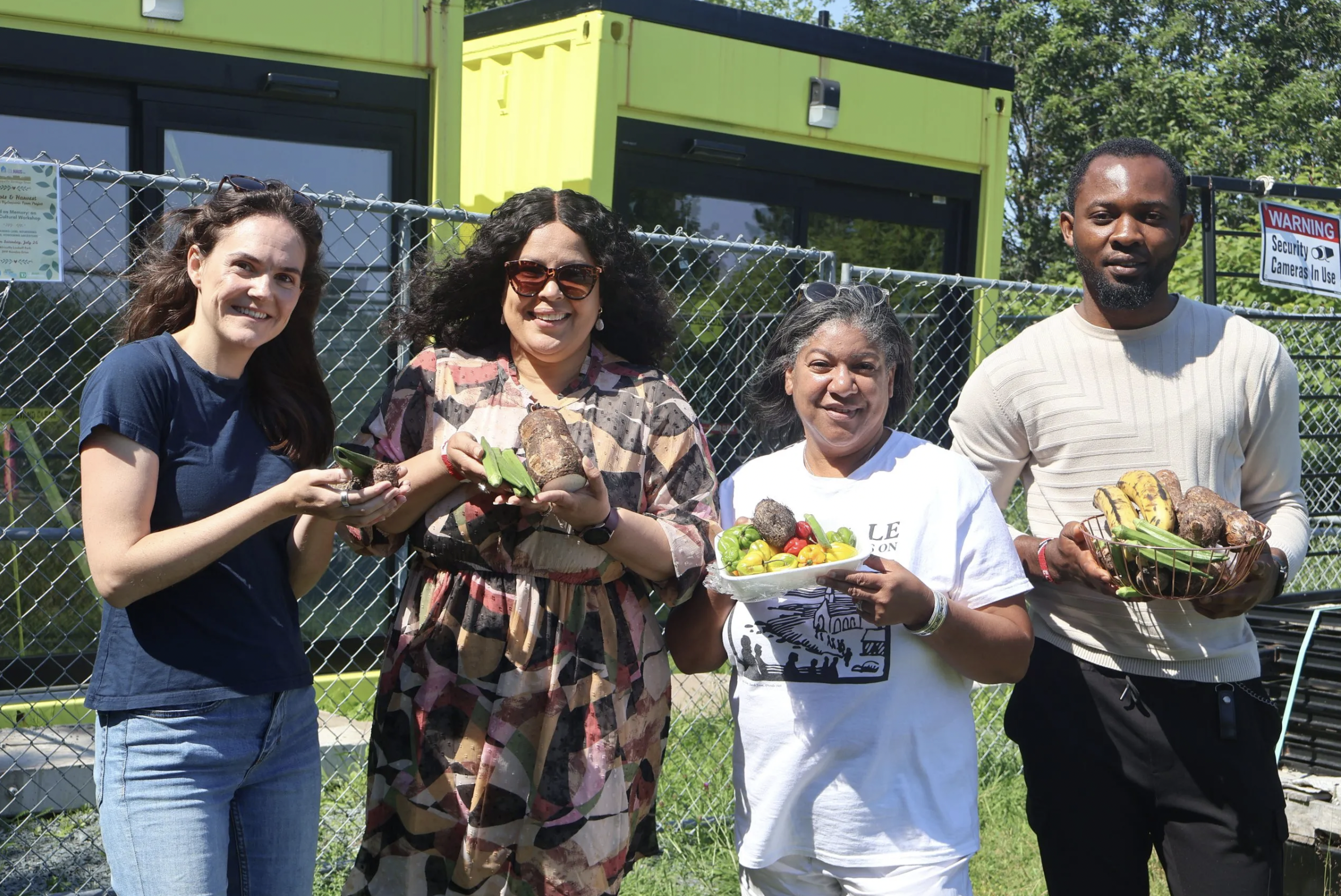
From left to right: Alyson Dobrota, Dr. Simone Le Gendre, Juanita Peters, and Chukwuka Orji on July 26, 2025 at Roots and Harvest Africville Farm Project event. Credit: Madiha Mughees
On Saturday morning, a hydroponic farm was launched at Africville Lookoff Park to provide the immigrant and African Nova Scotian communities access to culturally relevant food.
The project, co-founded by Dr. Simone Le Gendre and Chukwuku Orji under EduHaus Inc., is called the Roots and Harvest Africville Farm Project. It was initiated when Feed Nova Scotia announced its Shipping Containers Community Pitch Project — which called for pitches from community organizations working to promote food justice.
The co-founders participated in the contest and won two shipping containers. They then converted the containers into an AI-powered hydroponic farm with the help of several partners, including Halifax Regional Municipality.
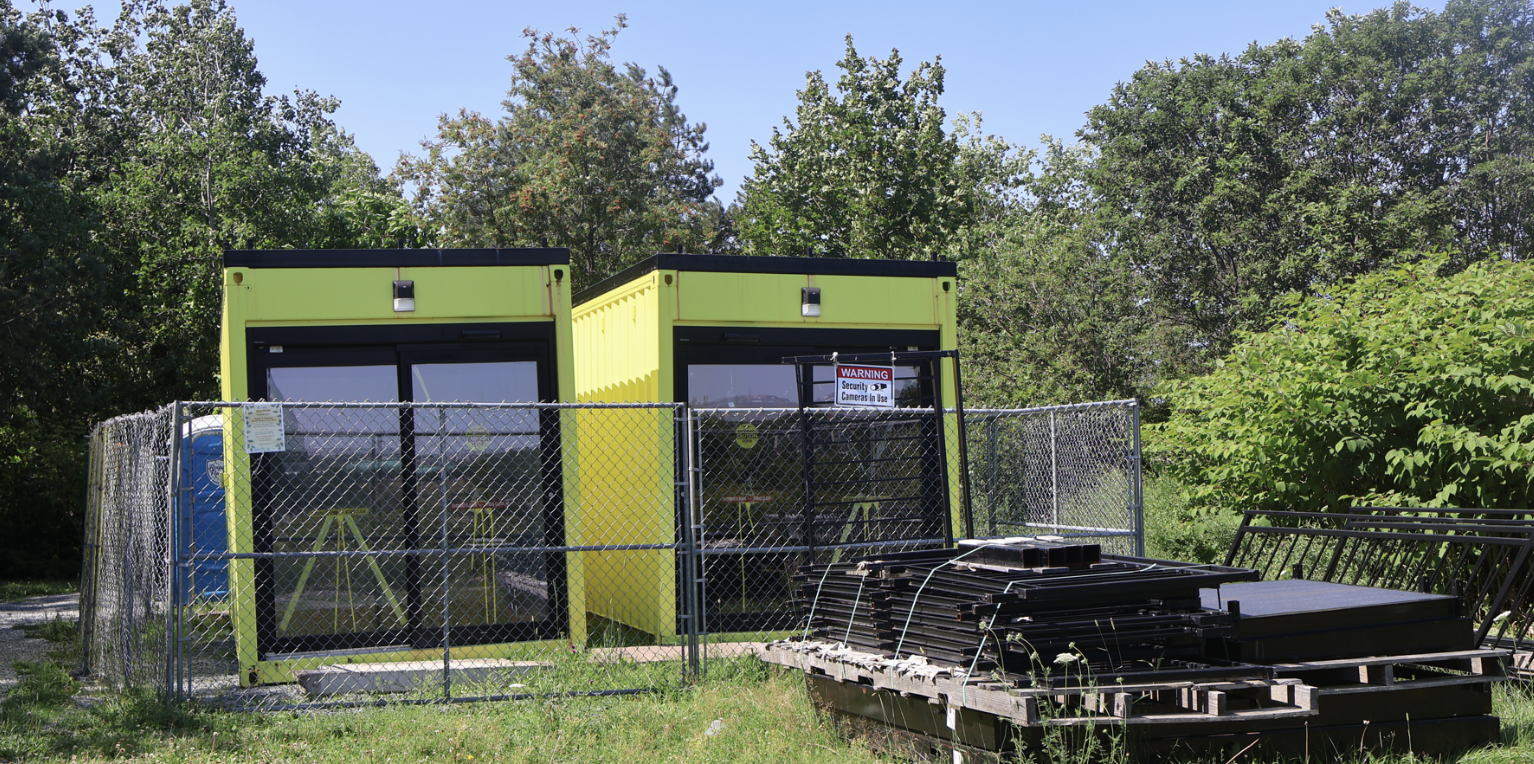
Roots and Harvest Africville Farm Project as of July 26, 2025. Credit: Madiha Mughees
To provide a home for the farm, the Africville Museum partnered with Le Gendre and Orji and offered space at Africville Lookoff Park for the containers. Later, CUA donated funds to help buy solar panels to power the farm, which are yet to be installed.
“We chose Africville as our inaugural site partner because we believe that this is what reclamation looks like,” Le Gendre said during the Saturday event.
To start, the organizers plan to grow okra in one container within a climate-controlled environment, as it is a vegetable that travels long distances before reaching Nova Scotia. As a result, it is expensive and loses much of its nutritional value along the way.
The other container will serve as a community lab where students and community members can experiment with their produce and learn about agritech.
Le Gendre described this project as a “living lab where students, families, and community members will be able to learn agritech, experiment with AI-powered hydroponics, and take real steps toward food sovereignty,” in a social media post after they won the shipping containers.
To introduce the project to the community, the organizers also held a workshop titled “Food as Memory: an Agri-Cultural Workshop” on Saturday morning.
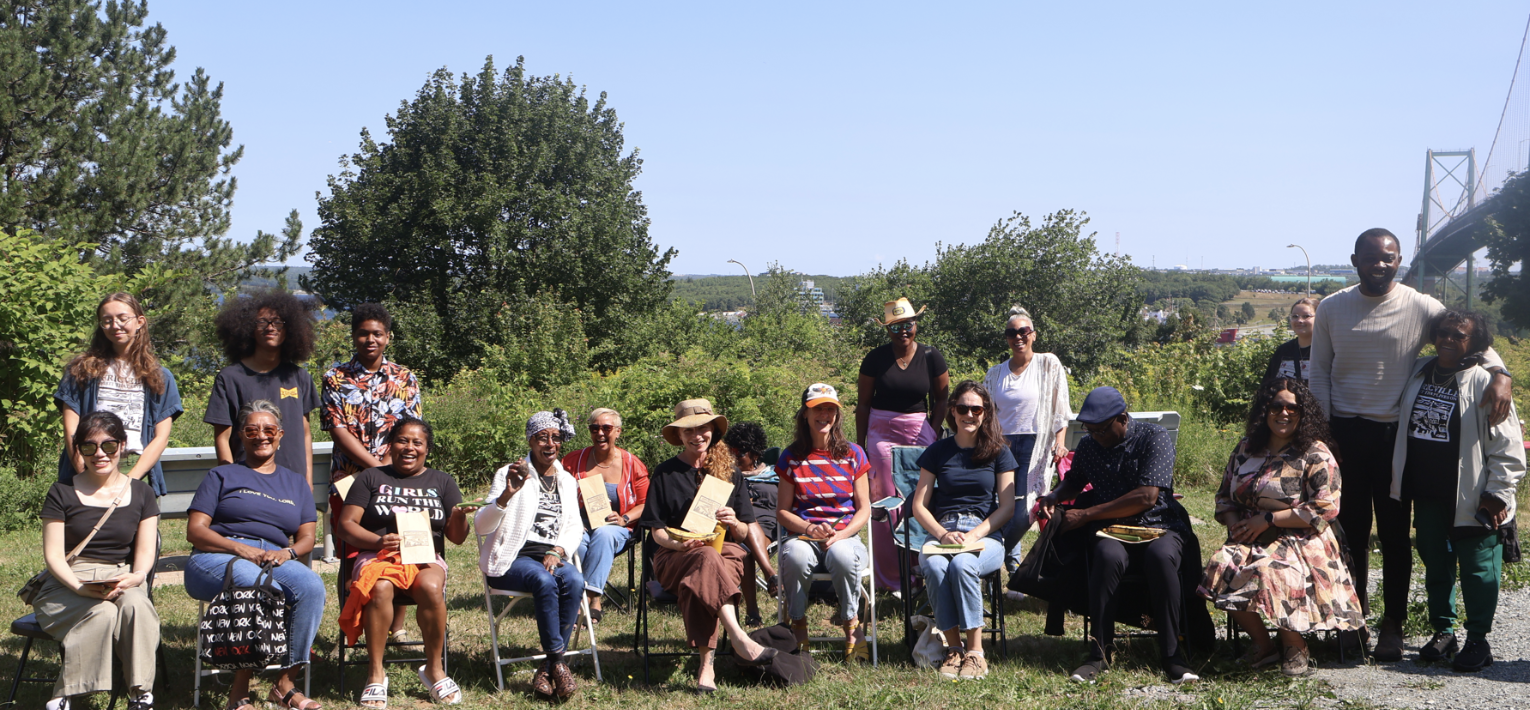
Black people brought knowledge and expertise to the Americas
During the workshop, Le Gendre said, when Black history is discussed, it is often portrayed as having begun with slavery.
“Our story started with excellence in Africa, and that’s what we need to remember,” Le Gendre said.
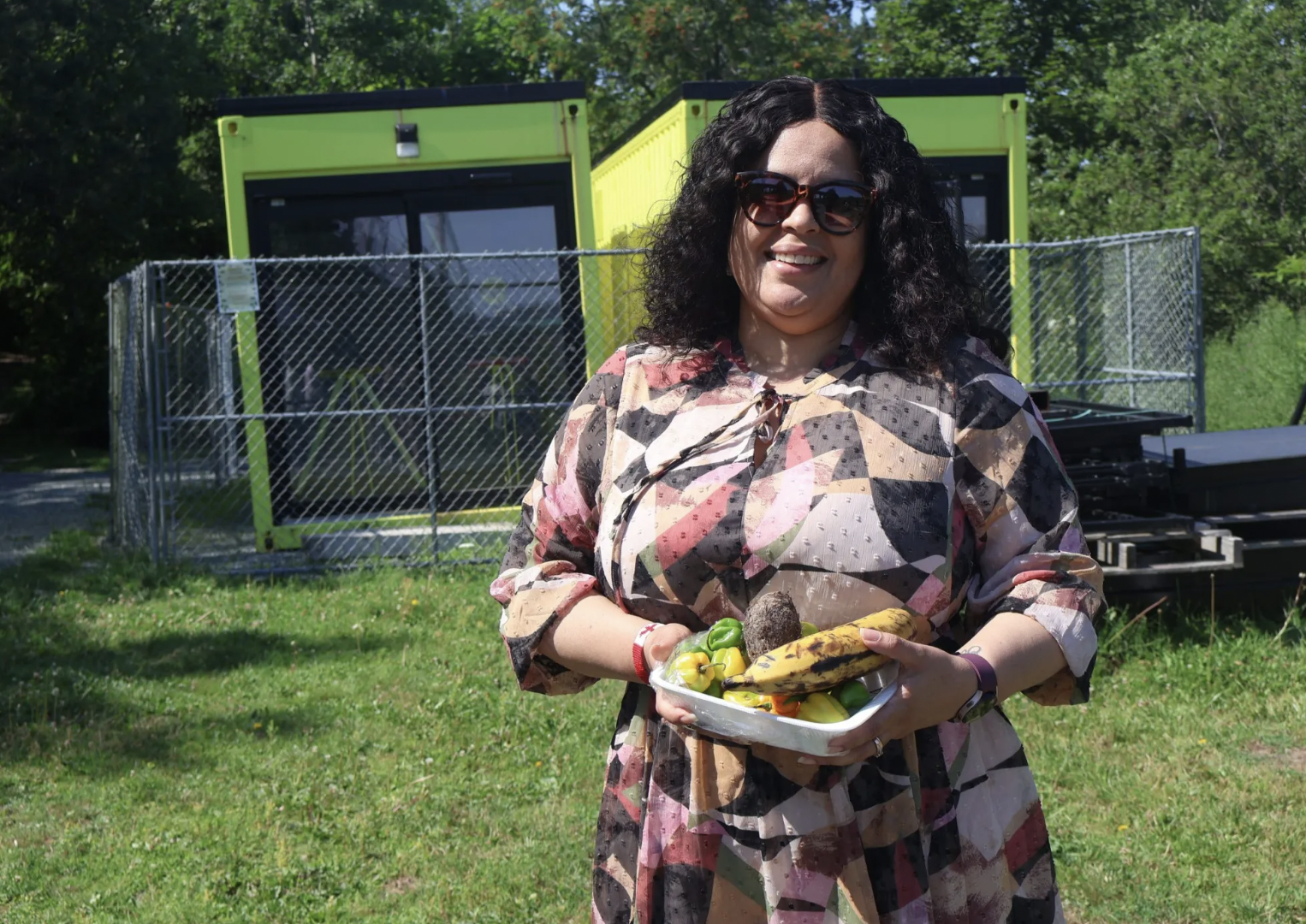
Dr. Simone Le Gendre on July 26, 2025. Credit: Madiha Mughees
Le Gendre said that Black people didn’t just come here as slaves, they also brought their knowledge and expertise, introducing crops such as rice to the Americas. However, these facts are hardly acknowledged.
In an interview, Le Gendre said that we need to have a “truth-seeking approach” and should question the narratives passed down to us.
“In my own exploration of those narratives, I found something very powerful that resonated with me, that we had the knowledge, we had the tools hundreds and hundreds and hundreds of years ago,” Le Gendre said.
“And we all still carry that DNA, that ancestry with us, and we are more resilient than we know.”
She highlighted the significance of communities regaining control over their food and knowledge practices.
“I think that food is one of the most important things to bring us together as people,” Le Gendre said.
“So, I think that for every community that has food that is special to them, we should be celebrating our food, sharing our recipes, and inviting others to the table with us, not just to break bread, but to share in that culture and those stories of resilience.”
Culturally relevant foods are unavailable or expensive
Le Gendre said that as an immigrant of African and South Asian descent, many of the nutritious foods she grew up eating are either unavailable or unaffordable in Nova Scotia.
“So I started talking to people in different immigrant communities, and I found that many, if not all of us, shared this problem,” she said.
“ I thought maybe we can create a climate-controlled agricultural project where we can try to grow the foods that make us feel at home and are good for our bodies.”
The hydroponic farm, Le Gendre said, is just the beginning, and they plan to scale the project across the city and the province.
“We have long-range plans to also include land stewardship as part of our roots and harvest project, as well as offer space for communities to reconnect with the land and to connect in new ways through hydroponics,” Le Gendre said.
‘Foods that are beneficial for the gut as well as emotions‘
Juanita Peters, the executive director of the Africville Museum, said in an interview that it is equally important to eat foods that are beneficial for our gut as well as our emotions.
“It’s not just that the value of food, not just as you ingest it, but how it makes you feel when you’re eating certain foods,” Peters said.
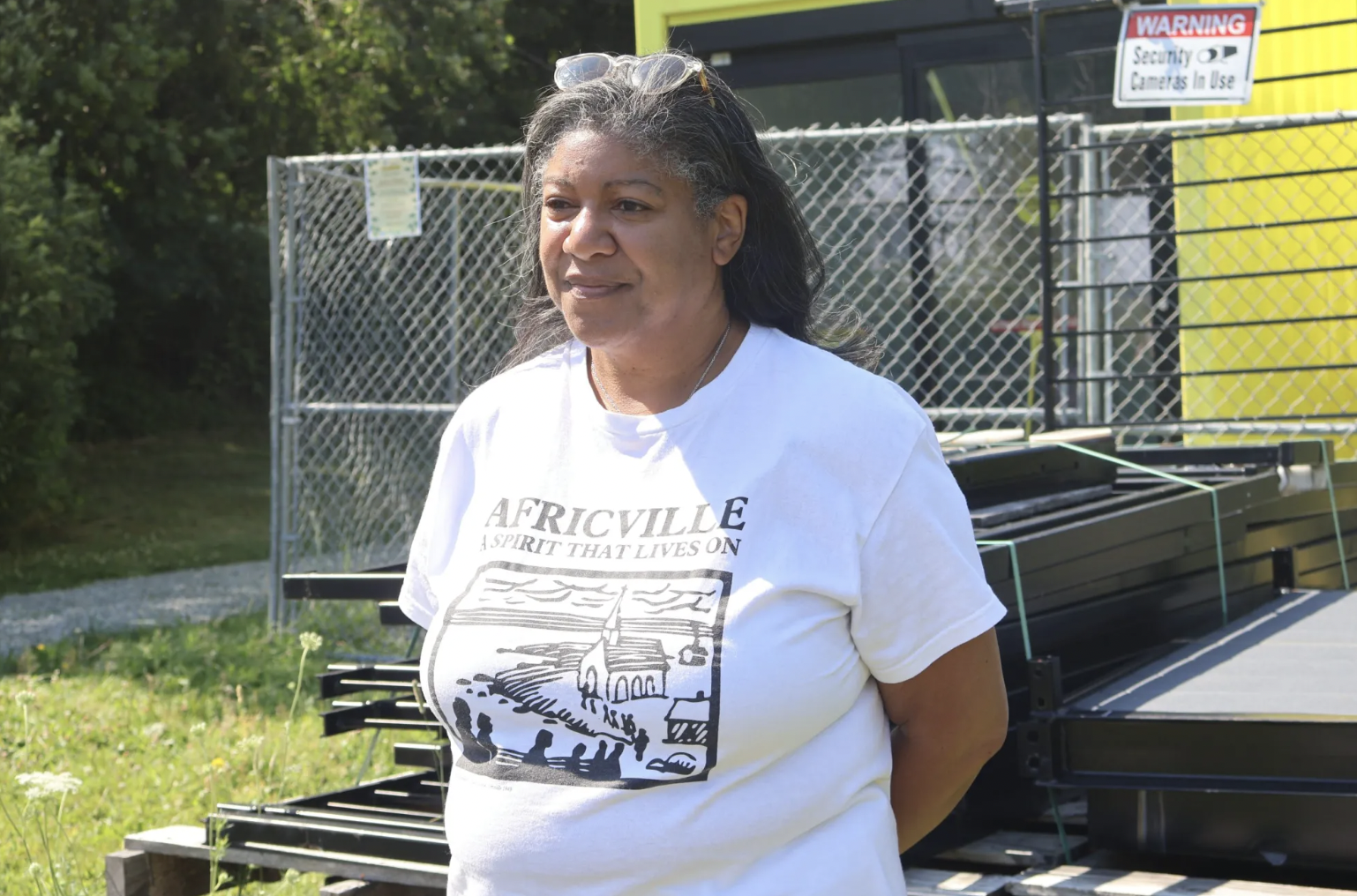
Juanita Peters on July 26, 2025. Credit: Madiha Mughees
Peters said the project aims to make accessible the foods “you grew up with but can no longer find after moving to another country.”
This is why, Peters said, Le Gendre and Orji chose okra to grow first, as it is a staple African food item that is not grown locally.
“Okra is one of those very difficult things to grow because it needs a controlled environment for a very long time,” Peters said.
“So we will start there and then branch out into other things. Because if we can do that, we can do almost everything we’re really interested in.”
The project, Peters said, is still in its experimental stage, but she is hopeful that it will be a success.
“There’s an education component here as well, where the next generation can look at opportunities and options to grow their own food. Know about the foods that (they) need,” Peters said.
“We will learn as well. And so I think that’s part of the joy of doing the journey together.”
Peters said there is a greater prevalence of diabetes in the African Nova Scotian community.
“Part of that is because we’re eating foods that are not normal to our bodies. And so over generations, we’ve created this whole new thing where we’re suffering from diabetes and many other illnesses.”
This project, Peters said, can likely help make a suitable diet accessible to the community, thereby improving overall community wellbeing.
She said she is hopeful this project will encourage people to think about the importance of learning to grow their own food and making meaningful food choices.
About a decade or two ago, Peters said the concept of food insecurity was unheard of but it is the reality today, making it all the more important for communities to take control of their food systems.
‘Food is my identity’
In an interview, Orji said that our food choices reflect our identity. By taking control of our food systems and being mindful of these choices, we can express ourselves and promote what benefits us.
“For me, food is my identity, and cultivating the food is also my identity,” Orji said.
“I grew up cultivating, that was the first thing I knew. It was the first way I (learned) that life could be sustained.”
Being able to grow food, Orji said, is a “legacy that has been passed down from generation to generation, and has proven to stand the test of time.”
Orji said that when people grow their own food, they do not have to worry about how it is made to survive the long supply chains or whether it is organic.
“You know what you put in it, you know what you grew and you know what you are eating,” Orji said.
‘The need is just really high’
Alyson Dobrota from Feed Nova Scotia also attended the workshop. She expressed her excitement about seeing the project “come to light” and appreciated the organizers’ commitment to food sovereignty and food justice, which she believes need more attention across the province.
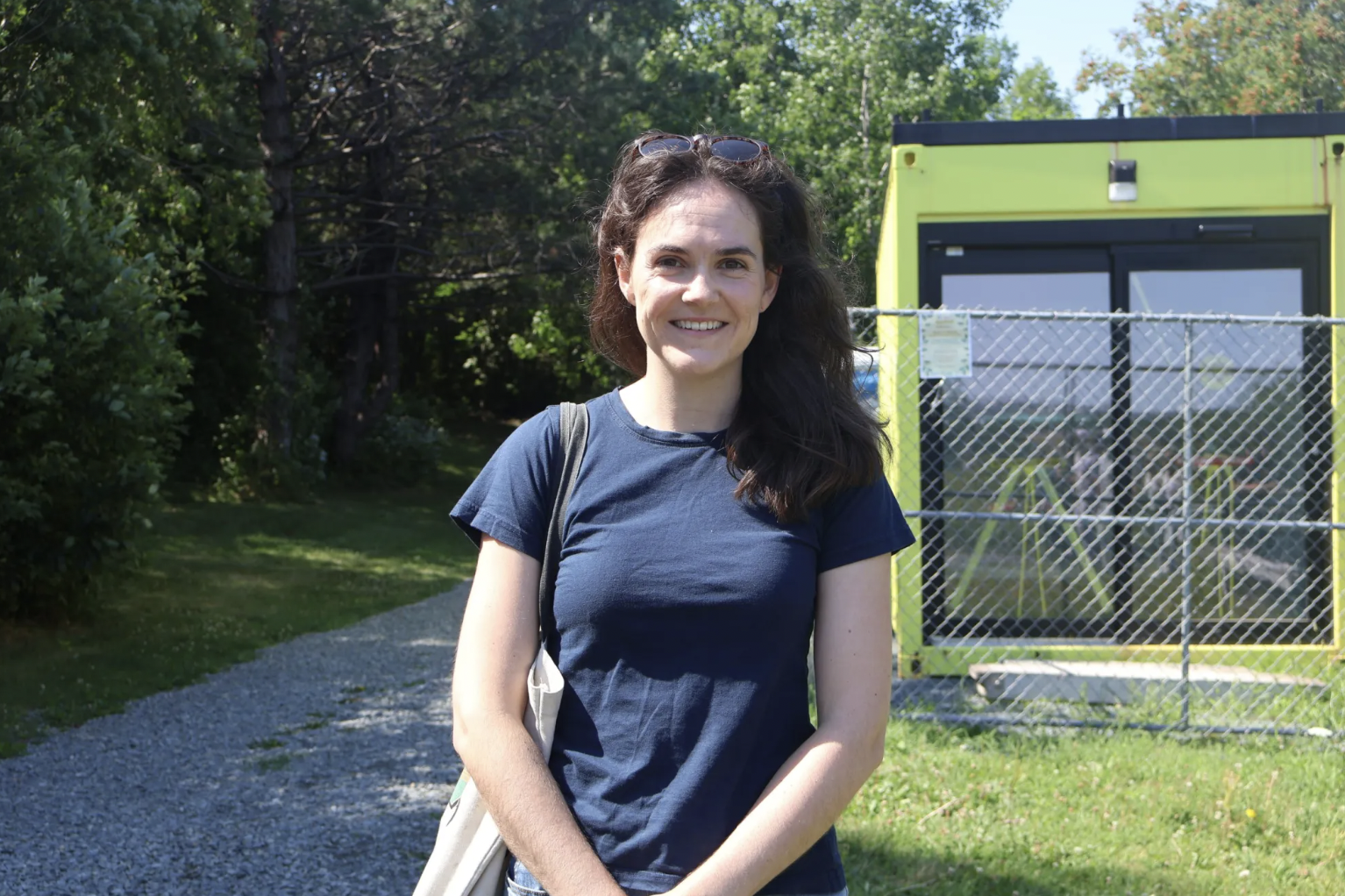
Alyson Dobrota on July 26, 2025. Credit: Madiha Mughees
“It’s definitely a really important project for food access, especially with culturally relevant food, and it’s really needed everywhere in Nova Scotia,” Dobrota said.
“I think that the need is just really high.”
‘Food does that spiritually, intellectually, socially and relationally’
A workshop attendee, Chris Eigbike said food plays the most important role when it comes to helping people identify themselves.
“Food does that spiritually, intellectually, socially and relationally,” Eigbike said.
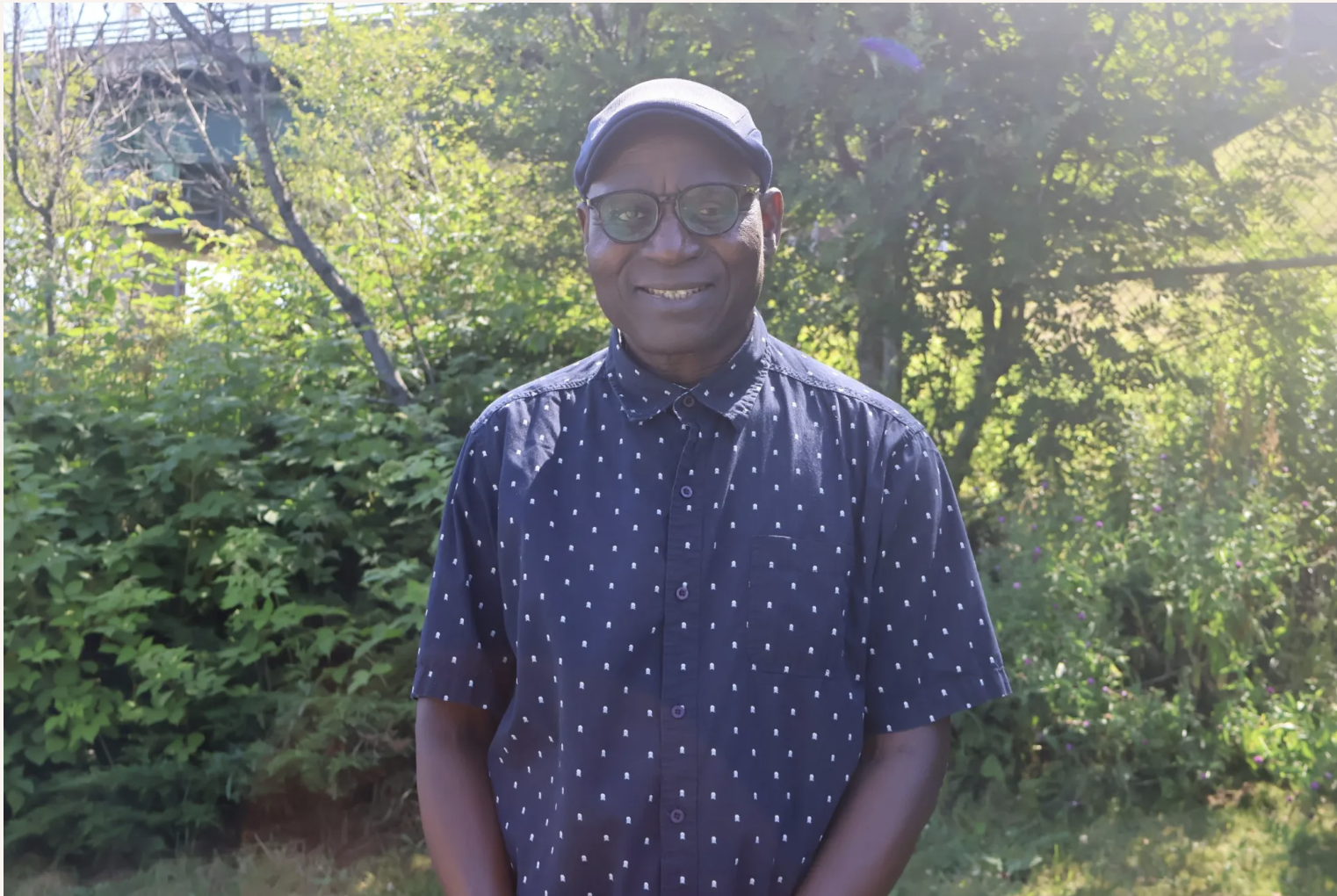
Chris Eigbike on July 26, 2025. Credit: Madiha Mughees
He said people need to be resilient and fight the corporate control over their food systems, and initiatives like these are little steps toward a food-sovereign future.
Another workshop attendee, Veronica Dossah said that this project is important because, from “time immemorial,” food has defined who we are.
“(Through this project) the skill would be passed on to the new generation to come. I think it is a great project, and it should be supported,” Dossah said.
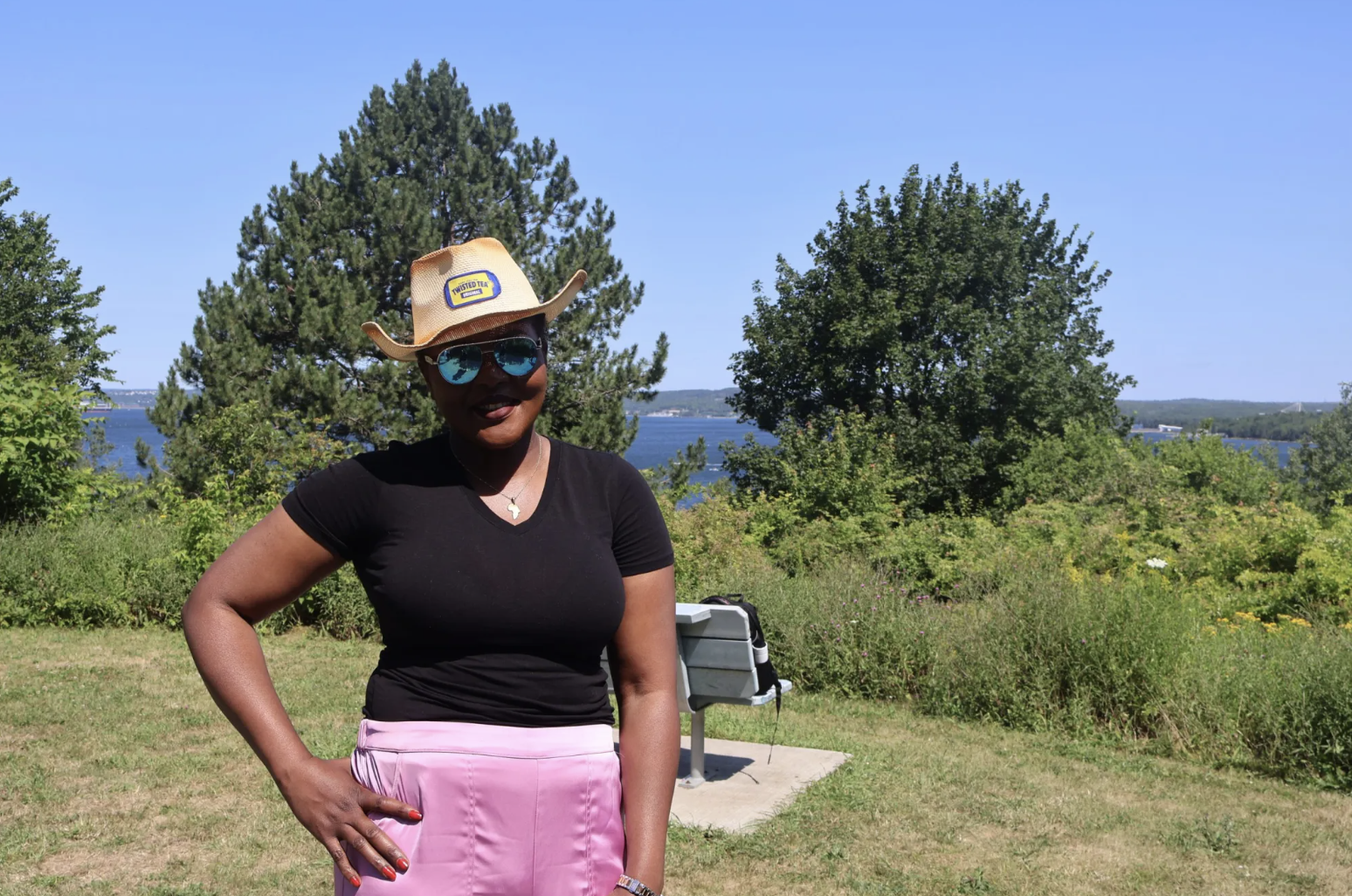
Workshop attendee Veronica Dossah on July 26, 2025. Credit: Madiha Mughees