

News About Farming in Shipping Containers & Limited Indoor Spaces
The Next Animal Feed Disruption Will Arrive in a Container
On 3 August, shipping data recorded only six vessels crossing the Strait of Hormuz. Three were bulk carriers.
The number may change tomorrow. The vulnerability will not.
More than 70% of the foodstuffs imported by GCC countries normally pass through the Strait of Hormuz.
The Hidden Cost of Importing 100% of Your Livestock Feed
Many livestock businesses analyse milk yield, daily weight gain, feed conversion and veterinary costs with great precision, yet continue to accept one of their largest financial dependencies as unavoidable: purchasing almost everything their animals consume from external suppliers.
How Much Does it Really Cost to Feed a High-Producing Dairy Cow In The Middle East?
Answering this question requires looking beyond the price per kilogram of alfalfa, hay or concentrate. Behind every litre of milk produced in the region, there is a cost structure shaped by raw materials, transport, storage, water availability, forage quality, supplier stability and the farm’s real ability to control its own feeding strategy.
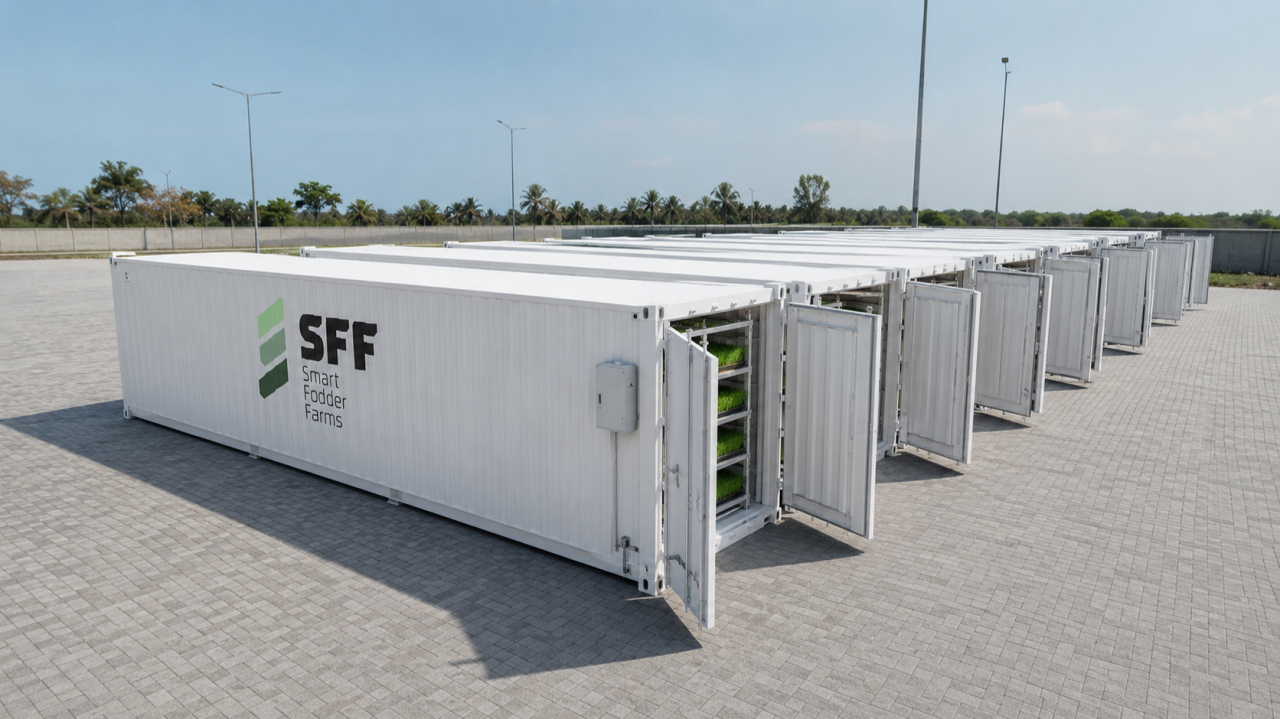
Heatwaves Are Exposing A Problem Many Livestock Farms Can No Longer Ignore
For years, many cattle operations have focused on buying forage when they needed it, storing it when possible and managing price fluctuations as part of normal farm life. That model worked reasonably well when climate, logistics and supply chains were more predictable.
But that is not the world many farms are operating in today.
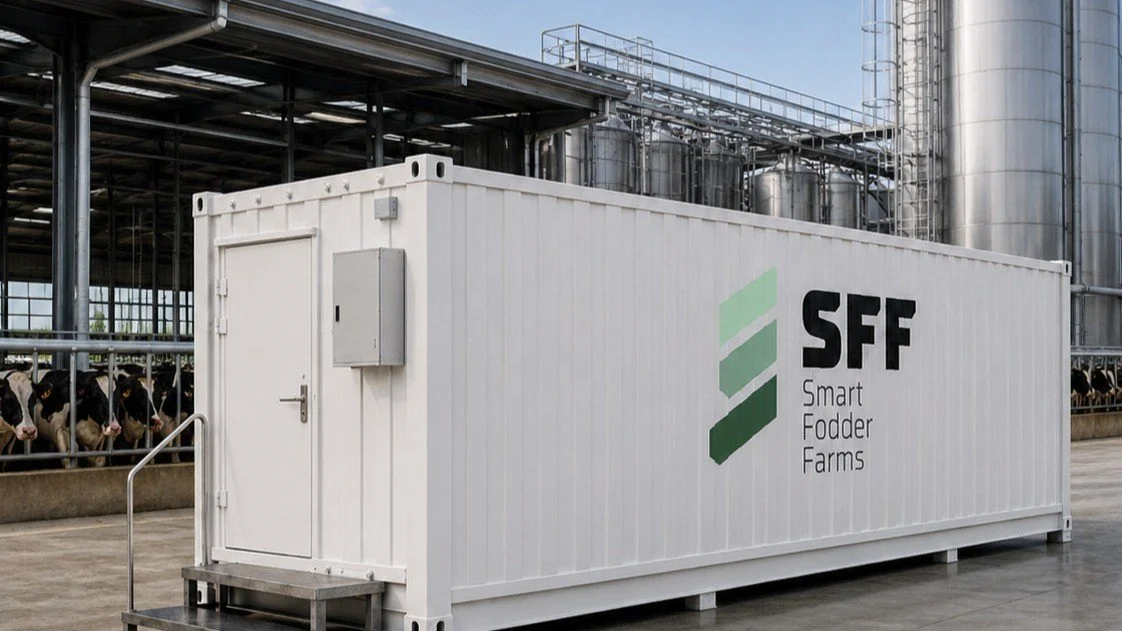
Can a Hydroponic Fodder Container Become a Local Supply Business For Cattle Farms?
In many livestock regions, feed is no longer just another operating expense recorded on a balance sheet; it has become a strategic factor that directly influences the stability and profitability of the entire livestock operation.
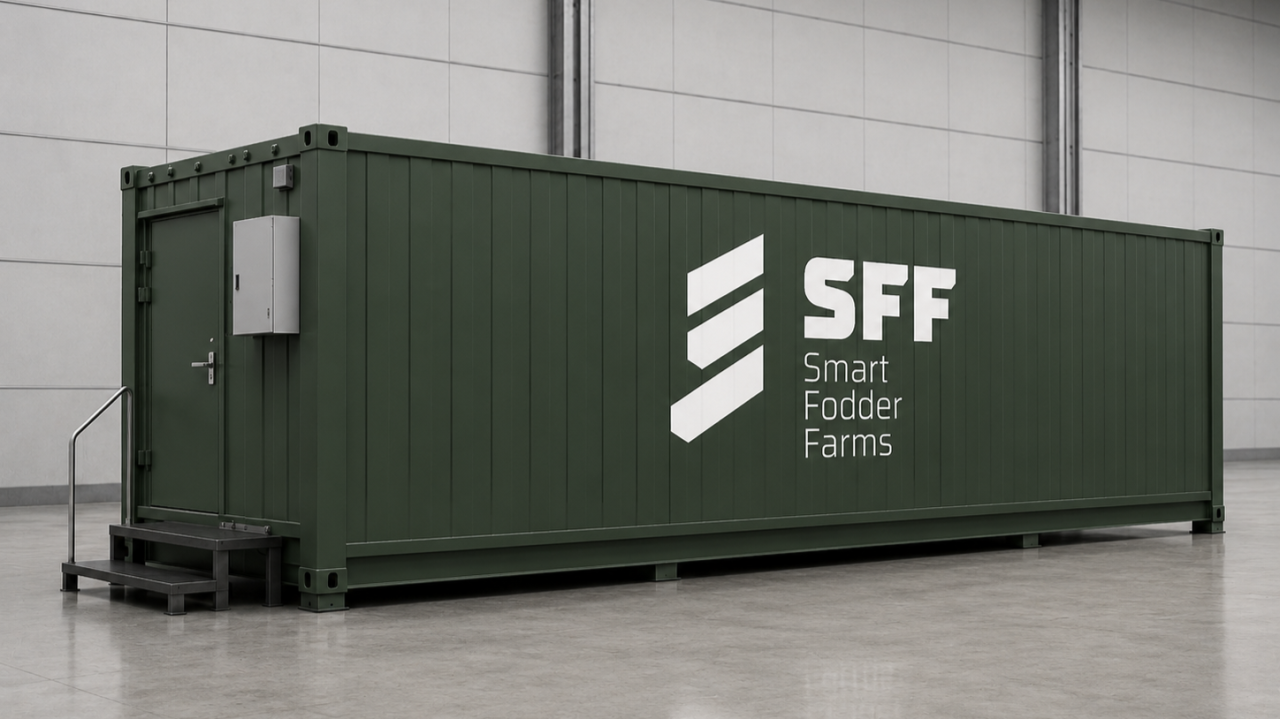
Which Hydroponic Fodder Container Should Your Livestock Farm Choose?
For many livestock producers, the debate is no longer whether hydroponic fodder works. The real question is which container model best fits their operation.
The answer depends on factors such as herd size, daily feed requirements, available space and future growth plans.
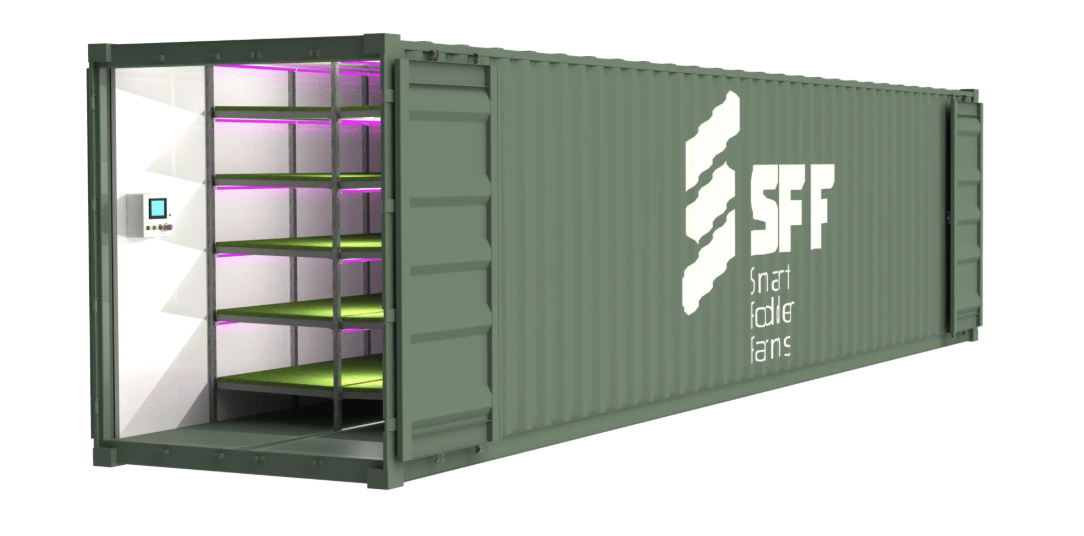
How Much Fresh Fodder Can a Livestock Farm Produce Inside a Container? More Than Many People Expect.
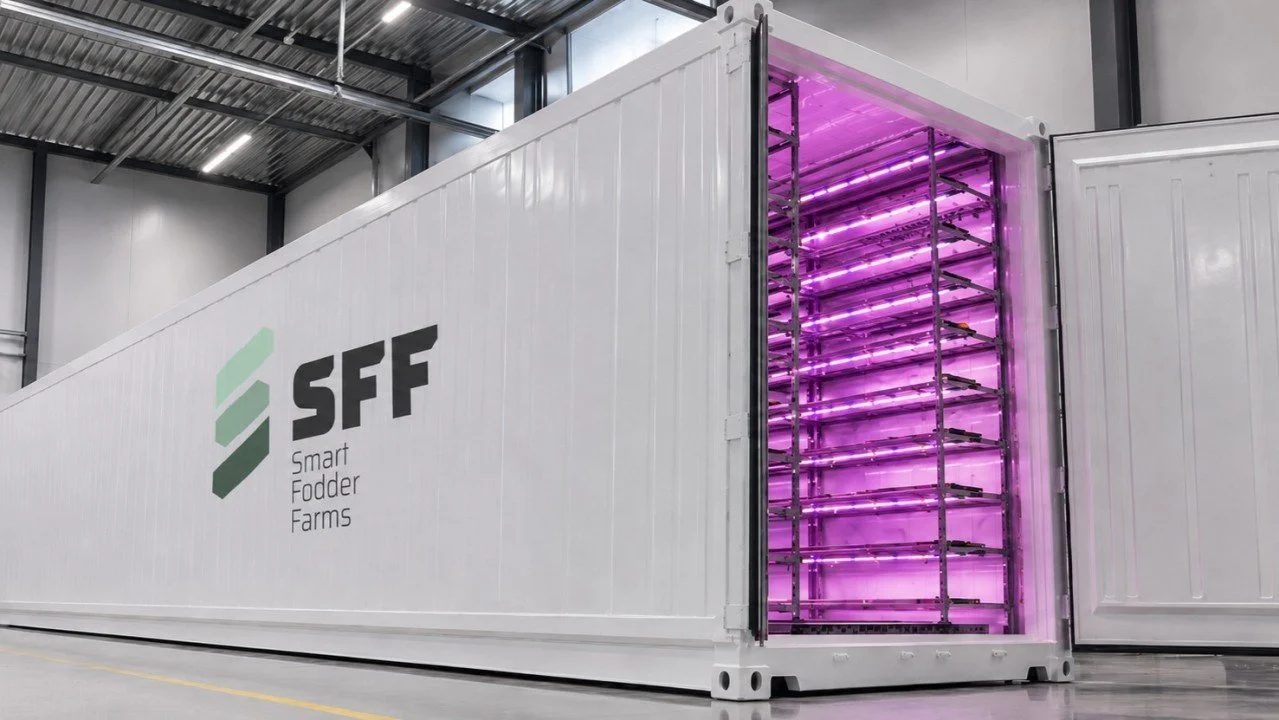
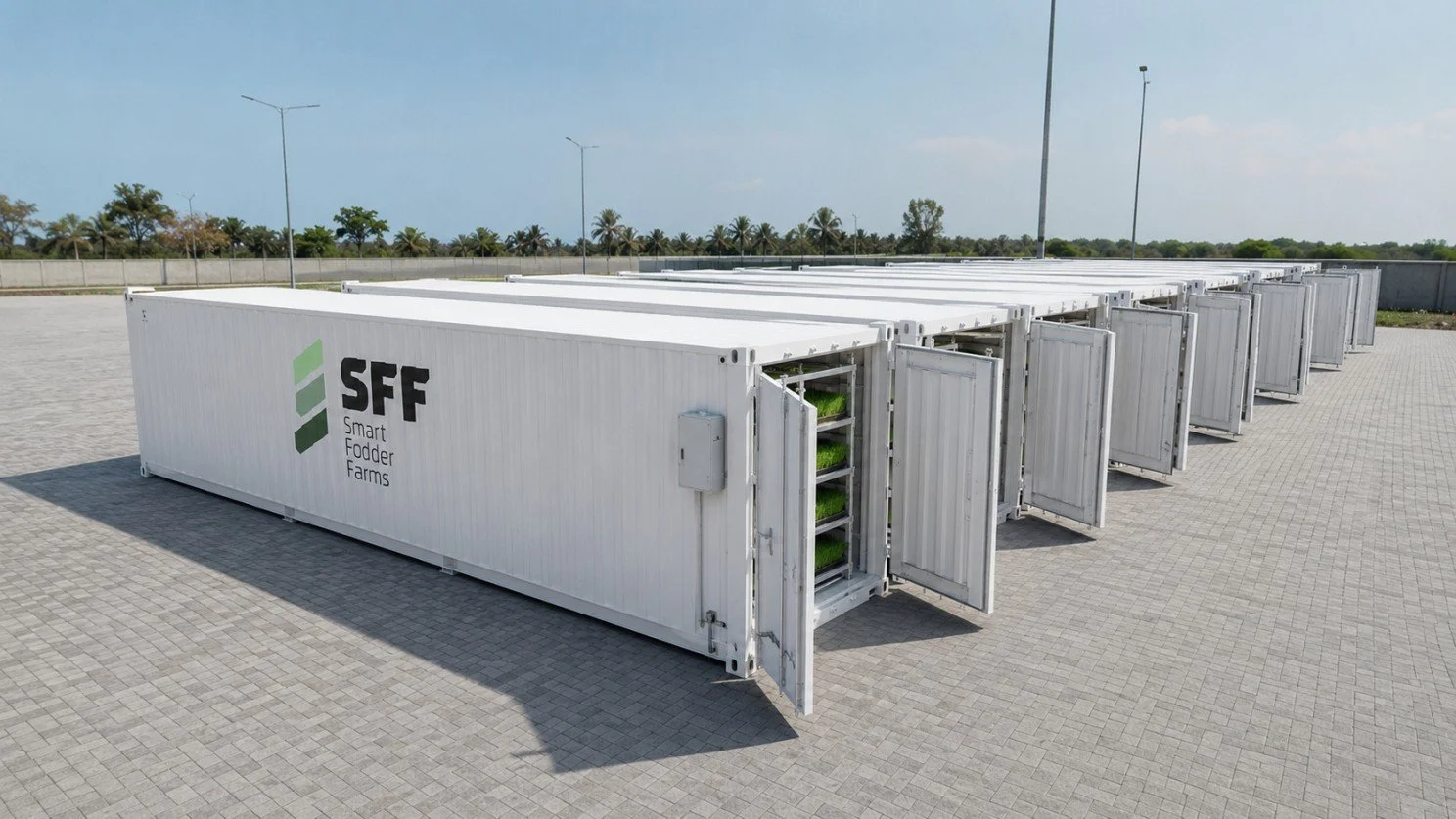
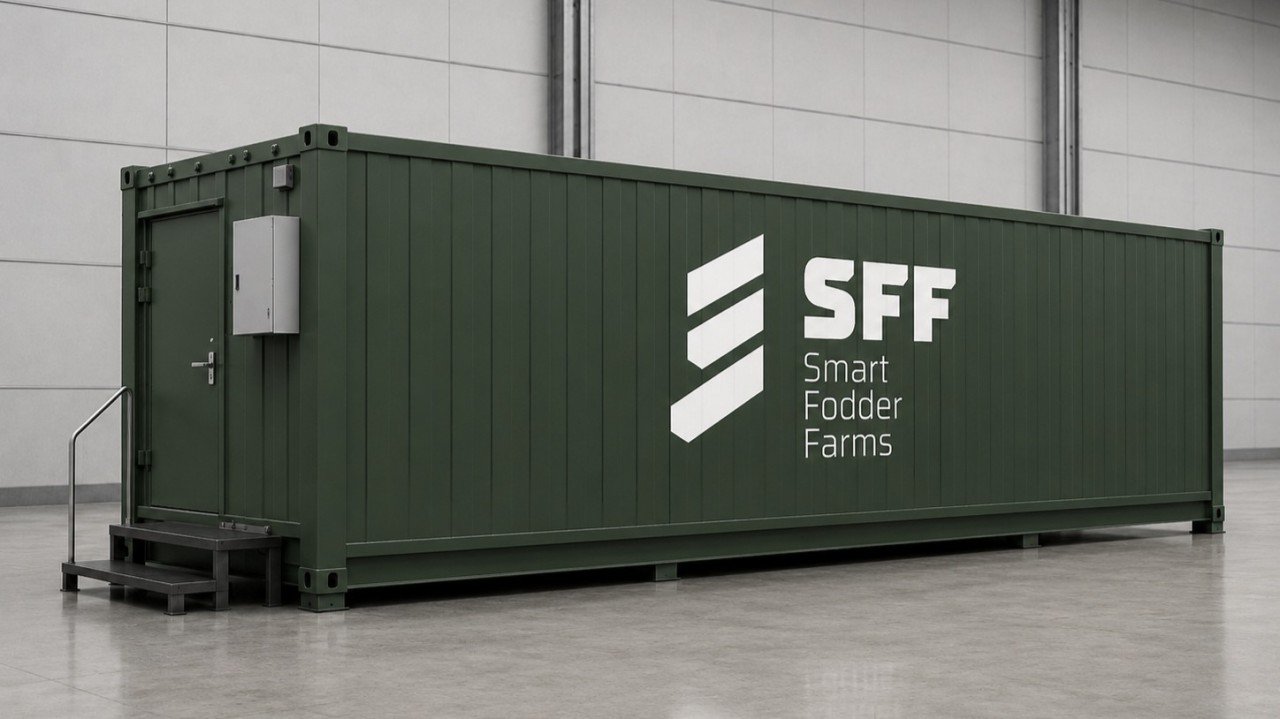
At Smart Fodder Farms, we work with hydroponic fodder production containers designed for livestock companies that want to reduce their dependence on external feed suppliers, imported forage and logistics costs.
Scalable Fodder Strategy: Why Livestock Farms Need to Stop Depending Completely on External Suppliers
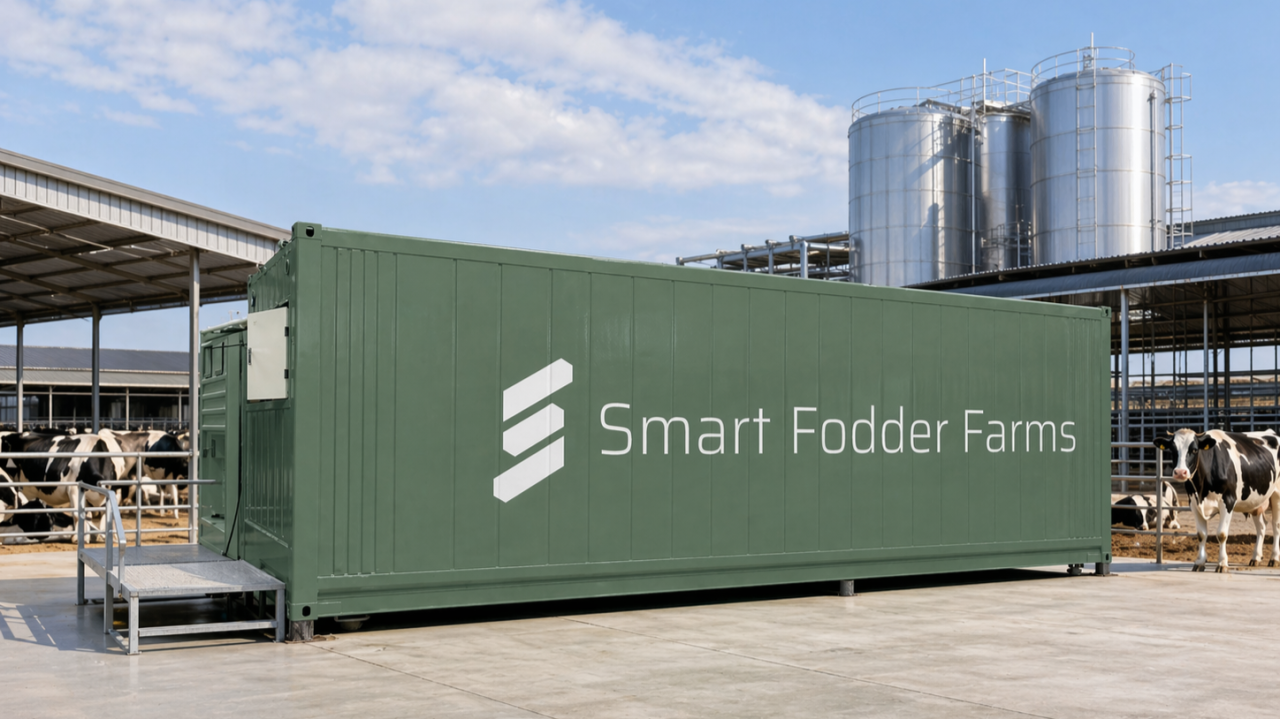
A Smart Fodder Farms container allows livestock companies to start producing fresh hydroponic fodder directly on-site, inside a controlled and automated production module. The system is designed to germinate and grow cereals and legumes under controlled humidity, temperature, irrigation and lighting conditions, producing fresh green fodder with high palatability and digestibility.