

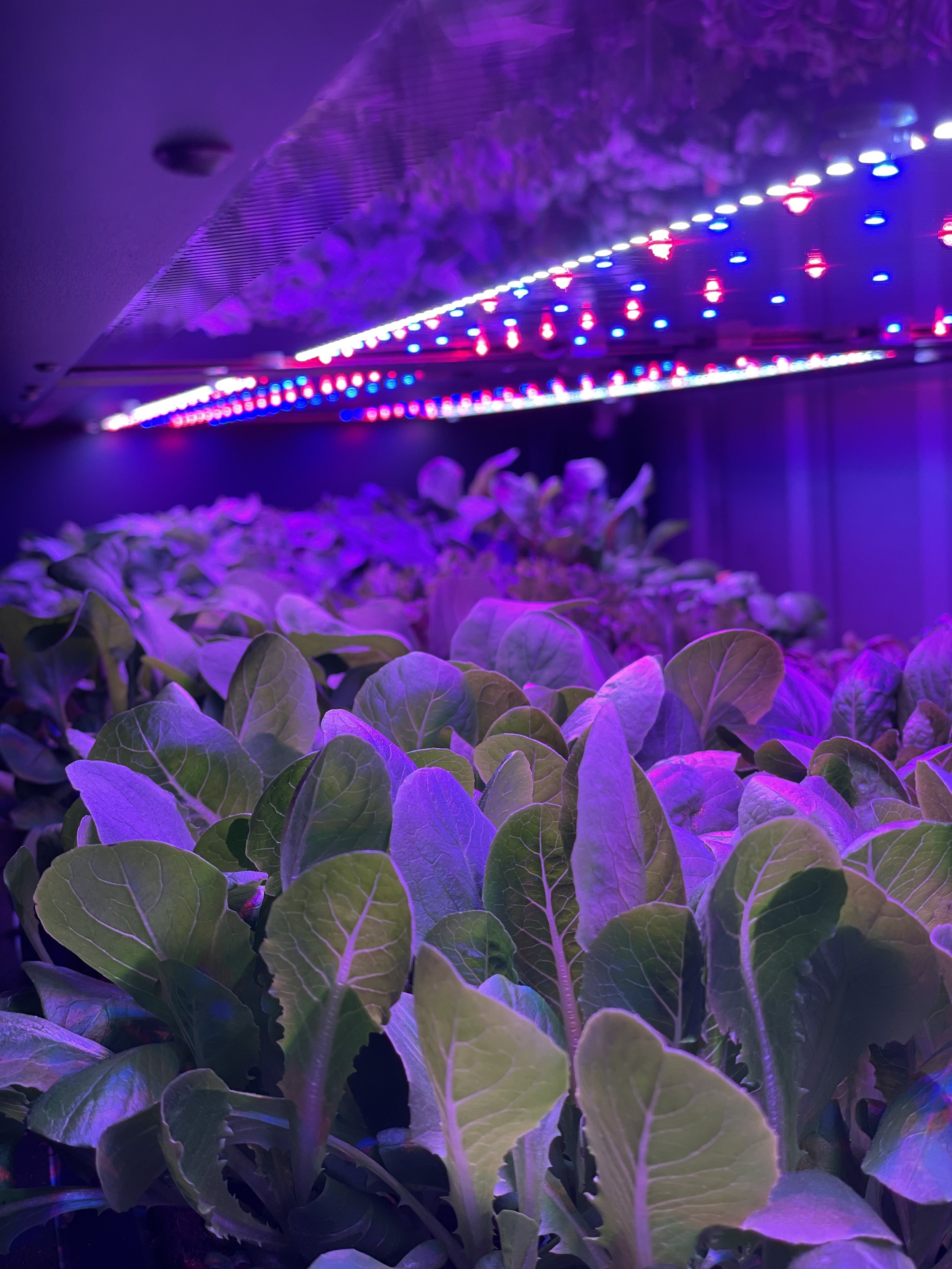
News About Farming in Shipping Containers & Limited Indoor Spaces
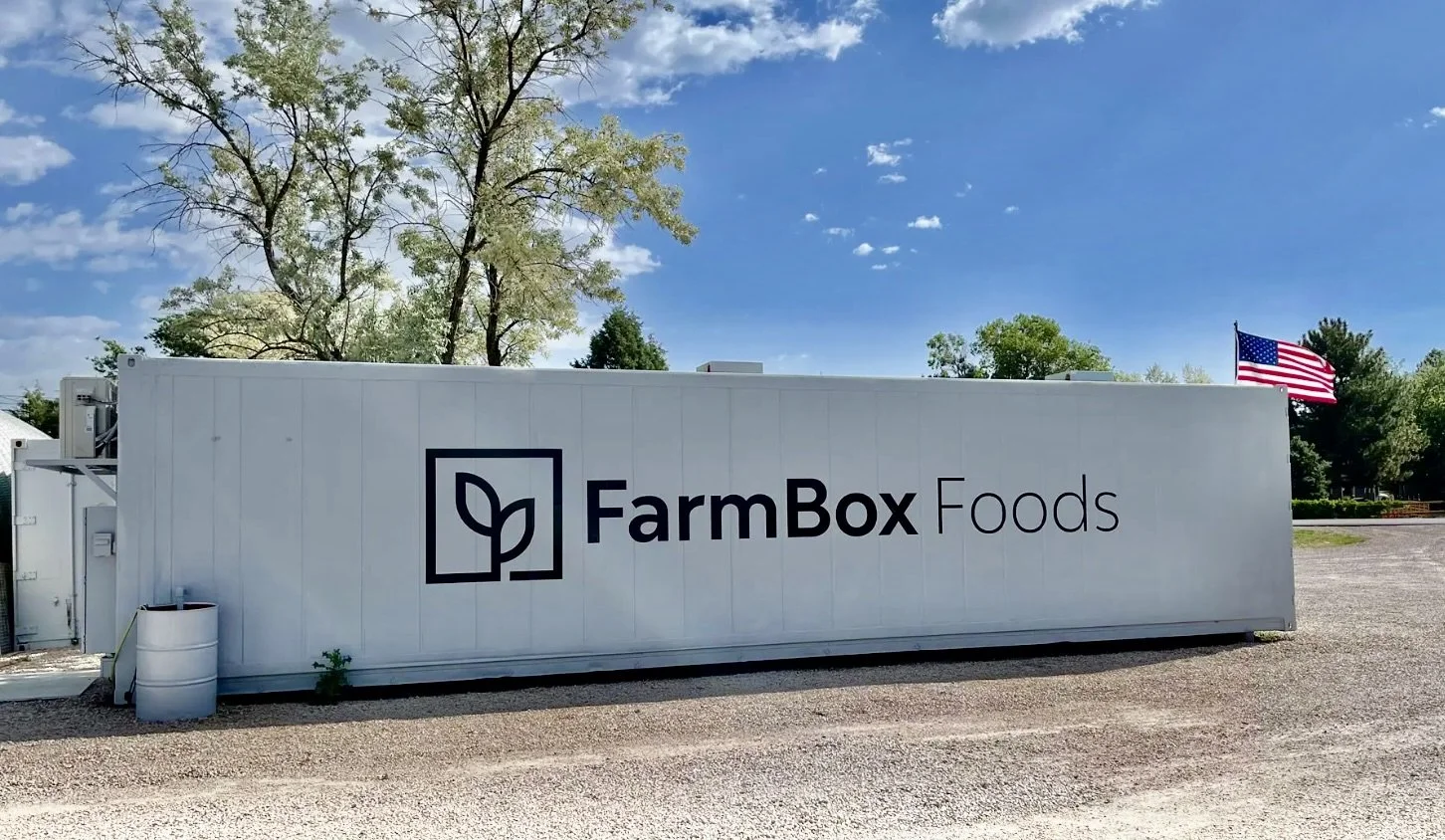
Mamdani Admin To Turn Felons Into Gourmet-Food Producers for ‘Farm-to-Table’ Dining at NYC Jails
The New York City Correction Department has awarded a nearly $230,000 annual contract to a Colorado-based firm, FarmBox Foods, to teach inmates — or “persons in custody” — at Rikers Island and other municipal jails how to “vertical” farm in an urban setting.
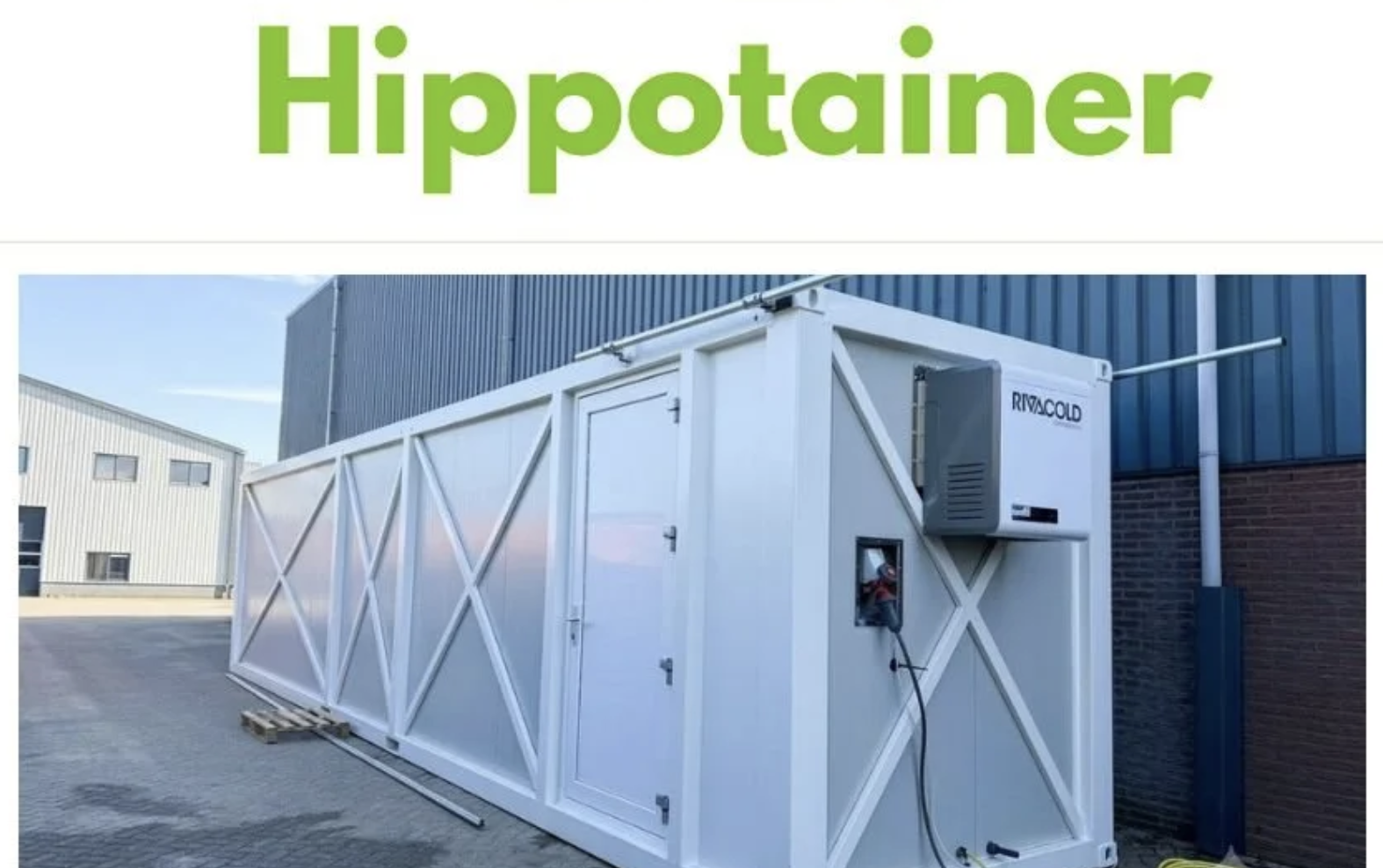
Exciting News From StartLife Alumnus Hippotainer
🌍 This milestone marks an important chapter in Hippotainer's journey to develop innovative and sustainable solutions for the future of agriculture. After the christening, the container will set sail for its next adventure in Bonaire, where it will play a vital role in contributing to local food security.
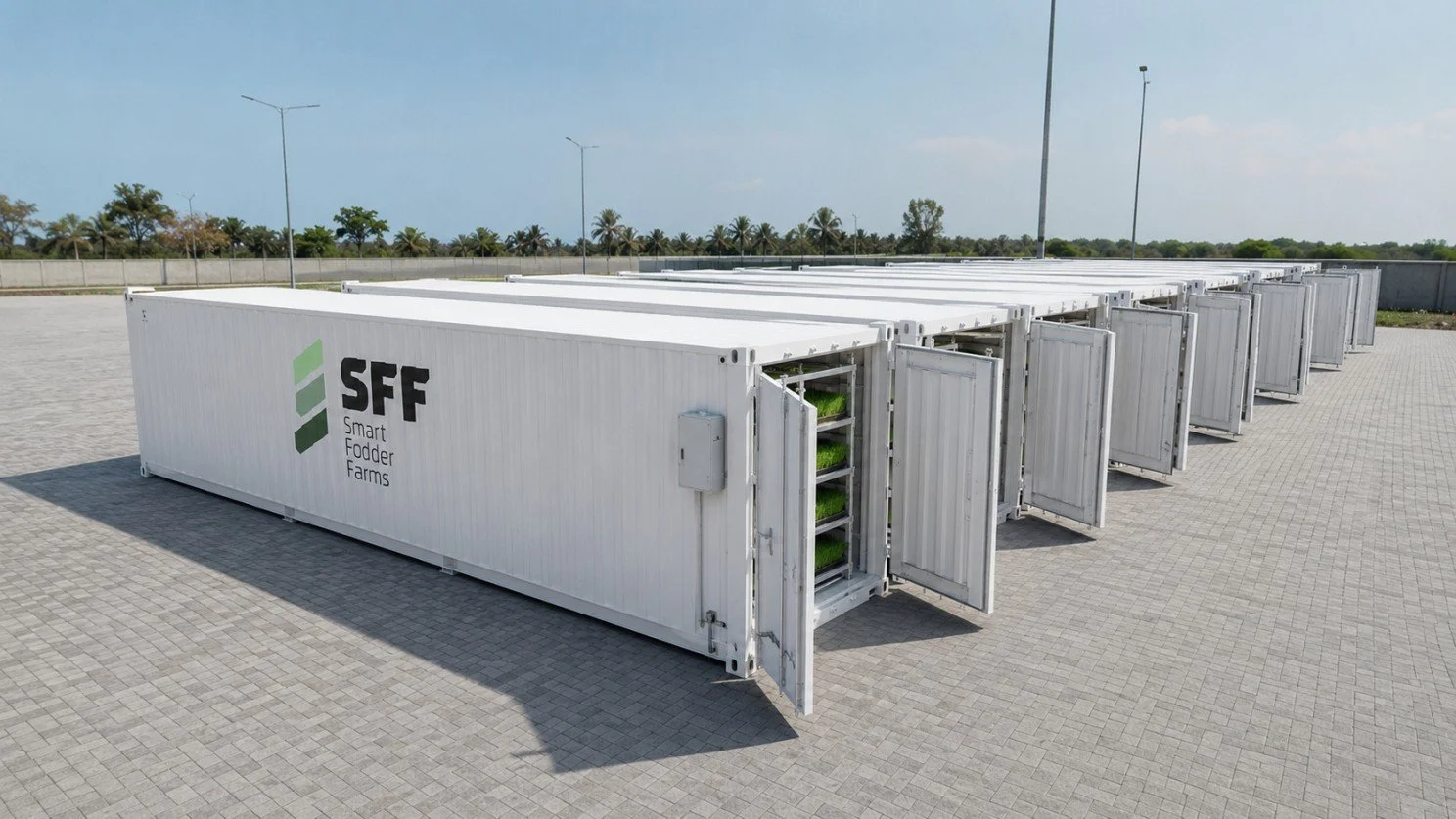
The Hidden Cost of Importing 100% of Your Livestock Feed
Many livestock businesses analyse milk yield, daily weight gain, feed conversion and veterinary costs with great precision, yet continue to accept one of their largest financial dependencies as unavoidable: purchasing almost everything their animals consume from external suppliers.
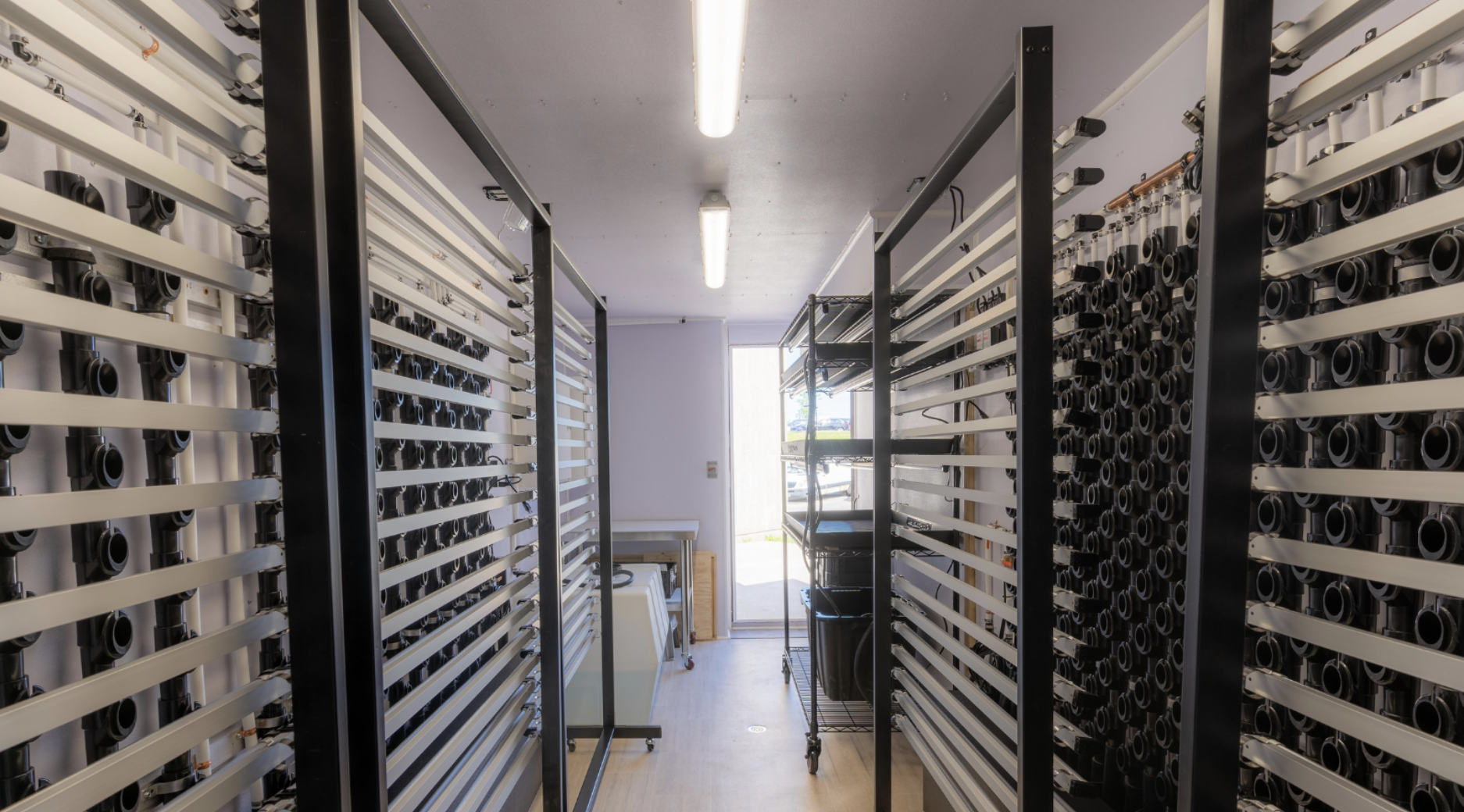
How Can Food Banks Use Container Farms to Grow Fresh Food Year-Round?
Container farms for food banks make it possible to grow fresh produce indoors, every day of the year, regardless of season or weather. A container farm is a repurposed shipping container fitted with hydroponic growing systems, LED lighting, and climate control, and it lets a food bank become a producer of fresh food rather than only a distributor of it.
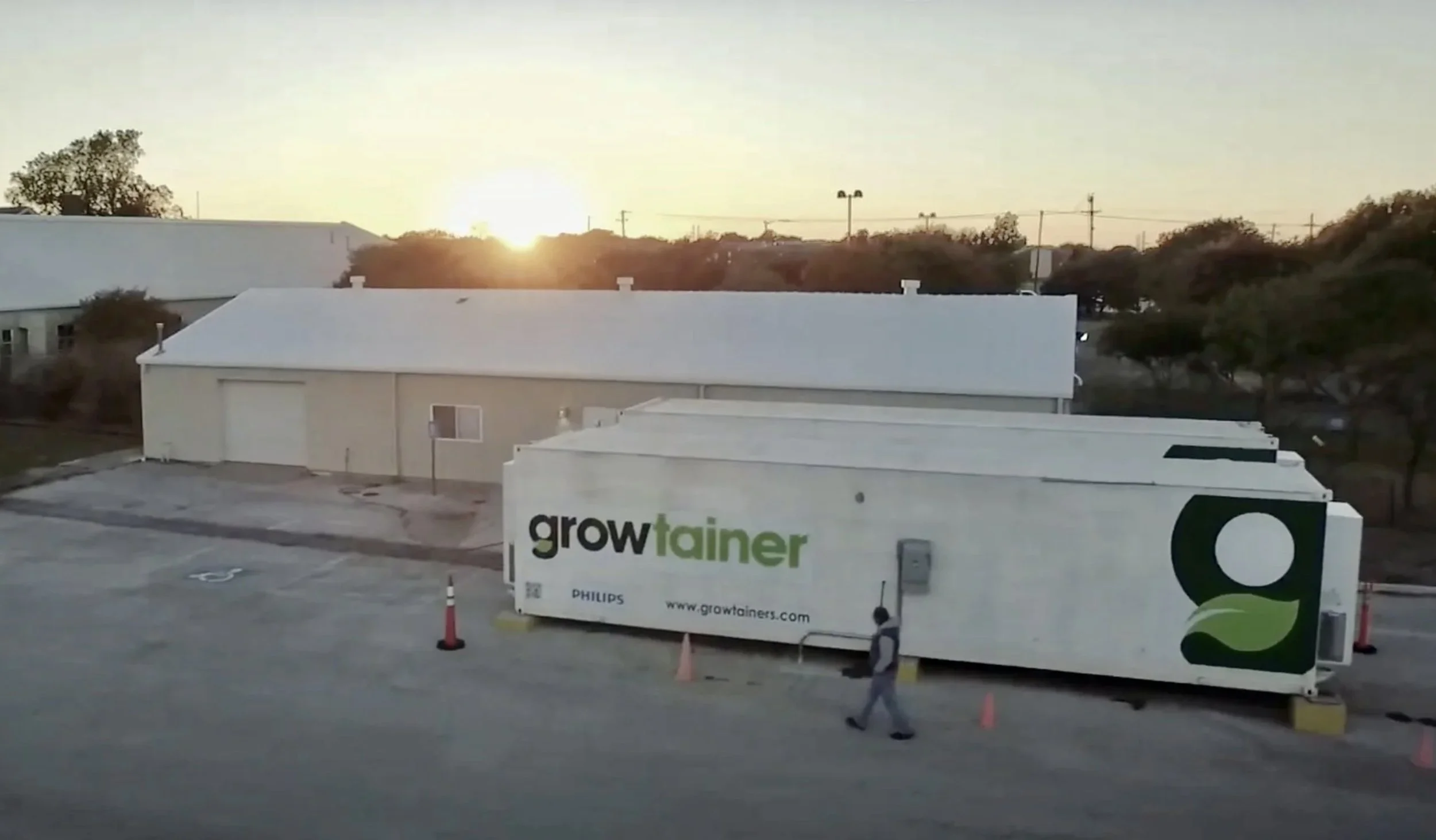
With Growtainer® Containers, It’s Possible To Grow Almost Anything, Almost Anywhere.
The two climate-controlled containers measure 40 feet in length where DiveDWN can grow up to 36,000 heads of lettuce annually in colder temperatures and when warmer, crops like tomatoes can thrive.
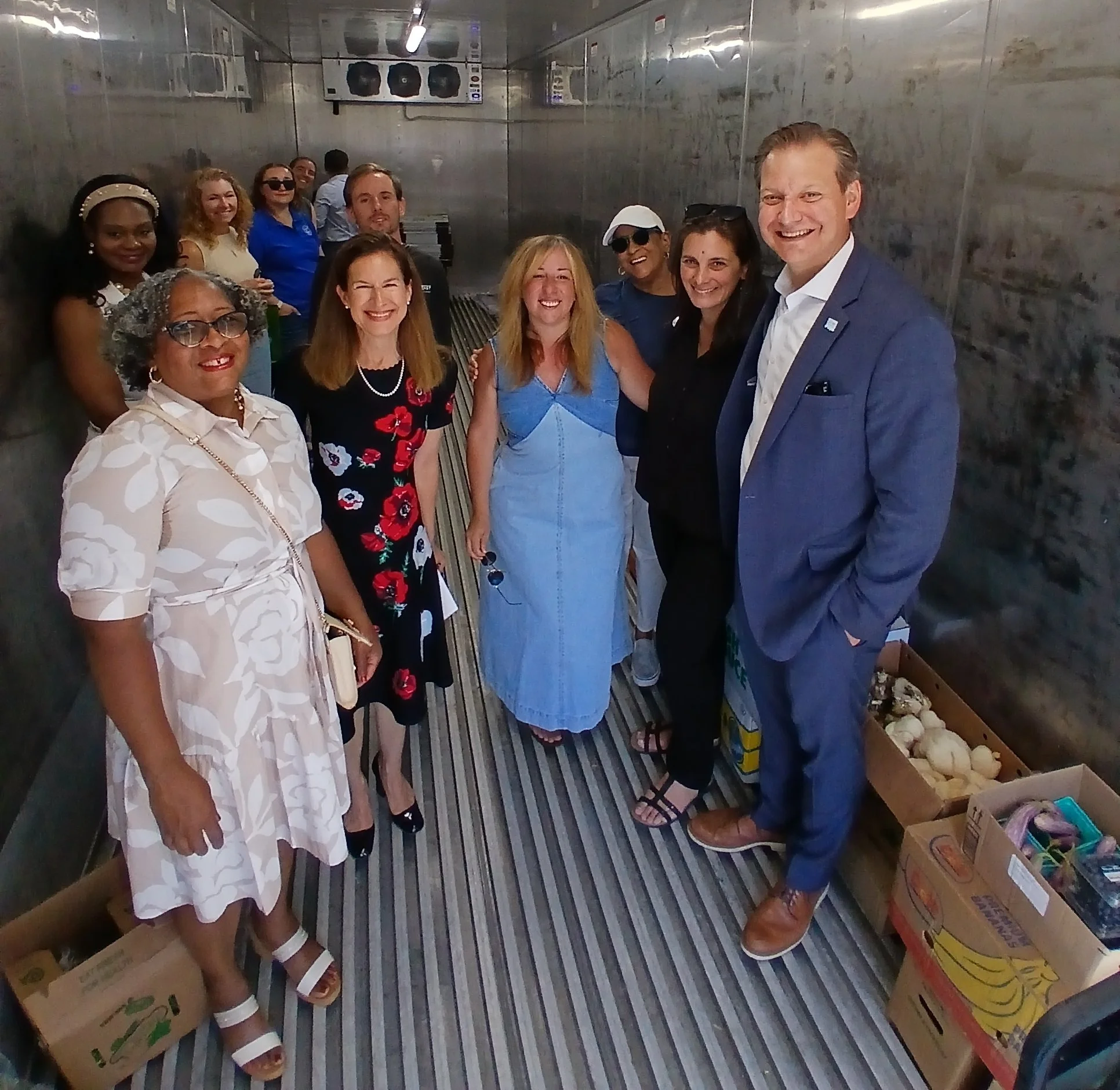
State Grants Build Farm-To-Pantry Pipeline
There’s a difference between being fed and being nourished. It took a shipping container, a delivery van, three state grants, and the coordination of partners who refuse to accept that fresh food is a luxury — but last Monday, that difference got a little smaller for our neighbors experiencing food insecurity.
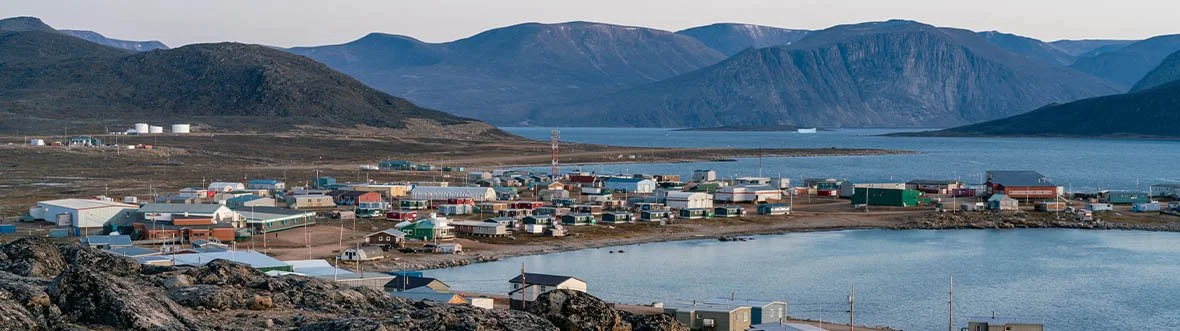
Advancing Food Production Capabilities in Deep Space While Supporting Food Security in Nunavut
The Growcer Inc. will work with Arctic Fresh Group of Companies, an Inuit-owned enterprise in Nunavut, to co-develop a concept for a deployable Controlled Environment Agriculture (CEA) unit.
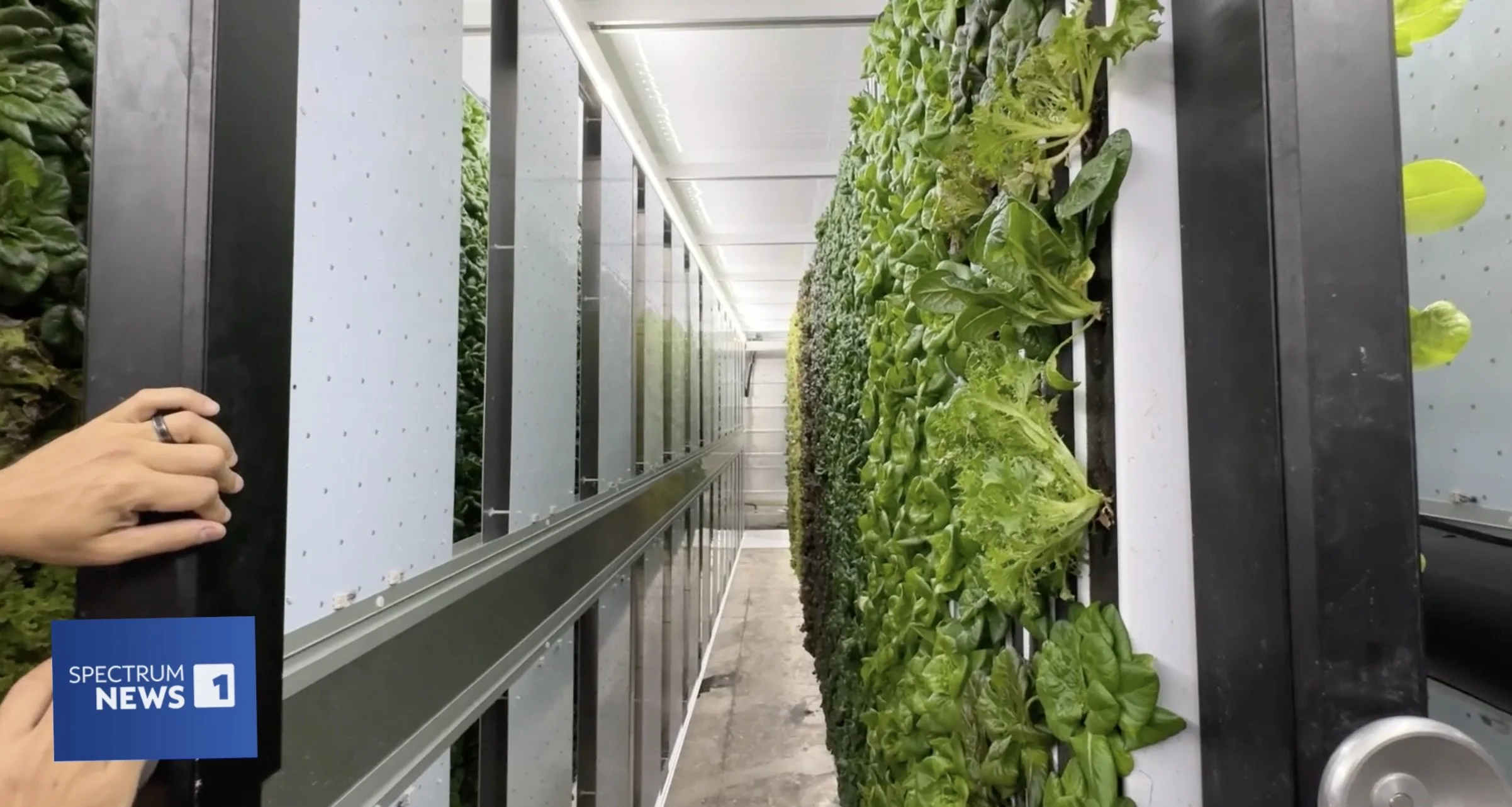
A Farm in Charlotte Grows Indoors and Offers Options as Cyclosporiasis Cases Go Up
Adrina Farms is a hydroponic farm. They grow in water instead of in soil, and then nutrients get added to the plant in a controlled environment. It’s right in the middle of the City of Charlotte at Innovation Barn, and they grow lettuce vertically.
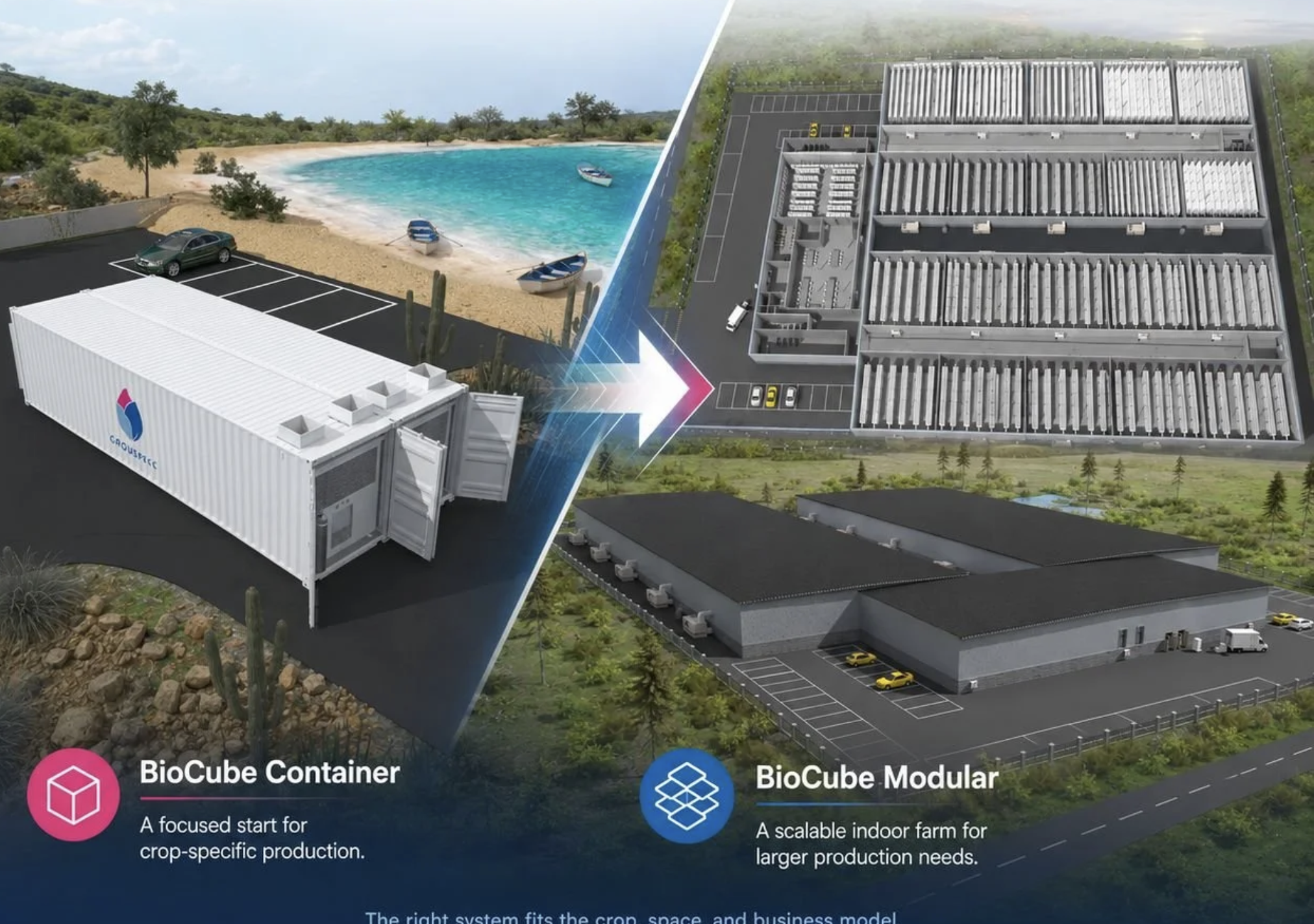
From Single Unit to Modular Farm Infrastructure 🌱
Not every indoor farming project needs to begin at full scale.
For some growers, a single BioCube Container is the right place to start. It offers a focused environment for one crop, one production model, and a clearly defined output..

USA - MARYLAND: Gardyn Hydroponic Systems Installed at Howard County Schools
The Howard County Food Council has installed Gardyn Hydroponic Systems at seven county schools to grow fresh vegetables, herbs, and flowers through hands-on instruction with students.
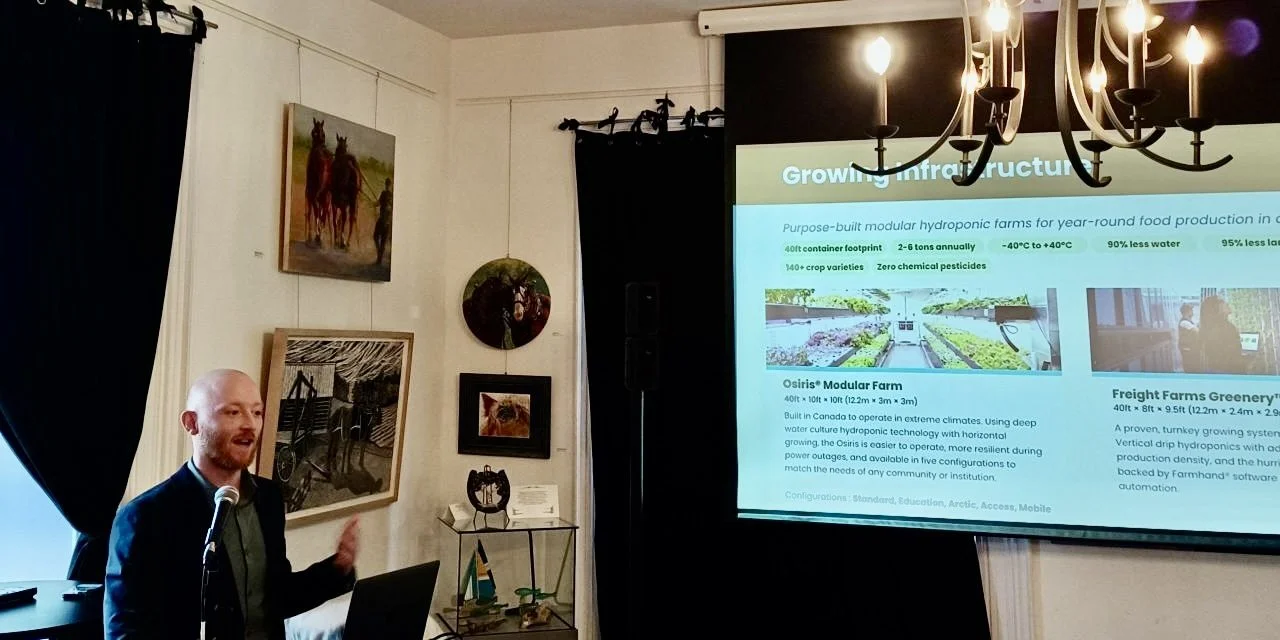
CANADA: The Growcer Brings Greens to More Consumers
The Growcer, an Ottawa-based company, allows farmers and others needing fresh vegetables to grow hydroponically in small, self-contained, universal units.
The company was founded in 2016.
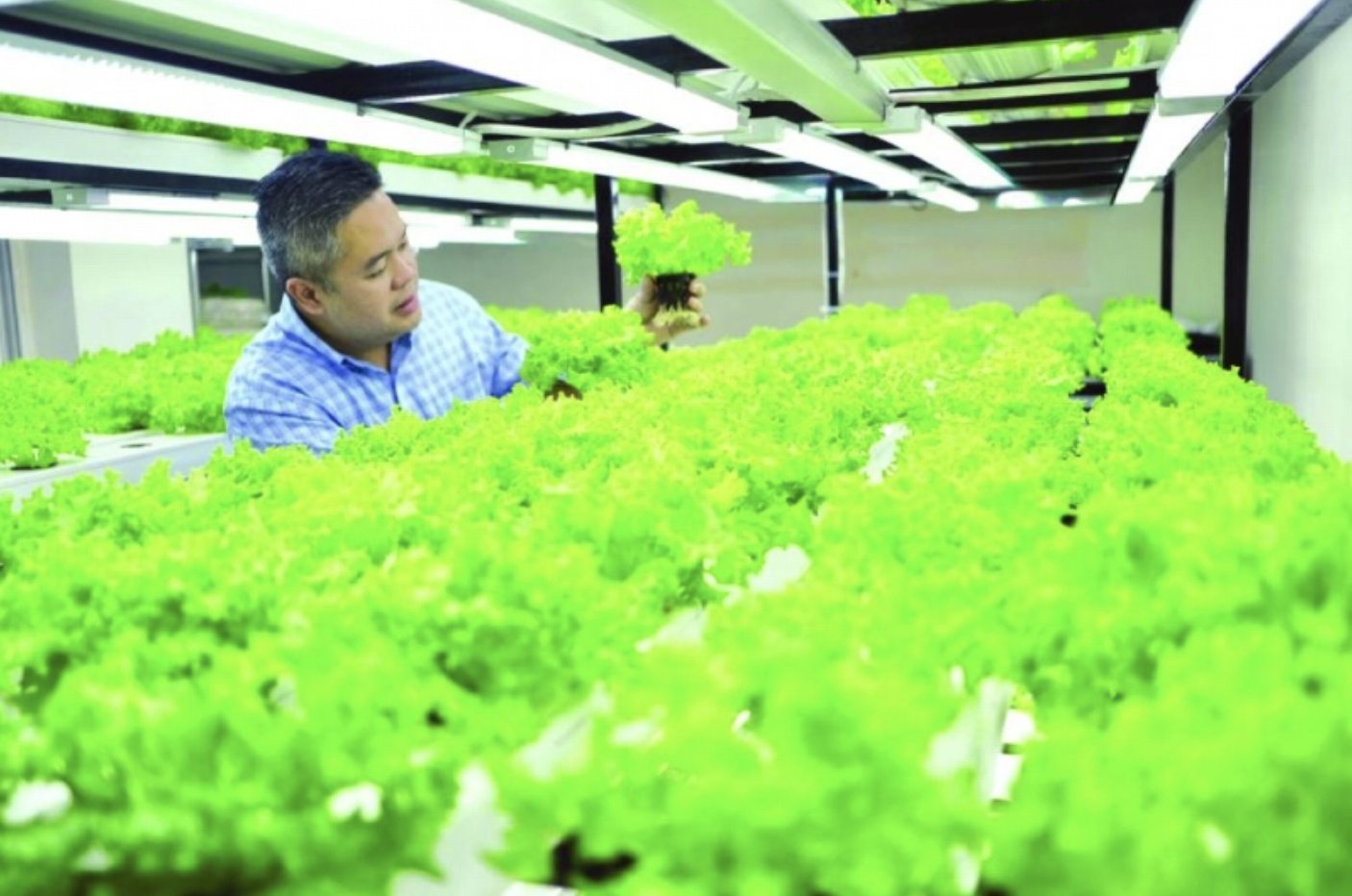
Qatar Startup Grows Hydroponics For a Hotter, Drier Future
What began as a simple family gardening activity during the Covid-19 pandemic has evolved into a structured agricultural enterprise, accountant-turned-entrepreneur Jeacim Francis Adaya told Gulf Times in an exclusive interview.
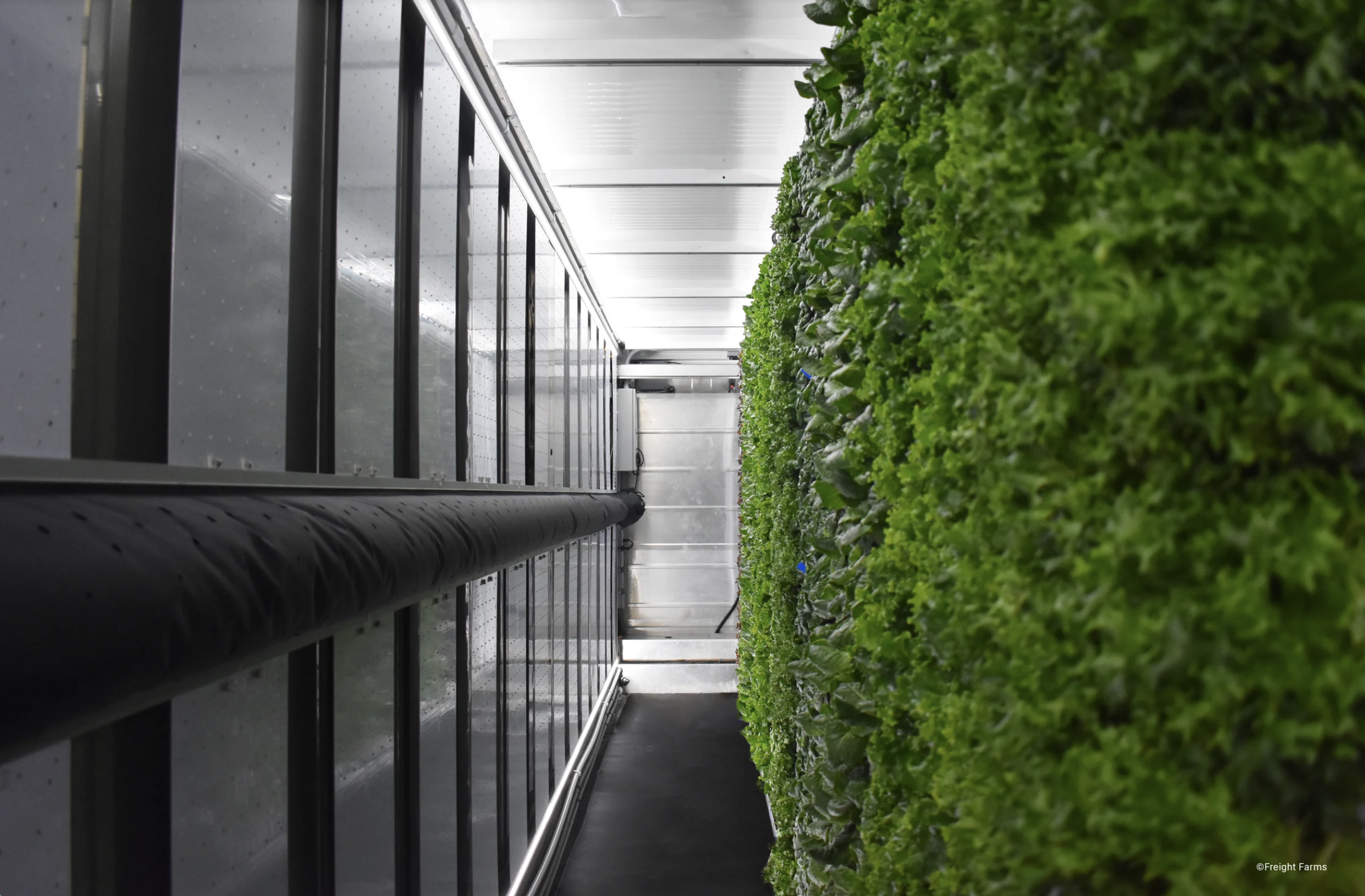
USA - NORTH CAROLINA: Vertical Farm at Innovation Barn Offers Alternative to Traditional Produce in Charlotte Region
In Charlotte, an indoor vertical farm at the Innovation Barn is positioning itself as an alternative to traditional outdoor growing by moving lettuce production into shipping containers and using a controlled, water-powered system designed to limit outside exposure.

Innovation in a Changing Ag Economy Highlighted at Midwest Agriculture Summit
Fork Farms, an indoor hydroponic farming company based in Green Bay, Wisconsin, helps people grow their own food. Company founder and CEO Alex Tyink believes in the importance of building resiliency and access to fresh produce in communities.
“The whole purpose behind what we're doing is we're trying to get fresh food more within reach to everybody everywhere,” he said.
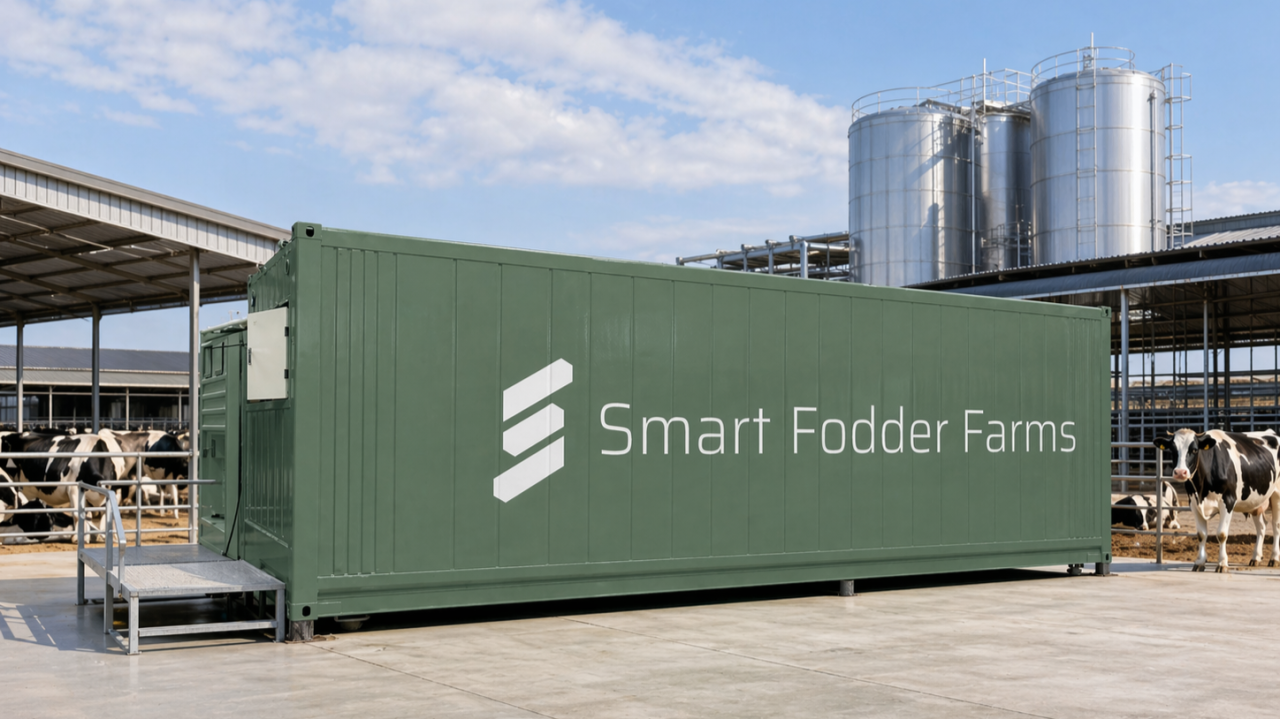
How Much Does it Really Cost to Feed a High-Producing Dairy Cow In The Middle East?
Answering this question requires looking beyond the price per kilogram of alfalfa, hay or concentrate. Behind every litre of milk produced in the region, there is a cost structure shaped by raw materials, transport, storage, water availability, forage quality, supplier stability and the farm’s real ability to control its own feeding strategy.
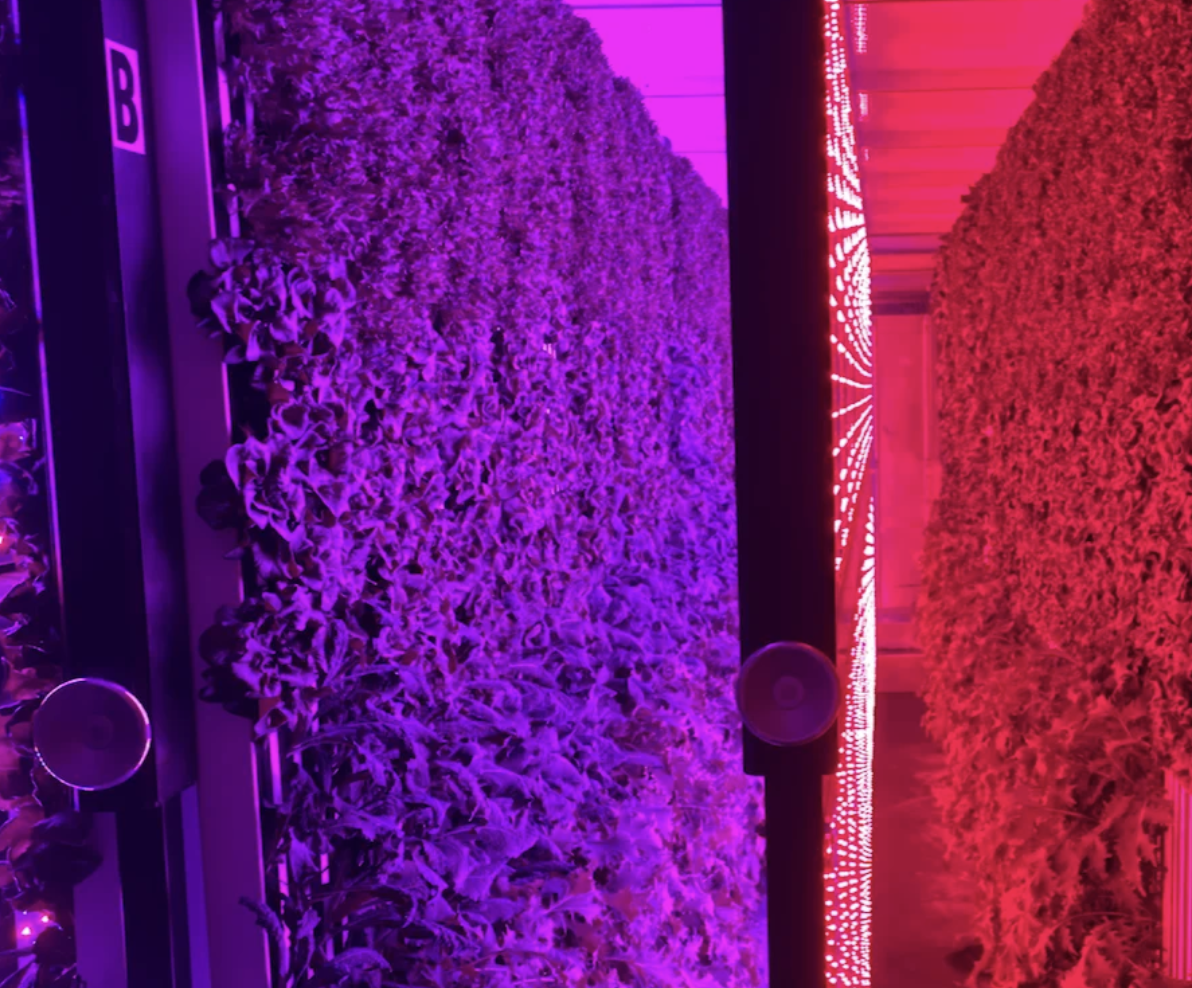
USA - MISSOURI: Local Farms Increase Safety Amid Cyclospora Outbreak
Josh Smith, owner of Neon Greens, outlined the advantages of their closed-environment agriculture. “We’re able to control the sun which are our led’s and the water, the best city water. We’re able to add nutrients to that water as you would your home,” Smith said.
The establishment grows three types of lettuce vertically within a thermally efficient shipping container, combining urban farming with a restaurant model off Manchester.
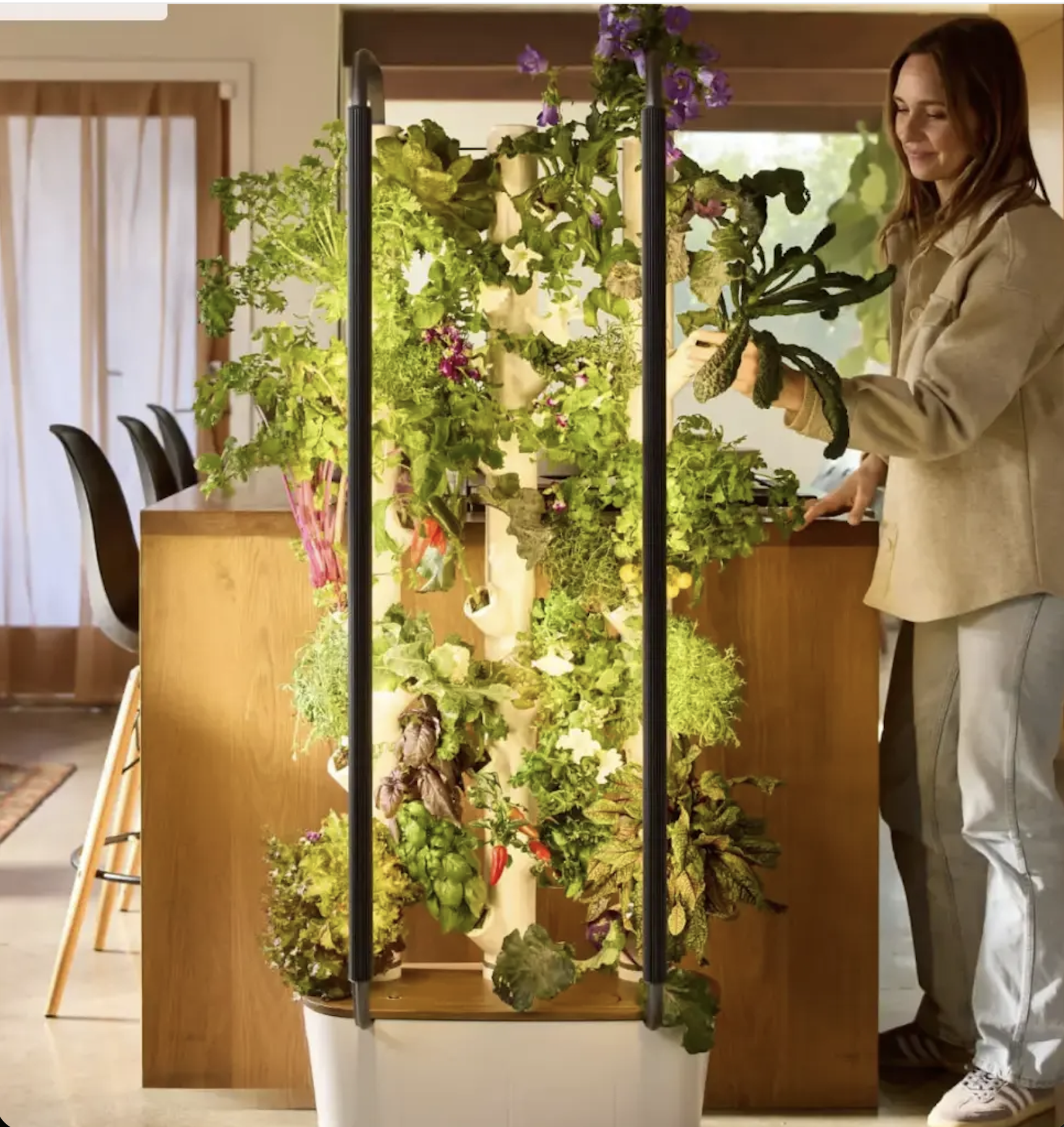
USA - MARYLAND: Howard County Students Grow Fresh Produce in Schools Via Hydroponic Gardening Systems
The Howard County Food Council (HCFC) has installed Gardyn Hydroponic Systems at seven County schools to grow fresh vegetables, herbs, and flowers through hands-on instruction with students.
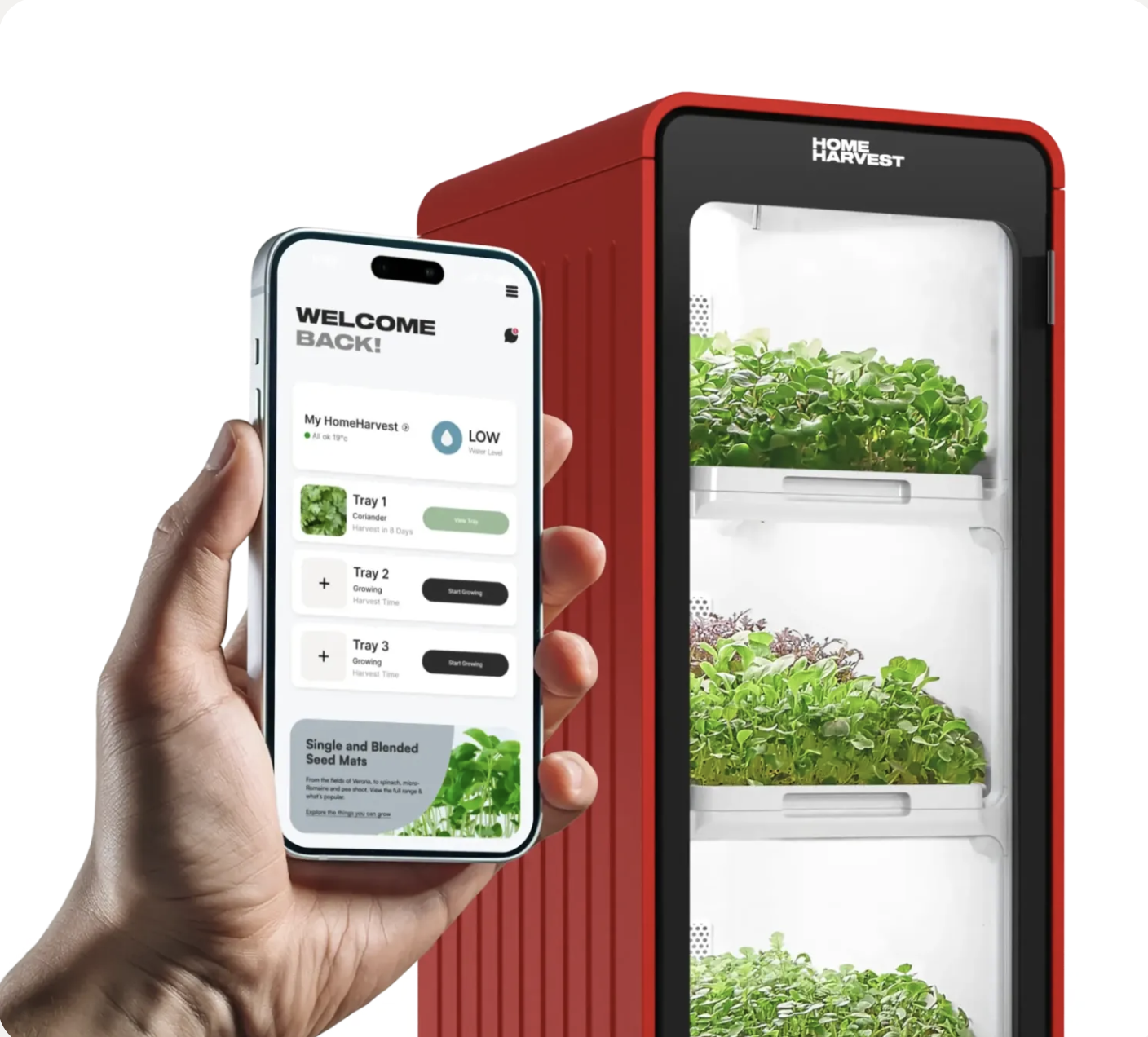
British Company Home Harvest Launches “Smart Farms”
British technology company Home Harvest says it plans to launch 'Smart Farms' this summer, an automated indoor growing unit that allows users to grow microgreens, salads and herbs at home. Home Harvest says the company is responding to waste and environmental pressures in the fresh produce supply chain. Kristy Kilburn explains.