

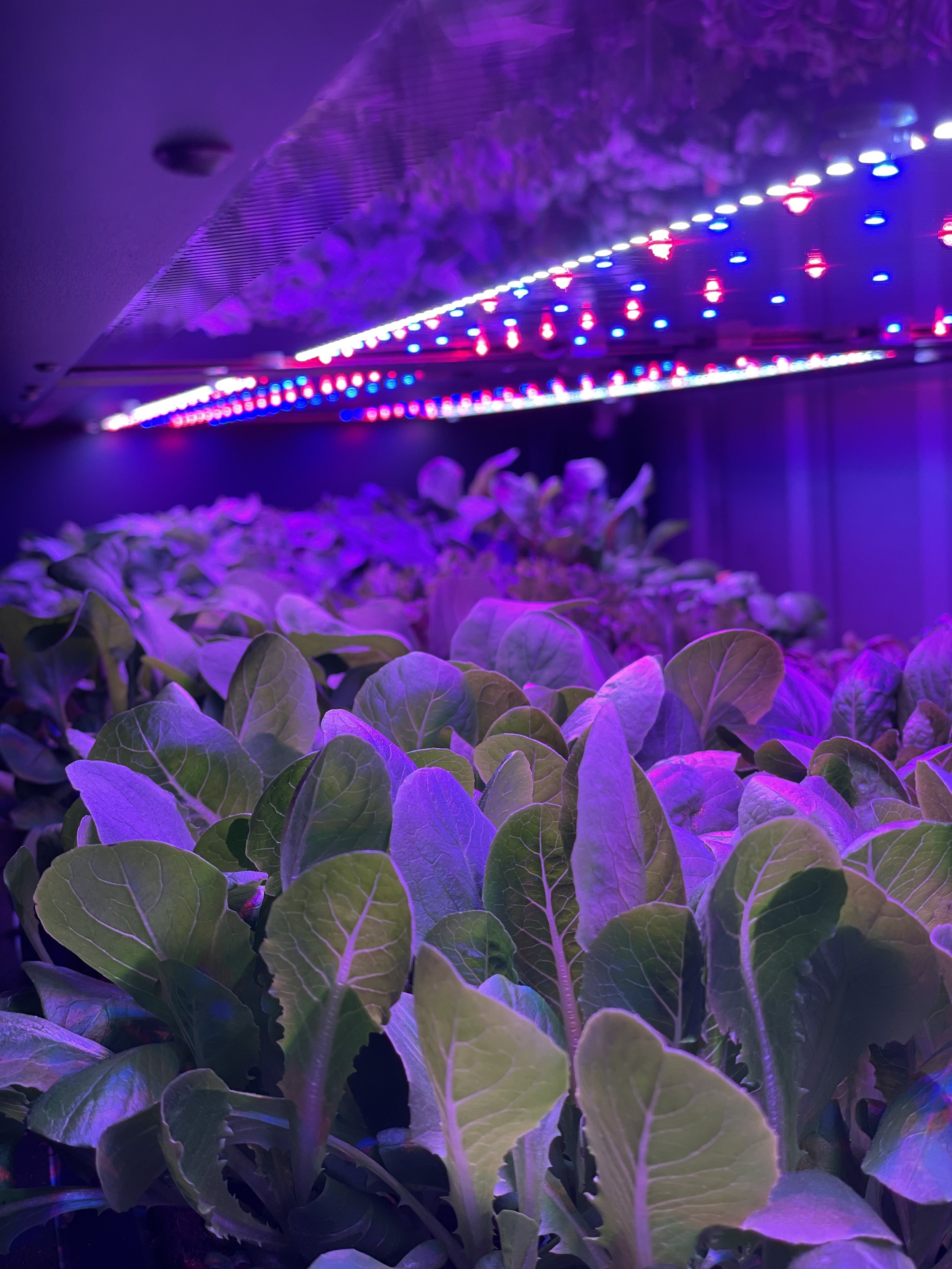
News About Farming in Shipping Containers & Limited Indoor Spaces
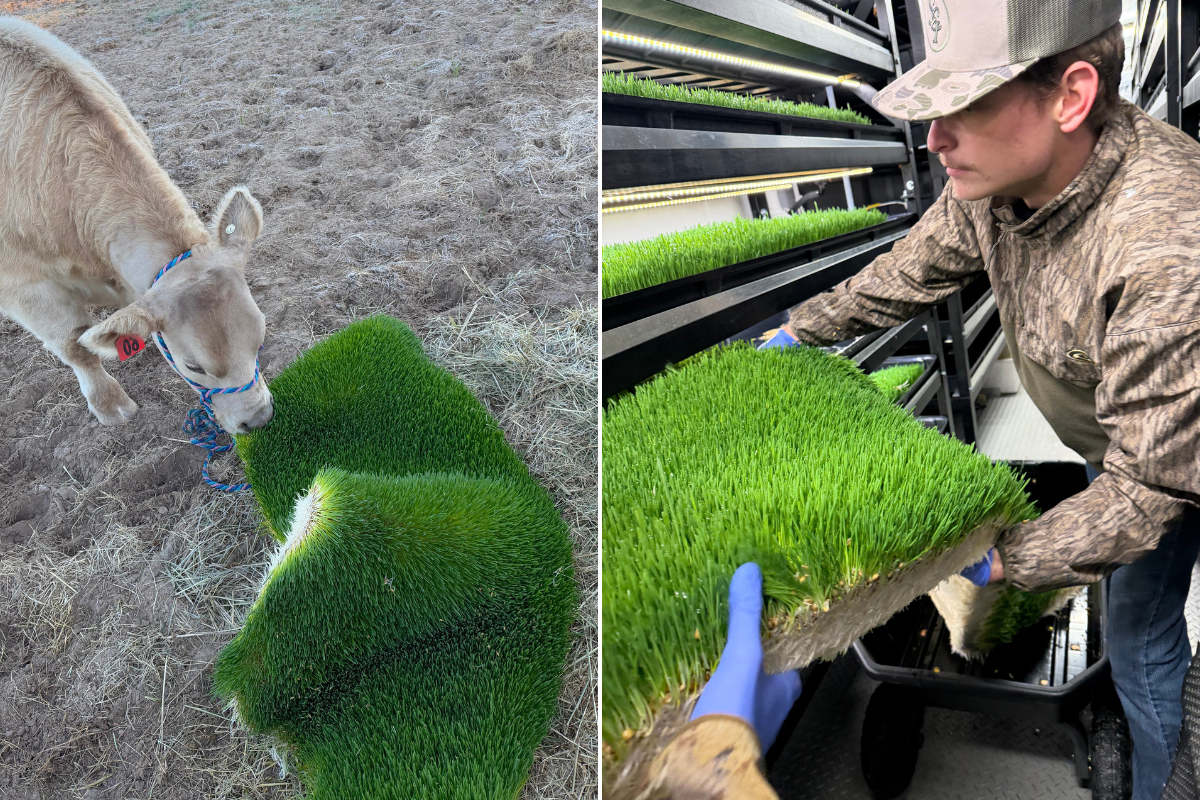
USA - FLORIDA: FarmBox Foods Empowers Students With Hydroponic Fodder Technology
The Villages Charter School has integrated a controlled-climate Hydroponic Fodder Farm into its curriculum to modernize agricultural education.
This modular system, designed and manufactured by FarmBox Foods, provides students with direct exposure to high-tech feed production methods.
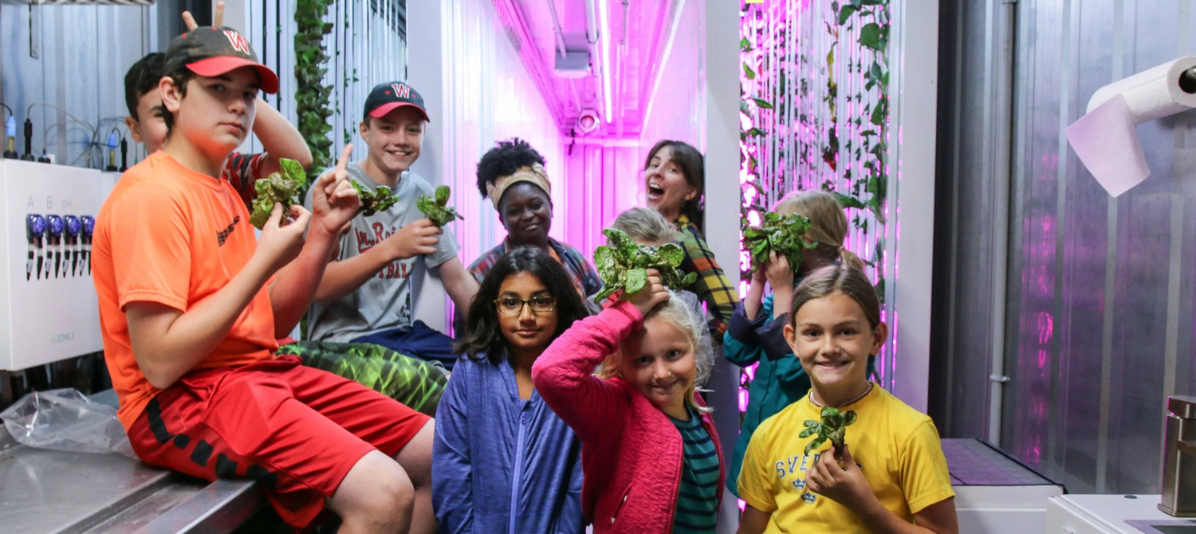
The 2026 U.S. Farm Bill Includes Dedicated Funding for Tribal Food Sovereignty
The draft legislation sets aside 10% of a new local food purchasing program specifically for Tribes to purchase local food and directs agricultural conservation programs to recognize traditional ecological knowledge. The only hurdle is that the passing of the bill might be delayed for more than a year due to political theatre so we wouldn't hold our breath.
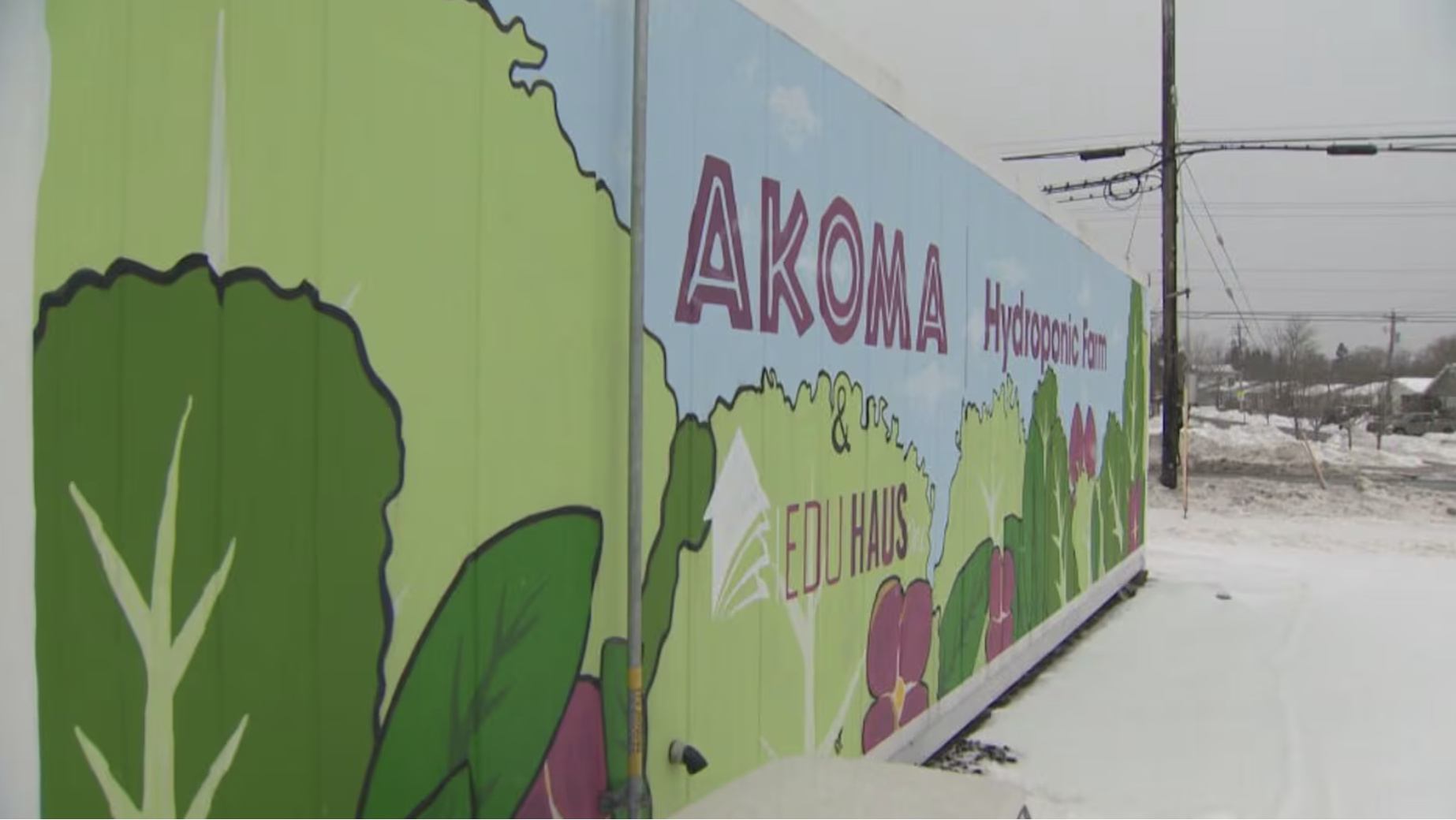
Nova Scotia Groups Come Together To Teach Hydroponic Farming
Inside a converted shipping container in Westphal, N.S., the Akoma Hydroponic Garden is growing fresh basil and teaching young people about horticulture.
For African Heritage Month, Akoma Holdings and EduHaus partnered together to teach and employ Black Nova Scotians in hydroponic farming.
What Is a Hydroponic Classroom Container Farm? A Practical Guide for Educators
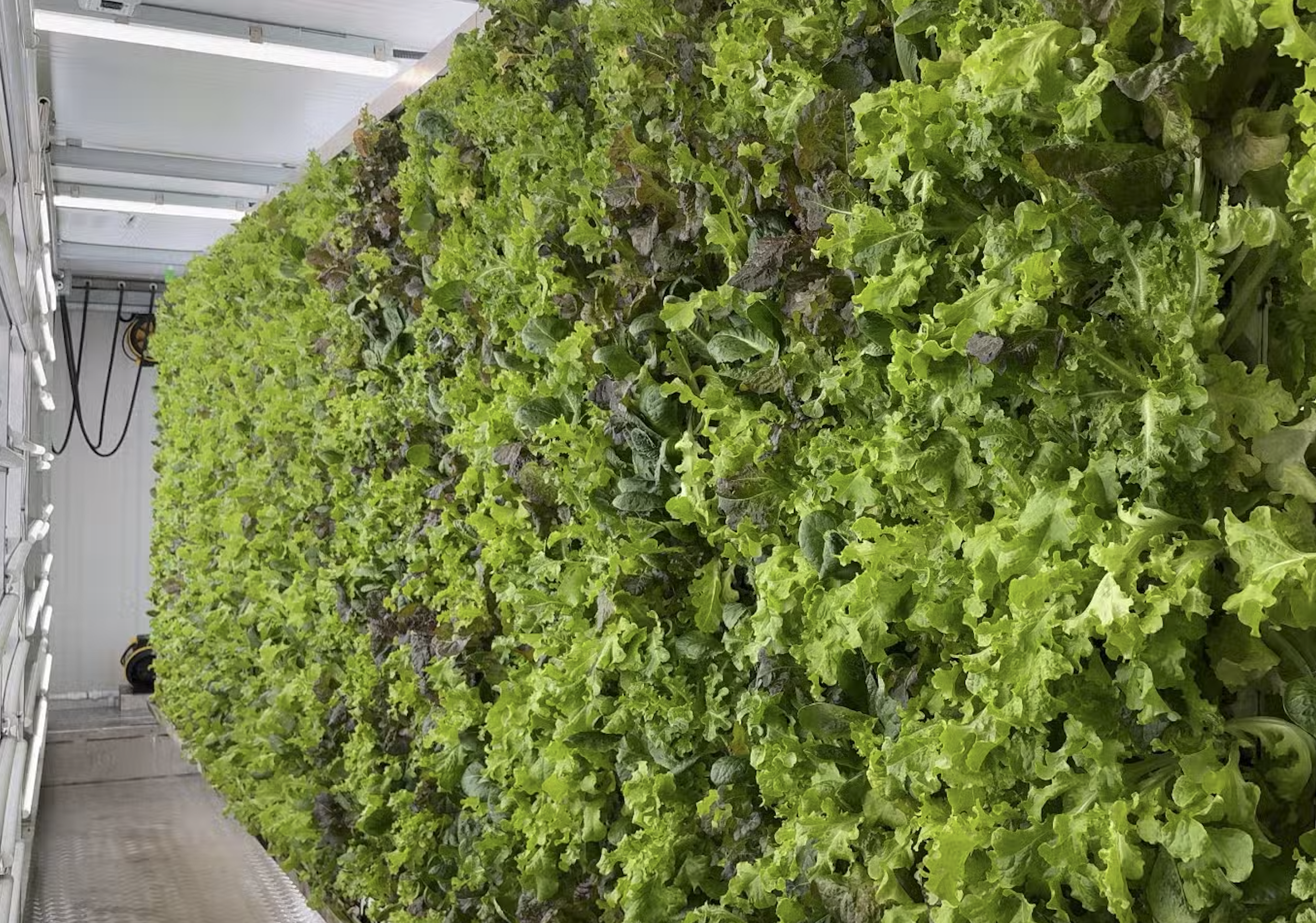
A hydroponic classroom container farm is a 40-foot shipping container retrofitted with lighting, irrigation systems, nutrient dosing equipment, and environmental sensors to create a fully controlled indoor growing space.
Unlike traditional school gardens, these systems operate year-round and allow students to manage every variable affecting plant growth.
USA: Extension Offers Hands-On Training in Soil-free vegetable farming in Southern Nevada
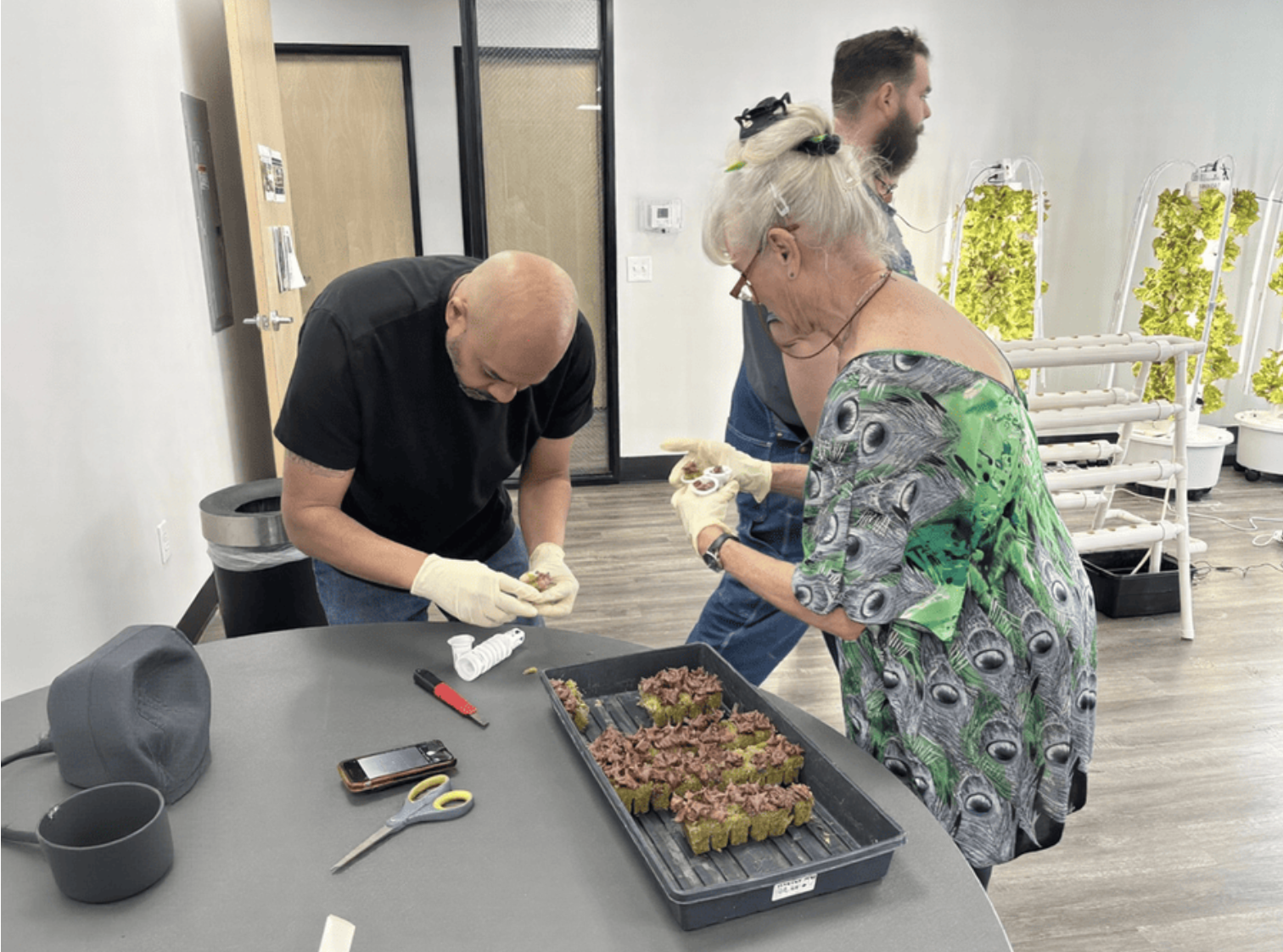
As southern Nevada works to strengthen food security amid an arid climate and limited arable land, University of Nevada, Reno Extension is offering an educational certificate series on indoor vertical farming, or hydroponics, to equip commercial growers, home gardeners, Master Gardener volunteers and educators with research-based expertise in soil-free vegetable farming.
USA - MISSOURI: A Student Farming Program is Expanding in Urban Schools. Here's What City Kids Get Out of FFA
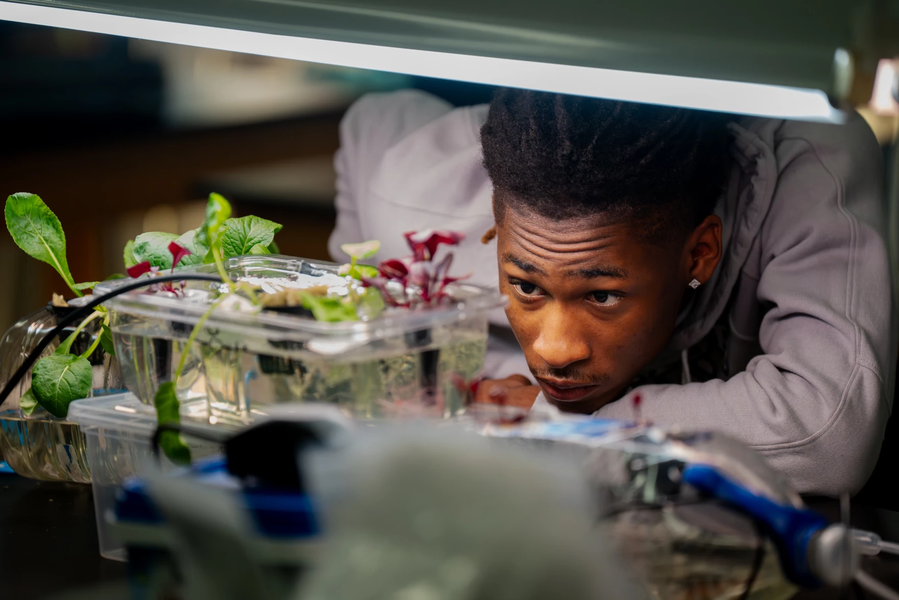
University City High School is in the center of the sprawl in and around St. Louis — about as insulated as it could be from the wide swaths of farmland outside the city.
Tucked in the back of the school, between the gymnasium and the swimming facility, is a shipping container that contains the school’s new hydroponic farm.

CANADA: Alberta First Nations School Wins Prize From U.A.E. for a Hydroponics Garden
Ray Fankhauser, sustainability lead at the school, was one of the people behind entering the school for the award.
Fankhauser said that with the level of interest from the students to work the garden, they needed something bigger, so they looked at developing a modular hydroponic farm using Canadian technology called Growcer.
USA - OHIO: Seed to Salad: Mayfield Students Harvest 82 Heads of Lettuce for School Lunches
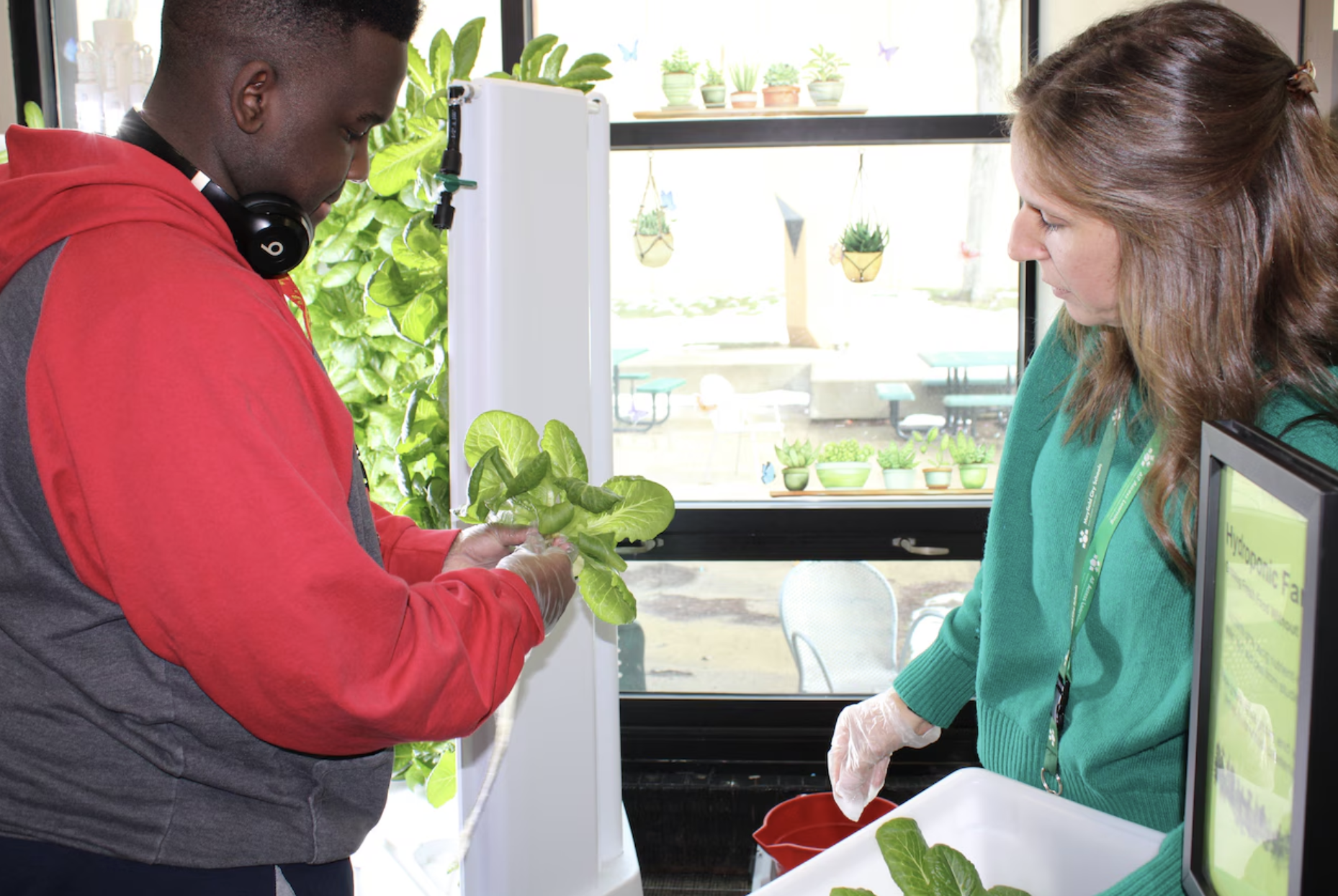
Some Mayfield City Schools students are experiencing the satisfaction of having the fruits (or in this case the lettuce) of their classroom efforts result in a real-life application -- helping to feed their fellow students.

USA - Hawaii: Public Schools Advance Farm-to-School Effort With New Small Farm Partnerships
Hawaiʻi Department of Education is rolling out a new process that encourages small farm micropurchases of locally grown produce for school meals throughout the state in an effort to advance farm-to-school initiatives.
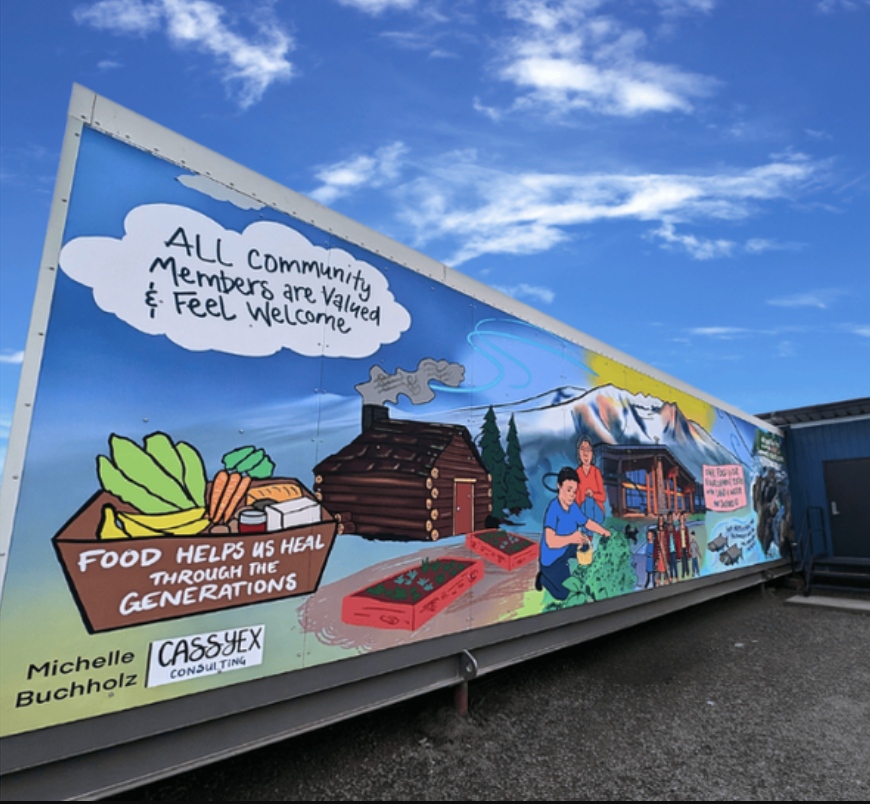
CANADA: Fresh Solutions to Community Hunger: A $15M Campaign to Change What's Possible
For a decade, Growcer has been working alongside communities across Canada to prove that local, year-round food production is not only possible, it is transformative.
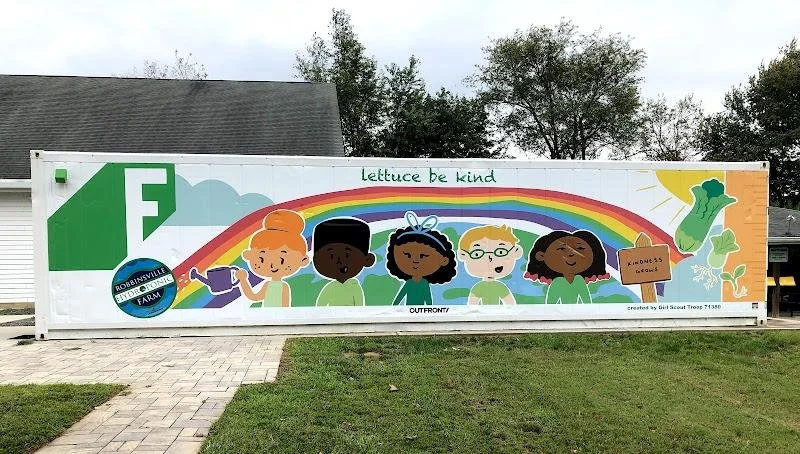
Robbinsville Township, New Zealand: Hydroponic Farm Tour: A Small Space Making a Big Impact
Just a few miles from our Hamilton office sits an unexpected hub of innovation: a fully operational hydroponic farm tucked inside a refurbished shipping container at the Robbinsville Municipal Complex.
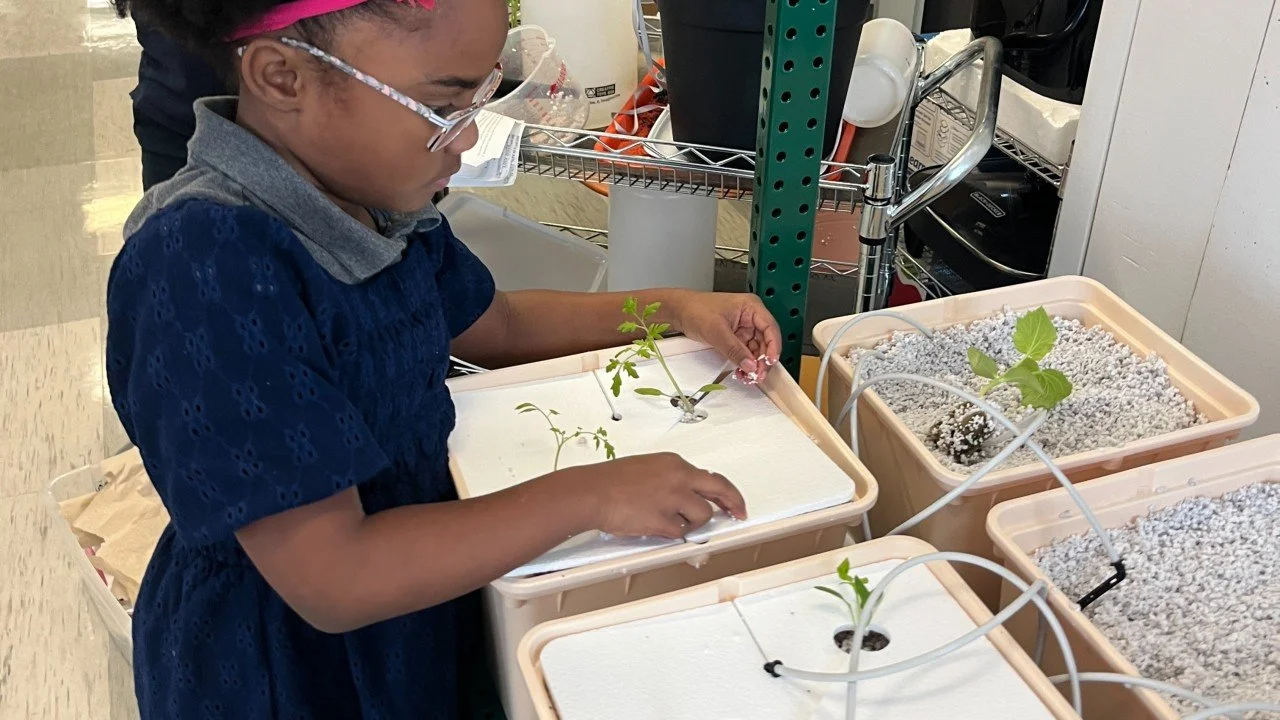
Why Student Gardeners Have The Potential to Shift The food Market - And Why Industry Partners Should Get Involved Now
As the world becomes increasingly aware of the link between food choices and overall health, a new generation of students is poised to create major changes in the food industry. Students exposed to education models that embrace growing and valuing fresh produce will ultimately be tomorrow's customers.
This shift has the potential to fundamentally alter how food companies operate, what products fill store shelves, and how food is marketed to consumers.
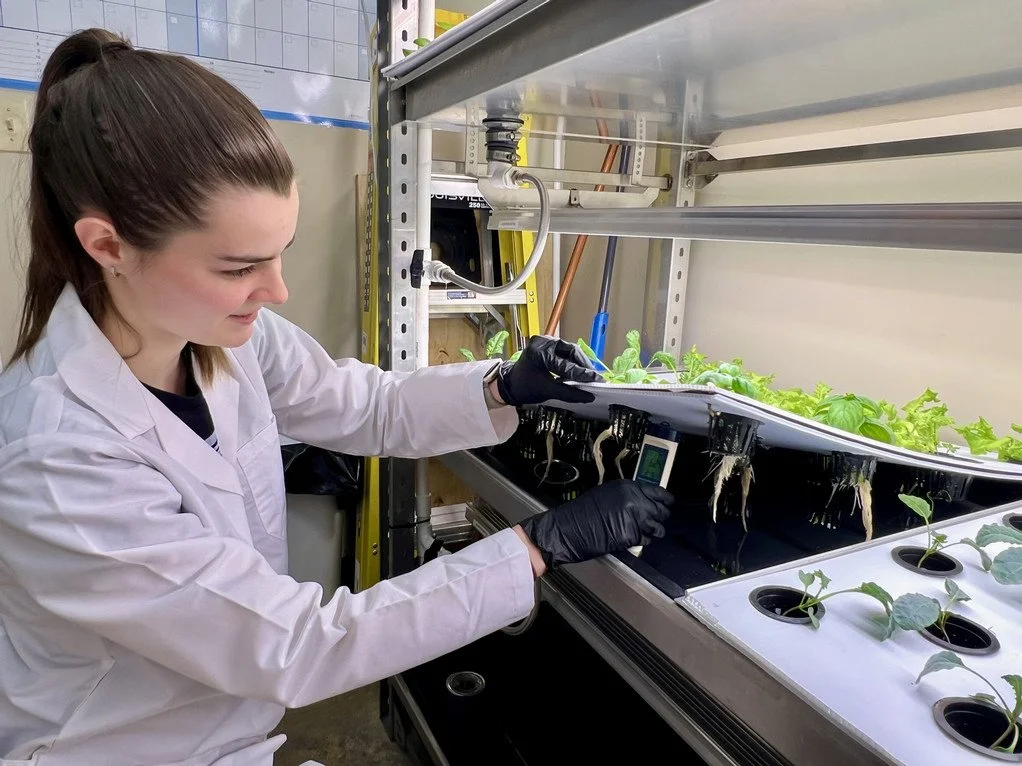
MARYLAND: CSM Vertical Agriculture Course Grows With New Cohort March 31
The College of Southern Maryland (CSM) will launch its next vertical agriculture course on March 31, offering hands-on training in a fast-growing sector of modern farming.
The controlled environment can accelerate plant growth and increase yields while using less water and fewer pesticides.
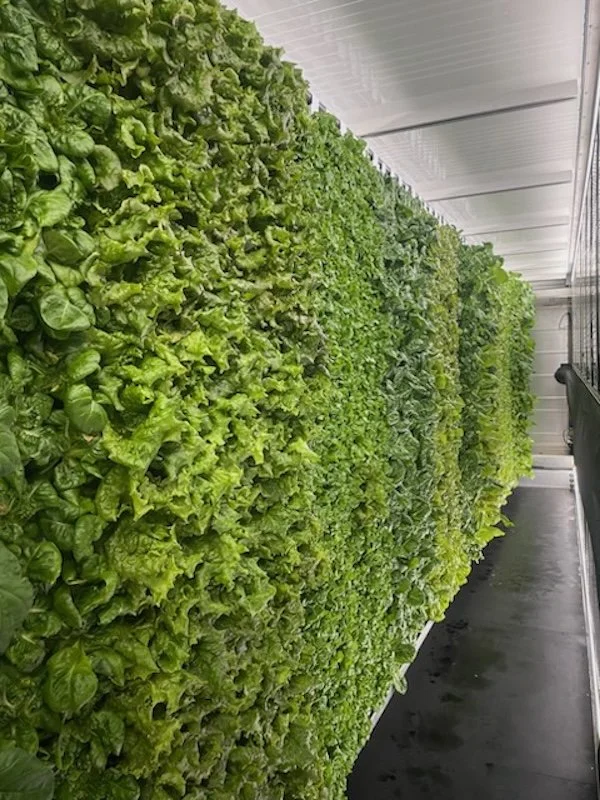
USA - MASSACHUSETTS: Watertown Public Schools Awarded State Grant to Support Farm-to-School Program
The state recently awarded the Watertown Schools a grant to run its farm-to-school program, including its Freight Farm. Watertown Public Schools has received more than $80,000 in state grant funding to continue its farm-to-school efforts, expanding learning opportunities for Watertown’s students while also increasing local food production.
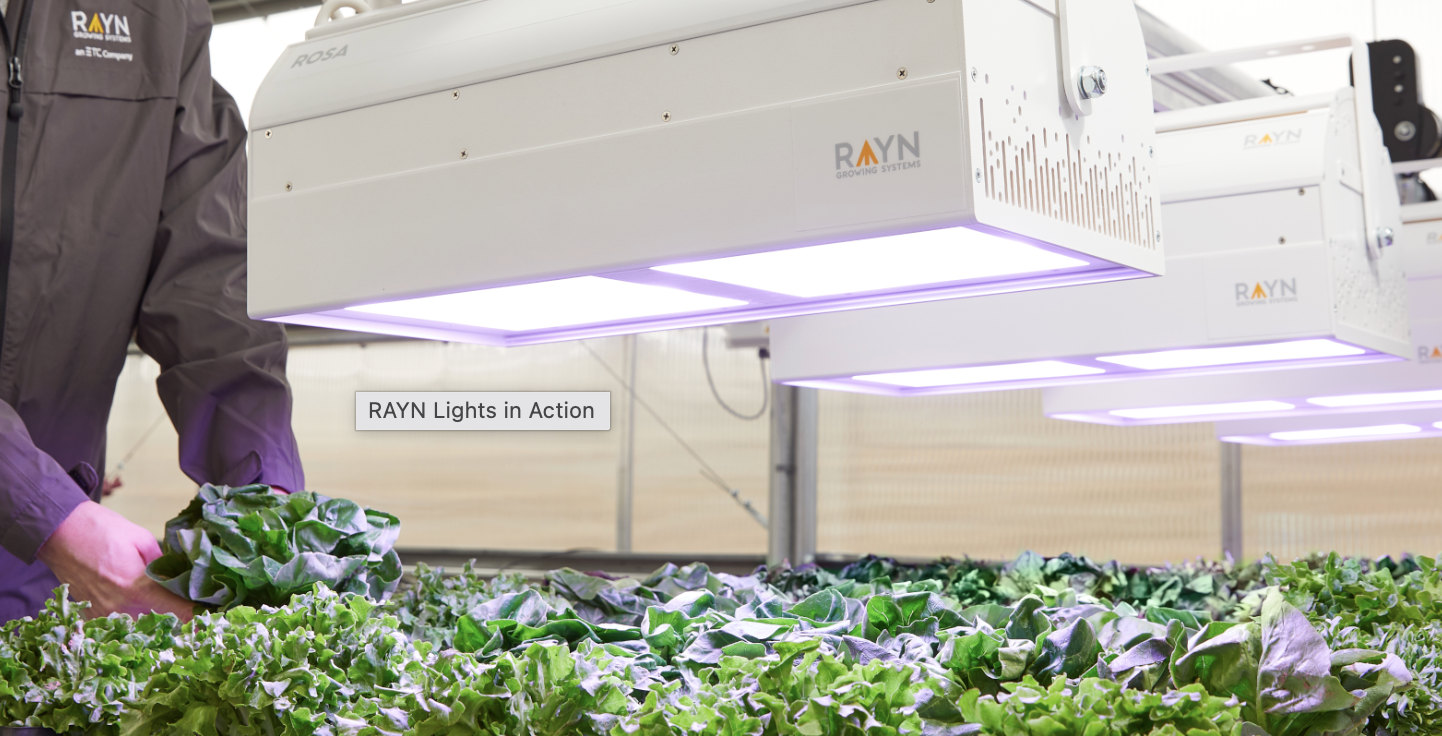
Wisconsin Teacher to Win $5,000 EdRack Hydroponic System
Designed for classroom learning, the EdRack Hydroponic System allows students to explore plant science, sustainability, food production, and technology through interactive, project-based experiences.
Students can follow crops from planting to harvest while developing skills in science, mathematics, and critical thinking.
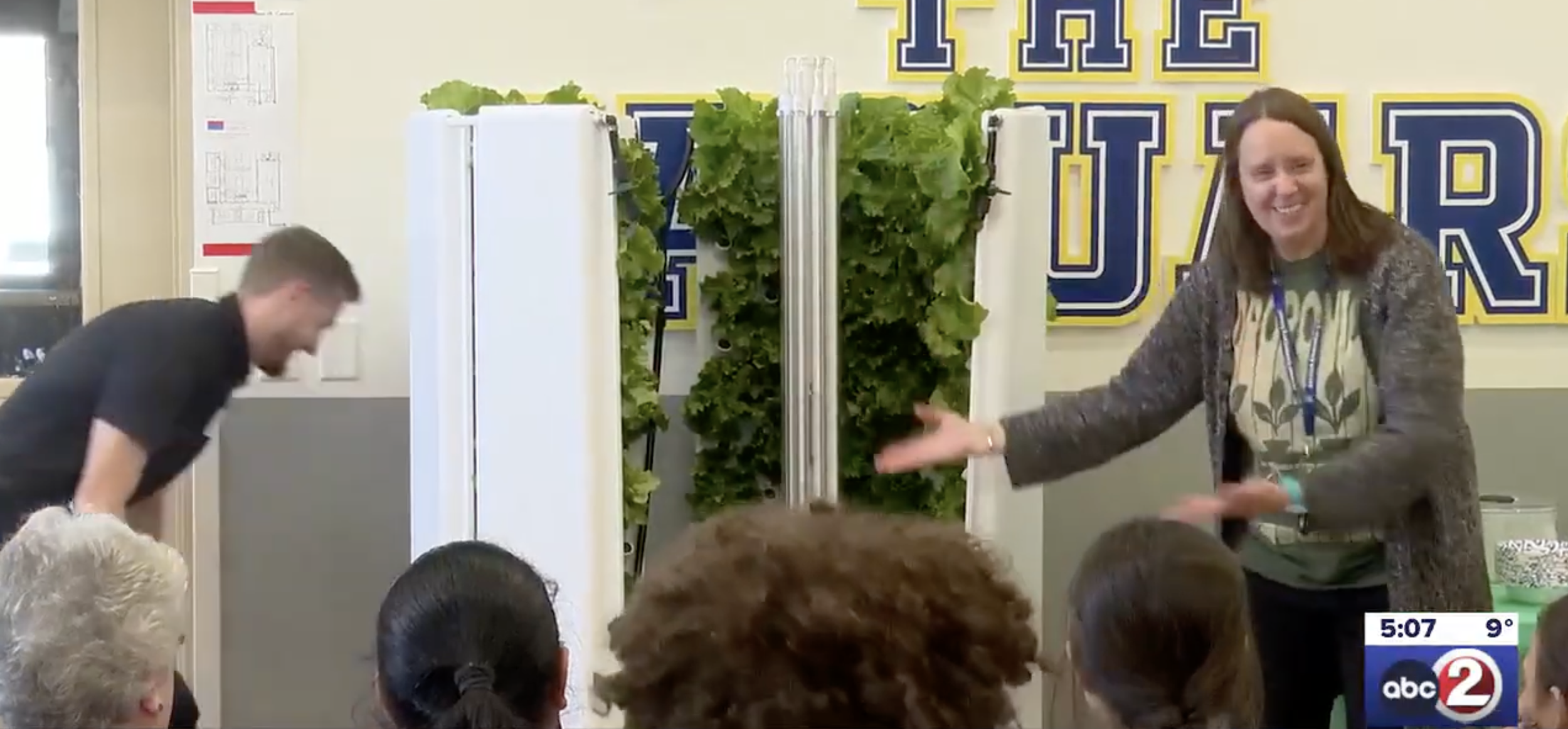
VIDEO - USA - WISCONSIN: Jackson Elementary Cuts Ribbon on New Flex Farm
Jackson Elementary School students cracked open their first Hydroponic Flex Farm Tuesday to educate kids and feed those in need.
It is a machine that uses nutrient-rich water to grow plants without soil in a man-made environment.
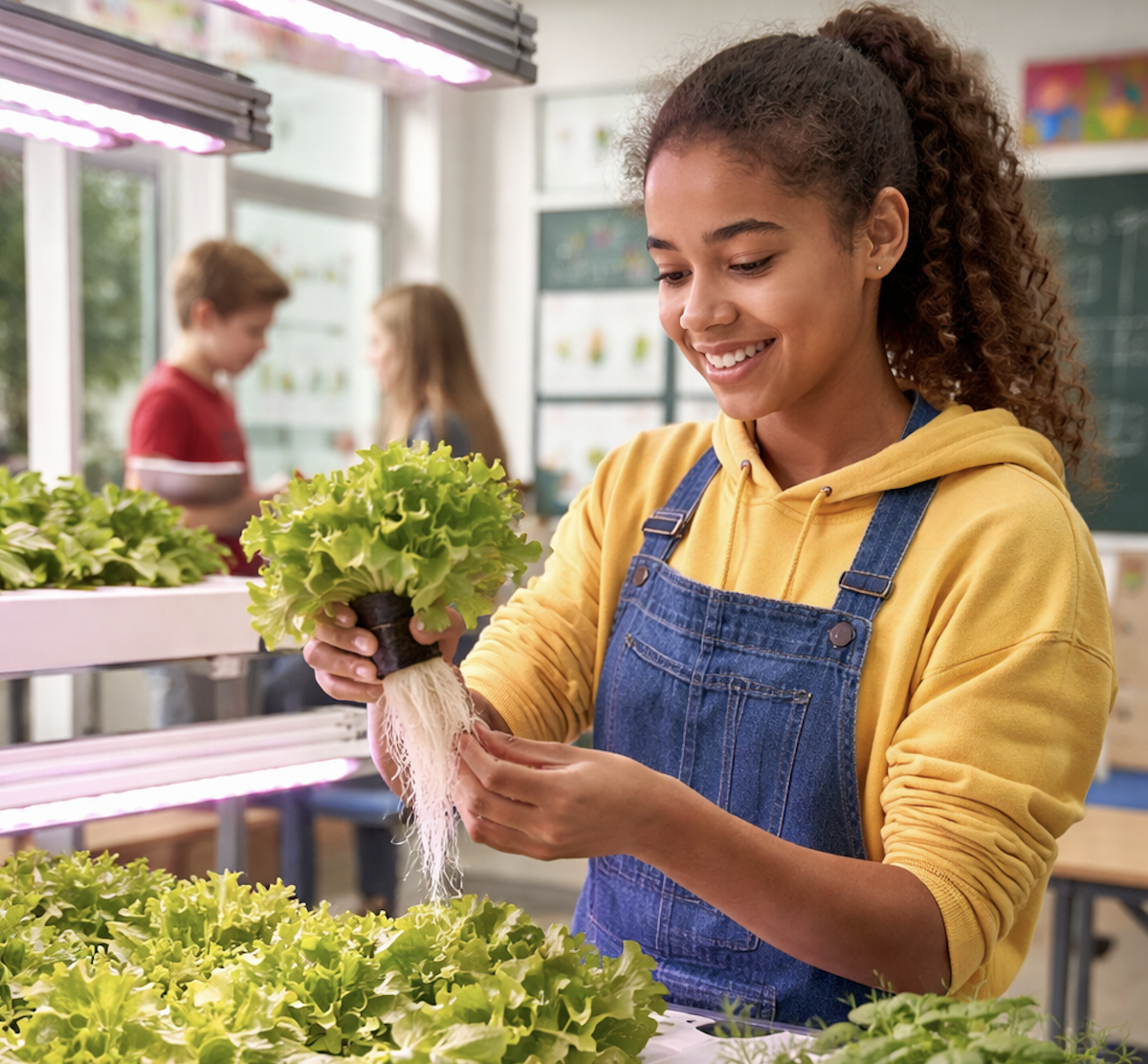
Schools Across U.S. Blend Hands-On Learning With Classroom Academics and Life Skills
The video opens with a clear message: “Schools combine hands-on learning of academics paired with life skills.”
It emphasizes that classrooms are becoming more interactive and relevant to daily life, not confined to standard lectures and worksheets.
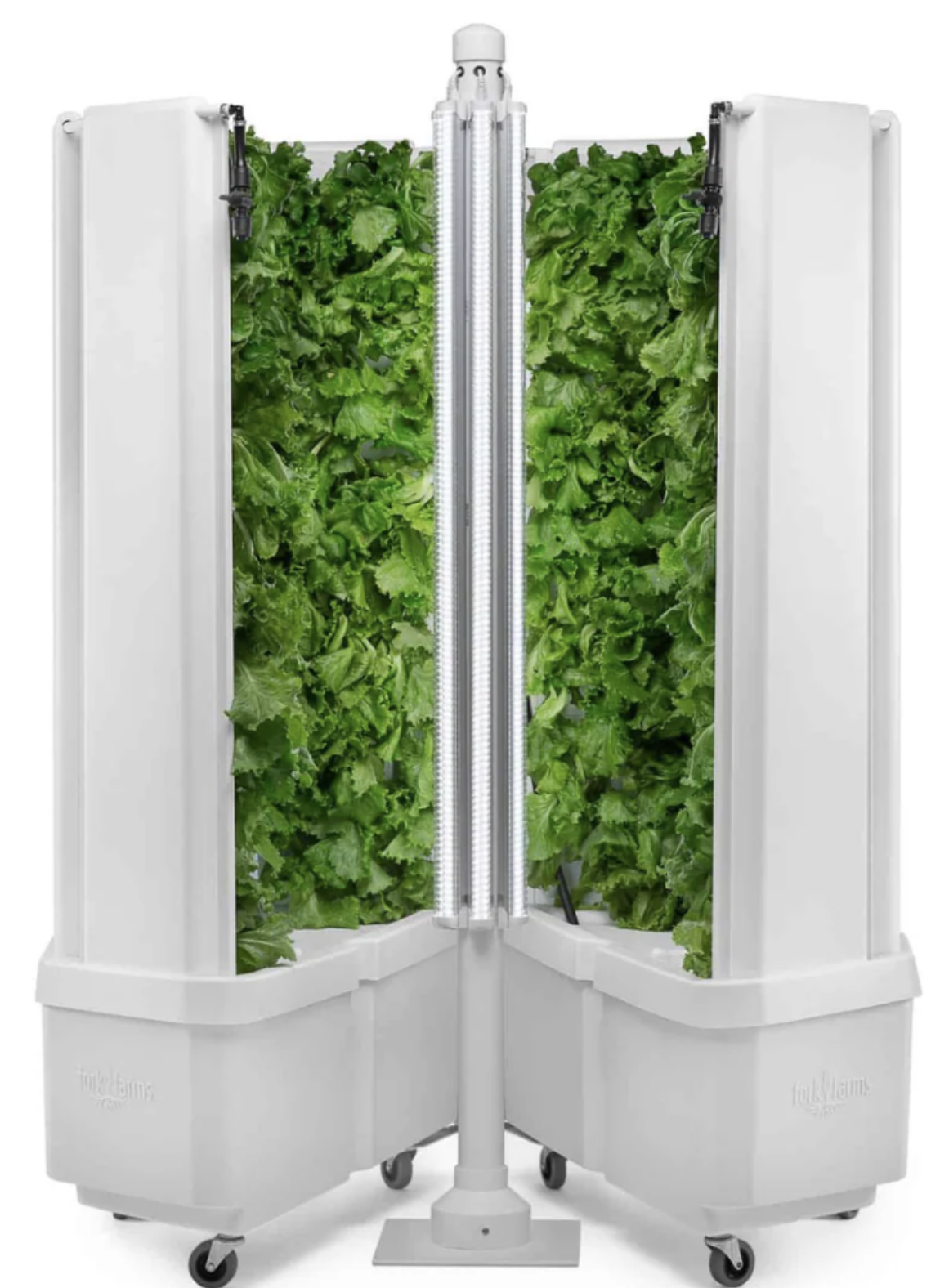
USA - PRESCOTT, WISCONSIN: The District Received a $10,000 Grant From Marshfield Clinic and Security Health Plan To Install Two Hydroponic “Flex Farms.”
The district received a $10,000 grant from Marshfield Clinic and Security Health Plan to install two hydroponic “flex farms.”
The system will grow leafy greens year-round, supplying up to 75% of the high school salad bar’s lettuce, reducing costs, conserving water, and providing hands-on learning opportunities for students.