

USA - FLORIDA: FarmBox Foods Empowers Students With Hydroponic Fodder Technology

10th March 2026
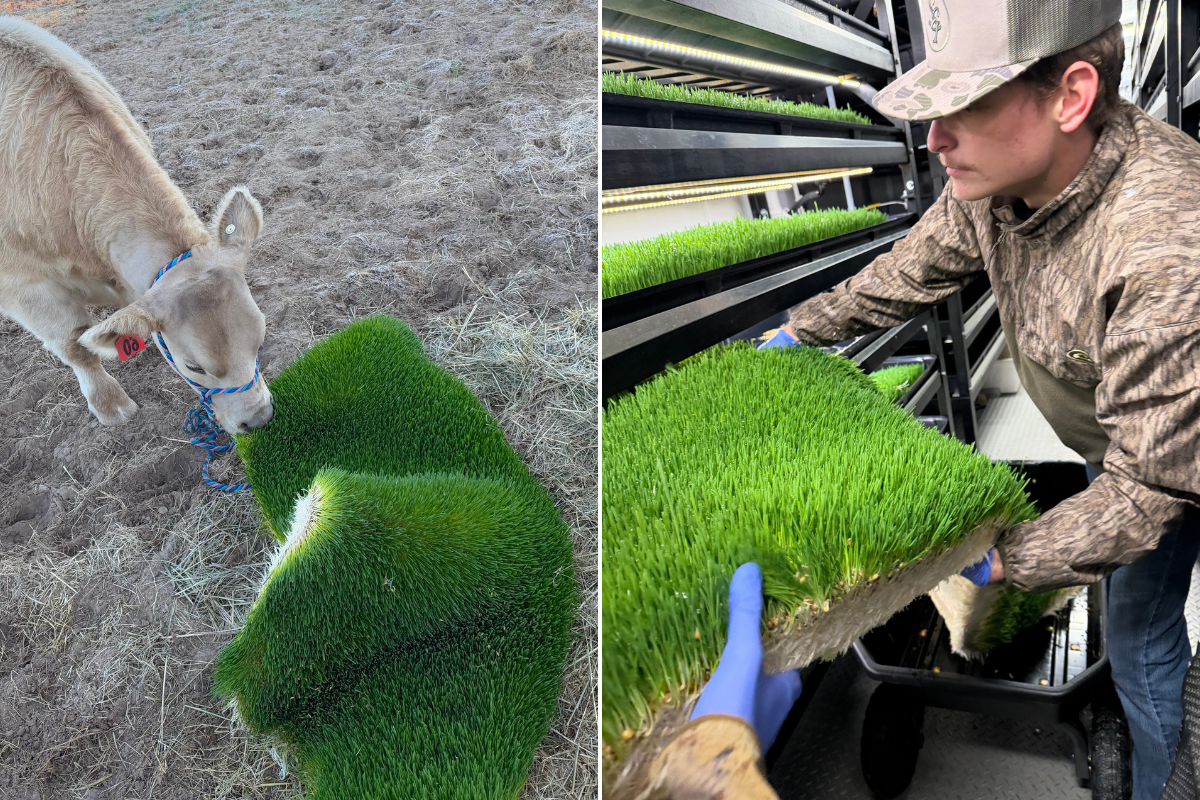
Image provided by FarmBox Foods.
Key Takeaways
Innovative Educational Tools: The Villages Charter School is utilizing FarmBox Foods technology to provide students with hands-on experience in modern, climate-controlled agriculture.
Year-Round Feed Reliability: The FarmBox Foods systems allow for the consistent production of fresh barley fodder, ensuring a stable food supply for livestock regardless of seasonal changes or extreme weather.
Strategic District Investment: A $1.7 million grant enabled the deployment of FarmBox Foods fodder and vertical farms across four Sumter County Schools facilities.
Enhanced Student Engagement: The automated and data-driven nature of the FarmBox Foods system has attracted a broader range of students to agriscience and animal science programs.
FarmBox Foods Solutions Drive Regional Agriscience Innovation
The Villages Charter School has integrated a controlled-climate Hydroponic Fodder Farm into its curriculum to modernize agricultural education. This modular system, designed and manufactured by FarmBox Foods, provides students with direct exposure to high-tech feed production methods. The initiative is part of a larger district-wide rollout of FarmBox Foods technology aimed at building resilient food systems.
The implementation was funded by a $1.7 million grant secured through a partnership with Sumter County Schools. Casey Ferguson, director of career and technical education, selected FarmBox Foods after evaluating multiple container farming solutions, determining they were the best fit for both the operational needs and the educational goals of the district.
Researching Livestock Nutrition with FarmBox Foods
In the school's animal science programs, thecompany's fodder farm serves as both a production and a research tool. Students grow fresh barley fodder on-site to evaluate its potential for reducing traditional feed costs. They are also studying how livestock respond to feed that is richer in essential vitamins and minerals compared to traditional pasture.
This applied experimentation allows students to explore animal health and feed efficiency in a real-world context. Furthermore, the indoor nature of the the company's system ensures that high-quality nutrition can be provided even during winter months when local pasture grass becomes dormant.
Climate Resilience via FarmBox Foods Technology
The decision to invest in FarmBox Foods was partly driven by the agricultural disruptions caused by recent hurricanes. Flooding and restricted grazing access previously threatened the school's livestock programs. By producing feed indoors, the school can now maintain consistent production even when outdoor fields are inaccessible.
Producing feed indoors allows the program to continue supporting livestock even when fields are inaccessible, improving preparedness for future storms. This capability also allows the school to assist neighboring programs that may face similar disruptions to their feed supplies.
Workforce Development and Impact
As a workforce development hub, The Villages Charter School uses FarmBox Foods technology to bridge the gap between traditional farming and modern innovation. The system's emphasis on automation and data analysis has broadened the appeal of agriscience, drawing in students who may not have been interested in conventional animal agriculture.
School leaders view the FarmBox Foods fodder farm as a powerful tool for showcasing the intersection of agriculture and technology while opening conversations around resilience, sustainability, innovation and food security in small rural communities. The technology ensures that the next generation of agricultural professionals is equipped to handle the complexities of modern food production.