

USA - PRESCOTT, WISCONSIN: The District Received a $10,000 Grant From Marshfield Clinic and Security Health Plan To Install Two Hydroponic “Flex Farms.”
Prescott School Board Meeting Highlights:
February 4, 2026
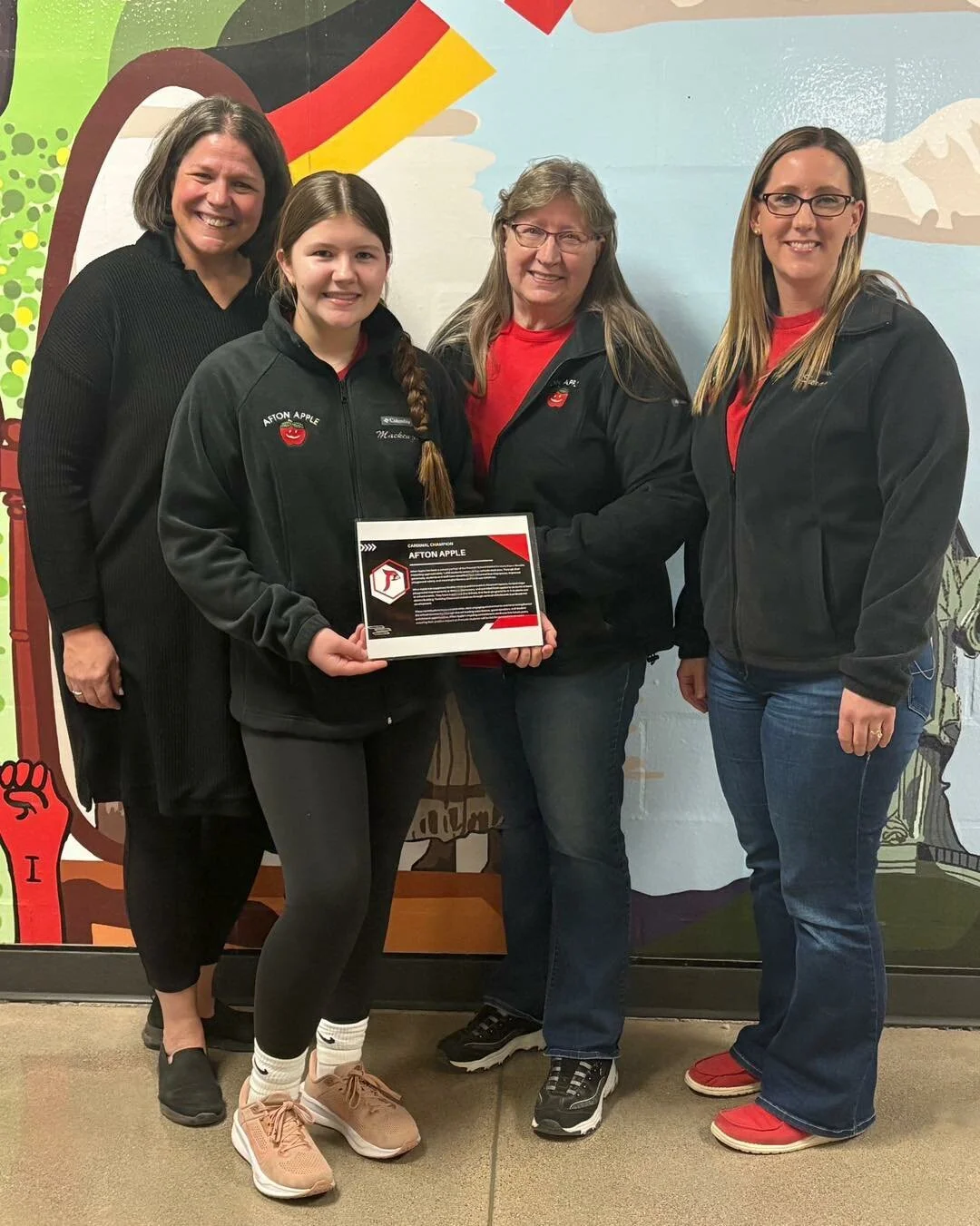
$15,000 donation from Afton Apple: Sarah Parkos and Cindy Femling donated funds to support creative and equitable learning initiatives. The money will fund vertical whiteboards ($3,500), updated classroom technology ($4,000), the One School, One Book program at Malone Intermediate ($2,000) and Malone Elementary ($2,500), and the Angel Fund ($1,000) to help students with basic needs. Afton Apple has donated over $92,000 to the district in the past 15 years and received the January Cardinal Champion Award.
School consolidation planning: The district outlined a four-stage consolidation plan running through June 2027. Malone Intermediate will close, grades 4–5 will move to Prescott Middle School, and grade 8 to Prescott High School. Planning was extended an extra year to allow for careful execution. Current enrollment is 1,148 students, with capacity for about 1,420 across three buildings. Discussion on the future of the Elm Street building will begin next month.
Fork Farm Hydroponic Project: The district received a $10,000 grant from Marshfield Clinic and Security Health Plan to install two hydroponic “flex farms.” The system will grow leafy greens year-round, supplying up to 75% of the high school salad bar’s lettuce, reducing costs, conserving water, and providing hands-on learning opportunities for students.
Long-term substitute pay increase: The board approved raising long-term substitute teacher pay to about $237 per day to align with other Middle Border Conference districts and reflect added responsibilities.
Other business:
The district received a clean audit opinion for 2024–25, citing strong financial health and community support.
A new ADA-compliant website redesign will cost $4,900 and take 6–10 months.
The board reviewed a first reading of numerous updated NEOLA policies, including AI, digital access, fundraising, and student policies.
Open enrollment spaces for 2026–27 were approved, with general education mostly open to non-residents and some specialized programs closed or restricted.