

USA - NEW MEXICO: Students Help Build Hydroponic System Through DACC, NMSU Partnership
Growing The Future

April 30, 2026
Elijah Rey Reyes
Las Cruces Bulletin
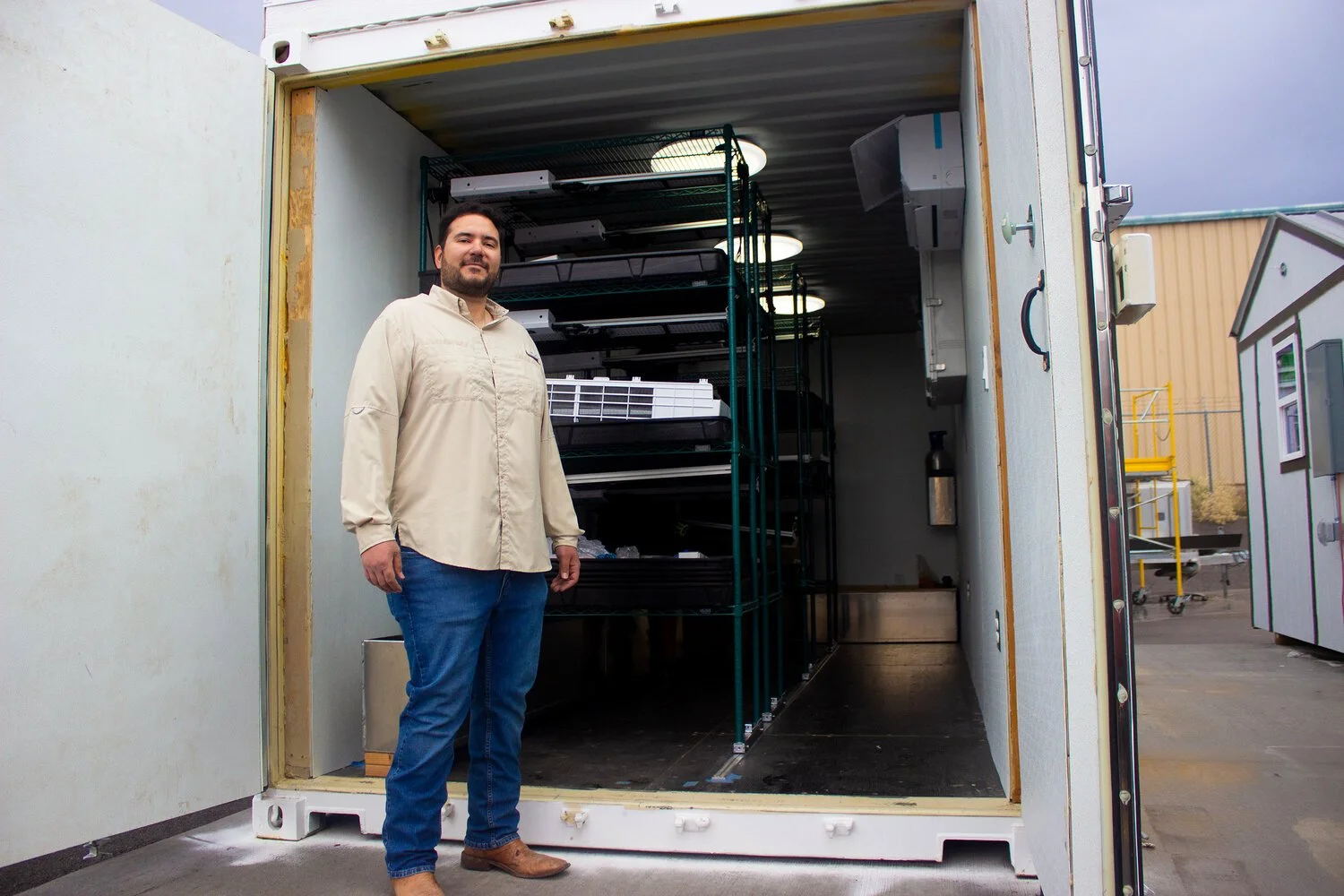
Kevin Ramos, stands next to the system. ELIJAH REY REYES
What started as a senior capstone project for Kevin Ramos has grown into a hydroponic system that could change how food is grown in Southern New Mexico.
The project, developed through a partnership between DACC and New Mexico State University, allows crops to be grown in a controlled environment using nutrient-rich water instead of soil. Just as important, it givesstudents hands-on experience across multiple trades, from construction to engineering. Kevin Gall, a professor in DACC’s building technology and energy program, said students weren’t just observing the process — they were responsible for building it.
“Everything that’s built with this is done by DACC,” Gall said. “We’re their manufacturers in the process.”
Students in electrical, plumbing, HVAC and construction programs all contributed, applying classroom knowledge in a setting that mirrors real-world job sites. That level of involvement, Gall said, gives them a clearer understanding of how different trades connect on complex projects.
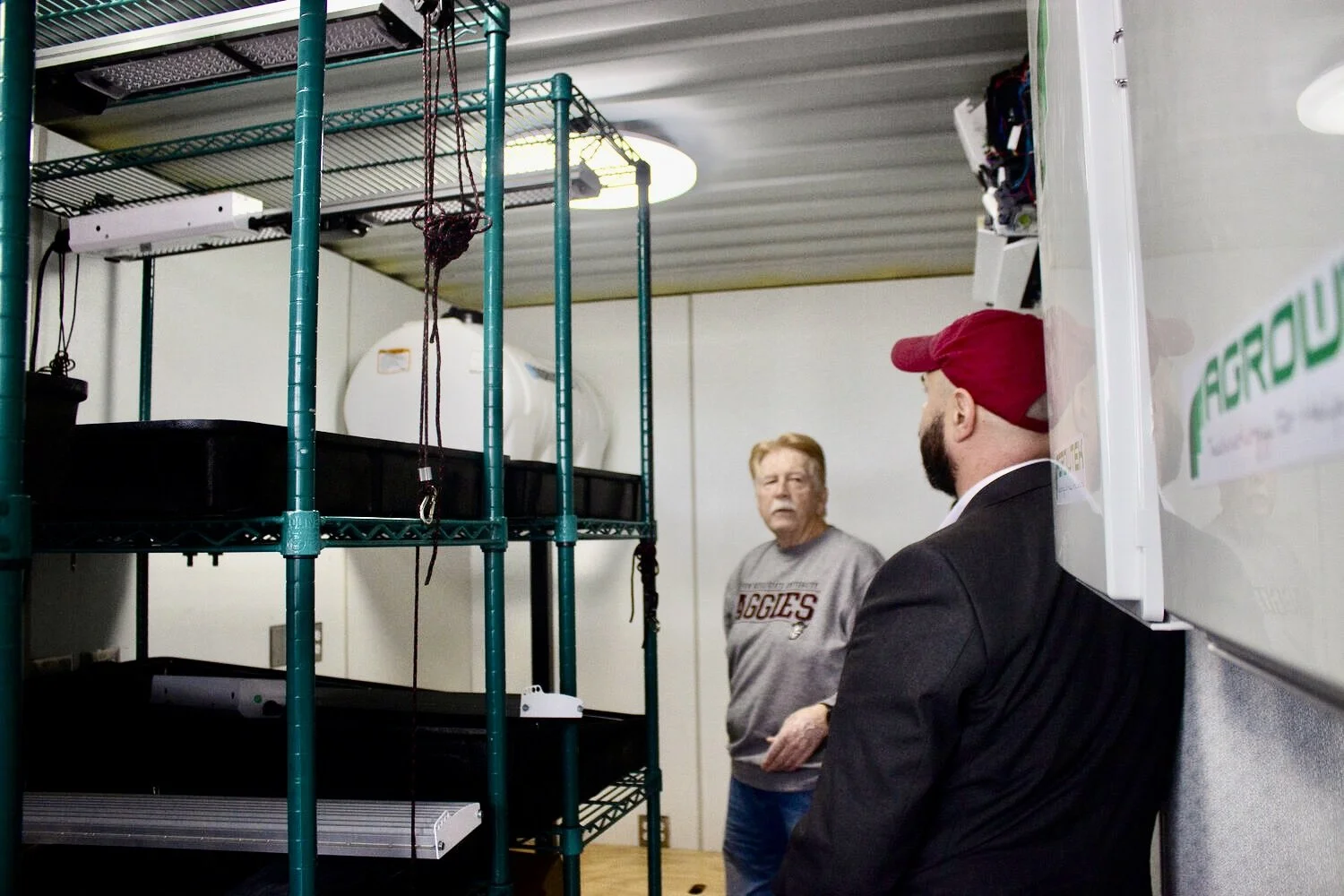
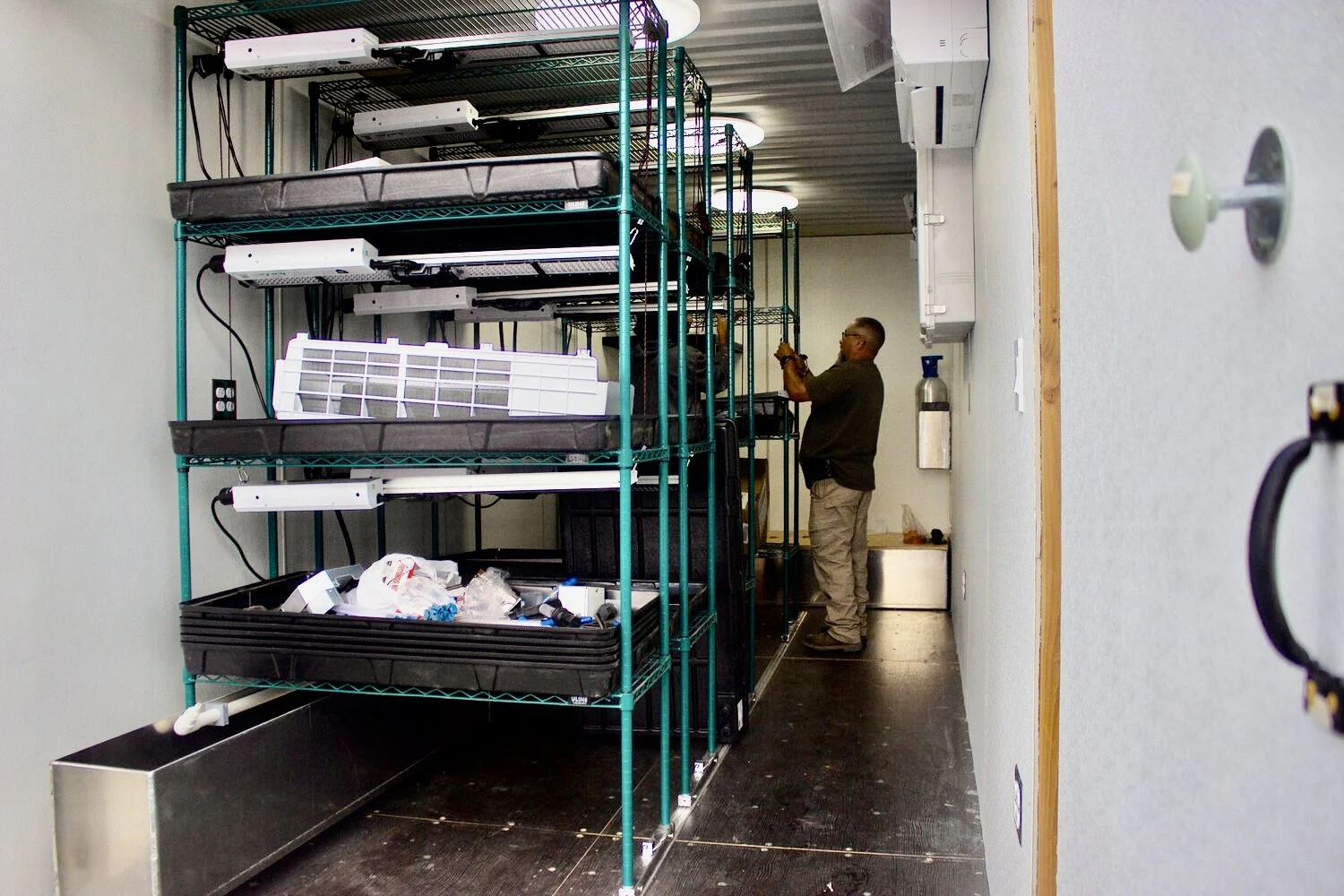
“The students here were the ones that made that decision,” he said. “They’re involved in all aspects of it.”
For Kevin Ramos, a mechanical engineering graduate from NMSU, the system started as a senior capstone project and quickly turned into something more. After graduating, Ramos was hired to continue working on the system and now serves as a project lead, helping oversee its development and integration.
“I got hired as a student aide and I’m the project lead of this project,” Ramos said.
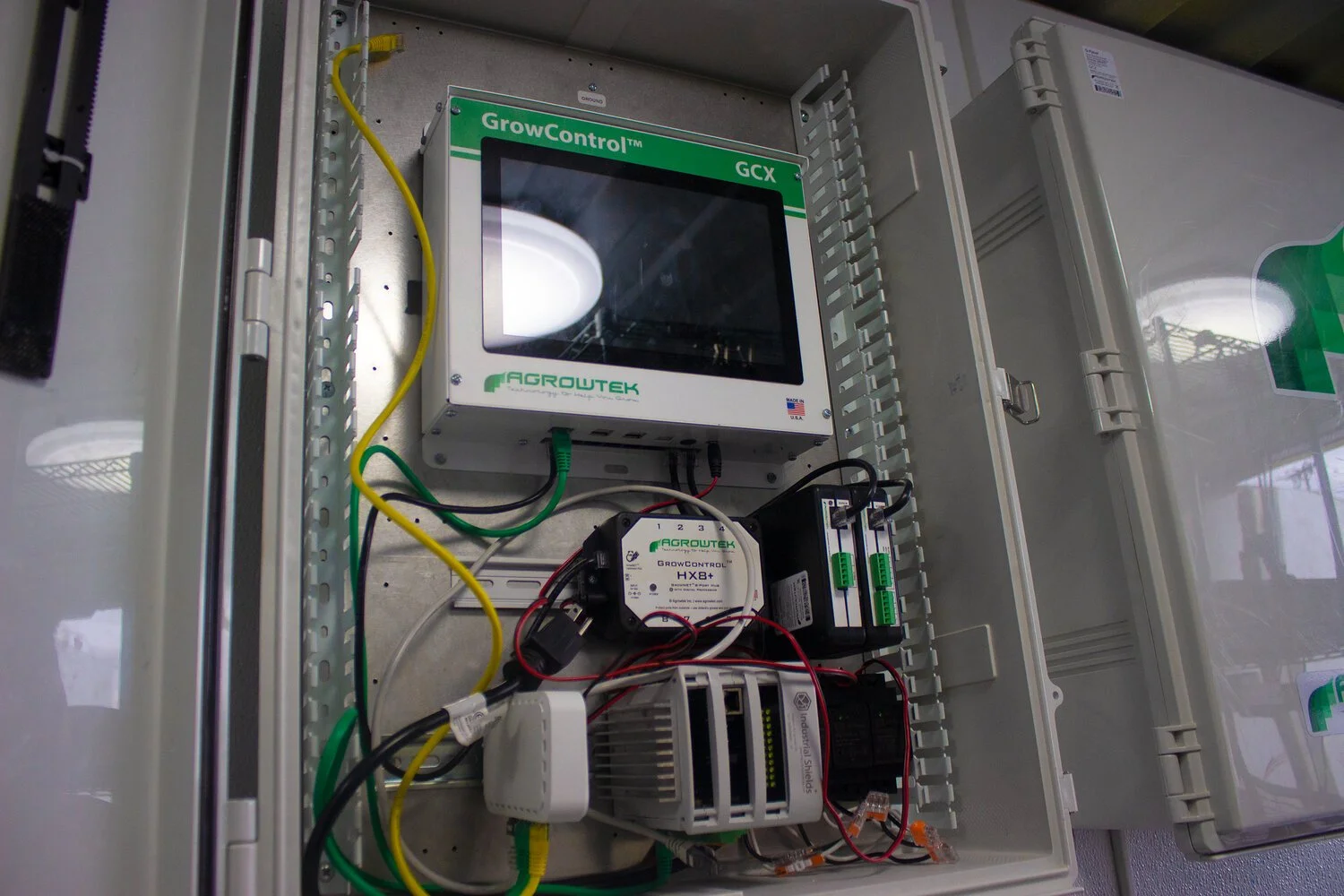
His role includes coordinating how the system’s components function together — work he said has pushed him beyond traditional coursework.
“It’s a win-win situation,” Ramos said. “They get to train with these new technologies and become familiar with them, and we get certified labor as well.”
The system is part of a broader push into controlled environment agriculture, a method that allows crops to be grown indoors under tightly managed conditions. The approach can reduce reliance on weather and location while bringing food production closer to consumers. Alexander Wilson, an assistant professor of extension economics at New Mexico State University and a statewide extension agent, said that flexibility could become increasingly important.
“Containerized agriculture gives producers and policymakers another option when it comes to food availability and security,” Wilson said.
He said systems like this could help reduce the distance of food travel, making supply chains more reliable over time.
“Projects like this give students a direct opportunity to work on real production challenges,” Wilson said. “It helps build that workforce pipeline.”
For Ramos, the project also points to where agriculture is headed — one that blends farming with automation and engineering.
“We’re already having issues with food supplies, and it seems to be getting worse,” Ramos said. “Hopefully this will help with food insecurity and solve that problem for us.”
The system is expected to be relocated to the New Mexico Farm and Ranch Heritage Museum, where it will serve as both a research platform and a public exhibit highlighting how agriculture continues to evolve.