

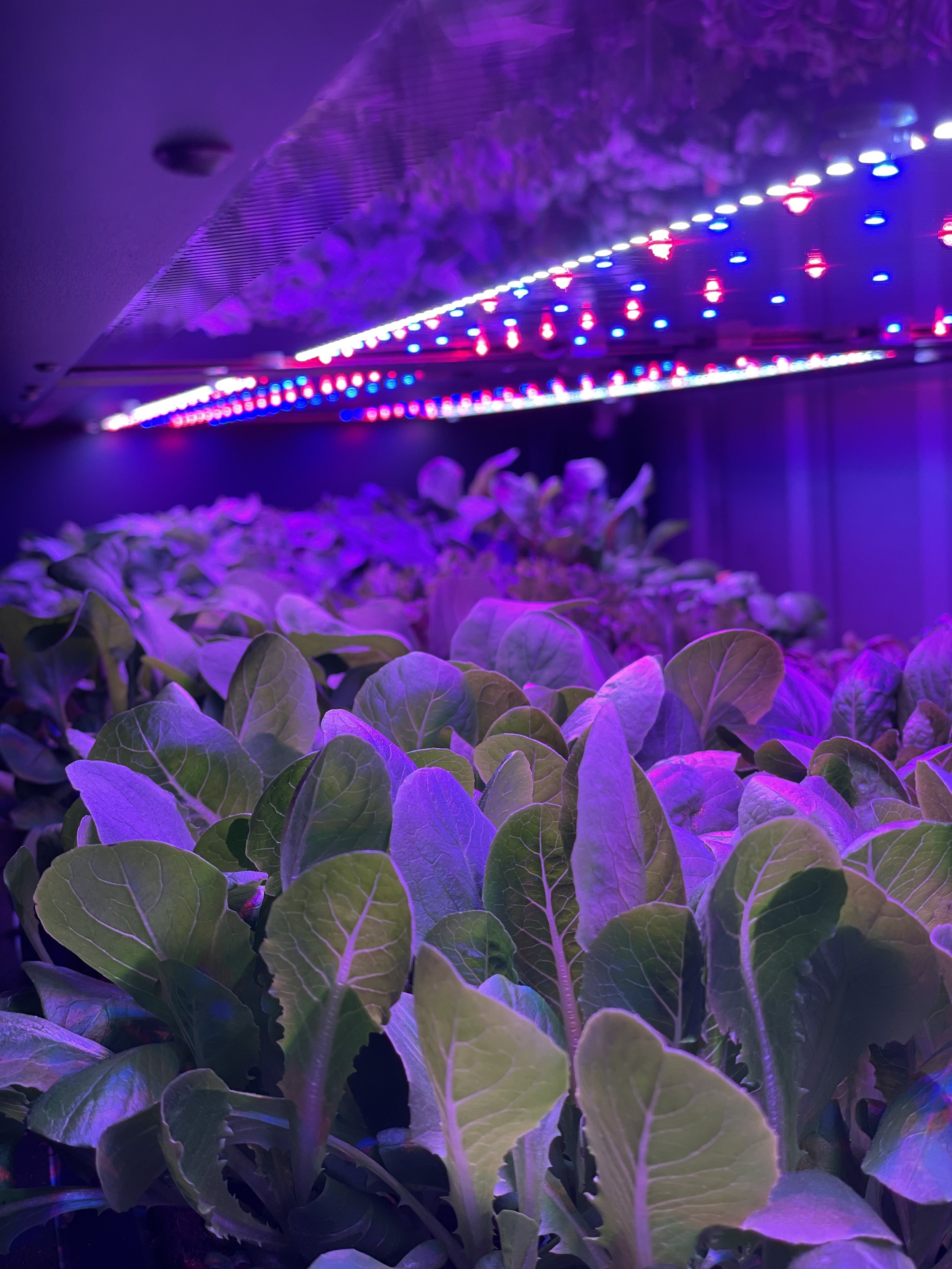
News About Farming in Shipping Containers & Limited Indoor Spaces

The Latest Shipping Container Farming News
The global platform covering container farm funding, innovation, deployments, and market trends across every growing region.
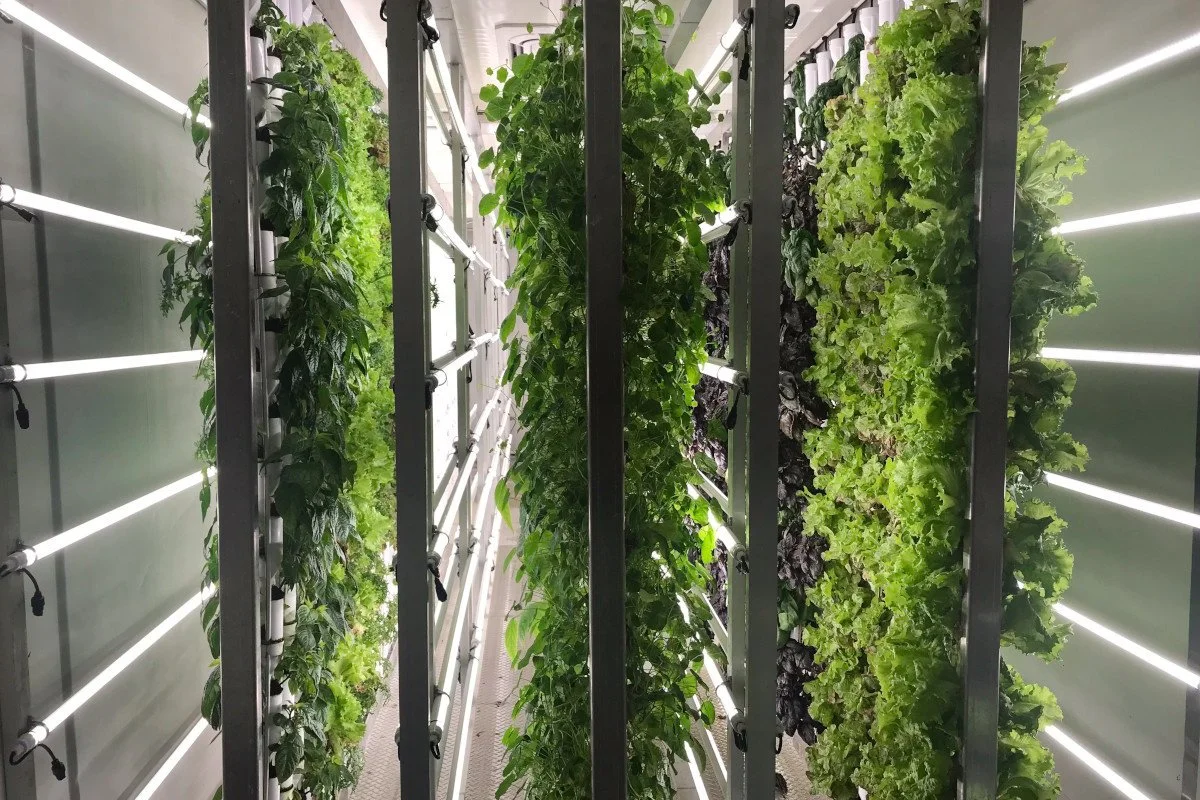
Jason Brown, Founder of FarmBox Foods - "Let's Just Build The Farm Inside The Container"
It all started with an affordable housing concept that never got off the ground. Jason Brown, a founding member of the FarmBox Foods team, was working on a project to build housing inside shipping containers. The plan included outdoor gardens in the form of vertically integrated, food-safe tubes (foreshadowing is a narrative device, etc.).
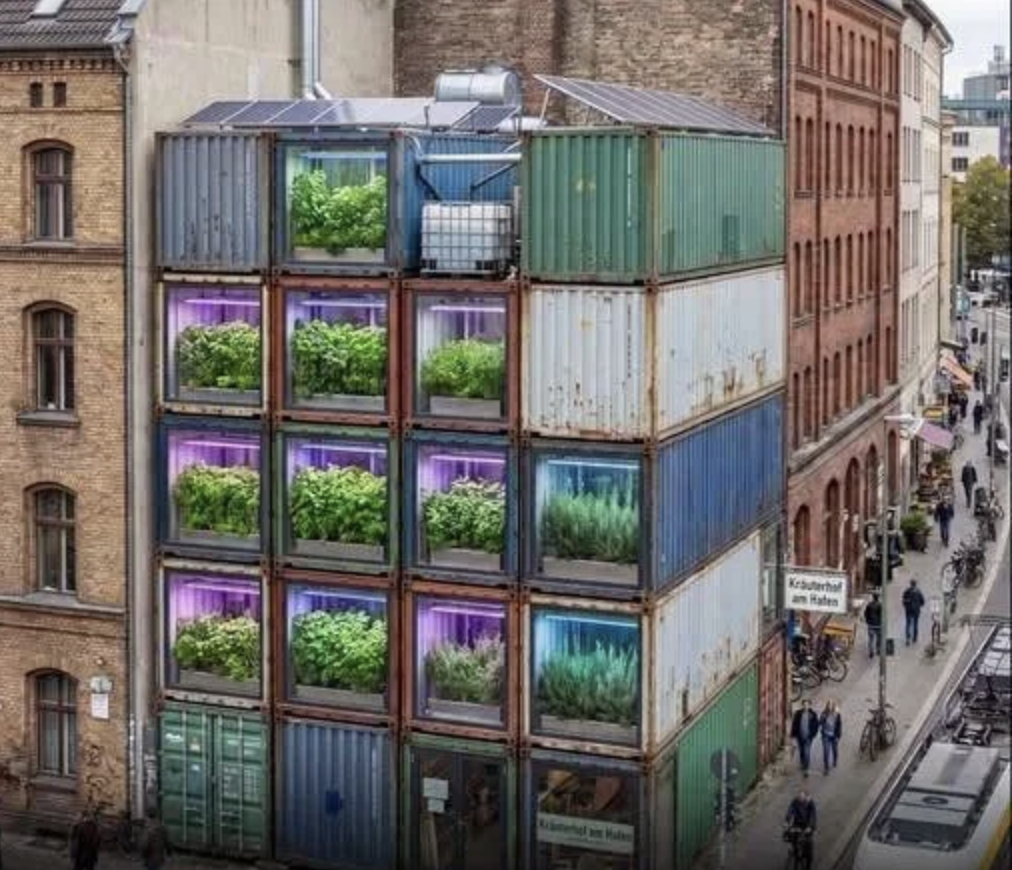
In Germany, Retired Shipping Containers Become Vertical Herb Farms - Producing Fresh Food Inside Dense Neighborhoods With Little Available Land
Within urban neighborhoods in Germany, retired shipping containers are being transformed into vertical herb farms, turning unused industrial units into compact food production systems.
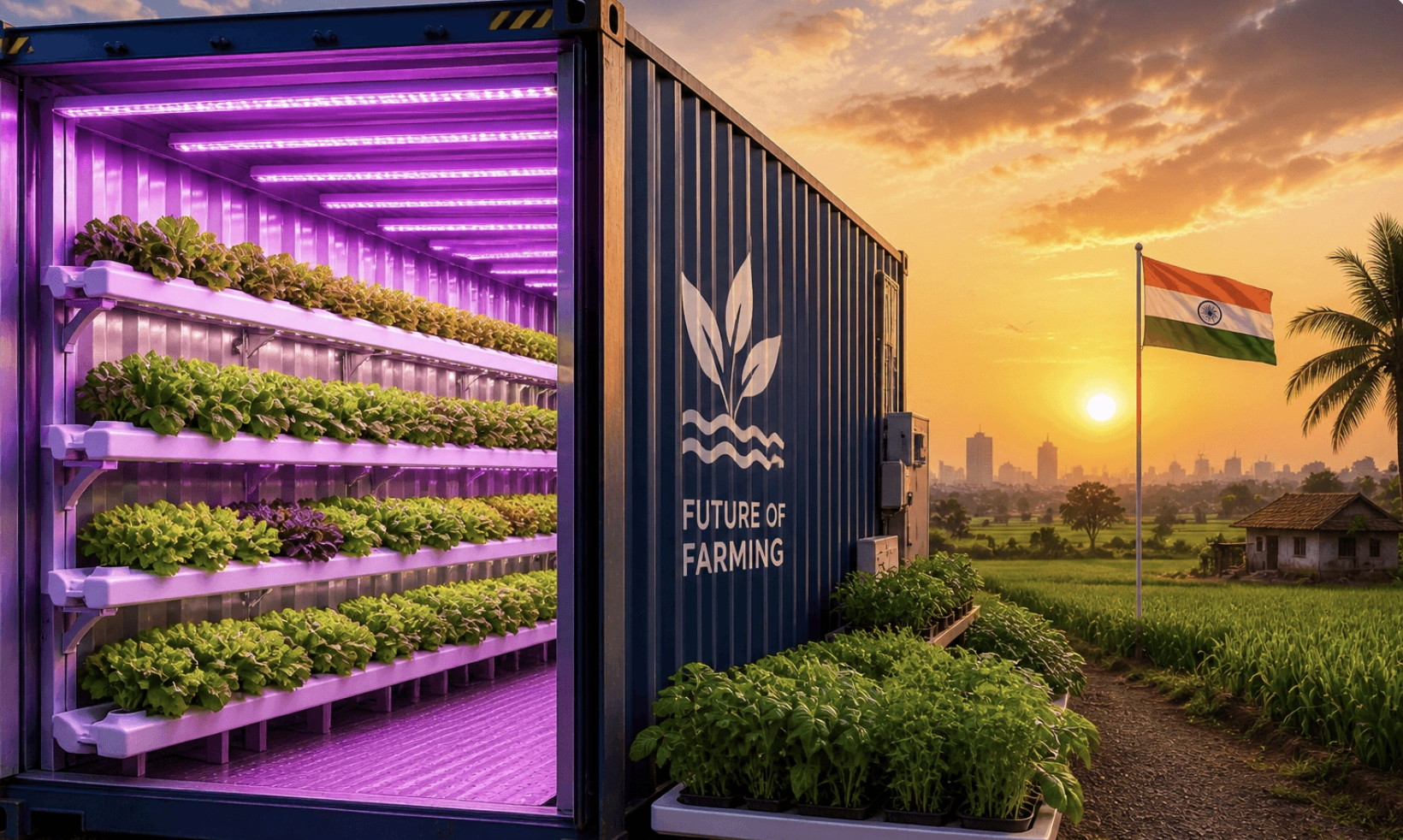
Shipping Container Farming in India: The Complete Guide to Setup, Crops & Profitability
India is at an inflection point. Urbanisation is accelerating, arable land is shrinking, water tables are falling, and a growing middle class is demanding year-round, pesticide-free fresh produce. Container farming — the practice of growing crops inside repurposed or purpose-built shipping containers — is emerging as one of the most compelling answers to this challenge.
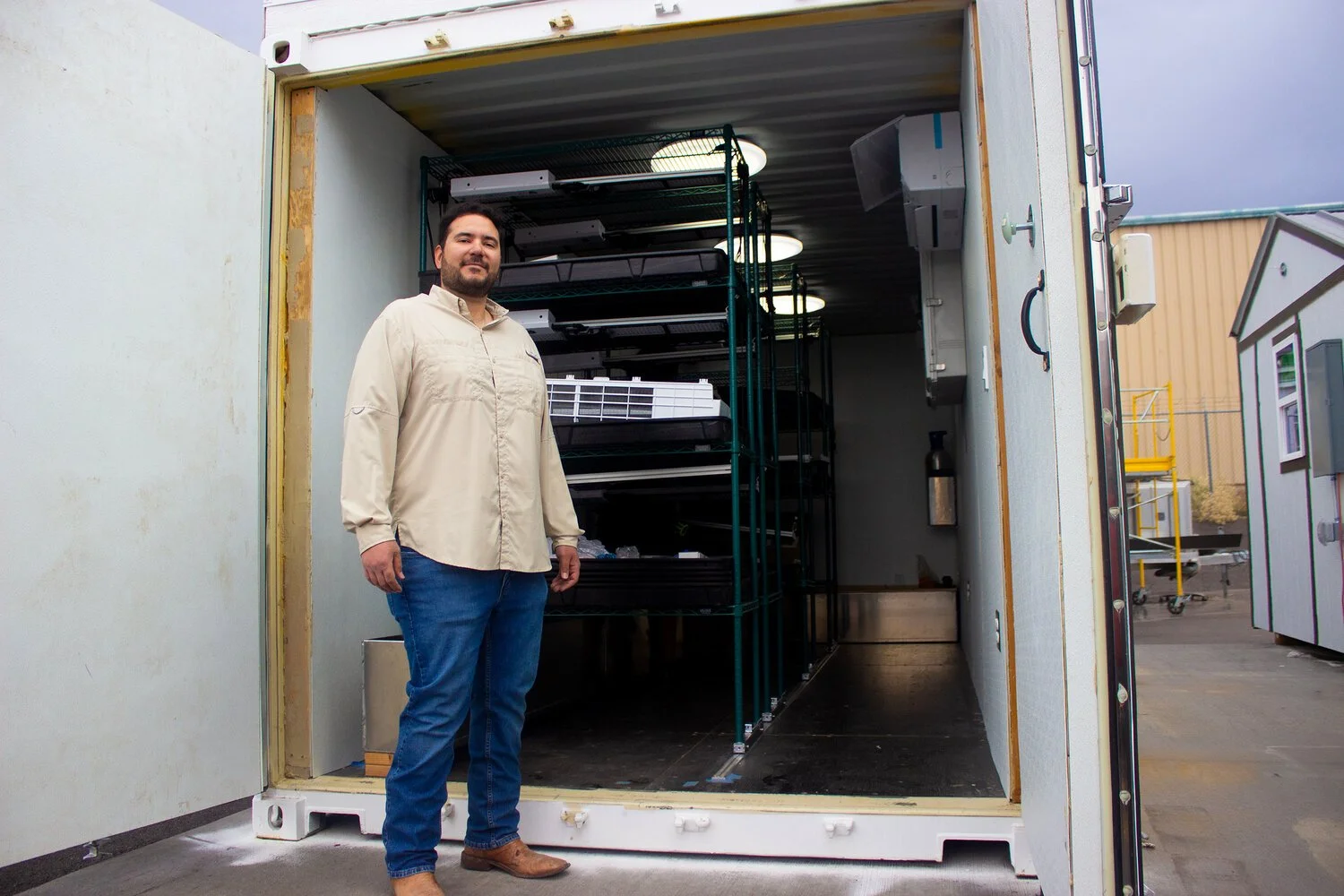
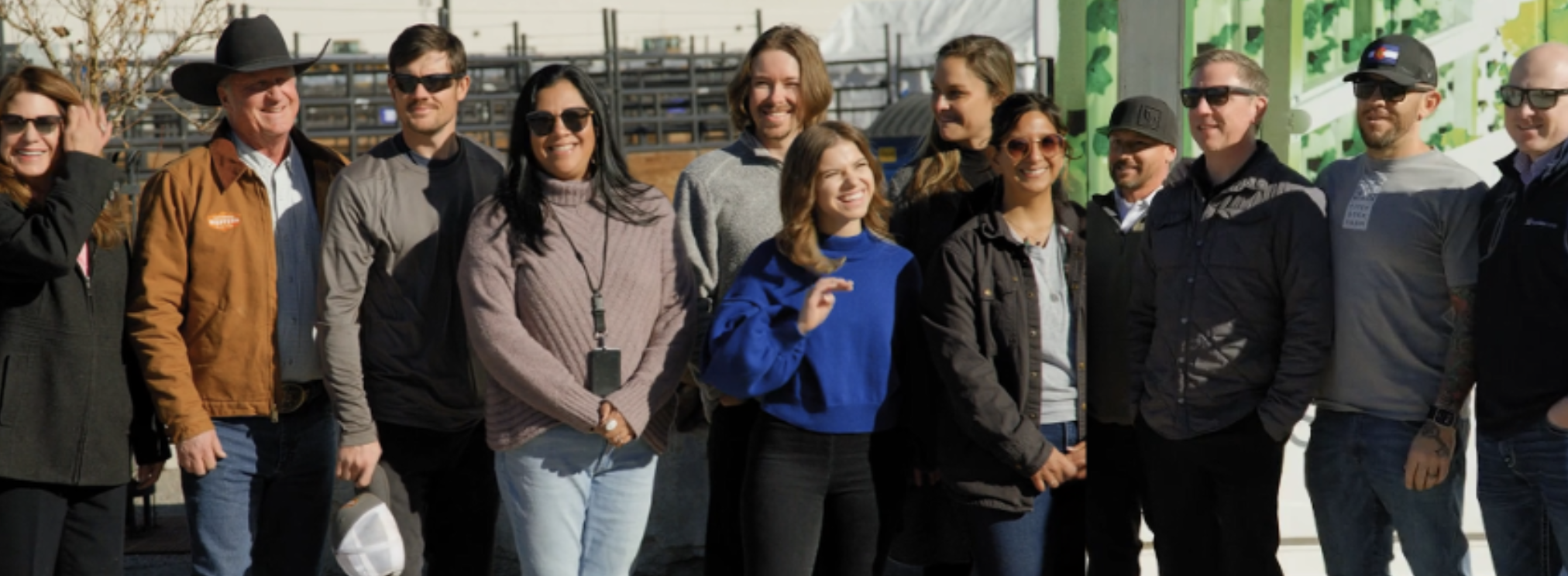
USA - DENVER, COLORADO: Growing Access: How FarmBox Foods Is Advancing Food Equity in Food Deserts
Access to fresh, healthy food is the cornerstone of strong, thriving communities. Yet in Denver’s Globeville, Elyria, and Swansea (GES) neighborhoods, within the 80216 ZIP code, many residents have long faced barriers to affordable, nutritious options and is considered a food desert. To create lasting change, we must think differently about how and where food is grown.