

News About Farming in Shipping Containers & Limited Indoor Spaces
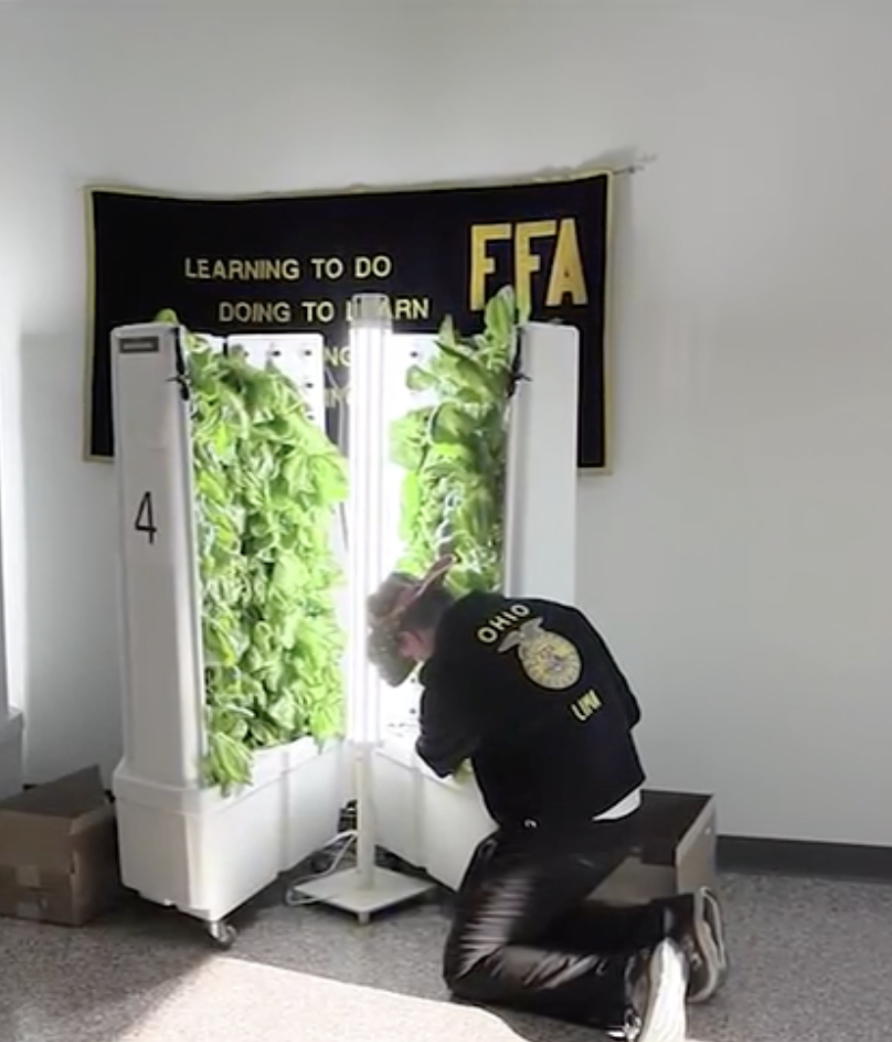
USA - OHIO: Lima Senior Agriculture Students Turn Hydroponic Towers into Fresh Food for the Community
It’s a win-win as Lima City Schools and the West Ohio Food Bank partner to provide fresh produce while addressing food insecurity in the area.
The West Ohio Food Bank used grant dollars to purchase five hydroponic growing towers for the program. Students plant, care for and harvest leafy greens, including lettuce, arugula and collard greens.

The Latest Shipping Container Farming News
The global platform covering container farm funding, innovation, deployments, and market trends across every growing region.
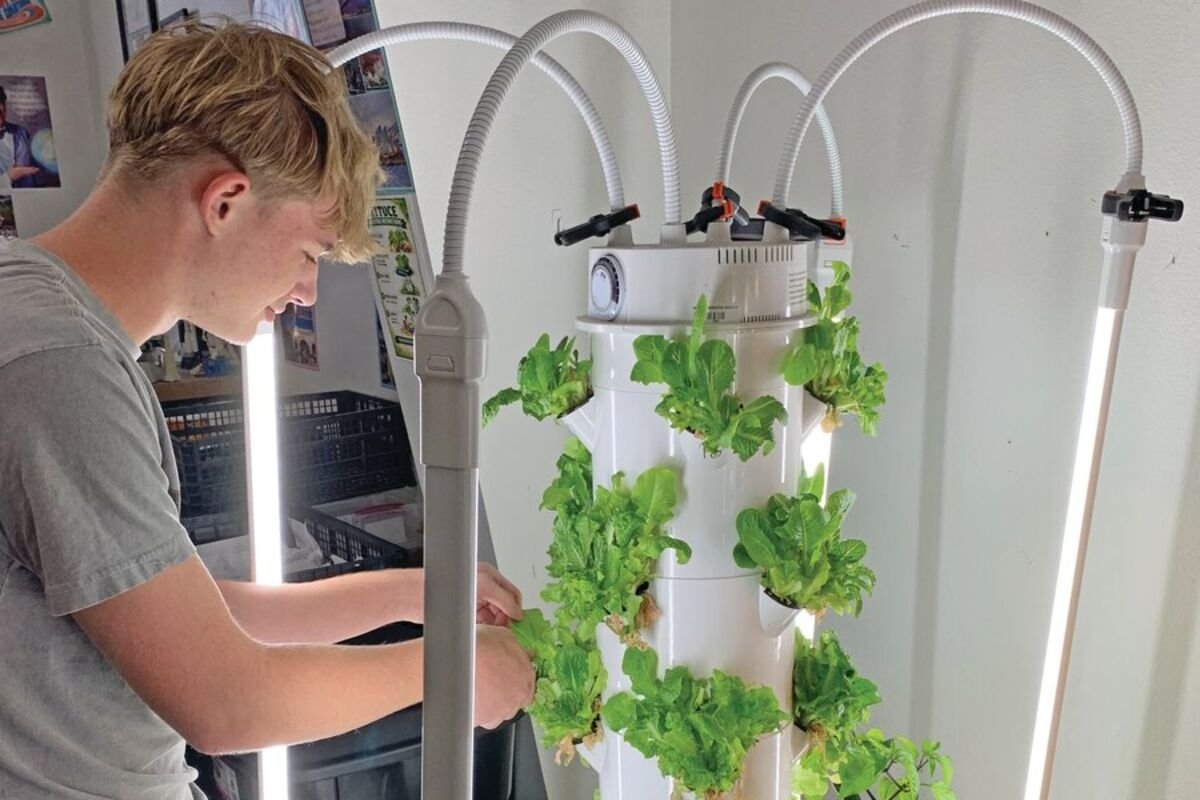
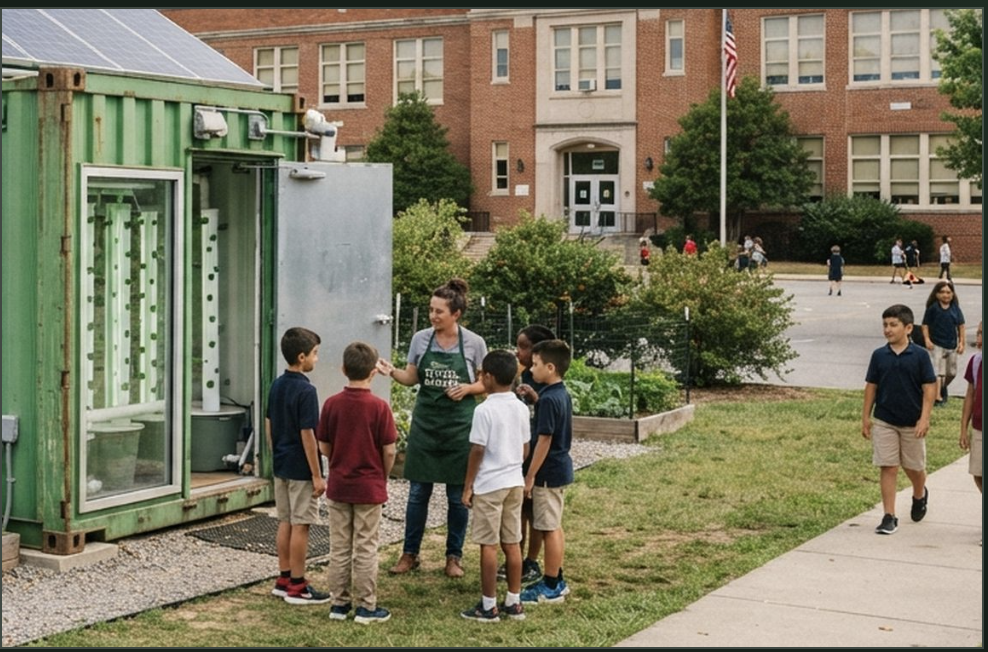
Growin’ Up Organic
Most schools stop at "we'd need a grant." There are five other ways to fund a container farm, and one of them probably already fits your calendar. Answer five questions and find out which.
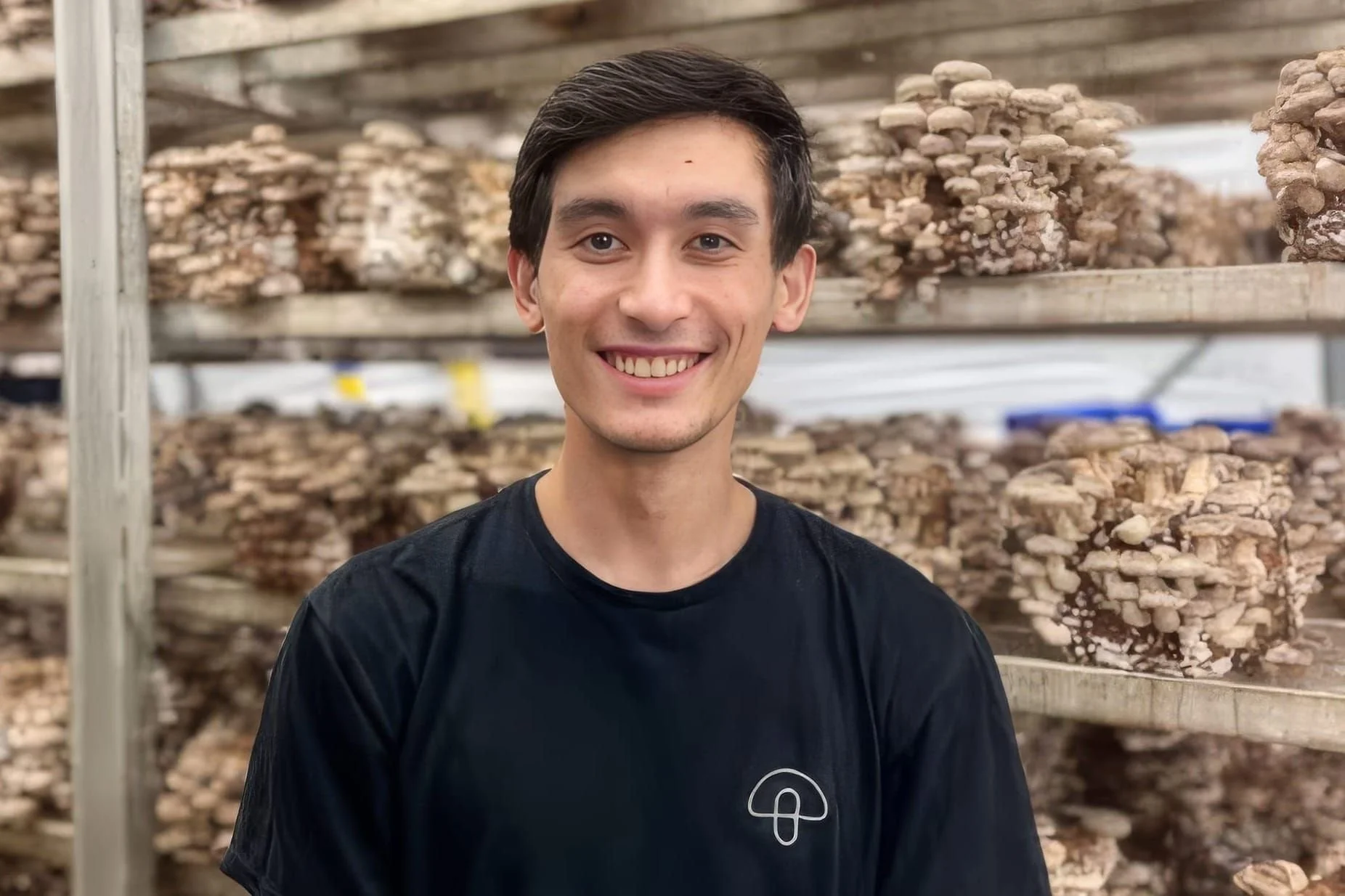
CANADA: Growing Mushrooms With AI
Officially founded in Toronto by Christopher Klich and Justin Cheng, the startup joined the University of Waterloo’s Velocity incubator in mid-2023 to scale its AI-driven gourmet mushroom farms in shipping containers.
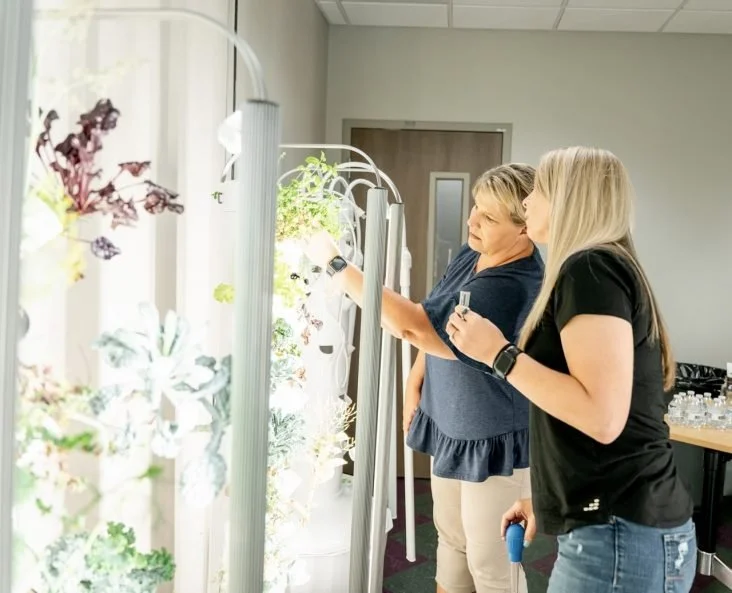
USA - ARKANSAS: Fort FireFly Opens in Fort Smith; Teachers Learn About Hydroponic Gardens
This summer, the Arkansas Colleges of Health Education (ACHE) Research Institute Health & Wellness Center (RIHWC) expanded its hydroponic gardening efforts by equipping area teachers with the tools and knowledge to bring hydroponics directly into their classrooms.
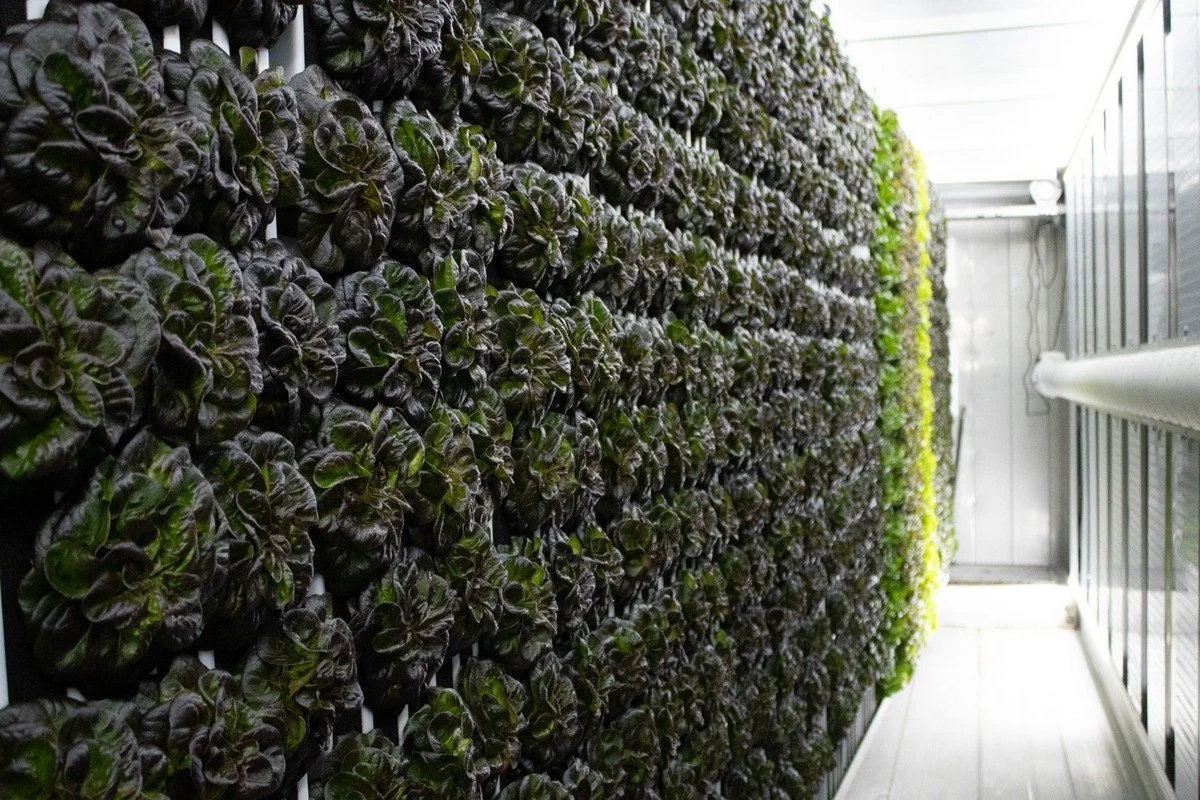
"The Crop Plan is Determined by the Customer, Not by a Guess We Made Months Earlier"
Harvest London and Crate to Plate are trialling a platform designed to plan crop production from confirmed customer orders instead of forecasts, under a DEFRA-funded ADOPT project led by InnoPhyte Consulting. The deployment runs across Harvest London's Canada Water and Lea Bridge facilities and Crate to Plate's site in Canary Wharf.
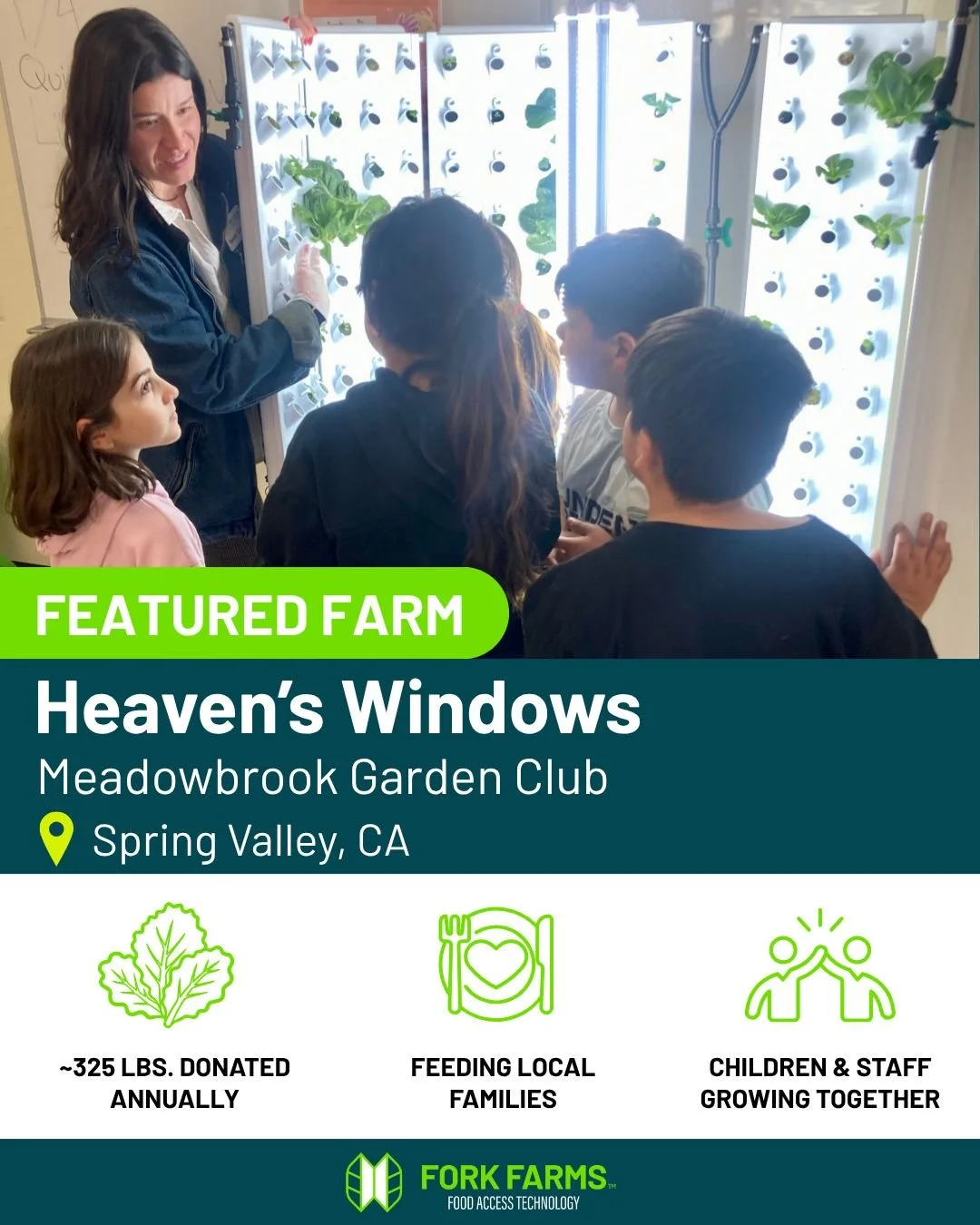
Featured Farm: Meadowbrook Garden Club | Spring Valley, California
At Meadowbrook Apartments, growing fresh food is also growing curiosity, confidence, and connection.
Since 2023, the Meadowbrook Garden Club has been growing with a Flex Farm alongside the Heaven’s Windows team.
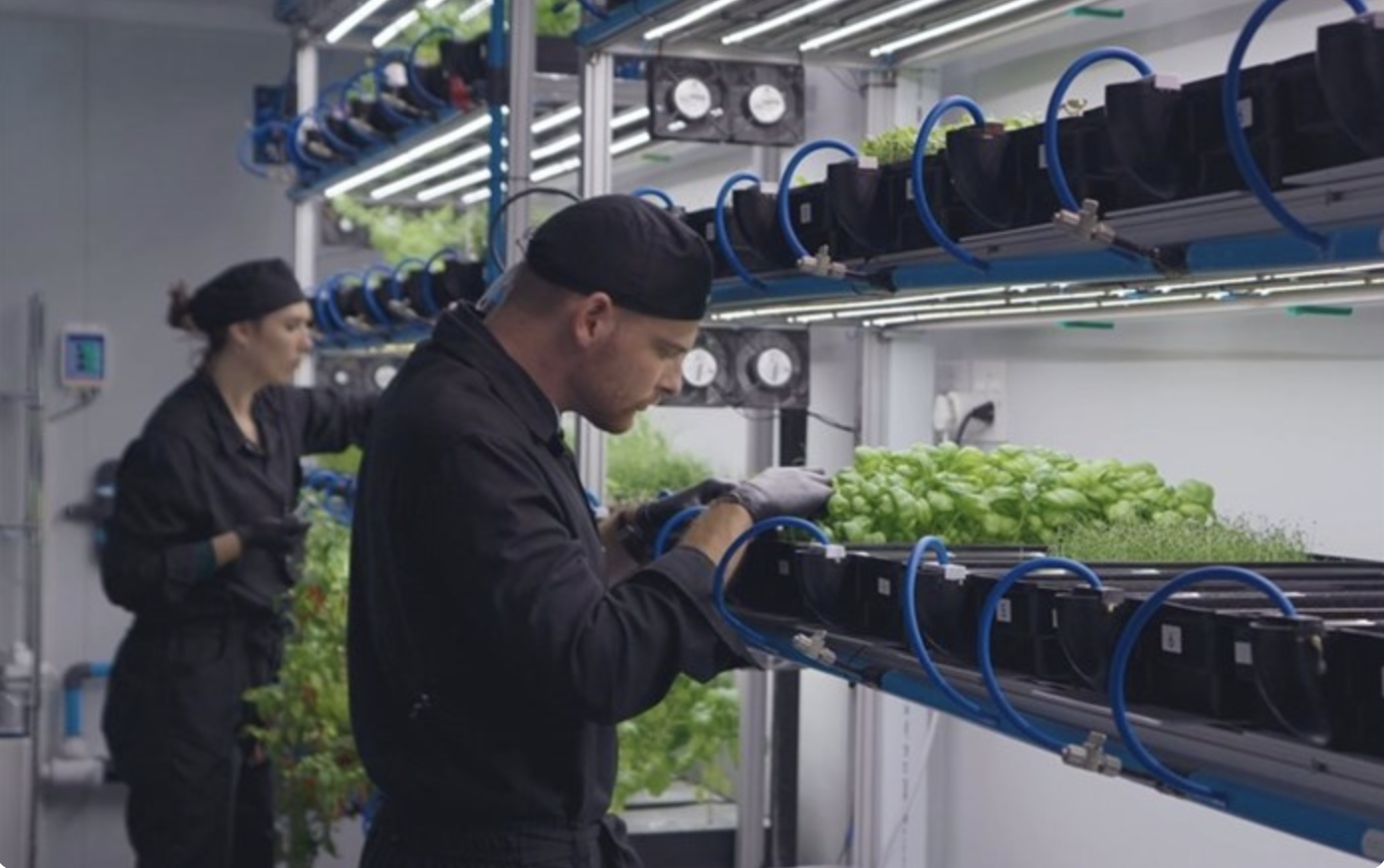
SOUTH AFRICA: Arable Grow’s Container Farms Reach Spar’s Shelves in the Western Cape
Arable Grow is combining hydroponics, climate-controlled environments and renewable energy to create modular urban farms capable of producing fresh produce closer to where consumers live.
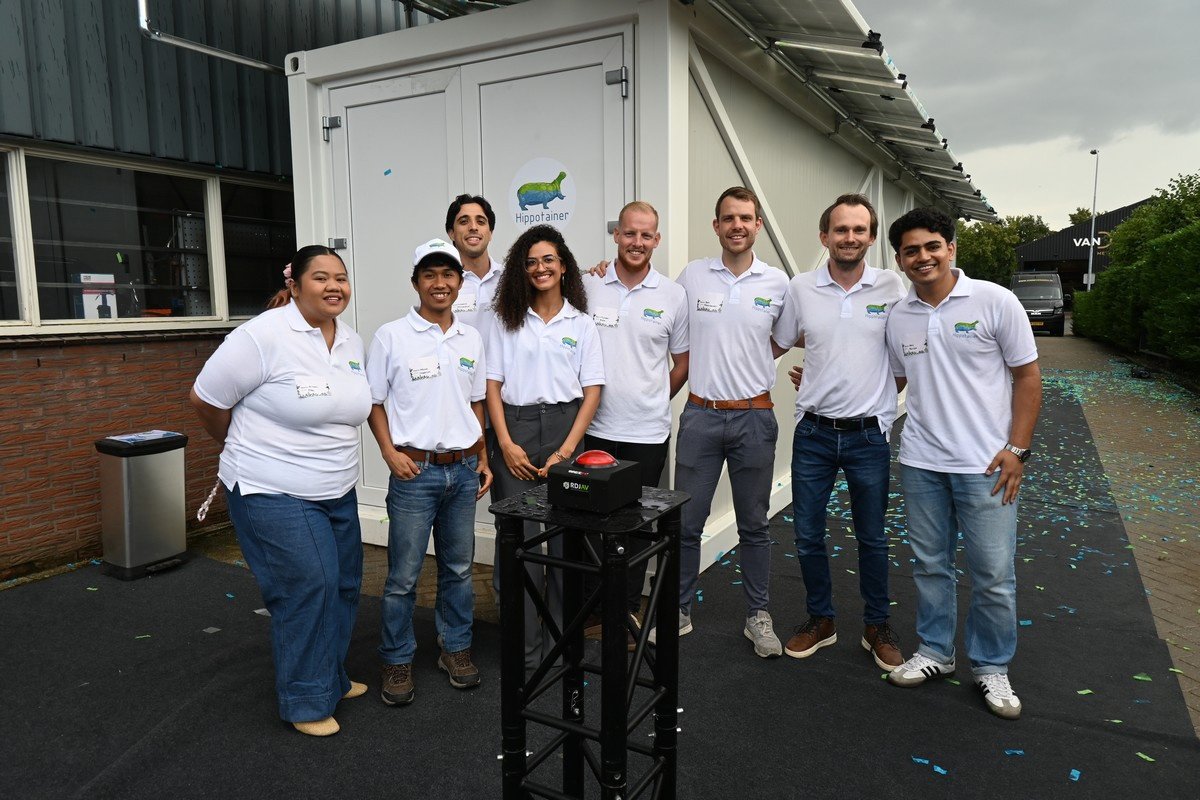
Bonaire Project To Test Containerised CEA Under Local Conditions
A containerised controlled-environment agriculture (CEA) system has been christened ahead of its planned deployment to Bonaire, marking the next stage of a project focused on local food production, resource efficiency and decentralised growing.

The Local Mushroom Farm Behind Your Favorite Restaurant Dishes
The first time I visited KC Sullivan, founder of Two River Gourmet Mushrooms, his entire operation fit inside a retrofitted shipping container tucked behind White Chapel Project in Long Branch.
Is Hydroponic Produce Safer During Foodborne Illness Outbreaks?
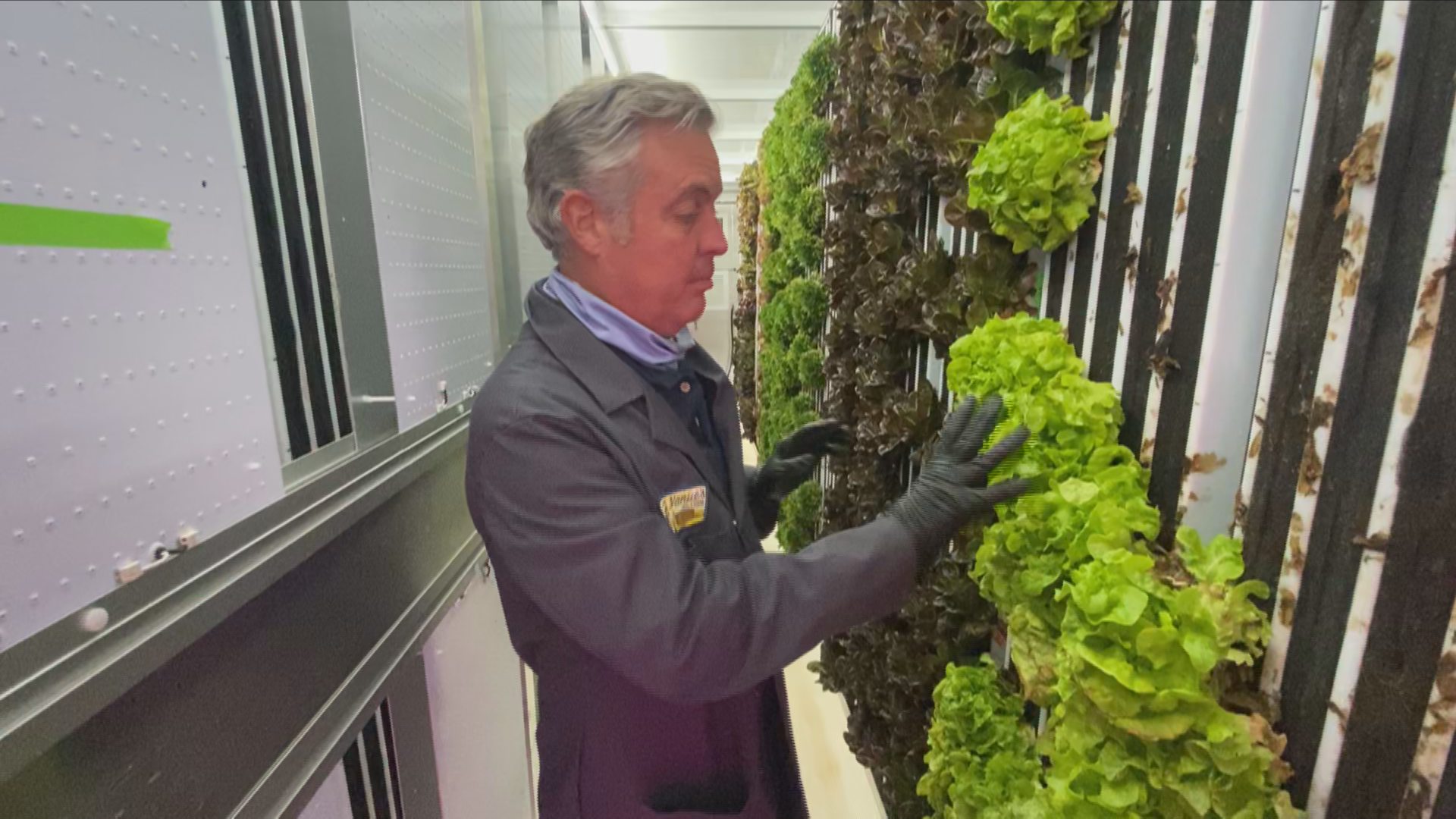
Inside a shipping container in downtown Raleigh, there is no soil, rain or sunshine. At Nanue Farms, lettuce grows vertically under LED lights. Water mixed with nutrients drips through panels to the plants’ roots, drains into a holding tank and circulates through the system again.
Why Buying a Pre-Owned Container Farm Beats Buying New
Every prospective container farmer runs into the same wall: the sticker price. A new turnkey hydroponic container farm is a six-figure purchase before you have harvested a single head of lettuce.
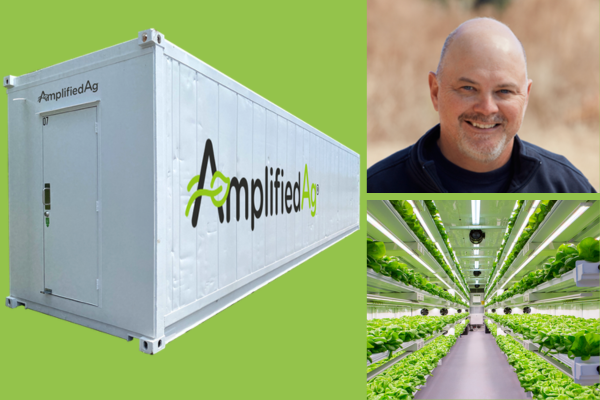
Right-Sized, Not One-Size-Fits-All: AmplifiedAg’s CEO on Serving Research and Commercial CEA Together
AmplifiedAg CEO David Flynn doesn’t see institutional and commercial agriculture as competing priorities — he sees them as two inputs into the same platform. The institutional side alone ranges from USDA research labs to compliant farm programs inside correctional facilities, part of the company’s Growing Justice initiative.
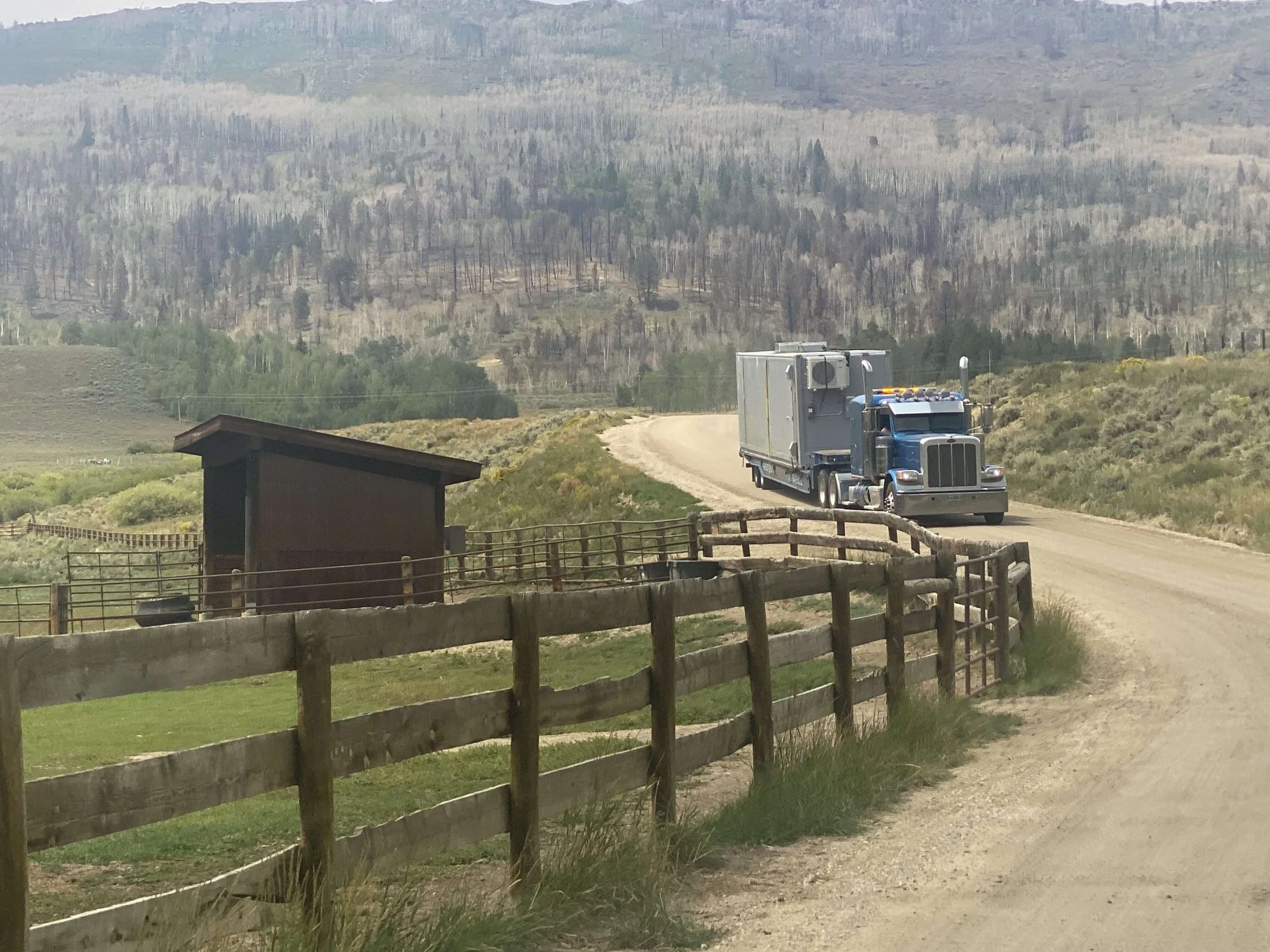
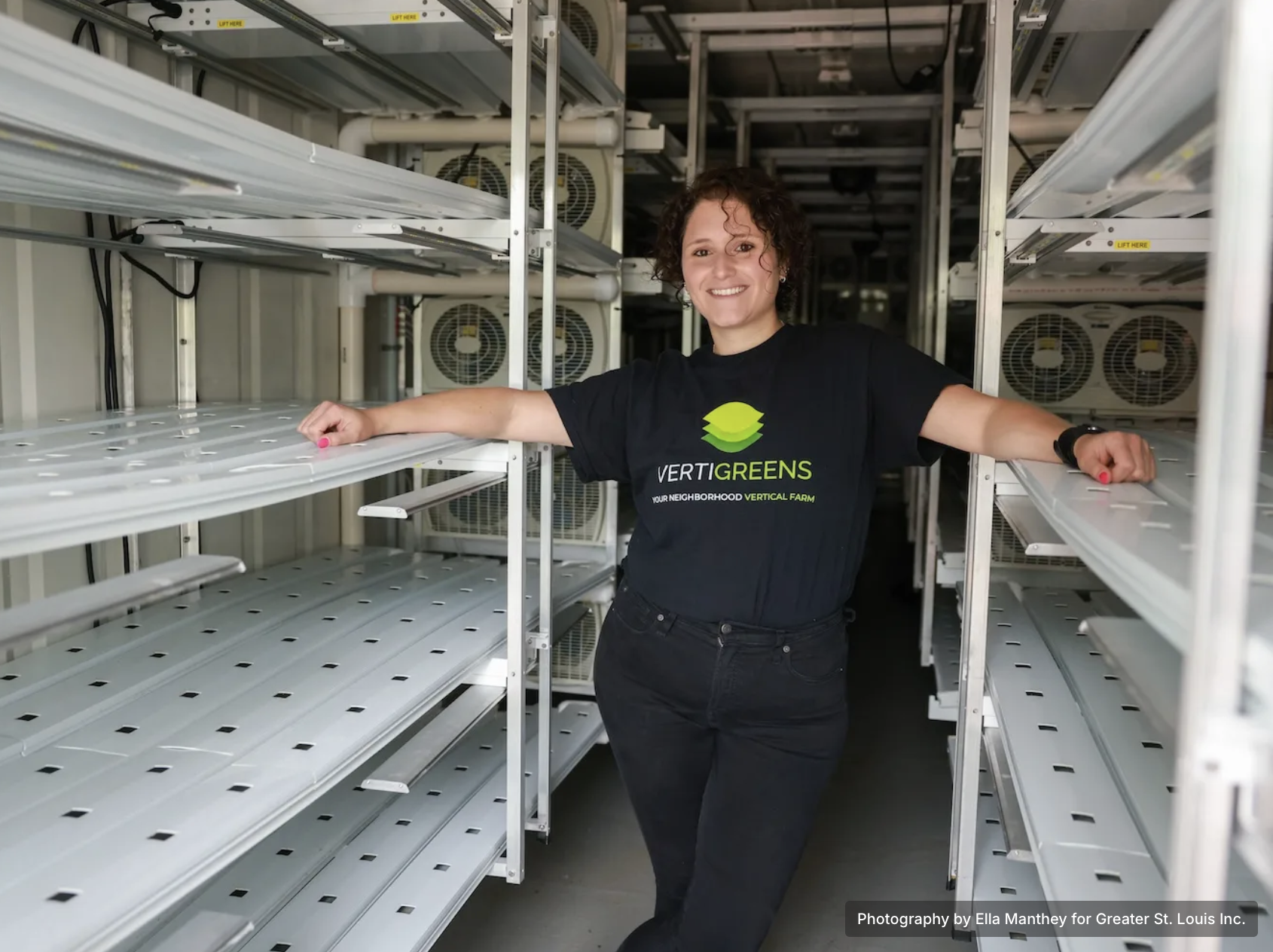
Hydroponic Grower Vertigreens Booms as Lettuce Becomes a Big Concern
While the lettuce-driven cyclospora outbreak has generally been bad for businesses across the nation—including some St. Louis chefs who’ve been forced to take extra precautions—the outbreak has come with an upside for one St. Louis-area startup.
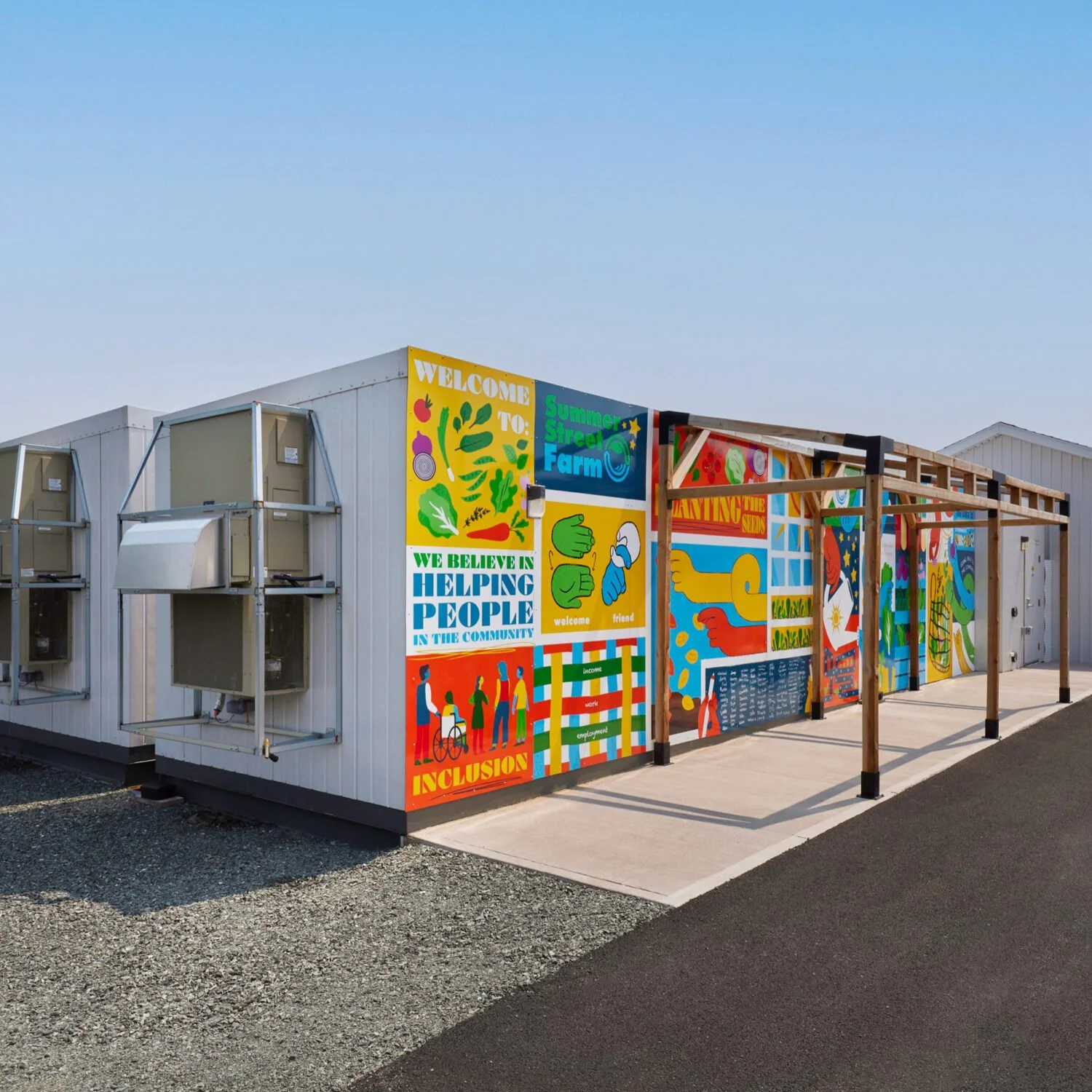
Growing Good: Steel Shells Incubate Incredibly Productive Microfarms
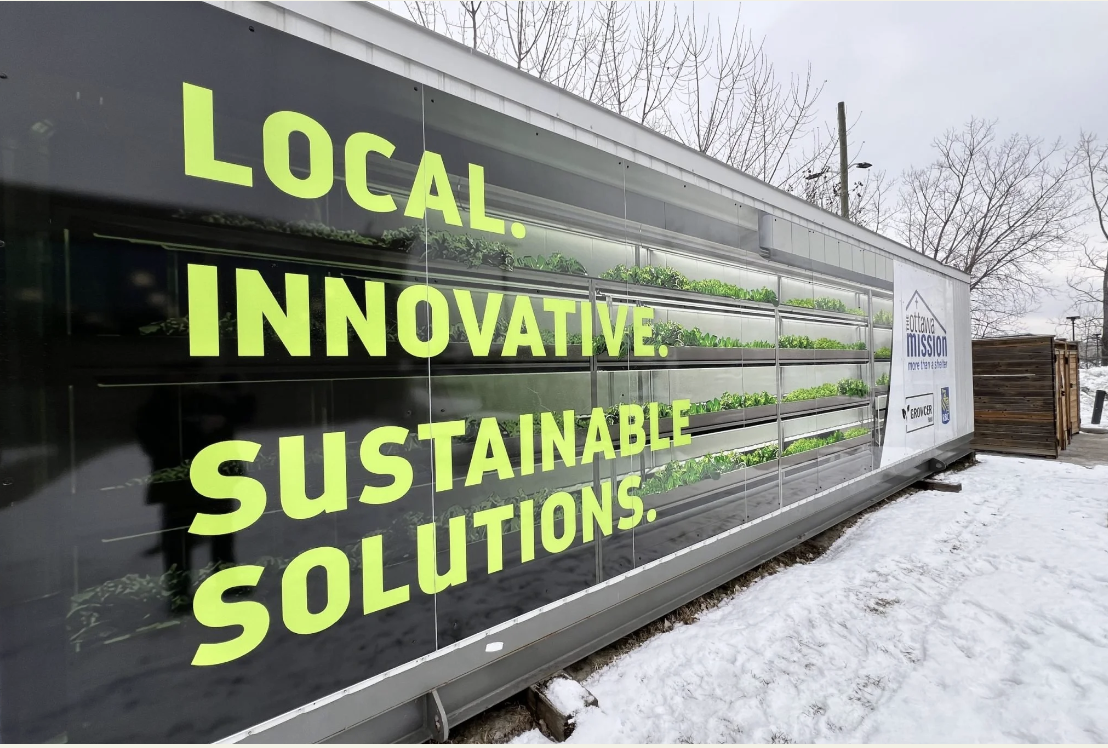
The hydroponic farm is designed by Growcer, an Ottawa-based company that was initially founded in response to high food costs in northern communities. It’s a serious need — according to Statistics Canada, 60% of Nunavut (Canada’s northernmost territory) residents are food insecure, and food prices have risen by 22% (as opposed to 12% across the rest of the country) in recent years.
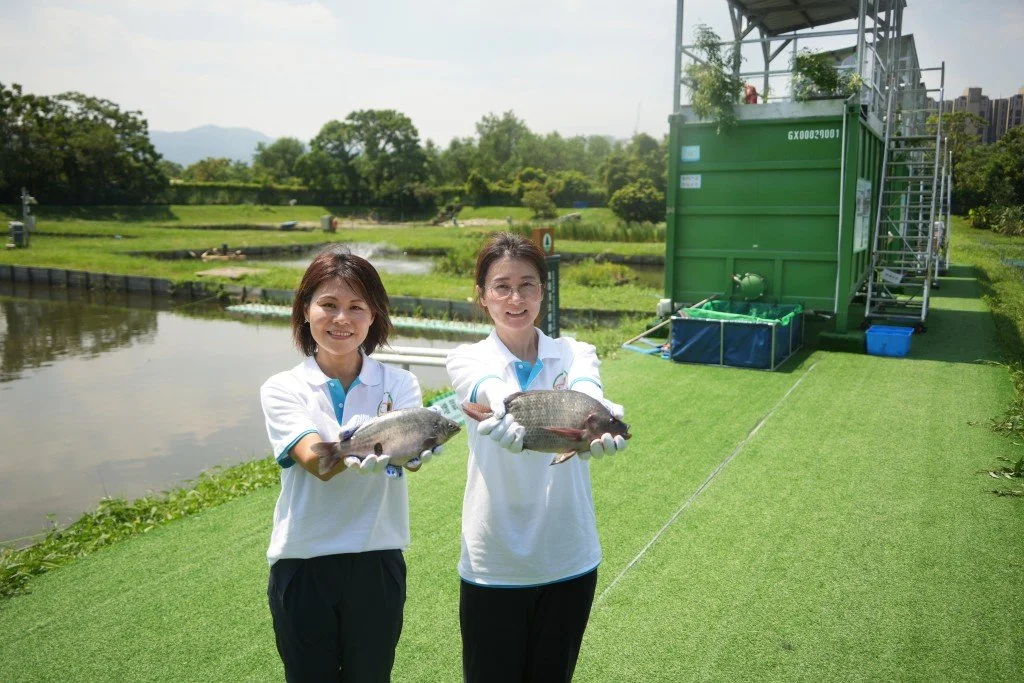
HONG KONG: Shipping Container Farming System in Yuen Long Boosts Fish Yields Threefold
The container eco-culture system trialed at the Au Tau Fisheries Office in Yuen Long reported a yield three times that of traditional fish ponds after eight months, according to the Agriculture, Fisheries and Conservation Department (AFCD).
The harvest took place after over 100 fish fry were released into the system, which operates primarily within shipping containers.