

News About Farming in Shipping Containers & Limited Indoor Spaces
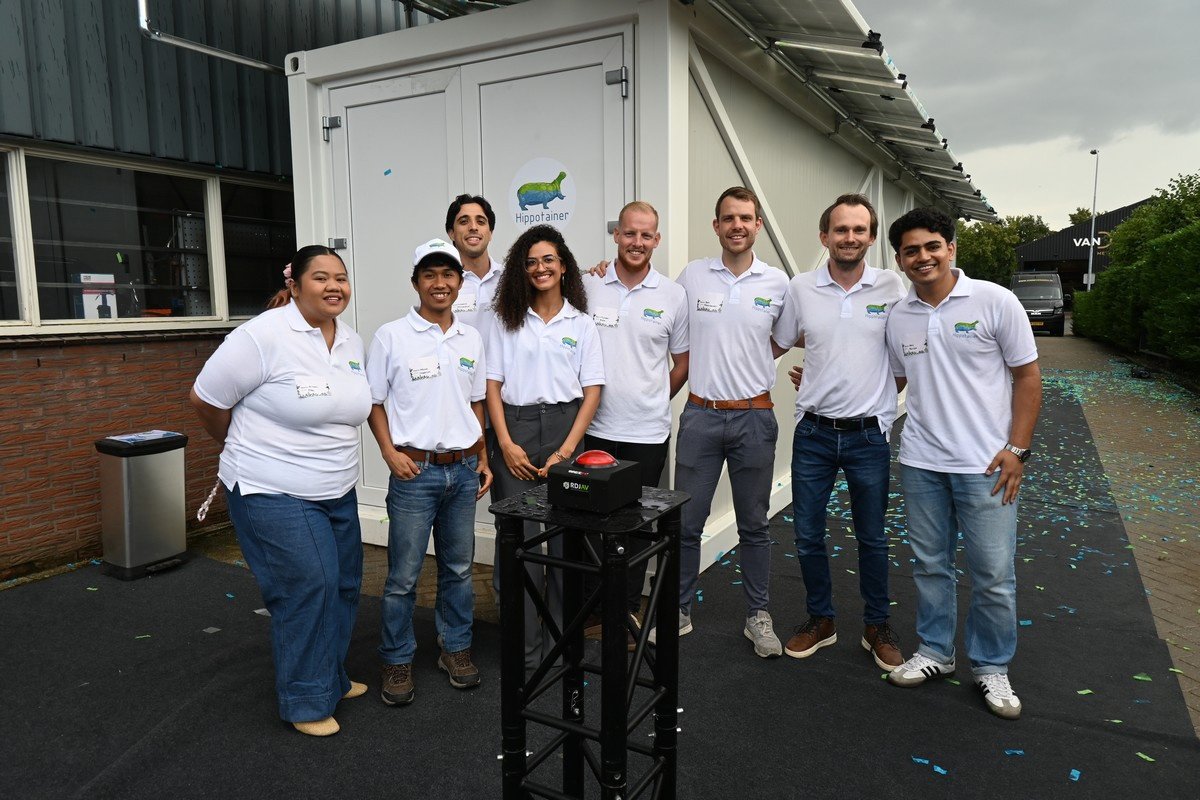
Bonaire Project To Test Containerised CEA Under Local Conditions
A containerised controlled-environment agriculture (CEA) system has been christened ahead of its planned deployment to Bonaire, marking the next stage of a project focused on local food production, resource efficiency and decentralised growing.
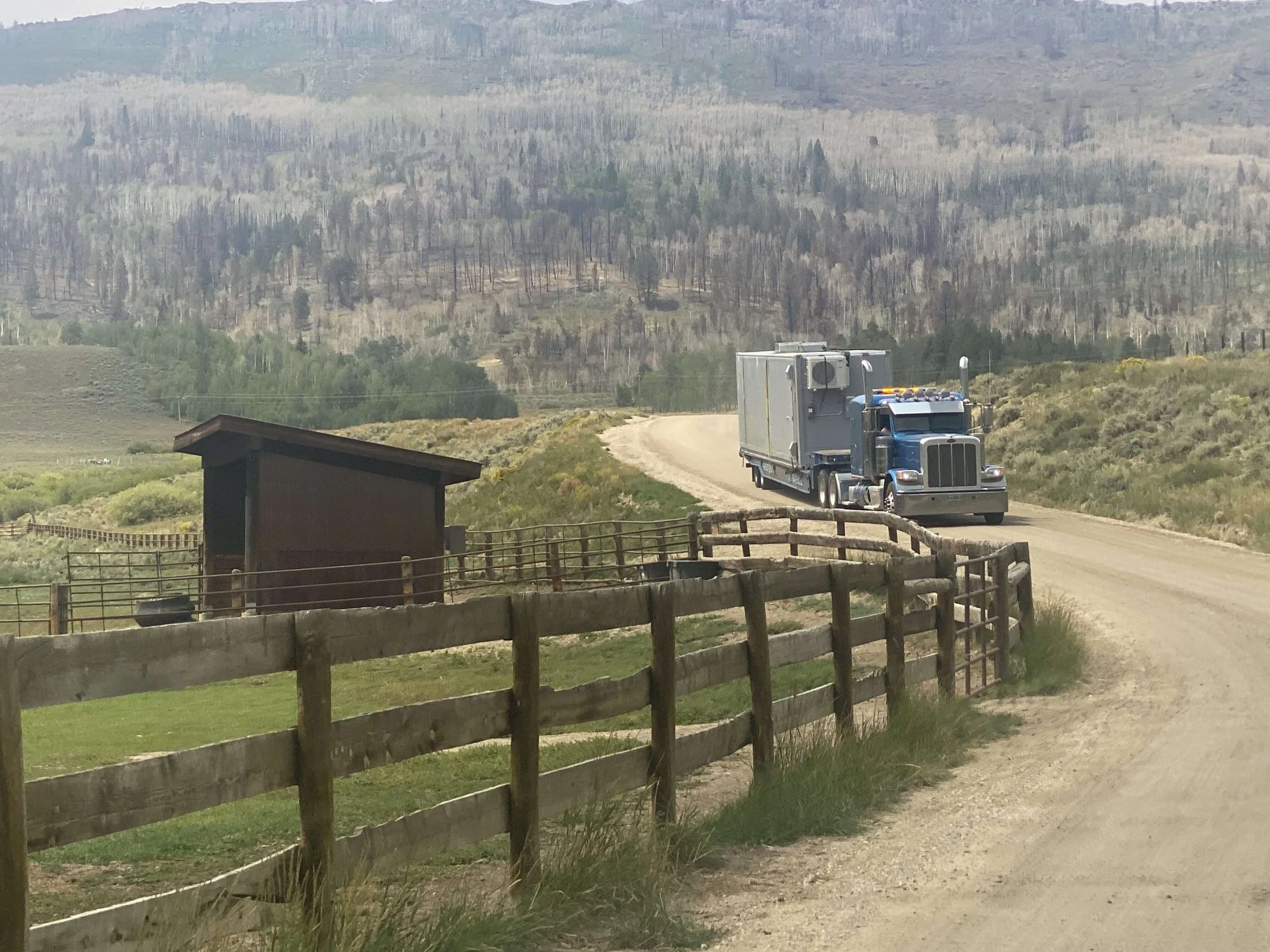
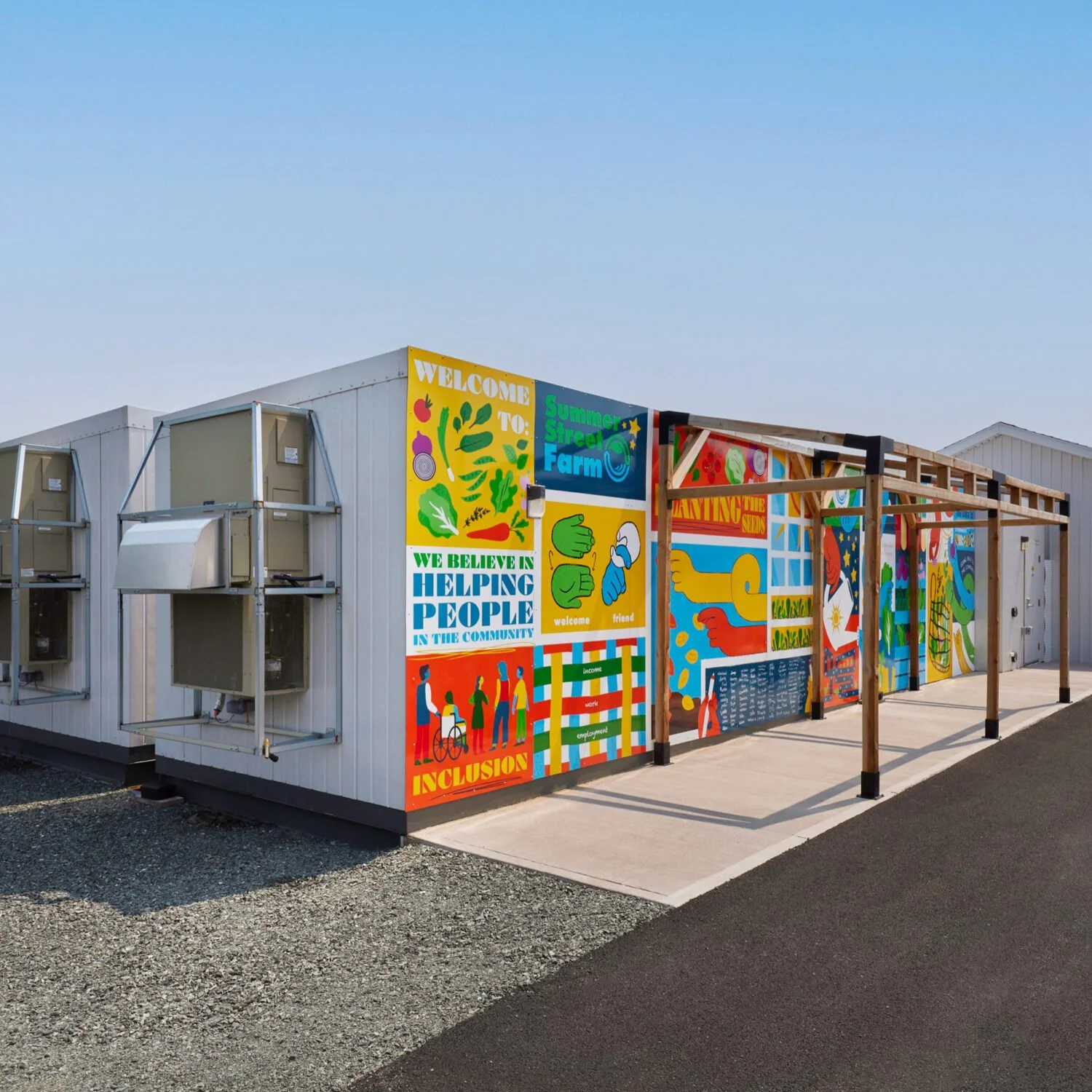
Growing Good: Steel Shells Incubate Incredibly Productive Microfarms
The hydroponic farm is designed by Growcer, an Ottawa-based company that was initially founded in response to high food costs in northern communities. It’s a serious need — according to Statistics Canada, 60% of Nunavut (Canada’s northernmost territory) residents are food insecure, and food prices have risen by 22% (as opposed to 12% across the rest of the country) in recent years.
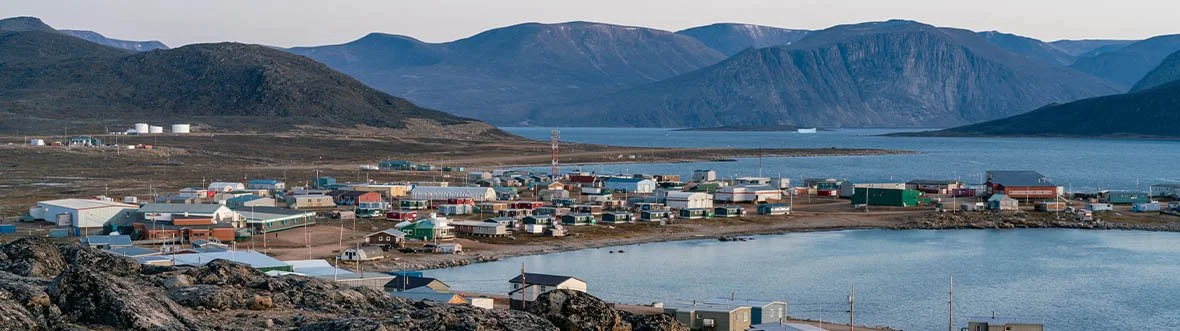
Advancing Food Production Capabilities in Deep Space While Supporting Food Security in Nunavut
The Growcer Inc. will work with Arctic Fresh Group of Companies, an Inuit-owned enterprise in Nunavut, to co-develop a concept for a deployable Controlled Environment Agriculture (CEA) unit.
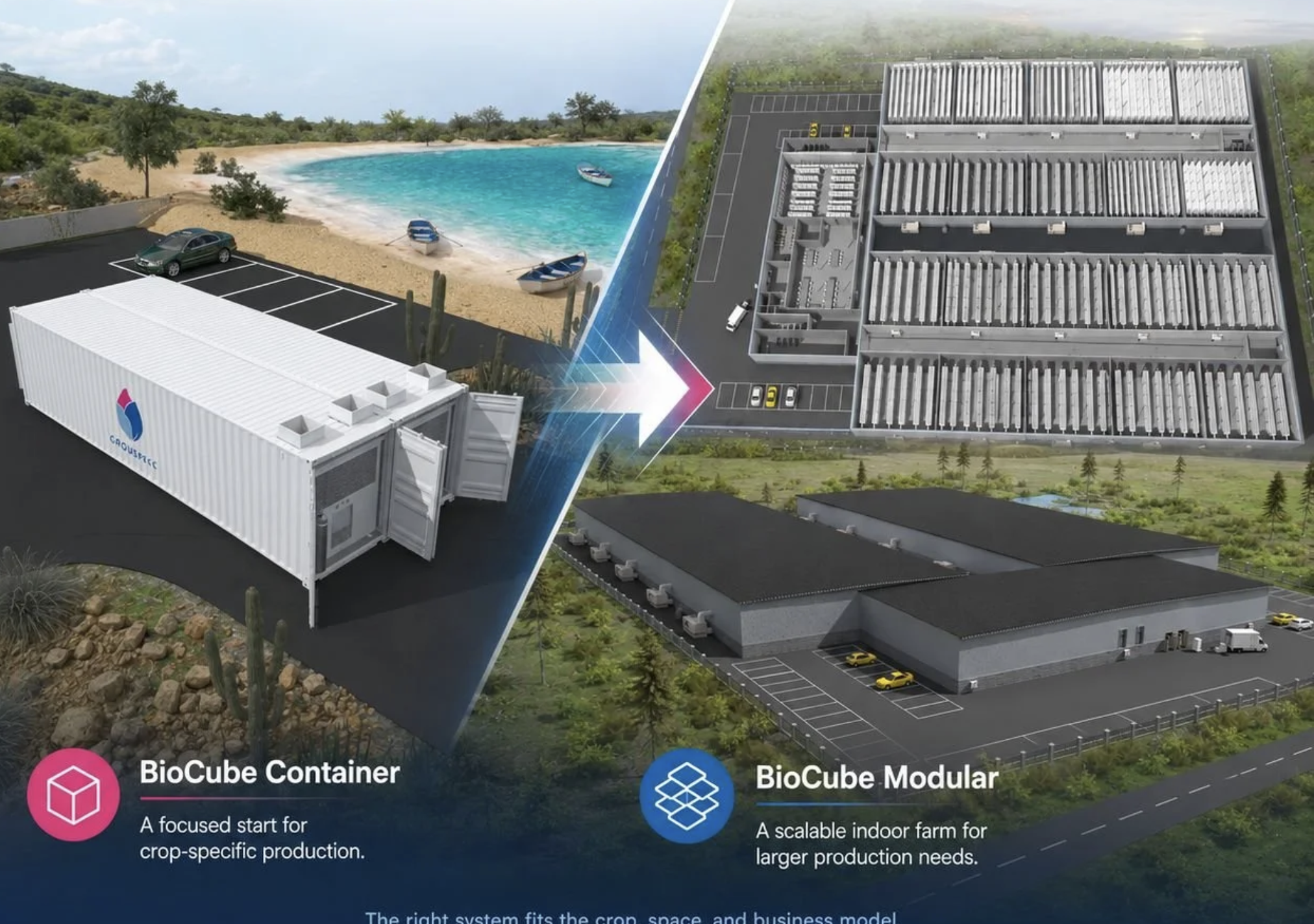
From Single Unit to Modular Farm Infrastructure 🌱
Not every indoor farming project needs to begin at full scale.
For some growers, a single BioCube Container is the right place to start. It offers a focused environment for one crop, one production model, and a clearly defined output..
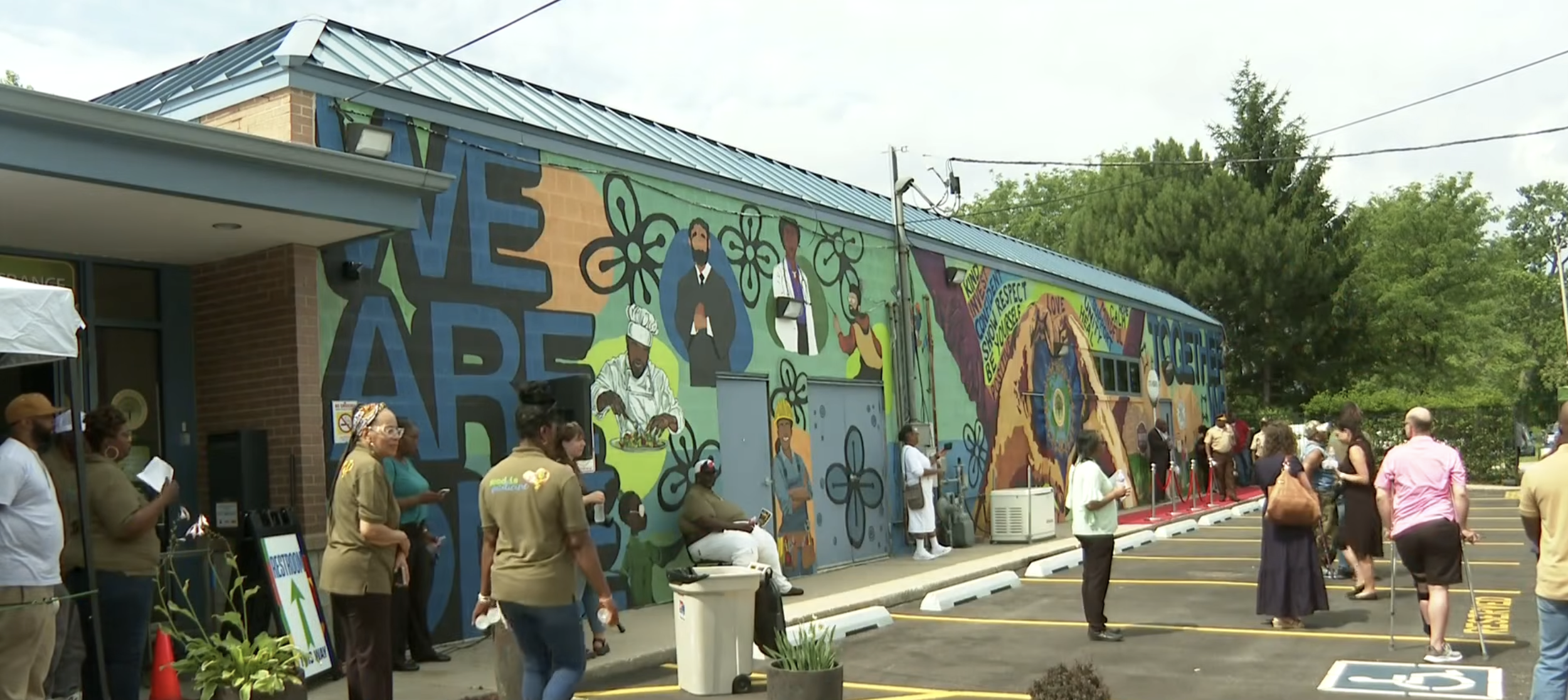
USA - CHICAGO: Ford Heights, a Cook County Food Desert, Gets a High-Tech Hydroponic Farm
.The town will now be able to grow fresh produce from a shipping container.
Ford Heights native Derek Drake runs a hydroponic farm company called Ditto Foods. He can make a 320 square foot trailer as productive as a three-acre farm.
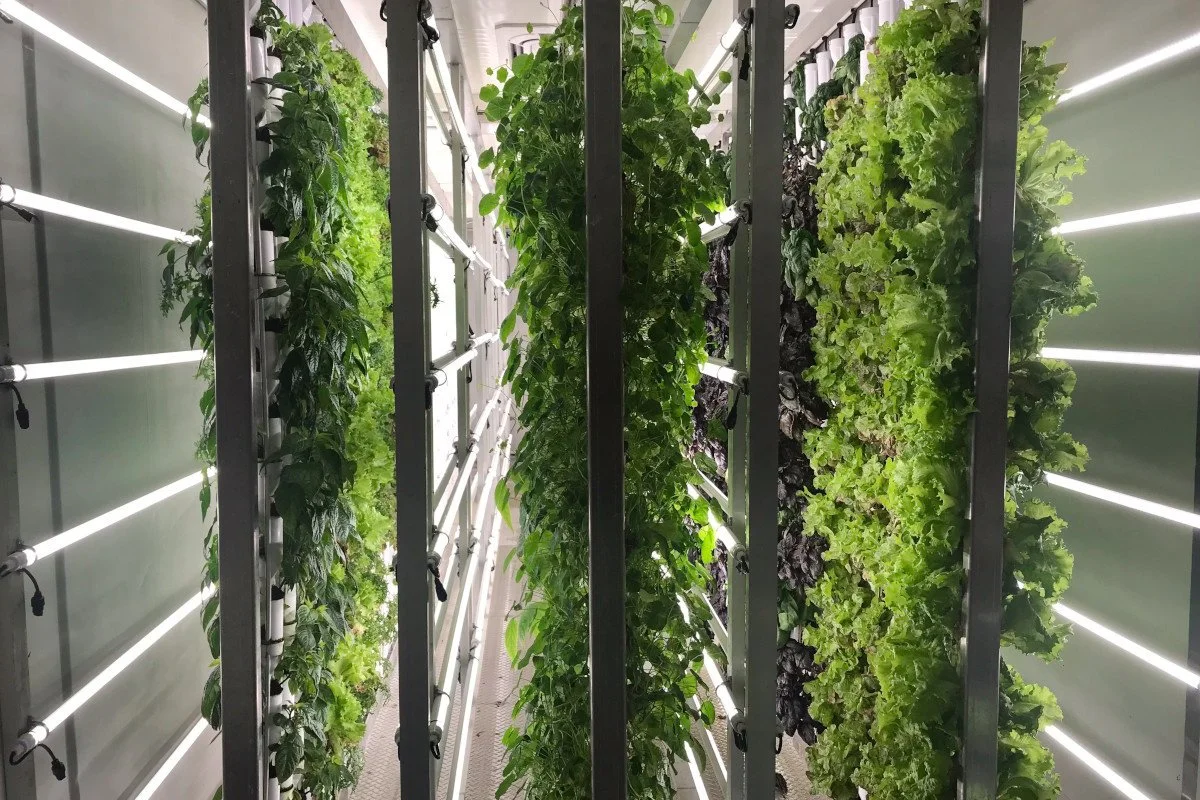
Jason Brown, Founder of FarmBox Foods - "Let's Just Build The Farm Inside The Container"
It all started with an affordable housing concept that never got off the ground. Jason Brown, a founding member of the FarmBox Foods team, was working on a project to build housing inside shipping containers. The plan included outdoor gardens in the form of vertically integrated, food-safe tubes (foreshadowing is a narrative device, etc.).
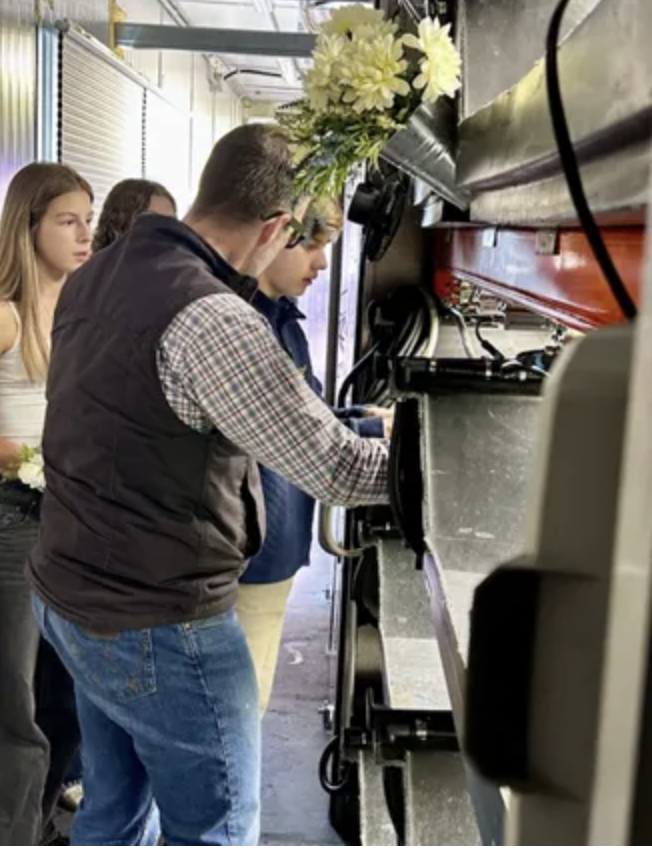
CANADA: Barlow Commends Student-Led Sustainable Agriculture Project in Diamond Valley
The indoor net-zero growing unit produces vegetables, herbs, and microgreens year-round inside a fully converted sea‑can.
The project aims to operate without negative environmental impacts, using responsible stewardship of energy, water, and soil.
Students from Grades 7 through 12 are involved in the project, from planting, watering, lighting and harvesting, to marketing, and business operations.
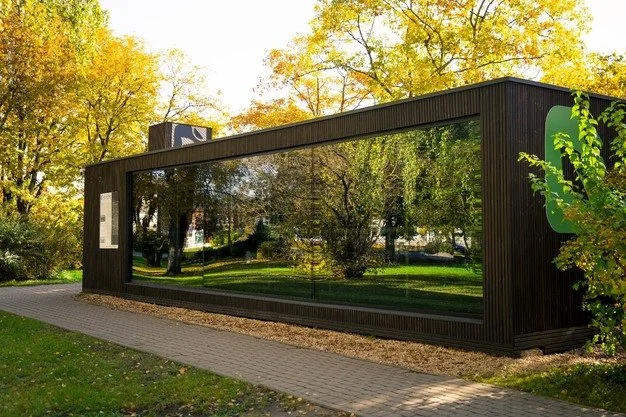
LATVIA: “The Visual Identity of the Container is as Central to the Product as its Technical Function”
The company registered the design of its CLF vertical growing container with the EUIPO ahead of broader commercial expansion. The jury described the container as a modular, decentralised system designed to support local tree cultivation in controlled environments, contributing to environmental awareness and community engagement.
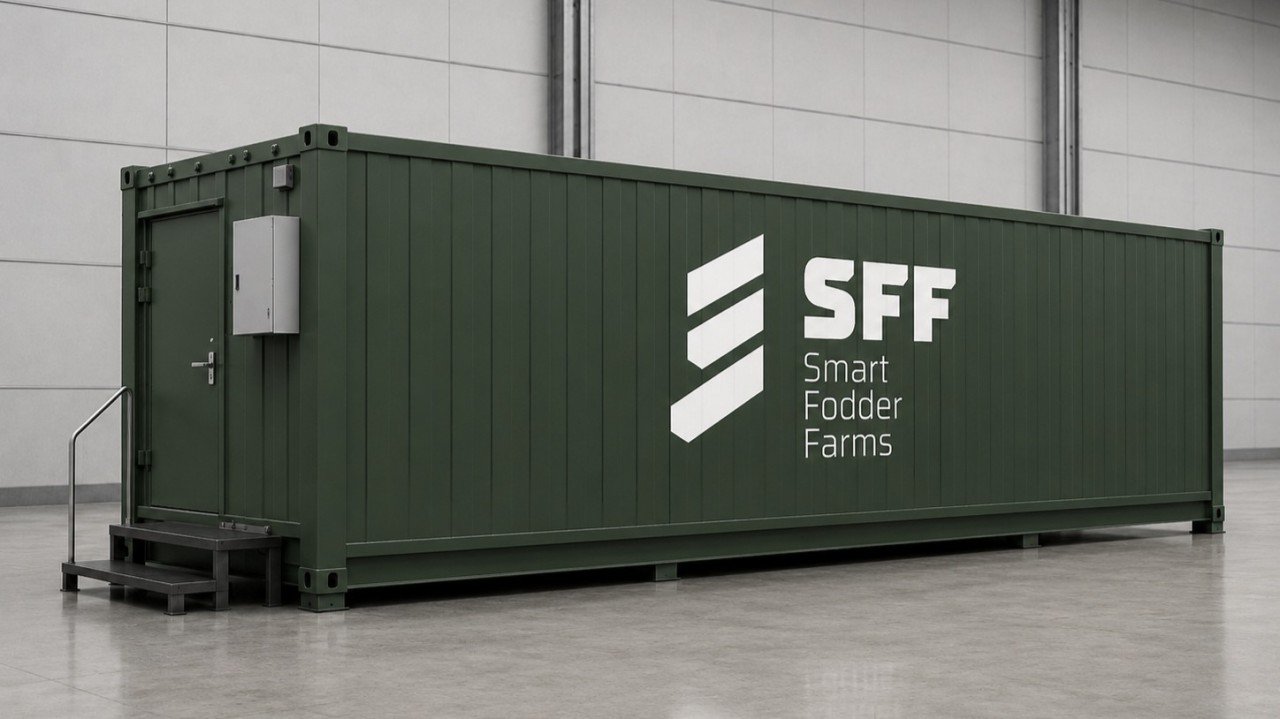
Scalable Fodder Strategy: Why Livestock Farms Need to Stop Depending Completely on External Suppliers
A Smart Fodder Farms container allows livestock companies to start producing fresh hydroponic fodder directly on-site, inside a controlled and automated production module. The system is designed to germinate and grow cereals and legumes under controlled humidity, temperature, irrigation and lighting conditions, producing fresh green fodder with high palatability and digestibility.
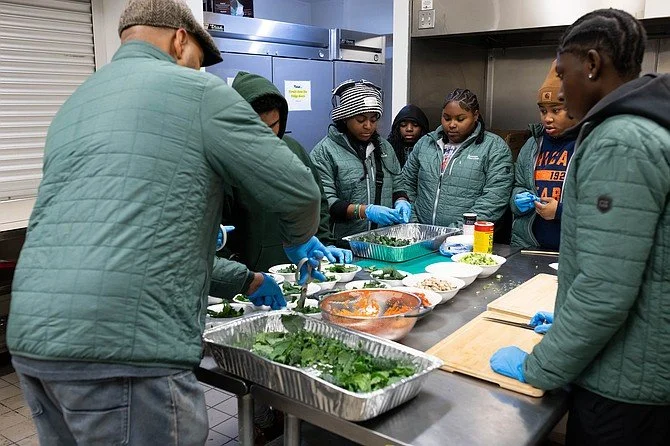
CHICAGO, USA: Farming In The Inner City Without Acres Of Dirt
The Altgeld Gardens community on the city’s south side is now home to a farm without acres of dirt. The growing of produce takes place inside a 500-square-foot hydroponic container, (a transformed shipping container). The work being performed by the students inside of the hydroponic container is changing the look of traditional farming.
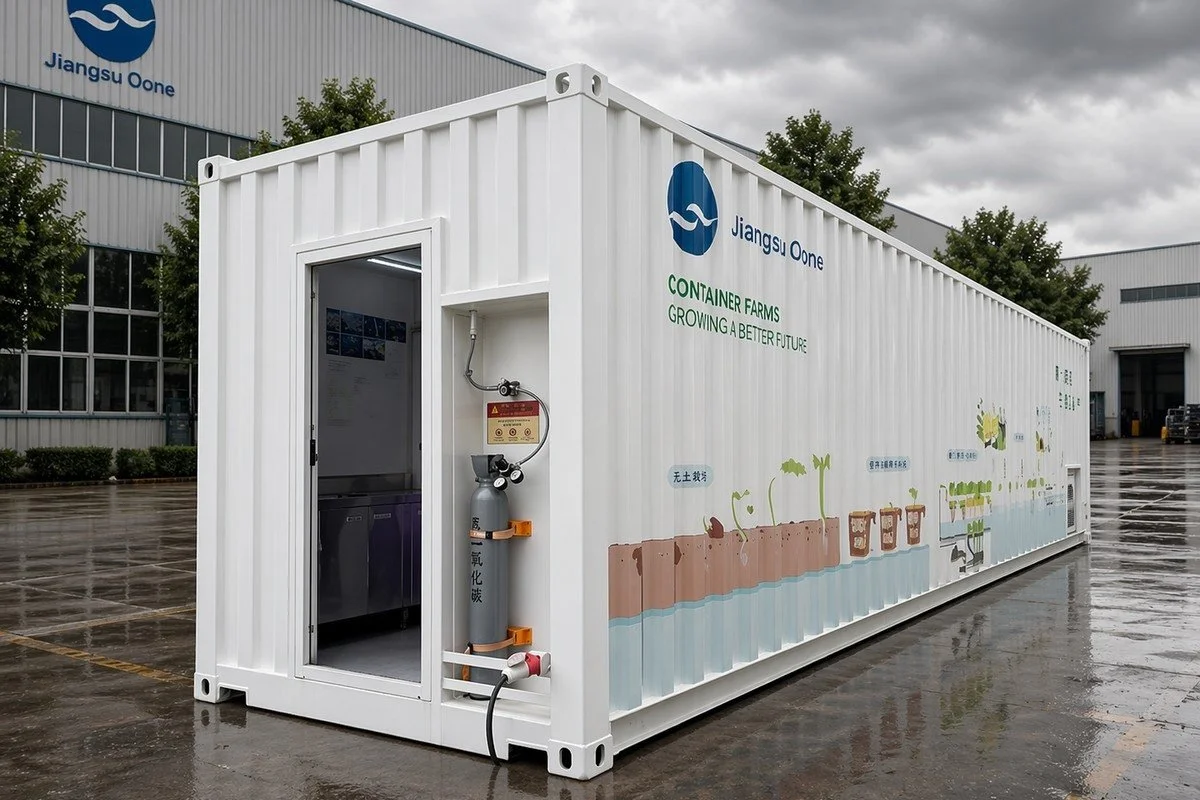
CHINA: Aurlant Introduces Container Farm Solutions for Year-Round Crop Production
As growers face challenges from limited land, unstable climate conditions, labor pressure, and the need for a stable food supply, container farms are becoming a practical option for modern agriculture. Aurlant has developed a series of container farm solutions designed to help growers produce crops in controlled environments with more flexible space use and year-round operation.
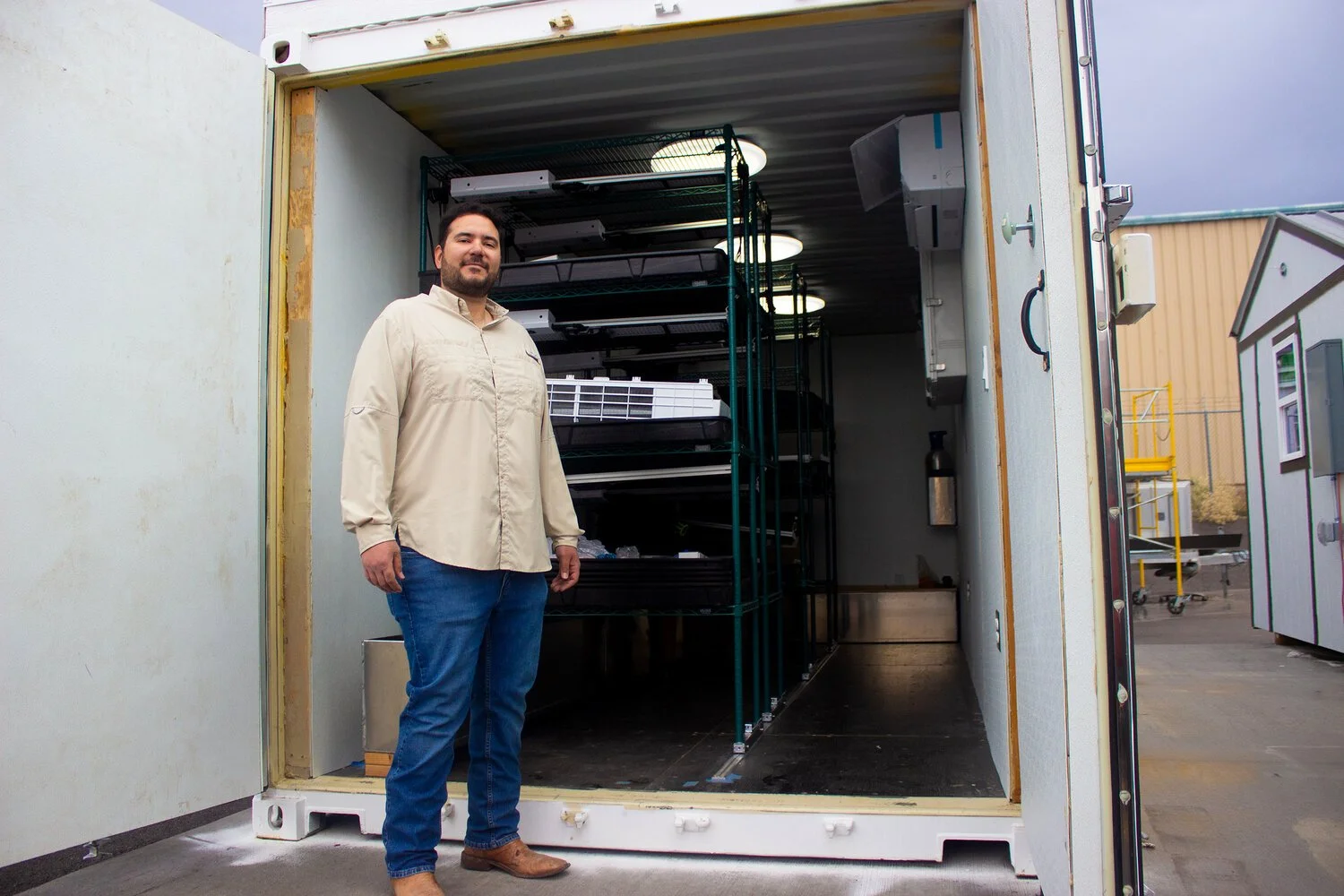
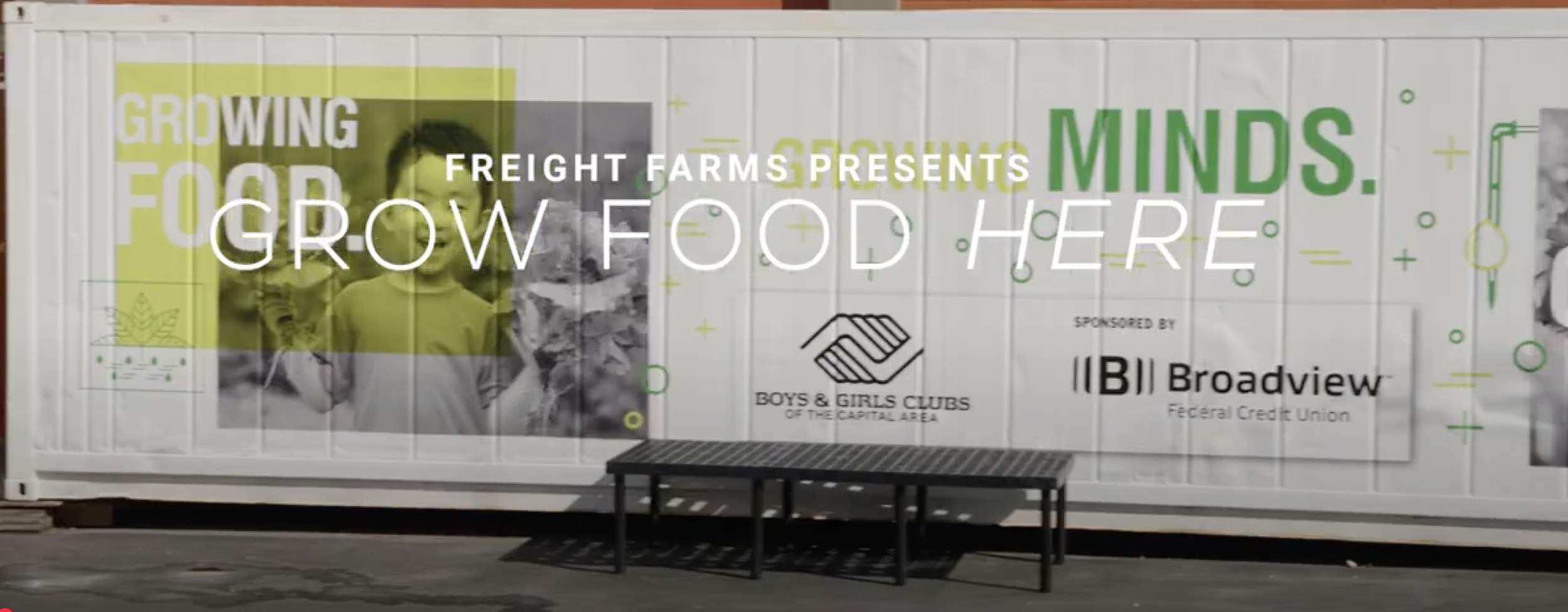
VIDEO - ALBANY, NEW YORK: Grow Food Here – Broadview Federal Credit Union
Discover how Broadview Federal Credit Union is transforming food security in Albany, NY through sustainable container farming!
Since 2018, Broadview has invested in four Freight Farms hydroponic container farms and donated three of them to local nonprofit organizations.
This initiative is helping fight food insecurity, provide hands-on farming education for kids, and improve community health outcomes. Learn how container farming makes fresh, healthy produce accessible year-round and supports local nonprofits in building a more sustainable future.

Hale Kipa Installs ‘Freight Farm’ in Ewa Beach, Honolulu, Hawaii
Venus Kau’iokawekiu Rosete-Medeiros, right, CEO of Hale Kipa, and Gerry Labiste, left, communications manager at Hale Kipa, walk toward the Freight Farm structure, Thursday, July 24, 2025, in Ewa Beach.
Hale Kipa installed the “Freight Farm,” a hydroponic agricultural facility built inside of a shipping container, which can grow 2 to 6 tons of green crops a year.
Homeless and at-risk shelter residents will cultivate their own healthy food and share with the community.
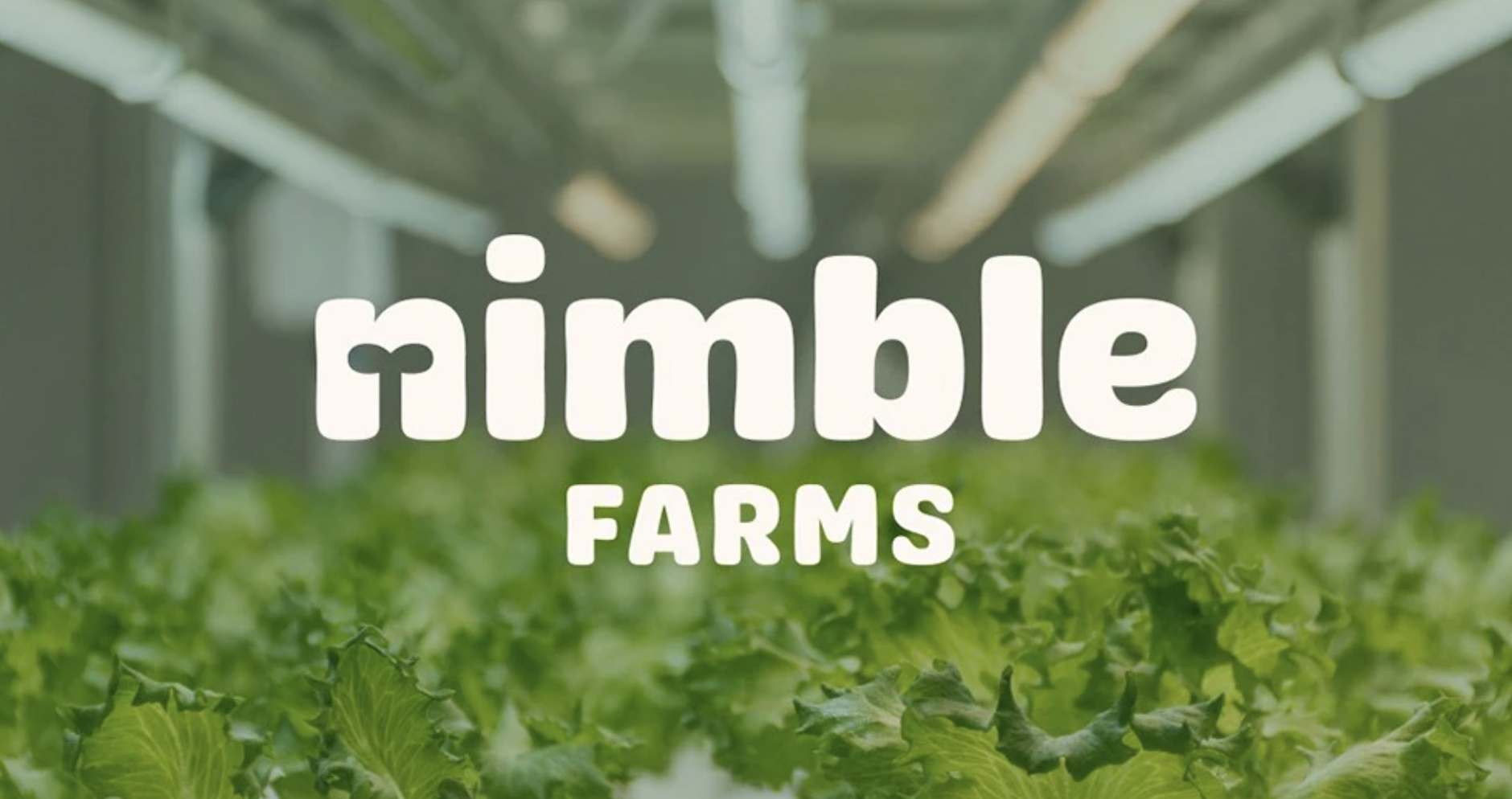
New York Grower Rebrands to Nimble Farms
Nimble Farms’ modular, climate-controlled grow units are housed in converted shipping containers. Designed to maximize productivity per square foot, each unit is equipped with energy-efficient LED lights, recirculating water and nutrient systems, and precise environmental controls. The company says this setup optimizes inputs such as fertilizer, water and energy, enabling year-round production of a wide variety of crops, including living lettuces, herbs, microgreens and mushrooms. All Nimble Farms sites are powered 100% by renewable energy sourced from local solar, wind and hydroelectric power.
The company collaborates closely with local supermarkets, farmers’ markets, schools and hospitals across New York State and the broader Northeast region to meet the growing demand for local, perishable produce.