

USA - MISSISSIPPI: Real Farming Experience Available to Students

September 17, 2026
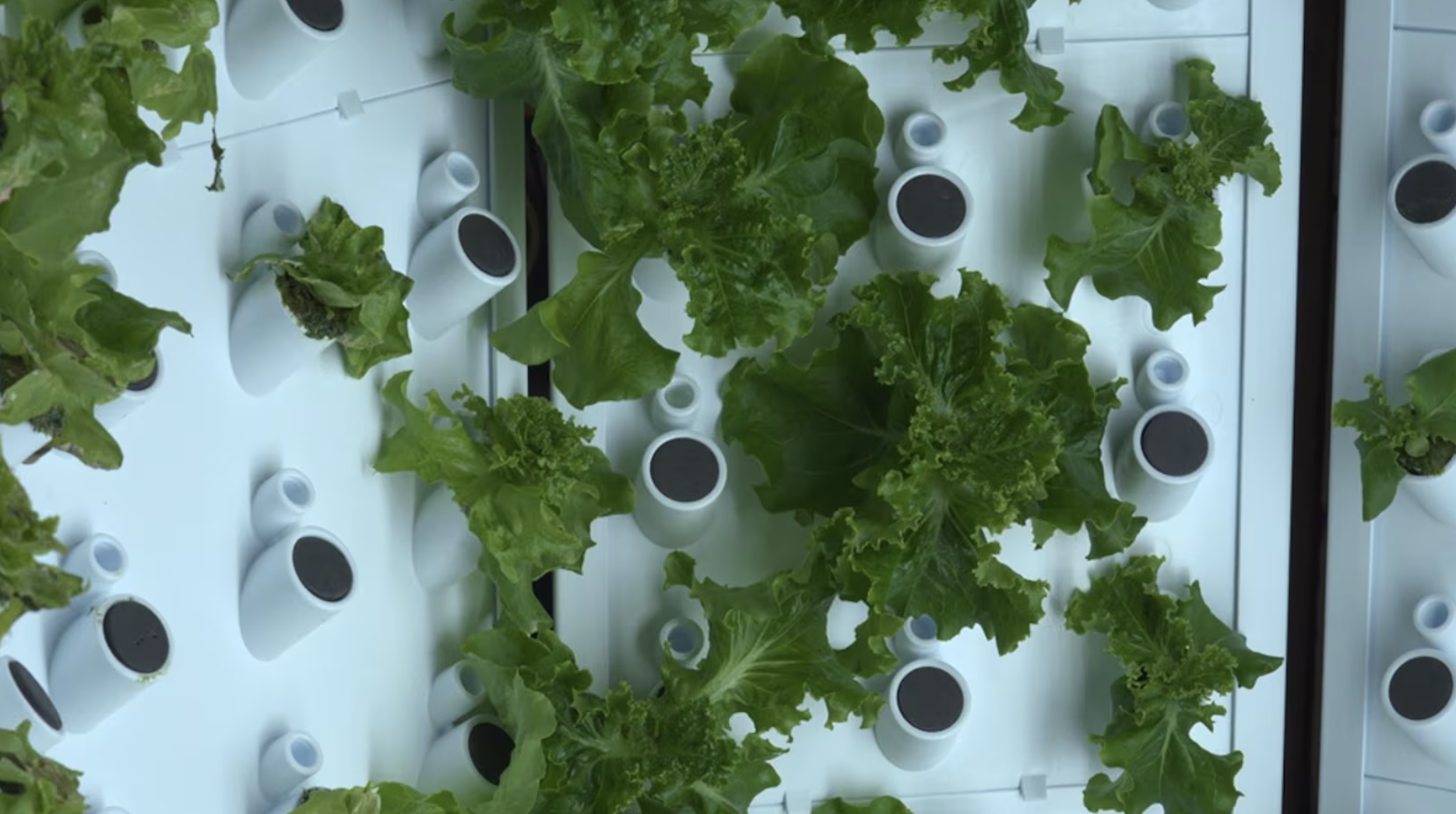
Itawamba Agriculture High School has a hydroponics unit that lets students grow vegetables indoors without soil. (WTVA)
ITAWAMBA COUNTY, Miss. (WTVA) – Students are getting farming experience inside the classroom.
Itawamba Agriculture High School’s (IAHS) agriculture program has added a hydroponics unit that lets students grow vegetables indoors without soil.
Heather Carpenter, diversified agriculture science teacher and Future Farmers of America advisor at IAHS, said the unit gives students hands-on experience with a new production style.
“To have something like this in the classroom where students can actually get some hands-on experience with this kind of production style was super beneficial,” Carpenter said.
How the unit works
Carpenter said the school’s Child Nutrition Department sponsored the project for a student, and the department worked with the agriculture program to provide fresh salads and greens for the cafeteria.
“We were lucky enough to have a very dedicated Child Nutrition Department in our central office who kind of sponsored this project for a student,” Carpenter said. “In turn, we would work kind of in tandem together with that department, so that we could provide stuff like fresh salads, greens for our cafeteria.”
The unit cost $5,000. Carpenter said the planning stages to acquire it were tedious but worth it.
“This unit allows us to grow specifically salad greens without the use of soil,” she said. “We’re able to fully grow them indoors using artificial light, real plant nutrients, solution in the water, and water. And that’s about all we need to get some really fresh plants.”
Student project
The unit is used for a student’s Supervised Agricultural Experience project. Alex Beard, a senior at IAHS, is the student working on the project.
“This is our third year having our ag, and this is the first thing we’ve had that our students can do in class,” Beard said. “Which has been a lot easier with how hot it has been outside. It’s a lot more available to people, and not everyone likes to do stuff outside. So having something in a more controlled environment is also a good way to help.”
Beard described the growing process.
“First of all, we have this material we call a rock wall. It’s basically a dirt for the seeds. Something for the seeds’ roots. You latch on to before we eventually transplant it into the Hydroponic station,” Beard said. “Once we do that, the water just flows behind it after about four weeks. It starts growing more and more. Then once the leaves get where you can’t see the actual white of the tower, that’s when you know you’re ready to take your cuttings of the leaves.”
From classroom to cafeteria
The lettuce grown in the classroom is delivered to the school’s deli and salad bar. The school added the deli recently to give students more healthy options for lunch.
Beard said the plants regrow after leaves are cut, so new seeds are not needed each time.
“Every time we take the lettuce cuts in, you can just leave a little bit,” Beard said. “They’ll start regrowing in about four weeks.”
Carpenter said the project reflects new developments in farming technology.
Beard said the project shows how agriculture creates new opportunities.
“I feel it really does symbolize ag is always bringing new opportunities and ways you can really use what you’ve learned to do something you can see, like growing the lettuce,” Beard said.