

Operating Containerized Hydroponic Mini-Farms in the Arctic Requires Specialized Controlled Environment Agriculture (CEA) Engineering
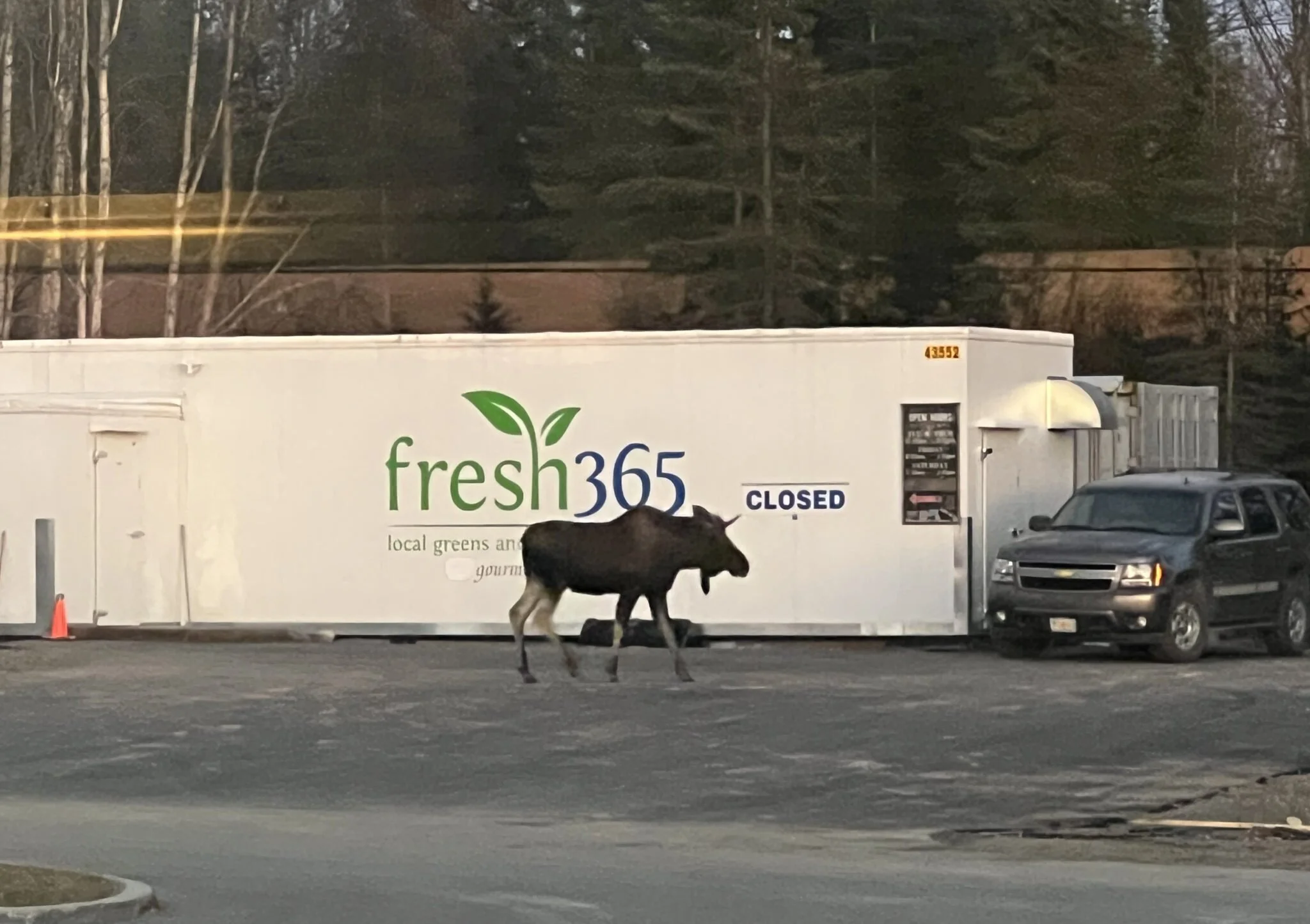
Operating containerized hydroponic mini-farms in the Arctic requires specialized Controlled Environment Agriculture (CEA) engineering. Standard shipping containers would fail immediately in an Alaskan winter; however, ruggedized "Arctic-ready" systems are built to withstand outside temperatures dropping below -40°F to -60°F while maintaining a steady 70°F internal growing environment. [1, 2, 3, 4]
Arctic container systems, by FarmBox Foods, bypass the freezing climate through several advanced engineering components:
1. Extreme Thermal Insulation
High R-Value Shells: Custom-retrofitted Arctic units typically utilize custom-insulated panels yielding an R-28 insulation rating (nearly double that of standard commercial reefers). [2, 5]
Thermal Vestibules & Heated Seals: Entryways are built with a specialized partition wall or vestibule to act as an airlock, preventing sub-zero blasts from shocking the crops during entry. The walk-in doors feature integrated heaters built directly into the frame to prevent the rubber gaskets from freezing shut. [6, 7]
2. Strategic Heat Harnessing
LEDs as Primary Heat: High-efficiency, full-spectrum vertical LED grow lights emit optimized red and blue spectrums for photosynthesis. Crucially, they double as the primary heating mechanism. In highly insulated pods, the collective energy from hundreds of LEDs often generates enough residual heat to warm the container without relying heavily on traditional HVAC heaters. [2, 5, 6]
Automated Climate Loops: To prevent pockets of stagnant frost or heat buildup, overhead circulation fans constantly cycle air. If the LED heat exceeds 70°F, automated air conditioning systems exhaust excess heat; if the lights go off, auxiliary heaters kick on. [5, 7]
3. Water and Nutrient Safeguards
Insulated Reservoirs & Inline Heaters: Because water is the lifeblood of a soil-free system, water reservoirs are wrapped in reflective bubble insulation and raised off the cold container floors. Automated inline water heaters ensure the nutrient solution remains at an ideal 65°F to 68°F to avoid shocking the plant roots.
Water Efficiency: Because fetching water can be difficult or expensive in off-grid villages, these closed-loop systems recycle evaporated moisture via dehumidifiers, using up to 90% less water than traditional farming. [3, 6, 8, 9, 10]
4. Severe Weather Power Adaptations
Microgrid Integration: In rural Alaska, power is heavily reliant on expensive, imported diesel fuel. Arctic hydroponic setups are increasingly configured to draw from localized microgrids, integrating local wind turbines, solar arrays, and high-capacity battery storage to maintain operations independently during winter grid failures. [1, 11]
[2] https://www.farmprogress.com
[4] https://www.thecooldown.com
[5] https://www.freightfarms.com
[6] https://www.freightfarms.com
[9] https://hydroponicplans.com