

Siemens SIMATIC Powers LindenGreen’s Container Farms
Food Production is Fast Running into a Resource Problem
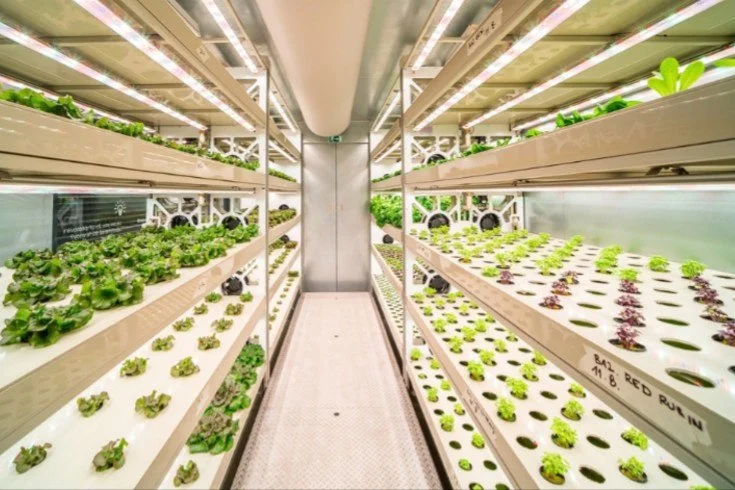
Vertically stacked growing beds maximize space, while hydroponics and controlled lighting support efficient crop growth.
Agriculture already accounts for more than 70% of global freshwater withdrawals for human use. At the same time, land degradation, water scarcity, and a changing climate are making reliable production harder in many regions. Yet by 2050, global agricultural production may need to increase by around 50% compared with 2012, according to the United Nations. This poses a huge challenge: produce more food but with less pressure on the already depleting resources agriculture depends on.
One Czech-based company is approaching the problem with an innovative solution. LindenGreen has developed vertical farms that bring food production into a controlled and mobile environment. By building the farm inside a container, produce can be grown closer to where it is needed, including in places where conventional agriculture is difficult.
The results have been outstanding: up to 90% less water, up to 70% less fertilizer, and as many as 3,200 heads of lettuce a month from a single farm. So how does a mobile farm deliver those results? Let's dive into how they do it.
A farm designed to move
The team began with a simple but ambitious idea: to build on previous experience in manufacturing technological containers and develop a complete container-based farm. The farm could move and grow fresh produce in places where conventional agriculture was difficult or inefficient. Over the years, they designed, tested, and refined their farming technology, gradually turning the original concept into a fully operational solution called the GreenBox, a growing system centered on hydroponics.

Read more at Vertical Farm Daily
2 Oct 2026

For more information:
Siemens
www.siemens.com