

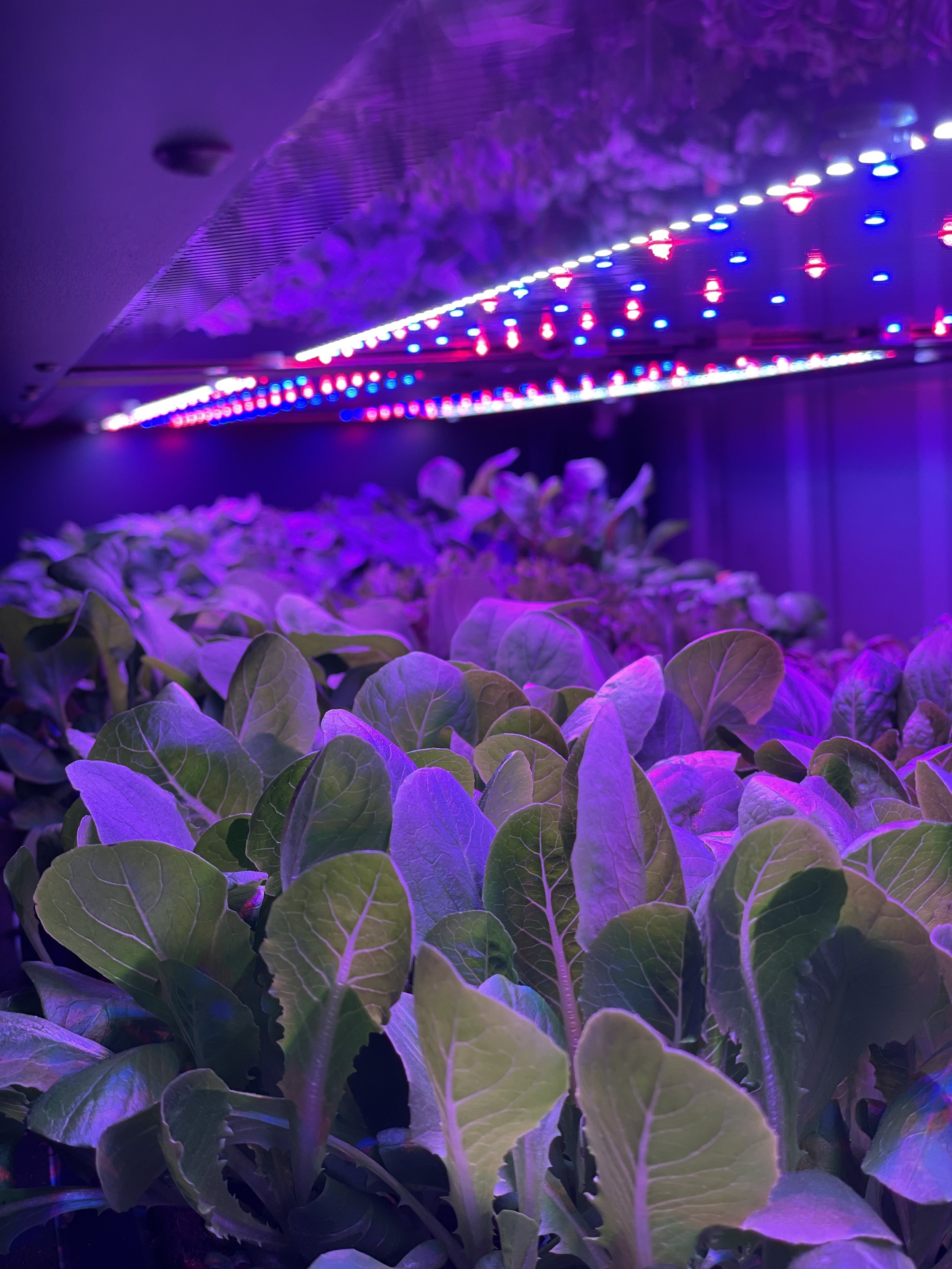
News About Farming in Shipping Containers & Limited Indoor Spaces
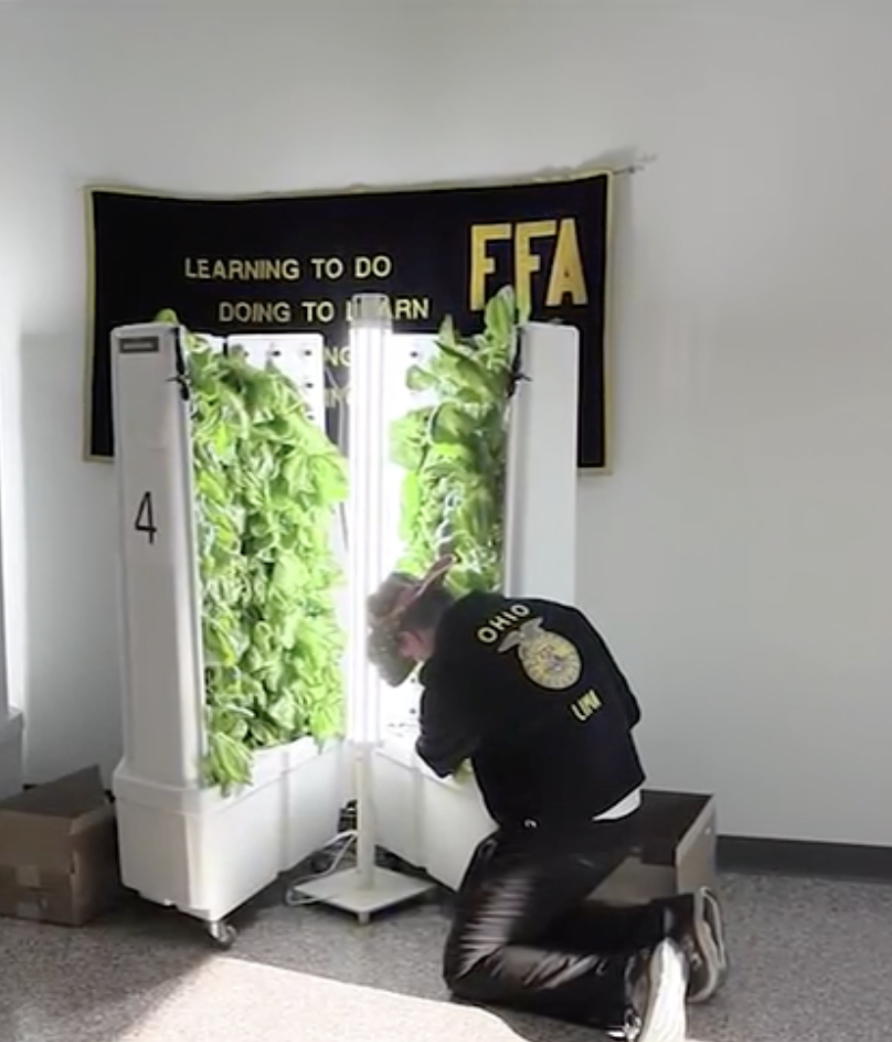
USA - OHIO: Lima Senior Agriculture Students Turn Hydroponic Towers into Fresh Food for the Community
It’s a win-win as Lima City Schools and the West Ohio Food Bank partner to provide fresh produce while addressing food insecurity in the area.
The West Ohio Food Bank used grant dollars to purchase five hydroponic growing towers for the program. Students plant, care for and harvest leafy greens, including lettuce, arugula and collard greens.
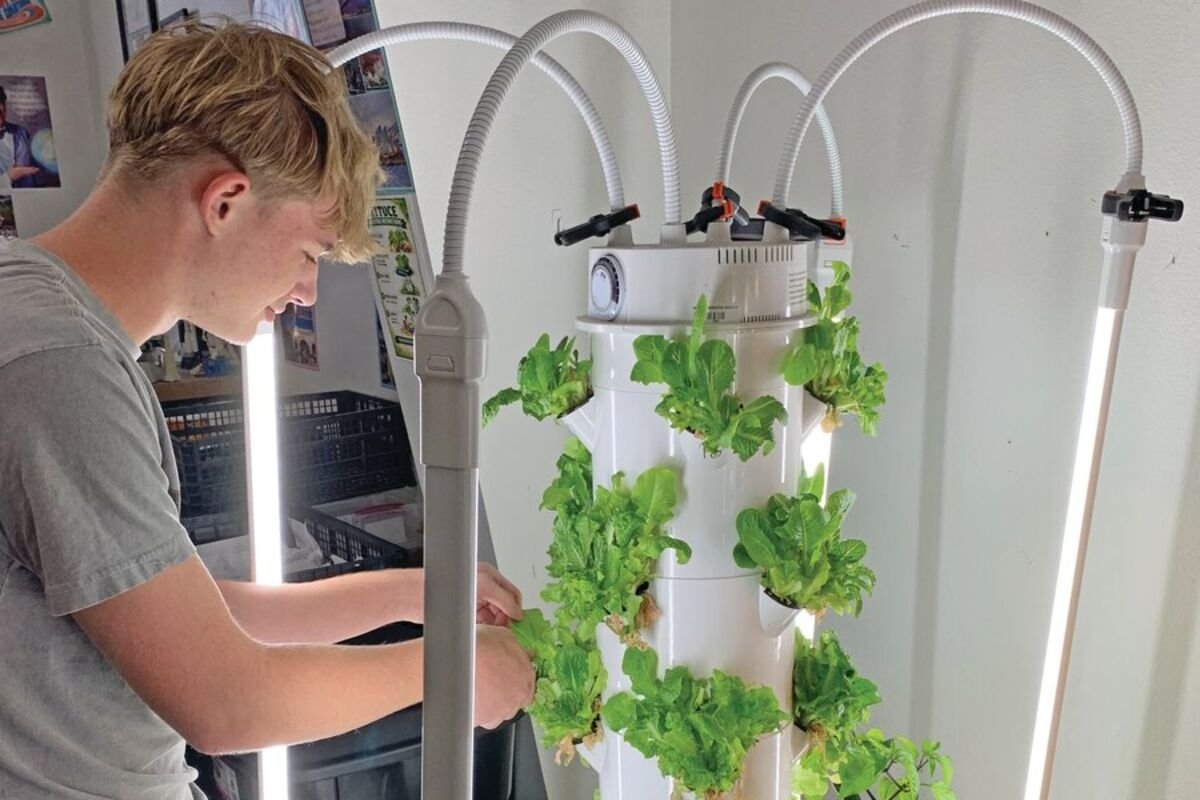
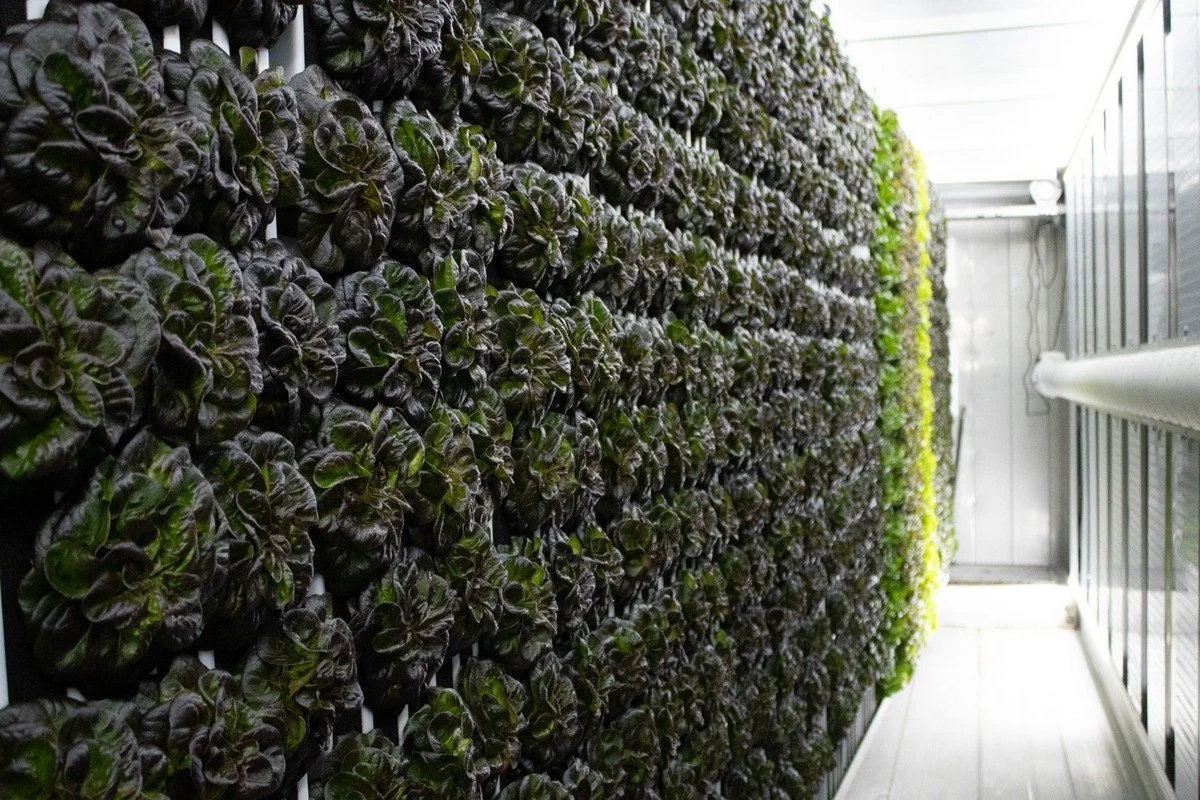
"The Crop Plan is Determined by the Customer, Not by a Guess We Made Months Earlier"
Harvest London and Crate to Plate are trialling a platform designed to plan crop production from confirmed customer orders instead of forecasts, under a DEFRA-funded ADOPT project led by InnoPhyte Consulting. The deployment runs across Harvest London's Canada Water and Lea Bridge facilities and Crate to Plate's site in Canary Wharf.
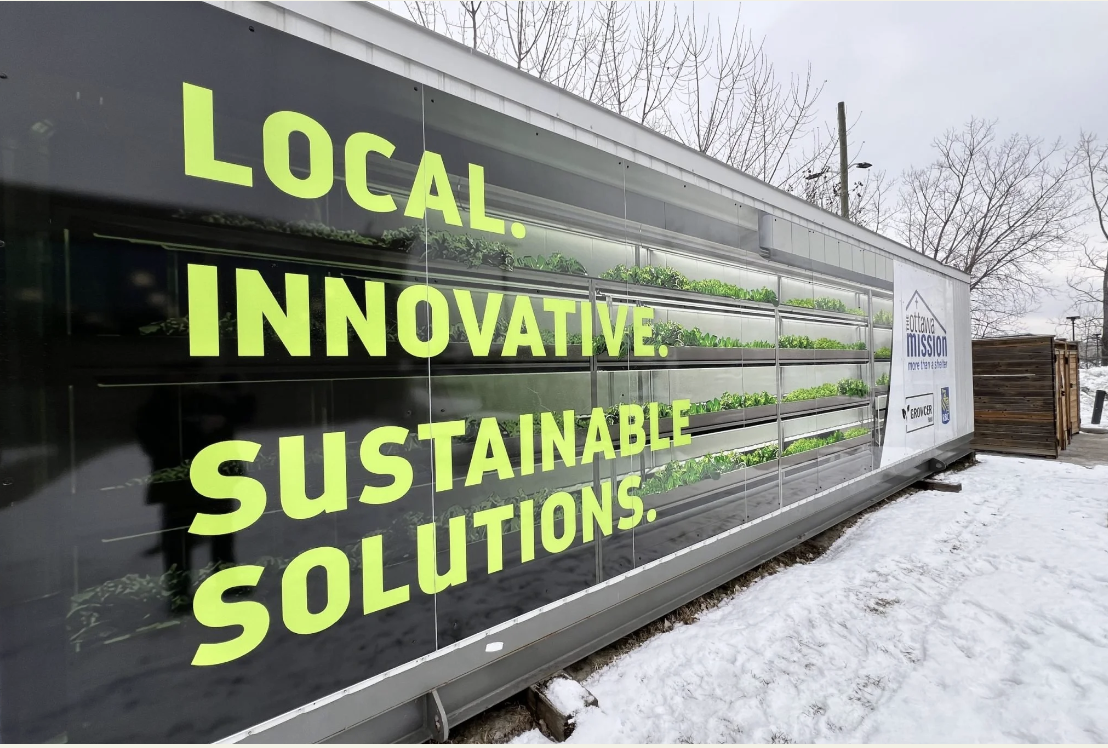
Why Buying a Pre-Owned Container Farm Beats Buying New
Every prospective container farmer runs into the same wall: the sticker price. A new turnkey hydroponic container farm is a six-figure purchase before you have harvested a single head of lettuce.
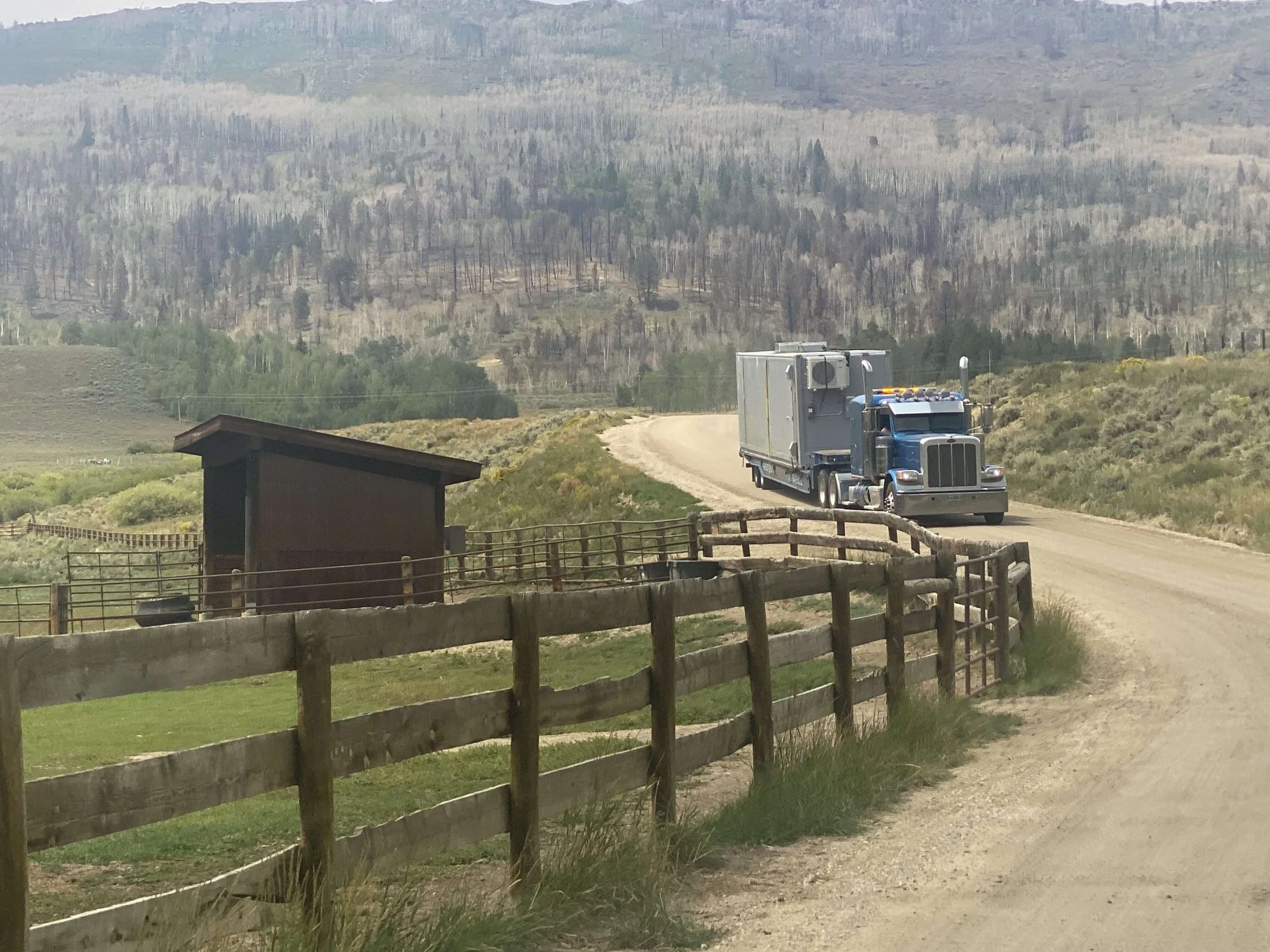
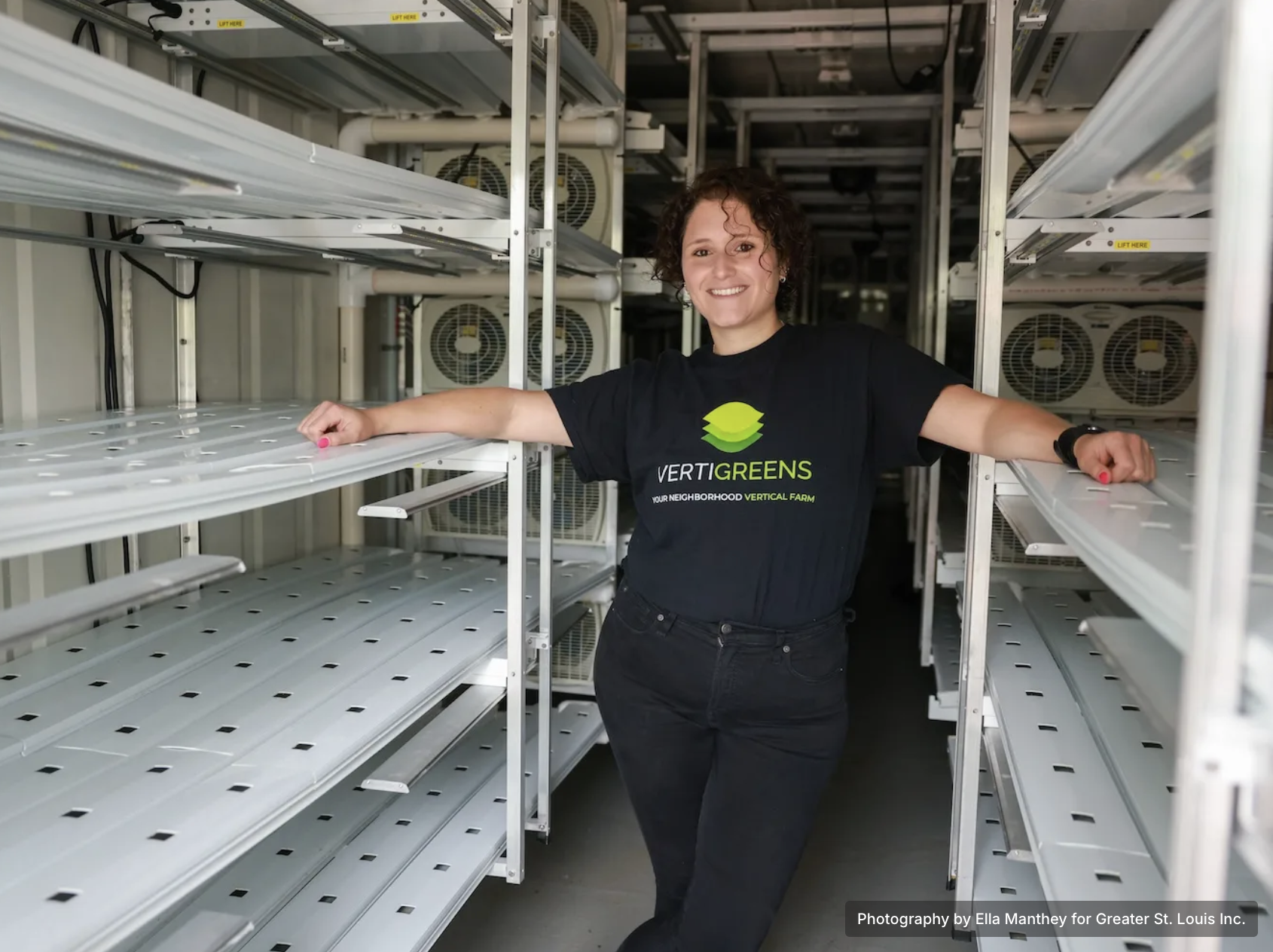
Hydroponic Grower Vertigreens Booms as Lettuce Becomes a Big Concern
While the lettuce-driven cyclospora outbreak has generally been bad for businesses across the nation—including some St. Louis chefs who’ve been forced to take extra precautions—the outbreak has come with an upside for one St. Louis-area startup.
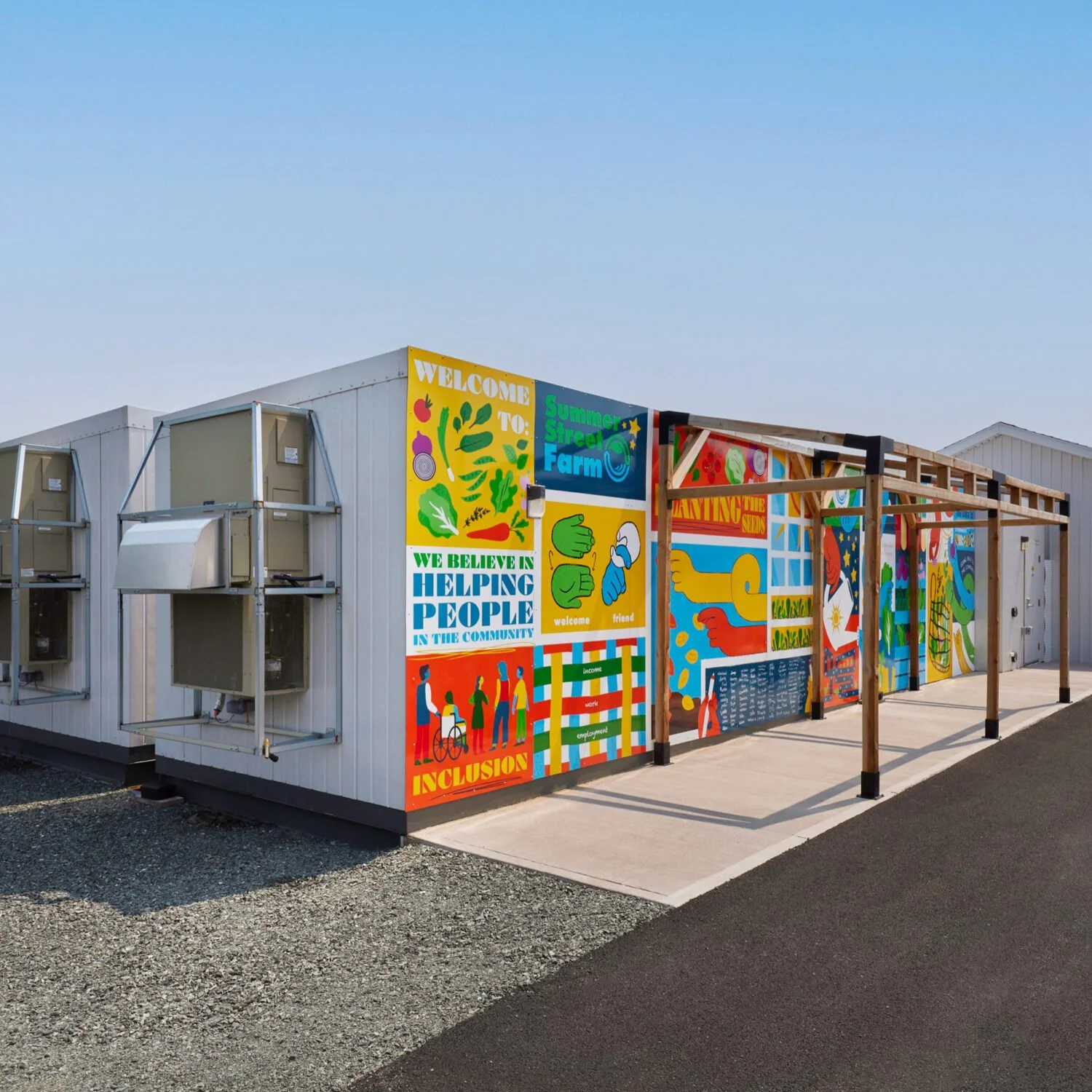
Growing Good: Steel Shells Incubate Incredibly Productive Microfarms
The hydroponic farm is designed by Growcer, an Ottawa-based company that was initially founded in response to high food costs in northern communities. It’s a serious need — according to Statistics Canada, 60% of Nunavut (Canada’s northernmost territory) residents are food insecure, and food prices have risen by 22% (as opposed to 12% across the rest of the country) in recent years.
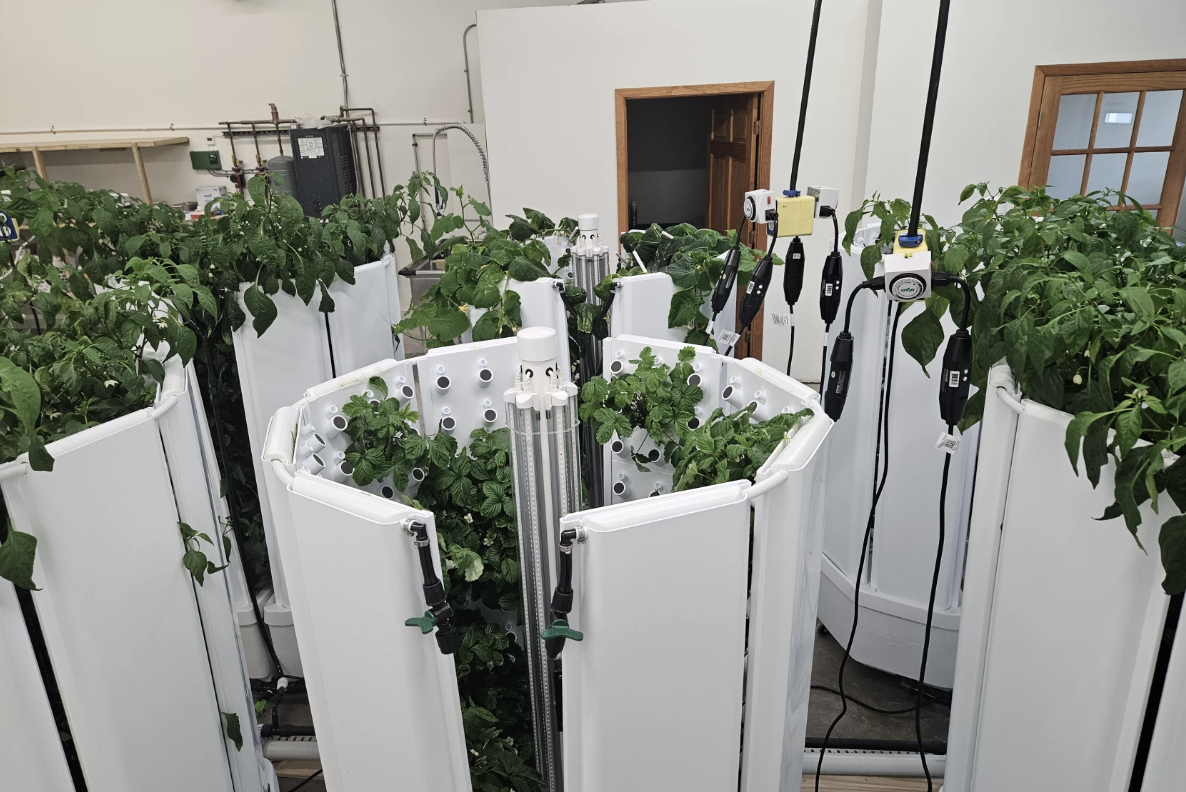
Hydroponics Are a Big Hit at The Detroit Lakes Boys and Girls Club
What began as a singular machine in 2021 has blossomed into a state-of-the-art hydroponics hub operated by the Boys and Girls Club of Detroit Lakes.
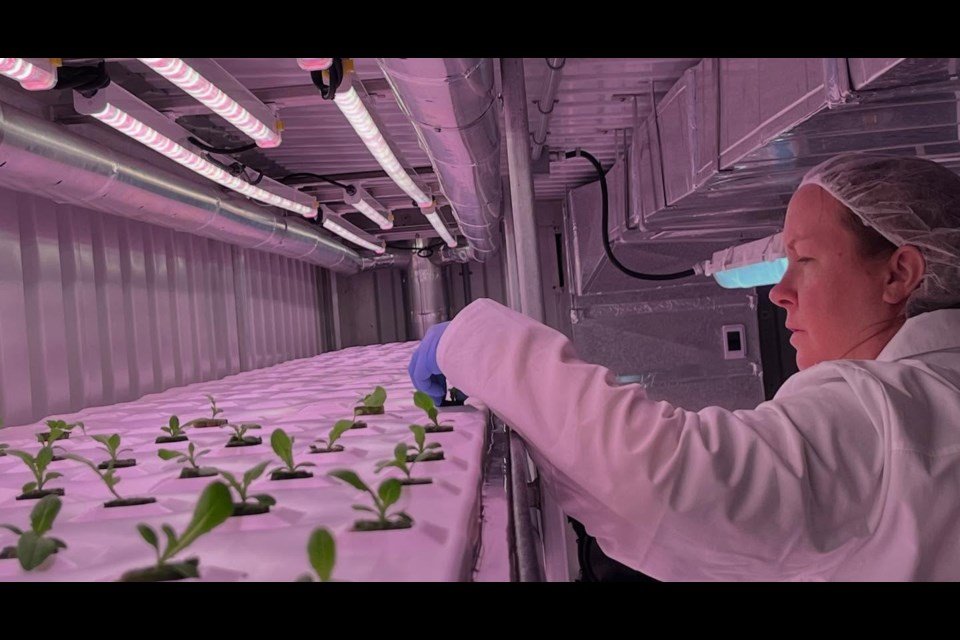
Rocky View County Farm Uses Hydroponics to Grow Fresh Greens Year-Round
With Growcers’ virtual tour it shows the farm is the size of a large shipping container. Inside are left and right plant reservoirs, a work and seeding station, nutrient monitors, C02 sensors, thermostat, HVAC system, environmental sensors, LED lights and more.
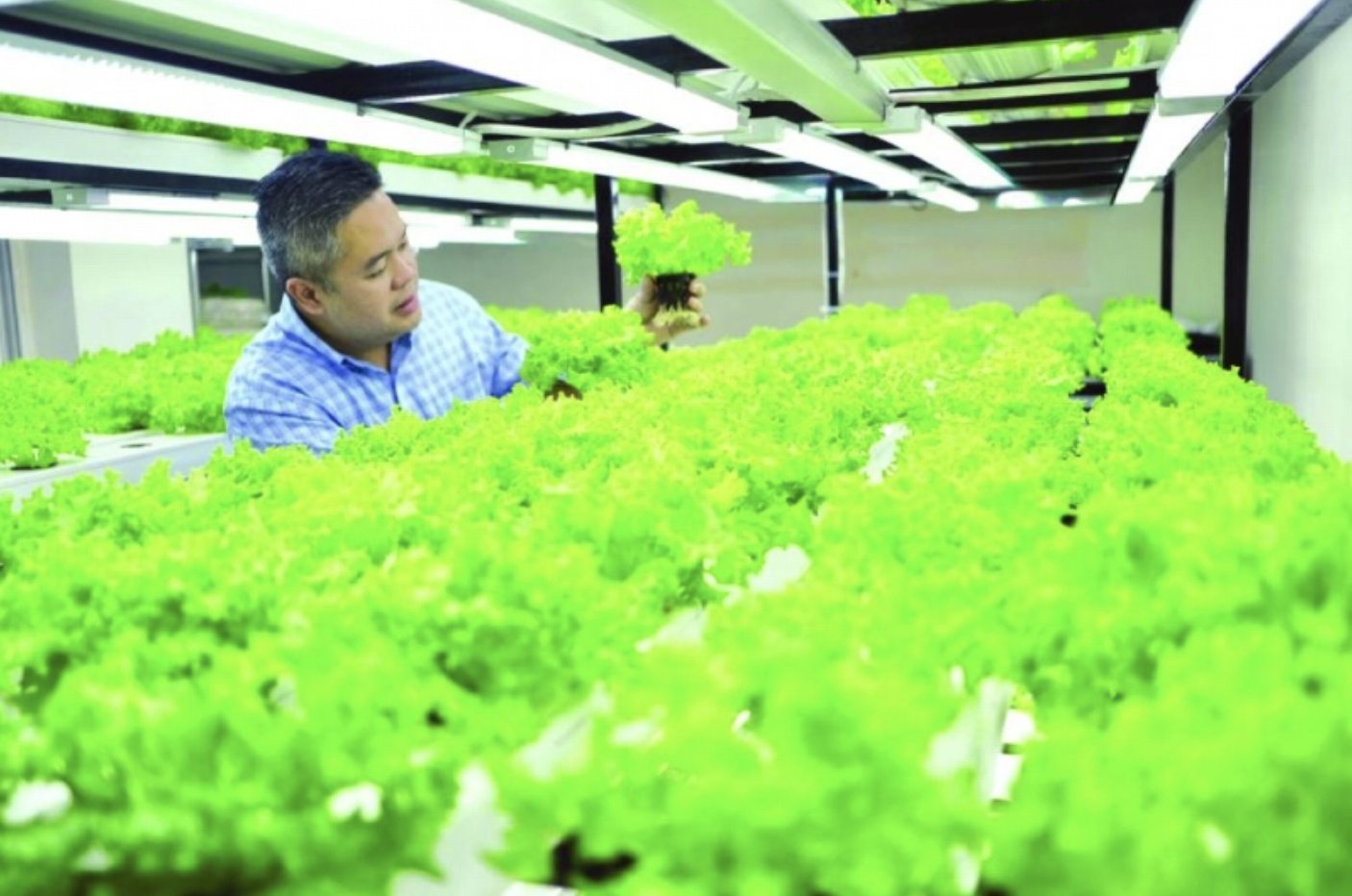
Qatar Startup Grows Hydroponics For a Hotter, Drier Future
What began as a simple family gardening activity during the Covid-19 pandemic has evolved into a structured agricultural enterprise, accountant-turned-entrepreneur Jeacim Francis Adaya told Gulf Times in an exclusive interview.

Innovation in a Changing Ag Economy Highlighted at Midwest Agriculture Summit
Fork Farms, an indoor hydroponic farming company based in Green Bay, Wisconsin, helps people grow their own food. Company founder and CEO Alex Tyink believes in the importance of building resiliency and access to fresh produce in communities.
“The whole purpose behind what we're doing is we're trying to get fresh food more within reach to everybody everywhere,” he said.
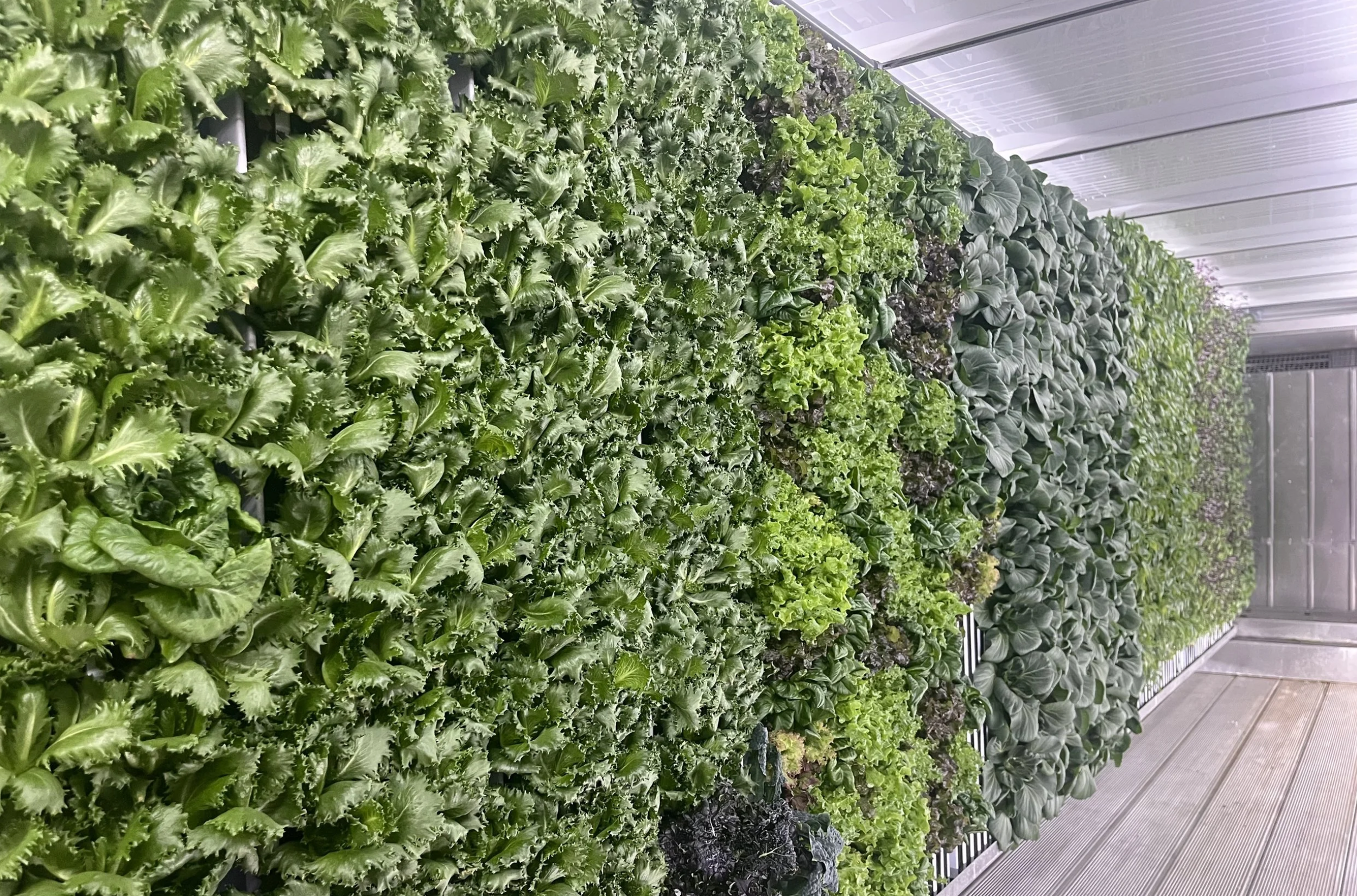
NEW YORK: A Freight Farm Becomes a Living Laboratory: Riverdale Country School, The Bronx
Launched: January 2025, the Bronx, New York
Goal: Bring year-round local food production and cross-disciplinary, place-based learning to an independent school campus in New York City

USA - WISCONSIN: Badger Elementary Unveils Indoor Hydroponic Growing System
On Tuesday, Badger Elementary School unveiled a new indoor hydroponic growing system designed to expand access to fresh produce, strengthen nutrition education and support student wellbeing during a special community event.
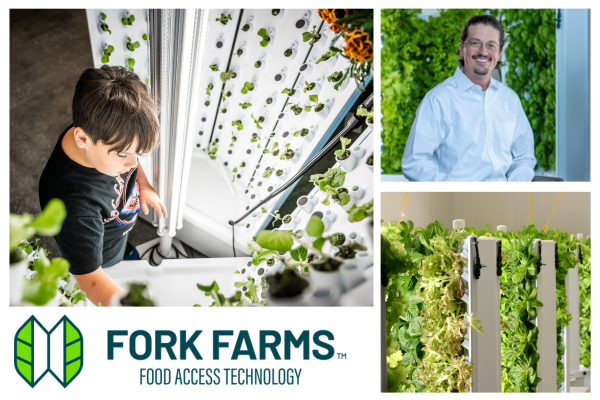
From Seed to Scale: How Fork Farms Turned a Mission into a Movement
Fork Farms has partnered with more than 5,000 institutions across 50 states and 22 countries. Together, those partners can grow nearly 2 million pounds of fresh food annually, and many are growing food for under $1 per pound. This matters because it means local food production can be practical, measurable, and economically competitive.
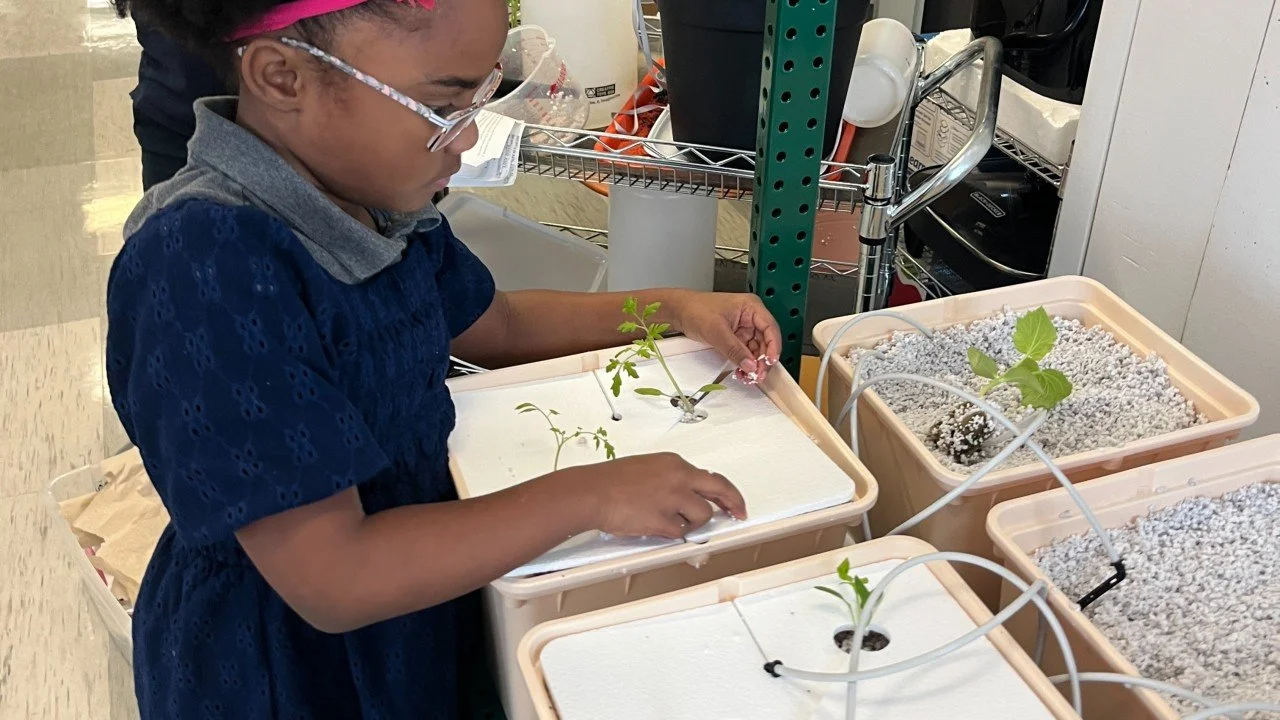
Why Student Gardeners Have The Potential to Shift The food Market - And Why Industry Partners Should Get Involved Now
As the world becomes increasingly aware of the link between food choices and overall health, a new generation of students is poised to create major changes in the food industry. Students exposed to education models that embrace growing and valuing fresh produce will ultimately be tomorrow's customers.
This shift has the potential to fundamentally alter how food companies operate, what products fill store shelves, and how food is marketed to consumers.