

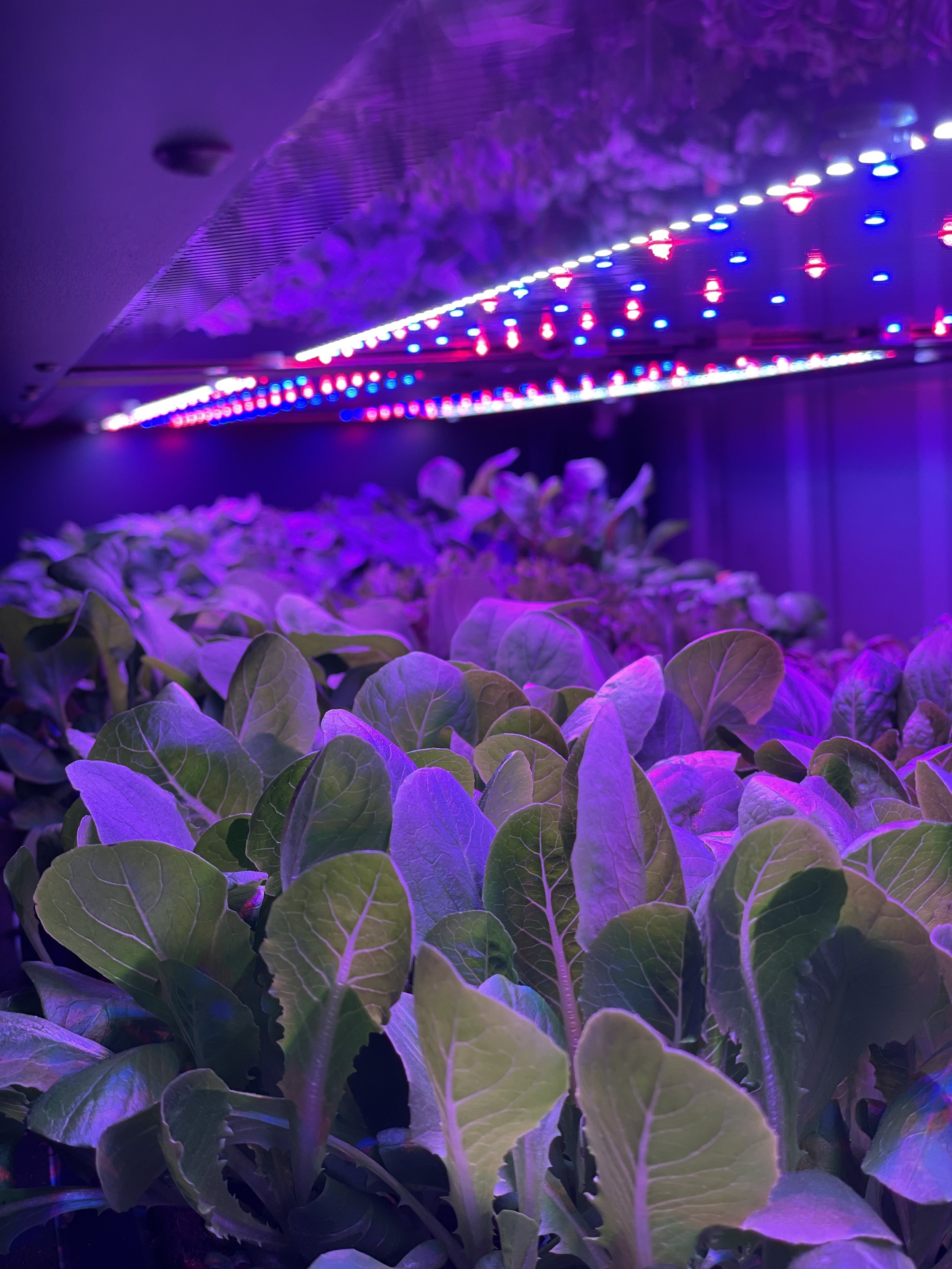
News About Farming in Shipping Containers & Limited Indoor Spaces
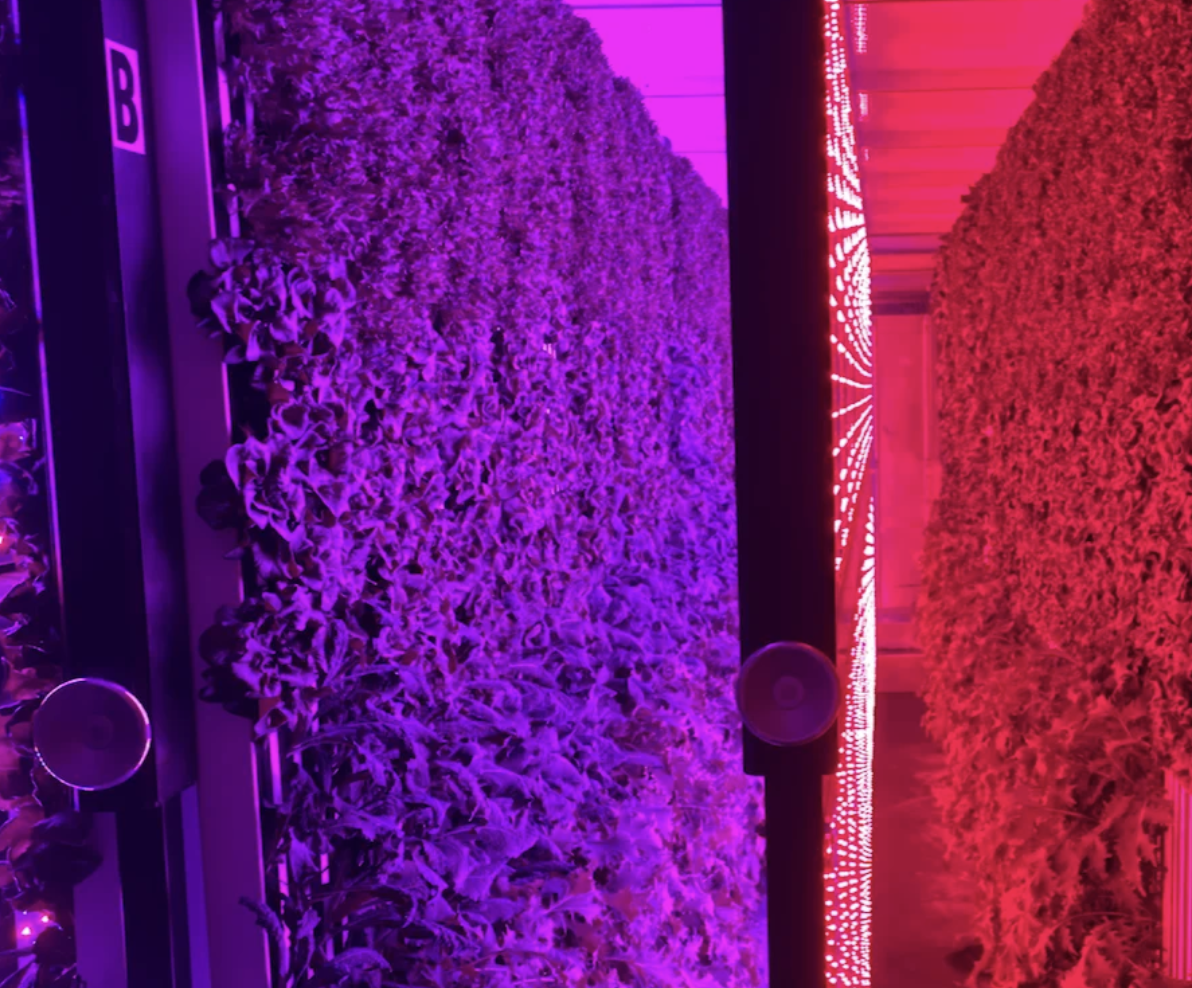
USA - MISSOURI: Local Farms Increase Safety Amid Cyclospora Outbreak
Josh Smith, owner of Neon Greens, outlined the advantages of their closed-environment agriculture. “We’re able to control the sun which are our led’s and the water, the best city water. We’re able to add nutrients to that water as you would your home,” Smith said.
The establishment grows three types of lettuce vertically within a thermally efficient shipping container, combining urban farming with a restaurant model off Manchester.
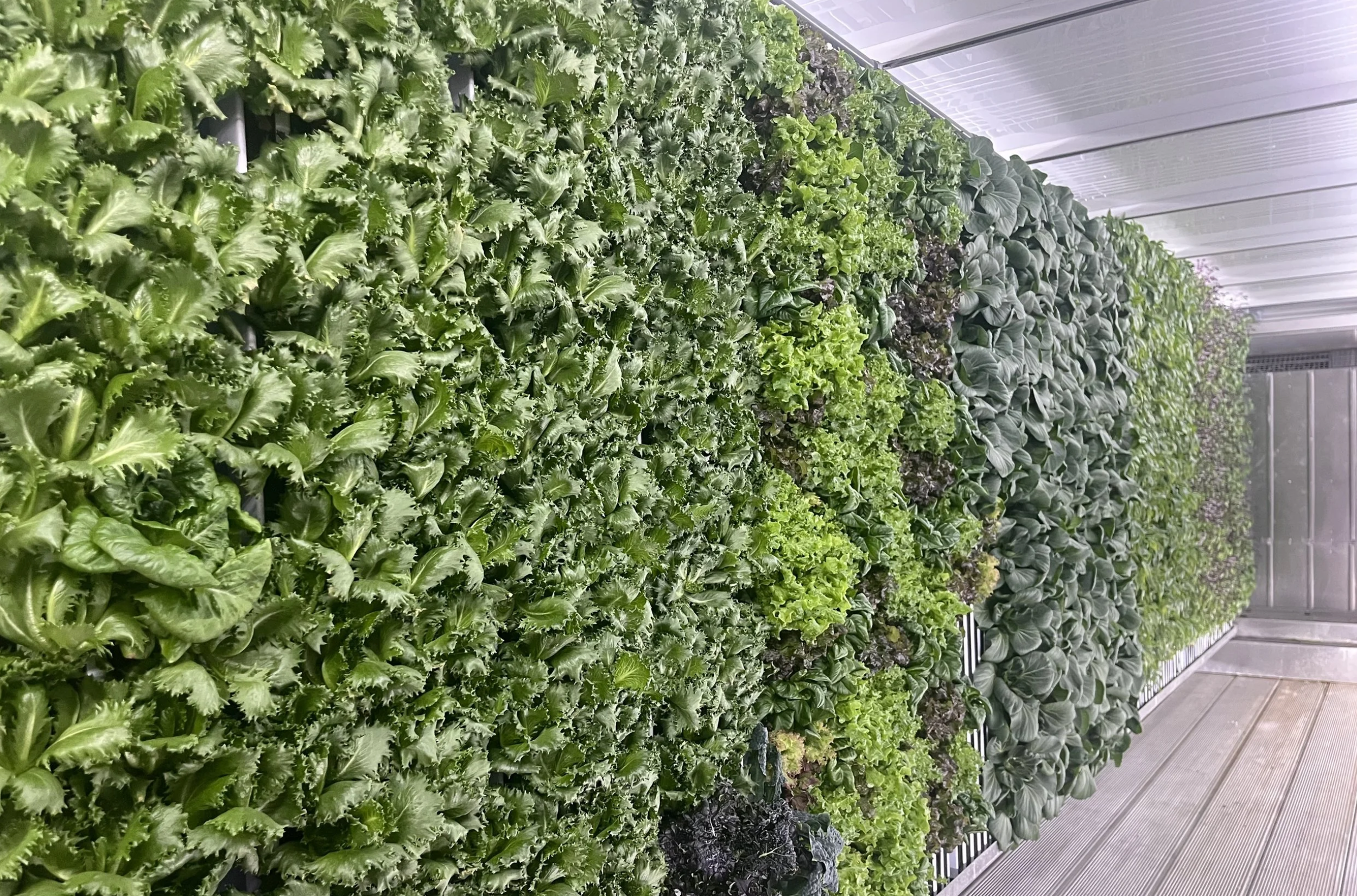
NEW YORK: A Freight Farm Becomes a Living Laboratory: Riverdale Country School, The Bronx
Launched: January 2025, the Bronx, New York
Goal: Bring year-round local food production and cross-disciplinary, place-based learning to an independent school campus in New York City
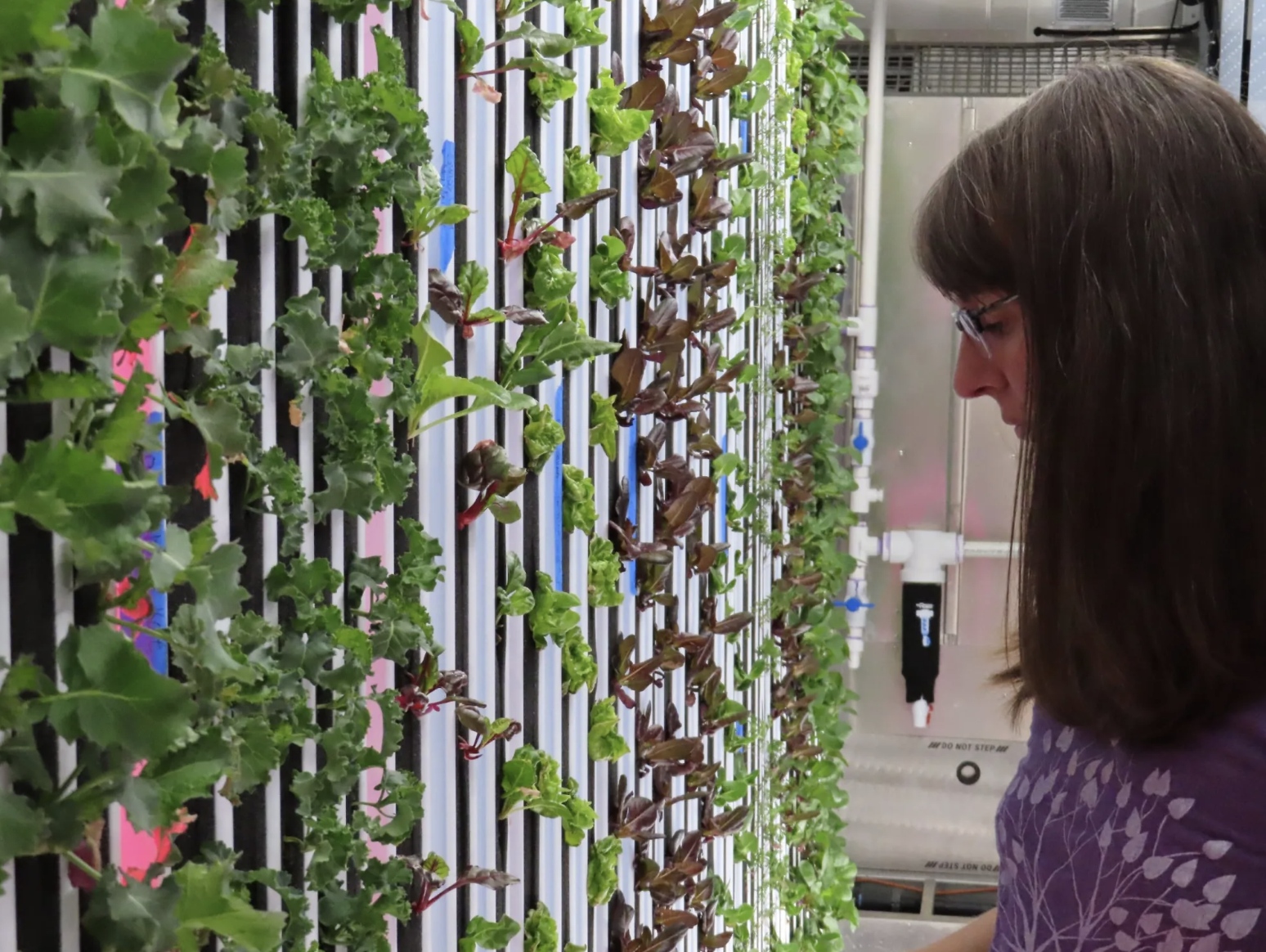
USA - COLORADO: Marble Farms is Growing The Seeds of Change
Something truly remarkable is happening at Marble Farms. Yes, you read that correctly — there is a farm thriving at 8,000 feet in elevation. Despite growing in one of the harshest climates, Marble Farms is brilliantly cultivating the seeds of change with the help of an unexpected tool: a Freight Farm.
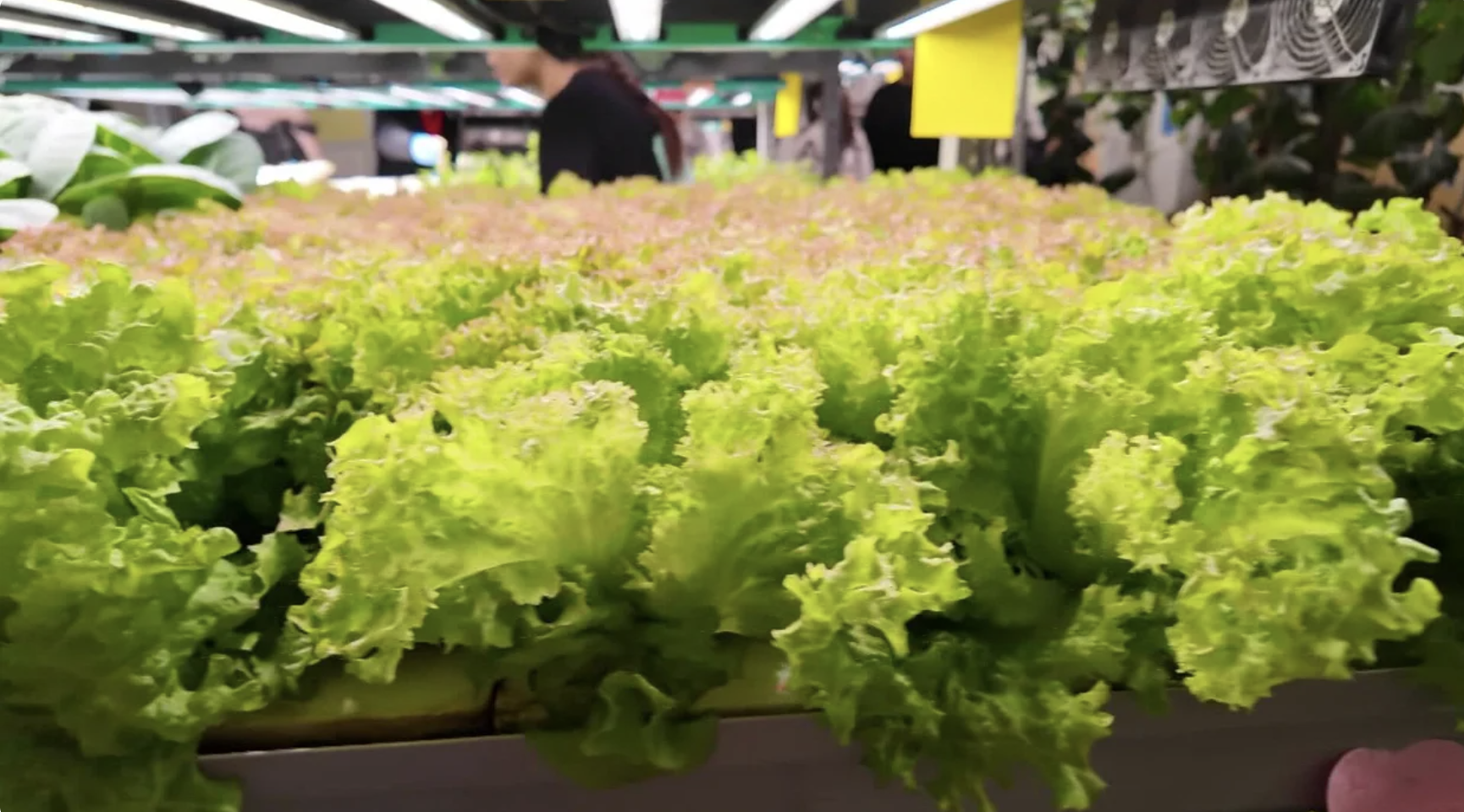
NEW YORK CITY: Urban Assembly Maker Academy's Teens for Food Justice Hydroponic Farm Fills an Eucational and Nutritional Void
The Teens for Food Justice Hydroponic Farm at the Urban Assembly Maker Academy is a triumph.
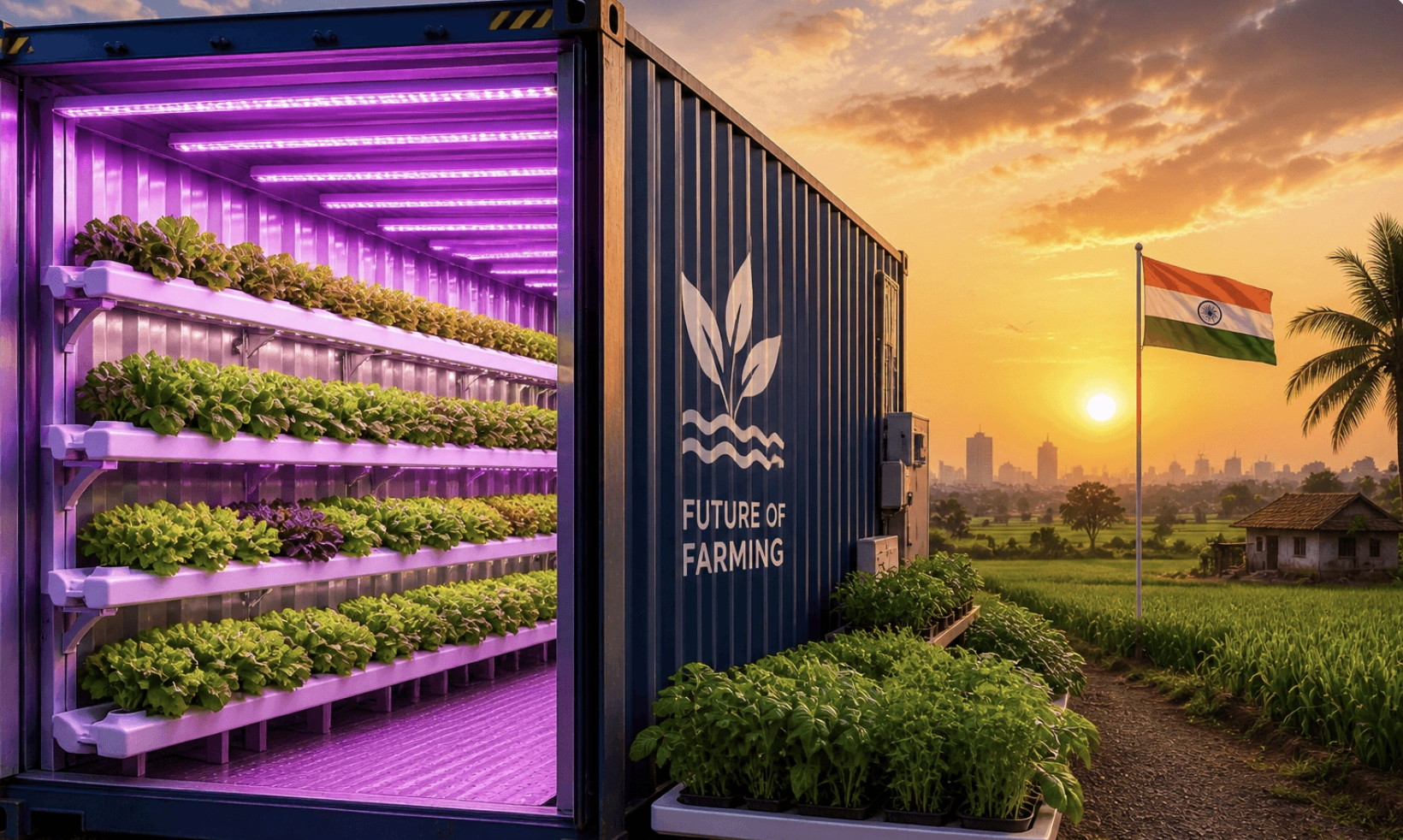
Shipping Container Farming in India: The Complete Guide to Setup, Crops & Profitability
India is at an inflection point. Urbanisation is accelerating, arable land is shrinking, water tables are falling, and a growing middle class is demanding year-round, pesticide-free fresh produce. Container farming — the practice of growing crops inside repurposed or purpose-built shipping containers — is emerging as one of the most compelling answers to this challenge.
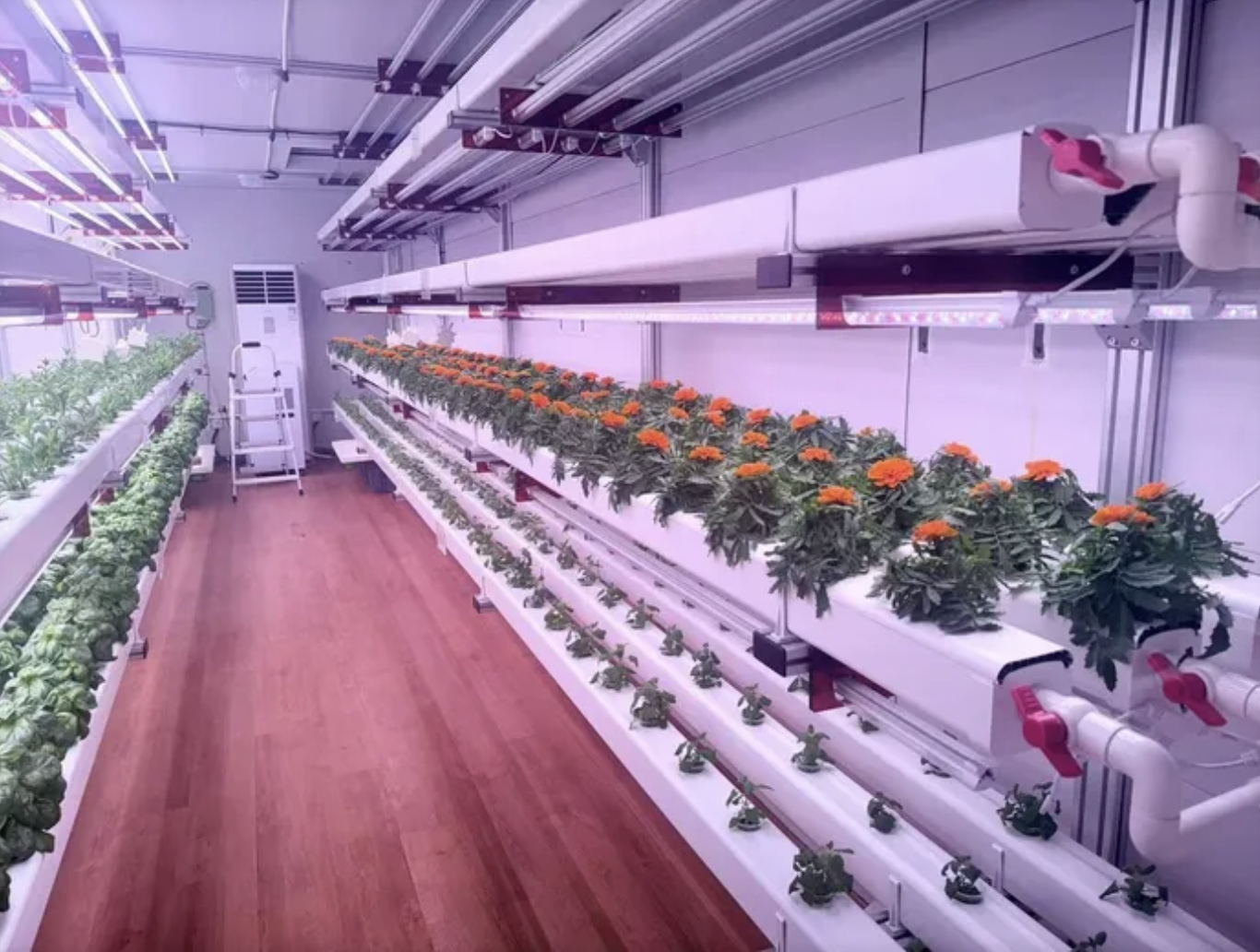
Shipping Containers Find New Use Cases Across China
In Huanghu town, Yuhang district, Hangzhou, two stacked containers sit in an open area of the PUKU Smart Agriculture Park. Inside, lettuce grows on metal racks while tomatoes thrive under carefully controlled lighting.
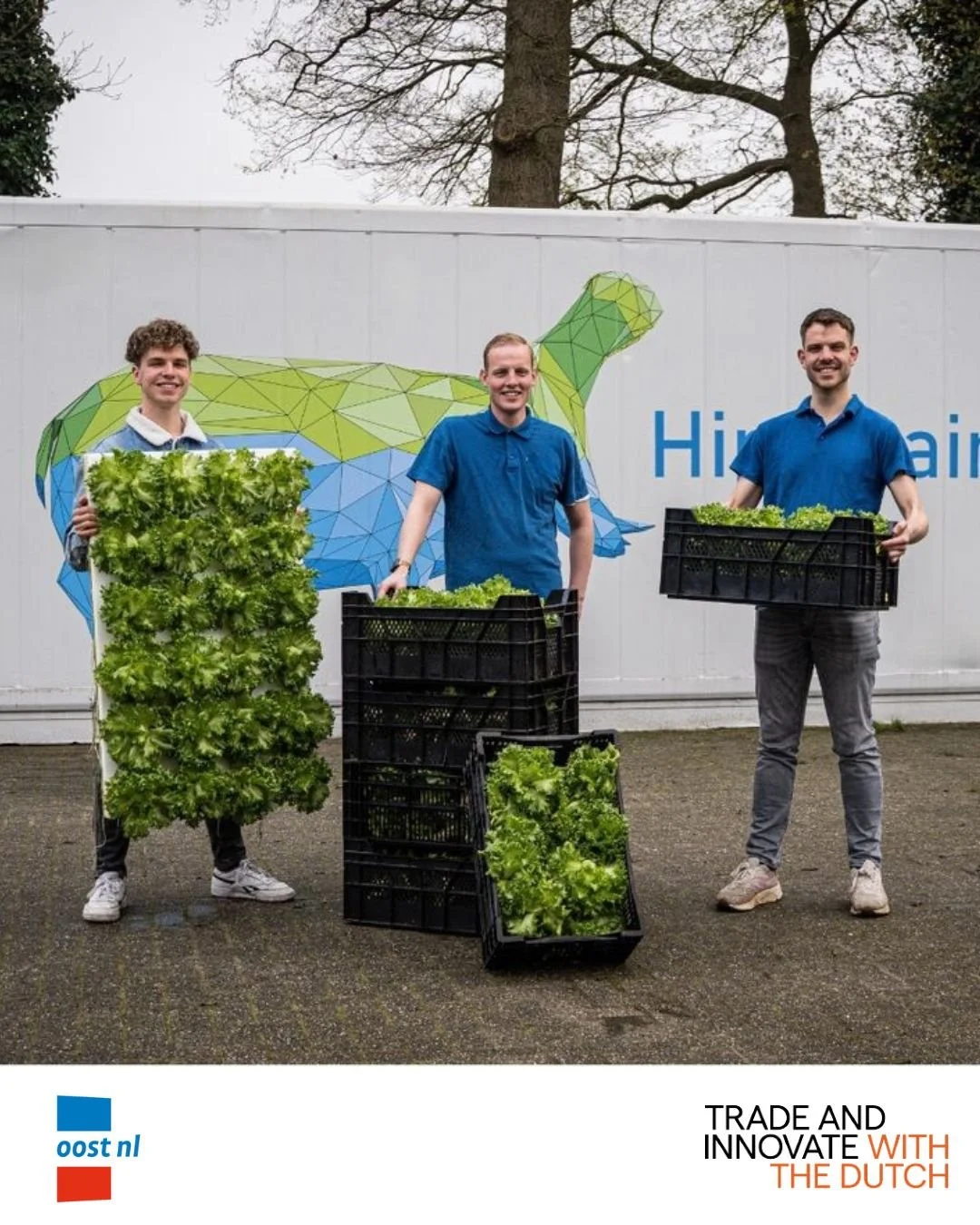
Producing Food in Locations Where Traditional Agriculture is Structurally or Temporarily Not An Option
Producing food in locations where traditional agriculture is structurally or temporarily not an option: that is the goal of Hippotainer. This innovative start-up from Wageningen develops indoor cultivation systems in shipping containers.
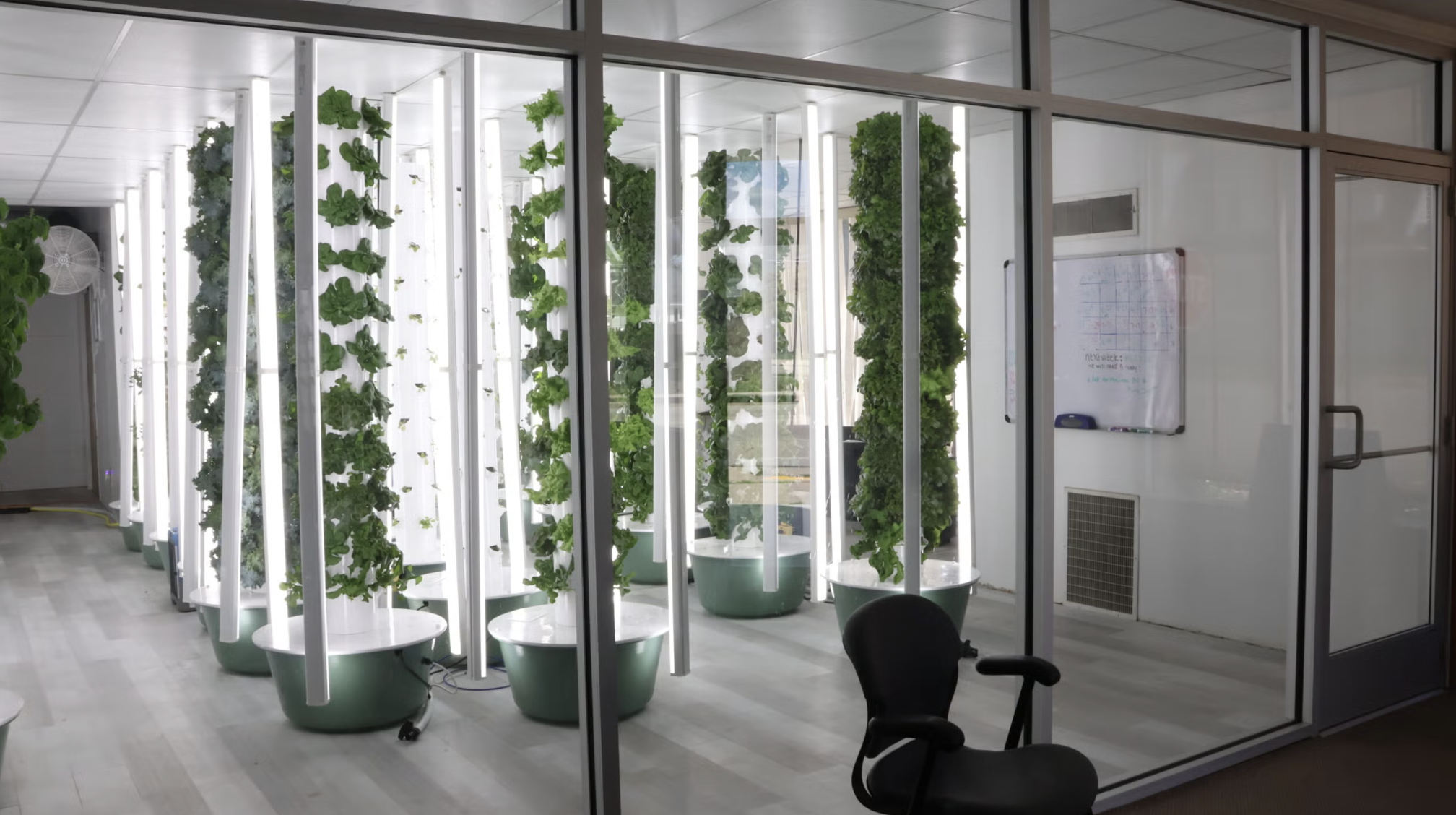
USA - KENOSHA, WISCONSIN: The Vertical Farm Revolution Fizzled, But Some Farms Have Sprouted
A decade ago, vertical farming was seen as the future of agriculture. Investors poured billions into indoor farms and new technologies with the hopes of producing food more efficiently and with fewer resources and environmental consequences.
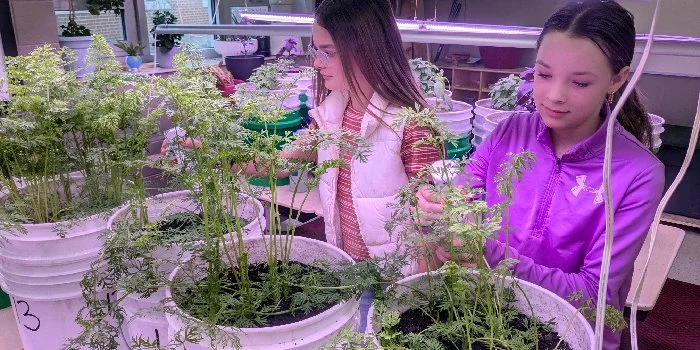
USA - WISCONSIN: Madison Fifth Graders Grow STEM Skills Through Year-Long Indoor Garden Project
Fifth-grade students at Madison Elementary are digging into science and sustainability through a year-long indoor gardening and composting STEM project that allows them to grow their own food from start to finish.
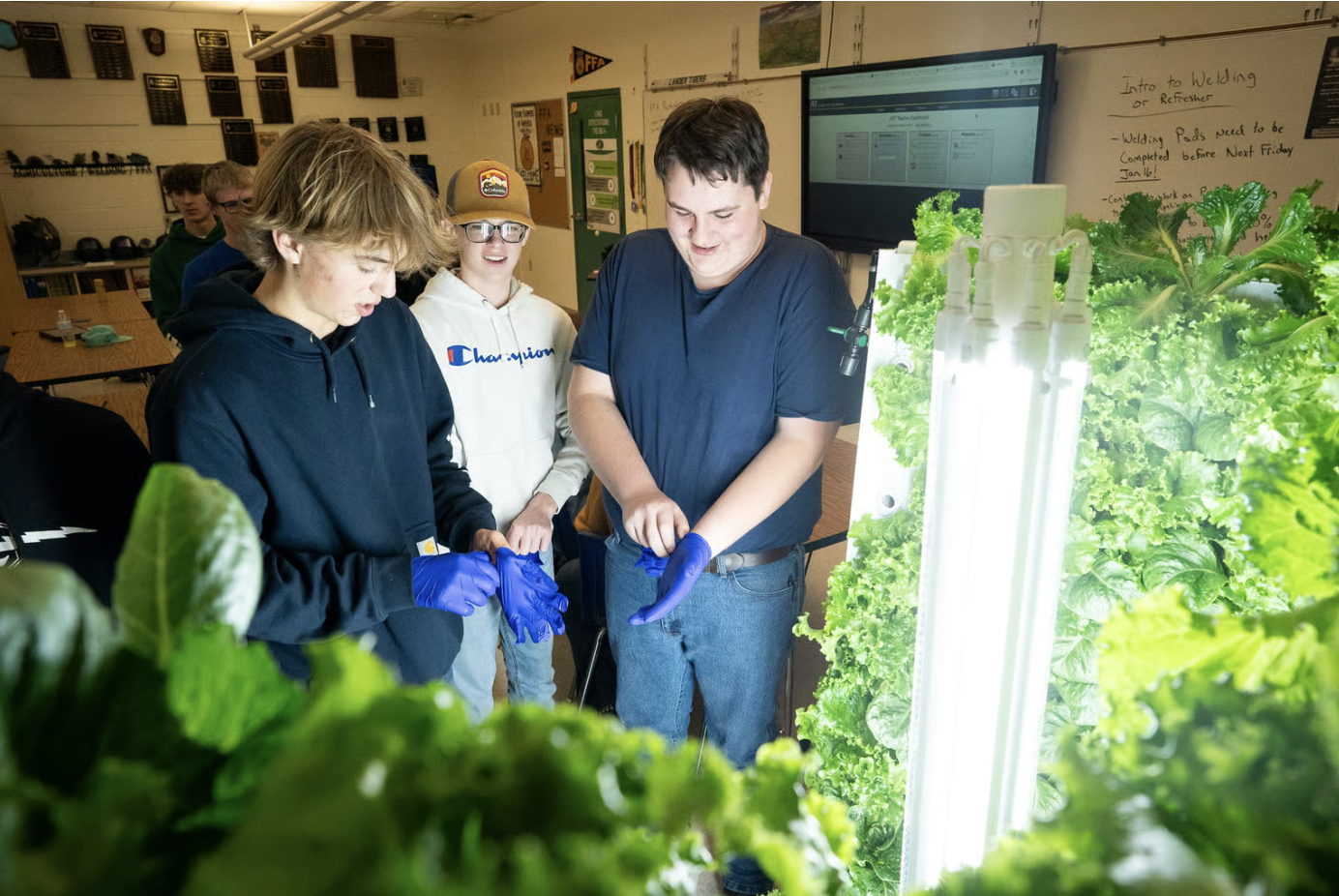
USA - WYOMING - Lettuce to Lunch Line at Lander Valley High
(Lander, WY) – Students in a freshman year agriculture class at Lander Valley High School harvested over 30 pounds of lettuce this week after growing it entirely inside their classroom.
The greens were delivered to the cafeteria and served in school lunches for teachers and students the following day.
New York Grower Rebrands to Nimble Farms
Nimble Farms’ modular, climate-controlled grow units are housed in converted shipping containers. Designed to maximize productivity per square foot, each unit is equipped with energy-efficient LED lights, recirculating water and nutrient systems, and precise environmental controls. The company says this setup optimizes inputs such as fertilizer, water and energy, enabling year-round production of a wide variety of crops, including living lettuces, herbs, microgreens and mushrooms. All Nimble Farms sites are powered 100% by renewable energy sourced from local solar, wind and hydroelectric power.
The company collaborates closely with local supermarkets, farmers’ markets, schools and hospitals across New York State and the broader Northeast region to meet the growing demand for local, perishable produce.