


November 3, 2026
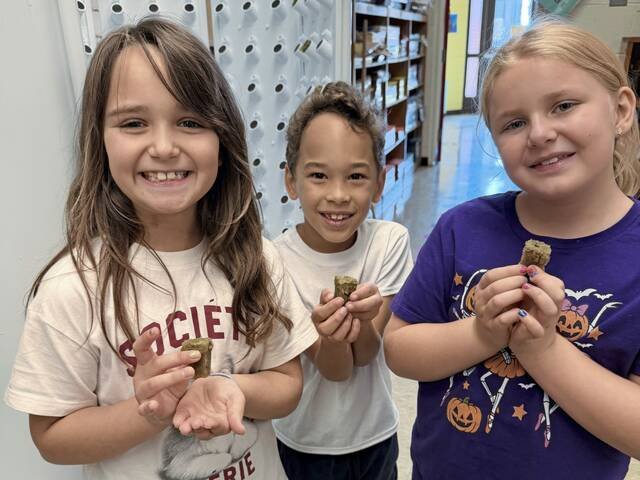
Reserve Primary School second graders Harley Hanselman (from left), Greyson Horn and Adeline Beaton hold seedlings to plant in the hydroponic garden at their school. Led by teachers Kristin Barbour and Michelle Elias, the school bought the hydroponic garden using a $5,000 grant from the Highmark Foundation. (Courtesy of Shaler Area School District)
$5K Highmark Foundation grant covered acquisition cost; community support sought to keep it going
By the end of November, students at Shaler Area’s Reserve Primary School are expected to be munching on salads made with lettuce they grew in their school.
Using a $5,000 grant from the Highmark Foundation, Reserve teachers Kristin Barbour and Michelle Elias bought a hydroponic garden by Fork Farms that students will use to grow and harvest their own fruits and vegetables year-round.
“Reserve is a really small school. I just thought it would be a really nice thing to do there,” said Barbour, who teaches visual art and gifted education and has been at Reserve since 2013. “Gardening is something I enjoy doing. Sharing that with the students is also kind of a fun thing to see them excited about.”
The school’s hydroponic garden can grow more than 200 plants in a growing cycle. Lettuce — romaine and green star — and basil are in the first crop. When the lettuce is ready, Barbour said they’re planning on having a salad bar day along with lunch.
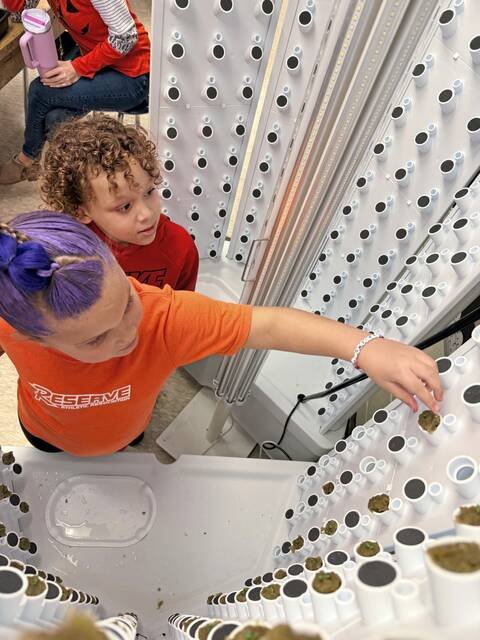
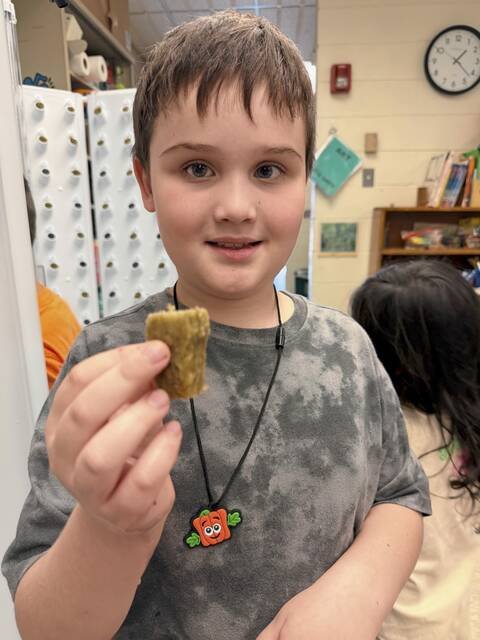
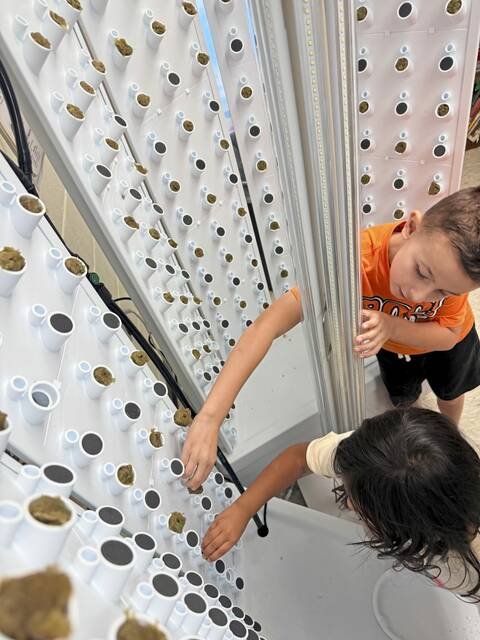
“By the end of November, hopefully, we’ll have a lot of lettuce that we’ll be eating,” Barbour said. “It should be enough for us to have some salad for everybody to try.”
Shaler Area Superintendent Bryan O’Black said they are grateful to the Highmark Foundation for its support of the innovative learning opportunity at Reserve. He also recognized Barbour and Elias, who teaches second grade, for their creativity and commitment to bringing the opportunity to students.
“This project is a wonderful example of how we can connect hands-on learning with healthy habits and real-world experiences,” he said. “Through the hydroponic garden, our students will develop a deeper understanding of nutrition, sustainability and where their food comes from while building skills that extend well beyond the classroom.”
Barbour said the system came with a complete curriculum that includes how growing food locally is better for the environment by cutting out transportation. She wished she had it when there were concerns earlier this year about the safety of processed lettuce sourced from Mexico.
“I think that teaches us that growing locally really is a good thing,” she said.
Mounted on wheels, Barbour described the hydroponic garden as large and bulky, about 5 feet tall and 3 feet wide. It has to always be plugged in, with water running all the time and a grow light in the middle.
The students “are very curious and I think excited about what we’re going to be doing,” Barbour said.
The plan is to be continually growing food. Barbour said they hope to do some different vegetables such as tomatoes, cucumbers, and peppers in the next cycle, which need different nutrients from the lettuce and basil.
“One of the perks of having a hydroponic garden inside is being able to extend the growing season,” she said. “There’s lots that we can do. We’re excited to see all the possibilities.”
The garden came with a startup kit including seeds and nutrients that should last six months. To resupply it, Barbour said they’ll seek more grants as well as support from community groups, such as the Shaler Garden Club, and the school’s parent group, which was going to fundraise to buy the garden had the grant not come through.
“Hopefully, we can have some community support,” Barbour said.