

News About Farming in Shipping Containers & Limited Indoor Spaces
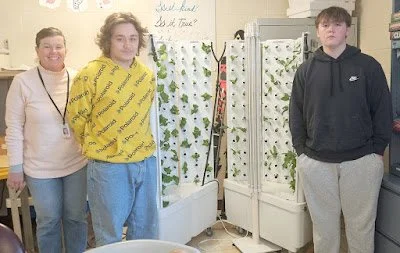
USA - MAINE: Katahdin Students Grow Fresh Greens For WHS Cafeteria With Indoor Garden
Fresh, locally grown food has long been a priority for the RSU 14 nutrition program. But Maine’s long, harsh winters typically bring the growing season for leafy vegetables to a halt. Now, thanks to the rising popularity of hydroponic gardening, RSU 14 can keep fresh produce growing year-round with a portable, vertical indoor garden system.
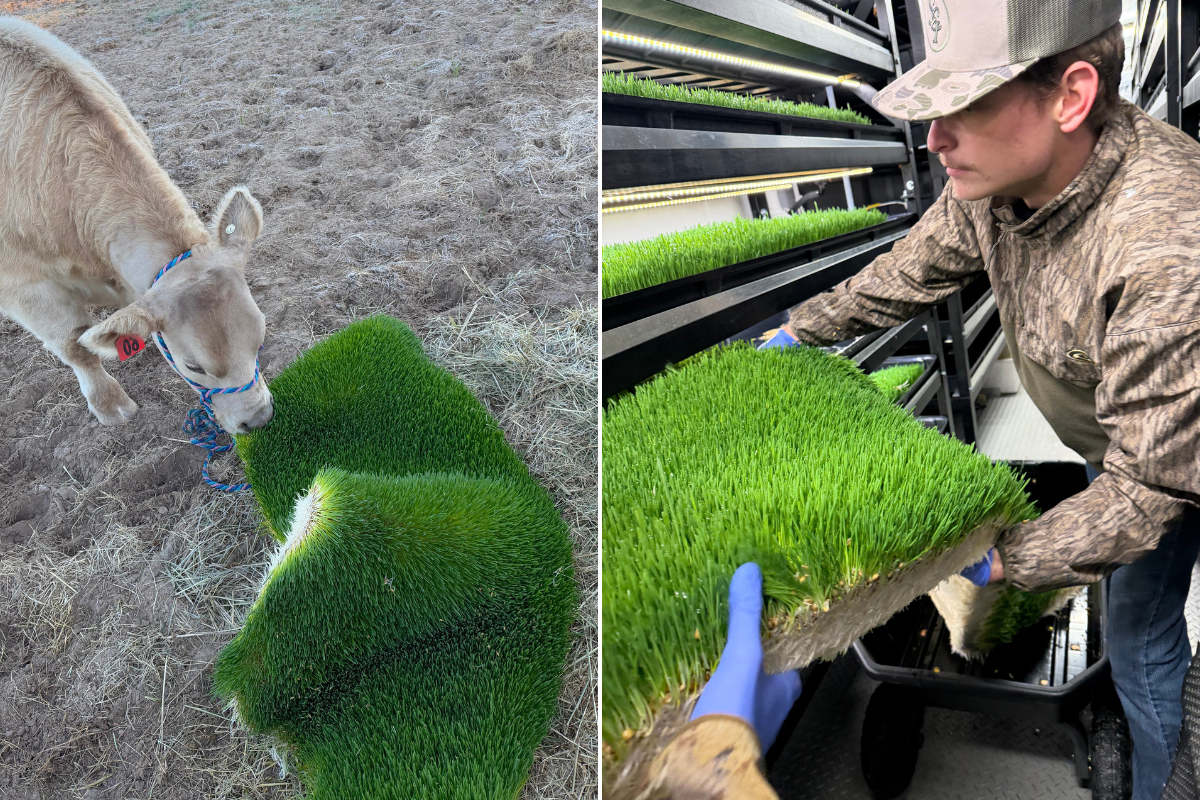
USA - FLORIDA: FarmBox Foods Empowers Students With Hydroponic Fodder Technology
The Villages Charter School has integrated a controlled-climate Hydroponic Fodder Farm into its curriculum to modernize agricultural education.
This modular system, designed and manufactured by FarmBox Foods, provides students with direct exposure to high-tech feed production methods.
The 2026 U.S. Farm Bill Includes Dedicated Funding for Tribal Food Sovereignty
The draft legislation sets aside 10% of a new local food purchasing program specifically for Tribes to purchase local food and directs agricultural conservation programs to recognize traditional ecological knowledge. The only hurdle is that the passing of the bill might be delayed for more than a year due to political theatre so we wouldn't hold our breath.
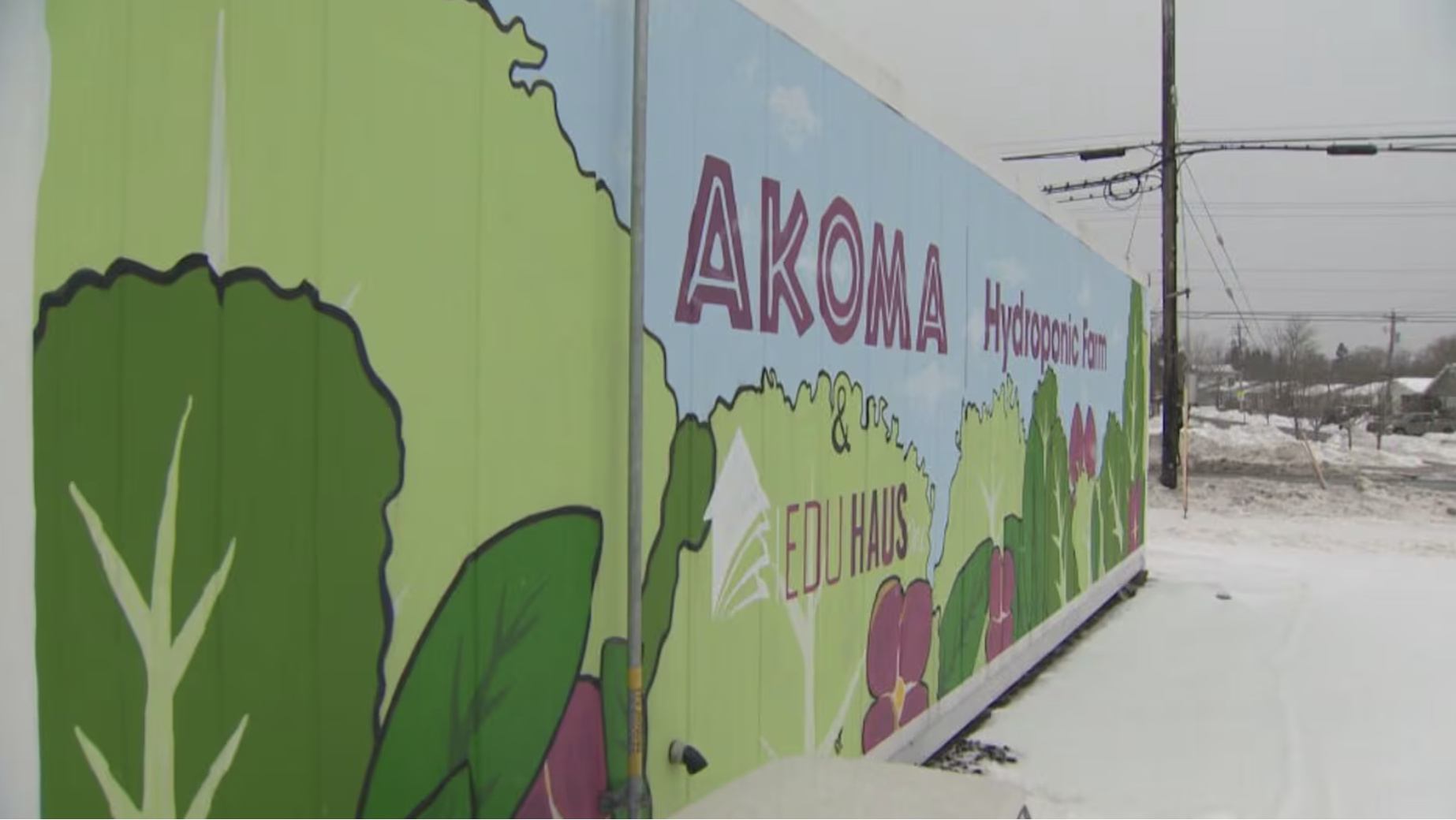
Nova Scotia Groups Come Together To Teach Hydroponic Farming
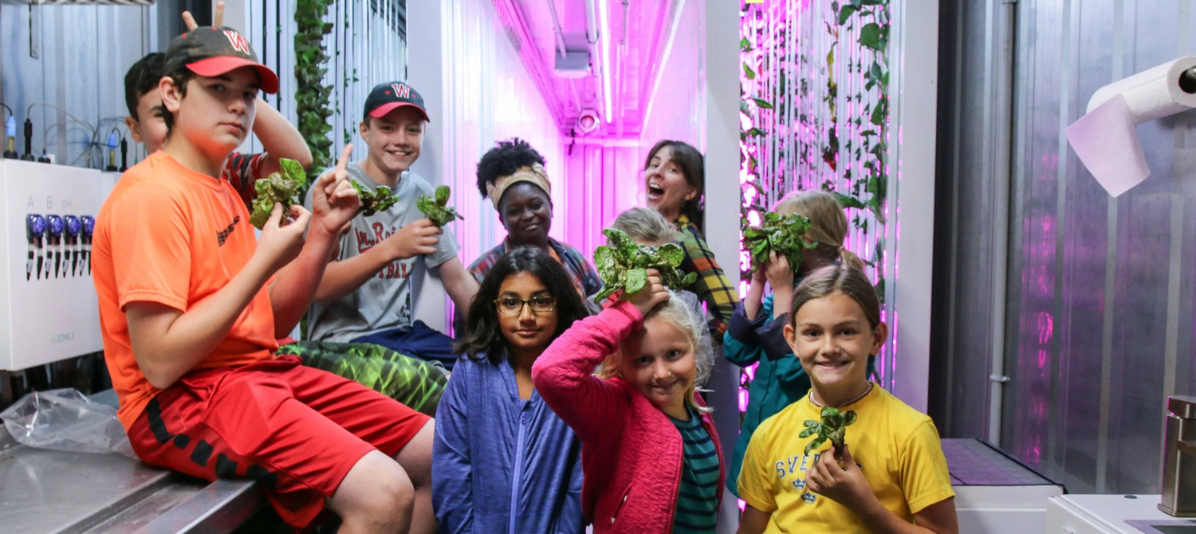
Inside a converted shipping container in Westphal, N.S., the Akoma Hydroponic Garden is growing fresh basil and teaching young people about horticulture.
For African Heritage Month, Akoma Holdings and EduHaus partnered together to teach and employ Black Nova Scotians in hydroponic farming.
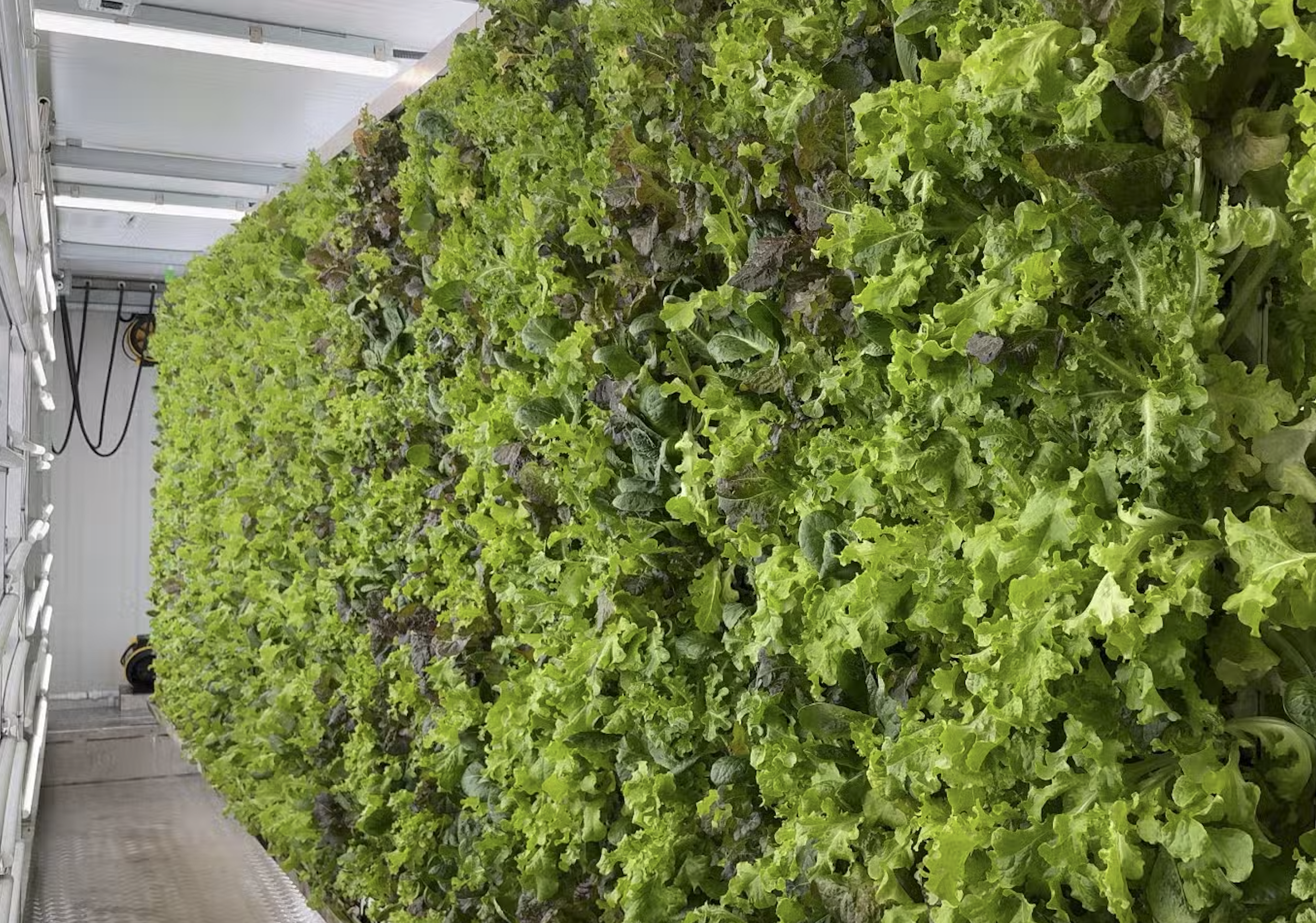
What Is a Hydroponic Classroom Container Farm? A Practical Guide for Educators
A hydroponic classroom container farm is a 40-foot shipping container retrofitted with lighting, irrigation systems, nutrient dosing equipment, and environmental sensors to create a fully controlled indoor growing space.
Unlike traditional school gardens, these systems operate year-round and allow students to manage every variable affecting plant growth.

CANADA: Can Souped-Up Shipping Containers Solve Food Insecurity?
More than a decade ago, two students at the University of Ottawa, Alida Burke and Corey Ellis, were on a school trip to Nunavut when they got a firsthand look at food insecurity.
Two students looked around for a solution, but seeing none, decided to create one themselves. In 2016, they developed a modular, indoor farm in a shipping container. they called their new venture Growcer.
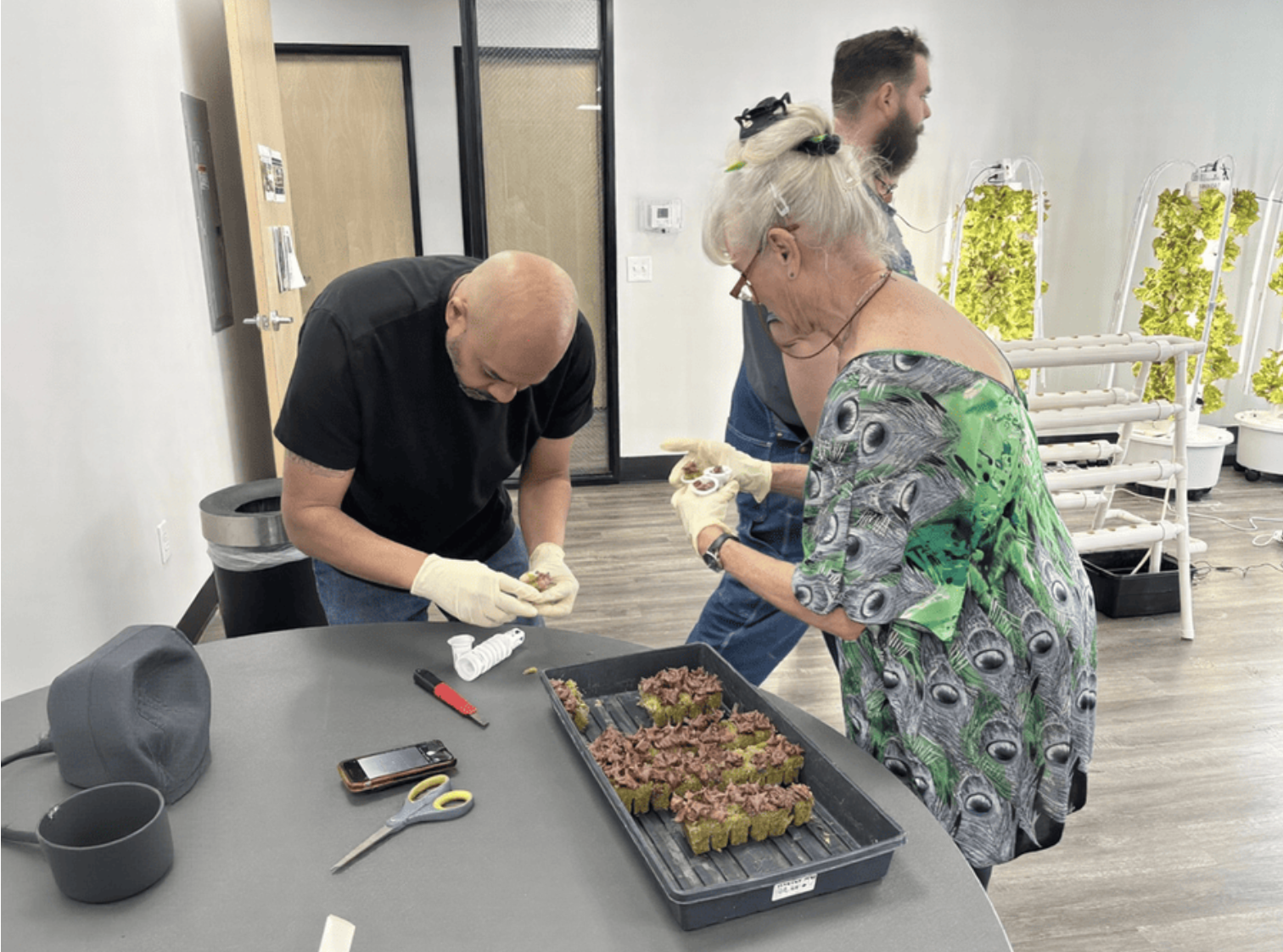
USA: Extension Offers Hands-On Training in Soil-free vegetable farming in Southern Nevada
As southern Nevada works to strengthen food security amid an arid climate and limited arable land, University of Nevada, Reno Extension is offering an educational certificate series on indoor vertical farming, or hydroponics, to equip commercial growers, home gardeners, Master Gardener volunteers and educators with research-based expertise in soil-free vegetable farming.
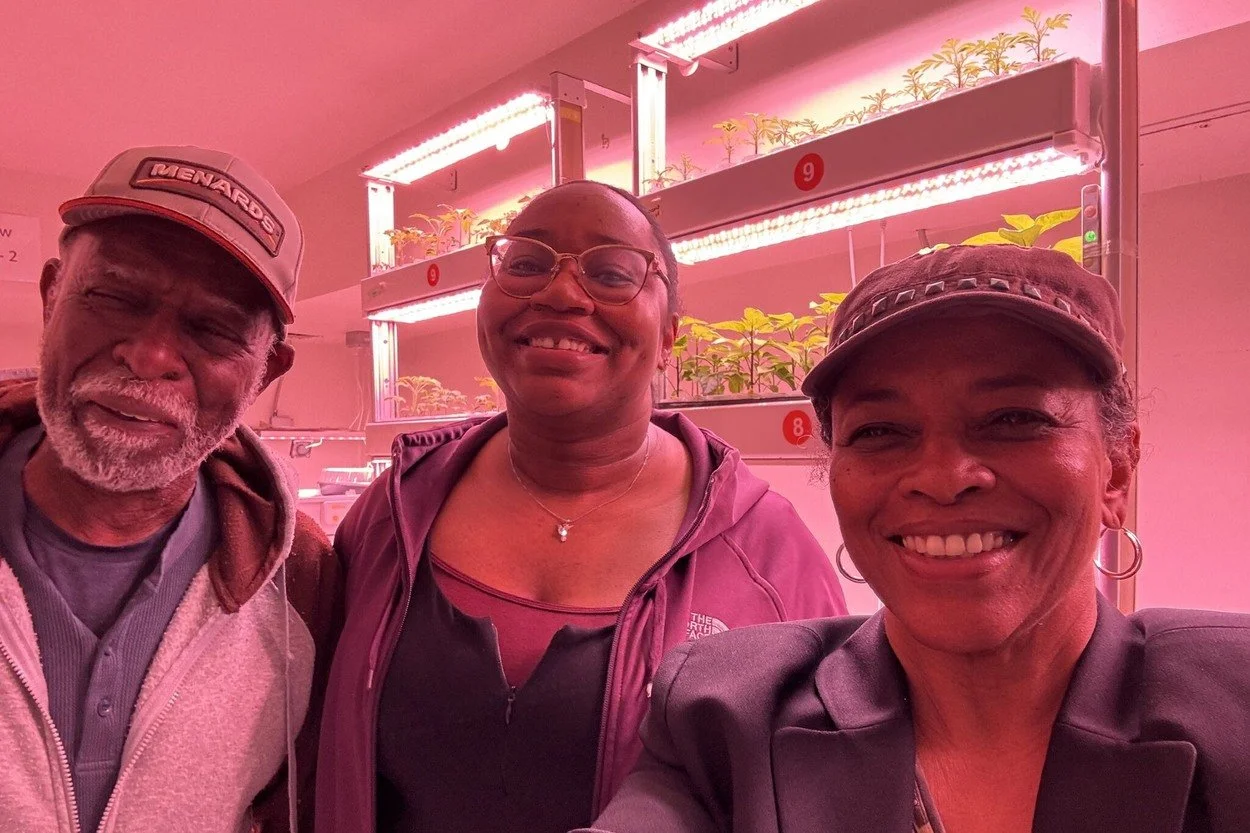
USA - MILWAUKEE: “Our Goal Is To Provide a Supportive Platform For Innovators"
In parallel with its product expansion, FullCircle26 is collaborating with The MARM Farm, a Milwaukee-based nonprofit organization focused on education, conservation, and food accessibility.
The collaboration centers on the development of a 40-foot container-based growing unit that combines hydroponic production with mushroom cultivation.
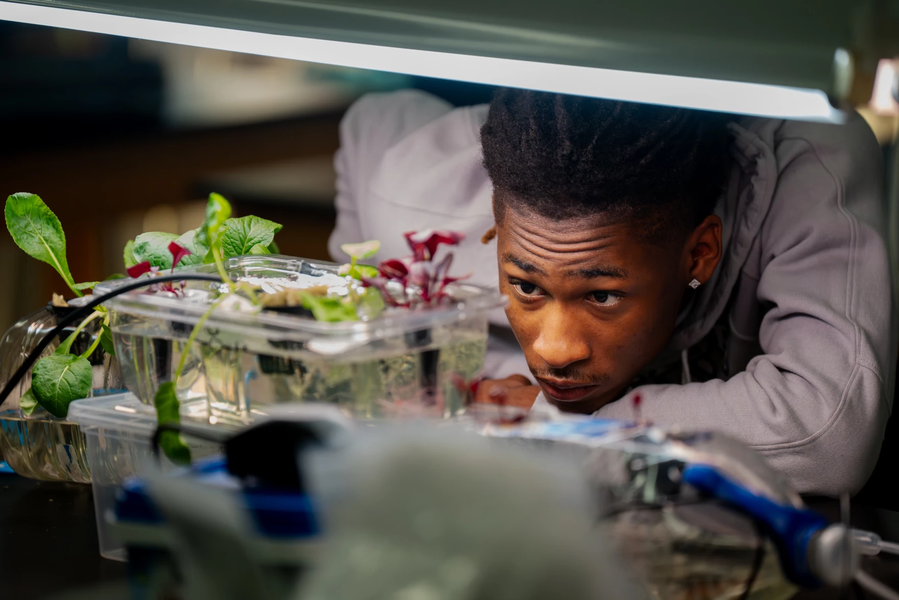
USA - MISSOURI: A Student Farming Program is Expanding in Urban Schools. Here's What City Kids Get Out of FFA
University City High School is in the center of the sprawl in and around St. Louis — about as insulated as it could be from the wide swaths of farmland outside the city.
Tucked in the back of the school, between the gymnasium and the swimming facility, is a shipping container that contains the school’s new hydroponic farm.

CANADA: Alberta First Nations School Wins Prize From U.A.E. for a Hydroponics Garden
Ray Fankhauser, sustainability lead at the school, was one of the people behind entering the school for the award.
Fankhauser said that with the level of interest from the students to work the garden, they needed something bigger, so they looked at developing a modular hydroponic farm using Canadian technology called Growcer.
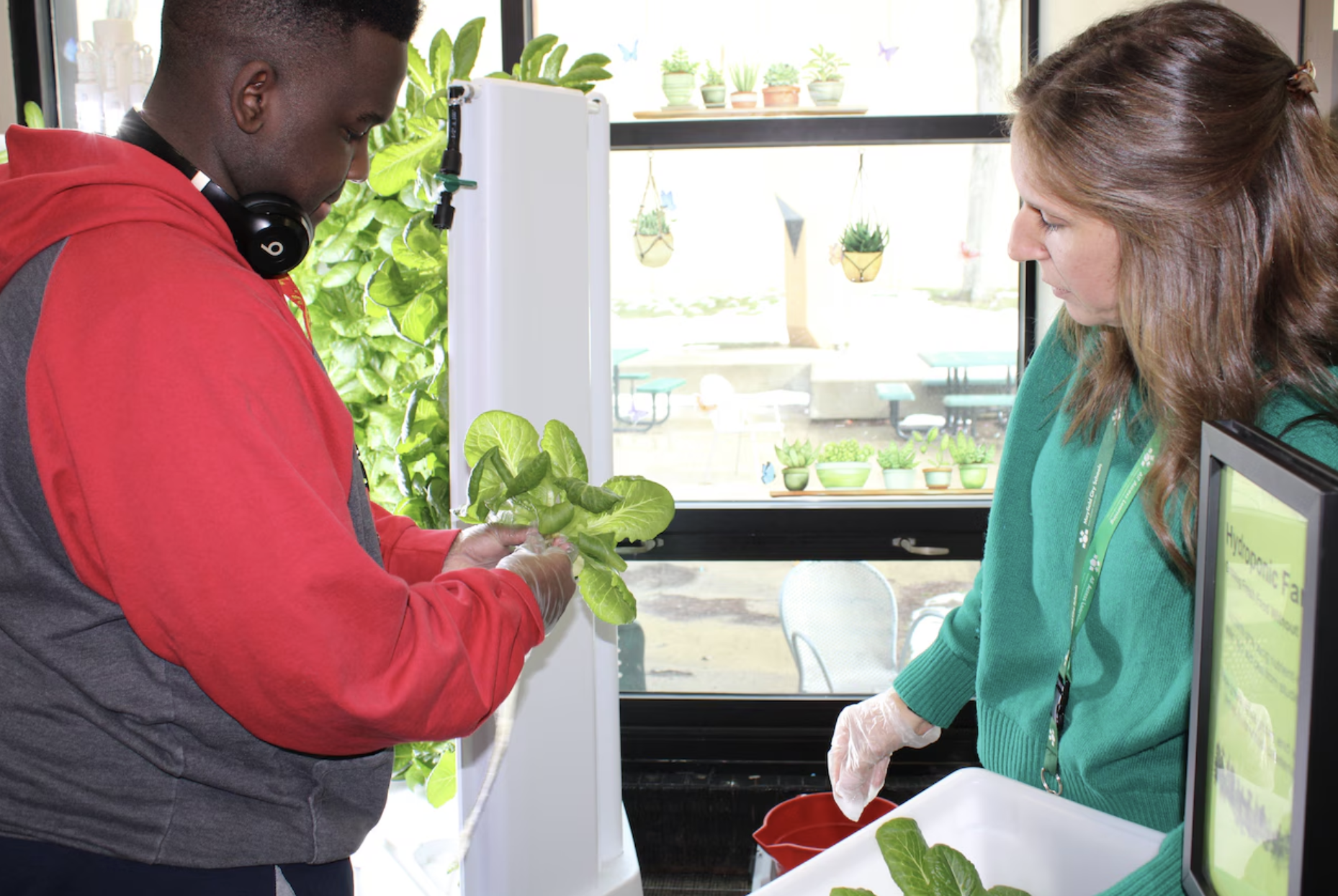
USA - OHIO: Seed to Salad: Mayfield Students Harvest 82 Heads of Lettuce for School Lunches
Some Mayfield City Schools students are experiencing the satisfaction of having the fruits (or in this case the lettuce) of their classroom efforts result in a real-life application -- helping to feed their fellow students.
USA - Hawaii: Public Schools Advance Farm-to-School Effort With New Small Farm Partnerships
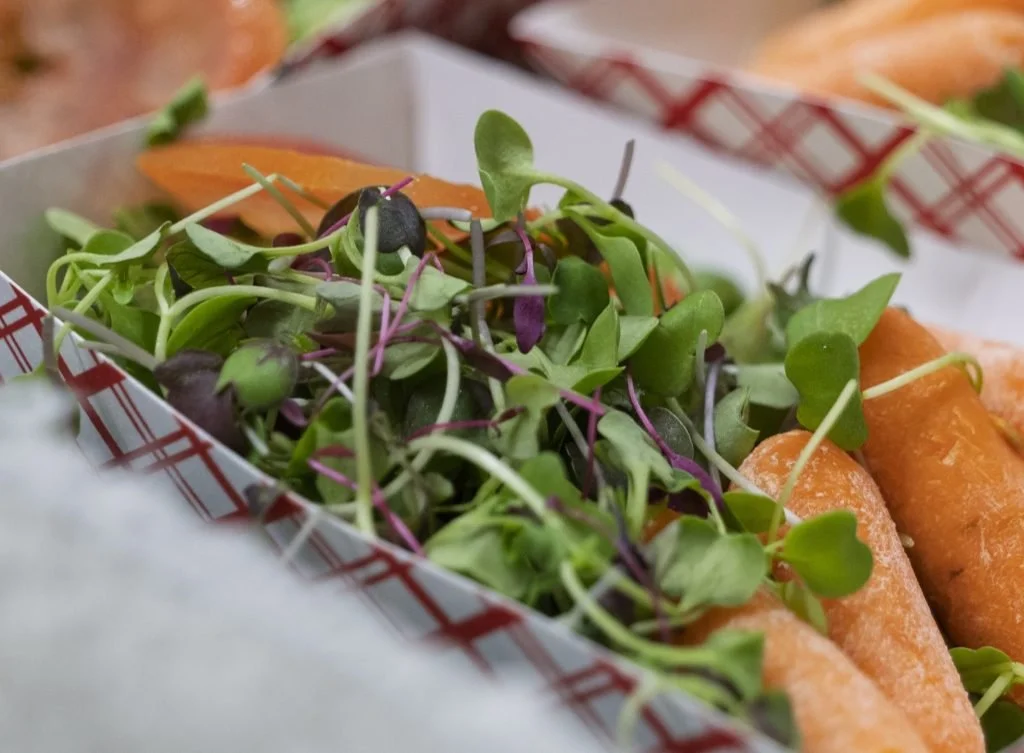
Hawaiʻi Department of Education is rolling out a new process that encourages small farm micropurchases of locally grown produce for school meals throughout the state in an effort to advance farm-to-school initiatives.
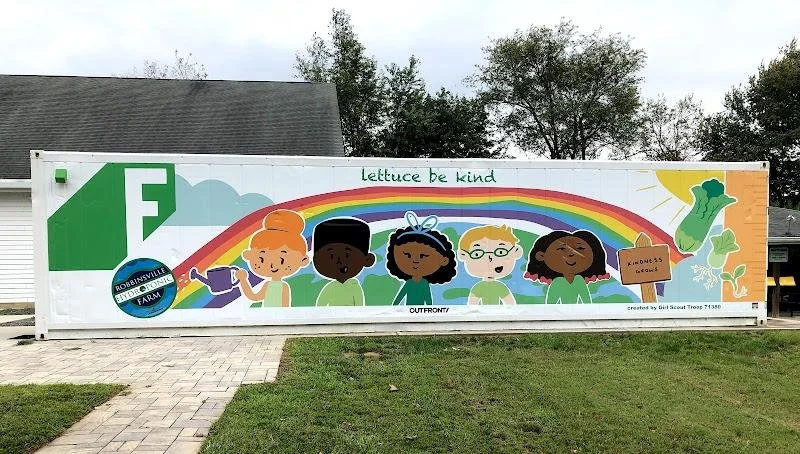
Robbinsville Township, New Zealand: Hydroponic Farm Tour: A Small Space Making a Big Impact
Just a few miles from our Hamilton office sits an unexpected hub of innovation: a fully operational hydroponic farm tucked inside a refurbished shipping container at the Robbinsville Municipal Complex.
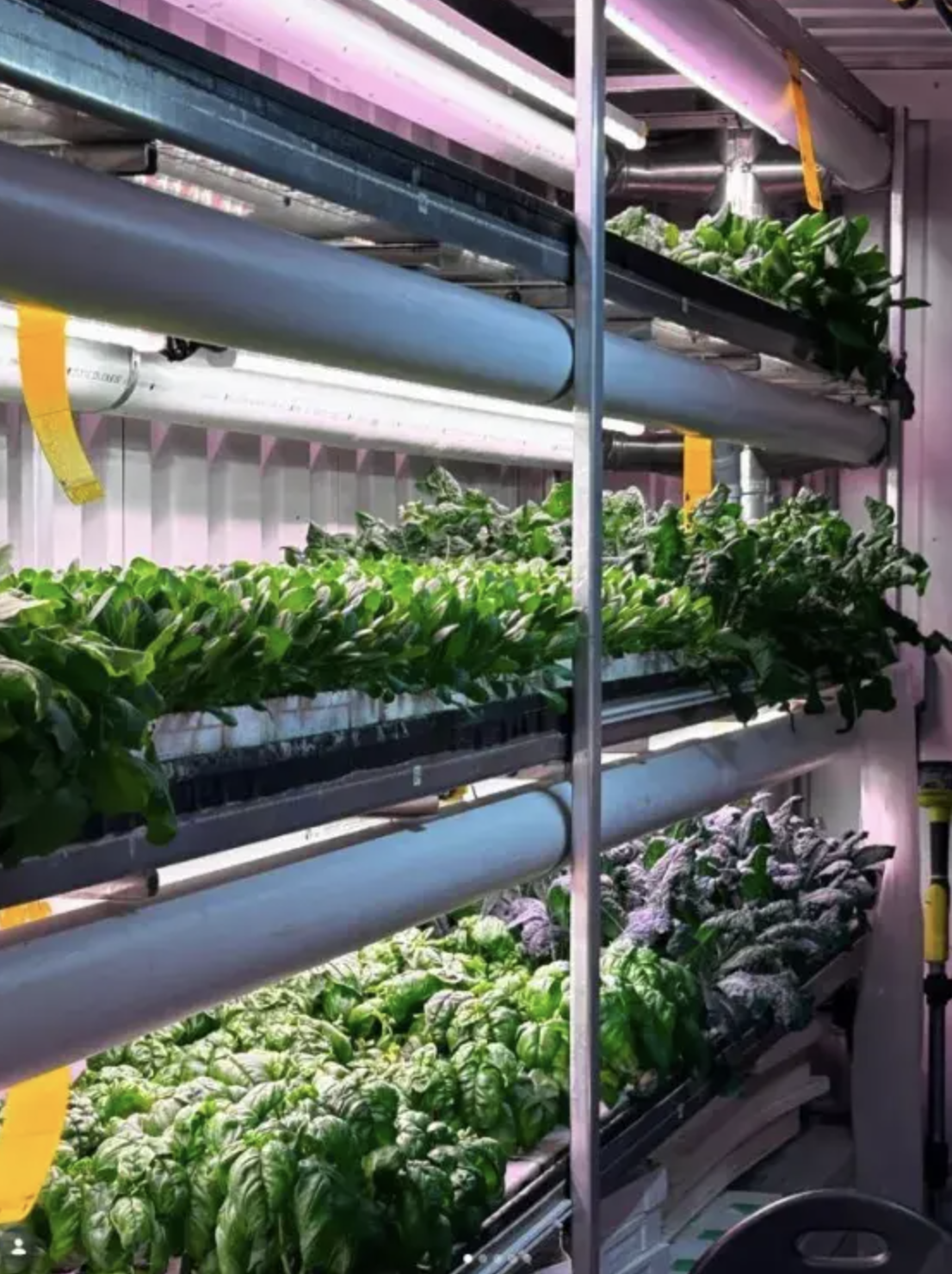
BRITISH COLUMBIA: Huu-ay-aht Looks to Grow Fresh Produce in Anacla Through Vertical System
Living in a small, remote community can make it hard to get fresh fruit and vegetables in a pinch. Add to that road closures due to wildfires or storms, making access to grocery stores tough for residents of Anacla and Bamfield.
It also makes bringing in fresh produce equally difficult for the local grocer.
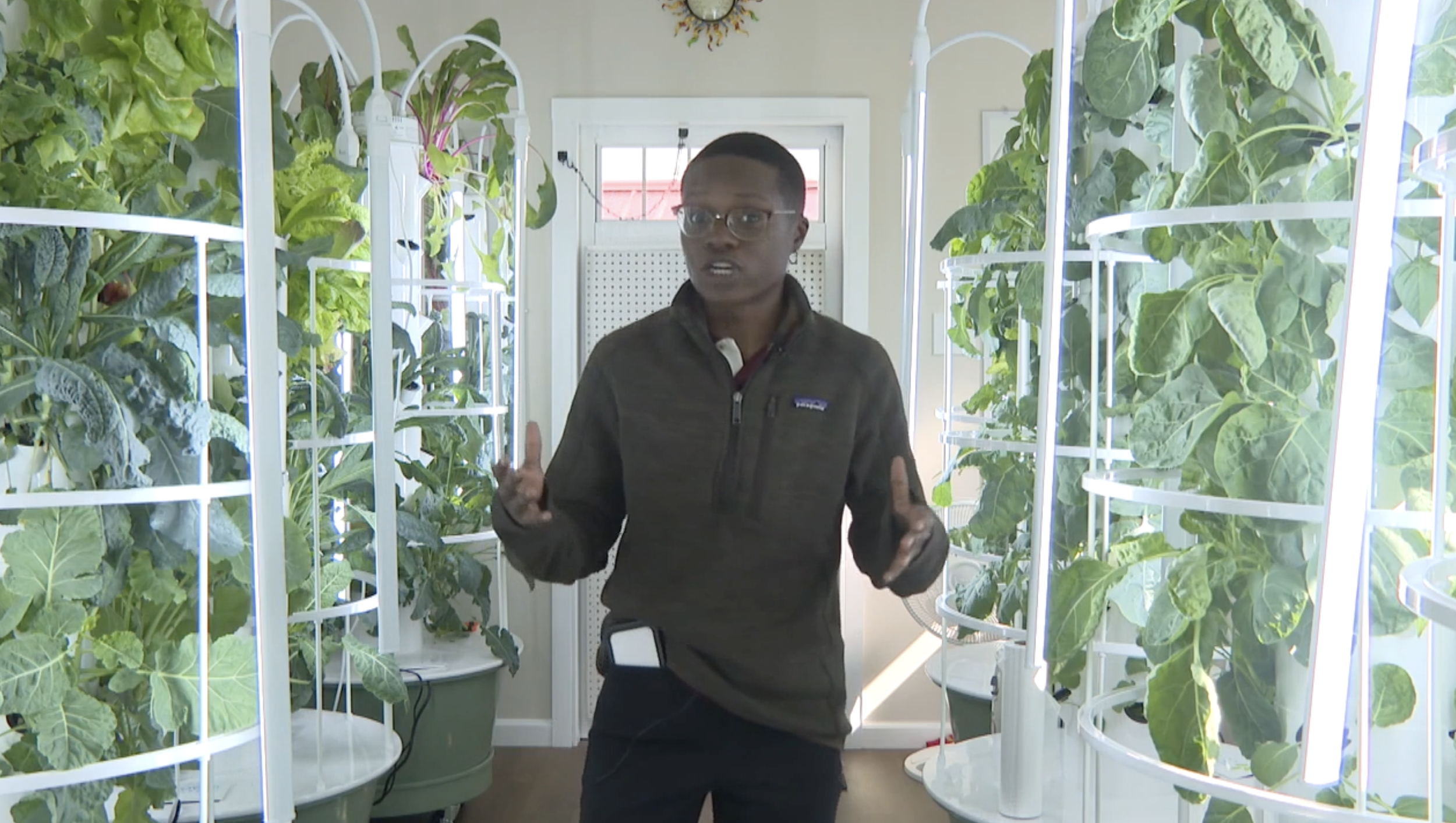
Suffolk Virginia Church Uses Soil-Free Garden To Feed The Community
A Suffolk church is tackling food insecurity with an indoor aeroponic farm that grows fresh vegetables without soil and gives them away for free. Greater Works Community Outreach Ministries operates the "Garden of Eat'n," a vertical indoor farm that uses a growing method called aeroponics.
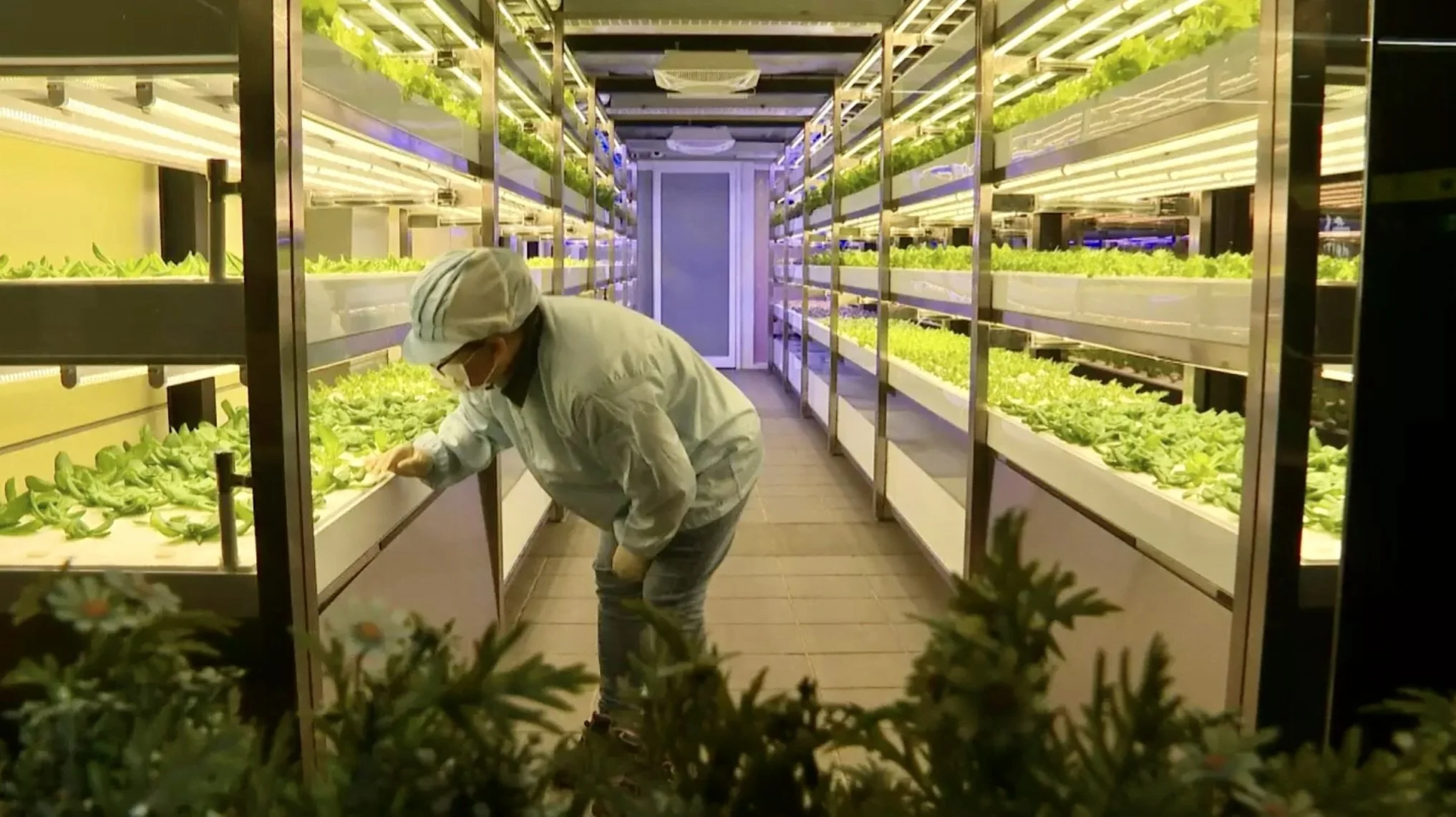
Vertical Farming Market Set To Quadruple By 2032
According to the data, the food production method will grow from $8 billion in 2025 to $39.7 billion by 2032. The technique is named for growing crops in layers on top of each other, using water-based systems rather than soil.
The report states that the most popular place to build vertical farms commercially is in shipping containers, due to their “flexibility, cost-effectiveness, and scalability.”
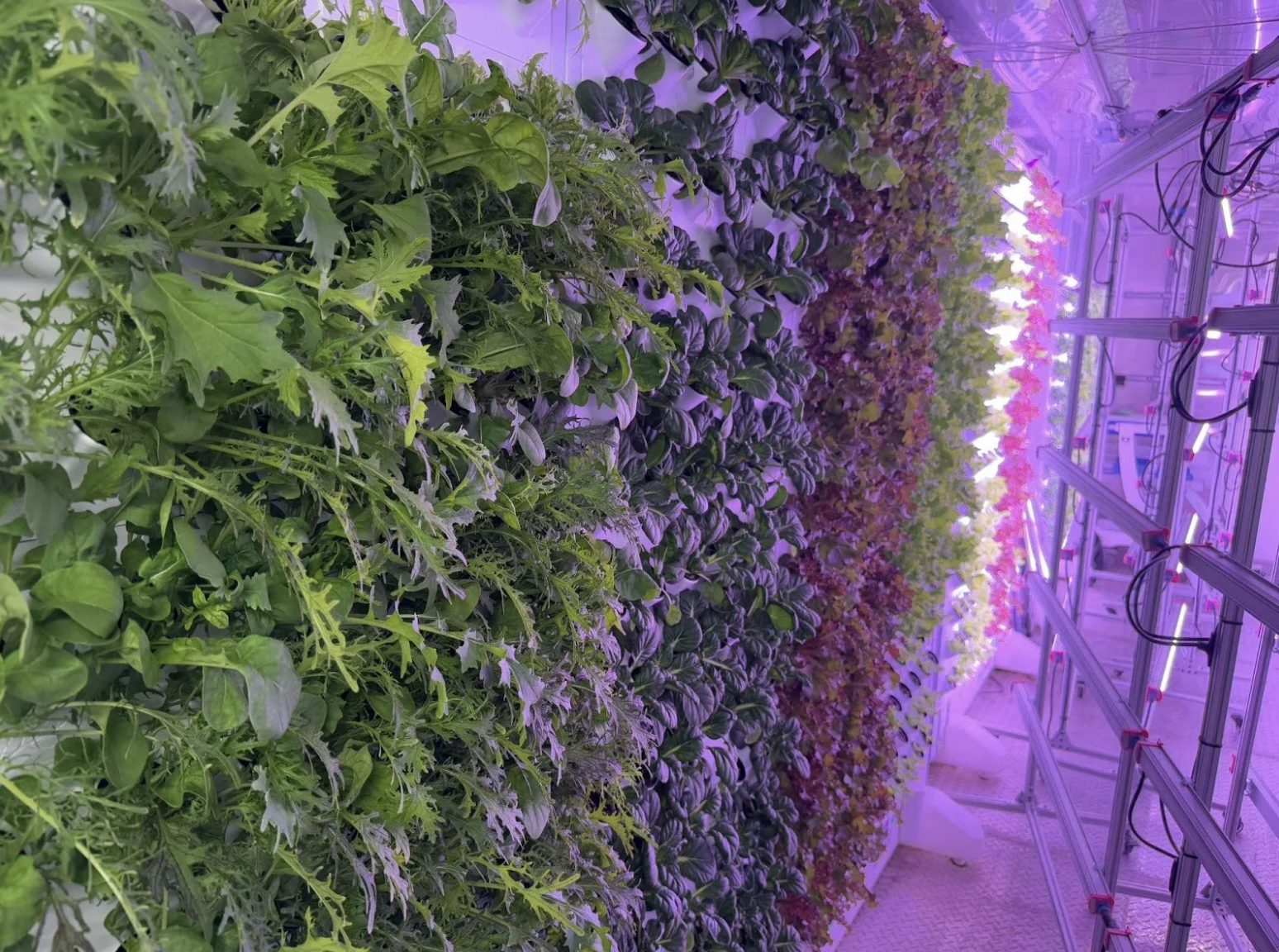
Aambé Health Launches “Living Food” Initiative with One Season Farmers and Harvest Today to Expand Tribal Food Systems
The Living Food initiative is being developed in partnership with One Season Farmers and Harvest Today, combining indoor agriculture technology with a health-centered mission to improve access to fresh food, strengthen local food systems, and support long-term community wellness.
USA - OKLAHOMA : It Started With a Food Pantry: Delaware Tribe Growing Food Sovereignty
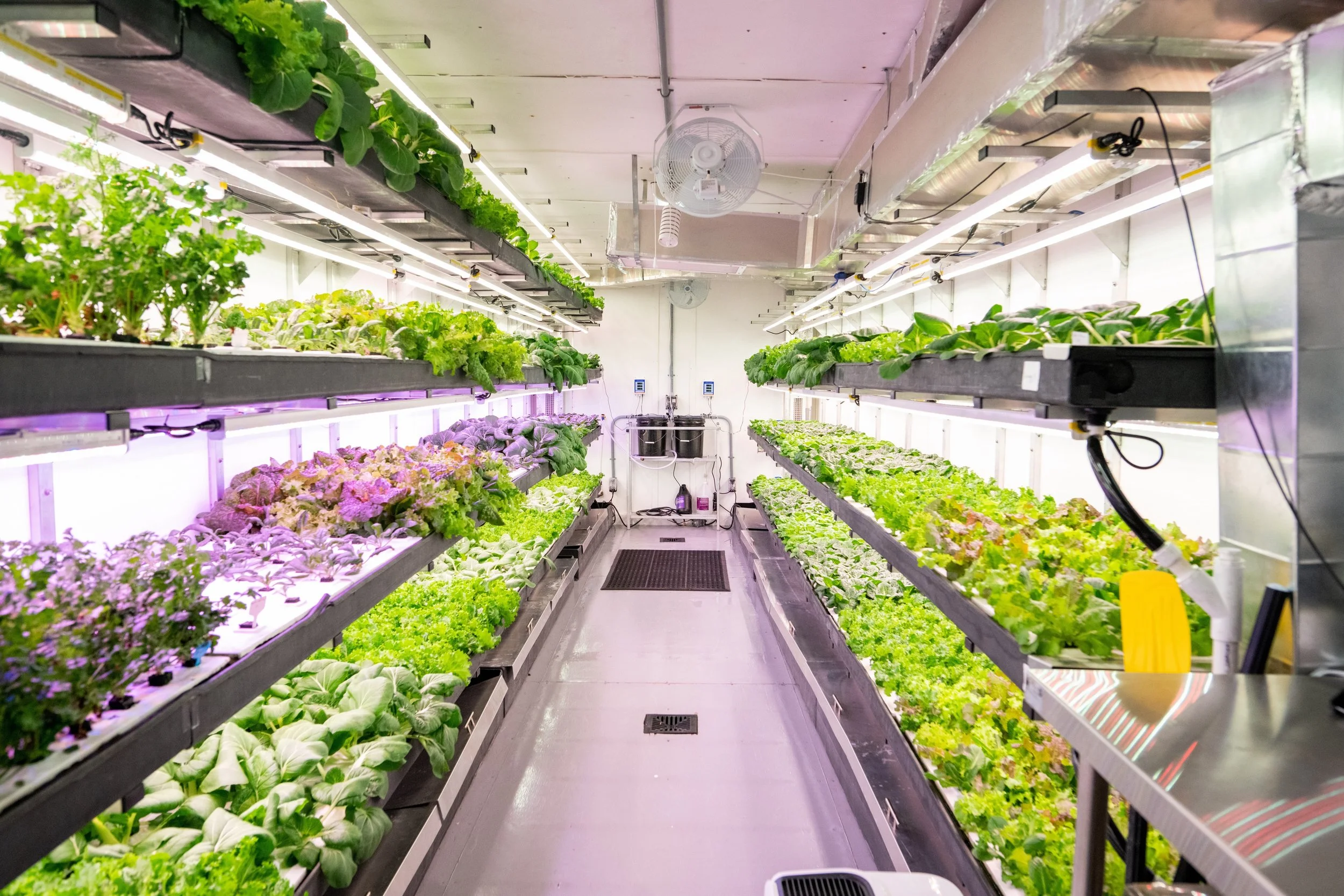
To expand the program, Delaware partnered with Growcer to add a modular vertical farm. The indoor farm can grow fresh produce year-round using less water and land than outdoor farming.
Located near the pantry, it will supply members with freshly harvested lettuces, leafy greens like kale and spinach, and herbs like mint and basil to take home.