

USA - MICHIGAN: MSU Research Targets Profitability and Growth in Controlled Environment Agriculture

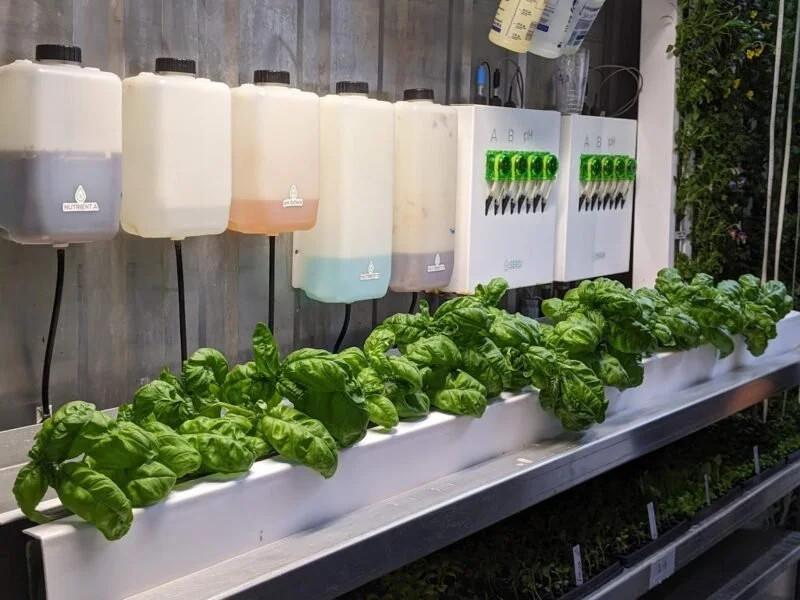
Photo by Brownfield's Nicole Heslip.
Michigan State University researchers are developing more financial resources to help controlled environment growers succeed.
Horticulture economics doctoral student Megan Burritt tells Brownfield, “Everybody is considering, as you’re trying to grow your agricultural commodity entity, should I buy a new tractor or should I invest in a new greenhouse?”
“All of those things are really economic decisions, and there’s a way for us to evaluate them. But sometimes you just don’t have the tools, and I’m hoping I can help provide those tools,” she says.
Burritt, a co-founder of Michigan’s largest vertical farm in Detroit, says controlled environment agriculture includes greenhouses, hoophouses, vertical farms, and deep water culture hydroponic systems.
“If you go to the baby green section at your supermarket, probably half of those growers are CEA growers,” she explains. “We see it growing as a percentage of products that we’re taking to market. What I would love to see is us expand beyond just lettuces and leafy greens into things that consumers are eagerly excited to buy at a premium price point, like strawberries.”
She says her work will support growers in assessing a system’s financial viability and where to maximize its production.
“It’s much more expensive to grow indoors,” she says. “The upfront capital is expensive, and the ongoing variable costs are expensive as well. But that doesn’t mean there isn’t a place for it in the food system. And, specifically thinking about traditional growers that might expand the ways that they go to market, this is a way to generate revenue for your farm, perhaps during the winter months.”
Burritt says research in her department is finding consumer excitement for products grown indoors, and she expects to see the availability of premium crops expand.
Brownfield interviewed Burritt during the recent Great Lakes Expo in Grand Rapids.