

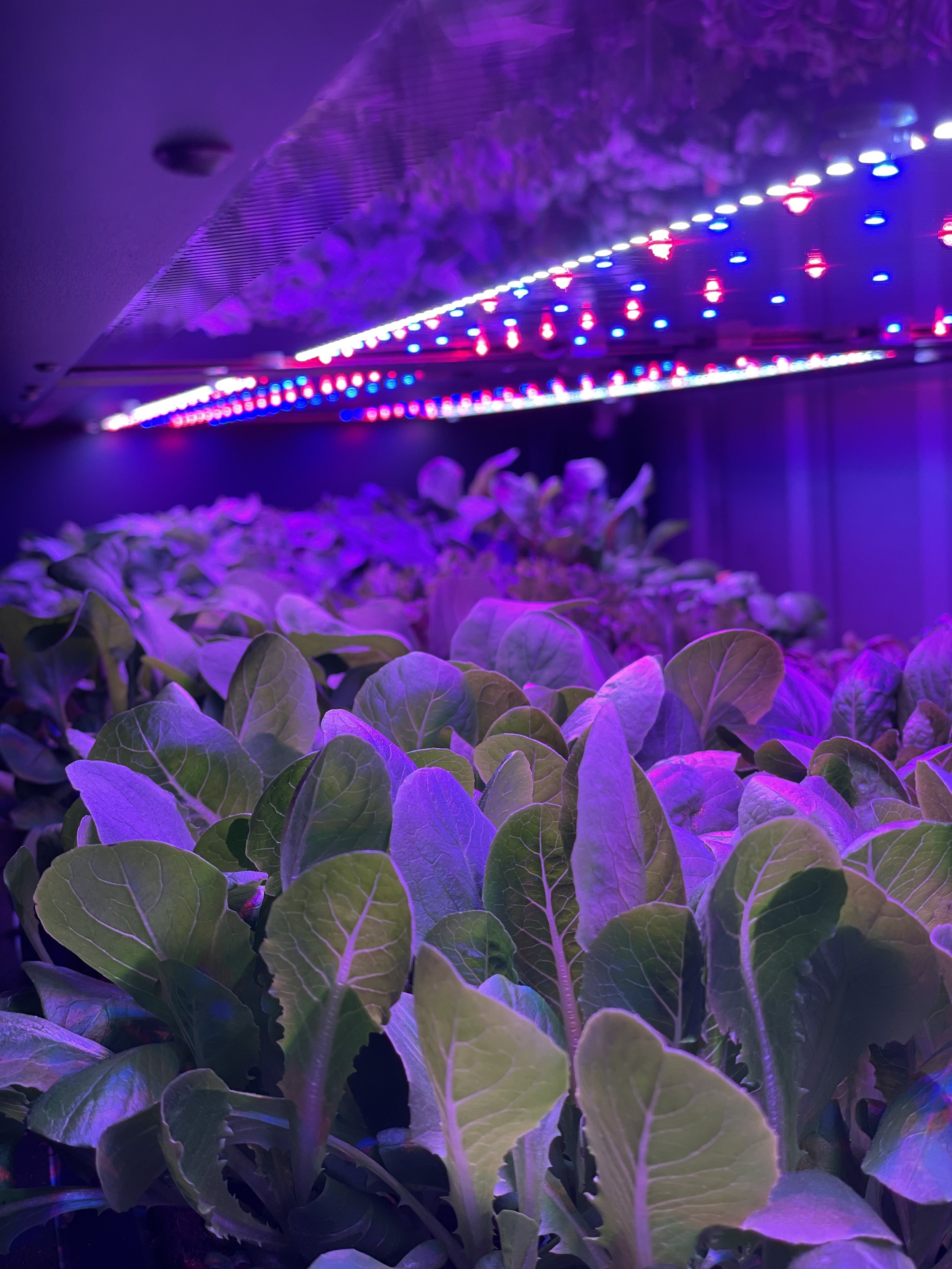
News About Farming in Shipping Containers & Limited Indoor Spaces
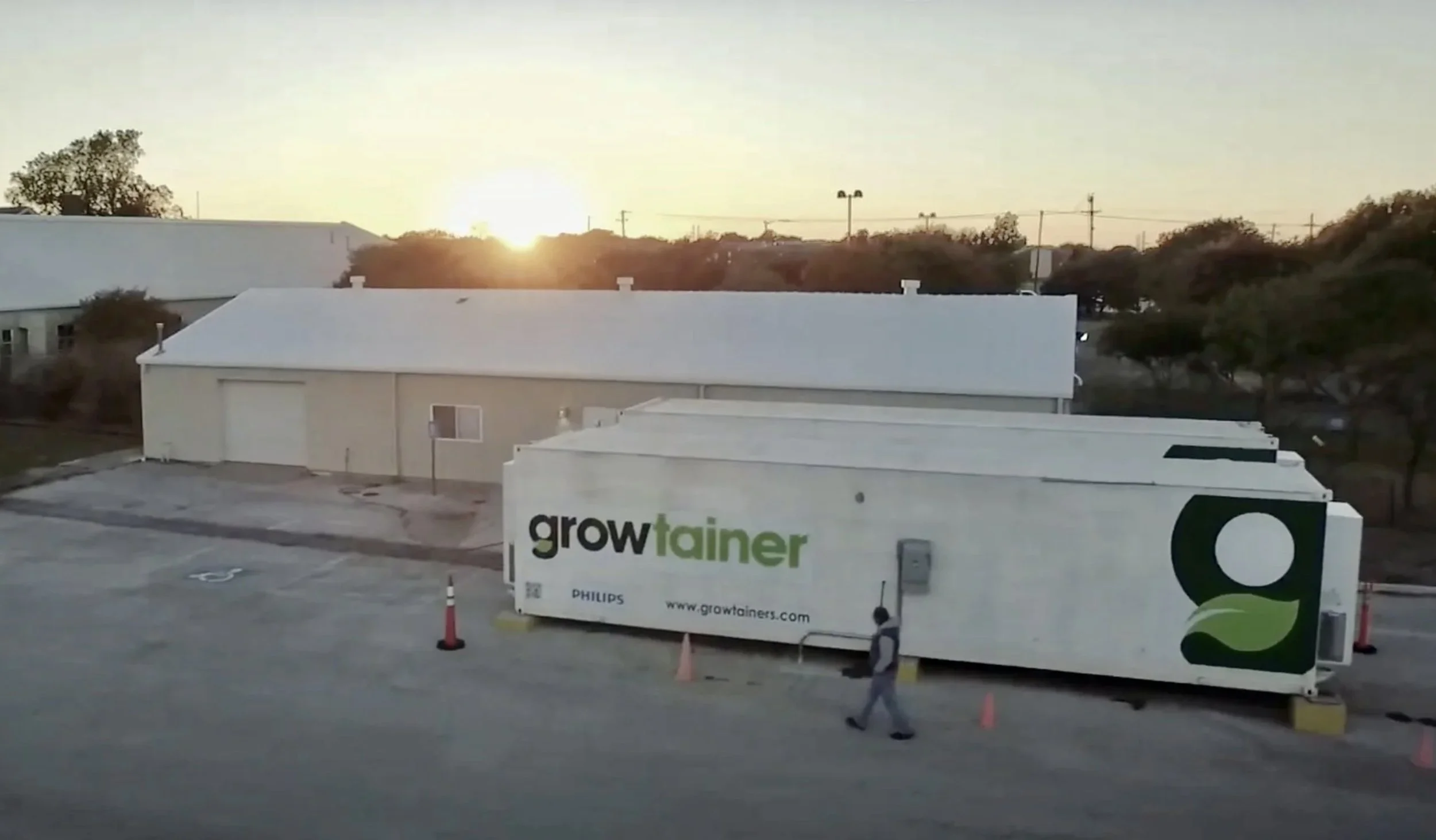
With Growtainer® Containers, It’s Possible To Grow Almost Anything, Almost Anywhere.
The two climate-controlled containers measure 40 feet in length where DiveDWN can grow up to 36,000 heads of lettuce annually in colder temperatures and when warmer, crops like tomatoes can thrive.
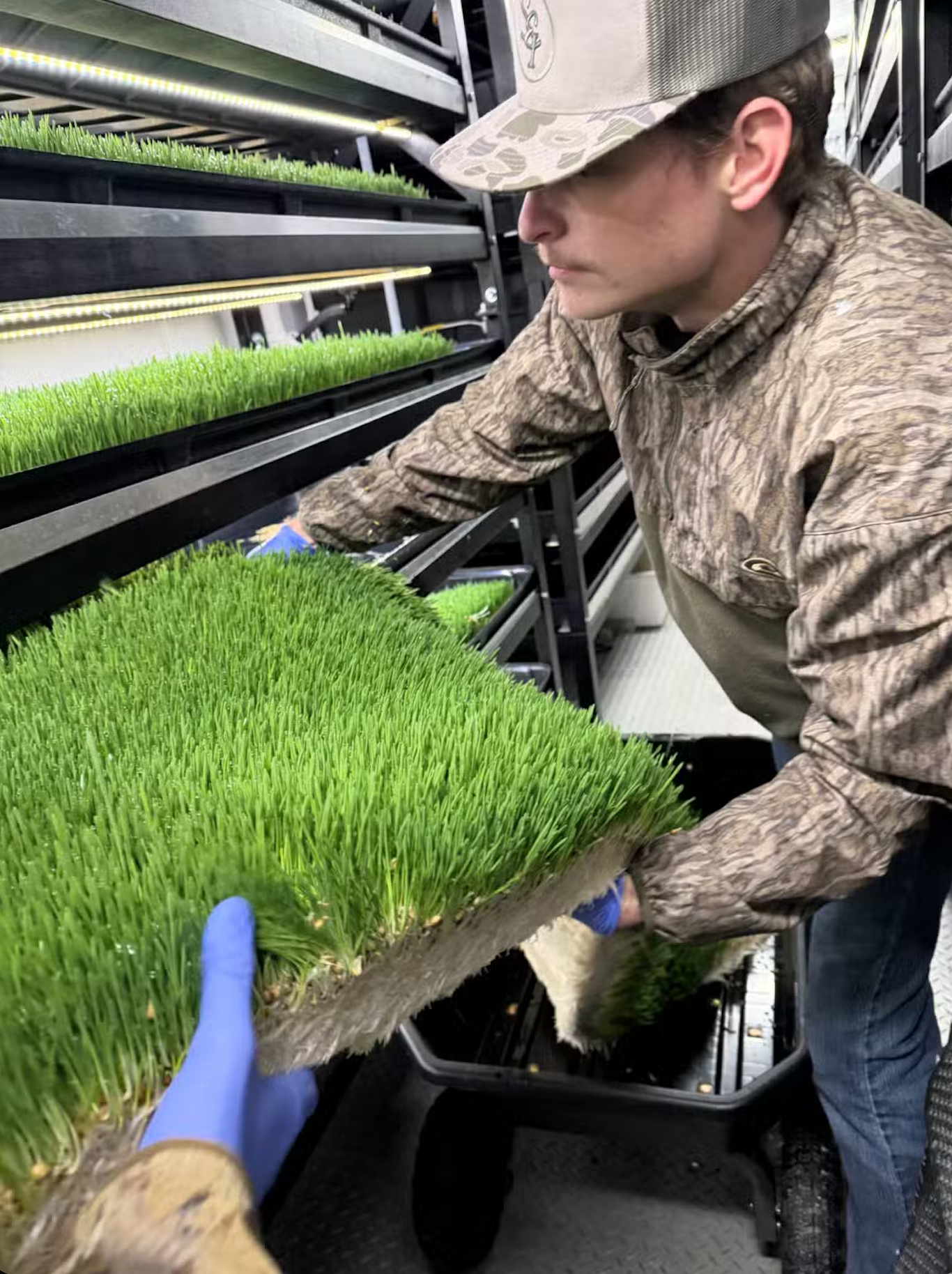
From Seed to Sale: How Entrepreneurship Schools Use Container Farms to Teach Business
Across the United States, some schools are expanding agriculture labs into full-scale business learning environments. Increasingly, entrepreneurship programs using container farms are integrating hydroponic production systems into Career and Technical Education (CTE) curricula.
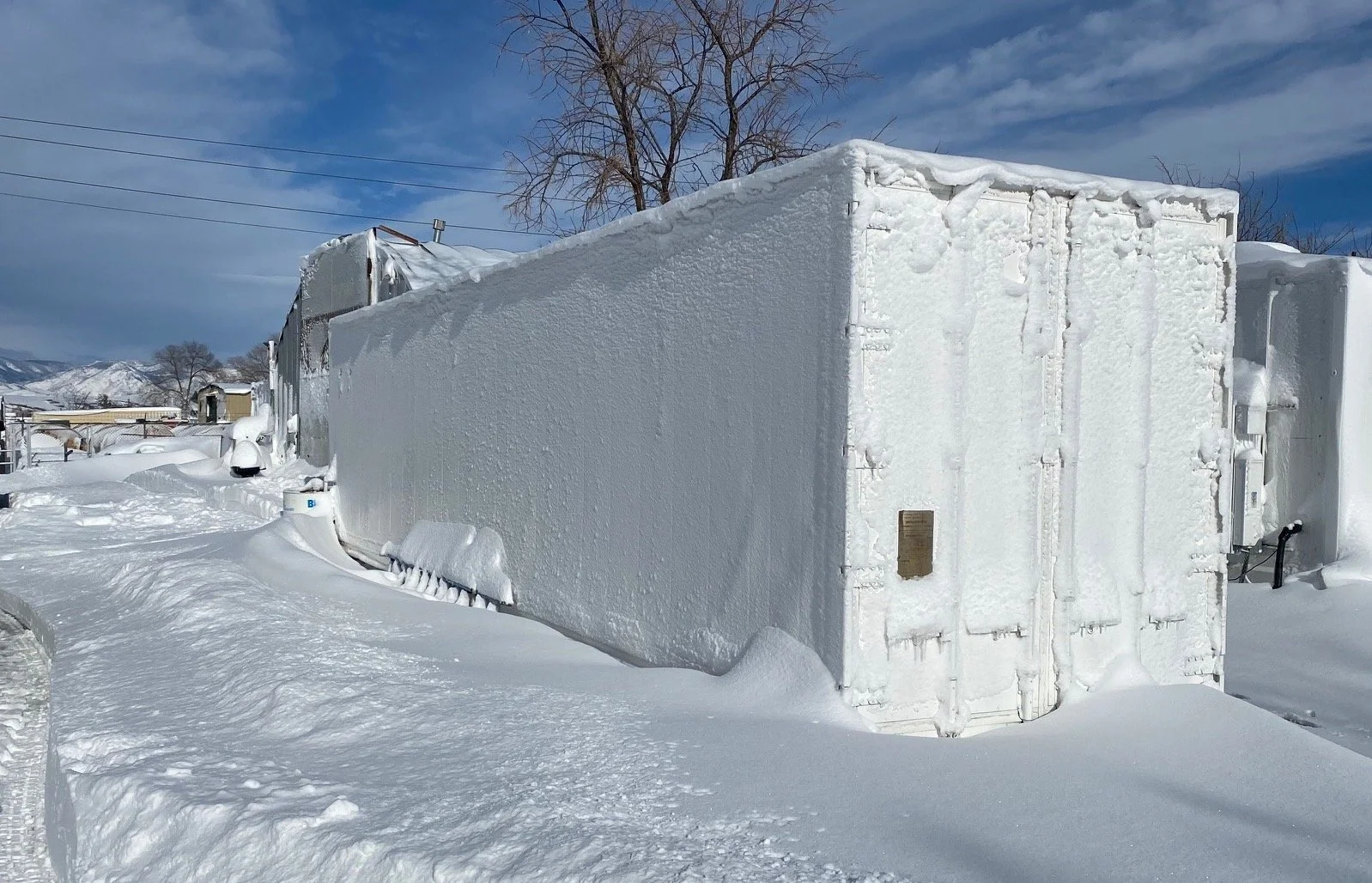
FarmBox Foods: Conquering Current & Future Challenges Using Ingenuity and Tech
One of the most significant advantages is probably the most obvious: resource conservation. Traditional agriculture is known to be water-intensive and often relies heavily on fertilizers and pesticides, some of which are in short supply with global supply chains are interrupted.
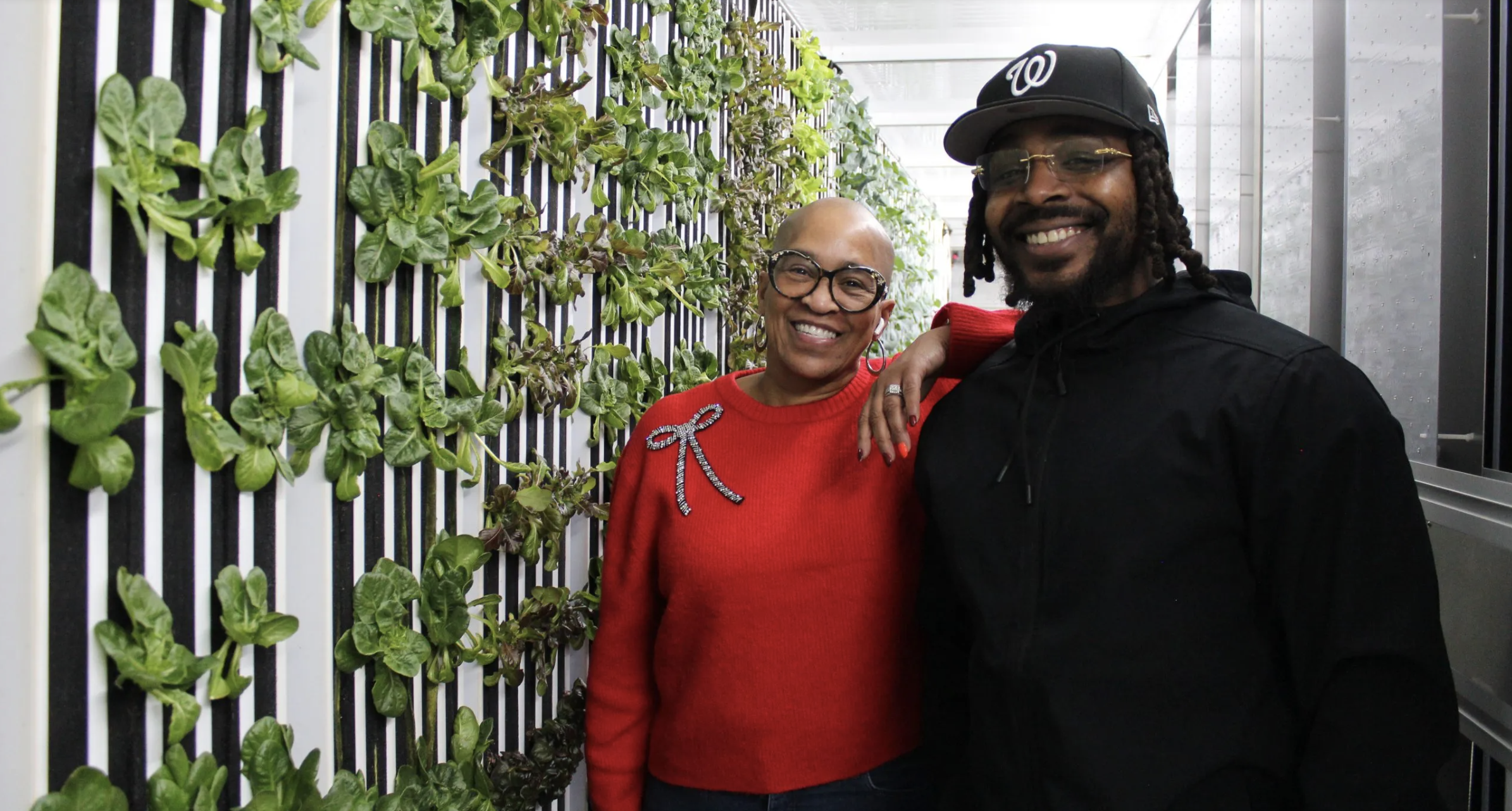
USA - PENNSYLVANIA: Bridging The Gap: Community Leaders Strengthen Pittsburgh’s Food System With New Sun Rising’s Support
Nestled next to the Community of Change Center on Centralia Street in the West End sits an unassuming white freight container.
Inside, the 320-square-foot metal structure houses a drip irrigation hydroponics system that grows 2,500 pounds of produce annually.
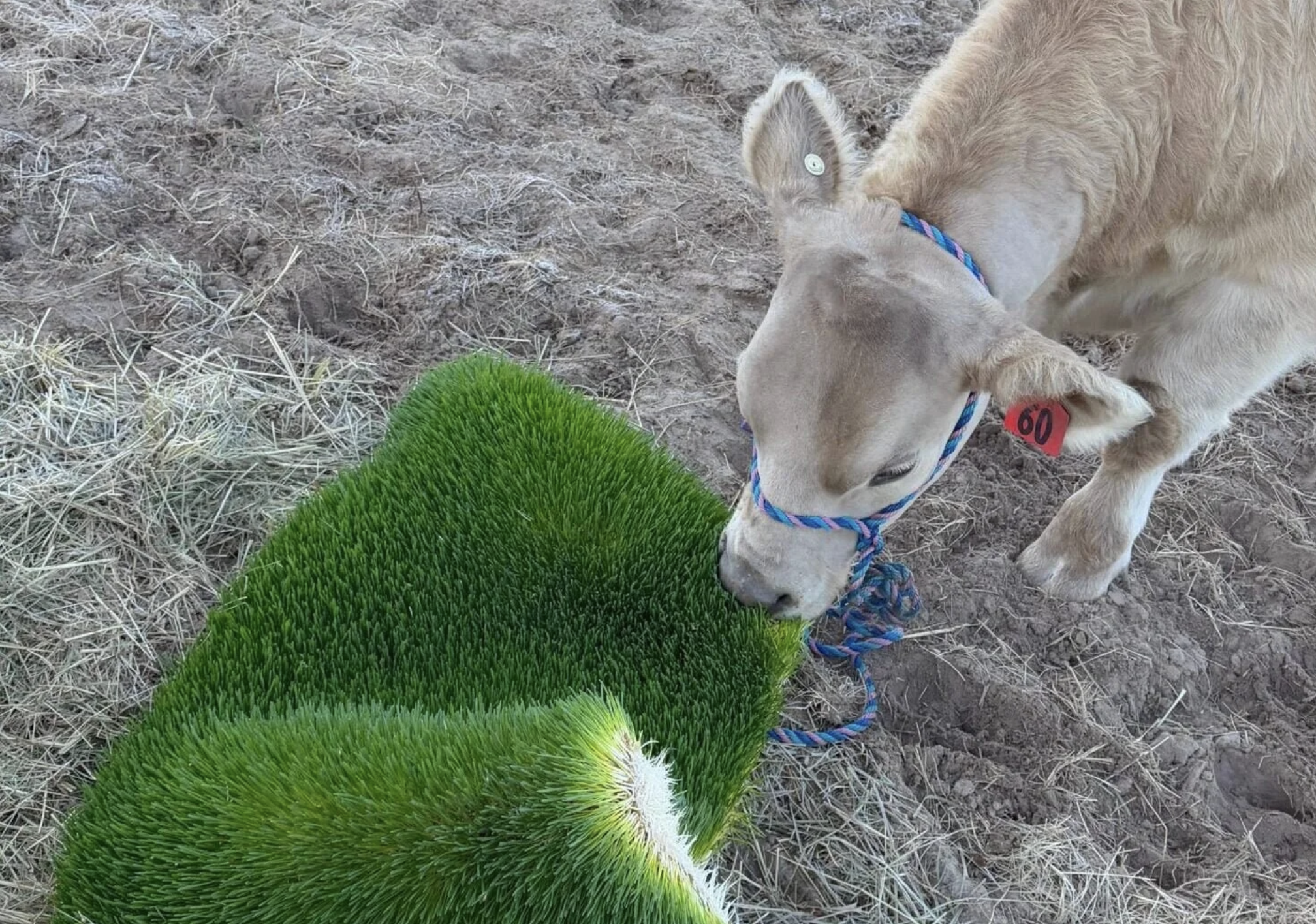
Container Farms and Food Security: How Schools Are Growing for Cafeterias and Food Banks
While many districts adopt hydroponic container systems for STEM and career education, an increasing number are also using them to address local food access challenges.
Container farms for food security in schools are being positioned not only as educational infrastructure but also as community-facing food production assets.
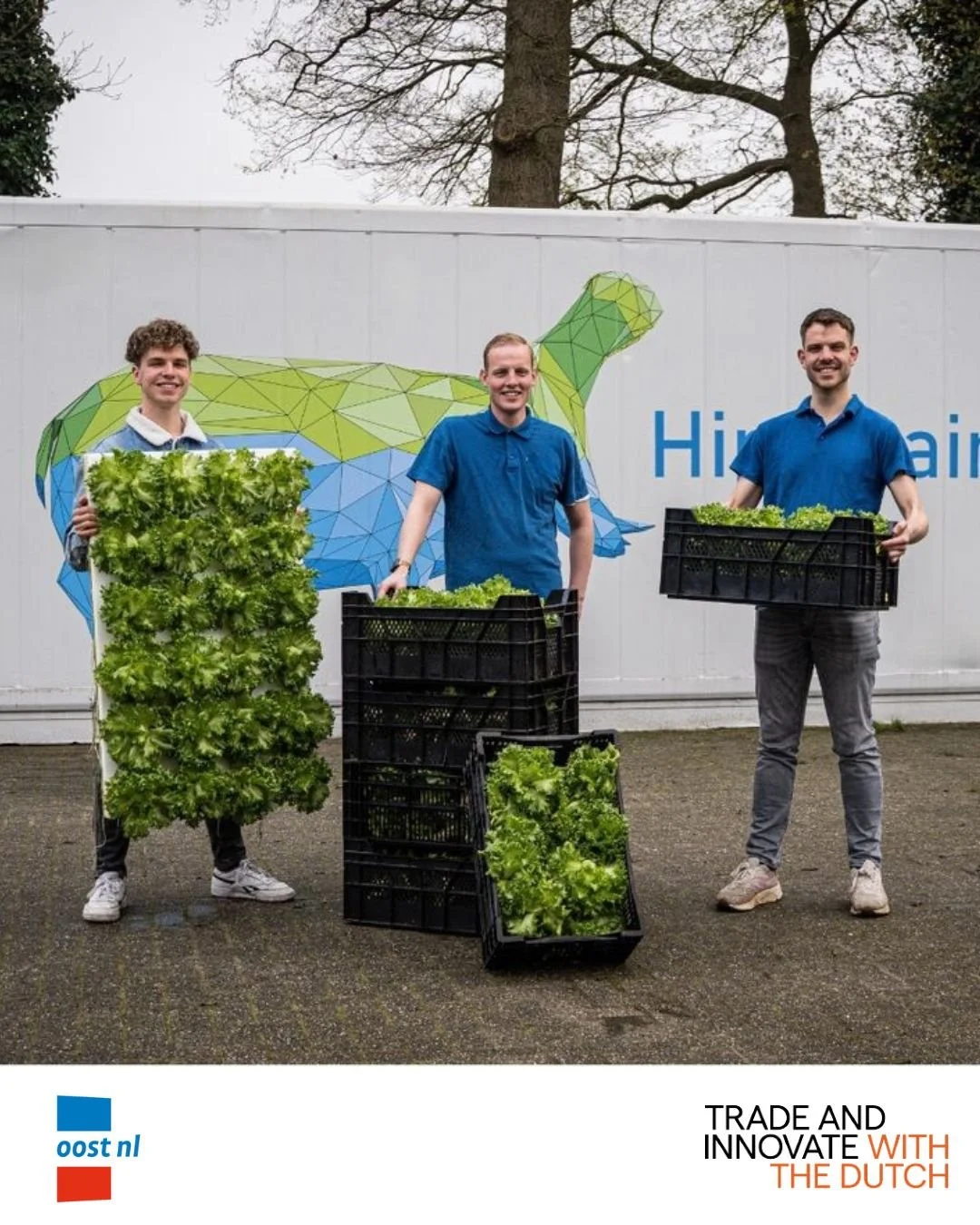
Producing Food in Locations Where Traditional Agriculture is Structurally or Temporarily Not An Option
Producing food in locations where traditional agriculture is structurally or temporarily not an option: that is the goal of Hippotainer. This innovative start-up from Wageningen develops indoor cultivation systems in shipping containers.
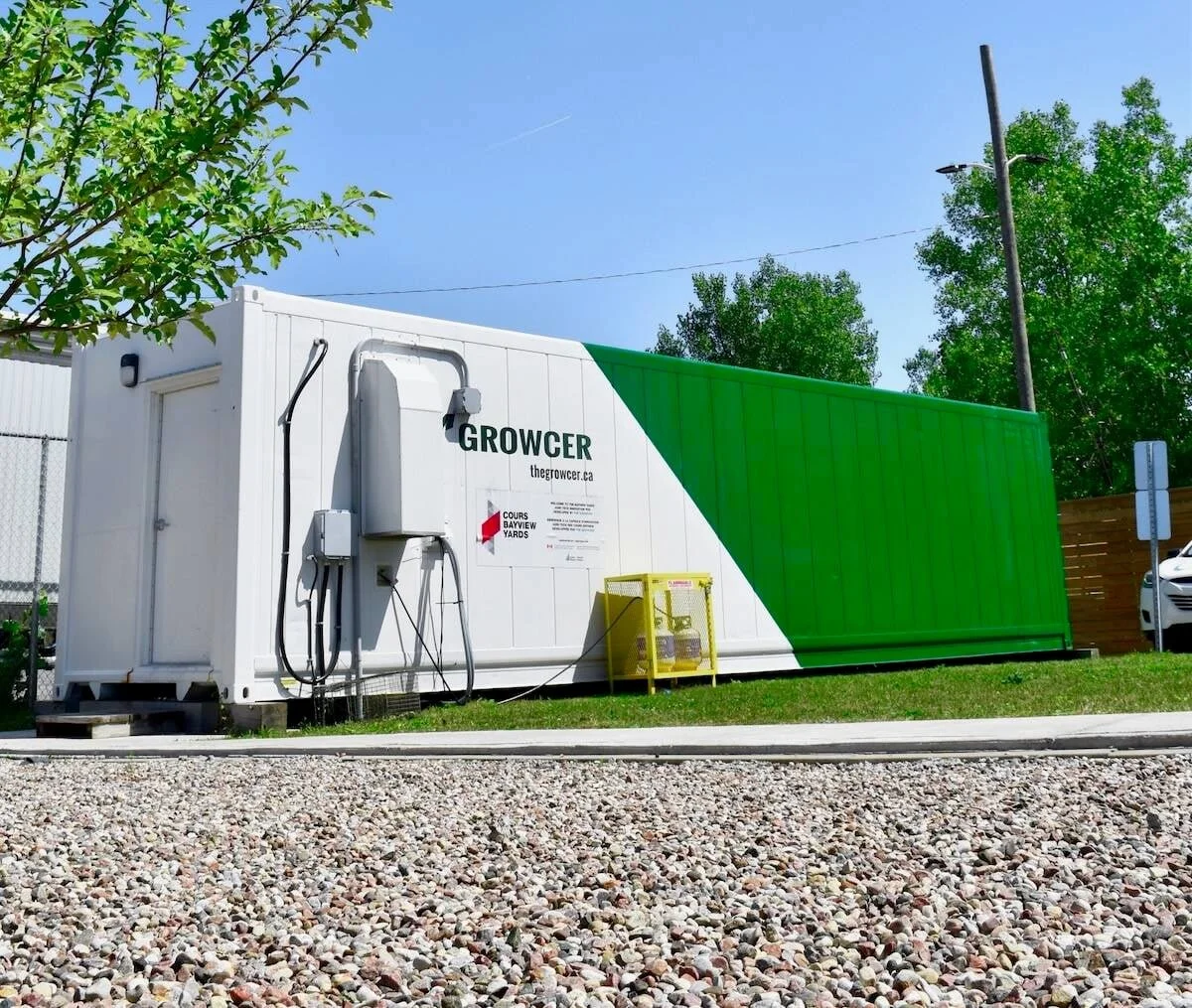
CANADA: How Ottawa Indoor Farm Supplier Growcer Succeeds in a Consolidating Sector
After 10 years in business, vertical farming company Growcer highlights how a slow-and-steady approach to growth provided stability in a sector that has experienced some turbulence.
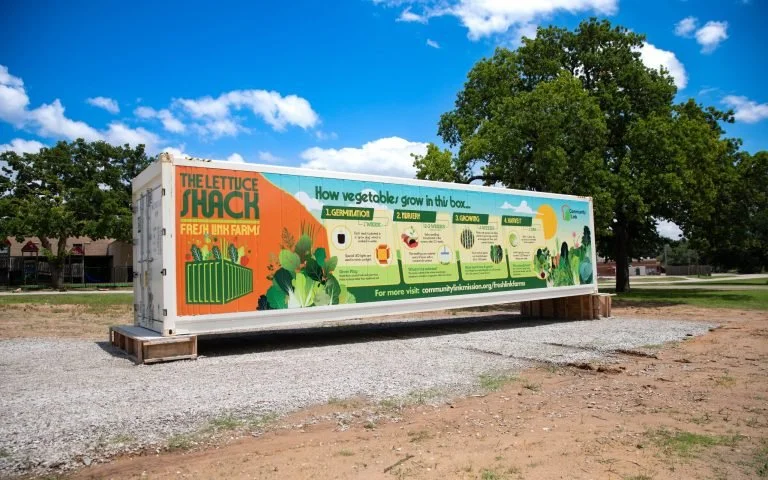
USA - TEXAS: Cook Children’s Partnership Helps Provide Fresh Veggies to Families Across Tarrant County
Freight farms are vertical farms built inside of repurposed shipping containers. They utilize hydroponic farming, in which plants are grown without soil and instead grow inside water-based solutions. The farms can be placed virtually anywhere and grow year-round because of their self-contained climate. The result is a high-yield farm that requires far less space than a traditional garden.
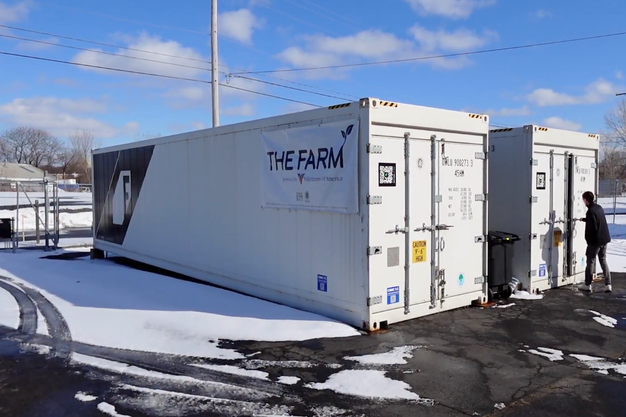
Volunteers of America's Upstate New York Hydroponic Operation Feeds Over 100 Families Daily
Two container farms on the grounds of Volunteers of America's Upstate New York campus have become a working part of how the organization addresses food insecurity among its clients. Running for two years, the programme supplies leafy greens, beans, root vegetables, and herbs to on-site shelters, a children's centre, and partner organizations in the surrounding community.

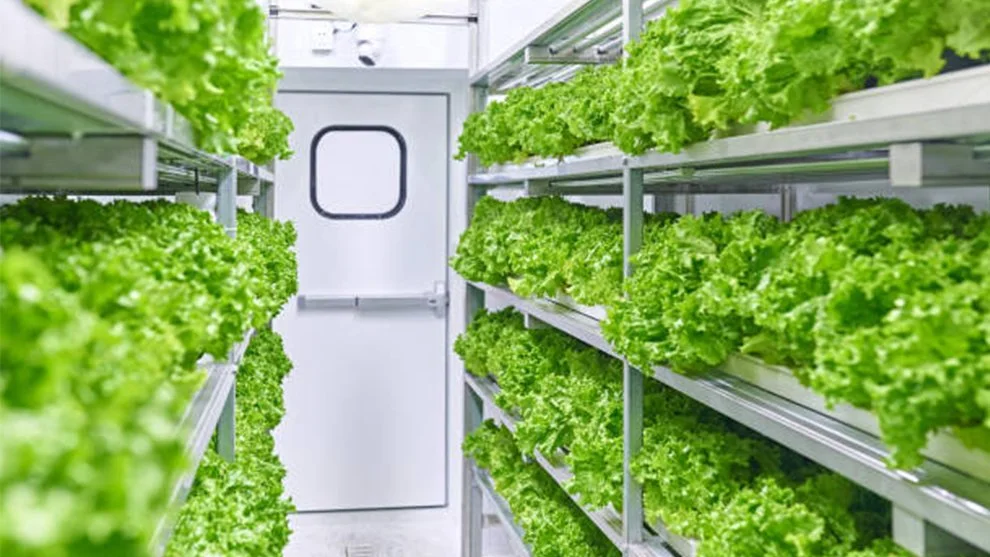
USA - NEW YORK: Grant Supports Campus and Community Gardens
In addition to the community gardens, Dr. Bennington is overseeing plans for a hydroponic shipping container farm, first announced in November 2025. The container farm is slated to be located adjacent to the Wellness Center, near the new garden space.
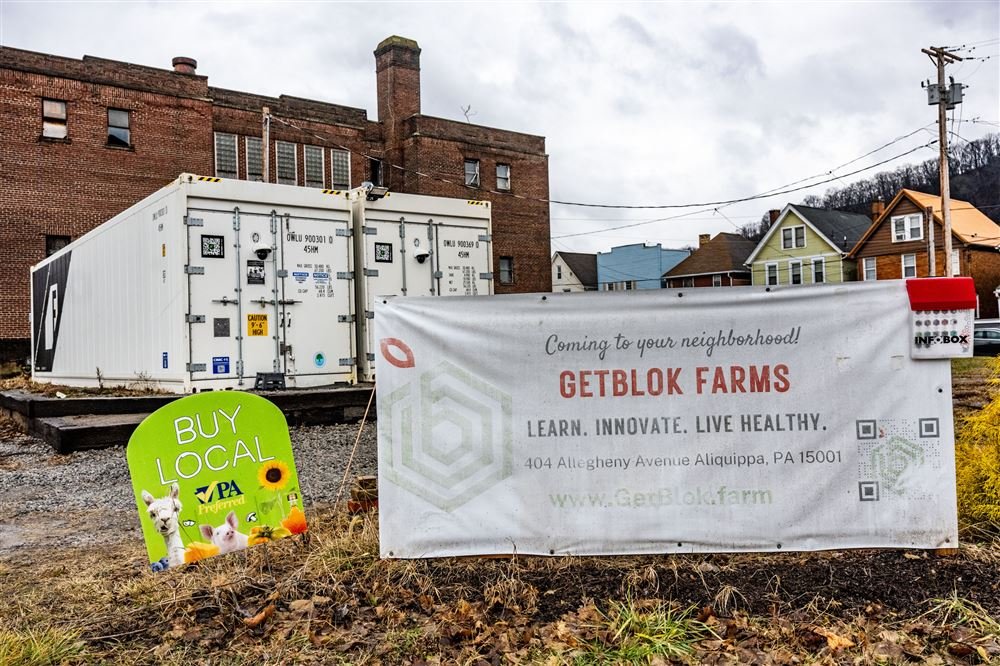
USA - Pennsylvania: A High-Tech Farm Blooms in a Former Industrial Town
If you drove by the weed-strewn lot in West Aliquippa, you might not give a second thought to the two white shipping containers there. Or if you did, you might think: Storage facilities? Meth labs, maybe?
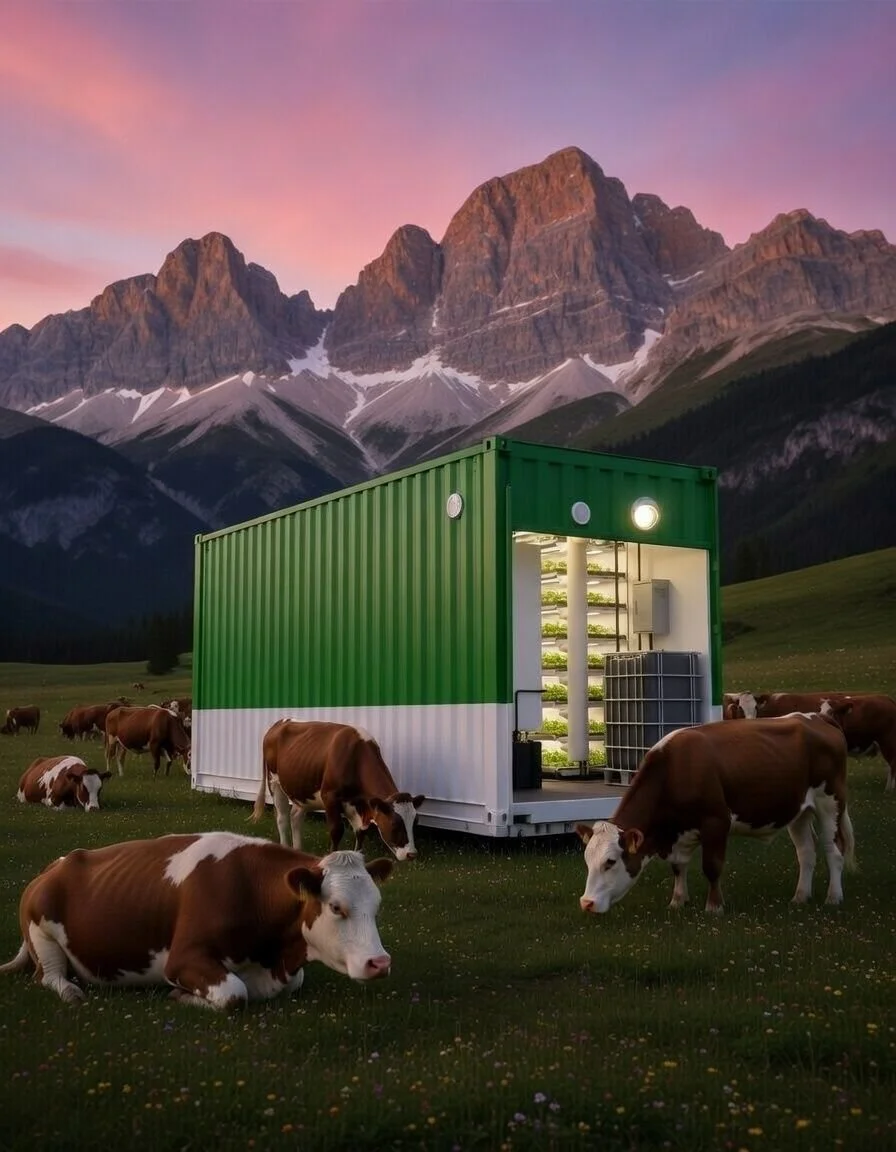
The AeroFodder Cube Forage Module by Aerolight S.r.l
The AeroFodder Cube Forage Module by Aerolight S.r.l || Growing Engineering represents a breakthrough in modular cultivation for forage production, designed to provide a consistent and nutritious feed source for livestock.
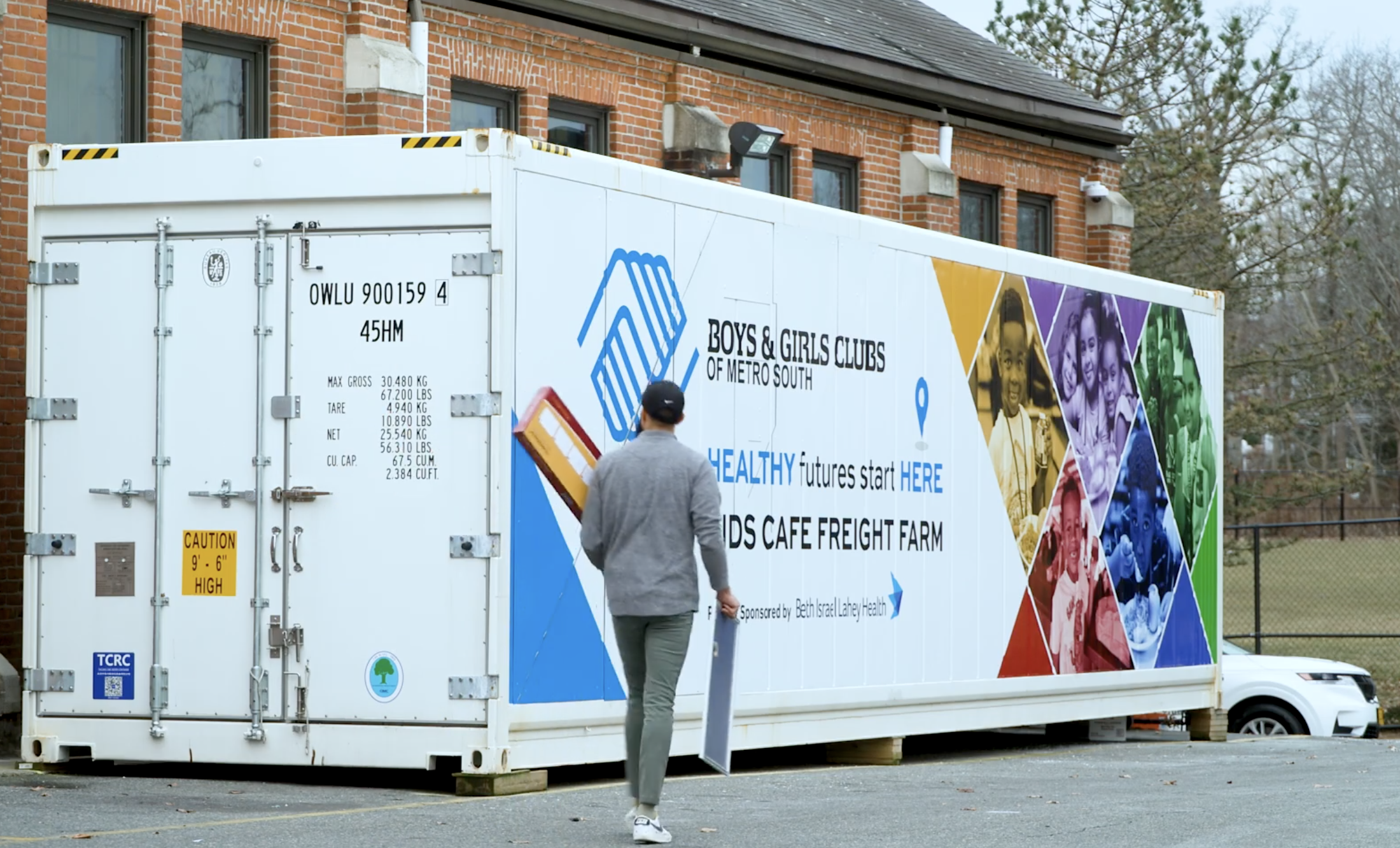
USA: Boys & Girls Clubs of Metro South Brockton and Taunton, Massachusetts | EST. 2021
In Boston Metro South, the local Boys & Girls Club has brought community members, kids and families, big-name donors, and nonprofit leadership together around a container farming program.
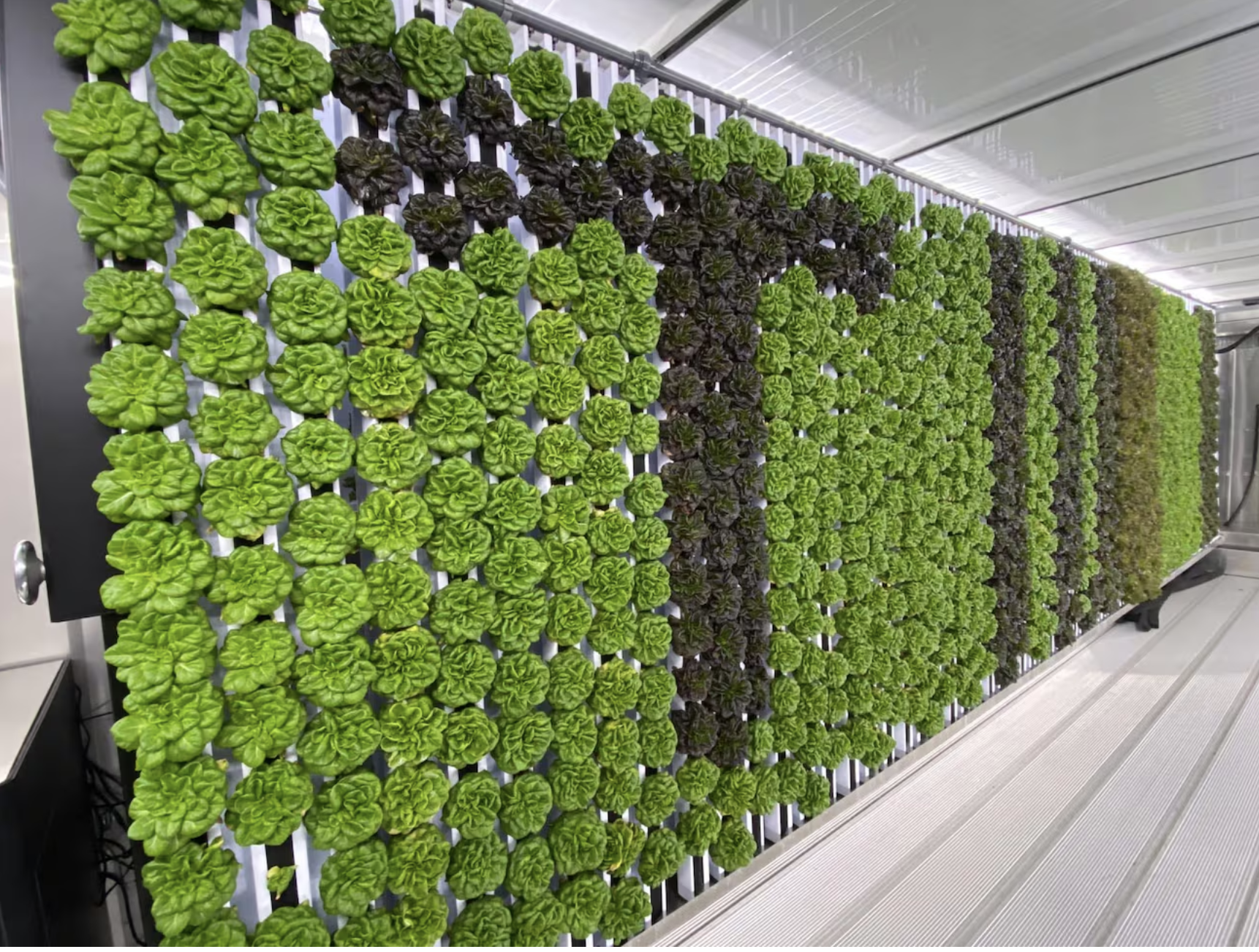
USA - South Carolina: SCDC To Launch Nation’s First Vertical Farm Inside a U.S. Prison
The South Carolina Department of Corrections (SCDC), in partnership with Impact Justice and AmplifiedAg, is set to launch the first vertical farm inside a U.S. prison at the Camille Graham women’s facility in Columbia.
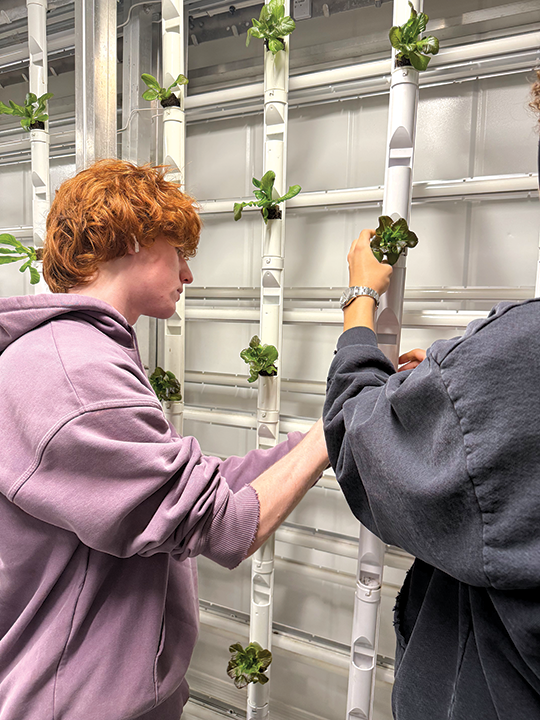
USA - CALIFORNIA: Beverly Hills USD Goes Green With Community Farm Program
The Beverly Hills Unified School District Board of Education voted in August to approve the two-year pilot program, reinforcing the district’s commitment to innovation, wellness and environmental responsibility.
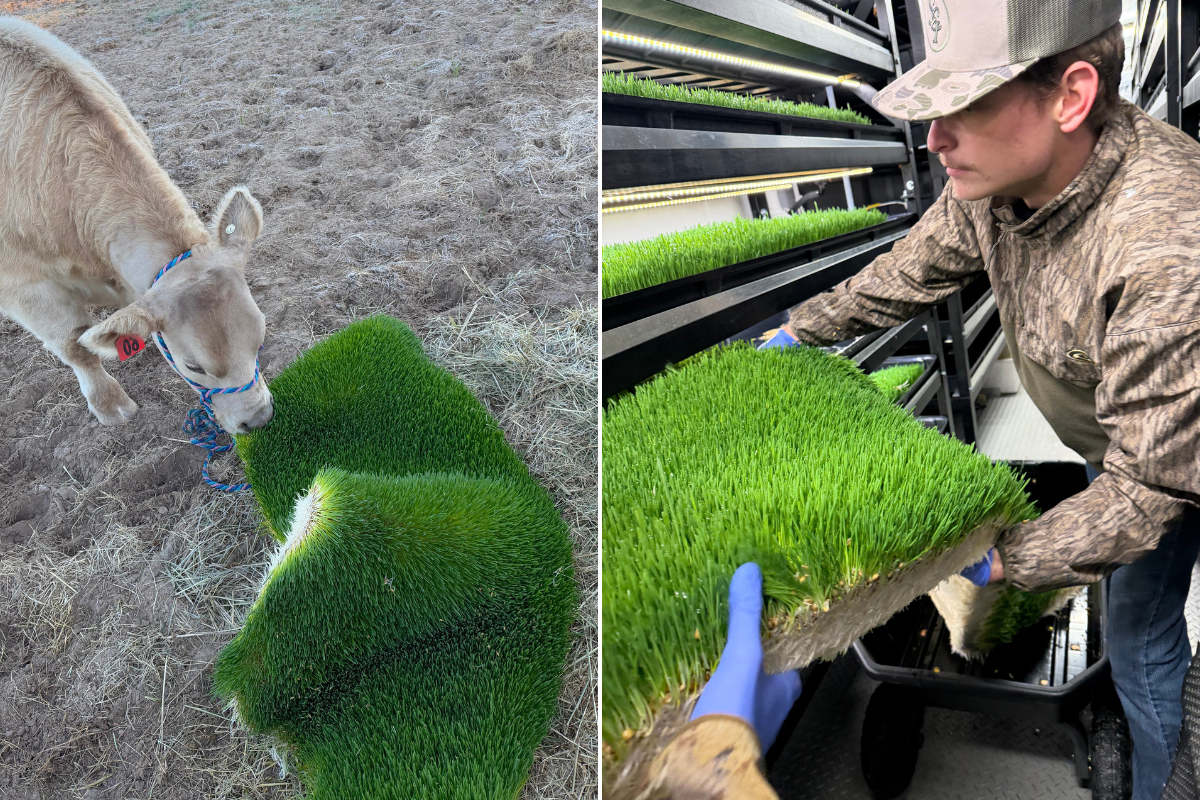
USA - FLORIDA: FarmBox Foods Empowers Students With Hydroponic Fodder Technology
The Villages Charter School has integrated a controlled-climate Hydroponic Fodder Farm into its curriculum to modernize agricultural education.
This modular system, designed and manufactured by FarmBox Foods, provides students with direct exposure to high-tech feed production methods.
The 2026 U.S. Farm Bill Includes Dedicated Funding for Tribal Food Sovereignty
The draft legislation sets aside 10% of a new local food purchasing program specifically for Tribes to purchase local food and directs agricultural conservation programs to recognize traditional ecological knowledge. The only hurdle is that the passing of the bill might be delayed for more than a year due to political theatre so we wouldn't hold our breath.
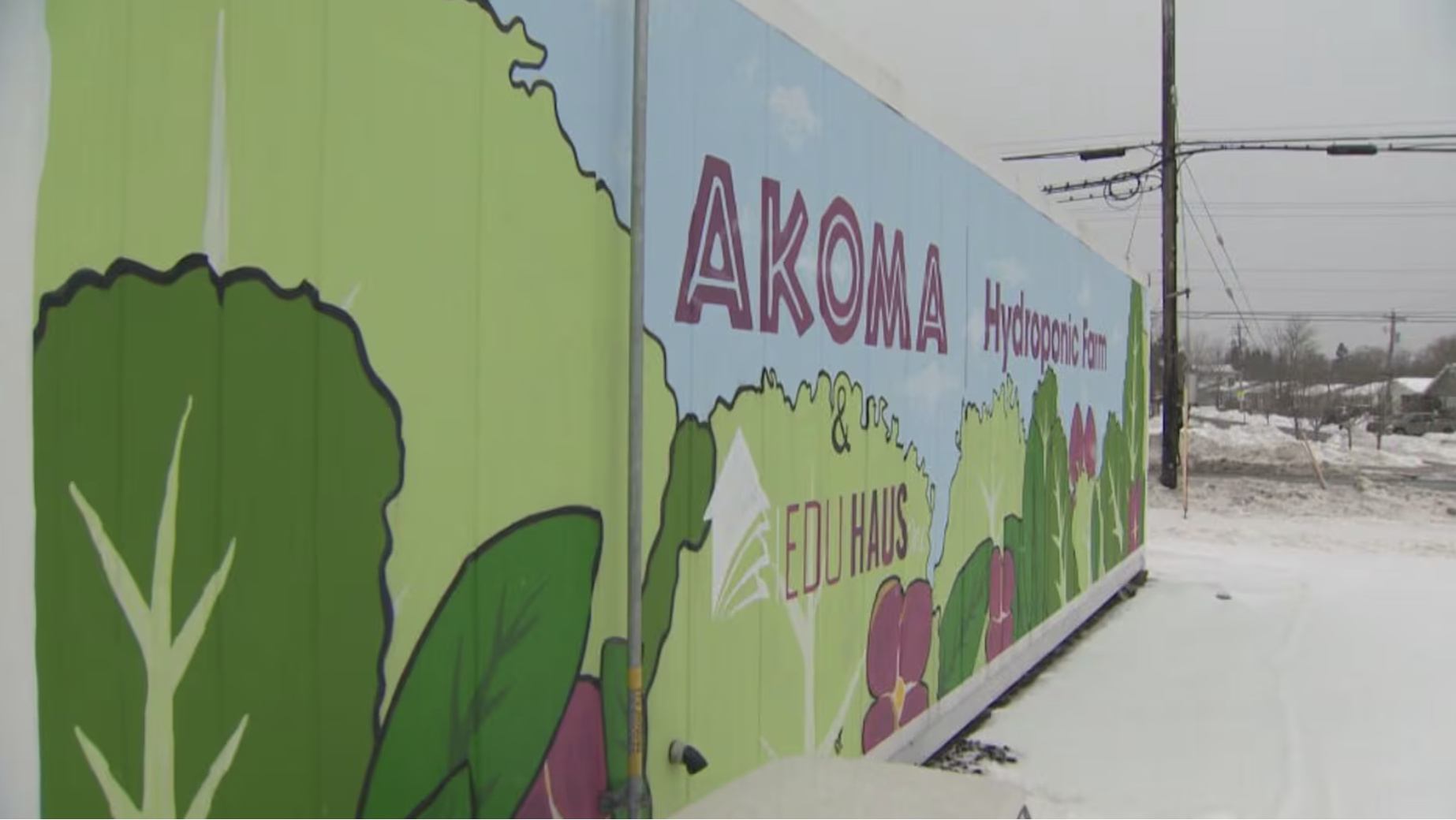
Nova Scotia Groups Come Together To Teach Hydroponic Farming
Inside a converted shipping container in Westphal, N.S., the Akoma Hydroponic Garden is growing fresh basil and teaching young people about horticulture.
For African Heritage Month, Akoma Holdings and EduHaus partnered together to teach and employ Black Nova Scotians in hydroponic farming.