

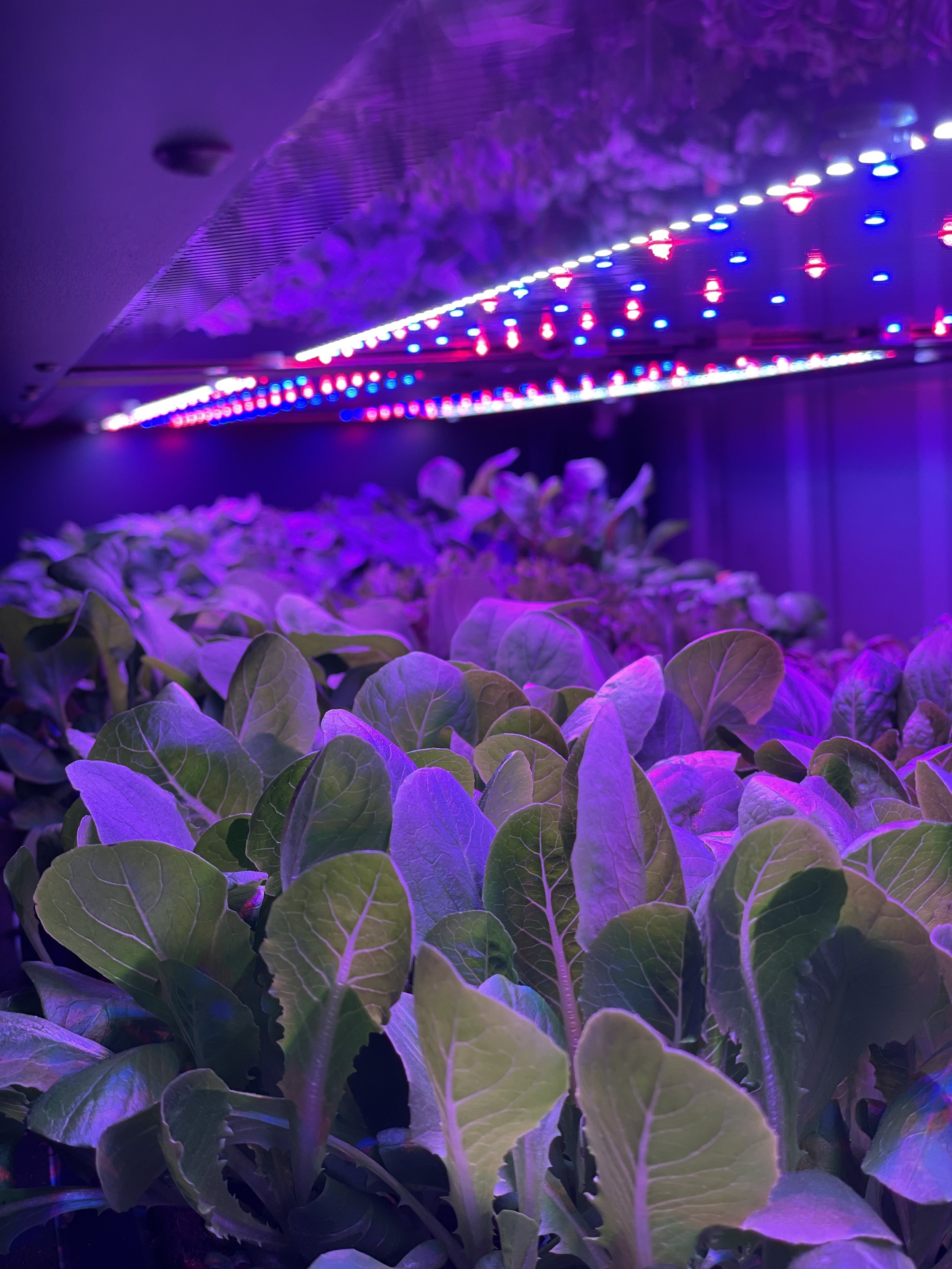
News About Farming in Shipping Containers & Limited Indoor Spaces
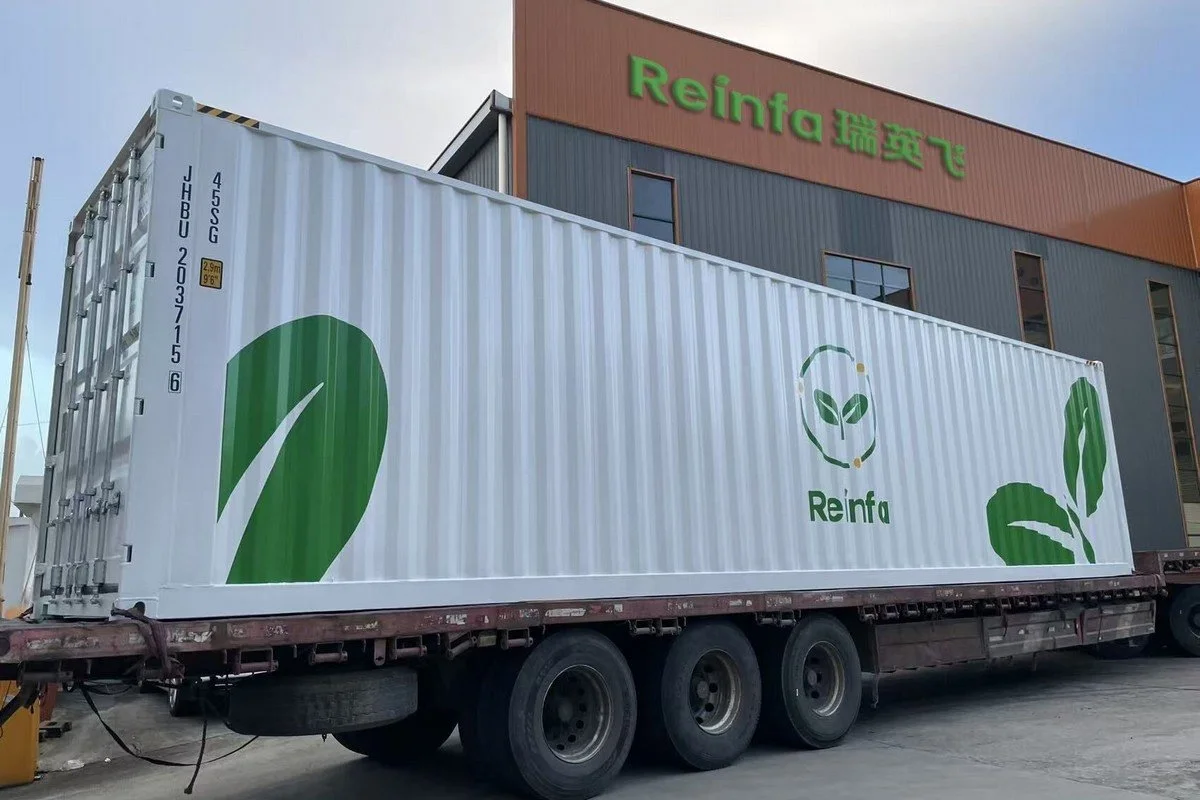
New Smart Container Farm Hits The Market
Reinfa has released a smart vertical farming shipping container, offering a complete, ready-to-use farming solution that fits inside either a 20ft or 40ft container. Built for urban farmers, retailers, restaurants, and agri-entrepreneurs, this system makes it possible to grow fresh, sustainable, and pesticide-free produce anytime, anywhere.
The Reinfa farm is designed as a plug-and-grow system, fully equipped with hydroponic and aeroponic racks that are easy to operate. Its multi-layer growing capability allows for single or multiple vertical racks, maximizing harvests within a compact footprint.
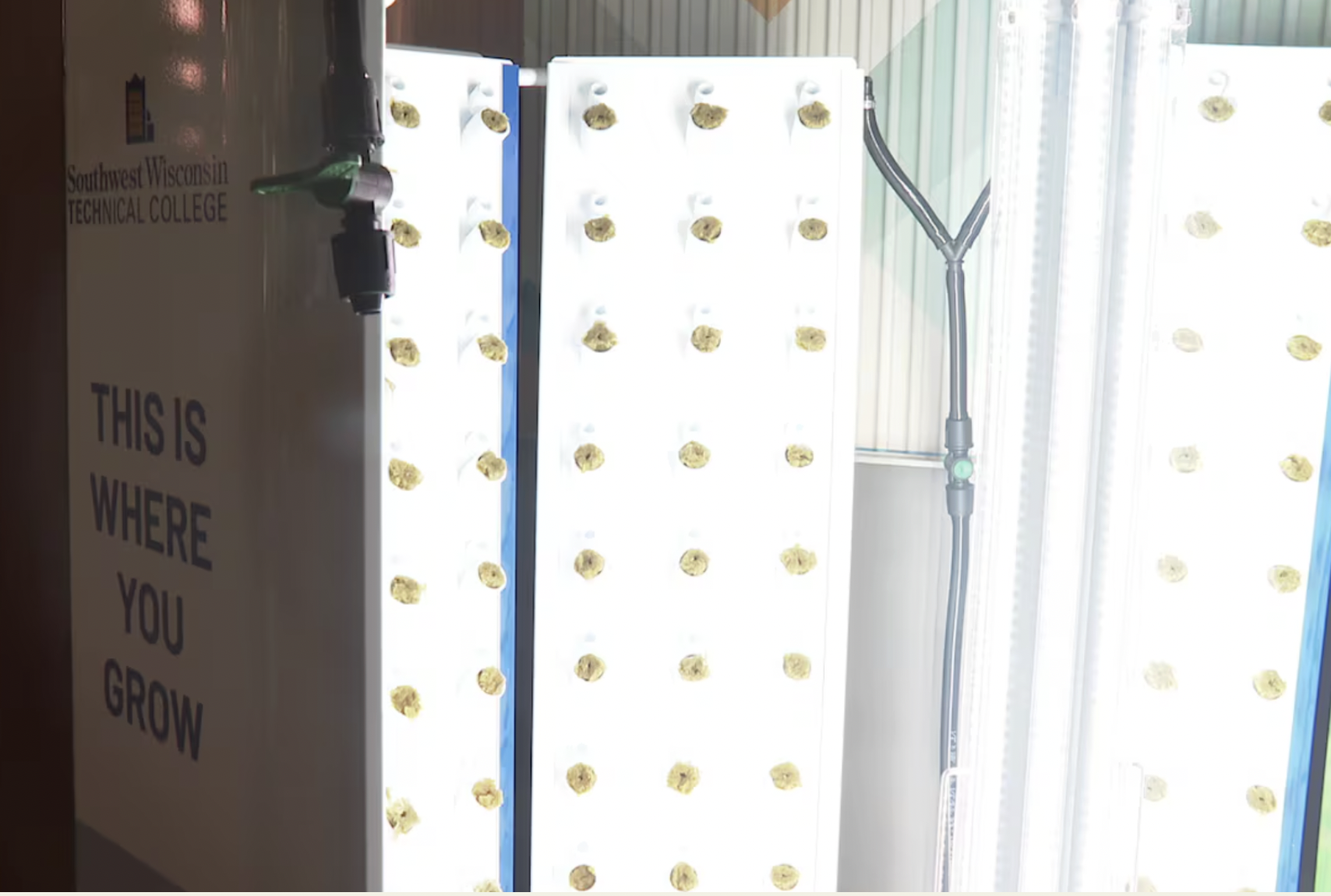
Flex Farms Provide Southwest Wisconsin Schools With New Agricultural Opportunities
FENNIMORE, Wis. (WMTV) - Fennimore High School is one of 22 area schools receiving a hydroponic indoor flex farm, a compact system to grow plants and produce. Southwest Wisconsin Technical College funded the farms to support learning experiences in K-12 schools.
Executive Dean at Southwest Tech, Kim Maier, says the partnership to provide flex farms to school districts supports their goals to support agriculture education.
Fennimore High School is one of 22 area schools receiving a hydroponic indoor flex farm, a compact system to grow plants and produce.

Growcer and Growtainers Announce a Strategic Alliance, Pledge Collaboration Over Competition
Canadian vertical farming company Growcer has announced that it has entered into a strategic alliance with Growtainers, the U.S.-based container farming firm founded by Glenn Behrman.
The announcement comes shortly after Growcer's acquisition of Freight Farms' assets in July, a move that brought more than 500 growers worldwide under its support network.
Growcer CEO Corey Ellis shared the news in a detailed LinkedIn post, framing the alliance as a way to combine strengths while setting realistic expectations for the industry.
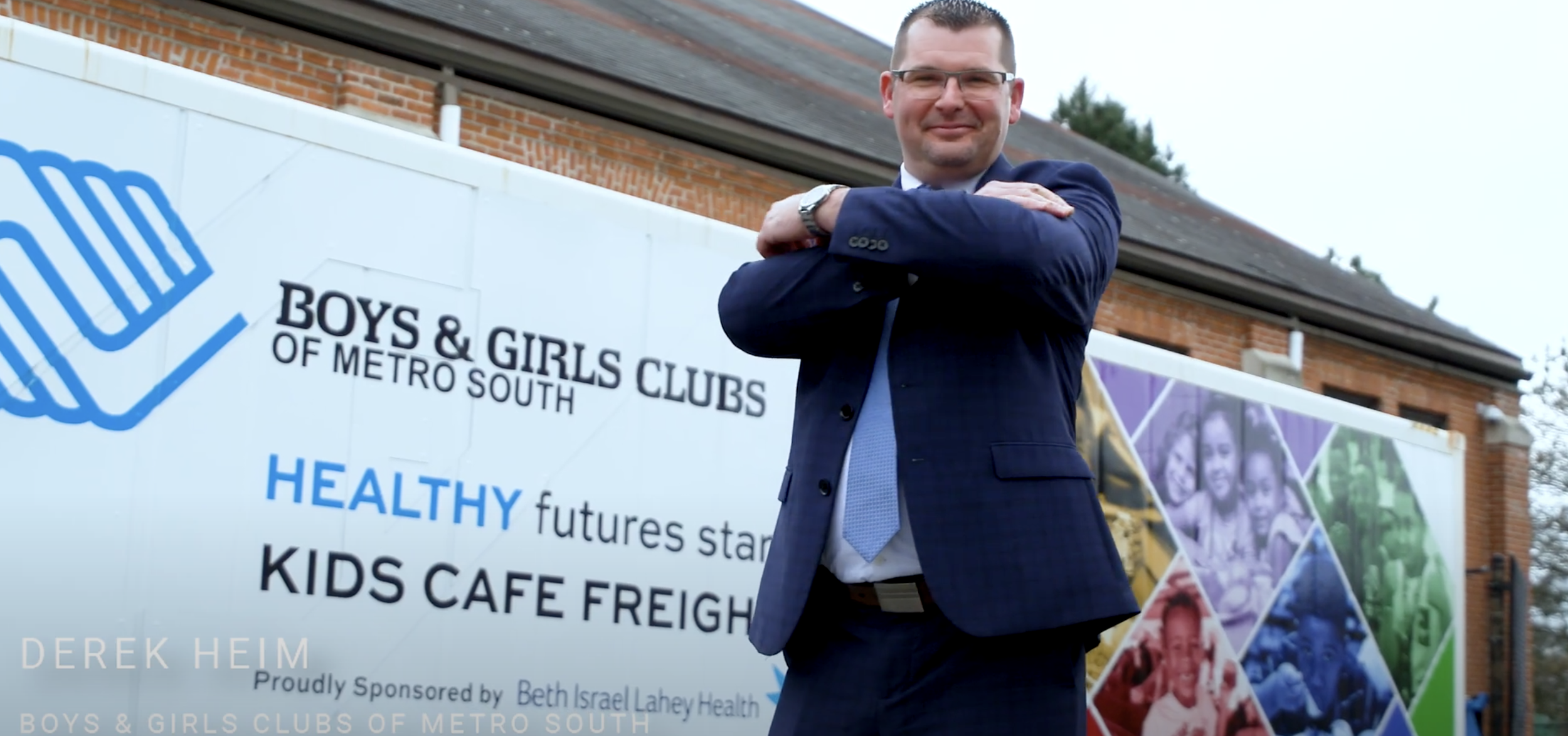
USA - BOSTON - VIDEO: Grow Food Here – Boys and Girls Clubs of Metro South
What happens when a Boys & Girls Club starts container farming? In Boston Metro South, two Freight Farms hydroponic container farms are doing far more than just growing food.
They are creating hands-on learning opportunities for kids, engaging community volunteers, attracting major donors, and supporting local nonprofits.
Discover how these farms became teaching tools, hands-on labs for youth programs, and a powerful way to bring the community together.

From Warship to Greenhouse: Canada’s Floating Farm
On the quiet coast off the traditional territory of the Squamish people in British Columbia, a retired Canadian warship lies moored in the still waters of Burrard Inlet. Once a Bay-class minesweeper, she braved Arctic ice and Pacific storms, serving the Canadian Navy through tense decades of the Cold War. Today, her mission has shifted dramatically: she grows food.
Inside her steel hull, the armory has been cleared, sailors’ bunks disinfected, and reflective film laid along the walls. Rows of vertical racks glow with violet LED light, cradling lettuces, cherry tomatoes, and bright red peppers. What was once a machine of war has been reborn as a floating vertical farm, a vessel now committed not to combat but to sustenance, resilience, and innovation.

Hydroponic Farming Takes Root in Indiana
Mario Vitalis, owner and founder of New Age Provisions in Indianapolis, Indiana.
Hydroponic farming is a growing industry in Indiana.
“Hydroponic farming allows us to reimagine how and where we can grow food,” says Mario Vitalis. “We are no longer bound to the rules of traditional farming. Technology gives us a new way to farm and a fresh take on the supply chain.”
Vitalis is owner of New Age Provisions, where he grows a variety of leafy greens inside two 40-foot shipping containers on a repurposed used car lot off 10th Street in Indianapolis. His Indiana-based hydroponic farming operation requires no land or soil, and it uses controlled lighting and less water to produce nutritious, locally grown kale, lettuce, herbs and collard greens.
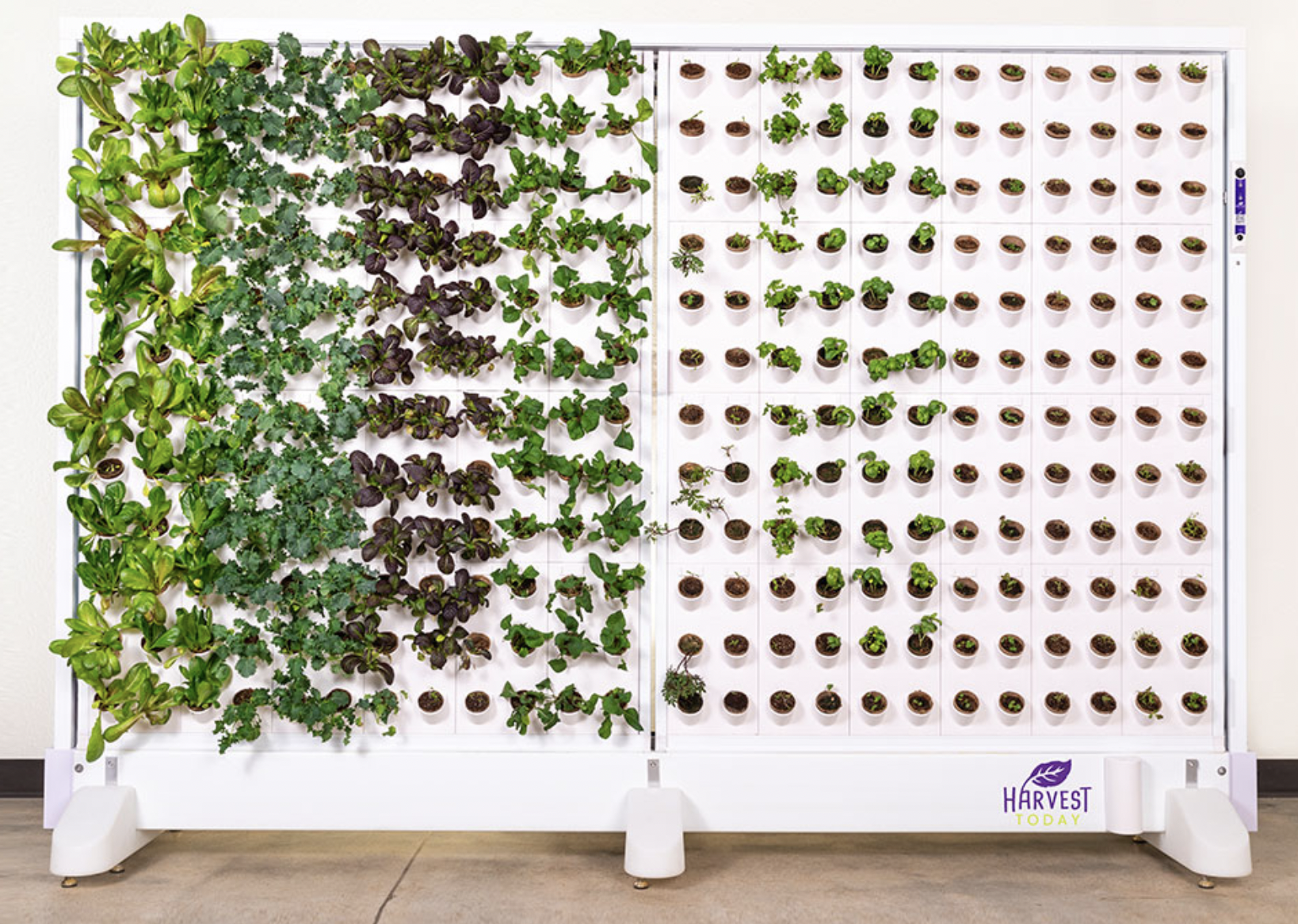
Harvest Today Redesigns Hydroponic Grow Wall to Meet Commercial Farming Demands
Mark and Michelle Emmott, founders of Harvest Today, have expanded their innovative hydroponic vertical grow wall, adapting the system for large-scale agricultural use while retaining its accessibility for household growers.
The newly re-engineered Indoor Grow Wall offers a robust, scalable, and sustainable solution designed to maximise yields while ensuring an excellent return on investment for both domestic and commercial applications.
The inspiration for the concept came when a friend shared an early draft of a vertical hydroponic grow system. Mark immediately saw its potential as a tool to improve global food accessibility but faced challenges during early development. The initial prototypes were costly, prone to leaks, and lacked user-friendly design
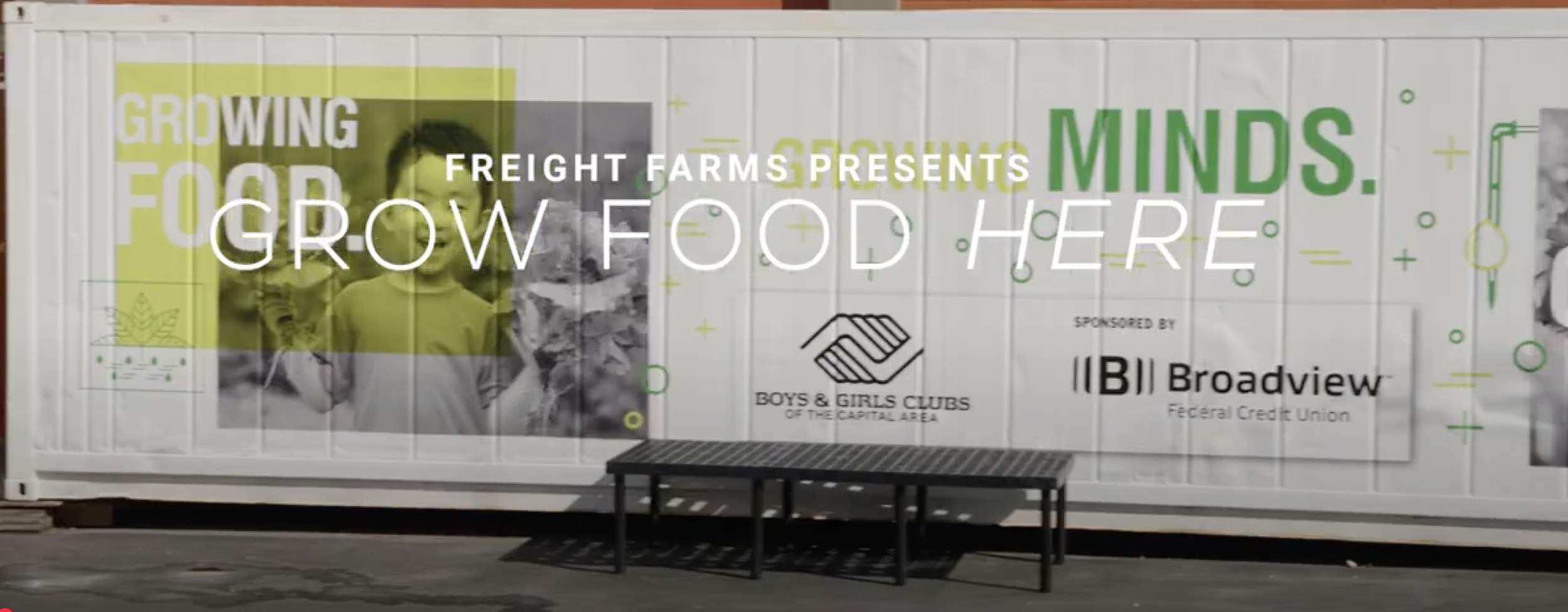
VIDEO - ALBANY, NEW YORK: Grow Food Here – Broadview Federal Credit Union
Discover how Broadview Federal Credit Union is transforming food security in Albany, NY through sustainable container farming!
Since 2018, Broadview has invested in four Freight Farms hydroponic container farms and donated three of them to local nonprofit organizations.
This initiative is helping fight food insecurity, provide hands-on farming education for kids, and improve community health outcomes. Learn how container farming makes fresh, healthy produce accessible year-round and supports local nonprofits in building a more sustainable future.
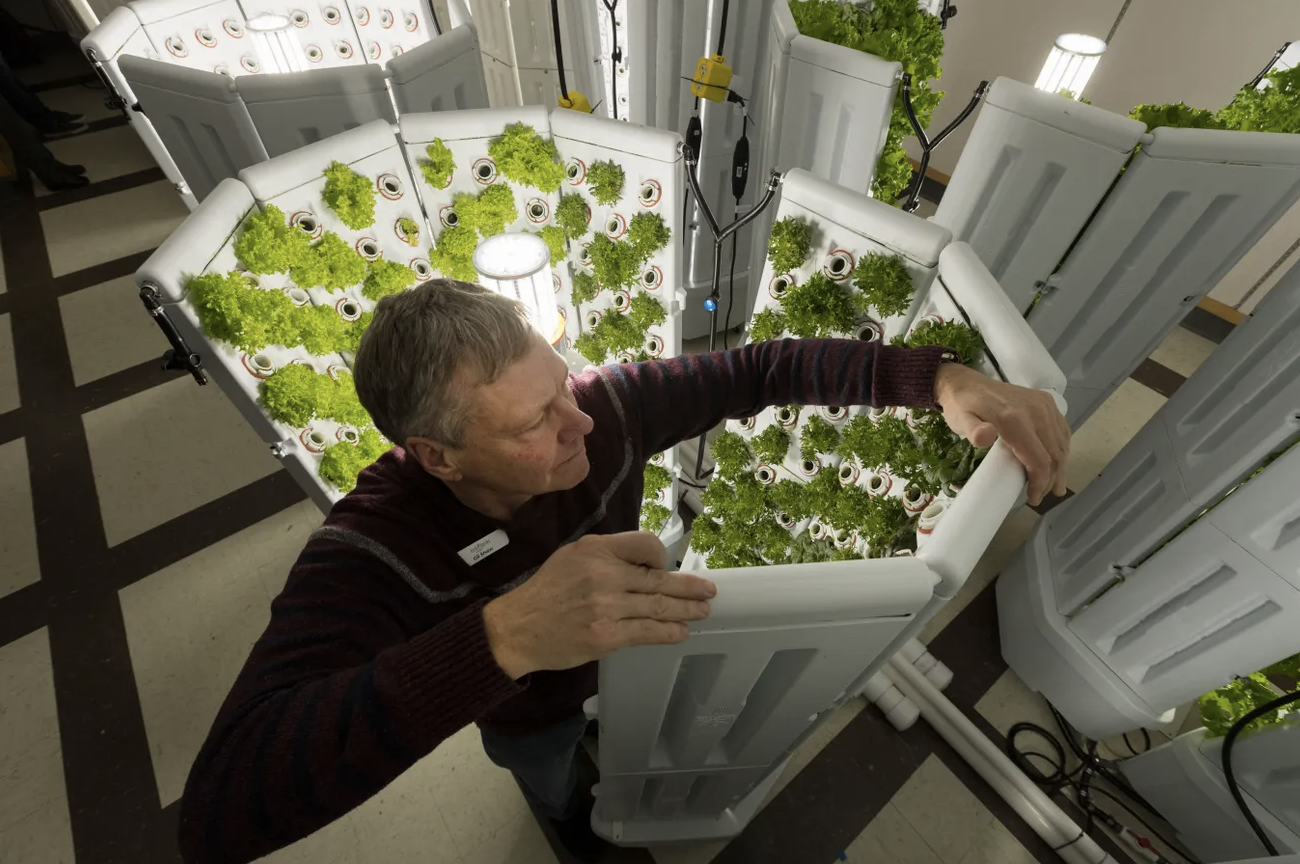
Fork Farms to Bring Hydroponic Farm, Milwaukee-Area Headquarters to Makers Row in West Allis
Makers Row, a food and beverage hub in West Allis, has secured a partnership with a Green Bay-based agriculture technology that will bring one of the largest hydroponic farms to the area.
Fork Farms plans to open a farm within the Makers Row development, at the corner of West National Avenue and 66th Street, Fork Farms said in an Aug. 25 news release. The farm will be able to grow up to 34,000 pounds of fresh produce annually.
This site will also serve as Fork Farms' new Milwaukee-area headquarters and would feature a hydroponic showroom.
The farm will occupy more than 5,000 square feet and will use Fork Farms' vertical growing systems, stacked indoor setups that grow plants with water and nutrients.
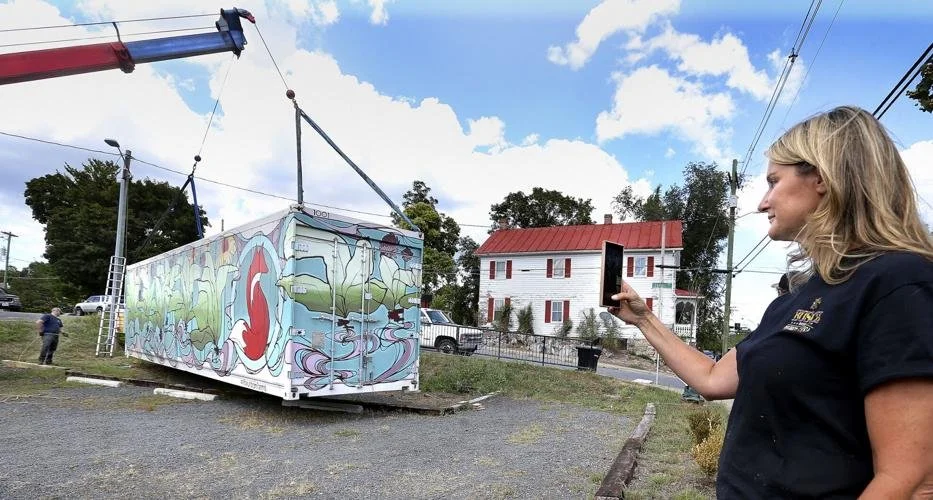
VIRGINIA - Fox Urban Farms Closes Container Gardening Operation in Winchester
Fox Urban Farms, which grew produce at 1001 S. Loudoun St. using a hydroponic system inside two specially accessorized trailers, has closed due to what owners John and Ann Fox say was a disappointing lack of support from local shoppers.
"Last year, we really looked at it and it wasn't making the money it needed to make," John Fox said on Tuesday. "We didn't have the people that we needed to have, and some of that was due to market fit. Winchester is not a big foodie town."
But there is a silver lining. The Foxes sold the two hydroponic trailers — each valued at $150,000 and each capable of growing plants in nutrient-enriched water rather than soil — to Frederick County Public Schools.
USA - WISCONSIN: Southwest Tech Launches Indoor Farming Partnerships
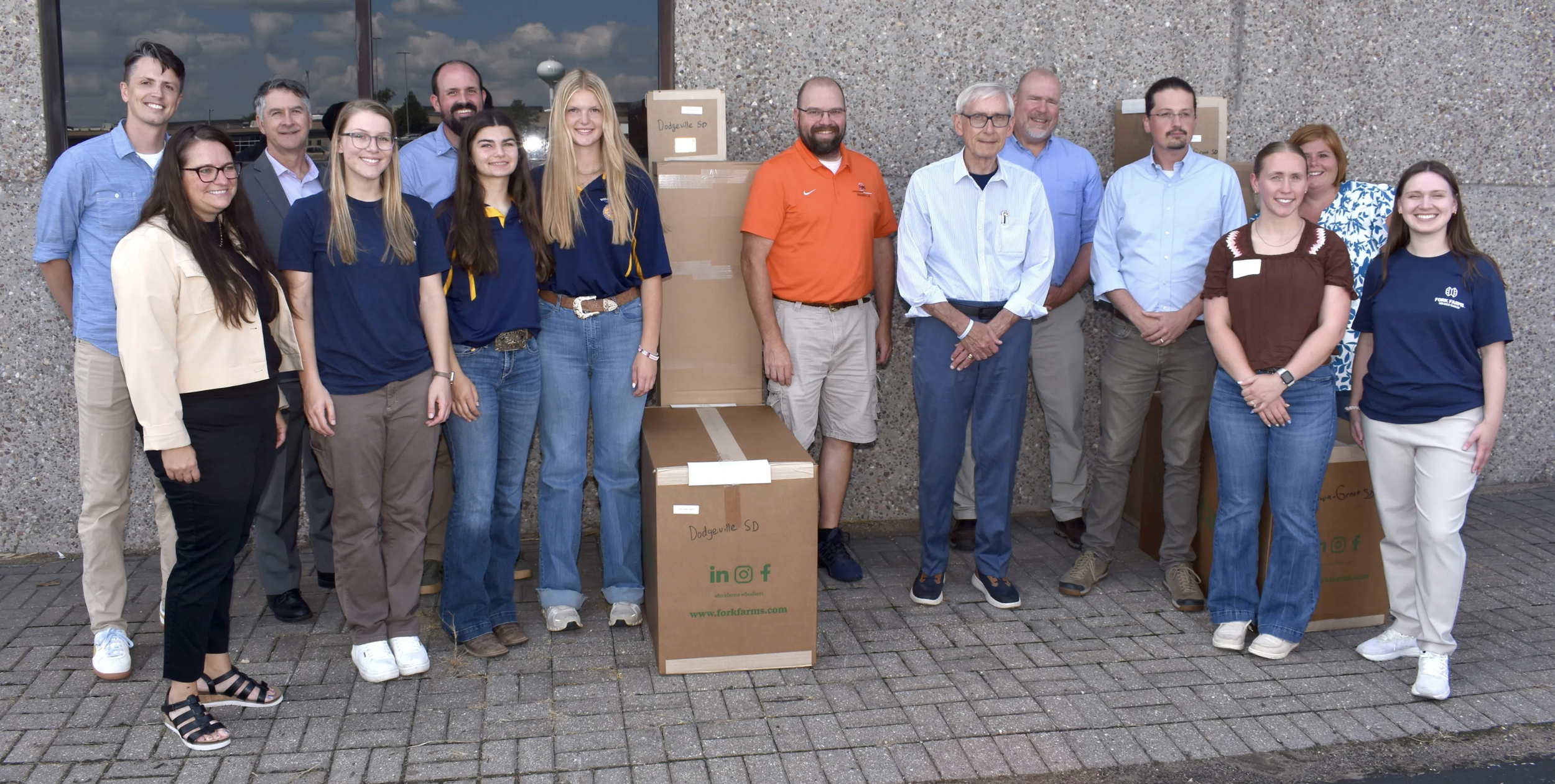
Southwest Wisconsin Technical College is launching a new initiative that places hydroponic indoor farms in 22 K–12 school districts across its five-county region. The project officially kicked off during an event Aug. 13 on Southwest Tech’s campus. Each school district will receive a state-of-the-art indoor vertical farming tower from Fork Farms, valued at $5,000.
The farms were funded, in part, with a grant from Cummins. Southwest Tech provided funding for the remaining farms. In addition, Rockwell Automation is supporting the project’s technological and automation components.

How Fork Farms is Leveraging AI to Increase Food Access
At Fork Farms, we believe everyone deserves access to fresh, nutritious food, no matter their zip code. As a planet-and-people-first company, we’re building a future where food is grown locally, sustainably, and equitably. Our hydroponic growing systems – the Flex Farm and Flex Acre – enable schools, hospitals, nonprofits, and businesses to grow food on-site with 98 percent less water and land than traditional farming. They’re compact, efficient, and built for controlled-environment agriculture, making it possible to grow fresh produce year-round, anywhere.
As we grow our company and continue to innovate on our systems and mission, we are utilizing artificial intelligence (AI) not as a novelty, but as a critical tool to scale impact, remove barriers, and democratize access to fresh food.
How This Group is Fighting Food Insecurity in Northwest Tarrant County
Community Link is addressing this through a new project called ‘Fresh Link Farms,’ a hydroponic freight farm that’s able to grow lettuce, leafy greens, herbs, root vegetables and edible flowers in a 320-square-foot space, which will be next to the Azle Farmers Market, a press release said.
“It looks just like a shipping container, but inside it’s a hydroponic vertical farm, and it will grow at max capacity about 1,000 heads of lettuce a week,” Harper said. Vanessa Thompson, food program manager, said that some customers have been coming to the pantry since it opened 20 years ago.
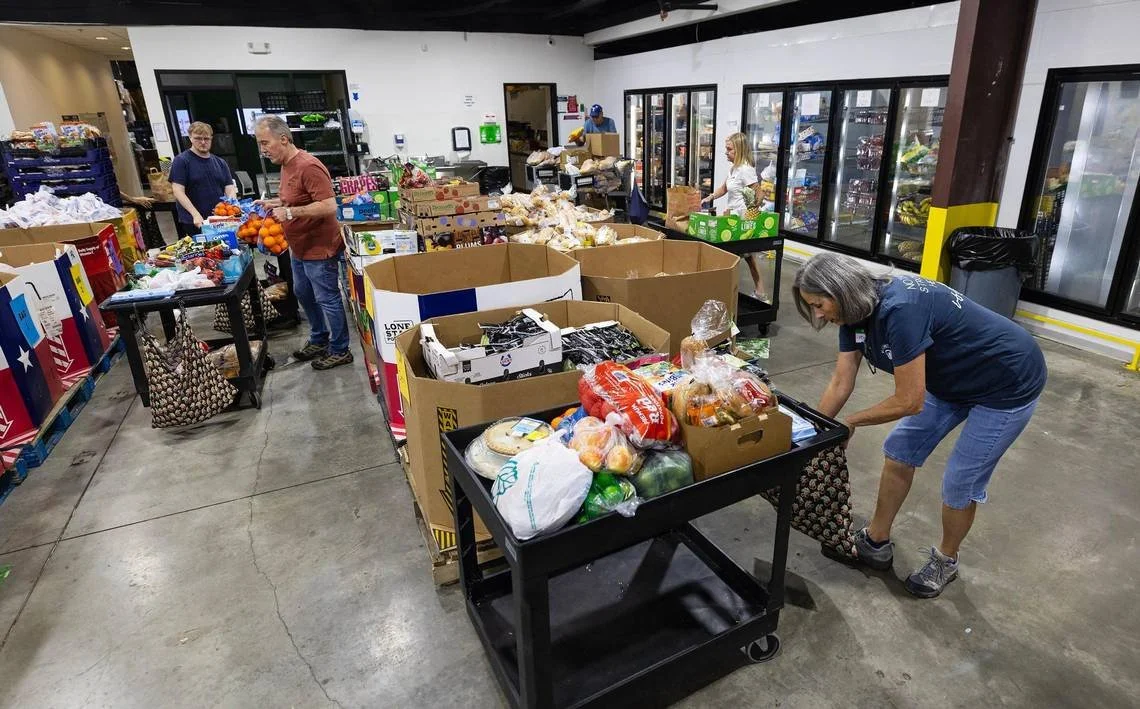
The pantry gives a variety of what is on hand each day: frozen food, meat, eggs, produce, bread, hygiene products, and pantry items like coffee and pet food.
Are Micro-Farms the New Water Cooler? CEO Marc Oshima Makes a Compelling Case
What does it take to make the Inc. 5000 list of the fastest-growing private companies in the U.S.? Phenomenal growth for one. A laser focus on your value proposition also helps.
Richmond, Va.-based vertical farming company Babylon Micro-Farms was founded in 2017 and has achieved 423% in revenue growth, making the 2025 list at No. 1,009.
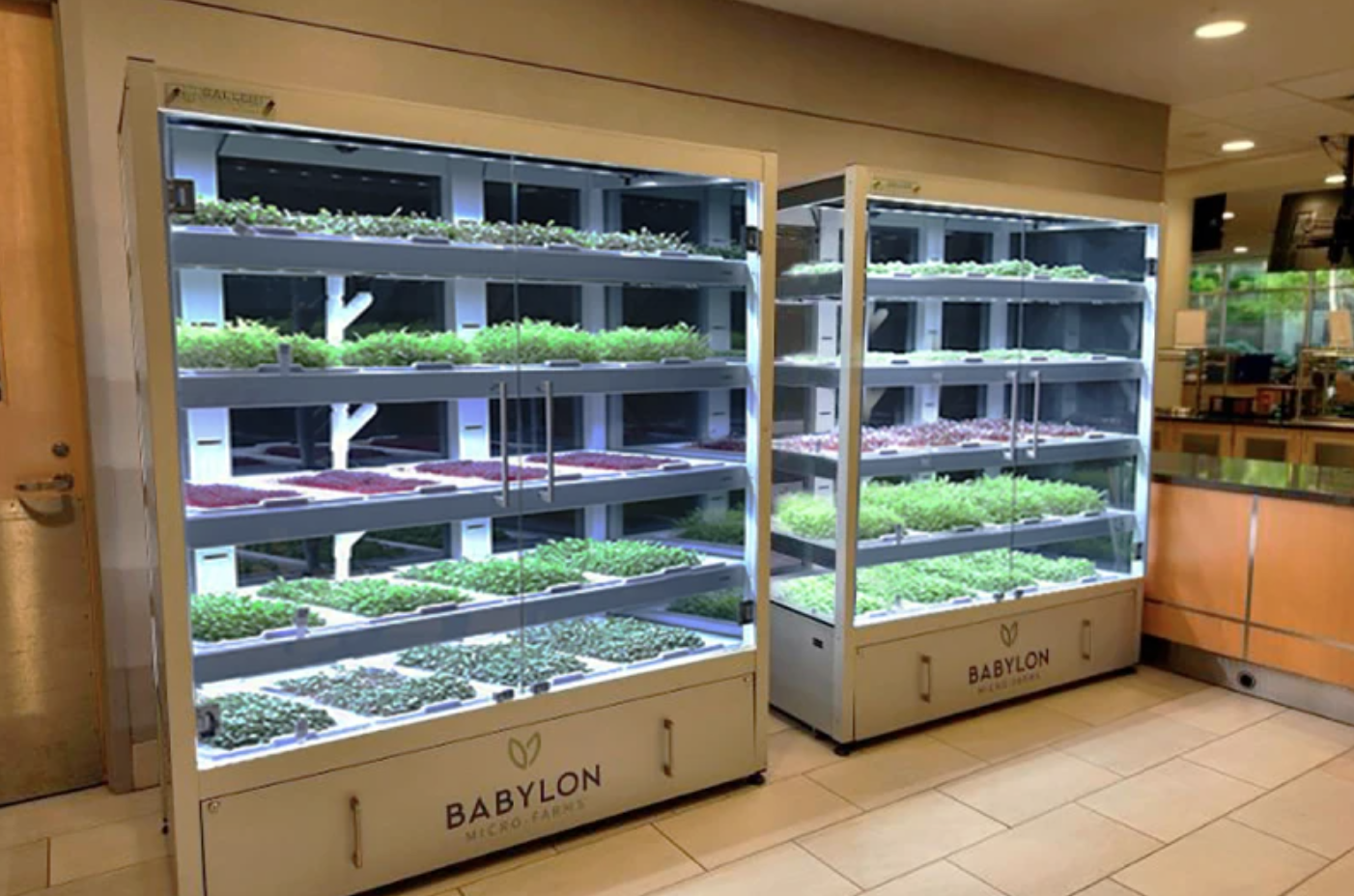
Babylon Micro-Farms offers turnkey, on-site hydroponic farms that allow businesses and institutions from restaurants and hospitality to health care and schools — and even cruise ships — the ability to grow flavorful and nutritious greens indoors, year-round.
Researchers Discover 'Light Recipe' That Could Help Grow Food in Major Cities: 'There is a Growing Need'
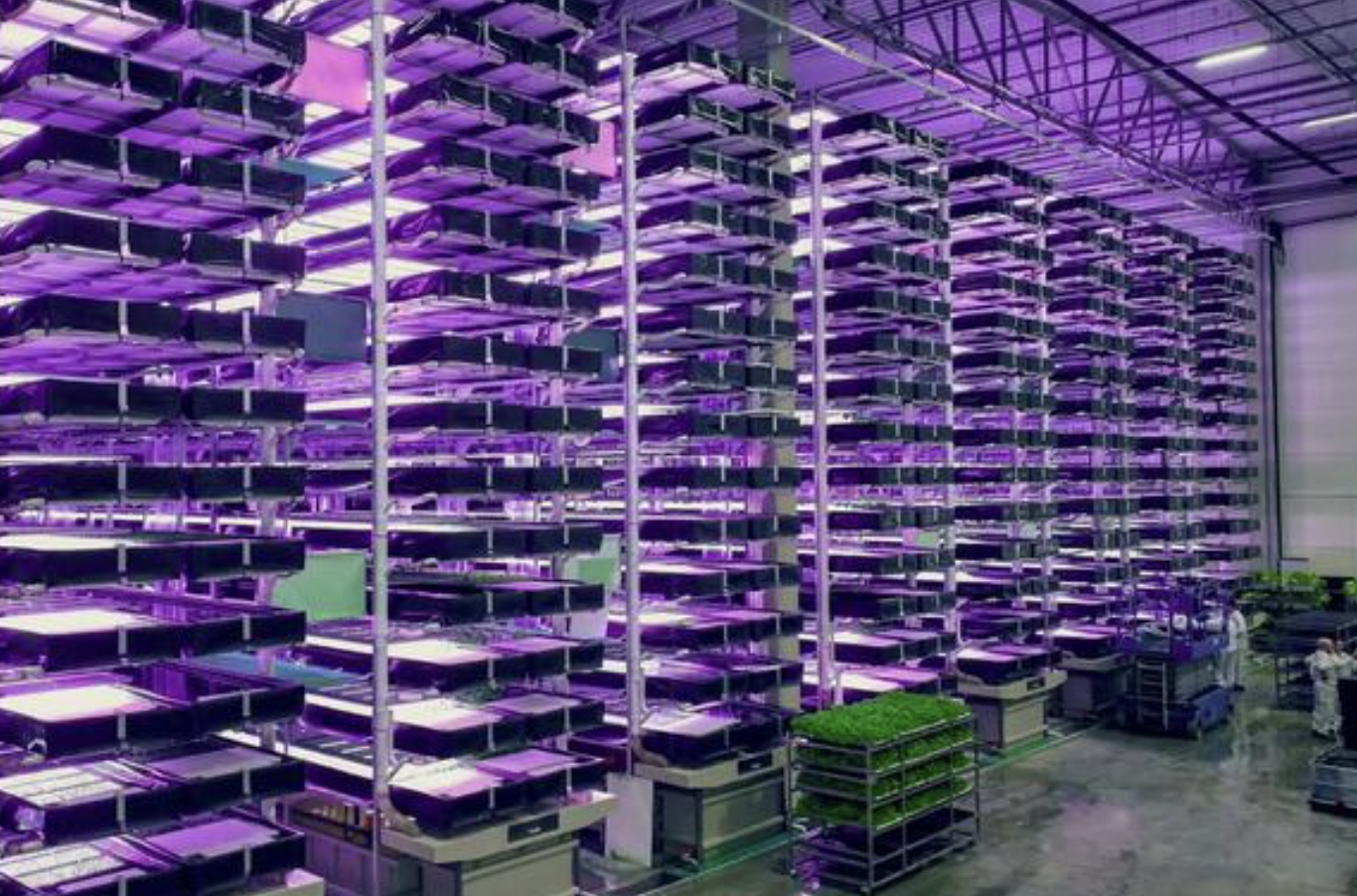
Researchers from the University of York in the United Kingdom have developed a new model that could help farmers decide which "light recipe" to use in indoor farms to boost yields, which will come in handy as the world's population grows.
As the news release on the study, which was published in Quantitative Plant Biology, explained, the recipe is essentially different combinations of lighting that can be altered based on location and the type of plants grown. The research was conducted at the indoor urban farm Grow It York, which is uniquely located inside a shipping container. Vertically Urban, a UK-based horticultural lighting company, also collaborated on the study and analyzed how lighting impacted the growth of crops in various parts of the facility.
CHICAGO: Greater Grand Crossing Youth Center Gets $250,000 Grant To Expand Urban Farming Program
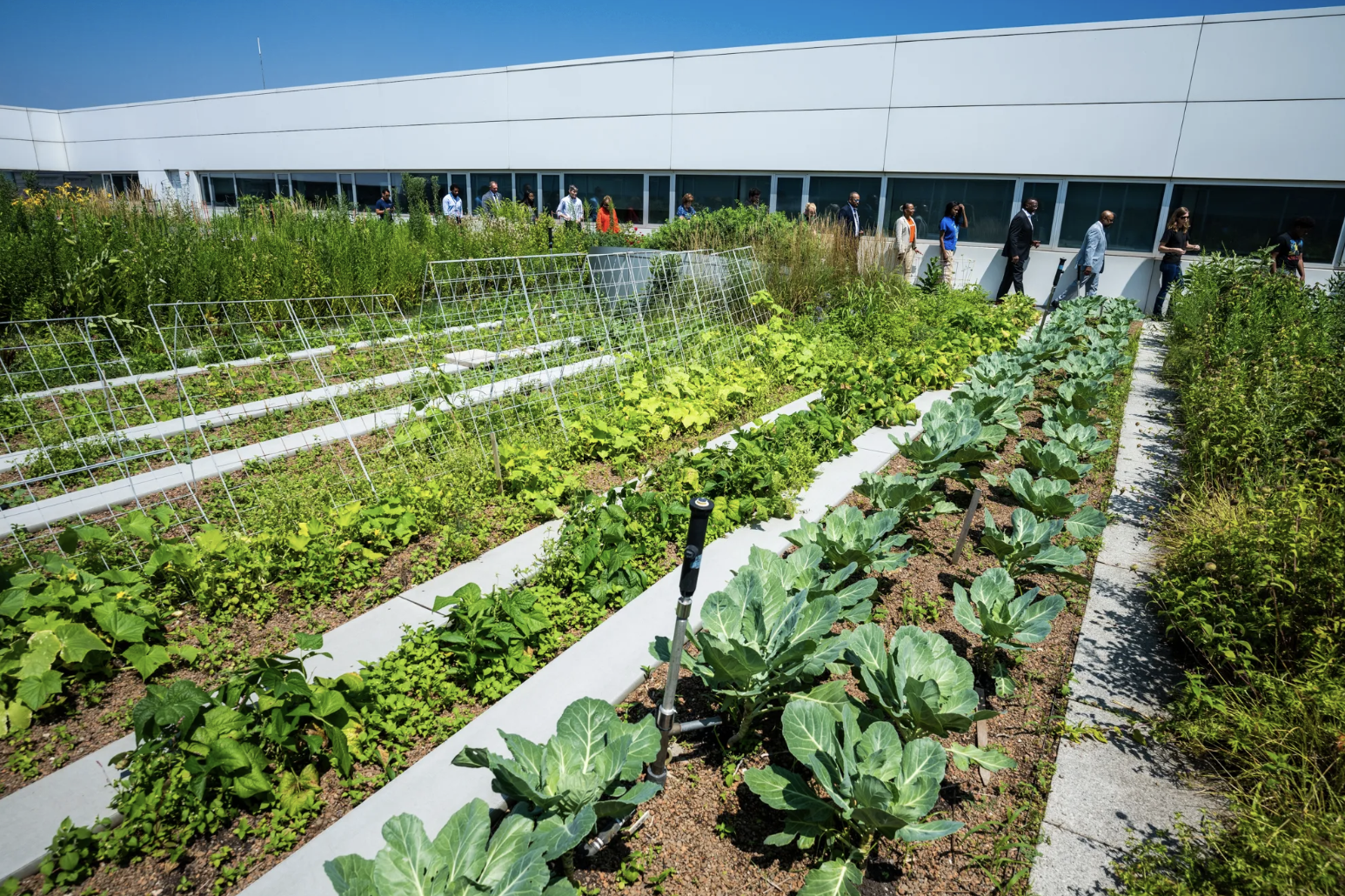
A South Side agricultural hub where young people grow food, cook healthy dishes and supply fresh produce for neighbors was one of 14 projects awarded a Neighborhood Opportunity Fund grant Thursday.
The Gary Comer Youth Center Food Sovereignty Hub will receive $250,000 through the grant program. Mayor Brandon Johnson joined campus leaders and Ald. Desmon Yancy (5th), whose ward includes the youth center, to announce the news in Greater Grand Crossing Wednesday.
The money will be used to expand the Food Sovereignty Hub, 7230 S. South Chicago Ave., which will include a greenhouse, an outdoor kitchen classroom, a Farmbox container farm with an indoor hydroponic garden, a newly designed commercial space for Farmers Markets and a chicken coop.
“It's Not Just About Growing Food Anymore; it's About Growing Connection”
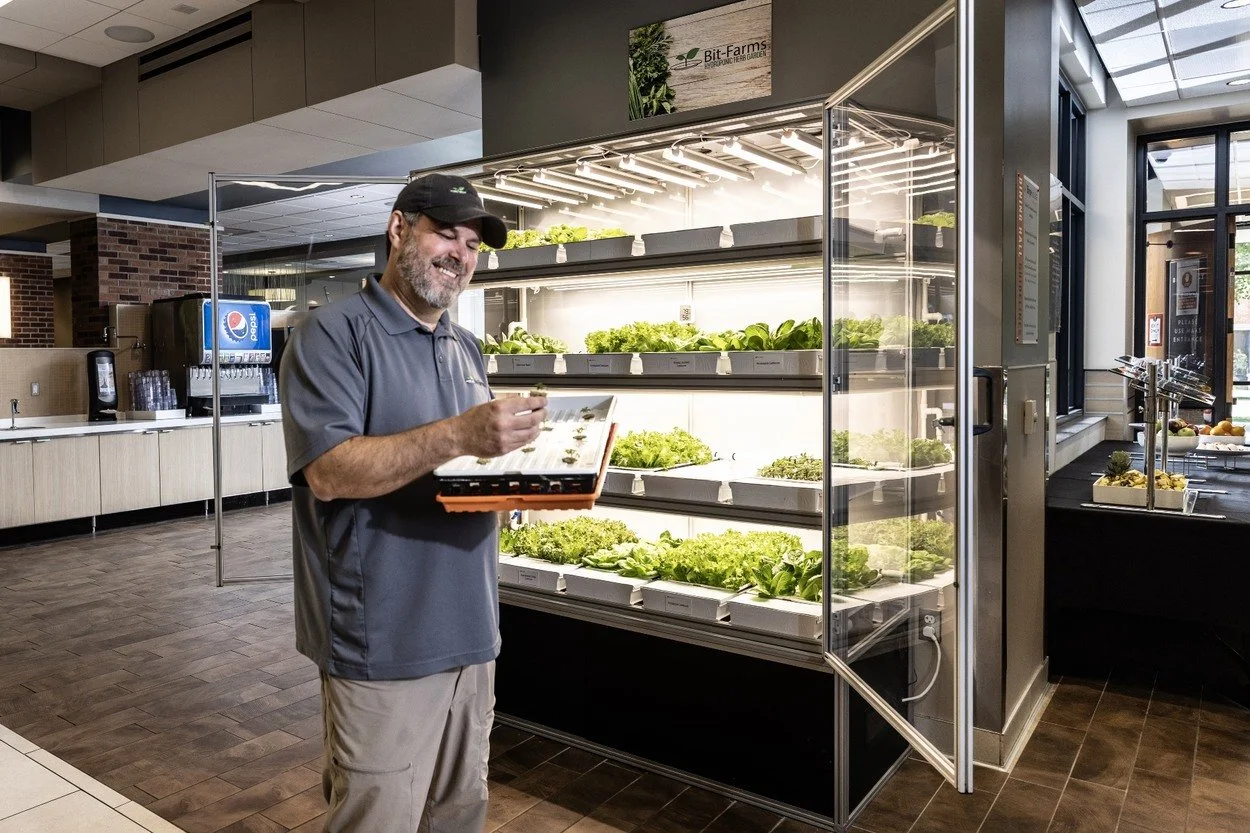
"Every time we install a farm, a good number of staff at the location seem a little skeptical at first," says Tyler Blair, CEO and Co-Founder of Bit-Farms in Michigan, USA. "But three weeks later, they're thanking us for what we do. I'm not exactly sure what changes during that time, but they definitely become connected to the farm."
At Pinewood Middle School, a compact hydroponic unit sits between the cafeteria registers. Students watch greens develop under lights, taste what they helped grow, and staff plan around harvests in real time. Bit-Farms' bet is simple: Put small, service-managed farms inside everyday spaces so people can see, taste, and talk about their food. "It's not just about growing food anymore, it's about growing connection, right where people live, eat, and learn."
USA - VERMONT: Oxbow High School Sets Up Hydroponic Farm In Shipping Container
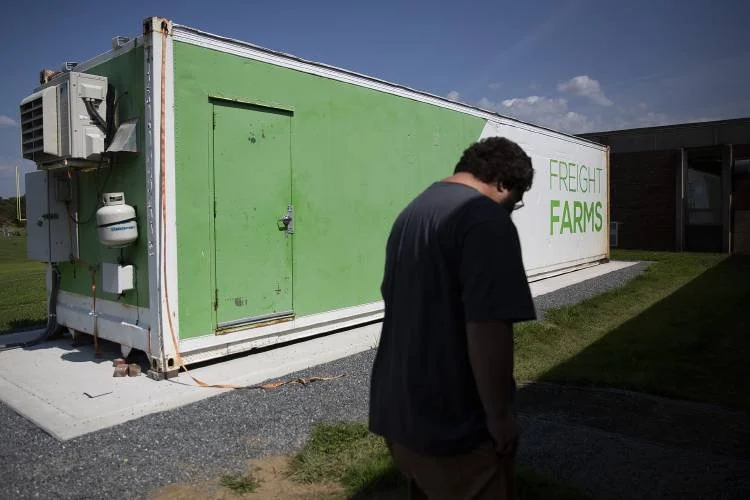
Oxbow High School is in the process of setting up a hydroponic farm built inside a modular container that will serve as an educational tool for students year-round.
Stony Brook University in New York donated the structure, which was designed by Boston-based company Freight Farms, to Oxbow last fall. An average Leafy Green Machine unit costs about $76,000.
Oxbow staff learned about Stony Brook’s plan to part ways with the Freight Farm through a facilities person at the college who is a relative of a staff member at Oxbow. The high school “seized the opportunity” to acquire the farm, Oxbow Principal Ken Cadow said via email.
Oxbow’s Freight Farm will be located behind the school’s library and STEM (science, technology, engineering and mathematics) lab, which opened last fall.