

USA - NEW JERSEY: Holmdel Foundation for Educational Excellence (HFEE) and The New Aquaponics Lab at Holmdel High School
📰 Key Points
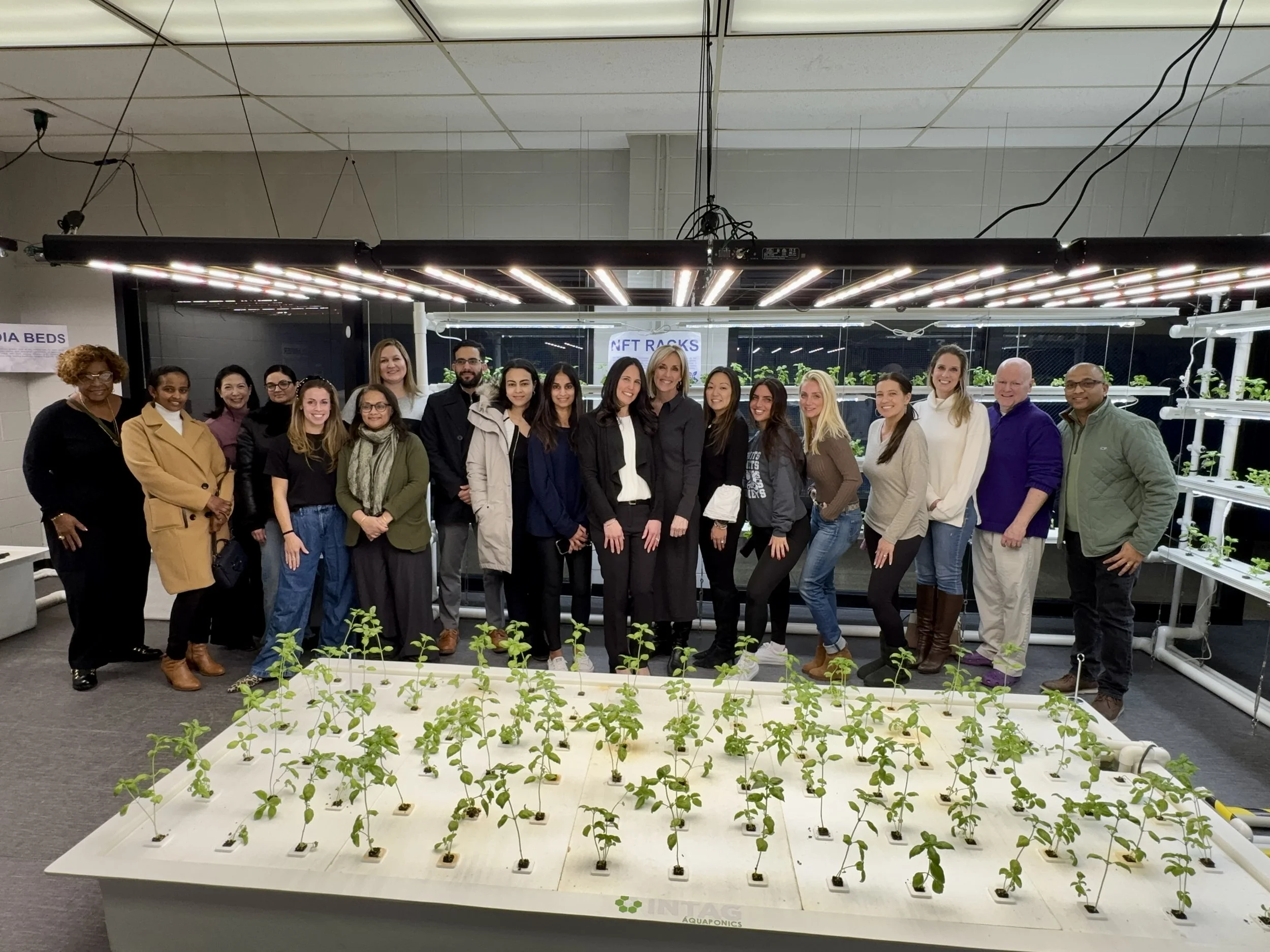
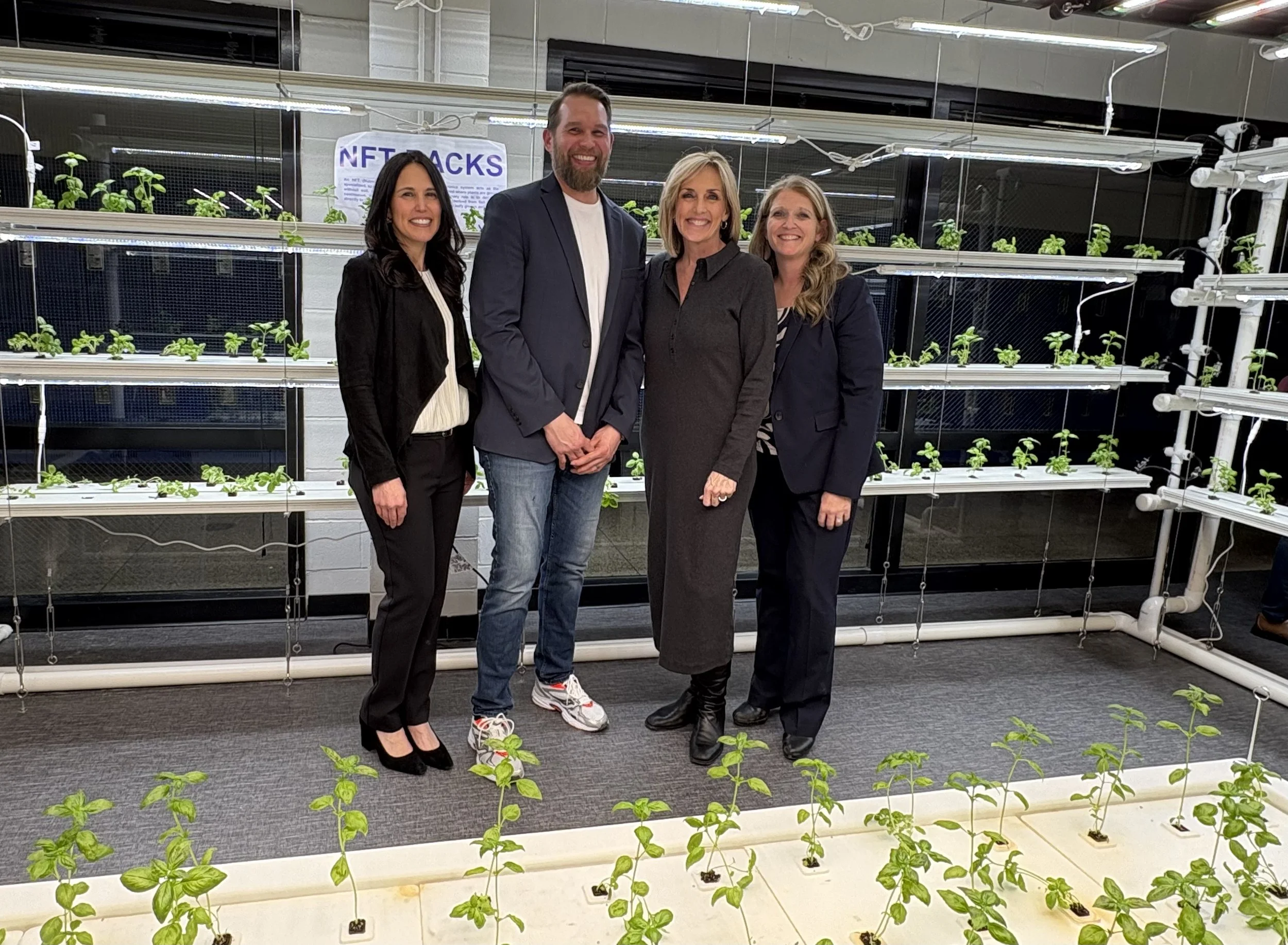
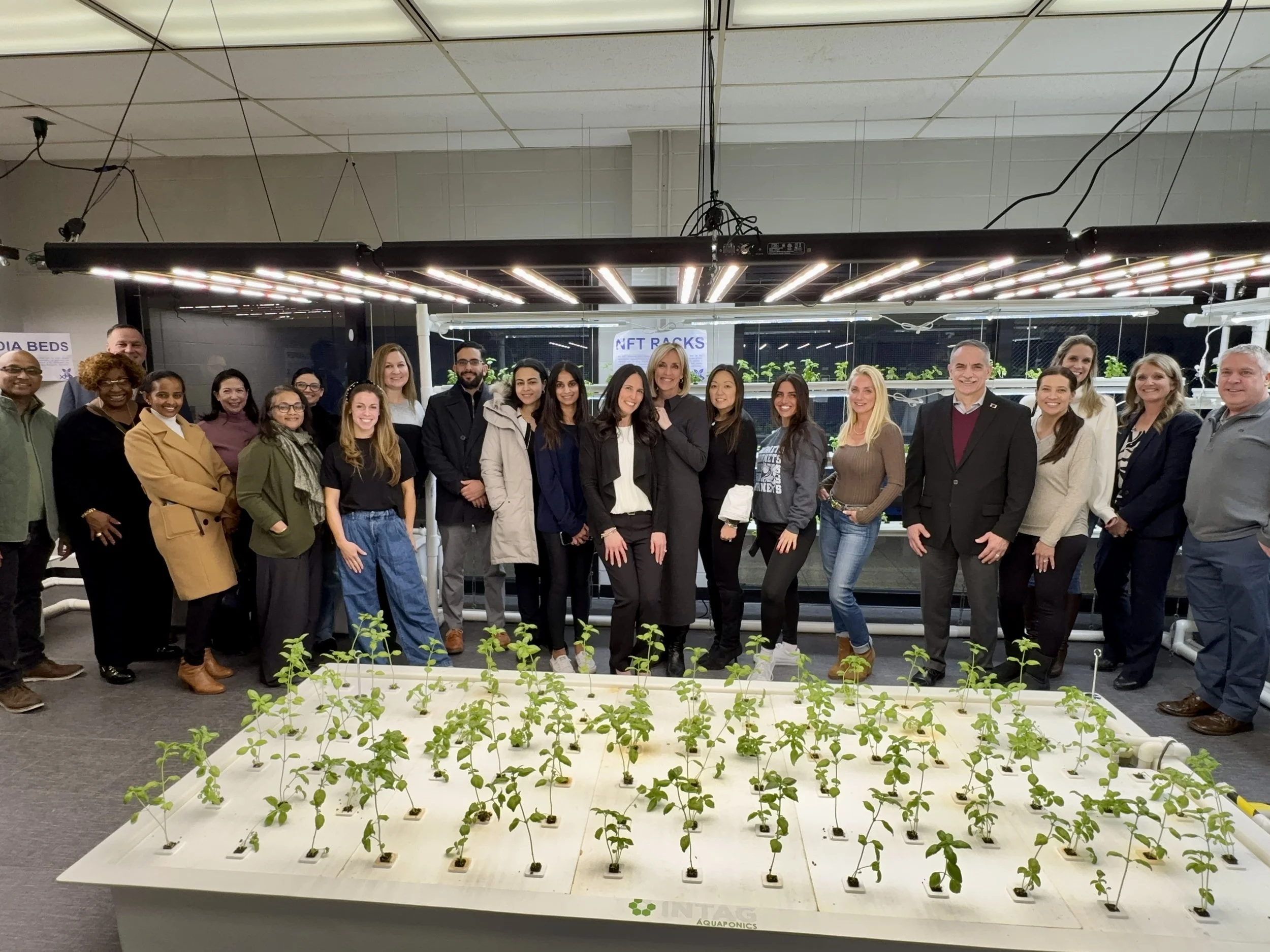
The Holmdel Foundation for Educational Excellence (HFEE) held a ceremonial ribbon-cutting to officially open a new Aquaponics Learning Lab at Holmdel High School in Holmdel, New Jersey.
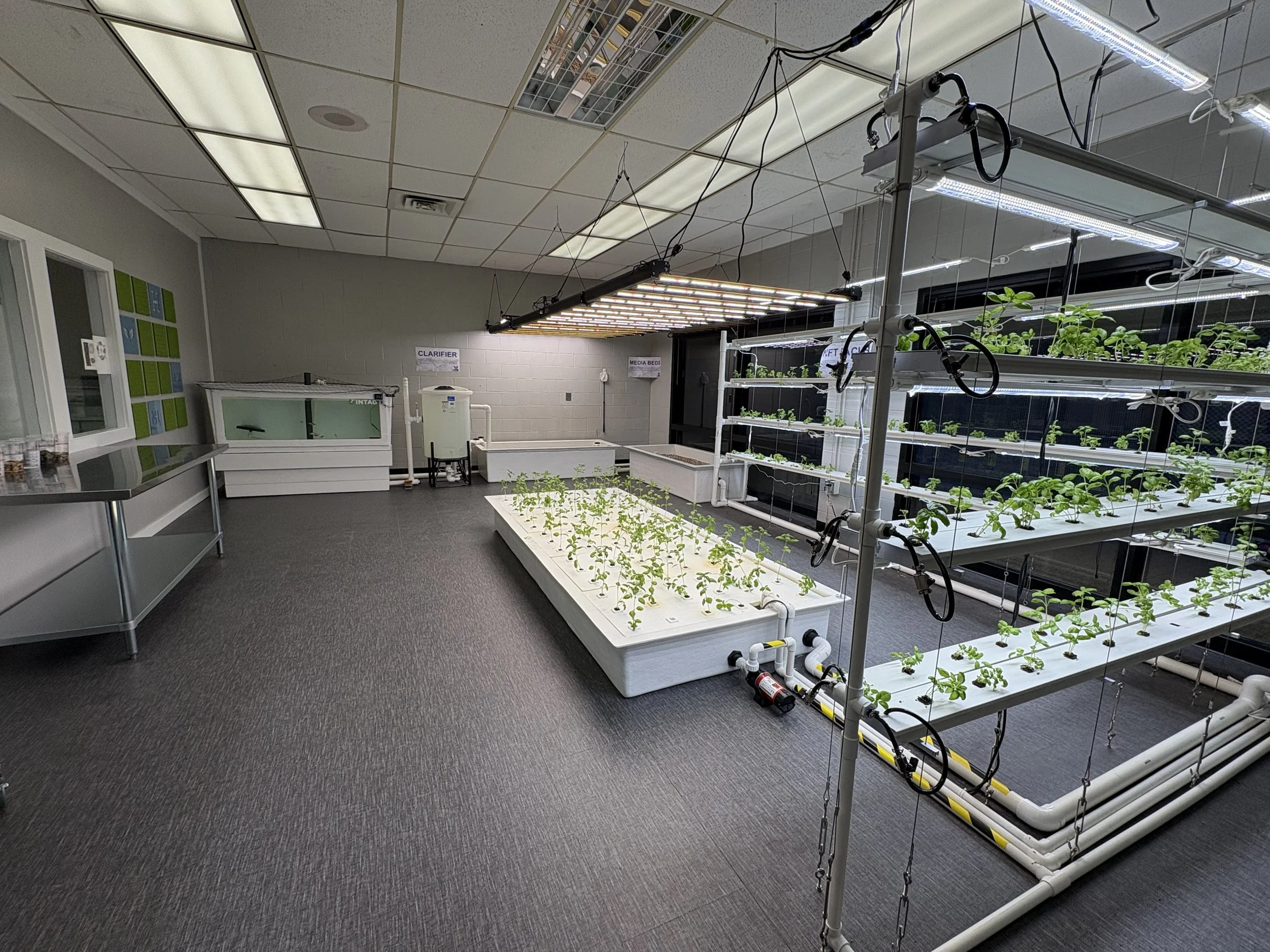
This innovative facility is designed to give students hands-on learning experiences in aquaponics — a system combining aquaculture (raising fish) with hydroponics (growing plants without soil).
The lab is expected to serve science classes and expand to include younger students through field trips, providing real-world education in biology, sustainability, and environmental science.
HFEE funded the project as part of its mission to support innovative educational opportunities in the Holmdel school district.
The initiative involved collaboration among HFEE supporters, faculty, students, and facilities staff, highlighting strong community partnership in bringing the lab to fruition.
To bring the vision to life, the district partnered with INTAG Systems, a Pennsylvania-based leader in sustainable agriculture systems.
Here’s how the Aquaponics Learning Lab at Holmdel High School is expected to be used in student learning, with details drawn from district updates and community reports:
📘 Classroom Integration
Science Courses:
The lab will be integrated into Biological and Environmental Science courses at Holmdel High School, where students will get hands-on experience observing and managing an aquaponics system — including water quality, plant growth, and fish care.
🌱 Broader Educational Use
Field Trips & Younger Students:
Once up and running, the lab will host field trip visits for younger students in the district, allowing K–8 learners to engage with sustainability and biology concepts in an interactive setting.
Special Programs:
The facility is planned to support the district’s 18–21 Stars program, giving students in this transition-age program practical experiences and meaningful work-based learning in science and sustainability.
💡 Real-World & Community Connections
Applied Learning & Entrepreneurship:
Beyond classroom use, the lab is envisioned as a space where students can produce plants or goods, potentially sharing or marketing them at local venues like community markets — expanding learning into areas such as business, agriculture, and community engagement.
In summary, the Aquaponics Learning Lab will be a multidisciplinary educational resource — not just for science classes but also for district-wide experiential learning, cross-grade engagement, and real-world application of sustainability and innovation concepts.