

News About Farming in Shipping Containers & Limited Indoor Spaces
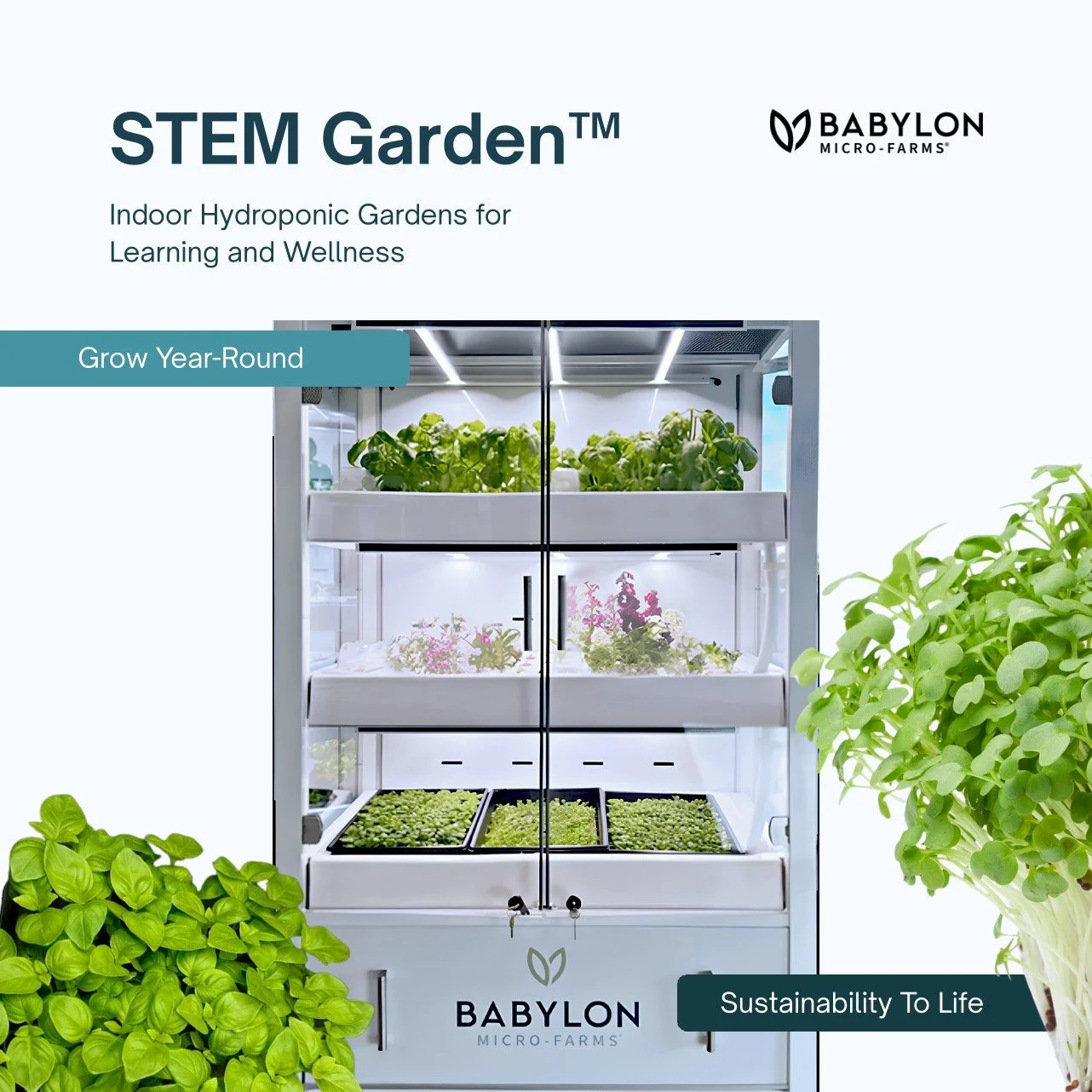
What Can You Grow in a STEM Garden™
STEM Garden™ by Babylon Micro-Farms brings the benefits of indoor growing into schools, senior living communities, libraries, community centers, wellness spaces, and shared environments where people gather, learn, and connect.
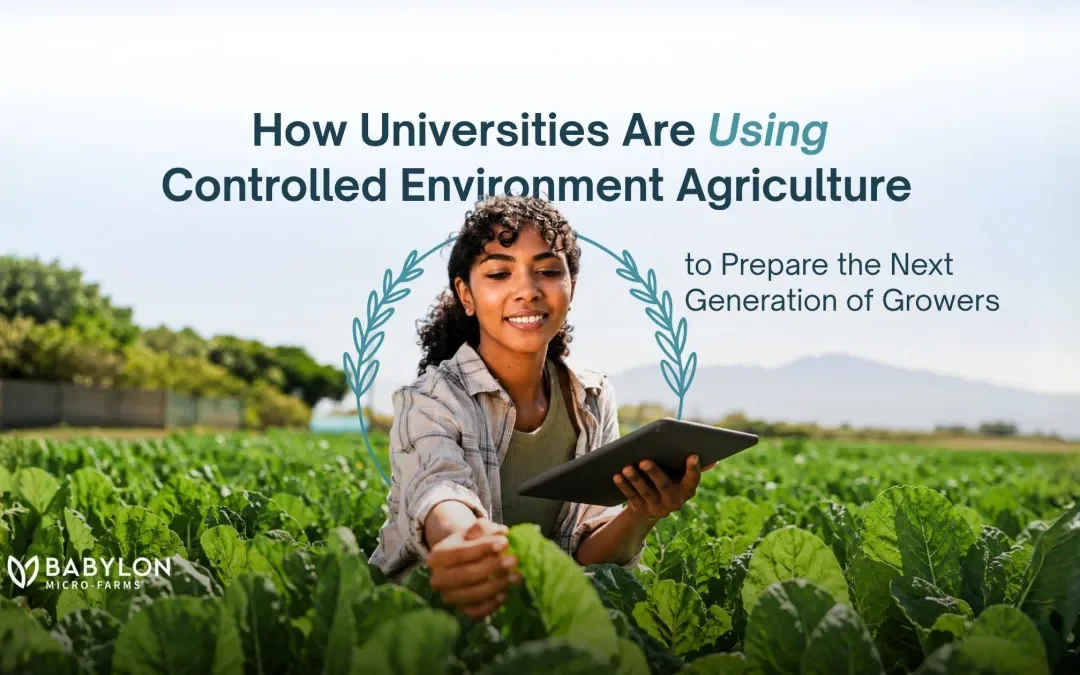
How Universities Are Using Controlled Environment Agriculture to Prepare the Next Generation of Growers
As agriculture adapts to climate change, resource constraints, and growing food demand, universities are rethinking how they prepare students for careers in the industry. While traditional fieldwork remains valuable, it no longer reflects the technologies transforming commercial food production.

Innovation in a Changing Ag Economy Highlighted at Midwest Agriculture Summit
Fork Farms, an indoor hydroponic farming company based in Green Bay, Wisconsin, helps people grow their own food. Company founder and CEO Alex Tyink believes in the importance of building resiliency and access to fresh produce in communities.
“The whole purpose behind what we're doing is we're trying to get fresh food more within reach to everybody everywhere,” he said.
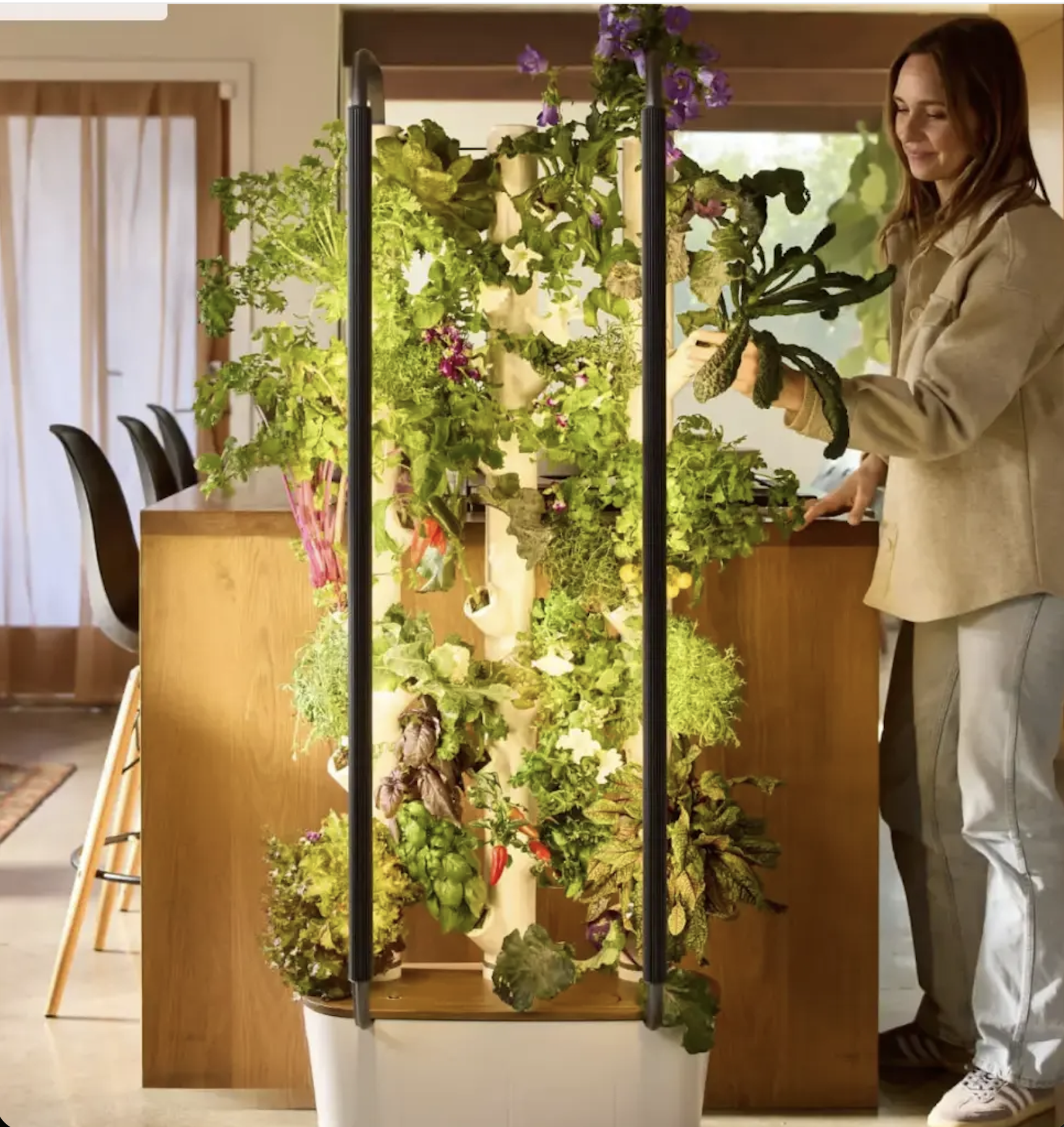
USA - MARYLAND: Howard County Students Grow Fresh Produce in Schools Via Hydroponic Gardening Systems
The Howard County Food Council (HCFC) has installed Gardyn Hydroponic Systems at seven County schools to grow fresh vegetables, herbs, and flowers through hands-on instruction with students.
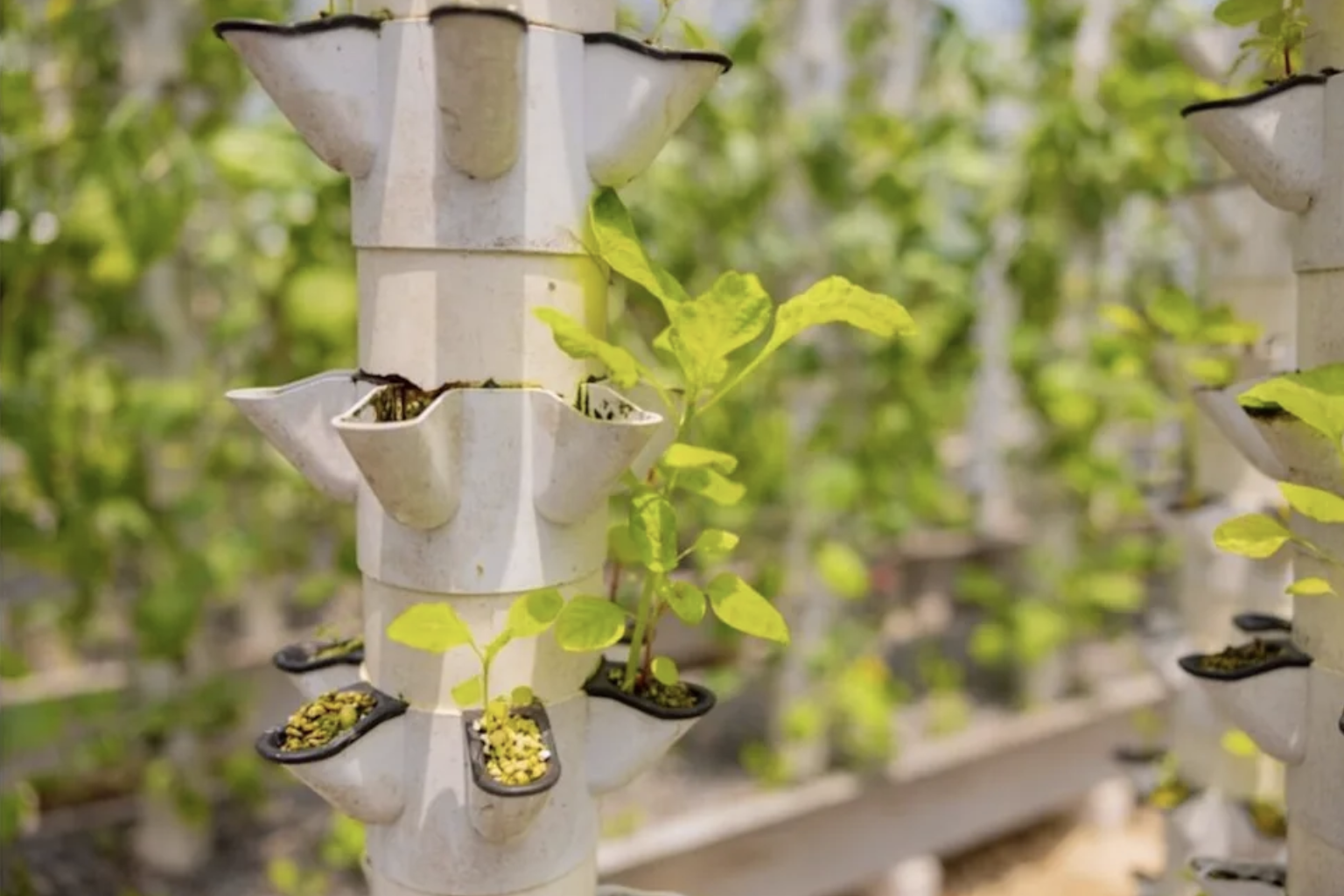
Some Gardeners Are Growing Vegetables in Stackable Towers Indoors, And Vertical Farming Is Reaching Living Rooms
Some gardeners are now growing vegetables in stackable towers indoors, and vertical farming is increasingly moving from commercial setups into everyday living rooms.
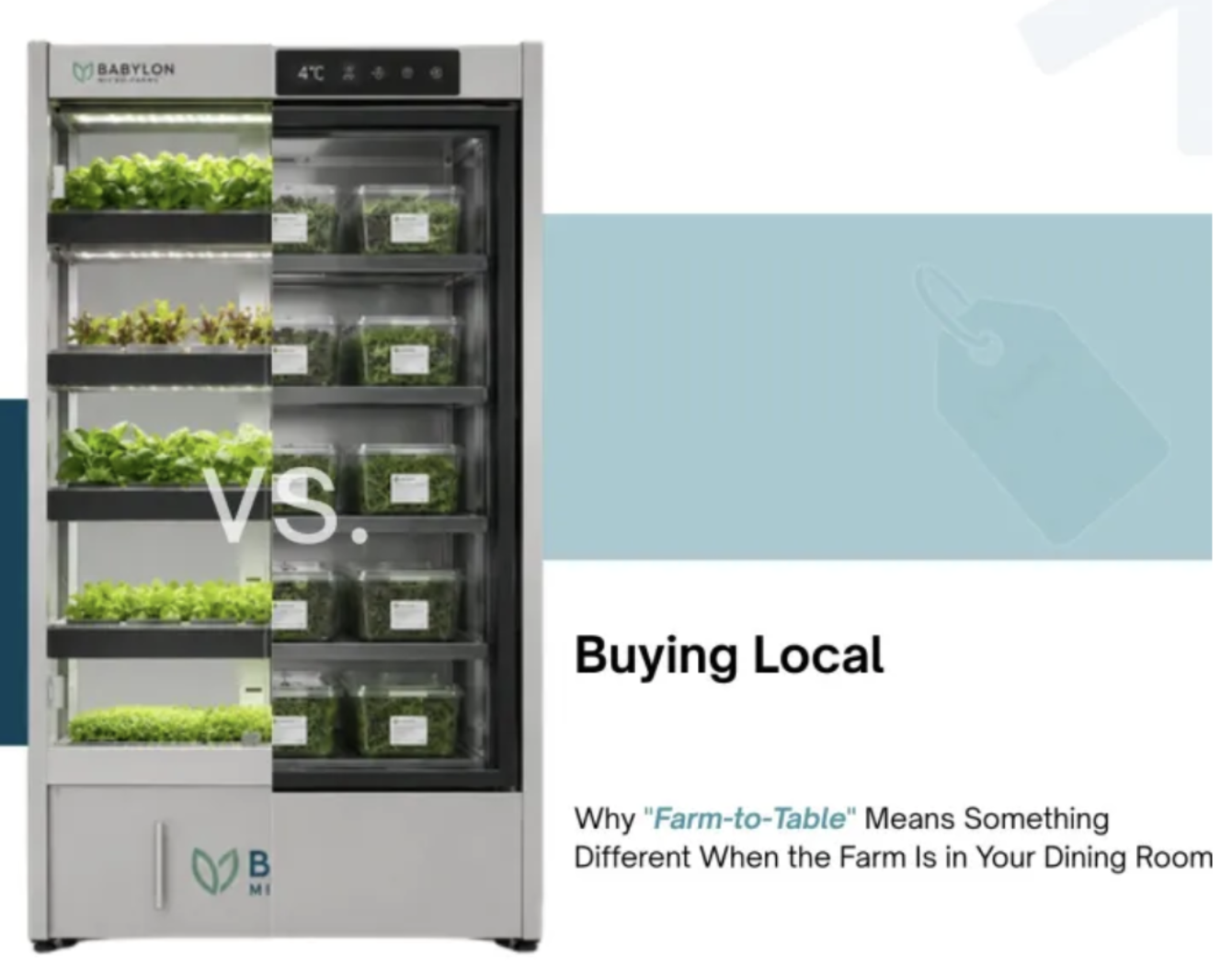
Babylon Micro-Farms vs. Buying Local: Why “Farm-to-Table” Means Something Different When the Farm Is in Your Dining Room
For years, hospitality operators have treated “farm-to-table” as a sourcing strategy. Buy from nearby farms. Reduce food miles. Promote seasonal ingredients. Build relationships with local growers. That model still matters. But hospitality dining is changing. Today, more chefs, hotel groups, and F&B directors are asking a different question.
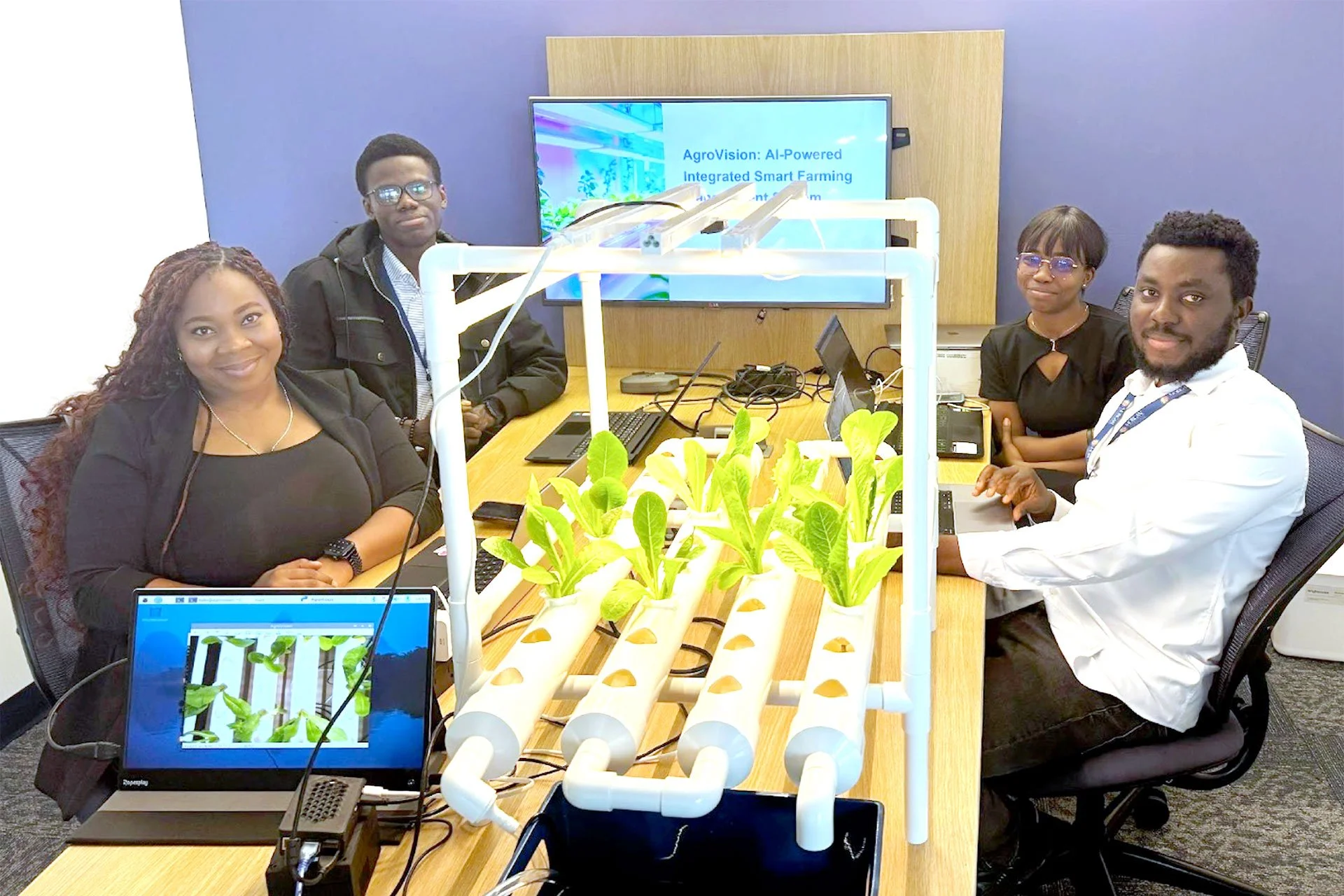
USA - MARYLAND: Morgan State Student Innovators Selected for Distinguished NSF I-Corps Program to Advance AI-Driven Sustainable Agriculture
A team of Morgan State University graduate engineering students recently gained acceptance into the National Science Foundation’s Innovation Corps (NSF I-Corps) program to accelerate the development of their technological innovation, AgroVision—a modular hydroponic system designed to transform sustainable food production.
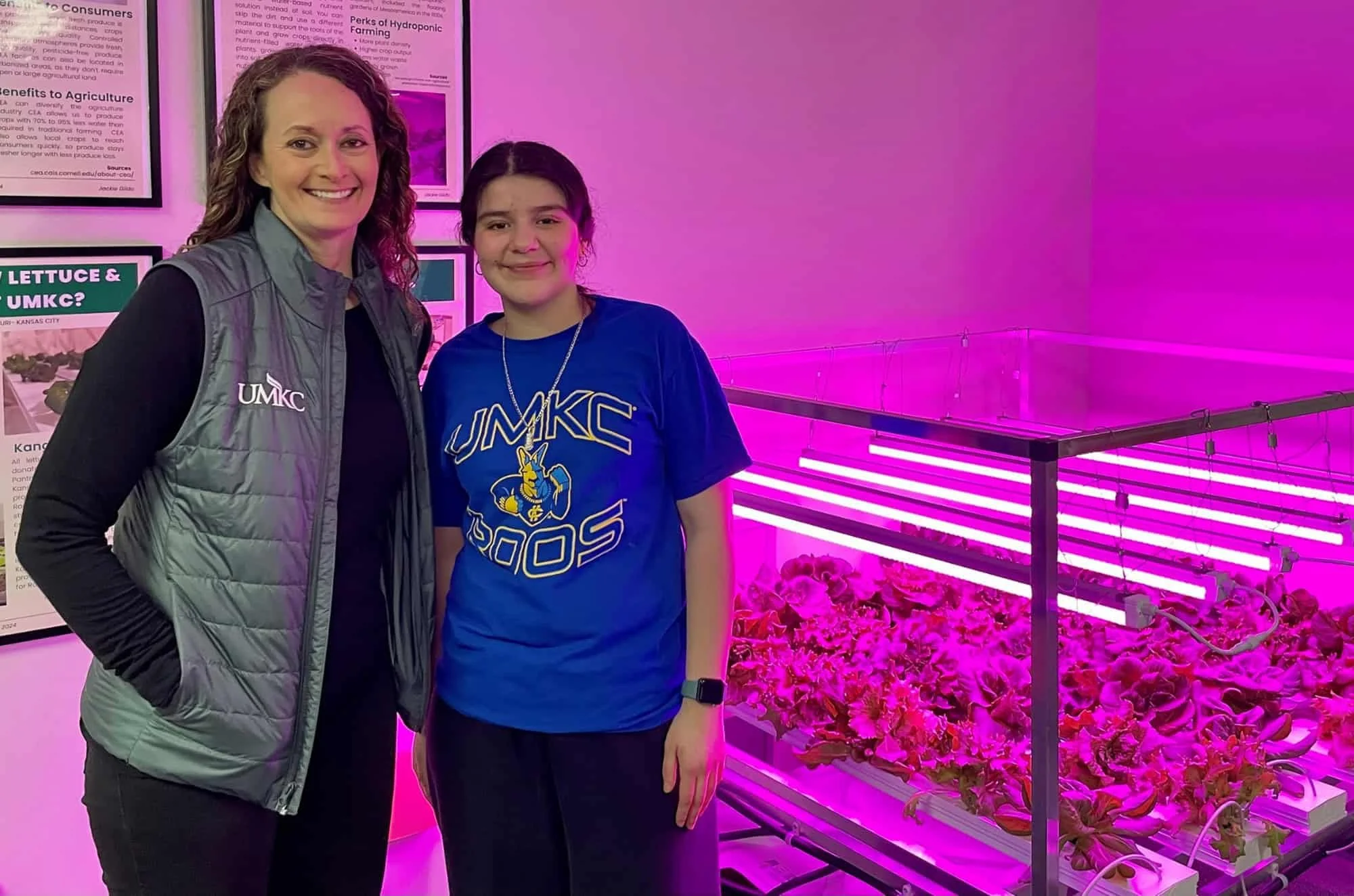
USA - KANSIS CITY, MISSOURI: UMKC Student-Staff Duo Launch Agriculture Certificate to Address Food Insecurity
A $730,000 multi-university initiative is helping researchers rethink how food is produced and delivered to improve access to fresh produce across region
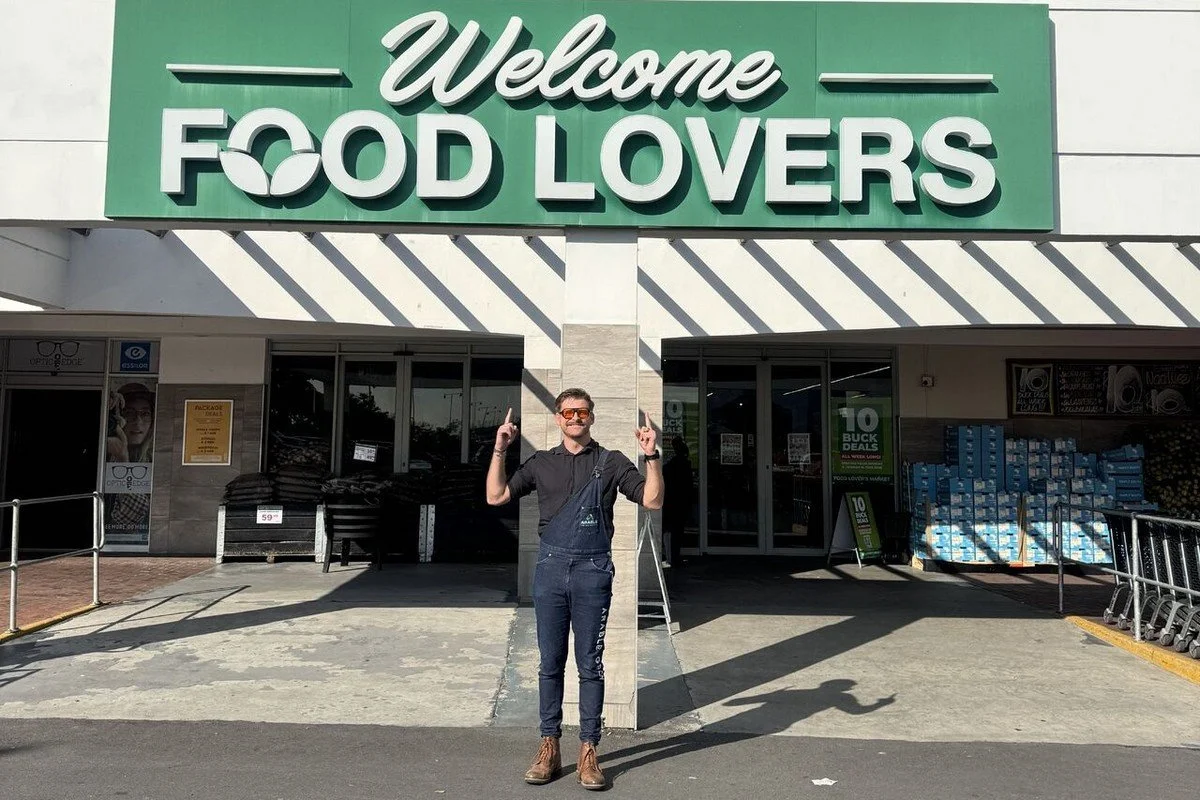
"Our Goal is to Bring Containerised Vertical Farms to Every Major City in South Africa"
Arable Grow has achieved a significant milestone, with their vertically farmed Superfood Salad Mix now on the shelves at Food Lovers Market. For those unfamiliar with what it takes to get a fresh product into a major retailer, the journey began with Good Agricultural Practices (GAP) compliance.
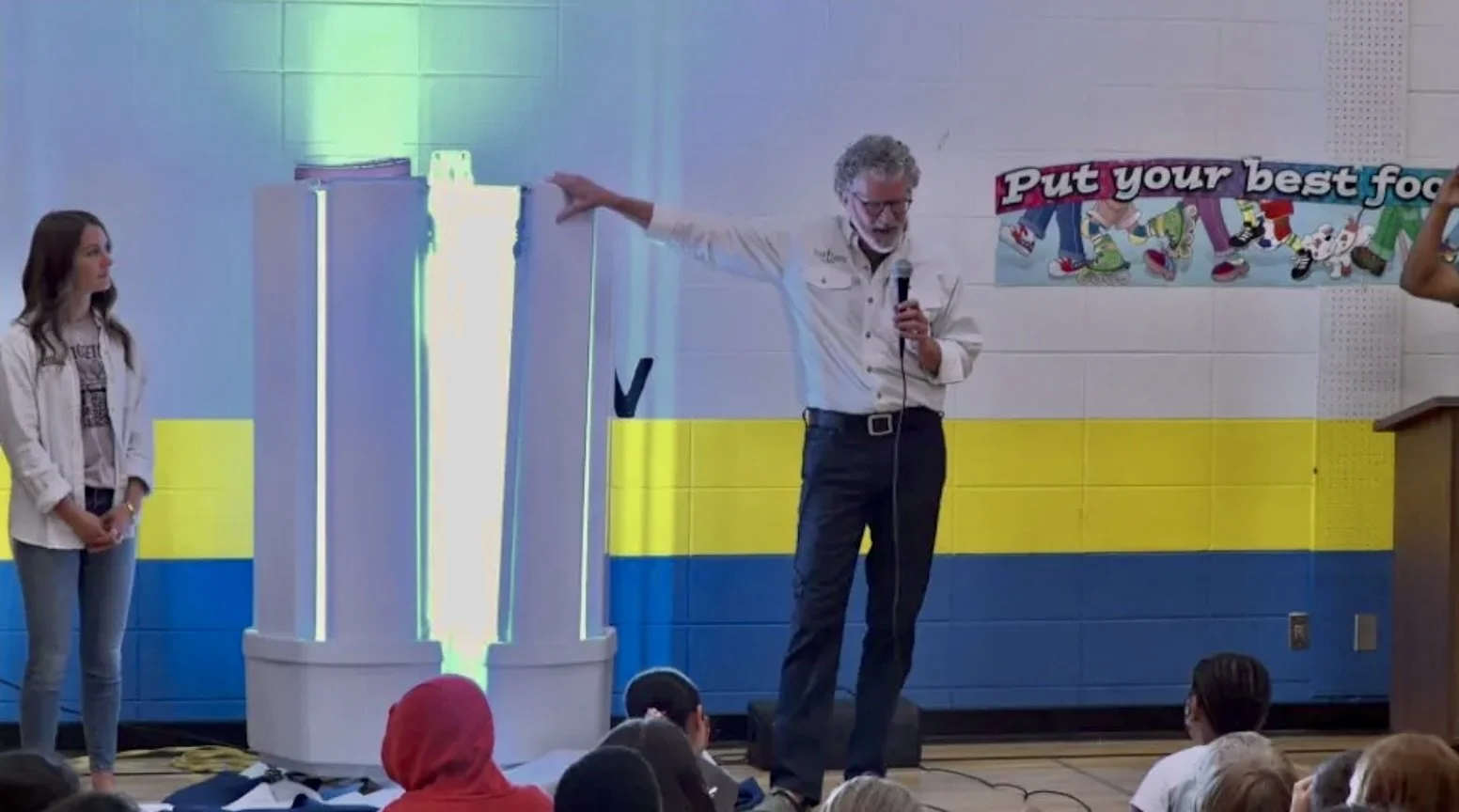
USA - WISCONSIN: Badger Elementary Unveils Indoor Hydroponic Growing System
On Tuesday, Badger Elementary School unveiled a new indoor hydroponic growing system designed to expand access to fresh produce, strengthen nutrition education and support student wellbeing during a special community event.
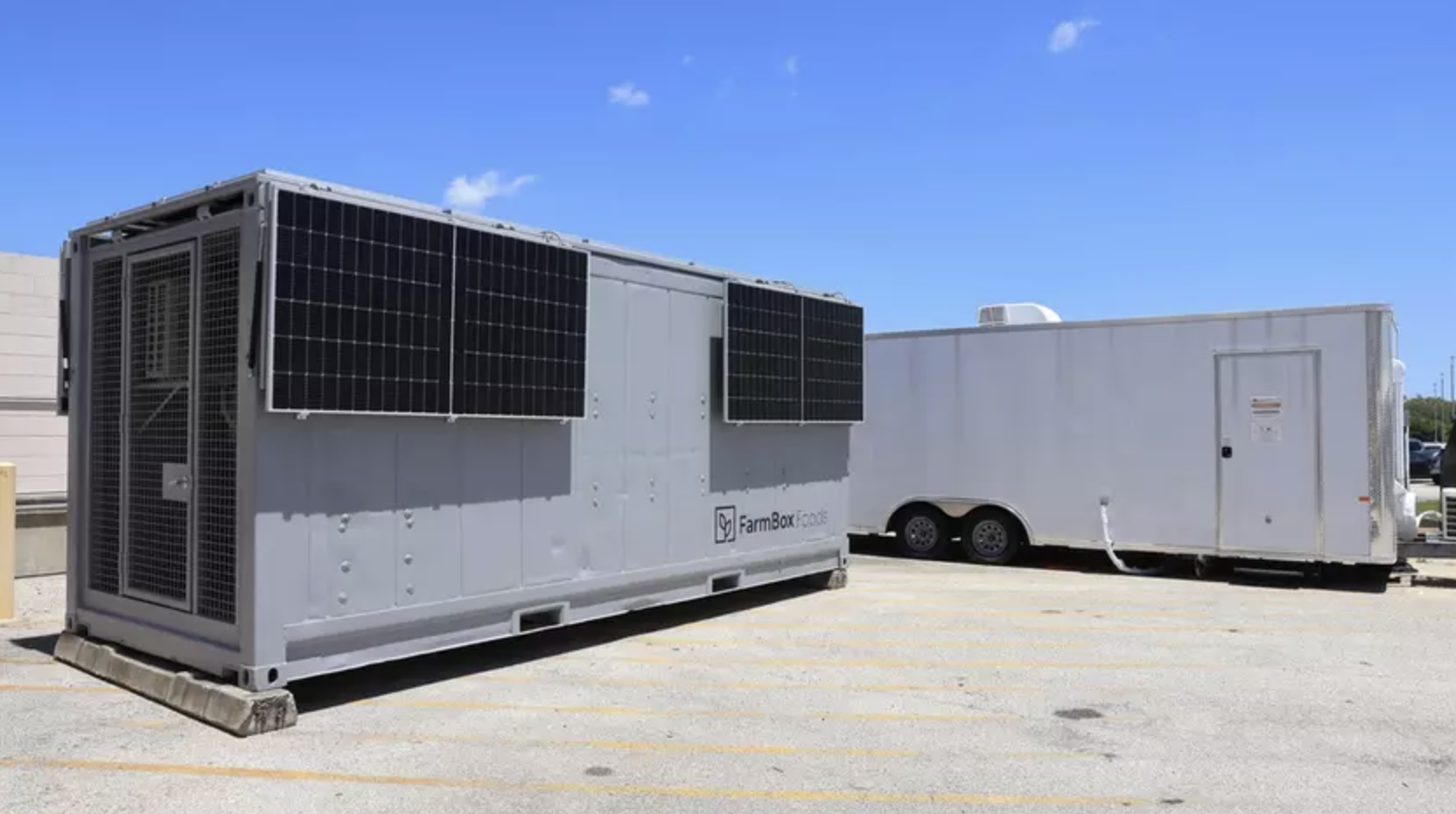
NASA is Testing a Mobile Wastewater Plant That Could Turn Astronaut Waste Into Food and Spare Parts
The unit fits inside an 8.5-by-24-foot mobile trailer — roughly the size of a shipping container. Inside are three biological reactors, a vertical hydroponic farm, water-polishing hardware, and an autonomous control system.
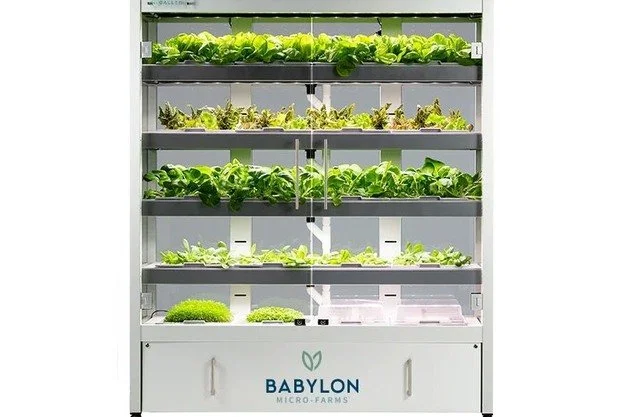
USA: On-Site Hdroponics Being Used More and More in Healthcare, Assisted Living
Babylon Micro-Farms works with commercial organizations looking to grow fresh produce directly inside their facilities through hydroponic farming systems designed for year-round indoor cultivation. The company says the conversation around food access is changing across industries traditionally dependent on long supply chains and centralized sourcing models.
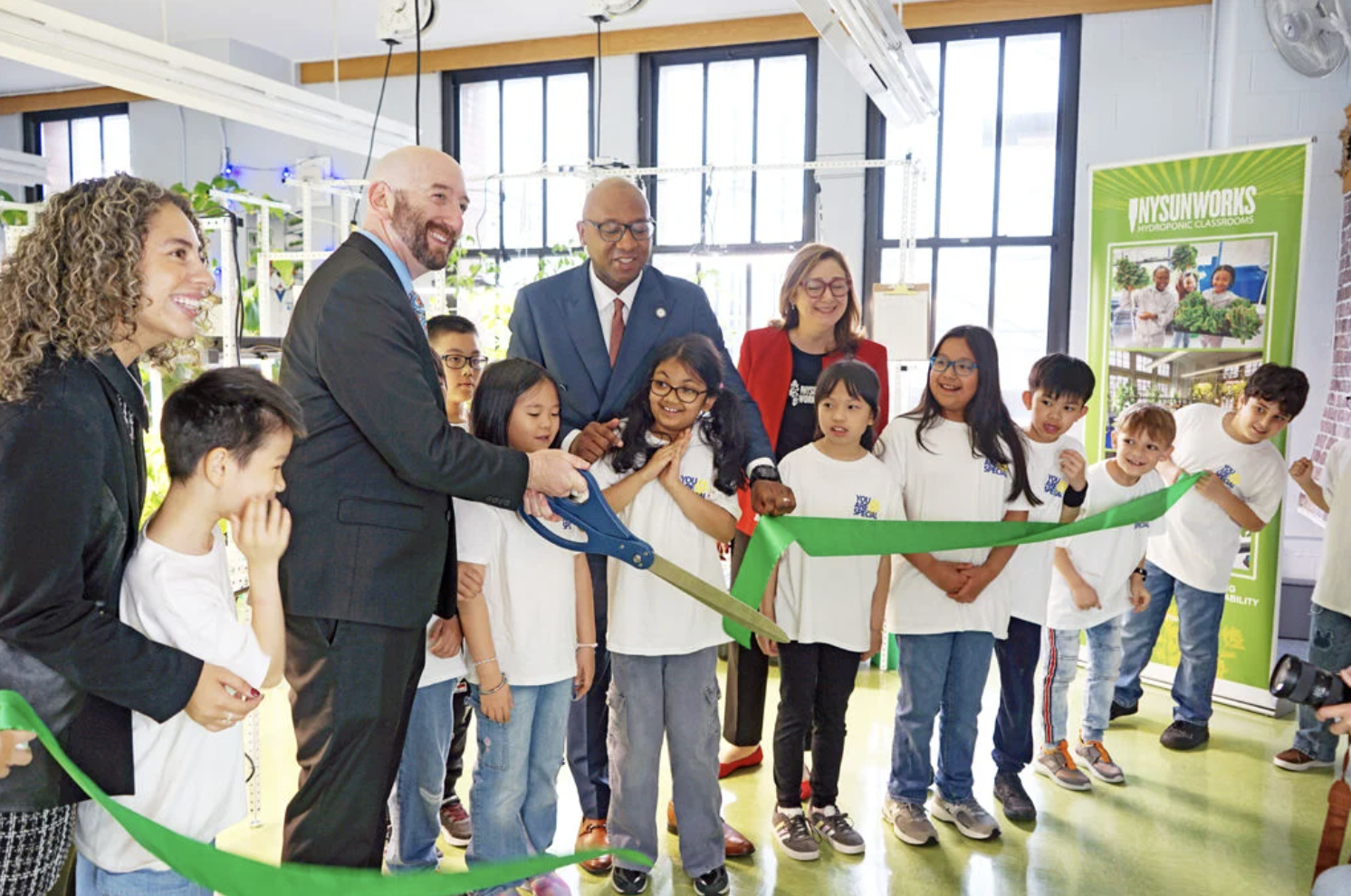
USA - NEW YORK: Elmhurst’s PS 7 Gets New Hydroponics Lab
A new hydroponic classroom equipped with state-of-the-art growing systems was unveiled at PS 7, the Louis F. Simeone School, in Elmhurst May 14.
The classroom is one of 101 NY Sun Works labs in Queens, part of an investment by Queens Borough President Donovan Richards Jr.
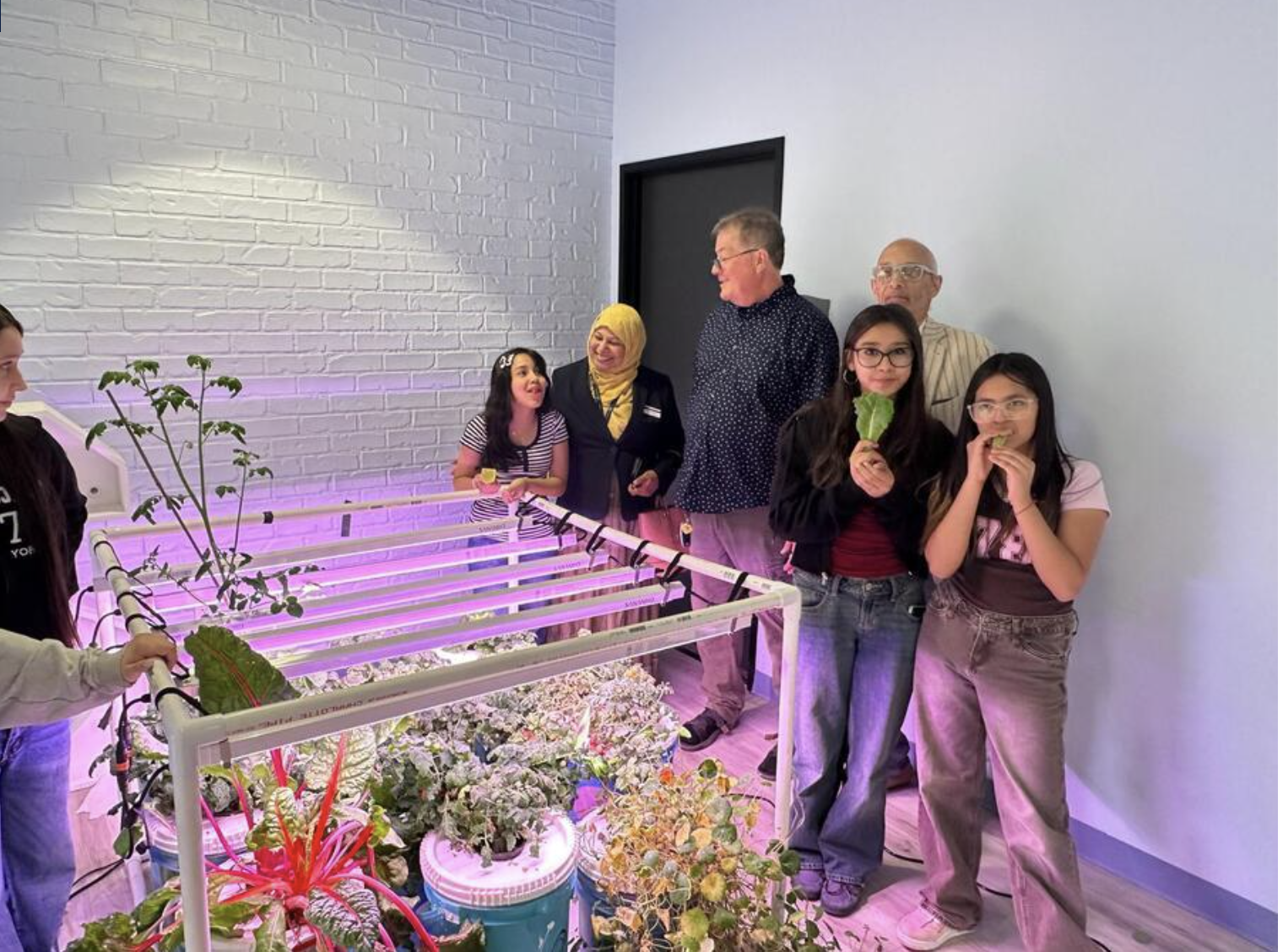
USA: Extension Hydroponics Initiatives Build Nevada’s Future Ag Workforce
As agricultural technology expands, one challenge remains: a shortage of workers to operate modern farming systems. On Thursday, May 28, participants in the University of Nevada, Reno Extension’s latest Hydroponic Crop Production Certificate Course will graduate as part of a growing effort to build Nevada’s future agriculture workforce through hydroponics education.
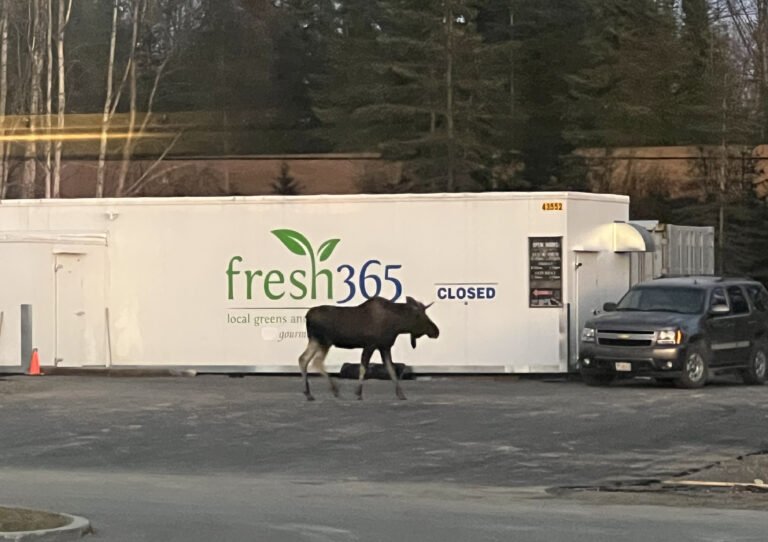
Food Autonomy Taking on Greater Importance
Container farms are particularly effective in remote regions because they can be shipped nearly anywhere and begin producing quickly without requiring extensive infrastructure. Arctic communities can grow leafy greens year-round, far-flung military installations can reduce imported produce dependence, island resorts can produce herbs and greens onsite, and disaster-prone regions are able to maintain food production after storms.
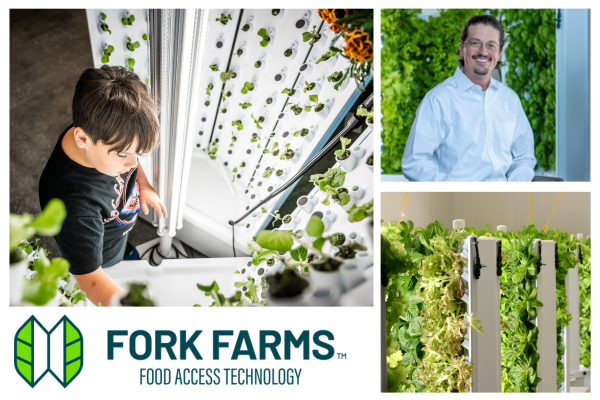
From Seed to Scale: How Fork Farms Turned a Mission into a Movement
Fork Farms has partnered with more than 5,000 institutions across 50 states and 22 countries. Together, those partners can grow nearly 2 million pounds of fresh food annually, and many are growing food for under $1 per pound. This matters because it means local food production can be practical, measurable, and economically competitive.
USA - LAS VEGAS, NV: Aambé Health Launches “Living Food” Initiative with One Season Farmers and Harvest Today to Expand Tribal Food Systems
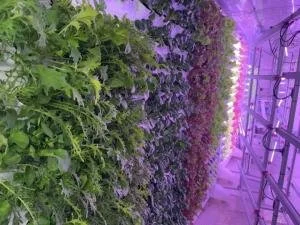
The Living Food initiative is being developed in partnership with One Season Farmers and Harvest Today, combining indoor agriculture technology with a health-centered mission to improve access to fresh food, strengthen local food systems, and support long-term community wellness.
What Is a Hydroponic Classroom Container Farm? A Practical Guide for Educators
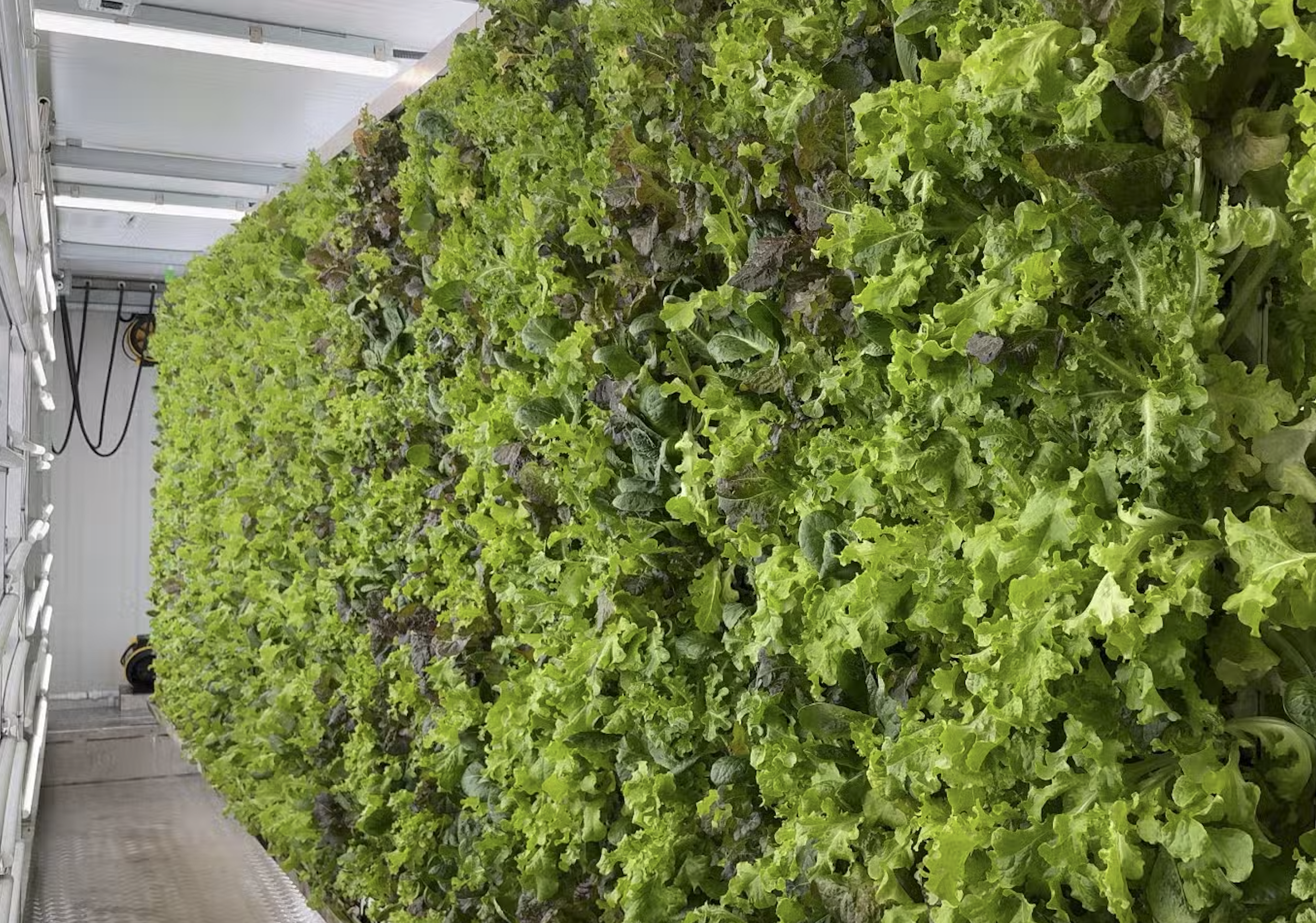
A hydroponic classroom container farm is a 40-foot shipping container retrofitted with lighting, irrigation systems, nutrient dosing equipment, and environmental sensors to create a fully controlled indoor growing space.
Unlike traditional school gardens, these systems operate year-round and allow students to manage every variable affecting plant growth.