

News About Farming in Shipping Containers & Limited Indoor Spaces
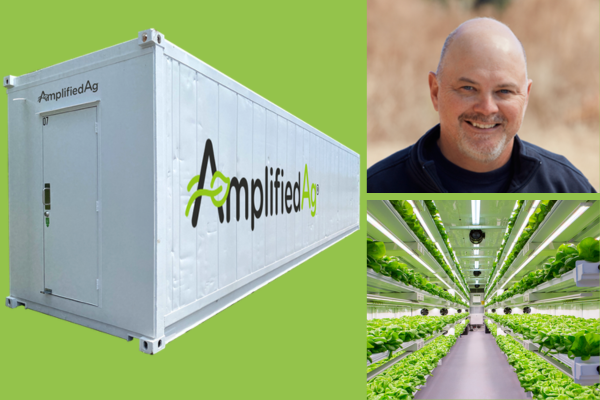
Right-Sized, Not One-Size-Fits-All: AmplifiedAg’s CEO on Serving Research and Commercial CEA Together
AmplifiedAg CEO David Flynn doesn’t see institutional and commercial agriculture as competing priorities — he sees them as two inputs into the same platform. The institutional side alone ranges from USDA research labs to compliant farm programs inside correctional facilities, part of the company’s Growing Justice initiative.
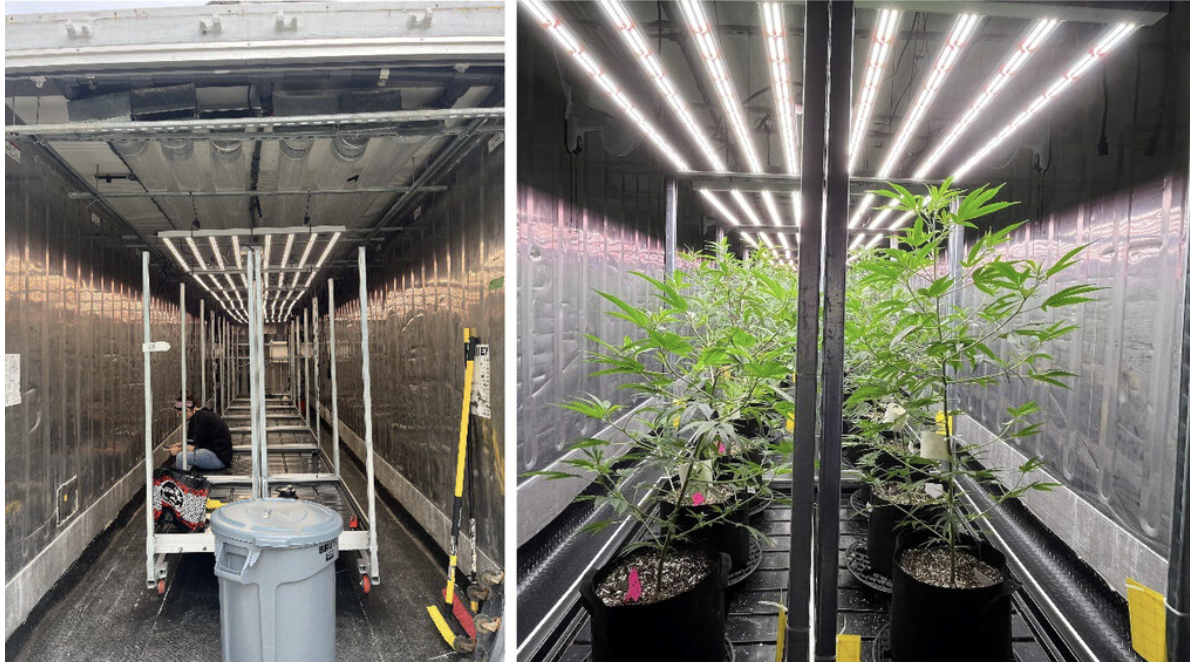
Development of a Controlled-Environment Plant Growth Chamber Using a Shipping Container for Industrial Hemp (Cannabis sativa L.) Cultivation
We present the comprehensive design, construction, and implementation of a 12-m shipping container adapted into a plant growth chamber optimized for industrial hemp (Cannabis sativa L.) cultivation.
The system integrates appliances such as air conditioners, dehumidifiers, light-emitting diode growth lights, and advanced environmental controllers.
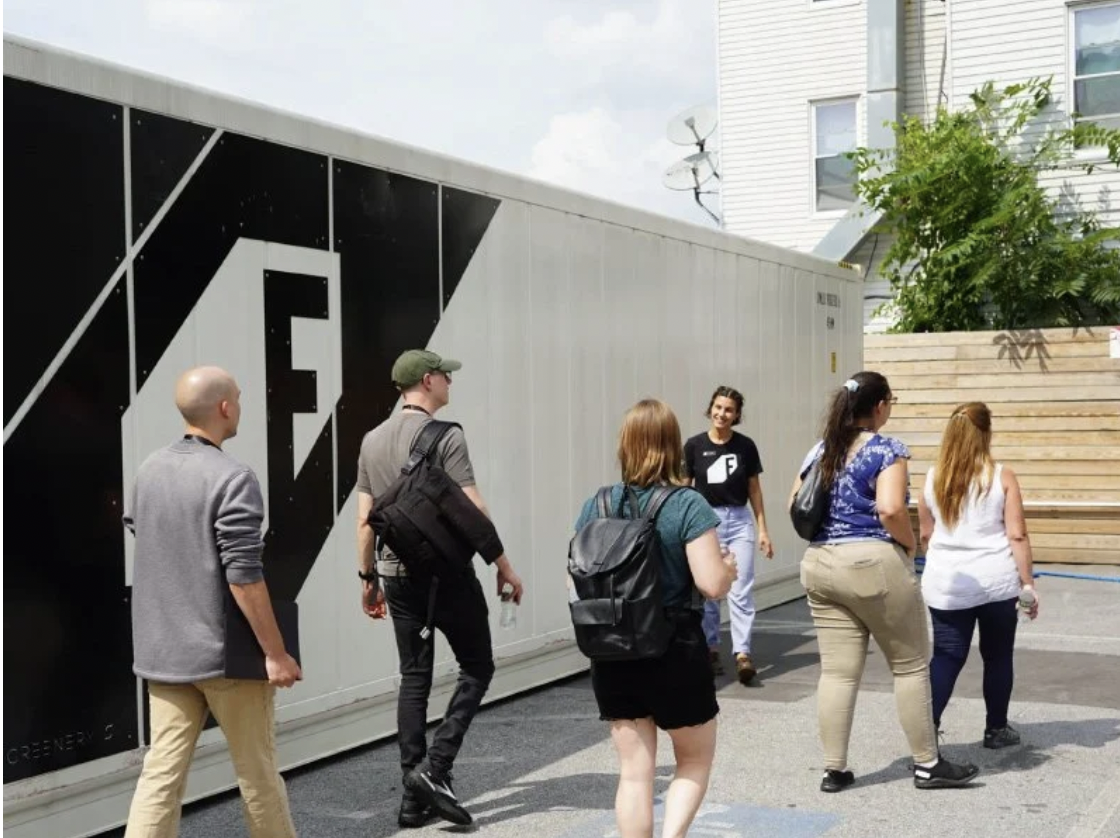
Vertical Farm at Illinois State University
The Vertical Farm at Illinois State University officially opened May 1, 2025, to serve as an example of sustainable urban agriculture and train and prepare students for careers in agriculture and horticulture specialty crop production. The facility is a joint partnership among the College of Applied Science and Technology, Department of Agriculture, and Office of Sustainability that will serve as a demonstration site for local community groups, schools, and business entrepreneurs.
The Vertical Farm uses a repurposed shipping container with an enclosed, controlled environment to grow plants year-round. The 40-foot-by-8-foot (320 square feet) container is designed using a vertical hydroponic growing system with a recirculating nutrient solution and light-emitting diode (LED) lighting system. The unit will be able to grow 4,600 plants, production equivalent to 1-2 acres of field production, using 95% less water or approximately 5 gallons of water per day.

Vertical Farming Research Sheds Light on Producing Medicinal Compounds
New research on using controlled environment agriculture (CEA) to grow plants with medicinal properties could lead to production methods that will increase one anti-cancer compound naturally produced by certain species of plants.
The study, led by doctoral student Rebekah Maynard, was designed to identify crops to be used in medical treatments and to develop strategies to increase the concentration of an anti-cancer compound produced by the plants.
Working with Rhuanito Ferrarezi, associate professor of CEA crop physiology, Maynard grew compact crops with a short life cycle—chamomile (Matricaria chamomilla) and parsley (Petroselinum crispum)—in a vertical farming environment. The researchers measured the plants' production of apigenin, a natural anti-inflammatory compound with promising anti-cancer effects.