


Welcome to iGrow News, Your Source for the World of Indoor Vertical Farming

4 Tips on How to Harvest Microgreens From Growing Containers
When it comes to harvesting microgreens, the process is fairly simple. Most plants take around 7 to 14 days to grow, but this depends on the specific microgreen plant you’re growing since the germination and harvesting times differ from species to species.

When it comes to harvesting microgreens, the process is fairly simple. Most plants take around 7 to 14 days to grow, but this depends on the specific microgreen plant you’re growing since the germination and harvesting times differ from species to species. This article is going to provide you with 4 tips on how to successfully harvest microgreens from growing containers.
Tip 1: You Don’t Have to Wash Your Microgreen Harvest
If you’re using a small microgreen growing container, you can expect a simple, yet efficient harvest. Once it’s time to harvest your microgreens, hold your container over a bowl to collect them, and tilt the container to snip the stems. You do not have to wash your microgreen harvest if the crop has been watered from the bottom because it should be free from any soil. However, if you do notice soil on the stems, then you can rinse them with water to get rid of any leftover soil.

Tip 2: You Can Refrigerate Your Harvest to Extend Its Shelf Life
If you happen to grow microgreens in repurposed growing containers, you can refrigerate your microgreens before it's time to harvest. When it comes time to snip your microgreens, you can extend their shelf life by placing your microgreen growing container in your refrigerator. However, the cold air can dry out your microgreens, so make sure to place the container in a plastic bag. By doing this, your microgreens can be in the fridge for an extra week as long as you make sure to bottom water the plants anytime the soil starts to feel dry if you leave the plastic bag open. Once you’re ready to eat the microgreens, place the container on a windowsill or anywhere to allow it to reach room temperature–then it’s safe to eat!
Tip 3: Harvest Your Microgreens One Portion at a Time (Or In Patches)
If you’re not ready to eat your entire grow, then you can snip your desired patches by rows or patches. You’ll want to make sure to leave space for your leftover growing microgreens to lean as they grow. This is a more commonly used method for tray gardening where you’ll have larger pulls.

Tip 4: Do Not Pull Microgreens Directly From the Soil
It’s very important to not pull your plants straight from the soil in the microgreen growing container. Doing so can disturb the plant's roots and affect your harvest. This is why it’s best to use scissors to cut the stems to your liking.
We at the Nick Greens Grow Team strive to utilize our expertise and vast knowledge to inform our readers about the process of growing microgreens. If you would like to learn more about harvesting microgreens from growing containers or anything microgreen-related then sign up for our new microgreens class that’s happening every Friday! Can’t attend? Then make sure to subscribe to our blog and YouTube channel for the latest microgreen-growing updates.


A Focus On New Kinds of Vertical Farming Applications
“At Vertigo Farms, we believe that vertical farming serves the future not only for direct consumption purposes but it may also serve as a base for highest quality natural extracts for food, cosmetics and pharma industries”, comments Dawid Drzewiecki, the CEO of Vertigo Farms.
Netled Partners Up With Agritech Start-Up Vertigo Farms
Netled and a Polish agritech start-up, Vertigo Farms have announced a new technology partnership. Vertigo Farms will use Netled’s Vera vertical farming technology in its indoor growing projects. The collaboration has already started, and the goal is to have the first plants growing at the beginning of 2021.
Vertigo Farms is the first publicly known European actor to produce natural extracts from plants grown indoors. Mainly herbs are grown and processed in a sustainable manner with no use of chemicals, all-year-round, regardless of weather conditions.
“At Vertigo Farms, we believe that vertical farming serves the future not only for direct consumption purposes but it may also serve as a base for highest quality natural extracts for food, cosmetics and pharma industries”, comments Dawid Drzewiecki, the CEO of Vertigo Farms.
The company works with research laboratories and universities to develop methods for optimal conditions and nutrition of plants to boost their growth. Each type of plant requires a different approach. For start, the company will experiment with Safflower, Lovage, and Opium poppy, but there will be more species along the way.
Niko Kivioja, CEO of Netled, comments the newly formed partnership: “Vertigo Farms has a very interesting approach to produce natural extracts. Netled is proud to be Vertigo’s technology partner. In addition to this, our crop specialist team is especially excited to have insight into the new, more exotic plants growing in a vertical farming environment. Globally, we see massive opportunities to produce crops which have very high-quality standards in vertical farms, alongside the more common leafy greens.”
The mission of Vertigo Farms is to process and deliver the highest quality natural ingredients with the use of state-of-the-art solutions. Thus, the goal is a great fit with Netled, as the company aims to provide the best technology, expertise, and guidance for vertical farming projects and actors all around the globe.
Read more about Netled’s Vera® Vertical Farm: https://netled.fi/vertical-farming-vera/
Read more about Vertigo Farms: http://vertigofarms.eu/
26th August 2020 by johannak
For more information:
Netled
netled.fi

Micro-Naps For Plants: Flicking The Lights On And Off Can Save Energy Without Hurting Indoor Agriculture Harvests
A nighttime arrival at Amsterdam’s Schiphol Airport flies you over the bright pink glow of vegetable production greenhouses. Growing crops under artificial light is gaining momentum, particularly in regions where produce prices can be high during seasons when sunlight is sparse.
The Netherlands is just one country that has rapidly adopted controlled-environment agriculture, where high-value specialty crops like herbs, fancy lettuces and tomatoes are produced in year-round illuminated greenhouses. Advocates suggest these completely enclosed buildings – or plant factories – could be a way to repurpose urban space, decrease food miles and provide local produce to city dwellers.
One of the central problems of this process is the high monetary cost of providing artificial light, usually via a combination of red and blue light-emitting diodes. Energy costs sometimes exceed 25% of the operational outlay. How can growers, particularly in the developing world, compete when the sun is free? Higher energy use also translates to more carbon emissions, rather than the decreased carbon footprint sustainably farmed plants can provide.
I’ve studied how light affects plant growth and development for over 30 years. I recently found myself wondering: Rather than growing plants under a repeating cycle of one day of light and one night of darkness, what if the same daylight was split into pulses lasting only hours, minutes or seconds?

Short bursts of light and dark
So my colleagues and I designed an experiment. We’d apply the normal amount of light in total, just break it up over different chunks of time.
Of course plants depend on light for photosynthesis, the process that in nature uses the sun’s energy to merge carbon dioxide and water into sugars that fuel plant metabolism. Light also directs growth and development through its signals about day and night, and monkeying with that information stream might have disastrous results.
That’s because breaking something good into smaller bits sometimes creates new problems. Imagine how happy you’d be to receive a US$100 bill – but not as thrilled with the equivalent 10,000 pennies. We suspected a plant’s internal clock wouldn’t accept the same luminous currency when broken into smaller denominations.
And that’s exactly what we demonstrated in our experiments. Kale, turnip or beet seedlings exposed to cycles of 12 hours of light, 12 hours dark for four days grew normally, accumulating pigments and growing larger. When we decreased the frequency of light-dark cycles to 6 hours, 3 hours, 1 hour or 30 minutes, the plants revolted. We delivered the same amount of light, just applied in different-sized chunks, and the seedlings did not appreciate the treatment.
The same amount of light applied in shorter intervals over the day caused plants to grow more like they were in darkness. We suspect the light pulses conflicted with a plant’s internal clock, and the seedlings had no idea what time of day it was. Stems stretched taller in an attempt to find more light, and processes like pigment production were put on hold.
But when we applied light in much, much shorter bursts, something remarkable happened. Plants grown under five-second on/off cycles appeared to be almost identical to those grown under the normal light/dark period. It’s almost like the internal clock can’t get started properly when sunrise comes every five seconds, so the plants don’t seem to mind a day that is a few seconds long.
Just as we prepared to publish, undergraduate collaborator Paul Kusuma found that our discovery was not so novel. We soon realized we’d actually rediscovered something already known for 88 years. Scientists at the U.S. Department of Agriculture saw this same phenomenon in 1931 when they grew plants under light pulses of various durations. Their work in mature plants matches what we observed in seedlings with remarkable similarity.

A 1931 study by Garner and Allard tracked the growth of Yellow Cosmos flowers under light pulses of various durations. J. Agri. Res. 42: National Agricultural Library, Agricultural Research Service, U.S. Department of Agriculture., CC BY-ND
Not only was all of this a retread of an old idea, but pulses of light do not save any energy. Five seconds on and off uses the same amount of energy as the lights being on for 12 hours; the lights are still on for half the day.
But what would happen if we extended the dark period? Five seconds on. Six seconds off. Or 10 seconds off. Or 20 seconds off. Maybe 80 seconds off? They didn’t try that in 1931.
Building in extra downtime
It turns out that the plants don’t mind a little downtime. After applying light for five seconds to activate photosynthesis and biological processes like pigment accumulation, we turned the light off for 10, or sometimes 20 seconds. Under these extended dark periods, the seedlings grew just as well as they had when the light and dark periods were equal. If this could be done on the scale of an indoor farm, it might translate to a significant energy savings, at least 30% and maybe more.
Recent yet-to-be published work in our lab has shown that the same concept works in leaf lettuces; they also don’t mind an extended dark time between pulses. In some cases, the lettuces are green instead of purple and have larger leaves. That means a grower can produce a diversity of products, and with higher marketable product weight, by turning the lights off.

One variety of lettuce grew purple when given a 10-second dark period. They look similar to those grown with a five-second dark period, yet use 33% less energy. Extending the dark period to 20 seconds yielded green plants with more biomass. J. Feng, K. Folta
Learning that plants can be grown under bursts of light rather than continuous illumination provides a way to potentially trim the expensive energy budget of indoor agriculture. More fresh vegetables could be grown with less energy, making the process more sustainable. My colleagues and I think this innovation could ultimately help drive new business and feed more people – and do so with less environmental impact.
July 22, 2019 6.58am EDT Updated July 22, 2019 2.40pm EDT
This article was updated with a corrected legend on the photograph of the plants grown in 1931.


“If We Really Want To Make A Change, We Should Intensively Invest In Innovation and Technique In Africa”
Christine Zimmerman discusses vertical farming trends
Christine Zimmerman Discusses Vertical Farming Trends
Vertical farming is a rapidly growing industry, and there are many challenges and opportunities. In this interview with Christine Zimmermann-Loessl, Chairwoman at the Association for Vertical Farming, she discusses the latest trends and developments within the vertical farming sector worldwide.
What are the latest trends within vertical farming?
Zimmermann-Loessl stated that there is a very clear trend in automation and fully automated systems. Especially in the USA, Japan, and Europe. “The main trend here is that we see robotics and AI machine learning that will even play a bigger role than it does now. Another trend is scaling, as people start to understand the necessity of vertical farming. I still hear from the majority of greenhouse growers, to have a fully automated greenhouse, the vertical farmers say: no we can be more efficient and it can be much more controlled. However, there are so many input factors that cannot be perfectly controlled in a greenhouse. In order to have reliable minimal resources and yield, vertical farming is a better solution.”
Zimmermann stated that once the energy problem issue is solved, they can connect the issue with solar and teach students about it in the AVF demonstration center. Using solar is possible and there are the costs to have the proof of concept.
Have you seen positive developments in vertical farming regarding COVID-19?
As there are strict hygiene standards, higher than in any other farm, there is a very clean environment. “We are beyond ahead COVID-19 measurements and this needs to be communicated even better.” According to Zimmermann, a great advantage of indoor farming the high hygiene standards. Working with a hygiene room quality and improving these standards. “We have seen a lot of growth, also at the AVF as we gained 11 members. Start-ups have the ambition to grow out of that start-up phase.”
She also notes that vertical farming has had more understanding of politics and politicians, but also on a national- and municipal level. They understand that there is a need to secure the future, being less dependent on external factors. “We had to communicate all these advantages even better. The majority doesn’t know them yet and we have to improve that”, she adds.
What is the quickest growing country in terms of vertical farming techniques?
“That’s a tough question. I think that in Germany really took off in the past two years. We have Fraunhofer Institute in Aachen with two brand new systems that haven’t been on the market before with that high level of innovation. The Orbiplant, from Fraunhofer, shows how economical VF can be today. It is built from material on the market for automation or transport systems highly automated and allows cheap production prices. Another company, Lite+Fog, where I see innovation at a level of experience with a new system design and water-saving fog for the roots instead of hydroponics.
Zimmermann continues that Japanese farming company Spread, its Techno farm, is really the state of the art. It’s a proven operation and they produce for the market. “However, Orbiplant and Lite+Fog are still in a demo size compared to the commercial farms of SPREAD and the fully on-demand farms now. We have a differentiation to make between these three.”
And in terms of newly constructed farms?
"I have visited Farminova, Turkey, and it’s very interesting to see how in such an agricultural country a company takes on the innovative food business. Cantek Turkey, the owner Hakan Karaca decided to go into vertical farming and built a system in one of his warehouses, near Antalya, to bring the topic forward. They see the need for sustainability and innovation.” Zimmermann said that Italy is also becoming an interesting country for vertical farming. Companies such as Planet Farms and Ono Exponential Farms that have fully automated new constructions. “People need to build up their trust in technology and the produce from it. In Europe, they have a prejudice against artificial environment by technology, but in Asian countries such as Japan and Singapore they don’t. They’re much more open to it, also in the new farming technology because it offers safe, fresh, local products. They see the shrinking traditional farming in their countries and growing imports."
Are we at a maturity stage in vertical farming yet?
“Not at all. When we started we were in an infant stage. Now we are at age 12 to 14. From an age perspective, we are not mature enough yet. It would be really good to have official government backing. Not just money-wise, but also policy-wise. We want more agriculture sustainable methods. One of these is indoor vertical farming. Once that statement comes, it would help VF implementation a lot.”
Why do you think that governments haven’t done that yet?
“It’s all about the necessity. ‘Why do we need it? We have greenhouses. We have industrial agriculture. Now, with severe droughts, even in Europe, more politicians see the need. I am part of the dialog forum for the 'Future of Agriculture', where all major stakeholders gather in Berlin twice a year. I get to meet all the associations from traditional farming and few of them have heard of vertical farming. Not to talk about embracing, saying it could be a part of agriculture production. However, it’s still a long way to go for communication, marketing, and raising awareness.
"We need more innovation- and vertical farming centers around the cities and rural areas to enable our hands-on learning and demonstration. If we do that, farmers will see it and understand it better. We start with the farmers. More young people are coming in the industry. We will rely on vertical farming systems to maintain reliable food production. It will play a major role if we want to protect the ecosystem when we have over 10 billion people on this planet.”
What would you address as the most frequent struggles within the industry?
“Investment is still a major struggle. Either banks don’t understand the business model of high-tech farms, because they have only know traditional agriculture business models. Or investors don’t have a sufficient understanding of vertical farming. They want a quick ROI and don’t know that they need patience. So, in order to find the right investor and money, it’s not that easy. If you want to scale, you have to have a proof of concept. But more money is needed to go to that next level.
"It ‘seems easier’ in the USA and Asia. Looking at the UAE, which is taking off with vertical farming, partially because the government is supporting it now too. Their food supply chain is in the hand of a couple of people and they were used to importing all food. It takes time to build a new food chain and trust in new suppliers."
In what underdeveloped countries do you see the most potential for vertical farming?
“Absolutely, we just founded our regional chapter by our team. We cannot serve the interest in India anymore, so we decided to have a local team there. It’s taking off like crazy. Now, we have two members in Africa and we get at least two requests per week. In South Africa, it can be seen that there’s a lot of equipment development. Which gives them the highest level of technology compared to the rest of Africa.
"We see a lot of the need to train farmers and really implement vertical farming in Africa. We just received new proposals from Cameroon to train 1200 farmers on vertical farming in the Northwest. So far, our partner in Cameroon has built the center already and we only need the equipment yet and training can start. It’s great to see what they do. If we really want to make a change, we should intensively invest in innovation and technology in Africa. We can grow forest there, instead of turning more land into agriculture and reduce CO2 even more. They are willing to do that and know what they need. It’s not up to us to tell them what they do. If AVF would have the financial power, we’d be there tomorrow to help them."
Where do you see the most positive reactions towards vertical farming?
"In Asia, we can find mature markets, especially in Singapore and Japan. People are willing to buy and understand the concept. China is an important market from a global perspective. A lot of projects in vertical farming are happening there, but the government policy to protect traditional agriculture has such a big importance for the government. Therefore, it’s very tricky to launch vertical farming in the right way. They have megacities and over 1.3 bln people so the demand is huge. But, they only have 12% of land and so there are many opportunities for farming. However, there’s a huge challenge for vertical farming as it’s very hard to implement it on a bigger scale."
For more information:
Association for Vertical Farming
Christine Zimmermann-Loessl, Chairwoman
czl@vertical-farming.net
www.vertical-farming.net
Publication date: Wed 26 Aug 2020
Author: Rebekka Boekhout
© HortiDaily.com
Boys And Girls Clubs of Metro South Awarded Food Security Infrastructure Grant
The Boys and Girls Clubs of Metro South was awarded a grant of $128,960 by the Baker-Polito Administration in partnership with the Executive Office of Energy and Environmental Affairs as part of the commonwealth’s $36 million Food Security Infrastructure Grant Program on Aug. 18

The Boys and Girls Clubs of Metro South was awarded a grant of $128,960 by the Baker-Polito Administration in partnership with the Executive Office of Energy and Environmental Affairs as part of the commonwealth’s $36 million Food Security Infrastructure Grant Program on Aug. 18.
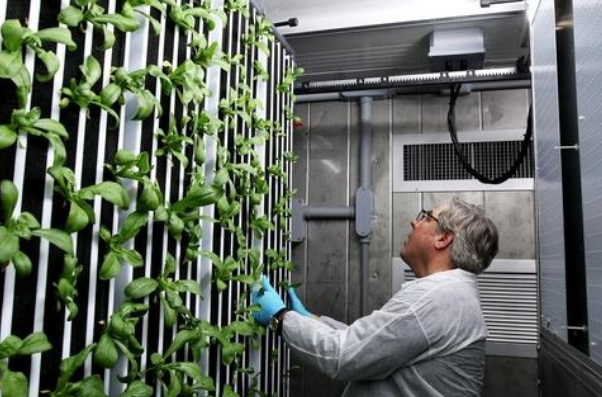
In a concerted effort to address food insecurities in their service area, BGCMS will be using the grant to purchase and operate a Freight Farms Greenery container farm on their Camp Riverside property located at 388 Harvey St., Taunton. The Greenery is a fully functioning, self-contained hydroponic farm housed in a shipping container that allows for plants to grow vertically indoors year-round without soil or direct sunlight. The Greenery will be able to support over 13,000 plants at once.
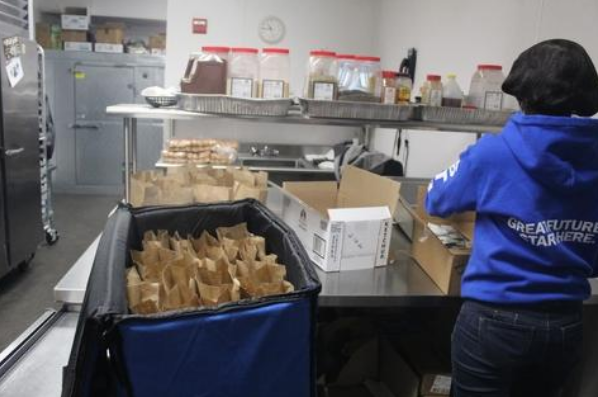
BGCMS intends to use this produce to support their Kids Café Healthy Meals program which provides hot, healthy dinners to every child who attends the Brockton and Taunton Clubhouse each weeknight. The clubs’ Kids Café program feeds more than 400 youth per day and serves more than 100,000 healthy meals annually. In addition to meal service, the clubs will utilize the Greenery to teach members about nutrition, agriculture and how to keep eating healthy foods at home.
“Our goal is to also build upon existing partnerships with local community organizations and other nonprofits that are working to tackle food insecurity — like homeless shelters, soup kitchens, and food pantries in our region — to support their efforts to feed the hungry and feed them nutritious food,” said Monica Lombardo, vice president of advancement at Boys and Girls Clubs of Metro South.
In March, BGCMS jumped into action to adapt its Kids Café meals program into an open grab and go dinner program for youth from 0 to 18 years old in response to the COVID-19 pandemic. Since March 18, meals have been served in a socially distanced fashion at both the Brockton and Taunton Clubhouses every weeknight between 4:30 and 6 p.m. The community response to the grab and go meals program inspired BGCMS to think critically about the clubs’ ongoing role in supporting food security in the region as its afterschool, weekend and summer programs are key social supports for economically vulnerable families.
“Increasing access to fresh, local food is critical to ensure the health and wellbeing of all commonwealth families,” said Gov. Charlie Baker about the grants being offered. “Through this grant program, we are helping residents and businesses who’ve been impacted by the COVID-19 pandemic while making investments in building a strong and equitable local food system for Massachusetts that is prepared for the future.”
To support BGCMS and their mission or to learn more about their Kids Café healthy meals program, visit https://bgcmetrosouth.org.
Posted Aug 25, 2020 at 4:44 PM
Updated Aug 25, 2020 at 4:44 PM


World's Biggest Rooftop Greenhouse Opens In Montreal
Lufa Farms on Wednesday inaugurates the facility that spans 15,000 square metres, or about the size of three football fields. "The company's mission is to grow food where people live and in a sustainable way,"

Lufa Farms just opened what it says is the world’s largest commercial rooftop greenhouse, seen in this aerial photo in Montreal
26 Aug 2020
MONTREAL: Building on a new hanging garden trend, a greenhouse atop a Montreal warehouse growing eggplants and tomatoes to meet demand for locally sourced foods has set a record as the largest in the world.
It's not an obvious choice of location to cultivate organic vegetables -- in the heart of Canada's second-largest city -- but Lufa Farms on Wednesday inaugurates the facility that spans 15,000 square metres, or about the size of three football fields.
"The company's mission is to grow food where people live and in a sustainable way," spokesman Thibault Sorret told AFP, as he showed off its first harvest of giant eggplants.
It is the fourth rooftop greenhouse the company has erected in the city. The first, built in 2011 at a cost of more than C$2 million (US$1.5 million), broke new ground.
Since then, competitors picked up and ran with the novel idea, including American Gotham Greens, which constructed eight greenhouses on roofs in New York, Chicago and Denver, and French Urban Nature, which is planning one in Paris in 2022.
A local Montreal supermarket has also offered since 2017 an assortment of vegetables grown on its roof, which was "greened" in order to cut greenhouse gas emissions linked to climate change.
'Reinventing the food system'
Lebanese-born Mohamed Hage and his wife Lauren Rathmell, an American from neighboring Vermont, founded Lufa Farms in 2009 with the ambition of "reinventing the food system."
At Lufa, about 100 varieties of vegetables and herbs are grown year-round in hydroponic containers lined with coconut coir and fed liquid nutrients, including lettuce, cucumbers, zucchini, bok choy, celery and sprouts.
Bumblebees pollinate the plants, while wasps and ladybugs keep aphids in check, without the need for pesticides.
Enough vegetables are harvested each week to feed 20,000 families, with baskets tailored for each at a base price of C$30.
The company's "online market" also sells goods produced by local partner farms including "bread, pasta, rice, etcetera," Sorret said.
On the ground floor of the new greenhouse, a huge distribution center brings together nearly 2,000 grocery products for offer to "Lufavores," including restaurants.
Shopper Catherine Bonin tells AFP she loves the freshness of the produce but laments that some items are always out of stock. "I can never get peppers," she says.

Sales doubled during pandemic
"We are now able to feed almost two percent of Montreal with our greenhouses and our partner farms," said Sorret.
"The advantage of being on a roof is that you recover a lot of energy from the bottom of the building," allowing considerable savings in heating, an asset during the harsh Quebec winter, he explains.
"We also put to use spaces that were until now completely unused," he said.
Fully automated, the new greenhouse also has a water system that collects and reuses rainwater, resulting in savings of "up to 90 percent" compared to a traditional farm.
Lufa "more than doubled" its sales during the new coronavirus pandemic, a jump attributable "to contactless delivery from our online site," says Sorret.
Profitable since 2016, the private company now employs 500 people, around 200 more than before the pandemic, according to him.
It is currently working on the electrification of its fleet of delivery trucks and is in the process of exporting its model "to different cities around the world," starting with Canada and the United States, Sorret said.
"What's a little crazy," he recalls, is that none of the founders "had grown a tomato in their life" before opening the business.


PODCAST: Vertical Farming - Fork Farms: Growing Food For Positive Change - Alex Tyink
Alex Tyink is the President of Fork Farms, an organization that started on the principle that growing fresh and healthy food is a vehicle for positive change in the world. It is their belief that having consistent access to the freshest, highest quality food is a human right.

Alex Tyink is the President of Fork Farms, an organization that started on the principle that growing fresh and healthy food is a vehicle for positive change in the world. It is their belief that having consistent access to the freshest, highest quality food is a human right. Join Harry Duran, host of Vertical Farming Podcast, as he and Alex discuss Alex’s unorthodox path to entrepreneurship, hydroponic farming and the impact Covid-19 has had on Alex’s business, Fork Farms.

Click on the Above Image to Access the August 25th, 2020 Podcast
Key Takeaways
02:54 – Alex expounds on the impact Covid-19 has had on his business, Fork Farms, and how he got involved in AgTech
13:02 – Where Alex got his entrepreneurial drive and motivation and Alex’s experience moving to NYC
20:12 – Alex breaks down the business model of Fork Farms, the curriculum package they offer and the idea behind Flex Farm
32:28 – What Alex has learned throughout his entrepreneurial journey in AgTech
37:55 – Challenges and obstacles Alex has had to overcome as he continues to grow his team and business
43:14 – Alex talks about what excites him the most about the future of Fork Farms, AgTech, and a tough question he had to ask himself recently
50:29 – Harry thanks Alex for joining the show and let’s listeners know where they can connect and engage with Alex and Fork Farms


Gotham Greens Produces Sustainably Farmed Lettuce In Stapleton
What was once the Stapleton Airport runway is now sprouting sustainably grown greens. Brooklyn, New York-based Gotham Greens has opened its high-tech urban greenhouse
Look for the urban greenhouse’s lettuces, basil, salad dressings, and pesto at Alfalfa’s, Safeway, and Whole Foods locations in the Denver metro area.
By Allyson Reedy • 5280 | July 20, 2020
What was once the Stapleton Airport runway is now sprouting sustainably grown greens. Brooklyn, New York-based Gotham Greens has opened its high-tech urban greenhouse next to Aurora’s Stanley Marketplace, and is out to woo Front Rangers with local basil, greens, salad dressings, and pesto.
Gotham Greens’ aim is to provide high-quality local product on a national scale, bolstering the food supply chain by stocking cities with fresh greens grown right there in the area. The company started in Brooklyn in 2011 and has slowly expanded, with the Aurora greenhouse marking its eighth—and furthest west—location. The 30,000-square-foot facility will provide two million heads of lettuce to the Rocky Mountain region each year, as well as serve as the company’s flagship site on this side of the country. Because the greens are grown and sold locally, the products are fresher when they get to your kitchen, and because the plants are grown hydroponically, Gotham Greens’ produce uses 95 percent less water and 97 percent less land than traditional soil-based produce.
“The technology enables us to have perfect conditions for our plants,” says director of community and partnership marketing Nicole Baum. “Our plants are very spoiled. They’re very coddled.”

That technology includes curtains to create a natural SPF for the plants, as well as to shade them from the sun or lock in heat in the winter. The temperature-controlled space, which is typically set at 75 degrees with 70 percent humidity, can even create different climates depending on where you are in the greenhouse. Basil, for example, likes it a couple degrees warmer than the lettuces. The misting system works overtime in Colorado’s dry climate to inject moisture into the air.
Unique to this Centennial State location are two new-to-Gotham varieties of lettuce: the crispy green leaf, a hardier and more nutrient-dense alternative to romaine, and Rocky Mountain Crunch, a toothsome green whose leaves grow in a rose-like pattern.
You can buy both of those lettuces, along with eight other types of lettuce, basil, salad dressings (don’t miss the Vegan Goddess), and pesto, at Alfalfa’s, Safeway, and Whole Foods locations in the Denver metro area, but you’ll also find Gotham Greens products at an increasing number of local restaurants. At neighboring Stanley Marketplace, Annette and Comida use the greens, and owner Tommy Lee nabbed the crispy green leaf lettuce for his menus at Uncle and Hop Alley.
“We like working with chefs who care about where the food comes from, and luckily in Colorado there’s a lot of them,” Baum says.
Thanks to the greenhouse’s ideal year-round growing conditions, it takes only about a month for seeds to metamorpihize into those verdant, leafy greens. Which means you’ll probably be seeing a lot more of Gotham Greens’ locally-grown produce in grocers and restaurants around town—even through winter.
Lead Photo: by Allyson Reedy


AeroFarms Helps Reduce Food Waste With New Partnership With Table to Table and Matriark Foods
With its global headquarter and farms in Newark NJ, AeroFarms is excited to be able to provide delicious, healthy stems and greens from a second-harvest that normally would be left in the traditional field
AeroFarms Helps Reduce Food Waste with New Partnership with Table to Table and Matriark Foods Through New FarmPlus to People Program, funded by ReFED COVID-19 Food Waste Solutions Fund
AeroFarms is proud to support the new FarmPlus to People program, an innovative partnership with Matriark Foods and to upcycle farm surplus into a healthy, added-value vegetable stew for distribution to the hungry in New Jersey.
Matriark Foods and Table to Table were awarded a $50,000 grant from ReFED COVID-19 Food Waste Solutions Fund to pilot a processing program that pays farmers, creates jobs, diverts vegetables from landfill, feeds the hungry, and proves out the metrics for nimble processing infrastructure. The goal is to deliver 500,000+ meals and offset 1,000,000+ pounds of greenhouse gases over the next 90 days.
With its global headquarter and farms in Newark NJ, AeroFarms is excited to be able to provide delicious, healthy stems and greens from a second-harvest that normally would be left in the traditional field. AeroFarms pioneering indoor vertical farming allows access to the entire root to leaf to create upcycled products that are breaking through for their culinary flavor and nutrition.
The nutritious, tasty vegetable stew will be distributed to the hungry using Table to Table’s established logistics capability and large network of agencies in Bergen, Essex, Passaic and Hudson Counties in New Jersey.
The Covid19 pandemic has increased the challenges of accessibility and availability for much-needed fresh food, straining food system logistics of storage and distribution resulting in an increase in food waste at a time when so many are in need. We are thrilled for the opportunity to partner with such extraordinary organizations who will help us provide an alternative source of nutritious produce. ReFED’s commitment to this project will have a significant impact on our ability to feed our hungry neighbors, while keeping a little less food from ending up in our landfills.” said Ilene Isaacs, Executive Director of Table to Table.
“The goal of this public/private partnership pilot is to demonstrate that with the existence of more nimble food processing, massive amounts of food waste could be diverted from landfill while providing jobs, nutritious food for those who need it, and offsetting GHGs at scale,” states Anna Hammond, Founder and CEO of Matriark Foods. “We plan to optimize the use of the ReFED grant to inspire investment in scaling our model for the benefit of people and the environment.”
“AeroFarms is proud to partner with Table to Table and Matriark to help provide fresh, nutritious, delicious leafy greens and stems and serve our communities struggling with food insecurity. As a Certified B Corporation, we are committed to helping increase access to fresh, healthy, great tasting food while minimizing food waste, a huge contributor to climate change. “Marc Oshima, Co-Founder & Chief Marketing Officer, AeroFarms
“We’re thrilled to collaborate with Matriark and Table to Table to divert high quality produce at risk of going to waste to those who need it most. In particular, we see enormous value in demonstrating a proof of concept for in-time processing of surplus produce, a development that has the potential to build capacity for a food waste reduction strategy that has remained elusive due to lack of nimble processing infrastructure.” Anya Ranganathan, Co-Founder, Bad Apple Produce
“COVID-19 has disrupted the regular flow of the food supply chain, making it difficult to get fresh, healthy food to the people who need it most and increasing the amount of food insecurity,” said Alexandria Coari, Capital and Innovation Director at ReFED, a national nonprofit working to advance solutions to reduce the amount of food waste. “The work of organizations like Table to Table and Matriark Foods is urgent, and we’re excited to get them the critical support they need from the ReFED COVID-19 Food Waste Solutions Fund.”
Little Wild Things City Farm
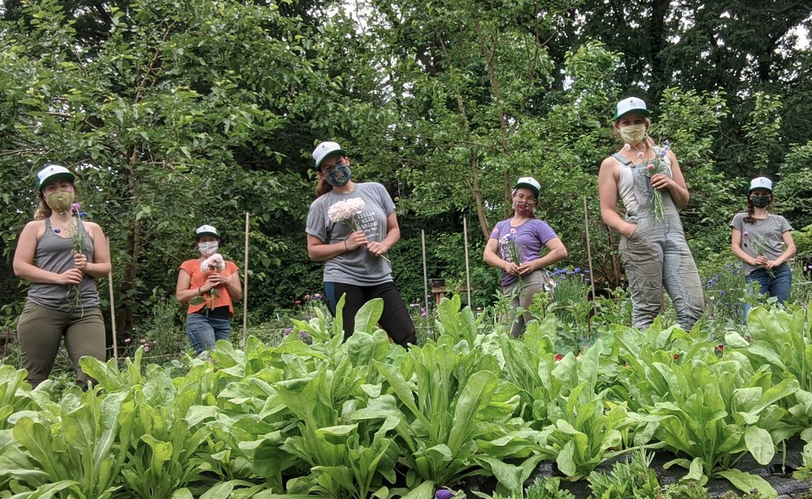
Little Wild Things City Farm produces soil-grown microgreens, shoots, and edible flowers on less than one-quarter acre in the heart of Washington, D.C.
Little Wild Things City Farm produces soil-grown microgreens, shoots, and edible flowers on less than one-quarter acre in the heart of Washington, D.C.
We believe that environmentally sustainable, commercially viable farming is possible in urban landscapes—and we're proving it.
As a first generation farm, we combine the best of time-honored sustainable growing techniques with new innovations and a disciplined business focus to achieve high yields from our very small growing spaces.
We aim to demonstrate that farming is a desirable career for the best and brightest of the next generation, and seek to develop relationships with customers who share our values to create a transformative impact on our local food system.
WHAT ARE MICROGREENS?
Our microgreens are tiny edible greens that provide exceptional flavor, nutritional value, texture, and color to salads, sandwiches, wraps, tacos, pizza, smoothies, soup and more. Smaller than “baby greens,” and harvested later than “sprouts,” microgreens provide a variety of leaf flavors, such as sweet and spicy, and come in many vibrant colors. Fine dining chefs use microgreens to enhance the beauty, taste and freshness of their dishes with their delicate textures and distinctive flavors.
Researchers at the USDA Agricultural Research Service and the University of Maryland began studying the nutritional content of microgreens in 2012. They looked at four groups of vitamins and other phytochemicals – including vitamin C, vitamin E, and beta carotene — in 25 varieties of microgreens. The researchers found that leaves from nearly all of the microgreens had four to six times more nutrients than the mature leaves of the same plant, with variation among the varieties – red cabbage was highest in vitamin C, while the green daikon radish microgreens had the most vitamin E [i]
[i] Xiao, Z.; Lester, G. E.; Luo, Y.; Wang, Q. (2012). "Assessment of Vitamin and Carotenoid Concentrations of Emerging Food Products: Edible Microgreens". Journal of Agricultural and Food Chemistry 60 (31): 7644-7651


Peaches Recalled Nationwide After 101 Sickened, 17 Hospitalized Across North America
If you bought peaches at any of the country’s largest supermarkets this summer—including Target, Walmart, and Kroger—you should probably toss ‘em
by Jessica Fu
08.25.2020
If you bought peaches at any of the country’s largest supermarkets this summer—including Target, Walmart, and Kroger—you should probably toss ‘em.
Federal agencies on Monday expanded a nationwide recall of peaches linked to the country’s largest stone fruit company, Prima Wawona, due to potential contamination with Salmonella Enteritidis. The recall, first announced last week, was originally limited to bagged fruit, and has now been extended to individual and loose peaches as well. Both yellow and white, conventional and organic peaches are affected. A full list of recalled products, including specific produce codes, can be found here.
According to the Centers for Disease Control and Prevention (CDC), at least 68 individuals have become sickened by the outbreak strain, Salmonella Enteritidis, and 14 have been hospitalized across nine states. In Canada, U.S.-imported peaches have sickened an additional 33 people in two provinces.
The Food and Drug Administration (FDA) is urging eaters to toss any of the specified fruit purchased from some of the country’s largest grocery chains—such as Aldi, Walmart, Kroger, and Target—between June and August, including peaches you might have in your freezer. It’s also encouraging both restaurants and suppliers to throw potentially contaminated fruit away.
“Salmonella is really sturdy, meaning it’s very good at surviving on plants like fruit and produce.”
Salmonella is a foodborne illness that can cause gastrointestinal issues, ranging from stomach aches to bloody feces. While most infections resolve themselves without treatment within hours or a few days, many eaters—including children, elderly people, and those who may have compromised immune systems—face a heightened risk for serious complications.
There are numerous points along any supply chain where fruits and vegetables can be infected with illness-causing bacteria. This can happen anywhere from farm fields, where animal feces can spread disease to produce; to processing plants that fail to properly sanitize equipment; to one’s own home, where raw meat or eggs can cross-contaminate with other groceries, said Mary Anne Amalaradjou, an associate professor of food microbiology at the University of Connecticut
“All of these factors can play a role in how salmonella can get into food and how it gets into us,” she said. In the past, Amalardjou has studied this particular outbreak strain and its ability to survive in mangos, finding that Salmonella Enteritidis can stay alive inside fruit for multiple days, and can remain on surfaces even after washing.
“Salmonella is really sturdy, meaning it’s very good at surviving on plants like fruit and produce,” she said.
In addition to our peach problem, an outbreak of Salmonella Newport linked to red onions has sickened over 500 people in the U.S. and Canada, and a Cyclospora outbreak linked to bagged salads sickened nearly 700.
For this particular outbreak, FDA and CDC have reportedly traced multiple infections back to Prima Wawona, the nation’s biggest stone fruit supplier.
“We’re conducting this voluntary recall in cooperation with the FDA out of consideration for the wellbeing and safety of our customers and consumers,” said George Nikolich, Prima Wawona’s vice president of technical operations in a press release. “We continue to be committed to serving consumers with high quality fruit.”
This isn’t the first time the company has been linked to foodborne illness. In the summer of 2014, it had to recall peaches, nectarines, plums, and pluots due to potential listeria contamination, food safety lawyer Bill Marler noted for Food Poisoning Journal.
You couldn’t be blamed for feeling like 2020 has been banner summer for foodborne illnesses: In addition to our peach problem, an outbreak of Salmonella Newport linked to red onions has sickened over 500 people in the U.S. and Canada, and a Cyclospora outbreak linked to bagged salads sickened nearly 700.
Outbreaks of foodborne illness occur every year, and advancements in detection technology help officials pinpoint and trace pathogens along the supply chain with increasing efficiency.
Nonetheless, Amalardjou said, there’s no reason to feel too alarmed quite yet: Outbreaks of foodborne illness occur every year, and advancements in detection technology help officials pinpoint and trace pathogens along the supply chain with increasing efficiency.
With peach season in full swing in numerous growing regions, you can likely rest assured that stone fruit produced by other companies or sold at a nearby farmers’ market is still safe to enjoy.
“I’ll still have my peaches,” Amalaradjou said. “I love my peaches.” Safe peaching is just a matter of keeping an eye on FDA’s recall list, and steering clear of any fruit that gets flagged.
We will continue to update this story as it evolves.

Jessica Fu is a staff writer for The Counter.
Lead photo: Jessica Fu
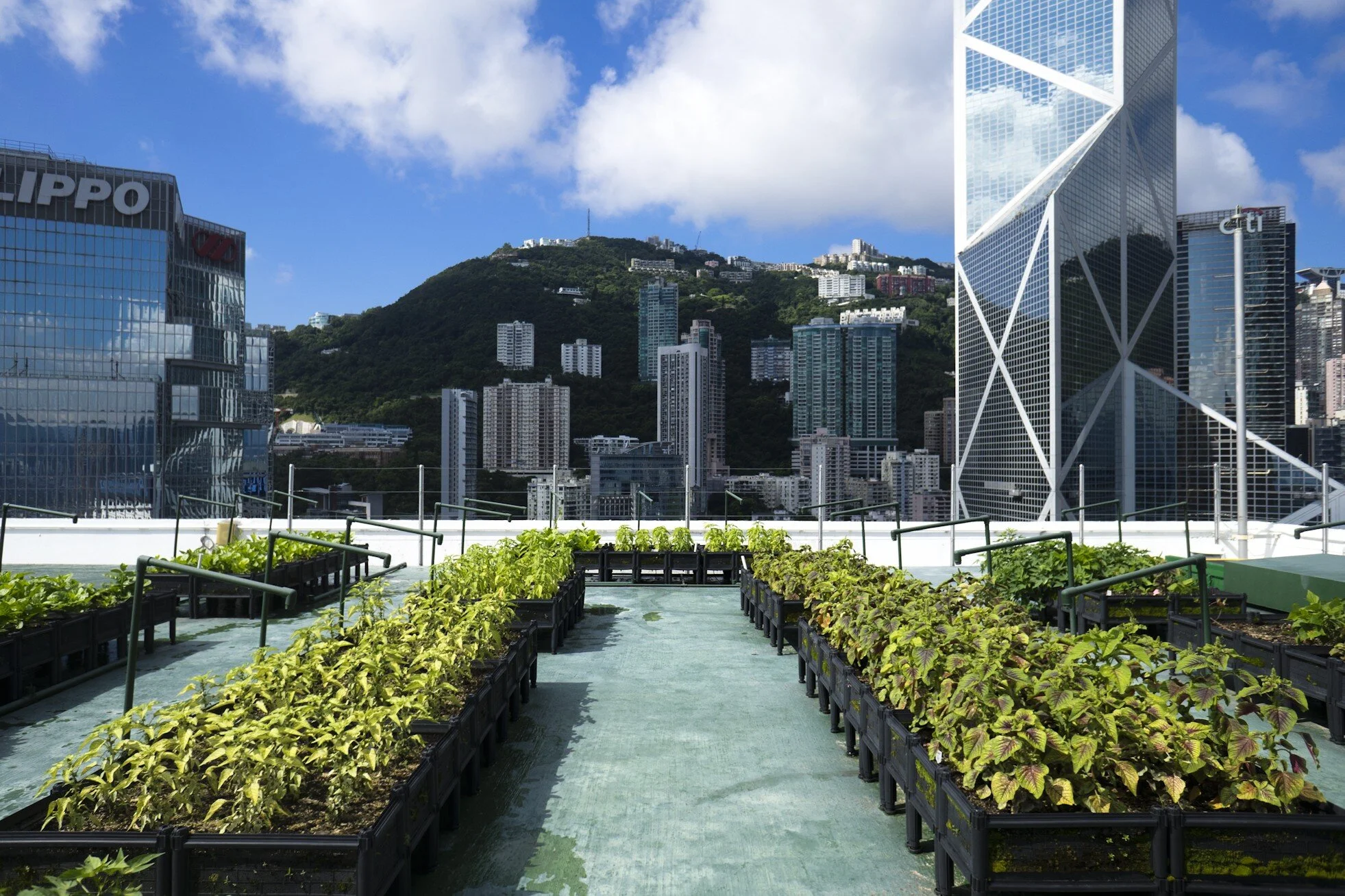
Cities Are Turning To Rooftop Farming
With green initiatives popping up, the benefits of rooftop farms are becoming worldly-recognized. We spoke with Thomas Schneider, co-founder and director of Rooftop Roots in Washington DC and Michelle Hong of Rooftop Republic, based in Hong Kong, China to know how to create and run a rooftop garden or farm
by Erin Tallman
August 24, 2020
With green initiatives popping up, the benefits of rooftop farms are becoming worldly-recognized. We spoke with Thomas Schneider, co-founder and director of Rooftop Roots in Washington DC and Michelle Hong of Rooftop Republic, based in Hong Kong, China to know how to create and run a rooftop garden or farm.
Hong Kongers and city-dwellers are increasingly concerned about the food they put on their dinner tables, According to Michelle Hong of Rooftop Republic, people are increasingly demanding food that is safe, healthy and sustainably produced. With green initiatives popping up, the benefits of rooftop farms are becoming worldly-recognized. One prime advantage is locality— reducing transport mileage equates to lowering emissions, but there’s more to it than a couple of miles here and there.
When bare roofs receive more heat than they emit, they increase emissions and greenhouse gases. Rooftop farms are also helping to cool buildings as they defer this “heat island” effect. The greenery of rooftop farms absorb CO2 and release oxygen, so buildings don’t diffuse as much heat—a good thing since the United Nations confirms our planet is warming much faster than we think.
There’s more still. Rooftop farming can offer low-income families a new source of revenue and better access to quality products—in the US, only 7% of low-income families eat the proper amount of fruits and vegetables, according to a report done by CBS This Morning.
The Rooftop Society
Rooftop Republic (Credit: Ann Woo for Let It Grow.)
Both the Rooftop Roots and Rooftop Republic were born from the realization that there was untapped potential in the city and that there was a real rupture between people and their food sources, health and community.
Rooftop Republic provides services to help install, maintain, learn and understand how to grow gardens on the top of the buildings. Some of the gardens act as a platform for corporate employee engagement or for students to immerse themselves in the educational experience of growing their own food. Through these actions, they’re taking a step forward to reconnect people to food explains Michelle Hong,
“Only by addressing this disconnection—this broken relationship—will we be able to change people’s mindsets and behavior and help them make more informed decisions about their food.”
Rooftop Roots was also created with the intention of rekindling this disconnect through providing economic, environmental and social justice. Their ambition is to generate jobs, offer a new source for fruits and vegetables, and establish a community for food deserts.
Choosing the Right Location
Thomas Schneider, the founder and executive director of Rooftop Roots, in one of his gardens. (Keith Lane/for The Washington Post)
Although the benefits are shiny on paper, Schneider reminds us that it’s not easy:
“Rooftop gardens are not going to end world hunger, weather conditions and temperature swings that occur high up render farming a lot more difficult than ground farms. Plants tend to prefer the earth.”
One can’t forget that rooftop farms are on roofs, literally vulnerable to strong winds on structures that need to be secure and have fundamental integrity. In the Hong Kong context, the first thing to consider when starting the urban farming revolution is to identify a good location that has easy access to water, explained Hong.
“Most herbs/veggies require a minimum of 4 to 5 hours of direct sunlight. No matter what containers you use, the bigger the better. The more space you give to your plants the easier they will find it to develop their root systems, to find nutrients in the soil, etc.”
Rooftop Republic is embarking on training more urban farmers of the future, and with the growing demand for urban agriculture, the company is optimistic that the potential of urban farming in creating employment/vocational opportunities, can be huge.
Immeasurable Benefits
Rooftop herb, vegetable and fruit garden by Rooftop Republic. Photo by Matthieu Millet
Rooftop farming doesn’t require that one purchases land for farming. Underutilized spaces such as rooftops, terraces or even ground surfaces can be re-utilized and re-valued. Although difficult at times, the perks of building community and giving others’ access to natural processes at work are priceless, Schneider maintained. When people begin to understand the tough work involved, a stronger sense of respect for food develops. Hong emphasized:
“People who grow their own food are likely to understand the processes of nature on agriculture, and are more likely to accept ‘imperfect’ produce, as well as be more conscious to treat food purchases with care. We are aiming to change the concept that food is something that we only engage with at the supermarket.”
Rooftop farms and gardens are being implemented to provide greenery and produce just as much as they’re learning experimentations. Today there still aren’t enormous amounts of data concerning the success or results of rooftop projects, which is why Rooftop Roots took it into their hands to initiate a pilot project in 2016 in collaboration with the University of the District of Columbia, in order to establish the best methods and plants for maximum production.
With the intent to improve food scarcity and help other urban growers, the project focuses on the testing of 6 varieties of both strawberries and tomatoes, because as Schneider put it,
“Tomatoes are the gateway drug to gardening.”
In other words: tomatoes are the plant one usually starts out with. Tomatoes are also exceptionally nutrient-dense and somewhat temperamental, so they are an interesting fruit to work with.
Although the teams have been working on this for about 2 years, results are still not definitive and the farmers are not in a position to report their findings. Yet, they can say that tomatoes are definitely not easy on rooftops.
Lead photo: Credit: Rooftop Republic
(This article was first published in our sister publication AgriExpo)

THAILAND: "We Are Lacking Research Here To Backup The Benefits of Indoor Growing"
Thai startup Wangree Fresh has been in the market for over two years now. Krisana Tamvimol, Founder and CEO has done research on more than 200 local vegetables
Thai startup Wangree Fresh has been in the market for over two years now. Krisana Tamvimol, Founder and CEO has done research on more than 200 local vegetables. Eventually, he decided to grow four different vegetables in his Wangree Fresh farm: kale, spinach, rockets and swiss chard. Wangree Fresh has had no problems with incoming orders during the pandemic.
He says: “We’ve had an increase in orders as people wanted more clean and home-delivered vegetables, in the comfort of their own house. Having reached our capacity, we haven’t been able to grow any further beyond that. Now with the pandemic, our company growth is put on hold as we cannot get into new investments and expand our business to meet the growing demand. Our supplies are still constant and we will keep producing at maximum capacity.”
Founder and CEO, Krisana Tamvimol
Under construction
The Siam Pun Sun factory, an 1800 m2 farm, will supply 50 tons of vegetables per month. The construction is about 80% completed and will be fully completed at the end of this year. The new farm is looking into giving educational courses as well. Wangree Fresh will provide educational courses on the new property as well. “I want to share my knowledge of vertical farming and my researches. So, I would love to train more people and teach them more about vertical farming so they can become engineers, scientists, or other”, Tamvimol adds.
The farm's end result
It is no coincidence that Tamvimol has established his new farm there. The farm will be located nearby the Wat Pra Baht Nam Phu temple, which is 120km north of Bangkok. The temple is run by monks who are treating people with medical needs and therefore many underprivileged people are relying on their help.
Tamvimol sees the new farm as a corporate social responsibility project because, once the construction has been completed and the net revenue has come in, all revenue will go directly to the temple. “This will help with the operations of the temple and its maintenance, so the temple won’t be in need of donors anymore. Essentially, the temple will return Siam Pun Suk’s fresh produce to its formal donors as a sign of gratitude.”
The 1800 m2 Siam Pun Sun factory
Supermarkets as a direct competitor
The company sells four different kinds of vegetables, namely kale, spinach, rockets and swiss chard. Simply because we have a pretty good calling price for them. Normally, vegetables of the same species are much more expensive in supermarkets than to what we offer. Our quality is even better. “We are competing with supermarkets in terms of price and quality. We are still researching and looking into strawberries and other fruits, but for now we haven’t gotten that far yet in terms of production”, Tamvimol says. Currently, Wangree Fresh consists of one farm and sells its products under two brands: Wangree Health, the organic wing and Wangree Fresh, using new technologies the company has been reversing over the years.

The farm currently produces at maximum capacity
Although supermarkets have been in the market for a longer time, they can’t produce in the high volume and quality like Wangree Fresh can. He continues: “Quality-wise, we are the best producers of these kinds of vegetables in Thailand. We haven’t been able to address demand in supermarkets yet”, Tamvimol confirms. He says that high-quality and clean food is mostly preferred in urban areas. However, supermarkets in the sub-urban areas do not sell this kind of high-value vegetables.
“We haven’t been able to address the demand in supermarkets so far. Simply, because we have a subscription model and we haven’t been able to address the demand of our subscribers just yet”, Tamvimol says. Since February, the company has gone from 1000 to 2000 subscriptions. Previously, we used to have 1000 subscribers and home-delivered vegetables to them on-time.”
Because the subscriptions doubled during the pandemic, the home-delivery time became longer as well. “We were at maximum capacity already, but we wanted to keep making our customers happy. A guarantee to deliver the fresh produce within 24h e.g., to maintain the freshness of the vegetables”, he adds.

Franchise model
In the future, Wangree Fresh might consider having a franchise. “As in, people signing up to use our system. However, at this point, I have my hands dirty on researching the entire growing system. There might come a franchise model where people can sign up for the consultation of our design and construction of the system. The system needs fine tuning all the time, so it’s not easy to sell it off as one package”, Tamvimol states.
Vertical farming system
“There are two main difficulties in vertical farming here. One is the adoption of new technologies. The Thai people and mostly farmers are not bold enough to try new things. They use their own systems that have been used for over decades” Tamvimol says. It’s hard for Tamvimol to get them involved and for them to try the new systems. “The second thing is that there aren’t many vertical farming systems available in Thailand. Next to that, most of the academic works are conducted by foreign researchers and we are lacking researches here to back up the benefits of indoor growing”, he says.

An impression of Tamvimol's growing system
Tamvimol has done a lot of research on technology, hardware and factors of finetuning his system. He grew up in Chiang Mai, where the main business is agriculture, and used to work in the computer hardware business. After an academic tour to Japan, he became involved with vertical farming. That’s when he decided to combine his experience in digital technology and agriculture. After spending the past few years on research: finding the right formula to grow any kind of vegetable and how many vegetables he needs to grow to generate a good return on investments.
For more information:
Wangree Fresh
Krisana Tamvimol, CEO
krisana@wangreefresh.com
www.wangreefresh.com

Publication date: Mon 24 Aug 2020
Author: Rebekka Boekhout
© HortiDaily.com

Pablo Bunster, Co-founder and CCO of AgroUrbana “In Our Next Farm, We Will Be Able To Use 100% Renewable Energy”
As Chile has been in a complete lockdown since mid-May, AgroUrbana is lucky to continue its operations. “It’s not easy, because you have to change the way of operating, the interactions, and in-farm activities, even when food safety was already key to the company culture
As Chile has been in a complete lockdown since mid-May, AgroUrbana is lucky to continue its operations. “It’s not easy, because you have to change the way of operating, the interactions, and in-farm activities, even when food safety was already key to the company culture. Our customers have been ordering through home delivery”, Cristián Sjögren, Co-founder and CEO of AgroUrbana says.
Renewable energy
Bunster notes: “It took us from the energy market, from renewable energy, to farming. We believe that this is the perfect testing round to see what vertical farming can do.” Chile has drought, cheap labor, we have competitive, available and abundant renewables. Which is always a discussion around vertical farming. We manage sunlight here as we use 100% renewable energy PPA. However, we cannot do this with our pilot because the overall consumption is too low, so we have to regulate it. In our next farm, we will be able to go 100% renewable. That puts a lot toward sustainability for vertical farming.” The urban population is growing fast in Latin America. AgroUrbana believes that vertical farming can accommodate that food demand.
“Our next stage is, going commercial to a scale where we can bring costs down”, Bunster continues. “First, we thought of a small community distributed model with a few small blocks around, such as container farms. But, we believe that scale is still required as you can become more competitive with higher efficiency.
“First, we’re farmers and technology comes to serve that purpose be the best farmers! We are developing some technologies internally to run our farms, but our focus now is how we can actually rate the curve of cutting costs to make our products increasingly competitive. We want to stay out of the commodity but still reach the masses. Our mantra is to deliver better quality food to everyone”, Sjögren adds.
Pablo Bunster harvesting some fresh lettuce
Pilot farm
Sjögren states: “We started with a pilot farm, because vertical farming is something completely new in Latin America.” Before launching a new category for Agriculture in Chile, Sjögren and Bunster wanted to understand the economics of vertical farming. They took an approach of technology-agnostic by building a 3000 sq. ft pilot farm, where different technologies are tested. The 18-month pilot phase will be completed by the end of this year.
“We are integrating our own recipe that combines the seeds nature provides us with its nutrition and environmental parameters. Next to that, we are constantly improving and optimizing our operations in order to drive down costs”, Bunster adds. These quantities are allocated in a 3000 sq. ft farm which is not a large production, Sjögren noted, but this is done to test the market, integrate and develop our technology and do R&D in new varieties. AgroUrbana is planning on scaling up throughout Chile in 2021 with an aim to further expand into the new markets, mainly large urban areas, in the region in the next years.
“Chile is a perfect testing ground to start, test and stress what vertical farming can do, due to the Mediterranean weather we have, favorable to open farming, but also abundant and competitive renewable energy. We both spent our last ten years in the wind- and solar energy industry. Renewables will help AgroUrbana close the gap between traditional agriculture and vertical farming”, Sjögren says.
The country has suffered from climate change, with a 10-year drought that highly affected Chilean agriculture. AgroUrbana has achieved surprising improvements in its yield. “We are planning to transfer all this knowledge to our next farm, a 30,000 sq. ft commercial-scale farm. In the upcoming months, we are doing funding rounds in order to help us realize this farm.
Sjögren says that AgroUrbana is going to pilot in the berry space as well, such as strawberries. “We are starting a pilot to test the different varieties of strawberries. Next to that, we are developing edible flowers and some microgreens”, Sjögren affirms. Most of the volume is lettuce, but we will be rolling out other leafy greens and we will see how it goes with the other crops.
Carmelo platform
“There are many components such as climate control, irrigation, growing structures, and so on. We want to put all the pieces together and operate these very efficiently”, Sjögren states. The company is developing a technology ‘Carmelo’, a platform of sensors with hardware and software to monitor and control our operations. “We are at a level of precision, where we are able to handle the microclimates within the farm. Using Carmelo, we are collecting data already for over one year which is helping us to become even more precise and consistent.” All data gathered will be used for our first large scale commercial farm planned for 2021.
“We’re all about technology and data because that’s how you drive down the costs. We are combining genetics, giving the perfect climate, and the perfect environment. Carmelo is all about finetuning the recipe we’re creating, through managing a farm, and having consistent quality food, every day of the year”, Bunster adds.
Product pricing
“Our team is in good spirits as we have been keeping up production. The pandemic hit us hard, but we were able to relocate all production to different distribution channels, such as e-commerce, supermarkets and subscriptions”, Bunster states. We were planning on doing that already, but we accelerated our go-to-market because of the current situation. “There’s no going back on e-commerce because customers are getting used to it. If we can take our produce to e-commerce, keep our customers satisfied and easy about always getting the perfect product, they’ll always order it online. It’s something we already wanted to do and we are currently testing and proving it. So far, we’re doing okay”, Bunster adds.
AgroUrbana has two markets, one of them being retail with a fast pace opening of new distribution for their products, with 100% recyclable packaging. Furthermore, the company delivers its products to restaurants. Since one year, AgroUrbana has launched its own house mix of lettuce.
Cristián Sjögren and his colleague preparing the plugs for planting
Bunster mentioned that AgroUrbana is selling to restaurants that are price sensitive. Meaning that they care about food quality and the costs. “Here’s where food waste comes into play. We do not have any food waste. We’re coming to the point where most of what we grow, we’re able to process and sell. In restaurants only, we’re saving between 25-35% food of waste in leafy greens. We are very efficient in logistics as we don’t truck. We move food for a few miles from our farms to the kitchens of different clients. This helps us to make numbers for a competitive market.”
Focusing on the next generation
“It has been exciting to put our team together because nobody has a vertical farming degree on its resumé. We’re really excited to prepare the next generation of vertical farmers. We’re putting together different skills and attracting the next generation of farmers that want to move from the countryside to the city. It’s an attractive way to get a generation back to growing veggies in the city with a lot of interaction with technology”, Sjögren ends.
For more information:
AgroUrbana
Cristián Sjögren, Co-Founder and CEO
cristian.sjogren@agrourbana.ag
Pablo Bunster, Co-Founder and CCO
pablo.bunster@agrourbana.ag
www.agrourbana.ag
Publication date: Tue 25 Aug 2020
Author: Rebekka Boekhout
© HortiDaily.com
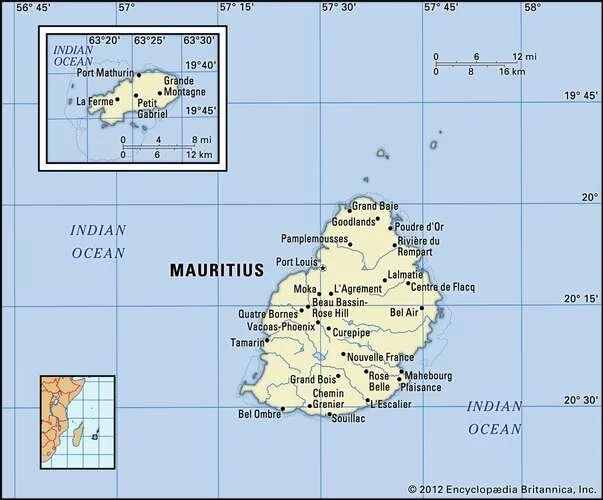
MAURITIUS: Promotion of Entrepreneurship In Green And Sustainable Agri-Business Activities
A training course in Hydroponics Crop Production and Greenhouse Management, aimed at encouraging entrepreneurship in green and sustainable agri-business activities among co-operative planters, was launched
Date: August 20, 2020
Domain: Agriculture and Food Security
Persona: Business; Citizen; Non-Citizen; Government

GIS – 20 August 2020: A training course in Hydroponics Crop Production and Greenhouse Management, aimed at encouraging entrepreneurship in green and sustainable agri-business activities among co-operative planters, was launched, today, at the National Cooperative College (NCC), in Terre Rouge. Some 75 co-operative planters and unemployed persons are participating.
The course, which covers both theoretical and practical aspects of hydroponics, is being offered jointly by the NCC, the University of Mauritius (UoM), and the Food and Agricultural Research and Extension Institute (FAREI).
In his address, the Minister of Industrial Development, SMEs, and Cooperatives, Soomilduth Bholah, recalled that the course is in line with Government’s policy to drive agricultural innovation and promote sustainable agriculture and food production. The training, he said, focuses on providing essential basic knowledge and practical skills pertaining to crop production.
The Minister also lauded the benefits of hydroponics farming which are namely: water conservation, use of fewer chemicals, space-saving, faster growth, nutrient control, bigger yields, no soil erosion, and healthier plants.
This emerging sector, Mr. Bholah indicated, is aligned with initiatives promoting the protection of the environment and of public health, food safety, and entrepreneurship. He also highlighted that hydroponics farming requires less pesticides and herbicides, resulting therefore in healthier food for consumption.
The Hydroponics course
This part-time course is of a 30-hour duration and will be conducted once weekly at the NCC. Practical sessions will be held at the Mapou Model Farm and the UoM Labs.
The topics being covered include: introduction to agriculture and hydroponics, greenhouse models and structures, fertigation and nutrient solution preparation, management of greenhouse environment, pre/post-cyclone management practices, troubleshooting, choice of varieties of crop, seedling production, cultural practices, pest and disease management, and harvest and post-harvest practices.
It is recalled that financing plans for hydroponics are available at FAREI and the Development Bank of Mauritius.
Government Information Service, Prime Minister’s Office, Level 6, New Government Centre, Port Louis, Mauritius. Email: gis@govmu.org Website: http://gis.govmu.org Mobile App: Search Gov
US: Vertical Harvest To Open New Farm in Maine
“We want to grow as much food as possible. We want to employ as many people as possible. We want to do both year-round
An outside shot of Vertical Harvest's Wyoming farm. | Photo: Allison Kreig
The Facility is Expected to be 70,000 Square Feet And Produce 1 Million Pounds of Food in a Year.
August 24, 2020
Posted by Chris Manning
According to story from News Center Maine, vertical farming company Vertical Harvest is expanding to Westbrook, Maine with a 70,000 square foot vertical farm.
“We want to grow as much food as possible. We want to employ as many people as possible. We want to do both year-round. That’s what gave us the idea to go up. So at its heart, we want to be able for these farms to serve the community in which it sits, so that means being in the heart of our urban centers,” said co-founder Nona Yehia, per the article.
Related story: Vertical Harvest takes a new approach to CEA
Vertical Harvest is based out of Jackson Hole, Wyoming. Earlier in 2020, Yehia told Produce Grower that the company had plans to build a farm in Lancaster, Pennsylvania.
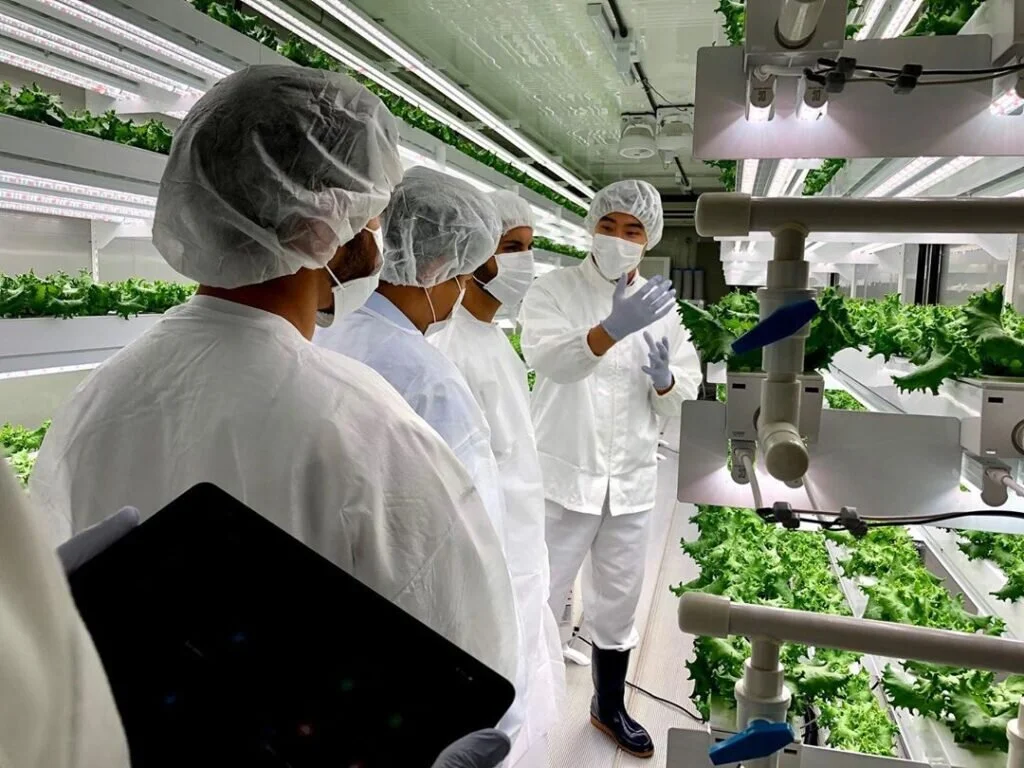
Smart Acres CEO on The launch of The UAE’s Latest Vertical Smart Farm
The launch of Smart Acres, the UAE’s latest addition to the hydroponic vertical farming industry, this week means that a line of the freshest, most nutrient-dense greens for UAE residents and businesses alike is now being produced in containers on the Armed Forces Officers Club in Abu Dhabi, with the aim to expand across the UAE
Smart Acres Is Here With Lettuce At The Helm. In An Exclusive Interview With Abu Dhabi World, Smart Acres CEO Abdulla al Kaabi Reveals What This Means To Abu Dhabi And The Farming Community On The Whole.
words Derek Issacs
If you love healthy produce, and who doesn’t, then this news is going to please you and your tastebuds no end. The only draw back at the moment is they’re not for sale in supermarkets just yet, but it won’t be long before they are.
The launch of Smart Acres, the UAE’s latest addition to the hydroponic vertical farming industry, this week means that a line of the freshest, most nutrient-dense greens for UAE residents and businesses alike is now being produced in containers on the Armed Forces Officers Club in Abu Dhabi, with the aim to expand across the UAE.
So we headed over to the St. Regis Abu Dhabi to meet Smart Acres CEO Abdulla al Kaabi to find out more.
Tell us about your background?
I am from tech and farm background. My father has a passion for farming and gardening; he’s very strict about anybody who messes around with his garden or farm. My father has a few farms across the UAE, where he grows crops and dates. When he heard that I was pursuing a project in the agriculture sector he got excited and actually gifted me a farm, which I am grateful for and will keep. However, Smart Acres, rather than the farm my father gifted me, is an urban farm.
How was Smart Acres first developed?
CEO Abdulla al Kaabi (centre)
Smart Acres was founded in 2017 and local testing began in July 2019. Smart Acres was developed by a team of experts, including myself, Director Sean Lee and Lead Project Manager, Aphisith Phongsavanh with the aim of improving food security within the United Arab Emirates and developing the country’s farming capabilities, providing a solution to potential socioeconomic threats such as pandemics and climate limitations the Middle East currently endures.
Tell us more
We planted lettuce and after a few harvests, we decided to expand from two containers to eight containers. From the two insulated containers the yield was 3.5 tons annually, which was our proof of concept. For the proof of concept, our target weight for each lettuce head was 140g. However, we have reached an average of 200g per head. I don’t think any other vertical farm here reached that quality or weight in terms of vegetables at this size.
How would you describe Smart Acres?
It is a one-of-a-kind agriculture system that is designed to produce some of the highest yields of crops within the UAE’s vertical farming industry, while introducing a new future for clean foods and allowing both business to business (B2B) and business to consymer (B2C ) sectors to locally source produce.
Tell us about the containers
We invested heavily in the containers, not just financially, and it took us a while to partner up with n.thing, a South Korean vertical farming technology company, to bring the best vertical farm here in the UAE. We had talks with other companies before and we decided to go with this one, in terms of risk, in terms of technology they are using. And the system we are using in the containers is hydroponics (growing plants without soil) which has been used by growers for hundreds of years. Techno advancements means we were able to implement the Internet of Things for operations, which helps us to monitor the entire farm in terms of humidity, temperature, and even the nutrients that goes inside the plants. Now we have our expansion plan from eight to 78 containers, which eventually will produce more than 140 tons of produce annually. We are currently in talks with private and public entities in terms of the expansion. We are also planning to have a research and development centre in order to start growing our own potato seeds in a controlled environment.
Will Smart Acres just be growing lettuce?
In our current eight containers, we grow four types of lettuce; Lolo rosso , green glace, oakleaf Batavia, but we are able to grow 30 types of lettuce. Currently we are testing new methods to improve quality and weight of the existing lettuce. The results of last month’s test resulted in lettuce whose individual heads weighed more than 200 grams on average. However, we aim to grow more than just lettuce. We have plans to eventually grow baby spinach, mature spinach, and baby arugula. Smart Acres’ vision is to expand to meet the demand of popular produce in the region such as strawberries, and, as I previously mentioned, a shift and emphasis on cultivating potato seeds.
Where can we buy your smart lettuces?
We are now supplying restaurants and hotels for free to get ourselves known, and we have had great feedback from them. We have also partnered with several restaurants and cafes around the country including Inked and Fae Cafe, and have plans to have our produce in the kitchen of dozens of other F&B outlets. The recent initiative by HH Sheikh Mansour bin Zayed, Deputy Prime Minister, Minister of Presidential Affairs, and Abu Dhabi Agriculture and Food Safety Authority (ADAFSA), stating that all major grocery stores in the capital must allocate space for local produce means we are perfectly poised to enter local supermarkets. We have had lots of offers from Abu Dhabi Holding and other government entities that are members in the food security committee to buy our whole produce. Currently we are focused on our actual produce itself, in terms of quality, weight.
Posted in Features, Food, Life, News
Tagged agriculture system Abu Dhabi, CEO Abdulla al Kaabi, Clean foods UAE, food security UAE, SMART ACRES Abu Dhabi, st regis abu dhabi, UAE Climate Change Risks and Resilience, UAE farms, UAE’s vertical farming industry, vertical farming Abu Dhabi

Exploring The Costs And Benefits of Indoor Agriculture
Vertical farming is the shiny new toy in agriculture. It's attracted tremendous media attention and VC investments. Mostly, VC seeks a high rate of return. How has VC investment impacted the business decision making in vertical farming operations?
Leafy GreRobert Colangelo and Matt Roy
Yesterday, the Indoor Agtech kicked off its virtual event, joined by many participants. One, of the many seminars, was about 'Exploring the costs and benefits of indoor agriculture'. Robert Colangelo, Founding Farmer at Green Sense Farms, kicked off the seminar by asking what CEA means to Matt Roy, VP Business Development CEA at Tanimura & Antle. Roy answered, “CEA to me, means anything grown inside. There’s a lot of innovation and disruption happening in the space and I think there’s going to be a lot of different technologies that are going to provide the right solutions here.”
Colangelo: “Is it true that, according to the myth, the leafy greens supply chain is broken and where can it be improved?”
Roy stated that one of the misconceptions out there is that there’s this big waste field on the West Coast on how products are grown, harvested, and shipped out. “It’s actually highly innovative and from innovation, technology, and sustainability standpoint, there’s a lot of exciting things happening out there. I continue to be amazed at how well we are able to get fresh fruits and vegetables across the country. A lot of things we’re trying to achieve indoors, in a lot of ways we have accomplished that outdoors. From growing it, getting it harvested efficiently, timely, and done food safely, we’re getting high quality, nutritious fresh produce across the country in a matter of days.”
Colangelo: “Can you give us a quick thumbnail of the different touchpoints, from seed in the field to the supermarket, how does that level travel and where do you see waste along that line?”
Roy: Naturally, with any farming, indoor, or outdoor there is going to be some level of waste. Obviously, putting products on a truck for five days brings challenges and vulnerability along. A misperception is that all of the food is left in the field, but in a lot of ways, it’s organic material feeding the soil. Just because leaves are left in the field after harvesting, it might be viewed as waste, but it goes back in the dirt and provides nutrition to the soil.
Colangelo: "A challenge in vertical farming is packing on a large economy of scale. What are the challenges of packing as a smaller scaled farm with few centralized packing houses near? How do you get packing done economically?"
Roy: “Hyperlocal smaller farms bring value to the supply chain and continue to provide additional ways to provide nutritious products to consumers. I think it’s going to be one of the challenges, and it’s a huge component that is not talked about a lot. There’s a lot of discussion on the growing side, but I think that we need more conversation on what innovation looks like on the packing side. What is looks like for hydro-cooling, think of everything shipped out from the West Coast, is hydro-cooled. So, when growing indoors, pulling the heat out of the product to ensure you have the shelf life needed out of it. It’s a big piece that needs to be solved.
Colangelo: “Most of the packing equipment is geared to large-scale production and there's very little cost-effective low scale packing equipment out there. So I agree, that it’s an area that we all need to work out. Looking at product recall, there's been a number of recalls with field-grown lettuce, but I've not heard of any from a vertical farm. So, can you talk a little bit about health and safety, and food safety when it comes to field production versus indoor growing?”
Roy: “The challenge has been full case-level traceability. A lot of work was done around the first traceability initiative. But, until all channels of the supply chain jump all in together around traceability, it's going to continue to be a challenge rather outdoors or indoors. Controlling more elements inside allows to produce a safer product, but in a lot of ways, it creates more risk because it's easier to contaminate all of your crops. So it’s really an all-in from everybody jump in and says we're going to prioritize food safety. And yes, this product might be 50 cents or a dollar more of a product, but we're putting a premium on food safety. We know these ‘five golden rules’ they are compliant against and we're going to pay a premium for that. As a buyer, you’re not looking at food safety first, so it’s actually a broader conversation that impacts both indoor and outdoor. It's great to have you here with your unique perspective both as a buyer and now our producer.”
Colangelo: Vertical farming is the shiny new toy in agriculture. It's attracted tremendous media attention and VC investments. Mostly, VC seeks a high rate of return. How has VC investment impacted the business decision making in vertical farming operations?
Roy: “I think it creates a different pressure. Whereas, if you're a self-funded or institutionally funded organization, there's more of a long view on what you're doing and when you're crawled by VC money there's a higher expectation on the return. I think that in a lot of ways vertical is still early stage and technology has not gone to a point that had a mass scale to produce cost-effectively. The market has not matured enough to demand a premium to get those returns. The pressure impacts your day-to-day decisions as a business leader. Are you going to make the right decisions, long-term, for the help of a product in your business, or, are you going to make some short-term decisions that might not allow long-term success in your business?
Colangelo: “Banks don’t provide debt finances to new ventures. Private equity and VC being the only few sources, how do new ideas get funded in this market?”
Roy: “In the last four of five years, from an investment side people have really have given more attention to how much food is consumed, and the size of the industries, the supply chains around products. In general, the energy coming into the food space, investing, bringing innovation and new ideas to disruption is all very exciting, but I think you speak to that challenge. ‘How do you balance funding your business to get started, while still staying true to your principles and creating something long-term?’ So I think that these many people were battling with these challenges. From a macro view to me, it's exciting to see a lot more VC money coming into fresh produce than you’ve seen historically. With that will come continued innovation and disruption.”
For more information:
Green Sense Farms
Robert Colangelo, Founding Farmer
www.greensensefarms.com
Tanimura & Antle
Matt Roy, VP Business Development CEA
www.taproduce.com
Indoor AgTech Innovation Summit
www.indooragtechnyc.com
Publication date: Fri 24 Jul 2020
Author: Rebekka Boekhout
© HortiDaily.com

Producing Seedlings In An Off-Grid LED Lit Vertical Farming Facility
Plant Raisers Ltd, the largest propagator of glasshouse salad crops in the UK, has in addition to a recent expansion of its conventional glasshouse facility, partnered with sister company IGrowing Ltd to develop a system to produce seedlings using an off-grid LED lit vertical farming facility
How Plant Raisers Ltd Are Taking Propagation ‘Off Grid’
Plant Raisers Ltd, the largest propagator of glasshouse salad crops in the UK, has in addition to a recent expansion of its conventional glasshouse facility, partnered with sister company IGrowing Ltd to develop a system to produce seedlings using an off-grid LED lit vertical farming facility.
Eliminating carbon footprint
The concept has been designed to eliminate the carbon footprint associated with vertical farming and maximize the yield of seedlings per unit of electricity. To achieve this, every aspect of power demand for urban farming systems was analyzed and optimized. A key focus in developing a sustainable and efficient vertical plant production system targeted the excess heat created by the inefficiency of existing systems. Eliminating this waste energy has allowed the parasitic loads associated with heat management to be negated saving energy and unnecessary capital cost and making off-grid operation a reality.
LED fixture and power infrastructure producing negligible heat
The first task for the designers was to produce an LED fixture and power infrastructure which produced negligible heat. Collaboration with Extreme Low Energy, a UK company with knowledge and expertise in DC infrastructures provided the electrical solution and the APP-based control system that delivered crop-specific lighting recipes. Several iterations of light unit design were required before the targeted level of energy efficiency and lighting performance was achieved. The end result is a bespoke fixture that has excellent light uniformity, full spectral and intensity control and emits virtually no waste heat. The control of spectral lighting recipe and duration allows for further energy gains building on Plant Raiser’s horticultural understanding of crop requirements at each stage of growth. Additionally, as the luminaires are only 8 mm thick there is an opportunity to maximize the number of growing levels in any given space maximizing space utilization.
With no surplus heat load from the installation, controlling the environment required a different approach to the conventional HVAC systems. Instead, environmental control is provided by fans and sensors. These are switched by the App-based program which allows for remote control at any time of day or night. The app also has the ability to continuously record data to aid management decisions on the most appropriate climate and lighting settings.
Container system with low energy demand
The total energy demand of the container system is now so low that it can support off-grid production with power provided by locally mounted solar panels and/or a small scale wind turbine with a stand by gas generator available as an optional extra. Battery technology allows storage and control of the power generation. These aspects are also controlled and monitored using the app-based program.
The resulting system is the culmination of over three years' research at Plant Raisers Ltd focussed on containerized growing seedlings with the minimum energy input. The project is now fully operational and will be further developed by iGrowing Ltd for customer-specific applications. The system components can also be fitted into larger vertical farm developments looking to take advantage of the energy savings and design methodology.
For more information:
Nick Denham
iGrowing Ltd
nick@igrowing.co.uk

Piero Lissoni Designs Conceptual New York Skyscraper To Be "Self-Sufficient Garden-City"
Italian architect Piero Lissoni's studio has designed a conceptual skyscraper in New York as a self-contained community and vertical urban farm that would provide an example of living in the post-Covid era
Eleanor Gibson | 14 August 2020
Italian architect Piero Lissoni's studio has designed a conceptual skyscraper in New York as a self-contained community and vertical urban farm that would provide an example of living in the post-COVID era.
Lissoni Casal Ribeiro, the architecture arm of Lissoni's studio, imagine Skylines to be a self-sufficient skyscraper by providing its own energy and resources as well as facilities for occupants to live, like school, sports facilities and a hospital.
The studio said the idea of self-sufficiency within a building has become even more important in light of the global coronavirus pandemic in 2020.
"Covid-19 has made us reflect on how weak we are in the face of a pandemic and has served as a warning after the whole planet essentially closed down for three months, teaching us that the infrastructures of the future must also be imagined to take account of life in the possible event of another lockdown," said Lissoni Casal Ribeiro.
"The year 2020 and the arrival of a global pandemic have indeed highlighted our weaknesses and shortcomings at a structural level, causing us to devise new ways of thinking the city and the infrastructures."
Designed for an imaginary urban plot in New York City measuring 80 by 130 metres, the scheme uses geothermal energy and photovoltaic panels for power and would use a rainwater recovery system and water use management for water.
A curtain of steel cables would form the tapered structure and would hold up hanging garden platforms that run around a glazed tower in the centre.
According to the studio, the idea is that over time these platforms would be covered with trees and shrubs to create a "vertical urban forest".
"The equilibrium between the external and internal spaces gives life to a sort of self-sufficient garden-city," it said.
"A system that produces, optimises and recycles energy, a perfect microclimate that filters the air, absorbs carbon dioxide, produces humidity, reuses rainwater to irrigate the greenery, in addition to providing protection from the sun’s rays and the noise of the city."
Within the glass tower, the living spaces would be arranged vertically, with public and cultural activities on the lower levels and the soilless vegetable gardens and sports facilities above this.
Next would be the hospital "which is also immersed in greenery and well-equipped to face any health emergency".
Above this, there would be schools and a university and spaces for offices and co-working, which the studio argued would be an important part of the programme post-Covid.
Residences, meanwhile, are placed on the top floors to take advantage of the views.
Lissoni Casal Ribeiro designed Skylines for the international architecture competition Skyhive 2020 Skyscraper Challenge and received an honorable mention.
Lissoni founded his interdisciplinary practice Lissoni Associati in 1986. In recent years, he has become better known for his product design and interiors, working with a host of leading brands like Cappellini, Flos, Kartell, and B&B Italia.
His other architecture projects include a proposal for a submerged circular aquarium, which won a speculative competition for a site on New York's East River, and a curved residential building that will be built in Vancouver's new Oakridge community.
Project credits:
Design team: Piero Lissoni and Joao Silva with Fulvio Capsoni
Read more: Architecture Conceptual architecture Skyscrapers News Conceptual skyscrapers Piero Lissoni New York skyscrapers Coronavirus