

Welcome to iGrow News, Your Source for the World of Indoor Vertical Farming

PHILIPPINES: Smart Farming In Metro 3rd
Cong. Kiko recently visited the demo farm developed by TUPV in Talisay City where Director Eric Malooy showcased a single mini farm-set-up using aquaponics technology with lettuce, pepper, tomatoes and tilapia ready for harvesting
Food security is among the priority development thrusts of Cong. Kiko Benitez for the Third District and the proposal of the Technological University of the Philippines-Visayas (TUPV) focusing on micro-farming through aquaponics offers positive potential for both urban and rural communities.
Cong. Kiko recently visited the demo farm developed by TUPV in Talisay City where Director Eric Malooy showcased a single mini farm-set-up using aquaponics technology with lettuce, pepper, tomatoes and tilapia ready for harvesting.


The project that will pool the efforts and resources of TUPV, the Congressional District Office, Negros Women for Tomorrow Foundation and IF Green Technologies targets the development of a sustainable business model for food security, increased production of healthy food choices, training of beneficiary communities on aquaponics technology assisted farming and financial literacy. Micro-financing for expansion plans and marketing support through an e-commerce platform for the produce is also a vital component of the project.
In the meeting with Cong. Kiko, Director Malooy and key TUPV representatives also introduced the solar powered water supply technology and disaster preparedness technologies – flood prediction, detection and monitoring through analytics, air quality monitoring, and data-driven disaster monitoring and response.*

Introducing Vertical Farming To Mexico And Beyond
Above all else, Karma Verde Fresh is a social enterprise whose purpose, according to Tagino, “is to transform the lives of individuals and communities through the creation of accessible food options, that have positive economic and sustainable impacts on the environment.”
Karma Verde Fresh (KVF) is a vertical farm based in Monterrey, Nuevo León (northeastern Mexico), producing a variety of seedlings, leafy greens, strawberries, and beans, and manufacturing its own cultivation systems which can be installed in any urban environment to promote local agriculture.
First established in 2016 by Leo Lobato and Rafael Cuellar, Karma Verde Fresh sought to master vertical agriculture before developing its own system and initially purchased four vertical racks systems from a Dutch company. The company quickly realized that for vertical farming to be successful in Mexico and other developing countries, the technology needs to be both efficient and financially accessible so that any sized growers can participate in the development of their own urban, peri-urban or rural farms.

(F.l.t.r.) Leo Lobato and Rafael Cuellar, co-founders of KVF
According to Tagino, the company’s communications and social media manager, high capital and operating costs are the main barriers to vertical farming.
Technique available to anyone
This has led the company to develop its own technology within Mexico and make it as accessible as possible, all with the goal of providing as many communities with nutritious produce. Today, KVF has increased its cultivation grow racks by more than 89% in the same footprint and their solar LED lights use 21% less energy.
“We know that there are super sophisticated farms across the world, with high automation. That is one way, but in order to impact communities that are left behind, are looking for job opportunities, vertical farming needs to be affordable,” says Tagino.
Once Karma Verde Fresh successfully developed its own cultivation system, the company developed a digital strategy to reach its potential and future customers through various social media platforms which include Facebook, Instagram, and Twitter.
Pushing R&D
Aside from its strong social media presence to attract young customers and entrepreneurs, Karma Verde Fresh also strongly emphasizes the importance for scientific research in the vertical farming industry, publishing their first scientific research report in Cyprus at an international sustainable agriculture conference in March in conjunction with Dr. Gilda Carrasco of the University of Talca.
KVF's salad mix
“Back in 2018, we learned that vertical agriculture really needs the scientific research community to be on board because they can give us the best science for improving growing conditions. In 2019, we started our first laboratories at two UANL campuses (Universidad Autónoma de Nuevo León) and the UAAAN in Coahuila, and in 2021-2023, we’ll be installing cultivation systems at different universities across Mexico, Central America, and as far away as Chile,” says Leo.
By installing cultivation systems at numerous universities, Karma Verde Fresh hopes to attract youth to vertical farming and to develop businesses in the regions where the systems are being established. The company is also immersing itself in the academic world by collaborating on research projects and participating with NCERA-101, a research committee focused on exchanging information about technologies in controlled environment agriculture (CEA).
Expansion plans
Through these research collaborations, the company is creating models that it can replicate across Mexico. Thanks to the American Chamber Mexico, the company met Ken Moskal, now an angel investor and a new corporate structure will allow Karma Verde Fresh to transition out of its start-up phase. While the company hopes to attract investment fund managers, Leo also explained that Karma Verde Fresh is taking its time to grow organically, invest its own money and only bring in outside investments if needed.
Karma Verde Fresh plans to fund its growth mostly through sales of seedlings, produce to restaurants and selling the KVF systems through the national distribution network developed through Mexico’s Industrial Chamber CANACINTRA’s Ag Sector.
Above all else, Karma Verde Fresh is a social enterprise whose purpose, according to Tagino, “is to transform the lives of individuals and communities through the creation of accessible food options, that have positive economic and sustainable impacts on the environment.”
Their purpose garnered the attention of the Inter-American Institute for Cooperation in Agriculture (IICA). The organization asked Karma Verde Fresh to join an alliance, which was signed in 2020 and will work to build cultivation systems in food banks in the country’s most food-insecure regions, as well as the first Vertical Agriculture Tech and Trainer Certification Program in Mexico City.
Sustainable systems
Another interesting initiative of Karma Verde Fresh is its solution called the Rolling Thunder Service. By developing 40-day forecasts over Mexico, the company will be able to better forecast severe meteorological events and begin producing seedlings in its racking systems ahead of such events. When severe storms damage agricultural crops, the company will be able to provide to healthy seedlings to help farmers recover quickly.
The company is guided by three core values: consciousness, innovation and collaboration. With respect to innovation, Tagino explained that it isn’t simply about buying innovation but about actually innovating in the countries seeking to build sustainable agricultural systems. That is ultimately why the company decided to develop its own vertical racks and LEDs. The company’s commitment to collaboration is evidenced by its numerous university partners and research projects.
“Not only are our processes enriched by the different perspectives and knowledge, but it generates a bigger impact among the communities and ecosystems where the collaborations occur,” says Tagino.
For more information:
Karma Verde Fresh
Blvd. Díaz Ordaz #130,
Col. Santa María, Piso 10, Torre 3,
64650, Monterrey, Nuevo León, México
+52 (81) 8851-8261
Leo Lobato, Co-Founder
leo@karmaverdefresh.com
Tagino Lobato, Communication Manager
tagino@karmaverdefresh.com
www.karmaverdefresh.com
Publication date: Thu 25 Feb 2021
Author: Rebekka Boekhout
© VerticalFarmDaily.com
AppHarvest, Inc. Announces Full-Year 2020 Financial Results
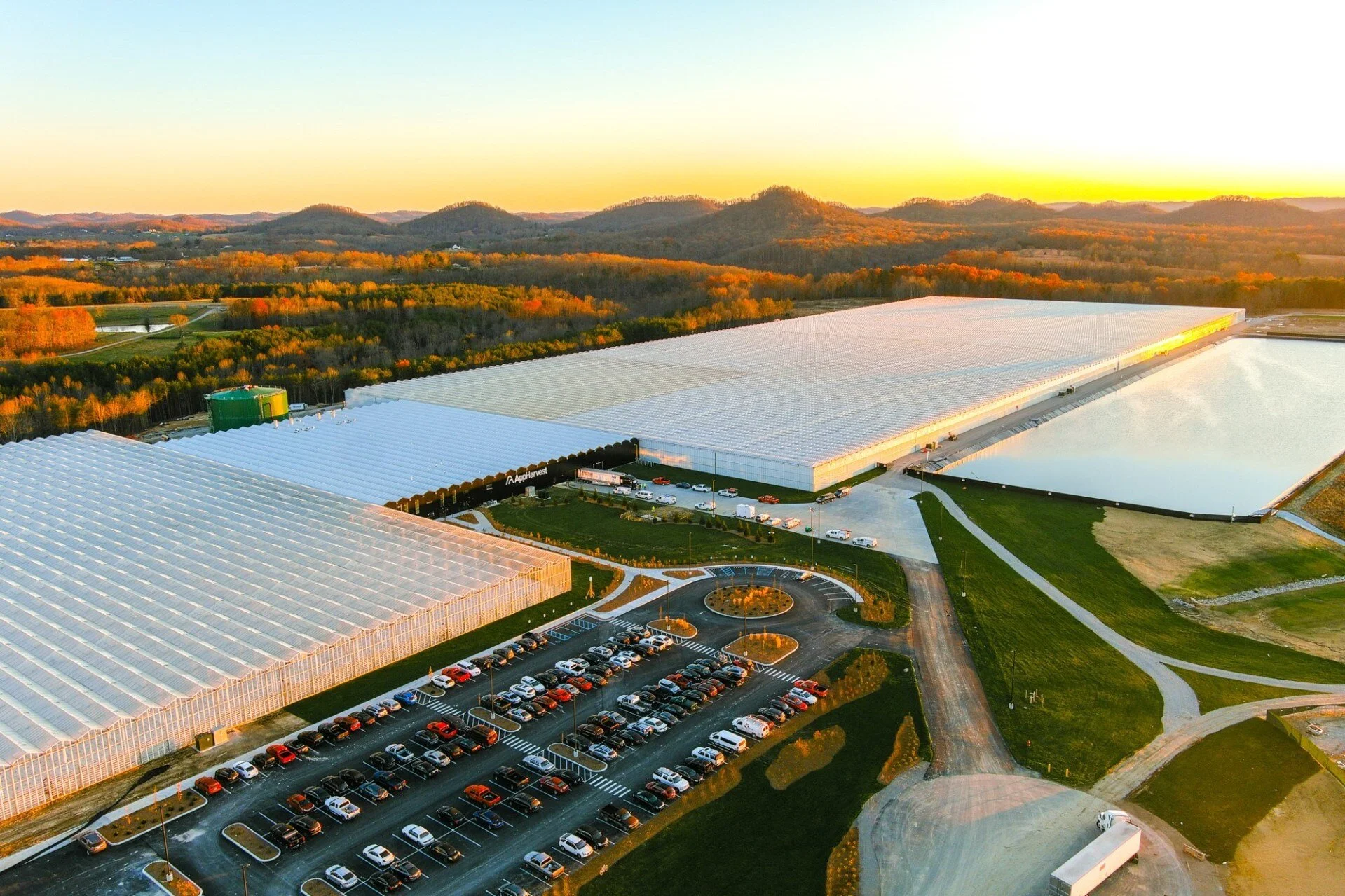
AppHarvest was in a pre-revenue state in 2020 as the company scaled to prepare to become a publicly-traded company and as it ramped up to plant its first crop at its flagship facility, which began harvesting in January of 2021. In 2020
Company Introduces First Quarter 2021 Outlook and Updates Full-Year 2021 Forecast
MOREHEAD, Ky. — AppHarvest, Inc. (NASDAQ: APPH, APPHW) (“AppHarvest” or “the Company”), a leading AgTech company and Certified B Corp building and operating some of the country’s largest high-tech indoor farms to sustainably grow affordable, nutritious, chemical pesticide-free non-GMO fruits and vegetables at scale using up to 90 percent less water than traditional open-field agriculture and 100 percent recycled rainwater, announced today its financial results for the full year ended December 31, 2020.
Fiscal Year 2020 Highlights
Net loss of $17.4 million, compared to $2.7 million in the prior year period in 2019
Adjusted EBITDA loss of $15.7 million, compared to $2.6 million in the prior year period in 2019
AppHarvest was in a pre-revenue state in 2020 as the company scaled to prepare to become a publicly-traded company and as it ramped up to plant its first crop at its flagship facility, which began harvesting in January of 2021. In 2020, AppHarvest implemented its pioneering AgTech platform, which the company developed through international and advanced technology partnerships with the Dutch government, GE, Signify, Priva, Moleaer, Ecoation and others. Powered by these technologies, AppHarvest is able to drive higher crop yields. The Dutch government is a proven partner with the Netherlands being the No. 2 food exporter in the world because of its controlled environment farming expertise. AppHarvest is leveraging this model at a scale to effectively serve the U.S. market and introduce innovations such as a hybrid lighting array with traditional high-pressure sodium grow lights with LEDs that result in 40 percent reduced energy use. AppHarvest utilizes technology that continuously analyzes data from sophisticated digital monitoring systems composed of more than 300 sensors to analyze micro-climates to optimize growth with tomato plants reaching upwards of 40-feet tall and the first farm alone is expected to produce over 40 million pounds of tomatoes annually.
Business Combination
On January 29, 2021, AppHarvest and Novus Capital Corp., a special purpose acquisition company, completed their business combination to form AppHarvest, Inc. The common stock and warrants of AppHarvest, Inc. began trading on Nasdaq under the new ticker symbols “APPH” and “APPHW,” respectively, on Monday, February 1, 2021. Please see the press release dated February 1, 2021, on AppHarvest’s Investor Relations website for more details related to the business combination at https://investors.appharvest.com/news-and-events/news-releases.
Subsequent to the business combination, AppHarvest had 97,925,153 shares of common stock outstanding. The business combination provided the Company approximately $475.0 million of unrestricted cash, including $375.0 million in gross proceeds from the fully committed common stock PIPE. The transaction proceeds will be used to fund operations, including building additional high-tech controlled environment indoor farms, support growth and for other general corporate purposes, including to fund potential future investments and acquisitions.
First Quarter 2021 Outlook and Fiscal Year 2021 Forecast
The Company currently expects the following results for its first quarter ended March 31, 2021:
Net revenue to be in the range of $2.1 million to $2.6 million
Adjusted EBITDA loss to be in the range of $14 million to $16 million
The Company currently expects the following results for its fiscal year ending December 31, 2021:
Net revenue to be in the range of $20 million to $25 million
Adjusted EBITDA loss to be in the range of $43 million to $45 million
The Company noted that its expectations are based on information available at the time of this release, and are subject to changing conditions, many of which are outside the Company’s control.
“Our favorable crop yields and market pricing currently support a 2021 sales outlook that is better than we expected in December 2020,” said AppHarvest Founder & Chief Executive Officer Jonathan Webb. “In January 2021, we delivered our first harvest of tomatoes from our flagship 63-acre indoor farm and began shipping to select national grocery retailers. We remain focused on our mission to build a resilient domestic food system for the U.S. to support this outlook in our first year as a public company.”
In addition to better than anticipated crop yields and pricing, the Company has benefited from a temporary decline in market supply related to recent extreme winter weather conditions that prevented transport of produce through Texas from Mexico and that resulted in significant amounts of food waste. Part of AppHarvest’s mission is to create a climate-resilient domestic food system for the U.S. to prevent such supply chain disruptions.
About AppHarvest
AppHarvest, a public benefit corporation, and Certified B Corp, is an applied technology company building some of the world’s largest indoor farms in Appalachia. The Company combines conventional agricultural techniques with cutting-edge technology and is addressing key issues including improving access for all to nutritious food, farming more sustainably, building a home-grown food supply, and increasing investment in Appalachia. The Company’s 63-acre Morehead, Kentucky facility is among the largest indoor farms in the U.S. For more information, visit https://www.appharvest.com/.

This Week On Green Sense Radio Show: FEEDING A RAPIDLY GROWING Global POPULATION!
The world’s population is predicted to reach 10 billion people in the next 30 years. How we feed them using less land and water has led to a lot of exciting developments in high-tech, indoor agriculture
To listen to the entire interview, visit https://www.greensensefarms.com/radio-show
The world’s population is predicted to reach 10 billion people in the next 30 years. How we feed them using less land and water has led to a lot of exciting developments in high-tech, indoor agriculture. Chris Higgins is co-owner of Hort Americas and founder of Urban Ag News. He shares his insight about controlled environment agriculture (CEA) and talks about the challenges and opportunities facing greenhouse and vertical farms during these uncertain times.
This week on Green Sense Radio Show:
FEEDING A RAPIDLY GROWING Global POPULATION!

Vertical Farming Brings Tremendous Efficiency
The company started five years ago and has made considerable strides in growing vegetables in an eco-friendly and automated indoor environment

20 February 2021
Mike Zelkind is CEO and co-founder of a vertical farming company, 80 Acres Farms, based in the United States. The company started five years ago and has made considerable strides in growing vegetables in an eco-friendly and automated indoor environment. Today 80 Acres Farms, along with technical sister company Infinite Acres, proves vertical farming is more than just a vision of the future. "It's all about controlling the micro-climate, and we can do that better than anyone else because of the patented climate technology developed by Infinite Acres."
Mike Zelkind had been active in the food industry for decades with deep experience working with traditional farms and supply chains before founding 80 Acres Farms with Tisha Livingston. "The current food supply chains are very good, food is available everywhere, but the quality is not always as it should be. Food travels way too many miles, and it's not always sustainably grown." When Zelkind and Livingston sought to change how people eat, they wanted to bring high-tech greenhouses to North America. They went on a quest around the world, starting with the Netherlands, studying greenhouses.
The "lightbulb" went on while visiting a greenhouse on the sunniest day in the middle of June. The white-washed greenhouse, blocking out the heat of the sunlight but still supplementing sunlight with artificial lights. "That's when we realized; greenhouses still have to add supplemental lighting, which requires capital and energy to run them, but heating and cooling those greenhouses isn't free, and you don't control the environment that well. You have no control over the microclimate, which means you can't control the plants' stress response and drive nutrition. We thought there has to be a better way."
In 2016, the vertical farming industry was starting to develop. 80 Acres built their first commercial farm and quickly realized that to scale the business into something meaningful, egoless collaboration was essential. They collaborated with companies such as Priva. "This resulted in an excellent relationship, which eventually led to the creation of Infinite Acres," says Zelkind. Priva, 80 Acres, and Ocado formed Infinite Acres in 2019 to scale vertical farming globally."
Next level of controlled environment
Zelkind would like to emphasize that he values all forms of agriculture and horticulture. "Let's be clear: I am very pro-farmer, in every way- the demand for fresh food for a rising population is crucial. Vertical Farms are expensive to build, but with much higher yields and drastically improved control to maximize nutrition, we can take farming to a whole new level. Farming is a tough job, and there are not that many top growers available worldwide. We thought we could do it differently and find a way to make it easier to get those good results consistently."
Six years ago, Zelkind knew the technology did not exist to scale vertical farming. "But the trends were moving in the right direction. Data science has become more prevalent and LED lights cheaper, automation was improving, sensors were improving, and crop science was advancing rapidly. With the right collaborative partners, 80 Acres Farms has built eight vertical farms since 2016. Their latest fully-automated farm is a culmination of their years of learning. "We wanted to grow significant commercial volumes with a broad range of produce– not just lettuce, but also tomatoes, cucumbers, strawberries, etc. We knew that once we could start growing these products in commercial volumes, it would become interesting for retailers. We want to offer a high-quality product at a reasonable price, not cheap, but at the right price. It is all about value." Zelkind concluded, "Serving the consumer is the core of 80 Acres Farms. Customers have spoken! They want; flavorful, clean, fresh, sustainably grown produce, with transparency– at a fair price."
Failure turned into success
It all sounds straightforward, but it isn't, says Zelkind. "To get where we are today, we had to keep going forward. At first, we designed and built all the technical installations, and we failed– but we kept testing and sharing knowledge with our partners. We were fortunate to have started with relatively small farms, making it possible to learn quickly. And over the years, failure turned into success." Zelkind continued, "We still have a long road ahead of us. If you compare this to a soccer match, we have only passed 15 minutes in the first half. On the other hand, two years ago, we weren't even on the field."
The food-growing process that takes place at 80 Acres Farms is not that different from traditional greenhouses, Zelkind says. "With vertical farming, it's all about controlling the micro-climate, and we can do that better than anyone else because of the patented climate technology developed by Infinite Acres." The consistent temperature, humidity, and airspeed customized for each crop. Advanced lighting controls allow 80 Acres Farms to deliver the exact spectrum and intensity of light for each crop and growing phase. 80 Acres Farms uses a proprietary interlaced network of vision and sensor technology to monitor all aspects of the growing environment to assure high quality and high yield growth. Intelligent fertigation systems infuse the right amount and type of nutrients at precisely the right time and free of harmful contaminants. "Through our Infinite Acres Collaboration, we are willing to sell those technologies and license those techniques because we want to bring that to the world. We can't scale up fast enough ourselves, so there is no reason to keep this knowledge from others."
Push the crops on command
After all, it's still crop science, Zelkind continues. "It's not just pure technology, but also about knowing how a plant grows, breathes, trans-evaporates, and uptakes nutrients. We believe that's where machine learning and data science come into play. With good technology, we can optimize CO2, root zone temperature, airflow, and all of these things to come up with the right recipe for every crop and grow at a very high level of efficiency. We can push those crops and stress those crops on command instead of randomly because of weather influences. We control the crops¬– so our plants grow differently. We can gain tremendous efficiency in our cultivation. We can use different techniques and recipes to make lettuce redder or to get more tomatoes on a tranche."
In a certain way, you could say 80 Acres Farms is reinventing horticulture. "We are getting the most out of the original genetics of the crops. Dutch greenhouses are the most efficient because the Netherlands has the right climate, and the temperature drops naturally. Dutch growers have learned how to grow the best crops possible within those natural environmental conditions. But the recipes are not necessarily the best for the plant's genetics; they are the best for optimizing those crops for those conditions.
80 Acres Farms doesn't have variable conditions. We can control how much the temperature has to drop. It's all about giving the crop what it needs. Can 80 Acres Farms' tomato taste completely different and sweeter? Absolutely! We can achieve that more easily and in a cheaper way. Once you have built the infrastructure, it doesn't cost anything to control that. Zelkind continues, "If you keep doing things the same way as you are doing today, vertical farming is way too expensive, but who says you have to do everything in the same way? We are doing it differently, and we are successful with that. For us, this is the future of horticulture."

Cambridge Engineers Unveil Digital Twin To Support The ‘Future of Farming’
Hydroponic farming challenges traditional methods in favour of soil-less, water-based farming processes. To ensure the ongoing operational success of farms such as these, Cambridge engineers have developed a virtual forecasting model to provide bespoke feedback to farmers
Hydroponic farming challenges traditional methods in favour of soil-less, water-based farming processes. To ensure the ongoing operational success of farms such as these, Cambridge engineers have developed a virtual forecasting model to provide bespoke feedback to farmers.
The researchers show how a Digital Twin can faithfully represent the reality of an environment – in this case a unique hydroponic farm in London (Growing Underground) – through real-time data analytics and modelling, including the integration of a tailored temperature forecasting model to assist farmers’ decision-making. Their findings are published in the Cambridge University Press journal Data-Centric Engineering.
With hydroponic farming – often termed the ‘future of farming’ – on the rise across the UK and globally, the researchers believe that Digital Twins are particularly suited to bespoke environments such as these, providing an opportunity to move away from a ‘one size fits all’ approach, in favour of a virtual representation that can cater to a farm’s changing operational conditions.
Growing Underground is situated in repurposed WW2 air raid shelters that are 33 metres below the streets in Clapham, London. Crops are grown year-round in a pesticide-free environment controlled by LED lights, ventilation, dehumidifiers, and irrigation tanks. The farm grows 12 times more per unit area than traditional greenhouse farming in the UK but also consumes four times more energy per unit area. Therefore, finding ways to minimise the energy use while maximising crop growth and maintaining optimal growing conditions is key to the ongoing operational success of this farm and others like it.
The researchers show how the development of a Digital Twin can be useful not only for informing farm operators in real time, but it can also help them to prepare for the future. Data creation, data analysis and data-centric modelling were all required to create the Digital Twin for Growing Underground. This involved an extensive monitoring system that combined wireless sensors with manual data records to track the observable environmental conditions in the underground farm; identifying the influencing variables on energy use and crop yield; and helping to forecast potential future operational scenarios, as well as providing feedback on the influence of recent events on the farm environment.
The Digital Twin can also provide enhanced data to help assist farmers in the decision-making process, offering advice specific to the needs of the farm. For example, the researchers identified that the LED lights have the greatest influence on daily temperature fluctuations in the farm and so they created a bespoke temperature forecasting model that predicts extreme temperatures. This model can be integrated into the Digital Twin and it is easy to implement, making use of temperature and energy meter readings. It is also flexible to the addition of more data as it becomes available and provides feedback on operational changes that can reduce energy use and control the farm environment more effectively.
Location of sensors in Growing Underground. A side view of a typical bench is indicated at the centre of the farm, showing how four LED lights span the length of each bench. The blue arrows indicate the air circulation throughout the farm. Credit: Melanie Jans-Singh
Dr Ruchi Choudhary, Reader in Architectural Engineering, said: “As we move towards more innovative agricultural practices, such as hydroponic farming, there is a greater need for an intelligent Digital Twin over a simple monitoring system. The Digital Twin we have developed for the unique hydroponic farm, Growing Underground, can observe, process, and interpret farm data (i.e. energy, weather, live sensor data and manual records) that leads to tangible outcomes. This can include warnings (i.e. concerning temperature fluctuations that require changes to ventilation, heat, light); causal relationships (resource use efficiency, crop health); operational suggestions (using a forecasting model); and a prediction of future conditions."
Melanie Jans-Singh, lead author and Ph.D. student, added: “In essence, our Digital Twin becomes the urban-integrated farm operator’s 24/7 smart ‘companion’, a living digital reference, providing bespoke feedback on the effectiveness of the measures taken in real-time. This is in addition to longer-term forecasting and informed decision-making, with control processes that are robust to human error. It is suited to mid to large scale processes, often seen in civil engineering, where sensor maintenance will also be an issue.”
Melanie Jans-Singh, Kathryn Leeming, Ruchi Choudhary, Mark Girolami. ‘Digital twin of an urban-integrated hydroponic farm.’ Data-Centric Engineering (2020). DOI: 10.1017/dce.2020.21
For more information:
University of Cambridge
Infarm Heralds The Next Generation of Cloud-Enabled Farming
Infarm Heralds The Next Generation of Cloud-Enabled Farming
Infarm introduces its new high-capacity, cloud-connected Growing Centers - a major step in the company's efforts to accelerate the benefits to people and planet by building a scalable, sustainable and resilient global farming network
NEWS PROVIDED BY Infarm
Feb 23, 2021
Berlin, Germany -- February 23, 2021, Infarm, the world's fastest-growing urban farming company already available in 10 countries and 30 cities in thousands of stores, continued the rollout of its vision for a global interconnected, sustainable, and highly efficient farming ecosystem.
©Infarm
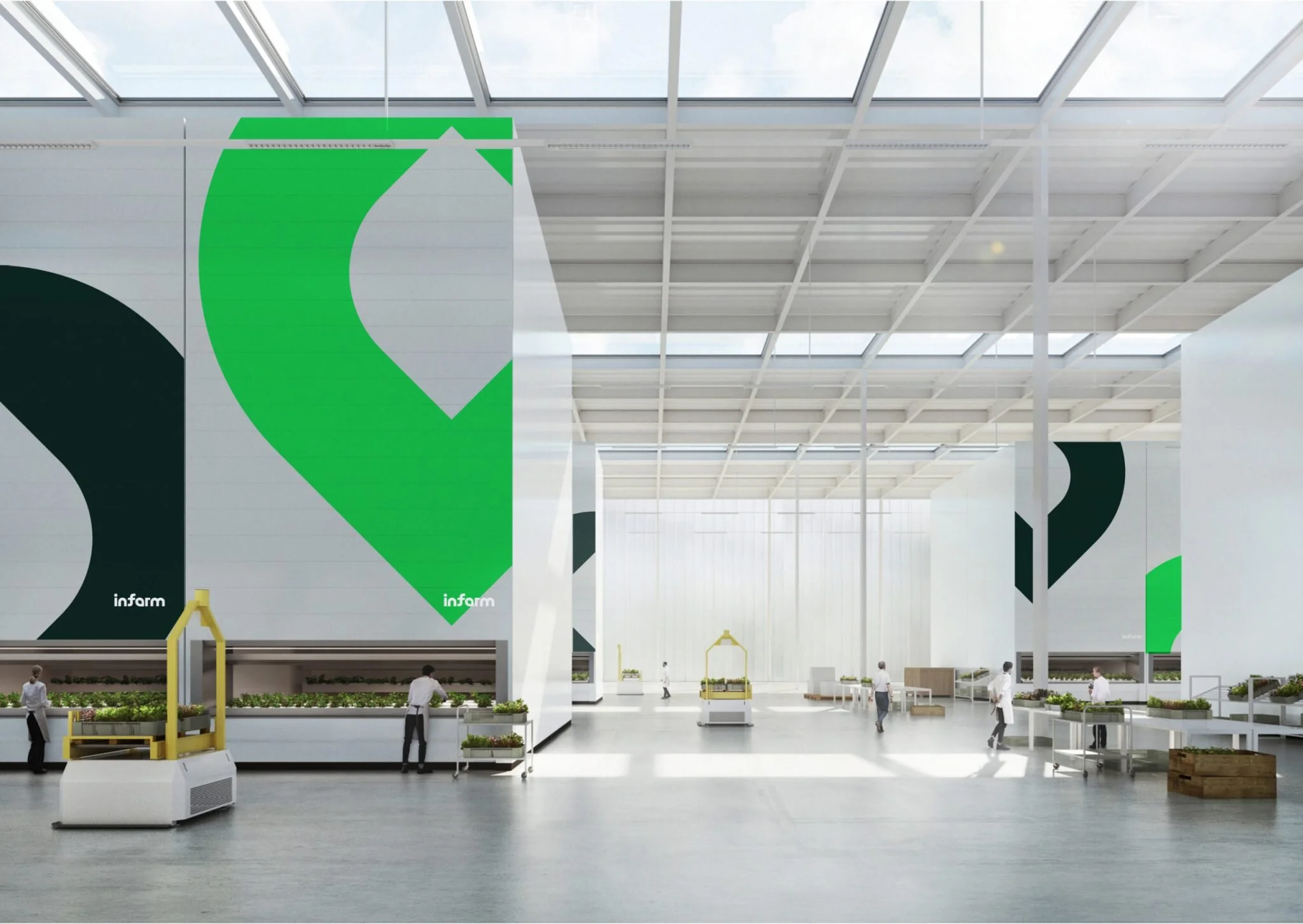
Infarm, the world’s fastest-growing urban farming company, has introduced its new high-capacity, automated, modular Growing Center - a local farm and distribution center in one, that can generate the crop-equivalent of up to 10,000 m2 of farmland, with up to 400 times higher efficient food production than soil-based agriculture. The cloud-connected, high-yield centers join Infarm’s expanding global network of self-learning farms that improve plant yield, taste, and nutritional value while reducing the use of natural resources. Credit: Infarm/diephotodesigner.de (PRNewsfoto/Infarm)
As part of its goal to drive innovation within the USD 3 trillion global fruit and vegetable market[1], Infarm today introduced its new high-capacity, automated, modular Growing Center - a local farm and distribution center in one, that can generate the crop-equivalent of up to 10,000 m2 of farmland, with up to 400 times higher efficient food production than soil-based agriculture.
The cloud-connected, high-yield growing centers join Infarm's expanding global network of self-learning farms that improve plant yield, taste, and nutritional value constantly, while further reducing the use of natural resources. With 50,000 m2 of farming facilities and hundreds of farms in store locations, Infarm is already providing fresh produce to 50% of the world's largest food retailers. The rapid deployment capability of the new high-yield Growing Centers will drive additional global growth and scalability to match the needs of retailers of any size in any location, with the goal of growing the network to 500,000 m2 by 2025.
A Growing Center is comprised of dozens of modular farming units, each standing between 10 and 18 meters high, occupying a 25 m2 ground footprint and requiring just six weeks to build, yielding the crop-equivalent of 10,000 m2 of farmland. This modular, data-driven, and distributed approach -- a combination of big data, IoT, and cloud analytics, in addition to rapid growth at a global scale -- sets Infarm apart from any other farming solution.
"Access to fresh, local, and sustainable food is a growing challenge, as people shift towards cities and climate change accelerates," explains Erez Galonska, co-founder and CEO of Infarm. "Today we're adding speed to scale with new technology that allows us to deploy a Growing Center to any city in the world in a fraction of the time, space and capital investment of most large-scale farming solutions today. Both the farms and the software that powers them were designed to make fresh food more accessible for everyone, everywhere."
Many of the world's leading food retailers are already taking part in Infarm's farming network, including Empire Company Ltd (Safeway, Sobeys, ThriftyFoods), Whole Foods Markets, Marks & Spencer, Kroger, Kinokuniya, Aldi, Amazon, Auchan, Casino, E.Leclerc, Edeka, Intermarché, Irma, Kaufland, Metro, Migros, Selgros, Summit and in Germany, Canada, Denmark, France, Japan, Luxembourg, the Netherlands, the United Kingdom, the United States and Switzerland.
Growing a new food system for people and the planet
"The entire Infarm network is connected to a central farming brain that gathers more than 50,000 growth, color, and spectral data points through a plant's lifetime," explains Guy Galonska, co-founder and Chief Technology Officer at Infarm. "We've collected more than 300 billion data points throughout our farming network to date. These data enable us to perfect our growing recipes and improve yield, quality, and nutritional value while reducing the production price constantly."
The large-scale Infarm Growing Centers integrate farming units that can each save up to 10,000,000 liters of water per year, compared to soil-based agriculture for similar crops, while contributing up to 40% energy savings over previous Infarm technologies.
By 2025 Infarm plans to establish 100 Growing Centers - equivalent to 1.5 million m2 of farmland and producing 450,000,000 plants across its network, including expanding to new markets. This year, 15 Infarm Growing Centers are already planned/or under construction in major urban centers, including London, Paris, Copenhagen, Toronto, Vancouver, Seattle and Tokyo.
Additional features of the new Infarm technology:
An automated mechanical farming system that is cloud controlled;
Environmental settings like CO2, temperature, light, pH and growth cycles can be set, monitored, analyzed online across all farms;
Recirculates 20 liters of water condensation per hour and, saving more than up to 10,000,000 liters of water per year compared to soil-based agriculture for similar crops;
Smart LED management supports energy efficiency offering contributes up to 40% energy savings & up to 25% savings on initial investment.
Infarm uses 95% less water, 90% less transport and zero chemical pesticide than soil-based agriculture with the majority of electricity use throughout the Infarm network coming from renewable energy. To date, the Infarm network has saved more than 40,000,000 liters of water and 50,000 square meters of land.
[1] Wyman, O. (2021). Disruption in fruit and vegetable distribution - Fruit Logistica Trend Report 2018 [Ebook] (p. 12). Berlin, Germany: Fruit Logistica, Messe Berlin GmbH. Retrieved from https://www.oliverwyman.com/content/dam/oliver-wyman/v2-de/publications/2018/Feb/Fruit_Logistica_Trend_Report_2018.pdf
About Infarm
Infarm was founded in Berlin in 2013 by Osnat Michaeli and the brothers Erez and Guy Galonska. Passionate to become self-sufficient and eat better, they were growing their own food, enjoying all the flavor and nutrients, without the chemical pesticides and transport kilometers. With the aim to share the goodness of own-grown produce with everyone, they developed a smart modular farming system, that allows distribution of farms throughout the urban environment, growing fresh produce in any available space and fulfilling any market demand. Today, with cutting edge R&D, patented technologies, and a leading multi-disciplinary team, Infarm is growing a worldwide farming network helping cities become self-sufficient in their food production, while significantly improving the safety, quality, and environmental footprint of our food.
With a multinational team of more than 800 people globally, Infarm has partnered with more than 30 major food retailers including Aldi Süd, Amazon Fresh, Auchan, Casino, E.Leclerc, Edeka, Empire Company Ltd (Safeway, Sobeys, ThriftyFoods), Farmdrop, Intermarché, Irma, Kaufland, Kinokuniya, Kroger, Marks & Spencer, Metro, Migros, Selfridges, Selgros, Summit and Whole Foods Market in Canada, Denmark, France, Germany, Japan, Luxembourg, the Netherlands, the United Kingdom, the United States and Switzerland, deployed more than 1200 farms in stores and distribution centres, saved more than 40,000,000 liters of water and 50,000 square meters of land.
Photo - https://mma.prnewswire.com/media/1442283/Infarm.jpg
SOURCE Infarm
Also from this source
Whole Foods Market partners with Infarm to offer a more...

SCOTLAND: Elevate Your Meals With Microgreens Produced by Aberdeenshire’s Vertical Shoots Urban Farms
Turning your hobby into a business is not always the goal. But when Brindha Shayana and Sathya Vasudevan discovered their passions for vertical farming, they knew it was the only way forward

18/02/2021

Vertical Shoots Urban Farms produces an array of microgreens in Westhill, Aberdeenshire. © Supplied by Brindha Shayana
Turning your hobby into a business is not always the goal. But when Brindha Shayana and Sathya Vasudevan discovered their passions for vertical farming, they knew it was the only way forward.
Both qualified engineers working in the oil, gas, and service sector, Brindha and Sathya were eager to switch things up and start with a clean slate. This was to involve growing microgreens in their Westhill-based home.
And now, two years on, their produce can be seen in a line-up of local stores and is featured as part of dishes created by north-east restaurants, cafes, and bistros.
With that said, there’s no doubt that their business, Vertical Shoots Urban Farms, will continue to grow.
But what’s the process in growing microgreens, you may ask? Well, we caught up with the partners to find out all about the process, as well as what encouraged them to start their own business.

So, Sathya and Brindha, have you always wanted to start your own business?
Sathya: We were always keen to do something different but never had the idea of starting a business.
A few years ago while we were shopping in a supermarket, a question sprung into our mind asking, where does the food we eat come from? Since then, we started to look into the origin of every product we purchased and it amazed us how foods were produced in different countries and distributed around the world in such a massive scale.
Brindha: At the same time, we also felt how important it is to grow the essential food we eat closer to the end consumer. This triggered an interest to take up a hobby growing herbs.
The pair of us started to do loads of experiments and trials day in and day out. At one point, we started to share our produce with family and friends.
The more we thought about getting local produce out to people, we realised how challenging it is to produce any kind of food and distribute it to the community. This gave us the push to think ‘why not start a business and face these challenges to do our part in solving a global issue and contribute towards a sustainable future’. This sounded exciting and we kick-started our journey.

For those that don’t know, what do you offer?
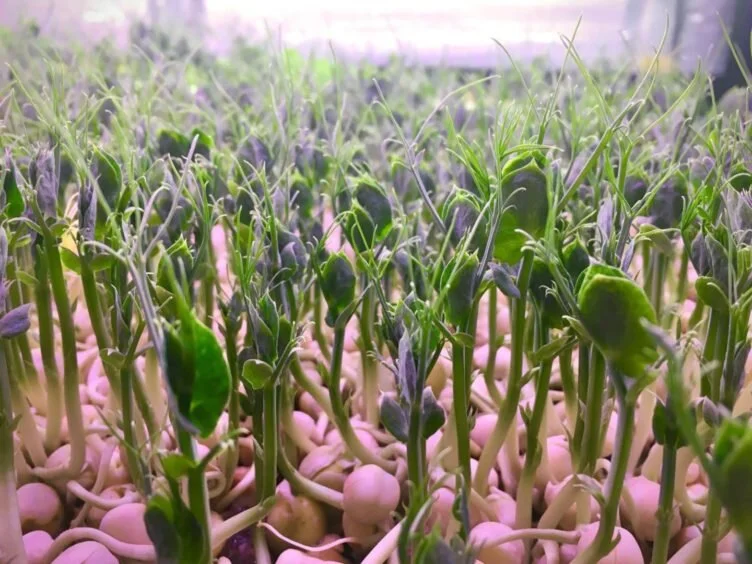
S: Vertical Shoots are currently offering a wide range of micro salads. They come in different shapes, colour, and flavours. We supply them to restaurants, cafes, bistros, and stock micro salad boxes in shops for home consumers to use in salads, smoothies or alongside any dish.
B: For restaurants, cafes and bistros, we grow the varieties they request based on their need. Our lovely customers include Buchanan Bistro in Banchory, Inverurie’s Fennel Restaurant, Rothesay Rooms in Ballater, JK Fine Foods, Replenish in Stonehaven, and much more.
For home consumers, we offer variety boxes – spicy mix, rainbow mix and flavour punch – which will include a variety of greens with different flavour tones. These are available for direct home delivery.
That’s very interesting. Why did you choose microgreens?
S: Two years ago, we started to think of doing something related to farming and had to start with a clean slate (with no previous experience).
So, we started growing leafy greens as a hobby, gradually learning and experimenting each day. And after some research, we came across hydroponics – soilless farming with plant roots suspended in water filled with nutrients – and vertical farming, which enables the use of any urban space to grow a substantial amount of greens.
B: This sounded fantastic and we converted a small shed in our back garden into an indoor farm. Both of us were experimenting in this setup for a year.
With every seed germinating and shoots cropping up, this became a serious hobby with great interest and it kept progressing. Then we kick-started our journey with Vertical Shoots in March last year with our aim to utilize underused urban spaces in an effective way.

Am I right in saying that the pair of you wanted to offer products that redefined the way we eat salads?
S: Yes, exactly that. When we tried microgreens ourselves for the first time, we felt it was so different from the usual salad greens we eat. Microgreens bring in a nice flavour and their colour and texture just brighten up the plate. I am sure people who have tried microgreens would agree with what we think.
B: When we looked around in the supermarkets, we could not find any such product apart from micro salad cress in very few shops. So, this triggered an idea to start growing a range of micro salads and make it more available for the local community to try and experience the goodness of micro salads or microgreens.

What encouraged you guys to launch Vertical Shoots Urban Farms? Were there any obstacles?
S: There is so much going on in this world trying to move towards a sustainable future. Innovative ideas are being implemented to revolutionize every sector. Just looking around getting to know about the new happenings encouraged us to take a step trying to do something different and be a part of this change. This thought lead to the start of our journey with Vertical Shoots Urban Farms.
B: It was the beginning of the first lockdown when we started our journey. With the restrictions in place, it was difficult to approach other businesses and customers. Slowly we started to take baby steps which got us going.
We still have a long way to go, but we have started marching towards our vision.

You mentioned that it was difficult to approach other businesses and customers, understandably. So how have you gone about promoting the business?
S: This is a work in progress as we are fairly new. To get our name out, we are active on social media, like Instagram, sharing what we do. Also, we have visited many restaurants, cafes and bistros to spread our name. Some of the people we met were amazing and kind enough to spread a word about us.
Vertical Shoots also has a regular stall at the Westhill Farmer’s Market. With the Covid-19 restrictions, it is not easy to get a space in all the farmer’s market. Hopefully, things will change and we can attend many more.
B: We also stock our greens in local shops to make our products accessible to the people of Aberdeen and Aberdeenshire. This will help us to spread our name within the local community even more.

What’s the process involved in producing them? And how are they distributed?
S: All our greens are grown hydroponically. The pair of us sow the seeds to start with and germinate them in a dark room for the first few days. Then, we transfer them under lights for a number of days and continuously monitored.
Each variety prefers a certain growing condition. During the growing process, we maintain the ideal temperature, humidity, sufficient air circulation and nutrition to get the optimum growth. At the end of the growing stage, we harvest on the day of the delivery, box and deliver to our customers.
By growing the greens closer to the end consumer, the customers can take advantage of a longer shelf life and freshest greens on their plate.

Can you explain a bit more for our readers about vertical farming?
S: Vertical farming is a method of farming where the greens are produced vertically in racks in a controlled environment. By this approach, larger quantities of produce can be grown in a small space.
The produce is grown hydroponically (roots suspended in water) or by aeroponics (roots suspended in a mist). We use hydroponics to grow our greens. Since the greens are grown indoors, light is provided to the plants through LED with a certain spectrum of light mostly containing blue and red. Nutrients for the growth of plants are supplied through the water.
B: By this method of farming, there can be a great saving in water consumption compared to traditional methods. With the controlled environment in place, crops which are not possible to be grown locally can be grown; for example, basil which requires warmer temperature. Vertical farming methods can be used to grow leafy greens, few types of fruits and flowers.

Vertical Shoots Urban Farms’ new indoor farm, where they grow their fresh produce.
© Supplied by Brindha Shayana
Why do you think the demand for microgreens is constantly on the rise?
S: The need for healthy nutritious food is increasing day by day. A lot of people are also looking towards a vegan diet. Microgreens tick all the boxes required for a healthy living.
Greens harvested in its early stages of growth are nutrient-dense compared to a mature green – they also taste and look great. We could also consume leaves of some of the vegetable crops such as cabbage, broccoli, radish etc. so there are so many varieties of microgreens, which can be consumed as a salad. This makes eating salads more interesting.
B: Additionally, microgreens can be grown indoors all-year-round and are not season dependent. So, it can be grown closer to the end consumer reducing food miles which ticks the box on sustainability.
Growing microgreens can also be a hobby which would interest many. This way people can get their hands on growing and enjoy the greens grown by themselves in their own space which could be exciting and satisfying.

Other than microgreens, do you grow anything else?
B: Offering microgreens is just a start at Vertical Shoots Urban Farms. We are working our way towards offering baby greens, mature greens and edible flowers. Hopefully, we will increase our range of products in the near future.
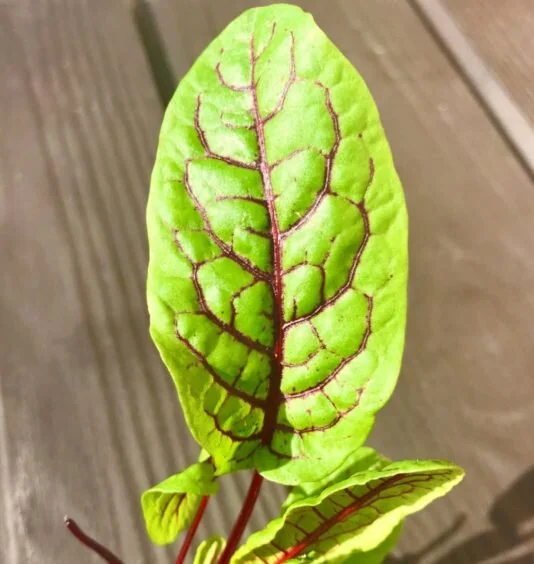
Over the past two years, what have been the main highlights of running Vertical Shoots?
S: You learn something new each day and it is always a treat to see these beautiful greens grow up. New ideas, experiments and DIYs on the farm keeps us thinking all the time. It gives a sense of satisfaction that we are working on something which is essential for our day-to-day living and trying to find innovative ways to grow crops closer to the end consumer for a sustainable future. This keeps us motivated to do more each day.
B: Two years ago, our experiments just started on our study table. Slowly the experiments got bigger and encroached into our living space and now we have built our own fully functional indoor vertical farm. Starting from scratch, we now grow about 15 varieties of micro salads and there are many more to be added on to the list.

You’re both clearly very passionate about the business, which is amazing to see. What are your upcoming plans?
S: Microgreens are something new for many in the local community as we rarely see these in the supermarkets. We have noticed many customers who come over to our stall at the farmer’s market really chuffed to see these micro salads as they couldn’t find them locally. On the flip side, we do come across people who don’t have any idea on microgreens but are really excited to try them out!
B: As a local urban farmer, we would like to get these healthy greens into as many homes as possible and see people consuming them in their daily food.
In addition to serving cafes, restaurants and bistros, we aim to have our produce in many more outlets and do more direct home deliveries to make it accessible to the local community. As a business, we always look to keep adding more products to our offering.

Visit Vertical Shoots Urban Farms on Facebook or Instagram to find out more information.
Top Tips to Growing Your Own Microgreens
There are loads of materials available online to guide you on how to grow each variety of microgreens.
The best way to learn is to try it yourself, so below are some tips provided by Brindha Shayana and Sathya Vasudevan of Vertical Shoots Urban Farms to get you started.

Microgreens are grown in two steps: Step 1 – germinating the seeds and Step 2 – propagating the seedlings under light (sunlight or LEDs). It is as simple as that.
Start simple. Look around your kitchen cupboard to see if you have any seeds which you use for your daily cooking. Seeds like mustards, fennel, coriander, fenugreek and many others used in cooking can be used to grow as microgreens. Although bear in mind that sometimes older seeds may not germinate well. If you are buying seeds, then make sure you buy the right seeds for microgreens which are not chemically treated and are suitable for consumption.
To grow microgreens, you need a medium. You could use kitchen towels as a start. Soak about three layers of the paper towels in water and sprinkle the seeds on top. Spray some water and then cover with a lid to maintain humidity. Keep it in the dark for three-to-four days. Check once a day to keep them moist.
Once the seeds have germinated, remove the lid and place them on the window sill. In the winter time when it is dark most days you could use a study lamp with a daylight LED bulb for lighting. Water them once a day and not let the medium dry out. Keep them well ventilated and maintain a room temperature about 20C (for cool crops).
Once the microgreens are about two inches tall with the first set of leaves well developed, they are good to harvest. Cut the greens just over the medium and enjoy them in your dishes. Most of the microgreens are ready within 10-14 days.
Keep it simple when you grow microgreens for the first time. If you fail on the first trial don’t worry, it takes a few trials to get the trick of growing. Once you get to know about the basics you could start experimenting with different mediums and a variety of seeds.
Finally, if you need any help with growing your microgreens, we are happy to help. Just message us on Instagram – @verticalshoots

Agrify (AGFY) Enters Into Binding Letter of Intent For An Additional $3M Contract With Hannah Industries For Facility Build-Out And Installation of 179 Vertical Farming Units
Agrify Corporation (NasdaqCM: AGFY) (“Agrify” or the “Company”), a developer of highly advanced and proprietary precision hardware and software grow solutions for the indoor agriculture marketplace
February 19, 2021
Agrify Corporation (NasdaqCM: AGFY) (“Agrify” or the “Company”), a developer of highly advanced and proprietary precision hardware and software grow solutions for the indoor agriculture marketplace, today announced it has entered into a binding letter of intent, which sets forth the principal terms of a contract currently being negotiated with Hannah Industries (“Hannah”), a leading Tier 2 producer and distributor of cannabis in Washington State, for the design and build-out of an approximately 30,000 square foot facility. The contract will include facility build-out services in total of $3 million and annual SaaS revenue of approximately $285,000. Such payments will be financed by Agrify, are to be made monthly over a two-year period commencing upon the first successful harvest, and will reflect an APR of 25%. The agreement for this design and build-out will be in addition to the previously purchased 179 Vertical Farming Units (“VFUs”) and is part of Agrify’s turnkey solution to its customers. The work is expected to be completed by early Q4 2021, subject to entry into a definitive agreement.
Small-cap stocks have been on the upswing since March—but not all small caps are created equal. For the long term, small caps that have grown their dividends consistently may be a more attractive investment opportunity. Find out why. Read More
“We are especially proud to be selected by Hannah Industries, a leading producer and distributor in the State of Washington. Their decision to upgrade from the traditional grow methodology to Agrify’s integrated vertical farming solution is the strongest testimony of our joint belief that Agrify’s solution will help Hannah Industries to produce the highest quality cannabis flowers consistently. We’re thrilled to have been chosen again by Hannah for the facility design, construction, and installation of our proprietary and advanced grow solutions,” said Raymond Chang, Chief Executive Officer of Agrify. “Agrify VFUs and Agrify Insights software should also help Hannah realize increased levels of automation, control, transparency, and repeatability. We expect this will be a great win for our team, and we look forward to working with Hannah to successfully implement it.”
“The current market is very competitive, and consumers have lots of options. One of the most important things to our business is being able to deliver a consistent, high-quality supply of cannabis to our retail partners,” said Jason Whitney, Chief Executive Officer of Hannah. “The Agrify grow system and software allow us to have an extremely high level of control over the grow, helping us meet our customers’ needs. In addition, the information Agrify Insights software provides will allow our team to make real-time decisions on supply chain management based on feedback from our customers. This evolution in the industry is one of the reasons we are extremely pleased to be implementing the Agrify solution for our cultivation facility.”

Vertical Barrels Components "Ready For Vertical Farming Integration"
The aponix vertical barrel system is an alternative vertical NFT solution from Germany that can be used instead of rack systems to use vertical space more efficiently in hydroponic setups and at the same time use natural sunlight better
The aponix vertical barrel system is an alternative vertical NFT solution from Germany that can be used instead of rack systems to use vertical space more efficiently in hydroponic setups and at the same time use natural sunlight better. The system aims to maximize the number of possible grow spaces per level arranged in a given 3D room by increasing the diameter from a ‘Tower’ to a ‘Barrel’.
The whole system is based on lego-like ring segment pieces that serve either as spacers or provide differently organized inserts for standard 2-inch netpots. Assembling multiple of these ring segment pieces will result in stackable ring segments or barrel levels to assemble one or multiple such vertical cylinders. With more ring segments stacked, the height and the number of grow spaces are increased.
By the end of 2020 aponix will have developed the new ‘Version 3’ that will incorporate all collected improvements from the existing global user base from the last 3 years and adding a few more features:
Liquid will be guided more precisely inside. It will also have a new more robust and tight connection mechanism and air traps to keep liquid inside also on high flow rates.
There will be a backwards-compatible and reusable grow plug insert, that is supposed to replace 2-inch one-time use plastic netpots also in other systems. It will also have an optional plant trellis insert to grow larger flowers and fruiting dwarf varieties.
There will be a new lid-base that speeds up setup of lines of vertical barrels and enable rotation of the units if needed.
There will also be a dedicated sprinkler dome lid enabling different sprinkler options including own solutions and also the own existing pressure-less irrigation option using the waterbuffer.
Vertical barrels will be more stable and can be built higher unsing the new V3 part.
There will only be a single ring segment piece in ‘Version 3’ with 2 grow pod inserts that only allow 2 stacking positions instead of 4 in V2. If spaces are unused they can be capped with a nice green cover plug.
As of 2020 aponix also changed their market strategy from looking for distributors to starting to work only with product partners who bring in own engineering and create more specific and distinguishable solutions based on aponix components. Aponix parts are now defined as being mere infrastructure parts that always need to be integrated into a greater individual context involving more or less horticulture engineering depending on the application. Which means product partners create their own unique solutions based on aponix components adding other external even competitive pieces, logic and/or service and market them independently under their own brand and own product name.
For more information:
Aponix
hello@aponix.eu
www.aponix.eu

18 Feb 2021

Little Leaf Farms Raises $90M to Grow Its Greenhouse Network
Massachusetts-based Little Leaf Farms has raised $90 million in a debt and equity financing round to expand its network of hydroponic greenhouses on the East Coast. The round was led by Equilibrium Capital as well as founding investors Bill Helman and Pilot House Associates. Bank of America also participated.
by Jennifer Marston

Image from: Little Leaf Farms
Massachusetts-based Little Leaf Farms has raised $90 million in a debt and equity financing round to expand its network of hydroponic greenhouses on the East Coast. The round was led by Equilibrium Capital as well as founding investors Bill Helman and Pilot House Associates. Bank of America also participated.
Little Leaf Farms says the capital is “earmarked” to build new greenhouse sites along the East Coast, where its lettuce is currently available in about 2,500 stores.
The company already operates one 10-acre greenhouse in Devins, Massachusetts. Its facility grows leafy greens using hydroponics and a mixture of sunlight supplemented by LED-powered grow lights. Rainwater captured from the facility’s roof provides most of the water used on the farm.
According to a press release, Little Leaf Farms has doubled its retail sales to $38 million since 2019. And last year, the company bought180 acres of land in Pennsylvania on which to build an additional facility. Still another greenhouse, slated for North Carolina, will serve the Southeast region of the U.S.
Little Leaf Farms joins the likes of Revol Greens, Gotham Greens, AppHarvest, and others in bringing local(ish) greens to a greater percentage of the population. These facilities generally pack and ship their greens on the day of or day after harvesting, and only supply retailers within a certain radius. Little Leaf Farms, for example, currently servers only parts of Massachusetts, Pennsylvania, New York, and New Jersey.
The list of regions the company serves will no doubt lengthen as the company builds up its greenhouse network in the coming months.


VIDEO: How This Vertical Farm Grows 80,000 Pounds of Produce Per Week
Bowery Farming is a network of vertical farms working to reengineer the growing process
Bowery Farming Uses Technology To Prioritize
Accessibility And Sustainability In Their Produce
Growing Operations
by Terri Ciccone and Eater Video Feb 20, 2021
To some, the pristine growing conditions and perceived mechanical interference of a vertical farm can seem unnatural, but at Bowery Farming “interference” is actually not the goal at all. “We don’t really think about how people are involved in the growing process, but how to take people out of the growing process,” says chief science officer Henry Sztul. “Our goal is actually to have as few people walking around our plants as possible.”
Bowery Farming is a network of vertical farms working to reengineer the growing process. Using a system of light and watering technology, Bowery is able to use 95 percent less water than a traditional outdoor farm, zero pesticides, and chemicals, and grow food that tastes as good as anyone else’s.
Bowery Farming uses vertical farm-specific seeds that are optimized for flavor instead of insect resistance and durability. Seeds are mechanically pressed into trays of soil and sent out into growing positions, or racks within the building that have their own lighting and watering systems. Each tray gets its own QR code so that they can be monitored and assigned a customized plan for water and light until they’re ready to be harvested.
Irving Fain, Bowery Farming’s founder, and CEO contemplates the prediction from the United Nations that 70 to 80 percent of the world’s population will be living in and around cities in the next 30 years. “Figuring out” how do you feed and how do you provide fresh food to urban environments both more efficiently as well as more sustainably?’ is a very important question today, and an even more important question in the years to come.”

Agritech: Precision Farming With AI, IoT and 5G
For a company that grows and delivers vegetables, Boomgrow Productions Sdn Bhd’s office is nothing like a farm, or even a vertical farm. Where farms are bedecked with wheelbarrows, spades and hoes, Boomgrow’s floor plan is akin to a co-working space with a communal island table, several cubicles, comfortable armchairs, a cosy hanging rattan chair and a glass-walled conference room in the middle

Image from: Photo by Mohd Izwan Mohd Nazam/The Edge
For a company that grows and delivers vegetables, Boomgrow Productions Sdn Bhd’s office is nothing like a farm, or even a vertical farm.
Where farms are bedecked with wheelbarrows, spades and hoes, Boomgrow’s floor plan is akin to a co-working space with a communal island table, several cubicles, comfortable armchairs, a cosy hanging rattan chair and a glass-walled conference room in the middle.
At a corner, propped up along a walkway leading to a rectangular chamber fitted with grow lights, are rows of support stilts with hydroponic planters developed in-house and an agricultural technologist perched on a chair, perusing data. “This is where some of the R&D work happens,” says Jay Dasen, co-founder of the agritech start-up.
But there is a larger farm where most of the work behind this high-tech initiative is executed. Located a stone’s throw from the city centre in Ampang is a 40ft repurposed shipping container outfitted with perception technologies and artificial intelligence (AI) capabilities that mimic the ideal environment to produce more than 50,000kg of vegetables a year.
Stacked in vertical layers, Boomgrow’s vegetables are grown under artificial lights with Internet of Things (IoT) sensors to detect everything from leaf discolouration to nitrate composition. This is coupled with AI and machine learning algorithms.
Boomgrow is the country’s first 5G-connected vertical farm. With the low latency and larger bandwidth technology, the start-up is able to monitor production in real time as well as maintain key parameters, such as temperature and humidity, to ensure optimal growth conditions.
When Jay and her co-founders, K Muralidesan and Shan Palani, embarked on this initiative six years ago, Boomgrow was nowhere near what it is today.
The three founders got together hoping to do their part in building a more sustainable future. “I’ve spent years advising small and large companies on sustainability, environmental and social governance disclosures. I even embarked on a doctorate in sustainability disclosure and governance,” says Jay.
“But I felt a deep sense of disconnect because while I saw companies evolving in terms of policies, processes and procedures towards sustainability, the people in those organisations were not transforming. Sustainability is almost like this white noise in the background. We know it’s important and we know it needs to be done, but we don’t really know how to integrate it into our lives.
“That disconnect really troubled me. When we started Boomgrow, it wasn’t a linear journey. Boomgrow is something that came out of meaningful conversations and many years of research.”
Shan, on the other hand, was an architect who developed a taste for sustainable designs when he was designing modular structures with minimal impact on their surroundings between regular projects. “It was great doing that kind of work. But I was getting very dissatisfied because the projects were customer-driven, which meant I would end up having debates about trivial stuff such as the colour of wall tiles,” he says.
As for Murali, the impetus to start Boomgrow came from having lived overseas — while working in capital markets and financial services — where quality and nutritious produce was easily available.
Ultimately, they concluded that the best way to work towards their shared sustainability goals was to address the imminent problem of food shortage.
“By 2050, the world’s population is expected to grow to 9.7 billion people, two-thirds of whom will be in Asia-Pacific. Feeding all those people will definitely be a huge challenge,” says Jay.
“The current agricultural practice is not built for resilience, but efficiency. So, when you think of farming, you think of vast tracts of land located far away from where you live or shop.
“The only way we could reimagine or rethink that was to make sure the food is located closer to consumers, with a hyperlocal strategy that is traceable and transparent, and also free of pesticides.”
Having little experience in growing anything, it took them a while to figure out the best mechanism to achieve their goal. “After we started working on prototypes, we realised that the tropics are not designed for certain types of farming,” says Jay.
“And then, there is the problem of harmful chemicals and pesticides everywhere, which has become a necessity for farmers to protect their crops because of the unpredictable climate. We went through many iterations … when we started, we used to farm in little boxes, but that didn’t quite work out.”
They explored different methodologies, from hydroponics to aquaponics, and even started growing outdoors. But they lost a lot of crops when a heat wave struck.
That was when they started exploring more effective ways to farm. “How can we protect the farm from terrible torrential rains, plant 365 days a year and keep prices affordable? It took us five years to answer these questions,” says Jay.
Even though farmers all over the world currently produce more than enough food to feed everyone, 820 million people — roughly 11% of the global population — did not have enough to eat in 2018, according to the World Health Organization. Concurrently, food safety and quality concerns are rising, with more consumers opting for organically produced food as well as safe foods, out of fear of harmful synthetic fertilisers, pesticides, herbicides and fungicides.
According to ResearchAndMarkets.com, consumer demand for global organic fruit and vegetables was valued at US$19.16 billion in 2019 and is anticipated to expand at a compound annual growth rate (CAGR) of 6.5% by 2026.
Meanwhile, the precision farming market was estimated to be US$7 billion in 2020 and is projected to reach US$12.8 billion by 2025, at a CAGR of 12.7% between 2020 and 2025, states MarketsandMarkets Research Pte Ltd.
Malaysia currently imports RM1 billion worth of leafy vegetables from countries such as Australia, China and Japan. Sourcing good and safe food from local suppliers not only benefits the country from a food security standpoint but also improves Malaysia’s competitive advantage, says Jay.
Unlike organic farming — which is still a soil-based method — tech-enabled precision farming has the advantage of catering for increasing demand and optimum crop production with the limited resources available. Moreover, changing weather patterns due to global warming encourage the adoption of advanced farming technologies to enhance farm productivity and crop yield.
Boomgrow’s model does not require the acres of land that traditional farms need, Jay emphasises. With indoor farms, the company promises a year-round harvest, undisturbed by climate and which uses 95% less water, land and fuel to operate.
Traditional farming is back-breaking labour. But with precision technology, farmers can spend less time on the farm and more on doing other things to develop their business, she says.
Boomgrow has secured more than RM300,000 in funding via technology and innovation grants from SME Corporation Malaysia, PlaTCOM Ventures and Malaysia Digital Economy Corporation, and is on track to build the country’s largest indoor farms.

Image from: Boomgrow
The company got its chance to showcase the strength of its smart technology when Telekom Malaysia Bhd (TM) approached it to be a part of the telco’s Smart Agriculture cluster in Langkawi last October.
“5G makes it faster for us to process the multiple data streams that we need because we collect data for machine learning, and then AI helps us to make decisions faster,” Jay explains.
“We manage the farm using machines to study inputs like water and electricity and even measure humidity. All the farm’s produce is lab-tested and we can keep our promise that there are no pesticides, herbicides or any preserving chemicals. We follow the food safety standards set by the EU, where nitrate accumulation in plant tissues is a big issue.”
With TM’s 5G technology and Boomgrow’s patent-pending technology, the latter is able to grow vegetables like the staple Asian greens and highland crops such as butterhead and romaine lettuce as well as kale and mint. While the company is able to grow more than 30 varieties of leafy greens, it has decided to stick to a selection of crops that is most in demand to reduce waste, says Jay.
As it stands, shipping containers are the best fit for the company’s current endeavour as containerised modular farms are the simplest means of bringing better food to local communities. However, it is also developing a blueprint to house farms in buildings, she says.
Since the showcase, Boomgrow has started to supply its crops to various hotels in Langkawi. It rolled out its e-commerce platform last year after the Movement Control Order was imposed.
“On our website, we promise to deliver the greens within six hours of harvest. But actually, you could get them way earlier. We harvest the morning after the orders come in and the vegetables are delivered on the same day,” says Jay.
Being mindful of Boomgrow’s carbon footprint, orders are organised and scheduled according to consumers’ localities, she points out. “We don’t want our delivery partners zipping everywhere, so we stagger the orders based on where consumers live.
“For example, all deliveries to Petaling Jaya happen on Thursdays, but the vegetables are harvested that morning. They are not harvested a week before, three days before or the night before. This is what it means to be hyperlocal. We want to deliver produce at its freshest and most nutritious state.”
Plans to expand regionally are also underway, once Boomgrow’s fundraising exercise is complete, says Jay. “Most probably, this will only happen when the Covid-19 pandemic ends.”
To gain the knowledge they have today, the team had to “unlearn” everything they knew and take up new skills to figure what would work best for their business, says Jay. “All this wouldn’t have been possible if we had not experimented with smart cameras to monitor the condition of our produce,” she laughs.


New Freight Farms CMO Shares 4 Reasons Why He Moved From Sportswear To AgTech
After an amazing experience and professional success, James felt that he needed a change: a new challenge, a new industry, a new way to make an impact
Former Senior Director Global Marketing at Reebok shares his reasons for joining Freight Farms C-Suite
James Woolard spent the last 14 years at Reebok, heading up everything from regional Sports Marketing and Brand to Global Marketing for the brand’s Running and Style units. After an amazing experience and professional success, James felt that he needed a change: a new challenge, a new industry, a new way to make an impact. His search brought him to the world of AgTech and Freight Farms, where he saw the huge potential of both the company and the industry and knew it was just what he had been looking for. Today, James shares the four big reasons why he was so drawn to the AgTech industry, and how he believes his previous experience will help propel Freight Farms forward.
In the past, I have always resisted “building a social presence” as a result of a (very British) suspicion of people’s real motives and my own laziness in maintaining it. In truth, the former reason is an easy cover story for the latter. However, in this case, my aversion to online social platforms has been overruled by a greater feeling that I want to share: Gratitude.
I am grateful for the experiences I have had, the people I have been fortunate enough to meet, and excited by all the opportunities in the future. However, most recently I am grateful for the opportunity to become the Chief Marketing Officer of Freight Farms. There were several small reasons to make the switch–but they all scaffold up to four somewhat big reasons:
Creating a Simple Solution for a Complex Problem
A pioneer of indoor agriculture and a leader in hydroponic container farming, Freight Farms has a suite of products and technology that can revolutionize access to hyper-local fresh grown produce. Our products reflect a level of complex design and engineering on which far cleverer people than me tirelessly work; yet the solution we are creating is incredibly simple — A 2.5-acre smart farm in a 40ft freight container that can go anywhere in the world to provide food security. With already over 300 of our farms around the world, we are building a tech-connected network of farmers who are simultaneously solving food access issues in their own communities and building a new global food system–all powered by Freight Farms technology.
1 in 6 people in the world relies on food imports to feed them daily. This number is set to reach 3 in 6 by 2050.
9 counties–mostly in California–are responsible for most of the food supply within the U.S. Any disruption (fires, drought, etc) can be catastrophic to the whole system.
In the U.S., 19 million people currently live in food deserts with limited access to healthy and nutritious fresh foods.
2. Leveraging Cross-Category Experience
In addition, I am incredibly grateful to my former colleagues at Reebok and Adidas. I was lucky enough to have a robust education in the UK Sports industry and be part of and learn from an amazing Adidas leadership team. I was fortunate enough to come to the US, understand firsthand the dynamics of a global business, and meet a diverse range of interesting people. And I got to set up my family in Boston.
Now it is time to apply this experience to Freight Farms. Why the move from sports to Agtech you might ask? Yes, I needed the change and new challenge. And yes I would be lying if I said I targeted Agtech but sometimes you find what you need without realizing it. I am still a sports fan at heart — and when I first walked into the offices I walked into a locker room full of energy and talent. I was intrigued and hooked early on. I met Jon — who a decade earlier had looked at a Freight container and thought “why can’t I put a farm in there and build a business helping people anywhere in the world access fresh, hyper-local food”; I met a team of people (young, purposeful, talented ones) like Caroline, our Director of Marketing and Community Relations, with huge potential and authenticity who wanted to learn and grow; I met a new CEO in Rick and CTO in Jake with pedigree and passion; I saw a set of investors led by Ospraie Management and Spark Capital backing this all with capital.
3. Driving Profits for Company & Customers
At Freight Farms, I saw the impact I personally could have on the business. We have a thriving community of customers who have been essential in building Freight Farms’ success. The stories are inspiring, and I am eager to apply my experience to help Freight Farmers achieve their own individual success with the best possible support from our company. At the end of the day, we can’t be shy about saying “people need to make money”, because that’s the only way our mission to build a global infrastructure of local farms can succeed. I am here to embrace this and say ‘how can we create a return on investment for every stakeholder’? This is how we will grow.
4. Saying ‘No’ to Greenwashing and ‘Yes’ to Tech for Good
I am conscious of the perceived need to be on trend with “sustainability”, of the danger of falling into buzzwords and jargon that are of the moment. There is a business model and story myriad people are chasing. This is all happening parallel to a degradation of our trust in technology; as a society, we recognize it’s time to direct it towards something good. With three girls under 12 (all over using screens in Covid times), I see the benefits and dangers. We all see the power of the big brands and how algorithms are driving division. I believe people want to see positive expressions of technology beyond driving up their 401k. Combined, these two factors unlock our greatest brand strength in 2021: we already do leverage technology and data to create a truly sustainable product. There’s no need to spin, exaggerate, or greenwash. We can carry on doing exactly what we are doing with confidence that we’re creating the kind of positive impact the world needs.
That’s what is most exciting about entering the ‘Agtech’ industry: the moniker actually means something — the former (Agriculture) consistently driving change throughout history, and the latter (tech) acting as the most rapid accelerator of that change in my lifetime. It’s exhilarating, and I can’t wait to see how far we can take it.
Learn more about Freight Farms.
Freight Farms
Empowering anyone to grow food anywhere. Freight Farms makes local food accessible in any climate with the Greenery™ container farm.
Follow
3

These Buildings Combine Affordable Housing And Vertical Farming
Inside each building, the ground level will offer community access, while the greenhouse fills the second, third, and fourth floors, covering 70,000 square feet and growing around a million pounds of produce a year
A Million Pounds of Produce A Year, Along With Housing And Jobs.
[Image: Harriman/Gyde/courtesy Vertical Harvest]

02-18-21
Some vertical farms grow greens in old warehouses, former steel mills, or other sites set apart from the heart of cities. But a new series of projects will build multistory greenhouses directly inside affordable housing developments.
“Bringing the farm back to the city center can have a lot of benefits,” says Nona Yehia, CEO of Vertical Harvest, a company that will soon break ground on a new building in Westbrook, Maine, that combines a vertical farm with affordable housing. Similar developments will follow in Chicago and in Philadelphia, where a farm-plus-housing will be built in the Tioga District, an opportunity zone.
[Image: Harriman/Gyde/courtesy Vertical Harvest]
“I think what we’ve truly understood in the past year and a half—although we’ve been rooted in it all along—is that we have in this country converging economic, climate, and health crises that are rooted in people’s access to healthy food, resilient, nourishing jobs, and fair housing,” Yehia says. “And we saw this as an urban redevelopment tool that has the potential to address all three.”
Nona Yehia [Image: Harriman/Gyde/courtesy Vertical Harvest]
The company launched in 2015 on a vacant lot in Jackson, Wyoming, aiming in part to create jobs for people with physical and developmental disabilities in the area. In 2019, it got a contract from Fannie Mae to explore how its greenhouses could help with the challenge of food security and nutrition, studying how a farm could be integrated into an existing affordable housing development in Chicago as a model for new projects.
Now, as it moves forward with the Chicago project and expands to other cities, it will also create new jobs for people who might have otherwise had difficulty finding work, working with local stakeholders to identify underserved populations. “Part of this is providing healthy, nutritious food,” Yehia says, “but also jobs at livable wages. We’re positioning all of our firms to address the new minimum wage level of $15 an hour with a path towards career development.”
[Image: Harriman/Gyde/courtesy Vertical Harvest]
Inside each building, the ground level will offer community access, while the greenhouse fills the second, third, and fourth floors, covering 70,000 square feet and growing around a million pounds of produce a year. (The amount of housing varies by site; in Maine, the plan includes 50 unites of housing, and the project will also create 50 new jobs.) In Chicago, there may be a community kitchen on the first level. In each location, residents will be able to buy fresh produce on-site; Vertical Harvest also plans to let others in the neighborhood buy greens directly from the farm. While it will sell to supermarkets, restaurants, hospitals, and other large customers, it also plans to subsidize 10-15% of its harvest for local food pantries and other community organizations. “By creating a large-scale farm in a food desert we are creating a large source of healthy, locally grown food 365 days a year,” she says.
Correction: We’ve updated this article to note that the project in Maine has 50 units of housing, not 15, and the company received a contract—not a grant—from Fannie Mae.
ADELE PETERS
ADELE PETERS IS A STAFF WRITER AT FAST COMPANY WHO FOCUSES ON SOLUTIONS TO SOME OF THE WORLD'S LARGEST PROBLEMS, FROM CLIMATE CHANGE TO HOMELESSNESS. PREVIOUSLY, SHE WORKED WITH GOOD, BIOLITE, AND THE SUSTAINABLE PRODUCTS AND SOLUTIONS PROGRAM AT UC BERKELEY, AND CONTRIBUTED TO THE SECOND EDITION OF THE BESTSELLING BOOK "WORLDCHANGING: A USER'S GUIDE FOR THE 21ST CENTURY."
WEBINAR: Learning Transfer From The Cannabis Industry To The Vertical Farming Industry
We are thrilled to organize a Webinar focusing on the technical aspects and experience of these experts
MARCH 3, 2021
AT 16:00 Central European Time
ONLINE
Register
Critical Lessons: Learning Transfer from the Cannabis Industry to the Vertical Farming Industry
We are thrilled to organize a Webinar focusing on the technical aspects and experience of these experts:
Our speaker Emil Breza is Co-Founder, President, and CEO of AgricUltra™ Advancements Inc. Bringing together his interdisciplinary technical expertise and many years of product development and innovation he introduced to AgricUltra a PlantFirst™ design approach to create one of the industries most advanced Turn-Key Vertical solutions for Controlled Environment Agriculture applications.
Prior to founding AgricUltra, Emil had years of experience in Process Engineering, the Automotive Industry, Professional consulting, and the Military where he honed his ability to identify the root cause of problems and develop solutions that are outside the box.
Our speaker Buck Young is co-founder and Executive Director at CannTx Life Sciences Inc, a Canadian LP focused on leveraging innovation and science to produce exceptional cannabis products and provide solutions to the industry. He is also the CEO of Saed Technologies Ltd, which develops and licenses technologies related to plant propagation, a Board member of Mary Agrotechnologies, and sits on the management committee for a cannabis botanical drug strategic alliance with Devonian Health Group. He is passionate about translating research findings into commercial outcomes, advancing the adoption of precision agriculture, and understanding nature’s pharmacopeia.
Emil Breza
Buck Young
Dr. Joel Cuello
Please register here, there is only a limited number of tickets available.
Register
TAGS: ADVANTAGES OF VERTICAL FARMING AFRICA AGRITECHNICA AGROSPACE AVF WORKSHOP BRAINSTORM THE ECOSYSTEM DESIGNING THE ECOSYSTEM DLG ECOLOGICALLY ECONOMICALLY EVENT FOOD SAFETY FOOD SECURITY FOOD SYSTEM FOODSYSTEM FOOD TRACEABILITY FRAUNHOFER FRAUNHOFER IME HOW VERTICAL FARMING WORKS HUNGER INFARM INFOGRAPHICS INSPIRATIONAL ITALY MOTIVATION OPPORTUNITIES OPPPORTUNITIES PARTNER EVENT REGIONAL DEVELOPMENT RETAIL ROME RZ SOCIALLY SOUTHAFRICA STORYTELLING SUBMISSION SUMMIT SUPERMARKET SUPPLYCHAIN SUSTAINABILITY THE SIX SESSIONS URBAN AG VERTICAL FARMING WORKSHOP WORKSHOP WARM UP

CANADA - CALGARY: Local Produce Options Expand With Vertically Farmed Greens
The newest local player is Allpa Vertical Farms. The company is headed by three young entrepreneurs who used their shared interest in food, sustainability, and engineering to build a vertical farming operation
Elizabeth Chorney-Booth
Feb 20, 2021

Pictured is a package of sunflower microgreens produced by ALLPA in Calgary on Thursday, February 11, 2021. Azin Ghaffari/Postmedia PHOTO BY AZIN GHAFFARI /Azin Ghaffari/Postmedia
Over the years, the local food movement has grown from a handful of agriculture advocates touting the importance of supporting local farmers to a large-scale demand for everything from meat to chocolate that’s been produced and, when possible, grown here in Alberta. With Canada’s Agriculture Day being this Tuesday, it’s as good a time as any to celebrate homegrown products, be it artisanal honey or good ol’ Alberta beef.
Yet, as we look outside at our February weather, it’s obvious that some of our favourite foods simply can’t grow in abundance here. Greenhouse technology allows farmers to grow local cucumbers and tomatoes alongside wheat and canola fields, but greenhouses take up a lot of real estate. A new breed of urban farmer is using vertical farming techniques to grow crops like microgreens and baby kale on a much smaller footprint, right inside the city limits.
Pictured are some of the microgreens produced by Allpa in Calgary. Azin Ghaffari/Postmedia PHOTO BY AZIN GHAFFARI /Azin Ghaffari/Postmedia
The newest local player is Allpa Vertical Farms. The company is headed by three young entrepreneurs who used their shared interest in food, sustainability, and engineering to build a vertical farming operation. It involves vertically stacked levels of plants, grown indoors, usually in a warehouse or shipping container. The lighting, irrigation, and soil are carefully controlled so that crop yields aren’t reliant on exterior factors like weather and sunlight.
Allpa specializes in microgreens, growing radish, broccoli, sunflower, and arugula sprouts that can be bought by the tub at the Italian Centre Shop and all Sunterra locations. Since microgreens only take about 11 days to go from seed to harvest, the Allpa crew can grow their greens to order, making for less food waste.

From left: Andrey Salazar and Guillermo Borges, Allpa co-founders, with Zakk Tambasco, head of production, with their products. Azin Ghaffari/Postmedia PHOTO BY AZIN GHAFFARI /Azin Ghaffari/Postmedia
“The company (began) with an internal conflict I had between climate change and farming,” says founder Andrey Salazar, who grew up on a coffee farm in Columbia and has studied physics and electrical engineering in Calgary. “I wanted to combine my background as a farmer and my practical skills as an engineer, so I went to my garage and started building the equipment.”
Allpa is far from the first vertical farming outfit in Calgary. Before the COVID-19 pandemic, Deepwater Farms had developed a huge following among restaurant chefs with its greens grown via a vertical hydroponics system. The company was originally conceived as a closed-loop aquaponics operation, raising fish and using the fish waste to fertilize plants. Food safety regulations have prompted the company to decouple the two systems, but it continues to sell both indoor-grown baby kale, arugula and beet greens as well as barramundi and tilapia.
It’s been a successful model. Before COVID-19, the majority of Deepwater’s business was with restaurants seeking products previously unavailable from local producers (you don’t see a lot of barramundi swimming around Calgary), all of which came to a screeching halt last spring. The company was able to pivot and is now doing a booming retail business, with their products available in 80 retailers, including all Calgary Co-Op stores, select Safeway and Sobeys locations, Blush Lane and Community Natural Foods, among many others.
“We work with some of the best restaurants in the area and that’s how we started,” says Paul Shumlich, Deepwater’s founder and CEO. “Now we’re 99 percent selling to retail, which we’re very grateful for.”
Reid Henuset and Paul Shumlich of Deepwater Farms pose for a photo in the city’s first commercial aquaponics farm on Tuesday, November 20, 2018. Al Charest/Postmedia Al Charest/Postmedia
Vertical farming methods are hardly dominating in Alberta – with so much farmland we obviously have other options to grow food, along with a reliable flow of food grown in warmer climes. But it is taking hold in other parts of the world and Calgary has the potential to be a leader in vertical farming technology. The Harvest Hub is a local tech start-up developing soil-based indoor farms, with a focus on green energy and diversification of crops, which will allow urban farmers to go beyond microgreens and leafy greens. Founder Alina Martin says Harvest Hub has had success growing crops like saffron, zucchini, carrots, and bell peppers in its Calgary test farm. Once they hit the market, technological innovations should make vertical farming more feasible for urban growers.
“Vertical farming is one of the fastest-growing industries in the world, but most people in Canada don’t understand it,” Martin says. “As much as we romanticize the idea of having your food growing just down the street, the challenge here is the cost. You can’t be in downtown Calgary growing basil and make money. The infrastructure costs will kill you.”
While Martin suspects that Harvest Hub’s business will largely come from outside of Calgary (the company is working on addressing food insecurity in communities in Canada’s North), she does believe vertical farming is the way of the future on a global scale. While we may not have locally grown saffron in our cupboards in the immediate future, it is nice to have access to that Calgary-bred barramundi and handfuls of affordable microgreens for now.
Elizabeth Chorney-Booth can be reached at elizabooth@gmail.com. Follow her on Twitter at @elizaboothy or Instagram at @elizabooth.

USA - LOS ANGELES: Indoor Urban Farm Planned For Century City
Planet to Plate’s proposal at Century City could bring renewed momentum to the business park after Strauss Brands’ proposal for a $60 million facility became mired in controversy in 2019
Feb 19, 2021
New York-based Planet to Plate Inc. wants to operate an urban farm within an industrial building in Milwaukee’s Century City business park.

The company’s plans consist of spending $150,000 to renovate a portion of the industrial building at 3945 N. 31st St. for an indoor growing operation, according to a permit recently filed with the city.
The industrial building is owned by an affiliate of Good City Brewing, which has offices and distribution operations in the space. Planet to Plate operations would be confined to an approximately 8,900-square-foot space within the building, said Christopher Corkery, Planet to Plate chief executive officer.
Planet to Plate aims to bring hyper-local fresh greens to the Milwaukee market, allowing food businesses to reinvest in “food deserts” and improve the socio-economic conditions of these areas,” according to a building code variance and commercial alterations permit filed with the city.
“Really the goal is to create supply chain resilience in food systems and create new jobs in food tech,” Corkery said, adding that because of the coronavirus pandemic, food security has never been more relevant.
Planet to Plate at Century City would be operational by this spring pending city approval, Corkery said.
Planet to Plate’s proposal at Century City could bring renewed momentum to the business park after Strauss Brands’ proposal for a $60 million facility became mired in controversy in 2019. Strauss Brands withdrew its proposal days after Ald. Khalif Rainey, whose district includes Century City, pulled his support for the project due to public pressure.
The Century City Business Park is located at the former site of the A.O. Smith and Tower Automotive manufacturing complex, which once employed thousands of workers. After Tower Automotive shut down the operation in 2006, the site was acquired by the city, which has spent years converting it into a business park.
While Spanish train maker Talgo Inc. and Good City Brewing have established operations in Century City, efforts to attract more companies to the area have been slow in-part because of location challenges including crime, facility security, employee safety, and its distance from the freeway.
Last year, Planet to Plate received special use permits from the city to operate an urban farm at the Cecilia Annex building and an adjacent vacant parking lot near the northwest corner of West Wells Street and North 27th Street on Milwaukee’s west side.
However, due to the scale of the project and coronavirus-related challenges, Planet to Plate has shifted its focus to the smaller Century City proposal, which Corkery said will be a more immediate response to local food systems disrupted by the pandemic.
“It’s something we (still) hope to do but obviously that’s a grander project and COVID certainly disrupted much of the business community,” Corkery said. “We hope to continue on (the Cecilia Annex building) project in the future.”
Brandon covers startups, technology, banking, and finance. He previously worked as a general assignment and court reporter for The Freeman in Waukesha. Brandon graduated from UW-Milwaukee’s journalism, advertising and media studies program with an emphasis in journalism. He enjoys live music, playing guitar, and loves to hacky sack.

USA - MICHIGAN: Indoor Agriculture Receives $100,000 Grant From MDARD
The indoor agriculture program is a new major brought to NMU which focuses on hands-on learning of indoor agriculture, sustainable farming practices, urban farming models, environmental infrastructure systems, helping solve the global food crisis, and more
NMU’s new indoor agriculture program recently received a $100,000 grant on Feb. 12 from Michigan’s Department of Agriculture and Rural Development to help offset the costs for a self-contained growing center.
According to MDARD’s page, the grants are to help “promote the sustainability of land-based industries and support infrastructure that benefits rural communities”.
MDARD received over 139 proposals, totaling over $11 million. The program only accepted 20 proposals, which totaled to roughly $1.7 million. This included NMU’s proposal for a self-contained growing center.
The indoor agriculture program is a new major brought to NMU which focuses on hands-on learning of indoor agriculture, sustainable farming practices, urban farming models, environmental infrastructure systems, helping solve the global food crisis, and more.
Last fall was the first semester that the program took off.
“One of the biggest challenges of growing a program is finding space, and even though there is some available around campus, and in the Jacobetti Center in particular, it still costs a lot of money to retrofit that space and make it usable for the intended purpose.” Evan Lucas, assistant professor of technology and occupational sciences, said. “We targeted this grant specifically to help alleviate the cost impact of adding space for our labs.”
Lucas went on by saying that the program submitted the idea of purchasing one to two shipping containers to enhance the curriculum. The shipping containers, depending on size and capability would be used to add growing space and diversity the type of growing space.
The program hopes that with the grant money they will be able to grow, and in turn create more space for students to work. Sarah Cormier, a junior in the indoor agriculture program, has exciting hopes for the grant money.
“I’d hope it’d encourage others to look into the program and think about food production differently,” said Cormier. “We are limited in our labs with the number of seedlings we can tend to, but with more systems we would be able to monitor more plants simultaneously.”
In turn, having more space means having room for more students. After quick shutdowns and pack-up times, last semester was hard for the program. However, Cormier felt that the experience this semester has been more straightforward.
With the COVID-19 pandemic, the program had to cut back on the amount of students able to register. This left many students on waiting lists, unable to participate in the brand new program.
“We were unfortunately not able to open up more than we did without sacrificing the hands-on aspect of growing, which we weren’t really willing to do as that kind of defeats the main purpose,” Lucas stated.
However, Lucas was quick to say how integral Kim Smith Kolosa, another assistant professor of technology and occupational sciences, was to the program.
“She has done an amazing job taking this program from literally non-existent to exceptional in no time, and we couldn’t ask for anything better at this time,” Lucas said.
TAGS: grant, indoor agriculture, news

Expansion Update: Introducing Vertical Harvest Philadelphia
Along with the farm already under development in Westbrook Maine, this Philadelphia greenhouse is part of our initiative to co-locate vertical farms with affordable housing in underserved communities across the nation
We Are Thrilled To Announce The Third Farm
Location For Vertical Harvest — Philadelphia, Pennsylvania!
The farm, scheduled to break ground later this year, will be part of the new Tioga District™ development — a federally qualified opportunity zone located in a food, health, and wellness desert in the upper north area of the city.
Stationed adjacent to the Temple University Health Sciences Campus and Temple University Hospital, the 70,000 square foot Vertical Harvest greenhouse will be part of the development’s Preventative Health Hub™ a 168,000-sq-foot, state-of-the-art national model for healthcare, health, and wellness with social impact.
Along with the farm already under development in Westbrook Maine, this Philadelphia greenhouse is part of our initiative to co-locate vertical farms with affordable housing in underserved communities across the nation. Specifically, this Philadelphia project will include an accompanying 50 affordable housing units for farmworkers.
Exciting New Development Partners
Our partners in the project are Greg Day, principal and manager of TDB, LLC based in Westbrook, Maine. and TPP Capital Holdings (TPP), a Philadelphia-based, Black-led social impact private equity fund manager and healthcare real estate development firm. TPP is on a mission to change the face of Black health by investing in and transforming blighted and underserved black neighborhoods into integrated and scalable wellness-centric districts over the next 10 years. TPP’s principals Anthony B. Miles and Clinton Bush are co-architects of the Tioga District Preventative Health Hub™.
Within a five-city square block area, the full Tioga District™ development will create 1,407 residential units for rent or sale, the preventative health hub, 172,870 square feet of commercial/office space, 107,000 square feet of retail space, and 92,392 square feet of pedestrian, streetscape and stormwater improvements.
The goal is to uplift Philadelphia’s distressed neighborhood of Tioga with an 85.5% black population, 45% high blood pressure rate, 43.3% obesity rate, 19.3% diabetes rate, 42% of people in poverty, $17,052 median household income, and an unemployment rate of 18%.
We are very proud that Vertical Harvest will be part of this incredible and forward-thinking development, says Nona Yehia, Vertical Harvest CEO. “Partnering with the visionaries at TPP, we hope to help address systemic inequities and facilitate change in underserved neighborhoods. Vertical Harvest’s reimagined food systems and the jobs they create can help these communities be more nourishing, resilient, and sustainable.”
FEBRUARY 15, 2021/BY DAWN HAGIN