

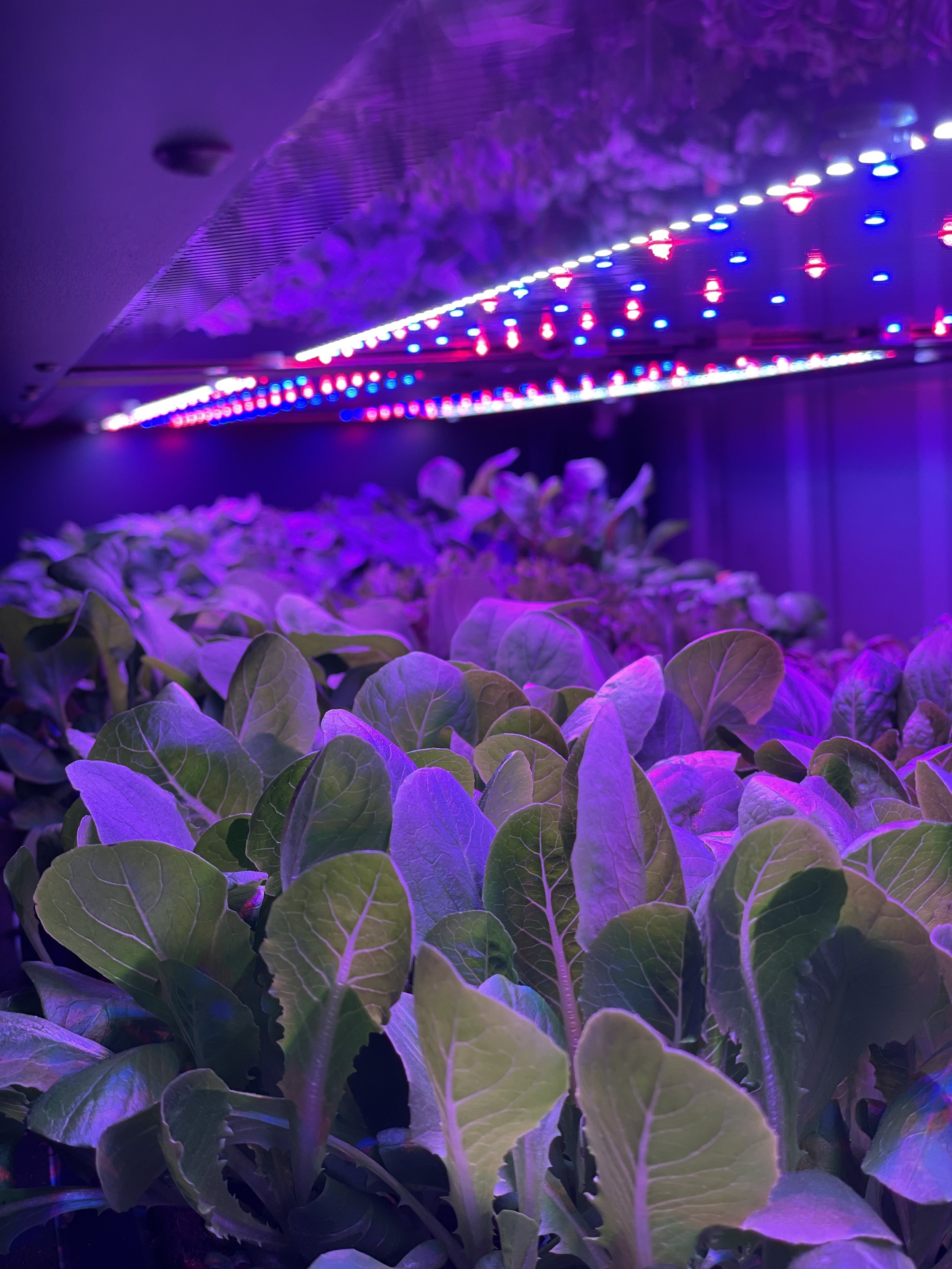
News About Farming in Shipping Containers & Limited Indoor Spaces
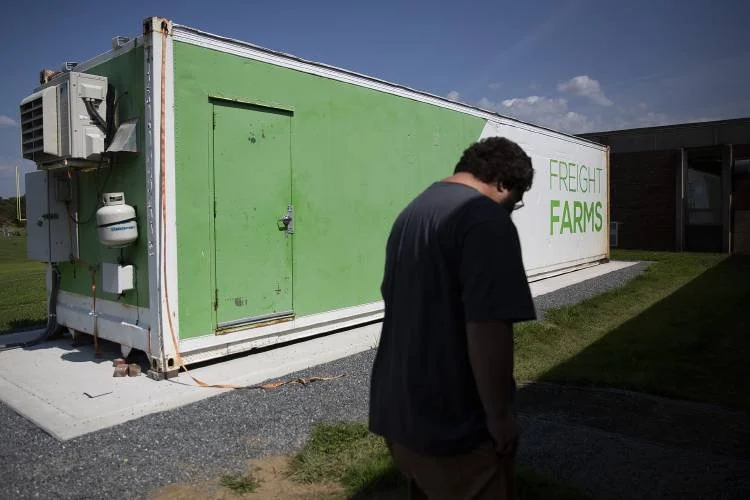
USA - VERMONT: Oxbow High School Sets Up Hydroponic Farm In Shipping Container
Oxbow High School is in the process of setting up a hydroponic farm built inside a modular container that will serve as an educational tool for students year-round.
Stony Brook University in New York donated the structure, which was designed by Boston-based company Freight Farms, to Oxbow last fall. An average Leafy Green Machine unit costs about $76,000.
Oxbow staff learned about Stony Brook’s plan to part ways with the Freight Farm through a facilities person at the college who is a relative of a staff member at Oxbow. The high school “seized the opportunity” to acquire the farm, Oxbow Principal Ken Cadow said via email.
Oxbow’s Freight Farm will be located behind the school’s library and STEM (science, technology, engineering and mathematics) lab, which opened last fall.
VIDEO: Vertical Farm Grows Sustainable Food Production, Student Learning Opportunities
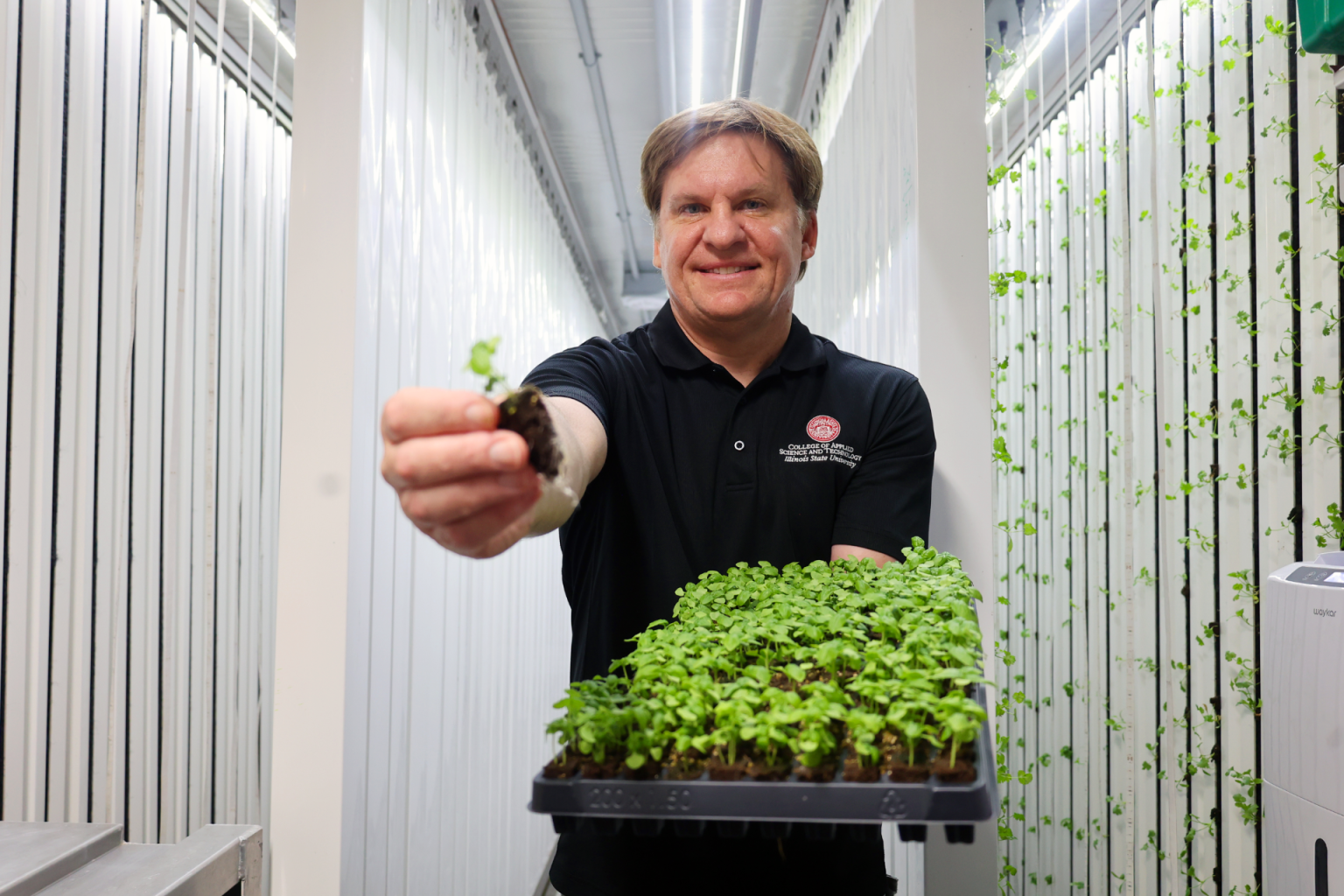
Illinois State University has launched its first Vertical Farm, a high-tech, climate-controlled agriculture system housed inside a repurposed shipping container. After years of planning, the farm opened in the spring and is now producing its first crop of leafy greens, with a focus on student learning and sustainable food production.
“This project started five years ago, so to finally have seeds growing and students involved is incredibly rewarding,” said Dr. David Kopsell, a horticulture professor in the Department of Agriculture. “We’re creating an environment where plants can thrive year-round, and where students can explore the future of food.”
Growing Smarter: Rethinking Sustainability in Controlled Environment Agriculture
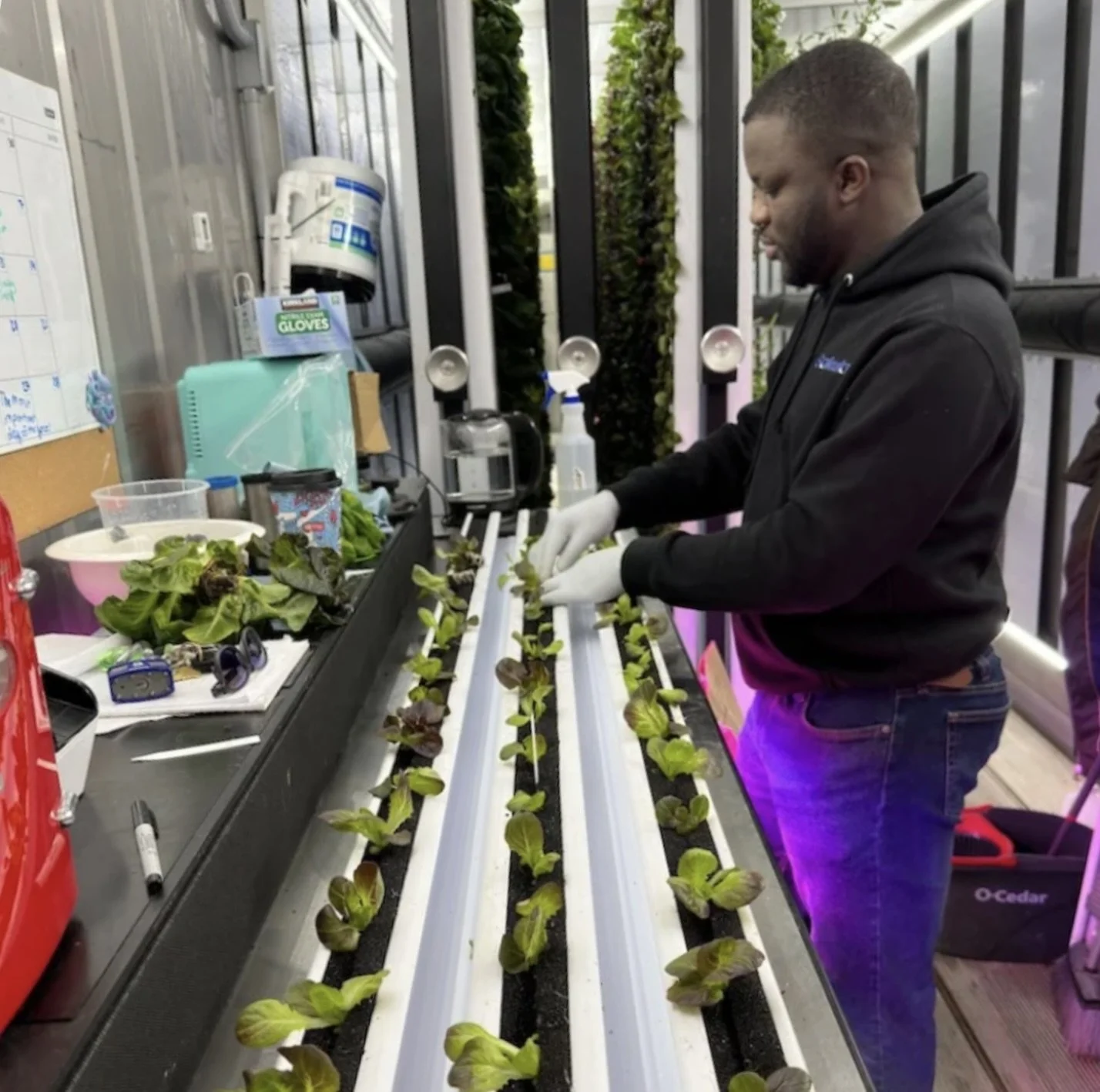
According to the U.S. Department of Agriculture, the number of Controlled Environment Agriculture operations in the United States more than doubled between 2009 and 2019, from 1,476 to 2,994. As Aliu began to research the motivations behind this growth, he found that the discourse around CEAs was theoretical or promotional in nature–an unhelpful “agricultural techsplaining” approach to an increasingly consequential method in the food system.
“There was a clear and urgent need for real-world, holistic data, and that was the inspiration for my dissertation,” he says. “I saw the opportunity to, at the very least, foreground and perhaps trailblaze situational and operational approaches to system sustainability in this rapidly evolving sector.”
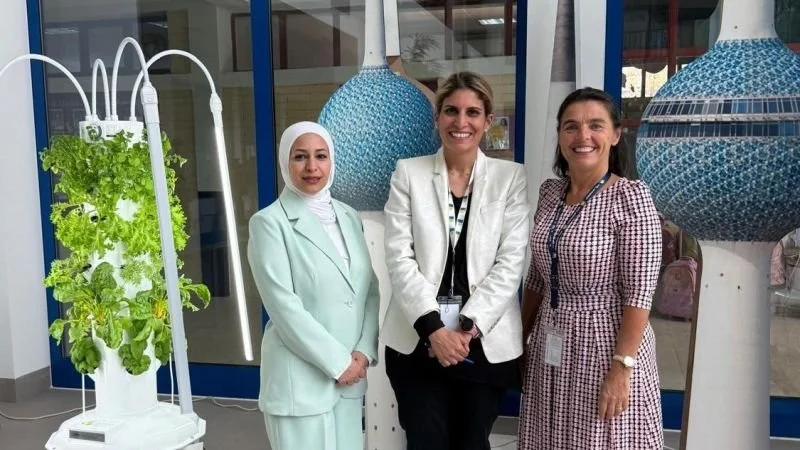
Markaz Sponsors Vertical Farming Facility at The English School to Empower Future Environmental Leaders
Kuwait Financial Centre “Markaz” announces its sponsorship of an innovative educational initiative in partnership with The English School (TES), providing students with hands-on, experiential learning opportunities in sustainable agriculture and its applications through vertical farming inside the school. The sponsorship reflects the ‘building human capacity’ pillar of Markaz’s corporate social responsibility (CSR) strategy by equipping students with future-ready skills, fostering environmental responsibility and developing the knowledge and critical thinking skills needed to confront global challenges through localized solutions.
The initiative offers students the opportunity to explore vertical farming through a school-based facility designed for indoor sustainable agriculture.
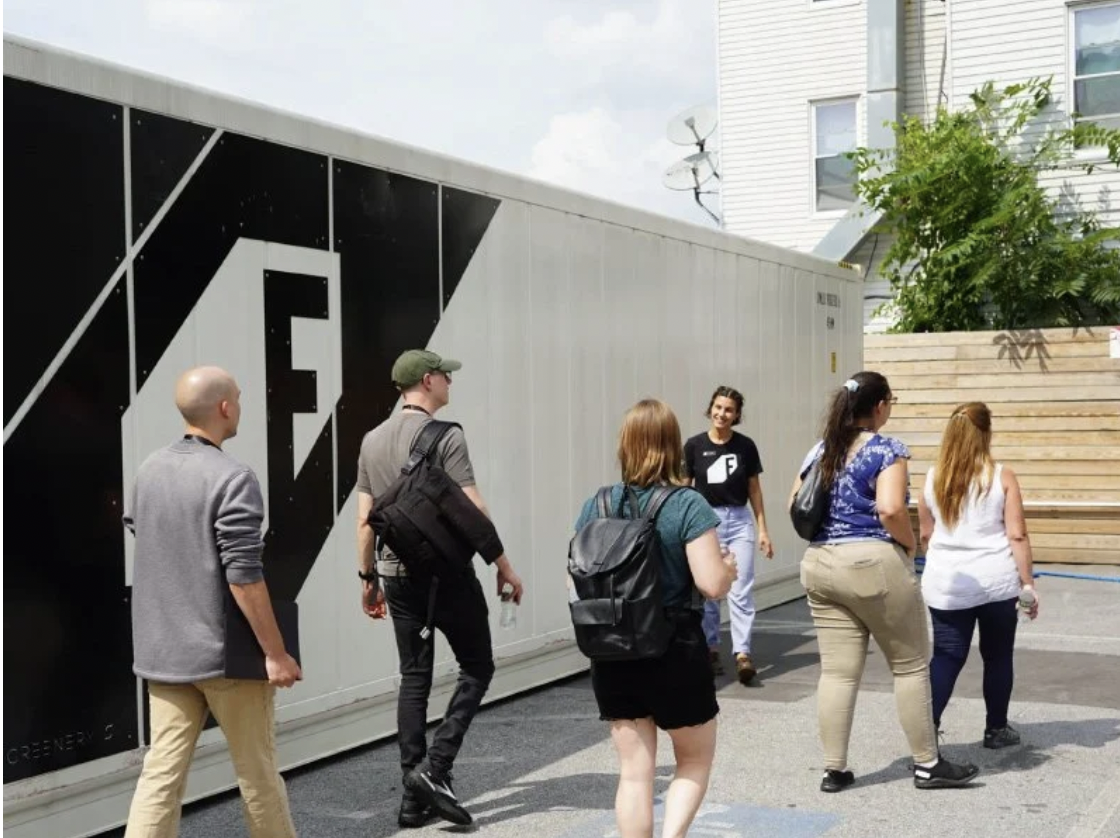
Vertical Farm at Illinois State University
The Vertical Farm at Illinois State University officially opened May 1, 2025, to serve as an example of sustainable urban agriculture and train and prepare students for careers in agriculture and horticulture specialty crop production. The facility is a joint partnership among the College of Applied Science and Technology, Department of Agriculture, and Office of Sustainability that will serve as a demonstration site for local community groups, schools, and business entrepreneurs.
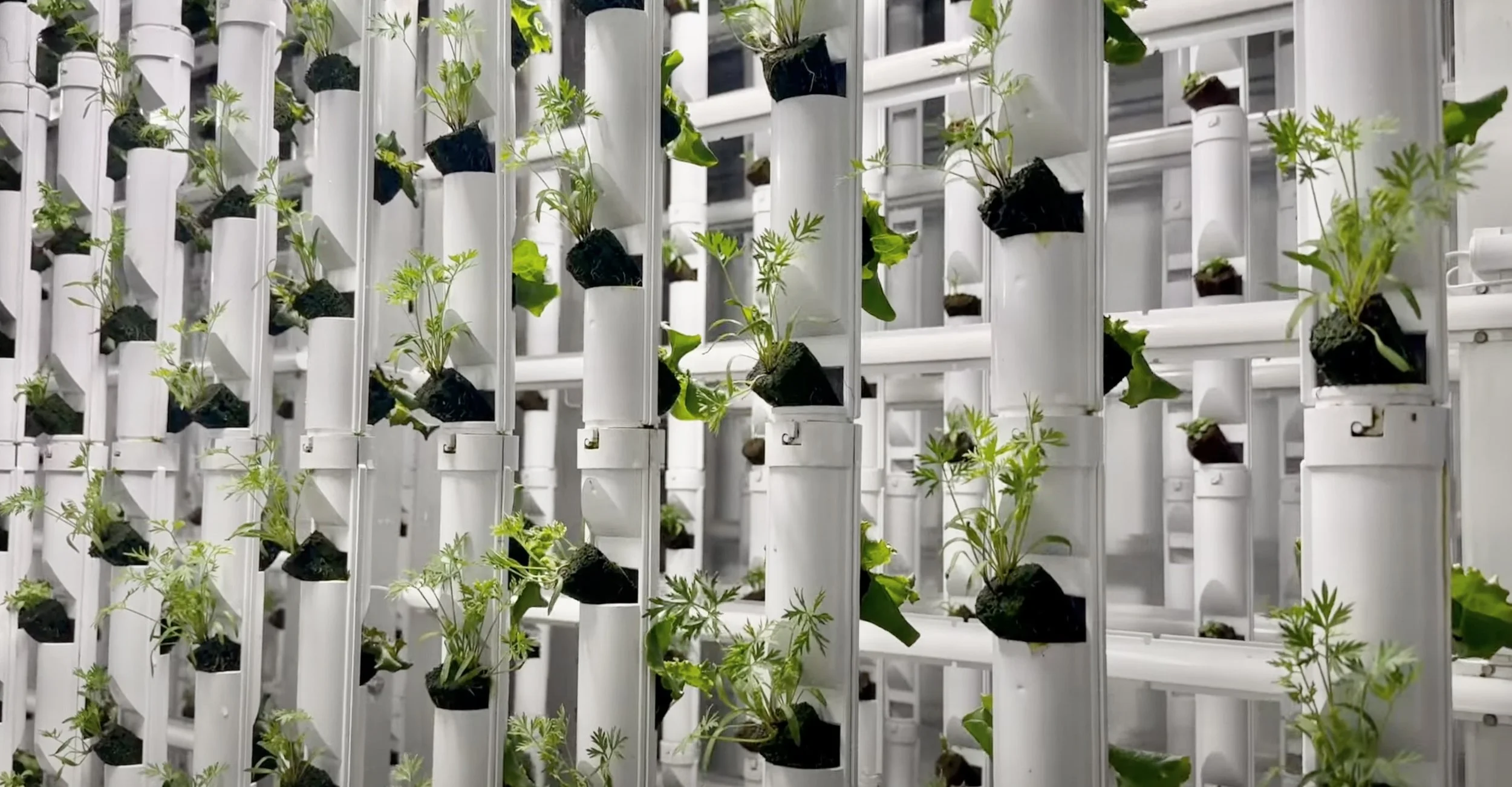
The Vertical Farm uses a repurposed shipping container with an enclosed, controlled environment to grow plants year-round. The 40-foot-by-8-foot (320 square feet) container is designed using a vertical hydroponic growing system with a recirculating nutrient solution and light-emitting diode (LED) lighting system. The unit will be able to grow 4,600 plants, production equivalent to 1-2 acres of field production, using 95% less water or approximately 5 gallons of water per day.
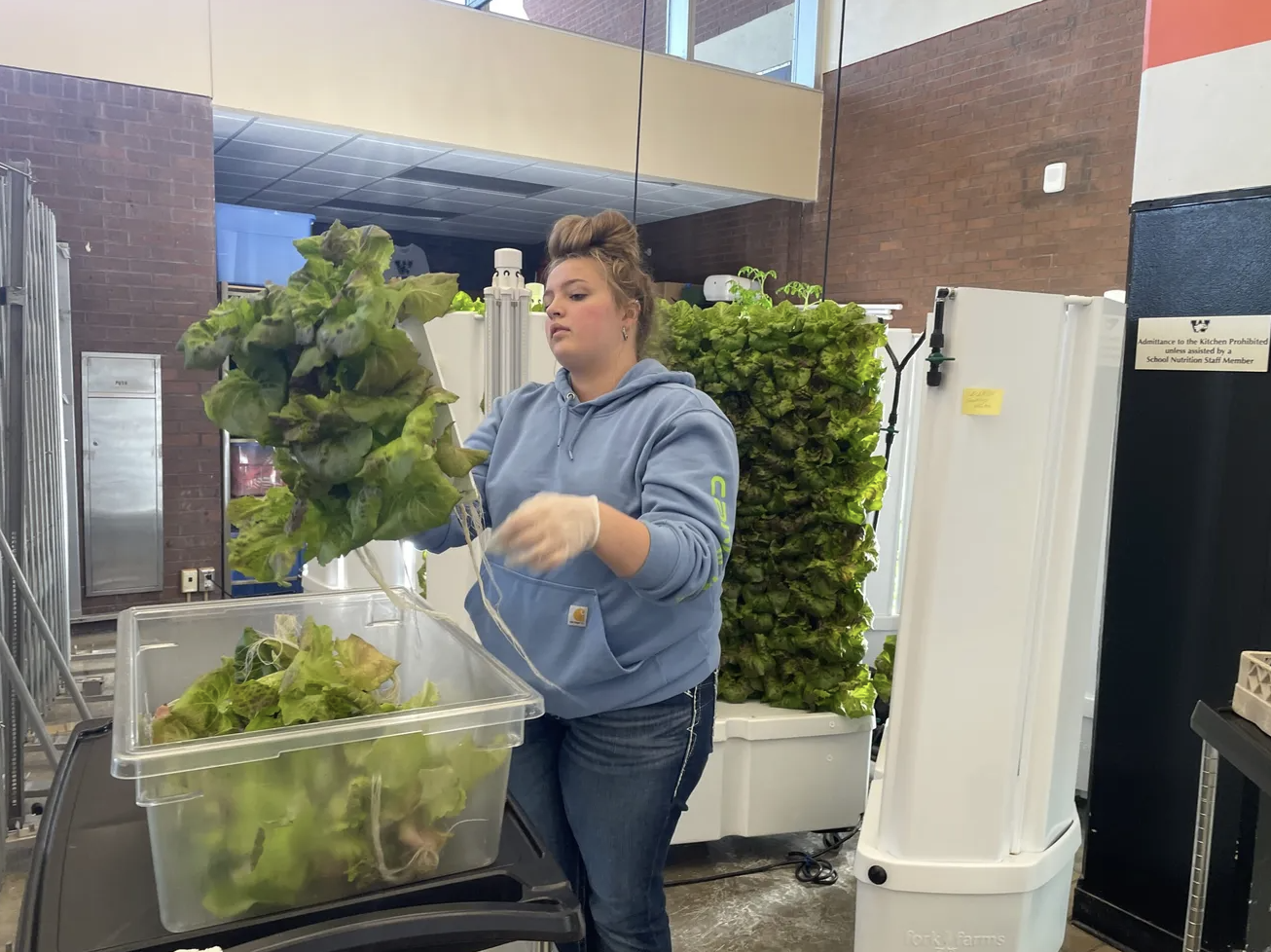
Minnesota School Feeds Their Students Using Hydroponic Flex Farms Designed in Green Bay
Across the Mississippi River on the Wisconsin border, a student at Winona Senior High School in Minnesota is growing up to 200 pounds of lettuce each month for school lunches — right in her school’s cafeteria.
Sophomore Miriam Jackson is in charge of her school’s Flex Farms, which are hydroponic farms developed by Green Bay company Fork Farms for use in educational environments. Under Jackson’s care, the compact indoor growing systems have turned into a significant food source for more than 800 students at Winona Senior High School.
“They really like it. When we serve our Fork Farms lettuce, the students are actually building more salads,” Jennifer Walters, school nutrition director for the district, told WPR’s “Wisconsin Today.”
VIDEO: “We’re Exposing Students To The Entire System That Supports Food Production”
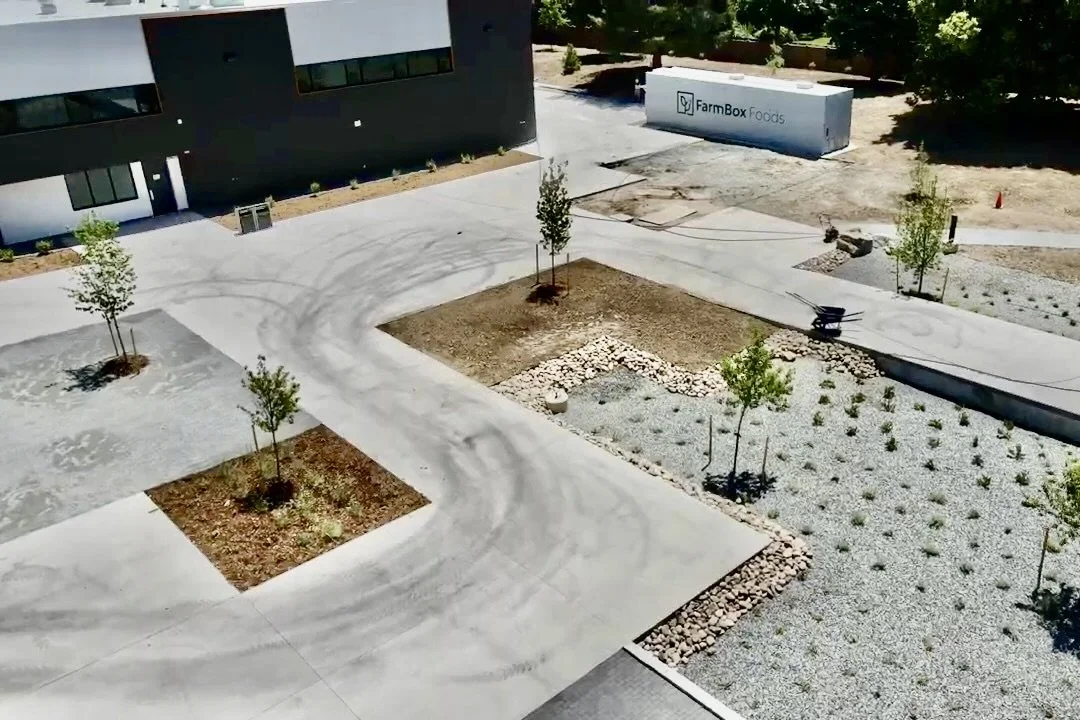
A shipping container in the middle of EPIC Campus in Littleton, Colorado, has become an unexpected training ground for the next generation of controlled environment agriculture (CEA) professionals. Inside, high school students grow crops hydroponically from seed to harvest, building technical knowledge and discovering new career paths in a rapidly evolving sector.
The vertical hydroponic farm, built by FarmBox Foods, operates as part of the school's Natural Resources Pathway. Students manage crop production from start to finish, applying lessons in plant physiology, hydroponics, and food safety, while working toward an industry-recognized BASF plant science certification.
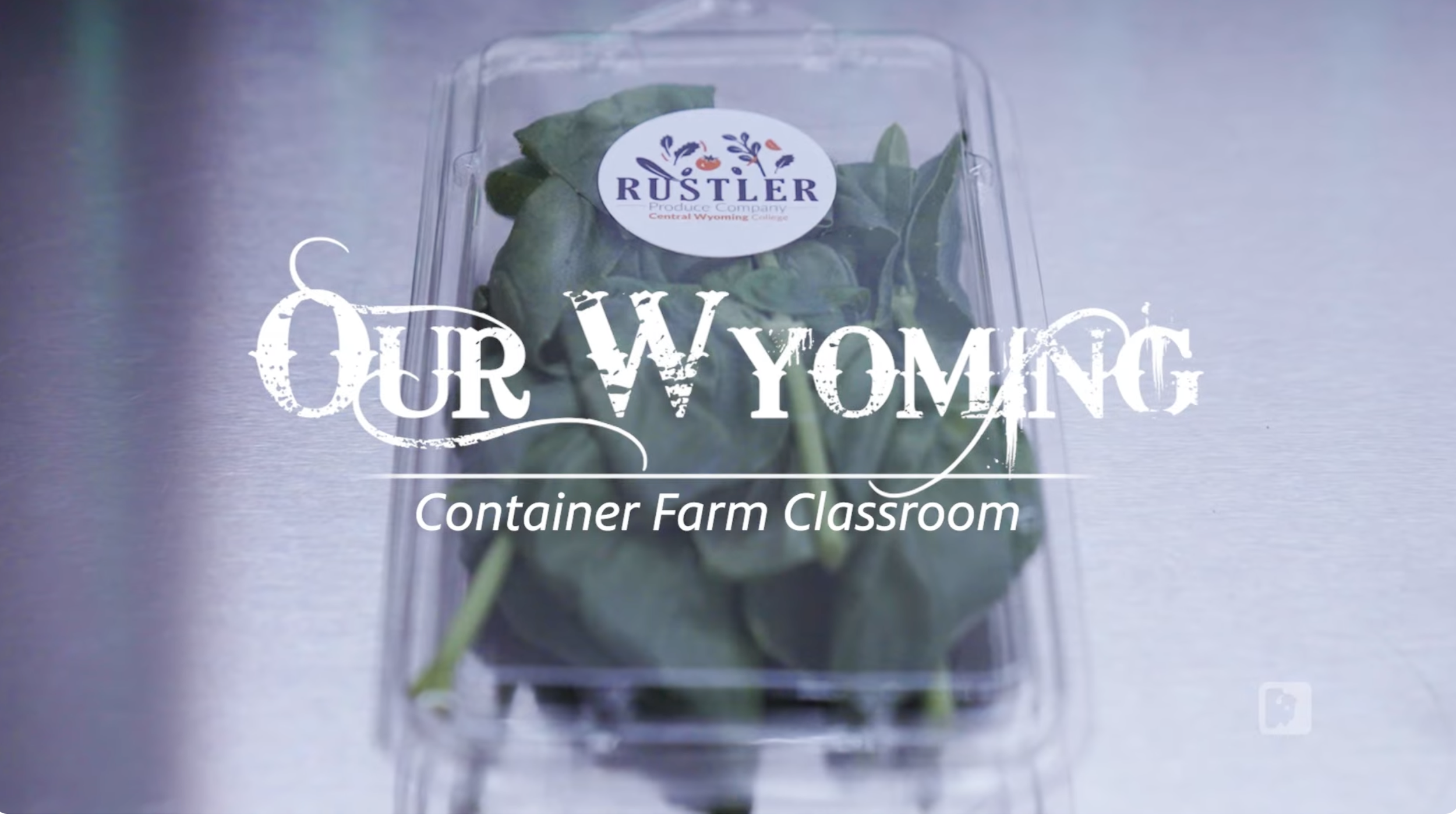
VIDEO: Inside a High-Tech Freight Farm At Central Wyoming College: Fresh Greens in the Dead of Winter
Discover how a team at Central Wyoming College is reshaping agriculture using hydroponic technology to grow fresh, local produce—even during harsh winter months.
From LED-lit freight farms to nutrient-rich grow plugs, this innovative method allows for year-round cultivation in some of the most challenging climates.
Join the journey as students and experts work together to advance sustainable farming, train the next generation, and bring fresh greens to communities in need.
This is more than just farming—it's a food revolution.
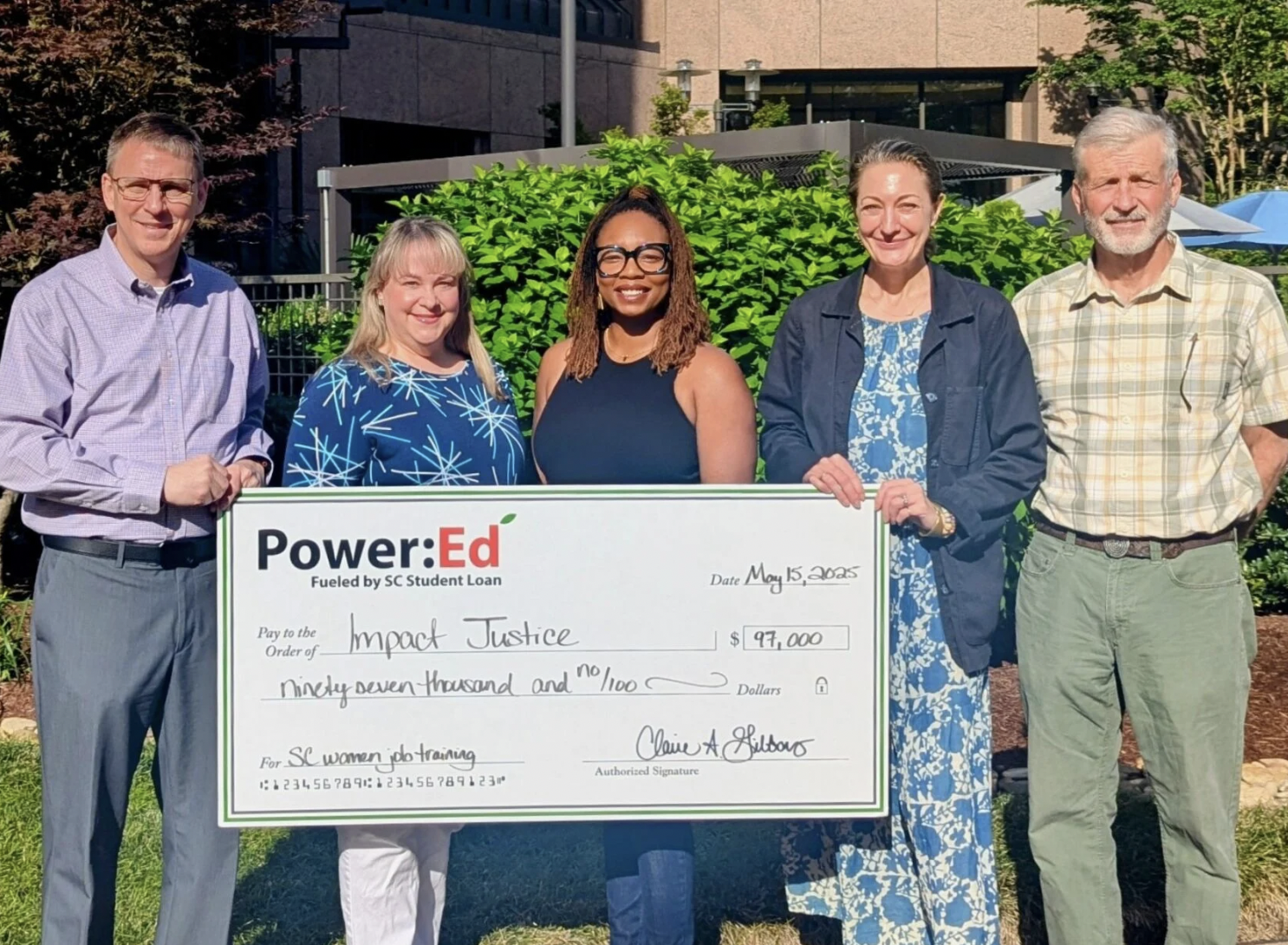
Grant To Support South Carolina Prison Farm Job Training Program
National nonprofit organization Impact Justice (IJ) was awarded a $97,000 grant from Power:Ed, the philanthropy of SC Student Loan Corporation, to support Growing Justice, a pilot program in partnership with Amplified Ag, to transform upcycled shipping containers into a fully functional vertical farm behind bars. This first-of-its-kind vertical farm job training program in South Carolina prisons will expand training opportunities, offer new reentry support, and provide fresh produce to the incarcerated residents at Camille Graham Correctional Center, offering transformative potential for incarcerated women and their families across South Carolina.
VIDEO: Meet The Student Who Lined Up at 4 a.m. to Secure a FarmBox Foods Field Study
Bear Creek High School senior Johnny Ngo talks about his experience at the FarmBox Foods campus near Denver for his senior field study.
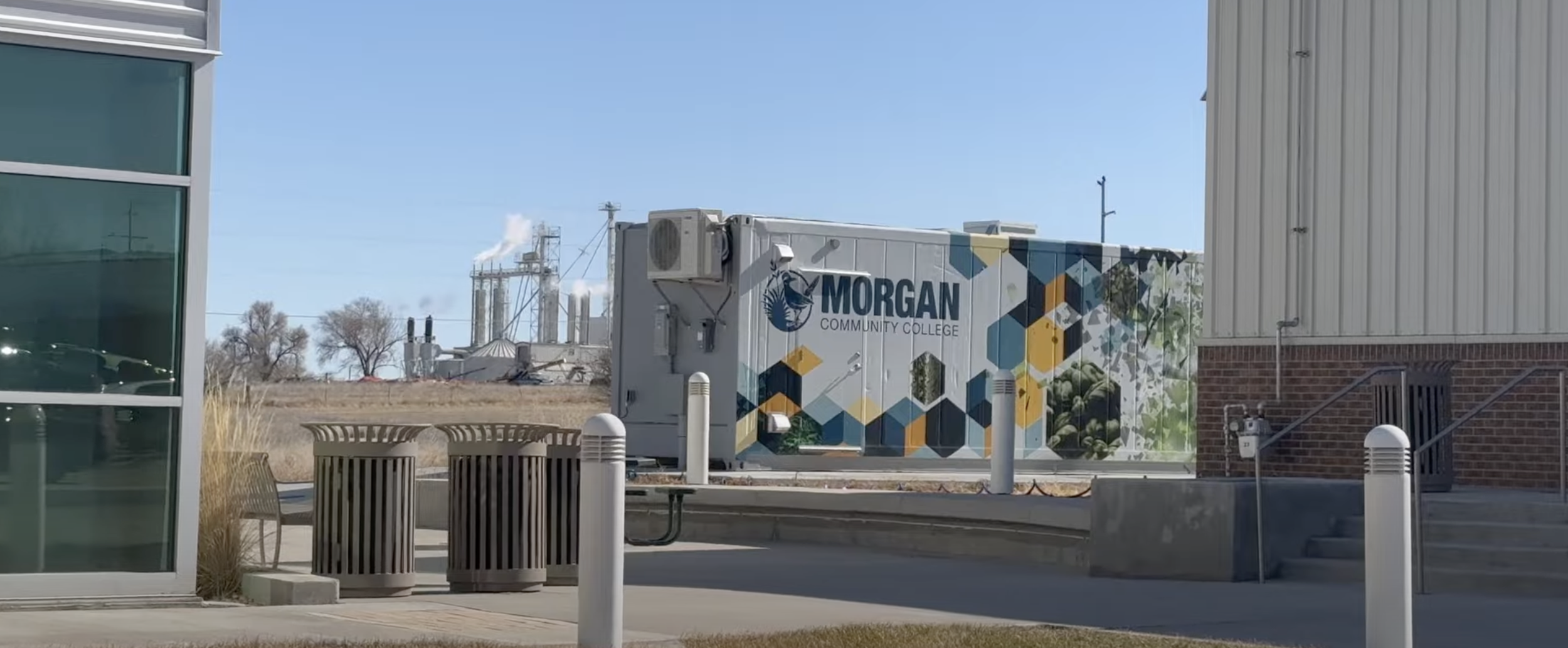
VIDEO: Community College Takes AgTech Education to the Next Level
Morgan Community College's Vertical Hydroponic Farm arrived on campus in mid-2024, and it's had a major impact on multiple fields of study.
Bill Miller, Precision Agriculture Faculty & Division Chair for Career Technical Education programming, talks about how it has inspired students and faculty and brought a new dynamic to interactive learning.
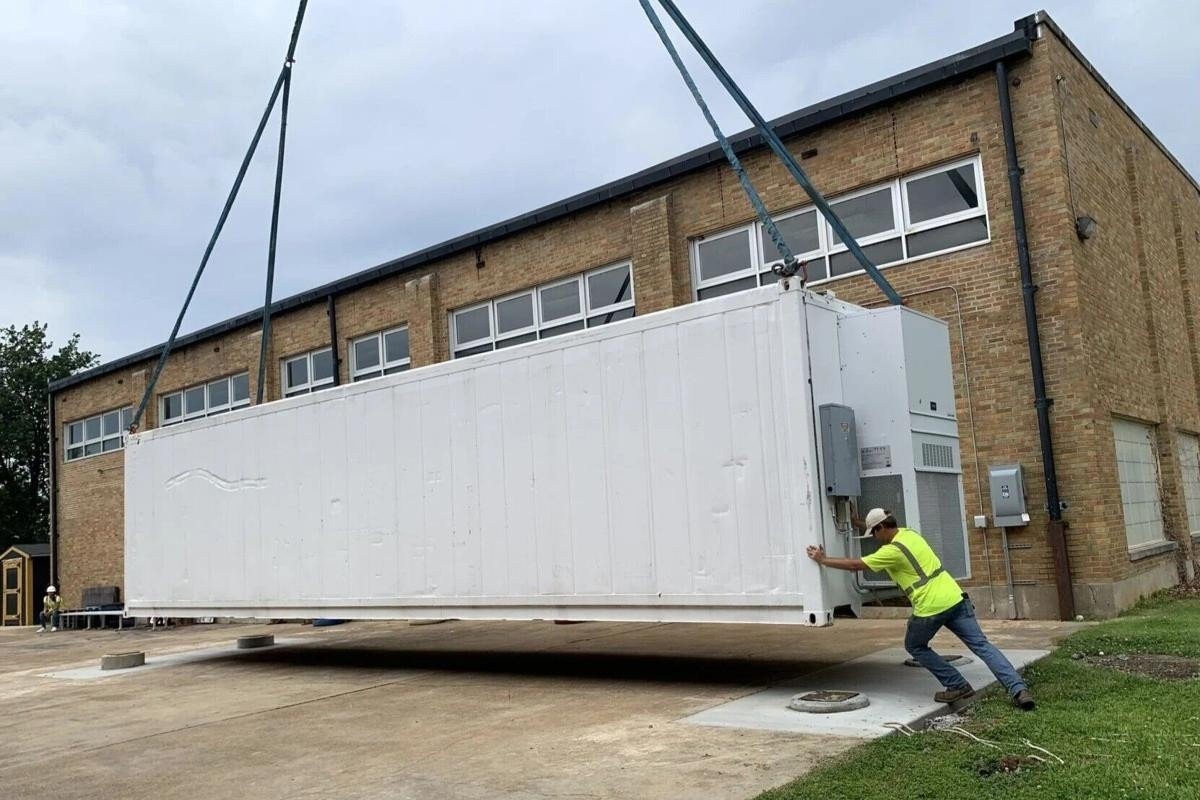
US (MO): University City High School Installs Smart Farm Container - Video
University City High School's growing agriculture program just grew some more. A shipping container fitted for hydroponics farming arrived at the school this week, bringing with it the potential for students to learn farming first-hand and grow their own food for lunch periods and businesses.
"They'll get to see firsthand how food is produced, starting from seed up to actual harvesting," said Pamela Lester, the teacher heading University City High's Agriculture and Sustainability Program.
The high school added an agriculture class during the 2023-2024 school year and saw a quick and rising interest from students.
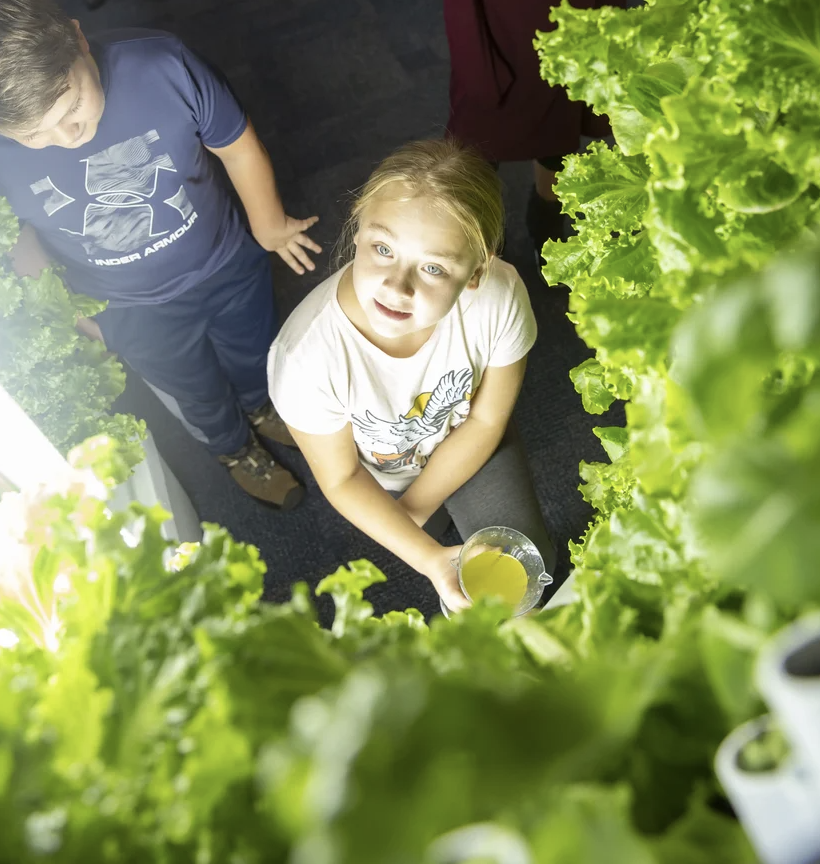
USA - MINNESOTA: Student Grows Greens For School Lunches
At Winona Senior High School in Minnesota, sophomore Miriam Jackson manages six hydroponic Flex Farms that grow up to 200 pounds of lettuce each month. These fresh greens are served in school lunches for over 800 students, making school meals more nutritious and local.
Developed by Wisconsin-based Fork Farms, Flex Farms are indoor hydroponic systems designed for small spaces like schools. Jackson handles seed germination, water monitoring, and pH balancing for the crops, mostly leafy greens like iceberg lettuce. While harvest days require extra help, she manages most tasks independently, spending nearly 15 hours a week on the project.

VIDEO: New York Sun Works Brings Nature Into NYC Classrooms
Bringing nature into a classroom is one of the missions for an organization called New York Sun Works.
CBS News New York's Erica Lunsford visited a school in the Bronx and shows us how students are learning in a unique way.

VIDEO: Wyoming Students are Growing Salad in a Former Shipping Container
A group of Central Wyoming College (CWC) students have repurposed an 8-by-40-foot shipping container to successfully grow delicious vegetables and herbs without soil, sunshine and acres of space in a sustainable way, reports Cowboy State Daily. These students are enrolled on a Regenerative Small-Scale Farming AAS degree. According to CWC, it is the first of its kind in Wyoming.
“We’ve been fortunate to be able to bring this kind of technology to the area,” shares local food and agriculture instructor, Ethan Page. “I think this is one of two freight farms in the state, and the only one that’s kind of served, or has like an educational purpose,” he adds.

KAZAKHSTAN - The First “Machine Farm” Opened in Almaty
BoomGrow can grow leafy greens, microgreens, edible flowers, herbs, and even mushrooms. From planting to harvest, it takes 35-38 days , which is faster than in open ground or a greenhouse.
At the same time, the growing process uses 95% less water, soil, and fuel than traditional methods.The modular vertical farm is a development of the Malaysian startup BoomGrow . It operates in Malaysia, Indonesia, the Philippines and Singapore. Kazakhstan is the first Central Asian country where the project was scaled up.
The farm was developed and assembled in Malaysia and delivered to Almaty, now the container is located on the territory of the Kazakh National Research Technical University named after K. I. Satpayev.

USA - MICHIGAN: Lettuce Learn: Redford Union Elementary Students Help Grow School Lunches
With sleeves rolled up and gloves on, young students at Redford Union Schools are growing leafy greens that show up later in the lunchroom as kids learn science, responsibility and even some healthy habits along the way.
Thanks to a new hydroponics program launched this year at both Hilbert and Beech elementary, the district's elementary STEAM classes are growing lettuce without soil – just water, light, curiosity and lots of smiles.
The project began in January with sixth graders planting the first crop of romaine lettuce. Since then, students in first through sixth grade have gotten involved in everything from monitoring the hydroponic system to harvesting.

New Vertical Farm at Illinois State University to Serve as Example of Sustainable Urban Agriculture
“This project is about more than just growing food,” said Illinois State University President Aondover Tarhule. “It’s about harnessing the power of technology to reduce our dependence on traditional, resource-demanding agricultural methods. Vertical farming technology can be used to address some of the biggest challenges we face, including food security, environmental responsibility, and sustainability.”
The Vertical Farm uses a repurposed shipping container with an enclosed, controlled environment for growing plants year-round. The 40-foot-by-8-foot (320 square feet) container is designed using a vertical hydroponic growing system with a recirculating nutrient solution and light-emitting diode (LED) lighting system. The Vertical Farm unit will be able to grow 4,600 plants, production equivalent to 1-2 acres of field production, using 95% less water or approximately 5 gallons of water per day.