

Container Farming Is Scaling in 2026 — Here’s What the Box Actually Costs Northeast Growers
Container farming is booming in 2026. Here's what a hydroponic container farm really costs, and why the insulated or refrigerated box underneath it is the part Northeast growers shouldn't skimp on.

By Clint Butler
July 2, 2026
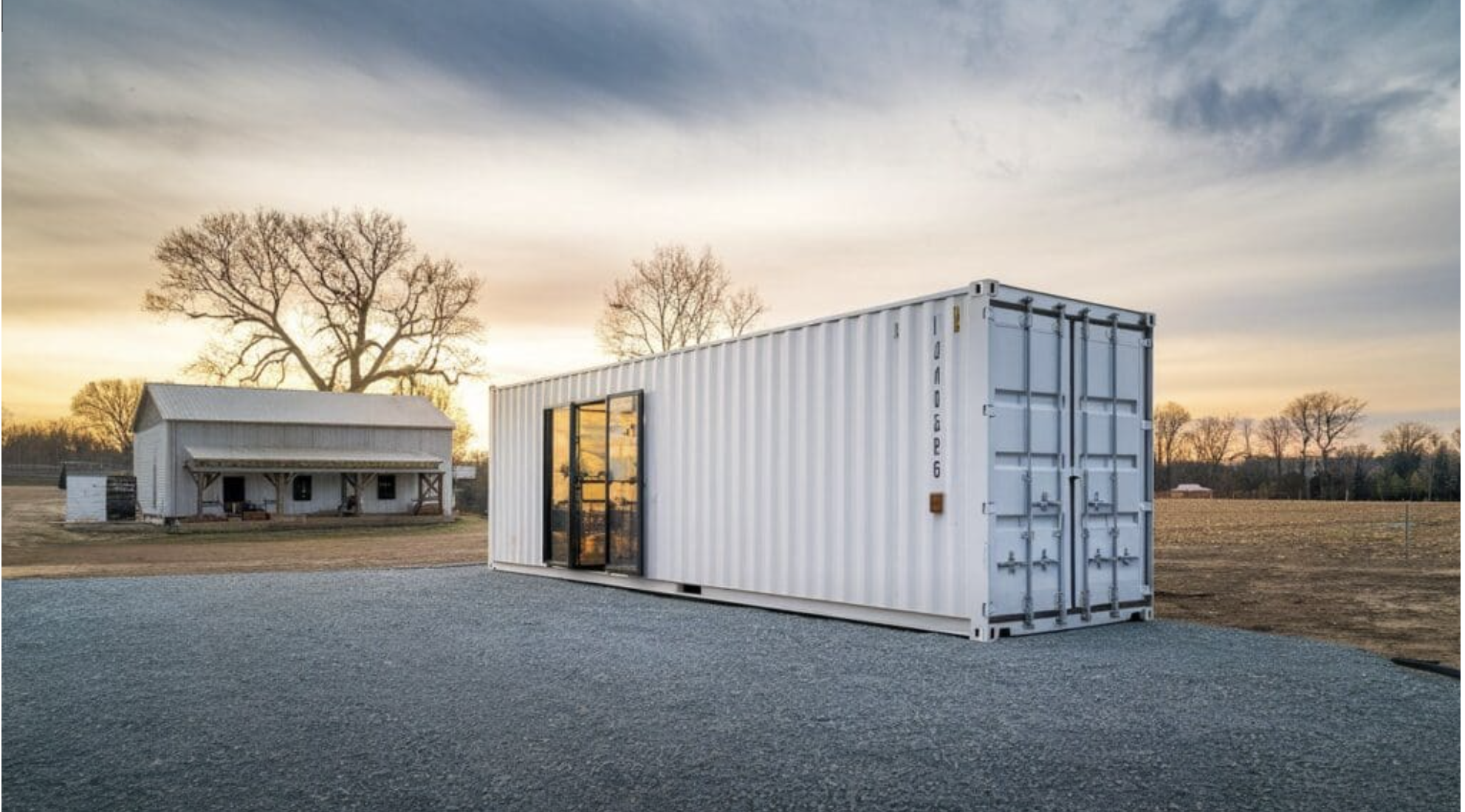
If you’ve watched a local farm-to-table restaurant start growing its own basil in a steel box behind the kitchen, you’ve seen the trend that’s quietly reshaping small-scale agriculture in 2026. Container farming — a single shipping container fitted out as a climate-controlled hydroponic grow room — has moved from novelty to working tool, and the buyers driving it aren’t venture-backed agtech startups. They’re growers, grocers, and restaurant operators doing the math on year-round local produce.
The headlines focus on the high-tech turnkey systems that run six figures. The part most buyers miss is that the foundation of every one of those farms is an ordinary insulated or refrigerated shipping container — the same kind of unit we sell off the yard. Understanding where the box ends and the grow system begins is the difference between a smart build and an expensive one. This piece breaks down what’s actually happening in the market, what a container farm really costs, and how Northeast buyers should source the unit underneath it. It’s the same logic we laid out in our overview of the key trends shaping the shipping container sales industry, applied to one of the fastest-growing use cases on the lot.
What the Numbers Are Saying
Controlled environment agriculture — the umbrella term for greenhouse, vertical, and container-based growing — is expanding fast. North America accounts for roughly 41% of global controlled-environment agriculture installations, the largest share of any region, according to market.us research, and the U.S. drives the bulk of that demand. The container-based slice specifically was estimated at around $15.8 billion globally in 2025 and is growing at a double-digit annual clip, per Business Research Insights’ 2026 market data.
The appeal is straightforward once you see the yield. A single 40-foot container converted to vertical hydroponics can produce roughly three to five tons of leafy greens, herbs, and microgreens per year — output that would normally require a quarter to a half acre of field — according to 2026 container-farm guides from Farmonaut and Lyine Group. One 320-square-foot unit can hold between 4,000 and 8,000 plants at a time, per Mobile Modular’s 2026 figures. And because the growing happens in a sealed, recirculating system, hydroponic container farms use up to 90% less water than soil-based agriculture.
For a grower in the Northeast, the real draw is the calendar. A container farm grows the same crop in January that it grows in July. That year-round consistency — fixed yields, fixed quality, no weather risk — is why restaurants, grocers, and CSA operators are the buyers showing up most this year, not just hobbyists.
Why the Container Itself Is the Foundation
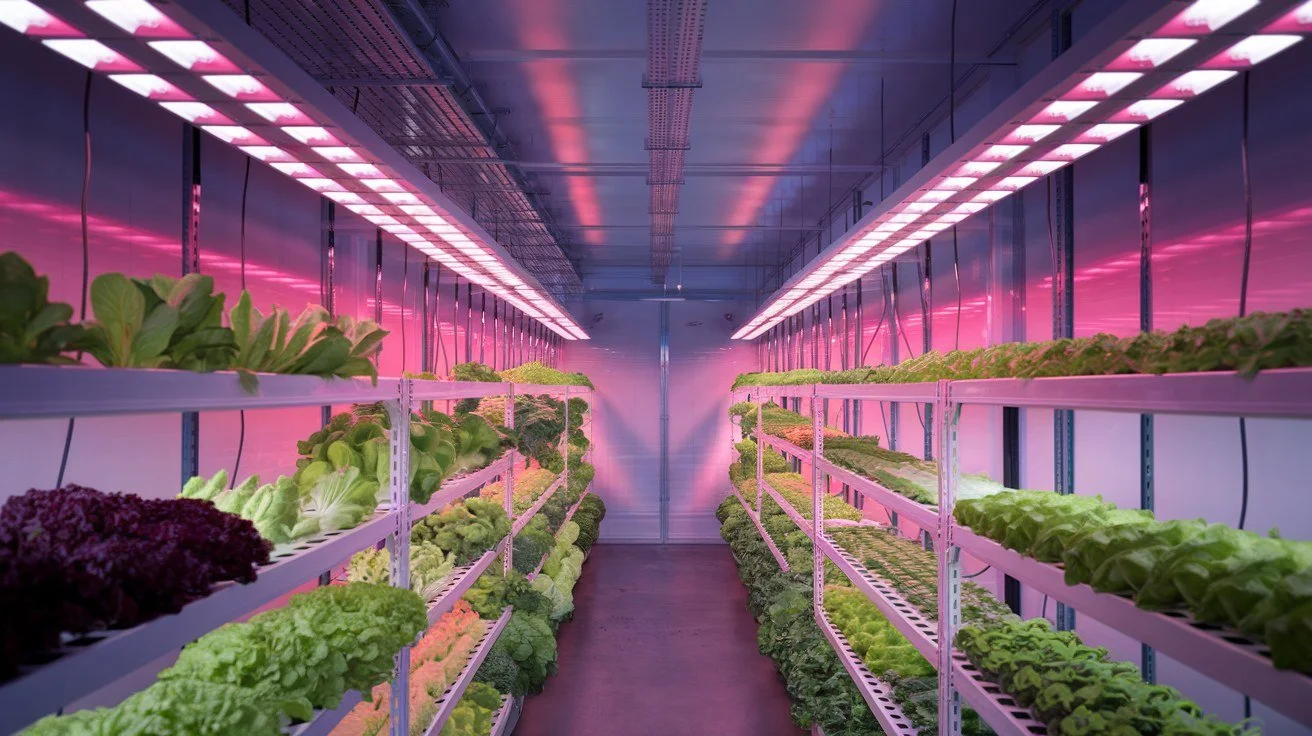
Every container farm starts with the box. The insulation, airtightness, and structural integrity of the shell determine how hard the climate system has to work — and how much it costs to run.
Strip away the LED towers and the irrigation manifolds, and a container farm is an insulated steel room that has to hold a stable temperature and humidity around the clock. That makes the shell the single most important component most first-time buyers underestimate. An uninsulated wind-and-watertight box can technically be converted, but the climate system fights the steel all year, and your electricity bill — already the dominant operating cost — pays the price.
This is why most serious builds start with an insulated container or a refrigerated container. A reefer unit ships with a factory-grade insulated envelope and a sealed interior built to hold precise temperatures — exactly the spec a grow room needs. An insulated dry container gives you the thermal envelope without the refrigeration machinery, a better fit when you’re installing your own HVAC and lighting load. Either way, the box does half the climate work before a single light switches on. Our breakdown of container modification options covers the insulation packages, electrical service, and HVAC additions that turn a base unit into a grow-ready shell.
The structural side matters too. You’re hanging grow systems, water lines, and lighting rigs off the walls and ceiling, and running a humid environment inside a steel box for years. A unit with corroded corner posts, a failing floor, or compromised door gaskets is a poor candidate no matter how cheap it looks. The same inspection discipline from our guide on what to look for when buying a shipping container applies directly here — arguably more, because a farm conversion is a permanent installation, not a storage box you can swap out.
The Real Cost Stack
Here’s where buyers get the most value from slowing down. The price you read in a turnkey container-farm ad bundles three very different things: the container shell, the grow system, and the integration labor. Pulling them apart changes the decision.
The turnkey route. A fully built, plug-and-play hydroponic container farm from a dedicated vendor runs roughly $100,000 to $250,000 and up, with most systems landing between $50,000 and $150,000 depending on size and automation, according to Aurlant’s 2026 container-farm cost guide. Freight Farms, one of the best-known names, lists units around $180,000 outright or about $3,000 a month through a farm-as-a-service model, per the company’s 2026 pricing. You’re paying for a finished product and a support contract.
The build-your-own route. A DIY hydroponic conversion can start near $15,000 for the interior systems, per Mobile Modular’s 2026 figures, on top of whatever you pay for the container. This is where sourcing the box separately starts to matter, because the shell is a line item you control directly rather than one buried in a turnkey invoice.
The operating reality. Whichever route you choose, plan for annual running costs of roughly $8,000 to $16,500, with electricity the dominant line item because LED lighting and climate control run continuously, per the same 2026 cost data. A better-insulated shell trims that number every month for the life of the farm — another reason the box spec isn’t where to cut corners.
When you buy the container as its own line item, you also get to apply normal container-buying leverage to it. Our guide on affordable options for buying shipping containers and the different types of containers available both apply — an insulated or reefer unit bought right can save thousands against a shell priced inside a turnkey package.
Sizing, Siting, and Sourcing the Box
Most container farms are built in 40-foot units for a simple reason: vertical growing rewards floor length, and the price-per-square-foot math favors the larger footprint. But a 40-foot unit also demands real delivery access — roughly 100 feet of straight-line clearance for a tilt-bed drop, level ground, and overhead clearance free of branches and power lines. Our shipping container dimensions page lays out the exact external and internal measurements so you can plan the grow layout and the delivery in the same pass. The delivery and placement guide covers the prep most buyers wish they’d handled before the truck arrived — and a farm unit, once it’s plumbed and wired, isn’t something you reposition casually.
Siting also means power and water. A container farm needs a real electrical service — not an extension cord — and a water hookup with drainage. Settle those before the unit lands, because retrofitting service to a running farm is expensive and disruptive.
On sourcing, the principle is the same one we apply to every used purchase: buy from someone who can show you the actual unit. The advice in our walkthrough of where to buy used shipping containers holds — verify the specific reefer or insulated box, confirm the insulation and seals are intact, and inspect before you commit. For the broader picture of how repurposing is pulling specialty units off the resale market, our look at innovative methods of container reuse tracks where this demand is heading.
Who’s Actually Building These in the Northeast
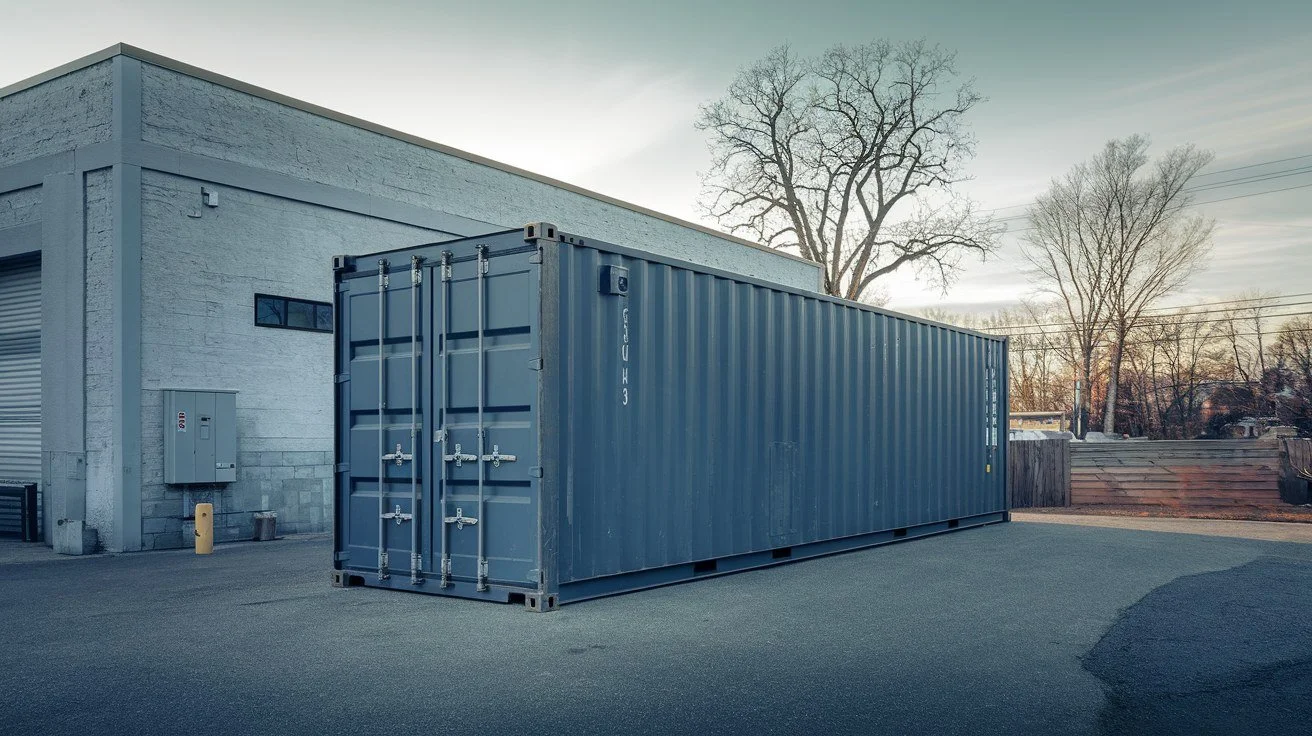
Container farms are landing at restaurants, grocers, and small farms across the Northeast — drawn by year-round production in a climate where field growing stops for half the year.
The Northeast is a natural fit for container farming precisely because the field season is short. A grower outside Albany or in central Pennsylvania can’t put fresh local lettuce on a restaurant menu in February without one — and that off-season premium is what makes the economics work. We’re seeing interest across the buyer map: restaurants growing their own herbs and microgreens, grocers piloting in-store or back-lot units for hyper-local produce, CSA operators extending their season, and educational and institutional buyers using a single container as a teaching or research farm.
It connects to the wider story of using shipping containers for storage and on-site operations that’s been expanding across agriculture for years — the farm conversion is the high-value end of that same trend. For buyers across our service area, regional availability of insulated and reefer units is solid in the New York and New Jersey markets, along with Pennsylvania, Ohio, and Rhode Island, with crane delivery available where a site can’t take a tilt-bed.
The Bottom Line
Container farming isn’t a fad in 2026 — it’s a working answer to year-round local produce, and the demand is real. But the smart buyer separates the box from the build. The turnkey systems get the attention; the insulated or refrigerated container underneath them is the foundation that determines how well the farm holds climate and how much it costs to run for the next decade. Get the shell right and the rest of the project gets easier and cheaper. Get it wrong and you pay for it on every electric bill.
If you’re sizing up a container farm — or just want to know whether an insulated unit or a reefer is the better foundation for your build — our team can walk you through current new and used inventory, insulation and modification options, and delivery logistics for your specific site. request a quote today and start with the box that does half the work.
Sources: market.us Controlled Environment Agriculture Market report (2026); Business Research Insights Container-Based Vertical Farming Market (2026); Aurlant 2026 Container Farm Cost Guide; Freight Farms 2026 pricing; Mobile Modular 2026 hydroponic container figures; Farmonaut and Lyine Group 2026 container-farm guides.