

Container Farm Sprouts Hope For Guam's Food Security Woes

Oct 20, 2025
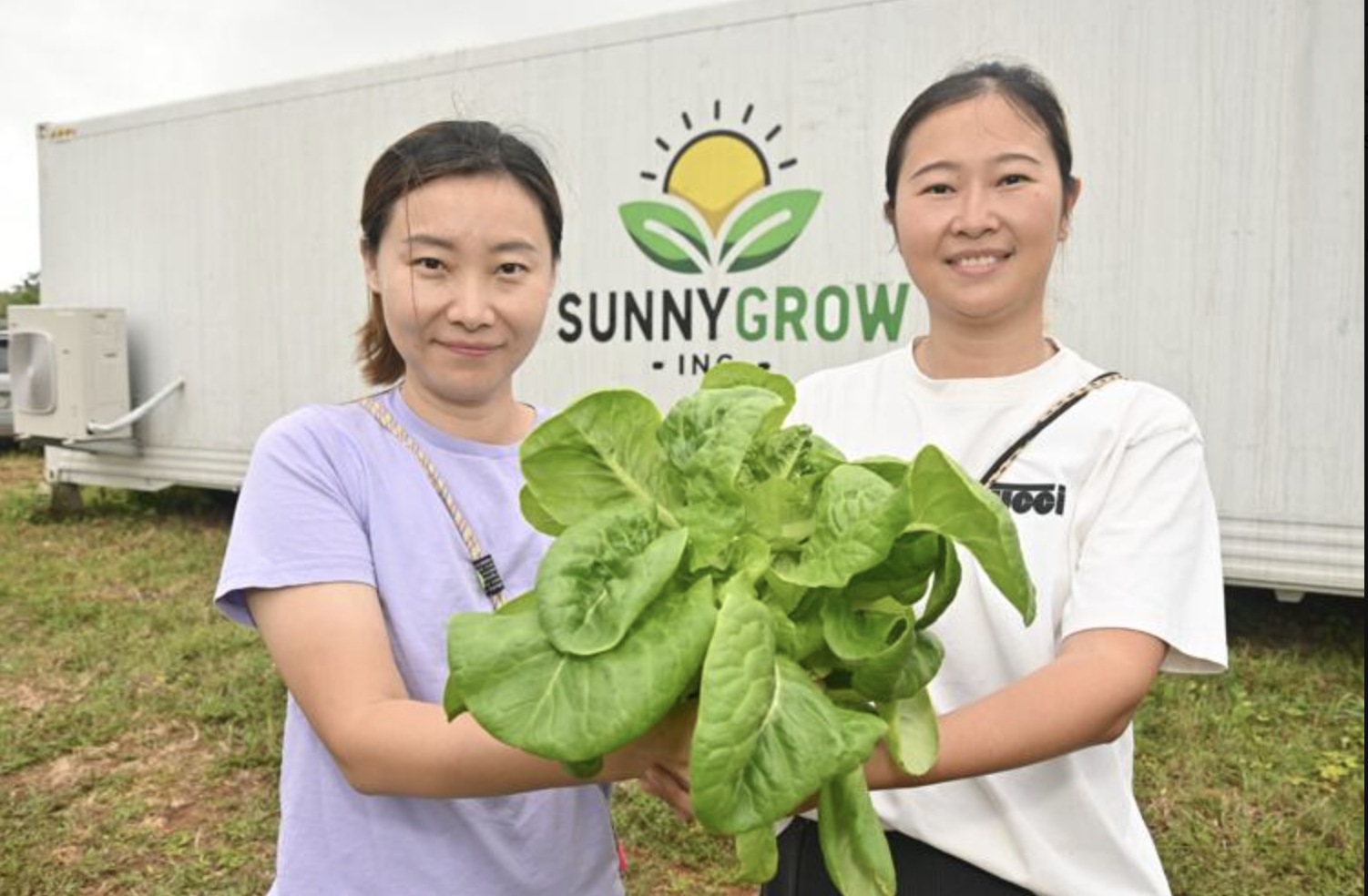
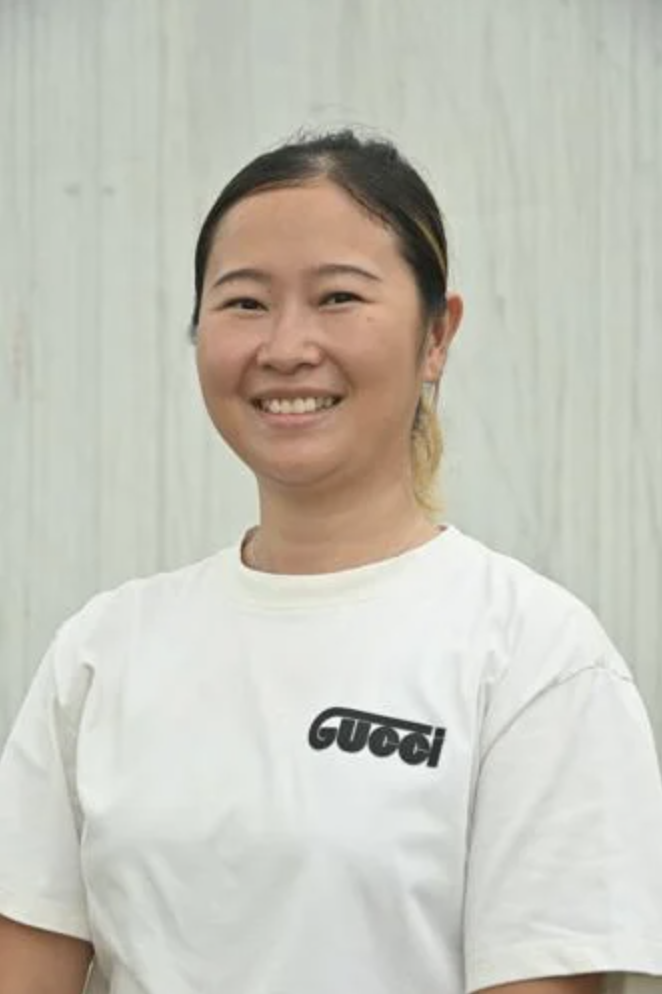
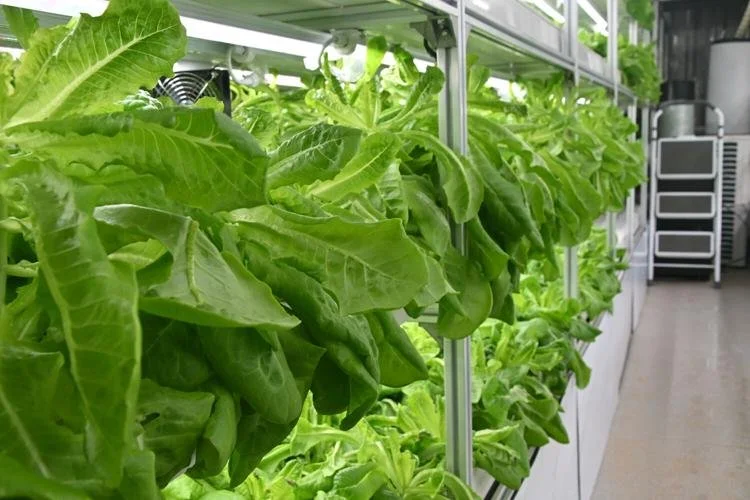

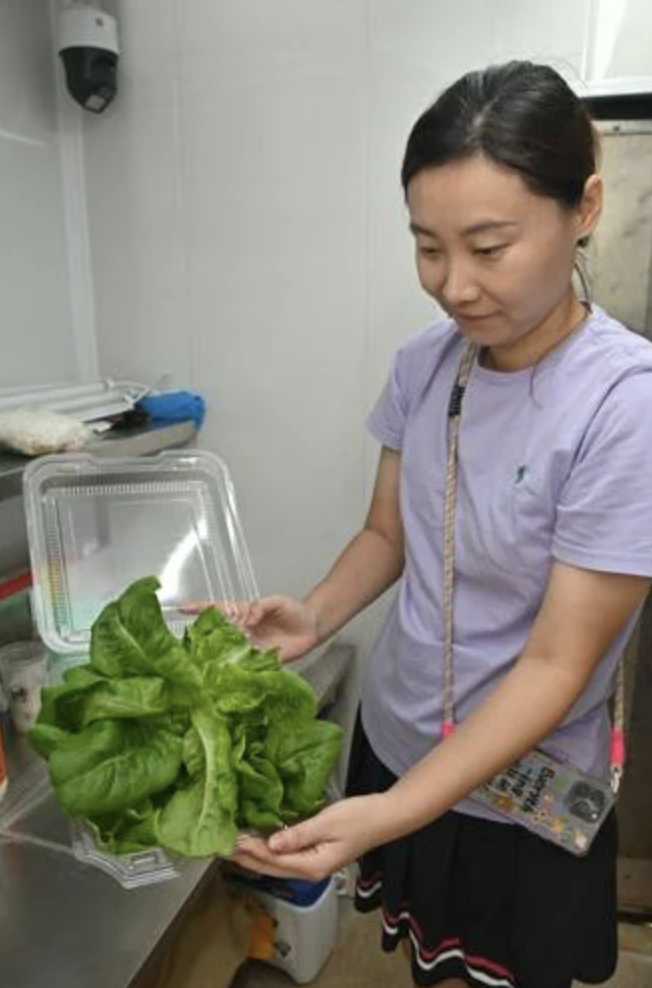
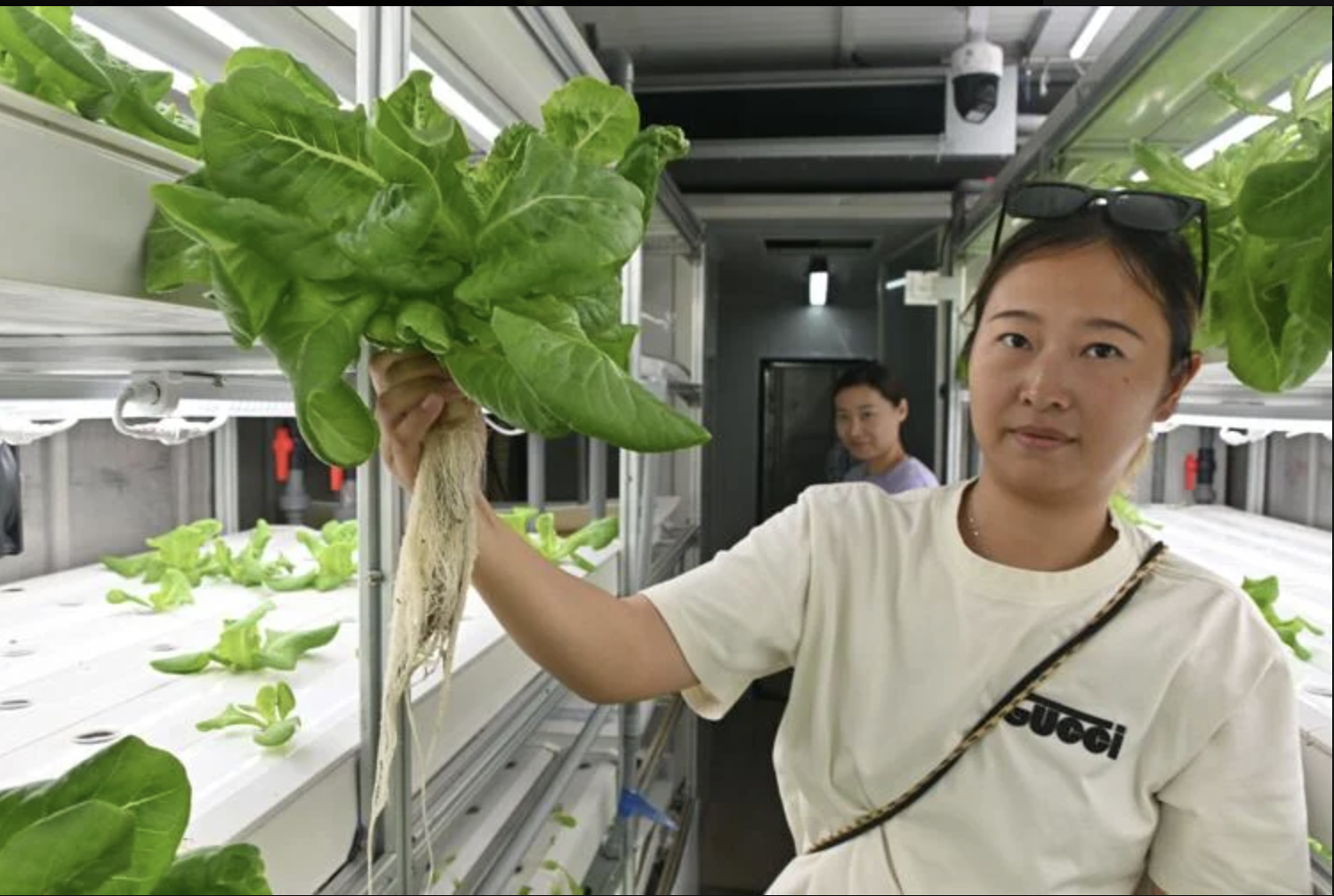
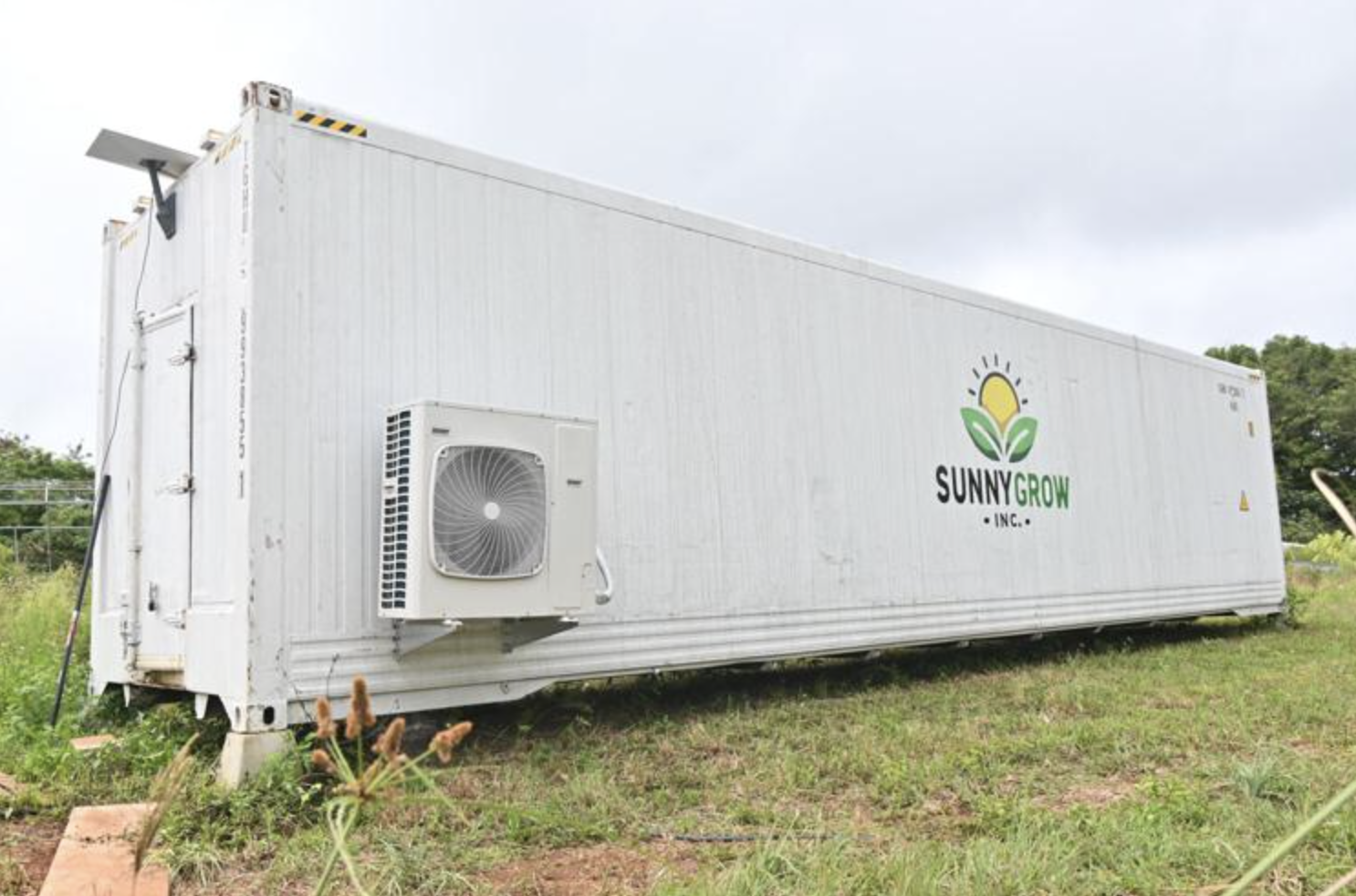
A 40-foot shipping container in Dededo is growing what its operators believe could help solve Guam’s food security challenges: fresh lettuce harvested hours before reaching consumers’ tables and sold well below imported prices.
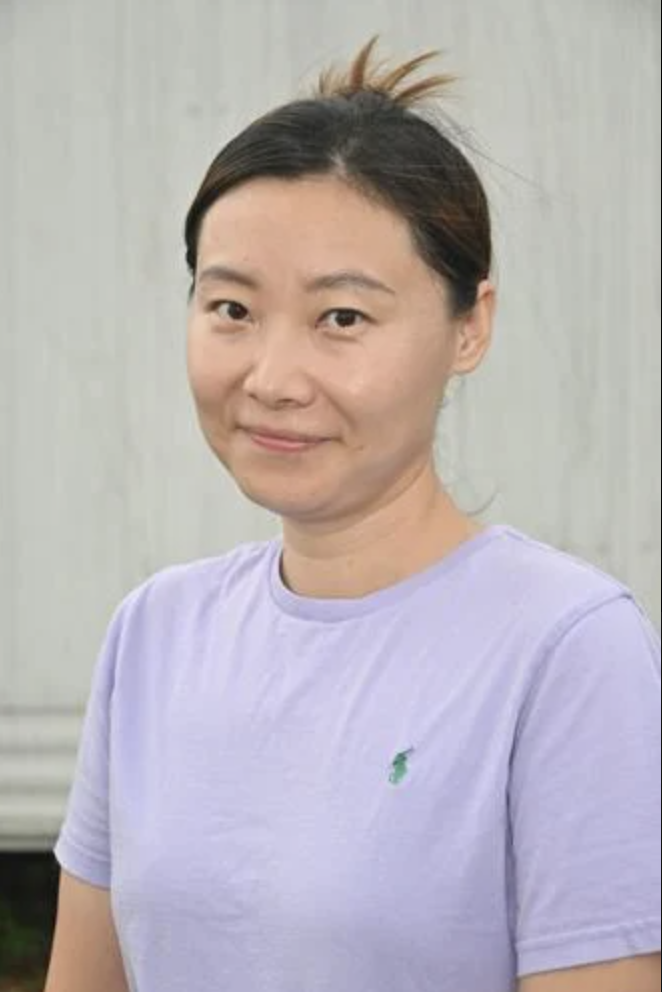
Sunny Grow Inc., which began operations in March, represents Guam’s latest venture into vertical farming. Earlier efforts struggled with high electricity costs and logistics, but Vice President Yi Yuan believes their approach can succeed where others failed.
The company uses technology modeled after systems in mainland China, relying on automation and a planned solar power setup to keep costs down.
“We found out there are many challenges here,” Yuan told The Guam Daily Post. “All our vegetables rely on imports, and the price is really high. The freshness is not that good.”
According to Sunny Grow, about 85% to 95% of Guam’s food comes from off-island. A head of butter lettuce at local retailers can cost $4.69 or more, driven up by shipping, storage and long-distance transport.
The company’s container system produced its first harvest in early June. Yuan said Sunny Grow currently sells directly to consumers for $2.50 to $3 per head, with prices expected to drop as operations expand.
“We can get it locally, even more fresh,” Yuan said. “If they need, they can go to our container. Just grab whatever they like.”
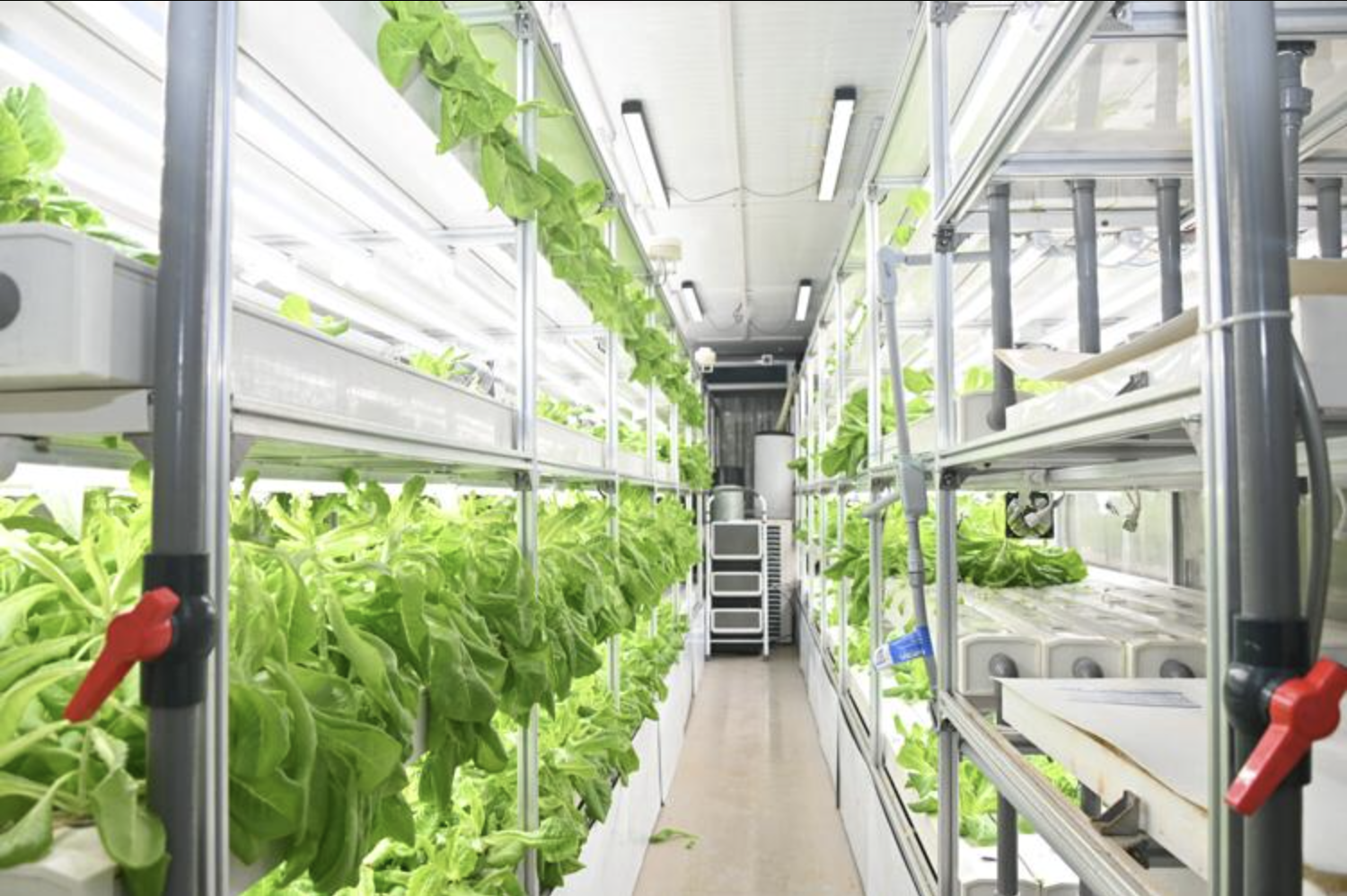
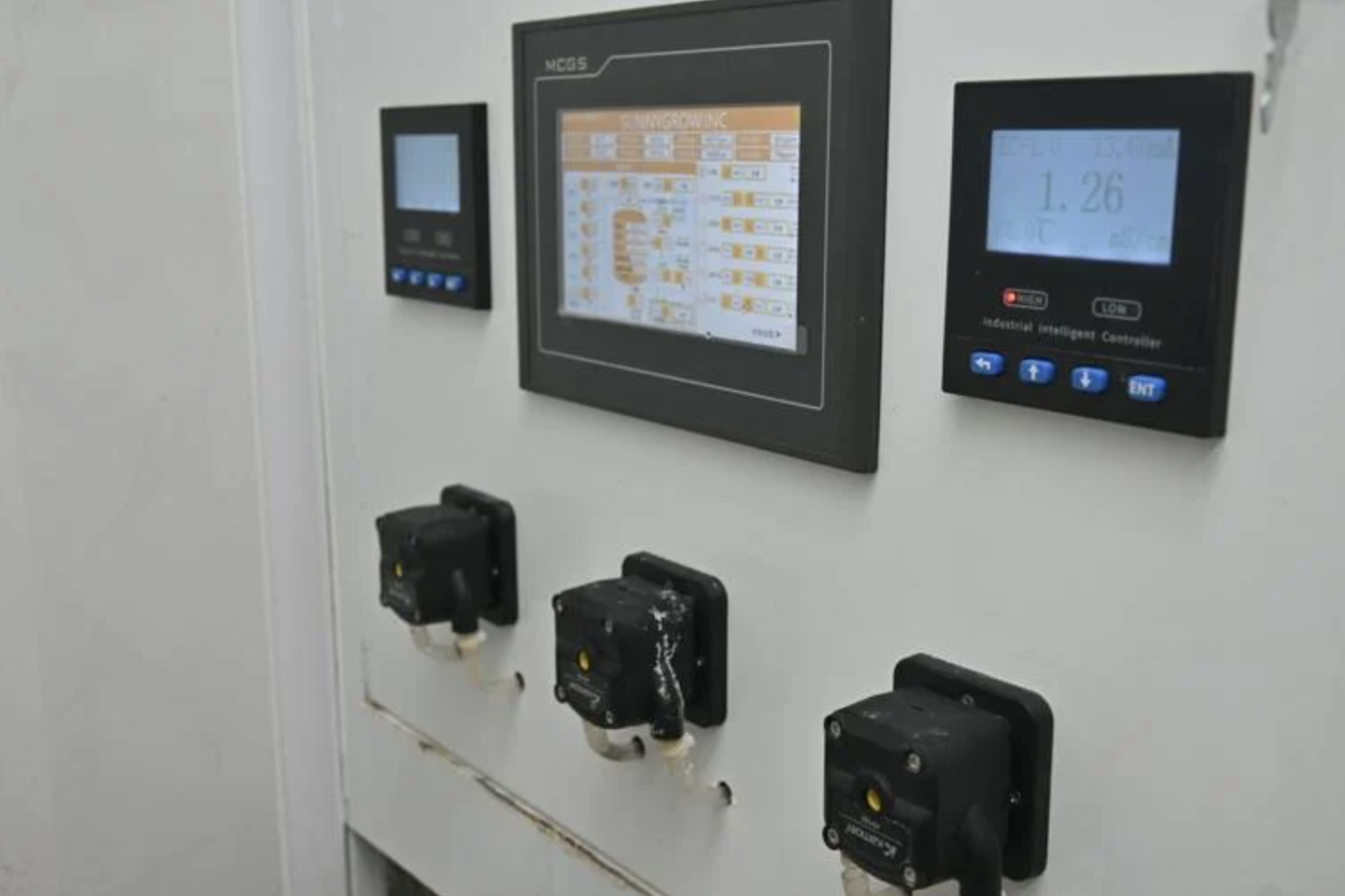
The operation produces roughly 3,800 heads of butter lettuce per growing cycle, taking about 30 days from seedling to harvest. Inside, five planting layers line each side, illuminated by LED lights and monitored by a remote system that tracks pH levels, temperature, humidity and nutrient concentrations in real time.
Yuan said one or two people manage daily monitoring and deliveries, with most work done remotely through a digital control system connected via Starlink internet.
“Everything is controlled by the system,” she said. “When we’re sitting at home, we can just set up all the settings. The system will run automatically by itself.”
Sunny Grow currently supplies a local store near Micronesia Mall and individual customers who either pick up orders at the container or arrange home delivery.
Yuan said obtaining permits was smoother than expected.
“When we were asking about the agriculture or even business license department, they were thinking we are the first company doing business like this way,” she said. “They are not really familiar with that.”
The company secured both a business license and farmer certification, making it what appears to be Guam’s first commercial container hydroponic operation of this type.
Electricity costs remain the main challenge. The container requires air conditioning for temperature control, plus LED lighting, water pumps and filtration systems - all running on Guam Power Authority electricity.
Monthly utility costs are about $600, but Yuan said the company plans to install solar panels that could reduce expenses by 70% to 80%.
A planned 20.65-kilowatt solar array with a 14-kilowatt inverter would generate power during daylight, with grid electricity used overnight.
David Crisostomo, the University of Guam’s aquaculture specialist and chair of the Aquaculture Advisory Board, said solar integration is key to making container farming financially viable on Guam.
“If you can get solar power in on that system, I think you have a chance of being profitable,” Crisostomo said. “Power, especially in that container where you have to control temperature and all the other mechanisms of growth, really will eat up a lot of power.”
Crisostomo, who works mainly with aquaponic systems, said he hasn’t been directly involved with Sunny Grow but follows alternative agriculture developments on island. While the technology is proven, he noted that Guam’s economic realities pose unique hurdles.
“The technology is there, no doubt,” he said. “But the economics of Guam is very different from the economics of China, so I couldn’t say at what level they will be profitable.”
Water usage appears manageable. According to company materials, the closed-loop hydroponic system recycles more than 90% of its water, keeping consumption and costs low.
Over the next year, Sunny Grow aims to stabilize operations, complete the solar installation and refine its growing protocols. Within two years, Yuan said they hope to add a second container and expand beyond lettuce to other crops, possibly strawberries.
“We will try different kinds of vegetables,” Yuan said. “In China, the company - we are in partnership - they are doing a lot like mushrooms. But we want to try the easiest one first to make sure everything works. Then, we will make the vegetable variety.”
The company is seeking partnerships with government agencies and the University of Guam to support expansion, particularly in finding land for additional containers. The current operation sits on property where the owner provides free use of the land.
Yuan envisions container farms deployed across Guam - in communities, near schools and even aboard ships. Plans include subscription services delivering freshly harvested vegetables to homes weekly or monthly and retail operations where customers pick their own produce from multiple containers.
Whether those plans succeed depends on solving the challenge that hindered previous vertical farming efforts: keeping costs competitive while generating enough revenue to sustain expansion.
“We can last maybe a longer time than other companies because we have a really lower cost,” Yuan said. “But how speedy we can do the expansion depends on if we can get more groups supporting us.”
Crisostomo believes improved technology and falling solar costs may finally make such operations feasible.
“I think it might be the time to have this,” he said. “Things are changing really fast, so we have to keep our eyes on things.”