

Communities Find Fresh Approaches To Tackling Food Insecurity

September 8, 2025

SUPPLIED
One in four Canadians — more than 10 million people — are struggling to put food on the table, according to a new RBC report published in June.
This is the highest level ever recorded in this country, driven by rising costs and limited access to affordable food.
In Ottawa, a new initiative at The Ottawa Mission shows how community collaborations can make a difference in combatting this important issue.
With two new modular vertical farms built in partnership with local ag-tech company Growcer, and with support from RBC Foundation through the Ottawa Community Foundation’s Food Resilience Foundation Fund, the shelter is now producing up to 20,000 pounds of fresh greens annually. The farms will supply its meal programs, food truck service and community outreach, offering a steady supply of nutritious produce grown right on site.
“The Ottawa Mission is the city’s oldest and largest homeless shelter,” says Peter Tilley, CEO of The Ottawa Mission. “Over each of the past three years, we’ve served more than one million meals per year to people in need. A greater number of people than ever before can’t afford to eat healthy food, which leaves them at higher risk of diet-related illness. We’re delighted this initiative ensures access to nutritious local produce year-round, which will help keep our clients healthy.”
By bringing food production closer to where it’s consumed, The Ottawa Mission can also lower transportation emissions, water use and waste, while providing training opportunities in urban agriculture.
This initiative is backed by a $1.5-million donation from RBC Foundation and part of their larger $10-million national commitment to address food insecurity.
Growcer, based in Ottawa, has installed more than 125 modular farms — from Prince Rupert, B.C., to Churchill, Man.
“It’s been incredible to see the impact we can make in our own backyard when partners across sectors come together,” says Corey Ellis, Growcer’s co-founder and CEO. “Not only will this bring more local food, but we also hope to see Ottawa serve as an example for what other cities can accomplish to increase local food resilience with indoor agriculture. This is just the beginning.”
SUPPLIED
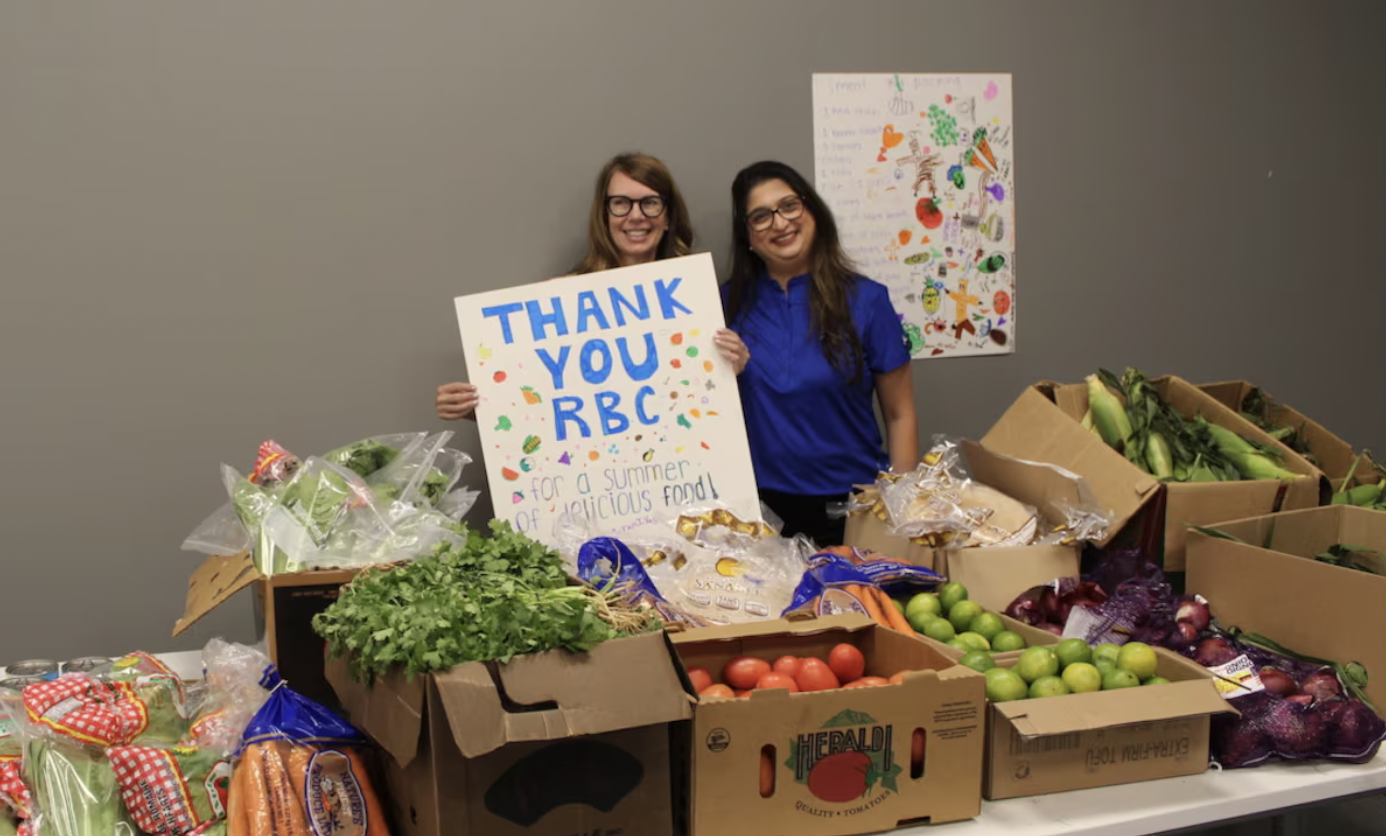
While vertical farming helps address year-round supply, another RBC Foundation-supported program is tackling the “summer food gap” faced by children who rely on school meal programs during the academic year.
Summerlunch+, a project by MakeWay, combines hands-on cooking classes, nutrition education and the distribution of free meal kits so kids can prepare healthy meals with their families. With a $75,000 donation from the RBC Foundation, the program is expanding this year to 10 ten communities across Ontario, including four new sites across Toronto.
“Thanks to RBC Foundation, this growth is possible at a time when food insecurity is soaring across the country,” says Susan Wright, founder and managing director “This season we’ll reach more than 375 children with weekly cooking classes and free meal kits. We are so thrilled to meet the rising need.”
Relying on government and corporate support, Summerlunch+ has plans to expand to communities across Canada in the upcoming years.
The growing need for these types of food organizations is clear. In March 2024 alone, food banks saw more than two million visits — a 90 per cent increase in just five years.
For RBC, addressing the issue means looking at both immediate relief and long-term resilience.
“Strengthening our communities is at the heart of everything we do,” says Andrea Barrack, senior vice-president, sustainability & impact at RBC. “Food security is a growing need and a critical foundation to a thriving community, and we need broader solutions that help meet the needs of today and tomorrow — through food storage, supply and distribution solutions, community support and farming innovation.”
Advertising feature produced by Globe Content Studio with RBC. The Globe’s editorial department was not involved.