

Welcome to iGrow News, Your Source for the World of Indoor Vertical Farming

Container Farming In The City
Modern industrial agriculture is a resource-intensive endeavor, requiring massive amounts of land, water, and energy. Some urban farmers are thinking outside the box by bringing their farms inside the box in the form of shipping containers
Corner Stalk Farm grows an acre’s worth of lettuce in a shipping container that only takes up 320 square feet. (Photo: Jay Feinstein)
Modern industrial agriculture is a resource-intensive endeavor, requiring massive amounts of land, water, and energy. Some urban farmers are thinking outside the box by bringing their farms inside the box in the form of shipping containers. Living on Earth's Jay Feinstein and Aynsley O'Neill took a trip to Corner Stalk Farms, in East Boston, Massachusetts to find out more.
Transcript
CURWOOD: Industrial agriculture today is a resource-intensive endeavor, requiring big machines, plenty of land, water, and energy to produce much of the food on a typical American dinner table. And as the public trends more toward plant-based foods, some are thinking outside the box by bringing farms inside the box. By retrofitting old shipping containers with grow lights and hydroponic gear, what would take about an acre of land to grow vegetables such as lettuce can be fit into just 8 by 40 feet. Living on Earth's Jay Feinstein and Aynsley O'Neill took a trip to Corner Stalk Farms in East Boston, Massachusetts to find out more.
GPS: Your destination is on the right.
O’NEILL: The only other time I've been to East Boston was to go to the airport. So I'm a little surprised at how busy it is. And I see these shipping containers. I mean, right in the middle of these houses and behind the auto body shop...but, here we are!
FEINSTEIN: You know, the funny thing is a farm like this would not have even been legal until 2013, when Boston revamped its zoning code.
O'NEILL: I didn't even know that someone would make a farm illegal.
FEINSTEIN: Yeah, I know, right?
O'NEILL: Do you think that's the guy upfront?
FEINSTEIN: Yeah, I think so.
O'NEILL: He's a little less sunburned than most farmers.
COONEY: My name is Shawn Cooney. And I'm the partner and owner of Corner Stalk farm in East Boston, Massachusetts, and we started in 2014. So this is it. So we...there's not too much to it. I mean, it's basically you've seen the whole of the farm by walking the 120 feet or so.
FEINSTEIN: That's amazing.
COONEY: And we've got four units that are you know, basically growing lettuce year-round. And, you know, that's it. Do you wanna go inside?
O'NEILL: Yeah!
FEINSTEIN: We'd love to.
COONEY: Cool.
O’NEILL: Well, it's definitely a few degrees cooler in here.
FEINSTEIN: And these lights are blinding. I mean, these red and blue lights, LEDs, it’s something like out of a sci-fi movie.
O'NEILL: Are those the plants in those columns all up and down?
COONEY: Right. You really need just an industrial area, you need a, you know, a place where you can basically bring as many plants as possible into as little amount of square footage as possible. So we kind of look at it as cubic feet. In a real farm, you're talking about square footage and acreage. Here, it's really cubic feet. We've got so many feet on the floor, but we plant plants up to ten high.
FEINSTEIN: So, show us around.
COONEY: Okay, so basically, you walk in and we're in a complete self-contained farm. We've got a climate control system, and a lot of fans keep the air moving so that everything's happy. And the plants get a little bit of stress. If you just leave them without any movement, the plants actually get weak.
O'NEILL: Wait, so they need exercise? They're lifting weights, they're jumping jacks, they're?
The shipping container uses a combination of red and blue LED grow lights and hanging hydroponics to grow their plants. (Photo: Jay Feinstein)
COONEY: Uh, pretty much yeah, it's stressing the plants is what it's really called in the industry, but they do need to be moved around for them to have a good texture to them, so that the cell walls are thick enough, so that it's not just eating a piece of water.
O'NEILL: And you can maintain it all using a box on the side of the container.
COONEY: Yeah, there's a tiny little antique style computer that's, that's very industrial. And you can log into it from the outside world. If you want to fiddle around with settings, or just check on everything, you can do that from home, you can do it from from vacation, you can do it, whatever.
FEINSTEIN: So how did you get into this?
COONEY: I started three software companies and sold them. And I started doing business plans, looking for the next thing, and one was the ag tech farming. This kept coming up is something that was interesting. Dug a little further, did a little more business planning, and it won. My wife and I self funded it, and we have loans and the loans are from the US Department of Agriculture, like a regular farmer would get his loans.
FEINSTEIN: So what are you growing in here?
COONEY: Well, mainly we grow lettuce. That's our business. And we've grown tomatoes, we've grown lots of flowers, we've grown all kinds of herbs, and God knows what else. But it turns out that as a business, you have to sell what people buy every day. And what people buy every day is our greens, even our restaurants, that's what they want.
O’NEILL: Well, so you sell to individuals and you sell to restaurants.
COONEY: We sell, we sell to both, we sell probably 50/50. We sell to a bunch of nice restaurants in the Boston, downtown Boston area. We deliver to them. And we sell to regular consumers.
FEINSTEIN: But still most of your customers, are they still in Boston? Because that's hyper local, when you think about it. You growing in Boston, you're selling in Boston?
COONEY: Oh, yeah. Yeah, no, they're all in the metro Boston area. A lot of Cambridge customers. But it is, you know, it is basically a hyper local thing. The reason we keep the customers is it's a better product than what you can by at, you know, pretty much anywhere. Basically what it comes down to is it looks better. It tastes better, and it's got more nutrients, and it feels better. It's got better texture. So that's kind of what people are buying.
FEINSTEIN: Tell us more about hyper local, it's sort of a buzzword nowadays. People say it's better for your health; it's better for the environment. Is that true?
COONEY: Pretty much, yeah, it's true. And it's got a downside. The downside is it's probably a little more expensive also. But it is - any vegetable, once you harvest it, loses some somewhere around 7% of its nutrient value every day from the day they're harvested, up to a point. And they lose a lot of their texture, and their attractive qualities. What we sell is still alive, we sell the lettuces with the roots on them. You get a much better life cycle lot of them that way. So they're, they're basically not losing any nutrients. And they maintain their freshness. If you ever had the experience of buying a nice box of brand name, cut lettuce in a plastic bin, that looks great, and you get home and then two days later, it smells funny and you've got black sludge on the bottom. That won't happen with what we're selling.
O'NEILL: I was wondering because there are times when I have bought, like you said, cut lettuce from the grocery store. And it's a race against the clock.
COONEY
I mean, that's one of our biggest customer satisfaction points, and our selling points was that you get to use it all. It's not like you're buying a $10 package of lettuce and using $3 worth. You know, with us you buy a $10 package of lettuce and you get to eat $10 worth of lettuce. But you can go on vacation, you can go on a business trip, and you can come back and still have something in there that's perfectly palatable.
FEINSTEIN: What type of environmental cost are you saving?
COONEY: Regular farming is a "grow as much as you possibly can and sell it when it's ready, as fast as you can". We’re an on-demand business, because we don't grow extra. We’re growing pretty much what we're selling, give or take a little bit. You know, and one of the things we definitely don't do is waste any water. No matter how good you are at growing outside, you could never grow with the kind of water use we have. We use, say 1000 plants we can grow in one unit, we probably use 25 gallons of water a week. So you couldn't water your patio plants for a week with 25 gallons and keep them alive.
Shawn Cooney and his wife Connie (not pictured) own Corner Stalk Farm, in East Boston, Massachusetts. (Photo: Jay Feinstein)
O’NEILL: So what was the inspiration behind deciding to build a farm inside? And I don't mean in a greenhouse. And I don't mean in a window box or anything like that? What was the shipping container idea?
COONEY: Part of it is, it's a durable, clean environment that can put up with the stresses that farming puts on a space. And basically there's all kinds of stuff that goes on in here that would basically bring down a building. You know, it would ruin the walls, you couldn't clean it. If something ever happened in here, we had some kind of a mold infestation or something. You could shut everything off. And you can sanitize this place just like you would the clean room in a restaurant or a food processing center.
FEINSTEIN: To what extent do you use chemicals in here?
COONEY
We do use them once in a great while. We can't be organic because we don't grow in dirt, it’s a water based environment, but we adhere to the organic principles. Generally, the way we control any kind of a pest in here is kind of preemptive. We basically use ladybugs. We ship them in once a month or so, and sprinkle them around, and they pretty much do the policing of any kind of bugs in here. And when we have had to use something it's called chrysanthemum oil.
O’NEILL: May I ask? May I try some of the lettuce?
COONEY: Sure. Okay, well we harvested some
FEINSTEIN: What is it?
COONEY: This is the Salanova Red Butter. There's not many people who actually have favorites, but if they do, this is the one that they want. So go ahead, have a taste.
O'NEILL: Sure looks like normal lettuce...
[SFX CHEWING]
O’NEILL: I don't mean to sound incredulous, but I'm a little incredulous. Might I have another one?
COONEY: Sure.
O'NEILL: Alright.
COONEY: Finish them all.
FEINSTEIN: It's very green.
O'NEILL: It's very green.
FEINSTEIN: I’m gonna try this too.
[SFX CHEWING]
FEINSTEIN: Wow, you can taste like it was grown right here. It was.
O'NEILL: It's definitely fresh. I mean, you literally just clipped it right in front of us. But it's... that's... I've never had lettuce like this. This I would eat. on its own, I don't even feel like I need to be you know, putting salad dressing on it. Or, oh, I need a crouton or something.
FEINSTEIN: And this is a weird thing to say too. But it kind of feels alive.
COONEY: You guys want to try something a little, little further on the edge? This is called wasabi arugula. And I grow it for a couple of restaurants. And they use it instead of wasabi on their crudo and their raw fish and their raw meats. So here, take a leaf of that and be prepared.
Jay Feinstein (left) and Aynsley O’Neill (right) prepare their notes and audio equipment outside Corner Stalk Farms. (Photo: Steve Curwood)
FEINSTEIN: All right, I'm prepared. I don't know what to expect here.
[SFX CHEWING]
FEINSTEIN: It does taste like wasabi. But it it's a little milder, but I love it actually.
O'NEILL: I myself am a little terrified. I have an all time low tolerance for wasabi.
[SFX CHEWING]
O’NEILL: Well, it is a bit much for me, but it is really good. And I'm a little astonished that it's not coming in those tiny little balls of green mush.
COONEY: It's actually a real arugula, and it just happens to have that flavor profile. It's not related to wasabi at all. It's the same as the arugula you buy in the plastic package, family wise.
O'NEILL: Well, I know that some people will call arugula "rocket". And that was certainly, you know, a blast off of flavor.
COONEY: Yeah, this is much closer to the rocket family part of arugula than the general arugula you buy in the store.
O'NEILL: So what do we owe you now? 10 bucks for the lettuce, and how much for the arugula?
COONEY:10 bucks for the lettuce, and the arugula is free.
O'NEILL: Well, I think we're all ready to head out. Thank you again for showing us around.
COONEY: Oh, you're welcome.
FEINSTEIN: Thank you so much.
COONEY: Thanks for coming. I appreciate everyone's time.
CURWOOD: That’s Living on Earth’s Aynsley O’Neill and Jay Feinstein with farmer Shawn Cooney at the shipping container called Corner Stalk Farms. And by the way, we ran some numbers, and found that the shipping container farm is using 99 percent less water than a traditional farm would use to grow the same amount of produce. The farm is also saving on the order of 5 metric tons of carbon dioxide in shipping for each crop, which is roughly what would be emitted to truck the same amount of lettuce from California to Boston. Around 300 of these types of shipping container farms have been sold as of now. This story is part of our series, Cool Fix for a Hot Planet. For pictures and more visit our website, LOE.org.

This Planter System Instantly Transforms Chain Link Fences Into Vertical Gardens
Kingston, New York, based designer, Bryan Meador released his latest product, the Sead Pod, an invention that uses recycled plastic to convert chain link fencing into lush vertical gardens in one easy step
Designer Plant Seads
Kingston, New York, based designer, Bryan Meador released his latest product, the Sead Pod, an invention that uses recycled plastic to convert chain link fencing into lush vertical gardens in one easy step. Sead Pods give people a quick and easy way to transform any urban space into a green haven while embracing a cyclical plastic economy that cleans our environment of single-use plastic waste.
Design Team
Bryan Meador
"The Sead Pod represents a new way of thinking about green design in an urban context," said Bryan Meador, Plant Seads' Founder and Chief Design Officer. "By reimagining existing architectural elements like chain link fencing as a tool in the fight against climate change, we're able to leap into the green movement immediately, fighting climate change at the grassroots level and making our cities cleaner, healthier, and more livable—right now."
Taking its name from the acronym 'Sustainable Ecology, Adaptive Design,' Plant Seads was founded as a reaction to the sluggish response of government and multinational companies to address the emergency of climate change. As a young, creative, and somewhat impatient person, Sead's founder Bryan Meador was frustrated by the lack of urgency surrounding this issue. " Our generation is the first to be born into Climate Change. This crisis is not hypothetical to us, and we're tired of waiting around for others to address this issue in a meaningful way."
Using 3d printing and rapid prototype development, the Sead Pod was designed, manufactured and released in less than 9 months. "We're inspired to take up this fight by young people like Greta Thunberg, who said, 'I want you to act as if the house is on fire, because it is,' That quote is printed large in our studio to serve as a daily reminder of what is at stake. Plant Seads is a brand with a mission; to create long term sustainable solutions for life in an environment that's changing more quickly than it ever has.
From those first drawings, we went through months of iterations to hone the design into its final form. We needed something that would be rigid enough to support the weight of a plant, along with the soil it needed, while hanging onto a fence. Something that could be manufactured at an industrial scale and look refined enough to fit in someone’s home. And most importantly, it had to be suitable for as many plants as possible.
"By harnessing the CO2 conversion that plants accomplish naturally, Sead Pods enable people to begin the larger process of CO2 sequestration at the grassroots level while governments and multinational companies figure out how to scale this process up to an industrial scale. Sead Pods also cool and clean the air we breathe by introducing more plants into our polluted urban spaces.
Sead Pods were conceived, designed, and manufactured in New York's beautiful Hudson Valley, eliminating the need for international shipping in its manufacturing supply chain.
True to its mission as a provider of grassroots solutions to a global problem, Plant Seads is funding its initial wide release of the Sead Pod through a Kickstarter campaign.
Process
Initial prototypes were 3D printed and sent out across the country for field testing, but the results were pretty poor. The basins in these initial prototypes were far too small to support something growing. Also, because there was so little space for soil, they dried out almost immediately, killing anything that managed to gain a foothold. Lastly, they looked great, but the hyper organic form was impossible to manufacture as one part, creating a prohibitively high cost for production. Our final planter accommodates more than 3 times as much soil as these first planters, allowing the soil to hold onto more water and roots to grow. They're also designed to be manufactured using injection molding, enabling a significantly lower price point and the capacity to fulfill large orders.
Materials were also a major concern. We worked with a local plastics manufacturer with decades of experience to determine what recycled material would be well suited for this project. It needed to be many things at once; durable enough to endure years of exposure to the elements, chemically stable enough to be safe even for someone wanting to grow food, and ideally it could be recycled again, re-entering and reinforcing the cyclical plastics economy. We decided that HDPE (high-density polyethylene) would be best. The material's excellent heat history (meaning that it can be heated up, molded, melted down and reformed again and again without losing structural integrity), non-toxic nature and easy recyclability were perfect for our needs.
To purchase your own Sead Pods, go to https://www.kickstarter.com/projects/plantseads/sead-pods-shapeshift-plastic-waste-into-vertical-gardens or just Google 'Plant Seads Kickstarter'
You can also sign up for our newsletter at PlantSeads.com and follow us on Instagram at @PlantSeads
Learn More About This Project

Illumitex Launches NeoPAR-XO LED for Vertical Farming With 1820 PPF Output And FarmVision AI
Illumitex, a leader in LED Grow Lights and Digital Ag, announces NeoPARTM XO, a major upgrade to their grow proven NeoPAR LED lighting system designed for vertical agricultural systems.
Illumitex upgrades it’s popular grow-proven NeoPAR LED lighting system for vertical-farming to record performance levels and adds FarmVisionAITM to see every plant, from anywhere, at anytime
[Austin, Texas, Oct. 7, 2019] Illumitex, a leader in LED Grow Lights and Digital Ag, announces NeoPARTM XO, a major upgrade to their grow proven NeoPAR LED lighting system designed for vertical agricultural systems. The new NeoPAR XO is a major leap forward in lighting performance and brings the benefits of Illumitex’s horticulturist-curated artificial-intelligent machine-learning FarmVisionAI to the difficult task of vertical farming.
NeoPAR XO takes Illumitex’s proven LED platform to the highest output commercially available at 1820 mol/sec with an efficiency of 2.6 mol/J. The system comes available with a wide range of features, highlighted below, that enable easy, worry-free vertical farming at the largest, densest scales. The high efficiency and low maintenance deliver the dream of profitable and sustainable urban farming ecosystems.
The new NeoPAR XO LED platform goes a step further in performance and capabilities with a native FarmVisionAI integration option. FarmVisionAI gives farmers “peace of mind” with integrated cameras and cloud-based AI that allows them to see any plant, at any level, from anywhere, at any time. FarmWatchTM is the visualization platform allowing you to see every plant on your farm at scale. Digital ScoutTM is the artificial intelligence that is trained to detect nutrition deficiencies, canopy density, and flower counts. “FarmVisionAI for vertical growing is absolutely essential in managing the added complexity of vertical systems,” says Dennis Riling VP of Business Development at Illumitex. “Our
DigitalScout can detect biotic and/or abiotic anomalies early in the grow cycle to prevent loss and help improve quality.”
To learn more come see Illumitex at the Canadian greenhouse conference on October 9 & 10 in Niagara Falls ON, Canada. If you can’t make the show look us up at www.illumitex.ca to learn more about LED lighting for horticulture and digital transformation of agriculture.
About Illumitex, Inc.: Illumitex is breaking the boundaries of traditional lighting by combining LED light fixtures with hi-res cameras and cloud-based horticulturist-curated artificial intelligence to deliver radically new value to growers and farmers. With more than a decade of experience in both LED lighting and horticultural science, an absolute dedication to quality and performance, and knowledgeable support for the success of every customer, grow and crop – Illumitex, Inc. is the optimum partner for your greenhouse, vertical farm or any indoor grow initiative.
###
Can Supermarkets Contribute To Local Cultivation?
The world’s current food system is under pressure. Global population numbers keep rising significantly, and a large portion of these people already live in, and will increasingly live in cities. So, ever further away from where food is grown.
Retailers Bring Herb And Vegetable Production Closer To The Public
The world’s current food system is under pressure. Global population numbers keep rising significantly, and a large portion of these people already live in, and will increasingly live in cities. So, ever further away from where food is grown. At the same time, it is expected that the amount of available agricultural land will decrease, due to climate change and urbanization. Is vertical farming – multi-layered cultivation, with no sunlight, in urban areas - for example, in or close to a supermarket a possible solution?
Jumbo cultivates herbs in its Foodmarkt in Veghel, the Netherlands
A knowledge café about multi-layered cultivation was recently held. Here, AgriFoodTech Platform – a partnership of, among others, the Dutch Food Industry Federation and the Dutch Agricultural and Horticultural Organization - established that this type of cultivation offers opportunities to gain additional knowledge and innovating specific foods production in certain geographic contexts. This method is not, however, considered to be the one and only solution. “There is still a long way to go before it can be broadly implemented,” reports AgriFoodTech Platform on its website.
Wageningen University & Research (WUR) is also doing research on this subject and they too, see opportunities. “By growing crops in layers in a controlled environment, guarantees can be given about quantities, as well the quality, of these crops. This can happen every day of the year, regardless of the weather or climate changes.” WUR thinks vertical farming can bring about a revolution in the production of fresh vegetables.
Freight Farms’ cultivation system in a container that the Swedish supermarket, ICA, uses to cultivate vegetables on site
Savings
There are huge benefits to this, Infarm states on their website. Infarm is a German company that supplies ‘instore farms’ (modular ecosystems). These are placed in supermarkets, restaurants, and distribution centers. For example, in a 2m² mini-greenhouse in a supermarket, the same amount of vegetables can be grown as would be produced on a 400m² plot of agricultural land. In addition, no pesticides are used, 75% less fertilizer is needed, and a 95% reduction in water can be realized. The distance to the consumers is especially important to Infarm. “We believe our current food system’s biggest failure is that is is too far removed from the people it is trying to feed.”
InFarm recently installed a mini-greenhouse in two Edeka supermarkets in Münster, Germany. The regional aspect is important for Edeka. “It is just about impossible to get more local than this,” says Uwe Marx, Branch Manager in Münster’s Loddenheide suburb.
Carrefour saves food miles by cultivating fruit and vegetables on the roof of their Villiers-en-Bière branch in France
Food Miles
Food grown in or near the supermarket is, of course, also fresh. This aspect is one of the reasons, ICA – a supermarket chain in Sweden - joined forces with Freight Farms in Högskolan to grow vegetables such as butter lettuce, spinach, and herbs in a container on the supermarket’s grounds. Freight Farms – which is based in the United States - says this system offers enough room to eventually cultivate as many vegetables as would normally grow on 8.093m² of agricultural land.
The distance from ‘farm’ to the store has also been shortened to a mere 30m. ICA emphasizes the benefits of local cultivation in a press release. “Freight Farms’ technology is especially useful here in Sweden, where the short cultivation season limits the availability of products, and we are becoming more and more dependent on imported fruits and vegetables,” writes an ICA spokesperson.
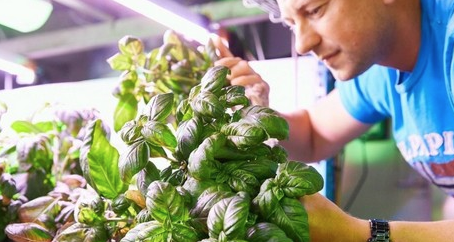
Colruyt grows basil in a multi-layered system and sells the herb in its Bio Planet stores
High cost
On the other hand, multi-layered cultivation is expensive. WUR admits that, at present, it is also still not energy efficient at all. However, researchers are hard at work trying to grow products in a greenhouse, using less power. “You need much less water and CO2 than in a traditional greenhouse. This is, however, not the case when it comes to the power needed to cool and humidify the interior climate. The high internal heat shedding and the lack of natural ventilation ensure a great need for cooling and, therefore, a lot of residual heat is produced.” Not all crops are suited to vertical farming either. AgriFoodTech Platform says leafy vegetables and herbs do well inside, but that it is more difficult to cultivate plants such as wheat and potatoes in a vertical farm.
Local and overseas supermarkets are fully invested in this subject and are developing activities to grow their own herbs and vegetables on site. Most retailers indicate that freshness and reducing products’ environmental impact are crucial aspects for wanting to start cultivating their own herbs and leafy vegetables. However, customer experience plays a role too. For example, the Dutch supermarket chain, Jumbo, says on its website that it has started growing basil in its Foodmarkt in Veghel to, among other things, improve customers’ food experience.
An increasing number of retailers are beginning to grow their own vegetables. Here are some examples:
Publication date: Thu, 03 Oct 2019
Author: Martine van der Wekken
© FreshPlaza.com
How Urban Farming With Hydroponics Can Help Feed The World While Saving Water
A New York City rooftop is an unlikely place for a farm. But stretching across much of a 20,000-square-foot rooftop in Gowanus, Brooklyn is a bounty of bright green butterhead lettuce, aromatic basil, various tomatoes, and other produce
By Michael Stahl
October 8, 2019
weather.com
A New York City rooftop is an unlikely place for a farm. But stretching across much of a 20,000-square-foot rooftop in Gowanus, Brooklyn is a bounty of bright green butterhead lettuce, aromatic basil, various tomatoes, and other produce.
Inside a Gotham Greens greenhouse | (Julie McMahon/Gotham Greens)
Unlike a traditional farm, the sprouting plants here grow without soil. They flourish atop vast racks with water trenches running through them that are slightly angled so that gravity helps the irrigation water shuttle around the closed system, instead of using energy-sucking pumps to move water around. Nutrients that the plants need are dissolved into the water, which comes from the local municipality’s supply. Any water runoff is purified, nutrient re-enriched, and released back into the channels.
The crops here grow year-round and under relatively little stress, because conditions in the greenhouse, including the amount of sunlight and the temperature, are monitored closely by sensors. Water evaporation is also minimal.
This futuristic food production space is one of five greenhouses in New York and Chicago operated by Gotham Greens. Founded in Brooklyn, Gotham Greens grows fruits and vegetables in urban greenhouses that are outfitted with hydroponics technology and other cutting-edge features, such as a closed irrigation system that minimizes water requirements.
“[This system] allows us to use about 95% less water than conventional field farming,” says Gotham Greens co-founder and CEO Viraj Puri. “We use less than a gallon of water for every head of lettuce we produce.”
On a traditional farm, it takes more than 15 times that amount of water to grow a head of lettuce. With Americans consuming about 930 million pounds of lettuce each year, according to the Produce Market Guide, if such hydroponics systems were adopted just across the lettuce industry, they could save billions of gallons of water each year in the United States alone.
Agricultural innovations like these, along with industry expansion, could also help ease the concerns that, due to population growth, the human race will become unable to adequately feed itself. By the year 2050, the planet’s population is expected to reach nearly 10 billion people, boosting food demands by approximately 60%. A 2018 study found that, if effectively deployed in cities around the world, urban agriculture could produce as much as 180 million metric tons of food a year, including up to 10% of the planet’s legumes, roots and tubers, and vegetable crops. The study showed such widespread urban agriculture integration would have a range of benefits, including reduced energy use and drastic cuts to water consumption.
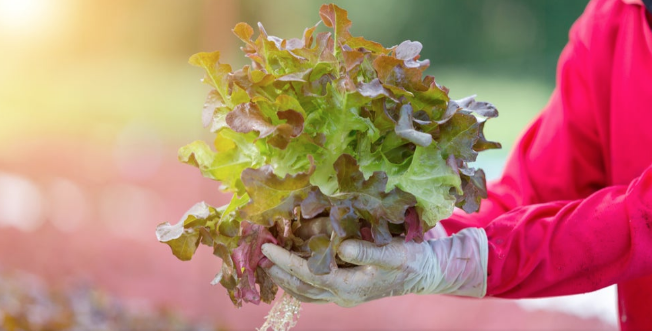
A hydroponic red oak leaf lettuce | (Getty Images/sutiporn somnam)
In order for the world’s food producers to keep up with a growing population’s food demands, they’ll have to increase agricultural development one way or another. If the status quo is maintained, the required boost in agriculture production could generate a 15% uptick in freshwater use. But the earth’s supply of fresh water — about 70% of which is already utilized by global agriculture — is under threat, due in part to global warming. Higher temperatures create a host of problems for the world’s water system, including faster evaporation, the disappearance of inland glaciers that feed freshwater supplies, and more extreme weather events that contribute to greater freshwater runoff.
Advancements in hydroponic technology, however, have led to the development of recirculating hydroponic systems, which minimize water use by recycling unused irrigation water. Gotham Greens has such a system in its greenhouses.
“As water just continues to become a more scarce resource around the world,” Puri says, “we believe this form of agriculture is going to play a greater role in modern agricultural systems.”
Viraj Puri, CEO of Gotham Greens | (Julie McMahon/Gotham Greens)
Gotham Greens did not invent its closed irrigation system, but its approach is particularly efficient, Puri says. To help educate the public about innovative farming techniques, Puri’s company offers tours of its greenhouses and has invested in urban agriculture education initiatives. Puri has also participated in panel discussions to educate the public about the positive impact that urban farming can have on the world, despite the increased competition his disclosures could bring to his business.
He says he’d welcome “a more system-wide, cohesive effort to support this form of farming.” Puri has been encouraged by the U.S. government’s examination of new, sustainable farming practices as well, which could lead to greater implementation of them.
Seedlings at a hydroponics farm | (Getty Images/Eternity in an Instant)
Urban agriculture also allows for consumers in cities to get fresher products because they don’t have to travel thousands of miles. Currently, almost all lettuce eaten in the U.S. is grown in two water-starved states: California and Arizona. Urban agricultural companies provide lettuce to communities without the environmental impact that comes with shipping lettuce thousands of miles via fossil fuel-burning, refrigerated trucks. Plus, more farming with hydroponics translates to less land that will be needed for agriculture, which could, in turn, mean the reestablishment of previously lost natural habitats.
Urban agriculture does have its drawbacks. Growing food in cities, which are comparatively more highly polluted environments than rural areas, leads to leads to food contamination concerns.. And while urban farms increase property values, they raise economic concerns about the displacement of people who lived in such areas before the high-tech food producers came along. Critics also say that the products from such farms are more expensive, raising questions of access to those with limited financial resources.
And while energy use varies widely from site to site, the artificial lights and other climate control measures often used by urban farms may at times consume far more energy than traditional farms. Another limitation of urban agriculture is embedded into its very essence: the fact that the farms are built in cities, which have a dearth of available space to begin with. One study found that if every vacant lot in New York City were suddenly dedicated to farming, those farms would yield enough produce for just 160,000 people — and there are over 8 million people living in New York City.
People in Time Square | (Getty Images/Alexander Spatari)
“Urban agriculture is really exciting for a lot of reasons, but when you look at a city like New York, we’re never going to be able to grow all of our food needs within the city limits,” says Ricky Stephens, director of digital strategy at Agritecture, a consulting firm focused on urban agriculture project development.
Still, Stephens says urban agriculture should be part of a more localized food system, as its benefits go beyond environmental conservation to an awareness about the value of food and community.
“I think the beauty of urban agriculture is that it really brings that understanding of a local food economy directly to the consumer,” he says. “You’re actually seeing it and you’re maybe interacting with the farmers, maybe you know the farmers.”
(Getty Images/julief514)
The ability of Gotham Greens to use up to 95% less water than traditional farms do in producing some of its food ranks the company on the highest end of the spectrum of water conservation across the urban agriculture industry, Stephens says. Gotham Greens, he says, is “one of the most successful urban farming models that exist[s].”
One hope of developers like Stephens is that urban agriculture will catch on in cities around the world, and Gotham Greens is an impressive example of how to do it.
That expansion is already underway.
By the end of 2019, after opening new farms in five states, Gotham Greens itself will manage over 500,000 square feet of greenhouses. And food production businesses that have adopted hydroponics and other new technologies like that of Gotham Greens have been popping up around the world. Some new companies are even growing farms in shipping containers, demonstrating that fresh food production can truly happen just about anywhere these days.

Can CO2 Help Grow More Food And Reduce Land Use?
Supplementing crops with CO2 is one method of increasing yield since CO2 is a basic input for photosynthesis. CO2 supplementation is done by increasing the level of CO2 in the air. CO2 Delivery Solutions is helping plants grow more in less land while increasing a grower's profitability without harm to people or the planet. For more information on how CO2 Delivery Solutions works, watch this video or visit co2delivery.ca
CO2GRO
October 9, 2019
As our population continues to grow at a rate of about 1% a year, or nearly 80 million more living people per year, food security is becoming a major concern. You may look at the 1% number and think, “well we only need to increase food production by 1% a year to keep up with population growth.” However, as you likely are aware, there are many on Earth who eat very little, not out of choice. According to the Food Aid Foundation one in seven people are underfed and undernourished. From this perspective, food production would need to increase by about 15% in these parts of the world in order to provide sufficient nutrition to these people and then increase by a further 1% per year in order to keep up with the net population growth. This means more land will be required to grow more food.
According to the USGS global cropland is approximately 4.62 billion acres. According to the site: “Croplands make up more than 80 percent of Moldova, San Marino and Hungary; between 70 and 80 percent of Denmark, Ukraine, Ireland and Bangladesh; and 60 to 70 percent of the Netherlands, United Kingdom, Spain, Lithuania, Poland, Gaza Strip, Czech Republic, Italy and India. For comparison, the United States and China each have 18 percent croplands.” Globally, cropland makes up approximately 12.5% of the Earth’s land mass - Earth’s land mass is approximately 37 billion acres. India, the US, China and Russia account for one third of the global cropland with 1.62 billion acres.
There are over 415 million acres of cropland in the US which equates to approximately 1.25 acres of cropland required to make sufficient food per person - assuming the same 1.25 acres is used to grow food for the lifespan of a person living in the US (this figure does not factor imports or exports of crops). India and China on the other hand, two rapidly growing economies and populations, have only 0.35 acres of cropland per person.
Focusing on China and India as proxies for the developing world and the US as a proxy for the developed world, developing countries would require up to 3.5 times more crop land per person based on their populations to become on par with food production in the developed world. This would mean if every person in the world had the same food security as a citizen in the developed world, we would require about 9.6 billion acres or double the current cropland. That’s an increase from 12.5% of the Earth’s land mass to 26%, just to grow crops!
Yields have improved but there is room for improvement.
Crop yields have increased significantly over the past 30 to 40 years and continue to increase with better agricultural technologies, therefore requiring less and less cropland per person. However, the reality is the world will likely require doubling the amount of cropland use in order to adequately feed the world’s population with sufficient amounts of nutritious crops.
Supplementing crops with CO2 is one method of increasing yield since CO2 is a basic input for photosynthesis. CO2 supplementation is done by increasing the level of CO2 in the air. Indoor grow facilities can pump CO2 gas into the grow rooms to increase the amount of CO2 in the air from 400 parts per million (ppm) to 800-1600 ppm. This practice has been done for decades and has resulted in increased yields and faster growth of 30% on average.
However, indoor grow facilities are few and most crops are grown in greenhouses and outdoor farms. Greenhouses account for only 50 billion square feet globally (1.15 million acres) or 0.025% of total global cropland. 80% of greenhouses cannot gas CO2 in the facility since venting allows the CO2 gas to escape. Of course, outdoor farms cannot pump CO2 gas into the air either.
Imagine if the world’s four and a half billion acres of outdoor cropland could increase their yield by over 30% simply by adding CO2. We could theoretically save 30% of the additional cropland required over the coming decades to feed people. That’s approximately one and a half billion acres or 4% of the Earth’s land mass that could be kept untouched and natural.
How then can we supplement CO2 for plants grown in warm climate greenhouses and outdoor farms?
CO2 Gro Inc.'s patented CO2 Delivery Solutions enables growers in warm climate greenhouses and outdoor farms to supplement their plants with CO2, so growers everywhere can get more yield, bigger plants and faster growth - which means less land use to produce more food.
How is this done? CO2 Delivery Solutions' creates an aqueous CO2 solution that is applied to the plant's foliage. The plants easily absorb the CO2 in the solution within seconds. The plant can now use that added CO2 to grow bigger, faster and use less land to produce more food.
CO2 Delivery Solutions is helping plants grow more in less land while increasing a grower's profitability without harm to people or the planet. For more information on how CO2 Delivery Solutions works, watch this video or visit co2delivery.ca

US: COLORADO - EPFL + Caulys --> Inauguration - October 21st & 23rd, 2019
We have installed 18 automated indoor greenhouses at EPFL (Coupole, CO building), to produce ultra-local and fresh food for the campus!
We are pleased to invite you to the Inauguration Days
of the EPFL + Caulys installation!
What is it?
We have installed 18 automated indoor greenhouses at EPFL (Coupole, CO building), to produce ultra-local and fresh food for the campus!
This will be the occasion for you to explore the details of this unique urban farming installation, and enjoy delicious greens grown there!
When?
21st and 23rd of October 2019 from 12h00 to 14h00: information stand and tasting of microgreens grown on-site,
22nd of October 2019 from 12h00 to 14h00: presentation and aperitif!
At EPFL, just there!
We look forward to seeing you there!
Caulis team
Saving Land With Vertical Farming Food Production
The Innovation Hub for Controlled-Environment Agriculture (IHCEA) at the James Hutton Institute is a collaboration between government agri-tech centre Crop Health and Protection (CHAP), and Liberty Produce, a London-based farming technology company with expertise in horticultural lighting and fertigation systems
By Rohese Devereux Taylor @hellorohese Senior Digital Reporter | October 11, 2019
A new research centre for vertical farming technologies that aims to enable Scottish farmers to transition to sustainable growing techniques opens in Dundee next week.
The Innovation Hub for Controlled-Environment Agriculture (IHCEA) at the James Hutton Institute is a collaboration between government agri-tech centre Crop Health and Protection (CHAP), and Liberty Produce, a London-based farming technology company with expertise in horticultural lighting and fertigation systems.
The centre has been purpose built for research and development and will help the industry to understand and tackle barriers to the adoption of hydroponic production systems.
The aim of the centre, which houses Liberty Produce's Future Farming Hub, is to drive innovations that reduce operational costs and improve the yields from controlled-environment farms, providing benefits to growers, food processors and consumers, as well as help farmers meet food requirements and limit further damage to the environment.
Director of Liberty Produce, Zeina Chapman said: "What we do is develop technology with a focus on trying to reduce the operational costs and the capital costs of running these systems, as well as improving the yield.
"The biggest challenge growers have at the moment is that vertical farming is really only on the cusp of commercial viability and that's because the cost of the capital expenditure required to build these systems is enormous, the operational costs are still very high, they're still quite labour intensive."
Because of this, most producers can only grow high-value crops such as microgreens, which can be sold for up to £40 per kilogram, and herbs.
But Liberty Produce, founded in 2018, wants to change that by developing new technologies with a focus on reducing costs these systems can be adopted globally.
Vertical farming grows produce in layers indoors in sometimes soil-less systems aided by LED lights either by hydroponics, where roots are continuously in moisture in the growing medium, or aeroponics, where the produce is misted and doesn't rely on a growing medium.
They are seen as a sustainable alternative to cultivating land not currently used for food, can withstand variable and increasingly extreme weather, eliminate the use of agrichemicals and reduce water use.
Liberty Produce will lead a £1.3 million project with eleven partners to accelerate the development of the UK vertical farming sector.
Using the funds, awarded by Innovate UK, the farming hub will support the creation of an integrated technology system focused on reducing operational costs by 25 percent, improving crop yield by 30 percent and reducing necessary grower intervention through improved decision support and automation in lighting, nutrient and environmental control technologies.
Some of the innovations that will be carried out at the centre will include designing high-efficiency LED lighting systems; test growing regimes, lighting applications and nutrient mixes in a variety of crops.
Vertical farming crops will complement traditional arable farming but Ms Chapman believes that more produce will be grown via the method as technologies advance and natural resources struggle to cater to growing populations.
She said: "I think they will become more mainstream for crops that are currently grown in fields or in glass houses. I think we'll start to see a more broadening of the crop types growing in these systems."
Growers are looking to produce baby leaves commonly found in salad bags with the vertical farming method, moving away from polytunnels and indoor track systems. But utilising the vertical method for wheat, barley and potatoes has a way to go yet.
Ms. Chapman said: "I think we'll start to see a patchwork of new growing systems coming in to help support and take over some of the more traditional growing systems."
Vertical crops are grown in a controlled environment with light levels, temperature, carbon dioxide, and applied nutrients all closely monitored and as an indoor crop, no pesticides are required.
Ms. Chapman said: "Improved technology in this sector will increase the adoption of these sustainable food growing systems, reduce the environmental impact of crop production, improve food security and create opportunities for the growth and export of UK agricultural technologies.”

What Is The State of Indoor Farming? Your Help Is Needed
The survey is open to all specialty crop growers and operators of enterprise farms, including operators of greenhouses, high tunnel farms, indoor facilities, and field growers, and will close for responses on Oct. 15, 2019
You still have time to submit to the Artemis Global Ag Report Survey!
Don’t miss your chance to help examine emerging trends, challenges, and opportunities facing specialty crop cultivators around the globe.
Every participating farm is eligible to obtain a complimentary Risk Assessment from our Regulatory Compliance Team!
We welcome you to join us in creating a valuable record of global agriculture insights in an effort to realize a stronger, safer supply chain.
The last day to submit your survey response is Saturday, October 19th.
Artemis, an enterprise Cultivation Management Platform (CMP), has launched its first Global Ag Report survey, which is designed to capture the latest trends, challenges, and opportunities for growers producing fruits, vegetables, ornamentals, cannabis, hemp, and other specialty crops. The survey will inform the newest iteration of the State of Indoor Farming Report, released in previous years by Artemis under the company’s former name, Agrilyst.
The survey is open to all specialty crop growers and operators of enterprise farms, including operators of greenhouses, high tunnel farms, indoor facilities, and field growers, and will close for responses on Oct. 19, 2019.
The purpose of the new and improved survey is to give specialty crop farmers an industry voice around the most significant issues they are facing today. Artemis plans to use the survey responses to inform its first Global Ag Report. The report will provide an overview of the global specialty crop industry, as well as a deep dive into key topics such as production and operations, technology, and market outlook.
“Today we work with large international specialty crop farms that face a different set of challenges and opportunities than smaller, local operations,” said Allison Kopf, CEO of Artemis. “This report will dig into their pain points and market potential, to produce a comprehensive look into the global specialty crop industry. That is our priority in constructing our new survey for the Artemis Global Ag Report.”
Data from the survey will be supplemented with additional research from Artemis, and growers can use these shared insights as a resource for industry awareness, strategic planning and implementation of best practices in coming years.
Artemis is a partner to some of the world’s largest farming companies. Since launching in 2015, it has seen strong customer growth with companies worth a collective $5 billion using the platform daily. Artemis has attracted a wide range of users that are foremost interested in the security, compliance, profitability, and potential to expand their operations.
Global Ag Report Survey

VIDEO: Vertical Microgreens Farmer Interviews Nick Greens
Hello everyone! Visiting Vertical Farm On The West Side Of Chicago And Getting Interviewed By Shanquell The Grower
Hello everyone! Visiting Vertical Farm On The West Side Of Chicago And Getting Interviewed By Shanquell The Grower.
NatureFresh Farms Puts Sustainability In The Spotlight With Forward-Thinking Compostable Tray
NatureFresh Farms is making a difference in produce packaging by significantly reducing their plastic waste. They have teamed up with a local family-owned manufacturing operation to develop a fully compostable pulp molded tray that is helping to drive sustainable solutions in the produce industry
Leamington, ON (October 15th, 2019) - NatureFresh Farms is making a difference in produce packaging by significantly reducing their plastic waste. They have teamed up with a local family-owned manufacturing operation to develop a fully compostable pulp molded tray that is helping to drive sustainable solutions in the produce industry.
It has been just over a year since NatureFresh Farms introduced their new compostable Mini Cucumber tray to their customers, an environmentally friendly alternative to the use of the polystyrene foam trays. NatureFresh Farms has focused their waste reduction efforts on leaving less and leading more, teaming up with local manufacturer Pulp Moulded Products (PMP) to make sustainability central to their packaging processes.
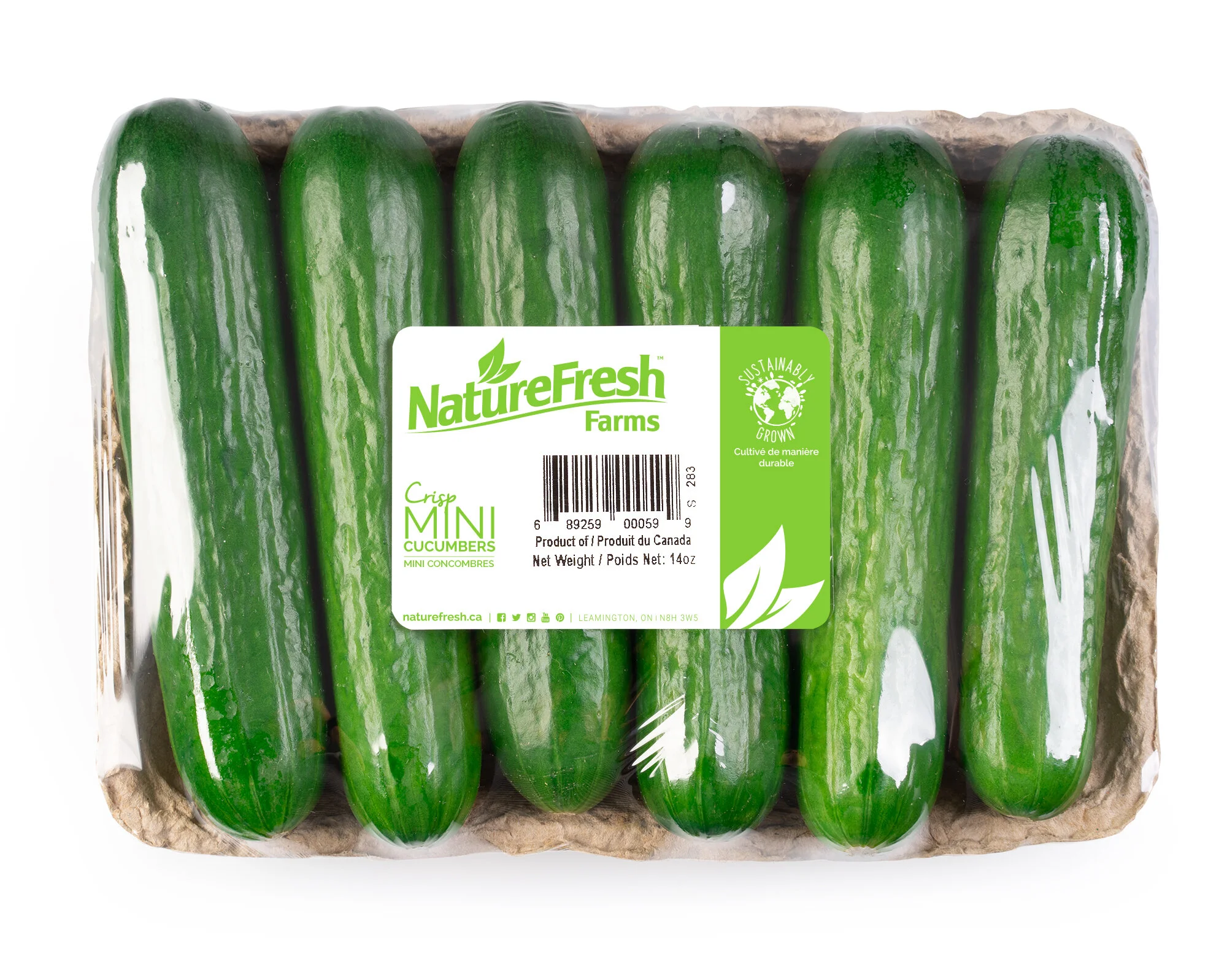
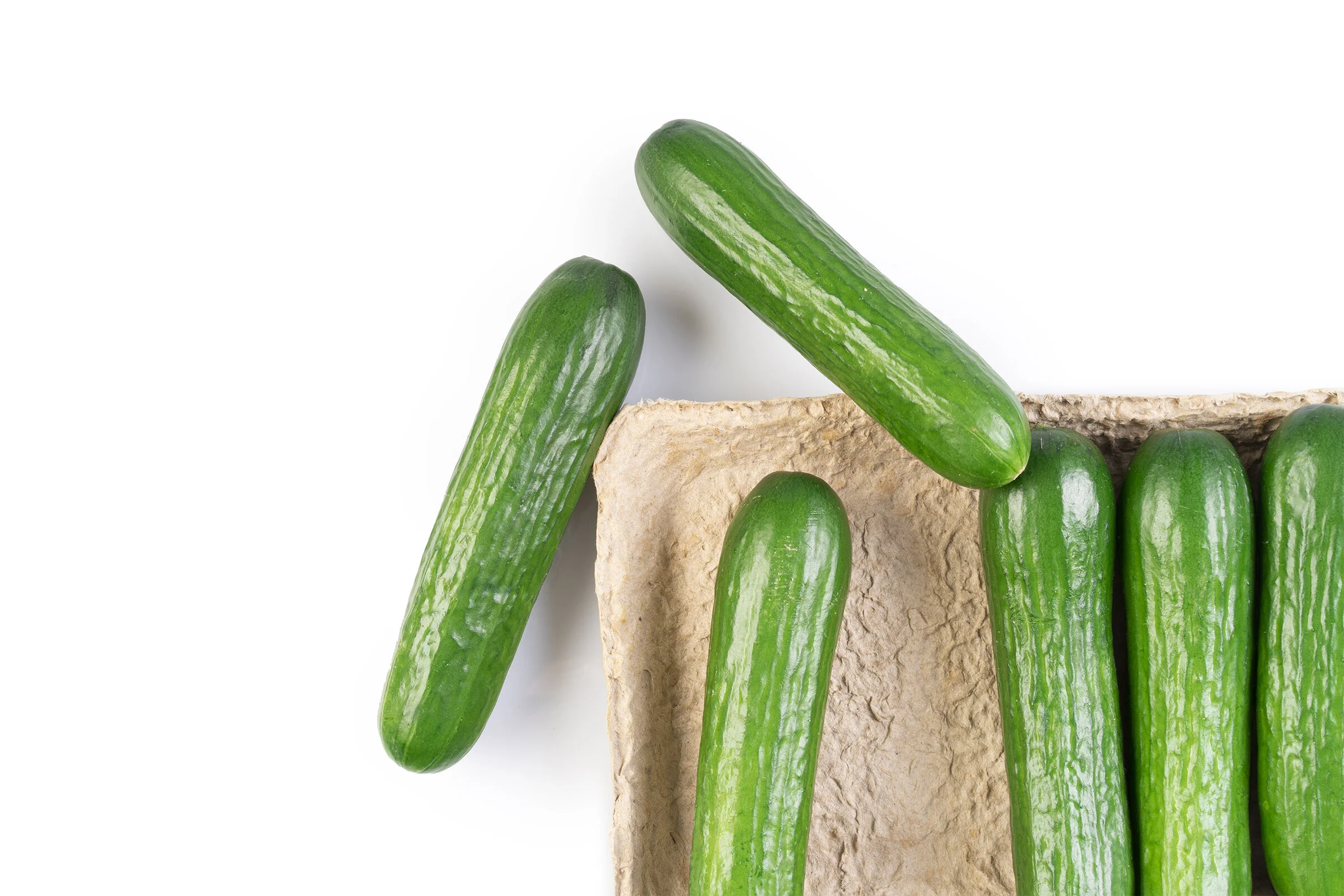
Interest from the retail community along with the many positive comments received directly from the consumers, have fueled the growth for this innovative product. By providing their customers with an alternative to polystyrene foam trays, they are seeing many transitions to the compostable pulp tray as an environmentally friendly solution. NatureFresh Farms is committed to finding innovative solutions that will lead us towards a more sustainable future and are excited to share one of their many ongoing environment initiatives.
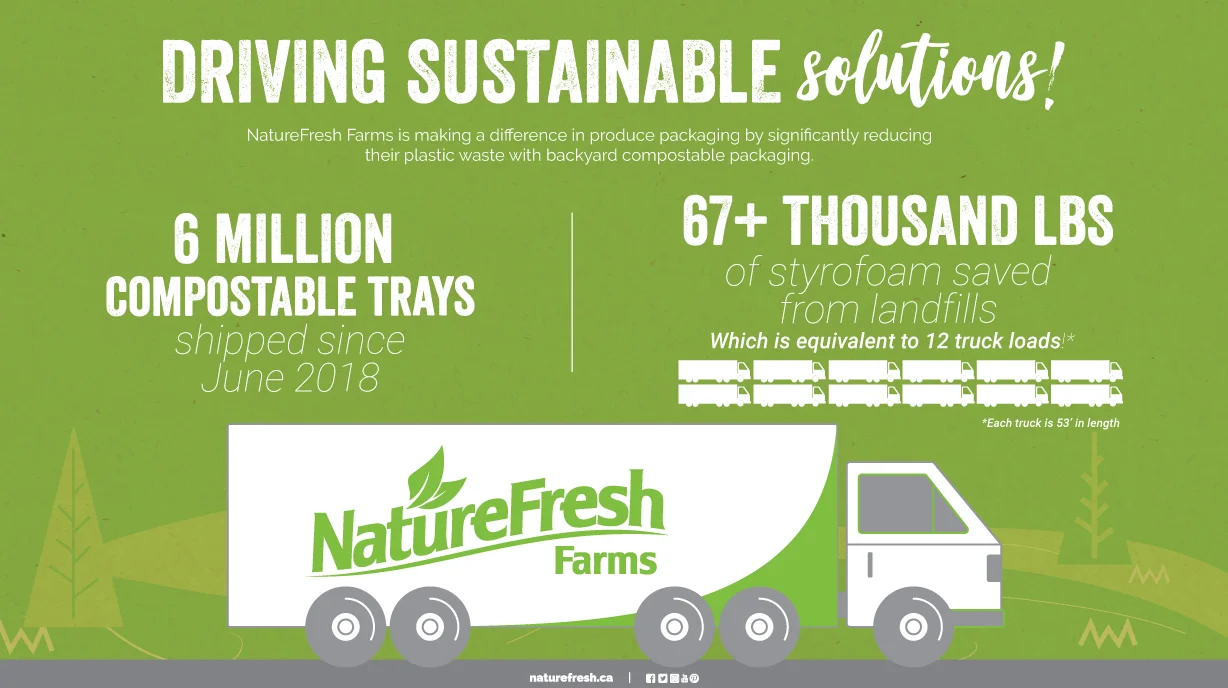
Since June 2018, NatureFresh Farms has distributed 6 million compostable molded fiber trays within the marketplace. During this time, they have saved 67,200 pounds of Styrofoam trays from entering landfills, which is equal to 12 truckloads. This significant amount offers a greener alternative that is compostable, recyclable, and can decompose within 90 days. The compostable tray is made from 100 percent post-industrial paper waste which is then ground up and mixed with water for a pulp- based material. During biodegradation, no toxic or hazardous waste materials are expelled into the environment.
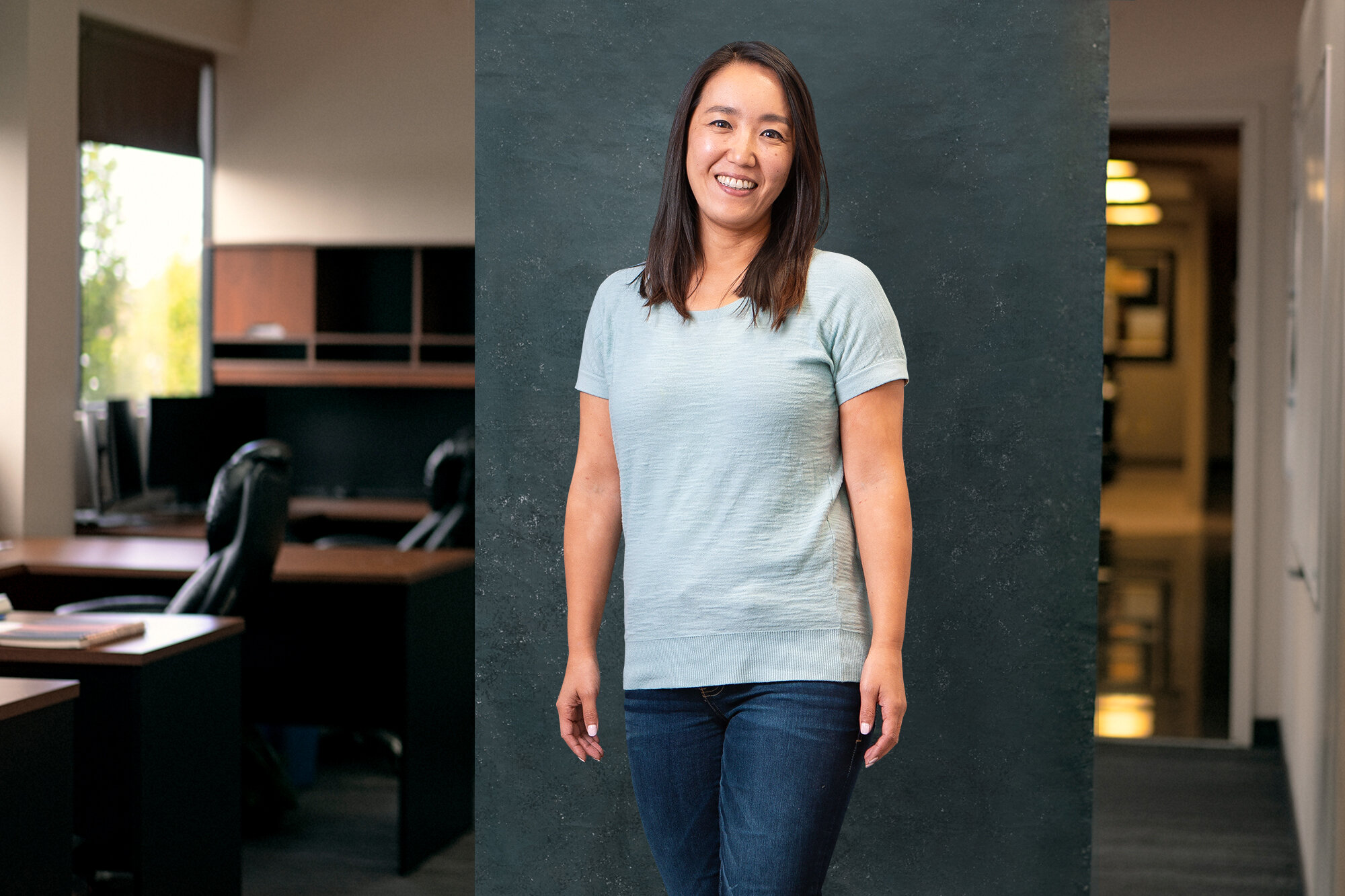
Luci Faas, Product Development Specialist at NatureFresh Farms, worked alongside Gord Heyting at PMP to develop packaging that is highlighted for its sustainability while protecting the produce from damage and keeping it fresh. “This has been a project that I’ve had a lot of interest in developing and has been on my mind for a while,” shared Luci. “NatureFresh has given me the opportunity to really pursue this innovative packaging design and have supported the effort to introduce greener alternatives into their packaging. Working with PMP has helped us achieve our goals of becoming more sustainable.”
PMP is a company based in Newmarket, ON, located near the NatureFresh Farms head office in Leamington, ON. PMP manufactures custom molded pulp packaging that is PFAS free, a widely-used toxic chemical found in packaging that repels water and grease. Their vision is to produce recyclable, biodegradable, and compostable packaging from local waste, while displacing petroleum-based packaging at the same time. Currently, PMP uses post-industrial corrugated boxes – some coming from their own box-making operations, and others from suppliers found throughout North America. PMP is also preparing to implement a program that will enable them to start using boxes that they pick up from their customers, including NatureFresh Farms.
By recognizing the extent to which products in the produce industry have contributed to the escalating plastic and pollution crisis, NatureFresh Farms has taken significant steps towards reducing their impact on the environment, and with such positive results so far, they are hoping to inspire even greater change within the industry.
“Seeing the actual numbers from the past year gives us a greater awareness of the considerable difference we are making to the environment by being more sustainable in our packaging,” said Frank Neufeld, Sales Manager at NatureFresh Farms. “We are inspired by the positive affect one company can have – but think about the kind of impact we could have collectively if plastic-free packaging were to become an industry standard.”
As climate change has become a defining issue, sustainable packaging has taken the spotlight, with consumer demand driving these initiatives forward. NatureFresh Farms is committed to developing the compostable tray program with ambitious expansion plans on the horizon – something retailers and consumers alike will be proud to support. NatureFresh Farms is committed to finding innovative solutions that will lead us towards a more sustainable future and are excited to share one of their many ongoing environment initiatives.

Indoor AgTech Landscape: 1,000+ Companies Innovating Inside
AgFunderNews created an image keeping track of the indoor growing landscape featuring 1000+ companies that take part in the industry, from greenhouse growers to suppliers of environmental controls
AgFunderNews created an image keeping track of the indoor growing landscape featuring 1000+ companies that take part in the industry, from greenhouse growers to suppliers of environmental controls.
The first thing to note is that they include greenhouses in the discussion as an indoor growing approach. At times, the conversation seems to be just limited to growing in buildings or containers with artificial lights, what we call “Sunless” or others broadly refer to as indoor, vertical, or urban farming.
Secondly, while there has been a great deal of activity around cannabis and alternative proteins such as insects, for the purpose of this landscape AgFunderNews kept to traditional food crop production.
The map focuses on the technology used in that production, from seeding to immediate post-harvest activities. We segment the landscape into the specific categories of component technologies, different types of growing systems and growers.
Read the full article, including the image of the landscape, at AFN (Louisa Burwood Taylor)

US - Alabama: Auburn University Commercial Aquaponics Workshop - November 11-13, 2019
The Workshop will be held November 11-13, 2019 at the Auburn University E.W. Shell Fisheries Station located at AL-147, Auburn, Al 36830
Auburn University’s Aquaculture and Fisheries Business Institute and School of Fisheries, Aquaculture and Aquatic Science is proud to announce their newest workshop series, which focuses on commercial aquaponics.
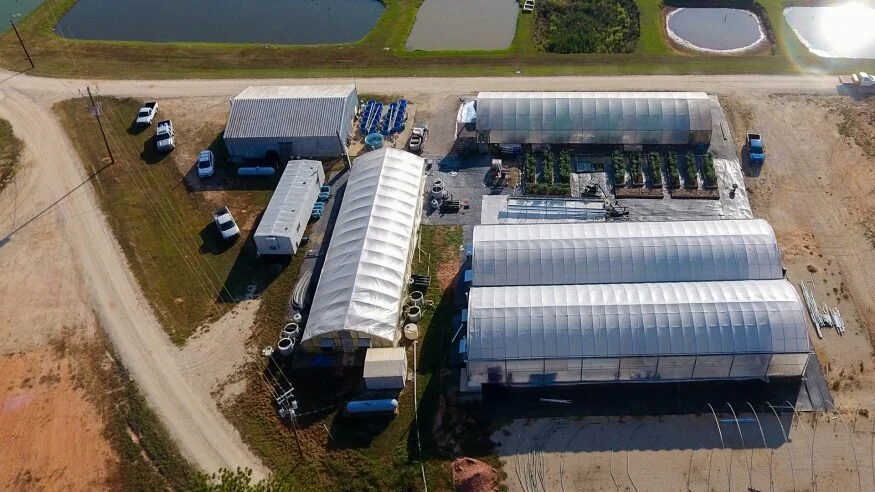
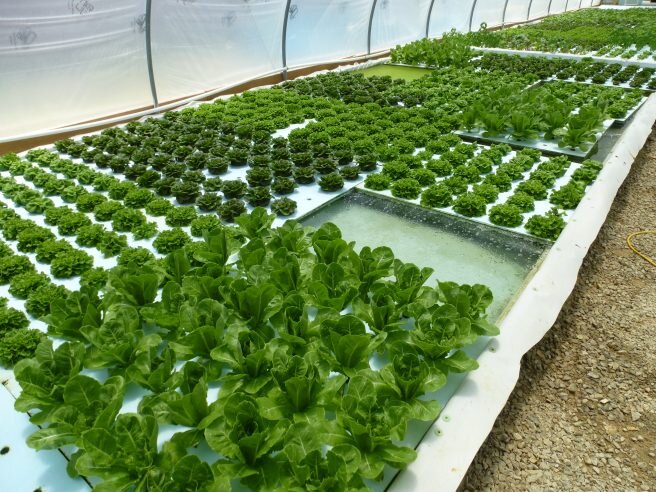
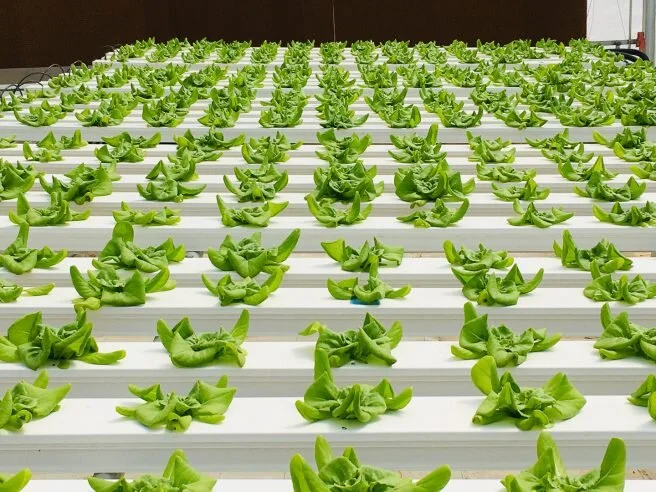
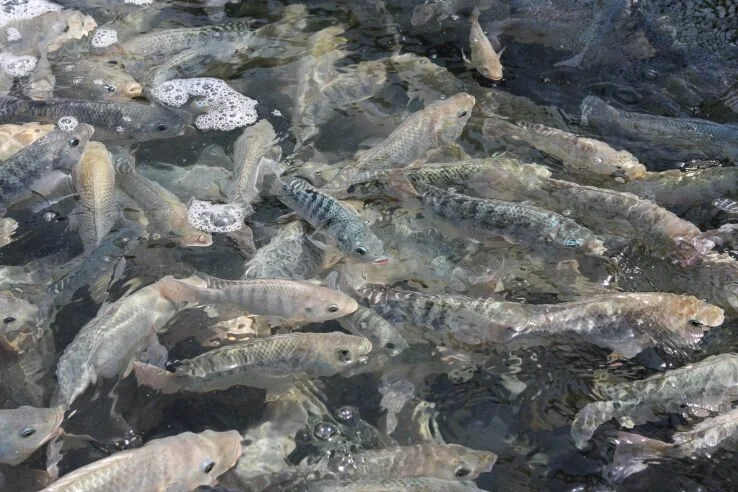
Our team of highly successful presenters are planning a jam-packed 3-day schedule of practical information that can be used to implement a successful addition to your existing aquaculture facility or create a completely new operation.
The Workshop will be held November 11-13, 2019 at the Auburn University E.W. Shell Fisheries Station located at AL-147, Auburn, Al 36830.
Registration is limited to the first 30 people so secure your spot early! The registration fee is $1,000 and includes a notebook with speaker presentations, hands-on activities, snack breaks and a USB drive with additional digital content.
The deadline to register is midnight on Oct 31st.
Don’t delay, register today!!!!
https://sfaas.auburn.edu/afbi/aquaponics-workshops/
Auburn University Aquaculture & Fisheries Business Institute | Aquaponics – Workshops
Aquaponic Workshops are offered as a response to the community’s overwhelming interest in aquaponics. Participants will receive detailed instruction on the basics of aquaponics, a tour of the school’s fish and plant greenhouses and guidance on designing and constructing aquaponics systems.
Innovation Hub For Controlled Environment Agriculture Launched In Dundee
CHAP partnered with Liberty Produce to develop and build the IHCEA facility with funding from Innovate UK. The facility is a series of self-contained units housing state-of-the-art equipment with a modular structure designed to create a flexible environment for research and development
10th October 2019
London, UK
Agri-tech centre Crop Health and Protection (CHAP) and farming technology company Liberty Produce have launched the Innovation Hub for Controlled Environment Agriculture (IHCEA) at the James Hutton Institute’s site in Invergowrie near Dundee.
CHAP partnered with Liberty Produce to develop and build the IHCEA facility with funding from Innovate UK. The facility is a series of self-contained units housing state-of-the-art equipment with a modular structure designed to create a flexible environment for research and development. With integrated cutting-edge LED lighting systems and patented nutrient delivery technologies, this unique research facility will enable collaboration between industry, academia, and government to effectively tackle the barriers to widespread adoption of vertical farming. Its purpose is to accelerate the development of sustainable food production year-round through resource-efficient, fully-controlled systems.
The IHCEA is a key part of Liberty Produce’s Future Farming Hub, which will offer a wide range of services, including research and development and CEA training programmes within a commercial demonstrator system, as well as industry and academic collaboration opportunities.
The James Hutton Institute has welcomed the location of CHAP’s IHCEA and Liberty Produce’s Future Farming Hub in Invergowrie, in the context of the Institute’s drive for the establishment of Open Science campuses at its sites and this has been facilitated by the creation of the Advanced Plant Growth Centre at Invergowrie as part of the Tay Cities Deal.
Fraser Black, CHAP Chief Executive, said: “We are excited to be partnering with Liberty Produce and the James Hutton Institute to establish the Innovation Hub for Controlled Environment Agriculture (IHCEA), in Invergowrie. This is a prime example of CHAP’s mission to harness game changing ideas from our creative and innovative partners to solve the problems industry is facing today and tomorrow. This is a progressive step in our ambition is enable the United Kingdom to become a global leader in CEA and augment the production of healthy food in a sustainable way.”
Zeina Chapman, Liberty Produce Co-Founder and Director, added: “Vertical farming is not yet sustainable; this partnership which has established the IHCEA and Future Farming Hub at the James Hutton Institute marks an advancement of our collective journey towards creating truly sustainable vertical farming technologies. The greater vision of Liberty Produce remains driving innovation that will enable us to meet our global crop requirements without harming the planet.”
Professor Colin Campbell, Hutton Chief Executive, commented: “This collaboration with Liberty Produce and CHAP marks the next step in the growth of the Institute's Open Science Campus initiative and brings new innovative companies to work closely with world-leading science. This has been facilitated by Tay Cities Deal announcement to create an Advanced Plant Growth centre at Invergowrie and our other new investments there and builds on our track record of engaging with industry, research partners and the public.”
UK Government Minister Colin Clark said: “I am pleased to see the opening of this new Innovation Hub at the James Hutton Institute. We know that technological innovation is the future of sustainable agriculture and Scotland is home to world-leading resources and expertise in this field. The UK Government recognises the importance of this work and remains committed to funding research and development through our modern Industrial Strategy.”
It is hoped that the synergy between CHAP, Liberty Produce and the James Hutton Institute will provide a better understanding of total controlled environment technologies, drive innovation and accelerate the growth of the vertical farming sector in the UK.
**Ends**
About CHAP
Crop Health and Protection (CHAP), funded by Innovate UK, is one of four UK Agri-Tech Centres. CHAP’s vision is for the UK to be a global leader in the development of applied agri-technologies, to help secure our future by nourishing a growing population sustainably while delivering economic, environmental and health benefits to society.
CHAP acts as a unique, independent nexus between UK government, researchers and industry, building innovation networks to identify and accelerate the development of cutting-edge solutions to drive incremental, transformative and disruptive changes in sustainable crop productivity and to establish controlled environment agriculture (CEA) as a core competency.
www.chap-solutions.co.uk/
For further information contact:
Darren Hassall
Darren.hassall@chap-solutions.co.uk
+44 (0)1904 462062
About Liberty Produce:
Liberty Produce is a farming technology company, enabling the growth of local produce year-round, using a fully-controlled, industry-leading, indoor vertical farming system. With expertise in lighting and nutrient delivery technology, Liberty develops and builds systems that reduce operational costs and improve yields of crops grown in controlled-environment farms. Their vision is to drive innovations that will enable the UK to meet our crop requirements over the next century, without harming the planet. Liberty Produce established the Future Farming Hub to enhance UK technology development and commercialization in the Controlled Environment Agriculture (CEA) sector. www.liberty-produce.com
For further information contact:
Benita Rajania
+44 20 3290 8801
About the James Hutton Institute
The James Hutton Institute is a world-leading scientific organization encompassing a distinctive range of integrated strengths in land, crop, waters, environmental and socio-economic science. It undertakes research for customers including the Scottish and UK governments, the EU and other organizations worldwide. The ongoing collaboration between the James Hutton Institute and Scottish-based vertical farm technology business Intelligent Growth Solutions Ltd resulted in the opening of Scotland’s first vertical farm at the Hutton Invergowrie campus in August 2018, and continues to be a major strength in developing the Advanced Plant Growth Centre initiative, which has been backed by a £27m transformational investment from the Tay Cities Deal. www.hutton.ac.uk
More information from Bernardo Rodriguez-Salcedo, Media Manager, James Hutton Institute, Email Bernardo.RodriguezSalcedo@hutton.ac.uk, Tel: +44 (0)1224 395089 (direct line), +44 (0)344 928 5428 (switchboard) or +44 (0)7791 193918 (mobile).

Strawberry And Tomato Responses To Light And CO2 Control
Carbon dioxide enrichment has long been known as a tool to boost greenhouse crop yield but the benefits depend on the crop and production environment especially light. In this webinar, Cornell University researchers will discuss
Date: October 25, 2019
Time: 12 p.m. - 1 p.m. EDT
Presented by: Neil Mattson and Jonathan Allred
Register Here
Carbon dioxide enrichment has long been known as a tool to boost greenhouse crop yield but the benefits depend on the crop and production environment especially light. In this webinar, Cornell University researchers will discuss:
The basics of greenhouse CO2 enrichment.
Current research underway to determine the response of tomatoes and strawberries on light and CO2.
Experimental results from two years of studies on day-neutral strawberry cultivar selection and response to HPS and LED supplemental lighting.
AeroFarms Announces Retail Launch of Microgreens with Amazing Flavor to Disrupt Leafy Greens Category
AeroFarmsⓇ, leader for indoor vertical farming and locally-grown produce has just introduced a new line of microgreens under their proprietary retail brand Dream GreensⓇ to further expand their mission of nourishing communities with safe, fresh, nutrient-dense, and delicious food that offers Peak Flavor AlwaysⓇ
Newark, NJ; October 14, 2019 -- AeroFarmsⓇ, leader for indoor vertical farming and locally-grown produce has just introduced a new line of microgreens under their proprietary retail brand Dream GreensⓇ to further expand their mission of nourishing communities with safe, fresh, nutrient-dense, and delicious food that offers Peak Flavor AlwaysⓇ.
Dream Greens now has two exciting, flavorful varieties of microgreens -
Micro Super Mix and Micro Spicy Mix, now available at all Whole Foods Market locations in the Northeast as well as online via FreshDirect. This retail debut builds upon the success of AeroFarms microgreens food service program that launched last year.
All Dream Greens microgreens are safely grown indoors in AeroFarms’ state of the art indoor vertical farms in located in New Jersey. Dream Greens are completely pesticide free, and they are ready-to-eat without any need to wash, providing a major benefit to consumers looking for safety and convenience.
Microgreens are the perfect addition to Dream Greens leading packaged baby leafy greens line, and strongly aligns with all the major grocery trends for produce, including local, flavor forward, sustainability, health & wellness, and visual appeal. In addition to being a flavorful & attractive garnish, a big handful of Dream Greens microgreens makes for an elevated salad base, side dish, & center-of-the-plate ingredient. Harvested after a few short days, Dream Greens microgreens provide more nutrient density than their mature green counterparts, so incorporating microgreens is a powerful way to provide a potent boost of vitamins, minerals & phytonutrients.
“We have had tremendous demand and interest in our microgreens, and we are thrilled to be launching at Retail our beautiful, pristine micro mixes that we think will disrupt the leafy greens category with the ultimate in nutrient density and peak favor,” says Marc Oshima, Co-Founder & Chief Marketing Officer at AeroFarms.
For more information, contact Marc Oshima, Co-Founder & CMO at Press@AeroFarms.com.Visit us at www.AeroFarms.com and www.DreamGreens.com
Dream Greens Micro Super Mix
Our micro super mix is a tiny & mighty blend of powerhouse greens including hearty red cabbage, sweet kale & juicy pac choi.
Dream Greens Micro Spicy Mix
Our micro spicy mix is a tiny & zesty medley with the perfect dash of heat, including red mustard greens, peppery arugula & juicy pac choi
About AeroFarms and Dream Greens
AeroFarms is on a mission to grow the best plants possible for the betterment of humanity. A global, mission-driven company, AeroFarms is a Certified B Corporation and proud to be named one of the World’s Most Innovative Companies by Fast Company. AeroFarms’ patented, award winning aeroponic technology provides the perfect conditions for healthy plants to thrive, taking indoor vertical farming to a new level of precision and productivity with minimal environmental impact and virtually zero risk. Through its retail brand Dream Greens, you can enjoy locally grown, pesticide-free produce that bursts with flavor and nutrition, all year round.
AeroFarms facilities meet USDA/FDA regulatory requirements and holds certifications in Good Agricultural Practices (GAP) and Good Manufacturing Practices (GMP), Non-GMO Project Verified, & OU Kosher.
SOURCE: AeroFarms
Relevant Links: www.AeroFarms.com; www.DreamGreens.com

Three Must-Hear Speakers At Organic & Non-GMO Forum - October 29-30, 2019
Key speakers at this year’s fifth annual Organic & Non-GMO Forum, here at the Hyatt Regency Minneapolis on October 29-30, will address the ever-growing plant-protein solutions arising in the sector, and provide a view inside the decisions that led the world’s largest brewery to work directly with farmers in establishing its first organic product
MINNEAPOLIS, September 23, 2019 – Key speakers at this year’s fifth annual Organic & Non-GMO Forum, here at the Hyatt Regency Minneapolis on October 29-30, will address the ever-growing plant-protein solutions arising in the sector, and provide a view inside the decisions that led the world’s largest brewery to work directly with farmers in establishing its first organic product.
Keynote speaker Tyler Lorenzen – CEO of PURIS, the largest pea protein production company in North America – will share the story of the 35-year journey of PURIS, from its humble beginnings as a soybean processor to becoming one of the leading suppliers of plant-based food ingredients, and a critical supplier to this expanding market. So critical in fact that it received just this month a $75 million investment from Cargill. The funding will be used to more than double production at PURIS’ existing 200,000 square-foot facility in Dawson, Minnesota.
"This is more than a pea protein facility. This is the future of food,” said Lorenzen in a press release. “The Dawson facility will not only support PURIS farmers in the U.S. with a crop that regenerates their land and that is sustainable because it provides soil health advantages, but will also support the growing demand for great-tasting plant-based products in the marketplace. This investment will grant PURIS the ability to support more food companies, more farmers and more consumers faster.”
PURIS’ path to success included the creation and scaling of an end-to-end system of sustainable plant-based foods and ingredients grown and processed in the USA, which Lorenzen will outline in his keynote address at the Organic & Non-GMO Forum: “Seeding and Scaling the Plant-Based Food Future.”
Supporting Transitional Producers: Michelob ULTRA Pure Gold’s Contract for Change
Jess Newman of Anheuser-Busch
In this session, executives from Anheuser-Busch – Azania Andrews, vice president of marketing for Michelob ULTRA, and Jess Newman, director of U.S. agronomy for Anheuser-Busch – will share the how and why of the company’s launch of its USDA certified organic light lager, the first in the nation from a national beer brand.
Andrews and Newman will discuss the market drivers for the new beer, Michelob ULTRA Pure Gold, introduced in 2018, and their newly-launched “Contract for Change” initiative put in place to support farmers’ transitioning to growing organic barley.
Azania Andrews of Anheuser-Busch
“There aren’t any light beers from mainstream brewers offering an organic product,” Andrews told Men’s Health in an interview. “We wanted to make a light beer for those who prioritize eating and shopping organic.”
Hear more from these speakers, and the previously announced keynote speaker David Vetter, a trailblazing organic farmer from Nebraska and subject of the documentary “Dreaming of a Vetter World” at the Organic & Non-GMO Forum. Register at ongforum.com and follow us @ONGForum. See also the full agenda and list of attending companies.
# # #
The Organic & Non-GMO Forum is hosted by HighQuest Group, a north-of-Boston, Mass.-based strategic advisory, conference, and media company serving corporations, financial investors and governments across the global food and agribusiness value chains. highquestgroup.com

Agrihood Development Brings Urban Farming to Denver
The Westfield Company development has teamed up with Altius Farms to bring urban farming to the whole community.
By Tori Mason
October 11, 2019
DENVER (CBS4) — An urban agrihood community in Denver’s RiNo neighborhood is providing a greener lifestyle, for residents and the public. The condominiums in S*Park, or Sustainability Park, have environmentally-friendly features like solar power, recycled brick, and compost valet.
S*Park, an urban greenhouse in downtown Denver, promotes sustainable food year-round. (credit: CBS)
The Westfield Company development has teamed up with Altius Farms to bring urban farming to the whole community.
”Companies are trucking produce from 1,500 miles away into Colorado. Here we can grow more efficiently and much more close to our city centers, where restaurants and grocery stores and urban life is thriving,” said Sally Herbert, CEO of Altius Farms.
Credit: CBS
The S*PARK development features a 7,200-square-foot greenhouse operated by Altius Farms. It’s one of the largest rooftop aeroponic gardens in the country. Currently, there are 23 different varieties of product growing. The majority are sent to local restaurants and markets.
“It’s Colorado. We have 6 or 7 months of growing time outside. Here was have the whole year. We have 320 days of sunshine every year in Colorado. Why not take advantage of that?” said Herbert.
Herbert spent Wednesday morning harvesting produce in S*PARKS’s outdoor garden that wouldn’t survive Thursday’s freeze.
Soon, the public will be able to take advantage of Herbert’s year-round produce. Altius Farms launched a Community Supported Agriculture program this week. Subscribers will receive produce and flowers from the greenhouse for a fee.
“On a weekly or monthly basis, they’ll get a little basket or bag of produce like lettuces, tomatoes, cucumbers, all grown locally,” said Herbert.
S*PARK residents will be the first to test the CSA program, then Altius Farms will open it up to the public.

Last Chance For Tickets! - Pioneering Forum For Sustainability In Agriculture
SDLN: The Leading AgTech Networking Forum | Connecting Global High-Level Value-Chain Leaders In Miami, Oct 22 - 24
International scientists, investors, directors, and advisors come together to share global initiatives and spur innovation.
(Miami, Fl., October) - This month’s Sustainability & Digitalization Leaders forum is the exclusive, comprehensive conversation every thought leader in agtech should be a part of. The SDL agenda demonstrates critical awareness of the most relevant sustainability issues across the agtech landscape, from regenerative agriculture to carbon sequestration and soil health; responsibly investing in the latest innovations to ensuring a traceable, transparent food system for consumers.
The Miami forum, 22-24 October, also sees the introduction of breakout workshops tackling issues in a collaborative, discussion-based format led by industry seniors. Delegates will be invited to drop in on the 30-minute sessions and engage with topics such as global warming in relation to food systems, and corporate strategy for urban agriculture.
Alongside SDL speakers including Wells Fargo, Rabobank, AeroFarms and Microsoft, the next round of international thought leaders have been confirmed:
Claire Kinlaw - Director Innovation & Commercialization, Donald Danforth Plant Science Center
Andy Knepp - VP, Environmental Strategy & Industry Activation, Bayer Crop Science Cristina Rohr - Vice President, S 2G Ventures
Kenneth Zuckerberg - Senior Partner, Carlan Advisors
Wayne Honeycutt - President & CEO, Soil Health Institute
Pipa Elias - Director of Agriculture North America, The Nature Conservancy Erica Riel-Carden - Principal, Global Capital Markets
Paco Vélez - President & CEO, Feeding South Florida
Kasper Vesth - General Manager USA, The Meatless Farm Co.
Chiara Cecchini - Executive Director, Future Food Americas
For a full list of speakers visit: https://www.sdleaders.com/speakers
Occupancy for the forum is near capacity and organizers urge attendees to secure their ticket before registration closes.
For more information on SDL and to purchase tickets visit: https://www.sdleaders.com/
About Sustainability & Digitalization Leaders
SDL is a series of events that address our planet’s most pressing issues, bringing together the decision-makers who directly impact global change and can implement the necessary strategies to move the conversation forward.
A core advisory board oversees and advises on partnerships. For enquiries please email lyndsey@sdleaders.com.
About Keynote
Hosting international events since 2012 across Europe, North America and the Middle East, Keynote has curated forums for emerging technology industries, launching high profile fintech projects and acting as a platform to raise significant funds, connecting and enabling companies to reach their potential.
For more information about Keynote’s upcoming conferences visit
www.keynote.ae
For media partnership enquiries: moe@sdleaders.com
For partner and sponsorship enquiries: amy@sdleaders.com
UK Food Technology Company, Vertical Future, Completes Its £4m Seed Round To Accelerate Growth Plans In London
Vertical Future, a London-based food technology company, announced the completion of its Seed Round, raising £4m of equity finance, with further investment expected in the coming months. The company uses technology to produce high-quality, ethical food (primarily baby leaf vegetables and herbs), in controlled environments
Funds will be used to build additional ethical plant factories in London Fields and Mayfair, expanding from its existing site in Deptford
The move will also see improvements in technology, primarily in automation, data, and nutrition
Earthworm, lead investor, and High-Net-Worth-Investor-base invest in high-yield food production for urban environments
The company’s long-term objective is better urban health
Today (7th October 2019), Vertical Future, a London-based food technology company, announced the completion of its Seed Round, raising £4m of equity finance, with further investment expected in the coming months. The company uses technology to produce high-quality, ethical food (primarily baby leaf vegetables and herbs), in controlled environments. They also develop efficient and sustainable methods of food production and supply systems, with a long-term commitment to improving health and reducing CO2 emissions in cities.
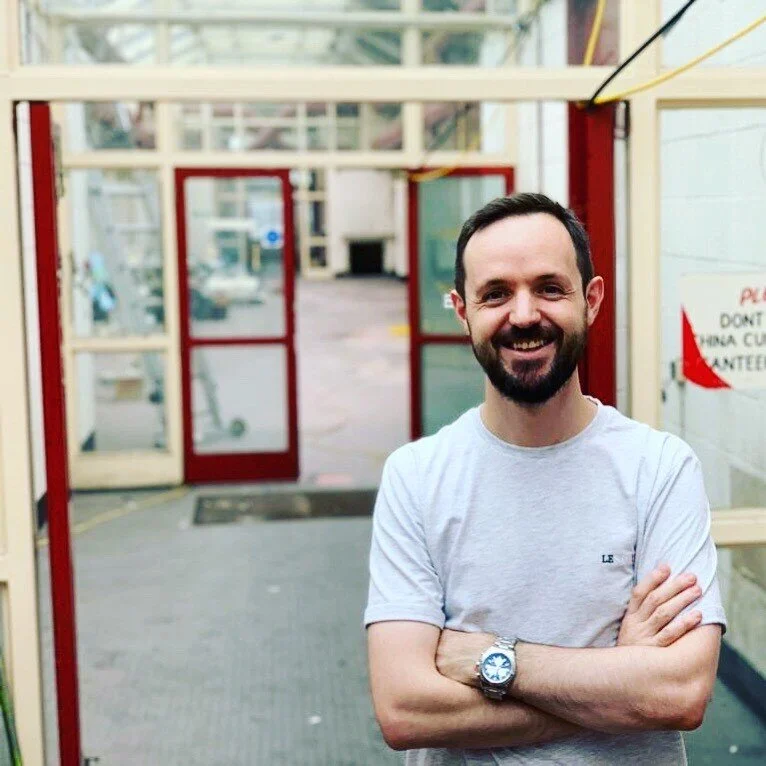
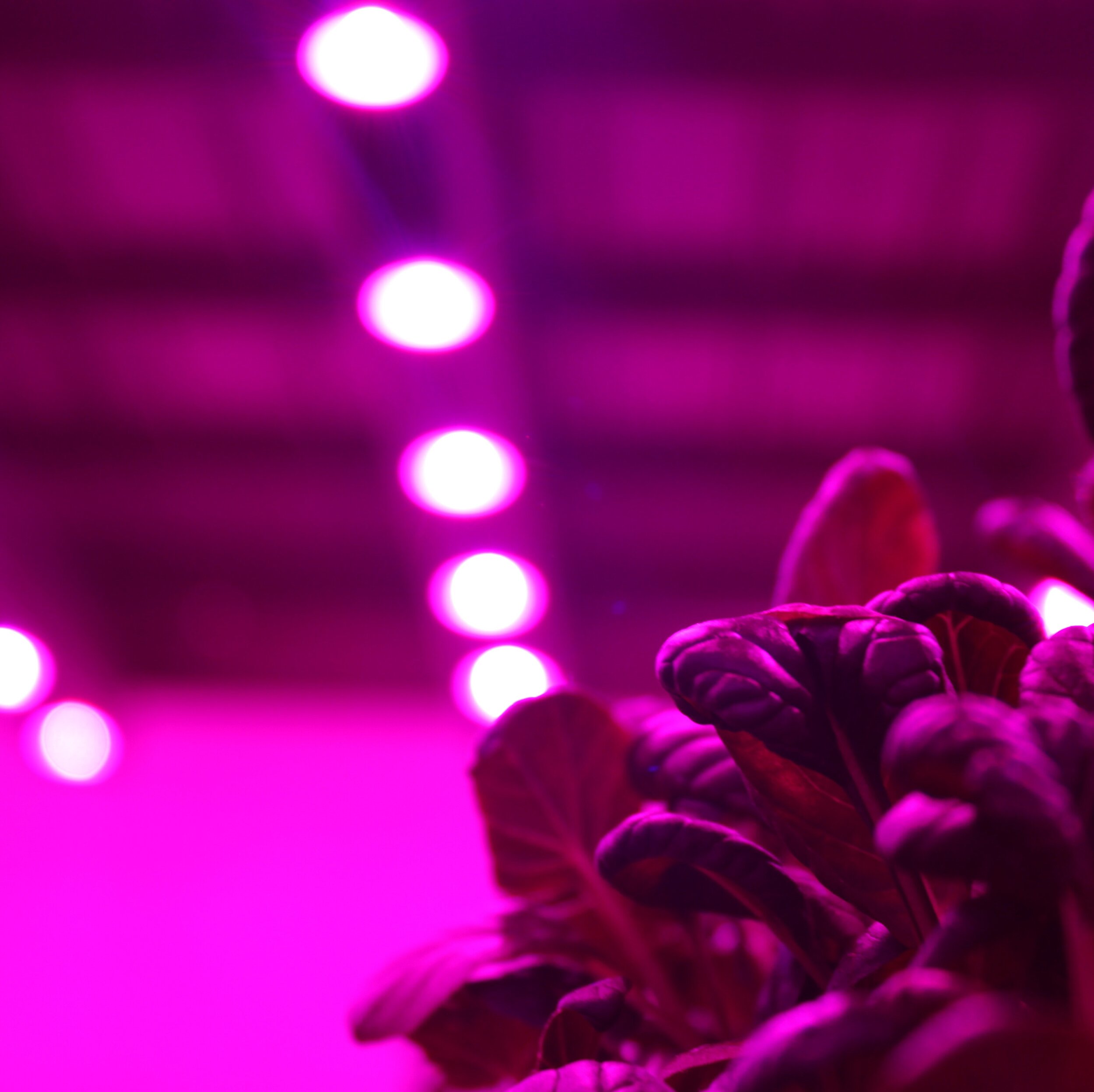
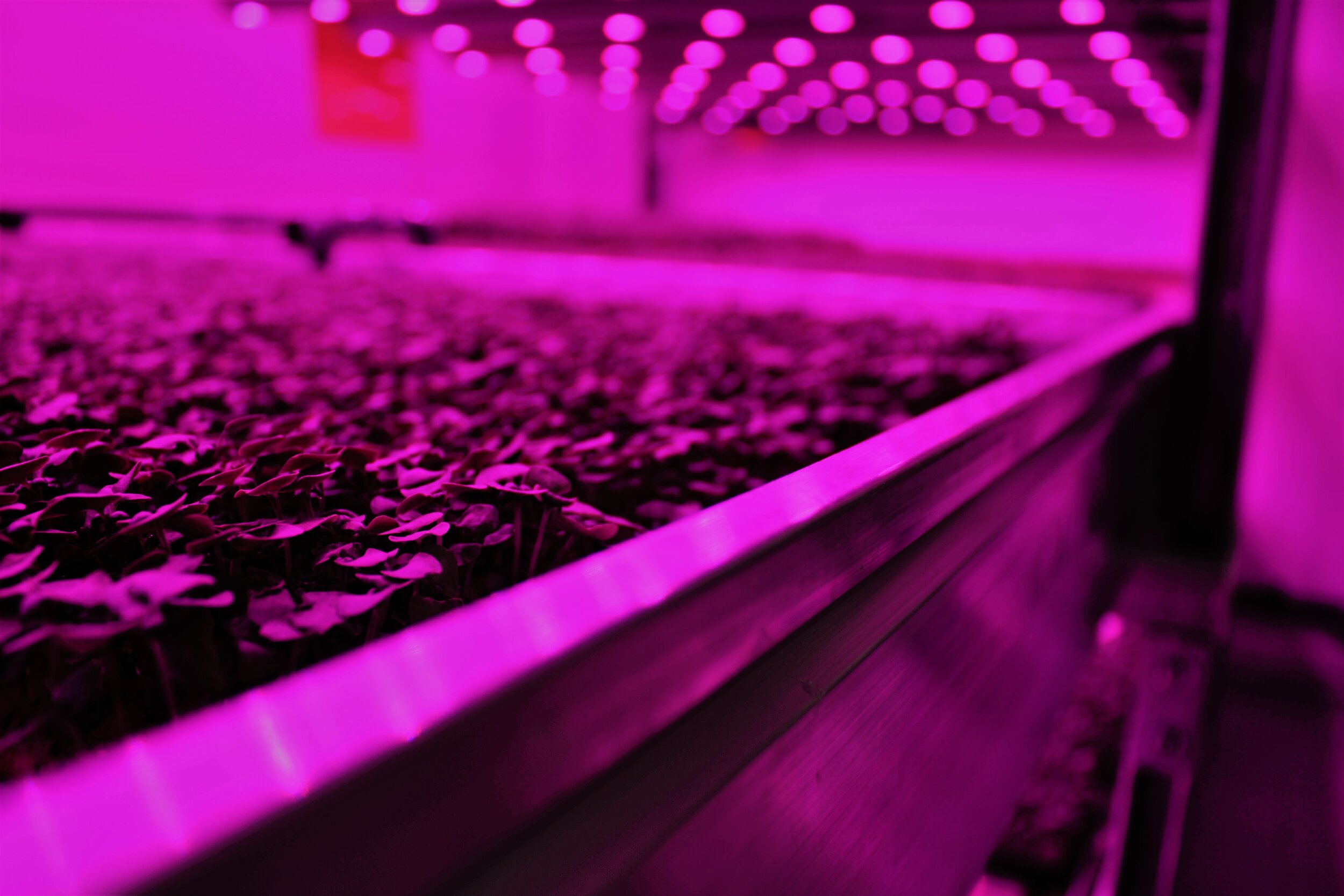
“Following several years of hard work, today’s raise validates our growth strategy and strong position in the London market, furthering our mission to improve the food and health of urban inhabitants, starting in London,” said Jamie Burrows, Founder, and CEO of Vertical Future.
The capital raised will be used to support the first phase of Vertical Future’s long-term, ambitious growth strategy. The company will see a 25x increase in crop production capacity across its London operations, aided by the development of two new ethical plant factories” in London Fields and Mayfair, as well as further developing its existing site in Deptford. Despite significantly more automation, this heightened production is expected to lead to 30 or more permanent local jobs, with more specialist roles focusing on the development of in-house growing tech, robotics, and process management.
The investment round was led by Earthworm – a fast-growing impact investor with a portfolio across food, energy, and waste – and supported by corporate finance adviser, Acceleris Capital. Also supporting the raise was Amberley Advisory and Gateley.
Ben Prior, CEO of Earthworm said: “Vertical farming offers huge potential in solving one of the biggest issues of our time – how to feed a growing population sustainably. We are really impressed with Jamie’s vision and work ethic, and the team at Vertical Future has a very special business poised for growth.”
Lord Nigel Crisp, Former Head of the NHS and Non-Executive Board Member at Vertical Future, added: “This is our first major move in this sector, enabling us to direct our work more towards health, in addition to purely producing food, in future years. Sustainable food will be one of society’s biggest health challenges and we aim to be at the forefront of the effort for better, long-lasting, tangible solutions”
Vertical Future’s ability to produce significantly more food will target a 10x increase in its Business-2-Business (B2B) restaurant, home cooks, and food brand customers – sold under the “MiniCrops” consumer brand. Current customers include Tom’s Kitchen, Mindful Chef, Chop’d, Kaleido, Sartoria, Lahpet, and Quaglino’s, to name a few.
Simon Thorn, CEO of Acceleris said: “We are delighted to complete this transaction with Jamie and the team at Vertical Future. We believe that we have secured an excellent investment partner in Earthworm and we look forward to supporting the company’s growth over the coming years. The team has attracted an impressive customer base so far and we see plenty of areas for growth.”
About Vertical Future
Vertical Future is a privately-owned technology company focused on improving health in cities through developing a better, more efficient food production and supply system.
About the Founder
Jamie Burrows previously worked as a consultant specializing in healthcare and life sciences strategy. Before founding Vertical Future in 2016, he worked at numerous top-tier consulting firms including EY and Deloitte, and also undertook a secondment to the Office for Life Sciences at the Department of Health. Educated to Ph.D. level in Economics, Jamie believes that much of the Vertical Future business directly relates to the central theme of health economics - resource scarcity.
About Earthworm
Earthworm is an environmental fund manager which only backs projects that will have a positive social or environmental impact.
We work closely with industry professionals from food, energy and waste to source, develop and nurture start-up and scale-up businesses with significant commercial potential. Although it is vital for the companies within the Earthworm community to make a return for our investors, it is equally important that they are ethically driven and they contribute to the circular economy. Members of the Earthworm community share expertise and best practice to support each other and achieve the best return for investors.
Earthworm now manages over £100m of investor capital. 10% of Earthworm profits go to charitable causes and 10% is invested directly in the environmental technologies of tomorrow.
About Acceleris Capital
Acceleris Capital are an FCA regulated corporate finance boutique that focus on advising early-stage technology SMEs.
Since incorporation in 2000, Acceleris have advised and managed fundraisings for over 50 UK businesses and raised over £120m, with a track record including start-up to IPO, trade sale and private equity exits.
Acceleris primarily source external funding directly from their network of High Net Worth investors and major UK investment institutions.
For more information and interviews, please contact:
Jess@ha-lo.co
+44 7789102402