


Welcome to iGrow News, Your Source for the World of Indoor Vertical Farming

Produce Fresh Vegetables In The Comfort of Your Home
BY JAMES HOARE 01/10/2019
When we think of growing plants, phrases such as ‘High maintenance’, ‘Unreliable’ and ‘Time consuming’ spring to mind. But this doesn’t always have to be the case… and Aspara proves this!
Aspara is a smart indoor garden that encourages the growth and consumption of fresh, healthy vegetables and herbs! Remembering to water the plants is a thing of the past; a scaled-down hydroponics farm system has been neatly integrated into the design, allowing for a reduced amount of wasted water, a faster plant growth, and perhaps most importantly, the elimination of the need for regular watering!
It’s not just watering that Aspara simplifies… it removes complexity from the start with its dedicated seed kits; the organic and/or non-GMO capsules plug straight into tray, removing the need for getting your hands dirty! The conditions of the plant’s environment can be monitored remotely from the mobile app, where you can also enter into a community of fellow gardeners, and share tips, tricks and advice on how to get the most out of your indoor garden!
Designer: Julian Bowerman
Click Here to Buy Now: $328 $499 (34% off). Hurry, less than 48 hours left!
The aspara™ smart indoor grow box is a miniaturized hydroponics farm system. Hydroponics is a method of growing plants without soil by using mineral nutrient solutions in a water solvent.
aspara™’s smart built-in sensors monitor, detect, report and record growth conditions based on nutrient concentration, air temperature, humidity, water temperature and overall water content in the system.
The sensors will adjust lighting, water flow and planting modes based on your plant’s needs. Precise monitoring of the growth conditions provides accurate instruction on the amount of water and nutrients required to be refilled into the system.
The adjustable grow light provides a full spectrum of intensity that caters to the needs of different plants at different growth stages, as well as your personal preference. Control growth through specific programs and replicate nature with sunrise and sunset scenery.
The reservoir water system automatically waters your seeds and plants based on their nutrient levels and stage of life. The automatic ebb-and-flow-design circulates the water so that nothing is wasted.
The aspara™ seed kits start with 15+ different organic and/or non-GMO seed capsules (selected) with nutrients that guarantee a 100% germination rate by just plugging the capsules into the specialty grow tray. It’s that simple!
The aspara™ IoT-connected app provides necessities, such as your plant’s light, water, temperature, and nutrient information, and it tracks your plant’s activities and conditions, but it does so much more…
The aspara™ app is a community platform for support, as well as a space to share your plants’ growth with people who share a similar passion. You can even share your progress through photos and videos on social media!

How Sustainable Farming Stacks Up
A look at the initiatives undertaken across the UAE to promote sustainable agriculture.
Published: December 04, 2018 14:38 Suparna Dutt D’ Cunha, Special to GN Focus

Emirates Flight Catering’s 130,000-sq-ft facility will harvest 2,700kg of herbicide- and pesticide-free leafy greens a day at full production.Image Credit: Supplied
In a country where it’s common to find apples from South Africa, potatoes from India and carrots from Australia — all marked at a price to cover the import costs — in supermarkets, some farming initiatives in recent years are bringing to reality a new breed of green agriculture that seeks to produce more crops in less space and water, and is efficient, easier and kinder on the natural environment.
It is hard not to be dazzled by the current pace of technological change in agriculture in the country. An ambitious manifestation of agricultural technology is coming to fruition next year. Emirates Flight Catering and US-based Crop One Holdings are building what they say will be the world’s largest vertical farm, producing 2,700kg of pesticide-free leafy greens daily, in Dubai.
The greens will be manufactured using hydroponics, a technique in which crops are grown in vertical stacks of plant beds, without soil, sunlight or pesticides. Above each bed of greens will be columns of LED lights, which when plants photosynthesise will convert light of certain wavelengths into chemical energy and store it for future use.
Proponents of new-age farming tout the potential of such technology to address the country’s largely hostile desert landscapes, its reliance on the global food trade, importing more than 80 per cent of its food needs, and food shortages as the population continues to grow.
“It is encouraging to see the initiatives that are underway, including some of the larger scale projects, using highly advanced technologies,” says Nicholas Lodge, Managing Partner at Abu Dhabi-based agriculture consultancy Clarity. “Developing sustainable farming with smart use of water will not only provide improved supplies for the local market but also potentially create viable businesses for export to neighbouring countries. Furthermore, technology and an ecological approach will contribute to food diversity and security as it will enhance crop production and lower its cost.”
For Omar Al Jundi, Founder and CEO of Badia Farms, the Middle East’s first commercial vertical farm in Dubai, sustainable farming is a solution for more pressing and concrete concerns such as land — less than 5 per cent of the total land area being arable in the UAE — and water shortages, meeting the demand for locally grown greens, and climate change. Growing and selling locally means emissions associated with transportation are reduced.
“The only solution is to grow smart. Sustainable farming is the future. It is time for the country and the region to become food producers rather than just consumers, since ensuring food security will be challenging in the future due to impacts of climate change.”
Using hydroponics technology on an 800-square-metre plot of land in Dubai, Badia Farms grows gourmet leafy greens for sale 365 days of the year.
Hydroponics brings some important benefits, explains Amjad Omar, Farm Manager at Emirates Hydroponics Farms (EHF). “Because crops are grown in a controlled environment there is no need for chemicals; it allows farming without soil. Most importantly, [hydroponics] uses 90 per cent less water than traditional open-field farming, although the tech uses water as a medium to grow plants, and the yield is six times more from the same amount of land.”
Situated halfway between Dubai and Abu Dhabi, EHF has adapted modern technology to grow lettuce and other herb crops year-round as well. The produce, which it sells both online and offline, is not only cheaper than imported goods but fresher too, adds Omar.
Meanwhile, to grow tomatoes, Abu Dhabi-based Pure Harvest Smart is using a fully climate-controlled high-tech, water-efficient greenhouse, which is yielding ten times more food per metre using one-seventh the water.
As the movement continues to evolve, some are experimenting with novel ways to make local agriculture an integral part of urban life. At this year’s World Future Energy Summit in Abu Dhabi, Maha Al Muhairi displayed her innovative energy-efficient automated system, FreshFridge, which lets you grow a wide range of herbs and microgreens in your kitchen. “The FreshFridge allows users to grow more than 50 varieties of microgreens in 10-15 days. People can grow whatever they want in any season,” says Al Muhairi.
Technology is fundamental to the future of agricultural production in the region, says Lodge. “Whether in the form of vertical farm, or through the research and development work of organisations such as the the International Centre for Biosaline Agriculture in Dubai. The region will not enjoy an increase in water availability in our lifetime, so we must use what we have carefully and intelligently.”
But growing crops sustainably isn’t always easy. “Steep costs of acquiring cutting-edge technologies and unavailability of raw materials locally for production are among the challenges,” says Omar.
While according to Al Jundi, the concept of vertical farming is still in its infancy in the region. “Governments and the private sector need to invest heavily to accelerate learning and development in this sector,” he says.
Although these new-age farming initiatives will not change the UAE’s reliance on food imports drastically, it certainly represents a better way of growing produce and a future of continually increasing food supplies in ever more sophisticated manipulation of agro-ecosystems.

New York Governor Commits To Cannabis Legalization
The move is expected to generate some $1.7 billion in annual sales.
12/18/2018
New York Gov. Andrew Cuomo told reporters in a widely anticipated speech on Monday that he would push to legalize adult-use cannabis within a matter of months, The New York Times reports.
The move is expected to generate some $1.7 billion in annual sales and, according to Cuomo, is representative of his administration’s efforts to “advance our justice agenda and particularly address the forms of injustice that for too long have unfairly targeted the African-American and minority communities.”
“The fact is we have had two criminal justice systems: one for the wealthy and the well off, and one for everyone else,” he said.
Shortly after Cuomo’s speech, the Drug Policy Alliance announced via press release:
“Governor Cuomo and the new Democratic majority have a golden opportunity to get legalization done the right way, right away,” said Kassandra Frederique, the DPA’s executive director for the state of New York.
The New York Health Department issued a report earlier this year that suggested the pros of cannabis legalization would outweigh the cons of ongoing prohibition. Since then, officials have further informed their decision via dozens of public listening sessions on the issue.
Gov. Cuomo only recently came around to the idea of legalizing. He openly opposed the state’s hyper-restrictive medical cannabis program when it was established in 2014 and he relied on the tired trope of demonizing cannabis as a “gateway drug” as recently as last year.
Some believe that Cuomo’s shift on the legalization issue was spurred by former opponent in the Democratic gubernatorial primaries and celebrated “Sex and the City” star Cynthia Nixon, who announced her brief candidacyon a platform of ending cannabis prohibition and fixing the New York City subway system.
There are currently 10 states — plus Washington D.C. — that have opted for ending cannabis prohibition and many of them are neighboring New England states.
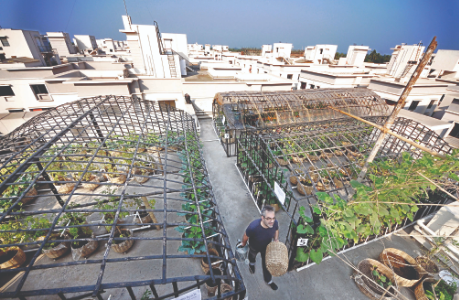
NKDA Mulls Panel to Boost Urban Farming
The matter has been discussed in the board of NKDA and a decision in the matter will be soon taken.
Tarun Goswami Dec 2018 4:15 AM
Kolkata: New Town Kolkata Development Authority (NKDA) is considering a proposal to form an empanelled group to assist people, particularly senior citizens, to set up rooftop urban farming. The matter has been discussed in the board of NKDA and a decision in the matter will be soon taken. A notice will be given asking interested groups to respond. It may be mentioned that at Swapno Bhor, the state's first senior citizens' park, organic farming of vegetables has recently been started in collaboration with an NGO and senior citizens, who are members of the same, are overseeing it. Senior officials of the NKDA said many people have shown keen interest to start rooftop urban farming but could not start it because of lack of expertise. For many years, people have been growing flowers on their rooftop gardens. It may be mentioned that in the annual flower show organised by Alipore Agri Horticulture Society there is a section where flowers and cactus that are grown on rooftop gardens and displayed. The best flower grower is also awarded. Now, in addition to flowers, people have shown interest to start rooftop urban farming. But a majority of them lack expertise and knowledge. For example, on rooftop garden pots made of coconut fibres are used instead of earthen pots as they cause heavy damage to the roofs. Again, from where seeds of vegetables can be procured are not known. To address these issues, the empanelled groups will assist those whose are interested to start rooftop urban farming. The group will charge for providing assistance and the rate will be fixed by the NKDA. This will keep the senior citizens socially engaged, the officers felt. To keep the senior citizens engaged and occupied who will be buying accommodation at Snehodiya, an open terrace has been made in the proposed multi-storeyed building whose construction is going on. The senior citizens can utilise the terrace to coach children from economically-challenged families. This will keep them socially busy and also motivate the children to a great extent.

Evansville, A Home For Business
Back text: “E — Scenic View of Ohio River, V — Reitz Memorial High School, A — Vandenburgh County Courthouse, N — Adm. Bldg., Evansville College, S — Evansville National Guard Armory, V — Dade Park Race Track, I — Electric Fountain, Garvin Park, L — Greyhound Bus Station, L — Lions Den, Mesker Park Zoo, E — Dress Plaza”
After graduating from Purdue University in May 2017, I continued to rent co-work space on campus in West Lafayette working for Heliponix full-time until my apartment lease ended at August 2017. At the time, I was hyper focused on the engineering design tasks at hand for Heliponix to debut a new prototype GroPod™ at the Forbes AgTech Summit. After the summit ended, I brought all of my possessions back to Evansville. It occurred to me I was once again living in Evansville only after I had moved back home. Upon moving back, I was asked to speak at Evansville’s Tech on Tap weekly entrepreneurial meetup where I was asked why I came back. I answered, “Evansville is home, and I can continue working on my company without paying myself by living with my parents.” This seemingly obvious answer spurred a new found sense of urgency that if I were to scale a technology company, than I must leave southern Indiana for greener pastures. I then began to look for every possible reason why I should move away from Evansville for the benefit of Heliponix. I identified the following four reasons why I could not headquarter Heliponix in Evansville, Indiana.
Early adopter customers for new technologies do not live in the midwest.
Tech companies need investors. Evansville did not have venture funds.
Tech companies need top tier software engineering talent. Evansville did not have individuals with this skill set on hand.
Hardware companies such as Heliponix need to manufacture overseas to be cost competitive in the marketplace.
Customers
Heliponix (formerly Hydro Grow) team picture after winning first place at the Schurz Innovation Prize at Purdue University. Left to Right: Scott Massey (CEO), Jimmy Carlson (Software Engineering Intern), Ivan Ball (CTO)
Starting a company without experience or the money needed is comparable to charging into a battle unarmed and unaware of the terrain with dangers ahead. I was acutely aware of my limitations, and spent my senior year at Purdue University delivering newspapers at night for about $9/hour, and competing in business plan competitions between classes for cash awards. Although we were very lucky to have successfully secured over $80k over the course my senior year and a little under $100k from competitions post graduation, the money was the second most valuable aspect of winning these pitch competitions. For every competition we won, at least two or three articles from local media publications would cover the story with our name on the front title. We jumped at every opportunity to showcase our prototypes at schools, STEM career fairs, and also leveraged my position as the lowly delivery boy to publish articles in the Exponent to grasp as much publicity as possible for an early stage company.
Scott Massey giving a STEAM (Science, technology, engineering, agriculture, and math) career talk about indoor agriculture to middle and high school students Our Lady of Providence School in New Albany, Indiana.
For every article and interview that was published, I received an email from random Indiana residents interested in purchasing a GroPod when it became available for purchase. I kept a running list of these potential customers, and reached out to collect a $500 pre-order deposit when we had finally landed on a GroPod design that worked reliably. We had definitively proven that a pre-revenue startup company could launch an expensive product in Indiana if they are able to achieve enough publicity to convert impressions into executed sales. Although there are many more wealthy individuals in major cities who could buy an early stage product; we did not yet have the production capabilities to meet this demand, and still had product development to refine before we would be ready for a massive user base.
Funding
Inside Indiana Business interview with Dr. K and Gerry Dick
Although we had been veryfortunate to secure some funding from business plan competitions for patents and prototype development, we had reached the ceiling of competition funding available in Indiana for an idea not yet generating revenue. My Co-Founder, Ivan Ball accepted a full-time, electrical controls engineering job offer upon graduation to pay off student loans at GPC (Grain Processing Corporation, an ethanol and grain alcohol processing plant in Washington, Indiana) after interning and co-oping as a student for several years prior. Together we worked exhausting hours for a full year to refine the GroPod design until we created a functional product able to generate revenue in Ivan’s garage.
One of many harvests from the fourth generation GroPod™. ALL RIGHTS RESERVED. HELIPONIX©
Ivan Ball at his electrical work station in an unheated garage assembling the fourth generation GroPod™. ALL RIGHTS RESERVED. HELIPONIX©
This marked a major turning point for the company after three generations of failed prototypes. When asked if we both worked on Heliponix full-time to this point, I would honestly say yes. Our individual hours spanned 50–70 hours weekly even though Ivan had a full-time day job that took 40–45 hours per week. At this time, we had spent almost all competition award winnings on patents, prototyping, travel for events, or other business expenses. We simply did not have the capital needed to cover materials to assemble the first GroPod betas. I then approached Eric Steele, my Entrepreneur in Residence with Elevate Ventures (Indiana’s state venture fund) seeking capital needed to fund inventory. Eric referred us to the ISBDC (Indiana Small Business Development Center) who advised the Vectren Foundation Grow Local loan program for small businesses. After working with Douglas Claybourn and Kim Howard, we sent an application to the Vectren Foundation board to build the first GroPods. After waiting patiently, we were approved for a loan needed to build these GroPods with very favorable terms for any company, let alone a startup with zero cash flow history. We used the loan to buy all the parts needed, and collected the remaining $1,500 left on each GroPod order with early adopters to sell out of the beta models assembled by hand. We 3D-printed all parts, wrote our own code, soldered our boards, assembled every aspect of the product Ivan and I had designed entirely by ourselves, and delivered each GroPod in person to the early adopters. There was so many GroPod parts laying around Ivan’s home, I had to deflate my air mattress to make more room, and slept on his couch for months.
Ivan Ball installing a camera on the fifth generation GroPod™. ALL RIGHTS RESERVED. HELIPONIX©
GroPod™ assemblies consuming every square foot of Ivan Ball’s home in Washington, Indiana. ALL RIGHTS RESERVED. HELIPONIX©
Ivan Ball (Left), Scott Massey (Right) with first functional GroPod. ALL RIGHTS RESERVED. HELIPONIX©
At this point Ivan quit his job at GPC, to work solely at Heliponix, and sold his house in Washington, Indiana to be fully committed to the company. Today, I am pleased to announce that the risk the Vectren Foundation took on us for funding the loan is being paid back in full plus interest. This market validation thrusted us into the long sought after post-revenue status, which did not go unnoticed by local and regional angel investors; however, this is a story for another day. Despite the undeniable fact that the largest investment funds are in major cities, very few early stage hardware companies receive those investments due to the amount of competitors who rarely manufacture products within these cities, let alone the state. It is much better to refine the product and user experience until a sizable MRR (monthly recurring revenue) is established before approaching these funds which are beginning to invest outside of their states to leverage the capital efficiency of a midwest startup.
Talent
Delivering the first GroPods was just the beginning of a long troubleshooting learning curve with paying customers… Internet connectivity with a connected, IoT (Internet of Things) device will come with many software bugs as well as faulty sensor failures when buying in low quantities from Chinese suppliers. The problems that you are both unaware of, and unable to solve are the hardest any startup will encounter. It is incredibly important to find these problems by getting your product in the hands of early adopters as soon as possible to identify and solve. The dilemma of an underfunded hardware startup company is that you will more than likely need to sell a product that doesn’t yet have all the features needed to make it “perfect” in order to stay cash flow positive. The reality is that no garage startup will be fully ready, and you will certainly find excuses to not be ready if you look for them. This is called the MVP (minimum viable product). Then something amazing happened, customers began to complain less each day as we solved problems one after another, until I began to hear feedback that their GroPods were growing more food than they could consume! This major milestone was met with interest from angel investors who provided the capital needed to hire a full-time software development lead. Unfortunately, there is not a plethora of software developers in Evansville at this time, so we needed to look for a remote employee. After interviewing several developers, Ivan and I decided to hire Bryan Lemon, a PhD computer scientist from West Virginia University living in South Carolina. Bryan’s experience with IoT device companies translated very well into solving problems, creating new features that kept customers happy, and attributed to our zero-percent churn rate. Despite never meeting Bryan in person, we were quickly able to determine his technical ability by first hiring him as an independent contractor for an agreed upon milestone. I strongly encourage that early stage technology companies consider remote software developers to save cost, expand your professional network, and reach a wider pool of candidates to only hire top talent. You do not need to go to the bay area or other major cities to find top talent, and the operational cost of your business will increase by multiples if you move to a larger city.
Manufacturing
Whirlpool Refrigeration Plant on Highway 41. Source: Courier and Press
I remember all too well the day that the Whirlpool plant in Evansville shut down for the last time, a major manufacturing hub for appliances that employed several thousand people. At a very young age, this instilled the idea that hardware manufacturing companies must leave the United States in order to find competitive manufacturing prices. That is why I took a flight to Shenzhen, China to tour contract manufacturing plants. This massive manufacturing city is often called the hardware capital of the world based upon its speed, competitive labor, and material rates. After returning and considering the cost of manufacturing overseas, I began to factor in the not-so-obvious costs of building products outside of Evansville. The language barriers requires a translator to be present, and often leads to misunderstandings that can be very costly mistakes. The logistical challenges, uncertain trade relationship, and intellectual property theft quickly amounted to a cost that far exceeded that of domestic contract manufacturers. Most startup companies fail by aimlessly pursuing random goals without strategy as capital dwindles.
I have discovered that the resources I need to prototype and manufacture are widely available within the Midwest ecosystem. We then began to look locally for contract manufacturers within the Evansville-Cincinnati-Louisville trifecta that had worked at GE and Whirlpool appliance manufacturing plants and engineering design centers. Without disclosing trade secrets, we can confirm that the midwest has manufacturing capabilities that are very competitive with international rates. In our case, we were able to source almost all parts needed in manufacturing from Indiana, Illinois, and Kentucky. In addition to Evansville and Louisville being the former appliance manufacturing capitals of the world; we have been able to find top tier talent and industry partners with relative ease. Eventually, most hardware companies manufacture overseas when they exceed 1,000–10,000 units per year, but automation is the equalizer in a world where labor can be bought for a few dollars per hour, or be subsidized by a country in the process of industrialization. Indiana is uniquely positioned to be an entrepreneurial hotbed with several investment groups, and countless angel investors in one of the top manufacturing states in total manufacturing GDP (Gross Domestic Product).
Conclusion
After speaking to countless successful and not-so-successful entrepreneurs; I believe that starting a company requires two things.
The drive to achieve your goals
The means to achieve your goals
This has led to a new revelation about Evansville; it is not a good place to start a company… it’s a great place to start a company. It is uniquely large enough to have the means to fund a startup company, but not so large that the means become unobtainable to newer companies. The cost of living combined with these resources will triple to quintuple how far your dollar will go as opposed to a startup in a major city.
I now proudly say that Heliponix is based in Evansville, and we intend to stay here for the foreseeable future. We will continue to directly and indirectly create new jobs as operations expand. This only leaves one question from me to you, “Why not stay in Evansville?”.
Indiana entrepreneurial resource map, courtesy of Drew Peyronnin.
Indiana entrepreneurial resource map, courtesy of Drew Peyronnin.
The infographic above shows just some of the many resources available for startups in Indiana that has helped Heliponix many times in the past, present, and future. Purdue Foundry, Elevate Ventures, Purdue Polytechnic Institute, Blue Sky Capital, CoWork Evansville, APPCOM/BIZCOM, SVBIG, Certificate Entrepreneurship and Innovation — Purdue University, Burton D Morgan Business Plan Competition, Foundry@WestGate, GAGE, Agrinovus, Centric, IU IP Clinic, E is for Everyone, SouthWest Indiana Chamber of Commerce, Innovation Connector, TedxWabashCollege, Schurz Innovation Prize, Center for Entrepreneurship — PNW, Vectren Foundation, iGrow.news, and prospectively the MakerStation which conveniently holds many of these resources in one building; Innovation Pointe.
Scott Massey
Founder and CEO of Heliponix™. Purdue University, class of 2017. Mandela Washington Fellowship Alumni.

Why Vertical Farming Won’t Grow Without More Data
January 3, 2019
Image courtesy of Princeton University
Vertical farming got a lot of attention at the very end of 2018, from Bowery’s $90 million funding round to news of major corporations starting their own farms.
But amid all those numbers and names, one vital piece of information was (and is) missing: We don’t actually know how well the vertical farming market as a whole is doing — if it’s on track to reach its projected $13 billion marketshare by 2024, and if the concept is even as promising a food source as the headlines would have you believe.
That’s where universities come in to play — Princeton University, to be exact. The Princeton Vertical Farming Project (PVFP) researches what the most optimal growing conditions are for indoor farming and how to produce the best crop yield while using the fewest amount of resources (e.g., water, electricity). Led by Paul P.G. Gauthier, an associate research scholar in plant physiology and environmental plant metabolism, PVFP also wants to provide a model for other initiatives and companies by releasing data on their experiments about what works in vertical farming, and what doesn’t.
“I just wanted to study and provide data,” Gauthier said in a phone interview. “Yes, we’re putting [farms] indoors. We never talk about where the waste water is going, how we get the water. Is it really worth it?”
If you’re a startup operating under the pressure of turning a profit, that’s a scary question. However, Gauthier and his PVFP team are free of that burden, so they can afford to ask questions and conduct more experiments: whether that’s trying to grow wheat or questioning the very value of, say, hydroponics, the current darling of the vertical farming startup scene. “It seems that hydroponic would be more efficient, but that’s never really been proven that that’s true,” says Gauthier. The industry as a whole tends to claim things that aren’t, he says, necessarily backed up by data.
The answer, as he sees it, is open-source vertical farming. That is, turning current data about vertical farming into a framework other projects and startups can use to guide their own efforts in the space. Gauthier would like to see PVFP provide an open-source model for vertical farming so the industry can start to answer some of those tough questions and gain a better understanding of the future.
Tied to that ideal is also the need for data to tell us about the not-so-successful stories. For every AeroFarms out there, there are others who go under for various reasons: operational costs, failure to break even, etc. We know very little, for example, about why Chicago-based startup FarmedHere shuttered in 2017. But the answer could help other vertical farming companies operate more successfully.
Gauthier agrees: “A lot of the small companies have something to tell, and we should hear their story.”
He’s quick to point out, though, that even with more robust data to learn from, vertical farming shouldn’t be treated as a savior come to end world hunger. “There’s really a lot of possibility and a lot of strategy, but it’s important to put everything into a context,” he says. Right now, leafy greens and cannabis are the most successful crops grown in vertical farms; neither make for a meal by themselves, particularly when you look at them in the context of food-insecure populations who need higher-calorie food as fuel.
That said, Gauthier does believe there’s a place in our agricultural future for vertical farming. “It will save us space,” he explains. “And eventually in the future, some of the space we’re using for [traditional] agriculture we can restore to forestry and improve biodiversity.” And initiatives like PVFP can also help train a new generation of labor to understand the science and process behind caring for plants, especially in this indoor context.
Right now, PVFP is working towards realizing that open-source model mentioned above, though no data is currently available publicly as of yet. Currently, the project fuels student theses at Princeton, and the greens produced by their experiments are making their way around campus eating establishments, most notably at the Terrance F. Club, one of Princeton’s dining clubs. PVFP would like to eventually supply all of the school’s dining outposts with vertically farmed greens.
There remains a lot of debate around the merits of vertical farming. I could write a 95-page opus on the complexities of the space, and how it’s neither a worrying distraction nor the robot-manned future of indoor agriculture, and instead lies somewhere in between those two extremes. But I don’t have to: research initiatives like PVFP — not to mention a growing number of others, including University of Arizona and Cornell University — are already delving deep into those complexities as they harness data that gets to the heart of vertical farming’s real value.

Organic Consumers Association Wins on Motion to Dismiss in Case Against Unilever-Owned Ben & Jerry's for Deceptive Marketing Claims
Photo: benjerry.fr, CC BY-NC 2.0
January 10, 2019
Washington, DC –Organic Consumers Association (OCA) today announced that the District of Columbia Superior Court rejected Ben & Jerry’s motion to dismiss a lawsuit OCA brought against the Unilever-owned brand in July 2018 under the District of Columbia Consumer Protection Procedures Act (CPPA).
“We are pleased that the court agrees that Ben & Jerry’s can be held accountable for the claims it makes about its products, and how the production of those products impacts animal welfare and the environment,” said Ronnie Cummins, OCA’s international director. “This is a major victory for millions of consumers who have been deceived by Ben & Jerry’s marketing claims.”
OCA sued Ben & Jerry’s for the deceptive labeling, marketing and sale of its ice cream products as humanely sourced and environmentally responsible, despite the fact that ingredients are sourced from typical factory dairy farms and some of the products contain traces of glyphosate, an environmentally harmful biocide and the key active ingredient in Monsanto’s Roundup® weedkiller.
In its ruling, the court agreed that consumers may have been misled by Ben & Jerry’s environmental responsibility statements into believing that the company’s ice cream products would be free of glyphosate.
The court also agreed that Ben & Jerry’s general messages about humane treatment of cows in the “Caring Dairy” program and “values-led sourcing” may mislead customers into believing that Ben & Jerry’s uses ingredients only from dairy farms with higher-than-average animal welfare standards, when the evidence may suggest otherwise.
OCA is represented by Richman Law Group.
The Organic Consumers Association (OCA) is a 501(c)(3) nonprofit grassroots organization advocating on behalf of millions of consumers for safe, healthful food and a clean environment. Visit: https://www.organicconsumers.org/.
Richman Law Group (RLG) is a collective of lawyers specializing in impact litigation to repair the world. RLG was founded on the idea that what cannot be achieved by way of legislation can sometimes be achieved by way of litigation. This tight-knit cadre of tenacious and diverse professionals is dedicated to fighting for the rights of its clients, and through them, the needs of the community at large. Visit: www.richmanlawgroup.com.
CONTACT: Katherine Paul, Organic Consumers Association, (207) 653-3090, katherine@organicconsumers.org

Canada's Largest Cannabis Producer Brings Down CBD Oil Costs by 96.34%

CEO of Instadose Pharma Grant Sanders meeting with the Vice Minister of agriculture of the Democratic Republic of the Congo Business Wire
December 27, 2018
TORONTO — Flying under the radar for the past few months, InstaDose Pharma is ready to hit the market with 2 million liters of CBD oil in 2019. InstaDose Pharma has over 200,000 farmers harvesting cannabis out of the Democratic Republic of the Congo on over 100,000 hectares of land. The main production facility is GMP certified and pharmaceutically accredited with EU Pharmacopeia standards.
“The cannabis companies of Canada need to understand that just because you are the biggest goldfish in the pond doesn’t mean you shouldn’t be concerned about the whales in the ocean.
Everything in the Canadian cannabis industry is based off the cost being $2800 per litre for CBD oil. While international forces outside the Canadian bubble are able to produce 99.7% purity level at $102.50 USD per litre.” said Grant F Sanders, CEO, Instadose Pharma Corp., “We’ve kept our operations in the shadows due to concerns about the reaction of this news with licensed producers and the public investment sector. But now that our first crops are about to hit the markets in a few months, I think it’s about time the fish learned about the whale.”
To date, Grant has spent over $76 Million USD on building the current operation and is already in motion to expand production land to 250,000 hectares after the first 90,000 liters hit the Canadian market. IDP is currently in discussions with major pharmaceutical companies to assist with the release of the first batch imported into Canada.
Currently, the largest licensed producer of cannabis in Canada, Canopy, has approximately 40 hectares of production land. At 400 hectares, IDP has 10 times that amount of that in Colombia alone. According to Grant Sanders, Colombia was just not enough for them to be able to expand to their maximum potential. “We quickly realized that growing there was not the smartest option and the production capacity and price that we could achieve in the DRC was 99% more beneficial, to both us and the end user,” said Sanders. “What’s about to happen to the market isn’t a result of what we’re doing, it’s the result of what they’re not. You can’t blame Usain Bolt for being the fastest runner in the world just because you’re too slow”.
Contacts
Marco Gobbatto
Media Manager, Liquid Communications
(416) 732 6773

Fish Fraud 'Rampant' in New York, AG Report Finds
The 42-page report found that more than one in four samples wasn't sold under a federally recognized market name.
Dive Brief:
A recent study released by the New York Attorney General’s office reported high levels of seafood mislabeling and fraud at New York supermarkets. The 42-page report found that more than one in four samples wasn't sold under a federally recognized market name.
The office spent the last year conducting the nation's first major government investigation to address fraud in the seafood industry. The office bought seafood at 155 locations across 29 supermarket brands, with fish from nine categories including snapper, grouper, cod, wild salmon, halibut, sole, striped bass and white tuna.
The office sent the samples for testing to the Ocean Genome Legacy Center, a laboratory at Northeastern University. The DNA testing found widespread mislabeling of certain species, including 27.6% of samples sold as wild salmon, 67% of red snapper and 87.5% of lemon sole.
Dive Insight:
As the market for fish expands, so does the opportunity for fraud. The U.S. imported more seafood last year than any other year — more than 6 billion pounds — which makes up about 90% of the fish Americans eat annually. With that much fish being imported, the seafood industry is one of the most vulnerable to food fraud, according to a report by the Food and Agriculture Organization of the United Nations this year.
On a more local level, this report found that two-thirds of the state's supermarket chains tested had at least one instance of fish mislabeling. There were five chains — Food Bazaar, Foodtown, Stew Leonard’s, Uncle Giuseppe’s and Western Beef — that had more than half of their fish mislabeled. That could mean grocery stores across the U.S. likely face the same issue, and this report could spark more states to conduct their own investigations.
The substitutes for the labeled fish were typically cheaper and lower quality species, the report found. Suppliers can make more money off of mislabeled fish, but reports like this cause consumers to lose trust in the industry and supermarkets.
"It’s clear that seafood fraud isn't just a fluke — it’s rampant across New York," Attorney General Barbara Underwood said in a statement. "Supermarkets are the last line of defense before a phony fish ends up as family dinner, and they have a duty to do more. Yet our report makes clear that New Yorkers may too often be the victim of mislabeling."
This is far from the first time the fish industry has faced accusations of fraud. In 2013, nonprofit ocean protection group Oceana took samples of fish nationwide and found that 59% of what was labeled tuna sold at restaurants and grocery stores was not. The same group conducted one of the biggest seafood fraud investigations from 2010 to 2012 and found that 33% of the samples analyzed were mislabeled based on U.S. Food and Drug Administration guidelines.
Legislation has tried to tackle the problem, but has faced obstacles. The Seafood Traceability Rule — a law that requires seafood importers of species like tuna, grouper and swordfish to track fish species and origin — was challenged in court, but upheld last year. And fisheries are now looking to adopt the first-ever traceability program. If implemented across the industry, that could help the issue.
But it's not just fish. Food fraud has been estimated to cost the industry $30 to 40 billion per year. From cheese and honey to seafood and spices, experts have said that the issue is widespread, but difficult to solve.
"Addressing food fraud takes a worldwide coordinated effort between industry, consumer groups and governmental agencies," Peter Bracher, managing director of food safety management for NSF International Asia-Pacific, told Food Dive last year.
As for fish fraud, this latest report from the New York Attorney General could encourage more retailers, suppliers and restaurants to be proactive in preventing it. The report says that solving the problem requires reform across the industry at different stages of the supply chain. A blockchain certification system recently launched to offer consumers a way to track fish's history, which could be one way to solve the problem. New technology and more methods could be coming soon as supermarkets and suppliers scramble in response to this report.
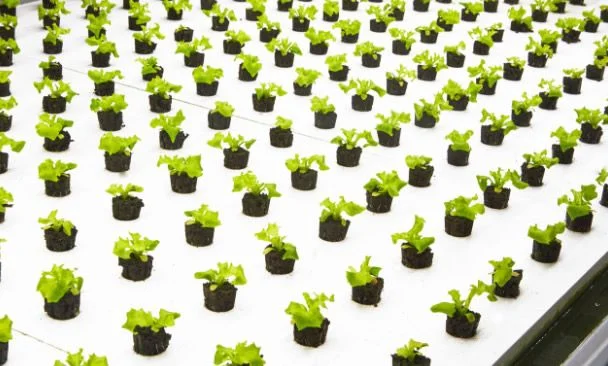
Indoor Farming with Bowery Farming
Were reappropriating previously unusable industrial space to grow crops indoors, closer to the point of consumption, at a rate that is 100+ times more productive per square foot of land than that of traditional agriculture.
Tell us about Bowery Farming and what you do.
Bowery is growing food for a better future by revolutionizing agriculture. Our modern farming company combines the benefits of the best local farms with advances made possible by technology to grow produce you can feel good about eating. BoweryOS, our proprietary software system, uses vision systems, automation technology, and machine learning to monitor plants and all the variables that drive their growth 24/7. Bowery produce is currently available at select Whole Foods and Foragers stores in the Tristate area, at select sweetgreen and Dig Inn locations in New York, and featured on the menus of Tom Colicchio’s New York restaurants Craft and Temple Court.
What got you started in the search to improve your energy monitoring and consumption?
While Bowery farms offer vast improvements compared to traditional agriculture - using zero pesticides, 95% less water, and are 100+ times more productive on the same footprint of land - we knew there was an opportunity to make our farms even more efficient and sustainable. We began our search to improve energy monitoring and consumption so that we could reduce our Co2 emissions, which make up a meaningful majority of our energy usage.
Tell us about the microgrid system you will be installing at Bowery Farming.
Bowery’s microgrid system will use distributed energy resources (DER), including a rooftop solar array, a natural gas generator equipped with advanced emissions control technologies and Schneider Electric’s lithium-ion battery energy storage system (BESS) interconnected in a behind-the-meter configuration. The system will greatly reduce Co2 emissions by using sustainable energy to offset the electric grid, reducing the power load we put on the grid, and offsetting our power load during periods of peak demand.
The main drawback currently for Indoor Farming is energy expense from lighting, what are your expectations for overall energy savings you will see with this system?
While Bowery farms require energy to power LED lighting systems, LEDs are effective and have more than doubled in efficiency in the last five years, making them an energy efficient solution. The offerings provided by Schneider Electric and Scale Microgrid will help cover a meaningful amount of our energy consumption needs and set us up with the knowledge and experience to install significantly more sustainable solutions in future farms.
Bowery Farming is at the forefront of the indoor farming industry. Why is it important for you to continue to innovate and lead the industry?
We’re continuing to innovate and lead the industry because we believe technology applied at scale can solve difficult and important, global problems. Agriculture sits at the epicenter of many global issues; over 70% of our global water supply goes to agriculture, we use over 700 million pounds of pesticides each year in the U.S. alone, and industrial farming practices have caused a loss of over 30% of the arable farmland in the last 40 years. At the same time, our global population is growing to 9-10Bn people by 2050 and we will need 70% more food in order to feed a population of that size. The result is a world in which the current food system must support the needs of an expanded population with a rapidly dwindling set of resources.
At Bowery, we’re re-thinking the current agricultural system to address the needs of an ever-increasing population by growing produce in large scale indoor farms. We’re reappropriating previously unusable industrial space to grow crops indoors, closer to the point of consumption, at a rate that is 100+ times more productive per square foot of land than that of traditional agriculture. In addition, our proprietary software and work management system BoweryOS organizes and directs the entire workflow inside the farm, driving efficiency, collecting data and creating a highly scalable framework for our farms.
Where do you see the indoor farming and Bowery Farming 5 years down the road?
We believe that indoor farming will continue to be a great contributor to solving difficult and important global problems. Our goal is to build a Bowery farm in every major city of the world to address major global challenges around food supply, environmental degradation and food waste.

Urban Underground Farming
BY STAFF REPORTS ON DECEMBER 30, 2018 WORLD NEWS
SEATTLE — According to the U.N., the world population is more than seven billion and is expected to reach more than nine billion by 2050. With a vast majority of the population migrating to urban areas, cities are forced to expand. This puts a strain on rural land space and food production; urban underground farming is being seen as the solution.
Steven Dring, a co-founder of Growing Underground believes poor topsoil management and the percentage of freshwater used in industrial agriculture are compounding matters.
Dring feels that unless farmers start replenishing the soil’s nutrients, the lifespan of the world’s topsoil is only 80 to 120 years. Urban underground farming — a solution to the aforementioned problems — utilizes existing underground structures and hydroponics to yield large crops using minimal water.
Hydroponics and Urban Underground Farming
Hydroponic technology uses porous material in place of soil as well as low-energy LEDs instead of natural light. Plants can even sit in nutrient-rich waterbeds where the water is captured and recycled.
LEDs mimic photosynthesis, a process by which plants convert light of certain wavelengths into chemical energy that is stored for future use. The LED light’s low heat creates an ideal temperature for growth in the absence of sunlight.
Additionally, growing beds are stacked vertically to maximize the space of underground farms.
Underground Farming Around the World
Worldwide, growers are cultivating food beneath the soil. Underground farms already exist in England, France and Bolivia. Sweden and Wales have undergound farms that are in development.
England
A World War II air-raid shelter 100 feet below the streets of London was transformed into an urban underground farm by Growing Underground’s Steven Dring and his business partner Richard Ballard.
The farm provides two and a half acres of space for plant growth. Its depth regulates ambient temperature and its filters free the air of pests while hydroponics ensure the growth of crops.
This business model is more cost-effective than the U.K.’s traditional greenhouse farming. The only consistent expense is for the LEDs. Greenhouse farmers use two heat sources: natural light and LEDs due to short summers. They also use importation to keep a steady supply.
Dring believes his company is not replacing traditional farming and instead it’s just complementing it.
France
In Paris, the startup, Cycloponics, uses a once abandoned parking garage measuring 37,700-square-feet to grow crops. It is located beneath an affordable housing complex.
They use hydroponic farming to harvest microgreens and bricks of composted manure to grow mushrooms.
Cycloponics produces four and a half pounds of greens each month and even harvests chicory, which requires no natural light. The team produces 660 pounds of the crop each month via urban underground farming.
Sweden
Plantagon CityFarm is building an underground farm in an old newspaper archive underneath an office tower in Stockholm.
The company will not only grow food in vertical towers under LEDs but also heat the building. Instead of capturing the light’s heat and venting it out of the room, it will be sent into a heat storage system to heat offices.
It also plans to sell its food locally, which will eliminate shipping costs and pesticide use as well as reduce fossil fuel emissions.
The company’s innovative approach to urban underground farming is attracting Singapore and Malaysia; both of the countries have a shortage of farmable land.
Wales
Abandoned coal mines across Wales are being scouted as new sites for underground farms in the U.K. The country’s coal industry went down in the 1980s, leaving mine shafts and tunnels unoccupied. These coal mines are now being revived via urban underground farming.
The project is seen as a cost-effective way of supplying largescale crops for the growing global population. Advocates say these farms can yield up to ten times more food than regular farms.
Coal mine farms can grow plants in nutrient-rich water or suspend them in midair and mist them with water and nutrients. LEDs or fiber-optic technology can tunnel sunlight deep into the ground — both inexpensive methods — while the carbon-capture technology can take advantage of natural carbon dioxide.
If coal mines are to become underground farms, there will be technical, legal and financial hurdles to overcome before beginning construction. This project can generate income and minimize remediation costs. In fact, many hill farmers in Wales are living paycheck to paycheck, so the income from underground farming can benefit them greatly.
Bolivia
The idea of urban underground farming can be applied to an arid environment like Bolivia’s Andean Plateau. This area contends with frequent drought, frost, high winds and increasing temperatures.
Bolivian underground farms are known as Walipinis. Only their roofs are visible for they blend into the plateau’s arid landscape. Internally, bricks absorb the sun’s heat and act as conductors to create warm and humid conditions all through the year. These farms protect crops from nature’s elements and ensure food security for farmers’ families.
Walipinis help farmer and llama breeder, Gabriel Condo Apaza, improve his family’s diet and save money as they no longer have to purchase food from markets. Businessman, Michael Gemio, refurbished abandoned Walipinis and turned them into an eco-farm. He hires local families to develop the Walipini technology.
Walipinis require only a small amount of water to operate. Despite droughts and high temperatures, the existing small streams are able to supply the required amount of water.
Conclusion
Due to rapid urbanization, global cities face problems such as unemployment, an inability to meet growing food demands, poor health and pollution. Urban underground farming is the solution to these problems. As long as cities implement appropriate policies, underground farms can operate at an optimal level.
– Julianne Russo
Photo: Pixabay
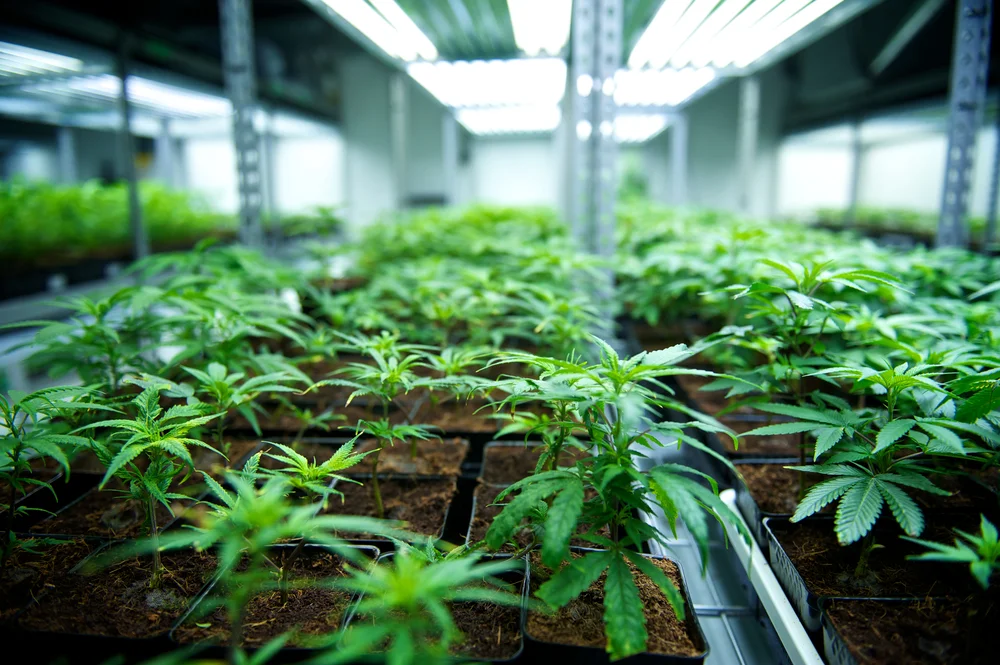
Cannabis Company Tilray Shares Jump as much as 22% After Announcing Deal with Swiss Drugmaker Novartis
The marijuana company would work with Novartis' generic drug business Sandoz.
Berkeley Lovelace Jr. | @BerkeleyJr
Published 9:36 AM ET Tue, 18 Dec 2018 Updated 6:17 PM ET Tue, 18 Dec 2018CNBC.com
Tilray enters a global supply and distribution agreement with Swiss drugmaker Novartis.
The marijuana company would work with Novartis' generic drug business Sandoz.
It may supply non-smokable and non-combustible medical cannabis products where it is legally allowed.
Shares of cannabis company Tilray jumped as much as 21.9 percent in intraday trading Tuesday after the Canadian marijuana producer announced it has entered a global supply and distribution agreement with Swiss drugmaker Novartis.
The company plans to work with Novartis' generic drug business Sandoz and supply non-smokable and non-combustible medical cannabis products where it is legally allowed, Tilray announced in a press release. As a part of the deal, Tilray and Sandoz may co-brand certain products as well as develop new ones.
"This agreement represents a major milestone in the movement to provide access to safe, GMP-certified medical cannabis to patients in need across the world," Tilray CEO Brendan Kennedy said in a statement Tuesday.
The stock, which was up by about 17 percent in the afternoon, surged by as much as 21.9 percent over Monday's closing price of $65.89 a share to an intraday high of $80.30 a share.
In September, Kennedy told CNBC that pharmaceutical companies have to start thinking about partnering with cannabis companies as a "hedge" against the burgeoning marijuana industry. Tilray formed a "strategic alliance" in March with Sandoz to help the drugmaker build this kind of hedge. In return, Novartis would help Tilray co-market and co-develop its products.
Tilray, which has products available in twelve countries, said the deal announced Tuesday builds on the company's mission of making pharmaceutical-grade medical cannabis products available around the world.
Earlier this year, Tilray announced it had become the first and only company to receive regulatory approval in Canada and Germany to export medical cannabis flower for distribution to German patients.
Shares of Tilray are down than 40 percent over the past month.
—CNBC's Thomas Franck contributed to this report.

Medical Cannabis Starts Operating In Colombia
Pideka expects to have five 1,200 m2 warehouses by the end of this year, after investing nearly US $15 million.
Pideka, a Colombian company that is a pioneer in indoor medicinal cannabis cultivation, will start its first phase of operations in the country this month with the construction of its first five warehouses and an initial investment of US $3 million.
The company has 20 years of experience in research and development of different varieties of cannabis for medicinal use. Its production is unique and cutting-edge in Colombia, as it is the first crop of this kind that is grown under light and humidity controlled conditions in the country.
"We control all temperature and humidity conditions to ensure that the production conditions are right and that the cannabis achieves having the specific compositions for the treatment of different diseases, such as epilepsy, chronic pain, autoimmune diseases, and that it can be used as a palliative treatment in diseases such as cancer,” stated Denis Contri, who is responsible for the company’s production and scientific research.
This allows the company to ensure the standardization and safety of its crops, which are rigorously selected, and the production of different concentrations of compounds and high-quality plant varieties, that allows them to provide their users with a great experience and better welfare conditions.
"This cultivation technique helps us control challenging issues, such as moisture or fungi, so that we can grow the medicinal crops in optimal conditions. Our goal is to surpass current international standards by providing high quality medicinal cannabis and derivatives to foreign and domestic companies with licenses to manufacture or market such products,” he said.
The company's has already sold its first crop production, which is estimated will be harvested in the first half of 2019, in its entirety to different laboratories and investors who have bet on the company's superior quality product.
Pideka plans to have five 1,200 m2 warehouses by the end of 2019, after investing nearly US $15 million and generating more than 100 new jobs.
At present, thanks to Law 1787 of 2016, it is legal to use the marijuana plant for medicinal purposes in the country.
The regulations for manufacturing, using seeds, and cultivating cannabis were enacted about a year ago and, up until last month, there are some 230 companies licensed to produce medicinal cannabis in 15 departments in the country.
Source: redmas.com.co
Publication date : 1/9/2019

Osram Presents New Near-Infrared LED for Smart Farming Application
Oslon Black SFH 4736 near-infrared LED (NIRED) helps farmers harvest at the right time.
12/12/18, 10:38 AM | Indoor & Vertical Farming, Monitoring & Growing
Osram, a leader in the optoelectronic industry, today announced its new Oslon Black SFH 4736 near-infrared LED (NIRED). When installed in a smartphone or tablet, the NIRED offers a simple way for farmers to scan fruit, vegetable or grain crops, generating reliable information about the sugar, water and fat content. One of the most important decisions for farmers and vineyard owners is picking the right time to harvest. This not only ensures that the produce has the best possible taste, but also saves precious time and money during the processing and shipment stages.
Determining ripeness is made possible by near-infrared spectroscopy. This process involves scanning the content of various types of fruit, vegetables and grains - and takes only a few seconds. For example, a farmer would select a random ear of wheat, scan it with a smartphone, and just a few seconds later read the results on the display.
The NIRED irradiates the sample with a defined spectrum of light. Depending on its precise composition, the sample will reflect only a certain proportion of that light. The spectrometer then processes the information and integrates it into the smartphone or tablet. The reflected light can be considered a kind of "photometric fingerprint." These measurements indicate the existence and quantity of certain nutrients, allowing farmers to take samples and easily monitor the progress of their crops in real time so they can plan the ideal time for harvest.
"By focusing on making progress for farmers, the new Oslon Black SFH 4736 near-infrared LED takes farming technology to the next frontier," said Karl Leahy, Director of Emitters, Lasers and Sensors at Osram Opto Semiconductors. "Our unique NIRED allows farmers to optimize their crop yield, as well as enhance harvest efficiency while keeping costs down."
In late 2016, Osram Opto Semiconductors unveiled the SFH 4735 as the worlds first broadband emitter of its kind. The previous model is being used in various applications including in SCiO, one of the first near-infrared micro-spectrometers for the consumer market from Consumer Physics. The SFH 4736, which achieves almost twice the output thanks to its newly integrated lens, is also suitable for use in the professional sector and can provide valuable assistance to farmers.
ABOUT OSRAM
OSRAM, based in Munich, is a leading global high-tech company with a history dating back more than 110 years. Primarily focused on semiconductor-based technologies, our products are used in highly diverse applications ranging from virtual reality to autonomous driving and from smartphones to smart and connected lighting solutions in buildings and cities. OSRAM uses the endless possibilities of light to improve the quality of life for individuals and communities. OSRAMs innovations enable people all over the world not only to see better, but also to communicate, travel, work and live better. OSRAM has approximately 27,400 employees worldwide as of end of fiscal 2018 (September 30) and generated revenue of more than €4.1 billion. The company is listed on the stock exchanges in Frankfurt and Munich (ISIN: DE000LED4000; WKN: LED 400; trading symbol: OSR). Additional information can be found at www.osram.com.

Indoor Farm Will Tap Solar Microgrid To Keep Plants Growing Year-Round
The Bowery Farming facility, inside a converted warehouse in Kearny, New Jersey.
WRITTEN BY Bill Opalka | January 4, 2019
PHOTO BY Bowery Farming
Bowery Farming’s New Jersey factory will include energy storage, solar panels, and on-site gas generation.
A solar-powered microgrid will soon help an urban agriculture startup grow vegetable greens inside a converted New Jersey warehouse.
Bowery Farming’s Kearny, New Jersey, facility will grow lettuce, kale and up to 100 varieties of plants, all indoors in a carefully controlled climate backed up by batteries, solar panels, on-site gas generators and technology that allows it to operate independently from the electric grid in the event of an outage or other disruptions.
“It’s really a manufacturing center with a high cost of energy in a very controlled environment,” said Don Wingate, vice president for utility and microgrid solutions with Schneider Electric, a Chicago-based company providing much of the infrastructure, controls and software for the high-tech food factory.
The microgrid will be built, owned and operated by Scale Microgrid Solutions, whose CEO Ryan Goodman said the platform is similar to what is offered in its standardized product, but it’s a first for this type of use.
“I believe no one has ever done microgrids in the indoor agricultural space like we’re doing here,” Goodman said. “There are some differences, but primarily they’re related to the load profile and how we’re using the assets.”
Microgrids are becoming increasingly popular to support uninterrupted operation of critical infrastructure like emergency and public safety buildings, hospitals, and sites that need a guaranteed power supply like data centers. In an agricultural setting, especially in the Northeast with hot summers and colder winters with shorter days, a stable, climate-controlled environment is required for plants that thrive in moderate temperatures.
The farm will run on grid power for part of its needs. Solar will provide about 15 percent of the energy required. The natural gas generator and batteries will provide the rest.
“Our assets can do a bunch of things, but in this case our natural gas product and the battery help primarily to manage peak loads,” Goodman said.
‘I believe no one has ever done microgrids in the indoor agricultural space like we’re doing here.’
The load profile is advantageous, as solar energy production peaks as overall grid demand rises and energy costs increase. Power stored in the on-site batteries could then be released to lower demand from the grid.
Goodman said the system will use the three assets in an optimal way, based on the load profile and the value proposition presented by opportunities for peak shaving and demand response.
“Generically, a solution like this would provide a 20 or 30 percent savings in energy consumption from the normal cost structure of a similar facility,” Goodman said.
Technically, the Scale system is capable of dispatching power back to the grid, but there are no plans to do that now.
The system includes Schneider Electric’s lithium-ion battery energy storage system interconnected in a behind-the-meter configuration.
“This new industry of indoor agriculture is really meaningful to society and us being able to partner in a project like this, to make repeatable solutions to make energy use much more efficient and more affordable, makes this much more exciting,” Wingate said. Schneider says it has a stable of more than 300 microgrid projects in the U.S.
Schneider Electric’s EcoStruxure Microgrid Advisor is a cloud-connected, demand-side energy management software platform that will be integrated to optimize the system’s performance. Its top layer includes cloud-connected demand side energy software that looks at current electric rate tariffs as part of its process to optimize energy use and make informed suggestions to the system. That advanced microgrid solution operates seamlessly and faster than any human being could to intervene.
The infrastructure can be built to scale and added to as necessary, Wingate said.
“As microgrids have become more cost-efficient and simpler, it’s more affordable to phase in additional pieces without having to re-engineer the entire system from the beginning,” he added.
Bowery said the indoor farm will be in production all year in a hydroponic system that uses 95 percent less water than plants grown by traditional methods out of doors. It claims crop cycles are twice as fast as traditional farming and its land footprint is 100 times less than outdoor agriculture.
The company hopes to expand to other metropolitan regions so crops can be delivered promptly to its markets. Bowery would not say how many new farms it plans or their locations.
“We’re looking forward to continuing to provide consumers with access to local, high-quality produce and drive a more sustainable future,” said Brian Donato, senior vice president for operations at Bowery Farming.
Commissioning of the Bowery microgrid project is scheduled for the first quarter of 2019.
Microgrids explained
The market for microgrids is slowly but surely expanding, and the technology is generating a lot of buzz. But how exactly do microgrids work?
ABOUT BILL OPALKA
Bill Opalka is a freelance journalist based outside Albany, New York. He has written about energy for newspapers, magazines and other publications for more than 20 years.
A TEDx Talk By Dr. Joel L. Cuello – Artificial Intelligence Does Food
By urbanagnews 2018
Dr. Joel L. Cuello, Professor of Biosystems Engineering at the University of Arizona brings us a TEDx talk on artificial intelligence as it can relate to food production for the growing global population.
Our planet sorely needs the help of artificial intelligence to achieve the increase in food production that our growing population demands in the face of scarce resources.
Vertical farming is already applying artificial intelligence and is sustainable with renewable energy.

Meet The Farmers Of The Future: Robots
A robotic arm lifts plants being grown at Iron Ox. Iron Ox has been talking to San Francisco Bay area restaurants interested in buying its leafy vegetables and expects to begin selling to supermarkets next year. (AP photo)
By: The Associated Press 2018
Iron Ox CEO Brandon Alexander looks out at his robotic indoor farm in San Carlos, California. Alexander builds robot farmers that roll through a suburban warehouse, tending to rows of vegetables. (AP photo)
SAN CARLOS, Calif. (AP) — Brandon Alexander would like to introduce you to Angus, the farmer of the future. He’s heavyset, weighing in at nearly 1,000 pounds, not to mention a bit slow. But he’s strong enough to hoist 800-pound pallets of maturing vegetables and can move them from place to place on his own.
Sure, Angus is a robot. But don’t hold that against him, even if he looks more like a large tanning bed than C-3PO.
To Alexander, Angus and other robots are key to a new wave of local agriculture that aims to raise lettuce, basil and other produce in metropolitan areas while conserving water and sidestepping the high costs of human labor. It’s a big challenge, and some earlier efforts have flopped. Even Google’s “moonshot” laboratory, known as X, couldn’t figure out how to make the economics work.
After raising $6 million and tinkering with autonomous robots for two years, Alexander’s startup Iron Ox says it’s ready to start delivering crops of its robotically grown vegetables to people’s salad bowls. “And they are going to be the best salads you ever tasted,” says the 33-year-old Alexander, a one-time Oklahoma farmboy turned Google engineer turned startup CEO.
Iron Ox planted its first robot farm in an 8,000-square-foot warehouse in San Carlos, California, a suburb located 25 miles south of San Francisco. Although no deals have been struck yet, Alexander says Iron Ox has been talking to San Francisco Bay area restaurants interested in buying its leafy vegetables and expects to begin selling to supermarkets next year.
The San Carlos warehouse is only a proving ground for Iron Ox’s long-term goals. It plans to set up robot farms in greenhouses that will rely mostly on natural sunlight instead of high-powered indoor lighting that sucks up expensive electricity. Initially, though, the company will sell its produce at a loss in order to remain competitive.
During the next few years, Iron Ox wants to open robot farms near metropolitan areas across the U.S. to serve up fresher produce to restaurants and supermarkets. Most of the vegetables and fruit consumed in the U.S. is grown in California, Arizona, Mexico and other nations. That means many people in U.S. cities are eating lettuce that’s nearly a week old by the time it’s delivered.
There are bigger stakes as well. The world’s population is expected to swell to 10 billion by 2050 from about 7.5 billion now, making it important to find ways to feed more people without further environmental impact, according to a report from the World Resources Institute.
Iron Ox, Alexander reasons, can be part of the solution if its system can make the leap from its small, laboratory-like setting to much larger greenhouses.
The startup relies on a hydroponic system that conserves water and automation in place of humans who seem increasingly less interested in U.S. farming jobs that pay an average of $13.32 per hour, according to the U.S. Department of Agriculture. Nearly half of U.S. farmworkers planting and picking crops aren’t in the U.S. legally, based on a survey by the U.S. Department of Labor.
The heavy lifting on Iron Ox’s indoor farm is done by Angus, which rolls about the indoor farm on omnidirectional wheels. Its main job is to shuttle maturing produce to another, as-yet unnamed robot, which transfers plants from smaller growing pods to larger ones, using a mechanical arm whose joints are lubricated with “food-safe” grease.
It’s a tedious process to gently pick up each of the roughly 250 plants on each pallet and transfer them to their bigger pods, but the robot doesn’t seem to mind the work. Iron Ox still relies on people to clip its vegetables when they are ready for harvest, but Alexander says it is working on another robot that will eventually handle that job too.
Alexander formerly worked on robotics at Google X, but worked on drones, not indoor farms. While there, he met Jon Binney, Iron Ox’s co-founder and chief technology offer. The two men became friends and began to brainstorm about ways they might be able to use their engineering skills for the greater good.
“If we can feed people using robots, what could be more impactful than that?” Alexander says.
Dollar Stores Are Taking Over the Grocery Business, and It’s Bad News for Public Health and Local Economies
A new report shows growth of dollar stores in low-income and rural communities furthers inequity and pushes out local businesses.
BY CLAIRE KELLOWAY
Posted on: December 17, 2018
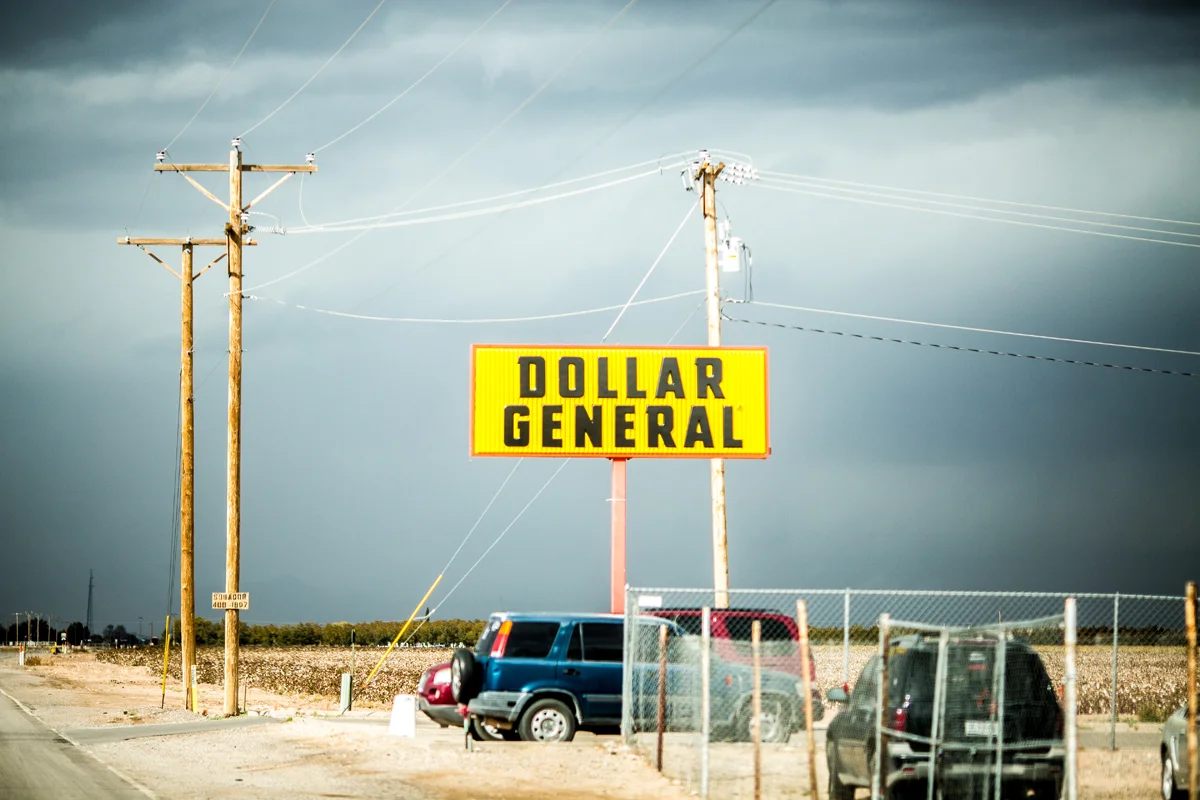
Today, there are more dollar stores in the United States than all Walmarts and Starbucks combined. These low-priced “small-box” retailers, like Dollar General, offer little to no fresh food—yet they feed more Americans than either Trader Joe’s or Whole Foods, and are gaining on the country’s largest food retailers.
Detailing the explosion of dollar stores in rural and low-income areas, the Institute for Local Self-Reliance (ILSR) recently released a report that shows how these retailers exacerbate economic and public health disparities. The report makes the case that dollar stores undercut small rural grocers and hurt struggling urban neighborhoods by staving off full-service markets.
ILSR also argues that the proliferation of dollar stores is the latest outgrowth of an increasingly concentrated grocery sector, where the top four chains—Walmart, Kroger, Ahold-Delhaize, and Albertsons—sell 44 percent of all groceries, and Walmart alone commands a quarter of the market. These dominant chain stores have decimated independent retailers and divested from rural and low-income areas, as well as communities of color.

A Dollar General in Morgantown, West Virginia. (Photo credit: Taber Andrew Bain)
“Earlier trends in big box store [growth] are making this opening for dollar stores to enter,” says Marie Donahue, one of the report’s authors. “We’re seeing a widening gap of inequality that’s a result of wealth being extracted from communities and into corporate headquarters… Dollar stores are really concentrating in communities hit hardest by the consequences of economic concentration.”
“Before this report, I had no idea that dollar stores were proliferating in this way,” says Dr. Kristine Madsen, Faculty Director of the Berkeley Food Institute. But, she adds, “it doesn’t surprise me that these incredibly cheap stores may be the only choice for people [who] may be choosing between medicine and rent and food.”
Dollar General did not respond to a request to comment for this article.
Profiting Off Customers in “Food Deserts”
Two companies, Dollar Tree (which acquired Family Dollar in 2015) and Dollar General, have expanded their footprint from just under 20,000 stores in 2010 to nearly 30,000 stores in 2018, with plans to open yet another 20,000 stores in the near future. Dollar General alone opens roughly three stores a day.
Most of these new stores are in urban and rural neighborhoods where residents don’t often have access to fresh fruits and vegetables. In 2015, in fact, Dollar Tree and Dollar General represented two-thirds of all new stores in “food deserts,” defined by the U.S. Department of Agriculture (USDA) as low-income areas where a third or more of residents live far from a full-service grocery store. Dollar General predominantly targets rural areas, though it s beginning to compete with Family Dollar, which is ubiquitous in urban food deserts.
Profiting off these left-behind places is baked into dollar stores’ business plan. In 2016, low-income shoppers represented 21 percent of Dollar General’s customers but 43 percent of their sales. Dollar General executives publicly described households making under $35,000 and reliant on government assistance as their “Best Friends Forever.” When discussing growing rural-urban inequality, Dollar General’s CEO said “the economy is continuing to create more of our core customer,” i.e., more struggling rural families.
Undercutting Independent Grocery Stores
Some, including dollar-store executives themselves, argue that a low-cost retailer seeking to go where no one else will benefits underserved communities. But ILSR argues that dollar stores are not a true solution to hunger or food insecurity. Furthermore, the group says, they do nothing to promote food sovereignty, or people’s right to control the production and distribution of their own food.

Inside a Dollar General store in Eldred, Pennsylvania. (Photo credit: Random Retail)
“To the extent that dollar stores are filling, in some ways, a need in communities, I think that is true in the short term,” says Donahue. “But really our research is demonstrating … those foods aren’t as good quality as full-service grocers or independent local stores, which may be able to connect to local farmers and the larger food system.”
Dollar stores sell predominantly shelf-stable and packaged foods. Four-hundred-and-fifty Dollar General locations are experimenting with an expanded refrigerator section to respond to a demand for more fresh fruits and vegetables. But, to date, the fresh and frozen offerings that do exist in these stores consist of processed meats, dairy products, and frozen meals. In other words, customers don’t have the same wide selection as they do in a traditional full-service grocery store.
“Grocery stores have more variety and a higher quantity of healthy foods than do dollar stores,” says Dr. David Procter, director of the Rural Grocery Initiative, a program of Kansas State University’s Center for Engagement and Community Development.
Despite their reputation, dollar stores don’t provide the best deals either. They often sell products in smaller quantities to keep a low price tag and draw in cash-strapped buyers. But when comparing per-ounce prices to a traditional grocery store, dollar store customers tend to pay more. Reporting by The Guardian found that the prorated cost of dollar store milk cartons comes to $8 per gallon, for example.
Dollar store customers do, however, find genuine value in things like greeting cards, pasta, coat hangers, and other everyday home goods. But this very cost-cutting is what makes dollar stores uniquely brutal competitors for smaller independent grocers.
“There’s very little money made on all kinds of segments of the [independent] grocery store, but where [grocers] do make their most money … is in paper goods and dry goods,” explains Procter. “That is really the heart of Dollar General … and it’s cutting into the largest profit area of the grocery store, that’s the real challenge.”
By sucking away this source of revenue, dollar stores tend to drive out the few independent grocers that remain, especially in rural areas. ILSR’s report found that “it’s typical for sales [at local grocery stores] to drop by about 30 percent after a Dollar General opens.”
Additionally, a survey by the Rural Grocery Initiative found that competition from large chain stores is the single largest challenge facing independent rural grocers. In the ’90s, Walmart was their main challenger; now Dollar General is moving in where even Walmart wouldn’t go, pushing out more local businesses.
The Benefit of—and Fight for—Small, Local Stores
Residents lose more than fresh foods when their local grocery store disappears. They lose jobs, local investment, and a voice in their food choices.
According to federal data, small independent grocers employ nearly twice as many people per store when compared to dollar stores. “When you have a hometown grocer owned by people who are committed to that community, not only are all the decisions made locally, but all of the profits stay in that town,” says Procter. “Some of the money that’s being generated in Dollar General stores is going to their headquarters in Tennessee, and the decisions about whether or not that [store] stays open or what they offer is being made by out-of-state corporate decision makers.”
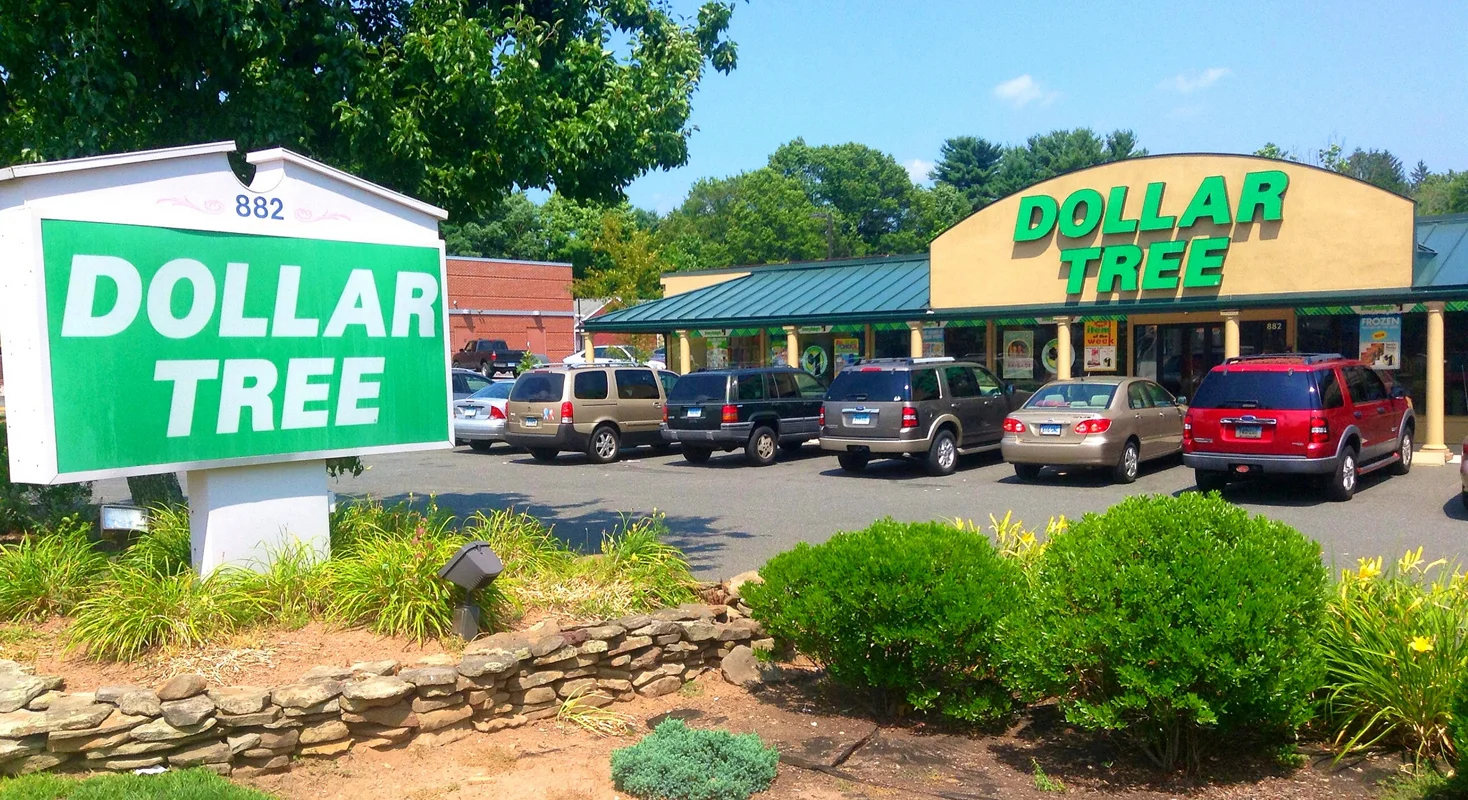
A Dollar Tree store in Cheshire, Conn. (Photo credit: Mike Mozart)
In addition to undercutting existing stores, the proliferation of dollar stores can shut out new entrants. This is a particular concern in low-income urban areas and communities of color. ILSR’s report features the case of Tulsa, Oklahoma, where there’s a 14-year life expectancy gap between residents in the predominantly Black north Tulsa neighborhood and residents in the predominantly white south Tulsa neighborhood. ILSR found that dollar stores have “concentrated in [Tulsa] census tracts with more African American residents,” and community members are not happy about it.
“I don’t think it’s an accident they proliferate in low socio-economic and African American communities,” Tulsa City Councilor Vanessa Hall-Harper told ILSR. “That proliferation makes it more difficult for the full-service, healthy stores to set up shop and operate successfully.”
However, Tulsa’s story also provides a glimpse of hope into what some communities can do to halt the invasion of dollar stores. Hall-Harper worked to pass zoning ordinances that would limit dollar store development and encourage full-service grocers to set up shop. She rallied residents to protest the opening of a new Dollar General and join city council meetings to show support for a temporary dollar store moratorium. City council passed the moratorium and the zoning changes seven months later. North Tulsa will soon have a new grocery store, operated by Honor Capital, a veteran-owned company that has a food-access mission. Rural communities in Kansas have similarly organized and leveraged city council to halt a proposed Dollar General.
“It’s great to see a community really fight for this ordinance and show up to public meetings and hearings and challenge those traditional systems that would have just approved development for more dollar stores in the area,” says Donahue.
Top photo: Outside a Dollar General in Fort Hancock, Texas. (Photo credit: Thomas Hawk)

Despite Small Wins, the New Farm Bill is a Failure of Imagination
Maintaining the status quo in the farm bill might feel like a victory to some, but long-time farm bill expert Dan Imhoff says it still won’t support the kinds of agriculture we need most as the climate warms.
BY DAN IMHOFF
Posted on: December 13, 2018
The $867 billion 2018 Farm Bill the House and Senate passed this week is a hot mess. The Washington Post editorial board described it as “a bad outcome—that could have been worse.” And they’re right. Unfortunately, we’re all going to be affected by it.
Congress passes a farm bill around every five years. It’s an encyclopedic set of rules that doles out nearly a trillion dollars every 10 years for farm subsidies and crop insurance, the Supplemental Nutrition Assistance Program (SNAP), and on-farm conservation programs.
To be fair, the farm bill is a mirror of our political process. As such, it is a lopsided mix of some good policy and a lot of bad. I’ll get into the good (and mixed) news in more detail below, but for now let’s just say that progressives can be happy that programs to combat hunger, expand local and organic food production, train beginning farmers, and protect the land were all successfully championed this time around.
Still, the revised farm bill will ensure that citizens continue to pay for their food at least three times: 1) at the checkout stand; 2) in environmental cleanup and medical costs related to the consequences of industrial agriculture; and 3) as taxpayers who fund subsidies to a small group of commodity farmers deemed too big to fail.
Granted, many of those farmers are caught in a vicious cycle. Most live in areas where the only market and infrastructure support commodity crops, and yet those crops don’t support a resilient farm system. One-half of agricultural counties in the United States were designated as disaster areas from 2012 to 2016. Current subsidies are supposed to provide a safety net to even out the financial ups and downs of crop production and help farmers stay afloat in a competitive global economy.
Instead, over the last half century they’ve created an expensive and polluting engine of overproduction, which drives down prices, saturates markets, and shifts the burden of recouping costs to taxpayers who subsidize farmers’ insurance policies and other relief.
The 2018 Farm Bill will strengthen crop insurance subsidies that guarantee farm income even across swaths of the U.S. where soybean, corn and wheat growers will benefit from more generous terms on government loans. Small dairy farmers, who are regularly swamped by a flood of cheap milk from mega-dairies, will also gain protection.
Perhaps the biggest boon for commodity producers is the opening of eligibility loopholes. By blurring the definitions of what constitutes a “family farm,” the new bill will allow these farms to balloon in size and exponentially dip into the public trough. Current household limits for the two largest subsidy programs are set at $125,000 per year per operator and $250,000 for a married couple. (Household operations with an adjusted gross income under $900,000, and $1,800,000 for couples, are eligible.)
The revised law will now permit children and their spouses to also be seen as “actively engaged” in farming and therefore eligible for subsidies. It doesn’t end there. Nephews, nieces, cousins, and other extended family members can be daisy-chained to receive benefits as long as they can demonstrate participation in farm management even if they don’t set foot on the farm. This was justified in the name of supporting a new generation of family farmers. It seems more designed to help the big operations get bigger.
Swaddling struggling commodity farmers in a lavish safety net might be acceptable if we were also building a nationwide foundation of stewardship and vibrant local food production. But most of the nation’s ever-increasing harvests of corn (farmers grew a near-record 14.6 bushels in 2018) and soybeans (farmers grew a record 4.5 billion bushels in 2018) aren’t even eaten directly by humans. They’re fed to cattle, hogs, and poultry or transformed into processed food ingredients and biofuels.
More than 20 percent of our agricultural output is exported. The real winners are the grain traders, meat packers, ethanol distributors, agrochemical corporations, equipment manufacturers, financiers, and insurers whose lobbyists write the farm bills and who benefit from low commodity prices and capital-intensive farming methods. There is a waste crisis as well: 40 percent of the food produced never reaches an eater’s plate; much of it ends up in landfills.
It is important to note that these increases in farm supports are the product of a compromise reached through negotiation. The bills passed separately by the House and Senate earlier this year were so different that they went into a process known as conferencing, wherein majority and minority leaders in both Agriculture Committees attempt to make a deal.
The House Bill included much-discussed work and job training requirements for some SNAP recipients. In the name of promoting “independence” this would have placed additional hoops in the path of over a million underemployed Americans seeking hunger relief—for questionable budget savings. This issue may not be settled, however. U.S. Department of Agriculture (USDA) Secretary Sonny Purdue has drafted a rule intended to crack down on recipients who currently have work requirement waivers. The House Bill also included riders that would have exempted pesticides from clean water violations and eased restrictions on logging in federal lands under the guise of reducing fuel loads. Democrats declared victory after these crucial elements were dropped in the conference process.
In the end, one wonders whether these were ever serious expectations or just part of a shrewd Republican strategy. More importantly, why did the Democrats not wait until January to conference the bill when the newly elected House may have offered an opportunity for much needed reforms?
There are a few gains to so-called “small but mighty” programs. Efforts to expand composting operations and reduce food waste in 10 states, along with the establishment of a food loss and waste reduction liaison were funded at $25 million per year through 2023. Industrial hemp will now be recognized by the USDA as a legitimate commodity crop, and may offer an additional cash crop to rotate in with commodity crops. (That may also provide some temporary relief in the form of hemp-derived, non-psychoactive cannabidiol, or CBD, for citizens frustrated by the lack of forward thinking in the bill otherwise.)
Permanent mandatory funding was also granted for local food initiatives, beginner farmer support, and organic research. Given the value that these programs generate and proven track records, however, their funding should have not only been guaranteed but increased ten-fold.
Conservation spending—which goes to help farmers use practices that reduce air and water pollution, improve the soil, and sequester carbon—was renewed at 2018 levels. There will be an increase of 3 million acres in the Conservation Reserve Program, which pays landowners not to farm on land and to protect on-farm habitat. CRP payments will be reduced to 80 percent of a county’s average rental acreage, however, making it a less attractive option than rolling the dice with crop insurance.
The innovative Conservation Stewardship Program (CSP) survived the House bill’s attempt to absorb it into the Environmental Quality Incentives Program but saw its budget nearly cut in half. The CSP, as it is known, rewards farmers for a range of stewardship activities rather than per acre output of corn, soybeans, etc. CSP pays farmers to reduce their use of chemicals, grow cover crops, optimize their use of energy, protect wildlife habitat, and diversify their operations. This is exactly the type of farming we need more than ever, as the climate warms and becomes less predictable and nitrogen levels in our waterways and oceans have reached crisis level.
Federal money spent on conservation programs are arguably the most justifiable investments the government makes in our rural landscapes. In the absence of policies that encourage supply management, crop subsidies and crop insurance payments encourage the overproduction of commodities by taking the risks out of planting. The consequences of low prices and intensive farming practices then become the responsibility of the taxpayers.
When global markets are flooded with cheap commodities, it’s often the small holder farmers in nations without subsidies who are most affected. Conservation programs should be designed to support landowners for efforts the market does not: building resilience with perennial habitats that can harbor fish and wildlife, filtering runoff, limiting storm damage, and removing carbon from the atmosphere by storing it deep within the soil.
Some policymakers have declared the preservation of conservation budgets at the current spending levels as a key victory. But in the larger scheme of things, citizens were still done a great disservice. Conservation programs were slashed by $6 billion during the 2014 Farm Bill and should have been restored to those former spending levels at a minimum.
That funding could be directed to drastically increase our use of cover crops such as rye and legumes, which provide non-chemical nutrients and build organic matter and protect bare soil on farms and rangelands. On-farm energy use could be aggressively reduced. Research into soil building, no-till and organic farming, and rangeland management must be significantly scaled up. Animals could be removed from massive feeding operations and re-integrated in lesser numbers in managed pasture rotations. This effort will require a whole new generation of training and infrastructure, including hundreds of regional processing facilities.
Farmers could massively expand habitat in and around farmlands by taking marginal lands and former field borders and drained wetlands out of production and planting deep rooted perennials to create a bank of underground carbon. There are historical examples of such bold action in response to crisis. In 1935, for example, the government launched the Plains Shelterbelt Project, with the goal of planting a 100-mile wide swath of trees from North Dakota to Texas to provide a line of defense against wind erosion and the Dust Bowl.
The farm bill is our chance to invest in agriculture that is ecologically and economically sustainable. When it comes to food and agriculture policy, we reap what we sow.

AVF Introduces Peter Lane As Interim Vice Chair
I don’t think there is a farmer’s son on the planet that hasn’t thought: there must be an easier way to make a living. I was no different- that is why, approximately 55 years ago, at the age of 10, I designed my first farm-engineering solution. And ever since leaving school in 1969, I have been in the electrical and controls industry in one form or another for 48 years.
by Peter Lane
I have worked as an engineer, site or project manager in near every industry since then from pharmaceutical and petrochem plants, to every form of power generation from nuclear to wind. I have worked on every kind of water treatment from sewage to ultra pure, on car plants and semiconductor plants, material handling, conveyors and sortation devices, to food and beverage plants in countries from as far apart as Azerbaijan and the USA, and most countries in between.
From all my experience over the years, I can safely say there is none more complex or fascinating as the controlled environment agriculture industry. In the mid-1980s I designed what is now a typical rack-and-shelf system and I went to Wageningen to learn what I could about growing tomatoes. Sadly, in those days before the LED light, it simply wasn’t economically viable. In 2014, I once again looked at the viability of what we now call vertical farming and immediately realised that there are so many solution variations- there is no one size fits all.
What works in a developed country would not work in the developing world and vice-versa, so I produced various blueprints that could be used as a template for a site-specific design. These included designs that worked where technology and resources were limited but had abundant sun and low-cost labour; and high-tech systems that would be suitable for areas where funding was more readably available but where labour and energy costs were seriously damaging the economic viability of any production facility.
Blueprinting innovation in Controlled Environment Agriculture
After failing to get all the funding for a project in Canada, I came back to the UK and I have now set up a new company called CEA Research and Development. We now have a new office in Coventry and the role of the company is to build, test and evaluate various prototypes suitable for the industry. We are currently working on several projects including the building and evaluation of a DC bus system with a direct DC supply for the LED lighting and all the other equipment for a working plant.
A secondary role of the company is to set up a training facility in Wales suitable for hands on training technicians and future technicians and operators of high density vertical growing facilities that tackle the issues of visibility, accessibility and maintainability that has caused so many problems in the industry so far. The year long course will cover all aspects of designing, building and operating a CEA growing facility, including project management training.
I am looking forward to shaping the industry future as part of AVF
As of the 16th of December, this year I was honoured at the AVF Annual General Meeting to be nominated and elected as the new Vice Chairman of the AVF. My engineering experience, and the plant and growing expertise of my co-vice chairperson, I hope will be beneficial to all the AVF members in helping guide them in their ambitions to design, build and operate profitable and successful businesses. The AVF is currently going through changes and evolving to better serve its members, to promote the industry, and to become a centre of information and support for its members and the industry at large. 2019 looks to be the start of a new and exciting era for the AVF and the industry.
For more information:
Association for Vertical Farming
Marschnerstrasse,
81245 Munich,
Germany
info@vertical-farming.net