

News About Farming in Shipping Containers & Limited Indoor Spaces
An Automated Vertical Growing Container For Tree Seedlings Developed in Latvia
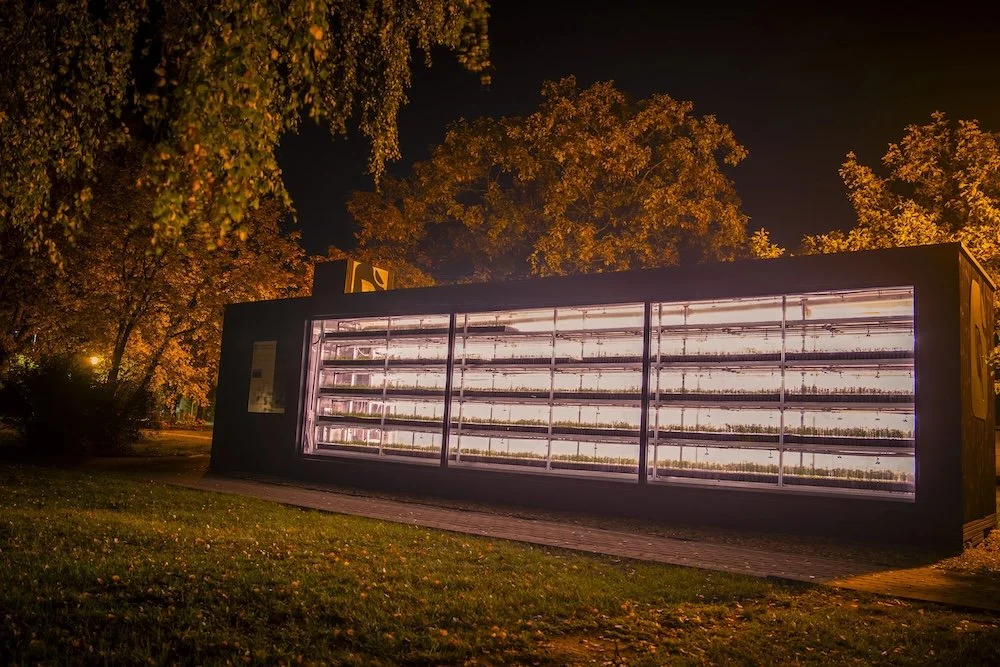
The Latvian company Carbon Less Future has developed a fully automated vertical growing container for cultivating tree seedlings.
While vertical growing systems are not a new idea in horticulture, until now they have typically been used for strawberries, lettuce, and vegetable seedlings.
Fischer Modular Farms - Agriculture (CEA) to the Middle East
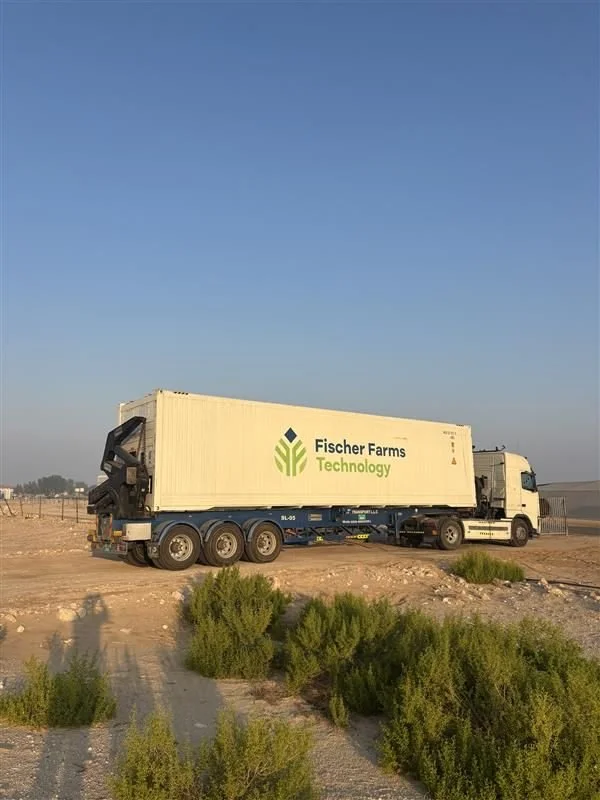
Our smart, modular farms are mobile, configurable indoor growing systems that support multiple crop types and growth cycles. Offering flexible, scalable precision growing solutions, Fischer Modular Farms streamline workflows, and ensure hygiene and consistency across every stage. From single container to super farms, Fischer Modular Farms are smart, scalable and seamless...the next generation of CEA in the UAE.
USA - Thinking Outside The Box, Growing Inside The Box: The Vertical Farm at Illinois State University
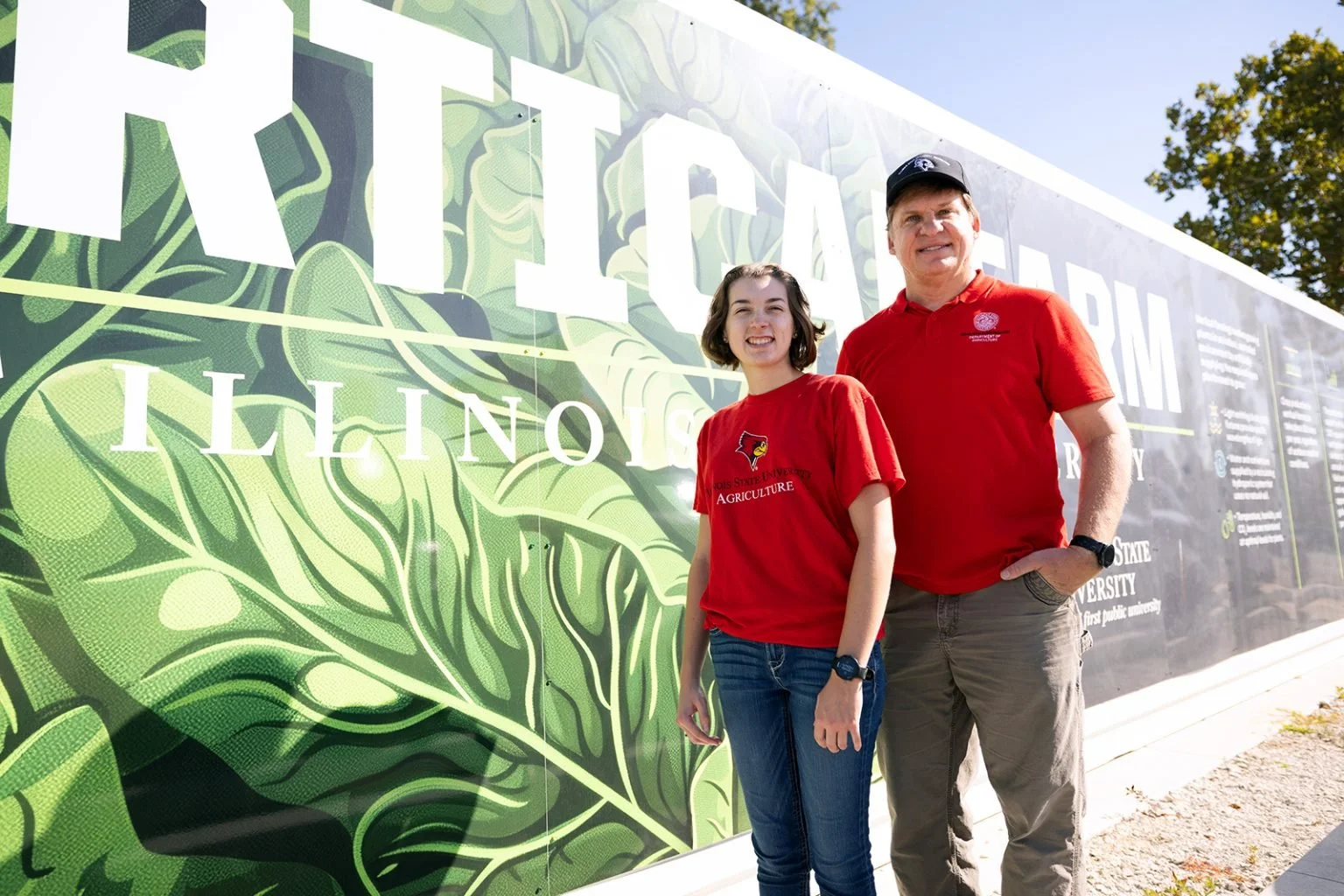
The 320-square-foot space inside a repurposed shipping container that sits in the parking lot of the Office of Sustainability is small and is a far cry from the 200-acre tree and shrub nursery in northern Illinois where Dr. Dave Kopsell, professor of horticulture in the Department of Agriculture, grew up.
Kopsell has been interested in horticulture for as long as he can remember, and today, that interest is taking the shape of the 40-by-8-foot container that houses Illinois State University’s Vertical Farm.
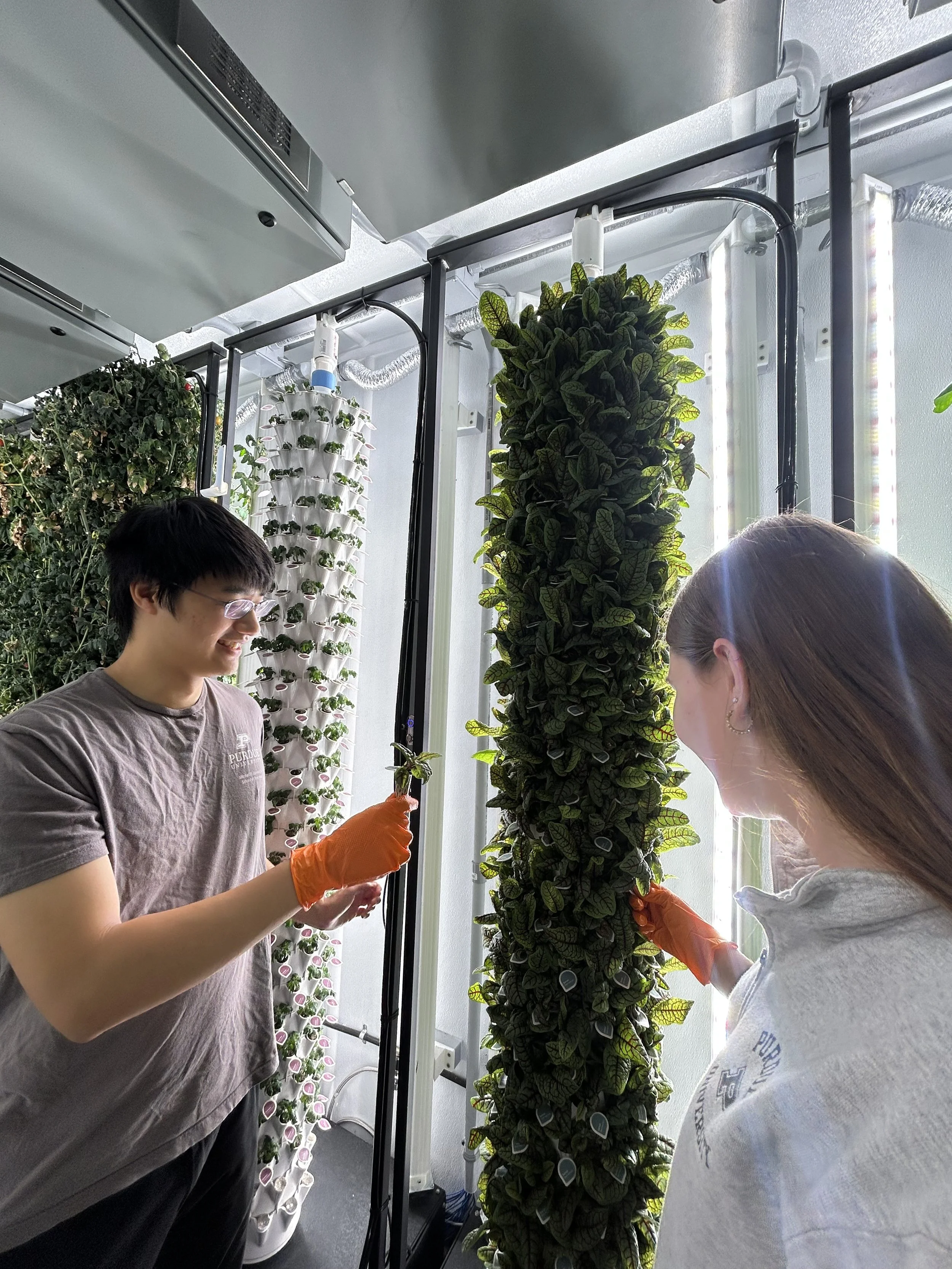
Greens Grow in Circles - NASA Funded Research Inspires Home Indoor Farming Tech
NASA has been a pioneer in the field of indoor farming for decades and collaborates often with outside institutions.
For more than 40 years, Purdue University in Indiana has received funding from and collaborated with NASA’s Ames Research Center in Silicon Valley, California, as part of the agency’s Specialized Center of Research and Training program to explore methods of growing plants under electric light.
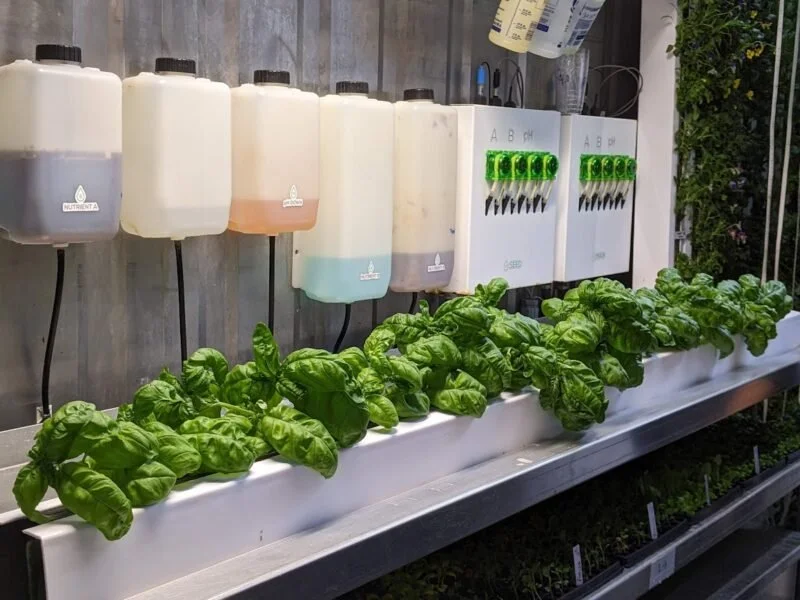
USA - MICHIGAN: MSU Research Targets Profitability and Growth in Controlled Environment Agriculture
Michigan State University researchers are developing more financial resources to help controlled environment growers succeed.
Horticulture economics doctoral student Megan Burritt tells Brownfield, “Everybody is considering, as you’re trying to grow your agricultural commodity entity, should I buy a new tractor or should I invest in a new greenhouse?”

Japanese Startup Brings Wasabi Farming to Shipping Containers
In a shipping container parked next to Macnica’s headquarters in Yokohama, an innovative revolution in Japanese agriculture is taking root.
Inside the 40-foot steel box, 1,800 premium wasabi plants thrive under LED lights, nourished by circulating purified water and monitored by AI-powered sensors.
This isn’t a futuristic concept. It’s a solution to a very real crisis threatening one of Japan’s most iconic flavors.
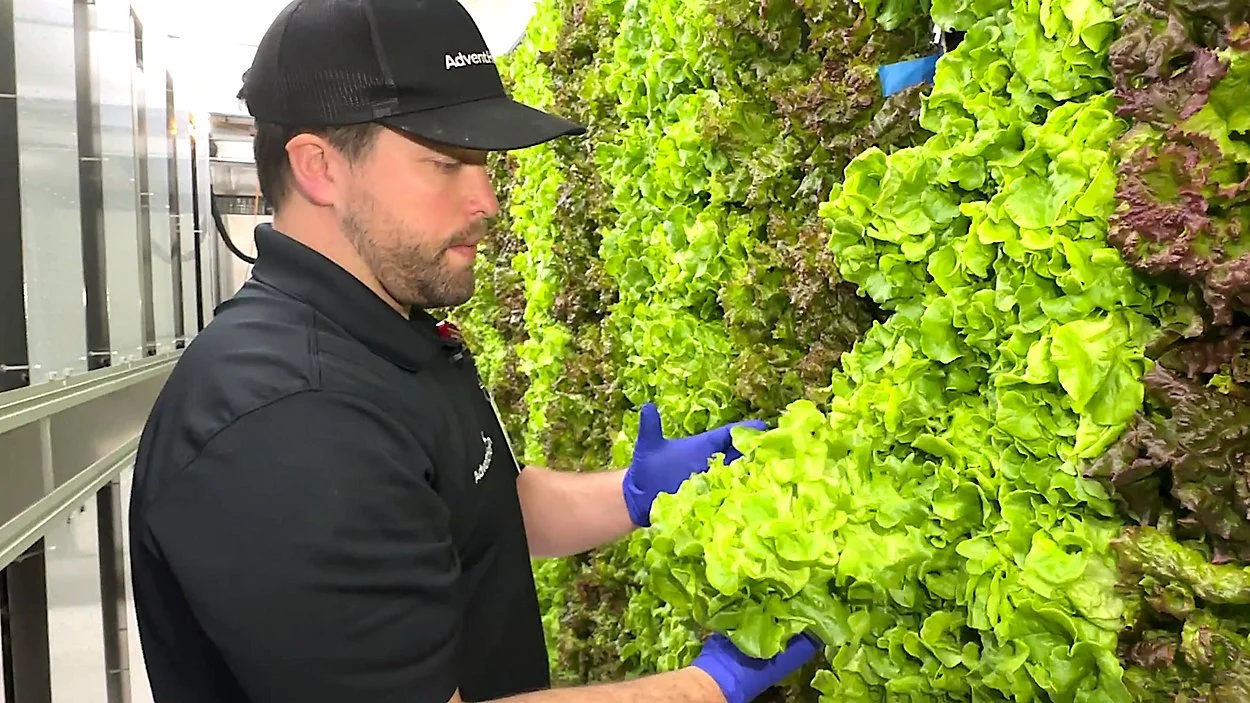
From Hotels To Parking Lots: Central Florida Companies Grow Their Own Food On-Site
Businesses are transforming rooftops, courtyards, parking lots, and unused land into working farms, growing their own food to reduce reliance on suppliers and serve fresher meals.
At the JW Marriott Grande Lakes in Orlando, guests are often eating produce grown just steps from where they’re staying.
Farmer-in-residence Leslie Wilber oversees the hotel’s on-site farm, where a wide variety of crops are grown throughout the year.
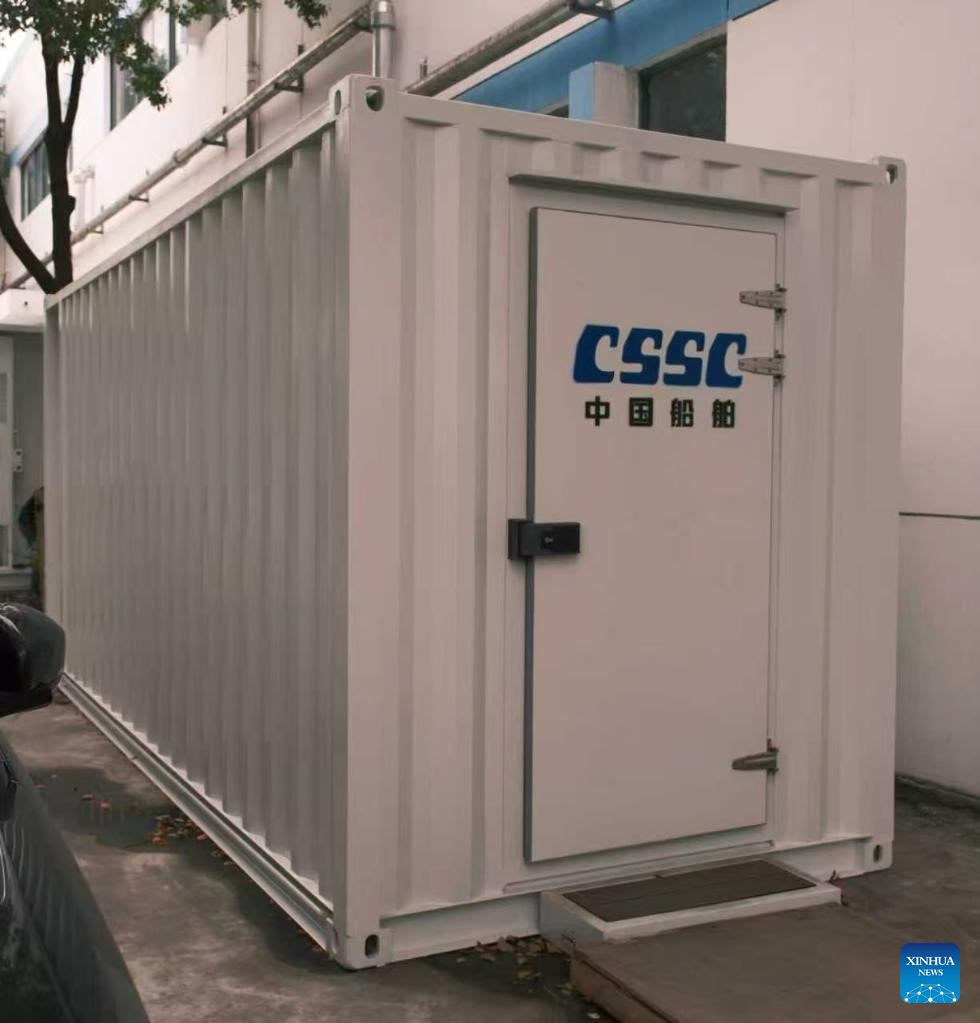
China Unveils Smart Shipboard Farm to Supply Offshore Workers With Fresh Produce
People working in remote locations like the open sea, deep-sea areas and polar regions have long struggled with limited access to fresh vegetables, but are now able to grow and enjoy their own produce.
Notably, a smart farm designed for ship applications made its debut at Marintec China 2025 held in Shanghai in east China this week.

Clean Plate: Innovations That Can Help Shrink The Food Industry’s Carbon Footprint
In 2016, Growcer installed its first modular, vertical farm in Churchill, Man., where food security can be precarious. Growcer’s team trained the local community how to operate and maintain the hydroponic farm that is housed inside what looks like a shipping container where plants grow on stacked shelves under LED lights.
Within weeks, the community saw the cost of vegetables plummet by 50 percent simply because the locally grown produce replaced leafy imports.
USA - MISSISSIPPI: USM and Lynn Meadows Discovery Center to Celebrate Ribbon Cutting of New Aquaponics Education Exhibit
Aquaponics in Action Exhibit Brings Sustainable Food Systems Education to Families
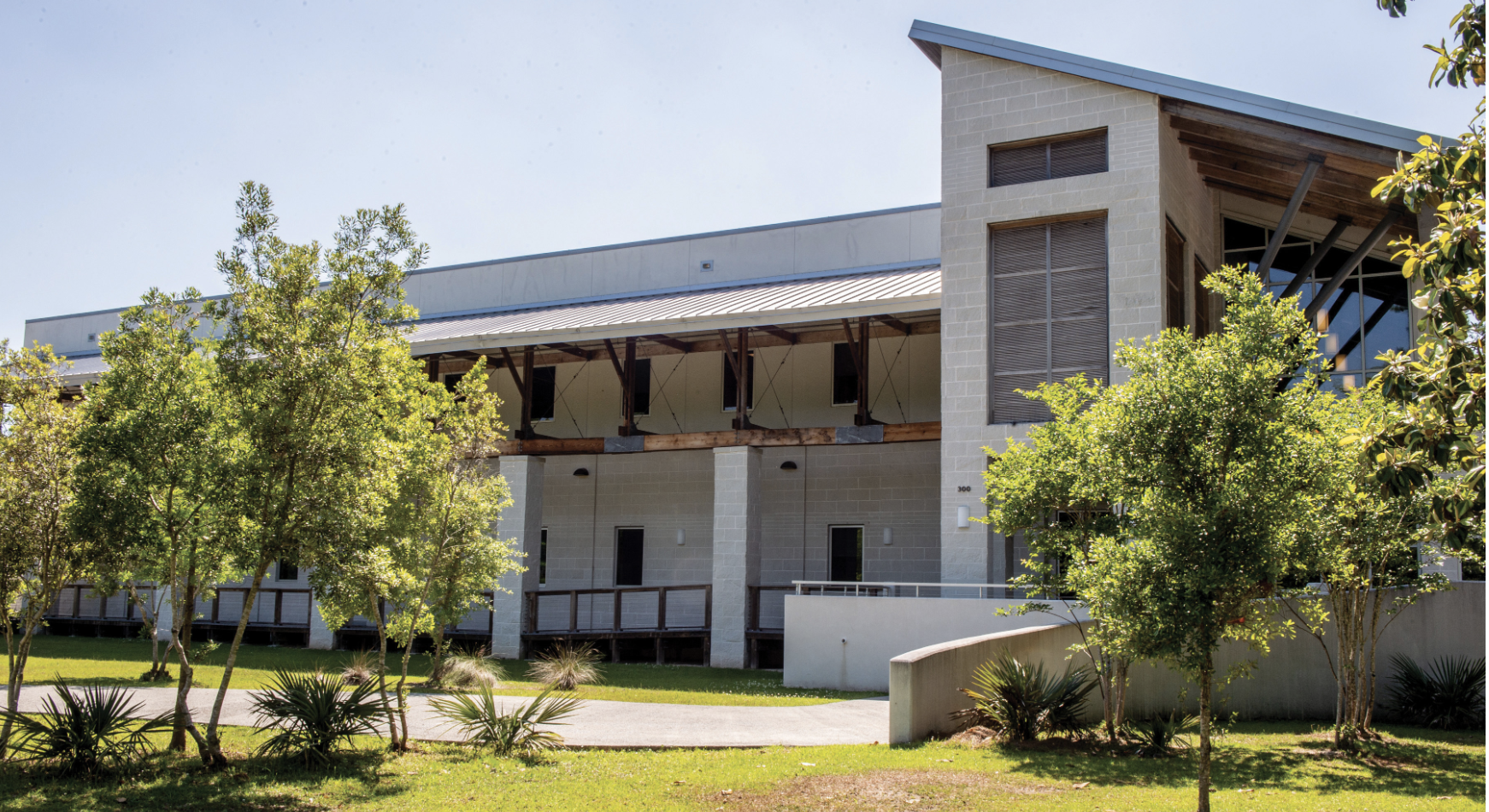
As part of MAD’s commitment to community engagement and workforce development, Southern Miss, Symbiotic LLC, the GULF BLUE Initiative and LMDC have partnered to create a public aquaponics education exhibit housed in a retrofitted shipping container.

‘Unit Economics Do Not Work Everywhere,’ Growcer CEO on Making Indoor Ag Profitable
Growcer is taking a prudent approach to growth and capital, as the Canadian indoor ag company scales up with the help of Mars Discovery District
VIDEO - NOVA SCOTIA: Summer Street Set To Open The Farm in New Glasgow
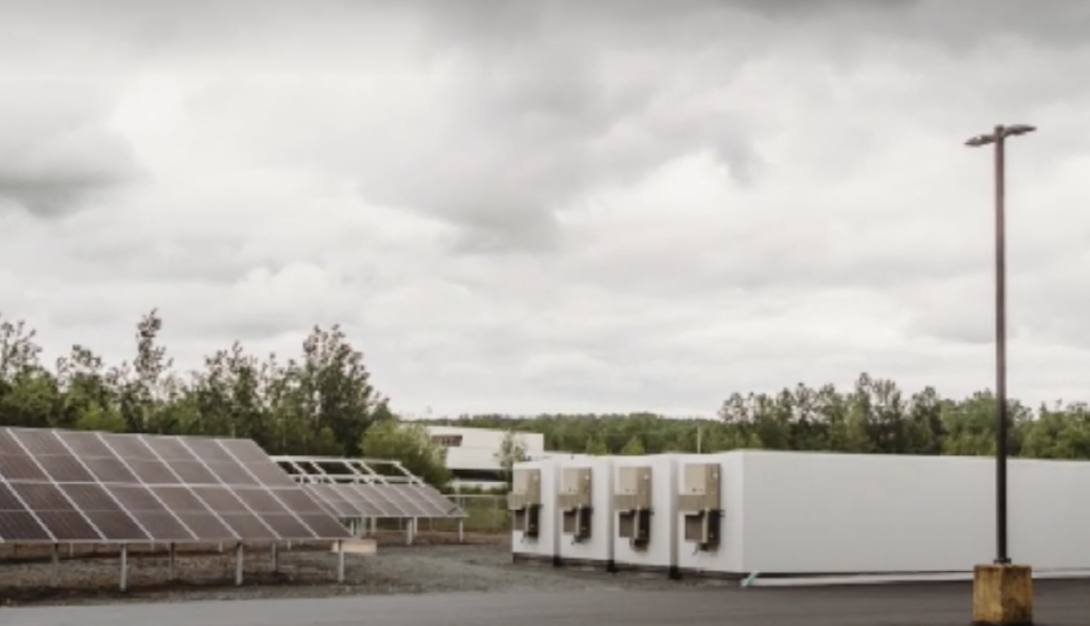
Summer Street is an organization supporting people with diverse abilities and is participant led. This project to start growing local food was years in the making with goals to:
1) Grow fresh local food to eat
2) Create meaningful employment
3) Grow food to give back to the community

How Elon Musk's Brother Became an Urban "Farmer" and Leads Projects Aimed at Transforming Schools, Cities, and Food Production
Kimbal Musk's journey encompasses school gardens, vertical farms in shipping containers, and educational projects that advocate for local cultivation, healthy consumption, and agriculture as a tool for continuous social transformation.
While Elon Musk dominates global debates about technology and transportation, his younger brother, Kimbal Musk, follows a different path because he sees food as a way to have a direct social impact.
VIDEO: Barbados Government's First Ever indoor Vertical Farming Pilot Coming Online
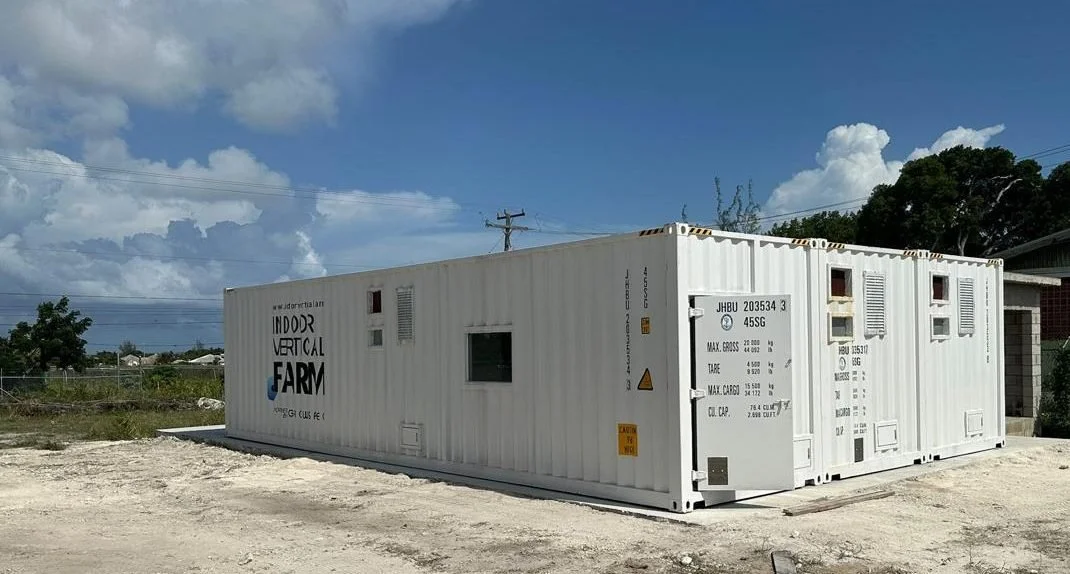
Objective: To reduce Barbados' 85% dependence on imported food, create a new generation of climate-resilient farmers, and provide a consistent, high-quality local produce supply that is protected from extreme weather events.
The installation uses modular, containerized vertical farms (three units total: two for production, one for nursery/support) equipped with aeroponic systems and energy-efficient LED lighting.
USA - MASSACHUSETTS: Watertown Public Schools Awarded State Grant to Support Farm-to-School Program
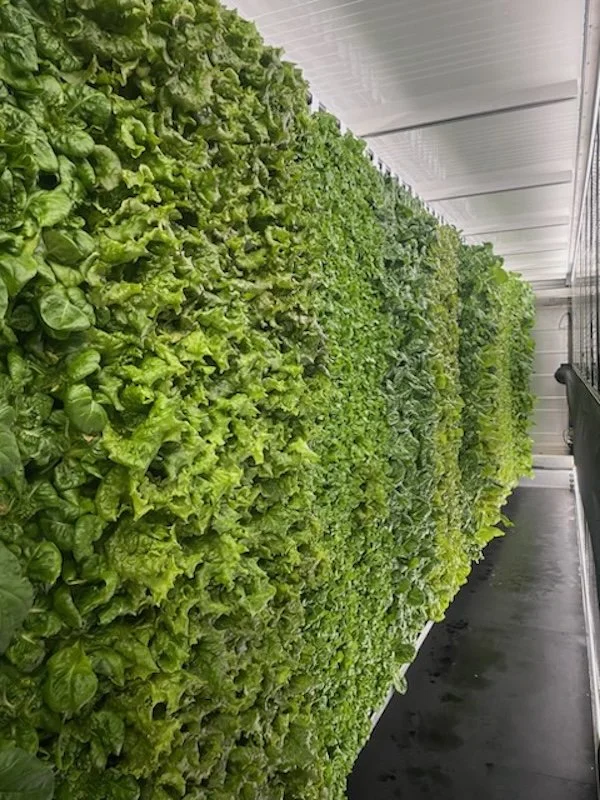
The state recently awarded the Watertown Schools a grant to run its farm-to-school program, including its Freight Farm.
Watertown Public Schools has received more than $80,000 in state grant funding to continue its farm-to-school efforts, expanding learning opportunities for Watertown’s students while also increasing local food production.
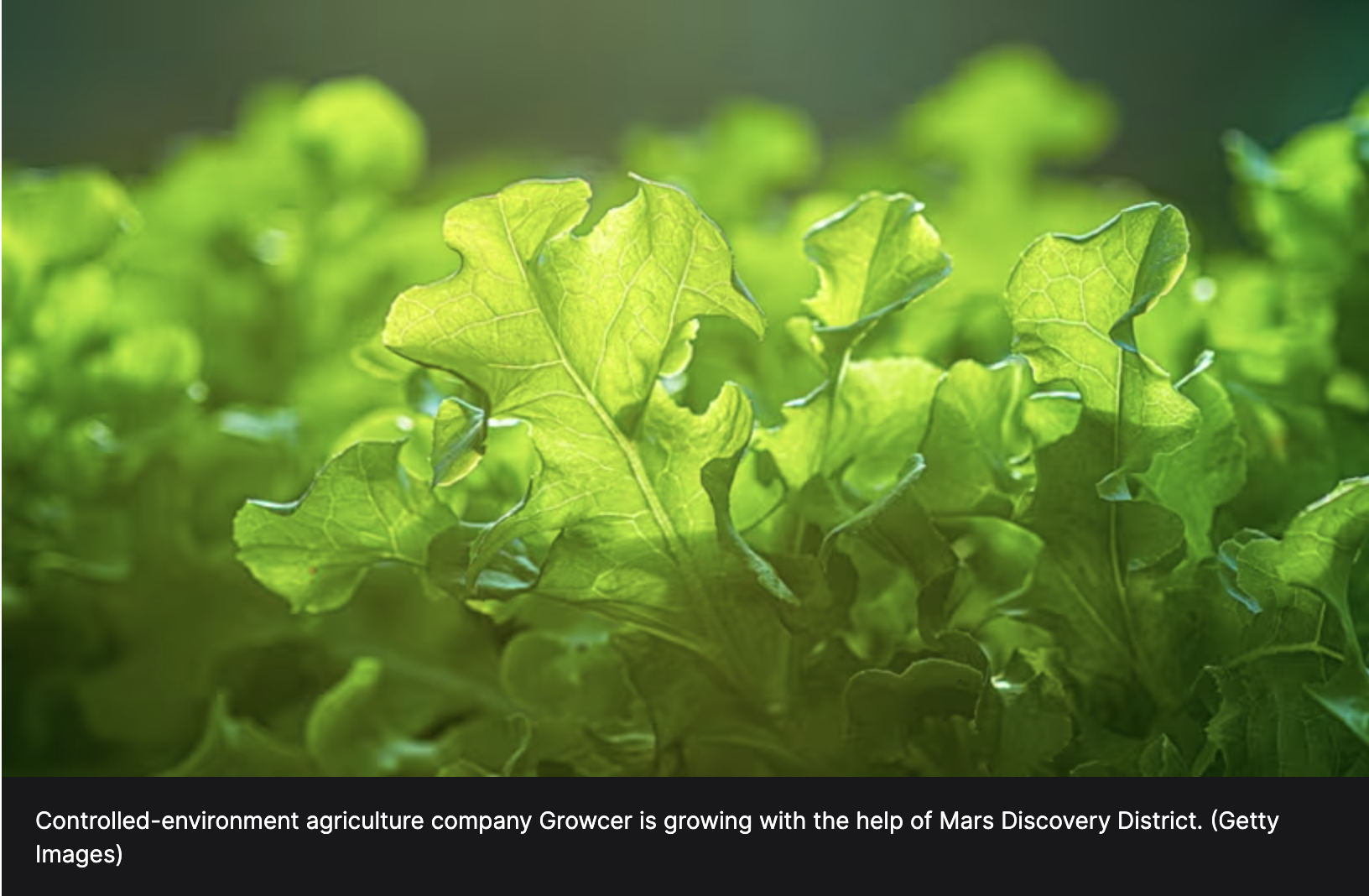
‘Unit Economics Do Not Work Everywhere,’ Growcer CEO on Making Indoor Ag Profitable
Growcer is taking a prudent approach to growth and capital, as the Canadian indoor ag company scales up with the help of Mars Discovery District
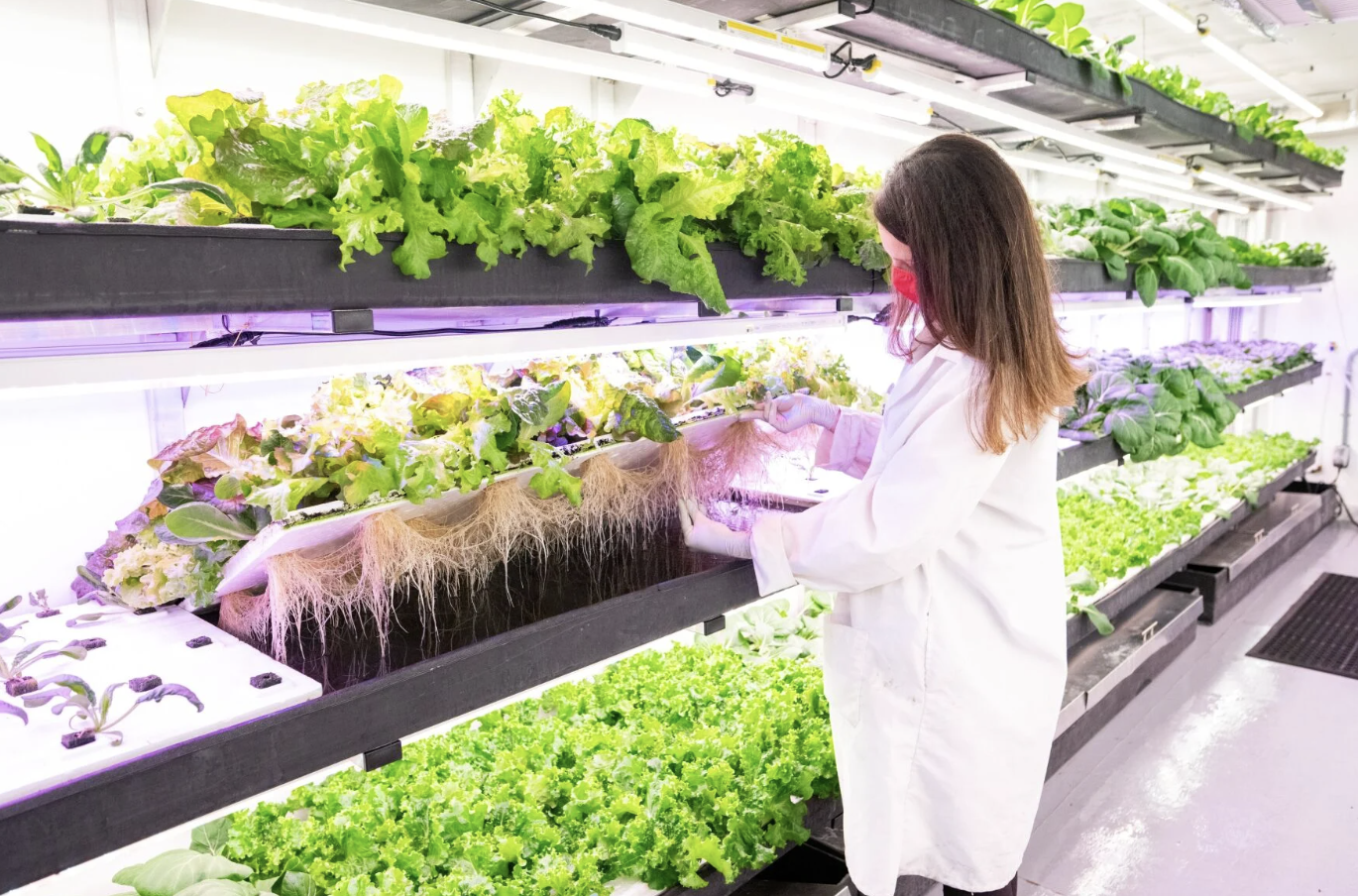
Seeds of Change: How Smart Shifts Could Help Strengthen Canada’s Agri-Food Supply Chain
Canada imports as much as 90 per cent of its lettuce, a fact that seems woefully out of step with a Buy Canadian ethos. It’s not just a greens issue — according to tracking from UBC, roughly 60 per cent of the vegetables and 80 per cent of the fruit consumed in the country comes from elsewhere. Most of us are hoping to change this reality: a survey by KPMG in February found that 93 per cent of Canadians prefer locally grown produce.
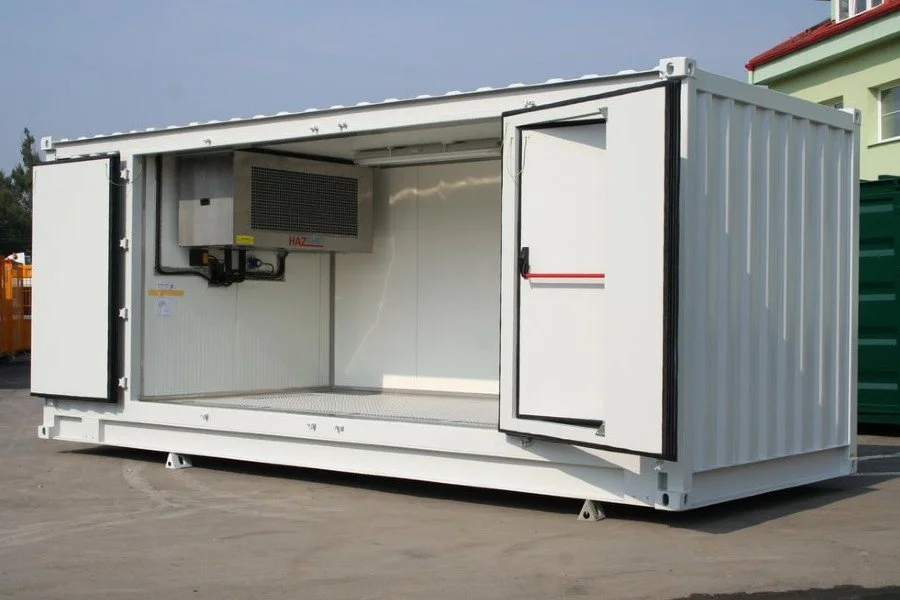
NEW YORK CITY: Sponsored Love: Shipping Containers In Harlem Are More Than Just Steel Boxes
Shipping containers are popping up across Harlem in ways that go far beyond their industrial past.
They’re growing food, cleaning up streets, inspiring urban design, and reshaping how Harlem thinks about space and sustainability. Here is how used containers in New York are repurposed for a new life in Harlem.