

News About Farming in Shipping Containers & Limited Indoor Spaces
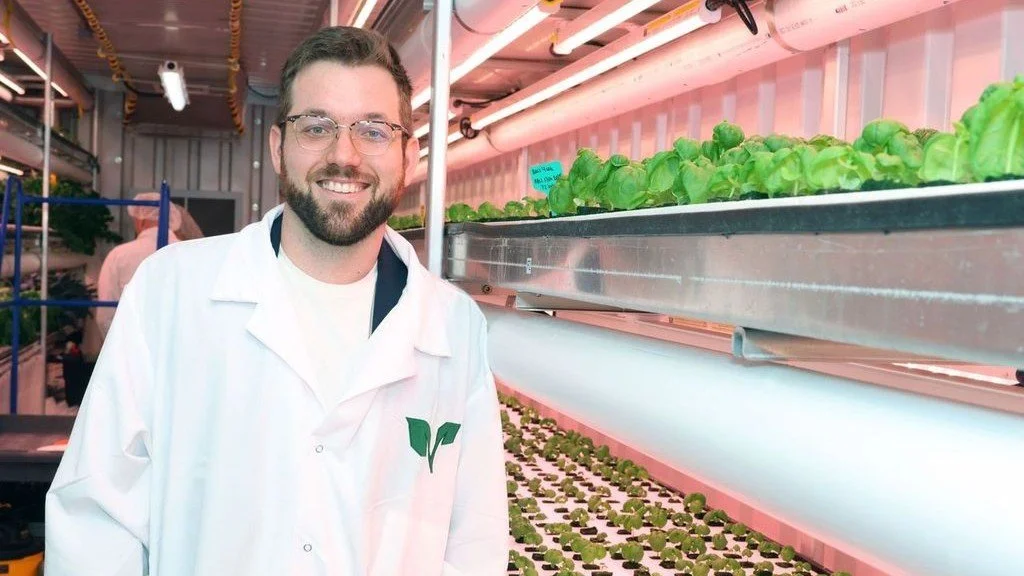
Ottawa’s Growcer Sets Up Urban Vertical Farm At Area X.O to Support The Ottawa Mission
With food costs top of mind for many charities, Ottawa company Growcer is partnering with the Ottawa Mission to set up an urban vertical farm to provide fresh leafy greens to the charity’s food program.
With the goal of addressing food insecurity across Canada, Growcer builds hydroponic modular farms and food storage solutions, which were originally designed for remote communities with harsh weather conditions, said Corey Ellis, CEO and co-founder.
“We’ve got about 120 (vertical farms) across the country and only one in Ottawa to date,” Ellis told OBJ on Tuesday.
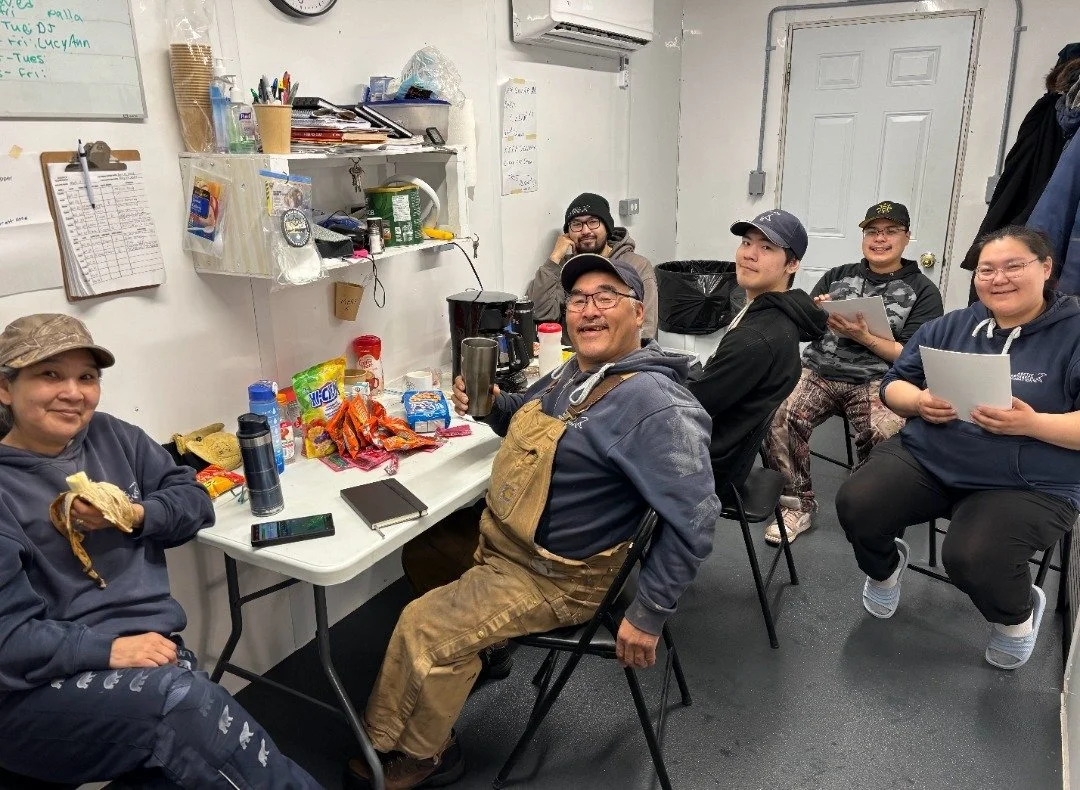
Fresh Mint, Strawberries and Spicy Peppers: Inside Gjoa Haven’s Greenhouse
The farm uses three old shipping containers that have been turned into climate-controlled “pods” each with 168 square feet of growing space.
Each insulated container holds seven racks with shelves for plants, tall racks for vine crops, and six 50-gallon tanks with nutrient solutions filtered by ultraviolet light. A large exhaust fan controls carbon dioxide and humidity levels, while a dehumidifier keeps the air just right.
All the power comes from Canada’s northernmost solar and wind setup.
It includes two six-kilowatt wind turbines, two sheets of solar panels producing 7.32 kilowatts each, lithium-ion battery banks, and a diesel backup generator. This system keeps the farm running all year, even with little sunlight.
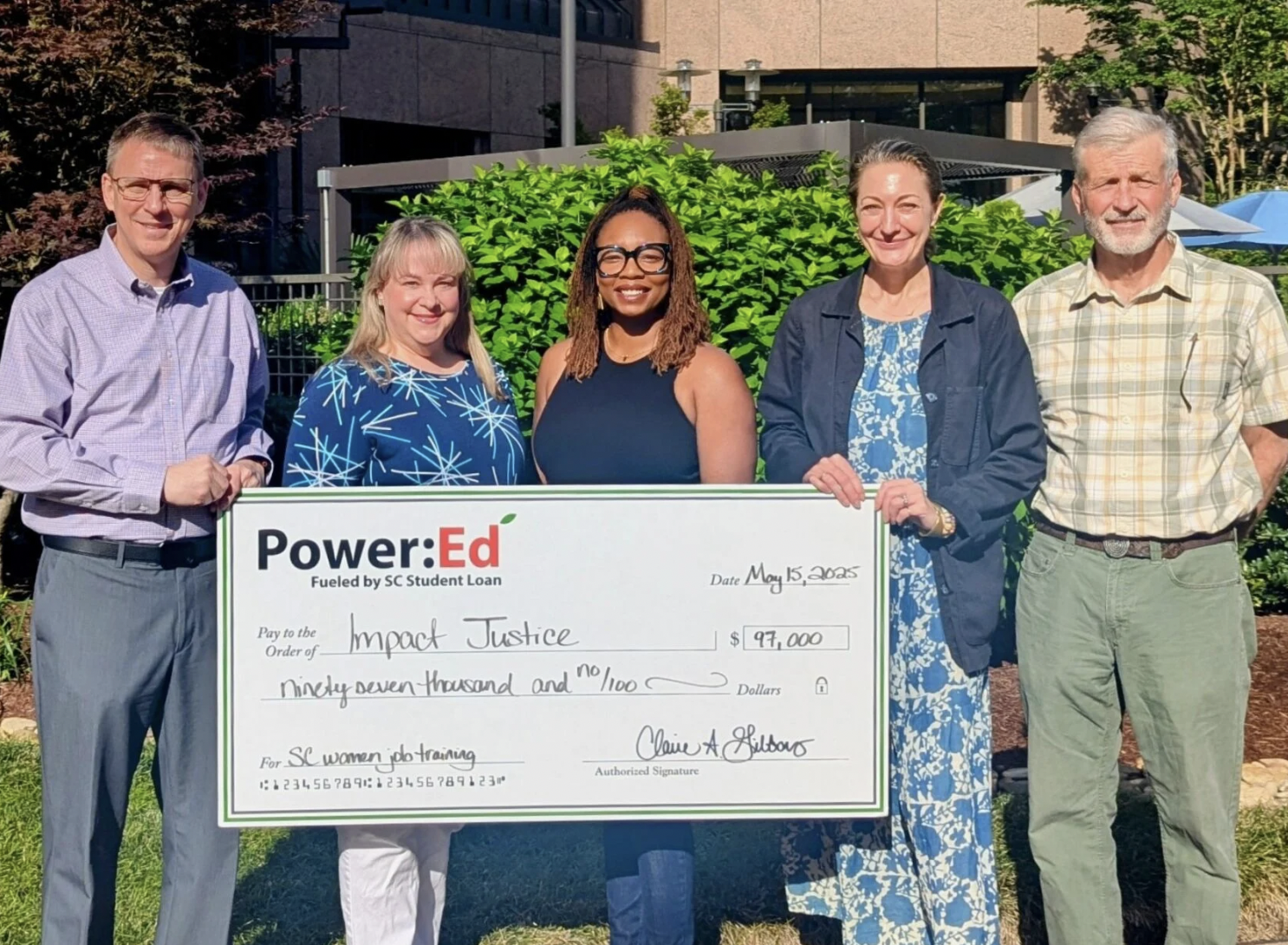
Grant To Support South Carolina Prison Farm Job Training Program
National nonprofit organization Impact Justice (IJ) was awarded a $97,000 grant from Power:Ed, the philanthropy of SC Student Loan Corporation, to support Growing Justice, a pilot program in partnership with Amplified Ag, to transform upcycled shipping containers into a fully functional vertical farm behind bars. This first-of-its-kind vertical farm job training program in South Carolina prisons will expand training opportunities, offer new reentry support, and provide fresh produce to the incarcerated residents at Camille Graham Correctional Center, offering transformative potential for incarcerated women and their families across South Carolina.
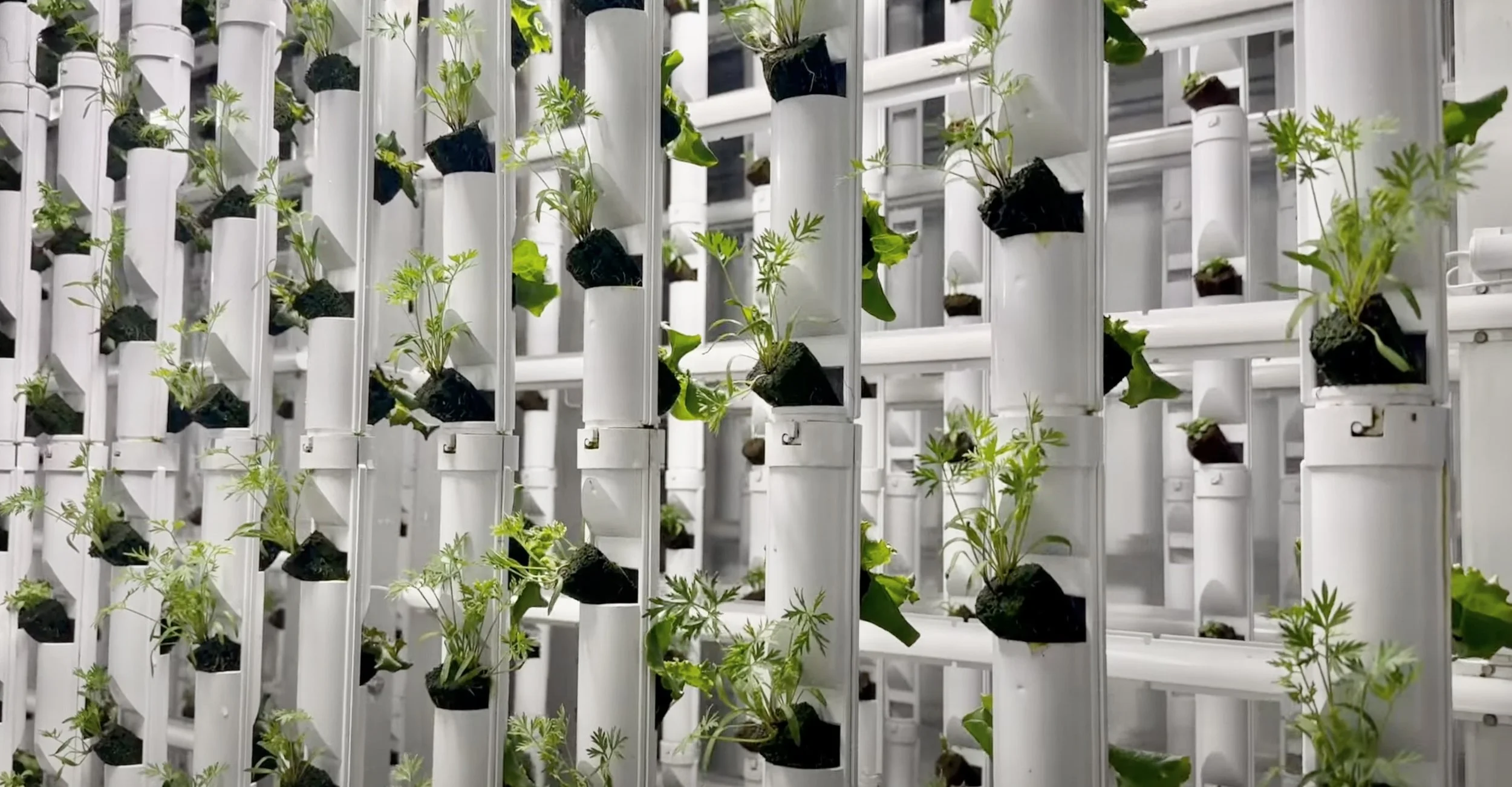
VIDEO: Meet The Student Who Lined Up at 4 a.m. to Secure a FarmBox Foods Field Study
Bear Creek High School senior Johnny Ngo talks about his experience at the FarmBox Foods campus near Denver for his senior field study.
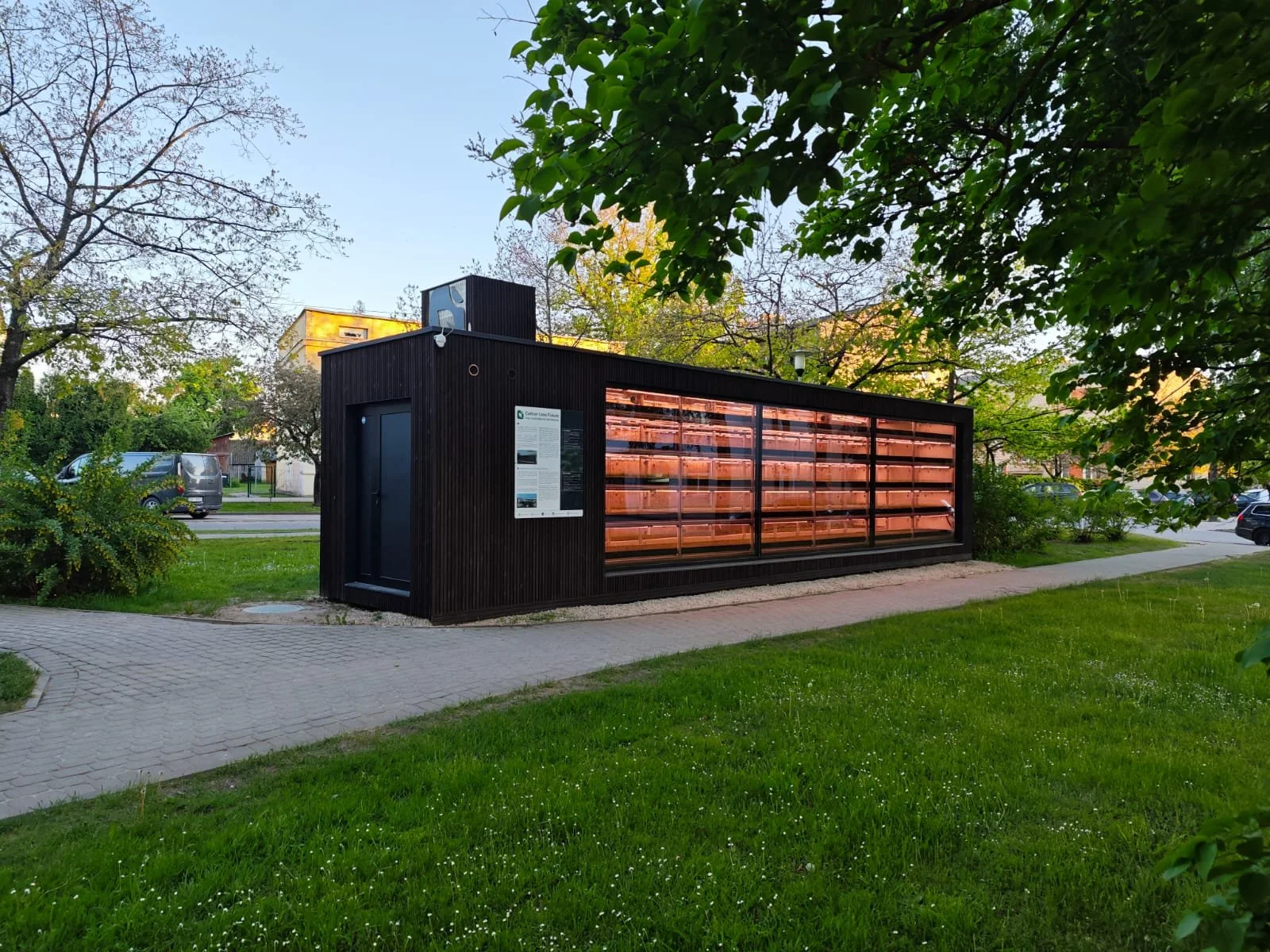
Welcome to AVF – Q&A with Carbon Less Future
Our core technology is a modular, self-contained vertical growing container equipped with a glazing wall for natural light optimization, a precision climate control system, and adaptive airflow.
It is built for: Municipalities seeking to improve urban greening and comply with biodiversity net gain targetsCorporates needing verifiable ESG projects for CO₂ sequestration and EU Taxonomy compliance Universities & Schools as a living educational tool to teach about trees, sustainability, and environmental responsibility Construction or infrastructure projects with offsetting or restoration requirement
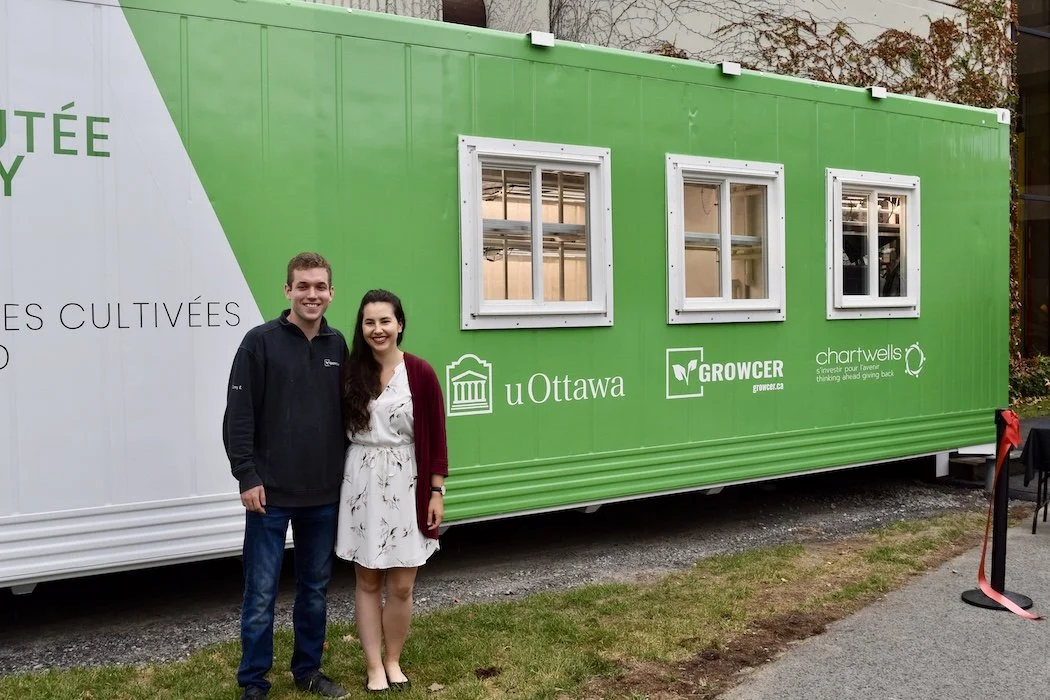
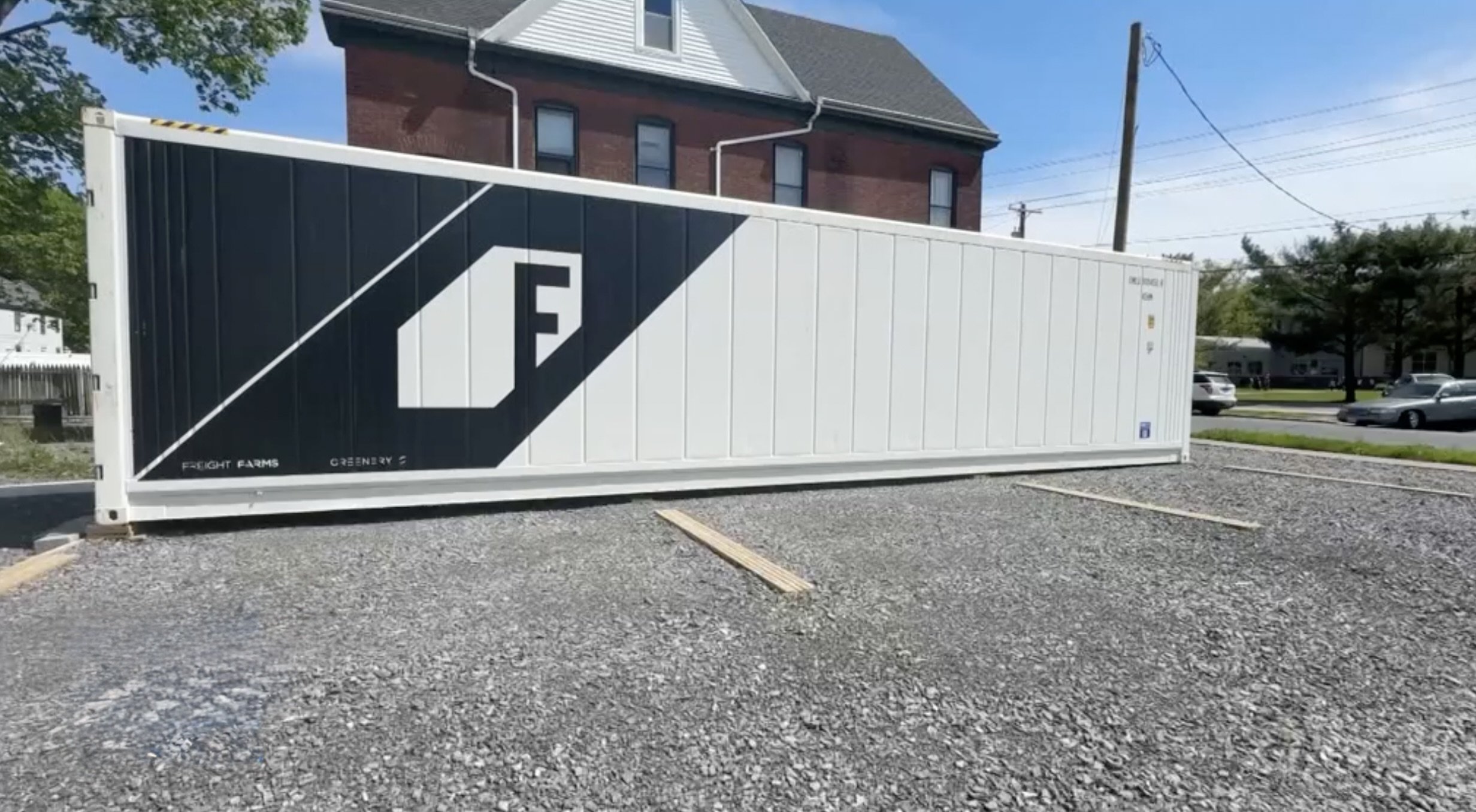
Freight Farms Customers Find a New Home as Vertical Farming Company Growcer Acquires the Former’s Assets
Last week, Ottawa, Canada–based vertical farming company Growcer announced it had won the bid to acquire the assets of Freight Farms, a US–based company offering a similar type of container-based vertical farm.
Freight Farms ceased operations on April 30 after a period of financial strain that included layoffs and a scrapped merger.
Support and service for existing Freight Farms customers also ended at that time, which the team at Growcer immediately took note of.
“These people have made really large investments into controlled environment agriculture, and they were looking for someone to carry the torch, to offer support, software, parts, and all the things that they need to continue their operations,” Growcer cofounder and CEO Corey Ellis tells AgFunderNews.
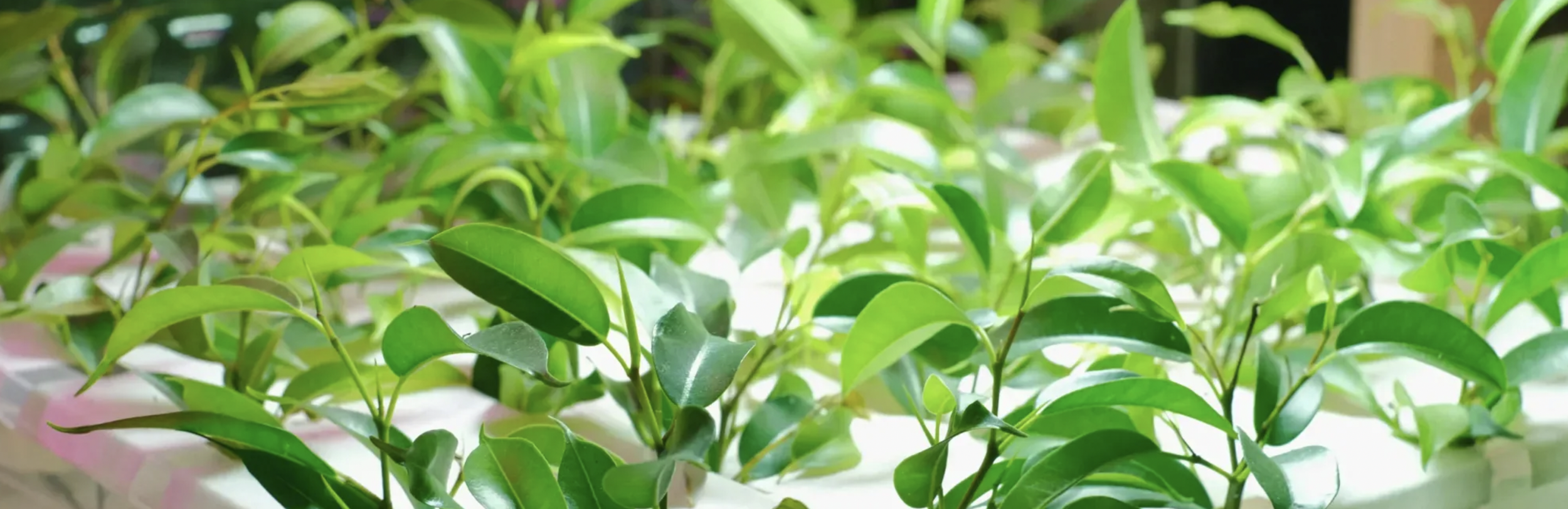
Urban Agriculture and The Rise of The Vertical Farming Market in Smart Cities
The combination of climate change effects together with urban population expansion demands immediate development of food production systems which are sustainable and space-efficient. Vertical farming leads agricultural progress through its capacity to generate significant amounts of pesticide-free food inside controlled environments, which maximises urban area through vertical stacking.
The agricultural future is being reshaped by vertical farming markets which combine advanced hydroponic, aeroponic and aquaponic systems with sustainable practices and smart technologies.
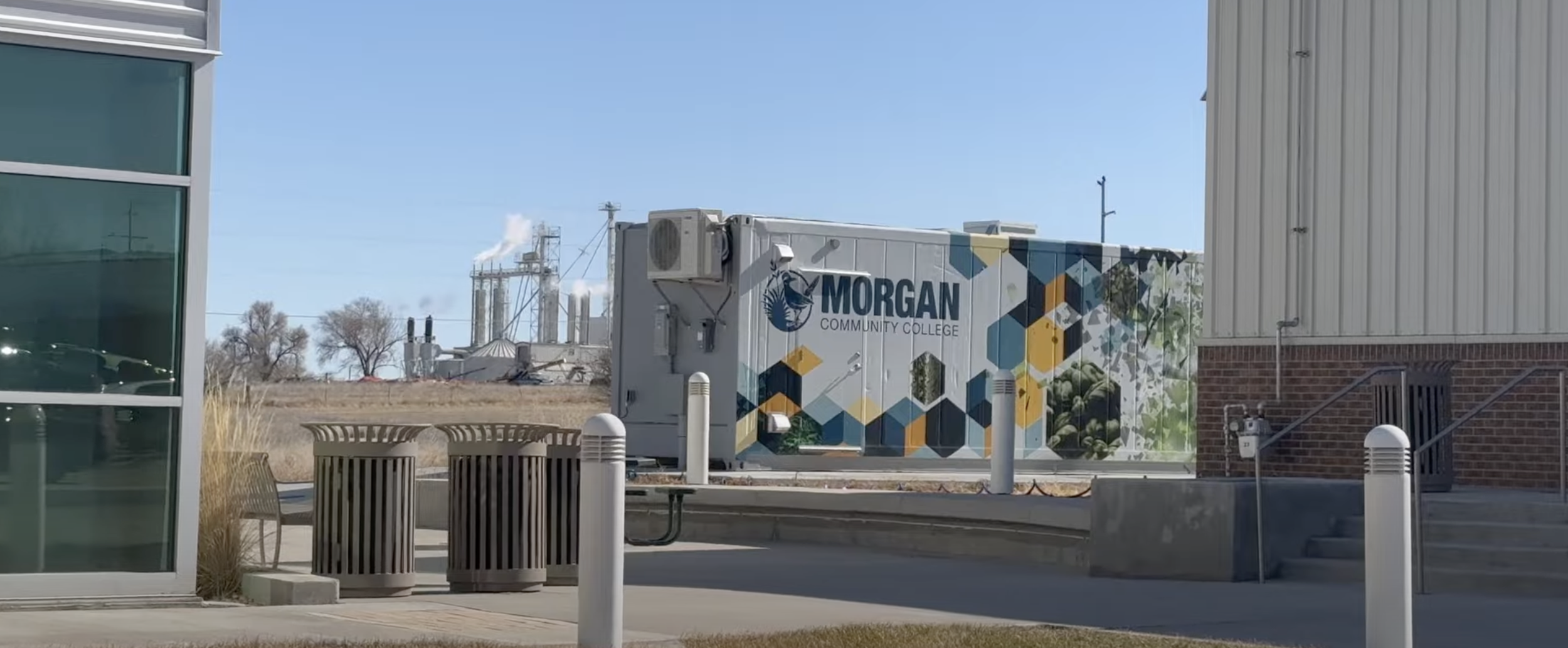
VIDEO: Community College Takes AgTech Education to the Next Level
Morgan Community College's Vertical Hydroponic Farm arrived on campus in mid-2024, and it's had a major impact on multiple fields of study.
Bill Miller, Precision Agriculture Faculty & Division Chair for Career Technical Education programming, talks about how it has inspired students and faculty and brought a new dynamic to interactive learning.
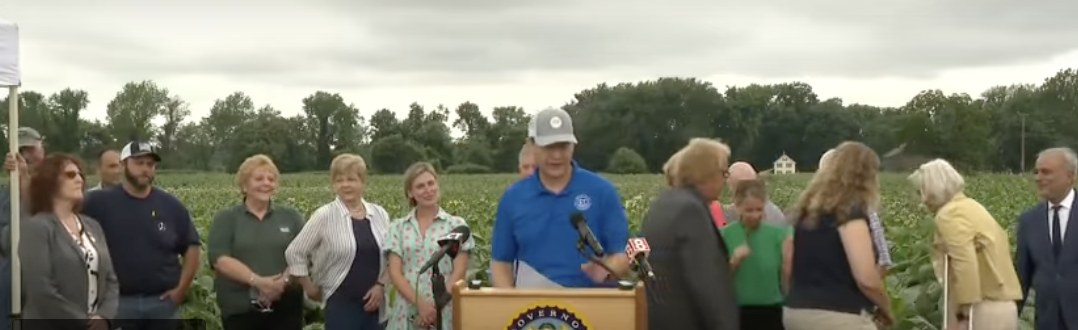
VIDEO - Governor Lamont Signs Legislation Supporting Growth in Connecticut’s Agriculture Industry
Public Act 25-152 includes provisions to increase the statewide municipal property farm tax exemption from $100,000 to $250,000 and permits municipalities to offer additional farm property tax exemptions of up to $250,000 on top of the $250,000 statewide exemption.
It also provides immunity to agritourism operators for any civil action for personal injury or property damage and exempts hoop houses and high tunnels from building permitting or construction standards. In addition, a section of the bill regulates the use of drones for agricultural purposes, establishes a manure management program to be administered by the Connecticut Department of Agriculture (DOAG), provides for the purchase and operations of shipping container farms to grow food for schools and food pantries, and mandates that anyone selling soil amendments must register annually with DOAG.
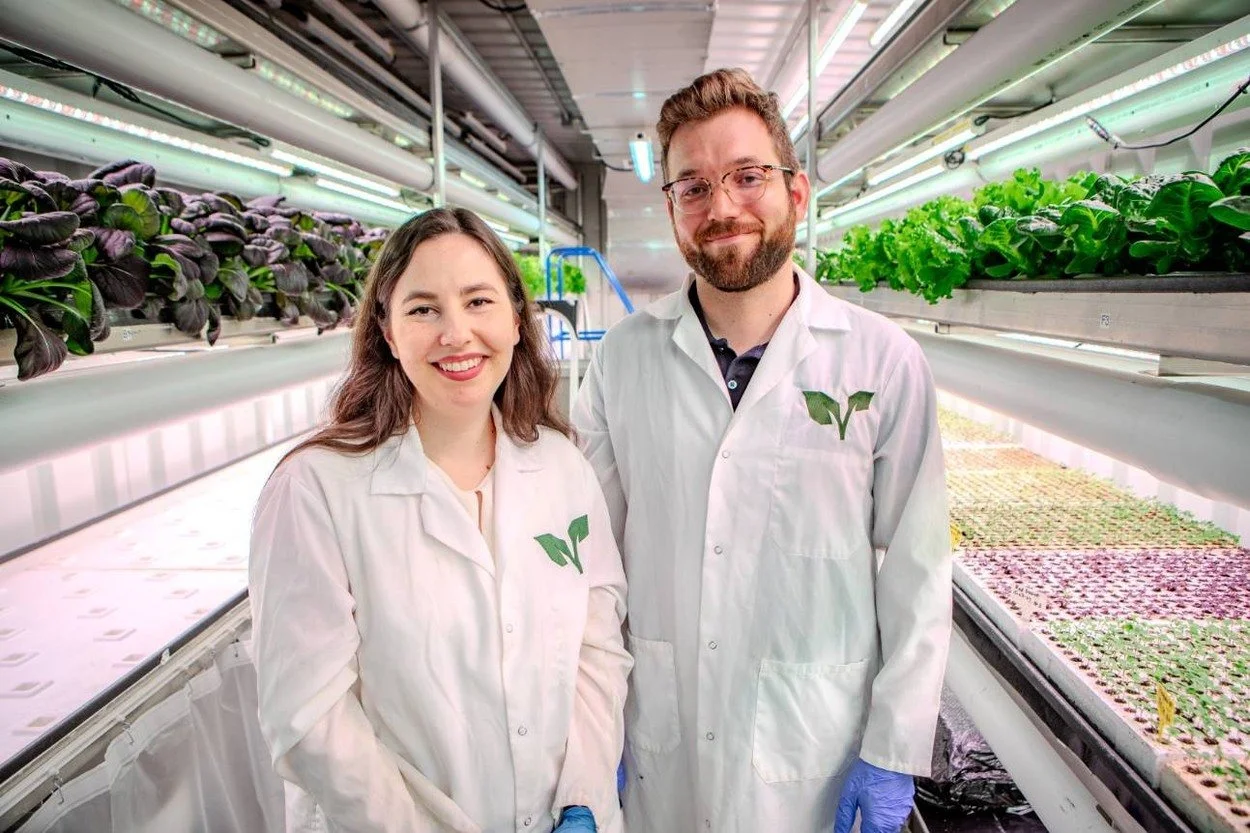
Canadian Shipping Container Farm Manufacturer “Growcer” Acquires Freight Farms’ Assets, Pledges To Support Growers Worldwide
Update: We've won the bid to acquire Freight Farms' assets.
A few months ago, one of our top competitors filed for bankruptcy, and the Growcer team sprang into action to help their community of farmers keep growing.
One of the options we explored was throwing our hat into the ring to purchase substantially all of the company's assets (such as an inventory of complete farms, spare parts, software, all intellectual property, and subscriptions etc.). We rallied a group of key partners, and I'm thrilled to say that we were able to make it happen.
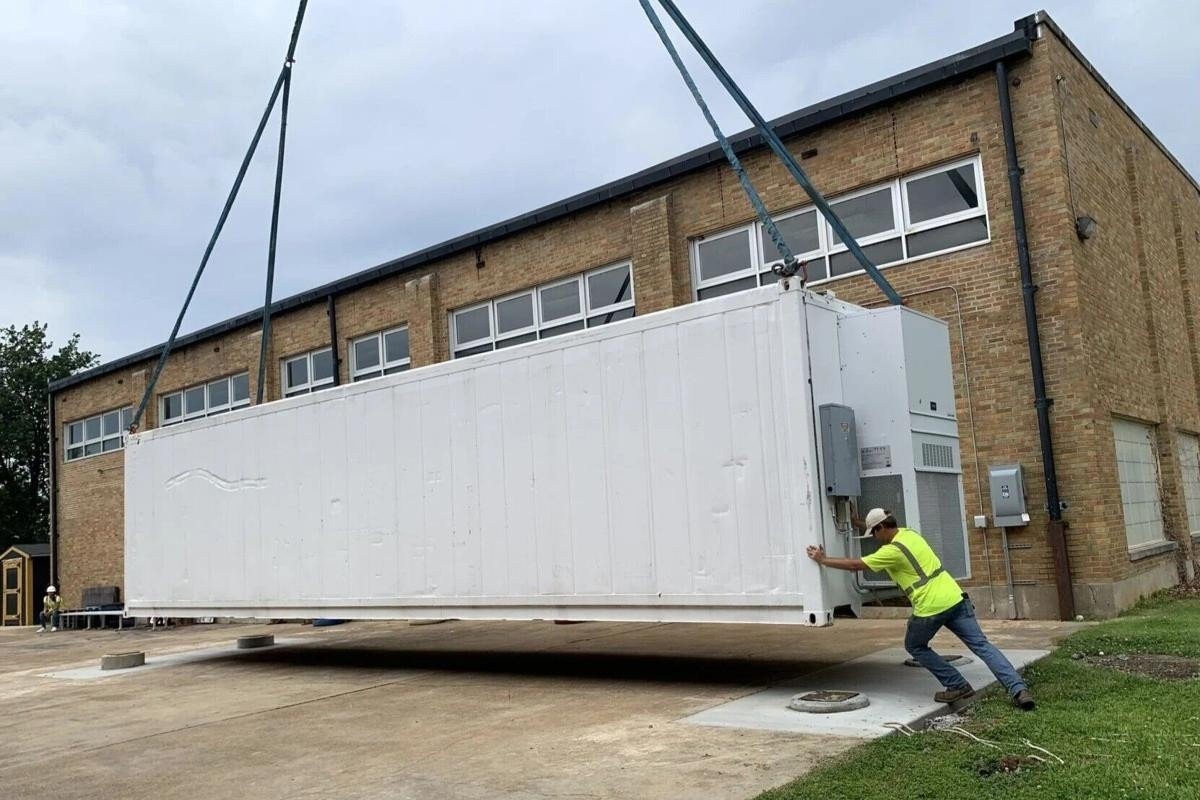
US (MO): University City High School Installs Smart Farm Container - Video
University City High School's growing agriculture program just grew some more. A shipping container fitted for hydroponics farming arrived at the school this week, bringing with it the potential for students to learn farming first-hand and grow their own food for lunch periods and businesses.
"They'll get to see firsthand how food is produced, starting from seed up to actual harvesting," said Pamela Lester, the teacher heading University City High's Agriculture and Sustainability Program.
The high school added an agriculture class during the 2023-2024 school year and saw a quick and rising interest from students.

USA - COLORADO - VIDEO: Grand County Farmer Grows Food Year Round for Guests and Food Banks
For over 90 years this 700 acre family guest ranch has provided folks from around the world with authentic western ranch vacations. Nestled in its own private mountain valley in Granby, Colorado, Drowsy Water Ranch promises the opportunity to disconnect from your daily hustle and bustle, and reconnect with family and friends under the backdrop of big mountains and starry skies. Under the same ownership/management since 1977, The Fosha’s have developed a world-renowned reputation for unpretentious quality.
We warmly welcome you to experience the true spirit of the West at our Colorado dude ranch all-inclusive vacation.

The Detailed Analysis of 40-Foot Container Vertical Farming - A Comprehensive Guide for Beginners - By Grow4Max
Tips for Growers
- Start Small: If you're new to container vertical farming, start with a small-scale project to learn the ropes before scaling up.
- Research Your Crops: Different plants have different requirements. Understand the specific needs of the crops you want to grow and adjust your systems accordingly.
- Regular Monitoring: Continuously monitor all the systems (lights, irrigation, nutrients, environment) to catch any issues early and make timely adjustments.
- Learn from Experience: Keep detailed records of your farming activities, including plant growth, system performance, and any problems encountered. Use this data to improve your future operations.

How An Indoor Farm Will Help The Ottawa Mission
The Ottawa Mission is using technology combined with farming to feed thousands.
The new initiative uses indoor “vertical farms” to grown healthy, fresh locally produced greens for use in the Mission’s meal programs to serve vulnerable community.
Growcer, RBC and the Ottawa Mission launched the initiative at Bayview Yards Thursday morning.
“I think it’s going to provide us very close to what we need in terms of the meals,” Peter Tilley, Ottawa Mission CEO, said.
“We’re doing over a million meals a year. This will provide us with close to the lettuce, green, leafy product that we need for those meals. Of course, we’ll still have to buy other items or produce at the usual market prices.”

NEWFOUNDLAND, CANADA - VIDEO: Inside This Grey Shipping Container in St. Anthony is a hydroponic Bounty of Green Produce
Grocery shoppers in St. Anthony can now purchase fresh, locally-grown, spinach, kale and lettuce on their supermarket shelves, all year round.
Sabri Farms grows its produce inside a 40-foot shipping container, also called their hydroponics facility.
Sabri Farms manager Felicia Hillier said they produce fresh products that can be packaged and sent to the grocery store — even in the coldest temperatures.
"Like it is the dead of winter and we have to use a heat gun to get our door open and we are going out with this fresh products to the stores. It was amazing," said Hillier.

Carbon Less Future Makes Reforestation Visible With Vertical Farming
Latvia-based Carbon Less Future (CLF) is building a new model for reforestation, one shipping container at a time. Their container-based tree-growing system, designed around vertical farming principles, can cultivate up to 33,600 saplings in a single cycle. The system is intended not only to optimize growing conditions but to make reforestation visible, accessible, and verifiable.
"A lot of companies donate money to plant trees, but never see them grow. We wanted to change that," says Aigars Jacuks, COO and Co-founder at CLF. Together with CEO and Co-founder Aivis Garais, the team developed a twelve-meter container equipped with a glazed ten-meter wall that allows passersby to observe the growth process in real time.
VIDEO- Hydroponic Farm Grows Vegetables 365 Days A Year For Local Communities
For many people, going to the grocery store and selecting fresh vegetables is part of their routine. But not everyone has that luxury and food insecurity is an issue we see in many communities.
One man is trying to help change that.
“We’re actually standing inside a 40-foot shipping container that’s been outfitted as you can see to grow vegetables. It’s hydroponic, so it runs on. We just supply water, nutrients and lighting and we grow vegetables that way,” said James Paul, executive director of Blacque Acres, a nonprofit organization that was just an idea three years ago, but has become a reality to help address food insecurity.

USA: South Carolina Prison’s Vertical Farming Program Gets Grant To Help Pay Inmates
Beginning next month, inmates at South Carolina’s women’s prison will be able to receive agricultural training and a stipend upon release with the help of a statewide grant program.
The South Carolina philanthropy Power:Ed announced a $97,000 grant this month to the nonprofit Impact Justice, which is working with the state Department of Corrections to run the agricultural program at the state’s prison for women.
Beyond growing an expected 48,000 pounds of lettuce each year for the prison’s kitchens, the program is meant to train women in the fast-growing field of hydroponics, which means growing plants in water instead of soil, to help them get jobs soon after leaving prison.