

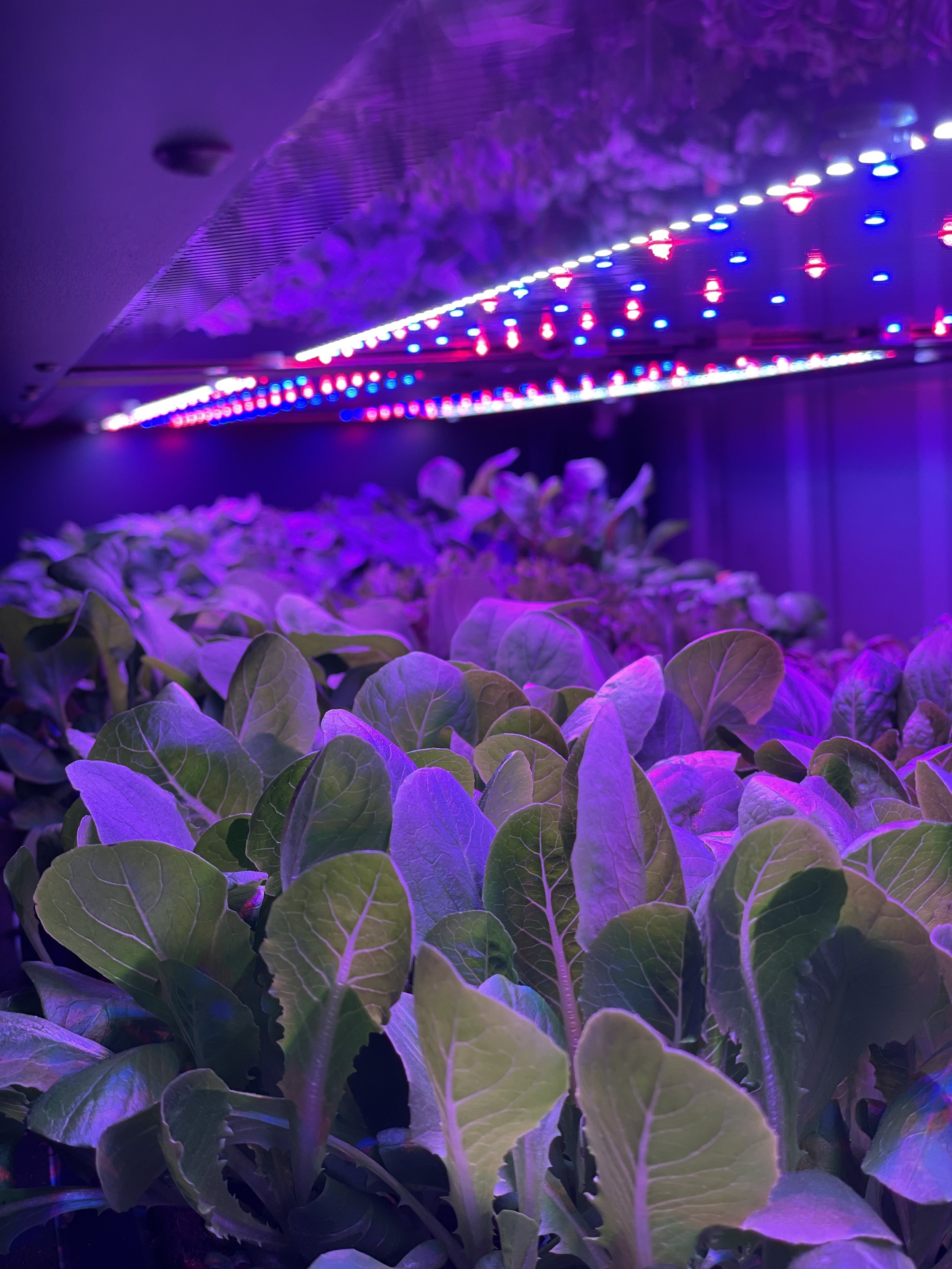
News About Farming in Shipping Containers & Limited Indoor Spaces
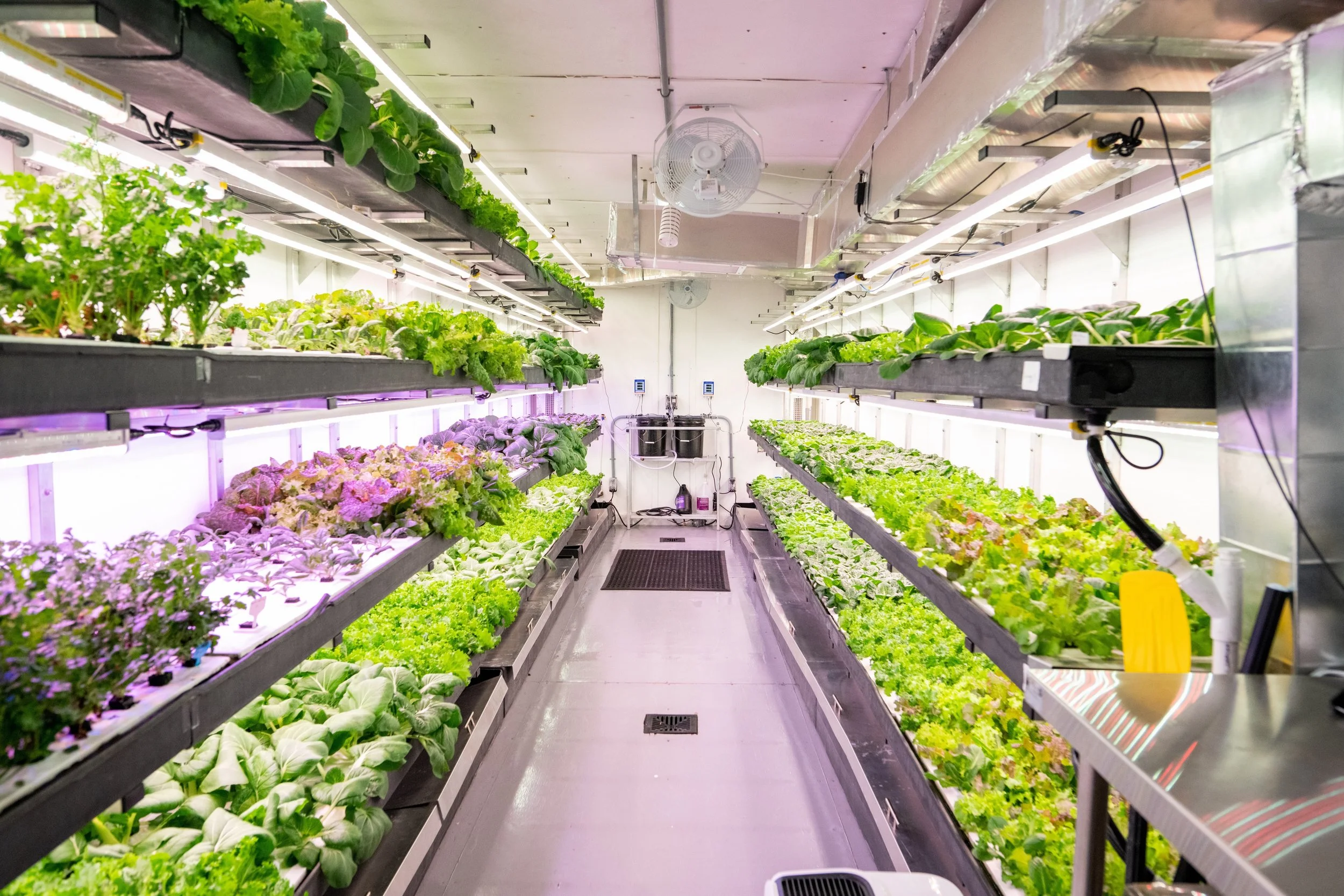
USA - OKLAHOMA : It Started With a Food Pantry: Delaware Tribe Growing Food Sovereignty
To expand the program, Delaware partnered with Growcer to add a modular vertical farm. The indoor farm can grow fresh produce year-round using less water and land than outdoor farming.
Located near the pantry, it will supply members with freshly harvested lettuces, leafy greens like kale and spinach, and herbs like mint and basil to take home.
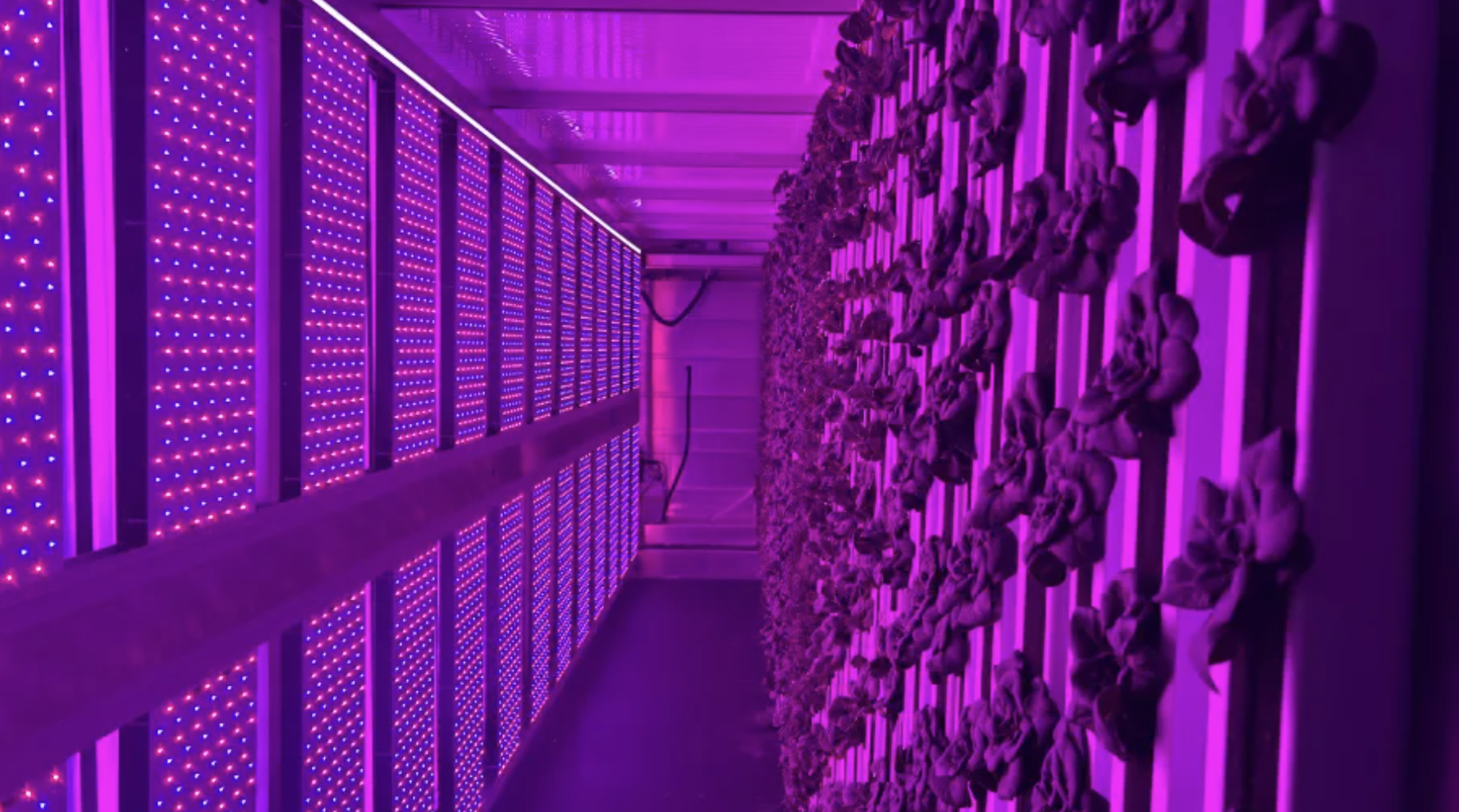
USA - Massachusetts: Watertown High School Takes On Freight Farming
Back in June, the school received a new freight farm, which is a converted shipping container made to grow plants.
It was made possible through the Massachusetts FRESH Grant from Mass. Farm to School, and since then, the garden has been thriving.
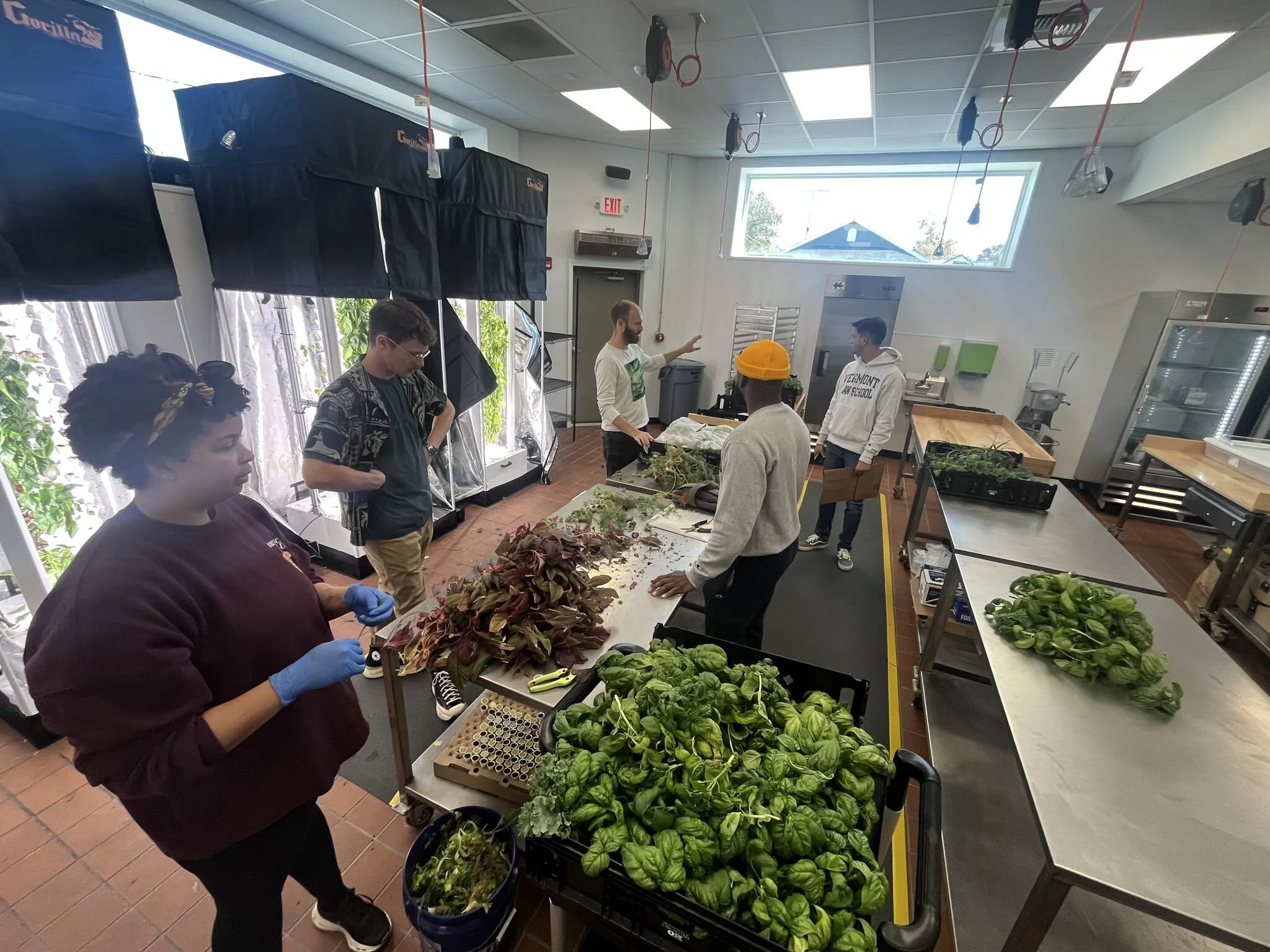
USA - INDIANA: Exciting To See The Grow Tents From anu™ (previously gropod) Being Harvested at Bedford Collab!
Bedford Collab is deeply committed to ensuring equitable access to nutritious food for everyone. As a vital part of our region’s food supply chain, we’re advancing a healthier future through collaboration and innovation.
Here, our management team and community partners are pictured harvesting fresh produce from our growing tents, produce that grows 365 days a year and directly supports local food initiatives.
How This Group is Fighting Food Insecurity in Northwest Tarrant County
Community Link is addressing this through a new project called ‘Fresh Link Farms,’ a hydroponic freight farm that’s able to grow lettuce, leafy greens, herbs, root vegetables and edible flowers in a 320-square-foot space, which will be next to the Azle Farmers Market, a press release said.
“It looks just like a shipping container, but inside it’s a hydroponic vertical farm, and it will grow at max capacity about 1,000 heads of lettuce a week,” Harper said. Vanessa Thompson, food program manager, said that some customers have been coming to the pantry since it opened 20 years ago.
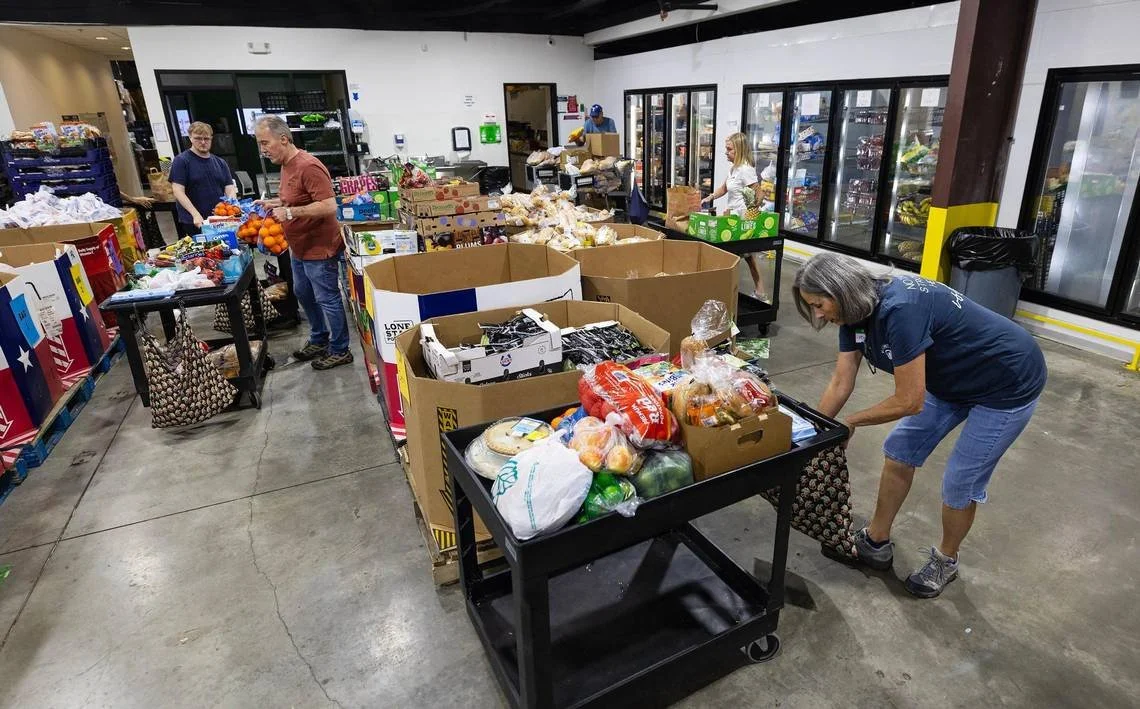
The pantry gives a variety of what is on hand each day: frozen food, meat, eggs, produce, bread, hygiene products, and pantry items like coffee and pet food.

USA - WISCONSIN - Local Food Pantry In Menasha Uses Flex Farms To Boost Fresh Food Access In Fox Valley
A local food pantry is making a difference in the Fox Valley.
St. Joseph's Food Program in Menasha uses their hydroponic systems or Flex Farms to ensure the community has better access to fresh food.
Flex Farms are mobile vertical growing systems that only require 9 square feet of space and a standard electrical outlet for operation. A single Flex Farm can grow 25 pounds of lettuce every 28 days.
St. Joe's Food Pantry has 20 Flex Farms to held feed people in the community.

How Shipping Containers Are Shaping Urban Vertical Farming
Global food systems face significant challenges from climate change, population growth, and deteriorating soil quality, necessitating a 70% increase in food production by 2050. Urban vertical farming, utilizing repurposed shipping containers, offers a sustainable solution that efficiently uses space and resources. These systems produce fresh produce year-round and reduce food waste by minimizing transportation distances.
With innovative practices and renewable energy integration, container farms represent a viable future for agriculture in urban settings, addressing both food security and environmental concerns.
Our global food systems are under siege, with climate change, natural disasters disrupting supply chains, and conflicts affecting agriculture in vulnerable regions.

USA - MAINE: Farming Outside - And Inside - The Box
At the Good Table F oundation’s property in Castine, a nondescript tan shipping container sits alongside the driveway. But inside the container is one of the area’s most dynamic, high-tech hydroponic farms.
An all-volunteer organization, Good Table Foundation grows fresh greens for distribution through food pantries.
Founder Greg Nitzkowski had seen similar hydroponic container models in California. He and his wife Barbara were inspired to bring the concept to Castine, where they retired after being long-time summer residents in the area. They incorporated the organization as a 501(c)(3) nonprofit in 2023 and began operations in 2024.
The operation supplies fresh greens to Loaves and Fishes Food Pantry in Ellsworth and Caring Community Cupboard in Old Town. They operate the farm 365 days a year, and all of the produce they grow is donated. Volunteers from GTF harvest, process, and deliver the produce in a single day, delivering more than 200 4.5- ounce bags of greens each week. The mix can include kale, lettuces, arugula, and more, all packaged in compostable, labeled bags just as they might be in a traditional retail setting.