

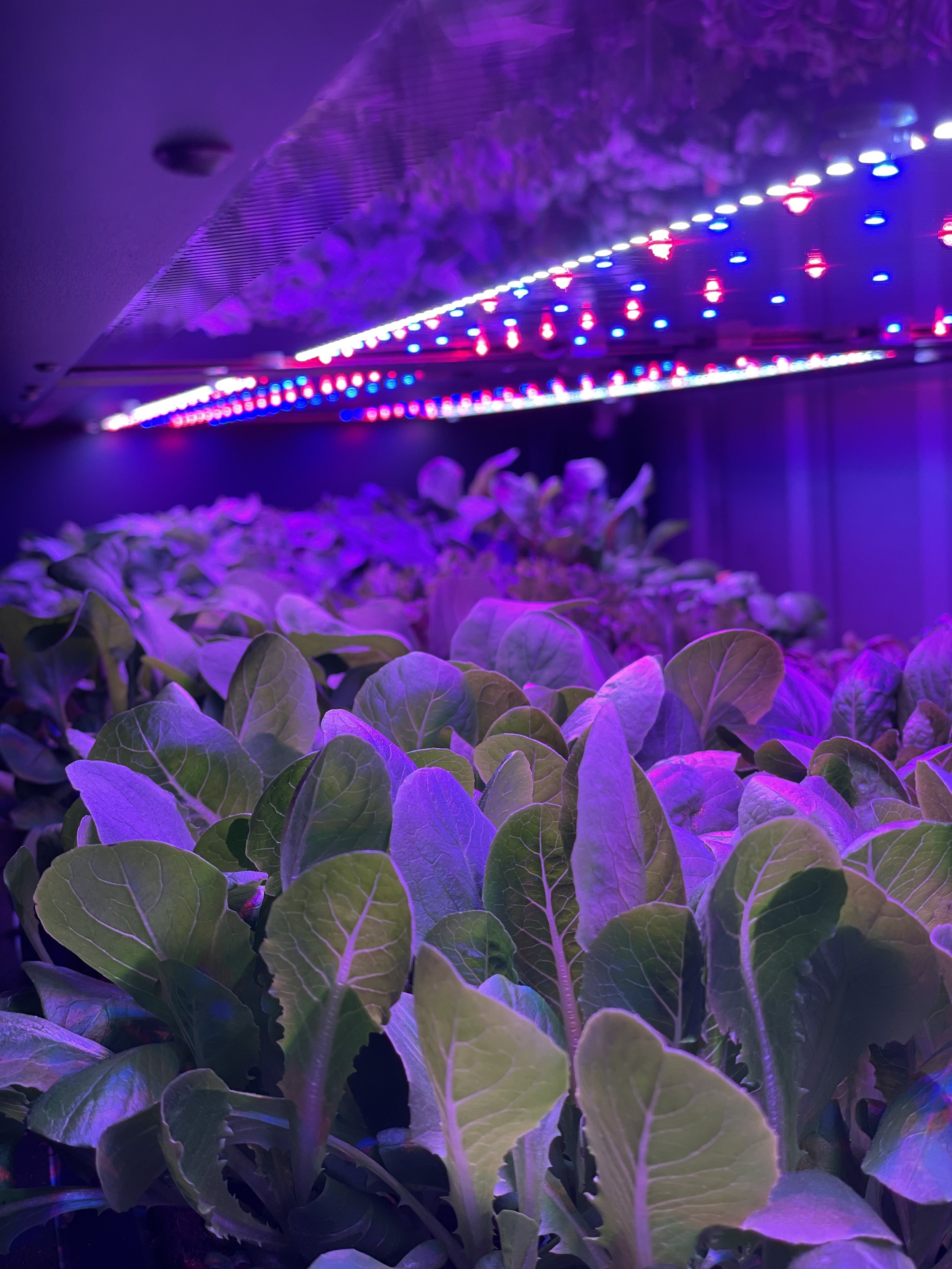
News About Farming in Shipping Containers & Limited Indoor Spaces
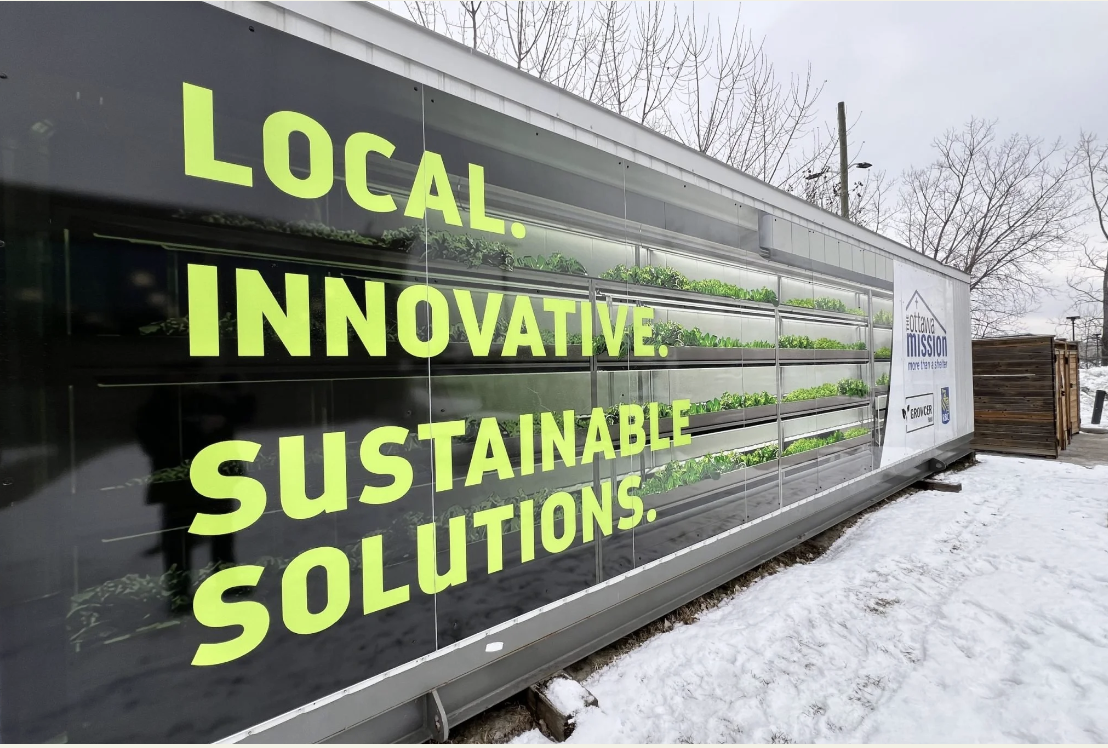
Why Buying a Pre-Owned Container Farm Beats Buying New
Every prospective container farmer runs into the same wall: the sticker price. A new turnkey hydroponic container farm is a six-figure purchase before you have harvested a single head of lettuce.
Mamdani Admin To Turn Felons Into Gourmet-Food Producers for ‘Farm-to-Table’ Dining at NYC Jails
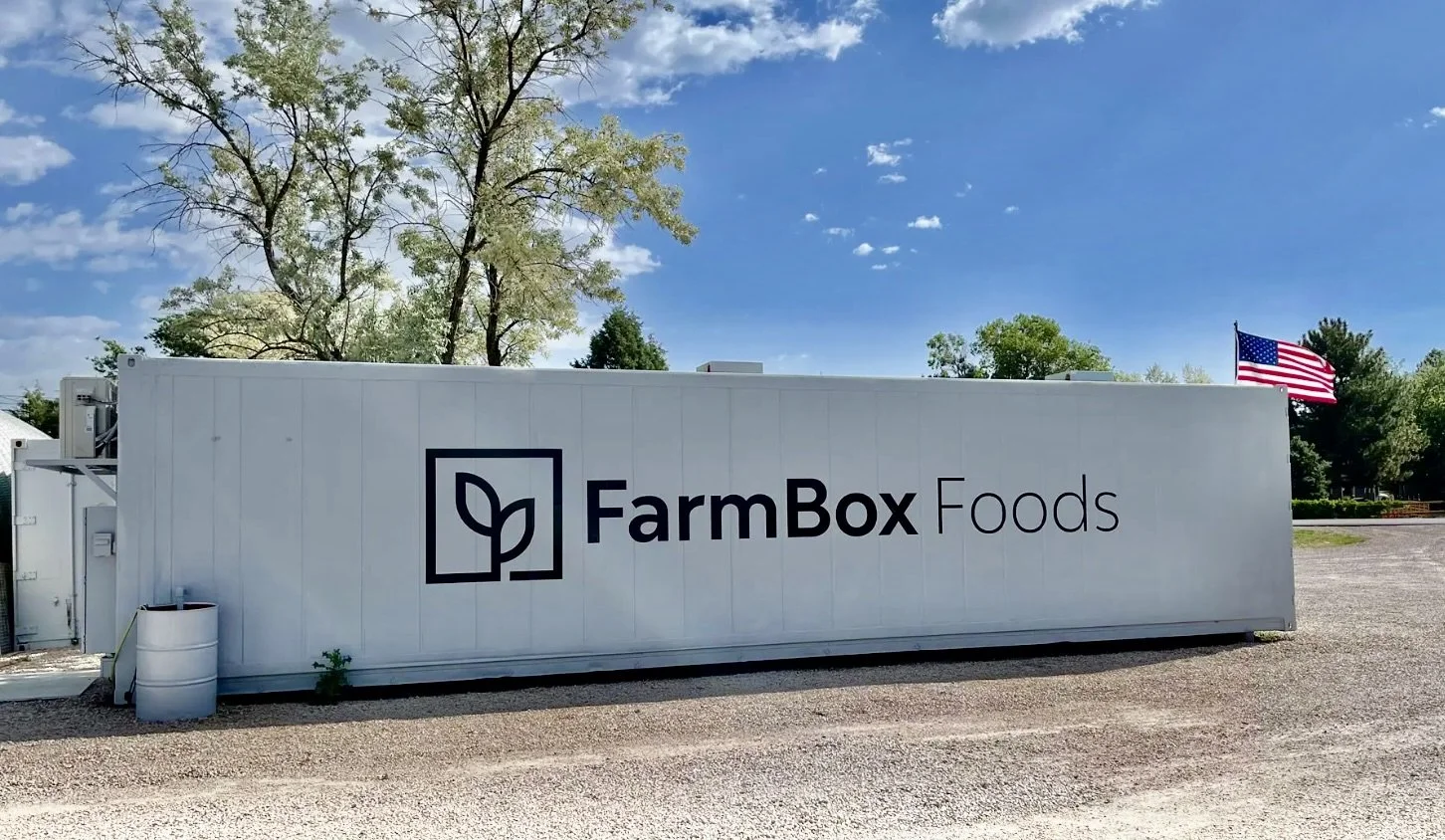
The New York City Correction Department has awarded a nearly $230,000 annual contract to a Colorado-based firm, FarmBox Foods, to teach inmates — or “persons in custody” — at Rikers Island and other municipal jails how to “vertical” farm in an urban setting.
Jason Brown, Founder of FarmBox Foods - "Let's Just Build The Farm Inside The Container"
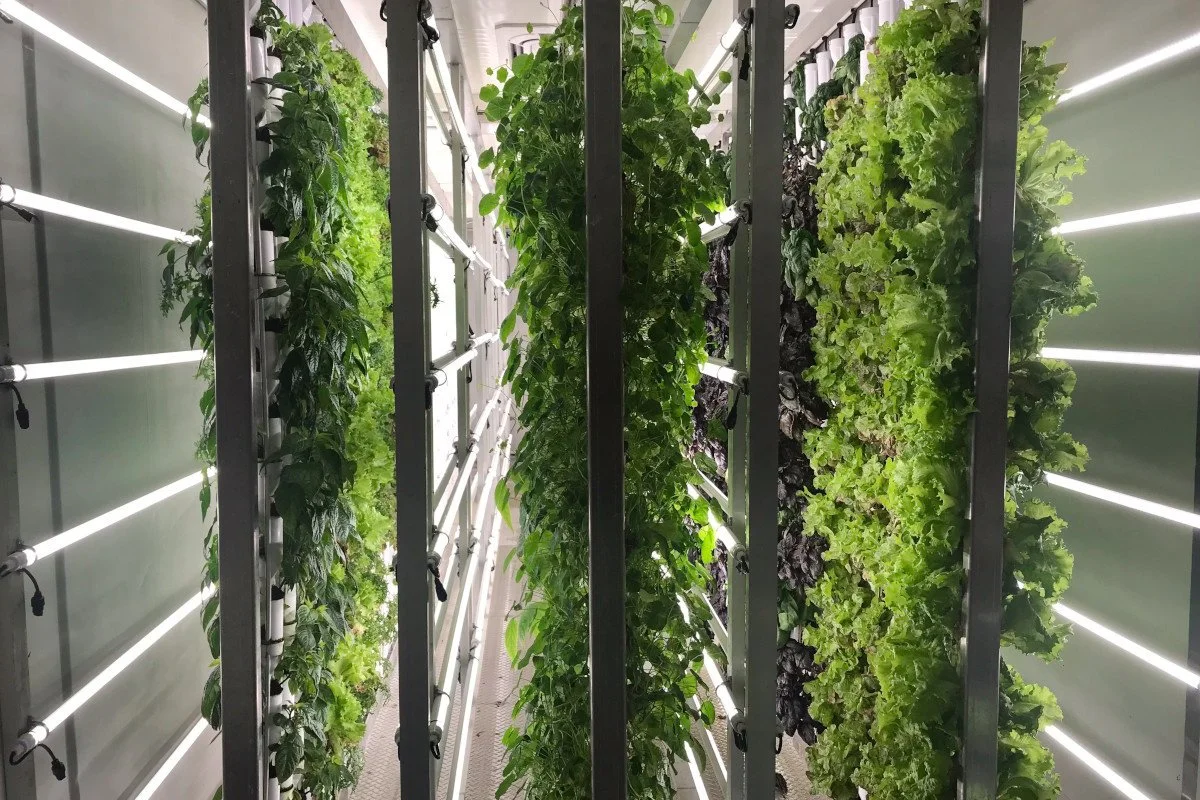
It all started with an affordable housing concept that never got off the ground. Jason Brown, a founding member of the FarmBox Foods team, was working on a project to build housing inside shipping containers. The plan included outdoor gardens in the form of vertically integrated, food-safe tubes (foreshadowing is a narrative device, etc.).
Food Autonomy Taking on Greater Importance
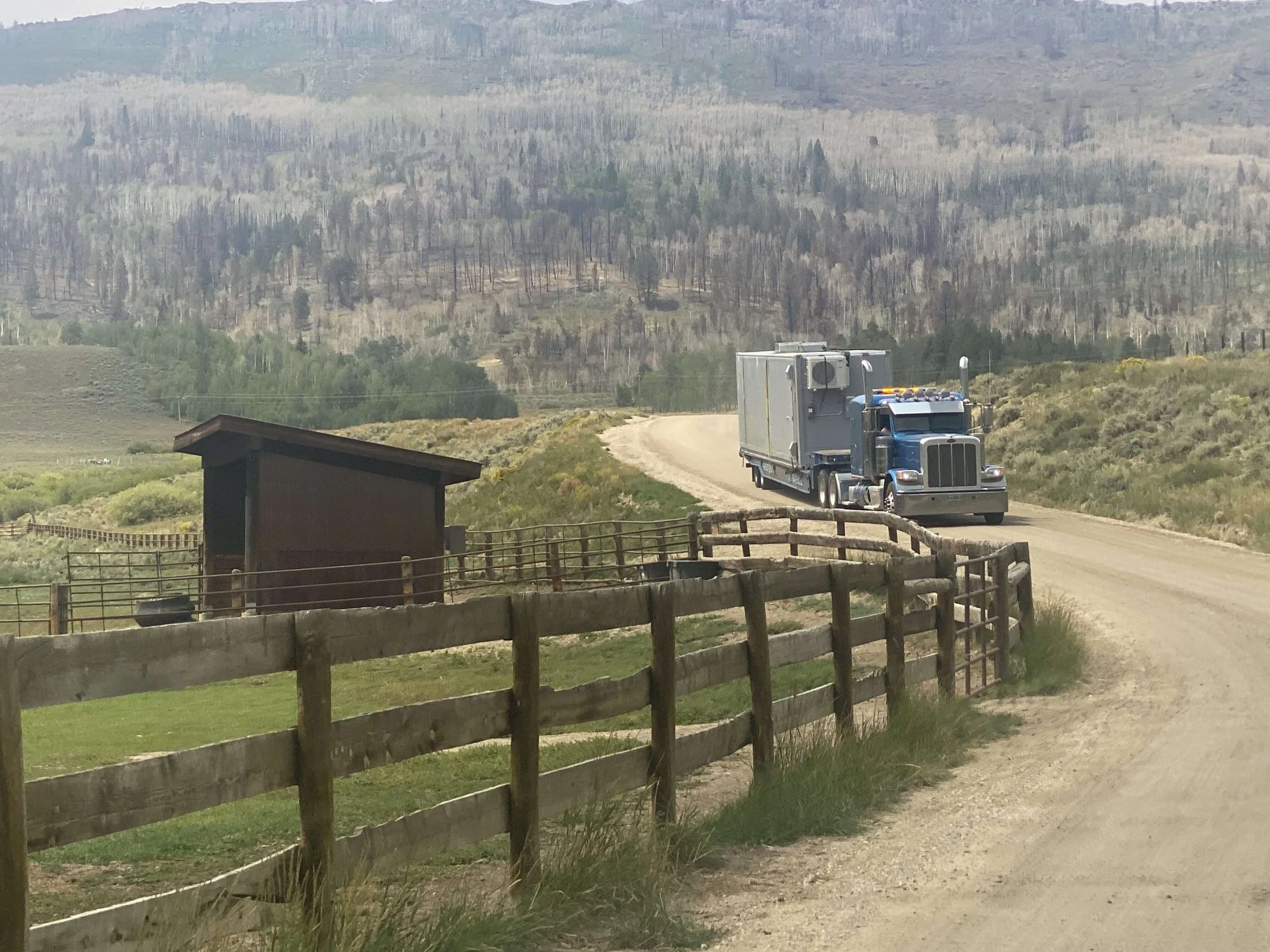
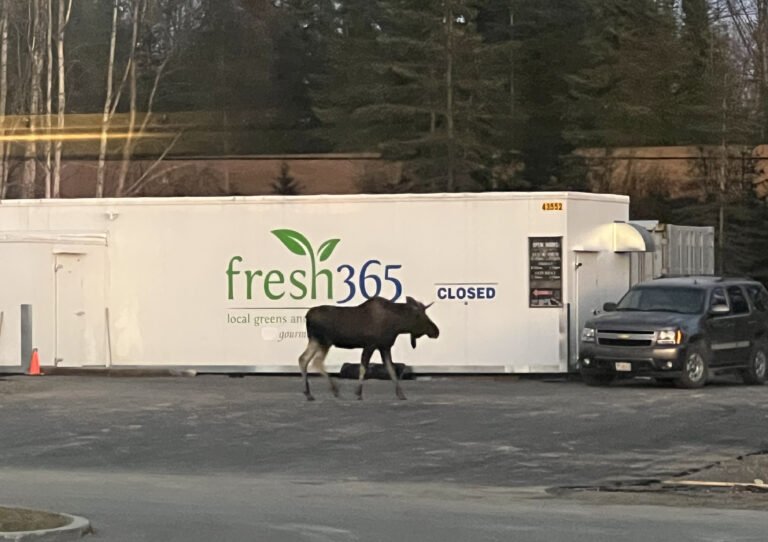
Container farms are particularly effective in remote regions because they can be shipped nearly anywhere and begin producing quickly without requiring extensive infrastructure. Arctic communities can grow leafy greens year-round, far-flung military installations can reduce imported produce dependence, island resorts can produce herbs and greens onsite, and disaster-prone regions are able to maintain food production after storms.
From Seed to Sale: How Entrepreneurship Schools Use Container Farms to Teach Business
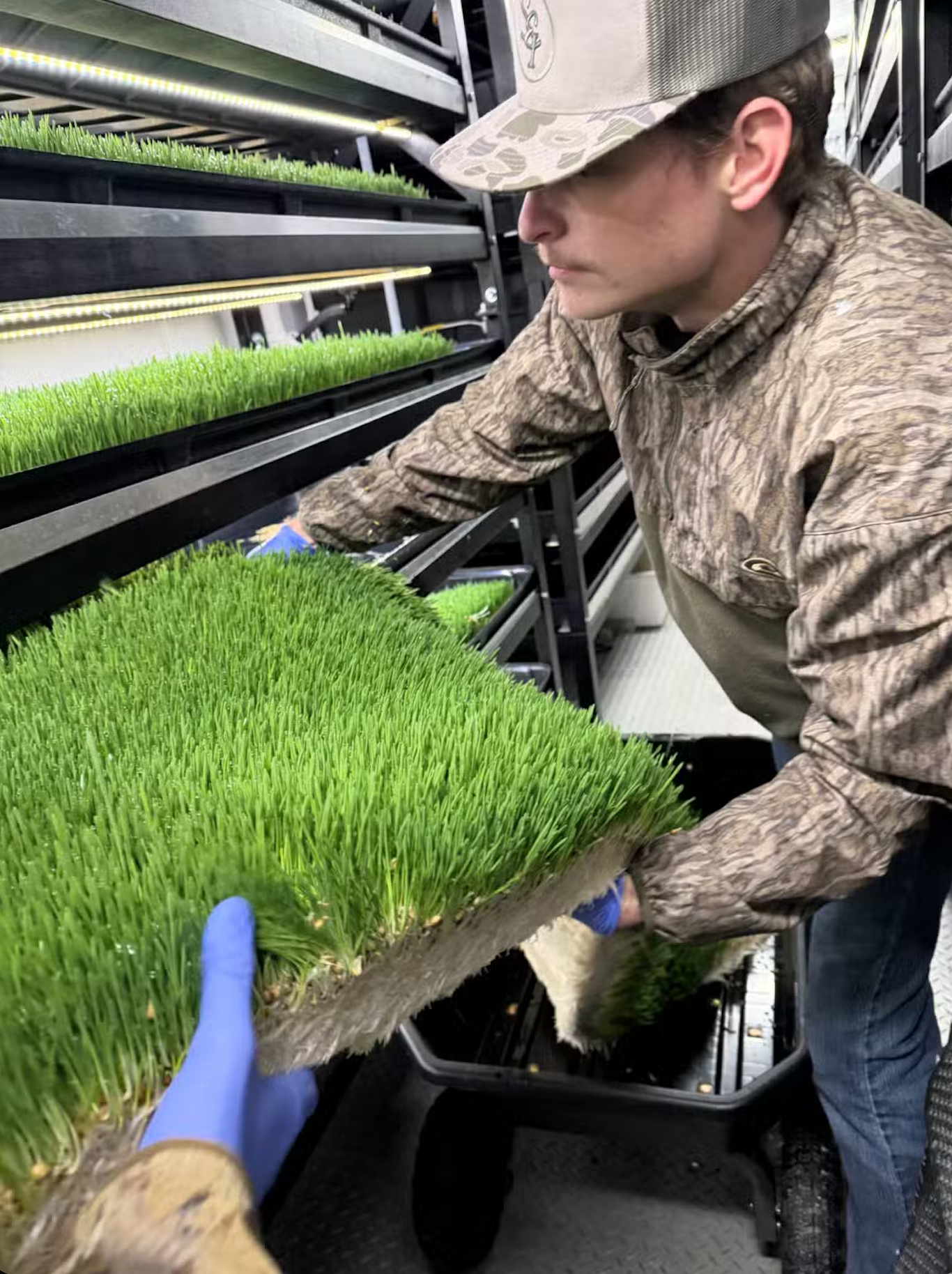
Across the United States, some schools are expanding agriculture labs into full-scale business learning environments. Increasingly, entrepreneurship programs using container farms are integrating hydroponic production systems into Career and Technical Education (CTE) curricula.
FarmBox Foods: Conquering Current & Future Challenges Using Ingenuity and Tech
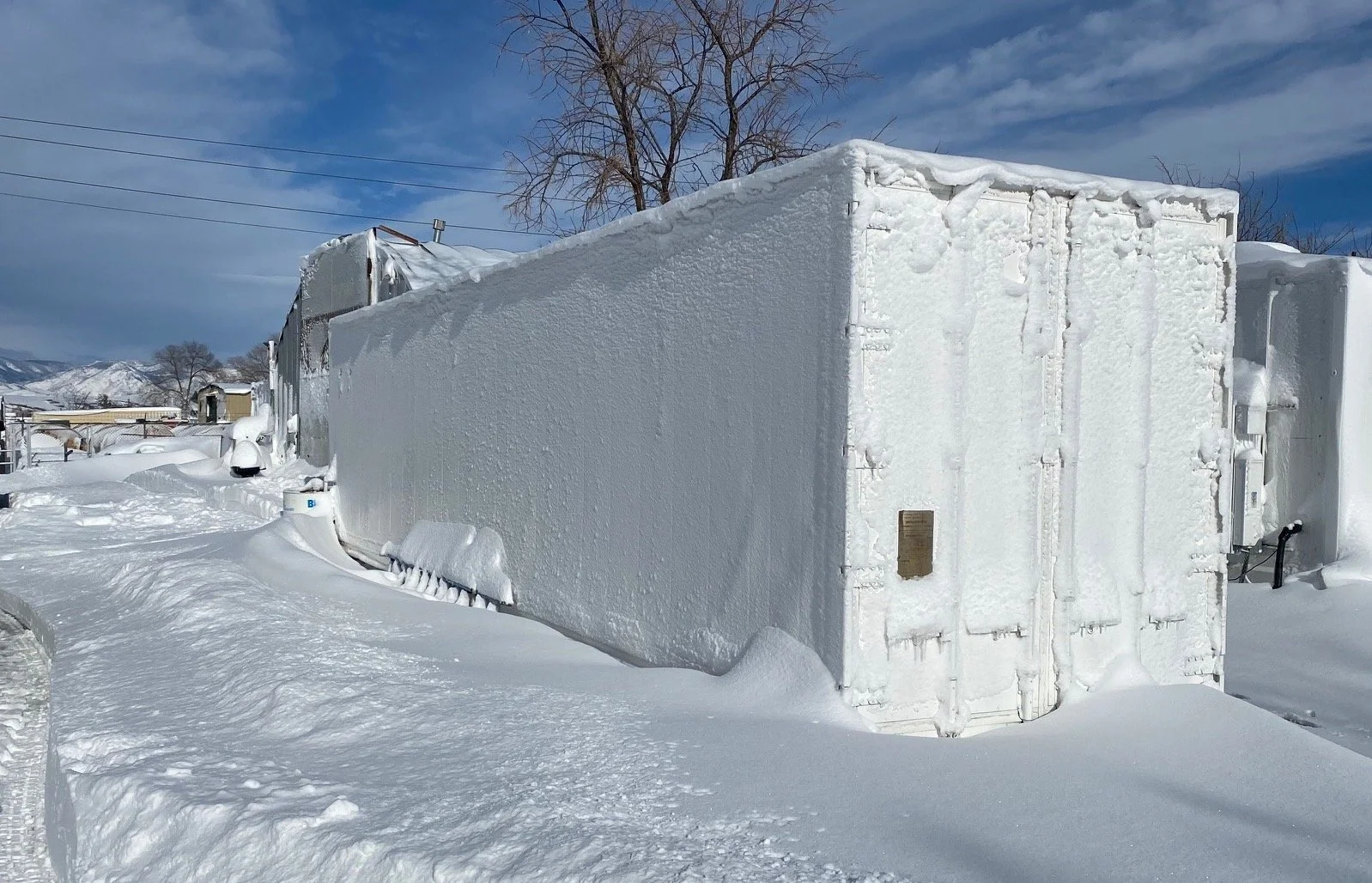
One of the most significant advantages is probably the most obvious: resource conservation. Traditional agriculture is known to be water-intensive and often relies heavily on fertilizers and pesticides, some of which are in short supply with global supply chains are interrupted.
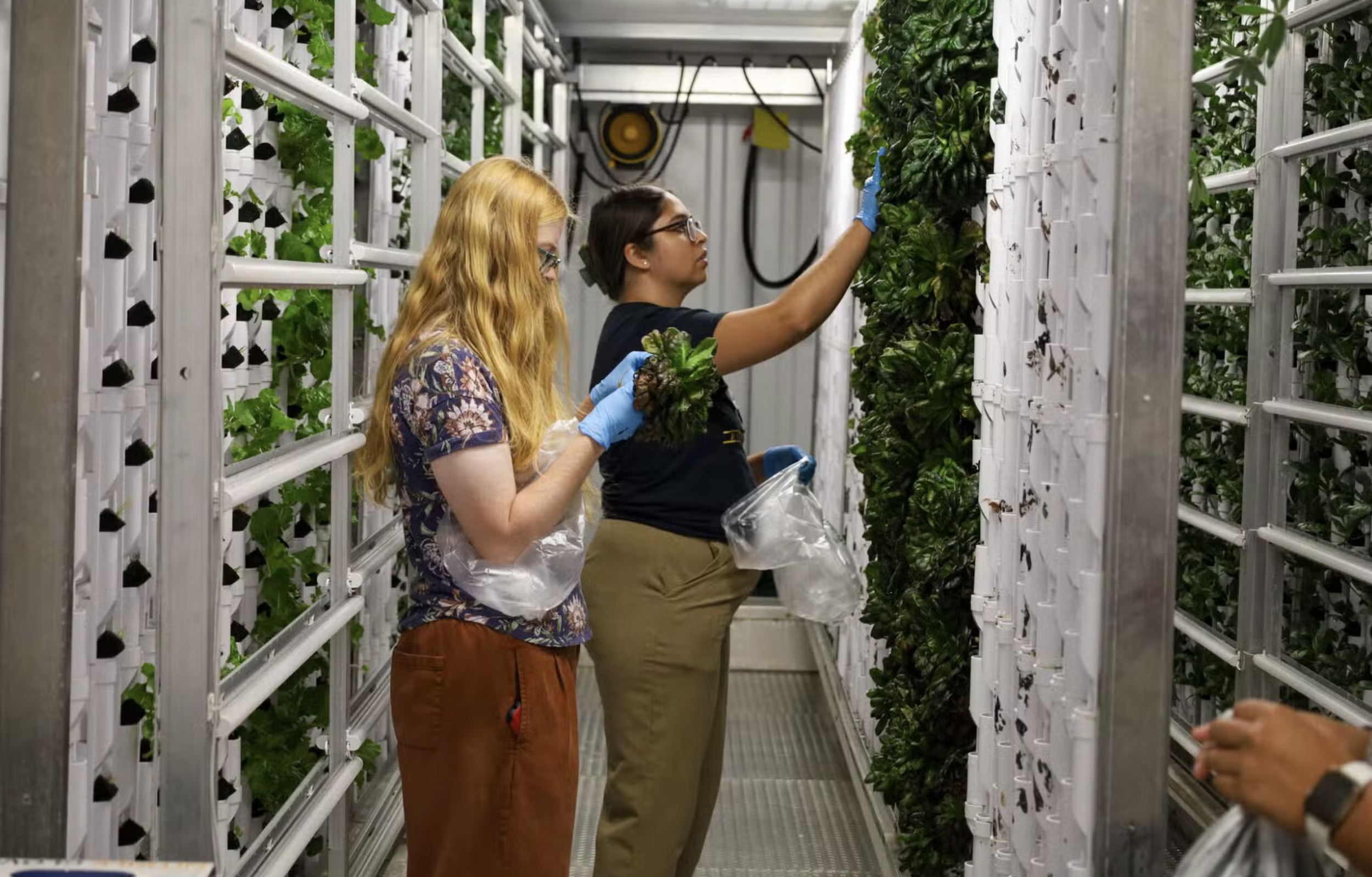
USA - COLORADO: Container Farms for Schools: How FarmBox Foods Is Transforming STEM, Food Security, and Experiential Learning
Schools are adopting hydroponic container farms to support STEM instruction, agriscience pathways and hands-on learning that connects classroom concepts to real-world food production.
Container Farms and Food Security: How Schools Are Growing for Cafeterias and Food Banks
While many districts adopt hydroponic container systems for STEM and career education, an increasing number are also using them to address local food access challenges.
Container farms for food security in schools are being positioned not only as educational infrastructure but also as community-facing food production assets.
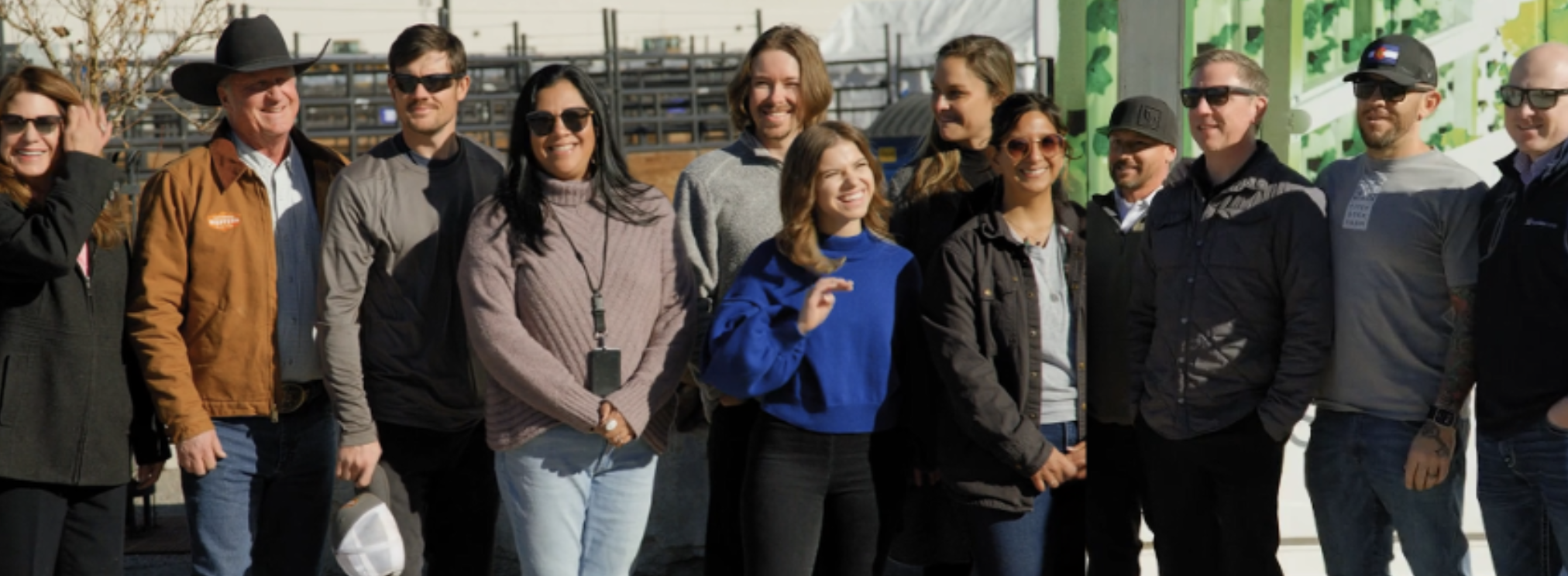
USA - DENVER, COLORADO: Growing Access: How FarmBox Foods Is Advancing Food Equity in Food Deserts
Access to fresh, healthy food is the cornerstone of strong, thriving communities. Yet in Denver’s Globeville, Elyria, and Swansea (GES) neighborhoods, within the 80216 ZIP code, many residents have long faced barriers to affordable, nutritious options and is considered a food desert. To create lasting change, we must think differently about how and where food is grown.
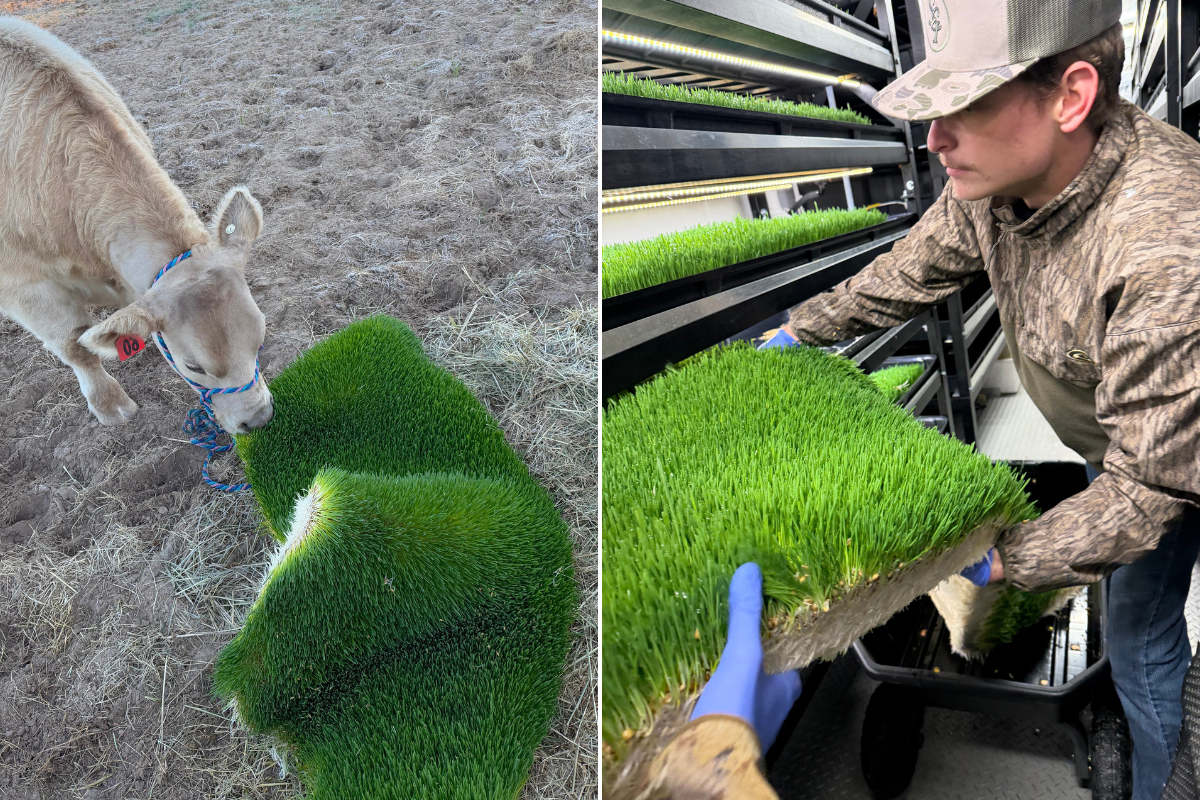
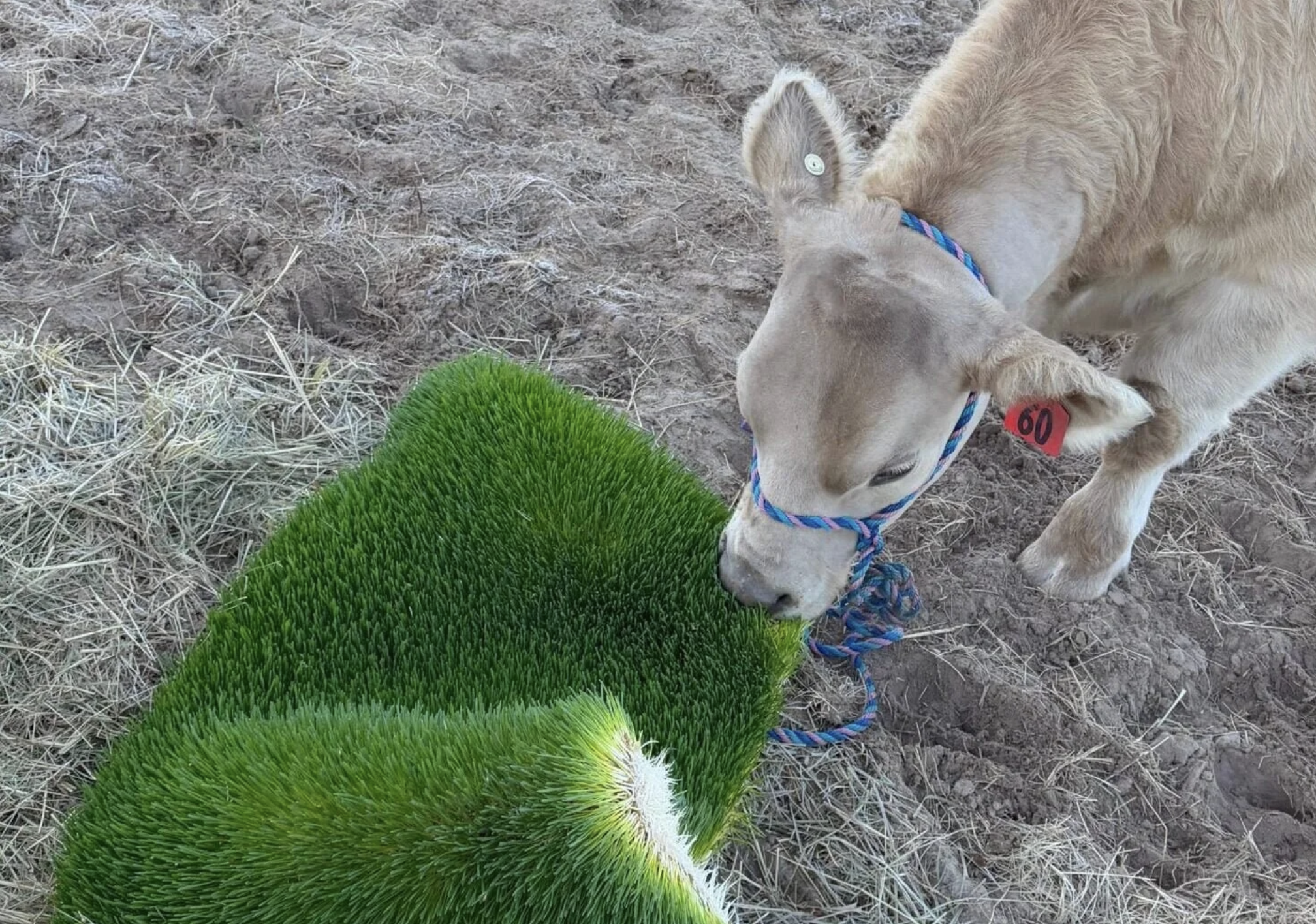
USA - FLORIDA: FarmBox Foods Empowers Students With Hydroponic Fodder Technology
The Villages Charter School has integrated a controlled-climate Hydroponic Fodder Farm into its curriculum to modernize agricultural education.
This modular system, designed and manufactured by FarmBox Foods, provides students with direct exposure to high-tech feed production methods.
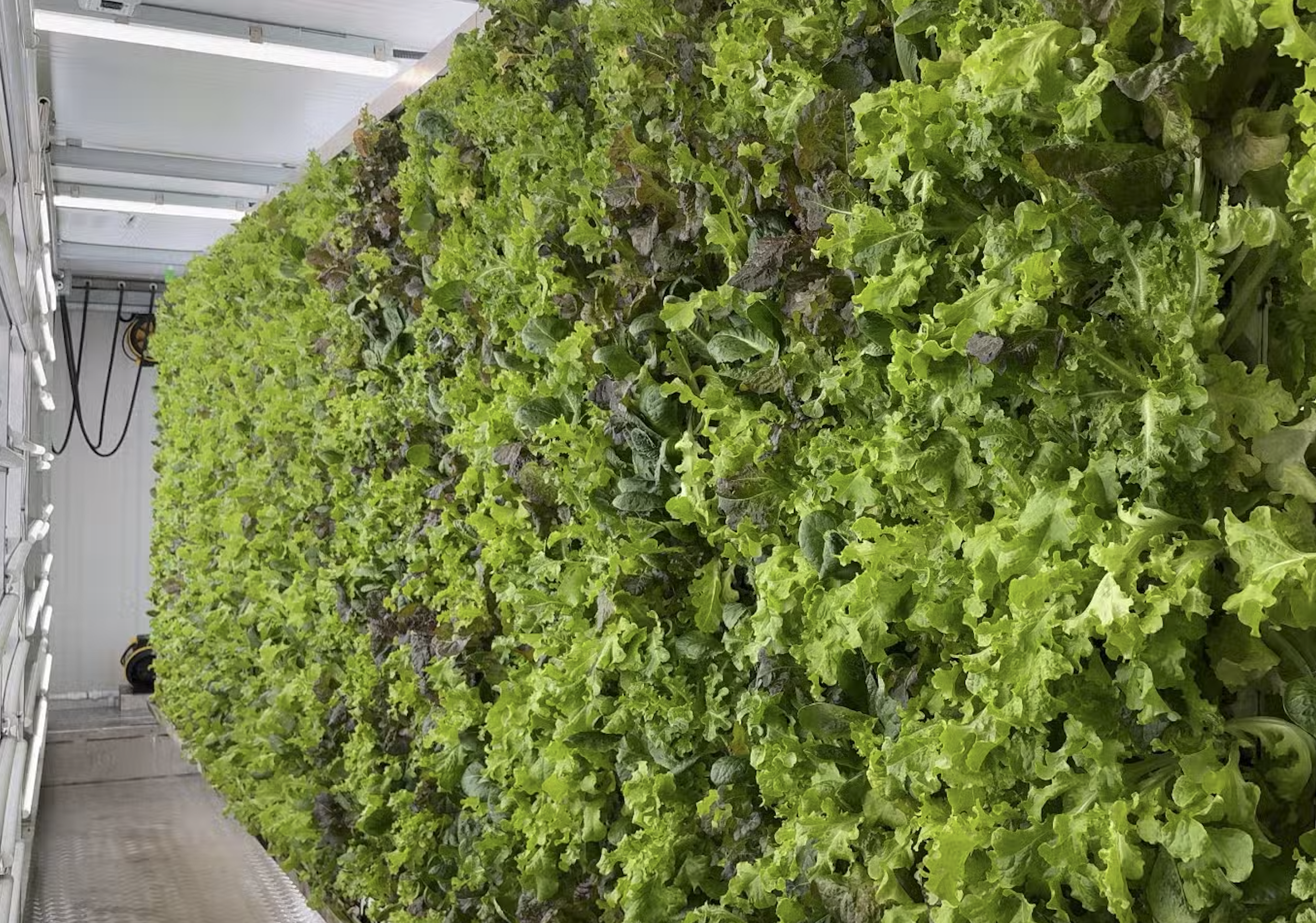
What Is a Hydroponic Classroom Container Farm? A Practical Guide for Educators
A hydroponic classroom container farm is a 40-foot shipping container retrofitted with lighting, irrigation systems, nutrient dosing equipment, and environmental sensors to create a fully controlled indoor growing space.
Unlike traditional school gardens, these systems operate year-round and allow students to manage every variable affecting plant growth.
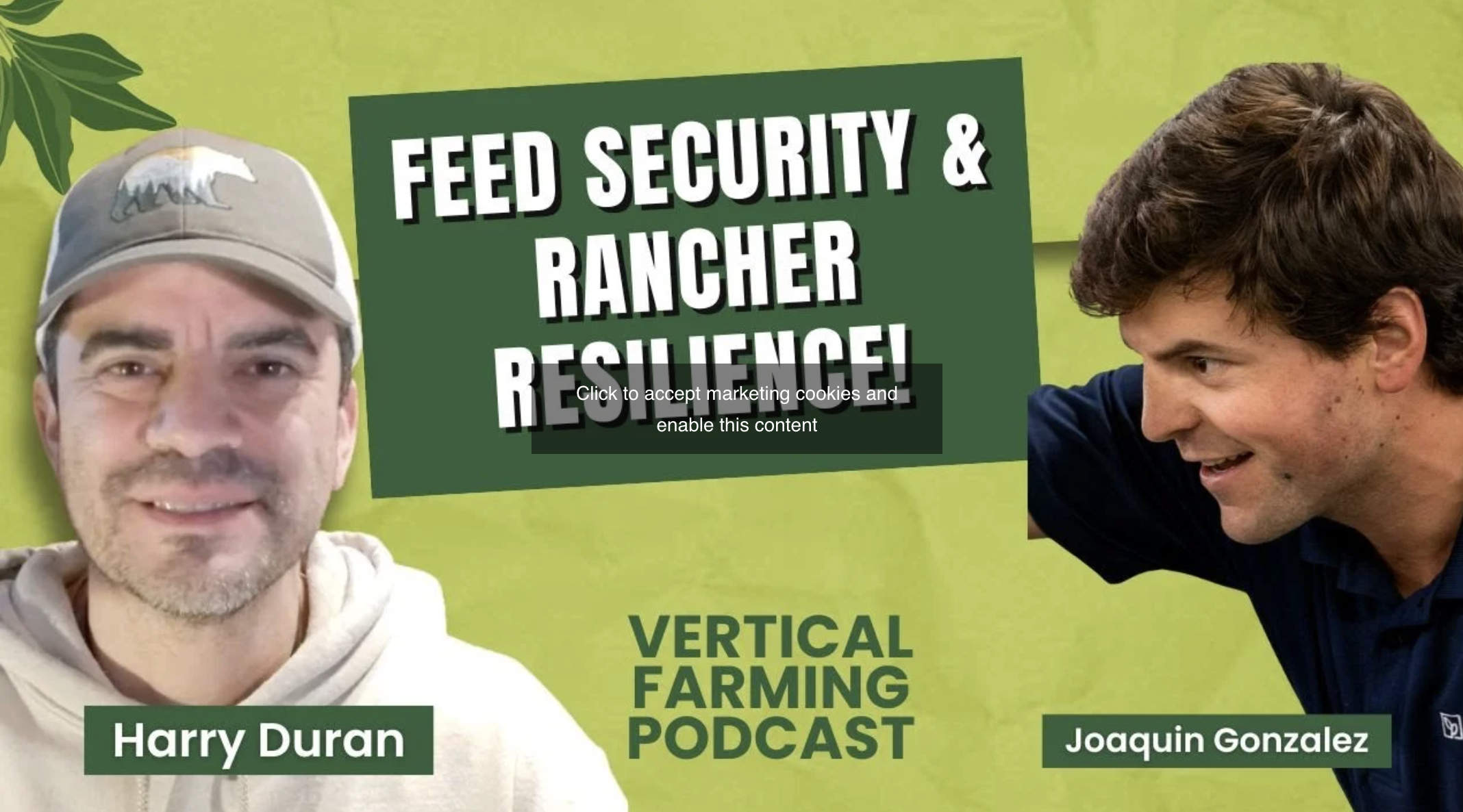
PODCAST - Joaquin Gonzalez on Scaling Hydroponic Fodder Systems for Feed Security
Interview explores how Joaquin Gonzalez Chilean ranch upbringing and agricultural engineering background led to a career focused on hydroponic fodder systems.
Eleusis Feed is targeting drought-prone regions and larger livestock operations with industrial-scale fodder production using significantly less water than conventional systems.
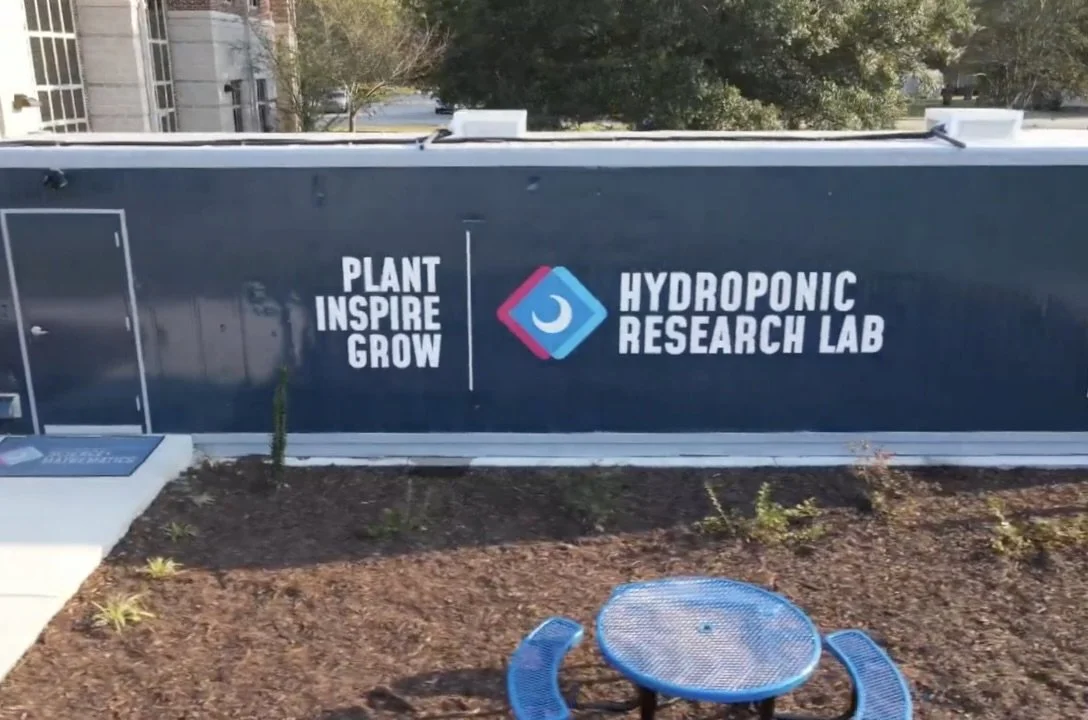
VIDEO: Coolest Thing Made in Colorado’ This year? A Shipping Container Farm
A company specializing in vertical farming was awarded the “2025 Coolest Thing Made in Colorado” by the Colorado Chamber of Commerce on Thursday.
The statewide business lobbying group celebrated the top inventions of the state for the past four years with this recognition aiming to highlight different locally-made products.
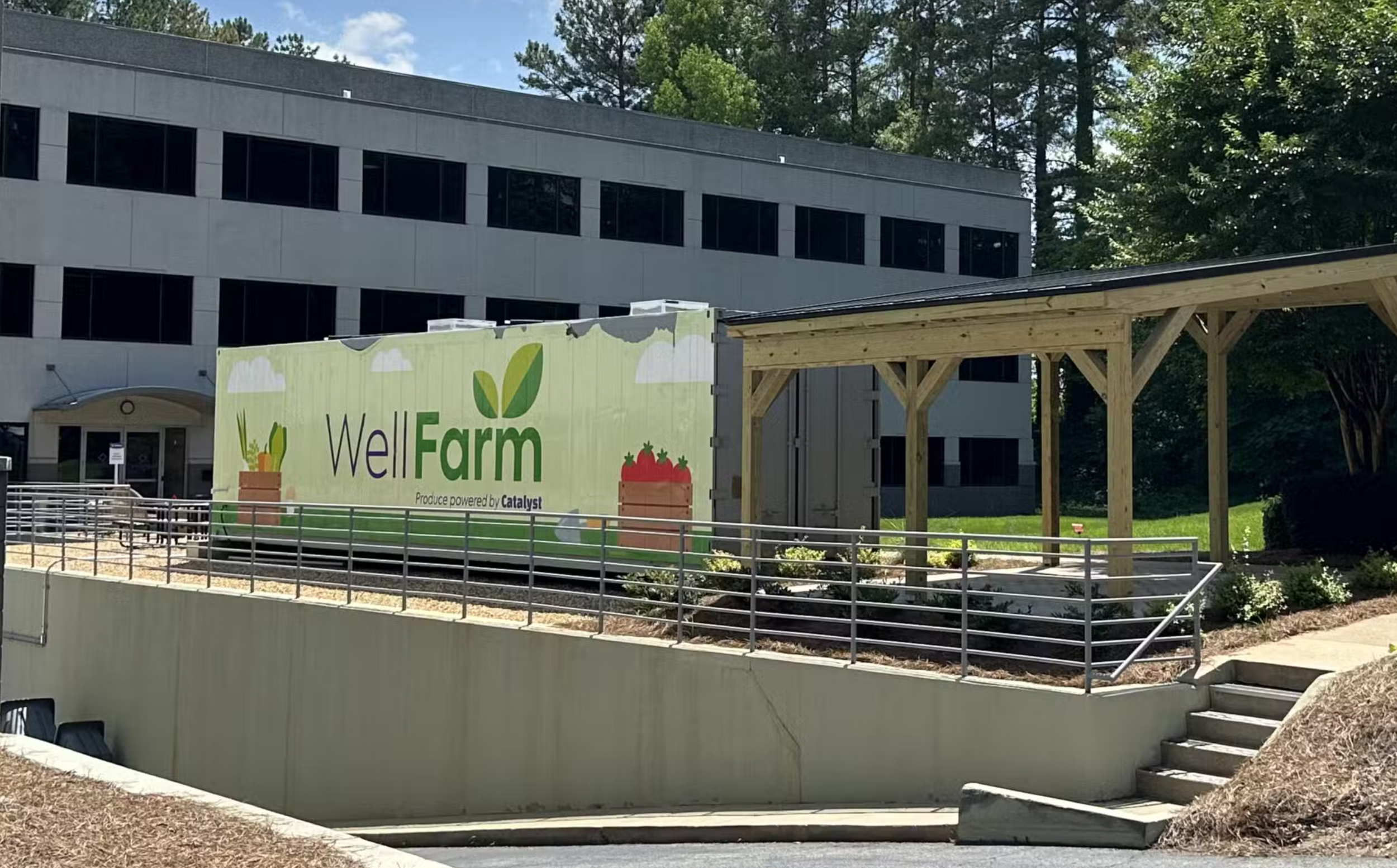
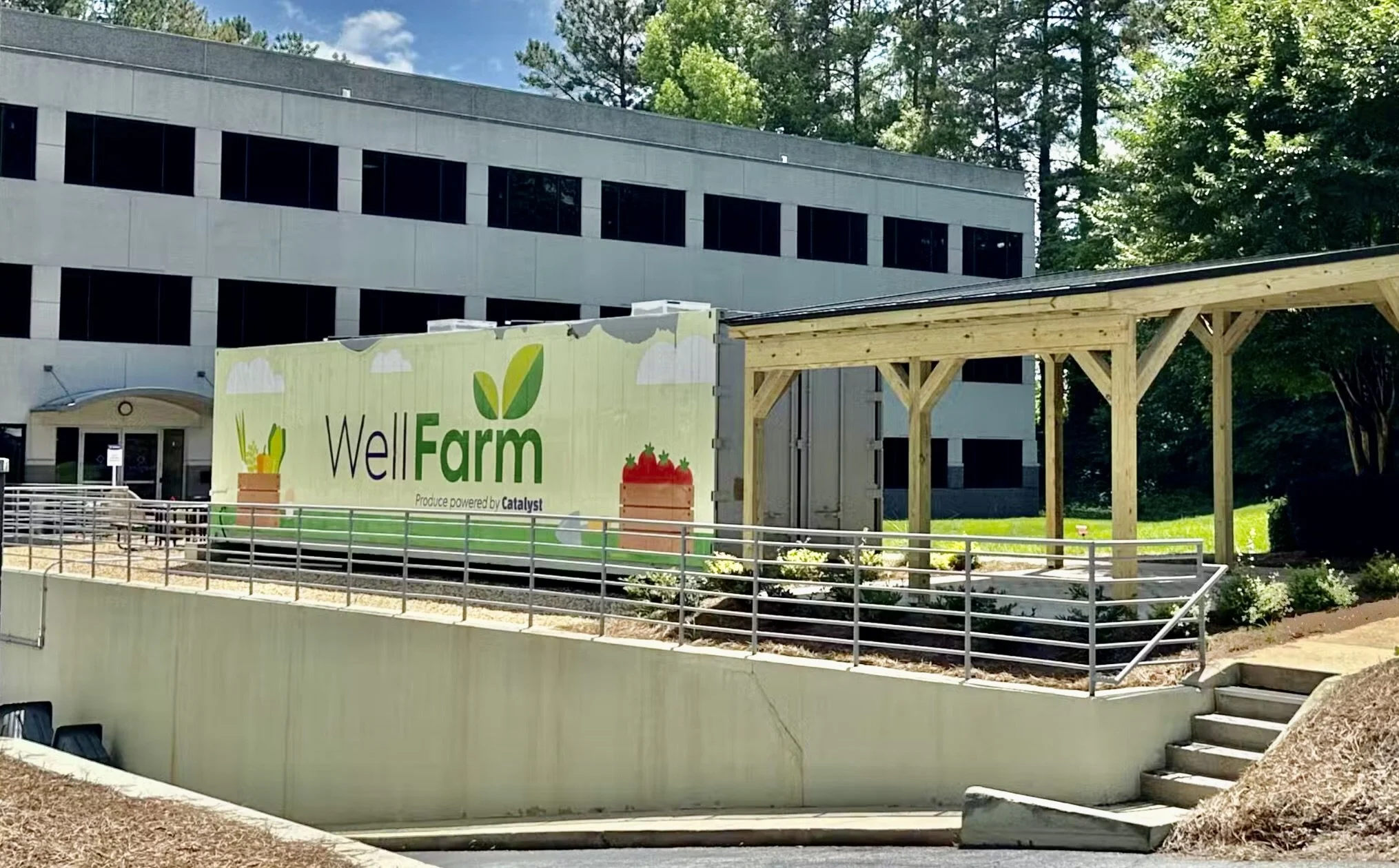
Wellstar Health’s WellFarm: A Case Study in Hospital-Based Vertical Farming
Wellstar Hospital in Georgia operates an onsite container farm called “WellFarm” through a partnership with FarmBox Foods.
The vertical farm supplies fresh herbs and greens for patient meals, the hospital bistro, and the gift shop.
Produce grown onsite is used for nutritional therapy, particularly for immunocompromised patients. The farm supports community engagement and wellness programming.
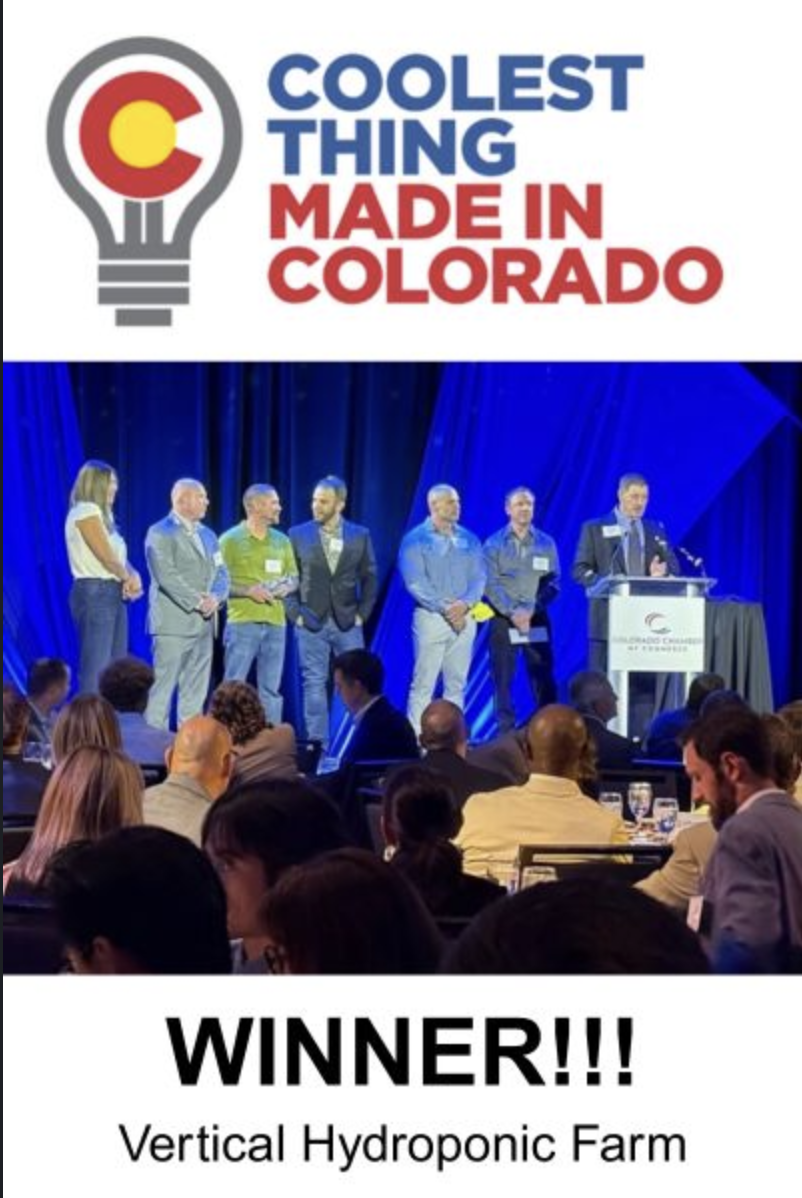
Vertical Hydroponic Farm Named Coolest Thing Made in Colorado
The Colorado Chamber of Commerce today announced that the Vertical Hydroponic Farm by FarmBox Foods has been named the Coolest Thing Made in Colorado for 2025. The award was presented that the Coolest Thing Made Awards ceremony presented by FirstBank.
The Vertical Hydroponic Farm, manufactured in Aurora, uses patented vertical farming technology inside upcycled shipping containers to maximize growing space while minimizing water and energy use.
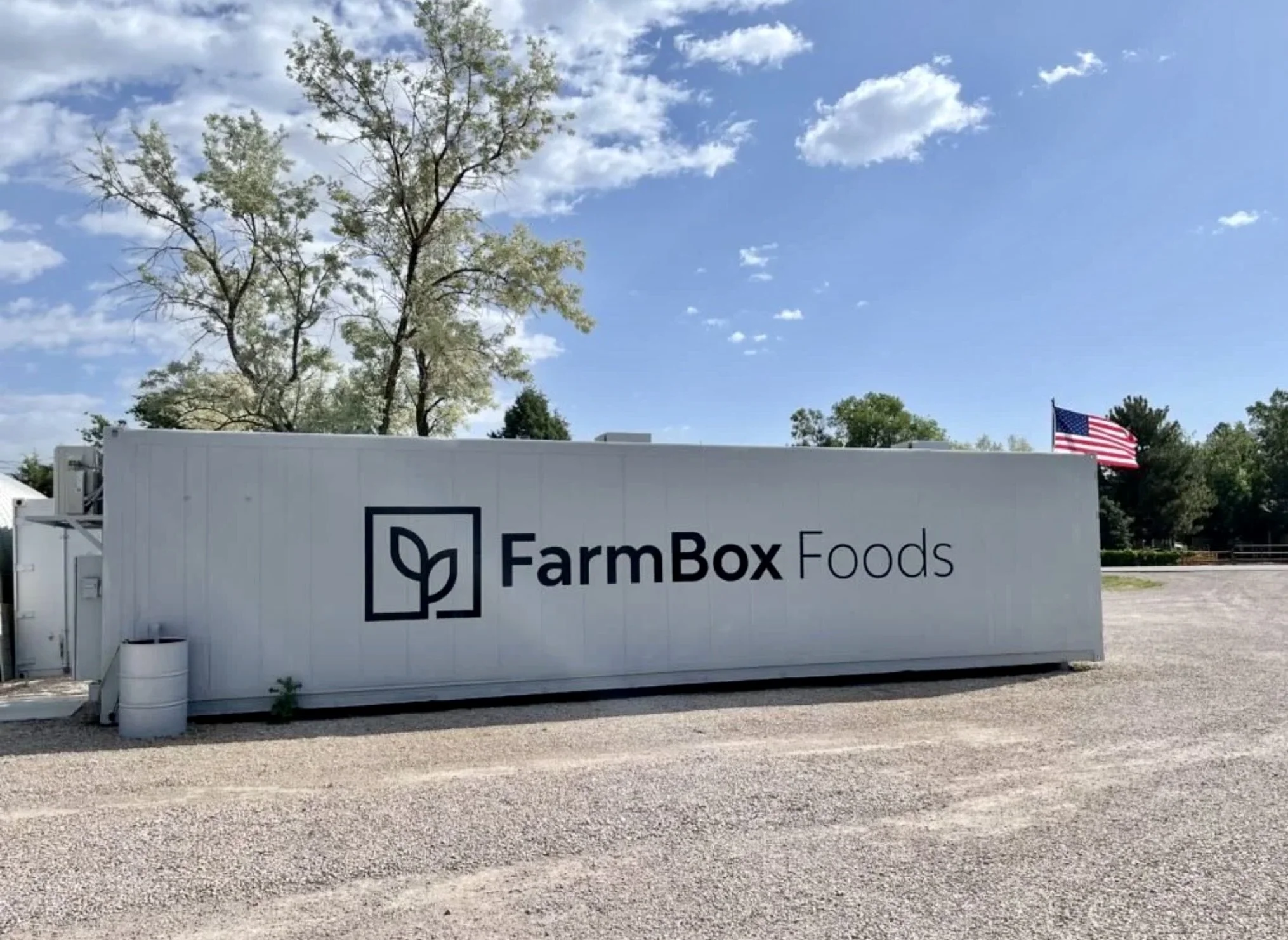
‘Coolest Thing Made in Colorado’ This year? A Shipping Container Farm
A company specializing in vertical farming was awarded the “2025 Coolest Thing Made in Colorado” by the Colorado Chamber of Commerce on Thursday.
The statewide business lobbying group celebrated the top inventions of the state for the past four years with this recognition aiming to highlight different locally-made products.
This year’s winner was the Vertical Hydroponic Farm made by FarmBox Foods out of Aurora.
How Hospitals Can Calculate ROI on Onsite Farming Solutions
FarmBox Foods helps hospitals estimate financial and nutritional ROI before the implementation of their container farms.
Key factors include operational costs, yield, reduced readmissions, and local sourcing benefits.
Predictable production enables budget planning over the long term.
Bonus depreciation incentives make CAPEX more attractive for institutions.
ROI is also measured in patient outcomes, staff wellness, and community engagement.