


Welcome to iGrow News, Your Source for the World of Indoor Vertical Farming

VIDEO: 8 Startups That Are Revolutionizing AgTech
The growing interest in AgTech is reflected in venture capital investments for AgTech startups. According to Pitchbook, $6.7 billion was invested in AgTech startups in the last five years and $1.9 billion in the last year alone. These 8 AgTech startups are paving the way to revolutionize the future of the agriculture industry.
Agriculture is changing rapidly in the modern age. The global population is rising at an alarming rate and consumer preferences are shifting towards organic and sustainably produced goods. To keep up with these demands, the traditional agriculture industry must adopt new technologies to make farms more efficient and automate production.
The growing interest in AgTech is reflected in venture capital investments for AgTech startups. According to Pitchbook, $6.7 billion was invested in AgTech startups in the last five years and $1.9 billion in the last year alone. These 8 AgTech startups are paving the way to revolutionize the future of the agriculture industry.
1. Big Wheelbarrow
Big Wheelbarrow connects wholesale food buyers with local farmers. Big Wheelbarrow makes it faster and easier for buyers to work with small independent growers, regardless of size. Their technology empowers their customers to offer local products to their clients without the time and effort it used to require.
2. Vestaron
Vestaron Corporation develops and produces insecticides by employing peptides sourced from spiders in the United States. Its products are used in agricultural, animal health, and specialty non-crop applications, as well as in-household insects and commercial pest control applications.
3. Cainthus
Cainthus is developing the world’s most advanced technology for dairy farms today; technology that’s transformational for animals, farmers, and the production of food. Using computer vision and artificial intelligence to identify health, reproduction, and environmental changes early on, Cainthus translates visual information into actionable data.
4. Rex Animal Health
Rex Animal Health is on a mission to help livestock producers and farmers feed the world by increasing productivity and predicting, preventing, and precisely managing disease in the herd. They have a built up the largest database of clinical, health, performance, and genetic data on these livestock. Also, agribusinesses can use this data in order to understand their supply chain to identify the source of potential food borne illness, find the most efficient producers, set prices in commodities trading, and to understand and assess risk to increase transparency in the food supply chain.
5. Smallhold
Smallhold provides retailers and restaurants with contained-environment vertical farm units that produce large amounts of mushrooms, herbs, and leafy greens with minimal labor. Their current product offering is with on-site mushroom production and can produce up to 120 lbs/week in the space of a bookcase. The mushrooms are certified organic and are competitive with conventional ways of growing.
6. Babylon Micro-farms
Babylon Micro-farms provides an on-demand indoor farming service to make sustainable indoor farming more accessible than ever before. Their farms grow fresh produce 2x faster using 90% less water than conventional agriculture, without the use of pesticides or harmful chemicals. Their business model drastically reduces the upfront costs and expertise associated with indoor agriculture, powered by a patented IoT platform that remotely operates the ecosystem of farms.
7. Kiverdi
Kiverdi technology uses all-natural microbes to transform CO2 and other gases into high-valued nutrients, oils, and bio-based products. Kiverdi’s proprietary platform, which extends early NASA research, converts carbon dioxide from diverse industrial and agricultural sources into new materials using proprietary gas fermenting microbes.
8. Cambridge Crops
Cambridge Crops develops natural and edible coatings to extend the shelf life of a wide variety of perishable foods. Their coatings regulate the exchange of gases and slow down bacterial growth. These unique attributes allow for drastic improvements in shelf life for everything from avocados and spinach to meat and seafood. Cambridge Crops’ technology is easily integrated into existing packing and processing lines, minimizing the need for supply chain changes or expensive on-boarding. By increasing the window of peak freshness, Cambridge Crops allows food producers, food processors, and retailers to extend shelf lives, reach new markets, and reduce waste.


First Indoor Basil Harvested In Delphy Improvement Center
Meulendijks has been working on the development of practical cultivation knowledge for Vertical Farms. Growth factors such as climate, light and irrigation can easily be varied in the test chambers.
The first batch of indoor-grown basil was harvested at the Delphy Improvement Centre. Since May, Lisanne Meulendijks has been working on the development of practical cultivation knowledge for Vertical Farms. Growth factors such as climate, light and irrigation can easily be varied in the test chambers.
Because of this flexibility, experiments can be conducted to see how cultivation in a Vertical Farm can be optimized. The focus is on analyzing the plant’s growth process. In a Vertical Farm, the plant influences its own growing environment relatively strongly which creates a microclimate around the crop that deviates from the controlled climate in the chamber.
Lisanne in the climate chamber
Cultivation factors
The degree of exchange between these climates depends on the design of the Vertical Farm. In order to fully utilize the potential of a Vertical Farm, optimization of the growth recipes should be based on this principle, because it is ultimately the microclimate that controls the growth of the plant.
By approaching the research from this angle and looking at the effect of the different cultivation factors on the plant, it is possible to formulate growing advice that is specific for different Vertical Farming facilities.
Light intensity
The first experiment looked at the effect of increasing light intensity on the growth of basil, in combination with testing different types of substrate. By using sensors on and around the plant, the growth was closely monitored and could be linked to the microclimate between the crop and the macro climate in the cell. This led to interesting and tasty first results, says Lisanne.
Investigating business questions
The graph shows the relation between increasing light intensity and annual production: the more light, the steeper the curve, the faster the plants growth. The fact that the plant grows faster with more light is of course nothing new.
What makes these results interesting is that each growth curve can be expressed in a formula and the error margin around the curves is small, Lisanne explains. This is because the growing conditions within a Vertical Farm are completely under control. Cultivation practices can then be optimized using the formulas behind these kind of curves.
It becomes possible to formulate answers to questions such as: “How does an investment in extra light affect my yield? How many days after germination is best to harvest to maximize my yield?”
These are important business aspects for production. "Through our application-oriented research, we develop knowledge that responds to these kinds of practical questions."
Fresh weight of the basil plotted as a function of light intensity and days after germination.
This experiment is part of the Fieldlab Vertical Farming South Holland project. This project has in part been made possible by the European Fund for Regional Development of the European Union and a contribution from the Province of South Holland.
For more information:
Delphy
www.delphy.nl
Publication date: Wed 15 Jul 2020

USA: VIRGINIA - Hull Street Indoor Urban Farm Launches Sales In September
In 2016, Ferguson started his tech-driven farming business Nouveau Farms in the quiet of his basement. An engineer by day, Ferguson says he began researching how to grow his own food after he realized that imported, out-of-season produce was not what he wanted to feed his family
Trevor Ferguson is now accepting orders from his Hull Street indoor hydroponic farm, Nouveau Farms. Scott Elmquist
While most farmers fight daily against the peccadilloes of ever-abrasive Mother Nature, Trevor Ferguson battles only market demands and water flow inside his hydroponic urban farm.
In 2016, Ferguson started his tech-driven farming business Nouveau Farms in the quiet of his basement. An engineer by day, Ferguson says he began researching how to grow his own food after he realized that imported, out-of-season produce was not what he wanted to feed his family.
Once the left-brained Ferguson started learning about hydroponics, he was hooked. For those unfamiliar with the ’ponic world, this type of horticulture forgoes soil and instead uses mineral nutrient solutions, light, oxygen and filtered, freshwater to grow plants as much as 50% faster than those grown in the great outdoors.
“When you start eating those greens and those herbs, you can taste the difference,” Ferguson says. “It sort of changed my whole perspective.”
Ferguson started with an eight-tower wall garden, growing microgreens, salad greens, and herbs like mint, chive, and basil. “I’m originally from the Bahamas and we had fruit trees in the backyard,” Ferguson says. “I would go and get mangoes right off the tree, so that’s where that connection comes from.”
While still working his 9 to 5 as a natural gas infrastructure development manager, Ferguson carved out time for hydroponic training courses, moving his small underground operation into his garage. He started the commercial rollout of Nouveau Farms in January. As of Tuesday, Sept. 1, you can order your microgreens and mint directly from Ferguson’s 800-square-foot Hull Street indoor farm.
“I surely hope this turns into a full-time thing,” Ferguson says. “I am building this for the long run, making long-term investments. People who go into farming know it isn’t to get rich quick, I won’t become a millionaire.”
Ferguson says when the business launched at the beginning of 2020, the goal was to provide major suppliers with bulk orders. “That sort of bottomed out for us.” Like the rest of the world operating during the pandemic, he readjusted his business model. And, a bit serendipitously, Ferguson says he likes this initial direct-to-consumer approach better.
“People have been so disconnected from their food for such a long time,” he says. “The pandemic has made people realize how important it is to have food security.” Ferguson wishes he were “further ahead” in his rollout plan, simply so he could meet the needs of the people in his community. “One of the things I’m hyper-focused on is that whatever we grow and supply, we need to be cost-competitive.”
So while his salad greens will damn sure be more flavorful than the imported grocery store stuff that’s grown primarily for hardiness, Ferguson isn’t going to charge people an exorbitant price. “If you’re buying a bag of red romaine from me, it will be the same price as any place else,” he assures.
The Hull Street farm is currently catering to individual consumers and pledges that all produce is harvested within 24 hours of delivery. Customers can place orders online (nouveaufarms.com) Sundays-Fridays, with free deliveries to those within 15 miles on Saturdays.
In addition to the Hull Street business, Ferguson also has his sights set on a truly halcyon, pastoral dream: a sprawling farmhouse located on 7 acres in Varina, situated amongst a vineyard, strawberry patches, and a space allotted to weekend farmers markets.
Only seven minutes from Richmond’s city center, Nouveau Farms & Vineyard consists of three abutting lots, with the farmhouse to the far left, the middle lot devoted to grape-growing, and the far lot serving as an active farm open to the public. A huge undertaking, yes, but Ferguson is ready for the challenge.
“The Varina farm is going to be strawberry heaven,” Ferguson laughs. He says that one impetus to grow his own food was to create the best berries for his daughter. “We would go to the grocery store and she loves strawberries and we would buy them on a weekly basis, but it was really hit or miss.”
The Nouveau Farms berries will all be hits, with Ferguson using “a bit of hydroponics” plus traditional farming methods to grow his fruits de terre. “We won’t be in the soil – we will use a hybrid version of soil with a mix of peat moss, plus good drainage. And we’ll be feeding nutrients straight to the berries.”
Ferguson says he will be experimenting with a couple of different berry varieties and will solicit help from the public to choose which berry is best — he’s hoping the farm will be able to institute weekend pick-your-own days for families, too.
By 2022, Ferguson plans to have weekend farmers’ markets in addition to events and weddings – the backdrop is a bridal dream. “We’ll have smoothies made of our fresh fruit, people can enjoy a glass of wine and play cornhole,” Ferguson muses.
He can see it now: a weekend reset on the farm before heading back into the city for the daily grind. Now all he needs are some mango trees.
Follow Nouveau Farms on Instagram for updates about produce, purchasing, and when the farm will be ready for strawberry picking.

FREE ZOOM WEBINAR'S: Perennia's Virtual Field Days - Sept 8, 9 and 10

Virtual Field Days – Sept 8, 9 and 10
Tuesday, September 8, 2020, at noon (ADT)
You’re invited to Perennia’s Virtual Field Day on Insects and Pests. Join us for an online session on Tuesday, September 8, at noon (ADT) to hear from Perennia crop specialists, researchers and producers.
AGENDA
Viticulture Specialists, Francisco Diez, will discuss Grape Phylloxera with guest Dr. Deb Moreau, AAFC
Acting Vegetable Specialist, Caitlin Congdon will present information on a trial for management of cucumber beetle and squash bug, with guest Dr. Suzie Blatt, AAFC
Field Crops Specialist Sonny Murray, Acting Vegetable Specialist Caitlin Congdon and Dr. Jocelyn Smith of the University of Guelph discuss Bt Trials for Control and resistance development of corn insect pests
Wednesday, September 9, 2020, at noon (ADT)
You’re invited to Perennia’s Virtual Field Day on Production Systems. Join us for an online session on Wednesday, September 9, at noon (ADT) to hear from Perennia crop specialists, researchers and producers.
AGENDA
Manager of Horticulture Jennifer Haverstock and Protected Crops Specialist Talia Plaskett will chat about strawberry production substrate with guest speakers Jackson Lore etc.
Protected Crops Specialist Talia Plaskett will discuss shipping container greens with guest speaker Phil Hatcher from Very Local Greens
Thursday, September 10, 2020, at noon (ADT)
You’re invited to Perennia’s Virtual Field Day on Weed Management. Join us for an online session on Thursday, September 10, at noon (ADT) to hear from Perennia crop specialists, researchers and producers.
AGENDA
Wild Blueberry Specialist Hugh Lyu discusses the major weed species in wild blueberries
Tree Fruit Specialist Michelle Cortens talks about weed identification in apple production
Manager of Horticulture Jennifer Haverstock and Gavin Graham, Weed Management Specialist with the New Brunswick Department of Agriculture, discuss weed management in strawberries and a demo trial highlighting the opportunity of fall herbicide application.
REGISTRATION
Registration is required.
Cost: Free
QUESTIONS?
Caitlin Congdon
Phone: 902-698-9473
Email: congdon@perennia.ca
TO REGISTER CLICK HERE


Federal Grant Bolsters Higher Education In AgTech
Cornell University has reported that the US Department of Agriculture (USDA), through its National Institute of Food and Agriculture (NIFA), has endowed the university’s College of Agriculture and Life Sciences’ School of Integrative Plant Science with a $496,000 grant
Growers have indicated the need for highly skilled workforce is becoming more urgent as technology restructures the future of farming.
Today’s blog notes a bright spot amongst many past reports of reduced government-backed financial support in research & development (R&D) and education programs that aim to improve living conditions, reduce environmental impact, and manage the growing population’s resources via technology.
Cornell University has reported that the US Department of Agriculture (USDA), through its National Institute of Food and Agriculture (NIFA), has endowed the university’s College of Agriculture and Life Sciences’ School of Integrative Plant Science with a $496,000 grant. The federal funding will be used to develop new controlled environment agriculture (CEA) training programs for a skilled workforce that is sorely needed.
Cornell’s associate professor of horticulture Neil Mattson, well-known to us as the keynote speaker at our 2019 HortiCann Light + Tech conference, will collaborate with Cornell Small Farms program director Anu Rangarajan, Ohio State University’s Agricultural Technical Institute, and SUNY Broome Community College to create a technical training certificate in CEA production. The partners also expect to develop a two-year associate’s degree program for students at these institutions and other community colleges to provide solid education in CEA.
Mattson said in the Cornell Chronicle, “Growers consistently state that finding well-trained personnel to operate their facilities is among the largest barriers to expansion.”
Why do we need this educational support? The global population is growing, and supply needs to ramp up to deliver healthy foods to all economic strata. Many food crops are currently unavailable close to home for many, which places a burden on transportation and increases carbon footprint, as well as impacting shelf life. CEA can bring many food-growing resources closer to consumers, especially in urban areas or regions that would prove inhospitable to sensitive crops in a traditional farming operation.
CEA gives growers the means to apply physical systems of growth media, environmental controls, horticultural lighting, and water supply systems along with evidence-backed research in pest management, food safety processes, light customization, and more to produce food sources in a manner designed to balance economic viability, food demand, and sustainability.
Technologies available to modern CEA growers would naturally require a more advanced skillset. Indeed, said Rangarajan, “Our efforts have laid the groundwork for what I hope will be a dynamic training program that will build the workforce and elevate the industry as a whole.”
It’s an exciting time in the horticultural and agricultural space, and learning opportunities abound. Bookmark our HortiCann Light + Tech conference homepage for updates on our upcoming October program, now virtual for 2020. Moving beyond horticultural lighting fundamentals, the program will also delve into agribusiness and the return on investment in advanced systems and controls, AgTech systems integration, and topics related to legalized cannabis growing operations.
Photo credit: Image by iamereri via Pixabay; used under free license for commercial or non-commercial purposes.
Author: Carrie Meadows | LEDsMagazine | Jul 10, 2020


Breakthrough In Artificial Photosynthesis Lets Scientists Store The Sun's Energy As Fuel
Plants have a seemingly effortless skill – turning sunlight into energy – and scientists have been working to artificially emulate this photosynthesis process
29 AUGUST 2020
Plants have a seemingly effortless skill – turning sunlight into energy – and scientists have been working to artificially emulate this photosynthesis process. The ultimate benefits for renewable energy could be huge – and a new approach based on 'photosheets' could be the most promising attempt we've seen so far.
The new device takes CO2, water, and sunlight as its ingredients, and then produces oxygen and formic acid that can be stored as fuel. The acid can either be used directly or converted into hydrogen – another potentially clean energy fuel.
Key to the innovation is the photosheet - or photocatalyst sheet - which uses special semiconductor powders that enable electron interactions and oxidation to occur when sunlight hits the sheet in water, with the help of a cobalt-based catalyst.
No additional components are required for the reaction to occur, and it's fully self-powered.
"We were surprised how well it worked in terms of its selectivity – it produced almost no by-products," says chemist Qian Wang, from the University of Cambridge in the UK.
"Sometimes things don't work as well as you expected, but this was a rare case where it actually worked better."
The device in action. (University of Cambridge)
While the prototype photosheet only measures 20 square centimetres (3 square inches), the scientists who invented it say it should be relatively easy to scale up without incurring huge costs.
Ultimately, they think these sheets could be produced in large arrays, similar to those on solar farms. What's more, the resulting formic acid can be stored in a solution, and from there converted into different types of fuel as needed.
It achieves something that isn't always guaranteed in conversion systems like this – a clean and efficient process without any unwanted by-products. Any extra waste produced has to be dealt with, which can negate the positive effects of the initial reaction.
"It's been difficult to achieve artificial photosynthesis with a high degree of selectivity so that you're converting as much of the sunlight as possible into the fuel you want, rather than be left with a lot of waste," says Wang.
A team from the same lab was also responsible for developing an 'artificial leaf' material in 2019. While the new photosheet behaves in a similar way, it's more robust and easier to scale up – and it produces fuel that's more straightforward to store, too (last year's system created syngas).
That doesn't mean the new photosheet is ready to go commercial just yet: The researchers need to make the process a lot more efficient first; they are also experimenting with different catalysts that may be able to produce different solar fuels.
The need for a full transition to clean energy is more urgent than ever, but we're encouraged by how many projects are in the pipeline. However, as is the case with this new process, figuring out the science is just the start of producing a fuel that will work practically.
"Storage of gaseous fuels and separation of by-products can be complicated – we want to get to the point where we can cleanly produce a liquid fuel that can also be easily stored and transported," says chemist Erwin Reisner, from the University of Cambridge.
"We hope this technology will pave the way toward sustainable and practical solar fuel production."
The research has been published in Nature Energy.

Spill the Greens - Mucci Farms Launches Podcast
Canadian Mucci Farms is launching a podcast called Spill the Greens
To connect the dots between greenhouse operations and their customers, Canadian Mucci Farms is launching a podcast called Spill the Greens. “We think it’s important for people to know who we are, and see this platform as an opportunity to introduce retailers and consumers to our amazing team through education and information about the greenhouse industry,” says Ajit Saxena with Mucci Farms.
“To many people, we are a brand or a product, but behind the logos and packaging there is a team of 1400 people dedicated to growing, packing, shipping and marketing high quality fresh produce. We hope to provide transparency through this platform, with an aim to increase awareness and consumer loyalty,” Saxena added. After months of research and preparation, the official launch is today, August 18.
How did the idea for a podcast start off? Saxena explained that Mucci Farms is always looking for new ways to enhance its online presence and marketing. “As a forward-thinking company, we regularly consider new digital opportunities to reach people, and given the current circumstances, that effort has undoubtedly increased,” Saxena shared. “Prior to working in produce, I worked in Radio Broadcasting for 6 years so the podcast space was naturally intriguing, but I wasn’t sure if we could create enough content for an engaging show worthy of a regular listenership.”
In February of this year, some of Mucci Farms’ marketing team members attended United Fresh’ Brandstorm event. One of the sessions at the event was called the Power of Podcasting which highlighted the benefits of the platform. “As we listened to the panelists, it became clear that we needed to take a deeper dive into the opportunity and really take a look at how much content we could create. It was obvious that this was a rising platform. After the event, we went home to Kingsville, did our research and then presented our findings to our team.”

Podcast host Ajit Saxena and Mucci's CEO Bert Mucci.
Research was convincing
Nielsen had a lot of real-time data on podcasts available. “There were a surprising amount of statistics that pointed to our general target demographic as big consumers of podcasts,” said Emily Murracas, Director of Marketing at Mucci Farms. “It was eye-opening to learn that the podcast platform is growing more rapidly than YouTube,” she added. “We were convinced it was a good idea and without hesitation, green lit the effort to begin its development.”
Today, earlier than planned, Mucci Farms launches its very first episode. “Originally, we were going to launch closer to PMA Fresh Summit,” said Murracas. “However, when circumstances changed in mid-March, and much of the world shifted online, it made sense for us to move up the date.”
Bridging the gap between grower and consumer
The main purpose of the podcast series is to bridge the gap between greenhouse operations and their customers, including retail buyers and end consumers. “More than ever before, consumers want to know where their food comes from and a podcast will allow us to provide detailed information in full context without time constraints,” commented Saxena. “With Spill the Greens, our goal is to educate retail staff and consumers on what we do, how we do it, and what the benefits are of greenhouse-grown produce.”
The first three episodes will feature Mucci Farms owners, starting with CEO Bert Mucci in today’s first episode. Spill the Greens can be found on Spotify, Apple, Google, and Stitcher, but also by going to a dedicated website: www.spillthegreens.com.
For more information:
Ajit Saxena
Mucci Farms
Tel: (+1) 519-326-8881
asaxena@muccifarms.com
www.muccifarms.com
By Marieke Hemmes | Tue 18 Aug 2020 | HortiDaily


Freight Farms in Montrose Colorado - Eatin' Greens Farm - Locally Grown Produce
“We have been container farming for 3 years now and we were in agriculture in this area since 1970, so we have been through a few cycles of wet and dry years. We are able to grow consistently all year long no matter what the weather is like. We only use about 3 or 4 gallons of water a day, so drought or no drought we aren’t affected.”⠀
The deserts of the west meet the Rocky Mountains, blocking any rainfall that might come their way. ⠀
Instead, the town relies on snowmelt to irrigate their valley so they can grow beautiful crops of corn, alfalfa, peaches, apricots and apples, and more.⠀
But for the past 2 years, the area has been experiencing a drought and the availability of water for next year depends entirely on the amount of snowfall the mountains receive this winter.⠀
“These cycles certainly make my wife and I appreciate the Freight Farm," says Steve Arnold of @eatingreensfarm. “We have been container farming for 3 years now and we were in agriculture in this area since 1970, so we have been through a few cycles of wet and dry years. We are able to grow consistently all year long no matter what the weather is like. We only use about 3 or 4 gallons of water a day, so drought or no drought we aren’t affected.”⠀


These Peach Salsa Brands Sold in 8 States Are Being Recalled
Three brands of peach salsa may be contaminated with Salmonella, the FDA warns. The packages of peach salsa that could be tainted with Salmonella were delivered to retail stores in Iowa, Michigan, Minnesota, Nebraska, North Dakota, South Dakota, Wisconsin, and Wyoming.
Three brands of peach salsa may be contaminated with Salmonella, the FDA warns.
Peaches are technically still in season until late September, however, you may want to refrain from picking up any containers of fresh peach salsa at the grocery store—that is, if you live in a certain eight states.
The FDA recently announced that Russ Davis Wholesale (RDW) is recalling Peach Salsa sold under the following three brands: Crazy Fresh Perfectly Peach Salsa, Quick & Easy Perfectly Peach Salsa, and Clear Label Perfectly Peach Salsa. The salsa has reportedly been contaminated with Salmonella, which, according to the CDC, can cause diarrhea, fever, and stomach cramps, among other symptoms.
The recall comes in response to Wawona Packaging, which informed RDW on August 22 that the peaches used to make the salsas could have been contaminated with the foodborne pathogen. The affected products include any packages of Crazy Fresh Perfectly Peach Salsa with a sell by date of 6/25/2020 to 8/26/2020; Quick & Easy Perfectly Peach Salsa with sell by date of 7/29/2020 to 8/26/2020; and Clear Label Perfectly Peach Salsa with sell by date of 7/30/2020 to 8/23/2020. (Related: 7 Secret Tricks for Extending Food Expiration Dates)
The packages of peach salsa that could be tainted with Salmonella were delivered to retail stores in Iowa, Michigan, Minnesota, Nebraska, North Dakota, South Dakota, Wisconsin, and Wyoming. There are a few other miscellaneous containers of peach salsa that could cause foodborne illness, including ones that were offered at the deli counter at several grocery stores in Ortonville and Cross Lake in Minnesota, as well as in Tipton, Iowa.
In addition, five Bountiful Fresh gift baskets are suspected to have included the contaminated peaches, which were sold through one location in Hastings, Minnesota. If you've purchased any of the following items in the past several days, be sure to throw it out immediately. So far, there haven't been any reported cases of foodborne illness from these peaches, but that doesn't mean you shouldn't take precaution!
For more, check out These Are the Most Often Recalled Foods in America.
Article by: Cheyenne Buckingham | August 26, 2020

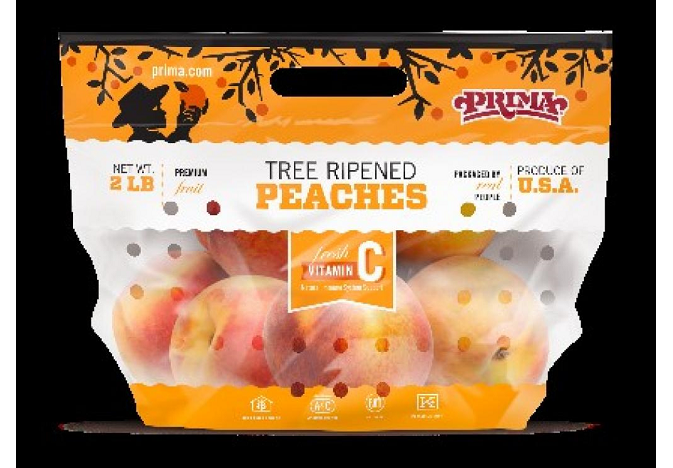
Prima Wawona Peaches Shipped To More Than A Dozen Countries
Prima Wawona peaches involved in a recall in the U.S. and Canada because of salmonella were shipped to more than a dozen other countries.

August 30, 2020
Prima Wawona peaches involved in a recall in the U.S. and Canada because of salmonella were shipped to more than a dozen other countries.
So far, Canada, Singapore, and New Zealand have recalled the peaches, according to an Aug. 28 notice from the Food and Drug Administration. Prima Wawona/Wawona Packing of Fresno, Calif., recalled peaches on Aug. 21, followed by a recall in Canada. The Singapore Food Agency recalled the peaches from importer Satoyu Trading Pte Ltd. on Aug. 25, and New Zealand Food Safety on Aug. 26 recalled bulk peaches from the company that went to retailers.
The Prima Wawona peaches also went to: Australia, China, Costa Rica, Ecuador, El Salvador, Guatemala, Honduras, Mexico, Panama, the Philippines, Taiwan, and the United Arab Emirates. The FDA has alerted the food safety agencies in those countries.
No illnesses have been reported in those countries. As of Aug. 23, Canada had reported 33 cases of Salmonella Enteritidis. As of Aug. 27, there were 78 people sick from the peaches in 12 states.
In the U.S., bulk peaches sold from June 1 to Aug. 3, and bagged conventional and organic peaches in two-pound bags sold from June 1 through Aug. 19 were recalled by Prima Wawona.
Retailers that received peaches, according to the FDA, are Aldi, Food Lion, Hannaford, Kroger (Jay-C, King Soopers, City Market, Fry’s, Ralphs, Food 4 Less, Foods Co., and Smiths), Target, Walmart, and Wegmans.
Russ Davis Wholesale, Wadena, Minn., recalled Crazy Fresh and Quick & Easy brand peach salsas made with the peaches on Aug. 25, as well as gift baskets that included the peaches.
Related stories: (UPDATED) Prima Wawona recalls bagged, bulk peaches (UPDATED) Wawona brand peaches linked to salmonella outbreak

What Are The Pros And Cons of Hydroponics?
Hydroponics is a type of aquaculture that uses nutrients and water to grow plants without soil. It is an increasingly popular growing method in urban areas and regions with extreme climates
AUGUST 28, 2020
Hydroponics is a type of aquaculture that uses nutrients and water to grow plants without soil. It is an increasingly popular growing method in urban areas and regions with extreme climates. There are many benefits to hydroponics as an alternative form of agriculture, including fewer chemicals, higher yields and greater water efficiency.
However, hydroponics is not a perfect solution. The initial setup is expensive, and the whole growing system is heavily dependent on access to electricity and a clean water source. Here are just a few pros and cons of hydroponics.
Pros
The benefits of hydroponics are myriad and include:
1. More Water Efficient
Growing plants can require a lot of water, and conventional agriculture is historically wasteful of this resource. For example, a single walnut requires almost 5 gallons of water, and an orange uses nearly 14 gallons. Globally, over 70% of freshwater is used for agriculture.
Compared to traditional growing methods, hydroponic systems are much more water-efficient. Growing in a climate-controlled environment allows cultivators to use the exact amount of water required for healthy plants, without any waste. Overall, hydroponics utilizes 10 times less water than conventional agriculture.
2. Higher Yields
Since crops are grown in a climate-controlled environment, hydroponic farmers are not limited by extreme weather or annual rainfall, resulting in higher crop yields. There’s more control over the setup of the system, and crops aren’t limited to a specific growing season.
Additionally, when comparing vegetables grown in soil, hydroponics can sometimes grow plants at up to 16 times higher density. Hydroponics allows growers to do this without using significantly more nutrients or other inputs.
3. Less Space
Some crops require a lot of space, and many conventional forms of agriculture are inefficient when it comes to using land. For example, row crops like soybeans and corn take up most of the arable land in the United States, but the harvest is used mostly for livestock and processed food, not human consumption.
In contrast, hydroponic systems focus on cultivating fruits and vegetables, providing nutrient-dense food for consumers without taking up significant amounts of space. Additionally, researchers at NASA are studying how to incorporate hydroponic systems for longer-duration space missions by providing the right balance of light, carbon dioxide, and water.
4. Community Resilience
Many cities have significant food deserts, and access to quality and affordable items is significantly limited. Urban hydroponic systems enable communities to cultivate their own crops, increasing food security for vulnerable populations.
While hydroponics requires significant operational costs, there is also some proof that it may be a possible solution for countries that struggle with food insecurity or need back-up options during months of extreme drought.
For example, in the United States, many agricultural enterprises grow food in one region but ship it to another for consumption. Many rural communities struggle with access to healthy produce because of this. Hydroponics may help foster community resilience by setting up an accessible system.
5. Fewer Chemicals
Many advocates of hydroponic systems stress that hydroponics reduces the need for synthetic chemicals. Since plants are most often grown in greenhouses with strictly controlled environmental inputs, pest pressure is almost nonexistent. Considering the detrimental impact of pesticides on the environment, using fewer chemicals is a huge advantage for hydroponics compared to traditional growing systems.
However, there is an ongoing debate regarding how to qualify hydroponic crops, and whether they are eligible for organic certification. According to the USDA, this refers to the care and maintenance of soil without chemicals. Since hydroponics do not use earth, many traditional organic growers feel that they are not eligible. Regardless of how crops are labeled, the fact that hydroponics uses fewer chemicals is a definitive advantage compared to conventional agriculture.
Cons
Despite the many positives, hydroponics also has some challenges to overcome.
1. Technology Reliance
Hydroponics is a high-tech process. Most commercial operations utilize specialized equipment that regulates water temperature, as well as acidity and nutrient density. Because plants are cultivated in a completely climate-controlled environment, there is a significant reliance on technology. Hydroponics is considerably more high-tech than other growing methods, and there is an opportunity in agtech to improve yields and decrease inputs. However, the amount of tech also makes it cost-prohibitive for beginning growers.
2. Initial Investment
The hydroponics market is expected to grow from $9 billion to $16 billion in the next five years, so there is certainly an opportunity for investors to consider vertical farming as a viable operation. In traditional agriculture, is it hard for new and beginning farmers to get started, as many face difficulties with land access and infrastructure investments.
However, getting into hydroponics is not necessarily any easier or cheaper. Despite a growing market, the initial investment in hydroponic systems is steep, especially on a commercial scale. For this reason, many of the largest growers are established agriculture corporations that already have capital in place. The initial investment limits profitable hydroponic operations to a few large farms, making it tricky for smaller growers to enter the market.
3. Organic Debate
As mentioned above, there is an ongoing debate in the farming community about whether hydroponic produce can be labeled organic according to USDA standards. Without a clear definition of the nutrient profile of hydroponics, nor stringent guidelines on which fertilizers or chemicals are permissible, many consumers remain cautious about hydroponic produce. This affects the industry’s success, as many consumers don’t know how crops are grown or what’s added to the water.
Without a clear definition from the USDA, there remains some question over self-labeling of hydroponic crops as organic when synthetic chemicals may still be added.
4. Equipment Requirements
While a home gardener can easily utilize some plastic bottles and storage containers to build a small hydroponic system, commercial farmers have significant equipment requirements. In addition to the initial costs of setup for infrastructure, there are also necessary and costly machines to consider. Pumps, tanks, and other controls can be expensive, not to mention electricity and access to filtered water.
5. Waterborne Diseases
While hydroponic systems may reduce or eliminate pest pressure, certain waterborne diseases are more prevalent in hydroponically grown produce. The most common ones affect the plant’s root structure, such as Pythium, which includes several water mold species.
Proper hygiene and cleaning practices can reduce the risk of plant disease, but it is often impossible to avoid completely. Because of this likelihood, many hydroponic growers incorporate bio fungicides to prevent breakouts.
Soil-Free Growing
Hydroponic growing can increase crop yields while reducing water usage. The benefits of hydroponics are significant, and the industry is expected to grow astronomically in the next five years. However, there are also some disadvantages to growing hydroponically. Improving access to infrastructure and making technology more accessible will enable more beginning growers to enter the market.

Consumer Preference For Microgreens
Scientists at Department of Agricultural Sciences - University of Naples Federico II (Portici, Italy) have investigated whether sensory attributes and visual appearance affect consumer preference for microgreens and their willingness to consume them
Microgreens are tender immature greens of wild species, herbs, grains, or vegetables, harvested upon the emergence of the first pair of true leaves. Microgreens are analogous in size to sprouts but are eaten without the roots and require additional days to thrive and acquire larger, colored, and flavor-rich leaves under light conditions. Despite their immaturity, microgreens are characterized by sharp flavors, vivid colors, tender textures, and a great source of phytonutrients.
Recently, microgreens demand is increasing, they are requested for their freshness and health-promoting properties associated with densely fortified secondary metabolites. While numerous species are being tested for agronomic and nutritional suitability, consumer acceptance of appearance, texture, and flavor is critical for the microgreens’ marketplace success.
Scientists at the Department of Agricultural Sciences - University of Naples Federico II (Portici, Italy) have investigated whether sensory attributes and visual appearance affect consumer preference for microgreens and their willingness to consume them. The sensory attributes of 12 microgreens species were appraised through an untrained consumer test and a partial least squares structural equation model was developed to link sensorial attributes to consumer willingness to consume it, as consumer preferences will drive the future of the microgreens market.
Microgreens species investigated: 1. Komatsuna; 2. Tatsoi; 3. Pak choi; 4.Cress; 5. Mibuna; 6. Mizuna; 7. Swiss chard; 8. Amaranth; 9. Coriander; 10. Green basil; 11. Purplebasil; 12. Purslane.
"Results showed that although visual appearance of the microgreens was largely appreciated, consumer acceptance overall was mainly determined by flavor and texture - explain the scientists - In particular, the lower the astringency, sourness, and bitterness, the higher the consumer acceptability of microgreens. Among the 12 examined species, mibuna and cress scored the lowest acceptance by consumers, while Swiss chard and coriander were the most appreciated, being therefore good candidates to be introduced in Western country markets. In addition, both Swiss chard and coriander have been identified by previous literature as a good dietary source of phenolic antioxidants."
This study has contributed to the knowledge regarding consumer acceptability of microgreens by exposing important implications related to the selection and commercialization of new microgreens species. "Further studies could investigate in detail the relationship between sensory attributes and chemical composition of microgreens and study consumer knowledge of the healthy and nutritional characteristics of microgreens and how the acceptability can be affected by the information level of the consumer. Indeed, providing information about the food product characteristics represents one of the key instruments for increasing consumer interest and positive perception of the product", scientists conclude.
Source: Francesco Caracciolo, Christophe El-Nakhel, Maria Raimondo, Marios C. Kyriacou, Luigi Cembalo, Stefania De Pascale, Youssef Rouphael, 'Sensory Attributes and Consumer Acceptability of 12 Microgreens Species', 2020, Agronomy, Vol. 10(7), 1043.
Publication date: Thu 27 Aug 2020
Author: Emanuela Fontana
© HortiDaily.com
USA - COLORADO - Geodesic Growing Dome Nears Completion On CMC Campus, Benefits Multiple Programs
When it’s done, the dome will be full of trees, flowers and edible plants, offering a hands-on and in-person experience for students enrolled in the college’s sustainability studies, permaculture and culinary programs
August 27, 2020
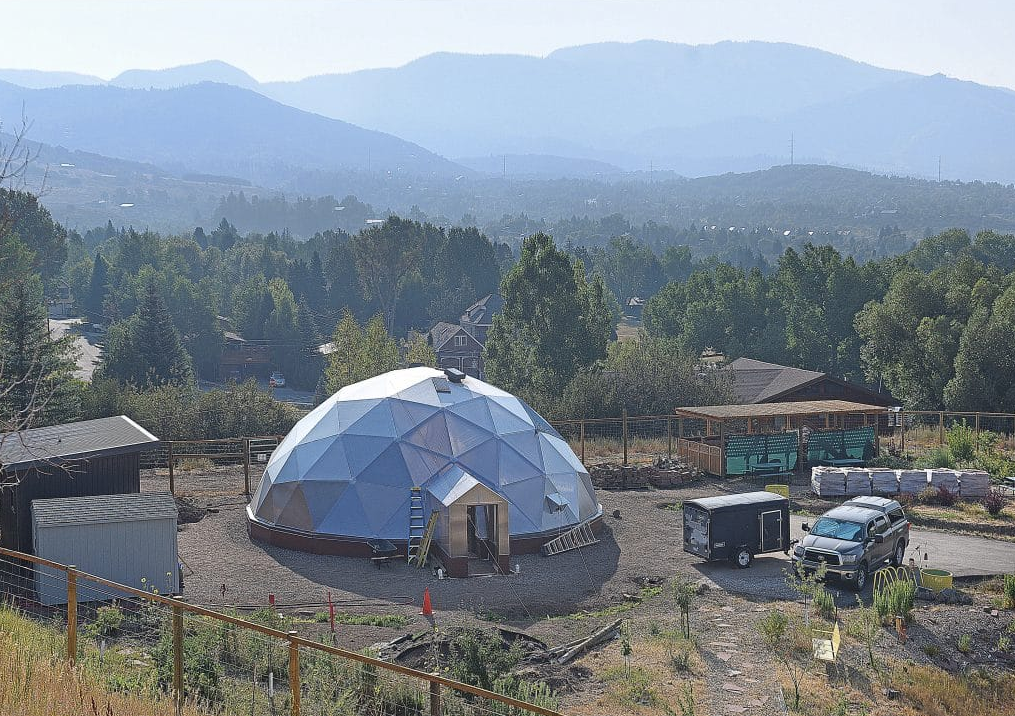
STEAMBOAT SPRINGS — A geodesic growing dome has been erected at Bear Park on the Colorado Mountain College Steamboat Springs campus off of Crawford Avenue. The structure will serve, in part, as a greenhouse, extending the growing season and benefiting the sustainability studies program as well as others.
The dome is one part of an expansion project that was approved two years ago, allowing the college to construct the dome, a teaching pavilion, and a restroom. While the outside of the dome is complete, plumbing and electric are still being installed. The inside will take time to fill as well. Tina Evans, CMC professor of sustainability studies, expects the entire project to be completed sometime next summer.
When it’s done, the dome will be full of trees, flowers, and edible plants, offering a hands-on and in-person experience for students enrolled in the college’s sustainability studies, permaculture, and culinary programs.“
Clearly, its benefit is as an educational space, a demonstration space for growing in our region,” Evans said. “It’s really an awesome venue for learning about growing food year-round in the challenging environment in a mountain community.”
Evans said the Steamboat Springs growing season is 59 days and occurs in the summer when few students are on campus. The dome will allow year-round growing.
The design of the inside and outside gardens at Bear Park, where the dome is located, was created using permaculture, which creates beneficial relationships between all the elements of the garden. Some plants provide shade, and others offer ground cover. Some will draw in pollinators, and others repel pests. The strength of one plant benefits all of them.
“We’re trying to create systems that take care of themselves a little bit more than our food systems do in monoculture agriculture,” Evans said. “We’ll have nitrogen-fixing plants in with other plants. We’ll grow plants that provide really good mulch that pull nutrients up from the soil.”
The dome, which was funded by the Yampa Valley Electric Association’s Roundup program, the Craig-Scheckman Family Foundation, and an anonymous donor, was purchased from a Colorado company called Growing Spaces. The structure is 42 feet in diameter or nearly 1,400 square feet. The triangle panels, made of polycarbonate, are not only structurally strong but hold in heat and disperse light better than other materials like glass.
The interior of the dome will also be home to an aquaculture project of large water tanks filled with fish, although Evans isn’t sure what type of fish yet.
The water-filled with fish excrement will serve as fertilizer. The water tanks, as well as the cement, stones and the soil, are all thermal masses, or materials that absorb and release heat slowly. Having many thermal mass materials inside the dome will help the structure retain heat longer.
To help maintain an ideal temperature, a climate battery will be installed below the dome. When the dome gets too hot, the battery will pull air into the cool ground. When temperatures in the dome drop, stored hot air in the battery tubes will be released back into the structure.
“We hope to maintain a Mediterranean-like climate where it doesn’t freeze in there or freeze often,” Evans said. “We will have heaters in there for some of those days where it’s 30 below … but we expect to avoid running them.”
Evans and her colleagues won’t truly know what the climate in the dome will be like until it’s completed and they start planting.
Lead photo: A new geodesic dome on the Colorado Mountain College's Steamboat Springs campus is nearing completion.
John F. Russell
To reach Shelby Reardon, call 970-871-4253, email sreardon@SteamboatPilot.com or follow her on Twitter @ByShelbyReardon.

California Fires: “I’m Not Sure Growers Can Prepare For Something Like This”
California’s wildfires continue to press on as growers in the region watch and try to assess potential damage
Falling Ash Has Blanketed Most of The Salinas Valley
California’s wildfires continue to press on as growers in the region watch and try to assess potential damage.
As of Sunday evening, the state has seen more than 560 fires, two of which are being called the largest in the state’s history according to California Governor Gavin Newsom. The fires have burned more than 1,205 square miles across California.
“The immediate effects have been poor air quality due to smoke and falling ash that has blanketed most of the Salinas Valley and all the crops that grow here,” says John Galvez of Salinas, CA-based Markon. “The smoke makes an already challenging job more difficult for farmworkers, and although grower/shippers are adjusting production hours to minimize exposure, they may be forced to curtail production if conditions become too hazardous.”

Ash covers a farm worker's gloves. Photo: Markon Cooperative
“Ash is everywhere”
He adds that the ash is everywhere and impossible to remove completely. “Leaf lettuce crops that grow open have more substantial amounts that get trapped in between the leaves. It is expected that most field-packed crops will have some ash on them and require thorough rinsing,” says Galvez.
As Galvez says, while wildfires have impacted the Salinas Valley before, this River fire is the closest they’ve seen in proximity to farmland and may end up having the most impact compared to events of the past. “I’m not sure there’s anything growers can do to prepare for something like this,” he says. “But as these events unfold, communication to customers is critical to understand the challenges and how the supply and quality of fresh produce may be affected.”
Over at G.W. Palmer & Co. Inc. in Salinas, CA, Steve Johnston says he hasn’t yet heard of any crops that have been damaged and nor have there been any customer complaints over product that has gone out in the last week. (The situation has been building up following the first lightning strikes that began a week ago Sunday.) “I just don’t know how the poor workers were able to handle it. They had the masks on to help them so that’s a good thing. But the heat and the ash and the air quality have been unbelievable,” says Johnston.
Ash lands on field-packed lettuce. Photo: Markon Cooperative
Smoke and heat
He adds that while the heat is an issue, the smoke has actually helped somewhat. “The smoke has kept down the temperatures. It could have been a lot warmer had it not been for all the smoke in the sky,” says Johnston.
So for now, growers will continue to watch and wait. As Jeannie Smith of E Foods notes, fire firefighters in the region are acutely aware of stopping the fires prior to hitting the fields. “They know the financial damage a fire-ravaged field would cost. Not only the loss of product but the loss of jobs,” says Smith, noting that this is another challenge on top of COVID-19 related circumstances. “The fire crews are literally moving mountains to protect life and property,” adds Galvez.
That said, the impact could be wide. “Many people who work in the agriculture community live in the neighborhoods with evacuation orders or warnings so there probably isn’t a produce company in the area that hasn’t had at least a couple of people directly impacted,” says Galvez. “It’s made for an extremely stressful and disruptive week.”
For more information:
John Galvez
Markon
Tel: +1 (831) 757-9737
johng@markon.com
www.markon.com
Steve Johnston
G.W. Palmer & Co., Inc.
Tel: +1 (831) 753-6578
sjohnston@gwpalmer.net
http://www.gwpalmer.net/
Jeannie Smith
E Foods
Tel : +1 (407) 830-9498
jsmith@efoodsinc.com
http://efoodsinc.com/
Publication date: Mon 24 Aug 2020
Author: Astrid Van Den Broek
© FreshPlaza.com

Ocado Boosts Stake In Vertical Farming Specialist Jones Food Co
The online grocery giant bought a 58% stake in Jones Food Co in November 2019 and is understood to have exercised an option in that deal to grow its ownership to approximately 70% of the company
By Alec Mattinson, George Nott
28 August 2020
Ocado Has Upped Its Stake In Vertical Farming Specialist
Jones Food Company To Help
Support The Building of More Farms Next Year
The online grocery giant bought a 58% stake in Jones Food Co in November 2019 and is understood to have exercised an option in that deal to grow its ownership to approximately 70% of the company.
Ocado’s investment will help the indoor produce grower build three more farms in the UK before the end of 2021.
CEO and founder, James Lloyd-Jones told The Grocer: “Their investment is helping us very keenly understand all aspects of the systems we’re building, so we can make sure we’ve got price parity with field and greenhouse-grown, year-round.”
Scunthorpe-based Jones Food Co is Europe’s largest vertical farm operation, with its 5,000 sq m facility stacking up 12 metres high over 17 layers of produce.
Ocado invested in the company as part of a wider £17m bet on vertical farming that also saw it form a joint venture Netherlands-based Priva and US-based 80 Acres called Infinite Acres.
Ocado does not currently list products from its vertical farm operations on its site but hopes to build vertical farms next to or within its CFCs and Ocado Zoom micro fulfillment centres and has mooted plans to open as many as 10 within five years.
The farm’s first crop was harvested in November 2018 and was sold to food-to-go specialist Greencore.
“We want to provide any sort of crop, grown at a value anyone can buy,” Lloyd-Jones said. “I want vertical farming to become boring and not exciting and techy because the minute it’s boring we’ve cracked it.”
Topics: Finance Mergers & acquisitions Ocado Technology

VIDEO: Will This Y Combinator-Backed Startup’s Urban Home Farms Take Root In India?
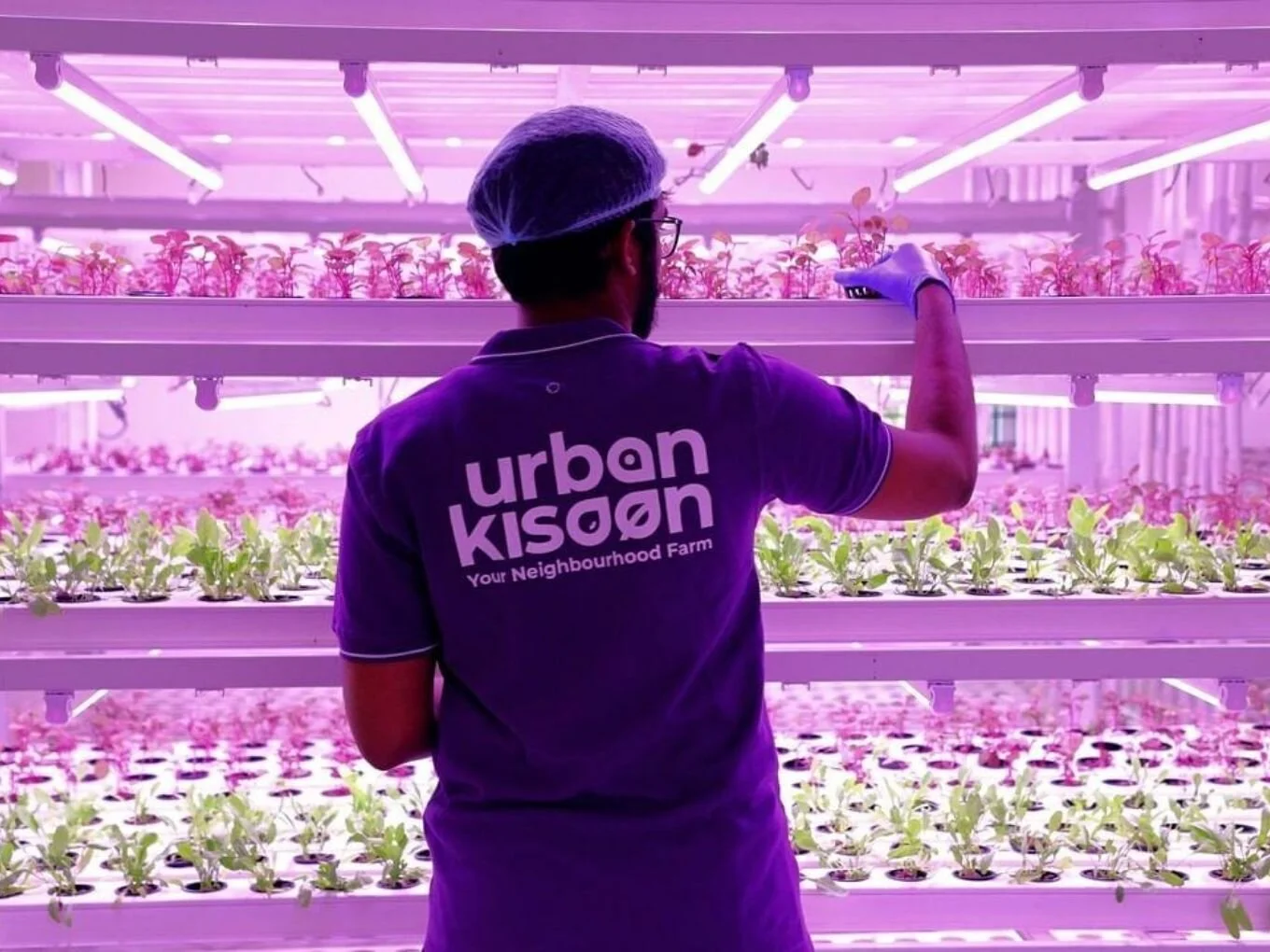
UrbanKisaan leverages hydroponic technology for home growing kits, as well as a network of urban farms for online delivery and retail channels
Inc42 Staff
27 Aug'20
UrbanKisaan leverages hydroponic technology for home growing kits, as well as a network of urban farms for online delivery and retail channels
During the lockdown phase, the company claimed to have seen 10x growth in terms of demand for its fresh produce, compared to pre-Covid times.
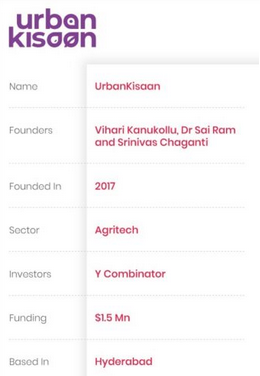
Based in Hyderabad, UrbanKisaan has installed close to 30+ vertical farms and plans to expand to Bengaluru, Chennai among other cities
There’s a minor revolution underway in many of India’s biggest cities. We are talking about hydroponic farming and this soil-less method is fast becoming the answer to solving the problem of carbon footprint in food. Call it hydroponic farming, soilless farming, vertical farming or anything else — for many it is the long-awaited answer to responsible eating.
In this backdrop, agritech and hydroponics startups are quickly finding niches in various produce categories and cities. Despite their shared ethos for sustainable food production, the likes of UrbanKisaan, Barton Breeze, Hydrilla, Simply Fresh, Acqua Farms, Letcetra Agritech, BitMantis Innovations, Future Farms, Ela Sustainable Solutions, Agro2o, Junga FreshnGreen, Pindfresh are working in this field through different models and targeting different niches — from large-scale hydroponics farming in rural areas to small home farms for the cities.
Working on the philosophy of bringing farms closer to home is Hyderabad-based UrbanKisaan. With the vision of making hydroponic technology more affordable and accessible for the masses, UrbanKisaan offers home-grow kits or vertical hydroponic farms. And by creating mini-farms in cities and revitalizing farmlands with hydroponic technology, the startup also supplies fresh produce to customers through Swiggy, Zomato, Dunzo, and other retail channels as well as in the D2C model on subscription and on-demand basis.
“We are the only startup in the hydroponic landscape to have taken a hybrid approach, where we have 20,000 sq. ft. research and development facility, along with 15+ in-house scientists working on newer innovations and products,” claimed cofounder and CEO Vihari Kanukollu elaborating on how the company is looking to differentiate itself in the burgeoning hydroponic market.
However, UrbanKisaan is not alone in the game, Simply Fresh, another Hyderabad based agritech startup, also grows and supplies a line of medicinal plants and fresh produce from its greenhouses. Similarly, Chennai-based Future Farms works on hydroponic technology at a commercial level, where it designs integrated full-stack solutions for alternative farming in the country. The vibrancy of the hydroponic models and the large ground area that needs to be covered across cities and villages has made it possible for multiple startups to thrive in this space.
Needless to say, the market opportunity is huge, as ‘urban farming’ is catching up at a rapid pace globally. According to MarketsandMarkets, the global hydroponics market is expected to reach $16.6 Bn by 2025, growing at a compound annual growth rate of 11.9% from $9.5 Bn in 2020. The growth of the sector is said to be driven by the increase in population and the need for food security through alternative high-yield farming techniques, given the depletion of water across the globe.
Plus, the rise in awareness and demand for a healthier lifestyle is said to have opened doors for a plethora of possibilities for hydroponic startups to reap the benefits in the long run.
UrbanKisaan earns revenue from its multiple channels which allow it to reach all kinds of consumers — from those who want a taste of the hydroponic produce to those who want to grow it themselves. Its urban farms are strategically located next to retail stores to facilitate hyperlocal deliveries and its DIY home kits are for the latter set. Additionally, it is also supplying its technology to local farmers to reutilise farmland.
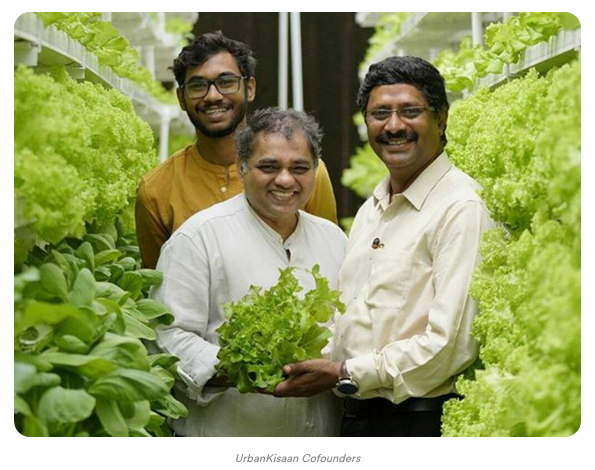
The startup was founded in 2017 by Kanukollu, Srinivas Chaganti, Dr Hari, Shiva Prasad and Dr Sai Ram, a scientist who has been instrumental in developing the nutrient solution for their state-of-the-art vertical farming technique. In March 2020, the company also raised $1.5 Mn in seed funding from Y Combinator.
Home Farming In The Times Of Covid
During the lockdown phase, the company claimed to have witnessed 10x growth in terms of demand for its fresh produce, compared to pre-Covid levels. Further, cofounder Kanukollu said that the disruption in the supply chain and consumers leveraging on the hyperlocal delivery modes, along with the change in consumer lifestyle, for the consumption of fresh, organic produce has resulted in the surge in demand.
The Covid-19 pandemic temporarily halted the movement of produce across India and highlighted the gap in the food supply chain. This allowed agritech startups such as UrbanKisaan that specialise in hydroponic farming to tap a tremendous opportunity and bring efficiency in the supply chain.
With its hyperlocal urban farms model, Kanukollu claimed UrbanKisaan is not only bringing transparency to the vegetable supply chain but also lowering the carbon footprint, reducing food waste. Most importantly, their farming technique also claimed to save 95% water, and grow the produce 30x compared to traditional farms.
Its home kits are priced anywhere between INR 9,900 and INR 19,900 with about 50+ varieties of leafy vegetables and exotic vegetables supported by these kits, including spinach, coriander, mint, basil, bok choy, lettuce, parsley, fenugreek, capsicum, tomato and kale among others.
Further, the company claimed to have semi-automated the entire process and has designed the kits in such a way that it requires limited resources to manage it. “Once installed, it requires 15 min/week of effort to take care of the plants, thereby making it seamless for consumers to grow their own fresh produce,” said Kanukollu.

A Tech Upgrade For Rural Farmers
In addition to this, UrbanKisaan also works with local farmers who own greenhouses, where it helps them in setting up vertical farms from scratch to producing and supplying fresh fruits and vegetables.
Cost-wise, the poly house or greenhouse setup would typically cost farmers anywhere between INR 35 to INR 50 Lakhs per acre, of which, the government may subsidise up to 80%. Once this is installed, which is a fixed cost, for setting up of hydroponic setup, it would cost the farmer additionally INR 50 Lakhs. But, UrbanKisaan told Inc42 that it looks to reduce this cost at INR 15 to INR 20 Lakhs.
UrbanKisaan claims to have installed close to 30+ hydroponics farms in the state, across its various offerings. In the coming days, it plans to expand into other cities, including Bengaluru, Chennai among others, along with growing its team, adding newer varieties of hydroponic seeds, fruits and vegetables, and enhancing its technology capabilities.
Kanukollu is looking at creating a centralised monitoring system through UrbanKisaan for these various hubs and farms. “We are heavily investing in artificial and machine learning tools, where once the network of the urban farm increases, we will be able to monitor and control their farms remotely and provide a real-time update to customers.”

Unless We Change Course, The US Agricultural System Could Collapse
“There’s no great mystery about how to halt the withering away of California’s water or Iowa’s soil”
Opinion by: Tom Philpott
26 August 2020
Our Food Supply Comes From An Environmentally
Unsustainable System That Is Going To Unravel
Picture an ideal dinner plate. If you’re like most Americans, it features a hearty portion of meat, from animals fattened on midwestern corn and soybeans, and a helping of vegetables largely trucked in from California. The unique landscapes we rely on to deliver this bounty – the twin jewels of the US food system – are locked in a state of slow-motion ecological unraveling.
California’s agricultural sector has flourished from decades of easy access to water in one of the globe’s biggest swaths of Mediterranean climate. The Sierra Nevada, the spine of mountains that runs along California’s eastern flank, captures an annual cache of snow that, when it melts, cascades into a network of government-built dams, canals, and aqueducts that deliver irrigation water to farmers in the adjoining Central Valley. In light-snow years, farmers could tap aquifers that had built up over millennia to offset the shortfall.
But the Sierra snowpack has shown an overall declining trend for decades – most dramatically during the great California drought of 2012-2016 – and it will dwindle further over the next several decades as the climate warms, a growing body of research suggests. A 2018 paper by Lawrence Berkeley National Laboratory researchers articulates the alarming consensus: a “future of consistent low-to-no snowpack” for the Sierra Nevada, the irrigation jewel of our vegetable patch.
Is the way cattle are grazed the key to saving America's threatened prairies?
Even as snowmelt gushing from the mountains dwindles, the Central Valley farming behemoth gets ever more ravenous for irrigation water, switching from annual crops that can be fallowed in dry years to almond and pistachio groves, which require huge upfront investments and need to be watered every year. As a result, farm operations are increasingly resorting to tapping the water beneath them. Between 2002 and 2017, a period including two massive droughts, farmers siphoned enough water from the valley’s aquifers to fill Louisiana’s Lake Pontchartrain three times.
As the water vanishes, the ground settles and sinks in uneven and unpredictable ways, a phenomenon known as subsidence. By 2017, large sections of the Central Valley were sinking by as much as 2 ft a year. In addition to damaging roads, bridges, houses, sewage pipes, and pretty much all built infrastructure, subsidence snarls up the canals that carry snowmelt from the Sierra Nevada. Thus we have a vicious circle: reduced snowmelt means less water flowing through government-run irrigation channels, which pushes farmers to pump more water from underground, causing more subsidence that damages those channels and reduces their flow capacity, pushing farmers to accelerate the cycle by pumping more water from underground.
“There’s no great mystery about how to halt the withering away of California’s water or Iowa’s soil”
Seventeen hundred miles to the east, the prevailing agriculture system consumes a different but equally precious resource: soil. When white settlers seized what we now call the corn belt from indigenous inhabitants in the 19th century, they found thousands of miles of prairies and marshlands, with hundreds of species of perennial wild grasses, legumes and flowers that towered over their heads, with roots plunging just as deep into the earth, burying carbon from the atmosphere and feeding a teeming web of micro-organisms that break down and cycle nutrients. Aboveground, vast herds of bison ate their way through fields, stimulating new plant growth and recycling nutrients through their manure.
Interactions between Native Americans, plants, animals, microbes, and climate left behind a majestic store of fertile topsoil that scientists call mollisol. Even today, the US midwest boasts the largest of four major mollisol stores on the planet. Mollisols develop over millennia yet can be squandered in decades. US colonial-settler agriculture transformed this ecological niche, a landmass 1.5 times the size of California, into a factory churning out just two crops – corn and soybeans.
This kind of agriculture fouls water as a matter of course. Since corn and soybeans are planted in the spring and harvested in the fall, the vast majority of corn-belt farmland lies bare for the winter months, leaving the ground naked when storms hit. These deluges pummel bare topsoil and send it – and the agrochemicals and manure farmers apply to it – cascading off farms and into streams and creeks that flow into rivers, lakes, and ultimately the Gulf of Mexico. But there’s another problem with subjecting the land to the same two crops every year: loss of the region’s precious black topsoil. According to research by the soil scientist Rick Cruse, Iowa – and much of the surrounding corn belt – is losing soil at a rate 16 times the pace of natural replenishment.
Again, climate change is a driver. Today’s farmers encounter a weather regime radically different from that of their grandparents: more intense off-season storms, and thus ever-heavier pressure on the soil. If global greenhouse gases continue rising, the region faces a 40% increase in precipitation by the late 21st century, according to the Fourth National Climate Assessment. The soil that makes one of the globe’s most important growing regions so productive is vanishing before our eyes, degrading a crucial food production region at the very time when climate change and global population growth call for building resilience.
Extreme weather just devastated 10m acres in the midwest. Expect more of this | Art Cullen
There’s no great mystery about how to halt the withering away of California’s water or Iowa’s soil. California needs to shrink its agricultural footprint to match the scale of its water resources, which means other regions of the US should ramp up their own fruit and vegetable production to make up the difference. In the corn belt, US federal farm policy should stop paying farmers to overproduce corn and soybeans, and instead push them to diversify their plantings and keep their land covered all winter – practices known to maintain high levels of production while also preserving soil, decreasing water pollution and slashing the need for pesticides and fertilizers.
Reduced demand for agrichemicals, however, pinches the bottom line of the agrichemical behemoths, and a turn from corn-and-soybean dominance will dent profits for the meat companies that rely on cheap, overproduced feed. These companies divert a share of their income into lobbying and campaign finance, and their interests shape US farm policy. But it doesn’t have to be that way. Just as creating a sane climate policy requires the rise of a social movement to negate the power of the fossil fuel lobby, a better agricultural regime will require a direct political challenge to big agribusiness.
Climate justice and food justice are, in fact, the same fight – the struggle to beat back corporate dominance and make the world livable for everyone.
Tom Philpott is the agriculture correspondent for Mother Jones and the author of Perilous Bounty:

Is Vertical Farming The Future of Herb Cultivation?
“With vertical farming, I can plant a herb, and can be sure it'll ready to sell in five weeks,” says Berjelle. “You also have certainty about your product’s quality. That’s because the product is optimally controlled. The plant grows evenly, thanks to the LED lighting, so it tastes better too."
Berjelle van Namen, Van Namen Specialties
Berjelle van Namen’s roots lie primarily in mushroom cultivation. His father, Johan, has a farm on the banks of the Maas river in the Netherlands. Yet, a few years ago, Berjelle decided to add herb cultivation. Not in a greenhouse or in full soil; in a converted mushroom cultivation cell.
The room is illuminated with violet-colored LED bulbs, and the containers holding the herbs are stacked, one atop the other. This can clearly be considered vertical farming. This concept is gaining increasing popularity among farmers - especially those who grow herbs, leafy and micro vegetables, and edible flowers.
There have even recently been trials with soft fruit. It’s been standard practice in the mushroom world for some time now. Hence the relationship between Van Namen mushrooms and the herbs of Van Namen Specialties.
For Berjelle, it started as an experiment. He encountered this cultivation method during his internship in Finland. There, at Robbe’s Little Garden, they grow lettuce, herbs, and micro vegetables in this way. According to Berjelle, vertical farming offers numerous advantages over traditional herb cultivation.
Vertical farming’s advantages
“With vertical farming, I can plant a herb, and can be sure it'll ready to sell in five weeks,” says Berjelle. “You also have certainty about your product’s quality. That’s because the product is optimally controlled. The plant grows evenly, thanks to the LED lighting, so it tastes better too."
"It satisfies clients, who are increasingly demanding just-in-time delivery of products like herbs. Of course, we mustn’t forget the sustainable character of this cultivation method. Especially since farming like this uses very little gas and no pesticides. We’re looking for ways to be highly energy-efficient too.”
There was a demand for herbs
Berjelle now grows about 12 kinds of herbs and has added a second cell. “In this way, we can vary cultivation conditions like using different temperatures," explains van Namen. "Basil is our top seller. It’s a popular herb that sells well. It’s followed by herbs such as parsley and mint.”
Berjelles sells his herbs under the company’s own brand, Pika Surprisa, and Esperanto for ‘spicy surprises’. Still, Berjelle points out that it’s mainly enjoyable to cultivate and experiment with these herbs. “It’s not quite profitable yet. To achieve this, you’d have to seriously consider scaling up and adding rooms."
"You’d also have to see if you want to grow only one variety. We chose to grow herbs mainly because of the increasing demand for year-round delivery and consistent quality. Vertical farming guarantees this. You can also be relatively lazy with your purchases. You know what you’ll get on the day you want it."
"From the cultivation side, there aren’t as many operational issues either. Although you always have to deal with that. The only thing is, it doesn’t save labor; hands are still needed in that cell,” admits Berjelle.
Herb sales differ from those of mushrooms. “We’ve attracted many new clients who really only buy herbs, and we’ve noticed fewer clients buying both. We keep these two products separate. That’s why the herbs fall under Van Namen Specialties. For example, we export mushrooms to countries like Germany and the UK, but not yet our herbs. Perhaps we will in the future.”
For the coming months, Van Namen’s main goal is to make it through the corona crisis successfully. “The mushroom market was very volatile in these unusual times. It’s slowly recovering, but it still has a long way to go. There aren’t any major developments planned for the rest of the year, either. Now, it's mostly a matter of serving our clients well,” Berjelle concludes.
More information:
Van Namen Specialties
www.vannamenspecialties.nl
Berjelle van Namen
berjelle@vannamenspecialties.nl
Publication date: Thu 27 Aug 2020
Author: Thom Dobbelaar
© FreshPlaza.com

Special Report: How Farming Is Gaining Ground in UAE
The UAE has implemented a range of policies, measures and strategies to ensure constant food supplies from abroad and scaled up agricultural production at home - and this is evident as businesses come forward and share their roles in aligning their strategies to boost food and water security.

Photo Supplied by VeggiTech
8/24/2020 11:00:45 PM
(MENAFN - Khaleej Times) The UAE has implemented a range of policies, measures and strategies to ensure constant food supplies from abroad and scaled up agricultural production at home - and this is evident as businesses come forward and share their roles in aligning their strategies to boost food and water security.
On Sunday, His Highness Sheikh Mohammed bin Rashid Al Maktoum, Vice-President and Prime Minister of the UAE and Ruler of Dubai, said: "Food and water security are among the priorities of the UAE government for the post-coronavirus period, and the objective is to launch specialist initiatives that will ensure our readiness to confront all types of crises."
The farming sector is aggressively working towards boosting local production of agro produce. Agrotech company VeggiTech, for instance, is addressing the key challenges of traditional farming through its design of protected hydroponics and grow lights-assisted hydroponics.
"We have chosen the challenging conditions of UAE to demonstrate the positive use of agro technology to create sustainable farms aligned to the UAE's vision of food security," said Hemant Julka, co-founder and COO of VeggiTech.
In the last 18 months, the company has built and is operating over 30 hectares of farms with protected hydroponics and is also in the process of going live with 4,500 sqm of indoor vertical farms that employ grow light-assisted hydroponics.
"We produced over 1.6 million kg of produce last year and this year [including the summer months] and we will produce more than 1.9 million kg with over 500 tonnes of organic produce from our farms between August 2020 and July 2021," added Julka.
Similarly, Dake Rechsand's primary focus is enabling desert regions to expand their agriculture and long-term water storage capacities and create food and water security.
"Our strength is being able to achieve this using simple, ordinary and abundantly available sand as a raw material. We are ramping up production and expect our technologies to enable farming and greenery for at least 10,000 acres across the UAE or for half-a-million trees by the first half of 2021," said Chandra Dake, executive chairman and group CEO of Dake Group.
"Within the same period we also expect to be ready with a comprehensive strategy for harvesting and usage of rainwater, which will allow us to enable 10 cubic metres [two million gallons] of water storage from harvested rainwater. In fact, we are ready to take on pilot projects during the upcoming monsoons next month and work with the government bodies to showcase how our products and technology can help harness rainfall and deliver immediate and tangible results for the UAE."
Tech disruption
VeggiTech produce utilises less than 10 percent of the water used in traditional farms and is pesticide-free. In addition, they have deployed technology for complete food transparency through QR codes that give complete visibility of the growing process of the vegetable produce from farms. The firm is in the business of offering "farming as a service", where the firm builds and operates digital smart farms that are sustainable and environmentally friendly.
In the first half of 2020, despite the Covid-19 circumstances, VeggiTech signed contracts for 13,000 sqft of grow area for indoor vertical farms and building protected hydroponic farms of 80,000 sqft.
"We are upbeat on the current pipeline of projects [over 10 million sqft of farms - protected hydroponics; more than 200,000 sqft of indoor vertical farms] to be signed in the third and fourth quarters of 2020 and these would start producing over 25 million kg of produce every year from 2021-22. The optimal use of land assets combined with the reduction in water resources and pesticide free crops are an ideal example of using technology to align with the UAE's food security goals," added Julka.
Desert farming
The Middle East, including the UAE and GCC, is enriched with desert sand. However, most of these desert regions import a bulk of their food commodities. Dake Rechsand has what it calls 'magic sand', a technology enables the sustainable production of organic food in the desert using up to 70 percent less water than conventional methods. At 65 percent of total use, the agriculture sector is the largest consumer of water in the UAE.
"On average, about 11 to 12 litres of water is being used to irrigate one sqm of land per day in the UAE. If we reduce that requirement by 70 percent, we could conserve about 45 percent of the total water consumed in the UAE. More importantly, this can be achieved while increasing the UAE's agricultural production significantly," said Dake.
Dake Rechsand creates breathable surfaces for roads, kerbstones and pavements, etc, which can absorb water, and harvest it.
"Coupled with our decentralised mini-reservoirs made from the same material, we can help harvest rainwater and keep it fresh for up to seven years, without any energy inputs. This can not only result in creating a new, reliable and cost effective water source, adding to the UAE's water reserves, but also one that is much cleaner since rainwater is a better source than desalination," added Dake.
"Our approach towards maximising water retention in sand is what propels desert farming and is both economically as well as organically efficient. That means one can get organic products grown from these regions very easily. Our products are designed scientifically, and they contribute to environmental sustainability."
ICBA committed to boost food and water security
The International Center for Biosaline Agriculture (ICBA) completely supports every effort towards the food and water security of the UAE's vision.
Dr Ismahane Elouafi, director-general of the ICBA, said: "Like national security, food and water security must be a priority for all countries. Thanks to the UAE's wise and visionary leadership, the country has always been at the forefront of ensuring food and water security in the country. During the recent disruption to global food systems, due to the Covid-19 pandemic, the UAE set an excellent example of its efforts towards food security. It was one of the few countries where the food supply remained uninterrupted. Even though the UAE is short of arable land and freshwater resources, and has harsh climatic conditions, the country harness the benefits of innovation to make agriculture possible and profitable in the country."
The UAE's National Food Security Strategy 2051, which was launched in 2018 with a vision to become a world-leading hub for innovation-driven food security, also prioritizes agricultural research and development. The country rose from 33rd place in 2017 to 21st in 2019 in the Global Food Security Index, compiled by the Economist Intelligence Unit. The ICBA has been working on several technologies and innovations to boost agricultural productivity and improve farmers' livelihood, in non-arable lands and harsh ecosystems.
All of the ICBA's research and development programmes are directly beneficial to the region, particularly to the UAE.
"We have introduced what we call climate-smart and resource-efficient crops such as quinoa, pearl millet, sorghum, and Salicornia, among others, in countries in Central Asia, the Middle East, and North Africa. These crops are nutritious and resilient to heat, drought, and salinity, therefore fit for ecosystems such as UAE. Furthermore, our crop development and research trials have been mostly conducted in our experimental farm in Dubai. Hence, all data and results are very relevant to the UAE," added Dr Elouafi.
Legal Disclaimer:
MENAFN provides the information “as is” without warranty of any kind. We do not accept any responsibility or liability for the accuracy, content, images, videos, licenses, completeness, legality, or reliability of the information contained in this article. If you have any complaints or copyright issues related to this article, kindly contact the provider above.


The Science of Sananbio - Research and Development
Led by a team of 38 scientists and another 100 R&D professionals, Sananbio is investing heavily in the science that is sustainable, local, and fresh indoor food and crop production. With deep expertise in photobiology, plant nutrition, and plant cultivation techniques, we are at the forefront of sustainable indoor agriculture.
RESEARCH AND DEVELOPMENT
Led by a team of 38 scientists and another 100 R&D professionals, Sananbio is investing heavily in the science that is sustainable, local, and fresh indoor food and crop production. With deep expertise in photobiology, plant nutrition, and plant cultivation techniques, we are at the forefront of sustainable indoor agriculture.
PHOTOBIOLOGY/SPECTRAL RESEARCH
Photobiology is an evolving area of science that studies the interactions of light on living organisms. One of Sananbio’s core focuses is the optimization of lighting spectrum’s that allow plants to thrive at all stages of growth. Through the latest’s developments in LED lighting technology in conjunction with years of scientific research, Sananbio is working to understand the synergy that exists between artificial light and plants. Our unique spectra has been trialed on a multitude of cultivars and our results have shown that by optimizing the spectrum based off of the cultivar we are able to increase nutritional value, drive unique genetic expression, increase active naturally occurring chemical compounds, and shorten flowering times.
PLANT NUTRITION
Sananbio’s team of elite plant scientist’s have worked tirelessly to develop proprietary nutrient blends that support a wide array of cultivars at different life stages of growth while growing in a controlled environment setting. With so much of our food today lacking proper nutritional value, our team is working to understand the most effective way grow nutritionally dense food sustainably in a indoor vertical farm. This cutting-edge science will lead to breakthroughs in the way we grow our food, how and when it is consumed, how it is transported to ensure maximum nutritional value.
VERTICAL FARM DESIGN and SUPPORT EQUIPMENT RESEARCH
With a team of scientists, senior designers, engineers, and product developers solely dedicated to understanding building the eco-systems that support thriving vertical farms, Sananbio is positioned at the fore-front of the science of vertical farming design and plant factory operations. We are focused on providing a holistic solution that allows us to partner with our clients from the ideation phase to the execution of their indoor vertical farm. Our research has given way to various patents in areas of plant growth illumination, hydroponic cultivation equipment, and accessories/equipment for industrial plant production. Great grow technology and equipment is just one aspect that must be taken in to account when venturing in to indoor vertical farming. Know before you grow.
THE TECHNOLOGY BEHIND SANANBIO
INNOVATION AT OUR CORE
RESEARCH AND DEVELOPMENT THAT IS DRIVING INNOVATION IN LED LIGHTING
Manufacturing Capacity
Sanan Opto-electronics, a sister company of Sananbio, is the world’s largest LED chip manufacturer accounting for 20% of the global chip production capacity. Sanan Group, our parent company, has built the infrastructure that allows Sananbio to capitalize upon cutting-edge technology development while providing the production capacity to support global market adoption of our technologies in the Ag-Tech space.
Vertical Integration
The vertical integration of the Sanan Group gives Sananbio a massive competitive advantage by allowing us to control our supply chain. This insight and perspective gives us unmatched flexibility in to our production capacity, global reach, and technological know-how. The diversity of industries we support gives us the versatility to respond to rapidly evolving markets as consumer demands shift.
Research and Development
A subset of the semiconductor industry, LED technology is incredibly research and development intensive sector and Sanan Opto is a global leader in this space. With 470 PhD’s and 502 engineers from all over the world, Sanan Opto possess the largest talent pool in the world dedicated to active research into LED technology.