

Welcome to iGrow News, Your Source for the World of Indoor Vertical Farming

UAE Agricultural Firm Uses Technology To Help With Food Security
Smart Acres aims to support the UAE’s food security program by using high-tech vertical farming to produce approximately 8,000 kilograms of lettuce per cycle
KATERYNA KADABASHY
July 13, 2020 | DUBAI
Smart Acres aims to support the UAE’s food security program by using high-tech vertical farming to produce approximately 8,000 kilograms of lettuce per cycle.“
In the expansion phase, we will have 78 modules, which comes to a total of 88,320 pots. Each lettuce, for example, will weigh 100 grams. So, that is approximately 8,000 kilograms of crops per cycle,” the company’s CEO Abdulla Al-Kaabi told Arab News.
The vertical farm — currently in the proof-of-concept stage — is expected to launch in the third quarter of 2020, producing 12 cycles of crops annually and expanding from Abu Dhabi to the rest of the country. In this type of farming, plants are stocked vertically, providing more produce per area and resembling something similar to the green walls sometimes seen in malls.
Smart Acres collaborated with South Korean vertical farming technology n.thing in their farming processes. (Supplied)
The company collaborated with South Korean vertical farming technology n.thing to employ the Internet of Things in their farming so as to efficiently use water and monitor humidity, temperature, and nutrients.“
Vertical farms, in general, save over 90 percent of water compared to traditional farming methods. There is constant water flow across all the little pots, and the water is filled with all the nutrients necessary for the plant to grow,” Lead Project Manager Aphisith Joe Phongsavanh said.
The high-tech design of the farm allows Smart Acres to produce clean crops without any pesticides and with minimal intervention.“
Since we are growing our crops in a 100 percent closed environment, we don’t have to use pesticides at all. That’s exactly what we mean by clean food: non-adulterated food products that go through minimal processing,” Phongsavanh said.
However, this closed environment in which the plants grow requires staff and visitors to wear protective gear before entering the premises in order to preserve the sterility of the area.“
It is almost like going into a very high-tech factory. You have to wear lab coats and go through an air shower, where one door is closed and the other door only opens after 10 seconds of disinfection,” Director of Smart Acres Sean Lea said.
Currently, the company does not have any investors, but Al-Kaabi said that the expansion phase “of course will require an investment,” expected to cost around AED16.7 million ($4.5 million).
It will not just include a larger number of crops, but also a research and development center with a vision to start cultivating baby spinach, mature spinach, baby arugula, strawberries, and potato seeds.
Earlier in July, Abu Dhabi’s Crown Prince Mohammed bin Zayed Al-Nahyan visited some local farms and met with agricultural entrepreneurs.“
I was pleased to meet some of the UAE’s aspiring agricultural entrepreneurs who are pioneering sustainable and resilient farming practices using modern technology,” Al-Nahyan tweeted.
The UAE is pushing for local production of crops and livestock.
According to Khaleej Times, the Abu Dhabi Agriculture and Food Safety Authority provided over $174 million to “138,000 families, 30,632 breeders and farmers, and 259 small-scale producers and commercial animal farms in Abu Dhabi” to support the industry in June.
Lead Photo: Smart Acres’ vertical farming technology enables it to produce approximately 8 tons of lettuce per cropping cycle. (Supplied)
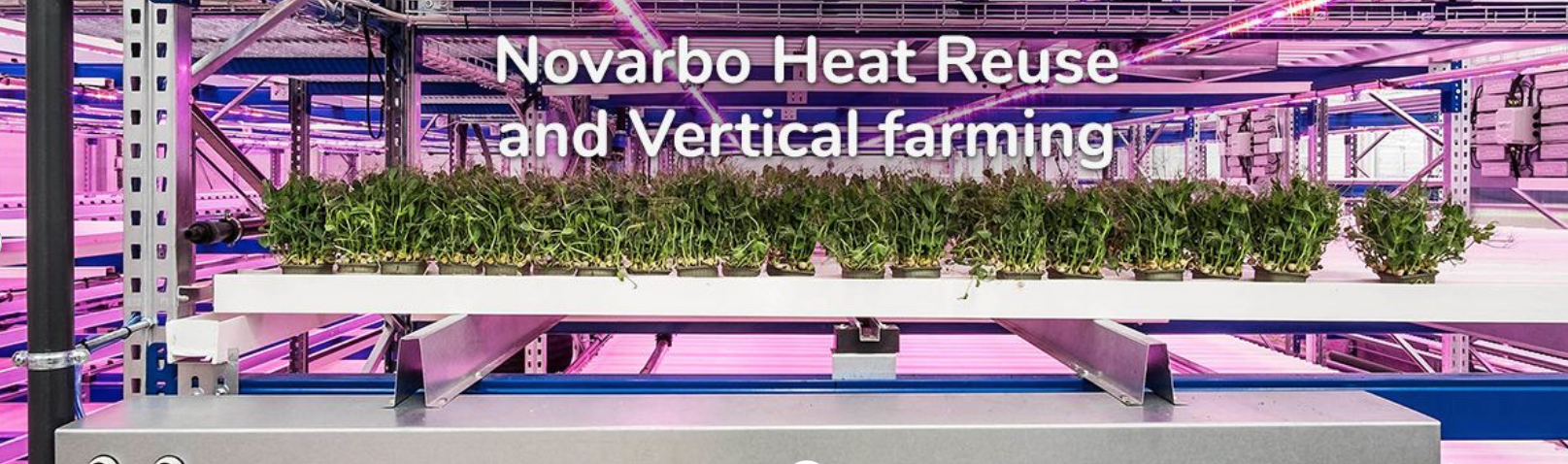
VIDEO: Vertical Farming Offers Solutions
Vertical farming has long been seen as a solution to rising populations and increasing urbanisation, but its efficiency may make it key to sustainability in general
BY TOM JOYCE
23rd June 2020
Vertical farming has long been seen as a solution to rising populations and increasing urbanization, but its efficiency may make it key to sustainability in general
Finland-based Novarbo, part of the Biolan Group, is helping growers to adapt to the concept of vertical farming and all the benefits that come with it, according to project engineer Arttu Lammensalo.
A specialist in greenhouse technology, Novarbo’s Vertical Farming Concept is able to solve the challenges of various operations, he said.
According to Lammensalo, a facility equipped with climate control and heat re-use systems is an extremely energy-efficient way of cultivating high-quality plants indoors.
Any surplus heat energy is stored for reuse, while food transportation is decreased by moving production closer to the consumer, reducing the carbon footprint. A large amount of transpiration from the crop is captured from the air and returned to the irrigation system.
In addition, with Novarbo Growisor software, the grower is able to optimise the plant growth factors of the fully automated facility, Lammensalo said, enabling long-term production planning and wireless tracking.
“Our first vertical farm serves as our laboratory for climate control experiments,” he explained. “We want to help people to adapt to vertical farming. We have collected data for over a year and a half, working on more than ten products, determining the effect of LED lights at different times and for different periods of time. The climate control system allows us to improve irrigation efficiency by 90 per cent.”
According to Lammensalo, vertical farming is quite expensive initially, but after five years, you can expect to get your investment back. “Some are a little afraid of this technology,” he said. “If there is a power cut, for example, you need a backup energy source. Herbs and salads can be quite expensive in the winter, though, so the costs can sometimes balance out.”
Vertical farming is also gaining considerable attention as a solution to feeding the large numbers currently crowded into the world’s cities.
“Vertical farming will be useful anywhere there isn’t much growing area,” Lammensalo stated. “In Singapore, they import most of their herbs and vegetables from abroad, so they are very keen on vertical farming to avoid any supply issues. It also significantly reduces the carbon footprint, as well as the water footprint, so it’s a good solution in countries that suffer from water shortages.”

VIDEO: SANANBIO Announces the Availability of its Unmanned Vertical Farming System UPLIFT to Global Growers
“Pour your seeds in the seeder and do nothing but expect fresh veggies to be harvested in a matter of days,” said Zhan Zhuo, co-founder, and CEO of SANANBIO. UPLIFT has been under tests in the last two years and proves to be commercially feasible and ready to be established as turnkey projects for worldwide growers
XIAMEN, CHINA, July 16, 2020--SANANBIO, one of the world’s largest indoor farming technology providers announces the availability of its unmanned vertical farming system, a.k.a. UPLIFT, to growers globally.
“Pour your seeds in the seeder and do nothing but expect fresh veggies to be harvested in a matter of days,” said Zhan Zhuo, co-founder, and CEO of SANANBIO. UPLIFT has been under tests in the last two years and proves to be commercially feasible and ready to be established as turnkey projects for worldwide growers. “It can produce 6-8 tons of fresh leafy greens every day on a farm of only 5,000 sqm. By stacking up layers higher than a traditional vertical farm, we can best utilize the space to increase the yields. With the same farm size, UPLIFT’s productivity is 6 times of a 6-layered vertical farm.
The increased yield means a lowered cost, which in turn makes our produce affordable to more people. We’ve also upgraded our water circulation system so that 60% of the water can be absorbed by plants and the remaining 40% recycled. This fact is especially meaningful for the regions of the world that struggle with water shortages and harsh agricultural conditions.” said Zhan.
UPLIFT uses PlantKeeper, a proprietary indoor farming management system, to control and monitor environmental factors so farm operators can be updated with real-time growing conditions throughout the farm. By using simple and proven robotics and conveyor systems, UPLIFT automates seeding, transplanting, harvesting, plant transporting, and system cleaning, reducing labor intensity to its lowest.
“We’re phasing out manpower to make our produces available for more people. So we can say that UPLIFT is unmanned for humanity,” said Zhan.
About SANANBIO
SANANBIO is a joint-venture by Sanan Optoelectronics, one of the world’s largest LED manufacturers, and the Institute of Botany of Chinese Academy of Sciences, China’s leading institute in plant science. Comprised of LED experts and plant scientists, SANANBIO is able to provide simple indoor farming solutions for global growers. The RADIX, a patented vertical hydroponic system, has been widely endorsed by growers in more than twenty countries.
“We’re phasing out manpower to make our produces available for more people. So we can say that UPLIFT is unmanned for humanity,” said Zhan.
To learn more about UPLIFT, please contact SANANBIO at global@sananbio.com or visit its LinkedIn page https://www.linkedin.com/company/fujiansanansinosciencephotobiotechcoltd.

Aeroponics: ‘Getting To The Roots’ of a Soil-Free Vertical Farming System
A UK study detailing the environmental benefits of vertical farming – and in particular, aeroponics – has listed ‘strategic areas of future research’ to underpin the system’s productivity and sustainability.
Pic: GettyImages/shansekalaIn hydroponics farming, plant roots are either partially or completely immersed in a nutrient solution.
A UK study detailing the environmental benefits of vertical farming – and in particular, aeroponics – has listed ‘strategic areas of future research’ to underpin the system’s productivity and sustainability.
According to new research out of the John Innes Centre, the University of Bristol, and technology provider LettUs Grow, there is a growing environmental and economic case for vertical farms.
Yet key knowledge gaps remain. In a recently published study, six authors layout future research areas they say could accelerate the ‘sustainable intensification’ of vertical farming, using aeroponic systems.
Allocating resources to these research areas could help transform food production on a larger scale, suggested Dr. Antony Dodd, a group leader at the John Innes Centre and senior author of the study.
“By bringing fundamental biological insights into the context of the physics of growing plants in an aerosol, we can help the vertical farming business become more productive more quickly while producing healthier food with less environmental impact.”
Source: New Phytologist
‘Getting to the roots of aeroponic indoor farming’
Published: 24 June 2020
RELATED TOPICS: Market Trends, Food Tech, Sustainability, Start-ups and disruptors, Digitalisation, Fruit, vegetable, nut ingredients

VIDEO: New England Living: The Future of Farming With Freight Farms
Farming under a city overpass? As the world’s leading manufacturer of container farming technology, Boston-based Freight Farms is changing the way the world grows its food
Farming under a city overpass? As the world’s leading manufacturer of container farming technology, Boston-based Freight Farms is changing the way the world grows its food.

Europe's Largest Rooftop Farm Gets Growing Again After Paris Lockdown
On the top of a major exhibition complex in the south of Paris is a farm with a difference. The Nature Urbaine project is the largest of its type in Europe. Extending over 14,000 square meters, the project is aiming to become a model for sustainable production
13-Jul-2020
Ross Cullen in Paris
On the top of a major exhibition complex in the south of Paris is a farm with a difference.
The Nature Urbaine project is the largest of its type in Europe.
Extending over 14,000 square meters, the project is aiming to become a model for sustainable production.
The COVID-19 pandemic disrupted many aspects of daily life and Paris authorities are hoping to make a permanent shift to more fruit and vegetable production sites in the heart of the city.
The city-farm project on the rooftop provides a chance for people to rent spaces to produce their own fruit and vegetables.
Our project is based on the genuine willingness to put some sense back to the city
- Sophie Hardy, director of the Urbaine project, wants to bring nature back to Paris
The Paris authorities are trying to grow greener models of sustainability through projects like this.
"Our project is based on the genuine willingness to put some sense back to the city, to support its resilience," Sophie Hardy, the director of Nature Urbaine, told CGTN Europe.
"Also to imagine how it could be more virtuous and how we can bring nature back in a city that pushed nature away for so many years."
Read more: COVID-19 and the city: The future of pandemic-proofed buildings
But a farm in a city runs the risk of plant growth being affected by the toxic fumes of road traffic.
Emissions of nitrogen dioxide have more than doubled in the French capital since the end of lockdown in mid-May.
Camille Billiemaz, a vegetable production manager at Nature Urbaine, told CGTN Europe that "with some plants, where the root system is protected, the plant doesn't absorb the pollution."
The Nature Urbaine Project is the largest of its kind in Europe and aims to become a model for sustainable production. /CGTN
"As for the produce grown in the water system, we check that pollution stays low," she says.
"We still advise people to wash the vegetables before eating it, but we conform to pollution thresholds."
During lockdown, this urban farm had an agreement with the local authority to deliver vegetable baskets to online customers.
And while the rooftop may not yet be crowded with amateur farmers, there is an enthusiasm for local shopping at the heart of French cuisine.
The creators of the project want Parisians to change their consumer habits and grow their own fruit and vegetables on rented plots. /CGTN
Weekly markets are a tradition across France, with many people still preferring to shop there rather than at big chain stores.
The sense of community at Nature Urbaine is a positive aspect.
But there are economic and cultural challenges for projects like this, says Frederic Madre, a biodiversity researcher.
"Urban farms are quite expensive to build, so local communities are not really able to pay for it.
"There are also problems linked to the fact that the majority of the population is disconnected from nature. And you can't respect what you don't know. But we hope people will change their consumer habits."
New Growcer Hydroponic System Will Allow Sheshegwaning to grow Fresh Produce For Residents At Any Time of The Year
It may only be a sea container at this time, but soon Sheshegwaning First Nation (on Manitoulin Island in Ontario, Canada) will be able to grow fresh produce on a year-round basis in this unit and build food security for the community
By Tom Sasvari
July 3, 2020
New Growcer hydroponic system will allow Sheshegwaning to grow fresh produce for residents at any time of the year
SHESHEGWANING – It may only be a sea container at this time, but soon Sheshegwaning First Nation will be able to grow fresh produce on a year-round basis in this unit and build food security for the community.
“We took delivery of the Growcer self-contained hydroponic system,” stated Sheshegwaning Chief Dean Roy last Thursday. “With this project, we will be able to provide some food security as we will be able to produce fresh produce and food year-round here. With COVID-19 there have been times we haven’t been able to get fresh produce as readily as we want from neighboring grocery stores.”
He pointed out, “Growcer is a self-contained modular hydroponic system. We just have to hook up services for hydro and water and will have a representative of Growcer on hand soon to provide training on how to use the system to grow the produce here locally.”
“We should be able to produce 500 heads of fresh produce such as different lettuce weekly, year-round,” said Chief Roy. “I think we will be starting with romaine lettuce and other leaf lettuces, red kale, basil and parsley and we will be able to grow strawberries, for example, in the winter with this system.”
“We took delivery of a sea container last week for the Growcer system,” said April Folz, economic development officer for Sheshegwaning, this past Monday. “The week of July 13 Growcer company representatives will be on hand to provide training. After that, we will be up and running.”
Ms. Folz explained, “we’re going to be growing green products such as romaine lettuce, spinach, bok choy, basil, mint, and dill. And once we get going we will want to get into growing other different greens and produce.” She noted, “we were having a hard time getting fresh greens in local stores, but with this system in place, this will be available at all times. Local residents won’t have to travel to the nearest grocery store.”
Ms. Folz said, “we’re hoping to be able to provide a subscription box for residents, where for say $10 they will be able to get five heads of fresh greens at a time. The hydroponic system will allow for 450 heads of produce to be grown each week.”
“Growcer outfits everything that is needed in the sea containers, and there will be a desk for a systems manager to work at and the actual green area where the seeds are planted and the produce is grown,” said Ms. Folz. With this new system in place, one full-time person will be hired as well as two part-time casual positions will be created.
Chief Roy noted the community currently has a job posting for a systems manager.
Ms. Folz added, “we have a community logo/branding competition for a name for this program here and are hoping to get local input on a name. We will be taking input and submissions until July 15.”

Farm to Fork: This Millennial Urban Farmer Grows Vegetables On Carpark Rooftops in Singapore
The ongoing battle against the COVID-19 outbreak and the resultant lockdowns imposed in many countries worldwide have put the spotlight on Singapore’s dependence on food imports and its vulnerability to global supply shocks.
Singapore Announced New Measures in April Aimed At Speeding Up Local Food Production Over The Next Six Months To Two Years.
By Vulcan Post
June 25, 2020
The ongoing battle against the COVID-19 outbreak and the resultant lockdowns imposed in many countries worldwide have put the spotlight on Singapore’s dependence on food imports and its vulnerability to global supply shocks.
The government has repeatedly assured its citizens that Singapore has sufficient food supplies, amid bouts of panic buying that gripped the country when Singapore raised the DORSCON level to Orange.
Although the panic buying has now eased, another cause for concern is that Singapore has a population of about 5.7 million people but it only produces about 10% of its food needs.
To tackle this food crisis, Singapore announced new measures in April aimed at speeding up local food production over the next six months to two years.
This includes providing a SGD 30 million grant to support production of eggs, leafy vegetables, and fish in the shortest time possible, and identifying alternative farming spaces, such as industrial areas and vacant sites.
As part of that project, the Singapore Food Agency (SFA) and the Housing Development Board (HDB) have launched a tender in May for rooftop farms on public housing car parks.
This means that the rooftops of a handful of multi-story carparks in Singapore will be converted for use to farm vegetables and other food crops from the later part of this year.
Farming hits the roof
The move to find alternative farming space in land-constrained Singapore is part of their strategy to meet the country’s 30 by 30 goal, which is to produce 30% of its nutritional needs locally by 2030.
Local agritech startup Citiponics did not take part in the tender this time round, though it piloted SFA’s multi-story carpark rooftop farm project in Ang Mo Kio last year.
According to Danielle Chan, co-founder of Citiponics, its 1,800 square metres farm atop the carpark at Block 700 in Ang Mo Kio Avenue 6 can grow between three and four tonnes of vegetables a month.
They grow up to 25 different types of vegetables naturally without the use of pesticides.
“We currently specialize in growing our own crossbreed of lettuces—Georgina Lettuces—and have also been growing other varieties such as nai bai, Italian basil, and Thai basil based on customers’ requests,” said Danielle.
Sharing more about the Ang Mo Kio site, she said they have been steadily producing pesticide-free vegetables on a monthly basis, supplying to nearby residents and consumers islandwide.
Rooftop farm in Ang Mo Kio. Photo courtesy of Citiponics via Vulcan Post.
Beyond contributing to local food production, this pilot project has also generated “positivity,” which stems from community involvement when visitors get to know and see their food source.
“It brings us great joy to see the senior citizens enjoying their time as they work on farming activities as well as the support we have received from visitors who come to our community markets to self-harvest their produce,” said Danielle.
She added that they hire senior citizens from AWWA Community Home as well as part-time workers to help with farm maintenance.
“We believe that even if one does not have the technical agriculture know-how, they should be able to contribute to food production as well.”
Citiponics is a Singapore-grown urban farming company that started in 2016, which aims to grow safe produce through its zero-waste farming process.
It is co-founded by Danielle and her family friend Teo Hwa Kok, who has a “rich experience in agriculture.”
When agriculture meets tech
The 26-year-old is a National University of Singapore (NUS) graduate, who has worked in technology startups across Singapore and New York, as well as technology consulting companies such as IBM.
But with her tech background, why did she choose to be a ‘farmer’?
“I grew up in an agricultural environment and as such, the farm was always my playground. Growing up, I never had to worry about buying vegetables from the supermarket or doubting my food source. I had the blessing of getting all my vegetables supplies directly from the farm,” explained Danielle.
“Having personally witnessed the wastage as well as the inefficiencies in the traditional farming industry, I knew I wanted to go back to the farming industry to change the way farming is done traditionally as well as to share the blessing of the farm-to-table experience with others.”
Her tech background didn’t go to waste though. She made it a point to integrate technology into Citiponic’s farming processes.
Citiponics at NTUC FairPrice. Photo courtesy of Ministry of Trade and Industry via Vulcan Post.
They have a proprietary vertical farming technology called Aqua-Organic System (AOS). It falls under a solid-based soilless culture, which is different from the likes of traditional farming and hydroponic farming system.
As every drop of water is kept in a close loop within the growing system, it helps to minimize water consumption, using one-tenth of hydroponics water consumption and one-hundredth of traditional farming water consumption.
Due to its vertical nature, it is also able to be seven times more productive than traditional farming.
As it is specially designed to provide a natural farming environment in order to preserve the nutrients value and natural taste of the vegetables, the technology is also pollutant-free and pesticide-free. It’s also anti-mosquito breeding, which makes it very suitable for farming within community and neighborhood areas.
“The AOS farming technology removes the complex technicalities of farming and we wanted to keep it that way to allow people of all ages and backgrounds to have a great experience when they get to farm with our systems,” said Danielle.
COVID-19 does not pose a huge business challenge
All of Citiponic’s farmed produce are segmented to home deliveries, nearby residents, and selected NTUC FairPrice outlets.
Despite their limited farming space, Danielle said that they see a constant stream of supply and sales.
It’s not so much a business challenge, she added, but the need to adapt to the new normal, hence the introduction of home deliveries and engaged logistics channel.
Although COVID-19 does not greatly impact its business, it serves as a timely reminder on the importance of accelerating our local food production.
This pandemic serves a time for us to reflect on how we can enhance our food resilience strategies.
Singapore steps up to be more food resilient
As Singapore is still largely dependent on food imports, the rooftop farming tender and local food production grants are definitely the right steps forward.
According to SFA, Singapore currently secures food supply from about 170 countries.
For instance, Singapore now imports oranges from Egypt, milk powder from Uruguay, eggs from Poland and shrimps from Saudi Arabia as part of its efforts to broaden food supplies.
Danielle is well-aware that food security, food sustainability and food safety are global issues, so she hopes to bring Citiponics’ farming solution to more countries.
Citiponics’ Georgina lettuce sold at NTUC FairPrice. Photo courtesy of Citiponics via Vulcan Post.
“We are not only focused on food production, but also becoming an agritech solution provider. We have developed agriculture technology and designed farming solutions that are suitable for tropical countries, and hope to extend the applicability of our expertise and farming technology to temperate countries as well,” she added.
Citiponics is also looking at scaling its operations to enhance its contribution to local food resilience and grow more communities through the introduction of hyperlocal Citiponics urban vertical farms in various neighborhoods of Singapore.
“We envision Citiponics as a supportive environment that is able to cultivate the next generation of urban farmers and agritech innovators.”
This article was first published by Vulcan Post.

UK Urban AgriTech Collective
UKUAT is a cross-industry group devoted to promoting urban agtech as a solution for food and environmental crises
The UK Urban AgriTech collective, or UKUAT, brings together the UK’s key players in modern agricultural technologies. We’re a cross-industry group devoted to promoting urban agtech as a solution for food and environmental crises. We influence policy by sharing information, educating, and communicating practitioner needs as one. We promote the uptake of agtech in urban and peri-urban settings by uniting to attract funding and customers.

UKUAT - A Brief History
It started out with a group of perhaps 5 people. Mark Horler, our founder, brought these people together to just have a chat about the industry in the UK. The short version, though it may seem hard to believe now, is that there really wasn’t that much of an industry in this country then. There were only a handful of companies developing tech and systems as well as a couple of universities with an interest in the general area.
However, slowly but surely, that number began to grow, and so did the number of people in that little group. At some point in late 2017, it was agreed that we ought to give it a name, and so UK Urban AgriTech (UKUAT) was born.
Over the next couple of years, an interesting thing happened. The UK had been slow to get going with controlled environment agriculture (CEA), but then it started to happen. More companies appeared, and more universities took an interest, as did various consultancies and other interested parties. Some of these joined UKUAT, which, at the time, was an informal collective. As happens with these things, they spoke to others, who spoke to others and, before we knew it, we had a fairly substantial number of members.
As all this was happening, we made a collective effort to start hammering out what we wanted this collective to be and do. Lengthy discussions were had, ideas were proposed and batted around, via our monthly online calls. In early 2019, most of the group met in person in Coventry. The main results of that meeting were a document detailing our aims, and another setting out our mission & vision.
These went back through the discussion & revision process. When we met again in London in late 2019, we all agreed it was time to turn UKUAT into a formal organisation. We’ve now done that, and it’s now time to get on with the work we want to do - education, outreach, policy, advocacy and more! We’ll be at events and partnering on all sorts of interesting projects in the coming months (and years).


5 Ways Urban Farming Empowers Communities For Sustainability
Urban farming has the potential to empower cities and communities all over the globe. From backyard farms to community gardens to vertical farming, the possibilities of growing sustainable foods are endless.
Urban farming has the potential to empower cities and communities all over the globe. From backyard farms to community gardens to vertical farming, the possibilities of growing sustainable foods are endless. As more and more urban areas start to implement local farms in their areas, the communities will reel in a wide range of benefits. In this article, we’re going to cover some of the major benefits that communities will experience when using urban farming.
Provides Educational Opportunities
As a society, we are disconnected from our foods; we don’t know where the foods we eat come from. Urban farming will not only teach communities how to grow their own foods, but also will establish a clear understanding of current food systems. This is an incredible learning tool for families to adopt into their livelihood because it will empower them to spread the word to others about the world-changing benefits of urban farming.
Offers Food Security
One of the most reassuring aspects of urban farming is that it bridges the gap of food access. Many densely populated cities are hundreds of miles away from conventional farming areas. With urban farming, these cities will have direct access to food sources in their area. This also allows for reduced food prices since no travel is needed to get the crops from one place to another.
Increases Food Quality
With the ability to have local farms, members will be able to grow a wide variety of foods that aren’t usually seen in supermarkets. Growing heirloom crops or foods with a lower shelf life can’t be done with conventional farming because they won’t last the travel time. Urban farming solves this issue by allowing the community to plant and harvest foods of their own choices without having to worry about shelf life. This allows communities to enjoy fresh, nutritious foods that they may have never seen in a supermarket before.
Creates Job Opportunities
The growth of urban farming will increase the need for community members to get involved, thus creating jobs that directly benefit the city itself. Urban cities tend to have higher cases of poverty and hunger. By establishing local urban farms in cities, more people will be able to get jobs and to learn about how to grow their own food back at home. This will stimulate the local economy and provide an educational outlet to the community.
Reduces Carbon Emissions
With local farms on the rise, there will be less of a need to transport foods to cities. Urban farming will help cut down on the immense amount of fossil fuels that’s needed to transport food from one place to another. This is a great opportunity to reduce a carbon footprint while also empowering communities to grow their own local food sources.
Cities across the nation are beginning to see the value in urban farming, and some have even implemented their own farming systems. We at the Nick Greens Grow team understand the importance of urban cities having direct access to their own food sources. Want to learn more about the future of farming? Subscribe to our blog for weekly updates and to our YouTube channel to learn about educational farming techniques.
#urbanfarming #urbanfarm #locallygrown #microfarm #gardening #fromthegarden #gardengrown #growyourownveggies #homegardening #urbangardening #backyardgarden #veggiegarden #growingfood #veggiepatch #urbanfarmer #localgrownfood #growlocal

Vertical Agriculture in Chile
Urban agriculture is beginning to take off in Chile, where the AgroUrbana start-up has just closed a $ 1 million seed capital round, raising its total capital to $ 1.5 million, to create a vertical farm, according to the Association for Vertical Agriculture
Urban agriculture is beginning to take off in Chile, where the AgroUrbana start-up has just closed a $ 1 million seed capital round, raising its total capital to $ 1.5 million, to create a vertical farm, according to the Association for Vertical Agriculture.
Leading the round with a 33% cash contribution was the CLIN Private Investment Fund managed by Chile Global Ventures, the venture capital arm of Fundacion Chile, a public-private initiative for innovation and sustainability in the country. Funding also came from CORFO, Chile's economic development agency, and private investors.
The funds will go to the construction of a 280-square-meter pilot facility in the suburbs of Santiago, where tests are being carried out with hydroponic crops and led lights powered by renewable energy. Green leafy fruits and vegetables are grown there.
According to company sources, the closure of restaurants due to COVID-19 made them focus on e-commerce and direct sales to consumers. In the long term, the owners plan to expand the facility to 3,000 square meters, which they speculate could be financed with funds from new capitalization rounds before the end of this year. Design and production will depend on the results of their pilot tests.
Source: Bioeconomia.info / agrositio.com.ar

IGS Completes Deal With Vertegrow to Build Scotland’s First Commercial Vertical Farm
A 245 m2 insulated superstructure will accommodate four nine-metre-high towers alongside a 1,600 m2 service area on Vertegrow’s site at Waterside Farm in Aberdeenshire. This will provide approximately 1,343 m2 of growing space, producing up to 70 tonnes of produce per annum when fully operational
New Vertical Farming Operator to Adopt IGS Agritech
Platform in Scotland
Edinburgh, Scotland – 08 July 2020 - Indoor agritech specialist IGS has today announced the completion of a deal with new vertical farming operator Vertegrow. The four-tower system will be built in Aberdeenshire in Scotland in late 2020.
A 245 m2 insulated superstructure will accommodate four nine-metre-high towers alongside a 1,600 m2 service area on Vertegrow’s site at Waterside Farm in Aberdeenshire. This will provide approximately 1,343 m2 of growing space, producing up to 70 tonnes of produce per annum when fully operational.
This is the first move into vertical farming for Vertegrow, diversifying alongside existing agricultural operations, currently growing crops including barley and rye in open fields.
Vertegrow was established through Steadman Partners, the UK-based private investment office set up by BrewDog co-founder Martin Dickie. Located in Scotland, Steadman Partners has a wide range of interests and investments throughout the UK and beyond.
The IGS platform was selected after a rigorous analysis of the market and considered to be the most advanced, efficient, and scalable to meet Vertegrow’s requirements. The plug-and-play vertical farming product developed by IGS offers them a highly controllable platform, designed specifically to maximize productivity whilst minimizing energy consumption and allowing the production of consistently high-quality produce at scale.
The towers, which are expected to be operational in early 2021, will grow a variety of crops that are intended to service the local food supply chain. Vertegrow will work with a range of local customers including retailers, caterers, restaurateurs, and other local services, to deliver fresh, nutritious, high-quality produce all year round.
IGS CEO David Farquhar commented: “This is an exciting step for IGS and for Vertegrow as we set out to deploy a new vertical farm for a new operator in this space. With proven experience in traditional farming and extensive involvement, through its owners, in the food and drink sector, we are confident that this will bring a new and top-quality offering to the local market. Such re-localization of the food supply chain is a feature of post-coronavirus planning we are seeing all over the world.”
“We were delighted that the IGS platform was selected for this project. It is proof that our rigorous commitment to engineering design excellence and our unique patented systems deliver what customers want – a system that is highly pragmatic, flexible, modular, and scalable. We look forward to getting underway with the deployment of our Growth Towers with the Vertegrow team.”
Graeme Warren, of Vertegrow commented: “Vertegrow is delighted to be working with IGS on this innovative project as we position our farm business to address the challenges of the modern food supply chain. We have spent considerable time identifying the right partners and systems, and the IGS platform stood out as a quality solution that could be configured for our needs. Growing quality, nutritious food in North East Scotland will allow us to reduce food miles for our customers. Combined with our renewable energy sources and rainwater harvesting, the efficiency of the IGS system is a key part of our ambition to grow crops in a carbon-neutral way. We look forward to continuing to work with IGS as we construct the facility later this year.”
The team at IGS will continue to work closely with its new customer in the construction and deployment phases over the coming months.
Ends
Notes to editors:
For more information: please contact Kate Forster, IGS on kate@intelligentgrowthsolutions.com or call +44 7787 534999.
About IGS:
Founded in 2013, IGS brought together decades of farming and engineering experience to create an agritech business with a vision to revolutionize the indoor growing market. Its commitment to innovation has continued apace and it has evolved the applications of its technology beyond agriculture to create solutions for a wide variety of indoor environments that enhance life for plants.
IGS launched its first vertical farming demonstration facility in August 2018.
For more information visit www.intelligentgrowthsolutions.com or connect with us on Twitter and LinkedIn.
About Vertegrow
Vertegrow represents the indoor growing arm of an existing productive arable farm in North East Scotland. It is committed to producing high-quality food sustainably, responsibly, and ultimately in a carbon-neutral way. Vertegrow expects to sell its first crops in early 2021 and then to expand and improve its crop range through research and development.
More information will be available from www.vertegrow.com as the facility approaches completion. Connect with us on Twitter, Instagram or contact hello@vertegrow.com

VIDEO: Can Sweden's 'Vertical Farms' Solve Global Food Shortages
The coronavirus crisis has disrupted global food supply chains, leading to shortages in some countries
Al Jazeera takes a look at an intricate farming operation (SweGreen) within Stockholm’s city walls.
by Paul Rhys
July 6, 2020
The coronavirus crisis has disrupted global food supply chains, leading to shortages in some countries.
The World Bank warns 130 million people could be at risk of starvation.
But an increasingly popular urban farming system could provide a solution.
Al Jazeera’s Paul Rhys reports from Sweden's capital Stockholm.
SOURCE: AL JAZEERA NEWS & SWEGREEN

VIDEO: The Produce Industry Podcast With Patrick Kelly. We Chat With Nick Greens, Horticulturist/Consultant at Nick Greens, LLC
In this episode of The Produce Industry Podcast with Patrick Kelly we chat with Nick Greens, Horticulturist/Consultant at Nick Greens, LLC
THE PRODUCE INDUSTRY PODCAST
In this episode of The Produce Industry Podcast with Patrick Kelly we chat with Nick Greens, Horticulturist/Consultant at Nick Greens, LLC. Nick Greens started his growing career in 2002. From 2007-2014 Nick made big moves in the industry with vertical and greenhouse farming along with leading new generations for success! Nick and Patrick dive into vertical farming during the COVID-19 pandemic and how teaming up with a greenhouse / vertical farm to create consistent food for your business.

The "AgrarCycle" Network is Intended to Give Vertical Agriculture a Major Boost
In vertical agriculture, vegetables and fruits are grown in multi-story buildings. This system does not require direct sunlight or arable land because the plants grow in nutrient solutions under artificial light or daylight
Osnabrück University of Applied Sciences
July 3, 2020
In October of the previous year, the Osnabrück University of Applied Sciences announced that a new research center "Agricultural Systemys of the Future" would be created on the Haste campus. The expertise from the research center will also be incorporated into the ZIM network "AgrarCycle". Graphics: Hüdepohl.Ferner Architektur- und Ingenieurges.mbH
In the network for agricultural systems development, the university works closely with research and development institutions, small and medium-sized companies, and start-ups. Cooperation with partners from the IT, engineering, and agricultural sectors should result in highly innovative approaches for food production.
(Osnabrück, July 2nd, 2020) In the coming months and years, a research team from Osnabrück University of Applied Sciences wants to set up a highly innovative network of science and business under the name "AgrarCycle" in order to sustainably promote vertical agriculture in Germany. The project is being funded with more than 120,000 euros from the Innovation Program for Small and Medium-Sized Enterprises (ZIM) of the Federal Ministry for Economic Affairs and Energy.
In vertical agriculture, vegetables and fruits are grown in multi-story buildings. This system does not require direct sunlight or arable land because the plants grow in nutrient solutions under artificial light or daylight. In addition to efficient use of space at height, food can be produced in an indoor vertical farm (IVF) in reliable, weather-independent quality. In addition, the use of pesticides can largely be dispensed within production in closed and controllable agricultural systems of an IVF. "This will make it possible for people in urban areas to be supplied with locally produced food in the future," says Prof. Dr. Andreas Ulbrich, professor of vegetable production and processing.
Further project partners are welcome
Food from an indoor vertical farm is still too expensive, partly because of the higher electricity consumption. With regard to an IVF, for example, the project proposal states: "Apart from additional costs, the costs of energy consumption of 7 kWh per kilogram of leaf lettuce are already over one euro." To significantly reduce production costs, there is above all a lack of innovative power electronics. With the help of the ZIM network, that should change. "With the various project partners, we want to find ways to reduce emissions and use resources more efficiently," explains Prof. Dr. Hans-Jürgen Pfisterer, Professor of Electrical Drives and Fundamentals. "We want to meet the requirements of nutrition and health-conscious consumer groups and bring new herbal product innovations to the market",
This should succeed both with partners who support the network financially and with associated partners who ideally support the network. The time for the project seems favorable in many ways: In July of last year, the Faculty of Agricultural Sciences at the University of Göttingen published a study that concluded that every second consumer would buy products from vertical agriculture.
Additional project partners from science and industry are being sought for the "AgrarCycle" network. "The vision of the ZIM network AgrarCycle is the further development of closed and controllable agricultural systems with all components and stakeholders along the entire agri-food value chain so that they are climate-resilient, efficient, quality-oriented and economical, and energy and material cycles are optimized and closed can ”, says the project application.
Further information:
Prof. Dr. Hans-Jürgen Pfisterer
Phone: 0541 969-3664
Email: j.pfisterer@hs-osnabrueck.de
Prof. Dr. Andreas Ulbrich
Phone: 0541 969-5116
email: a.ulbrich@hs-osnabrueck.de
Background: The ZIM network "AgrarCycle - Network for agricultural system developments to increase efficiency and climate-secure production of vegetable raw materials through energy and material cycles" is large. Regular partners are: DIL German Institute for Food Technology; ISFH - Institute for Solar Energy Research; DH Light - Professional Lighting; RAM measurement and control technology; Gefoma; Thissen Analytics; Cultinova Experior Microtech; Ingenieurbüro Mencke & Tegtmeyer; Anedo and Hagedorn Software Engineering. Associated partners are: Seedhouse - InnovationsCentrum Osnabrück; Knowledge networking Weser-Ems - bioeconomy Landkreis Osnabrück; Mählmann vegetable growing; ELEA; ELO eG; Vrielmann; K + S and TROX HGI.
By: Holger Schleper | Jasmin Schulte

Horticultural Lighting Guide
Learn the foundations needed to discuss, plan, and choose a lighting approach to meet your growing goals with confidence
Learn The Foundations Needed to Discuss, Plan, and Choose a Lighting
Approach to Meet Your Growing Goals With Confidence.
What is a mole of light? How much light will meet my goals? How can I discern if a light plan is going to provide these needed light levels and actually work? How does spectrum influence growth?
The deeper one dives into horticultural lighting, the more questions arise. TotalGrow Lights is pleased to offer this free Horticultural Lighting Guide to provide the foundations needed to engage these questions and determine what lighting approach best matches a grower’s goals and setup.
Whether this is your first step into horticultural lighting, an effort to straighten out seemingly conflicting information, or a reference document to review how lighting metrics are defined, calculated, and properly used, the Horticultural Lighting Guide is a valuable tool.

Vertical Farming vs. Greenhouse Farming: Which is More Efficient?
When starting a farming operation, the first choice you face is what type of farm to start. The options are many: indoor vs. outdoor; arable vs pastoral; intensive vs. extensive. For farmers going the indoor route, one of the biggest decisions is between vertical farms and greenhouses
June 1, 2019
When starting a farming operation, the first choice you face is what type of farm to start. The options are many: indoor vs. outdoor; arable vs pastoral; intensive vs. extensive. For farmers going the indoor route, one of the biggest decisions is between vertical farms and greenhouses. Both vertical farms and greenhouses operate indoors, which means they enjoy benefits like climate control and year-round growing.
While there are differences and similarities between the two, they are best compared in terms of efficiency. For a long time, it was thought that greenhouses were more efficient and profitable than vertical farms, as they do not require artificial lighting. However, a 2018 study out of Quebec (Eaves & Eaves, 2018) showed that vertical farms enjoy a number of benefits over greenhouses, especially if the farm is operating for commercial purposes.
To understand what those benefits are, we first need to understand the reasons for farming indoors.
Why grow indoors?
For most of human history, farming has been an outdoor activity. Plants need sunlight to live, and soil to get water and nutrients from, so it is no surprise that traditional farming is done outdoors.
But as agriculture developed, farmers gradually realized that there were benefits to indoor farming. For one, it keeps pests and diseases at bay, as well as allowing certain crops to be grown all year long. Furthermore, indoor farming in ‘hot’ greenhouses can allow plants to grow faster than they would outdoors. By the late Roman Empire, greenhouse-like methods were already being used for these and other reasons. In the 1800s, Greenhouses hit their stride, as European farmers started using them to grow tropical plants that otherwise would not grow naturally on their continent.
The differences between vertical farms and greenhouses
While vertical farms and greenhouses both practice indoor farming, the similarities end there. Greenhouses rely on sunlight and have their plants arranged on one horizontal plane. This means that they require a large amount of space and are therefore best suited for rural or suburban areas. In comparison, vertical farms can operate in urban areas as they need far less space than greenhouses to operate. This is because vertical farms have plants stacked in layers and rely on artificial light.
Many people have argued that because vertical farms require artificial light, they are less efficient than greenhouses. While artificial lighting is a major cost at vertical farms, it is not necessarily a barrier to profitability. The 2018 study “Comparing the Profitability of a Greenhouse to a Vertical Farm in Quebec” showed that growing lettuce in a vertical farm can actually be more profitable than growing it in a greenhouse. They attributed this to two factors: increased yield per square meter, and centralized distribution.
Yield
The main advantage that vertical farms have over greenhouses is a greater yield per square meter. Although vertical farms have higher light and heat costs, they have the benefit of more produce grown per unit of soil. This means that even though vertical farms cost more to operate, they produce more crops, with the end result being higher revenue.
The 2018 study supports this through the results of a simulation, which showed that lettuce grown in a vertical farm has a slightly higher yield than that grown in a greenhouse.
Distribution
Another major advantage of vertical farms is centralized distribution. Because these farms can be run in almost any kind of building (ex. warehouses), they can be located in urban areas. This puts them right at the heart of major distribution hubs, in the middle of a big local customer base. Therefore, compared to a rural greenhouse, a vertical farm has less distance to travel to get to customers, and when it does have to ship over a distance, it has better transportation options.
As a result, vertical farm crops can be sold more quickly and at higher margins than greenhouse crops. According to the Quebec paper, this creates a perception of freshness that helps the vertical farm produce sell quicker than the greenhouse equivalent.
Gross profits
Due to centralized distribution, vertical farms may enjoy higher gross profits than greenhouses. The Quebec paper showed this to be the case specifically for lettuce grown in the Quebec area. Although the wholesale price of lettuce produced at greenhouses and vertical farms is usually the same, the vertical farm’s lettuce may enjoy a premium when sold in its local market due to the perception of freshness. Additionally, because the vertical farm is located in an urban area, it can ship more fresh produce to more customers, without high transportation costs.
A second reason for the higher gross profits at vertical farms is winter heating costs. It is widely assumed that vertical farms use more electricity than greenhouses. But that’s not necessarily the case. It really depends on the specific farm(s) in question. As the Quebec paper showed, in areas that get extremely cold in the winter, Greenhouses can be very expensive to heat. Depending on how rural their location is, they may need to be heated by a generator; and depending on their size, they may consume quite a bit of electricity. So while the vertical farm needs to be heated year-round, the greenhouse can actually be more expensive to heat in the crucial winter season.
Growth potential
One area where vertical farms really shine is the potential for growth. While sales from greenhouses are growing at 8% year-over-year, sales from vertical farms are growing at a full 30% annually. That means that vertical farms are growing more than three times as quickly as greenhouses. While part of this can be explained by the fact that vertical farms are newer than greenhouses, it also has to do with centralized distribution. Since vertical farms have access to urban distribution centers, they can get more product out, more quickly, than greenhouses can. The greater yield per square meter of vertical farm space also contributes to this fast growth.
Putting it all together
Vertical farming is the cutting edge of agriculture. Offering the ability to grow more crops, in a controlled environment, inside major distributions hubs (i.e. cities), it takes advantage of economies of scale in a way no other farming operation can. In the past, many critics have cited lighting costs as a stumbling block to profitability for vertical farms. But as the Quebec paper showed, vertical farming can actually be more profitable than a conventional greenhouse operation. Especially when situated in major urban centers, and taking full advantage of the distribution benefits that come with that, vertical farms can be highly profitable. And when you add the benefits of automated labor into the equation, the benefits can be greater still.
We see vertical farming as the evolution of the greenhouse.
Latest developments in LED (less consumption) and solar energy (higher efficiency) will reduce the biggest remaining cost factor (energy) during the next years.
Automation will increase the benefits of vertical farming even further
Source: Growcer

Florida Indoor Farming Firm Turns Pandemic Disruption Into Opportunity
Orlando, Fla.-based Kalera had to give away an entire harvest in March when the company's commercial customers closed amid stay-at-home orders. But, like some other greenhouse operations around the country, Kalera found other customers and avoided layoffs or going out of business
JULY 9, 2020
A large greenhouse operated by Brooklyn, N.Y.-based Gotham Greens helped produce food as the coronavirus pandemic cut supply chains in March.
Photo courtesy of Gotham Greens
ORLANDO, Fla., July 9 (UPI) -- A Florida company that grows lettuce in greenhouses turned a desperate situation during the coronavirus pandemic into new opportunities, thanks to a nationwide upswing in produce purchases from indoor farms.
Orlando, Fla.-based Kalera had to give away an entire harvest in March when the company's commercial customers closed amid stay-at-home orders. But, like some other greenhouse operations around the country, Kalera found other customers and avoided layoffs or going out of business. Indoor farms like Kalera produce food close to their customers, in clean, hygienic facilities. The process also is called vertical farming because produce is grown on racks, using hydroponics -- raising crops with water and nutrients, but without soil.
Good hygiene and a local supply are more important than ever during supply chain disruptions and waves of panic buying during the pandemic, said Daniel Malechuk, Kalera's chief executive officer.
RELATED NASA advances food-in-space technology"
It was literally the day of our first harvest at a new facility when the state announced stay-at-home orders and many of our food-service customers closed overnight," Malechuk said about what the company faced in March."
My reaction at first was massive disappointment. That would be an understatement. But we rolled up our sleeves and were determined to make the best of it," he said.
Kalera has developed its farm technology over the past 10 years and had built a demonstration farm and production facility in Orlando. To the CEO's dismay, the crops in the new greenhouse became ready for harvest just as Gov. Ron Desantis ordered all restaurants closed to indoor dining.
RELATED USDA announces another $470 million in purchases for food banks
That meant Kalera -- and other farmers who faced similar closures around the nation -- had nowhere to sell their crops. Some growers buried their produce rather than shoulder the expense of harvesting crops without having buyers waiting.
Among the customers Kalera lost were Marriott Orlando World Center, the Orlando Magic basketball team, and area theme parks, Malechuk said.
Kalera had built a large grow house on the grounds of the Marriott resort to supply fresh lettuce and micro-greens to the kitchens there. But the resort has been closed for months and does not plan to reopen until Aug. 1.
RELATED Florida team studies hydroponic hemp as toxic algae remedy
Instead of destroying the food, Malechuk donated his crop directly to local residents and food banks. That's also when he reached out to Florida-based Publix, one of the nation's largest grocery chains with more than 1,200 stores in the Southeast and Mid-Atlantic regions.
At first, Publix paid Kalera for some crops and donated the produce to food banks.
Worried about possibly laying off his workforce of about 100, Malechuk wrote a heartfelt email to a Publix executive with whom he previously corresponded. His subject line was "Humble Plea."
The email asked Publix to make Kalera a permanent supplier. It worked, and Kalera produce now is sold in hundreds of Publix stores."
I knew Publix wasn't accepting new suppliers at that point, and I didn't think it would work," Malechuk said. "But I had to try, and I told Publix that.
"Unexpectedly, Publix expedited its process for accepting new products because of Kalera's crisis, said Curt Epperson, the company's business development manager for produce and floral.
“We were not only able to help their business -- and all the people who depend on them -- but our customers and our community," Epperson said in an email to UPI.
Kalera was not alone in turning a dismal outlook to a brighter future. Other indoor farm companies overcame difficulties during the pandemic and saw new opportunities.
Brooklyn, N.Y.-based Gotham Greens opened new greenhouses in several states as the pandemic spread around the world, CEO and co-founder Viraj Puri said.
His employees already had been wearing masks in growing areas before the pandemic struck. As coronavirus advanced, management added more levels of safety. "We started detailed health screening calls, temperature checks, increased distancing. It was a hard time for everyone. We all knew people who tested positive, and we saw people lose their jobs," Puri said.
Gotham Greens soon saw increased demand from retail merchants for its greenhouse produce as other farmers around the country struggled to find labor for harvests and had difficulties shipping food across the country during the pandemic, the CEO said."
The pandemic altered life around us, unfortunately, but it also showed that we can help ensure food security with indoor farming in controlled environments," Puri said. "These local supplies for growing produce are going to be important."
A number of other indoor farming operations found new customers -- and appreciation for their products -- during the pandemic, said Joel Cuello, a professor of agricultural and biosystems engineering at the University of Arizona and vice-chair of the Association for Vertical Farming, based in Munich, Germany.
“In the future, customers want to make sure they have reliable access to food nearby. Vertical farming can be hyper-local, with a facility next to your restaurant or inside your grocery market if wanted," Cuello said.
As people value their health more during a global pandemic, nutrient-packed leafy greens are the most likely food that will be produced indoors, especially in remote areas with harsh environments, said Krishna Nemali, assistant professor of controlled environment agriculture at Purdue University in Indiana. "In northern places, like Iceland or Alaska, or in desert regions, like the Middle East, they struggle to grow food outdoors, so they are turning more to hydroponics," Nemali said. "That's where we will see more demand."
Another vertical farm company, Indiana-based Green Sense Farms, also reported an increase in calls and inquiries to its sales staff from potential customers about its technology, said Robert Colangelo, a founder, and CEO.
Colangelo's company provides contract research, design, and construction of indoor, controlled-environment agriculture facilities. Green Sense charges a little under $1 million to provide a system that includes an automated germination room, grow room, equipment room, and cooled packinghouse room."
What we found is the COVID virus caused people to look at the length of their supply chains. Long complex supply chains can really be disrupted," Colangelo said.
He said he has spoken to officials in various cities who want to learn more about setting up vertical farms."
If you have a food desert [an area with few grocery stores] or a school or hospital in a remote area, you could produce greens right on your property or right next door for that," he said.

USDA Grant to Support Cornell Indoor Ag Training Programs
Fueled by year-round market demand for local food and by advancements in greenhouse technology, controlled environment agriculture (CEA) is a rapidly growing field
July 10, 2020
CORNELL UNIVERSITY
IMAGE: NEIL MATTSON, LEFT, ASSOCIATE PROFESSOR OF HORTICULTURE, WORKS WITH PH.D. STUDENT JONATHAN ALLRED TO COLLECT DATA FROM STRAWBERRIES GROWING IN THE GUTERMAN BIOCLIMATIC LABORATORY GREENHOUSE. view more | CREDIT: JASON KOSKI/CORNELL UNIVERSITY
ITHACA, N.Y. - Fueled by year-round market demand for local food and by advancements in greenhouse technology, controlled environment agriculture (CEA) is a rapidly growing field. In this intensive form of agriculture, plants are grown in a controlled environment, such as a greenhouse, to efficiently produce fresh, high-quality fruits and vegetables.
However, commercial CEA requires advanced knowledge of both plant biology and complex infrastructure. And while New York state ranks fourth in the nation for CEA production value, the workforce hasn't been able to keep pace with industry growth.
Now, thanks to a $496,000 grant from the U.S. Department of Agriculture's National Institute of Food and Agriculture (NIFA), two horticulture experts at Cornell University will help design new CEA training programs to build a skilled workforce pipeline for the industry.
"Growers consistently state that finding well-trained personnel to operate their facilities is among the largest barriers to expansion," said Neil Mattson, associate professor of horticulture. "This project uses a targeted approach to determine what skill sets are most critical, and it develops several pathways for training - both for traditional college students and for the professional development of existing employees."
He and Anu Rangarajan, director of the Cornell Small Farms Program, will collaborate with industry leaders, Ohio State University and its Agricultural Technical Institute, and SUNY Broome Community College to develop a technical training certificate in CEA production. They also plan to create a two-year Associate of Applied Science degree for students enrolled in those schools and for other community colleges to integrate into their curriculum.
Participants will gain experience with CEA infrastructures, such as hydroponics, aeroponics, and aquaculture. They will also develop advanced knowledge in environmental monitoring, pest management, food safety, and marketing skills.
Rangarajan already oversees numerous training programs and has spent the last five years working with commercial urban agriculture operations to better understand the key factors that influence farm viability. As part of the new project, she will lead the development of an online delivery platform for the new programming.
Mattson's current research includes using energy-efficient LED lighting for sustainable greenhouse production and studying the long-term viability of indoor urban agriculture. His role in the NIFA project involves collaborating with industry partners to develop the new learning modules.
In addition to supporting more local and sustainable food systems, Rangarajan said the work they've done thus far has been essential for learning how to provide more skilled-training opportunities for new farmers.
"Our efforts have laid the groundwork," she said, "for what I hope will be a dynamic training program that will build the workforce and elevate the industry as a whole."
###
Disclaimer: AAAS and EurekAlert! are not responsible for the accuracy of news releases posted to EurekAlert! by contributing institutions or for the use of any information through the EurekAlert system.

Upward Farms Announces Rebrand From Seed & Roe and Plans to Open a New Headquarter Farm in Brooklyn, N.Y.
The coronavirus pandemic is significantly increasing consumer demand for organic, sustainable food, indicating heightened awareness for healthy, nutritious eating. Fresh produce sales have remained elevated during the pandemic period, with produce sales showing sustained double-digit, year-over-year growth March through June 2020
Upward Farms announced growth plans including a rebrand from Seed & Roe and construction of a new headquarter farm in Brooklyn that will significantly increase production. These announcements come following the company closing more than $15 million in new funding, including investment led by Prime Movers Lab.
The coronavirus pandemic is significantly increasing consumer demand for organic, sustainable food, indicating heightened awareness for healthy, nutritious eating. Fresh produce sales have remained elevated during the pandemic period, with produce sales showing sustained double-digit, year-over-year growth March through June 2020. As consumers continue to gravitate toward fresh, organic produce and purchase more groceries online, Upward Farms offers consistent product availability and quality, scalability, and a shortened supply chain for East Coasters to receive locally grown greens. Upward Farms' breakthrough approach to indoor aquaponics, using fish to fertilize crops in a complete ecosystem, results in increased yields, more control in disease prevention, and unprecedented food safety. This approach reconnects eaters with flavorful and nutritious local food, rather than relying on long haul distribution systems and imported food.
A look inside the new Upward Farms headquarters, an indoor aquaponic ecosystem growing leafy greens and fish.
“By cultivating complete ecosystems with a strong microbiome and leveraging the precision and control of indoor agriculture, Upward Farms not only grows thriving plants and animals but offers the potential for a sustainable food supply that is both scalable and safe,” said Jason Green, Upward Farms Co-founder, and CEO. “With the support of this capital investment, we will continue to expand the marriage of nature and nurture to produce affordable greens in abundance and make them accessible. Everyone should be able to easily and affordably nourish their body, family, and the planet.”
“As a leading investor in breakthrough scientific companies, we are honored to join Upward Farms' journey to transform billions of lives through next-level nutrition, safety, and deliciousness,” said Suzanne Fletcher, General Partner at Prime Movers Lab and now a member of the Board of Directors at Upward Farms.
Previously known as Edenworks and then Seed & Roe, the company has raised more than $20 million in total funding to date to provide a sustainable source of greens and fish for consumers. The new Upward Farms name and brand is an expression of the company’s mission to heal the broken food system. It also aligns with the company’s plans for expansion, including the opening of additional farms and broadening of its product portfolio for both retail and foodservice. The look for the redesigned logo, new product packaging and digital presence represent Upward Farms’ fresh, clean greens and forward-thinking approach.
In late 2020, Upward Farms plans to unveil a brand new company headquarters in Brooklyn that will demonstrate and advance the company’s next-generation technology through both commercial production and research and development facilities. The new operation is expected to increase production of Upward Farms greens by 20 times over its original facility, also located in Brooklyn. The expansion will enable the brand to supply its washed and ready-to-eat salads to grocery stores across New York City.
Upward Farms’ growing practices eliminate harmful bacteria like E. coli and other pathogens without the use of pesticides, antibiotics or synthetic fertilizers to produce the safest leafy greens on the market. Grown from Non-GMO seeds, Upward Farms leafy greens are pesticide-free, washed, and ready to eat. “Recent events have highlighted what we at Upward Farms already know -- biology has a lifeforce all its own that must be respected. That’s why we are stewards of nature, learning from and building technology to enhance biology,” shared Green.
For more information:
Upward Farms
info@upwardfarms.com
www.upwardfarms.com
Publication date: Fri 10 Jul 2020