

Welcome to iGrow News, Your Source for the World of Indoor Vertical Farming

This Vertical Farm Lets You Subscribe to Your Own Plot of Indoor-Grown Greens
At a new vertical farm inside a warehouse in San Jose, consumers can subscribe to their own “plot,” where kale and mizuna grow under LED lights. It’s the 21st-century version of a CSA: Greens grow in towers with no pesticides and almost no water—and when they’re harvested, they’re delivered directly to consumers living within a 20-mile radius
06-11-20
For $149 a month, Willo will manage a spot in an LED-powered indoor farm for you, delivering you enough greens for five salads a week.

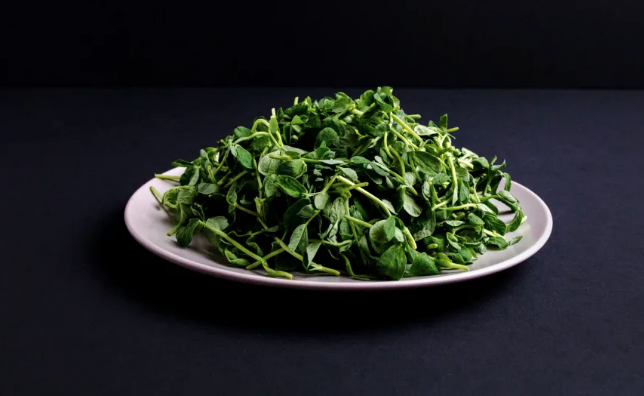





At a new vertical farm inside a warehouse in San Jose, consumers can subscribe to their own “plot,” where kale and mizuna grow under LED lights. It’s the 21st-century version of a CSA: Greens grow in towers with no pesticides and almost no water, and when they’re harvested, they’re delivered directly to consumers living within a 20-mile radius.
Willo, the startup behind the farm, wants to push people to adopt healthier eating habits. “Diet kills more people than anything else every year in the United States,” says Samuel Bertram, Willo co-founder and CEO. The promise of indoor farming—that it’s possible to grow produce in any climate at any time, deliver that food locally while it’s at the peak of freshness, and eventually sell it for less than conventionally grown greens—is something that he thinks could help convince more people to eat vegetables regularly.
[Photo: Willo]
The startup is one of several that are developing technology to make warehouse-grown kale and lettuce compete with greens grown in fields, both to deliver the freshest possible produce and to shrink the environmental footprint of food since indoor farming uses little water, less land, and avoids the need for pesticides. Nearby, a startup called Plenty has developed a fully automated system for planting, growing, and harvesting produce. On the East Coast, startups like Bowery and Aerofarms are developing technology of their own.
[Photo: Willo]
Willo has its own approach, growing plants aeroponically—meaning that the roots are exposed in the air and sprayed with a mist of water—on vertical walls, which Bertram says is “faster and more resource-efficient than our hydroponic and horizontal-plane counterparts.” The company has also tweaked other parts of the system; LED lights, for example, can be robotically moved around the farm to provide the right spectrum of light to each plant at any given time. Each plant is monitored by cameras and sensors that help the company learn how to improve growth and nutrition over time.
[Photo: Willo]
The startup’s business model is also unique. Rather than relying solely on sales to restaurants and grocery stores, it’s betting on a subscription model. Consumers will pay $149 a month for their own plot, where the farm will grow the salad greens and herbs that a particular consumer has ordered, and will get five weekly custom salads. A $99 subscription delivers five salads every two weeks. (The cost will go down over time; the company claims that the technology it has designed makes the production system cheaper than other vertical farms.) Because the company wants to reconnect people with the origins of their food, customers will be able to take tours of the farm. The startup also plans to connect subscribers with an online portal that shows time-lapse images of their plot, with data about the plants and nutrition.
[Photo: Willo]
The new farm in San Jose will begin making deliveries to new subscribers in August. It hopes to expand to other West Coast cities, and eventually to cities globally. “As soon as we show farm-level profitability, which is what we expect to show in the next 12 months, we can plant these facilities in every city in the United States and around the world to feed people locally sourced, fresh and sustainable nutritious product,” Bertram says. “That is the goal.” Other indoor farming startups have made similar promises about rapid expansion that haven’t yet materialized. But as the technology continues to improve, that may begin to change.
ABOUT THE AUTHOR
Adele Peters is a staff writer at Fast Company who focuses on solutions to some of the world's largest problems, from climate change to homelessness. Previously, she worked with GOOD, BioLite, and the Sustainable Products and Solutions program at UC Berkeley, and contributed to the second edition of the bestselling book "Worldchanging: A User's Guide for the 21st Century."

The New Wave Of Urban Farms Sprouting Strong Community Connections
If there’s one thing the global pandemic has taught us, it’s the importance of being as self-sufficient as possible, especially when it comes to putting food on the table
By Greg Callaghan | The Sydney Morning Herald | June 5, 2020
If there’s one thing the global pandemic has taught us, it’s the importance of being as self-sufficient as possible, especially when it comes to putting food on the table.
While community gardens and urban farms have been sprouting up across our cities in recent years, driven by an increasing demand for fresh, locally sourced vegetables and fruits, the coronavirus lockdown really struck a nerve about grow-your-own, according to operators of nurseries, community gardens and commercial urban farms in Sydney and Melbourne.

Tending the veggie garden at Camperdowns Commons, Sydney. Louise Kennerley
Emma Bowen, co-founder of Pocket City Farms in inner Sydney, which is part of Camperdown Commons, a former lawn bowls club turned urban farm and restaurant, says growing food forges a stronger sense of community.
“We’ve seen a really huge shift in mindset towards urban farms in the eight years we’ve been working here,” she notes. “We have many more developers and local councils reaching out about incorporating both urban farms and community gardens into new developments.”
While Camperdown Commons’ on-site restaurant and workshops have been put on hold since the lockdown, produce from the farm has been selling out every week, says Bowen. “Growing food where we live and building resilient communities are more important than ever.”
Before the pandemic, Farmwall, an agrifood-tech start-up in Melbourne, was predominantly selling its vertical aquaponic farming kits to businesses in office buildings. Now the company’s market has shifted to apartment blocks, enabling those without backyards or even balconies to grow microgreens, herbs and leafy greens.
“We show people how to grow food indoors, in limited spaces, in a naturally contained eco-system,” says Geert Hendrix, founder of Farmwall.
Adds Serena Lee, the firm’s non-executive director, “We may never go back to the corporate environment.”
But the urban farming phenomenon isn’t restricted to inner-city hipsters. Five percent of Australia’s biggest urban park, the Western Sydney Parklands, which covers more than 50 square kilometres, has been set aside for urban farming. In the heart of Parklands, 16 existing urban farms supply fresh fruit, vegetables and flowers to surrounding areas.
“Our urban farmers have experienced an upswing in customers at their roadside stalls, with the community choosing to shop locally and away from the traditional supermarkets,” says Parklands executive director Suellen Fitzgerald. “It reduces transport costs and allows children to see where their food comes from.”
To read more from Good Weekend magazine, visit our page at The Sydney Morning Herald, The Age and Brisbane Times.


WEBINAR: Stephen Ritz In Conversation With Charles Platkin - Wed, June 17 - 9:30-10:30 AM EST
Free webinar with NYC Food Policy Center - Wednesday, June 17, 9:30 - 10:30 am EST - talking all things health, education, wellness, school garden to school cafe, policy and urban farming
Free Webinar with NYC Food Policy Center
Wednesday, June 17, 9:30 - 10:30 AM EST
Talking all things Health, Education, Wellness, School Garden to School Cafe, Policy and urban Farming
Registration is required in advance and there will be a live Q/A
Please join me this Wednesday, June 17, at 9:30 - 10:30 for a free, LIVE, virtual event with NYC Food Policy Center moderated by Dr. Charles Platkin - the Diet Detective.
We’ll be talking all things equity, policy, public education, life in the age of COVID, school food, school nutrition, school garden to school cafe, health, wellness, nutrition and the role of non-profit organizations. We will be highlighting what works and why, what needs to change and how, and each and every one of us can make a difference and get involved. Let’s go from a tipping point to a turning point! I’ll even be highlighting my living room urban farm 12 stories up - in the Bronx. There will be LIVE Q and A as well.
The event is FREE and open to all - so feel free to share - registration is required for internet safety.
Click here to register


Stephen Ritz is the Founder of Green Bronx Machine and self-proclaimed CEO – Chief Eternal Optimist – of Bronx County


Dr. Anu Rangarajan From Cornell University Joins The GLASE Webinar Series - Thursday, June 18 - 2 PM EDT
CEA Workforce Development Study: What Makes a Successful Indoor Farmer Operations Manager?
June 12, 2020
The National Science Foundation-funded research project entitled “Strategic FEW (food, energy, water) and Workforce Investments to Enhance Viability of Controlled Environment Agriculture in Metropolitan Areas” (CEA Viability in Metro Areas) seeks to help the CEA industry develop a skilled workforce that will allow it to scale.
As part of this project, Anu Rangarajan’s team has conducted research to understand the workforce/labor needs of the broader hydroponics industry (greenhouse and indoor vertical farms). The project has surveyed dozens of stakeholders. In 2019, twelve industry members were brought together in an intensive Designing a Curriculum (DACUM) workshop whereby participants reflected on the skill sets required to be an Indoor Farm Operations Manager.
The chart is currently being reviewed by peer growers worldwide, who are being asked to respond to how important each skill set is and how frequently it is conducted. Based on stakeholder input the chart will be used as a starting point for prioritizing training modules.
Next, a deeper analysis of each skill will be conducted in order to translate this research into a teachable vocational curriculum. In this presentation, we will share preliminary research findings, outline our ongoing efforts to develop a solid empirical basis for CEA workforce development training programs and invite GLASE webinar audience members to participate in this important study.
Title: CEA Workforce Development Study: What Makes a Successful Indoor Farmer Operations Manager?
Date: June 18, 2020
Time: 2 p.m. – 3 p.m. EST
Presented by: Anu Rangarajan and Whyte Marschall
Click here to register
Erico Mattos
Executive Director
Greenhouse Lighting and Systems Engineering (GLASE)
Phone: +1 302-290-1560
Email: em796@cornell.edu
TAGS Business GLASE Greenhouse Greenhouse Technology Indoor Farming Technology
Vertical Farming webinar
Special thanks to our Industry partners

VIRTUAL MEET UP: Women In Agribusiness - Thursday, June 18 - 5 PM CST
Join us for a WIA Virtual Meet Up, sponsored by Faegre Drinker. Connect with Women in Agribusiness from across the country to share industry insights
Join us for a WIA Virtual Meet Up, sponsored by Faegre Drinker. Connect with Women in Agribusiness from across the country to share industry insights.
RSVP via our Home Page
Virtual Meet Ups are free during this time of social distancing but space is limited.
Know someone that would benefit from a Meet Up?
Please spread the word.
Learn more about becoming a Member of Women in Agribusiness.
Please contact us if you have questions
See you there!
Women in Agribusiness Team
eventinfo@highquestgroup.com


VIDEO: Fulop Elaborates on Jersey City’s Vertical Farming Program, The First of its Kind in The Nation
“The last couple of months have highlighted that diabetes, obesity, high blood pressure, and heart disease make people more at risk and that’s more prevalent in communities that have less access to healthy food,” Fulop said. “So we though running a large-scale program that incorporates education and diet, which a lot of people don’t know about, with access to food that can hopefully change habits.”
By John Heinis
June 9, 2020
Jersey City Mayor Steven Fulop elaborated on the city’s vertical farming program, the first of its kind in the nation and the fourth overall across the globe, during an interview this afternoon.
“The last couple of months have highlighted that diabetes, obesity, high blood pressure, and heart disease make people more at risk and that’s more prevalent in communities that have less access to healthy food,” Fulop said.
“So we though running large-scale program that incorporates education and diet, which a lot of people don’t know about, with access to food that can hopefully change habits.”
The city will be joining forces with AeroFarms, a Newark-based vertical farming facility, to help make the effort successful.
“Societies’ structural food problems have become more clear with COVID-19. The world needs more distributed, localized food production systems. We also need new ways to get healthy food to our most disadvantaged members of society,” stated AeroFarms CEO David Rosenberg.
Yesterday, the city announcing that there would be 10 farms throughout the city, which are estimated to produce 19,000 pounds of produce a year.
This afternoon, the mayor indicated that two of the locations will be within the Jersey City Public Schools, with the specifics to be determined at a later date, one at Marion Gardens, along with City Hall and the Bethune Center. The remaining locations are still pending.
In addition to the partnership with AeroFarms and the Health and Human Services Department overseeing the program, the World Economic Forum – who describes themselves as “an organization for public-private cooperation” – will also be a key component of the operation.
“We know diet is a key predictor of life expectancy and the Coronavirus has made clear the huge inequities on food access and food education that exists in different communities,” HHS Director Stacey Flanagan said in a statement.
“ … In collaboration with both private-public sector stakeholders, the initiative aims to catalyze new ecosystems that will enable socially vibrant and health and well-being centric cities and communities,” added Head of the Healthy Cities and Communities initiative at the WEF Mayuri Ghosh.
Some residents had questioned what the healthy eating workshops and health-monitoring component of the program would entail and Fulop elaborated today when asked about the particulars.
“It’s not new to have an education component with a city program … just recently, around a similar healthy food initiative – healthy food classes around supermarket shopping. And subsequent to that, we gave vouchers to have people shop with information that they just learned,” he explained.
“It’s important to change habits and incentivize people to do that and at the same time, give them mechanisms to track the progress. So we’re thankful for Quest Diagnostics, which is one of the largest labs in the world on this front and they’re going to help us track and of course keep patient confidentiality.”

Urban Agriculture Grants Awarded to Promote Food Growth in Disadvantaged Communities
Eleven Southeast Michigan urban farming groups received $75,000 in funding from the Mahindra Automotive North America Urban Agriculture Grant Program this week.
by Mid-Michigan Now Newsroom
June 9th, 2020
AUBURN HILLS, Mich., - – Eleven Southeast Michigan urban farming groups received $75,000 in funding from the Mahindra Automotive North America Urban Agriculture Grant Program this week.
The grants address COVID-19’s impact on locally available food supplies in inner-city areas.“We felt that concentrating our 2020 grant funds on strengthening the urban agriculture community’s ability to grow and distribute food to people in need was one of the ways we could be of the most help during the pandemic,” said Rick Haas, Mahindra Automotive North America’s President, and CEO.“
Now more than ever, we need to support Michigan’s urban farmers who are growing healthy food for their communities,” said U.S. Senator Debbie Stabenow. “I applaud the commitment of Mahindra Automotive North America and all businesses and organizations who are strengthening urban farms in our state.”
I am confident,” Haas said, “that this year’s grant recipients will rise to—and meet—this new challenge and help improve the quality of life for hundreds, if not thousands, of people throughout this region. Mahindra Automotive North America is grateful and humbled to be able to support their heroic efforts.”
The eleven (11) groups receiving 2020 Mahindra Urban Agriculture Grants are:
Asbury Community Development Corporation (Flint) - $10,000
Burnside Farm (Detroit) - $2,000
Charles Drew Transition Center Horticultural Program (Detroit) - $10,000
Detroit Black Community Food Security Network-D-Town Farm (Detroit) - $15,000
Edible Flint (Flint) - $5,000
Greening of Detroit (Detroit ) - $5,000
Keep Growing Detroit (Detroit) - $15,000
Micah 6 (Pontiac) - $5,000
Mt. Olivet Neighborhood Watch (Detroit) - $2,000
Northend Christian CDC (Detroit) - $5,000
Yorkshire Woods Community Association (Detroit) - $1,000
Lead Photo: Money - WEYI.jpg

Growing Up: The Rise of Vertical Food Production
Vertical farming is a novel food production system that doesn’t require arable land, but instead makes use of derelict spaces in an urban environment. Instead of growing crops the traditional way, in fields, utilizing the sun or greenhouses, vertical farming grows crops by stacking them vertically, in cities, utilizing UV lights
Today the population of the world is approximately 7.8 billion, and it is predicted to grow by another 2 billion people by 2050. Arable land is continuously lost due to industrial development and urbanization, and as such the increasing food demand of the growing population alongside the decreasing of arable land is an enormous challenge. There is thus a need for realistic strategies for implementing novel food production systems around the world. Could the answer lie in vertical farming?
What is Vertical Farming?
Vertical farming is a novel food production system that doesn’t require arable land, but instead makes use of derelict spaces in an urban environment. Instead of growing crops the traditional way, in fields, utilizing the sun or greenhouses, vertical farming grows crops by stacking them vertically, in cities, utilizing UV lights. This method of indoor farming meets all seventeen requirements of the UN’s Sustainable Development Goals. These goals are a plan to attain a better and more sustainable future for the world’s population and address current global challenges. Furthermore, vertical farming also incorporates all of the Urban Future program’s ten tracks, who believe that cities are key to a sustainable future for our planet.
Furthermore, it has been proposed that rooftop greenhouses be developed in schools in Barcelona, Spain. It is believed that schools can play an important role in environmental sustainability and the Institute of Environmental Sciences and Technology in Barcelona has developed a procedure to install rooftop greenhouses in compact cities. The implementation of urban agriculture proposals supports the development of novel methods for environmental sustainability in our ever-growing world.
How Does it Work?
There are three main models for vertical farming:
Hydroponics, where plants are grown in a nutrient-rich basin of water.
Aeroponics, where crops’ roots are periodically sprayed with a mist containing water and nutrients.
Aquaponics, which involves breeding fish to help cultivate bacteria that is used for plant nutrients.
Aeroponics uses less water overall but is technically more complicated. Interestingly, the water used in hydroponics can be recycled several times after it has evaporated from the plant and recaptured from the humid air.
Pros and Cons of Vertical Farming
Vertical farming is able to yield more crops per square meter than traditional farming or greenhouses can. Furthermore, vertical farming is not weather or season dependent, and as such year-round crop production is possible. Vertical farming also uses 70-95% less water than traditional methods and as the crops are produced in a well-controlled indoor environment it is possible to eliminate the use of chemical pesticides and grow organic crops with a faster harvesting method. This is key, as one of the biggest problems with fresh vegetables is the time it takes between harvest and consumption. A faster harvesting times could mean that more vitamins and nutrients are also maintained within the produce.
Vertical farming is a relatively new venture and as such, the financial and economic feasibility remains uncertain. Yet several vertical farming companies have been set up in the past decade utilizing old warehouses and disused factories with structures to grow vegetables and herbs. One certain disadvantage is the initial cost of real estate in cities, which could impede the viability of urban locations. In addition, labor costs in cities tend to be higher. Although, maybe most impeding is the total dependence on power for lighting, maintenance of temperature, and humidity, and as such the loss of power for just one day could see a significant loss in production.
Conclusion
Vertical farming has the ability to provide fresh and safe food in sufficient quantities, independent of climate and location. Today, we are well aware of climate change and the immediate need to change our current way of life, as such vertical farming and food production has the potential to become a necessary solution in global food production.
References
The United Nations. Sustainable Development Goals. https://www.un.org/sustainabledevelopment/sustainable-development-goals/
Urban Future Programme’s Ten Tracks. https://www.urban-future.org/about/
What You Should Know About Vertical Farming. https://www.thebalancesmb.com/what-you-should-know-about-vertical-farming-4144786
Association for Vertical Farming. https://vertical-farming.net/
How Vertical Farming Reinvents Agriculture. http://www.bbc.com/future/story/20170405-how-vertical-farming-reinvents-agriculture
Nadal A et al. (2018) Rooftop greenhouses in educational centers: A sustainability assessment of urban agriculture in compact cities. Science of The Total Environment. Jun 1;626:1319-1331

BioLumic Appoints Steve Sibulkin as CEO
“An exceptionally sustainable agriculture innovator tackling complex farming challenges, BioLumic is at a critical juncture as it prepares for the immense opportunities ahead and the rigors of global commercialization,” noted Dr. Adrian Percy, BioLumic Chairman of the Board and CTO of UPL Ltd.
Proven Ag and Tech Leader to Drive Photogenics Company’s Continued Product Development Efforts and Global Growth
New York, NY and Palmerston North, New Zealand — June 8, 2020 —BioLumic Ltd. (“BioLumic”), the leader in using plant photogenics to unlock the genetic potential of seeds and seedlings, today announced the appointment of Steve Sibulkin as Chief Executive Officer. Based on decades of experience in the agriculture and technology industries, Sibulkin will lead the company’s global expansion and accelerate its UV light treatment innovation based on the groundbreaking BioLumic photogenics platform.
“An exceptionally sustainable agriculture innovator tackling complex farming challenges, BioLumic is at a critical juncture as it prepares for the immense opportunities ahead and the rigors of global commercialization,” noted Dr. Adrian Percy, BioLumic Chairman of the Board and CTO of UPLLtd. “With a proven track record building industry-leading ag and tech companies, Steve will help BioLumic move faster and deepen relationships with key partners while accelerating the company’s ability to bring its innovations to the market.”
Sibulkin joins BioLumic from Yara International, where he led enterprise sustainability, partnership, and digital initiatives after the company acquired the precision agriculture company he co-founded, Agronomic Technology Corp (ATC), in 2017. As the CEO of ATC, Sibulkin commercialized and grew the Adapt-N nitrogen recommendation solution, which was originally developed by a team at Cornell University. Under his leadership, ATC conducted over one billion simulations, expanded its product portfolio, signed enterprise partners, and became an industry-standard with growers, agriculture industry leaders, and sustainably focused organizations. Before joining Yara, Sibulkin was a multi-time CEO, entrepreneur, and strategic advisor, and held leadership positions at Sapient, Ogilvy & Mather, and Mainspring.
“BioLumic’s discoveries around plant signaling responses harness the natural genetic potential of seeds and seedlings for yield improvement, disease resistance, and the ability to withstand environmental stress — all without requiring additional inputs or genetic modification. This is a huge win for farmer profitability, the food, and agriculture supply chain and the environment,” said Sibulkin. “BioLumic perfectly aligns with the movement toward more resilient and productive agriculture, and the opportunity to accelerate the growth of this transformative technology is one I couldn’t resist.”
Rooted in more than a decade of research into UV light treatments in plants and spun out from Massey University in New Zealand, BioLumic’s proven technology offers seed producers and growers new opportunities to grow more valuable and sustainable crops. Its scientifically validated photogenics platform uses a combination of artificial intelligence and precise light treatments to activate the natural plant signaling response to UV light, triggering plant growth that enhances crop yield, crop quality, drought tolerance, and natural disease and pest resistance.
“Our proprietary technology cultivates stronger, healthier plants to meet rising food demands, and we are ready to focus on commercialization and building a global footprint,” added Dr. Jason Wargent, founder and chief science officer. ”A respected leader in sustainable agriculture, Steve’s wealth of experience leading cross-disciplinary teams around new categories of product innovation will help drive the adoption of our novel light treatments in the global ag marketplace.”
Positive outcomes from produce such as broccoli, lettuce, strawberries, and tomatoes have accelerated the development of BioLumic’s high-quality seed and plant treatment innovations for indoor farming, row crops like soybeans, and high-value crops like cannabis. BioLumic is actively growing its team to support the acceleration and expansion of its UV light treatment initiatives.
“With recent trials showing the extensibility of this novel technology across crops, we know growers around the globe will see improved profit from their seed and seedling investments,” added Sibulkin. “Our next step involves deepening our partnerships with seed companies, seed dealers, sustainability-focused organizations, and enterprises that have aligned interest in utilizing and expanding this technology.”
Sibulkin earned a B.A. in political science from UCLA and an MBA from Kellogg Graduate School of Management, where he graduated with Beta Gamma Sigma distinction and co-founded the Net Impact Chapter. He currently resides in New York City.
About BioLumic
BioLumic harnesses the power of ultraviolet (UV) light to empower growers and seed producers around the globe. BioLumic’s pioneering technology activates natural mechanisms in seeds and seedlings that increase plant growth, vigor, and natural defense mechanisms — resulting in increased yields at harvest without the use of chemical input or genetic modification. Backed by top Ag investors, BioLumic is headquartered in New Zealand and is actively growing its presence in North America.
To learn more, visit www.biolumic.com.

Online Course: Wednesday, June 17 - Plant Response to CEA Variables - 3 PM CST
Learn how plants respond to different environmental variables and how to apply this knowledge to improve your indoor system management and crop production!
Learn how plants respond to different environmental variables and how to apply this knowledge to improve your indoor system management and crop production!
Instructor: M.S. Karla Garcia
- Hort Americas Technical Service
- Master in Plant Sciences from The University of Arizona
- Recognition by ISHS in strawberry hydroponic research
- Editor: Book Roadmap to Growing Leafy Greens and Herbs
- CEO at Microgreens FLN
DATE: Wednesday, June 17, 2020
Schedule: 3 pm to 5 pm (Central Standard Time)
Platform: ZOOM US
Price: $50 US
Once you have registered, we will make contact to provide access to our LIVE session.
Course Content
-Advantages of controlled environment agriculture
-Energy balance
-Light
a) Solar radiation
b) Artificial lighting
c) How improve net photosynthetic rate
-Wind
a) Fans/ Air circulation
-Humidity
a) Plant transpiration
-Temperature
a) Effect in plant metabolism
b) How plants respond to temperature?
c) Treatments
-CO2
-Nutrients
a) Nutrient function and uptake
-Oxygen in root zone
-Water and root zone temperature



Webinar - Monday, June 15th - Urban Farming - A Feasible Answer to Food Security?
This time, we'll explore the feasibility of urban farming as one solution to the food security question. Three panelists will present their views with the discussion moderated by Nitza Kardish, PhD., from Trendlines
Join us for the 3rd webinar in the series on the food security issue highlighted by the COVID-19 virus. This time, we'll explore the feasibility of urban farming as one solution to the food security question. Three panelists will present their views with the discussion moderated by Nitza Kardish, PhD., from Trendlines.
Participants may send in questions prior to the webinar to anton@trendlines.com
A link to join the webinar will be sent to all registered participants
Register Here
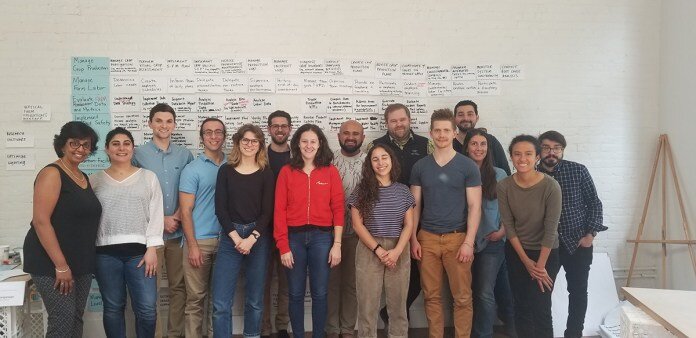
Research For Workforce Development in Controlled Environment Ag: What Makes a Successful Indoor Farm Manager?
As indoor agriculture has grown, finding, training, and retaining a skilled workforce has emerged as an important challenge to the industry. A unique combination of plant production, tech troubleshooting, and innovation is needed among employees managing these operations
By urbanagnews
June 8, 2020
As indoor agriculture has grown, finding, training, and retaining a skilled workforce has emerged as an important challenge to the industry. A unique combination of plant production, tech troubleshooting, and innovation is needed among employees managing these operations.
What are the critical skill sets, and how can we create a larger pipeline of individuals trained in these skills so that they can contribute to CEA business success?
At Cornell University, a group led by Professor Anu Rangarajan (Director, Small Farms Program) seeks to provide answers as part of a National Science Foundation-funded research project on CEA Viability in Metro Areas.
Rangarajan’s team has conducted extensive research to date in order to understand the workforce needs of the hydroponics industry, including greenhouses and indoor vertical farms—and the research continues.
With the long-term goal of creating robust curricula for training CEA employees in mind, a team from Cornell University conducted many in-depth interviews with professional CEA growers in 2018 and 2019.
The team then organized a workshop, in consultation with The Ohio State and Agritecture Consulting, that invited a focus group of CEA operations managers to model in detail the diverse activities that they perform on the job.
The resulting chart is a detailed, peer-reviewed list of duties (responsibilities) and tasks (activities, skills) that describe the work of the expert Indoor Farm Operations Manager.
The chart is currently being reviewed by peer growers worldwide, who are asked to verify how important each skill is, and how frequently it is conducted.
Based on this input, the Indoor Farm Operations Manager chart will be used as a starting point for prioritizing future CEA training modules. After that, a deeper analysis of key individual skills will be conducted in order to translate the foundational research into a teachable vocational curriculum.
Right now, however, Rangarajan’s team is actively seeking more responses to the verification survey.
“We need your help,” she emphasizes, speaking to professional CEA growers. “We want to learn your priorities for a CEA curriculum that will enhance the skills of current or future employees.”
The survey takes approximately thirty minutes to complete and can be completely anonymously. CEA growers who complete the survey will also be provided with an Amazon gift card for $25 as a token of appreciation, although they must provide their names and email addresses in order to receive this gift.
To take the survey, register here. The Cornell team will send a survey link directly from Qualtrics.
As Rangarajan notes, “Grower input will help us prioritize the core education and training relevant to indoor agriculture,” helping provide the industry with the skilled workforce it will need to scale.
For more information about this study regarding the future of the CEA workforce, please contact project lead Anu Rangarajan (ar47@cornell.edu) or research associate Wythe Marschall (wmarschall@fas.harvard.edu).

Elon Musk’s Brother, Kimbal, Is Pretty Accomplished Himself
Based in Brooklyn, New York, Square Roots has developed and installs “modules” — hydroponic farms in reclaimed shipping containers that can grow certain non-GMO vegetables around the clock and without pesticides. Today they are producing mint, basil, other herbs, and leafy greens
08 Jun 2020 by Jasmine Stone in Berry & Donaldson, Business, Elon Musk, Lifestyle, Partners
[imagesource: @kimbalmusk / Instagram]
When your older brother is Elon Musk, you probably get used to growing up in somebody else’s shadow.
Just over a year separates Elon and Kimbal Musk (above left), with the former grabbing headlines in the wake of SpaceX’s successful launch of astronauts to the International Space Station.
Makes a nice change from some of his other headline-grabbing antics, but let’s chat about Kimbal.
In 2016, he co-founded Square Roots with CEO Tobias Peggs, to grow non-GMO crops in reclaimed shipping containers.
Based in Brooklyn, New York, Square Roots has developed and installs “modules” — hydroponic farms in reclaimed shipping containers that can grow certain non-GMO vegetables around the clock and without pesticides. Today they are producing mint, basil, other herbs and leafy greens. The company made CNBC’s 2019 Upstart 100 list…
Image: https://squarerootsgrow.com/
The modules, which employ software-controlled LED lighting and irrigation systems, can be set up in the parking lot of a grocery store or even inside a large warehouse or industrial building, enabling a food maker to access fresh ingredients locally for use in their dishes or packaged products.
Kimbal, who also serves on the board at Tesla and SpaceX, says that whilst they’re currently working on providing food for people here on Earth, the same farming technology “can and will be used on Mars”.
While freight containers are working hard to grow veggies, their former life saw them shipping goods around the world, which is no mean feat, either.
South African-owned shipping logistics company Berry & Donaldson knows all about the business of moving goods and has been handling every step of the complicated process for more than 50 years, but they’re happy to leave the veggie-growing game to Kimbal and his team at Square Roots.
The company also hopes to inspire more people to become farmers, running a Next-Gen Farmer Training Program aimed at teaching city dwellers about agriculture.
During the COVID-19 pandemic, Square Roots has also provided hundreds of kilograms of produce to Rethink Food NYC, an organization that provides nutrient-rich food to the needy, all of which was grown in its Brooklyn shipping container.
For Kimbal, it’s quite a pivot from how he originally cut his teeth. In a recent profile on 5280, his journey was summarised as follows:
In 1999, after the $307 million sale of Zip2—which he’d founded with his brother—Musk left Silicon Valley to train at the French Culinary Institute in New York City (now known as the International Culinary Center).
Image: Chris & Ruth Photography
Kimbal [above, with Elon, sister Tosca, and mother Maye back in 2018] ended up in Colorado two years later with his first wife, artist Jen Lewin. That he had moved into the “food space,” as he calls it, and eventually turned one Boulder restaurant into a formidable chain of locally sourced eateries across the country made him something of a star in the industry.
Whilst the pandemic has seen some of his restaurant empire take a real hit, Kimbal still seems in good spirits.
You can read the rest of that interview here.
Not a bad set of accomplishments for the Musk family, with Tosca running a streaming service called Passionflix, as well as having producer credits on more than 30 movies.

Indoor Ag Science Cafe - Tuesday, June 16th - 11 AM EST
Indoor Ag Science Cafe is an open discussion forum, organized by Chieri Kubota (OSU), Erik Runkle (MSU), and Cary Mitchell (Purdue U.) supported by USDA SCRI grants
June Indoor Science Cafe
Please sign up!
Tuesday, June 16th, 11:00 AM EDT
Selecting An LED Fixture For Indoor Plant Production
Presented by
Dr. Erik Runkle
(Michigan State University)
Please sign up so that you will receive Zoom link info.
Indoor Ag Science Cafe is an open discussion forum, organized by Chieri Kubota (OSU), Erik Runkle (MSU), and Cary Mitchell (Purdue U.) supported by USDA SCRI grants.
Sign up for June 16 Cafe

U.S. Department of Agriculture Secretary Sonny Perdue Visits Kalera
On Monday, June 8th, technology-driven vertical farming company Kalera welcomed Secretary of Agriculture Sonny Perdue to its Orlando facility
Perdue Visits Kalera For a Behind-The-Scenes Tour With Top Kalera Executives
June 09, 2020, | Source: Kaleraphoto-release
Secretary of Agriculture Sonny Perdue (l) stands next to Kalera CEO Daniel Malechuk (r) during a visit to the vertical farm's Orlando facility.
ORLANDO, Fla., June 09, 2020 (GLOBE NEWSWIRE) -- On Monday, June 8th, technology-driven vertical farming company Kalera welcomed Secretary of Agriculture Sonny Perdue to its Orlando facility. Secretary Perdue was greeted by Kalera’s top executives, including CEO Daniel Malechuk and CTO Cristian Toma, who, along with other staff members, escorted him on a private tour of the facility’s proprietary technology, providing a glimpse at the future of farming. Key takeaways included how Kalera:
eliminates the use of chemicals and removes exposure to pathogens through cleanroom technology.
is able to supply an abundance of produce locally, eliminating the need to travel long distances when shipping perishable products.
ensures the highest quality and freshness by delivering product to customers within hours of harvest rather than days or weeks
Is able to reduce water consumption by 95% compared to field farming.
During the tour, Perdue was able to sample the lettuce Kalera grows at the Orlando facility. Some of his positive reflections about the tour can be read in this Fox 35 Orlando news piece, “USDA Secretary visits Central Florida hydroponic farm, calls it a 'very innovative food production system'.”
Kalera recently announced its new Atlanta facility, which will open in early 2021. While Kalera’s Orlando farm, which Perdue visited on Monday, is currently the highest production volume vertical farm in the Southeast, the new Atlanta facility will be more than double the size and generate approximately 75 jobs for the local community. As was the case in Orlando, Kalera is able to quickly open its newest growing facility in Atlanta as a result of a streamlined design and construction process, further illustrating its ability to rapidly scale and expand its vertical farms.
After the tour, Daniel Malechuk, CEO of Kalera, addressed Secretary Perdue in front of assembled employees and press, saying, “Thank you very much on behalf of the Kalera staff for your time, and visiting us to discuss the future of agriculture, which is clean, healthy, sustainable, local and fresh. We look forward to helping the US stay on the cutting edge of agricultural innovation and feeding a hungry world with fewer natural resources.”
In addition to its R&D center, Kalera opened its first commercial vertical farm, the HyCube growing center, on the premises of the Orlando World Center Marriott to bring fresh, local produce to the hotel’s visitors and customers. In March this year, it announced the opening of its second facility in Orlando. The Atlanta facility is the third farm in Kalera’s portfolio, and will soon be joined by more in the United States. Kalera is currently sold in over 160 Publix stores.
About Kalera
Kalera is a technology-driven vertical farming company with unique growing methods combining optimized nutrients and light recipes, precise environmental controls, and cleanroom standards to produce safe, highly nutritious, pesticide-free, non-GMO vegetables with consistently high quality and longer shelf life year-round. The company’s high-yield, automated, data-driven hydroponic production facilities have been designed for rapid rollout with industry-leading payback times to grow vegetables faster, cleaner, at a lower cost, and with less environmental impact.
Kalera’s shares are traded on NOTC, a marketplace for unlisted shares managed by NOTC AS, which is owned 100% by Oslo Børs ASA, the Oslo Stock Exchange.
Further information about the company may be found at www.kalera.com and www.kalera.com/investor along with an introductory Kalera film: www.youtube.com/watch?v=2Crpph9w0hE
Kalera Contact:
Daniel Malechuk, CEO
Phone: +1 407 574 2382
Email: dmalechuk@kalera.com
US: Jersey City Is Growing Leafy Greens For $17 Per Pound to Give Away For 'Free'
The city will spend close to $1 million building vertical gardens to provide produce for its healthy eating programs
The city will spend close to $1 million building vertical gardens to provide produce for its healthy eating programs.
CHRISTIAN BRITSCHGI | 6.9.2020 ( Serhii Neznamov/Dreamstime.com)
Sometimes you have to spend some green to make some green.
On Wednesday the city council of Jersey City, New Jersey will vote on awarding a three-year, $1 million contract to the company AeroFarms to build 11 vertical gardens on city properties. The company estimates it will be able to churn out 19,000 pounds of leafy greens a year from these installations, which will then be distributed for free to city residents.
Steven Fulop, the city's mayor, told NJ.com that the farms would produce vegetables for city-run healthy eating programs. Residents would register for these programs to receive the free produce, on the possible condition that they would be required to attend healthy eating classes and/or have their diets and health monitored."It is going to be oriented towards diet, healthy eating, and making people more aware of what they are putting into their body,"
Fulop said. "We are going to be hopefully changing outcomes of how people eat and live which ultimately changes life expectancy."
The $70 million hole the coronavirus pandemic has blown in the city's budget only makes the AeroFarms contract more valuable, the mayor told the news site, given how obesity can compound COVID-19. "We feel it is more important than ever to focus on food access and education," he said.
The "we'd be stupid not to do it" attitude is encouraging. The cost and overall concept of the program raises a few concerns, however.
According to AeroFarms' estimate, it will be able to produce about 58,000 pounds of produce over the life of its three-year contract.
This means that the city is paying $17 per pound of leafy vegetables produced. Even if one excludes the construction costs of the vertical farms (which would presumably be usable after the three-year contract ends), it's still paying a little over $7 per pound of produce.
A quick online search shows the city could buy a pound of spinach from Safeway for under $2 a pound.
A 1-pound package of organic mixed greens at Walmart costs a little less than $5.If the city were really so keen on improving the diets of its residents, it would probably be far cheaper for it to just buy produce from local grocers and then give it away.
Indeed, the city staff who evaluated AeroFarms' 2019 bid for the city's vertical farming contract (the only one the city ended up receiving) expressed concern about its costs, particularly given that the city wouldn't retain ownership of the vertical garden units.
The idea of bringing vertical farming to Jersey City is part of a broader initiative of the Swiss-based World Economic Forum to create public-private partnerships that will "design and support socially vibrant, and health and well-being centric communities in cities."AeroFarms' method of vertical farming, which grows plants inside without the need for sunlight or soil and uses very little water, apparently fits into this broad vision. The World Economic Forum has been touting the promise of vertical farming since at least 2015.
Yet in that time, more boring improvements in agricultural technology have been at work boosting crop production while using less land. That's improved sustainability while driving down prices.It's quite possible that one day, vertical urban farms will be a far more efficient option. Unfortunately, that day isn't here yet.

Is Pontus A Technology or Agriculture Company?
Not long ago, nor very far away, my Company, Vancouver-based Green Oasis Foods developed the CEVAS™ (Closed Environment Vertical Aquaponics System); arguably the most advanced soil-less organic growth system developed to date
By Steve R McArthur, Partner, Founder & CTO of Pontus Water Lentils | February 26, 2020
Both, actually!
Not long ago, nor very far away, my Company, Vancouver-based Green Oasis Foods developed the CEVAS™ (Closed Environment Vertical Aquaponics System); arguably the most advanced soil-less organic growth system developed to date. Our main consideration was to build a closed-loop Aquaponics system that ensured there was no way for contaminants to enter the growth chain. The resulting efficiency and product quality as a result are quite startling, almost like having a built-in anti-malware program for crop growth.
Good Things Come in Threes
All ’ponic’ grow systems have unique benefits and challenges. Still all markedly increase yields and, to varying degrees, lowers the use of power and water. Each also can be set up to be custom complementary systems. Green Oasis’ CEVAS™ is a hybrid aquaponics system currently being used by Green Oasis and Pontus Water Lentils, the latter owning an exclusive worldwide license to the technology.
Full disclosure, I am also CTO of Pontus Water Lentils. Ultimately, through an agreement with Amwolf, Pontus plans to obtain a public listing in approximately Q2/2020.
Before that, we plan to crowdfund through FrontFundr for $1.5 million and a like amount in a sponsored Private Placement. We plan to use the initial funds to build a 10,000 square foot grow facility. It might be useful to define the main types of soil-less grow systems.
Let’s Translate the Main Types of ‘Ponic’s
Aquaponics: A symbiotic relationship with the system; housing fish producing waste to provide crop nutrients
Hydroponics: Continuous water system, but nutrients are added to the growth media that replaces soil
Aeroponics: is a variation of hydroponics, but instead of using a grow bed filled with media, the plants are instead suspended, with roots facing a sprinkler system connected to the main nutrient reservoir.
The difference between a standard Aquaponics system and CEVAS™ is analogous to a Prius versus a Tesla, with the latter having a much more efficient with less impact on the environment. We decided it made sense to start with Water Lentils as the first crop as its grow characteristics and high market price are very attractive.
We are Reinventing Agriculture™
I sincerely believe that our system brings a fundamental and profound change to growing soil-less crops successfully and in greater numbers than other methods. Here are some key points:
CEVAS™
A combination of the best of both Hydro- and Aquaponics
Completely closed-loop system customized by Green Oasis
Utilizes state of the art, data-driven analytics
Optimize machine learning and artificial intelligence to produce superior and consistent crops
Uses 5% of the water of traditional agriculture
CO2 captured and recycled
Symbiotic air exchange
Bio Security systems to remove all possible contaminants from any human interaction
Solids filtration
Biodigestion; fish waste turned into plant nutrient through aerobic digestion
The Pontus Water Lentils farming practice was created in Vancouver Canada and is licensed Worldwide
For more information visit: https://pontuswaterlentils.com/


Shenandoah Growers - Bringing Nature Indoors
At Shenandoah Growers, we believe in the power of technologically-controlled indoor environments to sustainably transform the future of fresh produce. As the only large scale USDA Certified Organic soil-based indoor growing system in the United States, we are passionate about leveraging cutting-edge science and technological innovation to ensure that our customers receive the freshest, healthiest, most affordable organic produce possible year-round.
Working with (not against) nature to create an optimal environment for plants to thrive
What Sets Us Apart?
At Shenandoah Growers, we believe in the power of technologically-controlled indoor environments to sustainably transform the future of fresh produce. As the only large scale USDA Certified Organic soil-based indoor growing system in the United States, we are passionate about leveraging cutting-edge science and technological innovation to ensure that our customers receive the freshest, healthiest, most affordable organic produce possible year-round. With twelve growing locations across the country, we couldn’t be prouder to provide organic, local produce to over 18,000 stores every day.
Why Indoor Controlled Agriculture?
There’s nothing quite like the great outdoors—at Shenandoah Growers, we know there’s something better. Our LED-powered indoor bioponic growing platform increases yields and reduces waste, enabling us to make fresh herbs available year-round across the country. Plus this proprietary system is environmentally conscious, conserving water and land, and avoiding harmful pesticides.
How Do We Do It?
Some call it “Know-How”. We call it “Grow-How”
Our proprietary bioponic growing process mimics nature but enhances it with carefully controlled temperatures, light levels, humidity, and water exposure. And because we use just what we need to keep our plants healthy and no more, we conserve valuable environmental resources and set our industry up for a sustainable future.


VIDEO: Vertical Farming: The Only Way Is Up
Just like we've grown accustomed to living in compartments stacked directly on top and beside each other so too are lettuce and herbs
by Jasmine Reimer
Trends - /March 2, 2020
Just like we've grown accustomed to living in compartments stacked directly on top and beside each other so too are lettuce and herbs.
Agriculture is going vertical. Why? Because it saves water, increases efficiency, and provides us with fresh, local produce.
Vertical farming is the practice of producing food on upright surfaces. Instead of farming in a field, vertical farming grows plants stacked in layers, in structures like shipping containers or warehouses.
If this seems like an insignificant shift, unlikely to produce much effect, consider this: by 2050 the world's population is expected to grow by another 2 billion people.
Feeding everyone will be challenging. Vertical farming could be a solution.
What is vertical farming?
Assembled layer by layer under candy-colored lights, vertical farming has become an increasingly popular way for food producers to reduce costs related to space and energy consumption while increasing growth rates and nutrient values.
Of the many companies that are testing out this innovative farming method, Urban Crops uses a conveyor-like system to hold baby plants under LED ultraviolet lights. Their system is automated and relies on technology to program lighting and growing conditions specific to each species. And because they don't heat up, the bulbs can be placed closer to the leaves to encourage optimal light absorption.
In addition to not having to maintain an entire plot of land, Urban Crops boasts that vertical farming yields more crops per square meter than traditional farming or greenhouses. It also grows plants faster and can be used year-round. In theory, vertical farming can be practiced anywhere, which means that water-restricted locations can still harvest produce. Vertical farming uses up to 95% less water than traditional methods.
As Urban Crops' Chief Executive Maartin Vandecruys points out:
“Basically… every day is a summer's day without a cloud in the sky."
CES 2020: LG are launching exciting new indoor gardening technology.
While vertical farming could be the future of large-scale agriculture, companies like Urban Crops are also hoping that non-farming folk like yourself will be interested in investing in DIY versions. Because, while it makes sense to grow salad greens and edible flowers, trying to grow other foods like wheat for bread isn't yet an option: “At 10 cents a kilowatt-hour, the amount of energy it would take to produce wheat would [translate to] something like $11 for a loaf of bread," states, Vandecruys. Nonetheless, vertical farming could mean big changes in the way you think about “local" produce.
Vertical farming helps reduce the amount of questions for the consumer including its provenance, growing conditions and harvest date.
Data is useless unless you put it to work
Around the world, data-driven technologies are being used to keep indoor farming afloat. Detailed, real-time data collected via artificial intelligence, location services and IoT technology is used to analyze and produce better feeding models and optimal configurations, i.e. the concentration and scheduling of light and ratio of nutrients. Most recent is IoT company n.thing's Planty Cube, launched at this year's CES 2020.
Leo Kim, n.thing's CEO, came up with the idea for Planty Cube after creating an IoT-enabled smart pot called “Planty Square."
Planty Cube is a smart hydroponic vertical farm that relies on data from farming logs, which are fed back into a database called the “Cube Cloud" and analyzed with AI to help farmers determine optimal growing conditions. As the user adds more Planty Cubes to the vertical farm, this real-time, cloud-based system makes it easier for the grower to manage the overall farm, even remotely.
But even prior to sowing seeds, technology can help vertical farmers and consumers alike.
Automation, tracking and AI technology also opens up the potential to locate farms in urban, industrial, and even domestic spaces that can produce crops all year round.
This has the possibility to truly change the way cities source food. Most urban supermarkets are supplied from distributors around the world. Local indoor farms could decrease reliance on imports and reduce carbon emissions from transportation.
In the future, I hope to see supermarkets filled with vertical farms of their own.
The ups and downs of growing up
The vertical farming industry is booming. However, there are realities to consider before growing on a professional scale:
What are you growing and for whom?
Before you invest, do some market research. Get a sense of who your customers will be and your price point. Basically, if you can't sell it, you shouldn't grow it.
What is your distribution plan?
How will you physically get your produce to your customers? Find out who your end customers are and keep your farm as close to them as possible. Being local is an integral component to your success but this may present further challenges such as high cost of land, poor soil quality, and resource restrictions.
Will your building meet your needs?
Remember, indoor farming requires substantial amounts of power: lighting, pumps, HVAC, automation equipment, fans, computers etc. Not all buildings are equipped with the type of electricity you require. And if you're serious about getting into the vertical farming industry, you need to plan for future expansions.
Fortunately, vertical farming is being supported by more than just salad-starved individuals like me; location services and tracking technology are helping farmers retain high yields and prepare for the future.

USA: Indoor Growers Wanted For CEA Survey
"The current step in our research plan is to verify the details of this chart with peer growers worldwide via a survey", explains research associate Wythe Marschall. "It invites indoor farm managers to tell us how important each skill is, and how frequently it is conducted
A Cornell team is leading a new project to investigate how Controlled Environment Agriculture (CEA) compares to conventional field agriculture in terms of energy, carbon and water footprints, profitability, workforce development and scalability. Strategic FEW (food, energy, water) and Workforce Investments to Enhance Viability of Controlled Environment Agriculture in Metropolitan Areas is funded by a three-year, $2.4 million grant from the National Science Foundation, through its new funding initiative called Innovations at the Nexus of Food, Energy and Water Systems.
The workforce development research, led by Professor Anu Rangarajan (Director, Small Farms Program), consisted in 2018 and early 2019 of interviews and an intensive two-day workshop with industry experts. During that workshop, a focus group of indoor farm operations managers produced this chart detailing the duties (responsibilities) and tasks (activities, skills) that describe their work.
Survey
"The current step in our research plan is to verify the details of this chart with peer growers worldwide via a survey", explains research associate Wythe Marschall. "It invites indoor farm managers to tell us how important each skill is, and how frequently it is conducted. The survey can be completed anonymously, or growers can provide us with their names and emails to receive a $25 Amazon gift card as a token of our appreciation."
To take this survey, register here. The Cornell team will send a survey link directly from Qualtrics. Respondents may provide their names and emails to receive a $25 Amazon gift card as a token of appreciation.
Online workshops
"We are also interested to ask growers if they would be interested in a series of upcoming online workshops to help us detail what specific, teachable steps (activities) are contained within each important skill needed by indoor farm operations managers", Wythe adds. "For example, we'll ask growers to dive into the specific skill, 'Manage crop fertigation (e.g., mixing nutrients, monitoring pH, monitoring water temp),' breaking this down into teachable, specific components.
"This series of workshops will be compensated, and we are beginning to schedule it now. Any CEA farm manager is invited to participate, regardless of location or modality."
For more information about this study regarding the future of the CEA workforce, please contact project lead Anu Rangarajan (ar47@cornell.edu) or research associate Wythe Marschall (wmarschall@fas.harvard.edu).
Publication date: Tue 9 Jun 2020