

Welcome to iGrow News, Your Source for the World of Indoor Vertical Farming

VIDEO: Top 5 Benefits of Container Farming At Your Co-Op
Are you looking for a fresh addition to your co-op grocery store? Adding a container farm allows your store to be the source of some of the freshest, locally-grown, resource-efficient produce
Stephanie May 26, 2020
The Yellowknife Co-op added a Growcer container farm to their co-op to provide year-round produce to their members.
Are you looking for a fresh addition to your co-op grocery store? Adding a container farm allows your store to be the source of some of the freshest, locally-grown, resource-efficient produce.
Here are five benefits to adding a hydroponic container farm steps away from your store:
1. MORE ROI FOR PRODUCE YEAR-ROUND
Growing your own produce reduces your reliance on suppliers and allows you to avoid supply chain mark-ups. You can sell fresher produce year-round at better margins than what you can with supplied produce.
What can you grow? Lots. Anything from kale, spinach, lettuce, bok-choy, herbs, and more, can be grown within a Growcer system and you can switch it up based on consumer demand.
We’ll help you create a brand that your members will recognize and keep them coming back to your store!
2. MEMBER SATISFACTION AND RETENTION
Container farming allows you to create a unique experience for your customers. Customers can:
request what produce is grown;
purchase store-brand produce or prepared goods; and
at the Yellowknife Co-op, customers can see the produce being grown through a screen - a special experience not typically seen in chain stores.
These special touches build engagement and help with member retention.
3. EMPLOYEE ENGAGEMENT
The Growcer system is made to “plug and play” and it takes one week of on-site training to have employees comfortable with the system. Your co-op’s container farm becomes a source of pride and oasis for employees who enjoy participating in the growing process from beginning to end.
Justin Nelson, general manager of The Yellowknife Co-op, put it best: “On a cold dark day in Yellowknife, there’s no better place to be than inside the Growcer unit. When you’re actually harvesting the product that you’re selling it’s a great feeling”.
For co-ops, Growce’s units can be operated by existing employees who see it as an opportunity to take pride serving their community.
4. REDUCED ENVIRONMENTAL IMPACT
Container farming grows a variety of produce in a controlled environment that is time, space, and resource-efficient. The best part? Your container farm can be located steps away from your store eliminating the need to transport produce long distances.
At the Yellowknife Co-op, produce is harvested immediately before it’s sold and this method eliminates the need for plastic packaging.
Growcer’s container farms are an innovative way to stand out from competitors and provide quality produce to your members.
5. DEMONSTRATE INNOVATION
Embrace efficient growing systems that bring fresher produce to your customers and cement your store as a leader who is embracing agriculture technology.
Your membership invests in you - repay their loyalty by pushing the boundaries of what’s possible. The real value is not only the produce grown, but the ability for a container farm to offer your business a local source of produce, a source of diversified employment, and an additional stream of revenue.
Take the first step and plug in your specifics into our ROI calculator to evaluate the feasibility of a container farm for you.


Western South Dakota Aquaponic Farm Floats Fresh Food
A Butte County couple is putting fish to work in a new aquaponic greenhouse, growing fresh, locally-grown lettuce that now lines Northern Hills grocery shelves
May 23, 2020
Photo: Lacey Peterson, AP | Chris Garro shows off the long root under some herbs growing at the aquaponic greenhouse at Garro Farms in Nisland, S.D. (Lacey Peterson/Black Hills Pioneer via AP
BELLE FOURCHE, S.D. (AP) — A Butte County couple is putting fish to work in a new aquaponic greenhouse, growing fresh, locally-grown lettuce that now lines Northern Hills grocery shelves.
He is a Black Hills and Wyoming native, she’s from northeast Iowa, and together, Chris and Alexa Garro, owners of Garro Farms, have mastered the art of mimicking a natural ecosystem that combines traditional aquaculture with hydroculture in the ultimate symbiotic system.
It just so happens that the work fish naturally do, eating and producing waste, is the perfect fertilizer for growing plants. And boy do those fish grow a lot of plants when they get to work.
The best of both worlds
Aquaponics uses the best of all the growing techniques, utilizing the waste of one element to benefit another, mimicking a natural ecosystem.
Alexa told the Black Hills Pioneer it represents the relationship between water, aquatic life, bacteria, nutrient dynamics, and plants that grow together in waterways all over the world. Taking cues from nature, aquaponics harnesses the power of bio-integrating those individual components — exchanging the waste byproduct from the fish as a food for the bacteria, to be converted into a perfect fertilizer for the plants, and return the water in a clean and safe form to the fish — just like mother nature does in every aquatic ecosystem.
“If we were to let this system just hang out and never touch it, it (the bacterial symbiotic process) would happen naturally,” Alexa said. “It’s kind of like nature wants to make it work, and then we just provide the facilities.”
The system has found shortcuts around common agricultural issues.
While gardens can be located in your backyard, industrial farms are often thousands of miles from where their food is consumed. This requires extensive transportation, refrigeration, and packaging to get the food from farm to table.
Hydroponics is a method of growing plants without soil, by instead using mineral nutrient solutions in a water solvent. While hydroponics solves many soil-based issues, it also offers its own problems.
Traditional hydroponic systems rely on the careful application of expensive, man-made nutrients made from mixing together a concoction of chemicals, salts, and trace elements. For the Garros, through aquaponics, they merely feed the fish and monitor the system carefully, and grow fresh, bountiful greenery that you could have on your table the day after harvest.
The Arpan setup
Garro Farms, located approximately 18 miles northeast of Belle Fourche on Arpan Road, is home to the 2,400 square-foot commercial-scale greenhouse. Chris, utilizing second-hand materials, built the greenhouse with the ultimate goal — to supply fresh produce to the Northern Hills and Wyoming areas all year long.
“It took some imagination to get it to this,” Chris said. “And I hope other people follow suit, too.”
Although there are numerous types of aquaponic systems, the Garros selected deep-water culture, or raft-based growing, that uses a foam raft which floats in a 12-inch deep channel filled with fish effluent water that has been filtered to remove solid wastes. Plants are placed in holes in the raft and the roots dangle freely in the water.
Photo, Chris and Alexa Garro have opened a commercial-scale aquaponic greenhouse to offer fresh, locally-grown lettuce and herbs to Northern Hills and Wyoming communities pose at the farm in Nisland, S.D. (Lacey Peterson/Black Hills Pioneer via AP)
In 2018, Chris implemented a smaller backyard experiment in aquaponics and found the plentiful rewards it could provide. He said the property had only a limited amount of available space, forcing him to get creative, making aquaponics the perfect solution to offer healthy, high-yielding fresh produce.
The system’s water starts out in a 500-gallon in-ground tank and is pumped into the tank where the fish thrive. From there, the nutrient-rich water flows through a solids filter and into a bacterial conversion tank before being piped into the “beds” where the plants roost while they grow.
“And then back again,” Alexa said. “So, it’s all a big cycle. The plants clean out that nitrate, and it comes back to the fish.”
The system circulates approximately 4,500 gallons of water each hour, Chris said.
And the system works well.
“Almost every single thing that comes out of this, there’s no waste byproduct,” she said, adding that other than adding iron to the water, Garro Farms doesn’t provide any additives to the process. “Otherwise, it’s completely self-sustaining. The older the system gets, the more efficient it works, and the more balanced it gets.”
“We figured out how to basically get as much production in this size (of) greenhouse as we would get out of something four times this size,” Alexa said. “So, by taking the square footage and doing a certain crop rotation that he did, that’s how we get (the amount of production).”
Currently, the farm grows six types of lettuce — green oakleaf, rouxai, adriana, salanova red incised, green incised and butter crunch. They also cultivate microgreens, grown under natural sunlight in the greenhouse, including pea shoots, purple-stemmed radish and sunflower. But that’s not all; the Garros are experimenting with herbs like cilantro and culinary sage.
“To be this new and have the right levels and everything producing was a stroke of genius on Chris’ part,” Alexa said.
Without the rotation the Garros utilize, Chris said it would be next to impossible to get the amount of growth production.
“We can do between 50,000-74,000 heads of lettuce out of here a year,” he said. “And if I had done it the conventional way and not moved anything, if we just put in the water and let it grow … they need quite a bit of room when they get bigger and we’d of cut that (production) in a quarter.”
From the time the seeds are planted, the plants are full grown and ready for market in about 35 days, Chris said.
“We’re not using any special seed or anything like that,” he said. “We’re trying to provide ideal conditions, and if you give something ideal conditions, … it just does better.”
What about the fish?
As one of the main components in an aquaponic system, the fish are an important focus for the Garros.
Chris said he stocked his 1,500-gallon fish tank, which is above ground and separate from the water tank, with 50 pounds of fathead minnows three or four months ago.
The type of fish is atypical for an aquaponic setup, Chris said.
“This is pretty experimental, too, because I haven’t read about anybody doing that with bait fish,” he said.
Due to the proximity to the Belle Fourche Reservoir and wanting to keep product procurement as local as possible, the farm gets the minnows from the Wheel In Bait Shop.
The local supply is handy but, Alexa said the fish species is particularly hardy when it comes to handling the area temperatures, whereas other fish species typically used in other aquaponic setups like tilapia, koi or goldfish would struggle in the South Dakota conditions.
So, what happens when the fish get too big and the balance is thrown off?
“The cool thing about it is we’ll trade these out for smaller ones with the bait shop,” Chris said.
A 50-pound batch of minnows will likely thrive in the greenhouse for around six months before needing to be traded out for smaller ones, he said.
“Most people factor in because they either do a huge, massive, million-dollar scale building, or they have a little backyard system,” Alexa said. “So, they either want to eat the fish or they’re factoring it into their revenue plan. For us … it’s so weird fitting that middle ground where we’re not a million-dollar facility but we’re not a 500-gallon backyard system. What worked for everybody else will not quite work here, especially in South Dakota in the wintertime.”
Pandemic curveball meets ingenuity
The current pandemic conditions put a slight kink into the Garros’ plans.
Chris said that the pandemic conditions related to COVID-19 have caused a supply shortage for some of the supplies needed for the greenhouse, requiring them to operate on a smaller level until more supplies arrive.
Photo, Alexa Garro examines the lettuce crop grown at Garro Farms' aquaponic greenhouse in Nisland, S.D. (Lacey Peterson/Black Hills Pioneer via AP)
“And we don’t even have this thing (the aquaponic bed) like a quarter of the way full, and this is (producing) about 860 heads (of lettuce) a week,” Alexa said.
In about a month, Chris anticipated the greenhouse would likely be at around three-quarters capacity.
Even through the rough conditions, Garro Farms is rising above and plowing through the roadblocks. The farm’s produce is already on the shelves of Lueders Food Centers in Spearfish and Belle Fourche, Lynn’s Dakotamart in Belle Fourche, Bee’s Knees Natural Foods in Spearfish, Grocery Mart in Sturgis and Bearlodge Bakery in Sundance, Wyoming.
Soon, that will likely expand. Alexa said they’re in talks with some restaurants all the way to Rapid City, hoping to provide locally grown, healthy options everywhere.
“We had such a good response from everybody. All the stores we’ve sold to … they’re selling out weekly,” Chris said.
The bigger picture
The couple, who, between the two of them, has ranched in Montana, worked in the Bakken oil fields, done professional construction work, and worked in radio and news outlets, decided they wanted a new direction in life.
“It’s good work, and I didn’t mind it,” Chris said. “But, doing something like this, to me, is a bigger thing. Growing food, to me, is more important.”
The farm expects to be able to keep a consistent level of inventory in terms of production, year-round.
“The way that we’re going to get away with that is the grow lights,” Chris said. “In the wintertime, I’ll probably put them over all the beds. You need 10-15 hours of sunlight (each day).”
The couple was uniquely drawn toward growing lettuce. Chris said that around 95% of the country’s lettuce comes from the California region.
“There’s no reason we can’t grow this locally like this,” he said.
“Lettuce is just one crop that you can’t really get it in mass in the winter in South Dakota,” Alexa said. “This is something that everybody that I talked to had the same problem, ‘I buy lettuce, it goes bad; I buy lettuce, it’s not really what I wanted.’ We just kind of went, ‘lets focus on this and get it going.’”
The pandemic conditions have highlighted to the couple the importance of having a local supply chain.
“If we can do this here, I think it’s possible pretty much anywhere,” Chris said.
Chris said he hopes to continue to grow the business, bring on staff, and someday, produce for most of western South Dakota and eastern Wyoming.
Although the farm sold its first batches of lettuce to local stores in mid-April, the couple is already expanding on the greenhouse, planning a 12-foot addition to the front to accommodate a packaging area.

WEBINAR - JUNE 3: USDA $3M In Grant Money Available for Urban Agriculture and Innovative Production Projects
The Office of Urban Agriculture and Innovative Production will hold a webinar on June 3, 2020, from 4 to 6 p.m. Mountain Standard Time. It will provide an overview of the grants’ purpose, project types, eligibility and basic requirements for submitting an application.
The U.S. Department of Agriculture (USDA) is encouraging communities and families to create gardens on rooftops, indoors, traditional, non-traditional and other urban farms to be successful at their craft. They recently announced grants to help establish community gardens and compensate people for start-up costs.
The USDA allocated $3 million for grants through its new Office of Urban Agriculture and Innovative Production.
The Office for Urban Agriculture and Innovative Production was organized after the 2018 Farm Bill was passed by both the house and senate and signed into law by President Trump.
The competitive grants are intended to support the development of urban agriculture and innovative production projects. They will accept applications on their website Grants.gov until midnight, July 6, 2020.“
These grant opportunities underscore USDA’s commitment to all segments of agriculture, including swiftly expanding areas of urban agriculture,” Under Secretary for Farm Production and Conservation Bill Northey said. “Such projects have the potential to address important issues such as food access and education and to support innovative ways to increase local food production in urban environments.”
We are proud to be able to offer support through this cross-agency effort,” said Under Secretary for Marketing and Regulatory Programs Greg Ibach. “In creating this grant opportunity, USDA will build upon its years of experience providing technical support, grant funding and research to help farmers and local and urban food businesses grow.”
USDA has made available $1 million for Planning Projects that initiate or expand efforts of farmers, gardeners, citizens, government officials, schools and other stakeholders in urban areas and suburbs. Projects may target a variety of agriculture areas.
USDA made available $2 million for Implementation Projects that accelerate existing and emerging models of urban, indoor, and other agricultural practices that serve multiple farmers. Projects should improve access to local food and collaborate with other organizations that may support infrastructure needs, emerging technologies, educational endeavors and urban farming policy implementation.
The Office of Urban Agriculture and Innovative Production will hold a webinar on June 3, 2020, from 2 to 4 p.m. Eastern Standard Time. It will provide an overview of the grants’ purpose, project types, eligibility and basic requirements for submitting an application.
Information on how to register for and participate in the webinar, or listen to the recording, will be posted at farmers.gov/urban.
More information is available at farmers.gov/urban.
Additional resources that may be of interest to urban agriculture entities include AMS grants to improve domestic and international opportunities for U.S. growers and producers and FSA loans.

Aldi Teams Up With Vertical Farming Company Infarm
According to a report from Supply Chain Analysis, by the end of this month, five Aldi stores throughout Germany will be growing fresh herbs and leafy greens in Infarm’s vertical units. By the end of the year, this store count number will jump up by seven
May. 21st, 2020
by Anne Allen
GERMANY - Aldi Süd recently announced a partnership with indoor vertical farming company Infarm as it seeks to offer consumers high-quality greens they can see growing in-store.
According to a report from Supply Chain Analysis, by the end of this month, five Aldi stores throughout Germany will be growing fresh herbs and leafy greens in Infarm’s vertical units. By the end of the year, this store count number will jump up by seven.
Aldi Süd recently announced a partnership with indoor vertical farming company Infarm to grow fresh herbs and leafy greens in five locations throughout Germany
This is an interesting move from the retailer, whose name is often associated with discount prices—not leading-edge tech. However, this move firmly puts Aldi in line with other retailers chasing after innovation in fresh produce and it’s one that we here at AndNowUKnow are intrigued to see.
Infarm made headlines last November when it partnered with Kroger for similar reasons, bringing its living produce farms right to the retailer’s floor.
Although this Infarm expansion is overseas, we know opportunity when we smell it. How soon will we see more vertical farms in the United States? Perhaps much sooner than we expect. Keep reading ANUK as we cover the latest in retail, innovation, and more.
Aldi
Retail Aldi Infarm Retailer Grocer Grocery Leafy Greens Produce Aisle Vertical Farming Vertical Farm New Partner New Partnership Germany Fresh Herb Salad Sustainable Sustainability Strategy Discount

What Is A Business Framework And Why Is It Needed For Vertical Farming?
Emiel Wubben is an associate professor of strategic management at Wageningen University and specializes in agrifood clusters & circular business. His prime interest is about: “strategizing business transitions towards a more sustainable bio-based and circular economy.”
Emiel Wubben is an associate professor of strategic management at Wageningen University and specializes in agrifood clusters & circular business. His prime interest is about: “strategizing business transitions towards a more sustainable bio-based and circular economy.”
The first time Michele Butturini heard about the work of Emiel Wubben was during VertiFarm2019, where he gave the presentation entitled “Where is the business? A study into the key variables of the Vertical Farm Business Framework.” The research paper in which that presentation was based on, will soon appear in the European Journal of Horticultural Science. Emiel allowed Michele to read the submitted version of the research paper, leading to this interview.
In the interview, Emiel also shares his vision of the future for vertical farming: "In countries that import a lot of foods, like Japan and Singapore, I think that they will have an incentive to continue the attempt of vertical farming successfully. I think that, in some countries, there's quite some pressure to get vertical farming working, while in Europe, I don't see that there is a lot of eagerness to get vertical farming done. In America, you typically often see the financial drive, motivating competition and selection. I expect more vertical farming expansion on the outskirts, such as on ships, but also on the north and south pole, in deserts, where these technologies can easily be brought and somebody can run it as a franchise. But I think it will become more like a chain or with someone who owns and runs a lot of them. I think that the container-farms may succeed and be the format that will work earlier since they are easily movable and easy to do data gathering and data sharing. I think that the technology is still too complicated for franchises to build. Large vertical farms for buildings are very investment intensive."
Read the full interview at Agritecture.
Publication date: Fri 22 May 2020

Aquaponics Can Have Both Environmental And Cost Benefits
Although aquaponics systems, which combine conventional aquaculture with hydroponics, have become a hotly debated topic in future food production, data on the economic feasibility of aquaponics is relatively limited

Aquaculture is the farming of fish and other aquatic animals, while hydroponics involves growing plants without any soil. Both approaches have been successful on their own, however, combining fish and vegetable production — so-called aquaponics — could also be profitable, according to a new analysis published on 19 May in the journal Aquaculture Research (1).
Although aquaponics systems, which combine conventional aquaculture with hydroponics, have become a hotly debated topic in future food production, data on the economic feasibility of aquaponics is relatively limited.
To figure out how realistic the approach might be, researchers from the Leibniz-Institute of Freshwater Ecology and Inland Fisheries (IGB) analyzed one year of real production data from an existing aquaponics system — the “Mueritzfischer” — located in Waren (Müritz) in Germany. The research system was build as part of INAPRO, an EU-funded project led by IGB aimed at demonstrating the viability of an innovative aquaponics system.
The 540-square-meter facilities produce fish and vegetables on a large scale in a combined recirculating system. The fish and plants are grown separately within the two recirculating systems and sensors are used to continuously monitor can connect the two systems when needed to create optimal growth conditions.
The authors examined two different scenarios and performed an extensive profitability analysis. One scenario showed that the aquaponics approach can be profitable if facilities are sufficiently large. Using this scenario, the researchers developed a model case, which they used to calculate figures for different sized facilities.
Under the right conditions, aquaponics can have both environmental and cost benefits, according to the authors. The main barriers to the commercialization of aquaponics are the high investment costs and high operating costs such as for fish feed, labor, and energy, particularly in countries like Germany. Another challenge is that profitability largely depends on the market environment and the production risks, which can be difficult to predict.
Lead author Goesta Baganz believes there might be huge potential for aquaponics in urban areas: “The already profitable model case would cover an overall space of about 2,000 square meters. This would mean that professional aquaponics would also be possible in urban and peri-urban areas, where space is scarce and often relatively expensive.”
“If, therefore, urban aquaponics can make a profit on such a scale, there is even greater opportunity for local food production, which is becoming increasingly important throughout the world as urbanization progresses”, Baganz explained.
In a global context, Professor Werner Kloas, who led the project, said: “Considering current problems like climate change, population growth, urbanization as well as overexploitation and pollution of natural resources, global food production is the largest pressure caused by humans on Earth, threatening ecosystems and the stability of societies. Consequently, one of the key societal goals is to achieve eco-friendly, efficient food production,”
(1) Baganz, G. et al. Profitability of multi‐loop aquaponics: Year‐long production data, economic scenarios and a comprehensive model case. Aquaculture Research (2020). DOI: 10.1111/are.14610

The First Online Dashboard For Aquaponics
“We’re about empowering people to be the best aquaponic growers possible. Tech is what gives people the tools to do awesome things.” - Jonathan Reyes, CEO, and Co-founder of Aquaponics AI
Aquaponics AI, a US-based aquaponic technology research company, just unleashed their software into the wild. It’s the system every aquaponic grower has been waiting for.
It has traditionally been difficult to get started in Aquaponics because of the steep learning curve but they are making it easy to get started and maintain a system with features like a project template that gets your system running with recommended maintenance schedules by big players in Aquaponics.
They’re bringing innovative usage of artificial intelligence and big data to Aquaponics for the betterment of the global aquaponics community. Their vision is to unleash your Aquaponic growing powers. You’re the beneficiary of high-quality produce and revenue streams created from your system.
In addition to being the forerunner in Aquaponic technology, they also have invaluable libraries for fish, plants, and diseases, as well as calculators for managing your system.
“We’re about empowering people to be the best aquaponic growers possible. Tech is what gives people the tools to do awesome things.” - Jonathan Reyes, CEO, and Co-founder of Aquaponics AI
You can see the latest developments on their website https://aquaponics.ai alongside invaluable resources and calculators that are available for free.
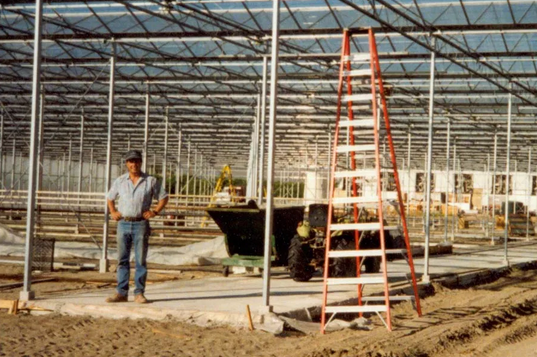
Over Thirty Years Ago Leo and Suzette Overgaag Left Santa Barbara For The Beautiful Coachella Valley To Start Their Own Family Farm
Their dream was to raise their family, support the community and grow the freshest living produce on the market
Over thirty years ago Leo and Suzette Overgaag left Santa Barbara for the beautiful Coachella Valley to start their own family farm. From a shoestring budget and borrowed equipment to break ground, our greenhouses have grown into more than 10 acres of hydroponically grown greenhouse space.
Their dream was to raise their family, support the community, and grow the freshest living produce on the market. Originally growing European cucumbers, the Overgaag’s enjoyed cooking with fresh herbs but noticed the cut herbs available at the grocery store often wilted in a day or two. In the mid-1990’s they delivered the first full line of living herbs sold in the refrigerated section of the grocery store lasting up to three times longer than their fresh-cut counterparts.

Delivering a premium culinary experience with our fresh, living herbs from our family farm to your family’s table is our passion. We have spent years creating the ideal environment to grow culinary herbs with detail to tenderness, exquisite flavor, enticing aroma, and enhanced shelf life. From our deliciously sweet peppery basil to our velvety smooth sage, fresh herbs are a simple and healthy way to make any beverage, appetizer, meal or dessert extraordinary. Enjoy some of our family’s mouth-watering recipes shared or add to your favorite recipes at home.
We are proud to be the first culinary herb grower in the United States to be certified as a sustainable grower by a recognized third party certifier. In order to receive this honor, standards on earth-friendly and labor-friendly practices must be met. We utilize renewable resources such as solar power energy to help power our production and geothermal energy to heat our greenhouses on cool winter nights. A hydroponic growing method enables us to use up to 70 percent less water than field grown crops at a time where the current drought in California is top of mind to so many of us. All our employees are treated with respect, have opportunities for growth, and competitive benefits. North Shore offers tuition reimbursement for higher education or language classes as well as an annual college scholarship for the children and grandchildren of our team.
We are passionate about educating children on where their food comes from and how to cook with fresh, healthy ingredients as well as utilizing agriculture to improve test scores.
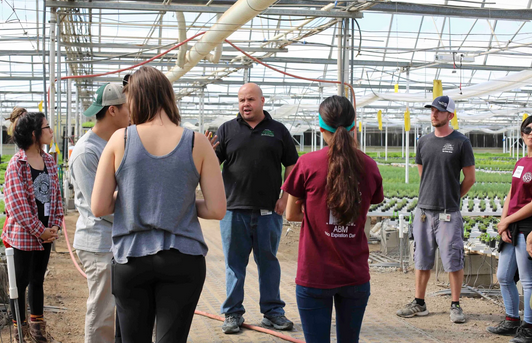
In our own community we partner with the YMCA and local schools to donate products, provide monetary donations, educate, and provide greenhouse tours.

10 Questions to Ask Before Starting a Container Farm
If you’ve been looking into indoor farming from home, you’ve probably come across a container farm as a sustainable option. A container farm is an indoor vertical farm, that operates inside of a repurposed shipping container

If you’ve been looking into indoor farming from home, you’ve probably come across a container farm as a sustainable option.
A container farm is an indoor vertical farm, that operates inside of a repurposed shipping container.
These farms grow crops using hydroponic systems, artificial lighting, and controlled environment agriculture (CEA) technology.
Container farms are popular for their ability to yield a lot of produce in a compact space.
But before you get started, there’s some vital information you should learn.
In this article, you’ll learn what you should find out before starting a container farm.
1. What type of hydroponic system does it use?
There are many different types of hydroponic systems.
The type of hydroponic system a container farm uses will influence compatible crops, maintenance, and its advantages and disadvantages.
For example, recirculating systems like nutrient film technique (NFT), allow the farm to reuse water, cutting back on water use, and work best with quick-growing leafy greens.
2. How is the hydroponic system controlled?
How the hydroponic system is controlled, will determine how much additional labor you need in order to operate it.
If it’s an automated system, like our Pure Greens Container Farms, you’ll save time and energy.
If it’s a more basic system, you’ll have to put in more work to get the results you desire.
3. How is the environment controlled?
How the inside environment of the container farm is controlled, depends on the level of CEA technology that’s been installed.
A basic refrigerated container, with no modifications, will regulate indoor temperature to some degree, but it won’t be easily adjustable or precise.
On the other hand, more controls like temperature, humidity, and carbon dioxide will result in perfect growing conditions for your crops, improving quality and yields.
4. Where can you put it?
One of the benefits of container farming is the ability to grow food in any climate and in densely populated urban areas.
But before starting your container farm, you’ll need to know if you have the proper space for it.
You need to make sure you have enough room on all sides of the farm, level ground, a proper connection to water, and an electrical source.
5. What preparation do I need to do before starting?
The preparation you put into starting a container farm will depend on your personal situation, such as whether you already have the proper space, tools, and materials for it.
Additionally, you’ll want to consider preplanning your budget and what crops you’d like to grow so that you can adjust your expectations accordingly.
6. What do I need to buy separately?
Whether you’re renting or purchasing your container farm, you’ll need to know what materials and equipment it comes with, so you can plan to purchase anything else separately.
These things will need to be accounted for in your budget, and it’s best to know before starting in order to minimize financial surprises.
7. How much work does operating one unit require?
If you already have plenty of time on your hands, this might be less of a concern.
But if you’re only going to be able to put in a few hours of work each week, you might want to look into getting some help.
In general, you should budget for at least 20 hours of work time for your container farm each week.
8. Who will do the labor?
As mentioned in the previous section, if you can’t fully commit your time to maintaining your container farm, you should look into hiring someone.
If you plan to hire someone, you’ll have to make sure to include that in your budgeting as well.
And if you’re going to take on the work all on your own, you should ensure that you’ll have enough time to do so before you start.
9. What plants can I grow in it?
Before starting a container farm, you should know what crops you’re most interested in growing.
Container farms grow a lot of different types of crops, but the most ideal ones will depend on what type of hydroponic system it uses.
You’ll want to make sure your desired crops align with what you’ll actually be able to grow.
10. What are the expected yields?
Whether you’re using the container farm to feed people or to sell your produce, knowing what to expect is important.
You should make sure the farm has the ability to yield enough to match your needs, both in terms of mouths to feed and profit.
Now that you know what questions to ask, you can start finding the answers!
Check out our container farming guides on our website puregreensaz.com or call 602–753–3469 for more information.
WRITTEN BY
Pure Greens Arizona LLC
Pure Greens’ container-based grow systems offer a variety of interior layouts, sizes, and options so customers can create a farm that meets their needs.
BrightFarms Offering Free Virtual Tours Around Pennsylvania Greenhouse To Help Show Where Leafy Greens Grow
Seeing empty shelves at the grocery store lately may have you thinking a lot more about where our food comes from. Our Vittoria Woodill takes us to a local place where they grow those healthy leafy green
May 19, 2020
PHILADELPHIA (CBS) — Seeing empty shelves at the grocery store lately may have you thinking a lot more about where our food comes from. Our Vittoria Woodill takes us to a local place where they grow those healthy leafy greens.
You may have seen their label in the grocery store but do you know where BrightFarms greens grow up before they make it to your house?
BrightFarms is a national indoor farming startup with four major greenhouses around the country. And in our backyard, their Selinsgrove greenhouse in Synder County is the largest greenhouse for leafy greens in the state of Pennsylvania.
It’s also the place they’ve picked to film their free virtual tour since their school tours have stopped. Kids and adults can learn how their leafy greens are grown hydroponically with grower Charlie Gagne.
BrightFarms is also doing some really cool stuff for the community.“Each of our farms has partnered with a regional food bank,” Gagne said. “I know our farm has donated 1,000 pounds of lettuce so we think that’s really exciting, being able to give back when we can.”
So, don’t let this chance go to waste to learn more about where our food comes from and support local farms.
Watch the video to learn more about BrightFarms.
VITTORIA WOODILL
We Want To Grow Every Lettuce Variety Without Having To Think About The Light Recipe
The construction of the greenhouse for lettuce growers From Boer in the Dutch town of Dinteloord is in full swing, while this is happening they are already thinking about equipping the greenhouse with the latest technology
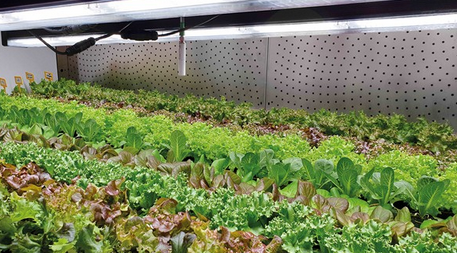
The construction of the greenhouse for lettuce growers From Boer in the Dutch town of Dinteloord is in full swing, while this is happening they are already thinking about equipping the greenhouse with the latest technology. For instance, regarding the perfect light needed during cultivation. To figure these things out, Rofianda Lighting Solutions and Form Boer had a meeting. The plans changed a hand full of times, but they have now devised a complete plan.
'Without' thinking
Rofianda and From Boer met in the spring of 2019. Due to modernization, the re-locating, and the current technological developments, the lettuce growers are looking into the questions regarding lighting. The researches’ most important goal is to find a way to cultivate every variety of lettuce without having to think about strict lighting recipes.
“To achieve this goal, Rofianda Lighting Solutions full-spectrum sunlight lighting is perfect”, says Arjan Boer. “You only need to decide on the lighting level, and the plant will take care of the rest.”
'Sunlight lamps’ versus red and blue LEDs
In a testing greenhouse, the results for lighting lettuce under sunlight lamps were compared to the results of those same varieties under red and blue LEDs. The results for lighting under Rofianda Lighting Solution lamps were very noticeable. “The overall growth is close to how it is in nature, and the root forming is much better than when using the LEDs.”
Micromol discussion
Because Arjan and Leonard want to equip their new greenhouse with the latest technology, cultivation will happen in a most modern way. Ronald Gronsveld, owner of Rofianda Lighting Solutions, and the brothers Boer have invested a considerable amount of time in creating just the right lighting plan for the automated cultivation department.
“These types of challenges form the cornerstone of our existence”, says Ronald. “We don’t just supply a few lamps, but think along with the growers when it comes to questions regarding design, installation, costs, lighting levels, the impact of lighting on the cultivation as a whole and payback period. More is not always better, especially in the current discussion regarding micromole. The quality of the light is much more important than the quantity”, in Ronald’s opinion.
The right choices
Arjan confirms that the plans have changed a few times and that they eventually reached a complete plan. “The contact was abundant, and we managed to make the right choices together”, says Arjan.
In the middle of March, the signatures were placed, and the entire cultivation will be equipped with lighting technology that was designed in the Netherlands.

For more information:
From Boer
www.fromboer.nl

Rofianda
info@rofianda.nl
www.rofianda.nl
By Horti Daily | May 4, 2020
Are Vertical Farms Even Remotely Efficient? Putting A Figure On Plant Factories
Researchers in the Netherlands are calculating the feasibility of vertical farming in urban areas
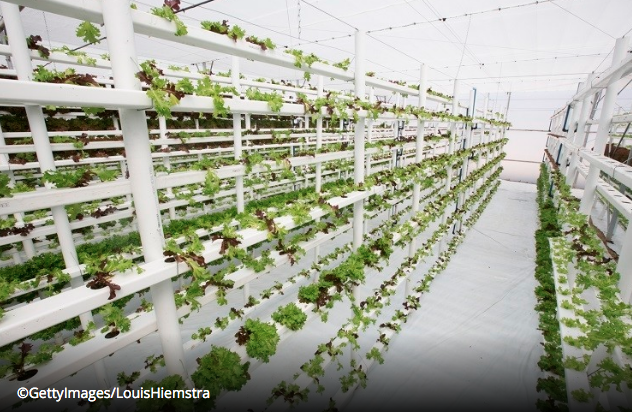
Researchers in the Netherlands are calculating the feasibility of vertical farming in urban areas.
“The main goal is to put a figure on vertical farming,” Wageningen Universit & Research’s Luuk Graamans tells FoodNavigator.
https://www.foodnavigator.com/Article/2019/05/15/Are-vertical-farms-even-remotely-efficient-Putting-a-figure-on-plant-factories?utm_source=copyright&utm_medium=OnSite&utm_campaign=copyright
By Flora Southey | Food Navigator | May 15, 2019


Strawberry Growers Take Production Up in The Air to Answer Market Demand
Due to growing demand and challenges in cultivation and labour, more and more former open field strawberry growers have shifted to hydroponic or semi-hydroponic cultivation over the last couple of years
From Open Field to Semi-Hydroponic to Standing or Hanging Systems
Due to growing demand and challenges in cultivation and labour, more and more former open field strawberry growers have shifted to hydroponic or semi-hydroponic cultivation over the last couple of years. The next step for these growers is to lift their growing system in order to improve the working conditions, irrigation possibilities, and to lower the disease pressure. “The growing interest in the market in the berry range has pushed the industry to create new tools and production systems that years ago were unthinkable, thus creating a large decrease in labor costs”, says Isabel Ruis with Hydroponic Systems.
Growing production
The global production of strawberries has grown exponentially over the last decades. Especially in Europe, the acreage has increased by almost 50%. According to the numbers of trade maps also the Northern and Central American production has grown by almost 30 percent. “This huge development has been caused by the strong increase in demand, as strawberries are considered a fruit with a high content in vitamin C, almost equal to Citrus fruits”, says Isabel. The Spanish company has specialized in offering efficient solutions for hydroponic cultivation. “In Spain, around 93 to 95% of the production of the strawberry acreage can be found in the province of Huelva. This production is mostly destined for the European markets. The demand for higher quality and production urged growers to invest in the growing conditions and techniques, aiming at efficient use of resources, so to minimize the impact on the environment’, says Isabel.
She explains how in traditional ways of growing, where simple structures are used to protect the crop and there’s hardly any control over the climate, there’s also little control over the water and nutrients dosage and costs. “Irrigating strawberries is especially complicated because the crop is often grown under plastic, on very sandy soils with low capacity to retain water. Leaking of the water into the soil and contamination risks also caused criticism on the cultivation, especially from an environmental point of view.” In addition and especially important nowadays the plants being grown at soil level provide a problem for the labour force: the uncomfortable work makes it harder to find workers.
Semi-hydroponic as first step
Over the last years, many growers invested in a semi-hydroponic system: growing in substrates placed on the soil. “The need to rotate crops, developed mainly by family farmers in small areas, has encouraged the investigation of new forms of growth to meet the requirements of today’s markets. Since hydroponic growing can be done at any location, this can also occur close to distribution points and consumption points, therefore, saving on shipping and environmental contamination", Isabel explains.
Now they see how more and more growers chose to elevate their cultivation since it offers better control over the crop, a new opportunity to maximize production in lesser surface and reduce the use of resources further.
Up in the air
Standing or hanging systems have proven to be a solution for further development. The Elevated Hydroponic System, developed by Hydroponic Systems, has been one of the solutions enabling growers to do so. “By elevating the crop, the disease pressure is lowered so the use of chemicals will decrease. And thanks to elevating the crop, the working conditions are way better: more comfortable and more efficient. A reduction of at least 50% for the harvest costs is within reach thanks to these improved and optimized working conditions. And we can higher the production per square meter”, adds Isabel. “This is thanks to the improved growing conditions and to the higher planting density. By lifting the plants, we can grow up to 200.000 plants per hectare.’
She shows how lifting the crop will also reduce the contamination of the soil and leaking of water, making disinfection of the soil and deep fertilizing unnecessary. “The water is used more efficiently and growers get the opportunity to recirculate the drain water. To realize this and guarantee optimal use of water and nutrients, Hydroponic Systems created the spacer piece. This is a plastic gutter system that is used in many greenhouse operations that place their substrate slabs at surface level. The spacer results in better ventilation between the drain channel and the substrate with a reduction of disease pressure and a healthier root system as a result.
Uniform soil
“With this relatively simple solution, the soil is irrigated in a uniform manner, allowing a uniform development of the roots of the strawberry plants. It will result in a better quality of the roots since they deal with fewer diseases as the soil is aired better and the roots aren’t in contact with the drainages. This will reduce the need to apply chemical products”, Isabel says. “And it will result in better performance of the crop: the fruits will benefit from the better nutritional control and both the cultivation quality as the quantity will improve thanks to this.”
“As we can see, the growing interest in the market in the berry range in the last years has made the industry create new tools and production systems that years ago were unthinkable”, Isabel concludes. “Very important in this is also the reduction in labor costs, which is difficult and expensive to find due to the working conditions of working at ground level.
According to “Revista Mercados” in their article on the 02/2019 about the collection of strawberries, in the year 2019 23,000 positions were offered for workers to collect strawberries in Huelva, having only 970 people replied and showed interest, this figure is only 4.2% of the unemployed people registered in this area, showing a lack of interest in a province with 25% unemployment. The development of systems like Hydroponic Elevated Systems permits the growers to be more efficient while investing in quality and production: answering the market demand.”
For more information:
Hydroponic Systems
Murcia, Spain
info@hydroponicsystems.es
+34 968 89 81 81
www.hydroponicsystems.eu
Publication date: Fri 22 May 2020
© HortiDaily.com / Contact


Growing Upwards: Q & A on Vertical Farming
Over time, farming practices have evolved to use less energy, pesticides, water and other needed inputs to grow the foods we depend on. A type of farming that recently has grown in popularity is vertical farming
By Food Insight
OCTOBER 22, 2019
Over time, farming practices have evolved to use less energy, pesticides, water and other needed inputs to grow the foods we depend on.
A type of farming that recently has grown in popularity is vertical farming. Building off the base concept of how greenhouses operate, this agricultural system allows for large-scale farming to occur on vertically inclined surfaces. Fruits and vegetables can be grown without the use of soil or natural sunlight, and the produce is often able to grow faster than it does in a traditional farm setting. A key advantage of vertical farms is that they can operate in urban areas and don’t require wide-open land; their vertical surfaces can be easily incorporated into a city’s existing structures and buildings.
Vertical farming has now been used in locations where large-scale farming previously has not been possible, such as in urban spaces throughout Brooklyn, New York, and Chicago, Illinois. Vertical farming’s small land usage and positive environmental benefits have the potential to increase sustainability, lower food costs, and increase accessibility and food security across the country.
We’ve touched on vertical farming in previous posts, but to take a closer look, we caught up with expert Ricky Stephens, who works with Agritecture, a vertical farming, and controlled environment agriculture (CEA) strategist group.
Q: What is vertical farming?
Vertical farming is the growing of crops in an indoor/controlled environment setting, in vertical stacks. Typically, vertical farming is done without using soil as the main practice. Instead, vertical farming uses practices like: hydroponics (growing plants in sand, gravel or liquid, with added nutrients but without soil), aeroponics (growing plants with roots suspended in air and nutrients delivered in a fine mist), or aquaponics (using the waste produced by farmed fish as nutrients for hydroponically grown plants).
Q: Why do you think vertical farming is being used as an alternative to traditional farming?
The top reasons for using vertical farming that come to mind for me include:
Vertical farming uses significantly less water than traditional farming. Currently, global agriculture accounts for 70 percent of freshwater withdrawals (use of freshwater). Instead of using up so much water directly, vertical farming often utilizes indoor hydroponics to grow crops. Using a recirculating system to recycle water, indoor hydroponics uses up to 70 to 95 percent less water than would be used in a traditional outdoor in-soil setting.
Vertical farming also eliminates the need for pesticides while reducing hazards. By balancing the use of beneficial insects, having heightened biosecurity protocols, and being in a well-controlled indoor environment, vertical farms can operate pesticide-free.
Vertical farming reduces pressures on our overall land use and addresses our concerns surrounding land scarcity. Due to population growth and land degradation, we’re running out of arable land. Furthermore, with the over-development of certain urban areas into industrial-style buildings (factories, warehouses), there is a plethora of vacant and utilizable spaces in cities that are very close to consumers. These areas are suitable for creating controlled, crop-friendly environments that can further “eating local” efforts.
Q: Where do you see vertical farming being able to help our food supply chain from a supply and sustainability standpoint?
Vertical farming moves production closer to the point of consumption—this means potentially less food miles and increased vegetable access. Let’s take one example of a very commonly consumed and desired food item: leafy greens. Currently, 98 percent of the current U.S. leafy greens production occurs traditionally (as outdoor crops) in California and Arizona. Not only are these water-dense produce items grown in severely water-scarce regions, they are then shipped thousands of miles across the country (and sometimes around the world).
As an alternative, vertical farming can be very useful for the leafy greens industry. In fact, because vertical farming is indoors and unaffected by weather conditions, you can grow greater quantities of different types of leafy greens all year round. In turn, this food can be immediately injected into the local food supply, thereby increasing availability and decreasing food loss and food waste during transportation.
In the long term, vertical farms will increase the diversity of crop choices and become more focused on producing different varieties of highly nutritious and frequently consumed products like mushrooms and strawberries. Vertical farms will also play an integral role in our larger movement toward sustainability and supporting local and regional food systems.
Q: What advances do you think will occur/are needed for vertical farming in the next 5–10 years?
We need technology advances that allow normal people—not just tech entrepreneurs or those with monetary funds—to access fair financing for vertical farms. As it currently stands, vertical farming can be cost-prohibitive to launch and start. For vertical farming to become more widely implemented there is a need for innovations and advances that bring down the high initial investment costs. The good news is this has started happening in the greenhouse space already.
Q: What ag (agricultural) technology excites you the most and why?
Soon we will need to feed upwards of 9 billion people in this world. On one hand, ag technology must be better utilized by farmers. On a more global and sustainable level, any technology that will push us all towards a more circular economy is exciting.
Agricultural technology supported by circular economy principles will begin exploring new business models, processes, and bio-stimulants that will play a major role in transforming our food system to be less wasteful and more regenerative.
Q: Is there anything else you’d like to add?
My team travels the world educating the broader public on the importance and potential of urban agriculture every chance we get. We have organized several of our own conferences in New York and Atlanta. It’s energizing to be working in a field with so many people who are fueled by honest passion and the pursuit of positive change.
We thank Ricky for his urban ag insights and look forward to seeing how more farming advances like vertical farming can positively impact our food system. To learn more about Agritecture and vertical farming, check out the company’s website here at www.agritecture.com.
Article was written by Lily Yang, Ph.D. Postdoctoral Research Associate at Virginia Tech in the Department of Food Science and Technology

Digital Image Processing And Analysis For Plant Phenotyping
LemnaTec, based in Aachen, Germany, has been developing hardware and software for plant phenotyping since 1998
LemnaTec, based in Aachen, Germany, has been developing hardware and software for plant phenotyping since 1998. These systems use digital image processing for applications in research and development, which are used in breeding, science, agro- and biotechnology, as well as in the seed industry.
"Digital tools are the key to modern phenotyping", says Fred Corbett with LemnaTec. "Mendel's visual inspection of pea crosses has enabled groundbreaking discoveries in genetics and, even in the 21st century, phenotypic data is essential for plant research and breeding. Today, computer-aided analysis and machine learning are used for solution-oriented phenotyping."
In addition to tailor-made solutions for complex research questions - e.g. large installations for greenhouses and open field systems - LemnaTec supplies a range of products for routine applications in phenotyping and for seed testing.
"The classical "workhorses" for digital phenotyping are imaging sensors, in particular, high-resolution industrial cameras as known from other areas of image processing. These provide data on the size, shape, and color of the test objects", Fred explains.
"For the analysis of physiological properties, more complex sensor systems are also gaining in importance, such as fluorescence cameras that, in combination with special lighting and filters, provide data on the performance of the photosynthesis system of plants. Application-oriented analysis systems also include methods for evaluating plant diseases and pests."
Digital seed test
The digital seed test developed by LemnaTec is an application derived from phenotyping, which provides valuable services in the seed industry and for gene banks in determining germination capacity, germination quality, and seed quality.
"The experience gained from numerous large-scale installations and laboratory systems has been incorporated into a new product line that provides image recognition solutions for reliable documentation, analysis, and evaluation of data", Fred shows.
SeedaixpertThe Seedaixpert belongs to the new Aixpert product series and is suitable for paper-based germination and seedling emergence tests. "Unified imaging and analysis make data reproducible and standardizable. Modern image processing algorithms including machine learning provide reliable and comprehensive data, the quality and information content of which exceeds the classical visual assessment. In addition, the digital image data can be retrieved at any time so that complete documentation of the samples is guaranteed."
The Seedaixpert offers extensive accessories.
For more information:
Fred Corbett
LemnaTec GmbH
Nerscheider Weg 170
52076 Aachen, Germany
Phone: +49 2408 9818514
E-Mail: fred.corbett@lemnatec.de
Internet: http://www.lemnatec.com
Publication date: Tue 19 May 2020
The Decarbonization Promise of Indoor Agriculture is Still in The Seed Stage
The data we do have shows that a combination of efficiency improvements and grid decarbonization can make indoor farms a much better environmental choice for some crops
By Jim Giles
May 21, 2020
Here’s a tale of two chefs.
Both are based in the Midwest and both are preparing a Caesar salad. One uses lettuce shipped from where much of our lettuce is grown: The fields around Monterey, California. The other sources her greens from a nearby indoor farm.
Out in Monterey, the farmer used diesel-powered machinery, pumped water, fertilizer, and pesticides. At the indoor farm, precision systems provided the lettuce with exactly the amount of water and nutrients the crop requires — and no more.
The pickers in California discarded lettuces that didn’t look perfect. That wasn't an issue indoors: Conditions are so well controlled that almost all the crops met consumers’ exacting standards. Finally, when the crop was packed and ready, the indoor farmer drove 20 miles or so to drop the lettuce at our chef’s restaurant. The Monterey produce had to travel 2,000 miles.
Which chef is preparing the more environmentally friendly salad?
Let’s start with the bad news. The story above about indoor farming, a tale about technology can produce dramatic environmental gains — it doesn’t hold true. The Monterey lettuce is currently the better bet, according to a new analysis from the WWF.
For places that are food-insecure, this could be a real game-changer.
The problem with indoor farming, also known as controlled environment agriculture, is the electric grid. Indoor farms use LEDs to light crops. In St. Louis, Missouri, the focus of the WWF study, two-thirds of electricity comes from fossil fuel plants that pump out health-damaging particulates and planet-warming carbon dioxide.
The WWF team combined these and other impacts into a single score that captures total environmental harm. Lettuce grown in St. Louis greenhouses, which supplement LEDs with natural light, scored twice as high as the conventional crop. In a vertical farm lit entirely by LEDs, the difference was threefold.
Now to the good news: Our chef who sources from a nearby indoor farm may not be making the best environmental choice today, but she likely will be soon.
That’s partly because if we look beyond energy use, indoor ag delivers clear benefits. Indoor systems require little or even no pesticides and generate 80 percent less waste. They use less space, which can free up land for biodiversity. The WWF study found that precision indoor water systems use 1 liter of water to produce a kilogram of lettuce; for field-grown lettuce, the figure is 150 liters.
Another reason is that indoor ag’s energy problem is likely to become less serious. Market forces are already adding renewables to the U.S. electricity mix and pushing out coal. Technology improvements in the pipeline also will cut energy use in indoor farms.
PlantLab, a Netherlands-based startup, has developed an LED that’s more efficient in indoor ag settings because it emits light at the exact wavelengths used for photosynthesis. New crop varieties from Precision Indoor Plants, a public-private partnership that is developing seeds specifically for indoor use, may require less light to grow.
This tech is at an early stage, which makes it tough to quantify the future impact. But the data we do have shows that a combination of efficiency improvements and grid decarbonization can make indoor farms a much better environmental choice for some crops. Cutting energy use also will lower costs, making indoor farms competitive on price. It’s fascinating to speculate about what would happen if both these trends came to fruition.
Indoor farms likely would diversify, for starters. At present, indoor farms in urban areas profitably can grow leafy greens but little else. If energy costs come down, cucumbers, berries, and tomatoes also might make financial sense, suggests Julia Kurnik, director of innovation startups for WWF.
When this project ends, key players will already be invested and ready to move ahead with building a pilot system that can be replicated worldwide ...
With more diverse output, the farms could become local hubs that would strengthen the food system’s resilience to extreme weather events and other shocks. "For places that are food-insecure, this could be a real game-changer," Kurnik added.
Venture capitalists already have seen this future; hundreds of millions of dollars have flowed to indoor farming companies in recent years. That’s essential if this industry is to grow, but it’s also great to see an organization such as the WWF in the mix.
After studying the potential, the WWF has convened a diverse group of stakeholders to map out the expansion of indoor ag in St. Louis. In addition to business execs and investors, the group includes civic and community leaders.
"By working as a group to make those decisions," explains the report, "when this project ends, key players will already be invested and ready to move ahead with building a pilot system that can be replicated worldwide, making food production more environmentally sustainable."
I’ll certainly be keeping tabs on progress in St. Louis, and with indoor ag more generally. If you know of a particular project or related technology that deserves a mention, drop me an email at jg@greenbiz.com.
This article was adapted from the GreenBiz Food Weekly newsletter.
Sign up here to receive your own free subscription.
How A Winnipeg Company Wants To Change Agriculture
Conviron has provided plant growth chambers and technology to the top government research agencies, universities and AgBiotech companies in over 90 countries around the world
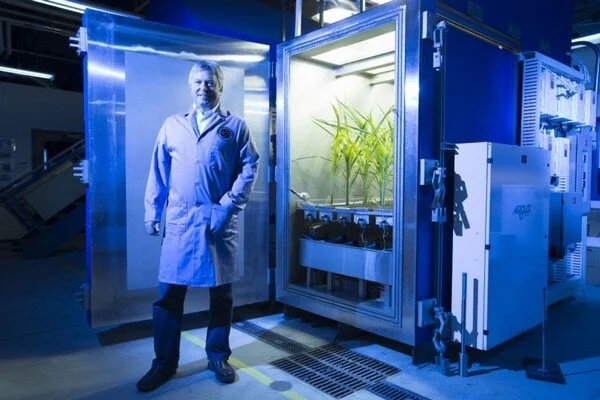
Here are some other interesting tidbits about Conviron. Founded in 1964 by the Kroft family, CEL Group of Companies is headquartered in Winnipeg, MB. CEL comprises Conviron Canada, USA and Australasia. It also includes Argus Controls, a supplier of plant-centric environmental controls and automation systems used in greenhouse and indoor growing facilities.
Conviron has provided plant growth chambers and technology to the top government research agencies, universities and AgBiotech companies in over 90 countries around the world.
CEO Steve Kroft, often refers to his company’s solutions as 'weather in a box' because they mimic outside conditions and changing seasons over time through the automated control of temperature, light, humidity, irrigation and nutrients. In effect, it's a specialized type of high-tech greenhouse or indoor farm with environmental factors that can be precisely controlled.
The company has also delivered equipment to biotech companies like Medicago for the incubation and germination of tobacco plants critical for their research into plant-based vaccines for Ebola and SARs. Medicago recently announced it has produced a virus-like particle of the novel coronavirus, a first step towards producing a vaccine, which will now undergo preclinical testing.
Chambers range in size from six sq. ft. to over 2,000 sq. ft. depending on the application and includes lighting, temperature and humidity systems as well as a user-friendly control system to create and manipulate any kind of climate regime.
Argus Controls makes controlled environments for plant growth. It provides systems that automate the monitoring and controlling of all horticulture operations through on-site, remote and mobile interfaces.
Dating back to the early 1990s, Conviron has provided NASA with several chambers to support its research related to growing plants in outer space. The University of Guelph uses Conviron chambers and Argus controls systems in their high-tech facility in their research aligned with the Canadian Space Agency and International Space programs.
Since 2005, the National Science Foundation's Amundsen-Scott South Pole Station in Antarctica has been using an Argus control system to operate its food growth chamber that provides fresh vegetables and some much needed light, humidity and green space for the staff and scientists who winter at the station. The system operates the lighting, temperature control, and hydroponic nutrient feeding systems in the chamber, which is programmed and managed remotely from the University of Arizona.
Researchers at University College Dublin in Ireland can reconstruct prehistoric atmospheres using Conviron chambers and investigate plant evolution throughout Earth's history.
When canola was first developed in the 1970s, part of the research was done in Conviron chambers. Canola is the world’s only “Made in Canada” crop. In response to the ban of trans-fatty acids in food products, canola was developed by researchers from Agriculture and Agri-Food Canada and the University of Manitoba in the 1970s, using traditional plant-breeding techniques.
Some of the turf used around the greens at Augusta National Golf Club was also developed in Conviron equipment.
Source: Economic Development Winnipeg.
Publication date: Fri 22 May 2020

VIDEO: Growing Healthy Food Indoors
How many of us live in apartments or townhomes and long for a big backyard to start a garden?
How Many of us Live in Apartments or
Townhomes And long For a Big Backyard to Start a Garden?
Well with new technology, indoor herb growers give anyone the chance to grow their own food. You don't even need a backyard anymore to grow healthy foods.
Now, you can do it all from the comfort of your home. In this article, we're going to talk about our favorite indoor herb grower right now and why you should try it for yourself!
Read more

Autogrow Cracks The Yield Prediction Code With FarmRoad
After three years of research, development, lab and farm trials; Autogrow’s FarmRoad solution has set the global benchmark for crop yield prediction with an initial 90 percent accuracy rate
After three years of research, development, lab and farm trials; Autogrow’s FarmRoad solution has set the global benchmark for crop yield prediction with an initial 90 percent accuracy rate.
“Accurately predicting harvest time and yield is the holy grail of agriculture. It allows clarity of availability to the entire food chain from the grower to the marketer and on to the consumer. Getting 90 percent accuracy rate up to six weeks out in our first three farms has been exceptional,” says CEO Darryn Keiller.
“Under-production and over-production can financially impact a farm. Under supply brings both less revenue, potential financial penalties from purchasers e.g. supermarket chains and the need to buy off a competitor to meet contractual requirements. Over production creates a surplus, which is then sold on the open market, usually at a price less than market value. It’s an unpalatable and expensive roller coaster ride.”
“When you consider the numbers, the ROI (return on investment) of increasing yield prediction of tomatoes by 10 percent - from 80 to 90 percent - based on a 30ha grower producing 60kg/sqm could be up to USD $1.3million. Savings can also be made with regards to labor by automating manual forecasting and through increased efficiency of farming practices.”
FarmRoad’s Yield Prediction model has initially been created to service large scale greenhouse tomato producers combining the biophysical understanding of crop varieties, with crop and environmental data and proprietary A.I. based models and engines. The service is built and hosted on AWS cloud, and can be delivered to any enterprise farm operator, anywhere in the world.
“Not only do we have on average 90 percent accuracy but we are achieving that working with three different growers in Canada, Australia, and New Zealand, using a mix of hydroponic substrate and soil and utilizing three different tomato cultivars - Marnax by Axia Seeds, Maxeza by Enza Zaden and Merlice by De Ruiter Seeds; showing the flexibility of our AI-based prediction,” says Mr. Keiller.
Accurate yield prediction is dependent on available data and variables include weather, pest and pathogen events and management practices. The industry baseline for large scale greenhouse production ranges from no prediction to 80 percent certainty up to two weeks in advance for the more experienced growers. FarmRoad is 90 percent accurate from one to six weeks in advance and anticipates achieving 95 percent accuracy within six months.
“Tomatoes are one of the most complex plants to apply yield prediction, but there is also a substantial amount of data available due to the crop registration techniques growers utilize. The key to prediction is the availability of data and we have been incredibly lucky to work with some fantastic growers with over 40+ years of experience who have shared their knowledge and data,” says Chief Technology Officer Jonathan Morgan.
“The first step is getting the data, but the biggest challenge has been turning the data into a form that works. When you look at environmental data, it is great for controlling systems but it’s not easy to go from the real-time data to a prediction of how plants are going to grow. When you also add in unexpected variables like a grower changing from loose pick to truss tomatoes half-way through the growing cycle, then your accuracy rate can decrease.”
With yield prediction achieved, Autogrow is currently developing crop registration and crop planning services.
“Yield Prediction by FarmRoad, is one of our many industry-leading services designed to enhance crop productivity and make farm operators more profitable. With their personalized yield model, growers can utilize their prediction and trends to materially improve farm profitability. The future is A.I. and digital farming, and we look forward to working with large scale growers who are looking to utilize their own data and gain a competitive and financial edge,” says Mr. Keiller.
For more information www.farmroad.io or email info@farmroad.io
MEDIA QUERIES
Kylie Horomia, Head of Communications
(e) Kylie.horomia@autogrow.com
(m) +6421 733 025
(w) www.autogrow.com www.farmroad.io www.cropsonmars.com
Sales queries – info@farmroad.io
About Autogrow
Autogrow leverages the power of technology, data science, and plant biology to provide indoor growers affordable, accessible, and easy-to-use innovation – 24/7, anywhere in the world.
Our hardware, software, and data solutions support growers and resellers in over 40 countries producing over 100 different crop types.
We are the experts in Controlled Environment Agriculture (CEA) and continue to stay ahead of a rapidly evolving landscape.
Autogrow, Level 1, Building 3, 61 Constellation Drive, Mairangi Bay, Auckland 0632, New Zealand

Researchers Aim To Cut The Energy Footprint Of Indoor Farms
Indoor farms can grow vegetables close to cities, where there are lots of people to feed. Farming indoors can also extend the growing season in cold climates and protect crops from damage during extreme weather.
But growing food indoors is energy intensive, so it can produce a lot of carbon pollution.
“Lighting is a big factor,” says Erico Mattos of the Greenhouse Lighting and Systems Engineering Consortium. “You have the heating and cooling systems, ventilation systems, all the systems that you have to control. So it’s really important for us to reduce this energy demand.”
Mattos’s group is working to reduce the energy used in indoor farms and greenhouses.
“The challenge is, how can we still provide all these inputs that the plants require, the crops require to grow, but using energy with the most efficient way as possible?” he says.
Researchers are tackling the problem from multiple angles. For example, they’re designing high-efficiency LED lights and they’re experimenting with ways to optimize specific crops’ growth with customized lighting, ventilation, and humidity controls.
Mattos says these technologies and systems will help make greenhouses and indoor farms more cost-effective and better for the climate.
Lead Photo Credit: Terry Rice
