

Welcome to iGrow News, Your Source for the World of Indoor Vertical Farming

The Indoor Farm Revolution
Coronavirus chaos has spurred a grow-your-own food movement — and space-age hydroponic technology is rising to meet it.
Coronavirus chaos has spurred a grow-your-own food movement — and space-age hydroponic technology is rising to meet it.
NOTE FOR 2020 READERS: This is the eleventh in a series of open letters to the next century, now just 80 years away. The series asks: What will the world look like at the other end of our kids' lives?
Dear 22nd Century,
For all the pain, grief and economic hardship the 2020 coronavirus pandemic has sown, a handful of green shoots seem to have taken root in its blighted soil.
Green being the operative word, because many of these developments could be a net positive for the planet. In lockdown, many of us are seeing what our cities look like without smog. Office workers are experiencing office life without the office; just last week, Twitter announced that most of its employees could work from home forever, while much of Manhattan is reportedly freaking out about what could happen to commercial real estate. Thousands of companies just discovered they can still function, and maybe even function better, when they don’t chain employees to desks or force them to make a soul-crushing, carbon-spewing commute 10 times a week.
And what do more people do when they’re spending more time at home? Well, if you’re like my wife, you start literally planting green shoots. Our house is filling up with them as I write this: lettuce, chard, tomatoes, basil, strawberries, to name the first five shoots poking out of dozens of mason jars now taking up residence on every windowsill. She’s hardly alone; garden centers and seed delivery services are reporting as much as 10 times more sales since the pandemic began. Even the mighty Wal-Mart has sold out of seeds. If viral Facebook posts and Instagram hashtags are any guide, pandemic hipsters have moved on from once-fashionable sourdough starters to growing fresh fruit and veg.
Another one of our cyclical “back to the land” movements seems to be underway, just like during the 1960s and the Great Depression before that. Only this time, we don’t need land. We don’t need soil. We don’t need pesticide of any kind. We don’t even need natural light. Thanks to giant leaps forward in the science of hydroponics and LED lighting, even people in windowless, gardenless apartments can participate in the revolution. With a number of high-tech consumer products on the way, the process can be automated for those of us without green thumbs.
In previous letters I’ve discussed the inevitable rise of alternative meat, a process that has been accelerated by the pandemic. I talked about the smaller, more nutritious plant-based meals we're going to need for life extension; I assumed such meals would be delivered by drone. But now I see a future with no food deserts, in which every home is filled with rotating space-station-like hydroponics run by artificial intelligence — a cornucopia of push-button farming providing the side salad to your plant-based meat.
Even if you don’t grow your own, robot-run vertical farms and community “agrihoods,” now springing up everywhere, will make amazing-tasting produce abundant and cheap. The “locavores” of our era like to boast about their 100-mile diet. Yours will look more like a 100-yard diet.
Green, not soylent
It’s worth remembering that it wasn’t supposed to be this way. The 2020s, in fact, is when we were slated for starvation, food riots, and big business quietly processing our corpses into food.
That’s the plot of the 1973 movie Soylent Green, set in the year 2022. Fruit and veg have all but vanished. In one scene, Charlton Heston's detective hero smuggles home a single tomato and a wilted stick of celery, enough to reduce his roommate Sol (Edward G. Robinson) to tears. On the other end of the future, in a lighter but equally depressing vein, the 2006 comedy Idiocracy showed the Americans of 2500 running out of crops because they couldn’t figure out that water, not "Brawndo" (a spoof on colorful sports drinks), is “what plants crave.”
But these dismal future visions are receding thanks to the science of hydroponics — which dates back to the 19th century, no matter its present-day association with growing marijuana. By the 1930s, we’d figured out that what plants crave is surprisingly minimal: nitrogen, a handful of minerals, something to anchor the roots like rock wool or coconut husks, and H2O. Early hydroponic farms helped feed U.S. soldiers as they hopped through the Pacific during World War II.
Minimalist methods multiplied, and are still multiplying. We’re tweaking the spectrum of LED lights for maximum growth, and figuring out ways to use progressively less water and nutrients. My wife’s mason jar seedlings use something called the Kratky method, where you don't even need to change the water. It turns out this method was invented by a Hawaiian scientist as recently as 2009. And it’s the closest science has yet given us to a free lunch.
Reinventing the wheel
I’m nowhere near as excited by hydroponics as my wife is. But during our quarantine time, even my head has been turned — by the Rotofarm, which I’ve come to think of as the iPhone of gardening. It’s a beautiful device inspired by NASA research on growing plants in space. It uses anti-gravity — literally, when the wheel rotates around its LED light source and the plants are hanging upside down — to grow plants faster. A magnetic cover reduces the glare and increases the internal humidity. You manage it via an app.
Humankind’s oldest technology turns out to be the most efficient use of space for growing plants; even in this 15-inch-wide wheel, you can really pack them in. At the bottom of the wheel, plants dip their roots into the water and nutrient tanks. An owner’s only job is to refill the tanks every week or so, and to snip off their dinner with scissors a few weeks after germination. Some leafy greens, like my favorite salad base arugula, can be regrown without replanting.
Still, to be fully self-sufficient, a future apartment is going to need to have multiple Rotofarm-style devices on the go at once — but they’re designed to live anywhere you can plug in, on coffee tables, on desks, on walls, as eye-catching as artwork.
The main problem with the Rotofarm: It isn’t actually on sale yet. “It feels like we’ve done everything in reverse,” Rotofarm creator Toby Farmer said when I reached him via video chat from his home in Melbourne. “We’ve got the patents, we’ve got the design awards, we’ve got the customers. Now we need to finish the prototypes.” (One key tweak: reducing Rotofarm’s energy requirements, which as it stands could double many users’ household electricity bills.)
Still, orders have come from as far afield as Japan and the Netherlands, from retailers and regular users alike. Farmer’s biggest regret: When Ron Howard’s production company called, hoping to use eight Rotofarms in an upcoming Nickelodeon show set in space, Farmer didn’t have enough to spare.
Rotofarm has been in the works for a few years, but a crowdfunded Indiegogo campaign that closed last month exceeded its $15,000 goal by a third of a million dollars. Farmer, despite his name, had no experience in this area; just 23 years old, he had been a web designer since the age of 12. But he’s scaling up fast, hiring teams in LA and Singapore, soaking up their knowledge (he was keen to assure me he’d hired a lot of 40-somethings for this very reason).
After a projected 2021 release date, Rotofarm’s business model involves making money on proprietary seed pods — though Farmer admits that “there’s a DIY aspect” where customers can make their own. His hope is that official Rotofarm pods will be competitive because they’ll have fewer germination failures, but he'd rather see a world where more people own the device itself. In that spirit, he’s making it modular — the LED light bar can be upgraded separately, for example, rather than making customers buy a whole new device. (As for cost, Farmer says he can't comment yet — though Indiegogo backers were able to secure one for $900 a pop.)
Might the Rotofarm fail? Of course, just like any other crowdfunded project. Much depends on its price point, as yet unannounced. But it’s far from the only next-level, set-it-and-forget-it hydroponic station taking aim at your kitchen. There’s a Canadian Kickstarter called OGarden that also grows food on a wheel, albeit a much larger wheel. The OGarden was funded in its first six minutes online and is set to cost around $1,000 per unit. There’s Farmshelf, a $4,900 pre-order hydroponic device that looks like a see-through refrigerator, backed by celebrity chef Jose Andres. Users will pay a $35 monthly subscription to get all the seeds they need.
One of these models is the future; maybe all of them are. Right now, these are high-end devices aimed at early adopters (and restaurants, which get a lot of benefit out of showing off how fresh their produce is as customers walk-in). But with scale, with time, and with the growing desire for grow-your-own food that Rotofarm and its brethren have revealed, they will get cheaper and more widespread.
After all, the first Motorola cellphone, in 1983, cost $4,000. It looked like a brick and had 30 minutes of talk time. Now sleek, supercomputer-driven smartphones are accessible to pretty much everyone. The same process will happen in-home hydroponics.
Rise of the vertical farm
Give it 80 years, and I can see apartments with built-in hydroponic farms provided as a standard utility, much as a fridge is seen as a standard feature today. As more humans move to urban environments — two out of every three people will be in cities by 2050, according to the latest UN estimate — the need for such devices will only grow.
“We strongly believe the future of gardening is indoor gardening and more individual gardens,” OGarden CEO Pierre Nibart told us last year. “Stopping mass agriculture and starting to produce their own little stuff at home.” He said this while demonstrating his family's daily OGarden routine: His kids harvest most of what they need for dinner from the spinning wheel.
Mass agriculture hasn’t exactly covered itself in glory where produce is concerned. And in the post-coronavirus age, we are surely going to become less tolerant of the disease its intensive farming methods have caused.
Food poisoning caused by romaine lettuce, which makes up a quarter of all leafy greens sold in the U.S., has become depressingly familiar. The 2018 E Coli outbreak was the worst — it sickened 240 people in 37 states, hospitalized almost half of them, and killed five. But the CDC has logged 46 E Coli outbreaks since 2006 and says that every reported case of infection is likely matched by 26 unreported ones. And they’re only just starting to figure out the most likely cause: groundwater contaminated by nearby cattle manure. There could also be an infection from passing birds, another major vector of bacteria.
Never mind the wet markets of Wuhan that likely caused the coronavirus pandemic. We’re already sickening ourselves on the regular with a problem that is baked directly into our food system — and it’s affecting vegans as much as meat-eaters.
I have no doubt you’ll look at our barbaric farming methods and shake your heads. Why did they use so much water? Why did they transport produce an average of 1,500 miles? Why did they grow it outdoors, where it’s vulnerable to pests, and then use pesticides that had to be washed off? Why did they think “triple washing” did anything to remove bacteria (it doesn’t)? Why did they bother using soil, for goodness’ sake? Didn’t they know what plants crave?
The force of legacy agriculture is strong, but an increasing number of companies are figuring out a better way: the vertical farm, so named because they can stack hydroponic produce in shelves or towers. As I write this, there are more than 20 vertical farm operations being constructed and tested around the country. They use around 90 percent less water than regular soil farms, can grow roughly 10 times more food per acre than regular soil farms, and using precision software they can harvest their produce 30 percent faster than regular soil farms.
Sure, they’re spending more on electricity, but they’re also spending nothing on pesticide. The economics seem irresistible.
Last year, less than 20 miles from where I write this, in highly urbanized South San Francisco, a company called Plenty unveiled its flagship operation, a vast vertical farm named Tigris. Its sheer scale invites the correct usage of California’s favorite word, “awesome.” Tigris can grow a million plants at once, harvesting 200 of them every minute. With $226 million in funding, Plenty says it has already farmed 700 varieties of produce. Right now, the cost to consumers is comparable to non-hydroponic products (I can get their baby arugula at my nearest Safeway for a dollar an ounce); in the long run, it should be cheaper.
And they are far from the only success story. A Chinese startup, Alesca Life, is turning disused parking lots into vertical farms as well as selling plug-and-play shipping container farms. Back in Silicon Valley, a company called Iron Ox is developing robot arms for indoor farmwork. The future looks green and bountiful, and mostly automated (which is yet another reason you’re going to need Universal Basic Income).
Fresh future: Inside Plenty's vast vertical farm in South San Francisco.PLENTY
Which is not to say that outdoor agriculture is going away completely; it’s just going to shrink to the size of a community garden. That’s the basis of new urban developments called “agrihoods,” or multi-home communities centered around a professionally managed farm; a just-published book called Welcome to the Agrihood represents their first directory.
Rooftop organic farms, urban allotments: These are places where city dwellers can connect to the land and feel the satisfaction of nurturing their seeds from scratch. Soil may not be necessary to feed us, but sometimes it’s good to feel the dirt in your fingers. Similarly, farmer's markets are unlikely to go away. In a world where grocery stores are increasingly becoming delivery centers for services like Instacart, there will still be value in meeting and buying direct from the growers of high-end produce.
With big agribusiness heading indoors, with our apartments growing much of what we need and vertical farms providing backup in every city, we’ll also be able to let most of our present-day farmland go fallow. That in itself should take care of a chunk of climate change, considering the amount of carbon-soaking vegetation that springs up on fallow land. Lab-grown and plant-made meat will remove the need for those disease-ridden feedlots. Aquaponics, another discipline where the science is expanding by leaps and bounds, may even let us grow our own fish for food, reducing the strain on our overfished oceans.
No doubt it won’t be all smooth sailing. No doubt we, as humans, will stumble upon fresh ways to mess up the planet and make life worse. But from where I’m sitting, surrounded by soilless germinating jars, the future looks very green and nutritious indeed.
Yours in leafy goodness,
2020
TOPICS: Tech, Tech, Food, Health & Fitness, dear 22nd century, Internet Of Yum, Indoor-gardening

Why The Indoor Farming Movement Is Taking Off
As the world emerges from a pandemic that has kept about one in five people in their homes for weeks, it's little surprise that the idea of indoor farming is gaining traction
May 20, 2020
No soil. No sun. No problem. (Photo: Yein Jeon/Shutterstock)
As the world emerges from a pandemic that has kept about one in five people in their homes for weeks, it's little surprise that the idea of indoor farming is gaining traction. After all, we've had a lot of time to think about what we can do indoors — and maybe even ponder what we may have done outdoors that contributed to this mess.
You wouldn't think farming, one of humanity's oldest and most crucial endeavors, would be on that list. But as the number of mouths that need to be fed has grown, so too has the need for arable land. To meet that demand, industrial farming, with its reliance on large-scale, intensive production of crops and chemical fertilizers, has dramatically transformed much of the Earth's surface. Along the way, it has erased vital wildlife habitats, addled our atmosphere with greenhouse gases and undermined the health of communities living near those lands.
Indoor farming, on the other hand, isn't as land-intensive. In fact, new technologies and advancements in hydroponics are making it possible to grow crops without pesticides, soil or even natural light. And since indoor crops can be stacked vertically, there's no need for vast tracts of land. Imagine farms as downtown office towers, offering floor after floor of fresh produce.
A recent study from the World Wildlife Fund confirms that indoor farming can save land and water. But it also identified a few hurdles. In the absence of sunlight, indoor operations have to rely on powerful artificial lights that use a lot of energy and produce so much heat that some indoor farms have to rely on air conditioning year-round. Ramping up the scale of those farms may only shift the burden from land to energy use — although, as the study notes, we can expect technology to improve energy efficiency.
In fact, the WWF puts so much stock in its potential, it's helping the city of St. Louis transform its network of abandoned caves into indoor farms.
Farming takes a bite out of the wilderness
At first blush, it may seem like an unlikely partnership. What does an organization dedicated to wilderness preservation have to do with the development of farms? But part of the WWF's mandate is to find ways to reduce the environmental imprint of growing food, especially since vital habitats like forests are often cleared to make space for farmland.
"We're looking for new business models, new strategies and partnerships, and different ways of approaching things that are financially profitable as well as environmentally sustainable," Julia Kurnik, the WWF's director of innovation startups, tells Fast Company. "Our goal as an institute is to find things that can happen quickly and at scale, so that's why we're interested in making sure they can really take off and live beyond our investment."
But will indoor crops — whether housed in sky-spanning towers or intricate caves — ever fully replace their outdoor counterparts as breadbasket to the world?
Probably not. Even vertical farms stacked as high as skyscrapers will eventually run into the same space constraints — unless, of course, we find a way to stack them to the moon. And we're just talking about a perfect vegetarian world here. No one is thinking about confining animals to caves and towers.
Besides, we're all relatively new to the trade. After all, humans don't have a lot of experience growing their food indoors like they do with traditional farming.
As investment banker Erik Kobayashi-Solomon writes in Forbes, "Humans have 12,000 years of experience growing food, but only a generation or so worth of experience growing crops indoors. We are still progressing up the technology learning curve, to the extent that there is a lack of good data about basic questions — comparing crop yields for plants grown outdoors in soil, inside a greenhouse, and indoors using hydroponics, for instance."
But indoor operations may be able to ease at least some of the pressure industrial farming puts on our sorely overtaxed Earth.
The grow-your-own food movement
The best part about an indoor farming revolution may be that it's already begun — with individuals. The lockdown has seen a massive surge in the grow-your-own food movement, as people look not only for something to do with their time but also reduce their reliance on grocery stores.
(A shame we still haven't found a way to grow our own toilet paper.)
In the U.S., as Mashable reports, garden centers and seed delivery services have seen sales grow 10-fold during the pandemic, with Walmart selling out of seeds completely.
There's much breathless enthusiasm, and understandable optimism, to the indoor movement as people look to do things a little differently in the post-pandemic era.
"Thanks to giant leaps forward in the science of hydroponics and LED lighting, even people in windowless, gardenless apartments can participate in the revolution," writes Chris Taylor in Mashable. "With a number of high-tech consumer products on the way, the process can be automated for those of us without green thumbs."
And some farmers, like Benjamin Widmar, didn't need a pandemic to be the change he wanted to see. He's trying to grow enough tomatoes, onions, chillies, and microgreens to meet an entire town's needs. All from his indoor farm in Norway's Svalbard archipelago, about 650 miles south of the North Pole.
"We're on a mission … to make this town very sustainable," he tells the Thomson Reuters Foundation. "Because if we can do it here, then what's everybody else's excuse?"
Take a tour of Widmar's operation in the video below:
Lead Photo: Advances in hydroponics and technology have made it possible to grow more of our food indoors. (Photo: Yein Jeon/Shutterstock)

Nature Fresh Farms is Working With BMO to Make Banking Accessible For Employees
The new ATM has been very well received, with employees happy to have a more convenient means of completing financial transactions
Leamington, ON (May 25, 2020) – To make banking more accessible for its employees, Nature Fresh Farms is working with BMO to bring them on-site access to an ATM to access cash or to complete simple, everyday banking transactions.
With current social distancing and business restrictions still in place, individuals are primarily leaving their residences for essential errands only. Nature Fresh Farms collaboration with BMO allows employees access to an on-site ATM at their farm location helping to reduce or eliminate employees’ essential trips to the bank. The new ATM has been very well received, with employees happy to have a more convenient means of completing financial transactions.
“Throughout this pandemic, we have been looking for ways to make things more convenient for our workers – to give them the option to avoid travel to town for necessities,” shared Vice President, John Ketler. “This has included bringing vendors on-site, some of whom, due to the rapid onset of restrictions, are not set up for debit transactions. We are providing a means for our employees to support these vendors.”
The installation of an ATM is just one of many measures taken by the company to make essential services more accessible to their employees and minimize any additional risks from off-site traveling. In addition, they have made groceries and prepared food easily accessible by bringing approved vendors on-site and allowing representatives from financial institutions to come to the facilities to help workers complete money transfers home.
“Agriculture is a vital part of the Canadian economy, and part of our purpose as an organization is to drive positive change,” said Roy Dias, Head, Specialized Industries, BMO Bank of Montreal. “We saw an opportunity to help Nature Fresh Farms bring everyday banking services to their team members – helping both their employees and the community. We will always look for ways to help, as we navigate this environment together.”
-30-
About Nature Fresh Farms -
Continuously expanding, Nature Fresh Farms has become one of the largest independent, vertically integrated greenhouse vegetable farms in North America. As a year-round grower with farms in Leamington, ON, Delta, OH, and Mexico, Nature Fresh Farms prides itself on consistently delivering exceptional flavor and quality to key retailers throughout North America, while continuing to innovate and introduce more viable and sustainable growing and packaging solutions.
SOURCE: Nature Fresh Farms | info@naturefresh.ca T: 519 326 1111 | www.naturefresh.ca

Indoor Farming Is Revolutionizing The Food Chain
In an endeavor to ensure citizens’ health, the vertical farming company &ever is committed to sustainably grow pesticides-free green products
Does eating salad really contribute to a healthy lifestyle? Not when 5.6 billion pounds of pesticides are used worldwide to produce fresh greens. According to the World Health Organization, residues from those pesticides are linked to cancer and other serious health problems. In an endeavor to ensure citizens’ health, the vertical farming company &ever is committed to sustainably grow pesticides-free green products.
Vertical farms – the future of agriculture
&ever (formerly Farmers Cut), is a Hamburg-based farming company, which cultivates high-quality plants indoors while saving on natural resources. The farms have a vertical structure and are easily scalable in form and size, which allows them to be run in any climate conditions in any location around the globe.
For &ever, it is all about the freshness and nutritional value of the food. Mark Korzilius, Founder and Chief Strategy Officer of &ever, says that green leaves can lose most of their nutritional value after being washed in chlorine, chilled, packed, stored in warehouses over longer periods of time and then sent on the road for transportation. &ever solves that problem and provides citizens with fresh products by using the so called ‘harvest on demand’ or ‘farm to fork’ model, which leaves the roots intact even when the produce reaches the customer.
The newly opened farm in Kuwait
The first commercial &ever farm is the newly opened vertical indoor farm in Kuwait City. The facility will soon produce fresh salad all-year-round in the middle of the Kuwaiti desert. The farm can grow up to 550 kilos of fresh greens and herbs a day and has faster growth cycles than traditional outdoor farms, which are dependent on the weather conditions.
&ever’s indoor farms are also fostering new cultivation technologies. “We have invented the system ‘dryponics’, which is a unique method of growing salad indoors,” said Dr. Henner Schwarz, Co-CEO of &ever. Did you know that even food labeled as ‘organic’ can contain a lot of different pesticides? &ever’s project engineer in Kuwait Rami Safareni says that their products are “better than organic,” because the company can produce over 250 different types of plants using:
90 percent less water
60 percent less fertilizer
zero pesticides
Thanks to the controlled atmosphere in the farm, the fresh greens don’t require washing and are harvested immediately before they are eaten, ensuring high nutritional quality. To demonstrate the purity of the plants, Korzilius and his team, taste the salad directly from the growing trays. “
It is a common misconception that plants come from the field,” Korzilius explained, pointing out that nowadays plants are mostly grown in greenhouses. Using these growing techniques, &ever is transforming metropolises like Kuwait City into farms and allowing citizens to taste green salad as if they had just harvested it from their own garden.
Farm to Fork
Kuwait’s unique fusion of local flavors and international dishes make it one of the most interesting food scenes worldwide. The first restaurant chain in Kuwait to benefit from the fresh green products will be the local Japanese restaurant Ora, owned by NOX Management. Faisal AlMeshal, Managing Director at NOX, points out that for the first time the restaurants will be supplied locally.
“We used to import all our greens mainly from Europe, but now we have a local solution that is tastier and fresher,” said AlMeshal. “The local supply saves money on logistics, minimizes waste and makes better choices for the planet.”
The technology behind it
Advanced technology provides &ever’s vertical farms with fully digital control over the whole production process. “Our production planning is based entirely on SAP Business Technology Platform, which allows us to optimize production according to the needs and capacities of the farm,” said Dr. Jan-Gerd Frerichs, Chief Technology Officer at &ever.
IoT sensors and edge computing devices are collecting data at several hundred data points throughout the farmhouse – monitoring seeding and germination, as well as crucial parameters such as carbon dioxide levels, temperature, humidity and airflow. To support the project with software implementation and development, &ever chose IBsolution — a trusted SAP strategic partner.
“We have contributed to &ever's goals by delivering innovative solutions on the SAP cloud platform to make their farmhouses being manageable with few people at maximum utilization,” said Loren Heilig, managing director at IBsolution. “It is great to see the first results of our partnership here in Kuwait.”
Data collected from the IoT sensors is stored within SAP’s in-memory database SAP HANA and analyzed with the help of SAP Cloud Platform logistics and production applications.
Building on the success of the Kuwait project, &ever is planning to open more sustainable farms in cities with unfavorable climate conditions throughout Africa and Asia. Nutritional food for millions of people, zero waste and minimizing ecological footprint is what the agricultural company is striving for.
To learn more about &ever, listen to below podcast.
By Nona Kichukova, SAP | Forbes | May 6, 2020


Pandemic Proof: S2G Ventures on Why Resilient, Sustainable And Healthy Food Systems Are More Important Than Ever
The COVID-19 pandemic has caused a global health and economic crisis like none we have seen in our lifetime
by guest 18 May 2020
Sanjeev Krishnan
This is a guest post by Sanjeev Krishnan, Chief Investment Officer and Managing Director at S2G Ventures
The COVID-19 pandemic has caused a global health and economic crisis like none we have seen in our lifetime. In the food supply chain, this has impacted employees that ensure that food is planted, harvested, and processed, grocery shelves are stocked and food is available to all people. It takes a global village to feed the world, and we have seen selfless sacrifice and silent grit to ensure the continuity of our food system. Because, if our food supply breaks down, this pandemic may move from a crisis to a catastrophe.
Over the past several month’s several cracks have shown up in the food supply chain. The pandemic is challenging the nature of our global supply chain, stressing logistics networks, and reinforcing the importance of labor. There are concerns about food nationalism, continued access to labor, and redefining the nature of food security from global to national systems. While now is the time for urgent action – from government and private sector – there is a need for longer-term investments required for building a more innovative and resilient future food system.
Our team at S2G Ventures spent several months researching and monitoring COVID-19 and its implications to better understand these questions, keeping a close eye on the news cycle, conducting extensive desktop research, and speaking with various experts across many fields. We spoke to epidemiologists, healthcare professionals, farmers, entrepreneurs, philanthropists, and other investors to gather insights and develop our perspective on the implications of COVID-19 on the world of food and agriculture. We have compiled our findings into a report that explores the implications of the COVID-19 pandemic to the food and agriculture industry and identifies the areas of innovation critical to building a healthier and more sustainable food system.
As an investor in companies across all stages of the food system, we believe our role in the recovery is to ensure we build a more stable, resilient, sustainable, and healthy system. We will continue to invest in entrepreneurs and innovations that are the catalysts for meaningful progress. Below, we offer a summary of our report, which can also be downloaded in full here.
Pandemics 101: A History of Recovery & Innovation
Taking a look back in time, the world suffered a deadly pandemic in 1918. The Spanish flu, whose origin is believed to be a farm outside of Kansas City, spread quickly across the globe. Although the world was not as connected, World War I was still ongoing, and troops were being shuttled between the United States and Europe. Between 1918 and 1919, the Spanish flu is believed to have infected nearly a third of the global population and killed between three and 20 percent of those who were infected. In the end it killed between 40 and 50 million people. In the years following the Spanish flu, there was a bright period of innovation that included the adoption of the Bell telephone and modern medicine. It was an event that helped shape the future.
Between the Spanish flu and today’s pandemic, there have been seven major epidemics or pandemics. Each varies in mortality, duration, and contagion, but ultimately all come to an end. The economic recovery period that follows a pandemic-induced recession is generally different from traditional economic recessions. Pandemic-induced recession recoveries have generally seen a V-shaped recovery, while traditional recessions have varied between V-, U-, W-, and L-shaped recoveries. The global financial crisis of 2008 saw an L-shaped recovery. Typically, economic recessions have a longer duration and deeper economic consequences.
The coronavirus pandemic is unique among prior events. While many events have temporarily shut down regions, none have had the same global shutdown that we are currently facing today. So, despite being able to draw comparison and insights to learn from pandemic economics, the situation is different due to a staggering rise in globalization, digitalization across many sectors, and the rise of fiat currencies. Pandemic economic history teaches us that one of the hallmarks is that innovation plays a critical role in the future normal that emerges. As Professor Katherine A. Foss notes, “disease can permanently alter society, and often for the best by creating better practices and habits. Crisis sparks action and response.”
While the direct effect of COVID-19 is on the population – with infection rates, social distancing, and shelter-in-place restrictions and continued operations of only essential businesses – there are significant implications across many industries. The second-order consequences of coronavirus are reshaping industries, catalyzing innovation, and encouraging resilience in business planning. Although the lasting impact on many industries is unknown, we see exciting innovation accelerating across automation, telemedicine, virtual reality, and transparency systems (i.e., blockchain or similar technologies).
Everyone Eats – Pandemic Proof Demand, but Supply?
While the food and agriculture sectors are generally more resilient in bad economic situations, there are several sub-sectors that rely heavily on in-person labor and are currently strained due to the unique social distancing pressures placed on businesses. One significant pressure point is meat processors. Several large meat companies have been forced to shutter processing facilities due to COVID-19 outbreaks. Smithfield had to shut down one of its pork processing facilities that supplied roughly 5 percent of the U.S. pork supply, while JBS had to close a Pennsylvania facility that processed beef. The second-order consequence of these closures is the farmer, who may be forced now to cull their herds of cattle and hogs. The strain on this pressure point affects not only the farmer but also the consumer. Wendy’s felt the effects of this during this past week when nearly one-fifth of all 1,043 locations ran out of beef.
While it will take an extended period of time to fully understand the implications of consumer purchasing data coming out of the pandemic – more specifically if the duration of the consumer behavior shift will be a ‘fad’ or ‘trend’ – certain areas of the market are seeing a quick adoption of trends that were previously accelerating. As slaughter-house closures have increased, plant-based meats sales have jumped 200 percent. Plant-based meats remain a small portion of the market, but this is a significant and notable demand signal from consumers.
Coronavirus is notably changing how consumers shop, prepare and consume food. Between 2009 and 2018, out-of-home eating rose from 50.1 percent to 54.4 percent of the market. Now, with social distancing limited the ability to eat at restaurants, many are turning to preparing food at home or ordering delivery or takeout. And, despite food being a resilient sector, the bifurcation between grocery and foodservice has become clear.
In the grocery store, private label market-share gains are poised to accelerate, as consumers tighten spending and look for value-focused alternatives. However, we expect consumers to prioritize a balance of value and better-for-you brands instead of a complete tradeoff to value, consistent with the consumer megatrend towards better-for-you products.
Taking a step back, and observing the broader food value chain, we observed three primary delivery vulnerabilities in the food system:
1. Agricultural inputs to farms (e.g., seeds, animal feed, fertilizer, et al.)
2. Farm products to processors, packagers, spot markets and export markets
3. Food to retail distribution
This is important because the global food system relies on a just-in-time economy, where inventory levels are intentionally kept low. Meaning, that regardless if there is enough supply in existence, it may not be able to reach its proper destination if the supply chain is disrupted.
China, which provides a good example because it is further along in the lifecycle of the pandemic, has been suffering from this problem in the last several months. Upstream and downstream logistics are a major challenge; at the ports, there are thousands of frozen meat containers piling up because the trucking has effectively collapsed. Meanwhile, ports are running out of power, stoking fears that much of the food currently stored there will go bad. There is also an American company that makes immunization equipment for chicken that said their containers had been docked at Chinese ports for four weeks. Although China is doing its best to ensure that the grain planting season is not missed, the logistics of this supply chain are making it increasingly difficult.
The Future of Food – COVID-19 and Calories
While we continue to watch the situation and the strain it is placing on the food system, we view the common threat that could bridge the existing system to the future as technology. Consumer purchasing behavior coupled with innovation may drive changes in market share and pressure existing players in the market. Although we have not seen COVID-19 create a new trend, we have seen several trends that were in motion pre-coronavirus further accelerated by the pandemic, including alternative protein, indoor agriculture, digitalization of agriculture, and grocery and food as medicine.
Although animal agriculture remains a large and growing market, the pandemic has exposed challenges with the industries long production cycles, centralized production and limited processing facilities. It has allowed for faster consumer adoption of alternative proteins, including plant-based protein, fungi, algae and other biomass concepts including cellular meat. Notably, some of these technologies are further along than other, for example plant-based protein has been a trend for several years, while cellular meat remains in a research and development phase. We continue to believe that whatever the next generation of protein is, it will be driven by production speed, price and taste.
A second trend we believe is accelerating is food as an immunity. The convergence of food, science and technology may unlock this sector and usher in a new era in microbiome, functional ingredients, precision and personalized nutrition and medical foods. Prior to COVID-19, this was largely driven by nutrition-related disease, but the pandemic has exposed at-risk populations, with approximately 90 percent of hospitalized patients having one or more underlying condition, with the most common underlying condition being obesity.
Beyond specific trend acceleration, several themes emerge throughout this research that we believe may be catalyzed and emerge in a post-COVID-19 world. Digitalization will likely be driven by dis-intermediation to allow for new relationships with the consumer and to reduce risk throughout the supply chain. Decentralized food systems allow for the automation of local (alternative protein and produce) and the reshaping of complex perishable supply chains to reduce shrink and waste. They are also more omnichannel congruent as e-commerce, specifically online grocery, adoption accelerates. De-commoditization in the food supply chain, coupled with technologies that place deflationary pressure on the industry, may help catalyze breeding for attributes beyond yield (taste, protein content, et al), a return to polyculture farming and a shift from a strict focus on yield to profit per acre. Lastly, food as an immunity has the potential to bridge healthcare and food production and consumption for the treatment of specific nutrition-related chronic lifestyle diseases, as well as change the future of brands to focus on unique, functional ingredients. a
Our full report, The Future of Food in the Age of COVID, is available online.
_____________________________
Sanjeev Krishnan, Chief Investment Officer and Managing Director at S2G Ventures
Sanjeev has nearly 20 years of experience in sourcing, executing, managing, and exiting venture and private equity investments, including a focus in agriculture and food companies. As Managing Director, Sanjeev is active in developing investments and managing portfolio companies including, serving on many portfolio company boards. His portfolio work ranges from genetics, crop protection, soil health, digital/IoT, crop insurance, merchandising, indoor agriculture, novel flavor, and ingredients, new protein development, unique processors, and brands that will feed this changing consumer.
He is passionate about the role of innovation, entrepreneurship, markets, and system investing as a theory of change. Sanjeev has worked in the intersection of sustainability, technology, and health in many regions, including Europe, Africa, Asia, and North America. He has invested over $500 mm in venture and growth-stage firms throughout his career.
Sanjeev began investing as a co-founder of the life sciences practice of the IFC, the $99 billion private investment arm of the World Bank. His previous investment roles include CLSA Capital Partners, Global Environment Fund, World Bank Group’s IFC, and JPMorgan. Sanjeev is a graduate of the London School of Economics and Political Science.
About S2G Ventures:
S2G Ventures (Seed to Growth) is a multi-stage venture fund investing in food and agriculture. The fund’s mission is to catalyze innovation to meet consumer demands for healthy and sustainable food. S2G has identified sectors across the food system that are ripe for change and is building a multi-stage portfolio including seed, venture, and growth-stage investments. Core areas of interest for S2G are agriculture, ingredients, infrastructure and logistics, IT and hardware, food safety and technology, retail and restaurants, and consumer brands.
For more information about S2G, visit www.s2gventures.com or connect with us on Twitter and LinkedIn.
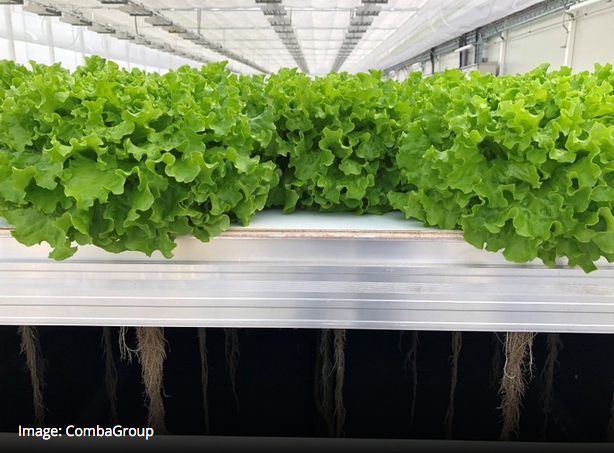
Coronavirus: Betting On Aeroponics To Increase Food Security
As the COVID-19 pandemic upends farming and food supply chains and raises concern of widespread shortages and price increases, aeroponics players are hoping their new food production innovations can help strengthen food security
By Oliver Morrison | Food Navigator | May 12, 2020


Indoor Soilless Agriculture Could Supplement US Food Supply While Decreasing Environmental Impact of Food Production
WWF Report Examines the Environmental and Economic Viability of Scaling Indoor Agriculture Systems
WWF Report Examines the Environmental and Economic Viability of Scaling Indoor Agriculture Systems
WASHINGTON, DC – WEBWIRE
May 18, 2020
The Markets Institute at World Wildlife Fund (WWF) released an Innovation Analysis examining the environmental impact of various systems of indoor soilless farming. These systems include hydroponics, aquaponics, and aeroponics in greenhouse and vertical settings. At scale, this method of farming could have positive effects on the environment by decreasing pressures on land, biodiversity, natural habitat, and climate. However, the industry also faces hurdles that prevent it from moving beyond its current specialization in high-end leafy greens.
“Indoor soilless farming could have a significant impact on how we grow food in the future, in certain categories. Right now we are looking at whether or not it can be viable—both economically and environmentally—to grow more fruits and vegetables in these systems at a large scale,” said Julia Kurnik, director of innovation start-ups at WWF’s Markets Institute. “If we can address the challenges and make this happen, it could be a real game-changer for communities that do not have access to fresh fruits and vegetables for much of the year, or places that are food insecure.”
While these systems make efficient use of land and water, the energy footprint from lighting and cooling can depending on the local energy source, increase the overall environmental footprint. Indoor soilless farming is also considerably more expensive than traditional agriculture. However, there are several innovations under development that could significantly change the cost and environmental footprint to drastically alter the mid-to-long-term viability of the industry. These include progress in lighting, fiber optics, AI and machine learning, gene editing, renewable energy, co-location and co-generation, and waste and recycling.
The report details the next phase of the project, which aims to help solve the challenges identified in phase I. WWF will explore using stranded assets—large infrastructure investments such as power plants and postal hubs that have depreciated in value but will continue to be used in a limited capacity for 10-50 years—and build a robust coalition of local partners, including The Yield Lab Institute, to launch a pilot farming system in St. Louis.
“The Yield Lab Institute, working with World Wildlife Fund and the McDonnell Foundation, is proud to be a part of a distinguished, local team of community volunteers who are working to bring local, indoor and sustainable food production to the St. Louis area,” said Thad Simons, Co-Founder and Managing Director of The Yield Lab Institute. “It will also spark innovation among our ag-tech entrepreneurs and is intended to provide access to nutritious food to the underserved areas of our community.”

Indoor Ag-Con Kicks Off New Webinar Series With United Fresh Produce Association Panel
Indoor Ag-Con LLC, producers of the premier event for the indoor|vertical farming industry, is launching a free monthly webinar series to share content originally planned for its May 2020 in-person annual conference that has been postponed due to the Covid-19 pandemic
INDOOR AG-CON KICKS OFF NEW FREE WEBINAR SERIES WITH UNITED FRESH PANEL DISCUSSION ON PRODUCE TRENDS, BUSINESS OPPORTUNITIES FOR INDOOR GROWERS
Free Monthly Virtual Events To Share Content Originally Planned For May 2020 Annual In-Person Conference Postponed Due to Covid-19 Pandemic
LAS VEGAS ( May 20, 2020) – Indoor Ag-Con LLC, producers of the premier event for the indoor|vertical farming industry, is launching a free monthly webinar series to share content originally planned for its May 2020 in-person annual conference that has been postponed due to the Covid-19 pandemic. Titled “Indoor Ag-Conversations,” the new virtual event series kicks off with the United Fresh Produce Association Panel: Produce Trends & Business Opportunities For Indoor Growers Emerging From Covid-19 Pandemic on Wednesday, June 3 at 4 pm EST.
Moderated by United Fresh President and CEO Tom Stenzel, the panel will include Alex DiNovo, President and COO, DNO Produce and Paul Lightfoot, President and Founder, BrightFarms.
“While Covid-19 has temporarily halted our opportunity to gather face-to-face for Indoor Ag-Con, it has not stopped us from sharing the incredible innovations and business-building opportunities our vibrant industry offers,” says Brian Sullivan, co-owner of Indoor Ag-Con. “We’re honored to have the United Fresh Produce Association kick off our first webinar with such a dynamic panel of industry leaders talking about the unprecedented challenges and opportunities we’re facing today.”
“Now more than ever it’s critical that we continue to find new ways to connect with industry peers to share industry ideas and experiences,” adds Tom Stenzel, President & CEO, United Fresh Produce Association. “Indoor growing is an important component of the fresh produce industry, and we’re excited to lead the first Indoor Ag-Con webinar on June 3 as we look ahead to our own new free virtual event, United Fresh Live!, coming the week of June 15.”
With plans to feature one to two sessions each month, the new Indoor Ag-Conversations webinar series will feature content originally planned for the now postponed Indoor Ag-Con 2020 Conference line-up, as well as new sessions designed to help industry members find new ways to grow their business.
Scheduled for June 3 at 4 pm EST, the Indoor Ag-Conversations United Fresh panel will share insights from (pictured clockwise from top left):
Moderator Tom Stenzel, the President and CEO of the United Fresh Produce Association, is a frequent speaker on industry issues and has been recognized for his leadership frequently throughout his career. Tom has testified numerous times before Congress, and works closely with leaders at the White House, USDA, FDA, and other U.S. regulatory agencies. He also leads the United Fresh Start Foundation, the association’s charitable foundation focused on increasing children’s access to fresh fruits and vegetables. The Foundation and its partners have donated more than 5,000 salad bars to schools in all 50 states.
Paul Lightfoot, President and Founder of BrightFarms, is creating the first national brand of locally grown produce. In four years, Lightfoot has led the company from a proof-of-concept to operating four greenhouses in key markets like Washington, D.C., Chicago, Cincinnati, and Philadelphia. BrightFarms was named 235th on the 2017 Inc. 500 list of fastest-growing private companies, ranking 10th among all food companies and the only produce company featured on the list.
Alex DiNovo is President and COO of DNO Produce Group of Companies, a rapidly growing family-owned group of businesses located in Columbus, Ohio. DNO is a fresh fruit and vegetable processor, as well as a distributor, with a distribution network throughout the Midwest, Great Lakes, and the southeastern United States. DNO distributes to customers both directly and indirectly through its network. Alex is a fourth-generation family member who has been involved in the produce business from a young age. He has knowledge and experience in many areas of the produce supply chain.
Indoor Ag-Conversation webinars are free to industry members. To register for the upcoming June 3, 2020 session, visit www.indoor.ag/webinar. In addition, the Indoor Ag-Con team is currently exploring dates and options for its postponed May 2020 in-person event and will be providing updates soon.
ABOUT INDOOR AG-CON LLC
Founded in 2013, Indoor Ag-Con touches all sectors of the business, covering produce, legal cannabis, hemp, alternate protein and non-food crops. In December 2018, three event industry professionals – Nancy Hallberg, Kris Sieradzki and Brian Sullivan – purchased Indoor Ag-Con LLC, setting the stage for further expansion of the events globally. For more information, visit: https://indoor.ag
ABOUT UNITED FRESH PRODUCE ASSOCIATION
United Fresh brings together members across every segment of the supply chain to build relationships that are as solid with a handshake as with a contract. We empower industry leaders to join forces to shape sound government policy. We deliver the resources and expertise companies need to succeed in managing complex business and technical issues. For more information, visit: https://www.unitedfresh.org and to learn more about United Fresh LIVE! Visit www.unitedfreshlive.org
SPECIAL THANKS TO INDOOR AG-CON 2020
SPONSORS, EXHIBITORS MEDIA ALLIES & INDUSTRY PARTNERS
In addition, Indoor Ag-Con is proud to be a member of the Hemp Industries Association.

What's In Store For The Horticulture Industries After COVID-19?
Mariska Dreschler (GreenTech) and Annie van de Riet (AVAG, Association of the Dutch greenhouse construction and technology industry), discuss how the coronavirus pandemic is affecting the greenhouse sector, and what is the outlook for the industry.
The current status of the several horticulture industries and EU projects
How long will we feel the consequences in the greenhouse industries
What measures should be taken now and in the future
Where do the opportunities lie for the horticulture industries
How are the chains affected and how will they need to change

For more information:
GreenTech
www.greentech.nl

By Horti Daily | May 5, 2020

Gotham Greens Doubles Their Acreage Within Six Months
Newest in their 'collection' is the one in Denver. For decades the area next to an abandoned runway at the former Denver Stapleton Airport site had been sitting vacant
Viraj Puri: "Patient approach has allowed us to scale rapidly and sustainably"
In the last six months, US greenhouse company Gotham Greens has more than doubled their footprint by opening four new greenhouses. Newest in their 'collection' is the one in Denver. For decades the area next to an abandoned runway at the former Denver Stapleton Airport site had been sitting vacant. Only 3 years ago it was reopened as an urban marketplace and now the area is revived with the 30,000 square foot greenhouse. "We enjoy pursuing innovative adaptive reuse projects that can transform otherwise underutilized real estate into productive agriculture, whether on rooftops or at grade", says Viraj Puri, co-founder and CEO of Gotham Greens.
Lettuce on NFT
It's a remarkable sight in Denver, Colorado. Next to the 140,000 square foot building in what formerly aircrafts were manufactured, a 30,000 square foot greenhouse has appeared. The glass & steel venture is equipped with an NFT-system from which annually 2 million heads of lettuce will be harvested, including two new lettuce varieties: Crispy Green Leaf and Rocky Mountain Crunch. These products will all find their way to grocery retailers across seven states, including Whole Foods Market, Choice Markets, Alfalfa’s and more.
Restaurant and foodservice customers
“We will also partner with restaurant and foodservice customers in the area and supply our products to restaurant and retail customers located at Stanley Marketplace as businesses begin to reopen”, says Viraj, something that has been impossible of course due to the COVID-outbreak. He adds how he never envisioned to open their Denver greenhouse during a global pandemic. “Our entire team worked extremely hard to commission this new greenhouse during the pandemic and we’re proud to be providing people across the country with healthy, fresh food options they can get excited about. Given the current pressures on our country’s food system, one thing is clear: the importance of strengthening our national food supply through decentralized, regional supply chains.”
That has been the vision of Gotham Greens from the start: ever since 2010, when they opened their first greenhouse in Brooklyn, New York, they’ve focused on delivering fresh, locally and sustainably grown produce to customers and our communities. Over the last couple of months they intensified their expansion, resulting in doubling their total growing acreage. “We built four greenhouses between 2011 and 2015. Rather than focusing on rapid expansion at that point in time, we took a more thoughtful approach to ensure our business model could scale profitably and sustainably in multiple environments and geographies. That patient approach has now positioned and allowed us to scale rapidly sustainably”, says Viraj. “In the past 6 months, we have more than doubled our footprint by opening four new greenhouses in a strategic and measured way. These include greenhouses in Providence, Rhode Island, Baltimore, Maryland, Chicago, Illinois, and now Denver, Colorado.” In total their annual production now grows to nearly 35 million heads of lettuce and distribution to more than 30 states nationwide.

According to Viraj, the end of there expansion is nowhere in sight. “Looking ahead, our goal is to bring our brand of high-quality, sustainably grown local produce and innovative greenhouses to more cities across the country.” In the past they selected quite some remarkable locations for this: on top of a grocery store, on a manufacturing plant, or on the former site of a steel manufacturing plant for example. Viraj explains how a combination of factors drive their decisions for selecting these new locations. “Customer market size opportunities, zoning, land conditions, and logistics and distribution access, just to name a few. Whether building in a rural area provides a bigger challenge? All greenhouse developments are challenging, and we are becoming more experienced with every subsequent project”, he says. “We enjoy pursuing innovative adaptive reuse projects that can transform otherwise underutilized real estate into productive agriculture, whether on rooftops or at grade.”
He adds how their business model has enabled them to remain nimble during these unprecedented times “Now more than ever, we are committed to delivering high-quality, long-lasting and nourishing produce to people when it’s needed most.”
For more information:
Gotham Greens
Publication date: Wed 20 May 2020
Author: Arlette Sijmonsma
© HortiDaily.com

CubicFarm Systems Corp Announces Completion of $5M Private Placement With Ospraie Ag Science
Net proceeds to be used for R&D to expand machine capabilities and crop varieties

Net proceeds to be used for R&D to expand machine capabilities and crop varieties
Vancouver, BC – (AccessWire – May 13, 2020) – CubicFarm® Systems Corp. (TSXV:CUB) (“CubicFarms” or the “Company”) is pleased to announce that further to its press release dated May 1, 2020, the Company has completed the non-brokered private placement with Ospraie Ag Science, LLC (“Ospraie”), involving the issuance of 21,739,130 common shares of CubicFarms at a price of C$0.23 per share for gross proceeds of approximately C$5.0 million (the “Offering”). Ospraie now holds an approximate 18.8% interest in the Company on a non-diluted basis (see Early Warning Disclosure below).
“We are very excited to complete this transaction with Ospraie, all the more so amid the current economic and travel challenges,” said CubicFarms CEO Dave Dinesen.
“Ospraie’s strategic investment will allow CubicFarms to execute on our vision of providing technology to feed a changing world, by driving our R&D efforts to further optimize our machine yields, automation and functionality, as well as expand the crop varieties that can be grown in our machines – all with a view of capturing more market share and adding value to our grower-customers.
“We look forward to working closely with Ospraie as they add incredible value to CubicFarms through their industry expertise, and exploring potential technological and commercial synergies with the other ag-tech companies in their portfolio and network.”
The shares issued in connection with the Offering are subject to a statutory four-month hold period.
Early Warning Disclosure
Prior to the Offering, Ospraie held 99,500 common shares of the Company, representing approximately 0.1% of the then current issued and outstanding common shares on a non-diluted basis. After giving effect to the Offering, Ospraie holds 21,838,630 common shares, representing approximately 18.8% of the issued and outstanding common shares on a non-diluted basis.
The Company has been advised by Ospraie that the common shares were acquired under the Offering by Ospraie for investment purposes and that Ospraie reviews its holdings in the Company from time to time and may, based on such review, market and other conditions and subject to compliance with applicable hold periods, increase or decrease its ownership of common shares, other securities of the Company or related financial instruments, whether in the open market, by privately negotiated transaction or otherwise.
A copy of Ospraie’s early warning report will appear with the Company’s documents on the System for Electronic Document Analysis and Retrieval and may also be obtained by contacting Scott Baglio at +212-602-5090.
Ospraie’s address is c/o Ospraie Management, LLC, 437 Madison Avenue, 28th Floor, New York, NY 10022.
This press release does not constitute an offer to sell or the solicitation of an offer to buy, nor shall there be any sale of these securities, in any jurisdiction in which such offer, solicitation or sale would be unlawful prior to registration or qualification under the securities laws of such jurisdiction. The securities have not been and will not be registered under the United States Securities Act of 1933, as amended (the “U.S. Securities Act”), or any state securities laws, and may not be offered or sold within the United States unless an exemption from such registration is available.
Neither the TSX Venture Exchange nor its Regulation Services Provider (as that term is defined in the policies of the TSX Venture Exchange) accepts responsibility for the adequacy or accuracy of this release.
About CubicFarm® Systems Corp.
CubicFarm Systems Corp. (“CubicFarms”) is a technology company that is developing and deploying technology to feed a changing world. Its proprietary technologies enable growers around the world to produce high-quality, predictable crop yields. CubicFarms has two distinct technologies that address two distinct markets. The first technology is its patented CubicFarm™ System, which contains patented technology for growing leafy greens and other crops. Using its unique, undulating-path growing system, the Company addresses the main challenges within the indoor farming industry by significantly reducing the need for physical labour and energy, and maximizing yield per cubic foot. CubicFarms leverages its patented technology by operating its own R&D facility in Pitt Meadows, British Columbia, selling the System to growers, licensing its technology and providing vertical farming expertise to its customers.
The second technology is CubicFarms’ HydroGreen System for growing nutritious livestock feed. This system utilizes a unique process to sprout grains, such as barley and wheat, in a controlled environment with minimal use of land, labour and water. The HydroGreen System is fully automated and performs all growing functions including seeding, watering, lighting, harvesting, and re-seeding – all with the push of a button – to deliver nutritious livestock feed without the typical investment in fertilizer, chemicals, fuel, field equipment and transportation. The HydroGreen System not only provides superior nutritious feed to benefit the animal, but also enables significant environmental benefits to the farm.
Information contact
Kimberly Lim
kimberly@cubicfarms.com
Phone: +1-236-858-6491
www.cubicfarms.com
Cautionary statement on forward-looking information
Certain statements in this release constitute "forward-looking statements" or "forward-looking information" within the meaning of applicable securities laws, including, without limitation, statements with respect to the use of proceeds of the Offering and the potential benefits of Ospraie’s investment to the Company. Such statements involve known and unknown risks, uncertainties, and other factors including evolving market conditions, which may cause the actual results, performance, or achievements of CubicFarm Systems Corp., or industry results, to be materially different from any future results, performance, or achievements expressed or implied by such forward-looking statements or information including the Company obtaining the approval of the Offering from the TSX Venture Exchange. Such statements can be identified by the use of words such as "may", "would", "could", "will", "intend", "expect", "believe", "plan", "anticipate", "estimate", "scheduled", "forecast", "predict", and other similar terminology, or state that certain actions, events, or results "may", "could", "would", "might", or "will" be taken, occur, or be achieved.
These statements reflect the Company's current expectations regarding future events, performance, and results and speak only as of the date of this news release. Consequently, there can be no assurances that such statements will prove to be accurate and actual results and future events could differ materially from those anticipated in such statements. Except as required by securities disclosure laws and regulations applicable to the Company, the Company undertakes no obligation to update these forward-looking statements if the Company's expectations regarding future events, performance, or results change.

Kimberly Lim
VP, Corporate Communications & Investor Relations
Mobile: 236.858.6491
Office: 1.888.280.9076
Email: kimberly@cubicfarms.com

Agritech Startups Are Solving The Biggest Crisis For India’s Farmers
As compared to conventional farming, startups like Pindfresh do not depend on external weather. Founded in 2016, the Punjab-based startup uses technologies such as coco peat gardening and other soilless techniques, which takes less space, demands lesser water and is free from pathogens and biological contaminants
Shanthi S Inc42 Staff
18 May'20
Agritech startups are gearing up to resolve the issue at multiple levels from supply chain to financing the Covid-19 pandemic has derailed harvest preparation due to lack of agricultural labour and disruption in the transportation of produce
Maharashtra is among the worst-hit, where the grape harvest and supply chain has completely broken down India has around 130 Mn farmers with 195 m hectares of land under cultivation. Agriculture is the primary source of livelihood for about 58% of the population. The gross value added by agriculture, forestry, and fishing is estimated at INR 18.55 lakh Cr (US$ 265.51 billion) in FY19.
However, it’s impossible for farmers, who largely live on sustenance to shoulder even a small disruption in cash flow putting them in deep debts. The pandemic has also derailed harvest preparation, due to lack of agricultural labour to harvest. Logistical curbs on transportation of produce are adding to their woes. The government’s move to alleviate their troubles by putting agriculture under the list of the essential services hasn’t done much to allay their fears.
Maharashtra is among the major affected areas where the grape harvest and supply chain is completely crippled.
“The available logistics has been erratic and certain offtake channels — hotels, restaurants, and catering as well as exports — have been temporarily imploded. For farmers who need to harvest their Rabi crops, lack of farm labour is adding to the misery,” Mark Kahn, managing partner of agritech-focussed Omnivore told Inc42.
Lack of labour may lead to large harvests going to waste, say the agritech entrepreneurs, experts, and investors that we spoke to. Farmers may also struggle to get good prices to support their families. Moreover, farmers who have just harvested crops or about to harvest (especially perishable crops) are most vulnerable due to supply chain disruption. According to reports, farmers had to discard tonnes of produce and some had to leave many quintals of crop and fruit to rot. This is on top of already existing issues such as poor post-harvest management, absence of cold chain, and processing facilities. According to government statistics, various studies on fresh fruits, vegetables, and fisheries in India have indicated a loss percentage ranging from about 8% to 18% in 2018.
With the situation likely to get worse in the pandemic, can agritech startups help the agricultural sector stay afloat? Given the fact that India is estimated to have more than 1090 agritech startups as per DataLabs, this sector has been spearheading a revolution in terms of technology. From high-tech drones, IoT devices and data analytics to AI and satellite imagery, India’s agritech startups have lately become crucial contributors to the agriculture economy.
How Startups Are Prepping Up To Use Tech To Address The Situation
Though agri-business is categorised under essential commodities act, the local authorities are not able to differentiate between agri-supply chains and other supply chain goods. This has led to a lot of on-ground confusion amongst companies and startups as cross-district and state border logistics is still a problem.
Smoothening The Supply Chain
“We are associating closely with other agri startups, government and large foundations and developmental agencies to accelerate our pace of reach to the farmers, to be of service in this crucial time,” said Ayush Nigan, cofounder and CEO, Distinct Horizon.
AgriBazaar, an integrated agri-marketplace founded in 2016, is also working closely with farmers, state governments and procurement agencies to allow farmers to download its app and trade on it from the safety of their homes. The platform has more than 1,13K farmers on its platform.“
Crop care startups are talking to procurement companies to help farmers sell produce and logistic and market-linkage startups are helping them in doing that. We are working with farmers across Maharashtra and Karnataka and enabling them to sell their harvested produce directly to our partner procurement companies,” Ananda Verma, cofounder, Fasal told us.
In the current situation, an aggregator model meets the COVID-19 safety procedures as it ensures no crowding in physical mandis and maintaining social distancing norms. For instance, AgriBazaar allows farmers to register and list the produce for sale, while buyers like merchants, traders, and corporates give orders for purchase. Once the deal is complete, the startup ensures the logistics of picking up the grain from the farmer’s doorstep and delivering it to the buyers’ godown or warehouse.
“I think every challenge is an opportunity. COVID19 is an opportunity for Indian agritech startups to showcase how tech-intervention and innovation in agriculture can solve the problem of not only yield but procurement and fasten the entire agri-supply chain,” Amith Agarwal, co-founder, and CEO, AgriBazaar told Inc42.
Homegrown ventures have understood the problem of the small size of Indian farms and have been following a B2C2B model whereby, direct linkages with the farmer gets established, aggregation is done to supply to large agri-buyers, processors or manufacturers and retailers noted Nigan.
Smart monitoring technologies will also play a crucial role here. With supply chains completely disrupted, monitoring the end to end supply chain operations becomes more important now than ever.
And smart farming technologies can be used for the same. “Smart farming technologies have the capability to monitor the end to end supply chain operations and provide the right remedy for many pain points of agricultural enterprises,” Jitesh N Shah, CRO of CropIn, which is a farm management-monitoring-traceability business solution provider, launched in 2010.
With experts saying that the coronavirus is here to stay for long and we have to learn to live safely, startups have also started sensitising and training farmers to take extra care to completely sanitize themselves before entering the farm. Many such as Barton Breeze have donated produce from our farms to the needy. Omnivore backed M.I.T.R.A is currently using sprayers and tech normally used for agriculture protection for sanitisation by partnering with municipal bodies.
Additionally, agritech startup DeHaat is working to support smallholder farmers in Bihar, UP, Odisha, and Jharkhand. Shrimp farming tech startup Aquaconnect is leading the charge to help aquaculture farmers in Andhra Pradesh and Tamil Nadu survive the collapse of global shrimp markets. Similarly, Bijak is helping rural commodity traders and buyers transition to digital commerce. Clover is making sure greenhouse farmers avoid financial ruin while delivering fresh vegetables to kirana shops.
Creating Direct Linkages With Farmers
Many agritech startups have created direct linkages with farmers for procurement. And it is the need of the hour that the produce of the farmer finds a buyer. And then it is brought either to the warehouse or for end consumption. The direct linkages during such time reduce the chances of fraud or the farmer not getting the right price. Many startups with field staff and agronomists spread all over the country provide the critical last-mile logistics support to pick up the produce from the farmers and deliver it to the buyer. This is besides the value-added services like warehouse financing for the produce, quality checking facility, pre-sowing and post-harvesting solutions to increase yield.
Many companies are working towards delivering essentials to citizens, but there is still a shortage of essential goods faced by a majority of the leading e-commerce platforms. “Kirana stores, on the other hand, are attracting more footfalls and more customers who are going offline to buy essentials. Startups and SMEs are playing a major role by helping these kirana stores stock up during this crisis,” Prithwi Singh, co-founder, and CEO, SuperZop told us. The company is using its B2B agri-commerce platform to reach out to kirana stores and help them stock up staples along with the assurance of high quality.
With the lack of information on mandi timings and also the fear among farmers, many startups are working towards sending across the correct information. FarMart, for instance, has a mobile app that helps agri-input merchants disseminate information to their farmers through SMS alerts. “We identified an opportunity where merchants want to inform their farmers about the store opening & closing time. We rolled out this additional feature and merchants now informing their farmers regarding their inventory and service timings. This feature has been a great hit amongst our merchant base and is helping us acquire other merchants organically,” said Alekh Sanghera, co-founder, and CEO, FarMart.
Solving Payments For Agri-Businesses
Usually, farmers are paid in 2-3 days but currently, startups such as Farmpal are working on immediate payments in order to not just help farmers but also motivate others to bring in more produce which is in huge demand in cities. Farmers get their payments online in their bank account within the stipulated time from the startups. Farmpal, Pune based agritech startup that connects farmers to businesses directly, has launched new collection centres to help farmers maintain their daily income and to provide consumers with easy access to fresh produce.
With the aim to expand and increase outreach, Farmpal has launched the fourth collection centre at Kopargaon, near Shirdi and a distribution centre in Wadgaon Sheri in east Pune. This will be followed by three more distribution centres across Pune. “On the supply side, we are buying 100% produce from our farmers as earlier, the only difference being now we are buying whatever they can make available to us – either bring to our collection centres or help us pick it up from their farms. This is because consumers are less picky at this time given the crisis,” said Puneet Sethi, director, and co-founder, Farmpal.
Bringing Cities Into Play
The urban population in India stands at 377 Mn and is expected to touch 404 Mn by 2050. With 50% of the Indian population expected to live in cities by 2050, urban farming is something startups such as Homecrop, Growing Greens have been looking at as an option. This resolves the issue of pesticides to a great extent as fresh produce can reach city dwellers within a few hours and also without the need for resource-intensive transportation, refrigeration, and storage facilities.
“Since our farms are close to the city, we can reach the supermarket shelves in one hour compared to 3-4 days for the produce to come from village farms outside the city,” said Shivendra Singh, founder at Barton Breeze, which has 18 farms in cities.
While the hotels, restaurants, caterers segment or institutional sales are completely shut, supermarkets and local retailers have seen a spike in consumer spending on agri-produce as everyone is staying indoors and eating at home. Urban farming started by startups to primarily promote organic farming can resolve the supply issue now.
Startups such as Barton Breeze have been doing hydroponic and other soil-less farming and their farms continue to operate even in these testing times mainly due to hydroponic farming that demands lean operations, with just have 2-3 people to manage the half-acre hydroponic farm. During such a crisis, hydroponic farms can deliver quickly and better. Additionally, as compared to conventional farming which takes three months for produce (90 days), hydroponic farms can grow most veggies in 30 days. As compared to conventional farming, startups like Pindfresh do not depend on external weather. Founded in 2016, the Punjab-based startup uses technologies such as coco peat gardening and other soilless techniques, which takes less space, demands lesser water, and is free from pathogens and biological contaminants.
“The future of agriculture will be smart, controlled, precision farming that will help in sustainability as proved during the coronavirus crisis. We can help the economy bounce back more quickly and help feed the needy. We can hit the market more quickly and help the customers,” added Singh.
Note: We at Inc42 take our ethics very seriously.
More information about it can be found here.
Author
Inc42 StaffJournalistShanthi has 13 years of experience in journalism, both print, and digital media. She specialises in writing long format feature stories. Trends, interviews and human-interest stories are her forte.
You can write to her at shanthi@inc42.com.

Plant Growth Research and Technologies Featured in Upcoming NASA Webinar
NASA’s webinar will feature researcher, Jacob Torres, who will discuss the latest food production research and technologies developed at NASA
The Veggie Lab at NASA’s Kennedy Space Center is a Plant Processing Area - a web of ground research laboratories equipped with plant growth chambers of all sizes and the ability to simulate the International Space Station environment. That along with a team of researchers capable of applying the chemistry, biology, microbiology, and engineering needed to make plants grow in space, makes NASA a one of a kind hub for fulfilling space biology and growing crops in space.
NASA’s webinar will feature researcher, Jacob Torres, who will discuss the latest food production research and technologies developed at NASA. These include a Passive Porous Plant Nutrient System that requires no electricity or moving parts, and a variety of micro-gravity simulation testing systems for plant growth. Also included will some video clips of Jacob inside the lab exhibiting some of his technologies and ongoing research projects.
The webinar will explain how NASA’s technologies and capabilities are available to industry and other organizations through NASA’s Technology Transfer Program. Also it will introduce NASA’s Centennial Challenge, a competitive program for teams to compete for funding to develop and demonstrate novel technologies, systems or approaches for sustainable advanced plant and food production for long duration deep space exploration missions.
“Before astronauts took that first historic bite of lettuce in space, every piece of equipment involved in growing that lettuce was designed and meticulously tested in the Veggie Lab and other labs at NASA. NASA continues to research methods to improve plant growth and plant nutrition in space”, Jacob Torres comments.
Register here for this free live webinar
June 23rd 2020 at 2:00 PM (EST)
To learn more about NASA’s Technology Transfer Program, please visit their website. You can also browse their entire technology portfolio here.
Publication date: Thu 21 May 2020

Wishing America a Safe, Happy and Healthy Memorial Day
A moment of reflection and thanks for all who have served

Memorial Day is an American holiday, observed on the last Monday of May, honoring the men and women who died while serving in the U.S. military. Memorial Day 2020 occurs on Monday, May 25.
Originally known as Decoration Day, it originated in the years following the Civil War and became an official federal holiday in 1971. Many Americans observe Memorial Day by visiting cemeteries or memorials, holding family gatherings and participating in parades. Unofficially, it marks the beginning of the summer season.
Remembering and Honoring Our Veterans and their Families
AND
A Special Acknowledgement of Gratitude at This Time in History - To All of Our Healthcare Workers & to All Those on The Frontline During COVID-19 (State-Side & Globally)


Agrihoods and Access To Healthy Food
Enter agrihoods: the community feeling of suburbia mixed with the progressive thinking of the city, sprinkled with the splendor of the country

May 13, 2020
Written by Tinia Pina | Re-Nuble
The question has always been there: city life or country life? However, in the 1850’s, in response to a rising urban population and as a result of improved transportation methods, the suburbs began to sprawl out from large metropolises. Now, roughly 80 percent of Americans live in urban areas. Yet, the demand for closed-loop food processes continues to increase. Urban area citizens still want access to sustainable and healthy food systems.
Defining Closed-loop Systems
By definition, a closed-loop system is one in which the operation is regulated by feedback. To clarify, feedback, in this sense, means that a portion of the output is fed back into the system to act as part of the excitation. The output cannot exist independent of the feedback.
Closed loop food systems produce high-quality, healthy foods using less energy and less water. When locally-sourced, their production and sale contributes positively to local economies and develops pride within the community.
Agrihoods and Access to Healthy Food
Enter agrihoods: the community feeling of suburbia mixed with the progressive thinking of the city sprinkled with the splendor of the country. There are several reasons people are drawn to this style of living. First and foremost is access to locally grown, sustainable food. A close second is the closed-loop process: the inhabitants enjoy the crop and the remains are composted for use as fertilizer. There is an eloquent beauty in the cyclical nature of closed-loop food processes.
In addition to providing sustainable, locally-sourced food, agrihoods provide steady work for farmers who gain access to affordable farmland in exchange for their services. Most farmers rarely enjoy a steady salary; this is not true for those employed by agrihoods. Most earn a salary of $35,000 to $100,000 annually and receive free or reduced housing.
While these little utopias are springing up all over the country, they remain out of reach for many Americans that either cannot afford the amenity of living in a neighborhood with a resident farmer or who simply prefer to live in the bright lights.
However, the opportunity for a closed-loop food process can exist even in the middle of Manhattan, giving urban areas access to healthy food. Soilless systems provide a closed-loop, sustainable method of food production that is as valuable to communities as it is to farmers. Soilless systems can be established indoors or out and can take on any size. Additionally, it requires less water to produce foods in a soilless system than in a traditional, soil-based system because water is continuously circulated; not lost to runoff.
Soilless Systems Provides Healthy Food Access for Urban Areas
Recent studies have shown that indoor, soilless systems require up to 90% less water than traditional farming methods. By keeping the plants at optimum conditions throughout the growth cycle, they are better able to utilize nutrients and produce more fruits and vegetables per gallon of water used.
Consumers reap the benefits of locally-sourced, organically grown produce while farmers enjoy a sustainable production method. These systems remedy some of the challenges presented to those that attempt to bring in healthy, locally-sourced produce to urban areas; such as zoning and infrastructure.
However, what has been missing in most soilless systems is true feedback. The fertilizers and growth nutrients used in most systems are petroleum-derived and chemical-based. They are produced in a lab and have nothing to do with repurposing food waste. They fail to take advantage of the nutrients that exist in food waste.
Access to high-quality, bio-derived agricultural materials is challenging, especially for farmers and hobbyists that utilize alternative growth methods. Re-Nuble was developed to meet this need. Re-Nuble products are 100% bio-based, sourced from vegetative food waste, meaning that everything that goes into making Re-Nuble comes from plants; there are no petroleum-based ingredients. As we continue to carry out our own R&D, we hope to identify even more ways to help soilless farms regulate their operations through feedback, providing urban areas with access to healthy food.
Photo source
Tags: agrihoods, healthy food, urban agriculture, urban food
VIDEO: HYVE - Hydroponic Solutions
HYVE® is an international brand with locations in the United States, Europe, and Asia
Commercial Vertical Racking Systems
Faster Maturity. Higher Yield.
Our team of research scientists, growers, and engineers are at the forefront of automated fresh farming technology.
We offer a complete solution for industrial growing including large vertical farms and greenhouses as well as smaller units for home, small business, or educational use.
Commercial Vertical Farming
We provide everything from hydroponic racking to advanced LED lighting, nutrient monitoring stations, pumps, and consumable items such as seedling growth containers, and seeds, HYVE® is the total solution for large and smaller clients who want fresh, safe, sustainable controlled environment crop growth.
Learn More
Education, Home, or Small Business
LF-ONE is easy to assemble and use, and its modular design lets you create custom growth options, so you can grow different plant types efficiently without the need for intense user intervention. The recirculating irrigation system not only saves water but provides a cleaner and hygienically safer growth environment, minimizing the chances of contamination or unwanted algae growth. Safe, simple, and tasty. LF-ONE brings freshness to your table.
Learn More
Have Questions?
We Can Answer Them For You.
+1 540.904.4471 info@growhyve.com
HYVE

Aldi Teams Up With Vertical Farming Company Infarm
Adli Süd is the latest retailer and the first discounter to partner with Infarm. Germany is Infarm’s largest market where it already partners with Edeka and Metro
Maxime Delacour
Senior Retail Analyst
@RetailAnalysis
Aldi Süd announced a new partnership with Infarm, a leading indoor vertical farming company, in Germany. The first vertical-farm units will be installed in-store by the end of May.
Fresh move from the discounter
Aldi Süd is the latest retailer and the first discounter to partner with Infarm. Germany is Infarm’s largest market where it already partners with Edeka and Metro. By the end of May five Aldi stores in the Frankfurt and Dusseldorf regions will be growing fresh herbs and salads thanks to Infarm vertical units. Seven further stores will add this solution by the end of the year.
The in-store farms are fully managed by Infarm employees from growing to harvest and packing. Aldi and Infarm agreed on large volumes of products, most will be produced directly at Infarm’s greenhouses in order to supply around 300 stores.
Targeting a larger audience
Over the last two years, Aldi has accelerated its investments in sustainable solutions improving its stores and assortment to target new shoppers. This one aims at creating an appealing offer to young health and environmentally conscious shoppers looking for a more sustainable lifestyle.
With this new development Aldi continues to upgrade its concept as part of its strategy to move away from its hard discount image. More broadly, the upgrade of food discounters is one of the five trends shaping the channel we highlighted for 2020.
Looking for more insight?
Check our Aldi hub and resilient and responsive hub for more related content.
Lead Photo: Source: Infarm
Free Webinar With Industry Experts - The Road Ahead for Vertical Farming
The Road Ahead for Vertical Farming: Building Tomorrow's Industry Blueprint Today - Webinar Date & Time: Thursday, May 28 at 4:00 pm (Central European Time)
By Growers For Growers Webinar Series Presents
The Road Ahead for Vertical Farming:
Building Tomorrow's Industry Blueprint Today
Webinar Date & Time: Thursday, May 28 at 4:00 pm (Central European Time)
Click Here to Register
This free webinar is designed for vertical farmers, cultivation and operation teams, support technology companies, business executives as well as investors looking to connect with industry leaders to better understand the opportunities and challenges facing the vertical farming industry in 2020 and beyond.
Discussion includes:
Current state of the vertical farming industry and where it is heading
How COVID-19 will affect the vertical farming industry and associated businesses
Why retail demand is changing the way cultivation teams work
New scientific and academic collaborations that create industry impact
Why you should attend:
Identify key technology investments to grow and expand your business
Evaluate roadblocks and business gaps that may be holding back your business
Share insights on industry partners and networks needed to move vertical farms forward
Assess new market opportunities and retail strategies for your vertical farm
Collaborate with peers to shape the future food supply chain
Register For This Free Webinar

UAE Agri-Tech Growing With New Multi-Million Dollar Fundings For Smart Farms
When Stanford Graduate School of Business alumnus and private equity expert Sky Kurtz started in Silicon Valley, he had no idea his investor and entrepreneur journey would lead him to farm tomatoes in the middle of the Arabian desert
HALAL INDUSTRY BY PETRA LOHO
08 MAY 2020
INSIGHT
SALAAM GATEWAY
When Stanford Graduate School of Business alumnus and private equity expert Sky Kurtz started in Silicon Valley, he had no idea his investor and entrepreneur journey would lead him to farm tomatoes in the middle of the Arabian desert.
While a New Zealand composite materials business brought Kurtz to Dubai, what made him stay was to help the United Arab Emirate build food security.
“There’s a need to move to more resource-efficient agriculture everywhere, not only in the UAE,” Kurtz told Salaam Gateway. “The Middle East is just an extreme case with less arable land and little water.”
Food security largely covers three dimensions — the availability, affordability, and accessibility of food. The UAE’s biggest challenge is availability, given its agricultural limitations.
Conscious of the importance, the UAE established a State Ministry for Food Security in 2017, leading to the UAE National Food Security Strategy 2051 formulation.
The strategy aspires to champion agribusiness trade facilitation, enable technology-based production and food supply, promote international trade partnerships, enhance nutritional intake, and reduce waste, according to the ministry’s website.
Supporting the strategy financially, in March 2019, the Abu Dhabi government announced a 1 billion dirhams ($272 million) incentive package to support the development of the domestic agri-tech industry.
Offering rebates up to 75% of R&D costs, along with other monetary and governing privileges, the scheme targets three agricultural segments to increase production: precision farming and agrarian robotics, bioenergy, and indoor farming.
SMART FARMS
Having co-founded his tech-enabled agribusiness focusing on year-round generation of fruits and vegetables already in 2016, Kurtz’s Pure Harvest Smart Farms hasn’t enjoyed grants from this government package yet, albeit being a perfect match.
However, in April, the firm raised $20.6 million in additional funding and secured a further $100 million commitment from Kuwait’s national investment company Wafra to finance the company’s local and regional expansion.
“We want to grow very quickly. That’s why we raised such a large sum of capital,” Kurtz said. “Access to funds is a competitive advantage in this capital intensive business as we’re building food infrastructure.”
Initially, Pure Harvest received a $5.6 million seed funding from Shorooq Investment Partners and aligned with the UAE government by securing a 5.5 million dirhams ($1.5 million) investment through the Mohammed bin Rashid Innovation Fund in October 2018.
Kurtz’s fundraising success reflects on a worldwide trend: the global funding to agriculture technology start-ups grew by 43% year-on-year, to almost $17 billion in 2018, according to AGFunder, an online venture capital platform. The U.S., China, and India accounted for almost 80% of all agri-tech funding.
GREENHOUSE PROOF OF CONCEPT
Pure Harvest operates a high-tech, semi-closed, and climate-controlled greenhouse.
“We see ourselves as an energy company,” said Kurtz. “We harvest solar power and turn it into healthy calorie sources as cheaply as possible.”
Growing the product hydroponically, Kurtz views Pure Harvest exceedingly similar to a vertical farm.
“The big difference is we use natural light. We have more than most plants can utilize,” Kurtz said, alluding to the Middle East’s equator proximity.
However, the entrepreneur feels his business model is to a greater extent financially viable than vertical farming.
“Our costs for certain products are under one dollar per kilogram,” the Pure Harvest CEO added. “Vertical farms produce typically between $3.50 and $5.50 per kilogram.”
Kurtz claims to have one of the world’s lowest manufacturing costs, of any food production system, including the most ambitious Dutch producers.
“We are producing at a competitive cost structure now at our pilot farm. At scale, we believe we can do even better,” Kurtz said.
Pure Harvest’s pilot facility harvests about 600 tons bumblebee-pollinated and pesticide-free-grown tomatoes annually.
The company grows a variety of 17, soon to be 20, different kinds of tomatoes — from small, snack-able ones to exotic and aromatic Japanese pink ones.
“Tomatoes are a truly dynamic and technically challenging crop to grow,” Kurtz explained. “Growing greens is a lot easier, and the tomato market is super competitive with both local, regional and international competition – making it a great test case.”
“It was a matter of proving our concept from a technical but also commercial standpoint,” Kurtz explained, referring to the firm’s institutional investors seeking an ROI-making mass-market product as the company matures.
NO WASTE OF WATER
“We don’t waste anything. We capture it and use it somehow. Whether that’s heat energy, cooling capacity, or water,” Kurtz said.
When the greenhouse is closed, Pure Harvest controls and captures evaporation, the treated condensation is reinjected into the irrigation system to water the plants.

According to Kurtz, Pure Harvest uses a little over 30 litres of water per kilogram of production, compared to the around 250 litres of traditional farms.
This is a saving that is crucial for a water-scarce country like the UAE, listed the third most insecure country in the Middle East, after Yemen and Kuwait on the Pardee RAND Food-Energy-Water security (FEW) index.
The country’s renewable water resources are less than 100m3/capita/year — or one-tenth of the 1,000 m3/capita/year water poverty line — according to an article by Hameed et al. published by MDPI, a peer-reviewed journals issuer.
STRAWBERRY FIELDS AHEAD
Forming a partnership with Sheikha Shamma bint Sultan bin Khalifa Al Nahyan, the founder and CEO at the Alliances for Global Sustainability, Pure Harvest secured over 30 hectares to design more greenhouses.
“We’ll build out Sheika Shamma’s land in multiple stages to a production capacity equaling around 24 hectares,” Kurtz said, noting the current farm is just under one hectare.
The geographical expansion plans will see Pure Harvest also build in Saudi Arabia and Kuwait. Extending the product line, Pure Harvest will start growing greens and strawberries in the UAE soon.
MORE INVESTMENT
Early April, the Abu Dhabi Investment Office (ADIO) announced it would provide 367 million dirhams ($100 million) to four firms – two local, two American – to establish new R&D and farming facilities.
“The UAE has been keeping the investments in the agricultural R&D in focus for a transformative food system,” Dr. Dino Francescutti, the United Nations Food and Agriculture Organization’s (FAO) UAE representative, told Salaam Gateway.
“By determinedly facilitating R&D among its stakeholders, the UAE will be able to develop and benefit from new technologies, increase productivity and efficiency of its limited agricultural resources, thus contributing to the country’s food security and resilience.”
One of the four recipients of ADIO’s $100 million is Madar Farms, a vertical farming pioneer operating a R&D farm growing seven different microgreens in Masdar City.
Founded in 2017 by Kuwaiti Abdulaziz AlMulla, Madar will build the world’s largest commercial-scale indoor tomato farm located in the Khalifa Industrial Zone Abu Dhabi that lies between Abu Dhabi and Dubai.
Farming vertically is certainly going up. From $2.5 billion in 2017, the vertical farming market size will likely surpass $20 billion by 2026, according to a research report by Global Market Insights.
Vertical hydroponic farms require artificial lighting, heating, and cooling systems, ventilation, shade and nutrient dosing, the Produce Marketing Association writes in the 2019 Fresh Produce Industry: United Arab Emirates report.
This explains why many UAE farms are hesitant to adopt the new technology regardless of the government support offered, fearing the increased set-up and electricity costs, according to the trade organisation.
There are more challenges to deal with, though.
“The agri-tech products developed in Asia, Europe, or North America were created to be successful in their environments and cannot simply be copied and pasted here in the UAE,” Madar Farms brand manager Haifa Alrasheed told Salaam Gateway.
“Effective localisation is the key to success as dust, humidity, and heat can take their toll.”
The tomato farm, designed by the Dutch producer Certhon will be installed with more than 5,000 LED fixtures and is expected to be fully operational by the end of 2020. Certhon also equipped Pure Harvest’s pilot farm.
“This 5,000 square meter (0.5 hectares) facility will enable us to grow approximately more than a ton of fresh tomatoes every day,” Alrasheed said. “The domestic production only covers about 8% of the total consumption.”
“We’ll also triple the microgreens supply, sold through four online portals,” Alrasheed explained. Demand dependent, the current daily capacity is up to 10 kilograms.
UAE CONSUMPTION
By one calculation, the UAE’s food consumption is to grow at an annualized rate of 3.5% from 8.7 million tons in 2018 to an estimated 10.3 million tons in 2023, according to Alpen Capital’s September 2019 “GCC Food Industry” report.
In 2016, the UAE consumed 1.5 million tons of vegetables, with tomatoes being a favorite.
Domestic tomato production grew to over almost 79,000 tons in 2018, nearly 80% up from 2016, according to FAO statistics.
Despite the increase, the UAE is still not self-sufficient and must import to meet the demand.
With a 27.4%, 13.5%, and 12% share in dollar value, Jordan, India, and the Netherlands were the top three source markets for the UAE in 2018, according to the U.N. Trade Map, International Trade Centre. Iran and Malaysia followed with a 10.5% and 7.7% share, respectively.
COVID-19 CHALLENGING FOOD SECURITY
Now, the COVID-19 pandemic amplifies just how fragile food security is beyond the lack of arable land and water scarcity.
“The diffusion of the pandemic poses major food security and supply chain threats worldwide,” the United Nations’ FAO UAE representative Dr. Francescutti said.
Labour shortages to produce, harvest and process food; an increasing farmer’s struggle to access the markets; the decreased perishable commodities supply, and transport restrictions blocking deliveries cause the risk, the FAO expert explained.
Sky Kurtz’s solution to mitigate such food supply chain risks is simple. “Support the homegrown champions,” he said, appealing to both the UAE leadership and to consumers.
(Reporting by Petra Loho; Editing by Emmy Abdul Alim emmy.abdulalim@salaamgateway.com)
Lead photo: Photo: Vertical farming at Madar Farms in the UAE. Photo supplied by Madar Farms.
© SalaamGateway.com 2020 All Rights Reserved

This Vertical Farm Idea Promotes Beekeeping, Aquaponics and Algae Production. Can It Take Off in Asia?
Instead of salad vegetables, French designer Nicolas Abdelkader’s Superfarm would produce a wide range of food such as honey, fish, insects and algae. The structure will be sited on water so as not to compete for land in cities.
Instead of salad vegetables, French designer Nicolas Abdelkader’s Superfarm would produce a wide range of food such as honey, fish, insects and algae. The structure will be sited on water so as not to compete for land in cities.
In the wake of last year’s fire that tore through France’s Notre Dame Cathedral, design studio founder Nicolas Abdelkader was one of many designers and architects who came up with ideas for a new spire and roof for the Parisian landmark.

He proposed turning the top of the iconic cathedral into a greenhouse complete with beehives.
Now, Abdelkader has come up with an idea for vertical urban farms of the future. Instead of producing salad vegetables, his vertical farms would produce a wide range of food with high nutritional value such as honey, fish, insects and algae.
The Superfarm project would also strive to recreate an ecosystem in an urban environment through features such as beekeeping and an aquaponics system.
Fish such as tilapia would be reared in a recirculating aquaculture system where water is largely reused after treatment. The waste produced by fish would be used as nutrients for plants.
Algae such as spirulina and chlorella would be produced in bioreactors, and plants such as goji berries, aloe vera and ginseng would be grown. The farm would be powered by wind and solar energy.
Consumers would be able to buy produce directly from the farm and deliveries to households, restaurants and other customers can be done on tricycles, Abdelkader said in his pitch.

The French national is still refining the idea to make it more economical, consume less energy and use less raw materials in its construction. The six-storey structure, 12 metres in both length and width, will be sited on water in order not to compete for land in cities. It is likely to be anchored in the seabed but a floating farm might be possible, he said.
Asked where the Superfarm might be sited, Paris-based Abdelkader said it would ideally be set up in a “sufficiently populated coastal city” in places such as Scandinavia, the United States or Asia.
The varieties of plants and animals cultivated on the farm would also be adapted to the places in which it is set up.
“Superfarm could be a real game-changer for coastal cities, I am sure,” said Abdelkader, who is self-taught. He worked first as a designer and then a project manager for various architectural agencies, gaining experience in complex engineering projects before founding Superfarm a few months ago.

Urban farms have emerged as one of the solutions to boost food security, promote the farm-to-table movement and make better use of available pockets of land, such as rooftops, in cities. Urban farming and the shoring up of local food supply have also gained prominence as global supply chains are disrupted by coronavirus-induced lockdowns and border closures.
Abdelkader declined to provide a cost estimate for the Superfarm project. “For the time being we have been approached by potential investors, especially in the Gulf countries but I cannot say more at this stage,” he said.
Asked about the feasibility of the project in Southeast Asia, fish farmer Shannon Lim said the concept may not produce enough food economically on a commercial scale.
Going by Superfarm’s illustrations, he reckoned it would be able to produce a maximum of a few tonnes of food a year.
The idea “definitely works as far as fish production goes”, said Lim, the owner of Singapore firm OnHand Agrarian, which operates and provides consultancy on land and sea-based farms. “But it would have to be cheap freshwater fish that Asia already produces in abundance. Whether or not it’ll have enough plant mass to capture all the nitrogen compounds the fish produce is questionable.”
Lim felt the Superfarm concept would work better as part of an integrated office building that produces food for employees at an in-house café.
“It looks like a great live-work-play space that can customise production of different types of food. It would be a shame to not have it as part of a business ecosystem,” he said.
By Neo Chai Chin | Eco-Business | May 8, 2020
