

Welcome to iGrow News, Your Source for the World of Indoor Vertical Farming
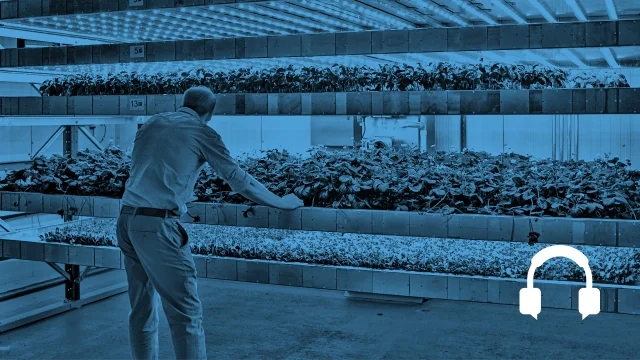
Podcast: Growing Up — The Rising Promise of Vertical Farms
Aug 28th 2019
INVESTORS ARE ploughing hundreds of millions of dollars into vertical farming. Could towers of vegetables help feed the world’s growing population?
Also, how studying gravitational waves could unlock the deepest mysteries of the universe and prove Einstein wrong. And, network theorist Albert-Laszlo Barabasi explains the science of professional success. Kenneth Cukier hosts. Runtime: 22 min

Can Indoor Vertical Farming Deliver Exceptional Returns For The Planet, Consumers, And Investors?
Food security, food quality, and resources scarcity are the main challenges the global agri-food system is facing. Indoor vertical farming promises to partially address these challenges by producing locally and efficiently fresh, chemical-free, and nutritious food
© kalafoto
Get Agroecology Capital’s full report on indoor vertical farming.
This report covers investment trends since 2010 and Agroecology Capital’s key investment drivers.
Food security, food quality, and resources scarcity are the main challenges the global agri-food system is facing. Indoor vertical farming promises to partially address these challenges by producing locally and efficiently fresh, chemical-free, and nutritious food. New farming systems increase yields, use less land and water, and allow a close quality and safety monitoring.
These promises and the ability of indoor vertical farming to industrialize high-value crop production have created a perfect window of opportunity to disrupt a multi-billion market (just for the U.S. leafy greens market), leading investors to respond favorably by investing large amounts in this industry.
Venture capital investment in indoor vertical farming is getting a strong traction
To assess the magnitude of these investments, Agroecology Capital’s report listed publicly available deals in indoor vertical farming between 2010 and 2019, globally. This report narrowed the scope of the analysis to companies that have developed comprehensive growing solutions with a substantial innovation component. Thus, companies with stable technologies (i.e., conventional greenhouses) or that only produce components (i.e., LED lighting) have been excluded from the scope.
The selected deals comprehend 31 different startups that, collectively, have received $873m between 2010 and 2019 (see the list of startups on the report).
Source: Agroecology Capital Research, 2019. Figures from Pitchbook, Crunchbase, CB Insights, and market data
Indoor vertical farming has represented a significant and increasing share of total AgTech venture capital investments. Large rounds such as AeroFarms (2013 and 2017) and Plenty ($200 million in 2017) led this vertical’s share to boost in 2013 and 2017 (10% in 2013 and 15% in 2017). Unsurprisingly, the U.S. has concentrated 89% of total investments between 2010 and 2019.
Source: Agroecology Capital Research, 2019. Figures from Pitchbook, Crunchbase, CB Insights, and market data
Despite a strong value proposition, several key aspects are still unclear from an investment perspective
Production costs for indoor vertical farming suffers when compared to conventional agriculture. Main production inputs, which are freely available in nature (i.e., light, air, water, CO2), have to be supplied at cost in indoor vertical farming. According to some startups, costs for an indoor-grown salad can reach twice those for an outdoor-grown one, putting energy efficiency[1] as a critical factor to optimize.
The high capital intensity required for scaling a vertical farming business is also a challenge for an industry that can neither compete on cost nor benefit from a network effect to establish pricing power. Moreover, the potential economies of scale are still unclear, if not insignificant. Although, energy prices might be subject to negotiation with energy suppliers, this case has not been witnessed yet given the small scale of current players.
Further, indoor vertical farms are currently able to grow only a limited number of crops. Leafy greens and herbs are easy to grow indoors, but other crops might be harder to grow at scale. The lack of readily available applied scientific research and data might also add risk on this vertical.
No player so far has proven that there is a sizable addressable market ready to pay more for a superior product or a product grown differently. The ability of the industry players to price discriminate might be a critical factor not only in reaching profitability but also in supporting an attractive business model.
Finally, there is no clear winner to date, and the range of current business models such as licensing technology and/or operating farms (the two main ones) might be a sign that the industry is still searching for an appropriate business model.
Venture Capital investment in indoor vertical farming: vertical integration vs. specialization
© Michael Sapryhin
Indoor vertical farming’s value chain might ultimately parallel that of traditional farming. Most of the value creation might be captured either by oligopolistic players at critical steps of the value chain (seeds bioengineering platforms, mass-market brand builders, and production technology providers) or by players with compelling business models.
Developing specific seeds for indoor vertical farming (i.e., optimized for Controlled Environment Agriculture and miniaturized crops) might lead to an improvement in yield and better-quality crops. Increasing crops variety, at an economically viable price, might also expand the addressable market. Startups focusing on seeds breeding and bioengineering for seeds adapted to indoor vertical farming might create attractive venture capital investment opportunities.
Demonstrating the outstanding quality of indoor-grown products will help to create strong brands and decommoditize these products, which might constitute a category of their own. Price positioning indoor-grown products as premium goods will ultimately allow growing companies and retailers to capture a significant share of the value.
Full suite of proprietary technologies (hardware and software) could increase product quality, operations efficiency, and reduce production costs. Data will undoubtedly play a central role in increasing yields and stabilizing/optimizing production. However, growing a crop, unlike improving the performance of chips, do not obey Moore Law. Improvement of production technologies will in fine lead to marginal gains, and value might shift to hardware, software, and ultimately data.
Innovative business models might help solve the capital intensity challenge by outsourcing the capital expenditure required to build facilities. Franchise model, for instance, might allow players to focus their resources on their proprietary technologies (including seeds bioengineering) while having franchisees invest in building facilities.
“In a Gold Rush, Sell Shovels”
Indoor Vertical Farming delivers outstanding returns for consumers (food security, safety, and quality) and probably for the Planet (less water and chemicals use vs. increase in energy consumption?).
However, the industry still needs to demonstrate a clear path to profitability and scalability. In its search of this path, proprietary technology providers (seeds bioengineering and production technology) might play a prominent role while mass-market brand builders might establish a new premium food product category.
From an investment perspective, strong macro drivers are pulling investment toward this industry, which is currently vertically integrated. Investors might want to funnel their investments into more focused and specialized technology players mastering critical parts of the value chain. These players might offer the most promising investment returns by successfully applying the adage “In a Gold Rush, Sell Shovels.”
[1] Weight of product grown with a kWh of energy input.

Solar Farm To Power UAE Vegetable Greenhouses
Themar Al Emarat has selected Cat dealer Al-Bahar to supply a 5.94 MW hybrid energy solution that provides power for its new agricultural facility located in the Al Kaheef area of the Emirate of Sharjah, United Arab Emirates
Themar Al Emarat has selected Cat dealer Al-Bahar to supply a 5.94 MW hybrid energy solution that provides power for its new agricultural facility located in the Al Kaheef area of the Emirate of Sharjah, United Arab Emirates.
The solution from Al-Bahar and Caterpillar includes nearly 23,000 Cat PVT117 photovoltaic modules that generate up to 2.7 MW of solar-powered energy and five Cat 3412 diesel generator sets that supply 3.24 MW of power. The system is supported by a 286 kWh/250 kW grid stability module supplied by a Cat Energy Storage System and Cat BDP bidirectional inverters. A Cat Microgrid Master Controller will autonomously manage the entire system and use Cat Connect Remote Asset Monitoring for the real-time collection and off-site monitoring of system performance data.
Scheduled to begin operations in late 2019, the solar farm at Themar Al Emarat will be the largest single-site microgrid located in the UAE. A leading agricultural producer in the Middle East, Themar Al Emarat will use the system to provide power for cooling equipment, water chilling, mushroom cultivation and other greenhouse processes. The facility will produce mushrooms, lettuce, and other crops used and consumed locally.
“Energy consumption accounts for the majority of long-term operating costs for technologically advanced agricultural farms that use climate control systems to support production during the summer in the UAE,” said Dr. Ghanem Al Hajri, chief executive officer of Themar Al Emarat. “By leveraging Al-Bahar’s and Caterpillar’s global expertise in power generation technologies, we have been able to specify and design a customized power solution that helps to make our operations economically viable.”
Advanced hybrid energy solutions from Caterpillar
The Cat Master Microgrid Controller and Cat Energy Storage System are part of Caterpillar’s hybrid energy solutions technology suite, which is designed to reduce fuel expenses, lower utility bills, decrease emissions, and reduce the total cost of ownership while increasing energy resiliency in even the most challenging environments. Key offerings include:
The Cat Master Microgrid Controller (MMC), which keeps loads continuously energized with high-quality power at the lowest cost by managing the flow of power from every source in the system;
Cat Connect Remote Asset Monitoring, which provides data visualization, reporting and alerts from anywhere in the world through an easy-to-use web interface;
Cat Bi-Directional Power (BDP) inverters, which supply real and reactive power with grid-forming and grid-following capabilities; and
the Cat Energy Storage System, which uses advanced lithium-ion batteries with superior energy density, high discharge/recharge efficiency and high cycle life to compensate for fluctuations in output from renewable energy sources.
“Caterpillar and the Cat dealer network serve a wide range of industries, which is why it’s critical for us to approach every customer application without a predetermined preference for any specific power generation technology,” said Joel Feucht, general manager for Caterpillar’s Large Electric Power business. “We have a powerful mix of conventional and renewable power generation products backed by global expertise and local support, and this unique combination enables us to design power solutions with optimized performance, sustainability, durability, and owning and operating costs.”
For more information:
Caterpillar
Electric_Power@cat.com
www.cat.com/microgrid
Publication date: 8/23/2019
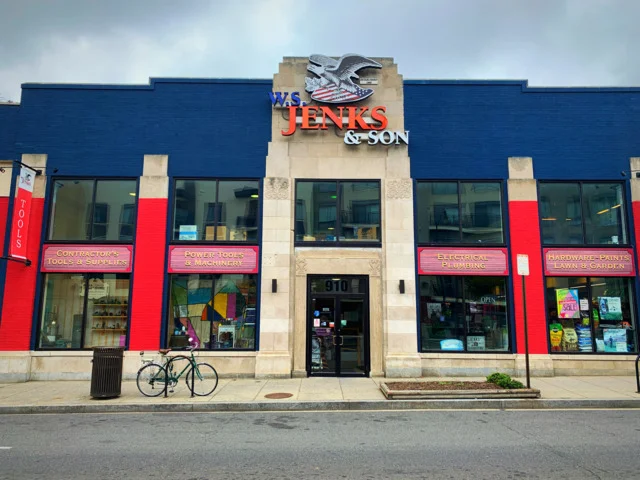
How D.C.'s Oldest Hardware Store Ended Up Housing Two Cutting-Edge Urban Farms
You can now buy a bucket of paint and a carton of beet greens at D.C.'s oldest hardware store. W. S. Jenks & Son, which opened in 1866, is home to not one but two urban farms. Urban agriculture is gaining so much traction locally that the government is working to establish a specialized department to oversee key land use programs under the Department of Energy and the Environment
September 4, 2019
You can now buy a bucket of paint and a carton of beet greens at D.C.'s oldest hardware store. W. S. Jenks & Son, which opened in 1866, is home to not one but two urban farms. Urban agriculture is gaining so much traction locally that the government is working to establish a specialized department to oversee key land use programs under the Department of Energy and the Environment.
In the meantime, urban farm operators are getting creative looking for underutilized spaces to grow. For Cultivate The City and Little Wild Things, that means taking up residence inside Jenks at 910 Bladensburg Road NE in Trinidad. The former is on the roof. The latter repurposed a storage space that had previously been used as a parking garage.
Jenk's President Jerry Siegel says leasing space to both outfits is part of a strategy to get new and increased foot traffic into the shop, especially in today's retail climate where physical stores are Amazon's punching bags.
"A store like us, or any retail store, provides the opportunity for someone to come in to pick up merchandise and take it home and be happy with it," Jenks says. "I think there’s still a need for retail stores." It helps that Jenks does a good bit of business with the federal government, according to Siegel. "We’re trying to monetize using a garage now as a farm for Mary," he adds, naming Little Wild Things founder Mary Ackley. "She's been an incredible addition to what we do."
Finding a permanent home to grow her microgreens business has been a near all-consuming pursuit for Ackley over the past three years. Little Wild Things has bounced around growing flavor- and nutrient-packed baby greens and shoots everywhere from The Pub & The People's basement to a pair of vacant wholesaler buildings that hug Union Market. One after the next asked Little Wild Things to move out when it came time to develop the spaces. At one point she thought her greens would land in Ivy City, but Ackley ended up walking away from the deal.
Little Wild Things founder Mary Ackley
"Thank god I found this place," she says while showing City Paper the new Little Wild Things headquarters. She moved in early this summer. "We systematically went through every property available in the entire beltway and there were only five properties that met our requirements."
All they needed was between 3,000 and 5,000 square feet and the ability to heat and cool the space. Throughout this process, Little Wild Things didn't let business slip save for one incident where one of the Union Market-area spaces got too warm, preventing plants from producing. It meant they couldn't fulfill orders at two of their biggest clients: Chaia and Jaleo.
Little Wild Things sells an array of itty bitty greens such as nasturtium, beet, fennel, broccoli, cilantro, endive, mustard greens, amaranth, wheatgrass, and celery to a number of D.C. area restaurants. They include Beefsteak, Big Bear Cafe, Homestead, Espita, ANXO, Iron Gate, The Occidental, Coconut Club, RASA, and Jaco Juice & Taco Bar. A new partnership with Coastal Sunbelt Produce will allow Little Wild Things to expand its reach.
"Smaller restaurants are the bread and butter for us," Ackley says. "We've had some high profile, really cool restaurants but what they do is buy a tiny bit and say they're working with us. There are a lot of other restaurants that put their money where their mouth is, like DC Harvest."
Individuals can also purchase microgreens and edible flowers online for same-day delivery or for pick-up at the farm. They sell cocktail kits, for example, which party-goers can use to decorate their drinks. The flowers are grown in a different location—Little Wild Things outdoor farm at Carmelite Friars Monastery in Edgewood.
Little Wild Things new farm inside W.S. Jenks & Son
Ackley hopes to continue to diversify her business using the new space inside Jenks, which has its own separate entrance at 906 Bladensburg Road NE. Look for everything from happy hours, classes, and movie screenings to a retail shop where you can buy microgreens or build-your-own bouquets.
Cultivate The City founder Niraj Ray was delighted to have another green-thumb business join him at Jenks. In fact, he connected Ackley with the hardware store's owners. "Originally when I started the garden center, my vision was to have multiple urban farms there," he says. That's why he called his farm at Jenks "H Street Farms" instead of "H Street Farm."
Ray founded Cultivate The City in 2015. In addition to operating H Street Farms at Jenks, Ray manages the rooftop farm at Nationals Park, the campus farm at Gallaudet University, garden programming at Idea Public Charter School, and the garden at Miner Elementary School. He involves other schools in urban agriculture through field trips and on-site classes.
The Jenks partnership began when H Street Main Street sought Ray's help beautifying Starburst Plaza that sits where H Street NE curves into Benning Road NE. The director of the neighborhood nonprofit group tipped Ray off that Jenks was looking to make use of its rooftop.
"At first they wanted to do a restaurant, which didn't really make sense to me in terms of economic opportunity," Ray says. He estimated the build out would cost at least a half a million dollars. "On top of that, I didn't think it was as supplemental to their business as what we could offer." There's a Lowe's and Home Depot not too far away and both sell plants. "I made a pitch to them: You're leaving a lot on the table by not selling plants. We could function as your garden center. It was a match made in heaven."
In addition to selling unique plants to Jenks customers, like strawberries with extra long growing seasons, Cultivate The City's H Street Farms brings foot traffic to the hardware store through various events and classes. On Sept. 20, Ray will teach attendees how to care for a bonsai chili pepper tree. "I've been practicing for a year or two," he says. "Imagine having a Scotch bonnet pepper tree that always has a few peppers." His regularly recurring class on making hot sauce is also popular.
Little Wild Things is currently open to the public weekdays from 9 a.m. to 3 p.m. and Cultivate The City's H Street Farms is open Wednesdays and Fridays from 3 to 7 p.m.; Saturdays from 9 a.m. to 5 p.m.; and Sundays from 10:30 a.m. to 4:30 p.m.
ALL PHOTOS LAURA HAYES
Lead Photo: Little Wild Things just joined Cultivate The City inside W.S. Jenks & Son in Trinidad.

Sensing The Rise of Vertical Farming
Vertical farming is the process of food being produced in vertically stacked layers, instead of on a single level such as in a field or greenhouse. The layers are commonly integrated into urban structures like skyscrapers, shipping containers and repurposed warehouses
August 28, 2019
By Darcy Simonis, Industry Network Leader, ABB Food and Beverage
With over 7,800 high-rise buildings, the city of Hong Kong soars above all others. More than 300 of its buildings surpass 490 feet, with more people living over 15 floors above ground level than anywhere else in the world. Having a skyline in the clouds helps the densely populated metropolis to prosper where space is restricted. Agriculture has taken note of this construction technique, as vertical farming creates impressive yields.
Vertical farming is the process of food being produced in vertically stacked layers, instead of on a single level such as in a field or greenhouse. The layers are commonly integrated into urban structures like skyscrapers, shipping containers and repurposed warehouses.
Using Controlled Environment Agriculture (CEA) technology, the artificial control of temperature, light, humidity and gases makes it possible to produce a vast array of crops on an industrial scale — without any outdoor exposure.
The Sky’s the Limit
By 2050, around 80 per cent of the world’s population will live in urban areas. With agricultural space in these areas scarce or completely non-existent, how do we deliver produce?
It is estimated that one acre of vertical farming offers the equivalent production of at least four to six acres using conventional outdoor methods. As the plant’s growth is not dependent on sunlight or affected by meteorological conditions, production can continue at the same rate all year round. In terms of resources, the plants require as much as 70 per cent less water than traditional farms.
Organic crops are a huge market, with demand often outstripping supply. As vertically farmed crops are produced in a well-controlled area, there is far less need for chemical pesticides. It is also believed that vertical farming could bring fresh produce closer to urban populations, reducing the risk of nutrients diminishing during transport.
No More Soil
Hydroponics is a predominant growing method in vertical farming. The process involves growing plants in nutrient solutions that are essentially free of soil, as roots are submerged into the solution and the plants are regularly monitored to maintain the correct levels of chemical composition.
If we’re ever to fulfill futuristic plans of colonizing Mars, we’re going to need to grow our own food. So, where on Earth has the conditions to test out this method?
It may not share the same qualities as the Red Planet, but Antarctica’s nonstop winters make it impossible to grow produce outdoors, and fruits and vegetables are shipped long distances from overseas just a few times a year.
In a step closer to extraterrestrial farming, a semi-automated hydroponic facility grows plants without soil, using mineral nutrient solutions in a water solvent. Scientists on Germany’s Neumayer Station III grow produce in a 20-foot-long shipping container, cultivating greens in an area where such produce is usually limited. This is just one example of how vertical farming techniques can be used in areas affected by harsh weather conditions.
Sensing Growth
To hit high levels of production, growth conditions in vertical farms must be continuously optimized. Sensors and data must be used to effectively track variables such as climate, nutrient composition and light levels.
Climate is characterized by a combination of air temperature, humidity and carbon dioxide (CO2) levels. The effects of these factors are tremendous. The difference between plant and air temperature, for example, can tell us whether the leaves’ stomata are open. If they’re closed, the plant cannot absorb CO2 and convert it into biomass. We can also measure the light level and spectrum as perceived by the plants and the pH of irrigation water for optimal growth.
Using smart sensors that can monitor these variables will ensure that vertical farms produce yields that greatly exceed those of conventional farms, which are impacted by uncontrollable conditions.
With a skyline full of modern, gleaming constructions, Hong Kong makes the most of its space to deliver prosperity. While vertical farming still has a long way to go before it is commercially viable, it is certain that food producers can learn from the techniques it applies to help deliver produce our rising populations.
Grow Pod Solutions Helps People Start Their Shipping Container Farm
As one of the leading experts in scalable indoor farming practice, Grow Pod Solutions has been able to convert spaces including shipping containers into thriving and successful farms for their clients
August 20, 2019
Corona, CA - Grow Pod Solutions has been helping several people achieve their farming dreams through indoor farming solutions for years. As one of the leading experts in scalable indoor farming practice, Grow Pod Solutions has been able to convert spaces including shipping containers into thriving and successful farms for their clients. Making use of the latest practices, Grow Pod Solutions is able to guarantee an all year round yield through their latest farming solutions.
Describing their approach to farming and their indoor farming solutions, the spokesperson for Grow Pod Solutions said: “Grow Pod Solutions is a modular, stackable and mobile vertical growing environment. We are specifically engineered to maximize yield and automation. We offer a fully insulated, food-grade shipping container that has been specifically modified to provide the optimum controlled environment for growing a wide range of horticultural and agricultural products in all environments and climates. With our combination of hydroponic and certified organic soil systems; you get a significantly higher yield that grows faster, and is more consistent.”
Having cracked the secret to an all-year-round production, Grow Pod Solutions is able to deliver the needed resources for their clients to access their own scalable indoor farm. Having grown over the years, Grow Pod Solutions is well positioned, thus allowing them the needed resources and expertise to meet the demands of their clients irrespective of the scale of farming business aimed at. With Grow Pod Solutions, farming can be carried out in a climate-controlled environment which supports the maximum possible yield.
Aiming to create an environmentally sustainable farming solution, Grow Pod Solutions offers their clients a low impact farming solution. Through an automated climate-controlled environment, clients are exposed to a better and more efficient use of water and power while also being guaranteed complete protection against the use of harmful chemicals such as pesticides and bactericides.
As part of their container based farming solution, Grow Pod Solutions offers options which include hydroponic based farming solutions, soil based farming solutions, and custom build farming solutions.
The hydroponic-based pod offered by Grow Pod Solutions is a great solution designed for farmers who are focused on utilizing a vertical hydroponic system. Being affordable, scalable, efficient, automated, and sustainable, this solution guarantees a greater output that will provide fresh and clean produce annually and in any climate.
Their custom build solution is also designed around the crop and growing goals of each client. The team of botanists and scientists can work to design and build micro-farms to help clients achieve the perfect grow strategy for any crop.
Some of the advantages offered by their farming solutions include multiple pod connections, stackable options, modular additions, clean rooms, shelving systems, prep stations, additional sensors and controls, solar and natural gas energy solutions, security systems, custom colors and graphics, amongst others.
Get a grow container from Grow Pod Solutions. They are located at 337 E Harrison St Unit B, Corona, CA 92879 or can be reached by phone at (855) 247-8054. For more information, visit their website or send an email to their team at info@growpodsolutions.com
Media Contact
Company Name: Grow Pod Solutions
Contact Person: Shannon Illingworth
Email: Send Email
Phone: (855) 247-8054
Address:337 E Harrison St Unit B
City: Corona
State: California
Country: United States
Website: growpodsolutions.com/
Read more:http://www.digitaljournal.com/pr/4422586#ixzz5xCJYr7pY
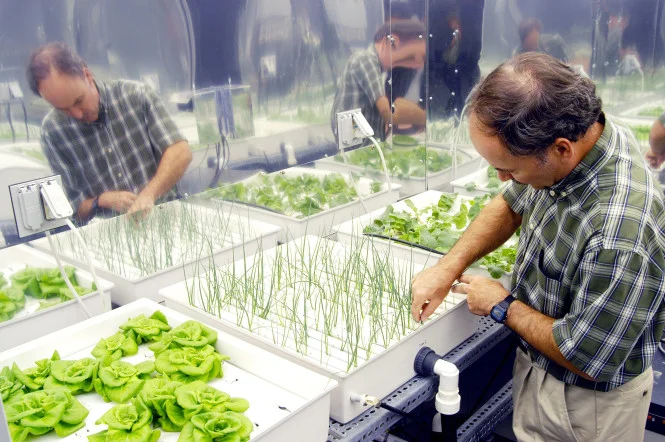
Hydroponics: Pros And Cons of Hydroponic Gardening
Hydroponic farming is one of the most misrepresented farming methods around the world. I mean, it sounds like an alien if not a futuristic concept growing food without a single grain of soil
Guest post by Dan Chabert
Ben Eagle
Hydroponic farming is one of the most misrepresented farming methods around the world. I mean, it sounds like an alien if not a futuristic concept growing food without a single grain of soil.
One of the major reasons hydroponics has been gaining a foothold is because studies have shown that this farming type may soon overtake conventional field farming. For example, it has recently emerged that hydroponically grown plants are of high quality, require less space and are not as resource-intense as their field counterparts. Goes without saying that urban and indoor gardening has witnessed new horizons with no sight of the ending.
What is hydroponics?
Hydroponics is a soilless farming method where planting takes place in a controlled aquatic-based environment. To many, the concept of soilless plant growing may seem like a smack to the plant’s nutritional needs. However, they actually do exceptionally well as they are sufficiently supplied with water and nutrients, which are essential for any plants to thrive.
To provide these nutrients, a nutrient solution is fed to the plants through the roots resulting in normal and healthy plants. With that said, there are multiple hydroponics systems and others don’t necessarily require substrates.
How does it work?
There are different hydroponics systems although the basics are the same. The systems allow the roots of the plants to directly come into contact with nutrients and oxygen without factoring in the soil. As a replacement for the soil, the system uses clay pebbles, stonewool, coco coir, or vermiculite to support the roots.
For the nutrients, there is a water-based solution that’s rich in nutrients delivered directly to the plants through the roots. As a solution to the light which is essential for growth, some hydroponic systems utilize natural lighting while others solely rely on artificial lighting.
Most often people tend to mostly focus on the bias which essentially overshadows the positive characteristics. However, just like any other culture system out there, it has its good side and its ugly side.
Initially, it can prove extremely difficult to kick-start and maintain hydroponic gardens but once you have honed the skills the pros outweighs the cons.
What are the pros and cons of hydroponic gardening?
Pros
One of the most outstanding benefits of hydroponic gardening is the fact that it happens indoors. As such, planting can be done irrespective of the season and production can take place all year round. Additionally, the plants yield double compared to the soil-based farming thanks to the constant growth cycle.
With increasing concern of the food security around the world, public and private sectors are looking for farming methods that can outperform traditional farming methods. Although water and water-based solutions play an important role in producing better yields, hydroponics systems use less water as its possible to re-use and recycle.
In addition to using less water, the system doesn’t produce run-off which can destroy and degrade the environment. Even better, hydroponic farms don’t require deep wallets for upkeep and maintenance compared to traditional farms. For example, since it’s done in controlled environments susceptibility to soil-borne diseases and pests is limited.
Thanks to the compact spaces, hydroponics gardening is ridiculously cheap in terms of labor as a few individuals can harvest and replant in a snap.
Cons of hydroponic gardening
Although hydroponics farming comes with a bit of disadvantages, the advantages far outweigh the bad side. One of the major letdowns of hydroponic farming is the high initial set-up costs.While most small-scale farmers can buy or build relatively cheap equipment, large-scale farms require specialized equipment that comes with a steep price tag that can run into millions.
The second letdown although not a deal breaker is that the farms require constant monitoring and supervision. These large farms are like toddlers who need pampering in terms of constantly keeping track of the lighting, nutrient solution, and oxygen levels. We have to agree in unison that such a modern farm is prone to unusual factors that aren’t common in traditional farms. For example, a power outage in a single day could lead to untellable losses.
The take home
As it appears, hydroponics has clear advantages and some disadvantages. However, I think that the benefits outweigh the demerits since it is a great alternative for food production in areas with poor soil. It’s also a hallmark of other great characteristics like efficiency, it is less costly, and more economical in space.
About Dan:
Dan Chabert – Dan is an entrepreneur, husband and ultramarathon distance runner. He spends most of his time co-managing home sites like Contractor culture, That Sweet Gift, Borncute, health sites such as Runnerclick, Nicer Shoes and The Gear Hunt. He has also been featured on runner blogs all over the world.

This Brilliant Hydroponic System Puts A Whole Garden On Your Countertop
Growing your own food is one of life’s great pleasures—plus it’s good for you and for the environment. But in increasingly tight, urban homes, we don’t all have room for gardens
08.19.19
It’s Not Just A Garden—It’s A Work of Art
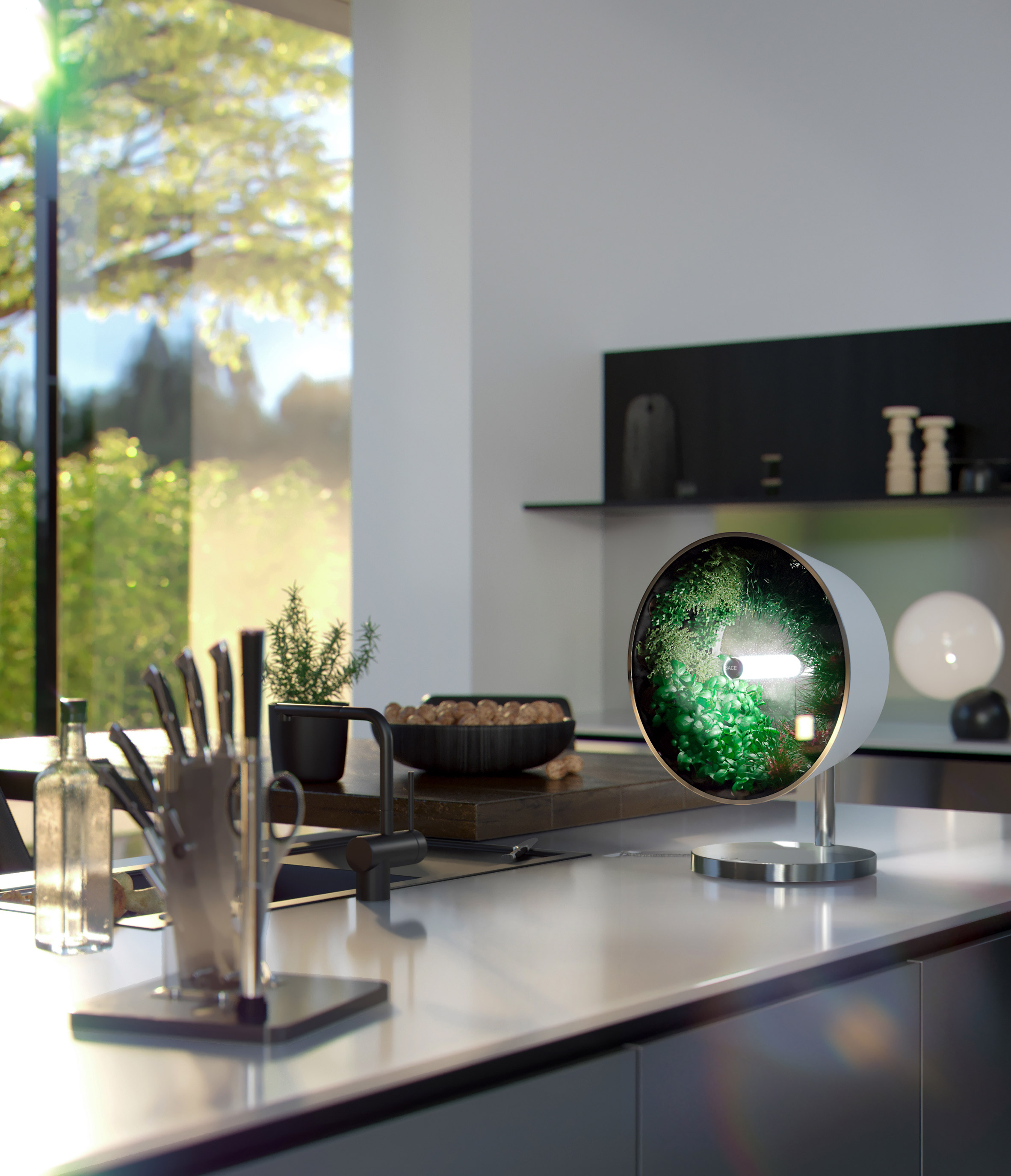
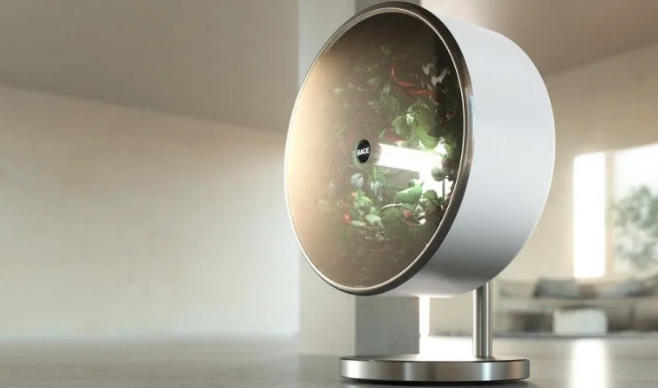
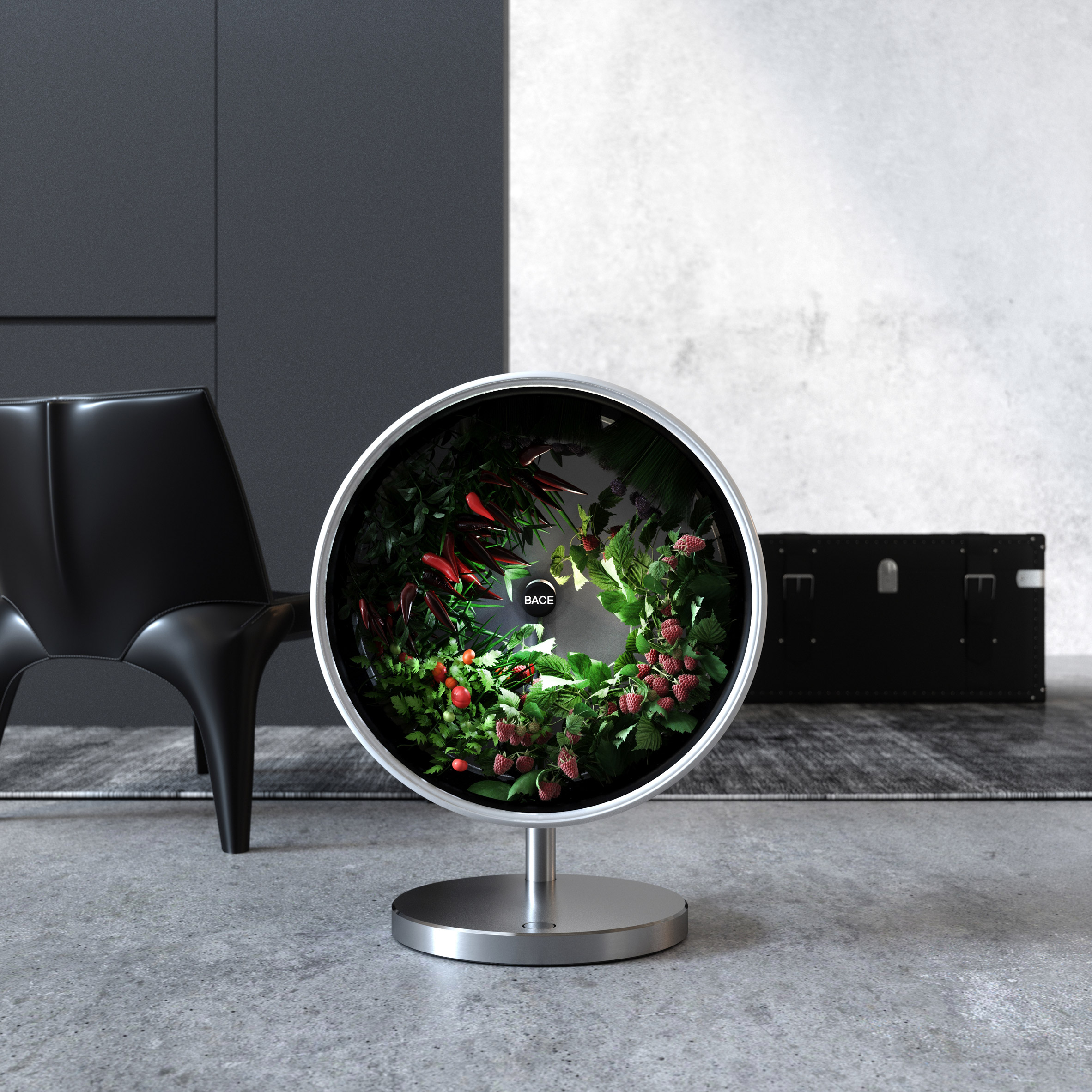



[Photos: courtesy Bace]
Growing your own food is one of life’s great pleasures—plus it’s good for you and for the environment. But in increasingly tight, urban homes, we don’t all have room for gardens. And hydroponic systems, as appealing as they may be, often appear to be a whole lot of hardware for only a bit of actual green. Some fresh arugula would be nice for dinner, but who wants giant plastic box taking up half their kitchen to get a few leaves?
[Photo: courtesy Bace]
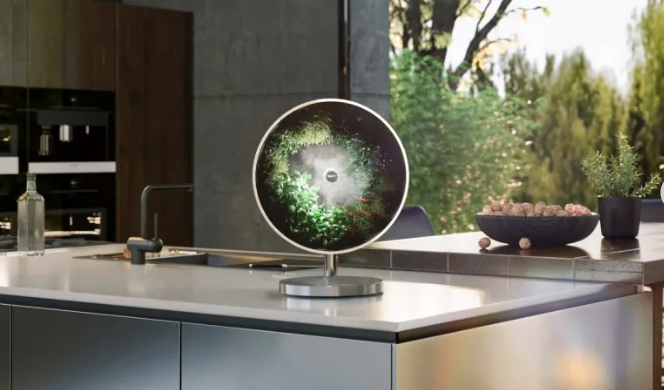
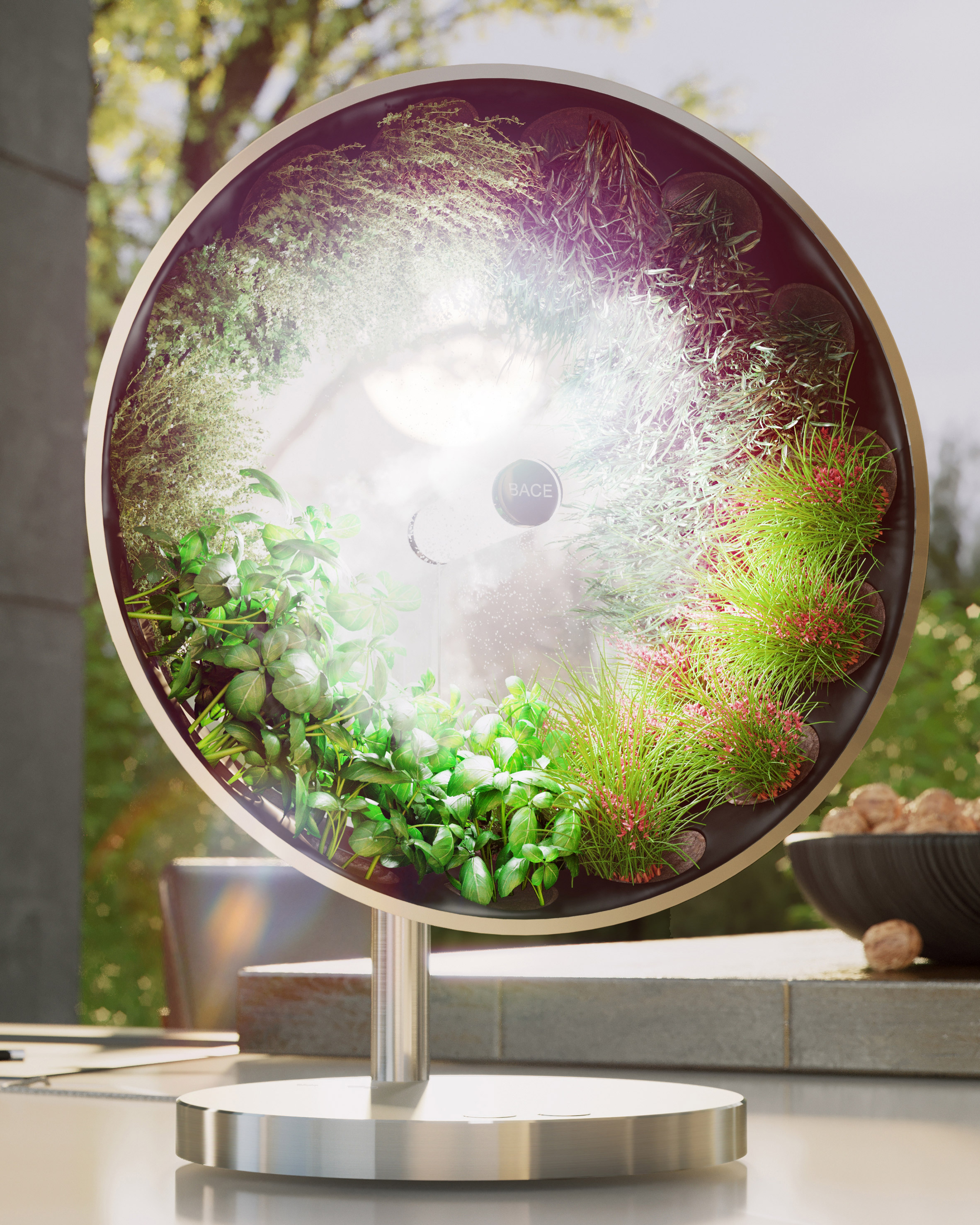
The Rotofarm, by an Australian company called Bace (which appears to have produced skincare products in a past life), is a space-friendly hydroponic system, and it doubles as a beautiful sculpture in your home. With a circular design, which rotates plants like a Ferris wheel through the day, the Rotofarm is able to fit nearly five feet of growing area inside a countertop footprint of just 11 inches. Water is dispersed through the nutrient and water reservoir in the stainless steel base, and a bright LED grow light lives in the middle like a tiny sun. Then to harvest, you can tilt the farm 180-degrees and pull off its clear cover. You take what you want (kale, mint, lettuce, spinach, or, yes, marijuana), and close it back up.
Of course, you might be wondering, will it work? Can you grow plants upside down? In fact, you can. NASA has discovered that root systems understand how to grow just fine in zero gravity. Meanwhile, existing rotary systems like the Omega Garden contend that moments of flipped gravity can actually help plants grow and flower, but you wouldn’t want the Omega Garden’s giant drums in your apartment. “The rotary design has been around in agriculture for a while, but these are things that take up a whole room with giant troughs of water underneath,” says Bace’s founder Toby Farmer (yes, his name is “farmer”). “Rotofarm is the first concept that really belongs inside the home.”
[Photo: courtesy Bace]
The Rotofarm is supposed to debut on Kickstarter next month. Despite connecting with Farmer on email, we’re left with all sorts of questions about its true feasibility. Will you need to buy the special, potentially expensive fertilizer packets for the machine seen in the teaser video? What’s the monthly power usage like? How will some teased automation features—from misting to overgrowth sensors—actually work? And of course, what will the whole thing cost?
As a prototype, the Rotofarm is intriguing. As a product, it has all sorts of everyday execution details that need to be just right for the system to be a productive joy rather than a big, annoying, green lamp. That said, so far, so good. Rotofarm offers a convincing thesis on the future of urban gardening. Now we’ll see if the Bace product team can deliver it.
ABOUT THE AUTHOR
Mark Wilson is a senior writer at Fast Company who has written about design, technology, and culture for almost 15 years. His work has appeared at Gizmodo, Kotaku, PopMech, PopSci, Esquire, American Photo and Lucky Peach

What Is Vertical Farming?
Vertical Farming or vertical agriculture facilitates viable agricultural production inside buildings, in the metropolitan areas of our cities. Vertical Farming is therefore a form of urban agriculture.
Vertical Farming or vertical agriculture facilitates viable agricultural production inside buildings, in the metropolitan areas of our cities. Vertical Farming is therefore a form of urban agriculture.
Newest findings are used to facilitate sustainable agriculture and the mass production of vegetable products inside of buildings. Because we are able to stack plantings, we are building vertically. Every square meter of floor space of vertical farming produces approximately the same amount of vegetable crops as 50 square meters of conventionally worked farm land. A vertical farm is able to use 95% less water, because it is recycled. Because our production is indoors, we need virtually no herbicides and pesticides. Vertical Farming makes the year-round cultivation of food possible and adaptable to a variety of crops. The primary focus of all functions in and around vertical farming is on optimal plant growth while maximizing the use of natural resources, such as the sunlight. This is why a vertical farm production is no longer dependent on using fossil resources.
Buildings are the central element of the city and thus the urban ecosystem. It is therefore especially important that each building is embedded into the social, architectural and economic city environment. We design vertical farms as multi-functional buildings today, creating a space of relaxation for the city dwellers, a work and meeting place, a market and dining area, as well as a place to grow food – right there where they live. Food production becomes a part of the urban everyday life again.
A VERTICAL FARM…
…drastically reduces agricultural land use.
…saves up to 95% water.
…makes cultivation possible, independent of weather conditions & season.
…delivers each harvest with continuous quality.
…brings maximum freshness into the city.
…saves on transport to the consumer.
…limits CO2 and puts less strain on the climate.
…brings agriculture back into urban everyday life.
GLOBAL CHALLENGES
The human race is growing
An omnivorous (eating everything) person requires an average of approximately 2300 m2 of cultivation area for his/her nutritional needs. Austria imports more than half of its consumed food stuffs from other countries. Above all, the Asian and African population is growing at an accelerated rate. One thing is going to be very important in the years to come: To ensure the food supply for rapidly growing world populations. How are we to provide for nine billion people in the year 2050?
Resources are getting scarce
The basic resources for plant cultivation are light, water and nutrients. A lack of precipitation often leads to sourcing the needed water from groundwater, lakes or rivers, resulting in the lowering of groundwater levels and the drying up of natural water resources. The increased demand for agricultural space has led to clearing rain forests by fire all over the world, which then leads to significantly higher production of CO2. Crude oil is still the central energy source for the food sector, fertilizer and transport and thus contributes significantly to climate change.
Supply security is threatened
Post-Fukushima Japan has already built 150 plant factories. Because last, but not least, we need to ask ourselves how we are going to produce healthy food in a heavily polluted world. Reinsurance and insurance companies providing guarantees in case of hail have complained about greater storm damages of hundreds of millions of euros, and that in Austria alone. Hail, storms and torrential rains can destroy crops in a matter of minutes. The real sufferers are the producing farmer and the consumers. So how can we secure our food production, regardless of ever increasing extreme weather events, and what is the best way to produce year around?
CULTIVATION AREAS FOR OUR FOOD
An omnivorous human needs approximately 2.300 m2 of land for his/her own food production.
OUR VISION
We secure the future of food
Vertical farms preserve our ecosystem in a variety of ways. Because the space is utilized vertically instead of on the ground level, only a fraction of the ground surface is needed compared to what is required for conventional farming. Innovative irrigation systems and lighting methods make food production possible year around – regardless of weather conditions. We are thinking along the lines of circulation systems for materials and resources: Wastewater is to be reused as irrigation water, plant residues are used for heat in the form of biogas. The protection of the building’s shell and new lighting methods make food production possible year around – regardless of weather conditions. This contributes to food security for cities in a significant way.
We are rethinking regional focus
For more than 11,000 years we have produced our food in the same places we consumed them. We want to restore this practice again. Biological, fresh and local products are produced by consumers directly in their cities. Furthermore, vertical farm products can be prioritized at the site, processed further, packaged, sold and consumed close by. Our relationship to this locally produced and consumed food is holistically regional again at last.
New occupational fields are created
A vertical farm is not only versatile in its use, but also creates new occupational groups and jobs in all of its core areas: In its cultivation, plant supply and technology, during harvest and processing, as well as in sales and catering or the restaurant business. Today’s practical applications already manage inclusive projects successfully. In addition, there is no limit to the imagination: Public spaces can be rethought and revived for relaxation and collaboration, social interaction takes on a new meaning, and local economic interdependence will be established.
VERTICAL FARMING AND FOOD SECURITY
A vertical farm operation increases the output per cultivated area and saves valuable resources like water and soil in closed energy cycles.
THE OPPORTUNITY
The food industry of tomorrow
A vertical farm can be built anywhere and at any time. First examples of successful vertical city farms are now available (Singapore, Sweden, the Netherlands, USA, Japan). These agricultural technologies will be redefining the food industry in the years to come. The vertical farm market is estimated to reach 5.8 billion USD by 2022, with an annual growth rate of 24.8% (2016-2022).
PLANNING THE FUTURE TODAY
In the coming years the food industry will dwarf all other industries. Vertical farming will be able to secure the food supply for the cities of tomorrow.
Our Solution
We specialize in the development of vertical farm operations with transparent facades to maximize utilization of the sunlight. Instead of black boxes, we rely on the power of readily available natural forces. There is another good reason for our building being transparent: We want to restore the trust in industrial food production. People are able to see for themselves how their food is grown, right in their city: Transparent, regional and with the highest of quality.
Your opportunity
The vertical farm institute meets these and other challenges head on with courage, drive and innovation. This is where you find our offers. Join us!
Become part of a movement that brings more freshness into the cities and reclaims urban spaces for food production. Meet up with us at our events, engage in discussions with us on Facebook or put in an application with us – you can become part of the future of food!

Five Bold Questions For Artemis CEO: Allison Kopf
I knew that technology could be a catalyst to move the industry forward. This was the spark that inspired me to venture into entrepreneurship and start Artemis
Warren Bobrow Contributor
Vices I work with cannabis and have done some wild things in life. cocktailwhisperer.com
Allison Kopf, CEO of Artemis | RICKEY PEETE
WB's Note: I grew up on a Biodynamic/Organic farm in northern New Jersey. Part of the difficulty of growing crops outside is the mostly inclement weather. There are just too many variables at work to make farming anything less than controllable. Lack of sunshine, oft inclement weather- hail, snow, rain, insects, all contribute to short growing seasons and lack of a good investment harvest. To the commercial grower, outdoor growing can be rewarding, or it can be a loss of an entire grow, and you should pick which one is more enticing. I would pick the one with the most comfort for the investors. Which means, don't mess it up or they are coming for their investment, as in right now! One of my fascinations in commercial growing is something that I saw in Arizona. It was a vast greenhouse, originally manufactured in Holland for growing tomatoes and tulips. What was being grown in this "Dutch" greenhouse was far from tomatoes and flowers. It was nearly three hundred thousand square feet of ultra-high-end cannabis and with the nearly 350 days per year of natural sunshine, this vast greenhouse earned it's keep in short measure.
Allison Kopf is also intrigued by greenhouses and farming. If you read on, you'll discover her passion for growing facilities and why we should embrace the sun.
Warren Bobrow=WB: Where are you from? What was your path to farming? Schooling? What did you originally want to be? (when you were a kid)?
Allison Kopf=AK: I was born and raised in New York. Not New York City; not upstate New York – but smack dab in the middle of the two. Spending as much time as I did in the black dirt region, I’ve always had a deep respect for our state’s farmers and farm workers, though I had no clue I’d end up working in the industry. As a kid, I was always interested in science and technology and originally wanted to be an engineer in Silicon Valley when I grew up. While getting my degree in physics from Santa Clara University, I started my professional career in the solar industry. I was the Project Manager for the California entry into the Solar Decathlon, which is a design and engineering competition for students at over twenty universities worldwide. We raised over $1.2M and over a period of two years, designed and built a solar-powered, efficient, fully functional home.
I loved seeing the innovation and creativity at the Solar Decathlon and I fell in love with solving problems within complex supply chains. This led me back to New York to join BrightFarms, which is one of the largest venture-backed indoor agriculture companies in the country. I was one of their first employees and helped scale up projects across the country as well as focusing on how we could improve operational performance at each individual site. I became frustrated at an over-reliance in the industry on spreadsheets and pen-and-paper to track critical operational data.
I knew that technology could be a catalyst to move the industry forward. This was the spark that inspired me to venture into entrepreneurship and start Artemis.
(FKA Agrilyst).
WB: Why cannabis? How does cannabis fulfill your passion? What is your passion? Outdoor or indoor grown?
AK: Cannabis is an exciting industry and something we started really scaling into this year, and now accounts for about half of our customer base. There’s so much going on today around regulatory compliance and consumer safety, and it seems every day there’s something in the news about a large public cannabis company going through some kind of compliance or product recall issue. It’s a bit of a roller coaster, but it’s exciting to be in the midst of such a fast-growing sector with lots of opportunity ahead for businesses that approach compliance the right way.
The Artemis platform | COURTESY: ARTEMIS
For us, the cannabis industry fits right into our passion for helping specialty crop growers minimize risk, increase profit margins, and scale their businesses in what’s becoming a highly competitive and consolidated industry, with many companies even starting to go public on the U.S. stock market. Whether cultivated indoor or outdoor, cannabis, like any crop, is subject to risk. Furthermore, as an emerging industry with a controversial product (still illegal federally in the U.S.), cannabis is subject to increased levels of scrutiny. This translates into a maze of regulations which are constantly changing. Our goal is to help growers safeguard their business from these fast-changing regulations and compliance laws. With the recent news of the CannTrust debacle, cannabis growers, now more than ever, need to make regulatory compliance a core component of their company culture. This includes conducting regular internal audits and digitizing their regulatory compliance paperwork.
It also goes beyond just compliance. Cannabis cultivators are scaling across multiple states and countries, opening up locations faster than ever before. This is hard to do without proper systems in place. One of the easiest things a cultivator can do is implement technology to help plan production and workflow. It adds a layer of accountability, even across multiple locations. The companies that will be at the top in a few years will be the companies who invest in technology and systems for growth.
I’m currently obsessed with outdoor operations. We’ve spent a lot of time in the indoor space (it’s how we got our start), but as the hemp space begins to scale in the U.S., it’s brought me to more and more outdoor operations. The opportunity for cannabis and hemp to play a major part in regenerative agriculture, sustainability, and economic re-birth of the agriculture industry is completely fascinating. Indoor will always be my first love and it’s always exciting to see a really clean, well-run greenhouse or indoor operation.
Artemis - Laptop + Phone (1) | PHOTO COURTESY: ARTEMIS
WB: Tell me about your company? What do you do? What is your six month plan? One year?
AK: Our mission is to solve a problem I’ve personally been obsessed with for a while — creating a more efficient, traceable, and compliant agricultural economy. As part of our mission, we developed the industry’s first real Cultivation Management Platform (CMP) to help global enterprise farmers growing fruits, vegetables, cannabis, hemp, flowers, and other specialty crops to manage all of their people, plants, process and compliance with a single solution. Many growers today aren’t protecting themselves from risk without technology implementation across their full operation. Existing technologies available for the industry weren’t designed for growers with business expansion in mind. Enterprise operations deploy expensive, bulky, ERP systems and/or use regulatory software mandated by states. There hasn’t been a good solution for the enterprise operation to manage cultivation designed for them as the operator. This leaves them at a disadvantage in what is already a low-margin, high-risk business.
We developed our platform as the solution to close this gap. Providing growers with a CMP to add to their technology stack (CMP + ERP or Seed-to-Sale) sets them up for true long-term success. Since launching in 2015, we’ve seen strong customer growth with companies worth a collective $5 billion using the platform daily. Over 1 billion pounds have been harvested using our system in just the past year and a half. Our core customers are enterprise specialty crop farmers interested in security, compliance, profitability, and potential to expand their operations. We also have partnered with many others in the agtech ecosystem, enabling users to further reduce risk across all areas of their business. Over the next 6 - 12 months, we have aggressive growth plans. This year, we entered into the fast-growing cannabis and hemp industries, and we plan to expand our work in this sector. We are also working hard to carve out an industry leadership role and platform in regulatory compliance — helping customers stay ahead of the curve of regulatory compliance in food and cannabis to not only improve product outcomes and satisfy regulations, but to protect the integrity of the trust between producer and consumer.
Artemis - Laptop + Phone (1) | PHOTO COURTESY: ARTEMIS
WB: Is there anything that you eat or drink *or smoke* that brings a tear to your eye when you eat, drink, or smoke it? Do you cook? What is your favorite thing to eat? Favorite restaurant? Where? What kind of food?
AK: My grandmother’s chicken and rice. This has become somewhat of a family joke over the years. My grandmother makes the most incredible chicken and rice dish – the secret is in the butter and the old baking pan. All of the grandparents and cousins have tried to duplicate the recipe to no avail. Nothing is as good as the original. At my wedding shower, my grandmother gifted me the recipe and I definitely let a tear out.
I do love to cook. I’m currently into making comfort food recipes with fresh and local ingredients. The other day, I made biscuits and a summer stew that was pretty stellar. I’ve also been known to dip into Bavarian recipes. My family is German and it’s my favorite food region.
WB: If you can be anywhere in the world right now, where would that be? Doing what? With whom, even *Dead or Alive!* Why?
AK: Easy; playing tennis with Serena Williams. Not only has she set the bar for women who excel in their field, she’s the greatest athlete of her time and it would be incredible to play a game or two against her. I love playing tennis and it would be fun to see if I could return her serve. Perhaps a speaker showdown at Forbes Under 30 in Detroit?
Follow me on Twitter or LinkedIn.Check out my website or some of my other work here.
Warren Bobrow, the Cocktail Whisperer, is the multi-published author of six books. Apothecary Cocktails: Restorative Drinks from Yesterday and Today, Whiskey Cocktails:

CO2 GRO Inc. Files For Two Further Patents To Strengthen Its Patent Portfolio Surrounding CO2 Delivery Solutions
The filings further secure GROW’s intellectual property around nutrient delivery technologies, especially in the case of outdoor value crops, and nutrient constituents delivered. GROW now has five corporate patent filings of which four were made YTD 2019
TORONTO, ON September 4, 2019 (Access Wire)
Toronto based CO2 GRO Inc. ("GROW") (TSX-V: GROW, OTCQB: BLONF, Frankfurt: 4021) is pleased to announce it is in the process of further strengthening its patent portfolio. GROW has filed two additional patent applications under the Patent Cooperation Treaty. The filings further secure GROW’s intellectual property around nutrient delivery technologies, especially in the case of outdoor value crops, and nutrient constituents delivered. GROW now has five corporate patent filings of which four were made YTD 2019.
Together these protect GROW’s unique nutrient delivery methodology which allows increased profitability to established growers, technological solutions to producers previously without nutrient delivery options, and minimizes the customers’ environmental footprint in the context of conventional nutrient delivery methodologies.
GROW’s CEO, John Archibald, commented “having a robust worldwide (PCT) patent portfolio can accrete significant value to our shareholders while protecting the company from would-be product technology copycats.”
About CO2 GRO Inc.
GROW's mission is to accelerate all indoor and outdoor value plant growth naturally, safely, and economically using its patented advanced CO2 Delivery Solutions technology. GROW’s global target plant markets are retail food at $8 trillion per year (Plunkett Mar 2017) and retail non-food at an estimated $1.2 trillion per year with retail tobacco at $760 billion (BA Tobacco estimate), floriculture at $100 billion by 2022 (MarketResearch.Biz estimate), legal cannabis at $52.5 billion per year by 2022 (Statista) and legal US cannabis and hemp CBD at $22B per year by 2022 (the Brightfield Group).
GROW's CO2 Delivery Solutions are commercially proven, scalable and easily adopted into existing irrigation systems. They work by dissolving CO2 gas into water for use across the entire plant leaf surface which is a semi permeable membrane. The dissolved CO2 molecules can then penetrate a leaf's surface area naturally, enhancing plant growth potential.
Foliar spraying of dissolved nutrients and chemicals on plant leaves has been used for over 60 years by numerous growers. To date, outdoor growers have had no way to enhance plant CO2 gas uptake for faster plant growth.
Indoor CO2 gassing has enhanced plant yields for over 60 years but 60% of the CO2 gas used is typically lost from ventilation. Current greenhouse CO2 gassing levels of up to 1500 PPM are not ideal for worker health and safety. GROW's safer CO2 Delivery Solutions can be used both indoors and outdoors with minimal dissolved CO2 gas lost and much greater CO2 plant availability resulting in higher plant yields than both CO2 gassing and no CO2 gassing plant yields.
Forward-Looking Statements This news release may contain forward-looking statements that are based on CO2GRO's expectations, estimates and projections regarding its business and the economic environment in which it operates. These statements are not guarantees of future performance and involve risks and uncertainties that are difficult to control or predict. Therefore, actual outcomes and results may differ materially from those expressed in these forward-looking statements and readers should not place undue reliance on such statements. Statements speak only as of the date on which they are made, and the Company undertakes no obligation to update them publicly to reflect new information or the occurrence of future events or circumstances, unless otherwise required to do so by law.
Neither the TSX Venture Exchange nor its Regulation Services Provider (as that term is defined in the policies of the TSX Venture Exchange) accepts responsibility for the adequacy or accuracy of this release.
For more information, please visit www.co2gro.ca or contact Sam Kanes, VP Communications at 416-315-7477.

VIDEO: Growing Underground
Best job title EVER! Food Futureologist Morgaine Gaye on the importance of technology and farms like ours for the future of food. With our co-founder Richard and Ben Thompson for BBC Breakfast
Growing Underground@GrownUnder
Best job title EVER! Food Futureologist Morgaine Gaye on the importance of technology and farms like ours for the future of food. With our co-founder Richard and Ben Thompson for BBC Breakfast @BBCBreaking @BBCBreaking @BBCWorld
To View The Video, Please Click Here

USDA - NIFA Conference Sept. 9 - 12, 2019
Developing sustainable and strategic plans to feed the future in the face of growing global challenges will demand interdisciplinary vision, collaboration and innovation
USDA - NIFA Conference At Biosphere 2
September 9 - 12, 2019
Developing sustainable and strategic plans to feed the future in the face of growing global challenges will demand interdisciplinary vision, collaboration and innovation. Controlled environment agriculture (CEA) implemented as fully enclosed, multi-level indoor agricultural food production systems, Vertical Farms (VF), will complement future greenhouse (GH) plant production systems and will offer innovative technological solutions for issues at the food-energy-water nexus.
The purpose of the conference is to Plan an Interdisciplinary Controlled Environment Indoor Agriculture R&D Roadmap and Coordinated Research Plan. It is supported by USDA/NIFA-AFRI program and is hosted by the Controlled Environment Agriculture Center at the University of Arizona, Tucson, AZ and Biosphere 2, Oracle, AZ
This conference (September 9 – 12) will facilitate interdisciplinary discussions centered on several major thematic R&D areas for CEA/VF/GH, each of which will interface with the others to identify cross-disciplinary areas of synergy, opportunity and need. Thematic areas include:
Economics: focus questions and discussions will include: what are good metrics of success in these systems from both industry and community perspectives? Can we develop a pipeline to quantify environmental and social benefits of these systems in a Benefit-Cost Analysis framework? How scalable are these systems? What are environmental impacts, life cycle analyses?
Engineering: focus questions and discussions will include: how to increase lighting efficacy, light use efficiency, and reduce cost? How to control and modulate CO2? How to design and enhance air circulation and to optimize HVAC? How to minimize labor input and integrate innovative automation and robotic systems? How to improve water use efficiency and cycling?
Production Systems: focus questions and discussions will include: how to manage crops to integrate with improve environmental controls, nutrient delivery and automation. How to improve plant architecture to enhance crop productivity and reduce waste? How to improve logistics and enhance labor efficiency?
Plant Breeding: focus questions and discussions will include: what makes a crop a good candidate for indoor farming/what are priority candidate crops for these systems beyond what is currently grown? What traits should be privileged in breeding programs for indoor farming? How can gene editing and genomic techniques be leveraged to integrate novel financial opportunities into these growing systems, such as increased nutritional content, enhanced water, nutrients and light use efficiencies, or pharmaceutical production? How CEA production systems can alter the structure of microbial communities associated with plants, growing media, and determine how the alterations affect plant nutrient and water uptake and utilization?
Pest and Disease Management: focus questions and discussions will include: what are the major viral, fungal, and insect pathogens in these systems and how are they best addressed? Integrate Pest Management for reduced chemical control? How to develop and implement a rapid and simple digital imaging system for pest and disease diagnosis? How to improve the efficiency of pest and disease management while not harming beneficial insects and pollinators?
Food Nutrition and Safety: focus questions and discussions will include: how alterations to growing media and environment will impact food quality, flavor, nutrition content and food safety? How do indoor growing conditions alter the microbial communities of plants? How do they impact product quality and shelf life?
Industrial Ecology in Closed Systems: focus questions will include: how can we better design more energy and resource efficient systems? Can we build holistic energy models? Can we create industrial ecosystems where one industry’s effluent is another’s intake? How would we model/quantify the ecosystem services provided by a functioning ‘closed loop industrial ecosystem’?
Conference participants are additionally welcome to join writing teams and collaborate on a proposal for a coordinated agricultural project (CAP) grant on VF that builds off of conference discussions. Writing teams may also choose to develop proposals for relevant funding programs at USDA-NIFA SAS, SCRI, NSF/USDA/DOE INFEWS, and NSF
Deadlines
Pre-registration ends June 30th
invitation to attend conference July 15th
Final registration, room reservations and payment due August 1st;
Conference events begin Monday September 9th
For more information about the conference please read the Project Summary.
For more information about conference activities please read the Conference Program Schedule and Format.
Conference Program Schedule & Format.pdf
For more information about Biosphere 2 please read the following document.
Want to make the most of your time in Tucson? Go to Visit Tucson to discover things to do during your visit!

The Epstein-Funded MIT Lab Has An Ambitious Project That Purports To Revolutionize Agriculture. Insiders Say It’s Mostly Smoke And Mirrors
Ahead of big demonstrations with MIT Media Lab funders, staff were told to place plants grown elsewhere into the devices, the insiders said. In other instances, devices delivered to local schools simply didn’t work. “It’s fair to say that of the 30-ish food computers we sent out, at most two grew a plant,” one person said
Erin Brodwin, Business Insider US
September 7, 2019
Shutterstock
Insiders told Business Insider that MIT Media Lab faked key elements of its “personal food computer” project (not pictured), which aimed to grow plants without soil.
An ambitious MIT project that purported to turn anyone into a farmer with a single tool is scraping by with smoke-and-mirror tactics, employees told Business Insider.
Ahead of big demonstrations with MIT Media Lab funders, staff were told to place plants grown elsewhere into the devices, the insiders said.
In other instances, devices delivered to local schools simply didn’t work.
“It’s fair to say that of the 30-ish food computers we sent out, at most two grew a plant,” one person said.
MIT didn’t provide a comment for this story.
An ambitious project that purported to turn anyone into a farmer with a single tool is scraping by with smoke-and-mirror tactics, employees told Business Insider.
The “personal food computer,” a device that MIT Media Lab senior researcher Caleb Harper presented as helping thousands of people across the globe grow custom, local food, simply doesn’t work, according to two employees and multiple internal documents that Business Insider viewed. One person asked not to be identified for fear of retaliation.
Harper is the director of MIT’s Open Agriculture Initiative and leads a group of seven people who work on transforming the food system by studying better methods of growing crops.
The food computers are plastic boxes outfitted with advanced sensors and LED lights and were designed to make it possible for anyone, anywhere to grow food, even without soil, Harper has said. Instead of soil, the boxes use hydroponics, or a system of farming that involves dissolving nutrients in water and feeding them to the plant that way.
“We design CO2, temperature, humidity, light spectrum, light intensity, and the minerality of the water, and the oxygen of the water,” Harper said.
On Saturday, Joi Ito, the director of the MIT Media Lab, resigned following a lengthy expose in the New Yorker about the Media Lab’s financial ties with late financier Jeffrey Epstein. Epstein died by suicide while in jail and faced sex-trafficking charges.
Staff placed food grown elsewhere into the devices for demos and photoshoots, they say
Ahead of big demonstrations of the devices with MIT Media Lab funders, staff were told to place plants grown elsewhere into the devices, the employees told Business Insider.
In another instance, one employee was asked to purchase herbs at a nearby flower market, dust off the dirt in which they were grown, and place them in the boxes for a photoshoot, she said.
Harper forwarded an email requesting comment on this story to an MIT spokesperson. The spokesperson didn’t provide a comment.
The aim was to make it look like the devices lived up to Harper’s claims, the employees said. Those claims, which included assertions that the devices could grow foods like broccoli four times faster than traditional methods, landed Harper and his team articles in outlets ranging from the Wall Street Journal to Wired and National Geographic.
Harper’s vision for the personal food computer is bold: “You think Star Trek or Willy Wonka, that’s exactly what we’re going for,” he said in a March 2019 YouTube video produced by the news site Seeker.
Harper’s coworkers told Business Insider a different story. They said the devices are basic hydroponic setups and do not offer the capabilities Harper outlines. In addition, they simply don’t work, they said.
MIT Media Lab’s Caleb Harper speaks at TEDGlobal Geneva. James Duncan Davidson/TED
‘They were always looking for funding’
Paula Cerqueira, a researcher and dietitian who worked as a project manager at the Open Agriculture Initiative for two years, told Business Insider that the personal food computers she worked with were “glorified grow boxes.”
Cerqueira was part of a team that, on several occasions, delivered the personal food computers to schools. She also helped demonstrate the boxes to big-name MIT Media Lab investors.
During the organization’s “Members Weeks” – once-a-semester events that drew donors including Google, Salesforce, Citigroup, and 21st Century Fox – Cerqueira and her coworkers would show investors how the technology worked.
On one occasion, Cerqueira said, her coworkers were told to fetch basil grown from a nearby location and place it into the personal food computers to make it look like it had been grown inside the boxes.
“They wanted the best looking plants in there,” Cerqueira told Business Insider. “They were always looking for funding.”
Cerqueira said in another instance, she was told by another MIT Media Labs manager to buy edible lavender plants from a nearby flower’s market and place them in the boxes for a photoshoot, she said. Before any photos were taken, she carefully dusted off the tell-tale soil on the plants’ roots.
The boxes simply didn’t work, one employee told Business Insider
The central problem with the personal food computer was that it simply didn’t work, Cerqueira and another person with knowledge of the matter told Business Insider.
“It’s essentially a grow box with some sensors for collecting data,” Cerqueira, a dietitian who worked as a project manager at the Open Agriculture Initiative for two years, told Business Insider. Cerqueira left her post after becoming increasingly frustrated with working conditions at the Media Lab, she said.
The boxes were not air-tight, so staff couldn’t control variables like the levels of carbon dioxide and even basic environmental factors like temperature and humidity, Cerqueira and the other person said.
Other team members were aware of these issues, according to several internal emails that Business Insider viewed.
One email, on which Harper is copied, also said that team members weren’t given the chance to test the devices’ functionality for themselves. Another person with knowledge of the matter also described these issues to Business Insider.
‘Of the 30-ish food computers we sent out, at most two grew a plant’
In the Spring of 2017, Cerqueira was part of a pilot program that delivered three of Harper’s devices to local schools in the Boston area. Initially, the idea was for the students to put the devices together themselves. But Cerqueira said that didn’t work – the devices were too complex for the students to construct on their own.
“They weren’t able to build them,” Cerqueira said.
In response, Cerqueira’s team sent three MIT Media Lab staff to set up the computers for them. Of the three devices the staff members tried to setup, only one was able to grow plants, she said. That one stopped working after a few days, however.
When Cerqueira and her coworkers would visit the school, students would joke that the plants they were growing in plastic cups were growing better than the ones in the personal food computers, she said. The pilot ended shortly thereafter.
On another occasion, her team sent two dozen of the devices to classrooms across greater Boston as part of a curriculum being designed by one of MIT Media Lab’s education partners.
“It’s fair to say that of the 30-ish food computers we sent out, at most two grew a plant,” Cerqueira said.
No one knew exactly what was wrong, but in general, the team was aware that the devices weren’t functioning as they should be. In a last-ditch attempt to make the devices deliver, Cerqueira’s team sent new packages of fresh seedlings to the school. When that didn’t work, they tried it again. No matter what, the plants just kept dying, according to Cerqueira.
At one point, a representative from the Bezos Family Foundation, a private nonprofit foundation cofounded by Jackie and Mike Bezos, stopped by the school for a visit, Cerqueira said. Harper had been hoping to entice the group to help fund a new foundation that he was just getting off the ground. Even then, the devices wouldn’t work.
“It was super embarrassing,” said Cerqueira.
Want to tell us about your experience with MIT Media Lab? Email the author at ebrodwin@businessinsider.com.

New Ag International Digital Week | 14-17 October 2019 | Online Event, Free To Join!
The New Ag International Digital Week is an online event, free of charge, taking place on the 14-17 October 2019, will be a 4-Day Webcast Series focusing on: Specialty Fertilizers, Precision & Digital Ag, Biostimulants & Biocontrol, Irrigation & Greenhouse Technologies
To facilitate year-round engagement with Specialty Products among the Ag community, New Ag International and KNect365 Life Sciences are pleased to introduce this special digital platform for you to engage remotely, watch sessions, access videos, and interact with the community through live polling and Q&As.
The New Ag International Digital Week is an online event, free of charge, taking place on the 14-17 October 2019, will be a 4-Day Webcast Series focusing on:
• Specialty Fertilizers
• Biostimulants & Biocontrol
• Irrigation & Greenhouse Technologies
• Precision & Digital Ag
More specifically:
DAY 1: MONDAY, 14 OCTOBER 2019
Precision and Digital Agriculture
DAY 2: TUESDAY, 15 OCTOBER 2019
Plant Nutrition
DAY 3: WEDNESDAY, 16 OCTOBER 2019
Irrigation Fertigation Greenhouse Technology
DAY 4: THURSDAY, 17 OCTOBER 2019
Biologicals

Videos: Freight Farms - Container Farming
To learn more about how to get started with your own Freight Farm go to Freight Farms, or to inquire about a pre-owned Freight Farm Container go to iGrow News
FREIGHT FARMER SPOTLIGHT: PATRICK STOFFER
In a lot of ways, Patrick Stoffer isn't your average 28-year old. To start with, he is a hydroponic farmer, but perhaps even more unusual, he is roommates with a 90-year old, Harrie, just one of the members of his community he is passionate about serving. Patrick lives at Humanitas Independent Senior Living Facility in Deventer, The Netherlands. In exchange for room and board, Patrick spends time with the residents, who help him grow, harvest and prepare the fresh produce from his Freight Farms operation, Grow Local. To learn more about how to get started with your own Freight Farm go to Freight Farms, or to learn more about pre-owned Freight Farm LGM container, got to iGrow News.
GROW FOOD HERE: SPRINGDALE, ARKANSAS | VET VEGGIES
4 STEPS TO GROWING IN OUR CONTAINER FARM
FREIGHT FARMER SUPPORT
MEET THE FARMERS AT AGORA GREENS
2015 LEAFY GREEN MACHINE BY FREIGHT FARMS
INSIDE A SHIPPING CONTAINER VERTICAL HYDROPONIC FARM
INTRODUCTION TO THE LEAFY GREEN MACHINE
FREIGHT FARMS X KARMA FARM
THE STORY BEHIND FREIGHT FARMS
INSIDE THE LEAFY GREEN MACHINE

Solar Power Farms Continue To Spread Across The Globe
Sungrow, the global leading inverter solution supplier for renewables, announced that a 100.1 MWp solar plant utilizing the Company’s 1500Vdc central inverter solutions came online in Cafayate, Salta Province, Argentina, demonstrating the Company’s dedicated contribution to the largest solar plant in one of LATAM’s most booming solar energy region
By Ivy Heffernan on August 19, 2019
Sungrow, the global leading inverter solution supplier for renewables, announced that a 100.1 MWp solar plant utilizing the Company’s 1500Vdc central inverter solutions came online in Cafayate, Salta Province, Argentina, demonstrating the Company’s dedicated contribution to the largest solar plant in one of LATAM’s most booming solar energy regions.
(Not Argentinian solar farm. In place to express how large the solar power farming industry is becoming).
The project is located in Cafayate, a region optimized for solar energy due to a high-volume of sunny days, while frequented by sandstorms, putting solar project equipment susceptible to significant wear-and-tear. Embedded with a high protection level and smart forced air-cooling technology, the 6.25 MW turnkey solution with Sungrow central inverter SG3125HV for 1500Vdc system can perform efficiently and stably even in harsh environments, making it the ideal match for the plant.
Optimized for large-scale utility PV plant, the solution enables high yields with maximum inverter efficiency of 99% and DC/AC ratio up to 1.5 while at the same time ensures low transportation and installation cost due to standard container design. Early this May, Sungrow secured deal for 400 MW solar park in Chile, utilizing the solution as well.
The solar park was selected by Argentinean government in the second round (Ronda 1.5) of the country’s RenovAr auction program for large-scale renewable energy plants. It is expected to supply approximately 240 GWh of clean power to the Argentinean power system per year and bring hundreds of job creations for local communities, contributing to the national renewable ambition of the emerging solar hub.
“We are delighted to partner with Sungrow to build the landmark project in this country with vital solar resource and look forward to collaborating on more ventures in the near future in line with the extension of ‘the Belt and Road’ initiative,” said an executive from PowerChina, the EPC of the solar plant.
“We are very proud to be a part of this monumental 100.1 MWp project which will provide thousands of Argentinians with clean energy,” said James Wu, Vice President of Sungrow. “This will have positive effects on local economy–tap the potential of renewable energy further and diversify the energy mix,” he added.
Since entering the Latin American market in late 2010s, Sungrow team has been establishing itself as the comprehensive technical, service and sales platform. Currently, the Company’s shipment in the region approaches 1 GW. Furthermore, a wide range of product portfolio will be showcased in the upcoming solar function, Intersolar South America 2019 (27-29, August, Booth D36), representing its commitment to technical innovation and concerns for local demand.
About Sungrow
Sungrow Power Supply Co., Ltd (“Sungrow”) is a global leading inverter solution supplier for renewables with over 87 GW installed worldwide as of June 2019. Founded in 1997 by University Professor Cao Renxian, Sungrow is a leader in the research and development of solar inverters, with the largest dedicated R&D team in the industry and a broad product portfolio offering PV inverter solutions and energy storage systems for utility-scale, commercial, and residential applications, as well as internationally recognized floating PV plant solutions. With a strong 22-year track record in the PV space, Sungrow products power installations in over 60 countries, maintaining a worldwide market share of over 15%.
Argentina, farming, green energy, renewable energy, solar, solar power, Sungrow
Solar Power Farms Continue To Spread Across The Globe added by Ivy Heffernan on August 19, 2019
View all posts by Ivy Heffernan →
Ivy Heffernan, student of Economics at Buckingham University. Junior Analyst at HeffX and experienced marketing director.and experienced marketing director.
Resetting The Table: An Aquaponic Farm Rooted In Community
The sun is beating down on Oko Farms, and goldfish the size of sandals swim lazy circles through a tank of water shaded by a tarp-covered tent. Sunflowers sway in the wind, a light breeze rustles through planter beds, and bees hum as they move between clusters of bright little flowers
Elazar and the camera crew head to Bushwick, New York to meet the woman behind New York City's largest outdoor aquaponic farm
August 27, 2019
To View The Video, Please Click Here
[Photographs: Vicky Wasik. Video: Serious Eats Video.]
Editor's note: Resetting the Table is a monthly Serious Eats video series celebrating the diverse foodways that inform the way we eat in America. In each segment, Elazar Sontag cooks and talks with someone whose work in food, farming, or social justice is making a difference.
The sun is beating down on Oko Farms, and goldfish the size of sandals swim lazy circles through a tank of water shaded by a tarp-covered tent. Sunflowers sway in the wind, a light breeze rustles through planter beds, and bees hum as they move between clusters of bright little flowers. It’s not the kind of scene you expect to find in noisy, traffic-jammed Brooklyn, squeezed between a pizza shop and a banner promising "Fast & Professional!!" tax preparation services. But on this plot of land in Bushwick, Yemi Amu has transformed an abandoned concrete lot into New York City’s largest outdoor aquaponic farm.
Yemi utilizes the space on her farm to grow many of the vegetables she ate growing up in the coastal city of Lagos, Nigeria. Alongside onions and kale, she also grows gburé (water leaf), clove basil, several varieties of rice, sorghum, and other hard-to-find vegetables and herbs for Nigerian chef friends to incorporate into their cooking.
[Photograph: Vicky Wasik]
Aquaponic farming is a sustainable method of growing plants and raising fish simultaneously, perfect for areas like this one, where a fire hydrant is the most accessible source of water. In aquaponics, water from a large freshwater fish tank is filtered to remove solid waste, then it's pumped through pipes into plant beds, providing the plants with nutrient-dense fertilizer. The plants filter out any toxic waste from the water, so that it’s clean when it returns to the fish tank, and the cycle repeats. This method of farming uses just a fraction of the water that conventional methods use.
Other farmers turned the Bushwick lot down, since without a water source it wasn’t farmable land. But Yemi saw the empty lot’s potential for aquaponic farming, and got to work.
Oko Farms before and during the building process. [Photographs: Courtesy of Yemi Amu.]
The 2,500-square-foot farm she has created acts as a community space of sorts. Students regularly visit Oko Farms to learn about aquaponic farming, and Yemi welcomes anyone in the community to wander through and learn more about what she’s doing. When she's not tending to her own farm, Yemi helps build aquaponic farms throughout New York.
Early one morning, I headed to Oko with the Serious Eats camera crew to meet Yemi, learn about aquaponic farming and the incredible work she’s doing in her community, and to cook lunch on the beautiful farm.
This post may contain links to Amazon or other partners; your purchases via these links can benefit Serious Eats. Read more about our affiliate linking policy.
ELAZAR SONTAG ASSISTANT EDITOR
Elazar Sontag is a writer from Oakland, California, living in Brooklyn. He’s the author of Flavors of Oakland: A Cookbook in 20 Stories, a book about home cooks and their food cultures. He's written for the Washington Post, New York Magazine, Vice, and this excellent website. Find him on Instagram: e_zar
Central Illinois Fresh Hydroponic Greens Bring New Life To Geier Florist Shop
Something is flourishing inside the old Geier Florist building. Sam Hendricks and Brandon Neuzil are partners in a new business growing microgreens in an urban agriculture environment. Their business is called Central Illinois Fresh

By Brady Johnson / of the Journal Star
August 18, 2019
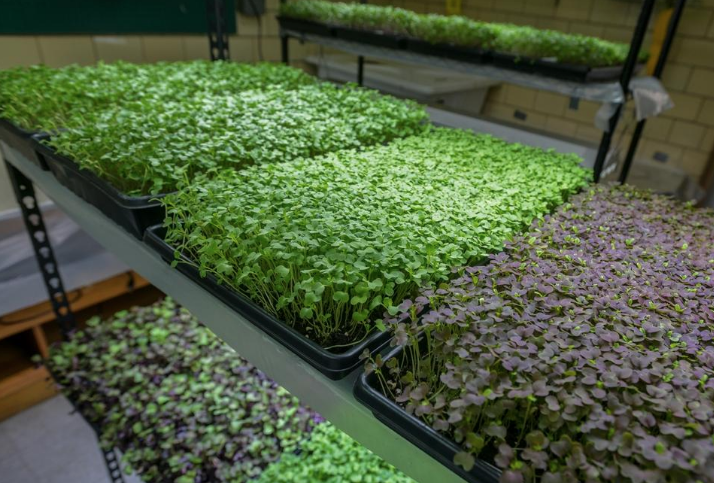
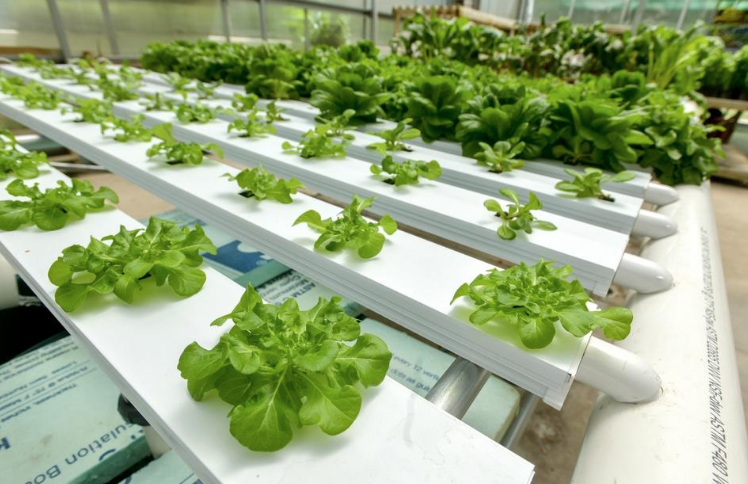
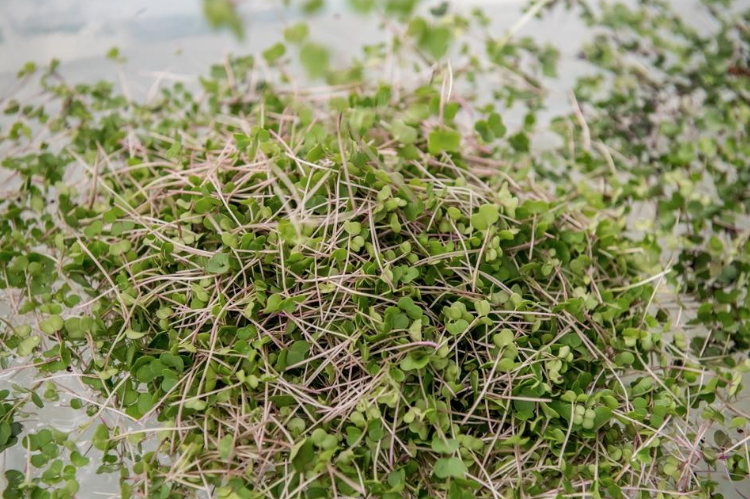
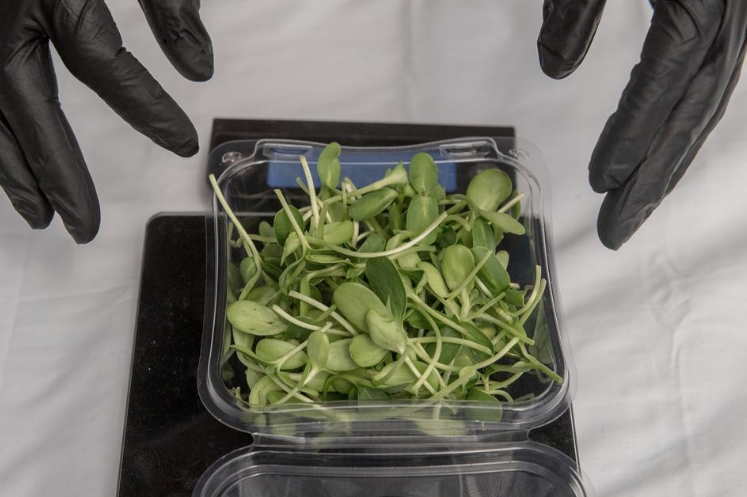
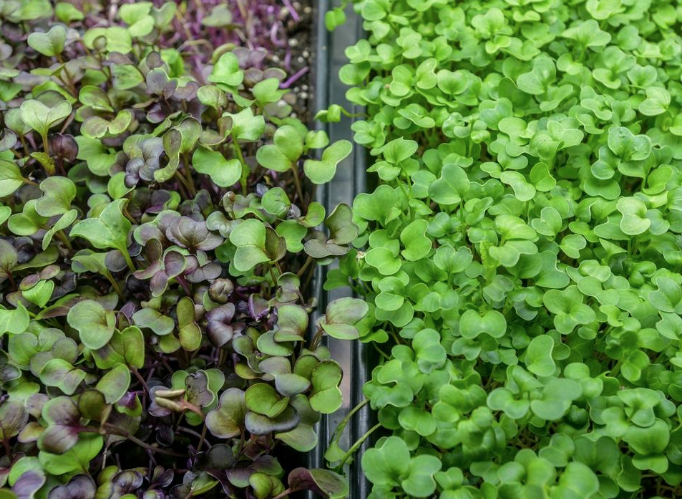
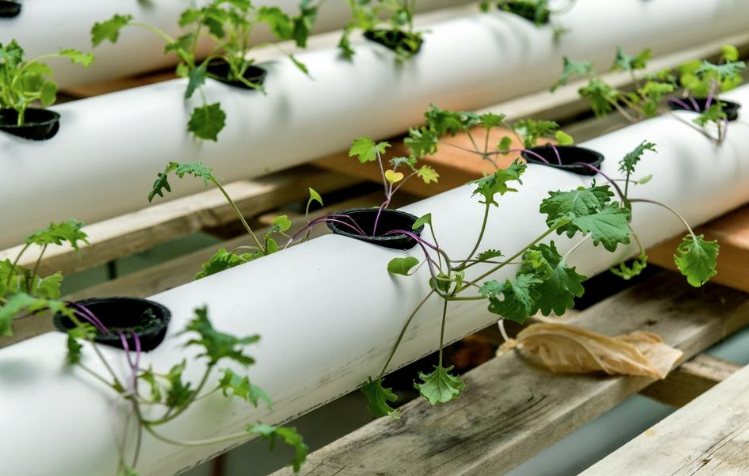
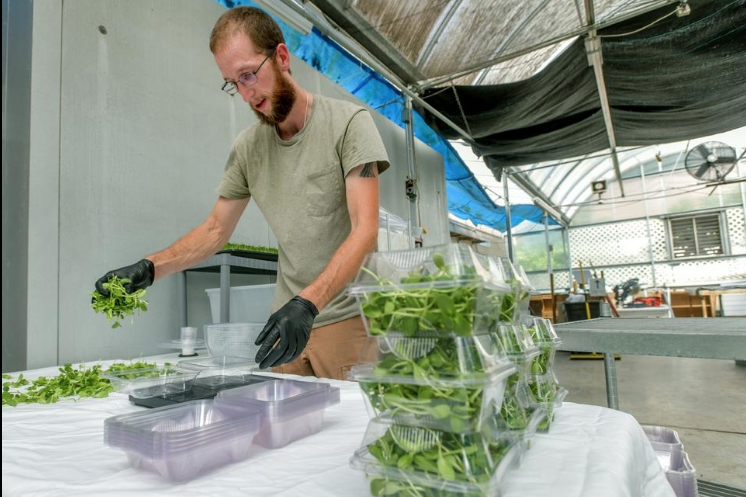
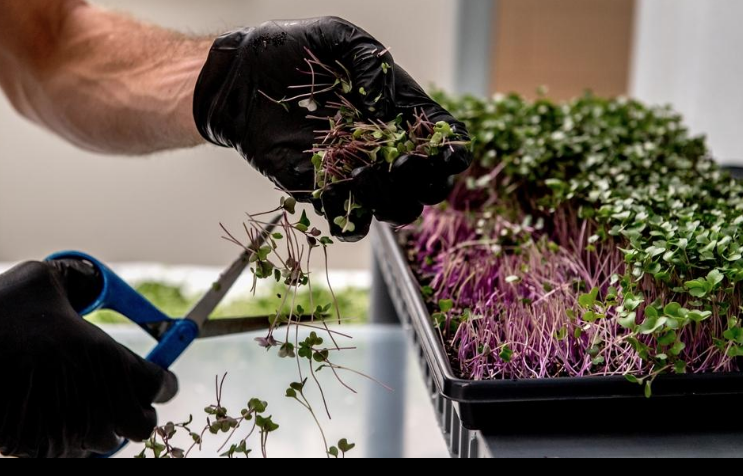
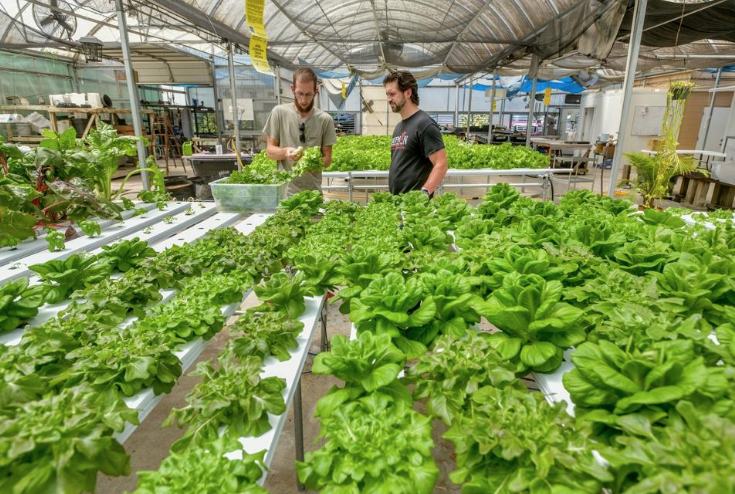
WEST PEORIA — Something is flourishing inside the old Geier Florist building.
Sam Hendricks and Brandon Neuzil are partners in a new business growing microgreens in an urban agriculture environment. Their business is called Central Illinois Fresh.
The 28-year-old Neuzil had been looking for space last year to try out his idea and had been in contact with Geier Florist. When that longtime West Peoria business at 2002 W. Heading Ave., shut down earlier this year, Neuzil bought out the first floor of the building.
In February, he and Hendricks got into contact and their business began to come to fruition in April. The duo have been selling microgreens and leafy greens since the beginning of June, including at the Riverfront Farmers Market in Peoria each Saturday — selling out their stock there during many weeks.
“We wanted to get involved in the food movement in Peoria,” Neuzil said.
It’s a business he’s completely new to, with no experience running a greenhouse or using commercial hydroponics, though Hendricks has farmers’ market experience.
“Hydroponics we do for all of our lettuce,” Neuzil said. “NFT system, which means Nutrient Film Technique, is our process. We get our equipment from a manufacturer in Ohio. We purchase from them and then set it up to fit our greenhouse layout.”
The system works as produce is placed into pipes where their roots interact with a small line of nutrient-mineral water. The process doesn’t need potting soil because all of the nutrients needed are mixed into the water system. Neuzil and Hendricks just have to replenish the tank of mineral water every week.
“Hydroponics is still relatively new to agricultural,” Neuzil said. “Currently we are producing 870 heads of lettuce. We have 870 holes to work with.”
The method allows for consistent production throughout the year.
“I think a way that will separate ourselves from other farmers is that come winter time urban agricultural will be able to produce year round,” Hendricks said. “There are a lot of limitations with the seasons and weather. We are trying to produce strong quality products year round.”
Microgreens do not require a lot of time to produce, with an average growth rate of two weeks compared to produce that can take 45 to 90 days, Neuzil said.
The result comes in trays filled with cabbage, radishes and red Russian kale.
“Microgreens can be produced in almost any building as long as it is climate controlled and you have good water. You can do it in your garage or below ground,” Neuzil said. “There is a hydroponics company that produces lettuce hundreds of feet underground in a mine shaft. As long as you have water and power and some air flow you can make your own microgreens.”
The produce has even started to appear on local restaurant plates.
They’re growing a great product,” says Dustin Allen, who operates Edge in Peoria Heights. His usual order is 10 to 12 pounds of leafy greens and several pounds of microgreens.
He and Hugh Higgins at Hearth up the street in the Heights are two restaurant owners using Central Illinois Fresh’s produce.
“For us and our business model, we have no national suppliers at all in our restaurant,” Allen said. “It takes us over 60 family farms to run this restaurant on a yearly basis. To me, they are just another part of that, part of our system.”
The prospect of a year-round supply has made Allen a very happy restaurant owner.
“What we are excited about is that they have the ability to provide yearly to us.,” Allen said. “That opens up a segment to our menu that in years past has been very small.”
Neuzil, meanwhile, hopes to educate youth in the area about sustainable farming like microgreens. He sees the idea of urban agriculture as an important one to the next generation.
“You don’t have to use much,” Neuzil said. “You just sprinkle some on your salads and flatbreads and you can also eat it plain on crackers. We have people who come to us and tell us about their microgreen experiments in cooking. We are wanting to get feedback from everyone.”
For now, both men run the business on the side, with Neuzil working for Cazenovia Salt and Hendricks at Kaufman Wellness Center. But they’d like to add in a storefront to allow for more business, and they’re laying plans for an open house and concert at their venue sometime next month.
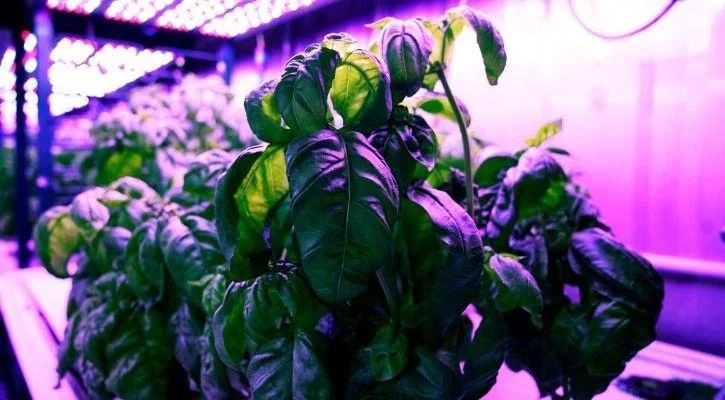
Scientists Grow Tastier Vegetables Just By Changing Light Falling On Them, No Gene-Edit Needed
In order for farmers to make a decent profit on their crops, they need to have a reliable produce. Of course, they only have limited land to work with, so limited number of plants need to have enough weightage of output. Unfortunately, that can result in tasteless produce
Gwyn D'Mello April 16, 2019
In order for farmers to make a decent profit on their crops, they need to have a reliable produce.
Of course, they only have limited land to work with, so limited number of plants need to have enough weightage of output. Unfortunately, that can result in tasteless produce.
Think of a simple vegetable (fruit?) like tomato. You might see two different varieties of it in your local market, where one is much larger but the smaller ones are tastier. That's due to something scientists called the "dilution effect", where there's an overlap between the compounds a plant requires to produce more or produce tastier fruit.
That's why you're more likely to see this happen with a large scale farm as opposed to when you grow tomatoes in your garden. But apparently, it doesn't have to be that way, at least according to researchers at MIT.
Scientists at the University's OpenAG group have been researching basil plants in particular, led by principal researcher Caleb Harper. They've been trying to change the various stress factors acting on basil plants to see how it changes the flavour. "If you took the same basil seed and you put in 50 different countries, you would have started with the same genetics but you would get 50 different flavors," he told Digital Trends.
The process behind tastier vegetables
What these researchers, in partnership with the University of Texas, found is that exposing basil to light 24 hours a day made them the most flavourful. The constant light produced more secondary metabolites. These are organic compounds the plants don't necessarily need to survive, but can help them keep away animals that eat them. And the presence of these are affected by everything from drought to the presence of certain insects, ultimately changing how the plants taste.
The researchers had no reason to believe 24-hour light exposure would make the basil tastier, they instead went with 18 hours to begin with. It was a custom-developed AI algorithm, developed by MIT and Cognizant, that analysed all the factors and made the suggestion. In fact, that same AI was originally used by the startup that developed it (before being acquired by Cognizant) for hedge fund trading.
The basil was grown in hydroponic boxes, full of sensors and circuits, allowing the scientists to completely control everything from temperature, to humidity, to the light intensity and exposure.
But ultimately this experiment wasn't just about making industrial agriculture plants tastier. Using the AI, researchers can possibly even have the plants develop in other ways. For instance, Harper talks about his dream for "diabetes basil", grown in such a way that it's rich in proteins found to be helpful in treating the illness.
"That's kind of amazing that we could design flavor from climate," he said. "And now we're going to see can we design nutrition."
IMAGES COURTESY: MIT