


Welcome to iGrow News, Your Source for the World of Indoor Vertical Farming
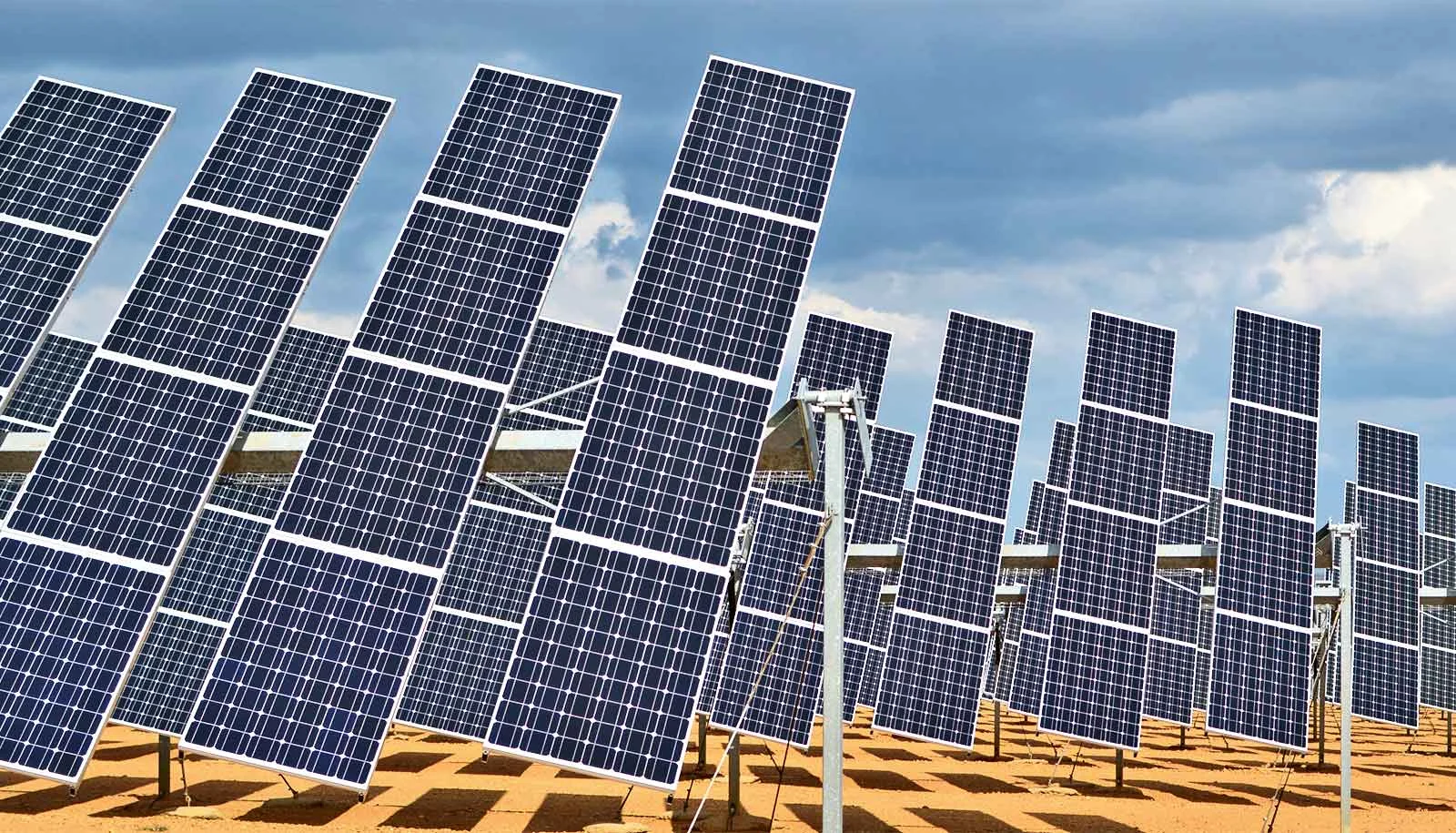
Device Recycles Waste Heat Into Light To Boost Solar Systems
Arrays of aligned single-wall carbon nanotubes could channel wasted heat and greatly raise the efficiency of solar energy systems, report researchers
JULY 16TH, 2019
Arrays of aligned single-wall carbon nanotubes could channel wasted heat and greatly raise the efficiency of solar energy systems, report researchers.
The new invention is a hyperbolic thermal emitter that can absorb intense heat that would otherwise spew into the atmosphere, squeeze it into a narrow bandwidth, and emit it as light that can be turned into electricity.
The discovery rests on another that Junichiro Kono’s group at the Brown School of Engineering at Rice University made in 2016 when it found a simple method to make highly aligned, wafer-scale films of closely packed nanotubes.
A scanning electron microscope image shows submicron-scale cavities patterned into films of aligned carbon nanotubes. The cavities trap thermal photons and narrow their bandwidth, turning them into light that can then be recycled as electricity. (Credit: Naik Lab)
WASTE HEAT
Discussions with Gururaj Naik, an assistant professor of electrical and computer engineering, led the pair to see if the films could be used to direct “thermal photons.”
“Thermal photons are just photons emitted from a hot body,” Kono says. “If you look at something hot with an infrared camera, you see it glow. The camera is capturing these thermally excited photons.”
ABOUT 20 PERCENT OF OUR INDUSTRIAL ENERGY CONSUMPTION IS WASTE HEAT. THAT’S ABOUT THREE YEARS OF ELECTRICITY JUST FOR THE STATE OF TEXAS.
Infrared radiation is a component of sunlight that delivers heat to the planet, but it’s only a small part of the electromagnetic spectrum.
“Any hot surface emits light as thermal radiation,” Naik says. “The problem is that thermal radiation is broadband, while the conversion of light to electricity is efficient only if the emission is in a narrow band. The challenge was to squeeze broadband photons into a narrow band.”
The nanotube films presented an opportunity to isolate mid-infrared photons that would otherwise be wasted. “That’s the motivation,” Naik says. “A study by [co-lead author and graduate student] Chloe Doiron found that about 20 percent of our industrial energy consumption is waste heat. That’s about three years of electricity just for the state of Texas. That’s a lot of energy being wasted.
CARBON NANOTUBES CAN TAKE THE HEAT
“The most efficient way to turn heat into electricity now is to use turbines, and steam or some other liquid to drive them,” he says. “They can give you nearly 50 percent conversion efficiency. Nothing else gets us close to that, but those systems are not easy to implement.” Naik and his colleagues aim to simplify the task with a compact system that has no moving parts.
The aligned nanotube films are conduits that absorb waste heat and turn it into narrow-bandwidth photons. Because electrons in nanotubes can only travel in one direction, the aligned films are metallic in that direction while insulating in the perpendicular direction, an effect Naik called hyperbolic dispersion. Thermal photons can strike the film from any direction, but can only leave via one.
“Instead of going from heat directly to electricity, we go from heat to light to electricity,” Naik says. “It seems like two stages would be more efficient than three, but here, that’s not the case.”
Naik says adding the emitters to standard solar cells could boost their efficiency from the current peak of about 22 percent. “By squeezing all the wasted thermal energy into a small spectral region, we can turn it into electricity very efficiently,” he says. “The theoretical prediction is that we can get 80 percent efficiency.”
Nanotube films suit the task because they stand up to temperatures as high as 1,700 degrees Celsius (3,092 degrees Fahrenheit). Naik’s team built proof-of-concept devices that allowed them to operate at up to 700 C (1,292 F) and confirm their narrow-band output. To make them, the team patterned arrays of submicron-scale cavities into the chip-sized films.
“There’s an array of such resonators, and each one of them emits thermal photons in just this narrow spectral window,” Naik says. “We aim to collect them using a photovoltaic cell and convert it to energy, and show that we can do it with high efficiency.”
A paper on the technology appears in ACS Photonics. The Basic Energy Science program of the Department of Energy, the National Science Foundation, and the Robert A. Welch Foundation supported the research.
Source: Rice University
Lead Photo: (Credit: James Moran/Flickr)
Original Study DOI: acsphotonics.9b00452
TAGS
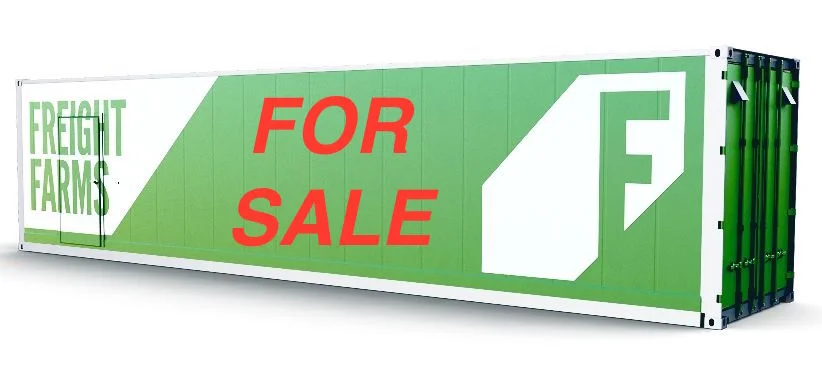
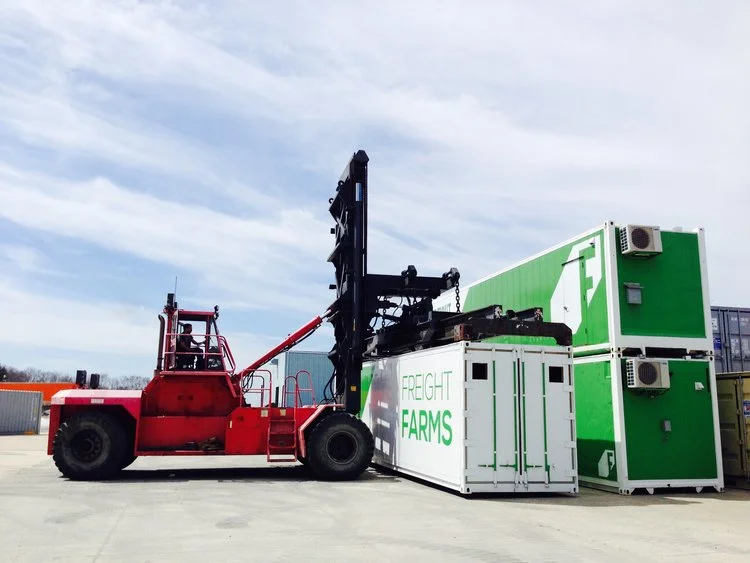
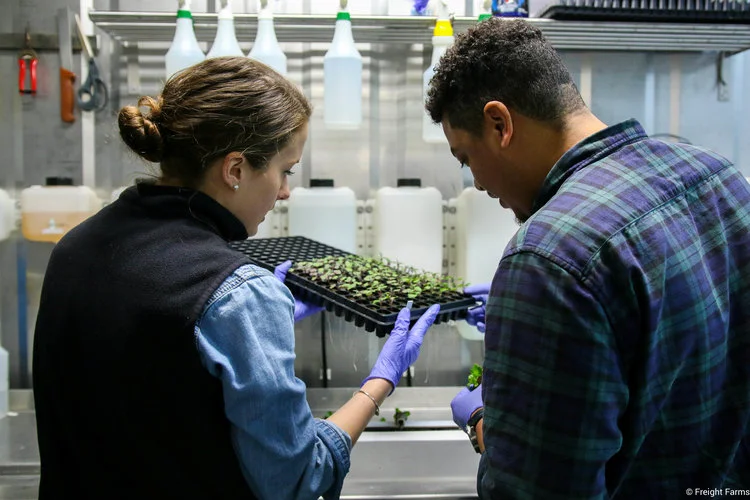
FOR SALE - Two - 2015.5 Freight Farm - Computer Controlled Hydroponic Grow Systems - Location: Colorado

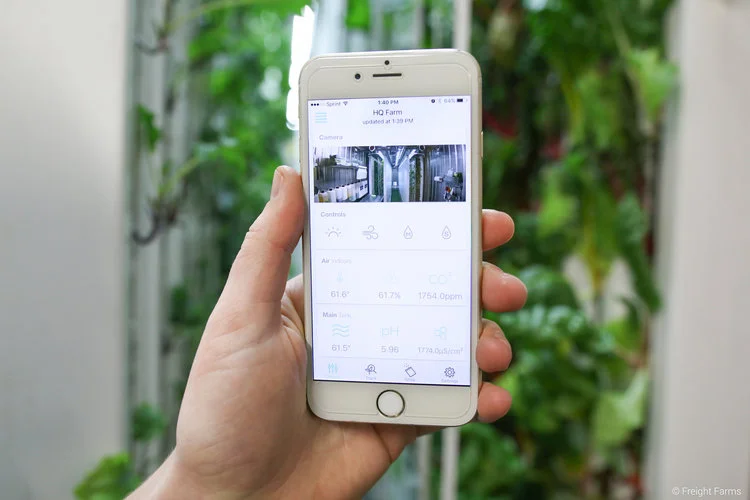

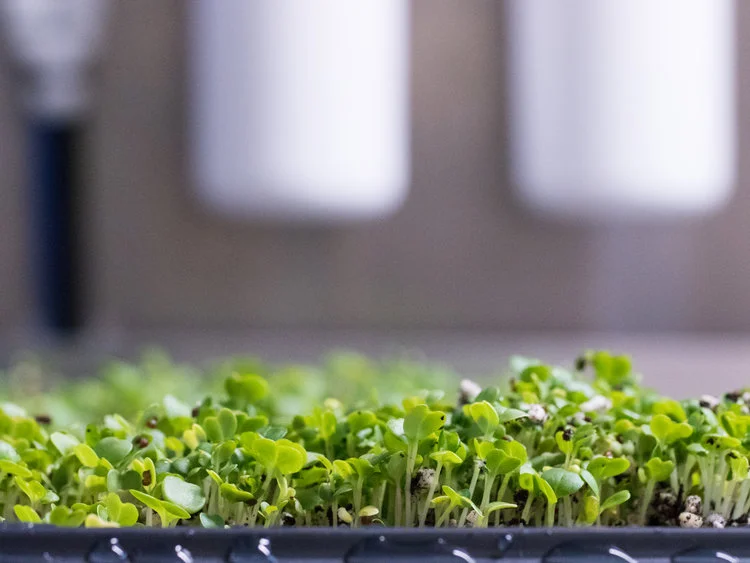
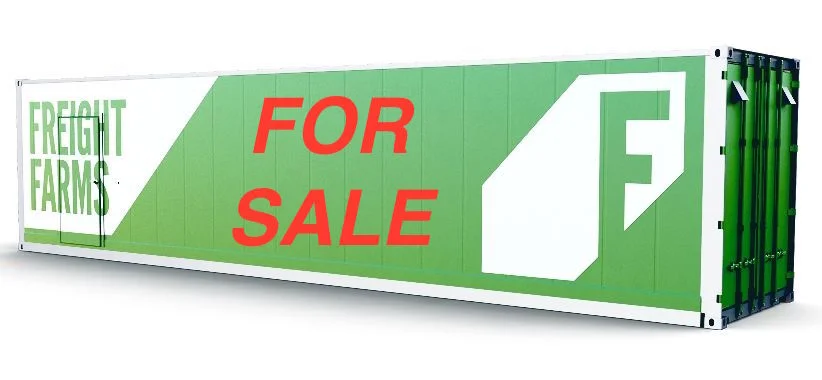
Manufacturer - Freight Farms
Model - (2) 2015.5 Leafy Green Machine (LGM) - Winterized" for Cold Climates.
Price - $50,000 Each - Can be sold individually
Location: Colorado
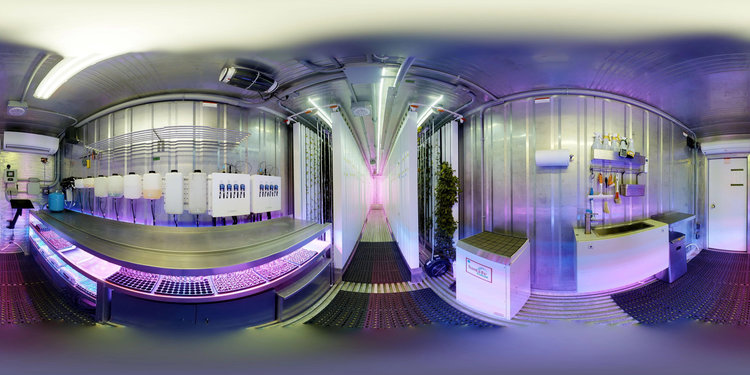
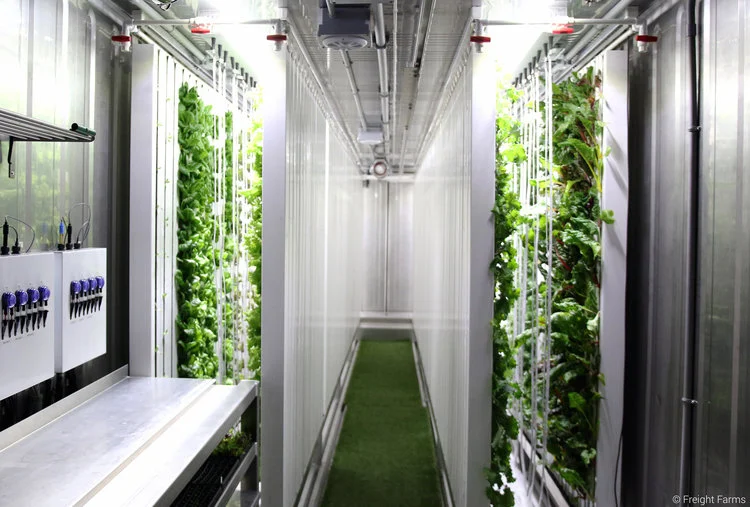
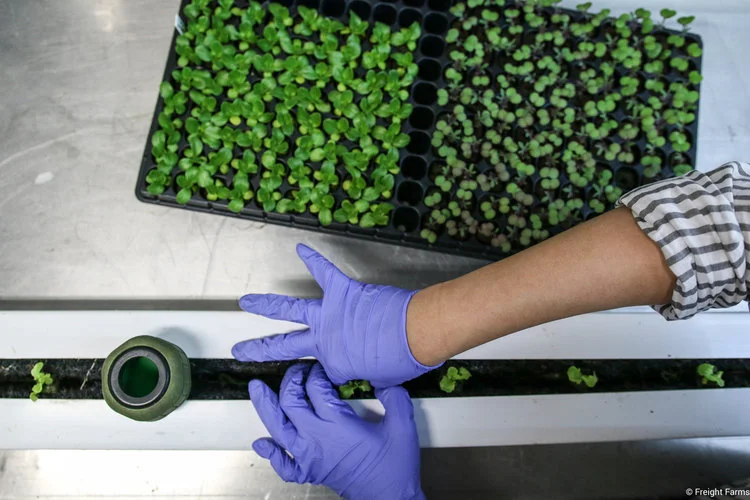
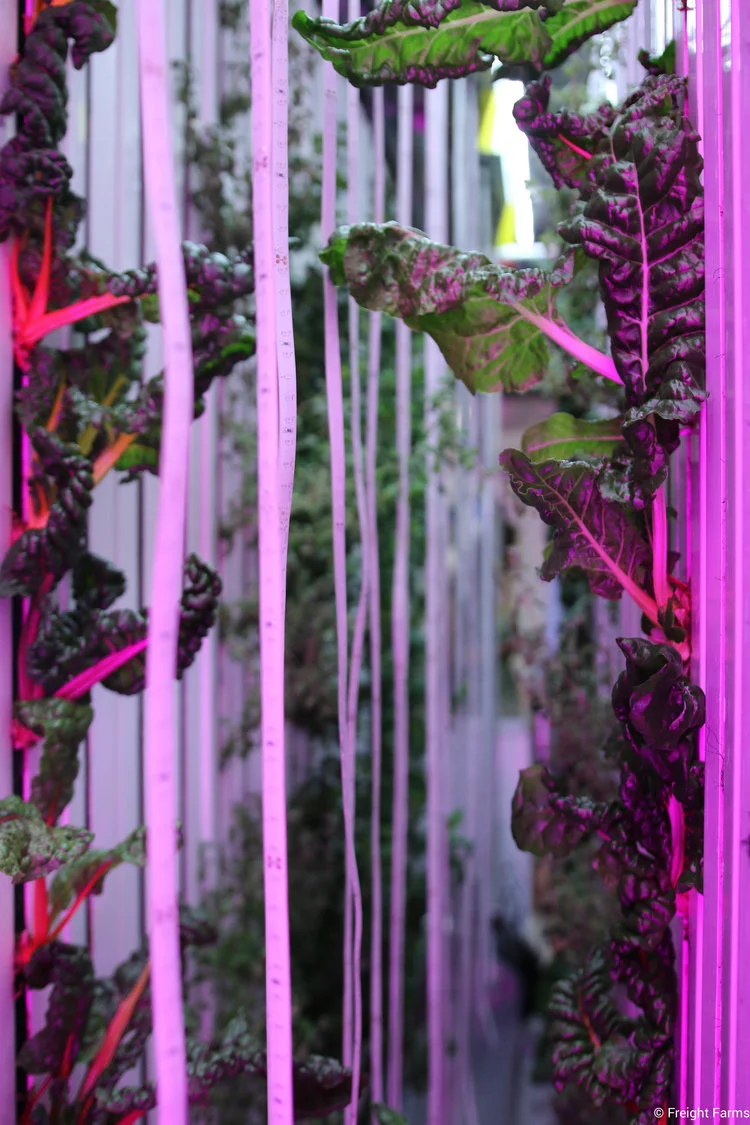
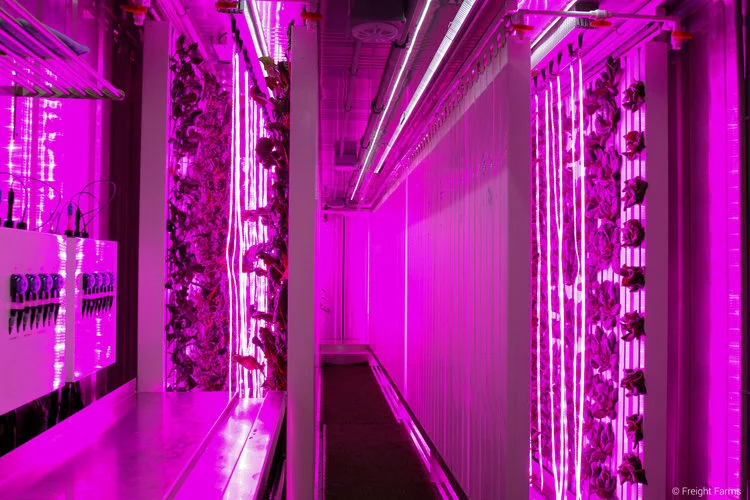
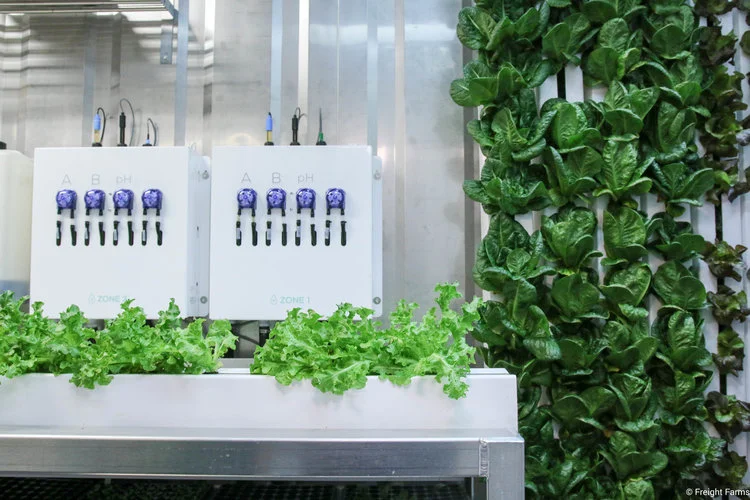
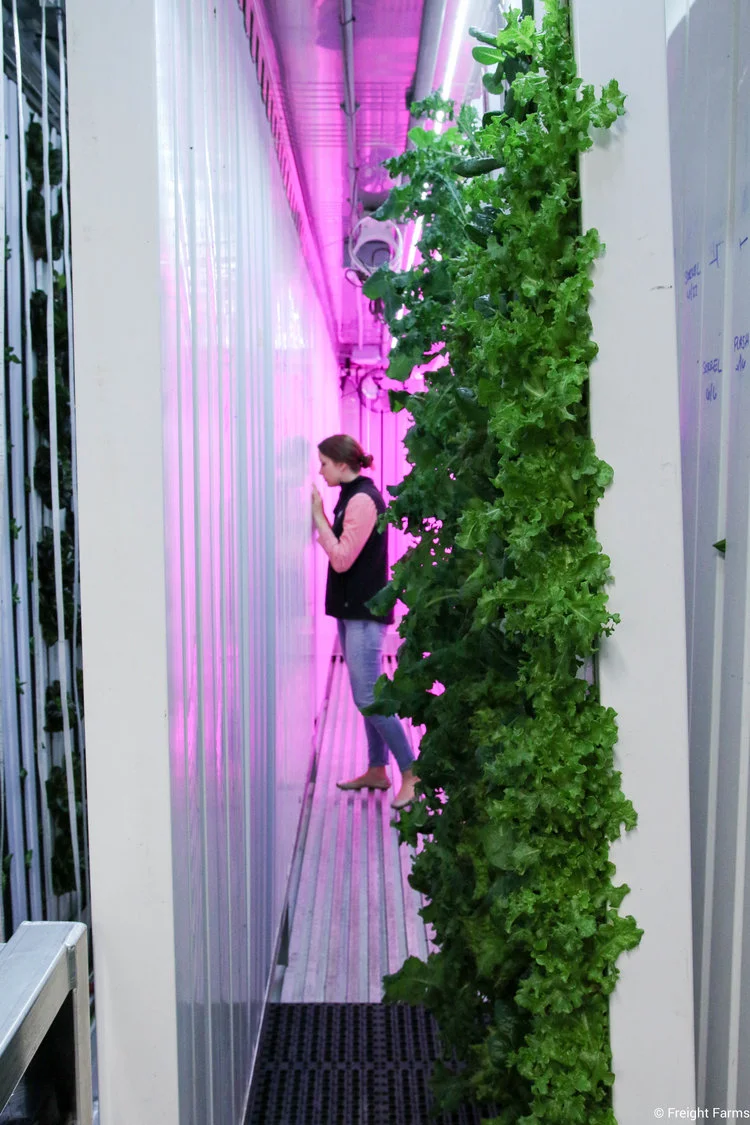
The Leafy Green Machine is a complete hydroponic growing system built entirely inside a shipping container with all the components needed for commercial food production. The system is designed and engineered for easy operation, allowing users of all backgrounds to immediately start growing.
Current Uses
• Perfect for starting a small produce business, growing for restaurants or supplementing existing produce production.
• Restauranter who wants to grow custom greens for rotating menus 365 days a year. Farm to Table? How about Parking Lot to Table!
• Universities and schools have created programs for students to learn to grow while supplementing dining facilities with fresh greens.
The Highest Standard in Controlled Environment Agriculture
• Pre-built system designed to maximize operational efficiency and streamline workflow
• Perfect environment is achievable 365 days a year, regardless of geographic location
• Automated scheduling reduces the amount of labor required to operate
• Remote monitoring & control capabilities through the Farmhand AppTM
Operation Requirements
Space- The LGM dimensions are 40’ x 8’ x 9.5’. We suggest putting the farm on either trap rock or a concrete pad.
Electrical- 60 amp, 120/240-volt single phase or 120/208V three phase connection.
Water- A designated water source is suggested such as a garden hose or hardline water plumbing.
Labor- 15 to 20 hours a week for farming and upkeep.
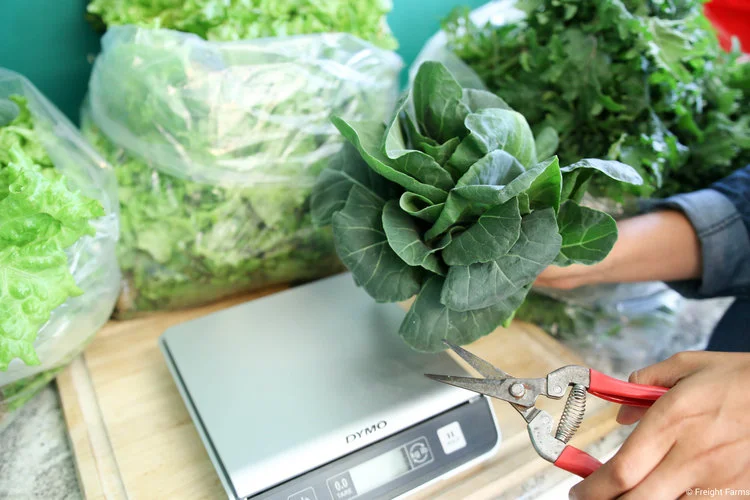
It is recommended growing smaller compact crops with a high turnover rate, like head and loose leaf lettuces, herbs and heartier greens like kale and swiss chard.
Crop Examples
Butterhead lettuce, Oakleaf lettuce, Swiss Chard, Mustard Greens, Cabbage Leaves, Arugula, Cilantro, Mint, Dill, Oregano, Kale, Endive, Basil, Chives and Thyme
Yields
800+ heads of lettuce weekly
12 heads per tower (256 vertical towers)
1 LGM= 1.8 acres
LGM Included Accessories:
Zebra Printer and Bar Code System + Case of Ribbons & Paper
Numerous additional extras included.
Numerous warranties still in effect
Training, website and ongoing support available through Freight Farms.
Visit www.freightfarms.com for more information.
<br/>
Attached Documents:
LGM Cut Sheets
See All Photos And Videos Here

Which Fish Has The Highest And Lowest Mercury Levels?
Fish is one of the best sources of protein, omega-3 fatty acids, and other nutrients including iron, potassium and B vitamins. Unfortunately, much of our world's seafood supply is contaminated with high levels of toxic mercury. (You can thank industrial runoff for that!)
MAYA FELLER, MS, RD, CDN
UPDATED ON JULY 5, 2019
Fish is one of the best sources of protein, omega-3 fatty acids, and other nutrients including iron, potassium and B vitamins. Unfortunately, much of our world's seafood supply is contaminated with high levels of toxic mercury. (You can thank industrial runoff for that!)
What Is Mercury?
So, we know that mercury isn't exactly good for you. But before we get into why, let's begin by answering the question, what is mercury?
Methylmercury — the most poisonous among the mercury compounds — is formed when inorganic mercury is dissolved in both freshwater and seawater. The cascade begins when this toxic compound becomes embedded into the food chain after being consumed by phytoplankton, a single-celled alga, which is then consumed by smaller animals.
This is particularly problematic because the smaller fish shed nonorganic mercury as waste, while methyl mercury is retained. As we move up the food chain, smaller fish are consumed by larger fish and those fish are consumed by even bigger fish — all retaining methyl mercury until it makes its way to humans in a process called biomagnification.
Why Is Mercury Bad For Us?
The concern around mercury toxicity is not solely limited to just developing nations — the effects are far-reaching and relevant for all people around the globe. A November 2012 study in the Journal of Preventive Medicine & Public Health has shown that high levels of mercury can damage the central nervous system and pose deleterious effects on the brain — specifically, decreased attention and memory as well as symptoms such as trembling and impaired vision.
And, a July 2012 study in the Journal of Biomedicine and Biotechnology linked high mercury exposure to an increased risk of heart disease. Researchers think this is due to mercury's ability to increase the production of free radicals while reducing antioxidants in the body, which results in oxidative stress.
How Can You Avoid Eating Too Much Mercury?
In general, a good rule of thumb when it comes to mercury content is to consider the size of the fish. Smaller fish such as salmon, scallops, sardines and shrimp contain less mercury than their larger predators such as bigeye tuna and swordfish.
The standard serving size of fish is about four ounces — or the size of the palm of your hand, according to the U.S. Food & Drug Administration. Use the following guide to help you choose fish with the lowest mercury levels and find out how often you should eat other popular types of seafood.
Seafood With the Lowest Mercury Content
Eat 2 to 3 times a week:
Anchovies
Atlantic croaker
Atlantic and Pacific chub mackerels
Black sea bass
Butterfish
Catfish
Clams
Cod
Crab
Crawfish
Flounder
Freshwater trout
Haddock
Hake
Herring
American spiny lobster
Mullet
Oyster
Perch
Pickerel
Plaice
Pollock
Salmon
Sardines
Scallops
Shad
Shrimp
Skate
Smelt
Sole
Squid (calamari)
Tilapia
Tuna (canned light, skipjack)
Whitefish
Whiting
Fish With Moderate Levels of Mercury
Eat 1 serving a week:
Bluefish
Buffalofish
Carp
Chilean sea bass
Grouper
Halibut
Mahi mahi
Monkfish
Rockfish
Sablefish
Sheepshead
Snapper
Spanish mackerel
Striped bass
Tilefish
Tuna (albacore/white tuna, canned or fresh/frozen)
Yellowfin tuna
Weakfish/seatrout
White croaker/Pacific croaker
Fish With the Highest Mercury Levels
Fish to avoid:
Bigeye tuna
King mackerel
Marlin
Orange roughy
Shark
Swordfish
Tilefish (Gulf of Mexico)
When making choices about seafood, it is important to be an informed consumer who understands the differences between the varieties as well as sourcing of their fish. Seafood, in moderation, can and should be a part of a balanced eating plan thanks to the anti-inflammatory omega-3s and lean protein in fish. In fact, the American Heart Association recommends eating at least two 3.5-ounce servings of fish a week — so choose wisely!
Lead Image: (Image: Getty Images/Boris SV)

Not All LEDs Are Equal: How Greener Roots Farm Is Growing Faster With Horticulture Lighting From Current
From a small window sill to an empty storage closet, to a rooftop utility room and, finally, to a spacious warehouse and greenhouse, Founder and President Jeffrey Orkin has been growing Greener Roots Farm one harvest at a time since 2012
Meet the light bars behind “the best damn lettuce you’ve ever tried.”
From a small window sill to an empty storage closet, to a rooftop utility room and, finally, to a spacious warehouse and greenhouse, Founder and President Jeffrey Orkin has been growing Greener Roots Farm one harvest at a time since 2012. As the first commercial-scale hydroponic vertical farm in Nashville, Tennessee, Greener Roots supplies herbs and leafy greens to local establishments year-round, including fresh lettuce and flavorful pea shoots, sunflower sprouts, sorrel and more that are picked and delivered within two days, never traveling more than 50 miles.
For Orkin, consistency is the key to Greener Roots’ steady success, measured in predictable crop yields and high-quality, nutrient-dense produce with no seasonal fluctuations. It’s what keeps local grocery stores and restaurant owners racing back to fill new orders, and it’s why Orkin relies heavily on LED lighting to help his business thrive. However, when a big investment in a new system started to go bad, Current, powered by GE, stepped in with a brighter solution.
Rising Above the Rest
Greener Roots cultivates over 14 tons of produce a year, with most of the greens being raised in racked hydroponic beds stacked high to the ceiling. Between its warehouse and greenhouse, the indoor operation totals nearly 7,000 square feet of grow space, requiring more than 300 LED light bars to provide optimal illumination for plant health. According to Orkin, it’s all part of producing “the best damn lettuce you’ve ever tried.”
“Some chefs are adamant about soil, but we’re showing them you can grow very flavorful things without soil, and having extremely high and uniform light levels is critical to that,” he says.
Greener Roots was growing fast, and new and better lighting technology was hitting the market. With help from Hort Americas, a leading commercial greenhouse and hydroponics supplier, he started to test an array of new LED options including horticulture lighting from Current. Immediately, Orkin gravitated to Current’s Arize™ LED growing system for its ease of installation, long life and proven results in improving production yields.
“The new lights from Current are very reliable and are producing faster growth, and now we can get red leaf varieties to turn red, where we couldn’t do that before,” Orkin said.
“The new lights from Current are very reliable and are producing faster growth, and now we can get red leaf varieties to turn red, where we couldn’t do that before.”
– Jeffrey Orkin, Founder and President, Greener Roots Farm)
“The Arize system also puts off less heat, so we can add more layers to our vertical beds if we choose. And what’s convenient is how you can daisy-chain the product end-to-end to make installation much simpler, which we really liked, having done all the work ourselves.”
Growing the Future
By isolating and combining different light wavelengths to replicate and accelerate natural photosynthesis, Arize LEDs can shorten growth cycles and enable different growth patterns, allowing urban farmers to tailor the light to the specific needs of every crop. Including LED tubes, light bars, suspended fixtures and lamps, the full Arize product family features everything needed for indoor vertical and greenhouse farming.
“Overall, we’re getting more biomass from every harvest,” says Orkin. “It’s all about ensuring the correct light intensity throughout the day, and how many photons we’re ‘feeding’ to the plants essentially. Current’s LEDs help us create the ideal condition for each crop.”
“Overall, we’re getting more biomass from every harvest.”
Orkin notes that Greener Roots is now pulling over 2,500 heads of lettuce a week from its greenhouse as more local customers discover the soil-free urban farm flourishing in their city. In fact, the new greenhouse―located on the outskirts of Nashville in nearby Franklin, Tennessee―is part of a large agritourism destination dubbed Southall Farms. This farm-to-table rural retreat will feature an inn, guest cottages, an event center and an agricultural barn, adding up to over 160,000 square feet of relaxed destination space where people will be able to savor experiences that celebrate culture, community and craft.
“There’s been an undercurrent for urban farming for some time, whether that’s someone raising a garden at home or a small farm making more fresh food options available to people,” Orkin says.
Rooted in Results
Orkin still drives the delivery truck that drops off freshly picked foods to his customers each day because to this entrepreneur, relationships are the seeds of success. It’s an approach that has taken the landscape-architect-turned-urban-farmer from a single planter in a kitchen window to a sprawling production system that ensures sustainable produce is always in stock.
“Having Current and Hort Americas there to support us, to answer our questions and try new things, it’s been huge,” says Orkin. “We’re trying to have the biggest impact on the local food scene we can, and that takes partners who understand the importance of durable and reliable technologies, such as LED.”
Learn more about how Current, with its deep expertise in LED technology, is helping indoor farmers reach new heights.
Are you ready to talk about
the right growth spectrum for your business?
START THE CONVERSATION

Hydroponic Farming Gaining Success In Bangladesh
The founder of Agro Circuit at Uttara has no problem selling 25-30 kg of exotic green vegetables he produces every day and that too at premium prices. Tanvir’s clients include Gourmat Bazaar, Unimart and families at Uttara and Gulshan

21 July, 2019
FAISAL MAHMUD, Dhaka
Amid stories of agrarian crisis everywhere, Tanvir Hossain Siddiqui has a happy tale to tell.
The founder of Agro Circuit at Uttara has no problem selling 25-30 kg of exotic green vegetables he produces every day and that too at premium prices. Tanvir’s clients include Gourmat Bazaar, Unimart and families at Uttara and Gulshan.
If Tanvir’s story sounds different at a time when farming is becoming unsustainable due to falling yields, increasing costs and low prices along with water scarcity and soil degradation, his farm looks different too.
Green leafy vegetables such as spinach, tomato and lettuce grow on a one-foot bed of flowing water—and, no soil—in a specially designed 2,000-sq-ft greenhouse at Agro Circuit Farm.
There is no need to spray insecticide or pesticide, or even use fertilizers. The nutrition for plant growth comes from 8,000 freshwater fish—Telapia and Carp—cultivated in separate water tanks inside the greenhouse.
Fish & Veggies
Tanvir uses what is called ‘aquaponics’ to grow leafy vegetables.
The method combines aquaculture—cultivating fish and other aquatic animals in tanks—with hydroponics, in which plants are cultivated in water.
The water from the fish tank is pumped onto the beds where the plants grow. While the fish excretions provide nutrients for the plants, the clean water is recirculated back to the fish tank. While the initial cost to set up the facility would be high, the recurring cost is low in aquaponics and there are two sources of revenue: fish and vegetables.
Moreover, the water requirement is as less as a tenth of that in conventional agriculture.
Tanvir who completed his bachelors in electrical engineering from Ahsanullah University of Science and Technology in Dhaka, went to Australia in 2010 to complete his masters. There he quickly developed an interest for agriculture, especially for aquaculture and hydroponic agriculture.
“When I used to go to Australian supermarkets, I saw that the most fresh and priciest vegetables were tagged as hydroponic vegetables. They were also the juiciest and tastiest. Then I started studying about hydroponic agriculture,” he told The Independent.
Tanvir said studying about hydroponics was not that hard. “These days, studying about anything is easy. You just need to do a Google search or search for it in YouTube. There are numerous tutorials and learning materials.”
He, however, added that the practical work is obviously a bit challenging than learning through a virtual medium. “I first bought a two planter startup kit from a farmers’ market in Sidney and started growing kale on an experimental basis. I succeeded and it boosted my confidence. Then in 2015, I came back to Bangladesh and started building the greenhouse in my father’s Uttara house,” he said.
Challenges of Hydroponics Farm
Tanvir said the first climate management challenge that hydroponic farmers must overcome is figuring out how much cooling, dehumidification and heating are required to manage the temperature and humidity of the space for growing.
“In an aquaculture or hydroponic farm, lighting is the greatest source of heat, followed by motors used to operate fans, pumps and automation. Because hydroponic farms are often well-insulated and designed to operate day and night throughout the year, cooling is usually required 24/7 and year-round to remove the heat generated inside the space,” he said.
Dehumidification is also constantly required to remove moisture added to the air via evapotranspiration from the plants and irrigation system. The rate and quantity of evapotranspiration depends on several variables, including light intensity, air temperature and humidity (or vapor pressure deficit), air movement and the irrigation method, he explained.
The second biggest challenge is figuring out how to deliver the conditioned air everywhere within the hydroponic farm to create a uniform growing environment. “When racks are spaced tightly together—both vertically and horizontally—it is difficult to create uniform conditions everywhere,” said Tanvir.
The third biggest challenge is to properly set up the location of the cooling equipment or the HVAC equipment of the hydroponic farm. HVAC equipment can include air conditioners, dehumidifiers, circulation fans, ductwork, chillers, boilers, pumps and pipes.
The cooling and dehumidification equipment are best located outside the building, where heat and moisture can be ejected to the outdoor air. Some equipment (air conditioners, dehumidifiers, etc.) are ideally located on the roof of the building or on the ground outside and next to the room they serve, helping to limit ductwork.
“No matter what crop is grown, managing humidity control and air movement in a hydroponic farm is essential to plant productivity, harvesting schedules, quality control and, ultimately, profitability,” Tanvir added.
A Growing Trend
Many aspiring young farmers like Tanvir are taking to hydroponic farming professionally. The Facebook page “Hydroponic in Bangladesh” has over 1,900 members and they engage in various discussions on different problems and prospects of hydroponic agriculture.
Dohar-based Mizanur Rahman, who is a textile businessman, is an amateur hydroponic vegetable grower. He has a 3000-sq-ft green house at Dohar in which he cultivates tomato through the hydroponic system with technical help from the local agriculture department and Agriculture Research Institute.
The nutritional requirements of the plants in his system of soilless farming are met by the nutrient mixtures, called hydroponics fertilizer mixtures, added to the water in which the plant roots are kept submerged. These mixtures are made of chemical plant nutrients.
“I grow my tomatoes without the use of any pesticide, so they are very organic. They taste better than any other tomatoes in the market,” he said.
Mizanur said some hydroponics enthusiasts abroad have been experimenting with various kinds of organic manures and mixtures of plants, but successful and commercially viable organic hydroponics models are still not available. “In fact, even globally accepted principles for certifying organic hydroponics products are also not yet available,” he said.
Highlighting the advantages of hydroponic farming, agriculturist and Professor of Bangladesh Agricultural University in Mymensingh Dr Abdus Salam told The Independent, “It requires 90 per cent less water than the conventional soil-based farming. Since it is water based, it has macro and micronutrients directly fed to the plants and they grow 50 per cent faster and also have a better yield.”
Giving an example, he explained, “If lettuce grown conventionally requires 60 days, lettuce grown using hydroponics yields double the produce in 28-30 days.”
Emphasizing on its water efficiency, Salam said, “Regular soil-based farming with 1,500 plants would require about 200 liters of water a day, but with hydroponics, only 20 liters of water is enough.”
EA
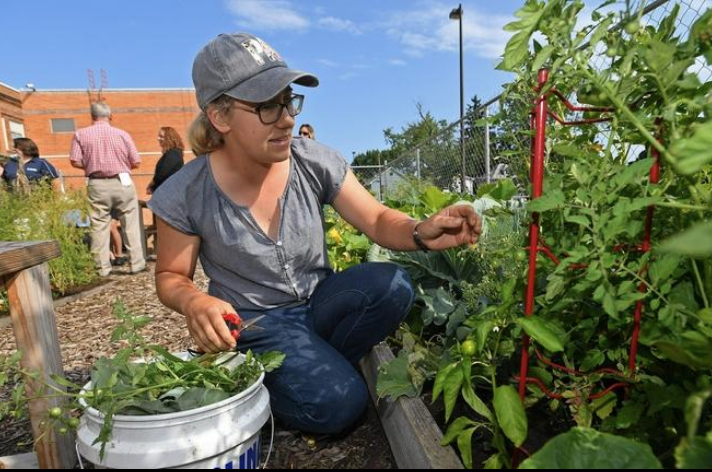
US: Pennsylvania - State Agriculture Secretary Tours 3 Urban Gardens In Erie
State and local officials toured urban gardens in Erie Wednesday as part of Urban Agriculture Week activities in Pennsylvania
By Christopher Millette
July 24, 2019
The visit by state Secretary of Agriculture Russell Redding was part of Urban Agriculture Week activities in Pennsylvania
State and local officials toured urban gardens in Erie Wednesday as part of Urban Agriculture Week activities in Pennsylvania.
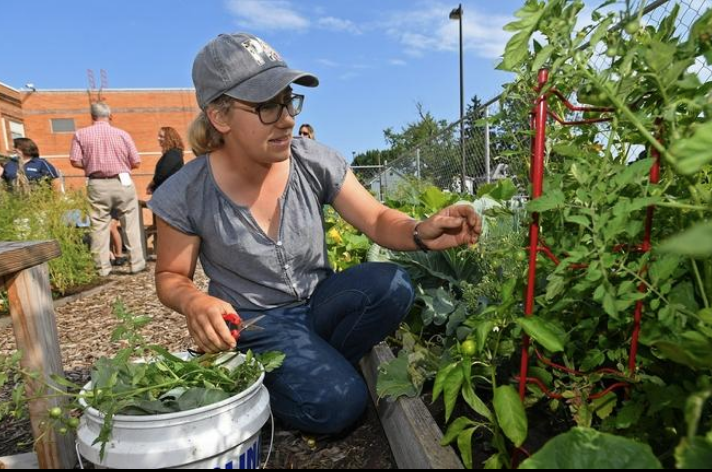
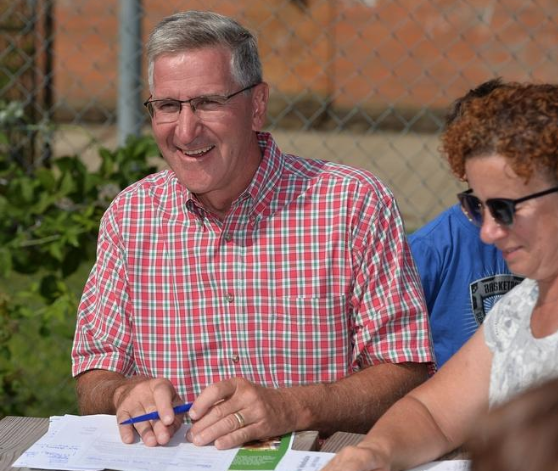
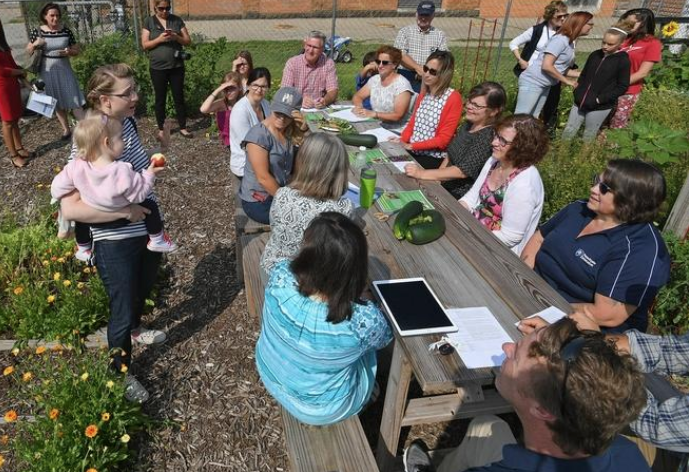
At the first stop, the student-maintained garden at Perry Elementary School, 955 W. 29th St., Erie, about 20 representatives from the Erie School District, Erie County government, local businesses and the state Department of Agriculture held a roundtable discussion about the effectiveness of the district’s urban gardens program, and urban gardening across the state in general.
Other planned tour stops included French Street Farms, at the corner of French and East 22nd streets, and the community garden run by the Sisters of St. Joseph Neighborhood Network, 425 W. 18th Street.
Russell Redding, state Secretary of Agriculture, began the tour at Perry Elementary School and noted the connection between locally-sourced food and economic development.
“It’s just important to celebrate what’s in Pennsylvania,” said Redding, who is touring urban agriculture sites across the state this week. “And a big part of that is our urban centers and what happens around food and agriculture.”
Redding also reminded roundtable participants about the state’s Urban Agriculture Infrastructure Grant program, which provides $500,000 in reimbursement grants to qualified applicants. The grants, which are part of the 2019 Pennsylvania Farm Bill, are meant to improve urban agriculture gardens and programs across the state.
Beginning Aug. 1, information about applying for the grant will be available on the state Department of Community and Economic Development website. The application deadline for the UAIG is Sept. 15.
Like all 15 of the Erie School District’s gardens, the Perry Elementary site is maintained by students. The 1,500 square-foot garden at Perry produces vegetables, herbs and flowers. Much of the produce goes home with Perry students, said Stephanie Ciner, an AmeriCorps Vista service member who helps maintain the district’s gardens. Ciner also said some of the gardens products are donated to the Emmaus Food Pantry on Erie’s east side.
One of the roundtable participants at Perry is taking an active part in the success of the garden.
Amanda Karns, 34, is a neighbor and works as a special projects coordinator at Harborcreek Youth Services in Harborcreek Township. She is coordinating a project with HYS clients, who are building and donating to the garden a set of rain barrel platforms.
Karns, who walked her daughter Charlie Karns, 1, around the garden during the discussion, is glad to be a part of the school’s garden program. “We’re really excited that this is here,” she said.
Christopher Millette can be reached at 870-1712 or by email. Follow him on Twitter at www.Twitter.com/ETNMillette.
All photos by: CHRISTOPHER MILLETTE/ERIE TIMES-NEWS

Indoor Vertical Farming, Electronically - Consumer Electronics Giants Such As Panasonic Are Expanding Into Indoor Agriculture
When the news first broke several years ago that Panasonic was growing lettuce in a warehouse in Singapore, it was tempting to think of it as a kind of lark—an exotic branding exercise meant to show the ever-expanding depth and breadth of new electronics technologies. The results have proven otherwise
When the news first broke several years ago that Panasonic was growing lettuce in a warehouse in Singapore, it was tempting to think of it as a kind of lark—an exotic branding exercise meant to show the ever-expanding depth and breadth of new electronics technologies.
The results have proven otherwise. Panasonic is now an established and growing player—if still a small one—in Asia’s agricultural marketplace, selling primarily to local grocers and restaurants. And it is not alone. Several of its rivals are engaged in similar experiments in diversification into vertical agriculture far beyond their core electronics businesses. What’s driving these high-tech high-fliers into this low-margin business? And what’s in it for them?
Not business as usual
A look inside Panasonic’s hydroponic operation reveals that there are indeed the predictable high-tech bells and whistles: automated farming systems do the seeding, potting, and irrigation. Plants grow under intelligent LED grow lights in a room whose temperature, humidity, and carbon dioxide settings are electronically controlled at levels that hasten and maximize plant growth.
But the electronics company is taking the enterprise seriously. It has more than quadrupled the farm’s square footage and output in the past few years. Its lab-coated farmer engineers now run a facility of almost 13,000 square feet that yields more than 80 tons of produce annually.
Meanwhile, in 2016, Fujitsu joined forces with Masuda Seed and Orix, a private equity firm, to use cloud-based technology to grow produce indoors in a facility in Japan, while Toshiba has also dabbled in leaf-vegetable production. In Dubai, Sharp recently debuted a high-tech strawberry-growing operation built around its Plasmacluster air-disinfecting technology. Many of these efforts are supported by governments in Asia that are looking for solutions to concerns about the scarcity of arable land and food sustainability. One estimate places the market for vertical indoor farming in Asia at $4 billion by 2024.
“It’s super interesting to see these companies starting to play in farming, where you go from the highest tech margins to the lowest margins possible,” says Allison Kopf, founder and CEO of Agrilyst, a tech company that harnesses data to help indoor farm operators build their businesses. The depth and intensity of the connection between the electronics companies and agriculture crystallized for her last year in China, when she toured a facility operated by BOE Technology Group, a Chinese maker of intelligent interface products like cell phone displays that, in a not-unrelated development, is also in the LED business. “The carryover opened up a new market for them,” she says. “And it makes sense—the technology definitely overlaps.”
Neil Mattson, associate professor at Cornell’s School of Integrative Plant Science in the department of horticulture, studies indoor growing. He points out that the factories are eerily suited to what growers need—predictability in an increasingly unpredictable world. These companies already produce electronic components in clean rooms with tight environmental controls that ensure impeccable air quality, lest any floating contaminants end up in motherboards or other highly sensitive equipment. “A clean-room protocol is really good in terms of food safety and infectious-disease issues,” Mattson says.
Climate, controlled
The indoor factories also mitigate food-supply issues arising from the changing climate. California’s unusually wet winter several years ago, for example, triggered shortages in spinach crops, causing the vegetable to virtually disappear for a time from stores on the East Coast. “The thought is that as the climate changes, we’re going to have to be more conscious of transportation and water and so on,” says Mattson. “And we don’t have to worry about wild animals, we don’t have surface-water irrigation sources, so there’s a lot less potential for contamination, and it’s a lot easier to control checkpoints.”
Growing in these kinds of controlled conditions is also several times more efficient than conventional farming in terms of water and fertilizer use and the use of space, Mattson notes. In 2015, researchers from Arizona State University found that lettuce grown in a hydroponic system used about a tenth of the water required with conventional methods. Scientists at the University of Nevada-Reno came up with a similar finding in a study focused on strawberries. These kinds of results prompted the authors of the Arizona study to note that hydroponics “could become a strategy for sustainably feeding the world’s growing population, if the high energy consumption can be overcome through improved efficiency and/or cost-effective renewables.”
Mattson concurs that the main issue right now is the power required for the lighting systems—and that research into LEDs may hold the solution. “Energy is the current sticking point,” he says.
All of these overlaps in technology and marketplace demand have made for some intense buzz. Back in the U.S., for example, the indoor farming startup Plenty recently announced it had raised $200 million in funding. A Panasonic spokesman told one media outlet: “We foresee this business to be a potential growth portfolio, given the global shortage of arable land, increasing populations, climate change, and demand for high-quality and stable food supply.”
But can it scale?
For all the deserved excitement, though, there are good reasons the electronics companies so far have mostly only dabbled in their respective enterprises. Serious questions remain about whether vertical farming is viable at any sort of significant scale. One problem is energy: indoor farms use twice as much as a greenhouse in the same climate, Mattson says, and significantly more than it takes to grow crops in a field and to ship them thousands of miles.
There are reasons why no dominant company has emerged, and they have to do with climate and geography, and the challenges inherent in shipping delicate foods like lettuce and strawberries. “Globally, you’ve got an industry that’s been around for decades and decades, but it looks very, very different in different regions,” Kopf says. “There are similarities that carry through, but as far as technology goes it looks very different because of geography. There’s no real standardization, which makes it hard for a clear market winner to evolve.”
In China, Kopf saw companies dabbling in agriculture using government subsidies, or opening farms on a one-off basis as a kind of experiment in ways to build market advantage, she says. The farming enterprises essentially amount to elaborate R&D programs—experimental efforts to determine whether produce can become a high-value product. “It feels very much like the Wild West,” Mattson says. “I like to say the hardware of intelligent lighting is farther advanced than our physiological understanding of plants. So a company can deliver these lights to the market, but we don’t truly know the best way to operate or use those lights.”
The learning curve
The reasons to bet on these counterintuitive types of business expansions? One is simply that these companies are deeply experienced at manufacturing and shipping products at scale. Mattson also says to expect improvements in LEDs and the understanding of how to use them—refining what companies refer to as their “light recipes.” Meanwhile, the continued evolution of robotics will drive down overhead.
One key question that remains is whether electronics companies really want to own and run the farms, or just provide the technology to run them. Either way, it’s safe to say that if you live in Asia in the not-so-near future, your lettuce and your Bluetooth headphones might very well have something very much in common.

The Future of The Agriculture Industry Is Vertical Farming
It’s only a subtle whiff in the air that indicates something might be hidden beneath the surface. But more than 100 ft below a nondescript building in south London’s district of Clapham, vegetables and herbs are growing in former raid shelters.
Vertical farming uses LED lights and nutrient-infused water to create optimal growing conditions for plants. Credit: Jeff Gilbert
23 July 2019
It’s only a subtle whiff in the air that indicates something might be hidden beneath the surface. But more than 100 ft below a nondescript building in south London’s district of Clapham, vegetables and herbs are growing in former raid shelters.
“You will hear trains rumbling four storeys above us, that's the Northern line,” says Steven Dring, co-founder of Growing Underground, a vertical farming start-up.
The shelters, built between 1939 and 1942 in tunnels under one of London’s busiest train lines, became a place of refuge for 8,000 people fleeing the Luftwaffe aircraft over the skies of London during the Battle of Britain.
Nearly a century later, the underground space has seen a radical transformation, as a pinkish hue now floods the tunnels lined with trays growing the garden-variety of produce: pea shoots, red mustard, fennel, radishes, rocket leaves, coriander, baby leaves and more.
For Growing Underground, so-called vertical farming promises to change the way food is produced through facilities that optimise vegetable growth and bring production within touching distance of town centres.
The industry itself is expected to be worth more than $11bn in just over six years, and has seen a commitment in the UK from the government, which is preparing to invest $24.8m through its Industrial Strategy Challenge Fund in innovative projects that boost agricultural productivity at a time when traditional farming is facing an uphill battle.
The average cost per acre of agricultural land has jumped almost 5,000pc from 1966 to $9,800 in 2017, while the amount of land available for farming has declined, as almost 450,000 hectares were lost to urban developments last decade.
“It's efficiency, this is how we need to grow,” Dring says. “It's about controlling that environment forensically to give the plants exactly what they want all the way through their life.”
To grow its produce, the Clapham-based company first sows seeds into a recycled piece of carpet that acts as a substrate for germination to take place in the dark.
Once the seeds have started to spring to life, they are incubated in vertically stacked trays, which are exposed to LED lights dialled into the exact brightness needed by the plants, and a carefully-crafted infusion to optimise growth, taste and yield.
“All the nutritional composition you would have in soil we put into water through a nutrient mix that is exactly what's required by the plants,” Dring says.
Credit: Jeff Gilbert
The company has found success with its products, becoming a key supplier to supermarket giants such as Waitrose, Whole Foods and Marks and Spencer, and are far from the only ones taking advantage of this new way of producing food, as a host of companies have started to experiment with vertical farming - all while swooning investors.
AeroFarms, a New Jersey-based vertical farming company, raised $100m at the start of the month in a funding round led by the investment vehicle of IKEA-owner, Ingka Group. It’s a move that brings the firm a step closer to “unicorn” status with a post-funding valuation of $500m, and will help it boost the production of its pesticide-free produce.
Meanwhile online food retailer Ocado, which announced an almost $1bn tie-up with Marks and Spencer earlier this year around its delivery business, declared its intention to step into vertical farming after revealing a $21m investment in the space last month, including in Scunthorpe-based Jones Food Company, operator of Europe’s largest indoor farm.
At the time, Tim Steiner, chief executive of Ocado, said that he hoped locally-grown herbs and vegetables could one day be delivered “to a customer’s kitchen within an hour of it being picked”.
But the influx of money into vertical farming didn’t always seem likely. According to Dring, the agriculture sector was “under-optimised” just a decade ago, with little attention directed towards the disruptive potential of technology.
Some keen-eyed investors caught a glimpse of potential early on. Take Graham Ramsbottom, chief executive of Wheatsheaf, the agricultural investment arm of the centuries-old Grosvenor Estate, headed by the Duke of Westminster.
Set up in 2012, Wheatsheaf took an early bet on Aerofarms when its first facility was “in a disused disco”. Ramsbottom, who has been involved in the agriculture industry for more than 30 years, said he saw little change in the way food was produced in that time, but found the data-led, precision approach on offer from vertical farming to be an interesting road forward.
“We grow food in open environments that have huge variability around climate,” he says. “If you take one acre of land from one side of the field to the other, you can have huge variation in terms of shading, temperature, type of soil, pest damage.”
The shift away from traditional agriculture has indeed picked up pace, but some criticism has been levelled at vertical farming, with concerns about the amount of energy needed to maintain facilities that are essentially growing plants 24/7.
“There's no doubt the energy equation is one of the big calculations that anyone looking to set up a facility like this does need to do at the outset,” says Belinda Clarke, director of trade body Agri-Tech East. Ramsbottom also claimed that he was “cognizant” of the issue before investing.
The growth of lettuce in a vertical farm, for example, requires 3,500kWh a year of energy for each square metre it is grown in due to the demands of artificial lighting, versus the 250kWh of energy needed to grow lettuce in a greenhouse.
As Clarke points out, managing these kinds of facilities “does require a degree of sophistication” that ensures management of the appropriate conditions, delivery of water, and correct humidity, all while keeping pests and diseases out.
But there could be workarounds to the energy conundrum. Prioritising the use of low-energy LED lights and recycling water can cut costs, while more innovative solutions can support the industry too. Clarke points to a facility run by Japanese tech giant Fujitsu, which uses “spare heat” to warm up a vertical farming system producing lettuce.
Another issue at hand is the high capital input cost involved in the initial setup of a facility, which is why the Agri-Tech East director thinks vertical farms need to be deployed in an “appropriate” way.
For some farmers eyeing up the opportunities in vertical farming for crops like wheat, potatoes or sugar beet, the benefits may not stack up, while for others in more challenging climates, the business case is evident.
“If you're in an environment which is very environmentally inhospitable, for example, or in a disaster recovery zone or something like that, then there is a real opportunity to augment the food production,” Clarke says.
The case for vertical farming has gone beyond just business. According to the United Nations, the world population is expected to reach 9.7bn by 2050, and the carbon intensive demands of current agricultural processes will be unsustainable if climate change is to be tackled.
“It's getting really hard to deny climate change [and] there’s going to be another India and China effectively on the planet by 2050,”says Dring.
Growing Underground has seen a “significant focus” from Asia and the Middle East, regions which are moving “to protect their food security and supply chains” as swelling middle-class populations will demand more and better quality produce.
It’s one reason why vertical farming is likely to stick around, but ultimately, any reason to produce food more effectively is one to grab a hold of.
“It's really doing what plants have always done,” says Ramsbottom, “in an environment where you can truly understand it.”

An Agricultural Robot Makes Its Debut In Fujian
The white agricultural robot, with 5G technology and many sensors, can move between two rows of green leafy vegetables in a greenhouse, collect data on the plants and send them to the control room

Online People 2019: 07
Fuzhou, 07/11/2019 (The People Online) - While industrial robots have become commonplace in factories throughout eastern China, the country's agricultural sector is seen by some as a place where few technologies they can take root, due to the high cost and the sophisticated natural environment involved in the cultivation of food.
But a research institute and a start-up based in Fuzhou, capital of Fujian province, east of China, are determined to change perception by jointly developing an agricultural robot.
The white agricultural robot, with 5G technology and many sensors, can move between two rows of green leafy vegetables in a greenhouse, collect data on the plants and send them to the control room.
Developed by the Academy of Agricultural Sciences of Fujian and Fujian Newland Era Hi-Tech Co Ltd, the robot is part of its efforts to build a functioning autonomous farm.
Unlike industrial plants where robots can follow pre-established routes and perform fixed jobs, such as feeding standardized electronic parts, agricultural environments are much more complex, said Zhao Jian, deputy head of the Institute of Digital Agriculture of the Academy of Agricultural Sciences of Fujian .
"Agricultural robots also have to adapt to a wide variety of crops, livestock and highly differentiated aquatic products," said Zhao.
To solve the challenges, the research institute and Newland have jointly developed a more sophisticated artificial intelligence system. The computer algorithms, as well as the positioning hardware, map construction, route design and avoid obstacles, have been optimized to adapt to the agricultural environment, taking into account fertilization, plant irrigation, bumpy roads and other factors natural.
The robot's head is equipped with two 5-megapixel cameras that make "eyes" and two 7-megapixel cameras that make "ears." With the sensors at the top of its head and mouth, the robot can also detect wind speed, carbon dioxide levels, humidity, temperature and other data about the natural environment of the greenhouse.
The farm robot has succeeded in verifying its compatibility with 5G mobile communication technology, which allows data to be analyzed by computers enabled by artificial intelligence in the control room more efficiently.
"Currently, the robot can automatically inspect farms and collect data samples that are used to drive various applications. It can determine the health condition of the plants and decide if pest control measures are required," said Chen Li, deputy director of Newland Marketing.
According to Chen, the robot remains a prototype and, based on this, the two sides hope to increase investments to develop versatile robots that can even harvest fruit with a bionic hand in the future.
"Based on the mass agricultural data and images we have acquired, we hope to build a plant growth model optimized to achieve automatic control of the growth environment and early warning of pests and diseases," Chen added.
China is now the largest industrial robot market in the world. As labor costs continue to rise, the demand for robots will be stronger in China, said Wang Tianmiao, president of the Intelligent Manufacturing Research Institute of Beihang University.
Lead Photo: An agricultural robot moves between two rows of plants in a greenhouse in Fuzhou, capital of Fujian Province. [Photo provided to China Daily]

Luminaires Manufacturer Industria Lighting Is Back
Richard Schmidt and Ferry Breeuwer started developing a new light fixture in May of 2018. Now, one year later, that fixture is already being installed in several Canadian, Australian and Dutch greenhouses
“Even In The Horticultural Industry, The One-Stop Shop Is A Trend”
Richard Schmidt and Ferry Breeuwer started developing a new light fixture in May of 2018. Now, one year later, that fixture is already being installed in several Canadian, Australian and Dutch greenhouses. Notable about the new strategy used by Industria is the exclusive collaboration with the installers PB Tech and Stolze. Ferry: “As OEM-suppliers (Original equipment manufacturer), we can focus on production and product development.”
Ferry Breeuwer
Although Richard and Ferry had the plan in mind already, it was the demand from the market that led them to take this step. “The commitment from both sides convinced us to go for it. Our services are fully tailored to our distributors.”
Installers become the contact person
Ferry thinks that the work method is characteristic of the current market. “A change is going on with horticultural installation companies. They are becoming ‘system integrators’ more and more. Their role is changing. Where they used to mainly offer installation parts for horticultural technology, they now offer a complete package. They bring a variety of subsystems to one system to ensure all of the subsystems functioning together as one system. For the growers, this means there is only one contact person for all of the parts, which is very practical. Even in the horticultural industry, the one-stop shop is a trend.”
Patijnenburg
The light fixture is developed in cooperation with the Odacon firm, with the same engineers as the ‘old’ Industria. “We were done in December. The CSA and CE certification was handled quickly, and the production started.”
This happens in the Patijnenburg production warehouse. A conscious decision, says Ferry. “At first, we wanted to start our own production line, but due to the knowledge already available here, the short lines in the Westland and, last but not least, the fact that it fits nicely within our CSR -plan, we decided to have our production line at Patijnenburg.”
Production
Lean is a business strategy, and most of all, a way of working in which everyone and everything in the company aims at creating value for the customer in all of our processes, Ferry explains. “To do this, wastage is being limited, and the customer becomes the central focus point. In doing so, the quality improves, lead times are shortened and costs are reduced.”
For Industria, this strategy leads to:
Traceability. It is one of the keywords in the production space. Both the lamps and the drivers, as well as the reflectors, are equipped with a QR-code.
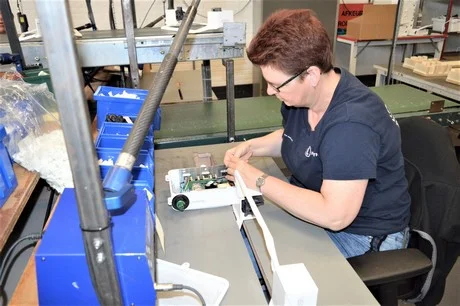
Electronics are very sensitive to electrostatic discharge. The discharge causes invisible damage and Industria does everything in its power to prevent this. An antistatic ESD-floor has been placed in the production space, and everything is grounded. Of course, every light fixture gets tested. This is not done by using a real lamp, but with a dummy. Ferry: “This is safer and faster than the conventional testing method. Also testing with a real lamp isn’t good for the lamp itself.”
Poka Yoke is Japanese for Mistake Proofing. Poka Yoke is about countermeasures that prevent mistakes from being made and because of that is used a lot in companies that work Lean. “The fun thing about Poka Yoke is that the solution is often simple. For Industria this means minimalizing the risk of assembly errors. The different colored wires, as shown in the picture above, are a good example of this.”
The lamp heater in the reflector lengthens the life span of the lamp and the reflector. The critical components of the lamps are heated by it, which is especially important during the start-up phase. The heater could be removed after around 7,000 hours of being used.
"Huge market for HPS"
The HPS luminaires are a proven product. The technology of HPS has been developed to now create a problem-free light fixture. Ferry: “Although the set-up is different, at its core it’s the same. After all, this light fixture has proven itself. What works, works. You shouldn’t want to change that too much,” Ferry says. “For HPS fixtures, there is still a large market. LED is coming up, but is still not quite there yet. Although the stretch is gone, as far as innovation is concerned, HPS still has a couple of years to go.”
For more information:
Industria Lighting
Ferry Breeuwer
Zuid-Hollandlaan 7
2596 AL Den Haag
0611 264 557
ferry.breeuwer@industria-lighting.com
www.industria-lighting.com

Publication date: 7/18/2019
© HortiDaily.com

Going Green: Urban Farming in Hanoi
In the past twenty years, Asian countries have experienced massive and unprecedented urban growth, and with it a host of new challenges, as swelling urban populations have increased pressure on resources such as land, food, and water
July 17, 2019
By Lesley Wynn
In the past twenty years, Asian countries have experienced massive and unprecedented urban growth, and with it a host of new challenges, as swelling urban populations have increased pressure on resources such as land, food, and water. As in other major cities in Asia, the rapid growth of Vietnam’s capital, Hanoi, has had a dramatic impact on its citizens and the environment.
These changes have been particularly acute for Hanoi’s farmers. As agricultural communes have fallen under urban administration and rice land has been allocated to developers, farmers have lost much or all of their land—often their only source of income. Fragmented and noncontiguous agricultural plots make collective farming more difficult, and farmers’ cooperatives have dissolved or become inactive. With opportunities in nearby industrial zones limited by their age, education, and lack of transferable skills, these farmers are uniquely vulnerable to poverty and joblessness, and none more so than the middle-aged women, often supporting children and elderly parents, who make up the majority of this struggling population.
A Hanoi farmer walks through her fields. Urbanization has hit Hanoi’s farmers particularly hard.
At the same time, as the city expands, there is growing concern about food security for Hanoi’s nearly eight million residents. Demand has been rising for locally available “safe foods”—fruits and vegetables reliably free from pesticides and other toxic chemicals—but small-scale producers often don’t have the means or the technical training to meet the safe food requirements or satisfy market demand.
At the intersection of these agricultural, economic, and social problems lies the opportunity to rebuild and improve the infrastructure of cooperative urban farming. Since July 2014, The Asia Foundation has partnered with the GSRD Foundation on Sustainable Livelihoods, a project to improve the lives of low-income farmers in Hanoi and increase food security for urbanizing areas through the cultivation and marketing of safe fruits and vegetables.
The project combines training to increase yields through sustainable methods with business development skills to build brand recognition, consumer relationships, and financial management skills. Given the rapid development of new urban areas everywhere within the city limits, the project focuses on land managed by two communes on the banks of a river outside of protective dikes, an area where new permanent construction is forbidden due to flood risk. With support from Long Bien District, which built all-weather roads and a piped water system, the 274 members of these two cooperatives are now able to earn roughly $250 per month—more than full-time factory workers, but working roughly half the time. And as the farmers’ management skills have grown, they have been able to register under new regulations governing cooperatives. The project has been welcomed by the chair of the Hanoi People’s Committee, Nguyen Duc Chung, for increasing the supply of fresh fruits and vegetables, reducing transportation costs, and bringing urban residents into closer touch with the foods they eat.
Farmers working together at the Dong Tam Cooperative.
The Dong Tam Cooperative, in the district of Long Bien, began its transformation into a green cooperative in 2014 with support from Sustainable Livelihoods. “We used to grow vegetables using traditional practices,” says Mrs. Khoi, a Dong Tam farmer. “Our yields were low, our crops were of low quality, and they were sometimes unsafe for customers due to improper use of pesticides.” Farm incomes were low, and farm livelihoods were tenuous, as farmers mostly sold their surplus in baskets at sidewalk markets.
But an impact assessment survey in May 2018 found that Sustainable Livelihoods had brought significant changes. Thirty-eight percent of farm households were now cultivating at least three additional types of fruits and vegetables, and all the farmers trained in the program showed a commitment to green cultivation methods. Eighty-five percent said their monthly income from fruits and vegetables had grown at least 30 percent, and a Dong Tam business report showed that revenues per hectare increased by a factor of 2.6 from 2016 to 2017.
Members of the Dong Tam Cooperative.
The co-op also developed a new, consumer-driven marketing strategy. This included website development, video production, farm tours, weekend markets, customer appreciation events, a co-branding partnership with a nearby ecotourism business, connections to institutional and group buyers, and marketing materials to promote co-op members’ products. In one innovation, Dong Tam launched four mobile retail kiosks within nearby apartment blocks.
Sustainable Livelihoods builds on The Asia Foundation’s previous efforts in Long Bien to provide resources, training, and market access to farmers and support the transformation of their co-ops. Sustainable Livelihoods trainings have been shown to foster safe agricultural practices, improve business management, raise yields, create safer working conditions, and increase farmers’ incomes.
In one marketing innovation, Dong Tam launched four mobile retail kiosks within nearby apartment blocks.
The project’s work on improving market access has helped farmers develop a customer-producer trust network, essential to the long-term success of produce markets. Sustainable Livelihoods has also made public advocacy a priority, using workshops and local media to raise awareness of the positive social, economic, and environmental effects of safe food production within the urban boundaries of Hanoi.
Most importantly, the project has supported urban farmers, the majority of whom are women, in building up a community of support and raising awareness of the need for green urban farming.
Sustainable Livelihoods is made possible by the generous support of the GSRD Foundation, the philanthropic arm of the Dutch designer-clothing brand G-Star Raw, whose grant-making focuses on the countries in which their products are made. Since 2013, the GSRD Foundation has partnered with The Asia Foundation to develop programs on women’s entrepreneurship and education in Bangladesh, China, and Vietnam. Lesley Wynn is an international development professional and a consultant for The Asia Foundation’s Resource Development Department. The views and opinions expressed here are those of the author, not those of The Asia Foundation.
RELATED LOCATIONS: Vietnam
RELATED PROGRAMS: Environmental Resilience

Sheep Tour Around Paris To Boost Urban Farming
A flock of sheep that has taken a 140-kilometer (87-mile) tour around Paris, nibbling on the grass at historic monuments and housing blocks along the way, ended their 12-day journey on the banks of the river Seine on Wednesday.
FRENCH PRESS AGENCY - AFP
PARIS
17.07.2019
A farmer leads sheep during an urban transhumance in Paris on July, 17 2019 (AFP Photo)
A flock of sheep that has taken a 140-kilometer (87-mile) tour around Paris, nibbling on the grass at historic monuments and housing blocks along the way, ended their 12-day journey on the banks of the river Seine on Wednesday.
The trip began in the low-income Parisian suburb of Seine-Saint-Denis on July 6 and ended on Wednesday with the 25-strong flock on the left bank of the Seine near the Trocadero gardens in central Paris.
It was organized by local authorities to highlight the advantages of urban farming, in collaboration with a group called Urban Shepherds based in Aubervilliers, just north of Paris.
Guided by two shepherds, the flock was monitored by policemen on scooters and volunteer "walkers" on foot who helped them cross roads as they moved around the capital.
"For us, the most important thing is to show that it's possible to have sheep in the city," Julie-Lou Dubreuilh, co-founder of Urban Shepherds, told AFP at the start of the trip.
"The idea is to show there is a new up-and-coming profession," added the group's other founder, Guillaume Leterrier. "It is possible to create exceptional microsectors of meat production while ensuring that green spaces are maintained like we've done in the last three years."
Dubreuilh and Leterrier both have contracts with social housing landlords to let their animals graze on a weekly basis on the public housing estates of Seine-Saint-Denis.
The unusual presence of livestock caught the attention of many amused Parisians and motorists -- with some taking pictures or bleating in support.
Groups in Lyon, Marseille and Bruxelles are also experimenting with urban sheep.
BREAKING NEWS: Consumer Reports Finds Potentially Deadly Bacteria In Pre-Washed Greens
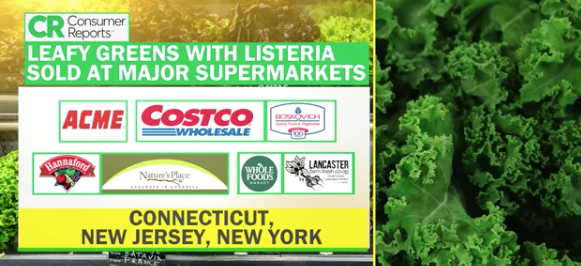
A new report out Friday reveals some leafy greens recently sold at supermarkets were contaminated with a potentially deadly bacteria. Consumer Reports says it tested nearly 284 samples of fresh greens like lettuce, spinach and kale and found six of those samples tainted with listeria
To View Video Please Click Here
JULY 26, 2019 / 9:43 AM / CBS NEWS
A new report out Friday reveals some leafy greens recently sold at supermarkets were contaminated with a potentially deadly bacteria. Consumer Reports says it tested nearly 284 samples of fresh greens like lettuce, spinach and kale and found six of those samples tainted with listeria.
Consumer Reports says the six contaminated samples included both pre-washed and unbagged greens sold at retailers in Connecticut, New Jersey, and New York in June, including Acme, Costco, Hannaford, and Whole Foods. All of the retailers stress that food safety is a top priority, and public health officials have not reported any illnesses or concerns following their own inspections.
Consumer Reports notes their study is not large enough to draw any conclusions about a specific brand or retailer, but rather is a "snapshot" intended to highlight that more needs to be done to ensure safety.
In a statement to CBS News, a trade association that represents retailers, wholesalers, and suppliers that sell products to grocery stores said, "the incidents outlined in consumer reports … remind us that the entire supply chain has a responsibility for safe food handling."
One way to reduce the risk of listeria infection from greens like spinach and kale is to cook them.
Some common symptoms of listeria infection
Headache, stiff neck, confusion, loss of balance, and convulsions as well as fever and muscle aches
Pregnant women may present symptoms differently. Typically they only experience fever and other flu-like symptoms, such as fatigue and muscle aches. The CDC warns, however, that infections during pregnancy can lead to miscarriage, stillbirth, premature delivery, or life-threatening infection of the newborn.
First published on July 26, 2019 / 9:43 AM

The Complete Guide To Medical Marijuana For Seniors
Beginning in the 1910s, states began to ban the sale of marijuana, eventually leading to a bill called the Marijuana Tax Act in 1937, which decreased the amount of hemp (a version of a cannabis plant) allowed to be produced in the U.S. Later on in the century, the stigma around marijuana grew and Richard Nixon signed into law the Controlled Substances Act, which included marijuana on a list of federally banned drugs alongside heroin, cocaine, and other narcotics.
Marijuana has had a turbulent history in the United States. Starting in the mid-1990s, however, there was a push to introduce the medical benefits of cannabis to the American people once again—”once again,” because before the 20th century, marijuana was almost entirely legal.
Beginning in the 1910s, states began to ban the sale of marijuana, eventually leading to a bill called the Marijuana Tax Act in 1937, which decreased the amount of hemp (a version of a cannabis plant) allowed to be produced in the U.S. Later on in the century, the stigma around marijuana grew and Richard Nixon signed into law the Controlled Substances Act, which included marijuana on a list of federally banned drugs alongside heroin, cocaine, and other narcotics.
By the time the 1990s came along, though, states began adopting the medical benefits of marijuana, starting with California. About 15 years after that, marijuana itself—not just the medicinal qualities—became legal for recreational use in Washington and Colorado. As of 2017, 29 of 50 states have legalized some form of medical marijuana. A 2013 study revealed that four of five doctors approve of medical marijuana and that more than 90 percent of medical marijuana patients (of around 7,500 surveyed) say that medical marijuana has helped treat their conditions. Seniors were the largest age group in the study (more than 2,300 respondents).
With medical marijuana gaining prevalence and popularity in the medical world all over the U.S., let’s look at exactly what it is.
What Is Medical Marijuana?
Read The Complete Article Here.

Hammock Greens Has 6 Farms, And They're Not Done! - Register For Our Live Webinar With Aaron and Thomas on July 29th, 2019 from 12-1pm EST
The stars of our July 2019 webinar gave us a sneak peak into their impressive six-farm operation in Miami, Florida. Since 2017, Aaron and Thomas have steadily expanded to become a household name in local food. Check out our interview!
July 18, 2019
16 Questions with Aaron & Thomas of Hammock Greens
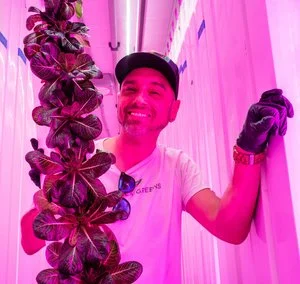
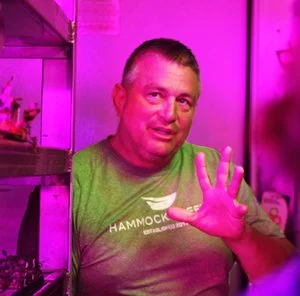
The stars of our July 2019 webinar gave us a sneak peak into their impressive six-farm operation in Miami, Florida. Since 2017, Aaron and Thomas have steadily expanded to become a household name in local food. Check out our interview!
Aaron Dreilinger Thomas Smitherman
DISCOVERY & EXPERIENCE
FF: What is the story behind Hammock Greens?
Aaron Dreilinger: We’re a South Florida-based startup supplying wholesale produce direct-to-restaurants and (soon) direct-to-consumer. Our vision was to create a source of clean, local, fair food while also activating all types of unused spaces around the Miami area. Since starting in 2017, we’ve focused on exponential growth: We have six containers now and we hope to add five more by 2020.
“I told myself, ‘this sounds like it’s something I could do from my hammock’, and Hammock Greens was born.”
— Thomas Smitherman, Co-Founder of Hammock Greens
FF: Thomas–you discovered Freight Farms. How did you find out about us?
Thomas Smitherman: I had sold my previous company to take a break. My family and I researched some new careers, making calls to companies that interested us, Freight Farms among them. Freight Farms took the call and gave us better customer service overall from them. So they got the business.
FF: Did either of you have previous farming experience?
AD: We had a unique combination of culinary and agricultural backgrounds, with a little science in the mix. Originally, I studied Sustainable Design, but ultimately became a chef. In my career, I’ve spent years developing relationships as a consumer and supporter of local farms, which are scarce in Miami. I began the search for a stronger agricultural connection and met Thomas, who has a traditional agriculture family background and worked with premium wine brands at every level. However, actual farming was not in either of our backgrounds. We had to learn a lot about the industry, the market, and how it worked and it is Thomas that ultimately became the master farmer and scientist of the team.
FF: How did you arrive on the name, ‘Hammock Greens’
TS: Freight Farms told us a lot about how easy is was to grow leafy greens indoors using a shipping container with remote monitoring. I told myself “This sounds like it’s something I could do from my hammock”, and Hammock Greens was born.



CROPS & PACKAGING
FF: Which is your favorite crop to grow and why?
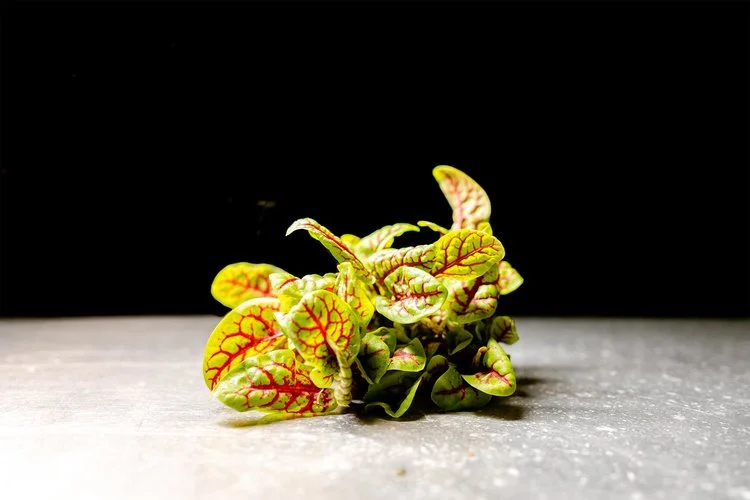
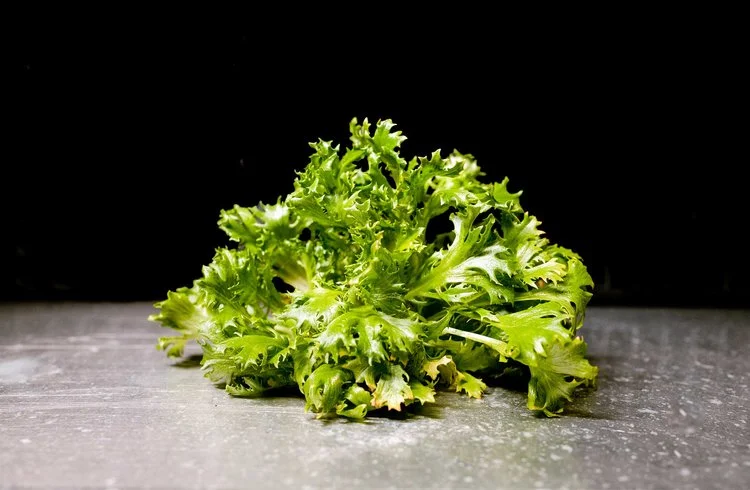
AD: We’ve become known for a few things. I think my personal favorite is Sorrel, specifically red-veined sorrel which has the most vibrant red color. Chefs go nuts for it! Of course, the more delicate stuff, like upland cress and lemon balm are strong seconds. Overall, we focus on a balance blend. Since we have multiple mixed cases, we are serious about variety. And we listen to our customers. We help them plan menus and discuss trends.
FF: How do you package your crops?
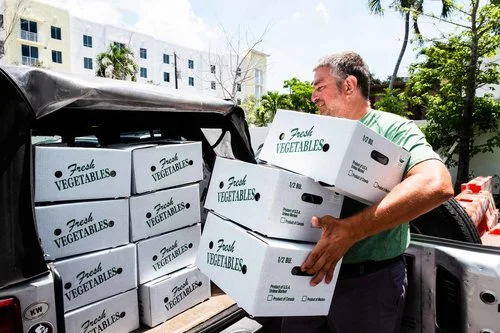
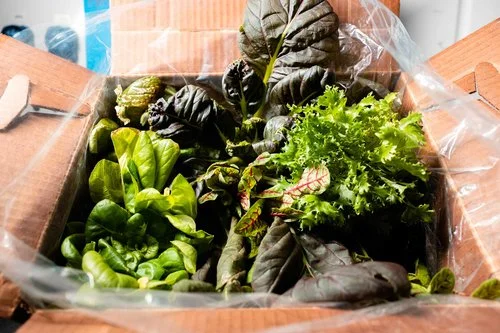
AD: Here’s a headache–there’s a real market for better packaging out there. Mostly, live greens packaging is catered to musclebound-roid-raged California heads like Bibb. Boring. Tasteless. As a result, we’ve become quite creative with the packaging, making due with a number of combinations of plastic liners and traditional cardboard.
We just launched a kickstarter campaign is geared at producing a more unique and renewable solution to our growing needs and we’d love to connect with the right partner and develop something better for the entire vertical farming community.
CUSTOMERS
FF: Who are your customers?
AD: While a portion of our business is donated to the homeless, the rest services restaurants. And as a premium brand, we are in demand with some very impressive chefs and restauranteurs.
FF: How did you first build these relationships?
AD: Initially we contacted industry friends and from there word spread. In the beginning you had to “know somebody” to get to us, and the chefs liked that kind of exclusivity. Soon they were putting our name in print and that really helped too.
“Our plants are so fresh, they’re still alive when we deliver. Plus, no -cides of any kind.”
— Thomas Smitherman
FF: Do you find that customers are willing to pay more for your premium product?
TS: Yes, and no. Some understand the value of what we have to offer and some don’t. Those who get it, are happy with the price point. Those who don’t are interested in a higher volume product.
FF: Can you share your favorite customer story?
TS: One specific time comes to mind during a Slow Food Miami fundraiser/award ceremony that featured all of Miami’s best chefs. All of them were so proud to speak about our product to their customers. Over half of the 30 Miami chefs being honored were already customers and they were choosing to tell our story that night. It was a very moving evening.
INDUSTRY
FF: What’s the most pressing issue in food and agriculture that you’d like to see solved?
AD: Distance. On a large scale, we’ve become spoiled and demanding by constant availability. Seasonal means just that. Not everything should available all the time. And if it must be (ie leafy greens) then find a way to produce locally when you want it! We did.
TS: That’s a ridiculous question, but if I had to choose one thing, I would say the “food system” needs to find a way to feed the poor. I think removing processed foods is the biggest opportunity there: When people start using fresh products we lower all the other societal costs associated with poor diet.
FF: What is one small change everyone can make in their daily lives to make a big difference in our food system?
AD: Count your ingredients. Count the syllables, and the total amount. 3-4 is a good number! If your kids cant read it, don’t feed it to them. Basically, shop carefully from the “outside isles” of the grocery store.
FF: What reaction do you typically get from people when you tell them what you do for a living?
TS: Amazement and astonishment. Genuine excitement. And then, a lot of ideas that it is strictly philanthropic. I often have to remind people that, while we try and do some charity with the farms, at the end of the day this is a commercial business.
FF: You mentioned earlier your goal to grow in 2020. Any other plans for the future?
AD: We are looking for exponential growth this year and next. This includes some high profile spaces in conjunction with local government. Another large project will see us connected to an international celebrity chef group/restaurant chain.
“Establish relationships with that market. Listen to their needs, make sure they know your limitations and capabilities, and deliver- often!”
— Aaron Dreilinger, Co-Founder Hammock Greens
FF: What was the most challenging part of becoming a Freight Farmer and how were you able to overcome it?
AD: Location. We set out to place a container is a variety of locations. “Hyper-localism” gave way to a disparate range of locations, from art galleries to alleyways. This opened up a number of logistic- and compliance-related challenges. One space in particular had to be changed less than 6 months into operation due to construction. But part of our marketing and branding philosophy pushed us to find high profile, community based locations, where we were welcomed and appreciated. Ultimately this challenge became integral to our brand identity.
TS: Everything but the farming. Packaging, marketing, business plan, raising capital. Once you’re in it, you have to produce consistently. Now that it is built, the challenge is maintaining production at high standards while still developing the business side.
FF: Any finally, what’s the best piece of advice you can give to people interested in becoming Freight Farmers?
AD: Its not easy. Know your market very well. Establish relationships with that market. Listen to their needs, make sure they know your limitations and capabilities, and deliver- often!
TS: Be less concerned about the crops–spend more on packaging and selling, the crops will grow!
Want to learn more about Hammock Greens?
Register for our live webinar with Aaron and Thomas on July 29th, 2019 from 12-1pm EST.
SIGN UP
In the meantime, check out HammockGreens.com and follow Thomas and Aaron on Facebook and Instagram.
Hammock Green’s Kickstarter campaign is live until July 31st–support their efforts with as little as $1!
MEET MORE FARMERS
HAMMOCK GREENS HAS 6 FARMS, AND THEY'RE NOT DONE!
Jul 18, 2019
HOW TO LAUNCH A SUCCESSFUL SECOND CAREER WITH A CONTAINER FARM
May 23, 2019

LED Success Story
Owner, Rick OUdling, talks about his Success with Phillips LED toplighting
Kalamazoo Specialty Plants Roots Cuttings More Quickly And More
Uniformly With Philips LEDs
After trialing different brands of horticulture LEDs, Kalamazoo Specialty Plants (KSP) installed a small Philips toplighting trial in 2016 and then proceeded with a significant expansion in 2018. Owner, Rick Ouding, talks about his success with Philips LED toplighting.

BREAKING NEWS: MINNESOTA - Bad Basil Sickens Some In Twin Ports
Imported basil sickened nine people at two restaurants in the Twin Ports in June as part of a multi-state cyclospora illness outbreak, according to the Minnesota Department of Health
No Ongoing Risk, Health Department Says
Written By: News Tribune | Jul 26th 2019
Imported basil sickened nine people at two restaurants in the Twin Ports in June as part of a multi-state cyclospora illness outbreak, according to the Minnesota Department of Health.
The department said there were four lab-confirmed cases from Outback Steakhouse in Hermantown and five cases from meals catered by Duluth Grill at a Duluth conference. There were 26 confirmed cases at City Market in Rochester. None of the Minnesota cases required hospitalization.
"It's important to note that the illnesses are the result of contaminated imported food product, not anything the restaurants did or did not do," department spokesman Doug Schultz said. "We have no evidence of any ongoing risk at the restaurants involved."
The contaminated basil was exported from Mexico to the United States by Siga Logistics de RL de CV, according to the Food and Drug Administration; the company has agreed to a voluntary recall.
There have been four hospitalizations out of 132 total illnesses in 11 states since the cyclospora outbreak was first reported in late June, according to the FDA. The last reported illness came on July 9.
Cyclospora is a parasite that is transmitted when infected feces contaminated food or water and can take about a week from infection to sickness; symptoms include diarrhea, loss of appetite, nausea and fatigue.
Lead Photo: Basil seedlings. Credit: extension.umn.edu
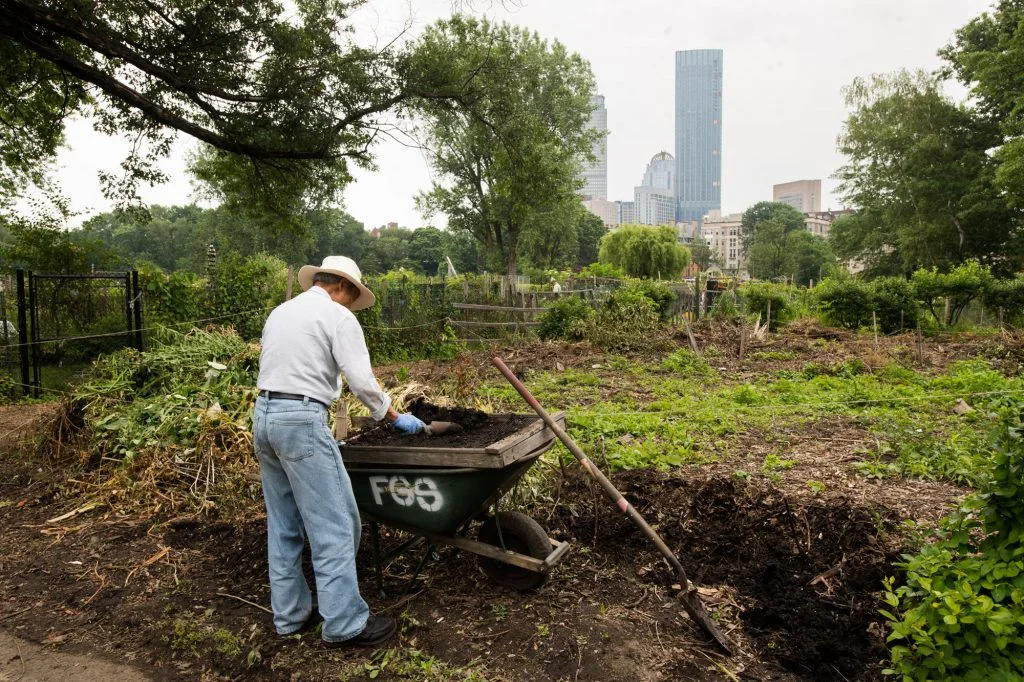
Exploring The Power And Politics of Urban Agriculture
Urban Agriculture is a deep dive into who gets to till soil in the city and why. It looks at one central question posed on the syllabus: What do gardens do for people?
In the video above, students in MET’s Urban Agriculture class visit the Fenway Victory Gardens. Photo by Cydney Scott. Video by Jason Kimball
New MET class examines the subject’s roots in Boston
July 8, 2019
On an early June evening, Zachary Nowak and the students in his Urban Agriculture class are strolling through the Fenway Victory Gardens, the nation’s oldest victory garden, admiring the pristine beds of lettuce and mop-headed peonies growing there. But this outing is far more than a walk in the park. Sitting in the shadow of the Prudential and Hancock towers, the Fenway Victory Gardens predates both, a vestige of World War II, when citizen gardeners raised vegetables to aid the war effort.
Urban Agriculture students touring the Fenway Victory Gardens, the nation’s oldest victory garden, to learn more about what people grow in their garden plots. Photo by Jason Kimball
Today the garden remains, seven sunny acres divided into 500 individual plots surrounded by towering multimillion luxury condos and office buildings. How that occurred is what Nowak wants to discuss with his students. After the war, he explains, the Victory Gardens never reverted to city parkland as intended because the Fenway’s upper-middle-class residents used their clout to keep the gardens going, for decades successfully fighting off various proposals to build on the site.
“On the one hand, thank God. I mean, imagine if this was a big IRS building,” says Nowak, a Metropolitan College lecturer, gesturing to the patchwork of plots. “But I also don’t want you to lose sight of the fact that this is a public place and certain people are being allowed to enjoy it and others not. So there’s a trade-off here.”
Urban Agriculture is a deep dive into who gets to till soil in the city and why. It looks at one central question posed on the syllabus: What do gardens do for people? Nowak leads students on an exploration of local community gardens, school and prison gardening programs, and the guerilla gardens that appear on abandoned city lots as a way to better understand power and politics in the city.
Class instructor Zachary Nowak, a MET lecturer, says he’s interested in what urban agriculture says about the political economy we live in. Photo by Jason Kimball
Students visit the rooftop garden at Boston Medical Center, interview gardeners at some of the city’s historic community gardens, and explore the racial and ethnic dynamics that can frequently determine who gets to garden in the city and where. Nowak is uniquely qualified to lead the class. He finished a PhD in American studies at Harvard University last year, and as a postdoctoral fellow, he currently teaches classes at Harvard on the history of the built and natural environment. (He is working on a book about the social history of train stations in 19th-century American cities as well.)
He also lived in Italy for 12 years, where he cofounded a “sustainable studies” program at the Umbra Institute in Perugia and tended his own urban garden. He draws on those varied experiences for the class, he says, as well as on research in a variety of disciplines; economic concepts like neoliberalism and the role of government in urban agriculture are central to class discussions.
“The class is really not about urban agriculture” per se, Nowak says. “It’s about what urban agriculture can tell us about the political economy that we’re living in.”
A rogue garden
Some of those lessons were on display during a class trip to the Berkeley Community Garden in Boston’s South End, a 140-plot garden that has been a neighborhood fixture since the 1960s. Lesser known are its origins as a rogue garden planted by Chinese immigrants who wanted to grow traditional Chinese vegetables they either couldn’t afford to buy or couldn’t find in local markets. They tilled the soil along Berkeley Street, where housing had been razed for a highway on-ramp that never materialized, and began to cultivate the land.
The Urban Agriculture class explores the racial and ethnic dynamics that can frequently determine who gets to garden in the city and where. Photo by Cydney Scott
That was more than 50 years ago, a scruffier era in the South End. Today, the low-slung community garden sits within one of the city’s most desirable neighborhoods, surrounded by multimillion-dollar brownstones and wine bars.
Students went to the Berkeley garden to interview its gardeners and found that Chinese immigrants continue to garden there.
Grad student Jared Kaufman (MET), a freelance food writer interested in food policy, says the visit was a highlight of the course. Many gardens there remain dedicated to growing Asian vegetables, beans, or the distinctive hairy gourds that hang from the top of elaborate cages.
Other plots were devoted to cutting flowers, salad greens, and herbs, or transformed into postage stamp–size sitting areas. Kaufman says the visit raised questions about whether soaring property values and gentrification in Boston threaten the existence of some gardens.
“Support from the city can wither away at any moment,” he says, especially if the city has an incentive to see a site return to the property tax rolls.
Graduate student Jared Kaufman (MET) during a class tour of the Fenway Victory Gardens. Photo by Jason Kimball
Grad student Priyokti Rana (SPH), who is pursuing a master’s degree in public health with a focus on epidemiology and biostatistics, says the visit exposed unexpected tensions about the role the garden plays in the neighborhood: while some South End residents complained that some garden plots looked messy or smelled bad, she says, others described them as a lifeline.
Rana interviewed Helen, an aging Chinese gardener, who grows hairy gourds and other vegetables in her plot as her main form of recreation. “That was so interesting,” Rana says. “The class was definitely more political than I expected.”
Students also consider the role of government in urban agriculture, particularly if community gardens are used to justify government cutbacks in social service programs, like the Supplemental Nutrition Assistance Program, better known as food stamps.
Grad student Sarah Hartwig (MET), a graduate assistant in BU’s Programs in Food & Wine, is working on a master’s in gastronomy. She says the class debated the implications of neoliberalism and whether community gardens are an answer to food insecurity.
“By filling that vacuum, urban gardens often inadvertently reinforce the system they were responding to,” Hartwig says.
That’s the kind of big thinking about tiny plots of land that fuels lively class discussions. Nowak says he also tries to give students high- and low-tech tools that will help them comprehend and absorb extensive reading assignments more quickly. This includes teaching his self-developed system of highlighting texts and speed reading. (He jokes that he was a grad student for so long, he’s really good at it.)
To honor the Berkeley Community Garden’s guerilla garden legacy, the class is creating signage in English and Chinese that tells the story of its history and evolution and will be posted at the garden.
Anyone walking by the gardens today, Nowak says, would have no idea what it’s about, its role in the community, or its unique staying-power. “It’s like residents have got a place on the Cape, right there outside their door,” he says. “It doesn’t always happen like that.”

History of Microgrids In The US: From Pearl Street To Plug-and-Play
While it may seem that microgrids are new, the history of microgrids shows they have been around in some form for years in the US
July 22, 2019
By Lisa Cohn
While it may seem that microgrids are new, the history of microgrids shows they have been around in some form for years in the US — although they haven’t always been called microgrids. The first one was introduced by Thomas Edison in 1882 at his Pearl Street Station, which combined heat and power and produced electricity and thermal energy.
The Battery and Control Room in the first Edison Electric Lighting Station at Pearl Street in lower Manhattan in 1882. By Everett Historical/Shutterstock.com
In fact, campuses have been using microgrids for decades and have shown that microgrids are compatible with local utility grids and provide benefits to both the campuses and the larger grids.
Universities were ideal early adapters of microgrids because they have large, easily defined loads. In addition, many campuses have physical plants that provide steam for heating.
As a result, an upgrade to combined heat and power (CHP) microgrid makes sense in many cases. CHP technology allows them to produce both electricity and steam from a single fuel, which dramatically boosts the efficiency of the system.
Campuses with microgrids include Wesleyan University, Harvard University, Princeton University and the University of California at San Diego (UCSD). One of the biggest microgrids in the US is at the University of Texas at Austin, which can supply all of the university’s power, heating and cooling needs.
In the late 1990s, Congress was concerned about the reliability of national electricity transmission, and asked the U.S. Department of Energy (DOE) for guidance. The conversation focused on maximizing distributed generation to reduce stress on the grid. A number of research projects were launched over the years, leading to demonstration projects of microgrid technology for utilities, universities, industry, school districts, jails, hospitals, laboratories, military bases and industrial parks.
Pivotal event in history of microgrids: Superstorm Sandy
A series of severe storms from 2011-2012 in the Northeast heightened interest in microgrids, the most destructive being Superstorm Sandy. Microgrid operators, like Princeton University, showcased how microgrid technology kept power on when the central grid failed during Sandy.
Efforts to rebuild the electricity infrastructure prompted people to ask questions about how to better prepare in the future. This helped raise awareness about microgrids and distributed energy.
A handful of states played a big role in the history of microgrids, among them California, Connecticut, illinois, Massachuetts, New Jersey and New York.
For example, in 2013 Connecticut became the first state to offer microgrid funding when it announced its Microgrid Pilot Program. Nine microgrid projects were awarded $18 million in funding through the first round.
The program is now in its fourth round of funding, awarding up to $30 million to microgrid projects. Award recipients have included two campuses, Trinity College and Wesleyan University, a family-owned dairy farm and pet shelter, the town of Coventry, and even an apartment complex.
The Ameren Microgrid in Champaign, Illinois, August 2017. Photo courtesy Ameren Illinois
In 2014, New York created the New York Prize, a $40 million competition launched to offer money to those who plan on developing community microgrids. The initiative was created to find microgrids that could be easily replicated and used as models for other communities nationwide.
On the other side of the country, in 2016, the California Energy Commission (CEC) met to began working on a new microgrid roadmap, created to encourage microgrid development in California. The roadmap identifies the top barriers to microgrid commercialization and examines ways to improve commercialization and standardization.
Initially, the CEC cited as barriers lack of policies and regulations that enable microgrids, plus interconnection rules that impose limitations on microgrids. The CEC has since awarded almost $80 million in grants.
Clustering microgrids
Another big moment in the history of microgrids came when Illinois regulators approved Commonwealth Edison’s microgrid cluster in Chicago in 2018. The $25 million project — the first utility-scale microgrid cluster in the nation — is designed to help teach utilities how to integrate microgrids with renewable energy resources and how to maximize the efficiency and value of two microgrids that interact with one another. The microgrid will directly serve more than 1,000 residential, commercial, and small industrial customers in the South Side of Chicago.
A national security play
Along with these programs that gave microgrids a boost, the US Military has been an enthusiastic early adapter of microgrids in efforts to ensure the power stays on in mission-critical operations. The military has for many years relied on small, isolated, self-contained grids in remote locations. More recently, the modern microgrid has altered the way the military and the federal government approach reliability and sustainability.
The federal government realized that a military base could install solar panels for some portion of its load to help achieve renewable goals while also making the base more resilient and self-sufficient. The Navy was one of the first branches of the military to build microgrids, installing one at the hospital Navy Base in San Diego. Since then, the military has installed several others including sophisticated projects at Marine Corps Air Station (MCAS) in San Diego and the US Marine Corps Recruit Depot (MCRD) Parris Island, South Carolina.
Evolution of microgrid financing
While microgrid awareness and interest was building among the military and others, acquiring the financing to build the microgrids was challenging. Commercial building structures, ownership and leasing arrangements all varied considerably, which made financing specific to the project and therefore difficult.
While it made sense logically to build microgrids, it didn’t yet make sense financially or operationally for many businesses. Financiers were not set up to finance projects that were small and specific to each individual project. This has changed in recent years because of models that derisk the investment for customers. These are offered under such names as microgrid-as-a-service, reliability-as-a-service, and energy as a service (EaaS).
These approaches convert a long-term capital expenditure to a short-term operational expense, thus keeping a large capital expense off a company’s books. Commercial customers can take on projects with no uprfont capital spending. Instead, a third party or financier typically owns the equipment and the customer pays a service fee, much like a monthly utility bill. Agreements vary on a case-by-case basis.
Product differentiation emerges
As microgrid use has expanded, so has its applications. Microgrids at first were viewed as a way to increase reliability, keeping the power on when the central grid failed. Their applications have widened into carbon efficiency. Wider adoption of microgrid technology has also been buoyed by cities, states, corporations and campuses that have set sustainability or carbon-emissions reduction goals. These have helped drive development of clean energy microgrids – those that incorporate renewables. Newer microgrids often use solar panels or wind turbines, and more are beginning to emerge that incorporate electric vehicle charging stations.
The military microgrid on Parris Island. Photo courtesy of Ameresco
Microgrids also are used to keep energy costs in check, as developers become increasingly adept at employing financing innovations and state and federal renewable energy incentives to lower energy costs. Sophisticated microgrids can participate in certain wholesale markets and leverage their assets to reduce costs.
As microgrid applications have expanded, they have entered the phase of product differentiation, which has led to many different types of microgrids, from fractal microgrids to virtual, blockchain, flying, sailing and more. At this time, NRG offers asset-backed demand response microgrids that focus on providing demand response and S&C Electric provides non-wires alternatives, which allow utilities to avoid investing in traditional poles and wires. And while microgrids continue to be highly customized products, the industry also is working on refining simple plug-and-play microgrids that can be manufactured in a replicable fashion and in some cases be installed in a day.
Today microgrids can be found at a broad range of commercial, institutional, industrial, community and government facilities. But residential microgrids remain rare, although some do exist, including one at the ranch of former California Gov. Jerry Brown. And some home developers are beginning to install neighborhood microgrids, but they too remain unusual.
Even though the history of microgrids spans for more than a hundred years, it’s been the last six that have brought growth in the leaps and bounds. Numerous drivers suggest it’s just the start of a lengthy buildup of microgrids in the US.
If you found this article on the history of microgrids helpful, subscribe to the free Microgrid Knowledge newsletter for more news and information about the growing industry.

CubicFarms Is Pleased To Announce The Appointment of Rodrigo Santana as President And Chief Operating Officer
Rodrigo has extensive senior leadership experience from both private and publicly traded growth-oriented companies such as Dow Agrosciences, SGS, Commercial Testing & Engineering, and Sacré-Davey Engineering
VANCOUVER, BC / ACCESSWIRE / July 25, 2019 / CubicFarm® Systems Corp. (TSXV: CUB) (“CubicFarms” or the “Company”) is pleased to announce the appointment of Rodrigo Santana as President and Chief Operating Officer (COO).
“It is a great pleasure to welcome Rodrigo to our team”, stated Dave Dinesen, CEO of CubicFarm® Systems Corp. “Rodrigo brings a wealth of knowledge and expertise. Rodrigo’s appointment will enhance our ability to deliver operational excellence and further establish our vertical farming technology as a leader in the controlled environment agriculture space to drive customer and shareholder value.”
Rodrigo has extensive senior leadership experience from both private and publicly traded growth-oriented companies such as Dow Agrosciences, SGS, Commercial Testing & Engineering, and Sacré-Davey Engineering. As the Chief Operating Officer at Sacré-Davey Engineering, he led the company to significant growth, through strategic business and corporate development initiatives, as well as geographical expansion across North America.
Rodrigo has a successful track record in strategic growth planning and execution, financial and operational management, engineering, project management, and operational efficiency. Rodrigo has extensive international management experience in Europe, Africa, Australia, and the Americas.
Rodrigo earned a bachelor’s degree in Agriculture Engineering from the Federal University of Lavras, Brazil, and a Master’s in Business Administration from Lake Forest Graduate School of Management, Chicago, IL. As well, Rodrigo is a certified Six Sigma Black Belt.
"I am very pleased to join the talented team at CubicFarms. Together, we will further develop our operational capabilities and innovative technology to enhance the Company's growth”, said Rodrigo Santana.
Appointment subject to TMXV approval
Neither the TSX Venture Exchange nor its Regulation Services Provider (as that term is defined in the policies of the TSX Venture Exchange) accepts responsibility for the adequacy or accuracy of this release.
About CubicFarm® Systems Corp.
CubicFarm® Systems Corp. is an Ag-Tech and Vertical Farming company that utilizes patented technology to cultivate high-quality produce. The Company believes that it can provide a benefit to the world by significantly reducing the physical footprint of farming, shipping costs, and associated greenhouse gasses, while significantly decreasing the use of fresh water and eliminating the need for harmful pesticides.
Founded in 2015, the Company’s mission is to provide farmers around the world with an efficient growing system capable of producing predictable yields with superior taste. Using its unique, undulating growing system, the Company addresses the main challenges within the indoor farming industry by significantly reducing the need for physical labour, by reducing energy, and by maximizing yield per cubic foot. The Company has sold and installed systems in Canada and the US and is currently negotiating with a global pipeline of prospective customers. It also operates one wholly-owned facility in Pitt Meadows, BC and sells its produce in British Columbia to retail and wholesale customers under the brand name Thriiv Local Garden™.
CubicFarm® Systems Corp.’s patented growing system provides customers with a turnkey, commercial scale, hydroponic, automated vertical farming operation that can grow predictably and sustainably for 12 months of the year virtually anywhere on earth. CubicFarm® enables its customers to grow locally and to provide their markets with produce that is consistent in colour, size, taste, nutrition and allows for a longer shelf life. CubicFarms is focused on providing its technology to farmers to grow safe, sustainable, secure, fresh produce, nutraceutical ingredients, and animal feed. Further support and value are provided to our clients through our patent pending germination technology and proprietary auto harvesting and processing methods.
CubicFarm® Systems Corp.
For further information contact:
Ross Rayment, VP - Corporate Development
ross@cubicfarms.com work: 1-403-616-0312
Cautionary Notice Concerning Forward-Looking Statements
This news release includes certain “forward-looking statements” under applicable Canadian securities legislation. Forward looking statements are based upon a number of estimates and assumptions (including the receipt of regulatory approvals) that, while considered reasonable, are subject to known and unknown risks, uncertainties and other factors which may cause the actual results and future events to differ materially from those expressed or implied by such forward looking statements. Accordingly readers should not place undue reliance on forward-looking statements. The Company disclaims any intention or obligation to update or revise any forward-looking statements, whether as a result of new information, future events or otherwise, except as required by law.
SOURCE: CubicFarm® Systems Corp.
View source version on accesswire.com:
https://www.accesswire.com/553345/CubicFarmR-Systems-Corp-welcomes-Rodrigo-Santana-as-President-and-Chief-Operating-Officer