


Welcome to iGrow News, Your Source for the World of Indoor Vertical Farming

Grow Lights Are Major Focus of Cultivate’19 Educational Sessions
If you are contemplating installing supplemental grow lights in your controlled environment production facility, then Cultivate’19 was the place to learn how the lights are being used. Both growers and university researchers presented information on the results they have gotten with grow lights, particularly light-emitting diodes (LEDs)
Growers and researchers discuss the benefits of using grow lights when it comes to growing controlled environment crops.
If you are contemplating installing supplemental grow lights in your controlled environment production facility, then Cultivate’19 was the place to learn how the lights are being used. Both growers and university researchers presented information on the results they have gotten with grow lights, particularly light-emitting diodes (LEDs).
Grow lights a must for producing greenhouse strawberries
Sarah Gunn, head grower at De Jong Greenhouses in Pella, Iowa, discussed how she has been using LEDs to produce greenhouse strawberries from November through January. The company, which grows primarily ornamental plants, has been trialing greenhouse strawberries for eight years. For the last three years the company has been selling its strawberries through a produce distributor to local grocery stores. Gunn said the price point during the months the company produces the berries has been good enough to justify the costs associated with growing the crop.
Gunn said the strawberries which are grown in 12-inch containers can hold three to four plants. She advised growers to start with certified bare root plants. Greenhouse strawberries are a labor intensive crop requiring removal of runners (stolons), old leaves and harvesting fruit every two to three days.
Gunn said that two-thirds of the United States doesn’t have sufficient light levels during the winter months to grow greenhouse strawberries. The optimum daily light integral (DLI) for strawberries is 15-25 moles per square meter per day (mol·m-2·d-1). Gunn is using LEDs to deliver a DLI of 12 mol·m-2·d-1. Extending the day length to 13-16 hours can help boost fruit yields. Plants should not be lit for longer than 16 hours.
The company purchases bumblebees to pollinate the strawberry plants. Because different light spectrum can affect bumblebees, Gunn advises growers to find out how grow lights can impact the bees behavior.
Growers in two-thirds of the United States don’t have sufficient light levels during the winter months to produce greenhouse strawberries.
Photo courtesy of Chieri Kubota, Ohio St. Univ.
De Jong uses a template for berry size and color to determine when the berries are ready to harvest. Since strawberries were the first food crop the company had grown, a consultant was hired to implement food safety protocols.
Gunn said cultural practices and biocontrols are being used for greenhouse pests and diseases. Pests include two-spotted spider mite, aphids and thrips. Prior to growing greenhouse strawberries Gunn said she never had to deal with lygus bugs, commonly referred to tarnished plant bugs. Diseases issues include powdery mildew, Botrytis and leather rot (Phytophthora cactorum).
Multiple crops grow well under LEDs
A panel of growers and a university researcher discussed the experiences they have had growing under LEDs.
John Bonner, owner and CEO at Great Lakes Growers in Burton, Ohio, has been hydroponically growing leafy greens and herbs since 2011 when he started with 300 square feet of greenhouse production. His operation has expanded to 160,000 square feet. Bonner who started with high pressure sodium (HPS) lamps has replaced most of those fixtures with LEDs. Once the company’s current expansion is completed Bonner expects to be able to annually produce 6 million heads of lettuce.
James Darrow, general manager at Jolly Farmer in New Brunswick, Canada, began research with LEDs in 2012. He said Jolly Farmer provides at least 25 moles of light per day by LEDs during the winter. After installing LEDs Darrow said adjustments had to be made in how often crops were irrigated, fertilizer applications and crop timing. Many of the bedding crops, especially begonias, needed to be fertilized more often when grown under LEDs.
The economics of using grow lights
Horticultural researchers Neil Mattson from Cornell University and Marc van Iersel from the University of Georgia discussed the Lighting Approaches to Maximize Profits (LAMP) project. Funded by the USDA National Institute for Food and Agriculture Specialty Crop Research Initiative, LAMP aims to determine how growers can maximize their return on investment when considering installing grow lights.
Researchers involved with the Lighting Approaches to Maximize Profits (LAMP) project are working to help growers maximize their return on investment in grow lights while optimizing plant growth.
Photo courtesy of Marc van Iersel, Univ. of Georgia
The team of researchers involved in this $5 million, four-year project is studying the best way to optimize crop growth and quality in cost-effective ways. The research includes simulation of different lighting scenarios and the use of sensors to monitor crop growth and physiology. Researchers are studying how much light crops require and assessing supplemental lighting needs and options.
This article is property of Hort Americas and was written by David Kuack, a freelance technical writer in Fort Worth, TX.

Meteorologists Affirm Farmer Angst About Summer Heat, Early Frost
“The problem we’re facing is this is the wettest year in the last hundred and 24 years according to NASA.”
July 09, 2019
Mother Nature has thrown farmers curve ball after curve ball in the 2019 growing season. First a long, late and historically wet winter delayed planting for much of the Corn Belt. Now, many farmers are facing hot dry weather and losing sleep over the thought of an early frost. Unfortunately, Kirk Heinz and Michael Clark of BAMWX.com validated those fears on an episode of AgriTalk this week.
“Into the Ohio Valley and Tennessee Valley area, if you can envision from there to the desert southwest with a with a void in the middle, from [tropical storm] Barry, that's where the risk is keeping things too dry,” Heinz explained adding a pressure ridge will continue to keep that area dry between now and July 23. “It's been wet, but you know, hey, we're kind of turning things around.”
Basically, the areas that have been swampiest will be the hottest and driest until at least July 23. What’s special about that date? Well, forecasting models used by Clark and Heinz show that would be the timeframe where a weather pattern shake-up could occur.
“That that would be the date where we start raising the red flags in terms of, if that does not develop, we could see this extended warmer, drier period linger longer, deeper into July and maybe even early August,” Clark explains. “That's why it's a top priority for us.”
Farmers across the country are expressing concern about how their crops could endure a hot and dry growing season.
“We've spoken with some of our guys around here who are concerned. Everything's just way behind and there's not a good root system and so people are worried,” he said. “Throughout Central Indiana where we are if it's not a rock-solid ground it's brown grass and that just doesn't look. It's literally flashed dry, it's pretty crazy. I never would have thought that it could have gone like this that fast, but it has. Anyone can tell you that around here.”
Setting Records
While analysts, farmers and meteorologists search for analog years to compare 2019 to, Clark and Heinz point out at this is a year for the record books.
“The problem we're facing is this is the wettest year in the last hundred and 24 years according to NASA,” Clark said.
Still, 1977 is one of the years they are referencing as they seek to forecast long-range weather patterns for the remainder of the growing season.
“We try to base our data set off of similar occurrences but it's hard to do that when it's number one,” he said. “Our top years heading into August for example, is 1977. Additionally, 1991, 1993 and 2004 are some other loose fits.”
When the BAMWX team looks at an analog year, they’re looking for atmospheric similarities.
“What that means is the atmosphere behaved in a similar fashion during that time frame, so it gives us an idea of, based on our forecast methods and the some of the historical analogs, that we're not crazy when we say ‘hey, this should happen,’” Clark explained. “When I say ’93, I'm not saying that, we're going to mirror 1993. It's a lot of similarities and how the pattern was controlled by the atmosphere are still present now as they were in 93. It's not a one to one correlation.”
Early Frost On Tap?
“It's no surprise that we have a growing season that started significantly later than when it normally does,” Clark said. “So a normal frost date in this kind of scenario may be considered like an early frost or freeze.”
Still, according to him, sometimes when you're having a deeply lower, solar state it can just make it colder earlier.
“Some of the data sets, we were looking at show maybe late September and October that there is full potential earlier than normal there already and some of our analog years [point to that],” he said. “We need this growing season to last longer and there are things like lower solar, if this El Nino continue things like that, that would make that cold come earlier.”
Heinz agreed, pointing to the Southern Oscillation index or the pressure changes between Tahiti and Darwin as an indicator.
“Those can, those can magnify the strength of our cold fronts and here in the last two to three weeks, we've had 30 and 40 points swings, which is very significant,” he said. “So that can also that can even be a sign of some pretty strong cold fronts late August early September even so certainly in the in the cards at least.”
RELATED CONTENT:
Meteorologist: “I’m Afraid We Are Going To See More Cooler Days"

Growing Niche-Market Hydroponic Crops: Ginseng, Bay, and Tarragon
A patient hydroponic grower can make some money with high-value niche crops like ginseng, bay, and tarragon. Dr. Lynette Morgan examines the pros and cons of growing each cultivar
Lynette Morgan | July 19, 2019
Takeaway: A patient hydroponic grower can make some money with high-value niche crops like ginseng, bay, and tarragon. Dr. Lynette Morgan examines the pros and cons of growing each cultivar.
For many, indoor gardening is an exciting hobby, one which often leads to the possibility of setting up a profitable business using new skills and knowledge. While hydroponics is the basis of many successful commercial enterprises, selecting the right crop is essential and, given the high intensity, but limited area of many indoor gardens, niche market crops are usually a good option.
Crops that currently receive the highest returns on local markets include those such as ginseng, bay, tarragon, and saffron, all of which are suited to both hydroponics and indoor cropping. While a high rate of return per pound may look lucrative, growers also need to take into account the difficulty of the crop, yields per square foot, time to harvest, and availability of information on hydroponic cultivation.
Some of the most highly priced, niche crops are relatively low yielding and slow to mature, so growers need to weigh up all these factors before deciding which to grow.
French Tarragon
French tarragon (Artemisia dracunculus) has long been a staple hydroponic herb and is relatively easy to grow. It is a perennial bushy plant with slender branching stems and smooth olive green, narrow leaves. The flavor of tarragon is strong, sweet, aromatic, and reminiscent of anise and licorice and has been growing in popularity as a culinary flavoring.
While French tarragon does receive considerably higher prices per pound than most other herbs (currently around $16/lb), it is slow to produce good yields and can take up to a year before regular harvests of fresh cut product can be taken and the foliage is light in weight.
French Tarragon, being a long-lived perennial plant, is suited to free draining media bed systems with substrates such as perlite as the plant is intolerant of high moisture levels. A warm, well-lit environment is required to prevent tarragon plants going into dormancy which halts growth and, in an indoor garden, tarragon can be grown year round.
Tarragon has similar nutritional requirements to other slower growing herbs such as rosemary and thyme, with an EC of 1.6-1.8 for mature plants and 1.0-1.2 for young plants, cuttings/root divisions, or plants just coming out of dormancy.
Bay
Bay leaves, sold both fresh and, more commonly, as a dried product, are produced by the Bay tree (Laurus nobilis) a native of the Mediterranean region where it can reach heights over 40 feet. Under hydroponic cultivation for fresh herb production, young trees are regularly trimmed to restrict height. Fresh bay leaves currently receive around $30/lb and are used to flavor a wide range of dishes.
Bay is a slow-growing tree, best suited to being individually planted into containers with a drip irrigation system. Small plants are generally started as cuttings and potted on as they grow in size. The growing point of young plants needs to be removed to encourage branching and stem development for higher yields of individual leaves as the plants grow to a harvestable stage.
Bay trees are fairly hardy and can survive cool conditions, but for maximum growth, they do best in a warm, dry, high-light environment with EC levels maintained in the 2.4 – 2.6 range. While bay is relatively disease free, it is prone to attack by mealy bugs which can either be manually removed for small plantings or sprayed regularly with neem oil.
Read also: 3 Types of High-Value Cash Crops to Grow Hydroponically
Ginseng
American Ginseng (Panax quinquefolium L.) is a relatively new crop to hydroponic production and one which has considerable potential to increase both yields and quality of the harvestable product. Dried ginseng root is reported to receive around $500-$600 per lb, however the plant is slow growing and low yielding compared to most other fast turn-around hydroponic crops.
One of the main advantages of ginseng is that it must have a very low light, cool environment and is thus suited to indoor production where these factors can be easily controlled. American ginseng is native to the cool, shady hardwood forests of eastern US and Canada and since the 18th century, has been hunted down and dug from the wild to supply markets, often exported to Asia.
However, the high prices and demand for ginseng combined with its slow rate of growth and reproduction has meant that wild populations are often dug at an early age before flowering and seed production has occurred, thus the plant faces extinction in the wild. Due to the high prices paid for wild ginseng, cultivation of this crop has become more widespread with most systems still being soil based.
Cultivated plants are a long-lived crop, with the roots becoming larger each year until harvest, often in the fourth year — at this stage roots are usually forked and around four inches long and one inch thick. Mature plants are between one to two feet tall and enter into a dormancy phase in autumn when the leaves turn yellow and stems die back.
Propagation of ginseng is somewhat time consuming as the seed requires at least 12 months of after-ripening (stratification at low temperature) before germination will occur. However, for quicker crop establishment, growers can start with one- to two-year-old roots which are precisely spaced to maximize plant density in the growing area. While starting a crop from young roots is more expensive than raising planting stock from seed, it reduces the time to harvest and allows only healthy roots to be selected for planting out.
A potentially profitable option for indoor hydroponic growers with limited space is to not grow ginseng for harvest of the mature product (which then needs to be carefully dried before sale), but to propagate from seed and sell only one- to two—year-old roots to other growers. Ginseng seedlings can be grown at a much higher density than mature plants and respond well to hydroponic nutrition — this allows the production of high-health planting stock which has not been in contact with soil and is well suited to further soilless production.
Starting with stratified seed which is usually for sale in fall, this needs to be sown a half-inch to one-inch deep, with an average germination rate of 70 per cent. Seed beds containing a mix of fine grade perlite and coconut fiber and a high-quality, low-mineral water source are suitable for the germination process
Hydroponic Systems for Ginseng
Hydroponic systems for ginseng have had limited research, however, there is potential to improve yields and growth rates through climate and root environmental control as well as optimal nutrition. Ginseng requires low light levels (heavy shading is used for outdoor crops) with light saturation occurring in both seedlings and mature plants at about 150 micromoles m-2 s-1 (1) which is around 7.5 per cent of full sunlight. Too much light will reduce yields, burn leaves, and lead to plant decline, while excess shade depresses the yield potential. Much of the photo assimilate produced by the ginseng leaves ends up in the thickened root system, however, the yield of the roots can be increased by up to 25 per cent if the flowering stems are removed as they form.
Temperatures for ginseng are similar to those for other cool-season crops, around 68-73°F (20-23°C). Growing mediums for ginseng must be free draining, but at the same time not impede the development of the forked roots — coconut fiber, or mixtures of fiber and perlite under drip irrigation are suitable.
Overly wet substrate conditions should be avoided as these attract fungus gnats, the larvae of which can damage the roots and introduce infection. Some research has also indicated that for high quality root production, ginseng can be grown aeroponically without the requirement for any growing medium. Spraying roots for 30 seconds every 10 minutes in the light period, and for 30 seconds every 30 minutes during the dark has been stated as a suitable frequency. Ginseng can be prone to root rot and physiological disorders, so the use of disease-free root stock is recommended along with high quality water sources and solution disinfection.
There is little information on suitable nutrient ratios or elemental levels for hydroponic ginseng, however, a low EC of 0.5-1.1 has been suggested for solution culture system. A high concentration of potassium has also been stated to result in an increase in ginseng root growth.
Harvesting ginseng roots at the end of the growth period occurs when they have reached a fresh weight of around an ounce. Harvesting needs to be carefully carried out as damaged roots receive lower prices than intact ones. After harvest, substrate grown roots need to be washed then dried in drying rooms with forced air to ensure mold growth does not occur. Once dried, roots can be packed and stored until sold.
Profitable hydroponic crops for indoor growers are worth a little investigation into market prices and cultivation techniques, taking into account yields, growing space, and time to maturity. However, many opportunities and a diverse range of crops exist within niche markets, even if some trial and error may be needed to perfect a new commercial enterprise.
Written by Lynette Morgan
Dr. Lynette Morgan holds a B. Hort. Tech. degree and a PhD in hydroponic greenhouse production from Massey University, New Zealand. Lynette is a partner with Suntec International Hydroponic Consultants and has authored several hydroponic technical books. Visit suntec.co.nz for more information. Full Bio
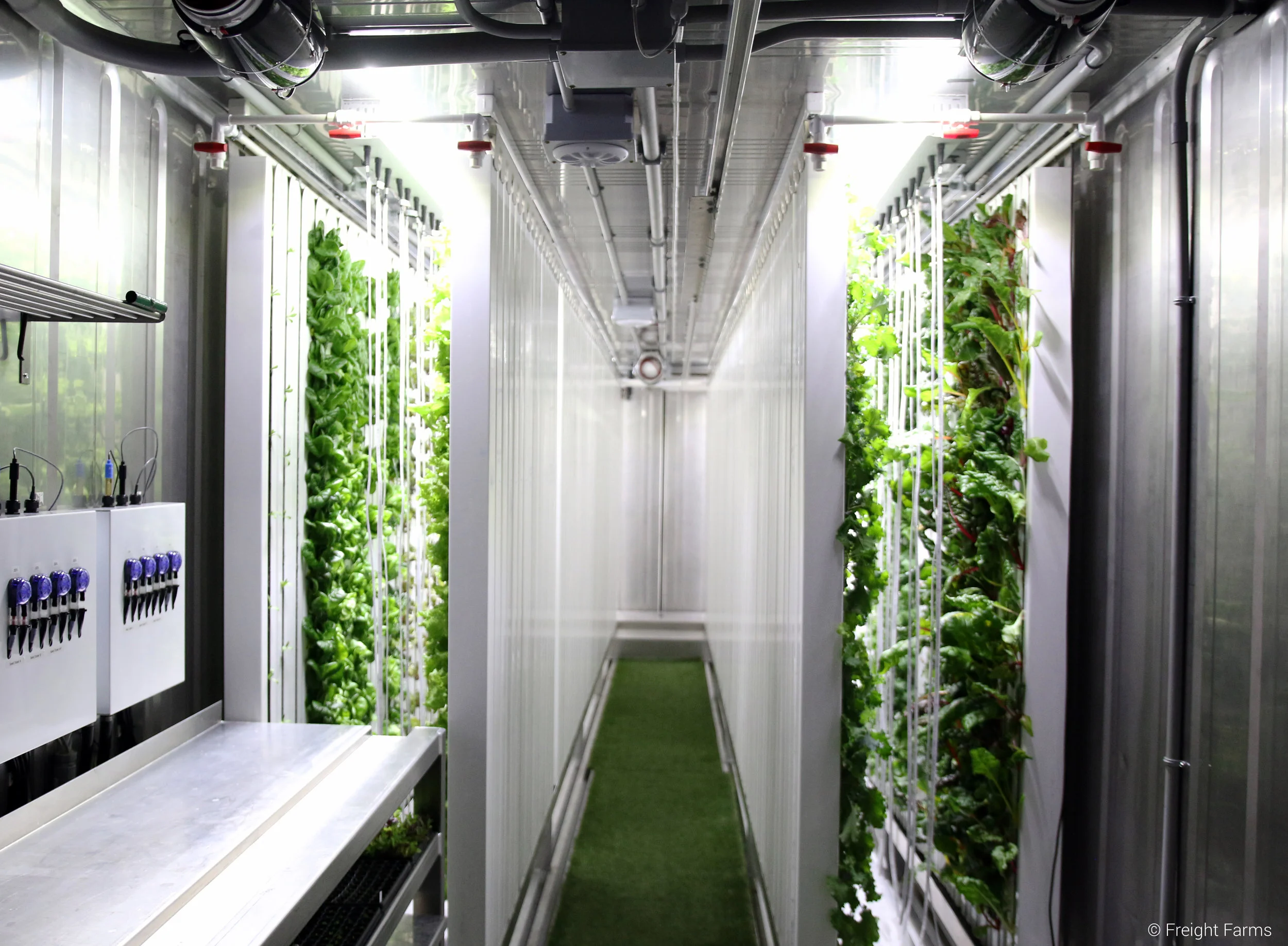
Why Shipping Container Farming?
The local food trend isn't going away anytime soon, but as demand increases, traditional farmers and restaurants are faced with the challenge of providing fresh, hyper-local food year-round
Local Food Is Here To Stay
The local food trend isn't going away anytime soon, but as demand increases, traditional farmers and restaurants are faced with the challenge of providing fresh, hyper-local food year-round.
Since the advent of the grocery store, customer's have become accustomed to an endless summer regarding the variety of produce available on store shelves regardless of where they live. In order to feed the rising demand for local food, as well as meet the nutritional needs of a growing population, methods of indoor farming are a large part of the solution designed to meet increasing demand created by the local food movement.
There are a variety of approaches to growing crops in indoor environments including home growing, retrofitting warehouses, rooftop farming, and of course, container farming. If you want to learn more about the advantages and disadvantages of these practices, read our article on Comparing Different Indoor Farming Methods. But in this article, we are going to focus on what makes freight farming so accessible to new farmers, no matter where they're located.
An (extremely) brief history lesson
The number of farms producing the food we eat here in the United States has dropped by roughly 70% since the 1930's, leaving the majority of the food we eat grown by giant corporations, often shipped from hundreds or even thousands of miles away. Despite this trend, however, consumers' appetite for local food is growing. In 2014, local foods generated nearly 12 billion in sales and are expected to double by 2019. While the "local" label conjures up images of small farms, pastoral scenes, or perhaps even urban farming operations, the reality is, big box retailers are elbowing their way into the space and capitalizing on the trend.
Studies show that only about one-third of small farms has a designated successor in the family, in part because many young people are unwilling to make the significant financial investment in an industry that requires them to work long hours and has a somewhat antiquated reputation.
Container farming can work for anyone
The Leafy Green Machine at Google's Campus in Mountain View, CA.
At Freight Farms, we're committed to lowering the barriers to entry for small farmers by decreasing the start-up cost of farming and increasing the productivity on a per-square-foot basis. Furthermore, the automation inside the farm makes container farming less labor intensive than traditional agriculture and other indoor growing techniques, meaning that you have more time to grow the business side of your operation or pursue your other interests and entrepreneurial endeavors.
Container farming works well in both urban and rural settings and can function as a stand-alone business, or be an accessory to your existing farm or restaurant, making it easier for both small businesses and institutions to incorporate truly sustainable practices. It's a great learning tool, plus it can feed your employees, guests, or students.
Although some of our farmers come from farming backgrounds, many freight farmers are new to the industry. Part of our mission here at Freight Farms is to provide both the hardware and software solutions to simplify the hydroponic growing process, so that any company, individual or organization can grow fresh produce year-round no matter what their technical or farming experience might be.
“I just remember when we harvested our first round of produce the pride that our department felt – none of us are farmers! – in knowing that we made this happen ”
— Lenore Musick, Executive Director, Sustainability Initiatives at Georgia State.
A complete farming system inside a box
Unlike other indoor growing methods, the Greenery comes fully assembled to allow you seamlessly kickstart your farm and get growing.
Turnkey: The Greenery is a complete hydroponic growing system in a box. Meaning, freight farmers can perform every farm-related task from seeding to harvesting and packaging right inside the container!
Climate Controlled: Intuitive climate controls automatically respond to air and water sensors inside the farm to ensure an ideal growing environment for your crops.
Automated: Inside each farm is a central brain that is programmed to automatically adjust all the components inside the farm so that it's creating the perfect environment. That means the climate is managed by the Greenery, enabling farmers to focus on growing the crops and their business.
Remote Monitoring and Control: The farmhand® mobile application allows our freight farmers to remotely monitor and control the climate components inside the farm such as the lights, temperature, and humidity, so they can know what's going on inside the farm, even when they're not there.
Scaleable: The modular and stackable design of the Greenery allows you to quickly scale up your farming operation or start a new business from scratch.

AmHydro Partnership With Indian Company Moves Forward
Farms2050 plans to be the hub for hydroponics in India and is ready to provide guidance and consultation to those with interest in turn-key hydroponic solutions

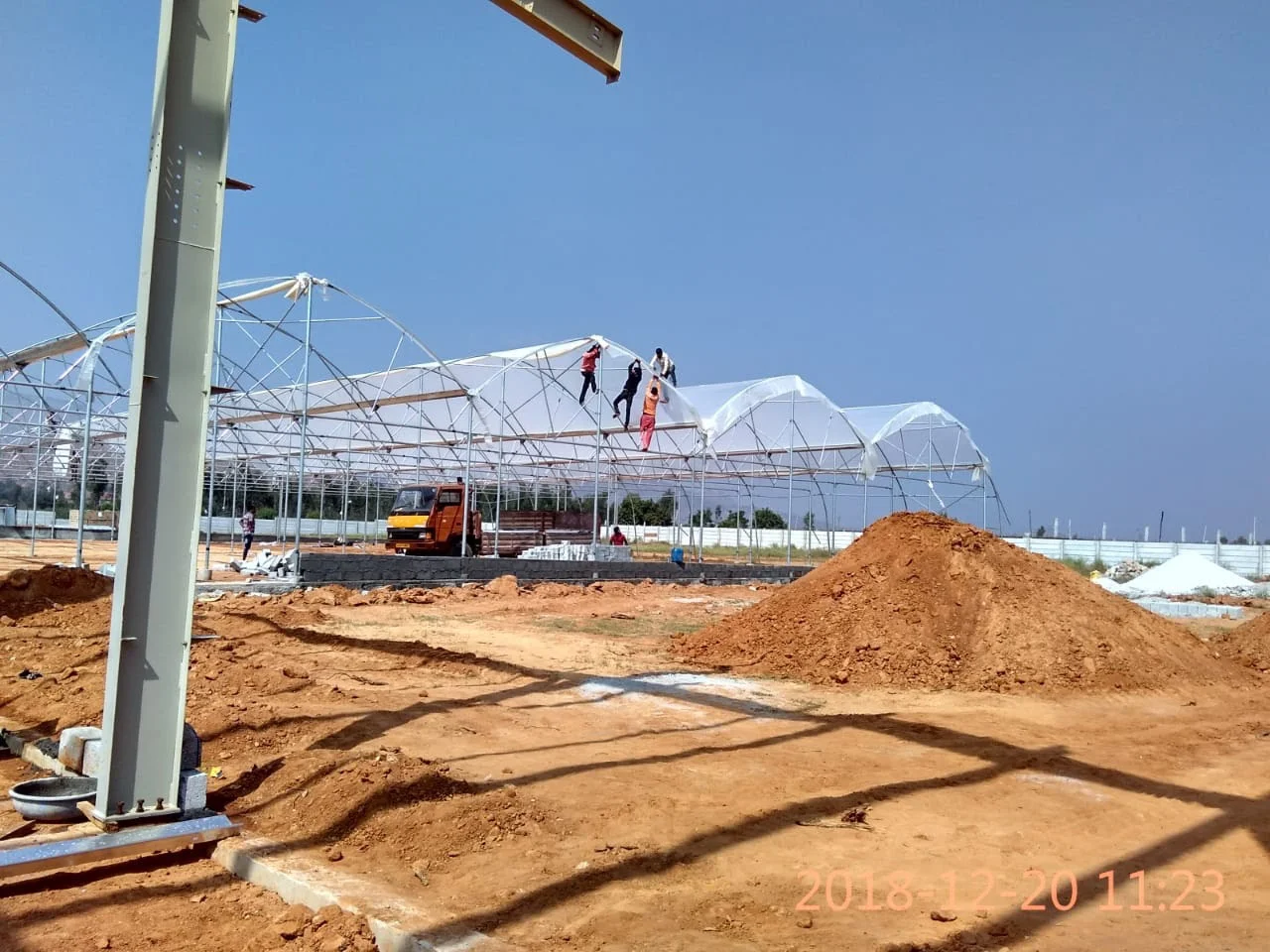

With Many Hands And Hard Work, This Multi-Acre Farm Has Been Built From The Ground Up And Is Now Producing Beautifully
Located in Bengaluru, Farms2050 is the largest hydroponic farm in India where water is scarce, agricultural knowledge abundant and the need for sustainable solutions is urgent.
Farms2050 Timeline:
July 2018 - AmHydro sends 2 containers across the ocean
January 2018 - AmHydro production crew travels for installation
April 2019 - Jenny Harris and Joe Swartz visit for additional training
July 2019 - Farms2050 is in full production
Look at this tremendous transformation!
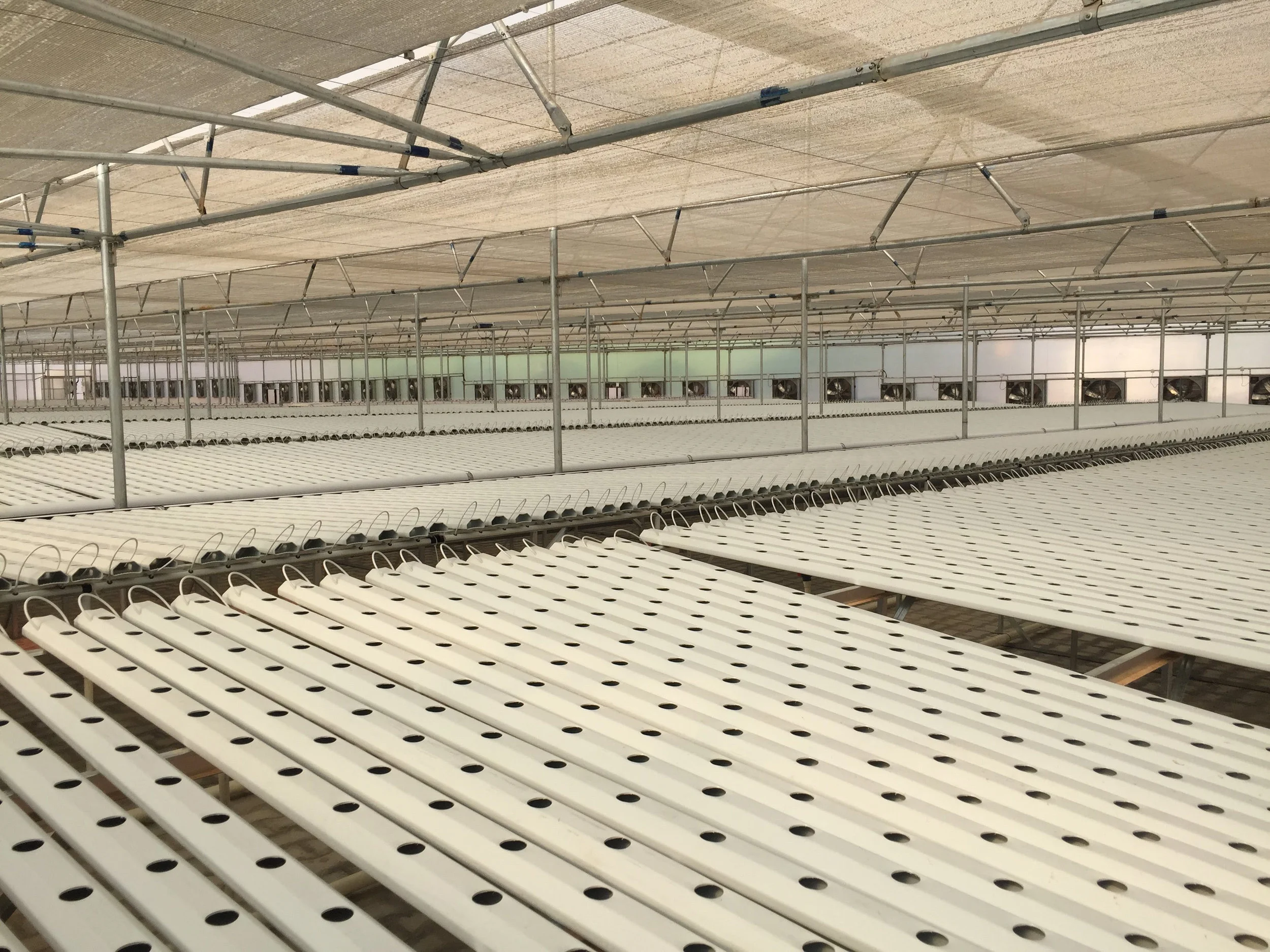
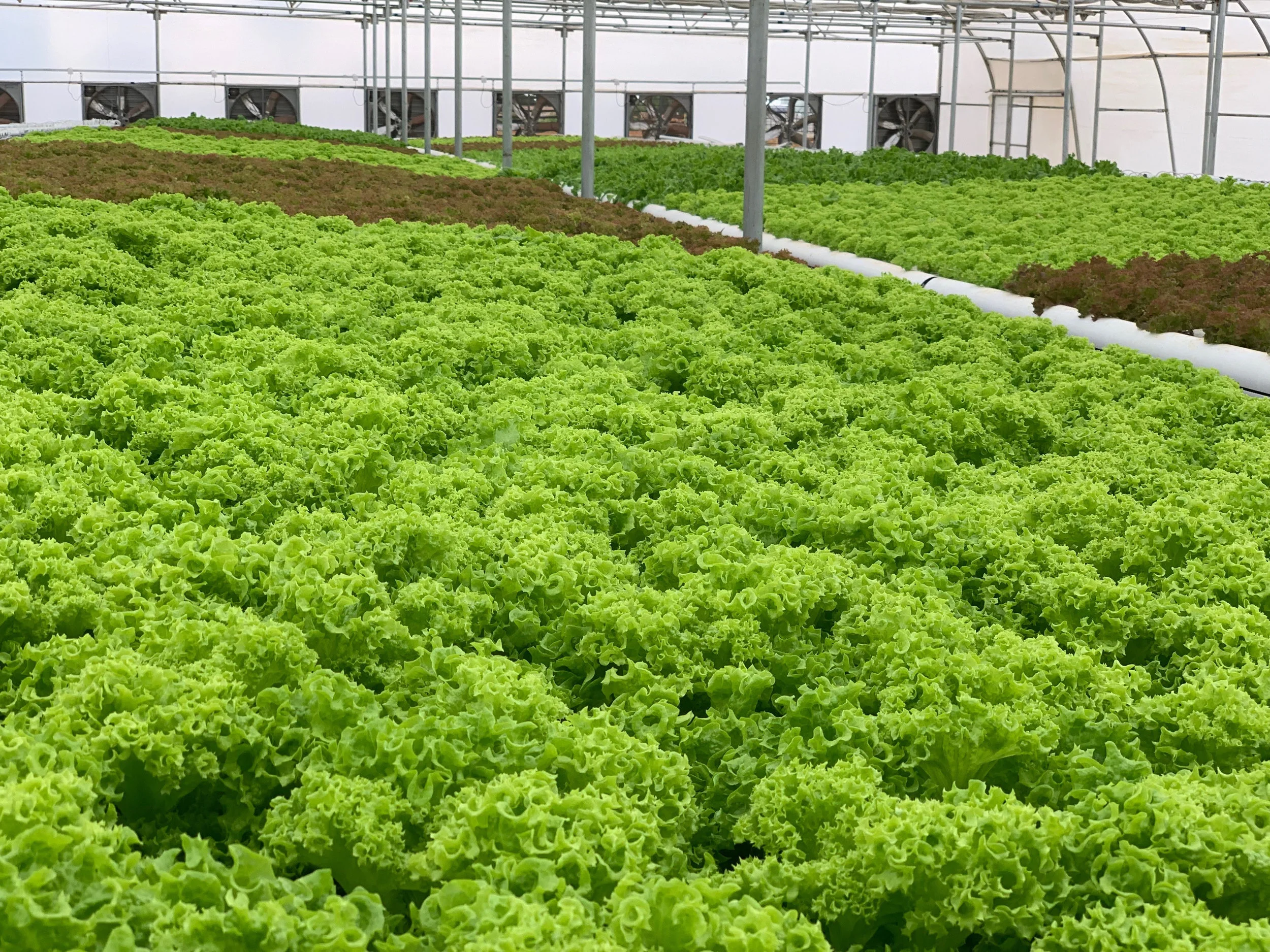


January thru June
If you build it, they will come.
Farms2050 plans to be the hub for hydroponics in India and is ready to provide guidance and consultation to those with interest in turn-key hydroponic solutions.
If you are one of those people, visit their website or sign up below to have your contact info added to our list
Check Out Their Website!
Or Add Your Name to The Contact List
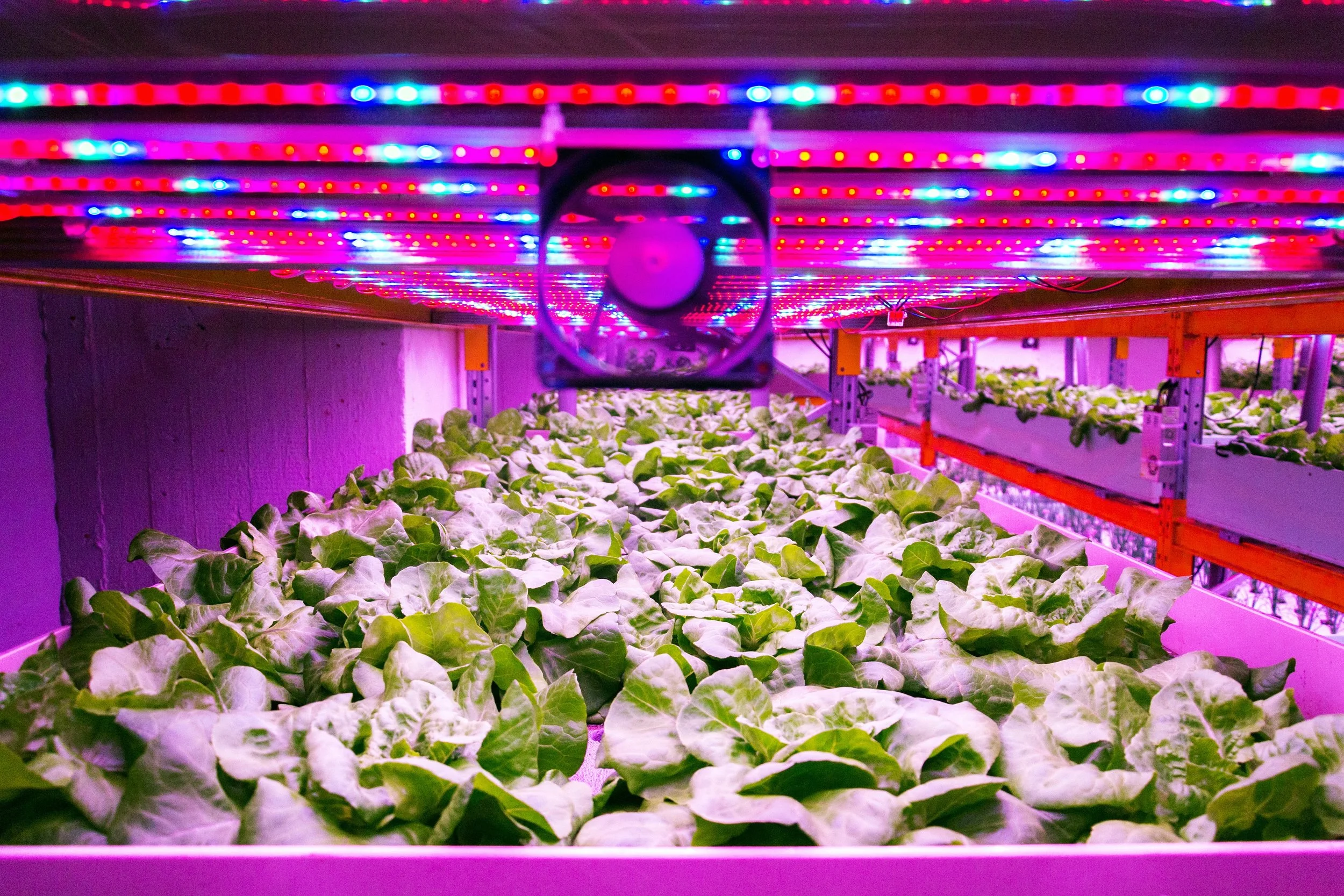
Micro-Naps For Plants: Flicking The Lights On And Off Can Save Energy Without Hurting Indoor Agriculture Harvests
Growing crops under artificial light is gaining momentum , particularly in regions where produce prices can be high during seasons when sunlight is sparse
7/22/2019
Author: Kevin M. Folta
(MENAFN - The Conversation) A nighttime arrival at Amsterdam's Schiphol Airport flies you over the bright pink glow of vegetable production greenhouses. Growing crops under artificial light is gaining momentum , particularly in regions where produce prices can be high during seasons when sunlight is sparse.
The Netherlands is just one country that has rapidly adopted controlled-environment agriculture , where high-value specialty crops like herbs, fancy lettuces and tomatoes are produced in year-round illuminated greenhouses.Advocates suggest these completely enclosed buildings – or plant factories– could be a way to repurpose urban space, decrease food miles and provide local produce to city dwellers.
One of the central problems of this process is the high monetary cost of providing artificial light , usually via a combination of red and blue light-emitting diodes.Energy costs sometimes exceed 25% of the operational outlay. How can growers, particularly in the developing world,compete when the sun is free ? Higher energy use also translates to more carbon emissions, rather than the decreased carbon footprint sustainably farmed plants can provide.
I'vestudied how light affects plant growth and development for over 30 years. I recently found myself wondering: Rather than growing plants under a repeating cycle of one day of light and one night of darkness, what if the same daylight was split into pulses lasting only hours, minutes or seconds?
Indoor plants need plenty of artificial light. josefkubes/Shutterstock.com
Short bursts of light and dark
So my colleagues and I designed an experiment . We'd apply the normal amount of light in total, just break it up over different chunks of time.
Of course plants depend on light for photosynthesis, the process that in nature uses the sun's energy to merge carbon dioxide and water into sugars that fuel plant metabolism. Light also directs growth and development through its signals about day and night, and monkeying with that information stream might have disastrous results.
That's because breaking something good into smaller bits sometimes creates new problems. Imagine how happy you'd be to receive a US$100 bill – but not as thrilled with the equivalent 10,000 pennies. We suspected a plant's internal clock wouldn't accept the same luminous currency when broken into smaller denominations.
And that's exactly what we demonstrated in our experiments . Kale, turnip or beet seedlings exposed to cycles of 12 hours of light, 12 hours dark for four days grew normally, accumulating pigments and growing larger. When we decreased the frequency of light-dark cycles to 6 hours, 3 hours, 1 hour or 30 minutes, the plants revolted. We delivered the same amount of light, just applied in different-sized chunks, and the seedlings did not appreciate the treatment.
The same amount of light applied in shorter intervals over the day caused plants to grow more like they were in darkness. We suspect the light pulses conflicted with aplant's internal clock , and the seedlings had no idea what time of day it was. Stems stretched taller in an attempt to find more light, and processes like pigment production were put on hold.
But when we applied light in much, much shorter bursts, something remarkable happened. Plants grown under five-second on/off cycles appeared to be almost identical to those grown under the normal light/dark period. It's almost like the internal clock can't get started properly when sunrise comes every five seconds, so the plants don't seem to mind a day that is a few seconds long.
Just as we prepared to publish, undergraduate collaborator Paul Kusuma found that our discovery was not so novel. We soon realized we'd actually rediscovered something already known for 88 years. Scientists at the U.S. Department of Agriculture saw this same phenomenon in 1931 when they grew plants under light pulses of various durations. Their work in mature plants matches what we observed in seedlings with remarkable similarity.
A 1931 study by Garner and Allard tracked the growth of Yellow Cosmos flowers under light pulses of various durations.
J. Agri. Res. 42: National Agricultural Library, Agricultural Research Service, U.S. Department of Agriculture.,CC BY
Not only was all of this a retread of an old idea, but pulses of light do not save any energy. Five seconds on and off uses the same amount of energy as the lights being on for 12 hours; the lights are still on for half the day.
But what would happen if we extended the dark period? Five seconds on. Six seconds off. Or 10 seconds off. Or 20 seconds off. Maybe 80 seconds off? They didn't try that in 1931.
Building in extra downtime
It turns out that the plants don't mind a little downtime. After applying light for five seconds to activate photosynthesis and biological processes like pigment accumulation, we turned the light off for 10, or sometimes 20 seconds. Under these extended dark periods, the seedlings grew just as well as they had when the light and dark periods were equal. If this could be done on the scale of an indoor farm, it might translate to a significant energy savings, at least 30% and maybe more.
Recent yet-to-be published work in our lab has shown that the same concept works in leaf lettuces; they also don't mind an extended dark time between pulses. In some cases, the lettuces are green instead of purple and have larger leaves. That means a grower can produce a diversity of products, and with higher marketable product weight, by turning the lights off.
One variety of lettuce grew purple when given a 10-second dark period. They look similar to those grown with a five-second dark period, yet use 33% less energy. Extending the dark period to 20 seconds yielded green plants with more biomass.
J. Feng, K. Folta
Learning that plants can be grown under bursts of light rather than continuous illumination provides a way to potentially trim the expensive energy budget of indoor agriculture. More fresh vegetables could be grown with less energy, making the process more sustainable. My colleagues and I think this innovation could ultimately help drive new business and feed more people – and do so with less environmental impact.
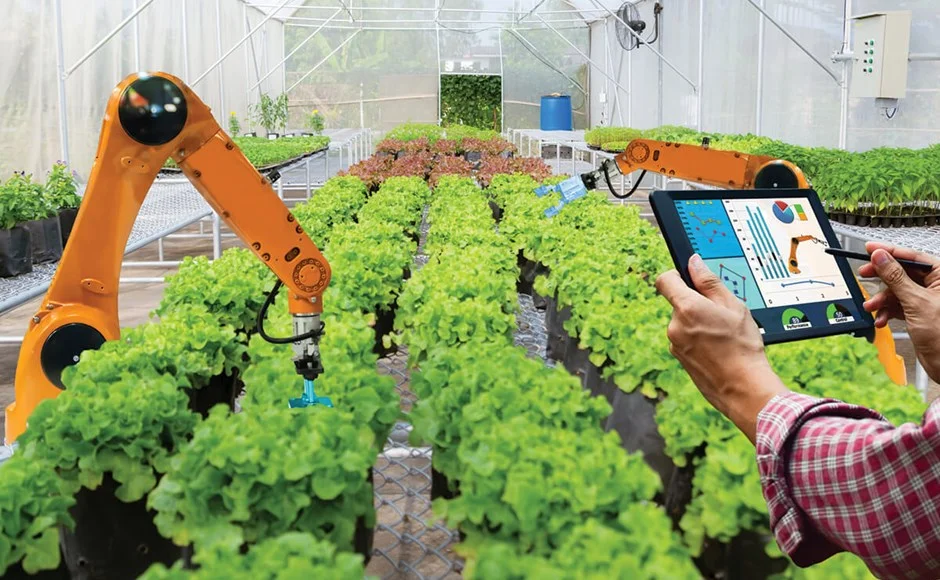
Artificial Intelligence And Controlled Environment Agriculture
As the role of controlled environment growing increases in agriculture, so does the opportunity for artificial intelligence. But can AI replace the human touch? Kent Gruetzmacher investigates
Kent Gruetzmacher | July 15, 2019
Takeaway: As the role of controlled environment growing increases in agriculture, so does the opportunity for artificial intelligence. But can AI replace the human touch? Kent Gruetzmacher investigates.
As both a process and vocation, controlled environment agriculture (CEA) is intimately entwined with technology. As CEA gets increasingly sophisticated through technological advancements, how these developments will affect horticultural processes and, in turn, world food supplies, remains largely unknown. At the forefront of new frontiers in CEA technology lies artificial intelligence (AI), which can potentially forever change the way humankind procures fresh produce, largely by replacing human labor with mechanized production.
We live in a world increasingly dependent upon, and defined by, technology. This notion rings true in almost every facet of day-to-day life in the 21st century, including communication, entertainment, and work. Similarly, for those living in the Western world, this same technology contributes to meeting our general human needs, as food is readily available for most people at grocery stores and beyond. Yet, our current food subsistence patterns are far from infallible and the technologies that make commercial agriculture possible are falling short on several fronts.
These shortcomings are evident in pesticide- and preservative-laden food sources as well as hungry human populations in less-fortunate regions of the globe.
Over the last few decades, CEA production has grown leaps and bounds in its scale and capabilities. Many believe CEA practices such as urban agriculture and vertical farming will eventually help resolve global food crises. This positive outlook is largely because of technological advancements in “smart” environmental controls and LED lighting, which have made CEA production viable, as well as profitable, on a commercial scale for the first time.
Sophisticated irrigation systems have also drastically reduced the amount of human labor required in propagating crops. For many CEA advocates and technology authorities, AI is the next phase in streamlining and sophisticating agricultural procedure as well as global subsistence patterns.
Why Artificial Intelligence?
There are several reasons why AI has so much potential in the world of CEA. These reasons mainly have to do with notions of horticultural processes and labor efficiency. Today, automation is already an essential element in most CEA growing, and its benefits are related to both consistency and efficiency in operations. For example, smart controllers take much of the guesswork out of troubleshooting environmental issues, while fertigation systems accomplish irrigation in a controlled and effective fashion.
Artificial intelligence has the capabilities to take these advancements even further.
Technology authorities postulate that AI can potentially circumvent human interaction with horticultural processes and garden maintenance almost in their entirety. According to agfundernews.com: “Hypothetically, it is possible for machines to learn to solve any problem on Earth relating to the physical interaction of all things within a defined or contained environment… by using artificial intelligence and machine learning.” The important take away here is the idea AI systems can learn as well as make choices based on the objective constraints that dictate rational human decision making.
Concerning both production and labor, this avant garde theory pushes notions of CEA automation to their absolute extremes. This AI learning concept postulates robots would be at the controls of environmental and irrigation systems that currently require human intervention in the way of fine tuning and decision making. Also, AI could circumvent human error from these processes by removing the human labor needed to grow CEA crops.
While these ultramodern appraisals of AI and CEA cultivation can seem somewhat alarming, many see a real potential benefit in the technology, namely because humans are, well, undependable. The industry is traditionally plagued by labor shortages in jobs that aren’t very attractive to even the most entry-level employees. Many companies, in CEA and beyond, understand the struggles of finding dependable help for their businesses, with tech retail giant Amazon currently employing more than 40,000 robots in its warehouse operations.
In agriculture, there are several robots being developed that can handle more rudimentary CEA garden chores such as leaf pruning. When it comes to AI learning applications and high-level jobs in CEA, it’s worth noting even the most rudimentary human error in fertilization or irrigation can have devastating effects on crops. Large vertical farming companies are aware of this and are currently implementing AI help in certain facets of their operations.
Read also: Automation Options for Outdoor Soil Gardens
Sensors and Data Analytics
Artificial intelligence applications in CEA are entirely data driven — machines both gather, as well as use, this information as the basis of machine learning. This sort of remote sensing, data compiling technology is already widely popular in more advanced CEA operations, especially regarding soil and air sensors. These technological advancements are used to measure moisture levels in grow mediums, and temperature and humidity levels in the air, and give cultivators real-time updates on the working analytics of their operations.
Commercial agriculture operations are taking notions of remote sensors and data analytics to the extreme by way of drone sensing. Some commercial farms use drones to fly over fields of crops and take precise readings of growth patterns and environmental conditions. This data informs growers, in real time, what sort of elements their garden is lacking or burdened with — allowing them to make proactive decisions in counteracting potential problems.
For the time being, drone technology in commercial agriculture is still being utilized to inform rational decision-making in the human mind — but many feel these processes would be integral with informing data matrices in the “minds” of AI machines.
Artificial Intelligence and Machine Learning
Potential advances, as well as drawbacks, of AI applications for CEA can be drawn from current mainstream research — such as with IBM — into the technology’s capabilities regarding commercial agriculture. agfundernews.com reports: “Interviews with some of the IBM project team members … revealed that the team believed it was entirely possible to ‘algorithm’ agriculture, meaning that algorithms could solve any problem in the world.”
While IBM’s claims are grandiose and positive in nature, they are not entirely unreasonable. Major computer tech companies such as Google and Pandora already utilize algorithms to isolate relevant data, make decisions, and cater to human needs. However, all these algorithmic applications depend upon objectively derived, predictable points of data in informing the machine learning process.
When it comes to creating algorithms for agriculture, researchers have been running into countless problems stemming from the unpredictability of the natural world. There are countless variables contributing to weather patterns around the globe; the nuances of these factors are far beyond the scope of human understanding. This notion is relevant because humankind cannot program machines to learn about environmental systems that we don’t yet understand, and AI cannot make the critical step in accounting for anomalous factors in weather or crop production. Therefore, our technology is only as strong as the data we supply it with via our own knowledge.
While issues with environmental predictability that plague AI applications in traditional agriculture may not seem to affect CEA production as intensely, there are still factors that make AI fall short in controlling CEA growing in its entirety. For instance, many greenhouse gardens are still largely at the mercy of Mother Nature and present challenges with anomalous weather patterns.
Similarly, indoor growing operations experience problems with such irregularities as equipment failure and power outages, which only human intervention can fix.
Controlled environment agriculture crop production is only as strong as the equipment and human labor supporting it, so the balance between these two continues to shift under the pressures of new advancements with technology such as AI. This notion presents an interesting crux in modern cultivation processes, as automation can provide a more efficient platform for consistency than with human labor. However, machines cannot account for the rhythms of the natural world or other operational variances.
Many accomplished horticulturists understand the intuitive touch it takes to produce exceptional crops — this intuition comes as a feeling rather than as a form of objective knowledge or data. AI and other technological advancements in CEA growing have their place in today’s horticultural processes, yet cannot match the capacity for creativity explicit in the human mind.
Written by Kent Gruetzmacher
Kent Gruetzmacher is a California-based freelance writer and the west coast director of business development at Mac & Fulton Executive Search and Consulting, an employment recruiting firm dedicated to the indoor gardening and hydroponics industries. He is interested in utilizing his Master of Arts in humanities to explore the many cultural and business facets of this emerging industry by way of his entrepreneurial projects.

Apex Farms Corp. Retains New CFO and Board Member
Apex Farms Corp. (“Apex Farms” or the “Company”), a vertical farming technology company that designs and produces proprietary vertical hydroponic farming systems for both commercial and residential use, is proud to announce that it has retained Melissa Kennedy as its Chief Financial Officer and as a member of its board of directors
ACCESSWIRE July 24, 2019
WILMINGTON, DE / ACCESSWIRE / July 24, 2019 / Apex Farms Corp. (“Apex Farms” or the “Company”), a vertical farming technology company that designs and produces proprietary vertical hydroponic farming systems for both commercial and residential use, is proud to announce that it has retained Melissa Kennedy as its Chief Financial Officer and as a member of its board of directors.
Melissa Kennedy was the controller of a Hotel Sofitel (1994-1997), a sole proprietor working as the bookkeeper for several entities (1997-2010), the campaign controller for a U.S. senator (2001-2010), the treasurer for a political action committee (2003-2011), the business manager for a strategic and political consulting firm (2010-2017) and, most recently, a sole proprietor working as an intermediary accountant for clients reporting to the SEC (2015-2019).
Melissa Kennedy stated ‘I’m very happy to be CFO of Apex Farms Corp. “I’m an electric car-driving , tree hugger” living in the Pacific Northwest so working for a green company is an absolute dream come true. I look forward to putting my accounting and SEC-reporting skills to work in growing the company and to help take the company to the next level.”
Alexander M. Woods-Leo the Founder and CEO of Apex Farms Corp. went on to say “bringing Melissa Kennedy on as CFO and as a member of our board is an important step as we traverse through our next goal of completing becoming publicly traded. Ms. Kennedy’s background and expertise with respect to finances and her experience as a controller will be instrumental to strengthening our internal and disclosure controls and to our future success.”
Initial Public Offering
Apex Farms Corp. is seeking to sell up to 5,000,000 shares of its common stock at an offering price of $0.20 per share for aggregate maximum gross proceeds of one million dollars ($1,000,000). To date, the Company has raised $191,368.80 under its Regulation A+, Tier 2 IPO. The Company is now posting its offering on the StartEngine platform where it will seek to raise up to an additional $808,631.20 over the next 90 days. The Company intends to use the net proceeds of the offering for engineering and prototyping, marketing, production and inventory, administrative and corporate expenses, professional fees and compensation and working capital reserves. The offering circular for the offering is available on the SEC's website at www.sec.gov and may be accessed using the following link:
https://www.sec.gov/cgi-bin/browse-edgar?company=Apex+Farms+Corp.&owner=exclude&action=getcompany
and on the Start engine portal https://www.startengine.com/apex-farms-corp
Both accredited and non-accredited investors can invest as little as $500 in the offering by visiting the offering page on the StartEngine website using the following link: https://www.startengine.com/apex-farms-corp
The offering of the Company's common stock is subject to market and other conditions, and there can be no assurance as to whether or when the offering may be completed, or how much capital will be raised, if any. The Company cannot predict the timing of its planned quotation on the over-the-counter market.
About Apex Farms Corp.
Apex Farms Corp. designs highly practical vertical growing systems. We have analyzed, challenged, and worked out a system for growing food that can be accessible to everyone at relatively low prices. We see our community as the world at large, standardizing our farming method to create jobs, cultivate healthier eating opportunities, and reducing the carbon footprint.
With global hunger on the rise, many farms face challenges in meeting demand due to the high costs of water, land, energy, and labor. Apex Farms has developed a Vertical Farming System to address this need. Using patented and patent-pending technology, the hydroponic system can grow a wide variety of plants, including vine plants, root plants, flowers, and greens. The planting rows are stacked to reduce overall resource use but are fully accessible for harvesting from the ground - no need for conveyor belts, scaffolding, or complex machinery. Ultimately, the company wants to achieve the highest levels of efficiency and allow clients to fully customize their farm.
For more information about Apex Farms Corp., please visit: www.apexfarming.com
FORWARD-LOOKING STATEMENTS:
The information set forth above includes statements, estimates, projections with respect to our anticipated future performance and other forward-looking statements, which are subject to risks, uncertainties and assumptions. In some cases, you can identify these statements by forward-looking words such as "may," "might," "will," "should," "expect," "plan," "anticipate," "believe," "estimate," "predict," "potential," "future" or "continue," the negative of these terms and other comparable terminology. The forward-looking statements include statements about our ability to successfully commercialize a smaller residential system at a lower price point, our ability to successfully raise capital in our Regulation A offering, our ability to obtain additional patents, our ability to successfully generate revenues, grow our business and execute our business plan. Such forward-looking statements are based on current plans, estimates and expectations and are made pursuant to the Private Securities Litigation Reform Act of 1995. These statements, estimates and projections are based upon various assumptions that we made concerning our anticipated results and industry trends, which may or may not occur. We are not making any representations as to the accuracy of these statements, estimates or projections. Our actual performance may be materially different from the statements, estimates or projections set forth above as a result of various risks applicable to our company as discussed in our Form 1-A Offering Statement that was filed with the Securities and Exchange Commission. We undertake no obligation to update or revise forward-looking statements to reflect changed assumptions, the occurrence of unanticipated events or changes to future operating results.
Important Notice the Regarding Regulation A Offering
Apex Farms Corp. is conducting an offering of its securities under Regulation A of the Securities Act of 1933, as amended. To learn more about this offering or to invest in this offering visit Apex Farms' offering page using this link : https://www.startengine.com/apex-farms-corp . An offering statement regarding Apex Farms' Regulation A offering has been filed with the SEC. The SEC has qualified that offering statement, which means that Apex Farms Corp. may make sales of the securities described by that offering statement. It does not mean that the SEC has approved, passed upon the merits or passed upon the accuracy or completeness of the information in the offering statement. You may obtain a copy of the offering circular that is part of that offering statement through this link: https://www.sec.gov/Archives/edgar/data/1729481/000144586619000827/apex_253g1.htm
Investing in an initial public offering like our Regulation A offering is subject to unique risks, tolerance for volatility, and potential loss of your investment, that investors should be aware of prior to making an investment decision. Please carefully review the risk factors contained in the offering circular for this offering.
For more information contact:
Alexander M. Woods-Leo
alex@apexfarming.com
302-307-3668 Ext. #1
SOURCE: Apex Farms Corp.

Rooftop Farm-to-Table Food Part of Javits Expansion
The new venture will source food from a working farm being built on the roof as part of the center’s massive expansion. Brooklyn Grange will manage the farm and work with the Cultivated culinary team
by REW July 19, 2019
The 1.2 million Javits Center expansion is expected to be complete next year.
The Javits Center is launching a new hospitality brand aimed at offering a locally grown and celebrated food and beverage operation to exhibitors and visitors.
The new venture will source food from a working farm being built on the roof as part of the center’s massive expansion.
The New York Convention Center Operating Corporation (NYCCOC), which operates the Javits Center, has joined with Levy Convention Centers and CxRA to launch the brand called Cultivated.
NYCCOC president Alan Steel believes Cultivated will redefine hospitality at the Javits Center undergoes 1.2 million square foot set to be completed in 2021.
The 1.2-million-square-foot addition has been designed by tvsdesign at a cost of nearly $1.5 billion. It will increase the total area of the facility to 3.3 million square feet and add an extra 22,000 s/f to what is already the largest green roof in New York City.
In collaboration with a design/build team led by Lendlease (US) Construction LMB Inc. and Turner Construction, the project features 90,000 s/f of permanent exhibit space, to be combined with current exhibit space, which will create an approximately 500,000 s/f exhibition hall.
In addition, the expansion will include 45,000 s/f of meeting room space, a 55,000 s/f ballroom, and a green roof terrace and pavilion accommodating 1,500 people for outdoor events.
As an urban convention center, the team is also creating an on-site truck marshaling facility with room for more than 230 event and exhibit related trucks and 27 new loading docks out of the public view.
The new Cultivated hospitality venture will focus on sustainability and community and use of state-of-the-art technology to create “an inspirational culinary experience that captures the vibrancy and vitality of the greatest city in the world.”
As well as the rooftop pavilion and outdoor space, the expansion will include additional kitchens, multiple food preparation stations and loading docks, all designed to transform the on-site catering experience.
Andy Lansing, president and CEO of Levy. “We’re rolling up our sleeves and working closely with the restaurants, purveyors, farms, and community organizations that define New York’s culinary scene. Anyone who visits Javits Center should leave feeling like they experienced the best the city and state have to offer.”
All event managers, exhibitors and attendees at the Javits Center will now be served by the Cultivated team.
New menus and a new microsite are dedicated to advanced and on-site catering services and a leadership team at Cultivated will leverage local resources and producer partnerships to showcase New York offerings.
The Javits Center will offer coffee roasted by El Dorado Coffee Roasters, based in the Maspeth section of Queens and sustainable beer made by re-using bread made on-site in partnership with a local brewery.
There will be a line of products infused with honey harvested from the Javits Center’s rooftop bee hives; and straws will be scrapped as the center introduces 100 percent compostable serviceware
Cultivated will also play a role in the success of a one-acre rooftop working farm being constructed as part of the expansion project.
When completed, the farm is expected to produce up to 40,000 pounds of fruits and vegetables, which will be directed to the convention center’s kitchens where Cultivated staff will create a true roof-to-table experience for customers throughout the year.
Brooklyn Grange will manage the farm and work with the Cultivated culinary team.

GLASE - Free Webinar Series - July 25, 2019 - Supplemental Greenhouse Lighting During Propagation
Find out how to properly manage supplemental greenhouse lighting during propagation with Erik Runkle and Roberto Lopez from Michigan State University.
Date: July 25, 2019
Time: 2-3 p.m. EST
Presented by: Erik Runkle and Roberto Lopez
Light is the driving energy source for photosynthesis and carbohydrate accumulation in plants. During propagation cuttings and seedlings require a minimum quantity of light to provide the energy for root initiation and development. Light intensities below this minimum result in little or no root development, leading to a delayed crop or rooting failure. Conversely, too much light can bleach leaves and reduce root formation due to excessive stress on the cuttings.
Find out how to properly manage supplemental greenhouse lighting during propagation with Erik Runkle and Roberto Lopez from Michigan State University.
Register Here
Roberto Lopez
Assistant Professor @Michigan State University
Roberto Lopez earned his master’s degree in 2003 and PhD in 2007 from Michigan State. From 2008 until 2016, he was assistant and then associate professor in horticulture and landscape architecture at Purdue University.
His research focuses on energy-efficient propagation and production of floriculture crops with an emphasis on lighting and temperature management. By controlling environmental factors such as light, temperature, and carbon dioxide, Roberto has been able to influence crop timing, quality, flavor, nutrition, and color in many crops.
His lab is especially focused on light-emitting diodes (LEDs) and recently developed best-practice strategies for LED implementation in greenhouse and indoor sole-source lighting situations.
Erik Runkle
Professor @Michigan State University
Erik Runkle Ph.D, is a professor and extension specialist in the Department of Horticulture at Michigan State University. Erik obtained a B.S. in ornamental horticulture from the University of Illinois and an M.S. and Ph.D. in horticulture at Michigan State University.
Since he joining the Michigan State faculty in 2001, Erik and his graduate research team have performed numerous practical experiments in controlled environments to determine the effects of light, temperature, and other environmental factors on plant growth and development. Experiments have been performed on a wide range of herbaceous specialty crops including leafy greens and ornamentals. Erik recently developed the Controlled-Environment Lighting Laboratory to better understand how the light spectrum can be manipulated to produce crops with desired attributes.
To date, Erik has co-edited six books and authored 14 book chapters, nearly 100 papers in scientific journals, and over 250 articles in trade magazines.
The GLASE Consortium Webinar Series features the latest technological innovations and
best practices in the CEA field providing the audience with the opportunity to
discover new solutions and to connect with field experts.

Heliponix Capturing Innovation And Hearts In Indiana's Great Southwest
Heliponix is an Agriculture Technology company that sells the GroPod to consumers. The GroPod is a revolutionary smart appliance that grows fresh produce in your home any time of year with an organic seed-pod subscription without any preservatives or pesticides
See The First GroPod One In-Person At The Purdue University Graduate Student Plant Science Symposium on August 1 At The Beck Agricultural Center.
Heliponix is an Agriculture Technology company that sells the GroPod to consumers. The GroPod is a revolutionary smart appliance that grows fresh produce in your home any time of year with an organic seed-pod subscription without any preservatives or pesticides.
The business model is similar to the keurig k-cup model, but is also a practical solution to counter the environmental damage wreaked by conventional soil agriculture since it uses hydroponics which grows produce faster with 95% less water. This is important because the human population will reach 9.8 Billion in the year 2050 which will increase food demand by 70%. This will likely not be met with current agriculture practices in the US accounting for almost 80% of all freshwater consumption and 50% of land use.
Heliponix was co-founded by Southern Indiana natives, Scott Massey and Ivan Ball. Although they did not know each other before completing their respective engineering degrees at Purdue University, they met each other as co-working on a NASA funded research study at Purdue.
There, there research energy efficent LED lighting spectrum optimization to reduce the energy consumption of the hydroponic growing systems on the International Space Station. As undergraduate students, they had the idea to create an IoT (internet of things) appliance that would automate the complex process of hydroponics so every-day consumers would have the ability to grow their own produce at home. They then competed in business plan competitions at various universities and research institutions to raise several hundred thousand dollars in funding to commercialize their proprietary technology. Purdue University was among their first investors through their venture division focused on innovations within the agricultural and biological engineering domain.
Heliponix won first place in the Evansville Regional Pitch Competition after debuting considerable traction bringing the GroPod to market as well as the their first production model from their manufacturing facility that will have the capability to produce several thousand GroPods.
Scott Massey said: “We considered many other cities when deciding where to locate a high-tech appliance company such as Heliponix. Fortunately, the Ohio River Valley is fertile in engineering talent and manufacturing plants to produce our exact product. We will continue creating high-paying jobs as we define an entirely new frontier for agriculture. In the not so distant future, the majority of culinary herbs, microgreens, and leafy green vegetables will be grown indoors as consumers favor the flavor, health, and food safety benefits of fresher food. That’s why we are excited to advance to the state finals since our company truly has so much growth potential for our region.”

‘Climate Grief’: Fears About The Planet’s Future Weigh On Americans’ Mental Health
Therapist Andrew Bryant says the landmark United Nations climate report last October brought a new mental health concern to his patients
JULY 18, 2019
Therapist Andrew Bryant says the landmark United Nations climate report last October brought a new mental health concern to his patients.
“I remember being in sessions with folks the next day. They had never mentioned climate change before, and they were like, ‘I keep hearing about this report,’” Bryant said. “Some of them expressed anxious feelings, and we kept talking about it over our next sessions.”
The study, conducted by the world’s leading climate scientists, said that if greenhouse gas emissions continue at the current rate, by 2040 the Earth will warm by 2.7 degrees Fahrenheit (1.5 degrees Celsius). Predictions say that increase in temperature will cause extreme weather events, rising sea levels, species extinction and reduced capacity to produce food.
Bryant works at North Seattle Therapy & Counseling in Washington state. Recently, he said, he has been seeing patients with anxiety or depression related to climate change and the Earth’s future.
Often these patients want to do something to reduce global warming but are overwhelmed and depressed by the scope of the problem and difficulty in finding solutions. And they’re anxious about how the Earth will change over the rest of their or their children’s lifetimes.
Although it is not an official clinical diagnosis, the psychiatric and psychological communities have names for the phenomenon: “climate distress,” “climate grief,” “climate anxiety” or “eco-anxiety.”
The concept also is gradually making its way into the public consciousness.
In a June 23 episode of the HBO series “Big Little Lies,” one of the main character’s young daughters has a panic attack after hearing about climate change in school.
Other recently released TV shows and movies have addressed the idea.
An April survey by Yale and George Mason universities found that 62% of Americans were at least “somewhat worried” about climate change. Of those, 23% were “very worried.”
Both younger and older generations express worry, although younger Americans generally seem more concerned: A 2019 Gallup poll reported that 54% of those ages 18 to 34, 38% of those 35 to 54 and 44% of those 55 or older worry a “great deal” about global warming.
There is no epidemiological data yet to show how common distress or anxiety related to climate change is. But, people say these feelings are real and affect their life decisions.
Los Angeles residents Mary Dacuma, 33, and her husband decided not to have children because they worry about how difficult the world might be for the next generation.
“The general anxiety about climate change made that decision for us, and now we can plan for that,” said Dacuma, who works in public relations. “Having it already decided has helped to ease my state of mind.”
Alyson Laura started seeing a counselor for anxiety and depression in college. Eventually, she began working in building sustainability, where she helped businesses reduce their energy and water consumption.
But, a few years ago, she began talking to her therapist about the contradictions in her life.
“I saw corporations destroying the environment, but I was working for them, and I knew what they were doing was wrong,” said Laura, 36, who lives in Atlanta. “It was causing me mental anguish. My therapist advised me to take action on what I could control and try to find another area of work. I just couldn’t work in an industry that was harming the Earth.”
So how do people alleviate feelings of stress, anxiety or depression surrounding the planet’s fate?
Bryant, the Seattle therapist, said the No. 1 action he recommends is sharing these concerns with others, whether a counselor, psychiatrist, family, friends or an activist group.
“There is a lot of underlying worry, but not a lot of dialogue or discussion, and so people feel isolated,” Bryant said. “Talking about it makes you feel less isolated, and it’s also a way to relieve the tension, find a pathway forward and find a purpose.”
In that vein, Dr. Janet Lewis, a clinical assistant professor of psychiatry at the University of Rochester in New York, recommends building relationships within a like-minded group. That could involve group therapy, environmental activist groups or online communities.
For Laura, becoming involved with the international activist group Extinction Rebellion has helped her build a network of people who share her values and made her feel as if she’s making a positive contribution to society. With the group, she has participated in nonviolent protests and is organizing the Atlanta chapter’s first grief circle, where people can share their anxiety and grief about the destruction of the Earth.
“Activism is also therapy for me,” said Laura.
Personal action is a way to take control of a situation in which you feel powerless, said Dr. Elizabeth Haase, a psychiatrist at Carson Tahoe Health in Carson City, Nev.
“Small gestures, such as taking fewer airplane rides or buying local produce, can actually make a difference,” Haase said.
Susan Clayton, a psychology professor at the College of Wooster in Ohio, said one way to tackle the uncertainty of environmental change is learning how it might specifically affect your community by viewing climate model predictions.
“If you know what you’re going to face, it’s not quite as scary,” said Clayton, who also co-authored the American Psychological Association’s 2017 report on how climate change can affect mental health.
Lewis said it’s also crucial for people to remember that their mental response to climate change is often valid.
“Most of the kinds of pathologies that we’re accustomed to treating in psychiatry, they tend to be out of proportion to whatever is going on. But with climate change, this is not inappropriate,” she explained.
“The goal is not to get rid of the anxiety. The goal is to transform it into what is bearable and useful and motivating.”
(Ikon Images/Getty Images)
Victoria Knight: vknight@kff.org, @victoriaregisk
RELATED TOPICS MENTAL HEALTH PUBLIC HEALTH ENVIRONMENTAL HEALTH
This story also ran on People.com.This story can be republished for free (details).
I Ate The Freshest Lettuce You’ll Find In N.J. And It Was Grown In A Metal Garden
A giant lime-green storage container parked behind Robbinsville Township’s Senior Center is not what I imagined I’d be looking at when I learned the town had a public garden. But that’s exactly what it is and the magic happening inside the 40-foot-long space might surprise you
July 23, 2019
Visitors exit the Robbinsville Hydroponic Farm, a vertical hydroponic shipping container – called the Leafy Green Machine (LGM). TT Michael Mancuso
A giant lime-green storage container parked behind Robbinsville Township’s Senior Center is not what I imagined I’d be looking at when I learned the town had a public garden. But that’s exactly what it is and the magic happening inside the 40-foot-long space might surprise you.
Affectionately called the “leafy green machine” by the staff that runs the garden in a box, it operates on a hydroponics system, which, after stepping inside, made me feel like I was inside a sci-fi movie with its eery lights and machinery.
The storage container-turned-garden, which cost the town $104,000, was first installed in 2017. Its main focus is to provide local residents with fresh vegetables that are able to be grown year-round in nutrient-rich water without the need for dirt or pesticides.
Lettuce being prepared for packaging at Robbinsville's hydroponic garden.
“This is really a great urban solution to bring localized greens to residents,” said Kyle Clement, the farm’s coordinator. Clement was hired shortly after graduating from Rutgers to oversee the farm’s production.
Despite its tiny size, the storage container allows them to grow the same amount of crops as a 32,000-square-foot plot of land, which amounts to about 500 heads of lettuce harvested a week. The majority of the produce — lettuce and kale, and eventually herbs like basil — is donated to the town’s senior center and the Mercer Street Friends food bank. The rest is sold to residents who sign up through the town’s program and pay $20 for four weeks of veggies.
I got a tour of the space on a recent afternoon. The inside of the container was mostly dark and was almost solely lit by blue and red LED lights. The closest I’ve come to have an experience like this is when I took a darkroom photography workshop in middle school.
The sides of the storage box are lined with rows and rows of white vertical shelves, which is where the heads of lettuce grow.
As Clement walked me through the process of farming, he pulled one of the inward-facing shelves off its stop to reveal the most perfect and symmetrical heads of lettuce that I’ve ever seen.
The reason these veggies look so perfect has to do with their growing process, which goes a little something like this:
Everything is grown from seeds. They first start out in the seed nursery for about three weeks until the lettuce bulb is big enough to fit into the vertical rack. From there, the entire growing process is controlled and monitored by the farm’s computer system.
“The sensors take all of the readings of water, temperature and pH levels, which are sent to the farm computer, and the computer reads it and adjusts the environment as needed,” Clement said.
The vertical growing system requires no soil and uses a drip water method that conserves 90% of the water used. Any water that isn’t absorbed by the vegetables is collected by the box’s irrigation system to be reused.
Instead of sunlight, the LED lights provide the energy the plants need to grow. The red and blue wavelength lights provide optimal light to the leafy vegetables growing in each garden.
Once the vegetables are fully grown, they are harvested by Clement and a team of volunteers each week. The heads of the lettuce are pulled from the vertical stacks and are cleaned on a workbench before being bagged and prepared for customers.
On my way out of the tour, Clement handed me a bag of lettuce and a flyer promising me the best vegetables I had ever tasted. So I obviously had to put the claim to the test.
I went home and made myself a salad for lunch. I added some tomatoes and cucumbers with chicken and balsamic dressing. This is pretty much my go-to salad recipe but the super fresh greens really pushed it to the next level.
To start, washing off all the heads of lettuce was super easy because there was no lingering dirt particles clinging to the leaves, so I managed to get things prepared in only a couple of minutes.
The taste and texture were also great and I give that credit to knowing the lettuce was just harvested a few days ago and hadn’t been sitting on a truck and going through shipping for weeks at a time.
When I was done with my lunch I still had enough lettuce left over for at least one or two more meals, and I definitely intend on making them last. Robbinsville residents who want to sign up can register online. Customers will be able to pick up their vegetables at the senior center.
Olivia Rizzo may be reached at orizzo@njadvancemedia.com. Follow her on Twitter @LivRizz. Have a tip? Tell us.nj.com/tips.
GP Solutions Creates New "Living Soils" For Consumers, Gardeners and Farmers
GP Solutions created a unique growth medium called "Prolific" that contains no native soil. Prolific is composed of a diverse population of beneficial bacteria and fungi, which create an ideal environment for abundant, healthy crops of all types
New Bio-Technologies Give Rise To A New Product Formulation That
Will Disrupt The $262 Billion Organic Food Market
CORONA, Calif., July 22, 2019 /PRNewswire/ -- GP Solutions (GWPD), a leading developer of modular automated micro-farms, has created a category-disrupting, proprietary lineup of premium "living soils."
GP Solutions created a unique growth medium called "Prolific" that contains no native soil. Prolific is composed of a diverse population of beneficial bacteria and fungi, which create an ideal environment for abundant, healthy crops of all types.
An article in The Scientist reported, "Plants are populated by a cornucopia of diverse microorganisms," and that adding beneficial microbes in the form of a "plant probiotic" could produce healthier, more robust harvests.
A research study published by Microbial Biotechnology, confirmed that these probiotics enhance crop production.
"Plant-associated microbiomes have tremendous potential to improve plant resilience and yields in farming systems," the scientific journal reported.
GP Solutions developed this proprietary growth medium with accountability and traceability for each ingredient.
"As consumers become aware of the differences between dirty farming, which contains contaminated human and sewage waste byproducts in the soil, and clean farming, which contains a diverse beneficial microbial population that produces mineral rich crops, the demand for our living growth medium will increase exponentially," said George Natzic, President of GP Solutions.
GP Solutions will be providing Prolific to customers of GrowPod™ automated farms, as well as to the general public within the near future.
"This is not just disrupting the organic and farming industries, it is the dawning of a new era in agriculture," Natzic added.
For information, visit: www.growpodsolutions.com, or call (855) 247-8054.
ABOUT GP SOLUTIONS:
GP Solutions developed "GrowPods" – portable, modular, automated indoor micro-farms that provide optimum conditions for plant cultivation with total environmental control.
Forward-Looking Statements
This release includes predictions or information that might be considered "forward-looking" within securities laws. These statements represent Company's current judgments but are subject to uncertainties that could cause results to differ. Readers are cautioned to not place undue reliance on these statements, which reflect management's opinions only as of the date of this release. The Company is not obligated to revise any statements in light of new information or events.
Connect:
Email: info@growpodsolutions.com
Website: www.growpodsolutions.com
Facebook: facebook.com/GrowPodTechnology
Twitter: @GrowPodSolution
Media:
hello@inov8.us

LettUs Grow Wins National Shell Enterprise Development Award
LettUs Grow makes cutting edge technology for greenhouses and vertical farms with the mission to create a more sustainable future for the world’s eating habits
The Sustainable Indoor Farming Company Takes
Home A Financial Prize to Help Scale The Company
23RD JULY 2019
LettUs Grow makes cutting edge technology for greenhouses and vertical farms with the mission to create a more sustainable future for the world’s eating habits.
And their efforts to make ethical eating possible aren’t going unnoticed – LettUs Grow’s Co-founder and Managing Director, Charlie Guy, has been crowned national winner of the Shell LiveWIRE Young Entrepreneur of the Year Award.
This award is more than just a title too – the startup has been gifted with £30,000 to help scale the indoor farming company.
The only way is up
Charlie is incredibly humbled and grateful for the recognition. He says, “I am truly honoured to have won amongst such an impressive group of finalists. Making it through the competitive process for the national competition is fantastic validation for the potential impact of our technology.
“It’s a testament to the amazing work from our whole team over the past three years, to bring our unique indoor growing products to market. We’re looking forward to working with the best growers from around the world, to realise the full impact of our technology over the coming years!”
LettUs Grow’s incredibly unique aeroponic indoor farming tech enables crops to grow without sunlight or soil – and what’s more is this revolutionary innovation reduces water and fertiliser use by up to 95%, without requiring pesticides or herbicides.
This new system of growing our food has the potential to make an incredible environmental impact on delivering your food from farm to fork as farms can be situated in either rural or urban locations.
The judges were hugely impressed by the breath of positive impact LettUs Grow could have. Ana Avaliani, Head of Enterprise Hub at the Royal Academy of Engineering and judge on this year’s panel says, “Despite working in the increasingly popular sector of vertical farming, Charlie impressed the judges with LettUs Grow’s truly innovative patent-pending technology with a unique farm management software for indoor and vertical farms.
“I’m excited to watch the business scale and expand into markets outside the UK, deliver on its mission to reduce the waste and carbon footprint of fresh produce and see how Shell’s funding can support this growth.”
A passionate pitch
The finalists took part in a day of pitching to bid for the number one spots. Charlie’s clear enthusiasm for LettUs Grow impressed the judges, as Ana tells us, “Charlie himself has all of the makings of an entrepreneur: his vision for the company – to grow the world’s leading vertical farming business – was evident in every aspect of the presentation, and his passion to feed people in a more sustainable way was clear.”
All the finalists were then invited to attend StartUp Connect, a Shell event for low carbon startups with the ambition to scale up.
Founder of StartUp Britain, Oli Barrett, hosted the afternoon, which connected 100 low carbon entrepreneurs with over 300 senior executives and bright minds with the ability to help get their startup off the ground.
Congratulations to LettUs Grow for the prize and award! Check out LettUs Grow’s website for more information about them, or follow them on Twitter here: @LettUsGrow.

VIDEO: This Robotic Farm Uses 90% Less Water Than Traditional Farming
There are multiple advantages of our approach to farming. With hydroponics, we can grow near consumption, near people. And with robotics, we can make sure that we're getting a consistently, great product every week
Iron Ox's robotic farm uses 90% less water than traditional farming.
The plants are grown without soil in sensor-connected, hydroponic trays.
Following is the transcript of the video.
This robotic farm uses 90% less water than traditional farming.
According to the World Resources Institute, the world population will be 10 billion by 2050.
That's 2.4 billion more mouths to feed than today.
That's a challenge that start-up Iron Ox is tackling.
Iron Ox wants to create more sustainable farming by combining robotics and hydroponics.
Hydroponics is the process of growing plants without soil.
Brandon Alexander: There [are] multiple advantages of our approach to farming. With hydroponics, we can grow near consumption, near people. And with robotics, we can make sure that we're getting a consistently, great product every week.
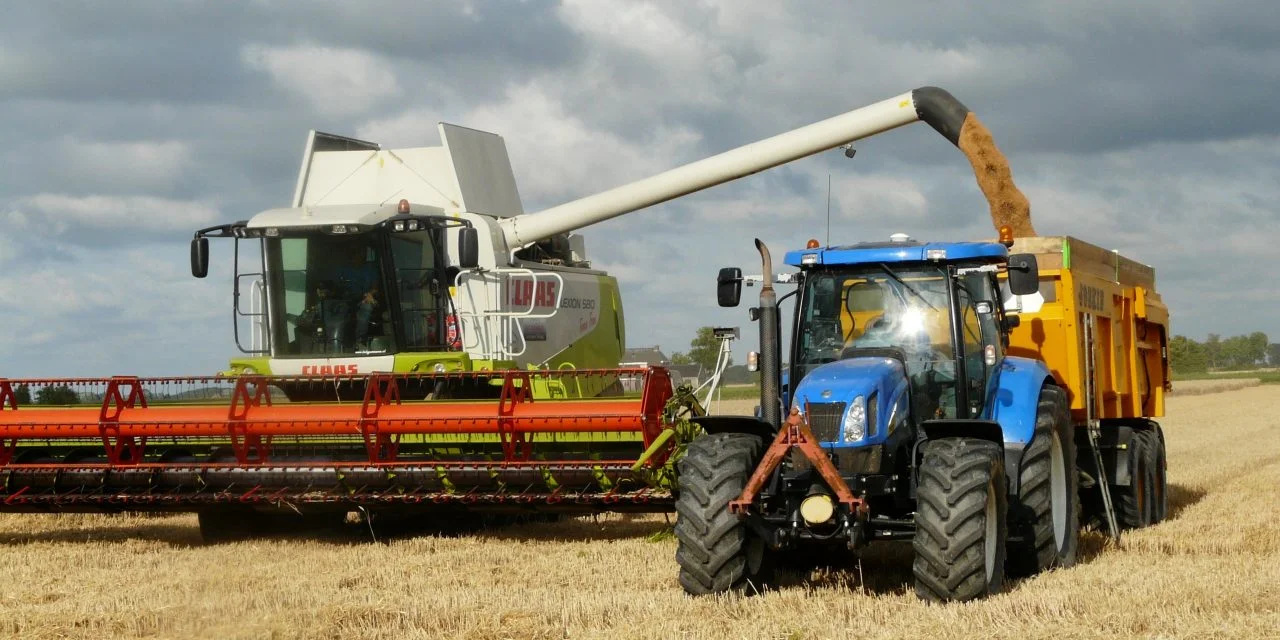
Automation Sets Its Sights On Agriculture, With "Civilization" Hanging In the Balances
Indoor farms are now producing food at quantities that may have them competing with conventional farms in the near future
By Innovation & Tech Today | Jul 18, 2019
Arguably, the most vital science known to civilization is that of agriculture.
Even at its most primitive stages, society could not exist without a source of food for those in it. Likewise, cultures with the most accessibility to food historically tend to be the most prosperous. Given this plight, farming has always been a key area for the focus of scientific advancement, from Roman aqueducts to horse-driven plows. The high-tech 21st century is no exception, and moreover poses an unparalleled need for agricultural innovation.
7.5 BILLION AND COUNTING
With a global population of 7.5 billion people and rising, the farming industry must modernize not only to provide sustenance on such a scale, but also to do so economically. Opportunely, various means of improving the farming system are on the rise, most conforming to a field typically referred to as automated agriculture. Automated agriculture encompasses a hybrid of computer automation, robotics, and the traditional agrarian lifestyle, with the aspiration of increasing food availability while decreasing the cost of production.
The exact origins of automated agriculture are debatable, as some remotely controlled farming systems, such as automatic sprinklers, have been utilized for generations. The notion of automated agriculture as a standalone enterprise nonetheless began when manufacturing legend John Deere publicly released its AutoTrac tractor guidance system in 2002, the first commercially available GPS setup of its kind. This rudimentary system allowed for the automated planting and harvesting of fields based on predefined coordinate paths, though still required some manual command from a driver, and was scarcely as precise as desired.
In spite of its imperfections, the AutoTrac was a massive success and would go on to refine its ability to operate a tractor with little to no human control. Through the AutoTrac, Deere had begun popularizing the craft of precision agriculture (or precision ag), a term first coined to encompass the fusion of information technology and agriculture. In the years following, precision ag would grow exponentially, establishing new methods to automate duties that were previously burdensome and time consuming. Mechanization would eventually become commonplace for irrigation, soil analysis, application of nutrients (known as Variable Rate Farming), yield assessment, and countless other tasks critical to farm management.
Although the rapid realization of farming mechanization was unquestionably game changing, full-fledged automation had yet to be reached – that is, until the introduction of smart technology. Devices such as iPhones and tablets would finally give farmers a means of operating advanced systems in a convenient, all-in-one format that would at last give birth to true automated agriculture.
NOT JUST “SMART” TECH
The scope of automated agriculture has since gone far beyond its inception of using smart technology to optimize machinery. Rather, it’s now seeking to turn machinery itself into smart technology. At the forefront of this mission is the ongoing development of what is possibly automated agriculture’s most ambitious project yet: the autonomous tractor. A member of the up-and-coming family of autonomous vehicles, these tractors could further revolutionize the trade by removing the need for manual tractor operation in its entirety.
The usual big names such as John Deere and Case IH are particularly invested in this idea, delivering promises in recent years that fully autonomous tractors are on the near horizon. However, despite much promotion, there remains no sign of industry leaders releasing robotic tractors any time soon. This of course does not imply that autonomous tractors are completely out of reach, in large part due to the budding agricultural company Smart Ag and their flagship product AutoCart. Debuted at the 2018 Farm Progress Show in Boone, Iowa, AutoCart intends to deliver the first fully functioning autonomous tractor technology to the consumer market.
AutoCart is not a tractor in itself, but rather a system to modify preexisting equipment for complete automation. The mean unit price is set at $37,500, and those who placed the first available pre-orders in late 2018 should expect to receive theirs by the spring of 2019. As idealistic as the autonomous tractor may be, the concept has yet to face the ultimate test of what leverage it currently has to offer to the average farmer, leaving the future of the driverless tractor currently unclear.
Traditional farms, while having been responsible for devising automated agriculture, are not alone in enjoying the rewards of such innovations: in an ironic turn of events, automated agriculture would become responsible for enabling the rapid growth of indoor farming. Indoor farming, as its name implies, involves agricultural production in an indoor, and often urban, environment.
As farmlands far and wide reaped the benefits of precision agriculture, and eventually automated agriculture, these same technologies were being modified to raise crops in closets, garages, and warehouses. Predictably, the early days of modern indoor farming were often focused on the marijuana trade; however, it was not long before its larger potential for agricultural advancement was realized. Indoor farms are now producing food at quantities that may have them competing with conventional farms in the near future.
Furthermore, the employment of automation gives indoor farming an indispensible advantage in that every component of the process can be automated, some of which, including light exposure and climate, are fundamentally uncontrollable in an outdoor setting. With such prospects for growth and sustainability, regardless of evolving outdoor equipment such as autonomous tractors, the automated future of agriculture could very well be enclosed in walls rather than sprawling across plains.
Farming is an ancient industry, one that has undergone innumerable changes for millennia, always in the interest in allowing for food to become more abundant and affordable. These adaptations and innovations are undeniably always tied to the steady progression of humankind and how it chooses to organize itself. Much like how breakthroughs during the industrial revolution allowed for the development of the plow, it seems that the computer era has found its analogue in automated agriculture.
Farms are becoming more efficient thanks to automated technologies like robotics and GPS, enabling substantial quantities of crops to be produced at unprecedentedly decreased costs and labor. Amidst these current renovations are the looming future of automated agriculture: the inevitability of autonomous tractors and large-scale indoor farms. While the total supply of food on Earth remains relatively limited, the debut of automated agriculture indicates a great deal of both advancement and hope in the future of food production.
The post How Automation is Revolutionizing Agriculture appeared first on Innovation & Tech Today.

Ultimation Expands Conveyor Systems To Improve Vertical Farming Efficiency
As sustainable agricultural operations such as vertical and indoor farms become more prevalent, conveyor technology systems can be part of the solution, according to Ultimation Industries LLC, a leader in conveyor technology and automation for nearly 30 years
ROSEVILLE, Mich. (July 10, 2019) – As sustainable agricultural operations such as vertical and indoor farms become more prevalent, conveyor technology systems can be part of the solution, according to Ultimation Industries LLC, a leader in conveyor technology and automation for nearly 30 years.
Vertical farms can potentially achieve higher yields for the surface area dedicated to production by controlling the light, temperature, humidity, water and nutrients the plants receive. They also reduce “food miles,” which is the distance that food items travel from the point of production to the table, and can reduce CO2 emission from transport while delivering fresher and better tasting products.
“Conveyors are essential to vertical farming because they can make use of all the available vertical space of a facility and can move plants through automated systems as they grow,” said Jacqueline Canny, CEO of Ultimation Industries. She adds that robots as well as overhead conveyors, floor conveyors and specialized plant material handling equipment can increase efficiency in planting and harvesting operations. Ultimation has already completed a major system for a west coast based vertical farming system, which is believed to be the world’s largest scale facility. The technology used in that project is proprietary and several customized projects with other customers are in progress.
Conveyors and industrial automation equipment used in vertical farming includes many of the traditional conveyor types such as gravity roller, belt, and skate wheel or flow rail conveyors. These conveyors are among the most versatile because they help reduce the manual labor of carrying items by hand. More recently, the technology used in larger vertical farming systems is including motorized and overhead conveyors. These systems take advantage of unused vertical space above a working area and bring plants down to an operator level when needed. Power and Free conveyors are the ultimate in space and volume optimization for vertical farming systems as they enable tight concentration of product in some areas while also enabling separation of the products for movement to processing areas.
Ultimation supplies vertical farming companies with conveyors and equipment ranging from small gravity and belt conveyors from their “quick ship” product range to major overhead power and free conveyor systems to support commercial scale production. Their systems meet food-safe requirements for lubricants, oils and greases.
“As indoor farmers work to achieve greater efficiencies in food production, conveyor systems technology is likely to be part of any economically viable solution,” said Canny. “We see the vertical and indoor farming space as a major new segment for material handling systems, and we’re pleased to be taking a leading position in this category.”
Interested in vertical farming technology and vertical farming equipment? Contact Ultimation today at info@ultimation.net or call us on +1-586-771-1881 to discuss your requirements or visit the Ultimation website at https://www.ultimationinc.com/ for more information.
About Ultimation:
Ultimation Industries LLC is a woman-owned leader in the conveyor technology and automation industry. Founded in 1989, Ultimation designs, manufactures and installs machinery and equipment, automation devices, tire and wheel processing lines and conveyor systems for customers throughout the Americas. The company offers a line of proprietary automation systems and is also a leading integrator of Webb Power and Free conveyors. Ultimation’s e-commerce channel sells Webb, Ultimation and a wide range of other conveyor equipment. Visit https://www.ultimationinc.com/ for the latest product information and news about Ultimation Industries LLC.
###
For further information please contact: Nancy Sarpolis at nancy@scgmich.com.

Pink Farms Secures Early Funding To Bring Vertical Farming To Brazil
Post-harvest food losses can reach 40% in many places, and Brazil is no exception. São Paulo-based Pink Farms has raised two million reals ($532,000) to combat food waste by bringing the farms into the city
Impact Tech | July 17, 2019
ImpactAlpha, July 18 – Post-harvest food losses can reach 40% in many places, and Brazil is no exception. São Paulo-based Pink Farms has raised two million reals ($532,000) to combat food waste by bringing the farms into the city.
The funding round was backed by agribusiness venture capital firm SP Ventures and seed venture fund Capital Lab. Pink Farms will use the funding to build its first large-scale facility to grow greens and vegetables in São Paulo.
The company is an early mover in vertical farming in Brazil, but globally, its peers have been raking in hundreds of millions of dollars in investment capital to improve the nascent technology’s capabilities and costs.
New Jersey-based AeroFarms and Germany’s InFarm both recently raised $100 million funding rounds to support their vertical farming growth.

Need For Fresh Office Fruit Is Growing Steadily In Germany
Many companies now offer their employees free fruit. People can organize that themselves or can employ a delivery service. These are now available in almost every town, says the Handwerksblatt.
Number of Delivery Points is Increasing At A Rapid Pace
Many companies now offer their employees free fruit. People can organize that themselves or can employ a delivery service. These are now available in almost every town, says the Handwerksblatt.
Enzio Reuß has been the proud managing director of Fruitful Office since 2011. The delivery service is based, among others, in Frankfurt a.M. - Pictures: Freshplaza.de
Once or twice a week, a fresh fruit basket will be delivered to the office. Bananas, apples, pears, grapes, peaches or kiwis. Employees can pick whatever, whenever. "Fresh fruit is probably the simplest and most cost-effective method of sustainably increasing the quality of life of employees," says Enzio Reuß, who founded Fruitful Office in 2011, a nationwide delivery service for fruit baskets.
Identification with the company
Reuss is convinced that a serving of fruit a day already helps to reduce absenteeism. In addition to this, it helps to increase the loyalty to the company when management regularly supplies fresh fruit.

For more information:
Fruitful Office GmbH
GF: Enzio Reuß
Central: Dieselstraße 37
60314 Frankfurt
+49 69 43008208-0
enzio@fruitfuloffice.de
www.fruitfuloffice.de
Publication date: 7/19/2019