


Welcome to iGrow News, Your Source for the World of Indoor Vertical Farming

Build Your Own Aquaponics System
How does an aquaponics system work, and how can you make your own? Our friends at Crop King Seeds bring us this handy, introductory guide
JP Wood
Presented by: Crop King Seeds
Takeaway: How does an aquaponics system work, and how can you make your own? Our friends at Crop King Seeds bring us this handy, introductory guide.
Aquaponics is what we call a combination of fish farming and hydroponics. It also happens to be one of the best ways to grow a high quality cannabis crop. In marijuana circles, aquaponics are known to produce especially the same kinds of pleasing tastes and smells usually attributed to organically grown plants and fruits.
How to Build an Aquaponics System
When you’re looking to start your own aquaponics system, you have two options: You can go out and purchase an aquaponics system kit, or you can choose to build your own. If you decide to go with the latter, it’s important to remember that you need something called a “flood and drain” system to properly nurture your marijuana. Just make sure your pump works on a timer. It’ll save you a ton of headache.
1. First, you need to drill two holes in the row bed that will be able to fit two bulkheads. These two holes will function as a drain and fill. The next thing that you need to do is to connect the bulkheads to the pump where the holes are. Once the connection is in place, turn on the pump and keep it on for 15 minutes and off for 45 minutes. This process suggests a far more frequent flood cycle than is used in hydroponics. This more frequent flooding provides enough filtration to keep your fish healthy while your plants are growing.r
2. Now it's time for you to put your grow bed on top of your fish tank and fill it with your selected medium. If you're looking for something that will last, then clay is probably your best option. It is ideal to have at least 12 inches of depth on the grow media.
3. Before adding your fish, make sure to cycle your system beforehand. This will help to establish the colony of bacteria that is responsible for the nitrogen in your aquaponics system. Once you have done this, and the fish first begin to create waste, the bacteria will be able to grow and begin to produce the nitrogen that your plants will need. If you don’t cycle properly before you start your plants, you’re not going to have the bacteria levels that you need. This means that your plants will also fewer nutrients than what they require, and your crop will be disappointing. Testing the nitrogen levels, starting with ammonia on the water, will help you determine if the cycle is enough. Always remember that you need to use pure ammonia. This will help you to eventually bring the ammonia levels from starting levels of 2ppm to around 4ppm. Starting higher than 2ppm too soon risks destroying the valuable bacteria.
4. After the next spike in nitrogen levels, you should start seeing nitrite.That spike is caused by the bacteria converting ammonia into nitrite. These nitrites will be consumed and will eventually turn into nitrate. This is the kind of nitrogen that is well suited for plant growth. When the ammonia and nitrite levels read 0 ppm, most of the nitrogen has been converted into nitrate, marking the end of the cycle.
5. Now that the system has finished cycling, it is time to add your plants and fish into the grow medium. Even when you're finished, you're going to need to keep an eye on things to make sure that you reach the proper balance between the plants, fish and bacteria.
Understanding the Dual Root System
In a traditional aquaponics system, you can’t rely solely on the nutrients created by the fish and microbes within the system. While their contributions are valuable, you may still find yourself low on phosphate and potassium. That’s why the Dual Root System was developed as one of the keys to a successful aquaponics cannabis crop.
Use burlap, or any other root permeable material, to separate whatever traditional clay media you may have. Add a soil layer on top of that, and you have your dual root zone. The outer layer of soil gives terrestrial microbes a place to live whole the aquatic layer provides. You can adjust your setup to taste, but this particular arrangement gives you more than enough nutrients and has the added bonus of increased gas exchange between your water and your plants.
By using both biomes of microbes, you can maximize the natural nutrients that your plants are consuming.
Using the dual root system you’re going to: need to use fewer fertilizers on your plants, be able to save a little bit of money, and avoid the hassle of flushing your plants before the flowering phase.
Overall, this method should provide you with a harvest that has a much smoother smoke, and a richer flavor.

Grand Rapids, Michigan, Square Roots Starts Farmer Training Program in September
Square Roots is looking for 10 passionate and dedicated future farmers to join the team as it launches in September the first season of its Next-Gen Farmer Training Program at the Grand Rapids, Mich., farm campus at Gordon Food Service headquarters.
Amy Sowder July 3, 2019
Square Roots is looking for 10 farmers-in-training. ( Courtesy of Square Roots )
Square Roots is looking for 10 passionate and dedicated future farmers to join the team as it launches in September the first season of its Next-Gen Farmer Training Program at the Grand Rapids, Mich., farm campus at Gordon Food Service headquarters.
No farming experience is necessary, just the dedication and excitement to jump in and start learning, according to a news release.
Square Roots is an urban farming company with a mission to bring local food to people in cities around the world with next-gen leaders in urban farming. The training program provides an accessible pathway to the forefront of urban agriculture for more young farmers.
In March, Square Roots announced a partnership with Gordon Food Service to bring its farms and training program to their distribution centers across the continent, according to the release.
During the year-long program, similar to traditional farmer apprenticeships, farmers learn skills through curriculum focused on plant science, controlled environment agriculture, business and leadership, as well as hands-on learning by doing the tasks.
After initial training in the modular, hydroponic growing systems, farmers are responsible for growing quality food on a consistent basis to meet customer demand, with the guidance of an expert farm management team. Farmers are also integral to customer-focused marketing and community events.
For more information, visit www.squarerootsgrow.com/program.
Related Topics: Greenhouse Michigan Training Produce

Belgium: Construction Commences On 9,500 sq mt. Rooftop Greenhouse
“It Should Be Functional, But It Definitely Should Also Be Beautiful”
“Did everyone arrive at the top safely?” Not the most common question when visiting the construction site of a greenhouse. Yet it was a logical question after about 60 people climbed the stairs to the top of REO Veiling’s crate warehouse to witness the start of the construction of rooftop greenhouse Agrotopia of Inagro. With the construction, Roeselare will get an innovation centre focused on the future, and moreover, they’ll get a proper landmark right by the motorway.
Bart Naeyaert (deputy Agriculture and Fisheries West Flanders), Paul Demyttenaere (REO Veiling), Mia Demeulemeester (Inagro) and Rita Démare (REO Veiling).
9,500 square metres
It took a while before the construction could definitively be started. “Finally,” was therefore often heard. Late 2018, the crate warehouse, which has now been in use for two years, could finally be made ready for carrying the greenhouse. Soil and sewer activities came first, five silos were constructed for the supply of water, and the next phase was started this week: the construction of a rooftop greenhouse of 9,500 square metres.
Eventually - oh irony - construction commenced on exactly the same date as last year Dutch rooftop greenhouse De Schilde was declared bankrupt. However, the two complexes are nothing alike. Whereas De Schilde acted as a commercial greenhouse, the Belgium rooftop farm will serve as a research greenhouse.
During the official laying of the foundation stone, deputy Bart Naeyaert emphasized the importance of the project for the greenhouse horticulture sector.
In the rooftop greenhouse Belgium organisation Inagro will conduct practical research on horticulture within the city. The rooftop greenhouse is to be an example of integrating food production in urban areas.
It took quite a bit of imagination to actually see a greenhouse this week, and it helped to have an artist impression. The design is by Van Bergen Kolpa Architecten in cooperation with co-architect Meta Architectuurbureau.
The 9,500 m² building will house high-tech research facilities and will include an educational route for a wider audience. Approximately 6,000 m2 is reserved for cultivation compartments for research that must provide answers to current and future questions about hydroponic grown leaf and fruit vegetables.
Various hydroponics systems are given a place in the compartments, including installations for closed multi-layer cultivation with LED lighting. High vertical cultivation will be discussed in the facade greenhouse, with a height of 12 meter
In addition to research and development, demonstration will also be an important function of the roof greenhouse. For example, Agrotopia must give space to a living lab, both literally and figuratively.
The pile was placed uptight by united effort. In the background, the pipeline of waste incinerator MIROM can be seen, which will supply residual heat to the rooftop greenhouse.
Efficient use of space and energy
Piles don’t have to be driven into the ground of course, but to still have an official start, the deputy of West Flanders for Agriculture and Fisheries, Bart Naeyaert, could hold a pile upright and drill it into place. He naturally didn’t do that without giving a short speech to the people present first, and thanking all of the parties involved. During his short speech, Naeyaert mentioned that the use of space and energy is as efficient as possible.
Residual heat
The space spoke for itself on top of the roof, but the energy needs a bit more explanation. The greenhouse will use residual heat from REO Veiling, but also from nearby waste incinerator MIROM. The flue gases are not (yet) used now, but people are already in talks regarding this. In any case, the greenhouse will also have a compartment with the necessary pipe system to conduct tests with the external CO2, according to Peter Bleyaert of Inagro during a tour of the site. “We’re still seeing a lot of growers who aren’t completely convinced they can use the flue gases of these kinds of sources safely. Growers want proof first, and testing can help in that.”
Landmark with appeal
Naeyaert also talked about the importance of the rooftop greenhouse as landmark. Part of the greenhouse will be 12 metres high, and as it’s right by the motorway, it should become a symbol for the attention paid to greenhouse horticulture by the region. “That is something that could be shown more often,” Naeyaert says.
Mia Demeulemeester of Inagro also spoke before construction got started. She was naturally also proud of the project, which, according to her, is important to continue to be a part of the developments in greenhouse horticulture that are following each other in rapid succession, specifically regarding production in cities. “Since it became known that this building will feature a rooftop greenhouse, we managed to make a lot of additional contacts with parties interested in urban production in particular, even though the greenhouse isn’t even finished yet.”
Once the pile was upright, it could be signed by anyone interested. Pictured is Paul Demyttenaere of REO Veiling.
Staying connected to developments in the sector
The knowledge acquired in the greenhouse, which should be operational late in 2020, will be shared with the sector. It’s also Inagro’s aim to strengthen the ties with growers thanks to the location near the auction. Bart Verhaeghen of Inagro: “We now organise a lot for growers, but we can do that even more soon. Thanks to our state-of-the-art facilities, our tests will connect to modern facilities and the accompanying methods of production of progressive growers even more. It’s a method of growing we would like to introduce to the general public, so we’ll also have a visitor corridor to introduce people to the manner of production of the future.”
This is what it looks like from the motorway now.
Stijn Cappon (Deforche Construct), Francis Vancraeynest (Deforche Construct), Johan Vermeulen (Maïs Automatisering) and Jago van Bergen (Van Bergen Kolpa Architecten). Deforche will construct the greenhouse, Maïs Automatisering will take care of technical aspects of the greenhouse, and Van Bergen Kolpa Architecten came up with the serrated façade and the 12-metre high greenhouse as a landmark.
For more information:
Inagro
www.inagro.be
info@inagro.be
Publication date: 7/4/2019
© HortiDaily.com

The Hydroponic Threat To Organic Food
USDA’s organic certification of hydroponically grown produce is an example of conquest and colonization
USDA’s organic certification of hydroponically grown produce is an example of conquest and colonization.
DAVE CHAPMAN
July 5, 2019
In the last seven years there has been a quiet redefinition taking place in the USDA National Organic Program that oversees organic standards. Large scale industrial producers have insinuated themselves into organic certification to transform what the green and white label stands for.
Original organic was based on a simple equation:
Healthy soil = healthy plants = healthy animals = healthy planet.
Hydroponics is a system that relies entirely upon processed inputs to feed the plants. The old organic adage is, “Feed the soil, not the plant.” The guiding principle of conventional agriculture is: “Feed the plant, not the soil.” Obviously, hydroponic production is the most extreme example of this philosophy. Photo by ACME/Flickr
This equation leaves out the discussion of WHY these things are true, but it is a good roadmap for what organic agriculture is all about. The first given is always “healthy soil.” As we look deeper, we cannot study these parts separately, because plants and animals are integral parts of healthy soil system. No plants means no healthy soil. The same is true with animals. Soil and plants coevolved for 350 million years, and neither can be healthy in isolation from the other. The dance between plants, microbial life, and animal life in the soil is necessary for all.
Western soil science got started with the work of German chemist Justus von Liebig (1803-1873). From Liebig’s perspective, soil was a passive storage bin for plant nutrients. However, in Charles Darwin’s 1881 book The Formation of Vegetable Mould through the Action of Worms, these ideas were challenged by a vision of the soil as a living ecosystem. But Liebig’s viewpoint dominated Western soil science until the 1980’s when the role of organisms in soil formation became better understood. Liebig himself turned away from his “storage bin” paradigm in the later part of his life, but our agricultural sciences continued to follow his earlier writings.
If we take away plants, soil can no longer be living. Plants provide the energy via photosynthesis for all animal and microbial life in the soil. These photosynthates are provided first as root exudates that feed the fungi and bacteria in exchange for which they gain the minerals that in turn feed the plants. The visible life forms are as important as the invisible microbial community. Soil animals go from burrowing woodchucks and gophers to snails, slugs, and elongate animals such as earthworms, flatworms, nematodes, soil mites, springtails, ants, termites, beetles and flies. All of these species together create a community that is often called the soil food web.
Organic farming is based on protecting and enhancing this web of life. By cultivating the diversity of life, we create a stable ecosystem in the soil. Diseases or pestilence are symptoms of a loss of balance. So the organic farmer’s first job is to enhance the diversity of life in the soil community. This is done by providing materials and techniques to help build a soil carbon sponge.
Conventional agriculture is based on a very different strategy of control and simplification. By making systems that are as simple as possible, it becomes easy to control the inputs and outputs. The inputs are processed offsite to provide plant available nutrients. “Soil” becomes a device for holding roots. It is thus easier to make these systems replicable, much like the model of a McDonald's restaurant. McDonald’s simplifies their systems as much as possible to serve the same hamburger to every customer around the world. In such a system the expertise is contained in the corporate staff who design the processes and provides the raw materials. The problem is a loss of nutrition in the final product. McDonald’s serves lots of calories that soothe customers’ cravings, but they fail at providing a healthy diet. The end result is the phenomena of customers who are simultaneously malnourished and obese.
Similarly, in a conventional agriculture system, the yields are high per acre, but, as Vandana Shiva has said, the yield of health per acre is low. As it turns out, we are part of that co-evolution of soil and plants and animals. Human nutritional needs are complex and beyond our full understanding at this point. But organic farmers believe that by embracing those natural systems, we can feed ourselves well, even if we never fully understand why.
As Einstein once said, there is a simplicity that comes before complexity that is worthless, but there is a simplicity beyond complexity that is priceless.
These simplified conventional systems have been promoted by an industry that profits by selling remedies to the unintended consequences of such crude simplicity. Their high yields are unsustainable without the liberal use of poisons. Plants grown in a soil devoid of biological complexity are very vulnerable to disease and insect attack. And of course, the more we use such poisons, the less healthy the soil becomes, so more pesticides are needed, and on and on.
In livestock production, the epitome of conventional agriculture is a Concentrated Animal Feeding Operation (CAFO) where animals are isolated from the land. Their food is grown far from where they live, so their manure is lost to the production system. There is no honoring of Albert Howard’s Law Of Return: “what comes from the soil must be returned to the soil.”
In vegetables and berries, the epitome of conventional agriculture is hydroponic production. Hydroponics is a system that relies entirely upon processed inputs to feed the plants. The old organic adage is, “Feed the soil, not the plant.” The guiding principle of conventional agriculture is: “Feed the plant, not the soil.” Obviously, hydroponic production is the most extreme example of this philosophy.
The practices of organic farming are ancient, but not all traditional farming systems could be called organic by the definition of such pioneers as Albert Howard. Some traditional agriculture was not sustainable and ultimately led to the downfall of civilizations. But organic principles have been practiced in the intensive farming of southeast Asia for over 4000 years. They were learned by Howard in India and subsequently taught in the West. Since then, soil science has confirmed Howard’s ideas to an astonishing degree. Every day we learn more and more about how soil communities function and about why such a system need not depend on pesticides to thrive. Every day we learn more about the connections between the soil microbiome and our own microbiome.
From this logic we derive a conclusion that is important to remember: that the absence of pesticides in a successful organic system is the result of how we farm, not the definition of it.
The organic movement has long believed that food grown in a healthy soil is the foundation of human health. In recent years it has become clear that agriculture is also deeply involved in the climate crisis, both as the problem and as the solution. Conventional agriculture contributes directly to the destruction of the living soil, leading to the spread of deserts and the warming of the planet. We have the skills and understanding to farm without chemicals in a way that will build a soil carbon sponge that can cool our warming planet. Our impediment to achieving this is social and political, not technical.
The inclusion of hydroponics in organic certification is thus not an example of innovation and improvement. It is an example of conquest and colonization. It is simply a hostile takeover of organic by economic forces. It has been widely resisted by the organic community, but the USDA continues to embrace hydroponics as organic just as they embrace CAFOs as organic. Their redefinition of organic is in opposition to the law and to international norms. The US once again becomes the rogue nation throwing away our mutual future so somebody can make a buck.
At this time, huge quantities of hydroponic berries, tomatoes, peppers, cucumbers, and greens are being marketed as “Certified Organic” in partnership with the USDA. And there is no way of identifying what is hydroponic in the organic label.
The Real Organic Project was created to challenge this process. Our efforts include the creation of an add-on label so that real organic farmers and eaters might be able to find one another in a deceptive marketplace. To learn more, please visit us at realorganicproject.org.
Dave Chapman
Dave Chapman runs Long Wind Farm in Vermont and is the Executive Director of the Real Organic Project. He is a founding member of the Vermont Organic Farmers. He has been active in the movement to Keep The Soil In Organic. He is proud to be a current member of the Policy Committee of the Organic Farmers Association. He served on the USDA Hydroponic Task Force.

Lettuce Prices Soar After Heatwave Wilted Salinas Crop
The prices of both romaine and iceberg lettuce have tripled in many stores around Northern California after crops grown in the Salinas Valley were destroyed by the mid-June heatwave
2 JULY 2019 / SF NEWS / JAY BARMANN
The prices of both romaine and iceberg lettuce have tripled in many stores around Northern California after crops grown in the Salinas Valley were destroyed by the mid-June heatwave.
Heads of lettuce wilted significantly in the extended heatwave the week of June 9, with some parts of the Salinas region hitting triple-digit temperatures. As KSBW reports after talking with local farmers, the heat left 20 to 30 percent of the lettuce crop unusable, which has meant that many big-name buyers from the farms are getting far less than they've ordered — and leading to higher prices.
Leaf lettuce is the number-one crop in Monterey County, as the county's Farm Bureau reported in both 2017 and 2018. Romaine lettuce crops actually decreased around 12 percent between the two years due to the well publicized E. coli outbreak, but 2018's lettuce production still accounted for $733 million in value for farmers. Strawberries are the county's second biggest crop, with a value of $698 million.
The coastal climate around Salinas typically makes it ideal for lettuce production, but some years and some planting periods get surprises from the weather. Jason Lathros of Churches Brothers Farms tells KSBW, "There's nothing you can do. That's Mother Nature. We play in an outdoor arena."
Lettuce production was also impacted by a particularly rainy May, which slowed down picking by about half, says Lathros. And picking all over the county has been impacted in the short term by President Trump's threats of ICE raids— one field supervisor reported that 15 fieldworkers failed to show up last week due to fears of a raid, according to Monterey County Weekly.

US (MA): Hydroponic Growing Graduates Learned With Lettuce, Seek Jobs in Cannabis
"The skills they learn in the (shipping containers) are transferable to the cannabis industry," Morse said.
Ernesto Hernandez Martin graduated Thursday from the Freight Farms Hydroponic Growing apprenticeship program at Holyoke Community College, having learned how to grow lettuce in the controlled environment of two shipping containers. But that’s not all he can grow.
“I’m looking forward to getting a job in the new industries, either in marijuana or in growing vegetables,” Hernandez Martin said while leading a tour of Freight Farms on Race Street in the city’s industrial Flats neighborhood and adjacent to the HCC MGM Culinary Arts Institute.

Neither college officials or Holyoke Mayor Alex Morse were shy Thursday about linking the hydroponic program with the city’s new marijuana industry and its need for skilled labor. They also said the program has the potential to help feed Holyokers who have trouble affording healthy meals.
"The skills they learn in the (shipping containers) are transferable to the cannabis industry," Morse said.
The college has no plans to grow anything but vegetables. The city, though, has embraced the newly legal cannabis industry.
Just this month, seed-to-sale marijuana company Trulieve Cannabis Corp., formerly Life Essence, bought a 150-year-old mill building at 56 Canal St. for $3.2 million with plans to build a 126,000-square-foot growing, processing, testing and retail operation there.
Source: MassLive (Jim Kinney)
Publication date: 7/1/2019

A Look At The History of Vertical Farming
Although vertical farms have only begun to appear on the agricultural scene in the last decade or so, the concept behind these innovative farming facilities is hardly new
Although vertical farms have only begun to appear on the agricultural scene in the last decade or so, the concept behind these innovative farming facilities is hardly new. Read on for a look at some of historical theories, discoveries, inventions, and prototypes that have led to the evolution of the modern vertical farm.
Pre-20th Century
600 BC — Perhaps the earliest example of a “vertical farm” is the legendary Hanging Gardens of Babylon, built by King Nebuchadnezzar II more than 2,500 years ago. According to some scholars, the gardens consisted of a series of vaulted terraces, stacked one on top of the other, and planted with many different types of trees and flowers. Reaching a height of 20 meters, the gardens were likely irrigated by an early engineering innovation known as a chain pump, which would have used a system of buckets and pulleys to bring water from the Euphrates River at the foot of the gardens to a pool at the top.
Hanging Gardens
1150 AD — Nearly a thousand years ago, Aztec people used a form of hydroponic farming known as “chinampas” to grow crops in marshy areas near lakes. Since the swampy soil in these areas was not suitable for agriculture, the Aztecs instead constructed rafts out of reeds, stalks, and roots; covered the rafts with mud and soil from the lake bottom; and then drifted them out into the lake. Due to the structural support provided by the rafts, crops could grow upwards while their roots grew downwards through the rafts and into the water. Often, many of these individual rafts were attached together to form expansive floating “fields.”
1627 — The first published theory of hydroponic gardening and farming methods appears in the book Sylva Sylvarum, by the English scientist and statesman Sir Francis Bacon. In this book, Bacon establishes and explores the possibility of growing terrestrial plants without soil.
1699 — English scientist John Woodward refines the idea of hydroponic gardening with a series of water culture experiments conducted with spearmint. Woodward finds that the plants grow better in water with impurities than they do in distilled water, leading him to conclude that the plants derive important nutrients from soil and other additives mixed into water solutions.
20th Century and Beyond
1909 — Life Magazine publishes the earliest drawing of a “modern” vertical farm. The sketch shows open-air layers of vertically stacked homes set in a farming landscape, all cultivating food for consumption.
1915 — The term “vertical farming” is coined by American geologist Gilbert Ellis Bailey in his book of the same name. Interestingly, Bailey focuses primarily on farming “down” rather than “up.” That is, he explores a type of underground farming in which farmers use explosives to be able to farm deeper, thus increasing their total available area and allowing for larger crops to be grown.
1929 — William F. Gericke, an agronomist at the University of California, Berkeley, is credited with developing modern hydroponics. In his article “Aquaculture: A means of Crop-production,” published in December 1929, Gericke outlines the process of growing plants in sand, gravel, or liquid, using added nutrients but no soil.
1937 — The term “hydroponics” is coined in an article published in Science magazine. Derived from the Greek words “hydro,” or water, and “ponos,” or labor, the term was suggested to Gericke as an alternative to “aquaculture” (which was already in use to describe fish-breeding techniques) by his University of California associate, botanist William Albert Setchell.
1940 — World War II sees hydroponic growing systems used on a large scale for the first time in modern history. More than 8,000 tons of fresh vegetables are produced hydroponically on South Pacific Islands to feed the Allied forces stationed there.
1964 — At the Vienna International Horticulture Exhibition, a vertical farm in the form of a tall glass tower is displayed.
1989 — Architect and ecologist Kenneth Yeang created a vision of mixed-use buildings that are seamlessly integrated with green spaces, allowing plant life to be cultivated in buildings in the open air. Yeang described this as “vegetated architecture.” Unlike many other approaches to vertical farming, this vision is based on personal and community use rather than large-scale production and distribution.
1999 — The concept of the modern vertical farm is developed in a class led by Columbia University environmental health sciences professor Dr. Dickson Despommier. In an effort to figure out an effective way to feed the population of New York using only urban rooftop agriculture, Despommier and his students developed the idea of a multi-story building in which layers of crops could be grown on each floor: in other words, a contemporary vertical farming tower. (Despommier has since gone on to become the world’s foremost expert on and proponent of vertical farms.)
2006 — The Japanese company Nuvege develops one of the essential ingredients for indoor vertical farms: a proprietary light network that balances light emissions in order to increase the return rate of vegetables.
2009 — The first modern vertical farm is built. Sky Green Farms’ Singapore facility consists of more than 100 towers, each of which is 9 meters tall, that grow green vegetables using sunlight and captured rainwater.
WRITTEN BY
Mark Crumpacker
Mark Crumpacker is a passionate marketing specialist with years of creative storytelling experience.

LWG Veitshöchheim Is Researching High-Tech Tomato Installations of The Future
The Bayerische Landesanstalt für Weinbau und Gartenbau (LWG) will be entering the world of research on vertical farming starting on Thursday, 4 July 2019, with the opening of an "indoor LED multilayer cultural area".
Opening of The Indoor LED Multilayer Culture Room
The Bayerische Landesanstalt für Weinbau und Gartenbau (LWG) will be entering the world of research on vertical farming starting on Thursday, 4 July 2019, with the opening of an "indoor LED multilayer cultural area".
Source: Bayerische Landesanstalt für Weinbau und Gartenbau (LWG)
They are round, oval or drop-shaped; usually red, but sometimes also yellow, violet and black: Worldwide, there are several thousand varieties of tomatoes, which originally came from Central/South America and were already cultivated by the Mayas.
While the first tomatoes can be picked in home gardens starting in July, Germans' favorite vegetables under glass are available almost throughout the year. However, they often travel enormous distances, at the expense of the environment. With the high-tech plants of the future, which are functioning without glass, and are a form of space and resource-friendly cultivation -whether above ground or below- is possible.
XXL-tech plantations
The cultivation of tomatoes, herbs and many more products is just a step away: with indoor farming solutions under LED lighting, freshness is redefined and just one step away for processing. Even if domestic indoor farming still needs development potential and is often still regarded as a "gimmick", vertical farming - it's big high-tech brother - has enormous potential.
Source: Bayerische Landesanstalt für Weinbau und Gartenbau (LWG)
This is because cultivation in a closed space, when reasonable hygiene standards are applied, not only reduces the pest and disease pressure to a minimum, but great savings on water and heating energy become possible this way as well. Also, throughout the year a consistently high quality in vegetable and ornamental plant production can be achieved through this form of cultivation.
Source: LWG © Veitshöchheim
Publication date: 7/3/2019

Grocery Giant Kroger Updates Pesticide Policy
In effort to protect pollinators, Kroger will stop sourcing plants treated with neonicotinoids by 2020
Jacqui Fatka | Jul 01, 2019
In Effort to Protect Pollinators, Kroger Will Stop Sourcing Plants
Treated With Neonicotinoids by 2020.
Kroger released an update to its pollinator policy encouraging suppliers to move away from pesticides and adopt alternative pest management.
“We recognize the global honeybee population is vulnerable, with research indicating that causes may include the use of certain pesticides, including neonicotinoids. Due to the potential risk to the honeybee population, we support and encourage efforts to protect these pollinator species,” Kroger said in its updated policy.
Related: California bans pesticide chlorpyrifos
As part of the policy, Kroger said it is committed to eliminating the sourcing of live outdoor plants that have been treated with pesticides containing neonicotinoids in its stores and garden centers by 2020. This commitment is inclusive of outdoor plants known to be pollinated by honeybees or known to attract honeybees.
Today, the majority of live plant sales in Kroger’s garden center and outdoor floral selection are not treated with neonicotinoids during the growing process. “Our suppliers are actively seeking alternative options for the remaining products, and we are committed to working with them to ensure proper alternatives have been identified by 2020. We will also track, measure and report on our progress against this commitment,” Kroger said.
Related: EPA has 90 days to decide on chlorpyrifos ban
The grocer added that it supports the expansion of the organic food industry and will continue to offer its customers organic products.
Kroger also said it will keep informed of new science. “Kroger will rely on the expertise of the U.S. Environmental Protection Agency, other scientific experts and our stakeholders to evaluate further updates to this policy,” it said.
Friends of the Earth and other environmental, consumer, beekeeper and farmworker groups have pressured Kroger for more than three years to eliminate the use of the pesticides, and they called the announcement a “small but robust victory.”
“This is a step in the right direction to protect people and pollinators from toxic pesticides in Kroger’s supply chain,” said Tiffany Finck-Haynes, pesticides and pollinators program manager at Friends of the Earth. “However, this policy is non-binding and vague. We urge Kroger and other top food retailers to do their part in addressing the pollinator crisis by making clear, time-bound commitments to phase out chlorpyrifos, neonicotinoids, glyphosate and other toxic pesticides throughout their entire food supply chains.”
Costco similarly updated its pesticide policy to encourage suppliers of fruits, vegetables and garden plants to phase out the use of chlorpyrifos and neonicotinoids.
The Steep Climb Of Vertical Farms And Where Urban Ag Might Be Revolutionary
Will this technology revolutionize the way customers access fresh produce? Is this a big deal for sustainability?
By Marc Brazeau | June 13th 2019
Comes the news that the British online food retailer Ocado is making major investments in two vertical farming companies.
this week in a bid to become what it described as “a leader in the newly emerging vertical farming industry”. First, the company’s ventures arm has signed a three-way joint venture deal with 80 Acres Farms and Priva Holding. 80 Acres and Priva have been working together for over four years to design turnkey solutions to sell to vertical farming clients worldwide, with forecast revenues in 2019 of over $10m. The new venture will be called Infinite Acres. ... “We believe that our investments today in vertical farming will allow us to address fundamental consumer concerns on freshness and sustainability and build on new technologies that will revolutionise the way customers access fresh produce,” Ocado CEO Steiner explained.
Will this technology revolutionize the way customers access fresh produce? Is this a big deal for sustainability? A few years back in an essay titled: “Why I’m empowering 1,000’s of millennials to become #realfood entrepreneurs through Vertical Farming”, Elon Musk’s younger brother Kimball announced that he was going to invest in urban farm incubators in multiple cities. While there is certainly room for vertical farms in urban food systems to supply hydroponic greens and herbs to upscale grocers and restaurants, Musk’s ambitions go far beyond that.
The Kitchen’s mission is to strengthen communities by bringing local, real food to everyone. With our commitment to local food sourcing, our restaurants have become major catalysts for local food economies — across Colorado, Chicago, and now Memphis — serving real food to over 1 million guests a year. Meanwhile, our non-profit The Kitchen Community has built 300 Learning Gardens across the country — inspiring 150,000 kids each day as we get them outdoors and teach them about real food.
But the impact of those initiatives are a drop in the ocean compared to what’s needed. By 2050, 9 billion people will live on our planet, and 70% of them will live in cities. These people need food. And the data is clear: they will want local, real food.
The industrial food system will not solve this problem (more Deep Fried Twinkies, anyone?). Instead, finding the right solution presents an extraordinary opportunity for new entrepreneurs. As I’ve said before, “Food is the new internet.” I know the next generation is excited to join the #realfood revolution, and shape the future.
That’s why I’m thrilled to introduce a new company in The Kitchen’s family: Square Roots.
Introducing Square Roots
Square Roots is an urban farming accelerator — empowering 1,000’s of millennials to join the real food revolution. Our goal is to enable a whole new generation of real food entrepreneurs, ready to build thriving, responsible businesses. The opportunities in front of them will be endless.
Square Roots creates campuses of climate-controlled, indoor, hydroponic vertical farms, right in the hearts of our biggest cities. On these campuses, we train young entrepreneurs to grow non-GMO, fresh, tasty, real food all year round and sell locally. And we coach them to create forward-thinking companies that — like The Kitchen — strengthen communities by bringing local, real food to everyone.
The real and imagined impacts and potential of vertical farms had very much been on my mind. Just the week before, a friend on Facebook shared a story on the amazing ecological efficiencies of a new vertical farm and asked, “Is this stuff real or is it just hype?”
The article asked, “Considering it uses 95% less water than regular farms, could vertical farming be the future of agriculture?” and told the story of a vertical farm in Newark, NJ in an old laser tag facility.
At AeroFarms in Newark, New Jersey, crops are stacked more than 30 feet high in a 30,000 square foot space that was formerly a laser tag arena. They use aeroponic technology, which involves misting the roots of the plants, using an astonishing 95% less water than more conventional farming methods. David Rosenberg, CEO of AeroFarms told Seeker, “Typically, in indoor growing, the roots sit in water, and one tries to oxygenate the water. Our key inventor realized that if we mist nutrition to the root structure, then the roots have a better oxygenation.”
AeroFarms doesn’t use any pesticides or herbicides either. The plants are grown in a reusable cloth made from recycled plastic, so no soil is needed to grow them. They also use a system of specialized LED lighting instead of natural sunlight, reducing their energy footprint even further. “A lot of people say ‘Sunless? Wait. Plants need sun.’ In fact the plants don’t need yellow spectrum. So we’re able to reduce our energy footprint by doing things like reducing certain types of spectrum,” Rosenberg said.
IT’S ALWAYS SALAD GREENS
I would say that it’s mostly hype, certainly not revolutionary. These projects always center on salad greens and herbs, crops that sell at a premium and deliver very few calories, but a lot of water.
Crops require light, water, and a growing medium – three things in abundance at low prices on rural farms in the form of sun, rain, and soil. The economics of paying for light and rain, plus the economics of real estate are such that these projects cannot pencil out for any crops other than high end greens and vegetables. There is a reason why so much of the innovation in hydroponic growing systems came out of marijuana production. The ROI per square foot is far greater than for oats.
The future of urban farming is in crickets and other insects, mushrooms and other fungi, algae and yeasts, and in vitro meat. If you want to go beyond premium salad greens and herbs, you need to focus crops or herds that don’t require lots of space, water or sunlight. More importantly, if you really want to lower the impact of food production, urban farming needs be able to close nutrient cycles in dramatic ways.
[ For a more enthusiastic and rigorous take on the potential of vertical farms see this piece by Dan Blaustein-Rejto of the Breakthrough Institute.]
The exception might be in cities like Detroit, where a collapsing urban footprint changes the economics of the real estate. As a city economy grows, agglomeration increases the productivity per square foot, driving up rents which leads to the necessity of greater productivity per square foot. If urban farming catches on, it requires more square feet, driving up rents, requiring greater productivity per square foot, driving up the required productivity per square foot driving up the price required to be charged per square foot of product. TLDR: this model cannot work for barley, oats, canola, cowpeas, black beans, soybeans, pinto beans or any other serious sources of calories or protein in an urban setting. The revolution is not going to be powered by expensive salad greens.
Tamar Haspel helpfully chimed into that discussion to share an article she did for the Washington Post on the ledger of environmental challenges and benefit of vertical farming. In terms of growing lettuce greens she tallied the use of less land, less water, less fertilizer and less pesticides as four environmental benefits of vertical farming. On the down side, she pointed out that one of the biggest trade off was foregoing solar power for electricity.
However, unless the vertical farm is powered by nuclear or renewables or both there is one big sticking point: But before you shell out for the microgreens, there are a couple of disadvantages. The first is that you’ll have to shell out a lot, and the second gets at the heart of the inevitable trade-off between planet and people: the carbon footprint. If you farm the old-fashioned way, you take advantage of a reliable, eternal, gloriously free source of energy: the sun. Take your plants inside, and you have to provide that energy yourself. In the world of agriculture, there are opinions about every kind of system for growing every kind of crop, so it’s refreshing that the pivotal issue of vertical farming — energy use — boils down to something more reliable: math.
There’s no getting around the fact that plants need a certain minimum amount of light. In vertical farms, that light generally is provided efficiently, but, even so, replacing the sun is an energy-intensive business. Louis Albright, director of Cornell University’s Controlled Environment Agriculture program, has run the numbers: Each kilogram of indoor lettuce has a climate cost of four kilograms of carbon dioxide. And that’s just for the lighting. Indoor farms often need humidity control, ventilation, heating, cooling or all of the above.
… Let’s compare that with field-grown lettuce. Climate cost varies according to conditions, but the estimates I found indicate that indoor lettuce production has a carbon footprint some 7 to 20 times greater than that of outdoor lettuce production. Indoor lettuce is a carbon Sasquatch.
She goes on to explain that with more efficient lighting systems and access to nuclear and renewable energy sources, vertically grown lettuce can close a big part of that gap, but it’s still a steep climb.
Before moving on to the reasons why I’m enthusiastic about farming crickets and other insects, mushrooms and other fungi, algae and yeasts in urban settings, I want to circle back to the economics of real estate that serves as the stake through the heart of mass scale vertical farming of traditional crops.
A LITTLE PERSPECTIVE ON SCALE
First let’s put some things in perspective about scale. One of the larger well known urban rooftop farm in New York City is 42,000 square feet. 42,000 square feet sounds like a lot of square feet. But retail and office space are measured in square feet. Farms are measured in acres and 42,000 square feet is pretty much one acre. 0.964187 acres to be exact. New York state has 7 Million acres of farmland across 36,000 farms. That’s just the state of New York, which isn’t a particularly rural state. Urban real estate is denominated in square feet. Farms are denominated in acres.
Field corn (not grown for ethanol) accounts for over 50 million acres of farmland. Wheat, another 50 million acres. That’s 100 million acres just in two major grains. But let's put that aside. Nobody thinks were are going to grow corn and wheat in urban vertical farms, I just think it’s important to start with a baseline of the scale of the footprint of where most of our calories come from. And if you think we should be getting less of our calories from corn and wheat – and I’d agree with you – just keep in mind that no other crops come close on calories per acre, so any shift away from corn and wheat is going to drive that 100 million number upwards. Leaf lettuce is grown on just shy of 70,000 acres in the U.S. The acreage for herbs is so small it doesn't register in USDA reports and surveys outside of mint for mint oil (think spearmint chewing gum and peppermint ice cream). Total cropland in the U.S. is about 250 million acres. Nearly all domestic leaf lettuce is grown in either California or Arizona. Redistributing the production to regions with lower pressure on water supply and delivering fresher products to consumers can have some benefits, but it's hardly going to revolutionize vegetable production, much less the food system.
Let’s look at the crops that make up the core calories of a healthy diet. Barley accounts for 3.2 million acres. Lentils, dried beans and peas 2.7 million acres. Rice – 2.6 million acres. Vegetables – 4.1 million acres and half of that is potatoes, sweet corn and tomatoes. Orchards and berries – 5.4 million. 18 million acres total or 756 Billion square feet.
Let’s grant these vertical farms the wildly ambitious ability to increase yield by a third and say that shifting 10% of production into vertical farms would be a substantial impact. That would require 50 Billion square feet of urban real estate.
ECONOMIES OF AGGLOMERATION
Now let’s back up to the point we made about real estate prices and productivity. As cities grow bigger and denser productivity rises. Similar firms cluster and generate a base of workers who circulate among them increasing knowledge and competence. Travel times are lower, so a delivery van can make more stops per hour in a city than in a suburb or rural community. With more customers in their base, firms can grow larger and take advantages of economies of scale. This is what is called agglomeration in economics. Agglomeration makes for productive, vibrant cities, but it also drives up rents. Which further puts pressure on firms to increase the productivity out of each square foot of real estate that they own or lease. To increase productivity per square foot firms can either produce more units or charge more per unit. This is why expensive herbs and greens are the only products that currently make sense in vertical farms.
Now imagine what it would mean to add demand for another 50 billion square feet of real estate to US cities. Scaling up the operations of vertical farms would COMPOUND the pressure to produce crops that they can sell at high prices. While proponents often claim that as more vertical farms come online, prices will come down, for most crops the economics of cities tell us that the opposite is true.
So the economics of urban real estate are stacked against vertical farms except in places like Detroit where the urban footprint in shrinking and there is massive slack in the real estate market. But the economics for vertical farms are even steeper when we take comparative advantage into account.
COMPARATIVE ADVANTAGE
Comparative advantage is an economic concept that most people have heard of but very few understand and a vanishingly small number of people “get” on an intuitive level. That’s because it is one of the most counter-intuitive concepts in economics and I balk at the headache of even attempting to put it across when I think I’ve probably already made my case as to why I don’t expect vertical farms to catch on beyond expensive herbs and greens (and maybe some heirloom tomatoes and peppers). But it’s an important concept to understand in general and for the case I’d like to make for why I think the future of urban agriculture is in mushroom and cricket farming, black soldier flies, algae and yeasts, and in vitro meat production.
The economist Paul Krugman once called comparative advantage “Ricardo’s Difficult Idea” in an essay in which he explains why a concept formalized in 1817 by the philospher and political economist David Ricardo remains so poorly understood, if not outright resisted, even by economic sophisticates.
The idea of comparative advantage — with its implication that trade between two nations normally raises the real incomes of both — is, like evolution via natural selection, a concept that seems simple and compelling to those who understand it. Yet anyone who becomes involved in discussions of international trade beyond the narrow circle of academic economists quickly realizes that it must be, in some sense, a very difficult concept indeed. I am not talking here about the problem of communicating the case for free trade to crudely anti-intellectual opponents, people who simply dislike the idea of ideas. The persistence of that sort of opposition, like the persistence of creationism, is a different sort of question, and requires a different sort of discussion. What I am concerned with here are the views of intellectuals, people who do value ideas, but somehow find this particular idea impossible to grasp.
My objective in this essay is to try to explain why intellectuals who are interested in economic issues so consistently balk at the concept of comparative advantage. Why do journalists who have a reputation as deep thinkers about world affairs begin squirming in their seats if you try to explain how trade can lead to mutually beneficial specialization? Why is it virtually impossible to get a discussion of comparative advantage, not only onto newspaper op-ed pages, but even into magazines that cheerfully publish long discussions of the work of Jacques Derrida? Why do policy wonks who will happily watch hundreds of hours of talking heads droning on about the global economy refuse to sit still for the ten minutes or so it takes to explain Ricardo? Against that backdrop let me apply my meager talents to see if I can pound this into your thick skulls with any greater efficacy. Here goes.
Ricardo provided a simple two country model to show the math at work here. Consider two countries, England and Portugal, producing two identical products but at different rates of productivity.
In the absence of trade, England requires 220 hours of work to both produce and consume one unit each of cloth and wine while Portugal requires 170 hours of work to produce and consume the same quantities. England is more efficient at producing cloth than wine, and Portugal is more efficient at producing wine than cloth. So, if each country specializes in the good for which it has a comparative advantage, then the global production of both goods increases, for England can spend 220 labor hours to produce 2.2 units of cloth while Portugal can spend 170 hours to produce 2.125 units of wine. Moreover, if both countries specialize in the above manner and England trades a unit of its cloth for 5/6ths to 9/8ths units of Portugal’s wine, then both countries can consume at least a unit each of cloth and wine, with 0 to 0.2 units of cloth and 0 to 0.125 units of wine remaining in each respective country to be consumed or exported. Consequently, both England and Portugal can consume more wine and cloth under free trade than in autarky.
WIKIPEDIA: In this illustration, England could commit 100 hours of labor to produce one unit of cloth, or produce 5/6ths units of wine. Meanwhile, in comparison, Portugal could commit 90 hours of labor to produce one unit of cloth, or produce 9/8ths units of wine. So, Portugal possesses an absolute advantage in producing cloth due to fewer labor hours, and England has a comparative advantage due to lower opportunity cost.
To share an embarrassing story from my past, at the last union I worked for I had a boss who was a supremely talented union organizer and I was going through a personal rough patch and not firing on all cylinders, though I was still OK at my job. But he was constantly frustrated with me and just wanted to push me aside and do my job for me because he could do my job better than I could. And he could – he was just much more talented at union organizing than I was, especially during that sad chapter of my life. But he didn’t, because not only was he much better at my job than I was, he was much, much better at HIS JOB than I was. So it made more sense of him to concentrate on doing his job – supervising me and another ten organizers than to split his time doing his job and my job (and assigning me the minor parts of his job that he wouldn’t have time to do).
In the neighborhood I grew up in, software engineers frequently paid thirteen-year-old kids to mow a lawn in an hour that they could mow in 45 minutes. But if they were going to put in one more hour of effort that week, it was better spent working as a highly paid software engineer, not out-competing thirteen-year-old’s who mowed grass to buy grass.
So think of a simple economy composed of the city of Los Angeles and California’s Central Valley where both produce movies and tomatoes. Even if Los Angeles could produce tomatoes somewhat more efficiently than the Central Valley, the theory of comparative advantage tells us that they should still stick with movies and let Central Valley deal with tomatoes – they will both be better off. Likewise, if we imagine an economy of New York City and Iowa, where they both produce business services and corn, even if NYC can do corn better than Iowa, they should stick with business services, where they are heavyweight champion.
These are simple models and there are all sorts of situations and examples where comparative advantage doesn’t work in a clean, frictionless, straightforward way. But any narrative which attempts to make the case that vertical farms are the next big thing in agriculture needs to deal with comparative advantage rather than sidestep, ignore or dismiss the issue.
To beat this horse a bit closer to death, here is Krugman on trying to make a charitable interpretation of those who seem to be in denial about the power of comparative advantage:
Surely, we have argued, the problem is one of different dialects or jargon, not sheer lack of comprehension. What these critics must be trying to do is draw attention to the ways in which comparative advantage may fail to work out in practice. After all, economists are familiar with a number of reasons why the gains from free trade may not work out quite as easily as in the simplest Ricardian model. External economies may mean underinvestment in import-competing sectors; imperfect competition may lead to a strategic competition over industry rents; because of distortions in domestic labor markets, imports may reduce wages or cause unemployment; and so on. And even if national income rises as a result of trade, the distribution of income within a country may shift in a way that hurts large groups. In short, there are a number of sophisticated extensions to and qualifications of the model introduced in the first few chapters of the undergraduate textbook – typically covered later in the book.
Which is to say that, standard economics is not ignorant of all the reasons you may come up with for trying to dismiss the implications of comparative advantages just because you can’t shake the idea that vertical farms are a neat idea and wouldn’t it be cool if cities were self-sufficient in food production.
We’ll look at some examples of where cities would have comparative advantage going forward in terms of local food production. I think these are areas where Kimball Musk’s 1000’s of millennials will ultimately find greater success. But first, we need to look at the one big advantage an urban setting brings to agricultural production.
THE NUTRIENT CYCLE
When you grow a crop, the plant takes nutrients, most notably the old NPK – nitrogen, phosphorus, and potassium out of the soil to feed and construct itself. When the crop is harvested a lot of those nutrients go with them and they need to be replaced in the soil. This creates a problem that is solved by planting nitrogen-fixing legumes and adding fertilizers, either synthetic fertilizers or manures. But they have to come from somewhere – and that somewhere is generally somewhere not on the farm.
Meanwhile, the nutrients have been shipped in our simple model economies from the Central Valley to Los Angeles and from Iowa to New York City. The people eat the nutrients and then deposit the nutrients into the trash, compost bins or their toilet. This creates a waste management problem.
Nitrogen management is a huge issue in agriculture, but the nutrient cycle problem that most keeps the deep thinkers up at night is phosphorus. It’s pretty easy and getting easier to pull nitrogen out of the air to fertilize crops. We have an effectively infinite supply of potassium. However, we are running out of phosphorus that we can mine. Eventually, and the sooner the better, we need to figure out how to close the nutrient loop that mostly ends when food reaches our cities.
The modes of food production that close that loop will be the ones that make the greatest impact, both ecologically and economically. That’s why I think the future of urban agriculture will be in crickets and other insects, mushrooms and other fungi, algae and yeasts, and in vitro meat.
CRICKETS: Crickets grow to maturity in 3-4 weeks, so they do not take a lot of space to produce prodigious amounts of protein. Protein per acre is a threshold measure in food security. Protein is ecologically expensive – carbs need carbon which is easily pulled from the air and converted into structure by photosynthesis – the nitrogen in the air is bound by very tight chemical bonds which require a lot of energy to break and put it to use. Lots of protein per square foot means cricket can pay urban rents in cities where heating costs are low (crickets like the temperature to stay above 25C).
And the reason urban rents make sense is that cricket thrive on food waste. Current cricket production is geared to a higher end consumer product, which also makes paying the rent easier, but that requires a more uniform diet to achieve a more uniform tasting cricket. The big breakthrough from an environmental perspective and the ability to achieve impactful scale will be when cricket producers start selling affordable cricket feed to livestock and aquaculture producers. That will allow cricket farms to be less fussy about what they feed the crickets and will create an economical way of cycling nutrients back to rural communities from cities that can complement the current practice of composting food waste and shipping the humus to farms from cities.
BLACK SOLDIER FLIES: Even better at turning waste into usable protein is the black soldier fly larvae. The larvae can feed on human solid waste and drastically reduce the volume and weight, allowing it to be shipped as a fertile soil amendment while transforming the nutrients into protein which is ideal for livestock feed. Black soldier flies can also feeding food waste and reduce it to a soil amendment much faster than composting without producing the greenhouse gases that make composting environmentally problematic.
One startup is taking the fruit and vegetable pulp waste from a local juicery and the day-old bread from a bakery using the grubs to transform it into high-quality animal feed. Cities are full of these waste streams in dense supply chains. This kind of waste is currently mostly going to landfills where it creates greenhouse gases emissions.
MUSHROOMS: Mushrooms are a vegetable crop that has one massive advantage over lettuces and hydroponic tomatoes and peppers in an indoor growing environment. Mushrooms don’t use photosynthesis and thus don’t require light to grow. This removes a major energy input in comparison. Another thing mushrooms have going for them is that they thrive in coffee grounds and our cities are producing massive amounts of spent coffee grounds that would be relatively easy to cordon off into new supply chains. After mushrooms are harvested, the mix of spent coffee grounds and mushroom roots makes a great soil amendment that can be marketed to suburban gardeners and peri-urban farms.
algae AND YEASTS: algae and yeasts are currently being used to produce previously expensive compounds and ingredients. Sometimes developed by traditional breeding, sometimes via the techniques of synthetic biology, algae and yeast have been used to produce replacements for palm oil which is environmentally disastrous by and large and for compounds like vanillin which we generally get from vanilla farms in environmentally fragile ecosystems. algae and yeasts are also used to produce pharmaceutical compounds. Currently, sugars are used as the input for their growth and as the substrate they convert to more useful and valuable compounds, but current research and development is fairly quickly moving to make using a wider range of cellulosic biomass as a substrate more and more viable. Be one the look out for vegan milk, cheese and butter from this sector.
IN VITRO MEAT: “Test tube meat” or cultured meat is still a ways out in it developing an economically viable product, but it’s certainly coming. I expect it to be used in sausage production before we get to a satisfying vat grown ribeye, but cultured meat meat production fits our criteria for successful urban agriculture. You can produce a lot of valuable product in a relatively small space, without the need for light as an energy source and you can use urban waste streams as a valuable input.
Now, I’m not saying that there aren’t going to be vertical farms that are successful in producing and selling high-end lettuces, herbs, peppers, and tomatoes. There will be. It will be a limited, upscale market, but that niche will work. What I am saying is that those kinds of vertical farms will not ever achieve the kind of scale necessary to transform the food system in consequential ways. Nor do they do much to tackle the biggest challenges in the food system, which have to do with waste management and the nutrient cycle.
The kinds of urban ag that will transform the food system and significantly reduce the environmental impacts of food production will be those that are not fighting against the economics of cities but are leveraging the economics of cities. That means leveraging comparative advantage rather than trying to dismiss it. Most of all, it means leveraging the dense supply chains and waste streams of valuable inputs that already exist in cities, rather than trying to replace the rain, sun, space, and soil that already exist on rural farms.
The Agromodernist Moment is a project of Food and Farm Discussion Lab. If you'd like to support this column and the other work we do, consider a monthly donation via Patreon or a one-time donation via Paypal.

With Huge New Vertical Farm, Plenty’s Produce Could Hit More Shelves
Just outside the LED-lit depths of the Bay Area’s newest and most futuristic indoor farm, a robot arm grabs a row of seedlings and sticks them into a hydroponic planter. An even larger robot arm then flips the planter vertically and sends it onward to become one thin sliver of a 20-foot-tall wall of arugula, baby kale and beet leaves
June 20, 2019
Plants grow on vertical towers inside Tigris.Photo: Plenty
Just outside the LED-lit depths of the Bay Area’s newest and most futuristic indoor farm, a robot arm grabs a row of seedlings and sticks them into a hydroponic planter. An even larger robot arm then flips the planter vertically and sends it onward to become one thin sliver of a 20-foot-tall wall of arugula, baby kale and beet leaves.
South San Francisco vertical farm company Plenty has unveiled its biggest, most efficient and most automated farm yet in its hometown. Called Tigris, it grows produce hydroponically — without soil — with LED lights year-round. Unlike outdoor farmers, Plenty’s engineers don’t have to think about the seasons, pests or what plants will grow best locally. While Tigris is specifically designed for leafy greens, Plenty CEO Matt Barnard said the company has test-grown nearly 700 varieties of plants within the last year.
Related Stories
BY JONATHAN KAUFFMAN
U.S.’s first robotic farm opens in the Bay Area
BY LEENA TRIVEDI-GRENIER
The novice farmer whose search for his roots led to an organic...
BY TARA DUGGAN
The Bay Area company building world’s largest vertical farm...
There are more than 20 companies erecting indoor farms around the country — another Bay Area player is San Mateo’s Crop One, which is building a giant farm in Dubai. Industry leaders say vertical farms can be a solution at a time when labor shortages, drought and climate change threaten outdoor agriculture as well as bring fresh produce to regions that lack arable land. These farms are springing up all over the world, including Japan, the Netherlands and Antarctica.
According to Plenty, the new farm can grow 1 million plants at a time in a facility around the size of a basketball court and process 200 plants per minute, thanks to strides in automation. The new farm means Plenty will be able to greatly widen its distribution to grocery stores and restaurants.
Plenty’s newest vertical hydroponic farm Tigris in South San Francisco can grow 1 million plants at a time in a facility about the size of a basketball court.Photo: Plenty
Plenty, which operates one other farm in South San Francisco as well as farms in Wyoming and Washington, plans to open farms all over the world, and has received $226 million in funding, according to Crunchbase. Plenty’s engineers designed ways to control the environment of each individual plant at the new farm, from the temperature to the amount of light, which impacts flavor.
“On the farm I grew up on, we didn’t measure any of the things we measure here because at the end of the day, there was nothing we could do about it,” said Barnard, who was raised on a cherry and apple farm in Wisconsin.
Inside these vertical farms, everything is intentional and nothing happens by chance, according to engineers.
“We have only one sun outside, but here we can choose the exact light spectrum and intensity based on what we want the plant to taste like,” added Izabelle Back, an engineering manager at Plenty.
In 2018, the company started selling greens through online retailer Good Eggs, San Francisco market Faletti Foods and Roberts Market in Woodside. Barnard said Plenty could expand to as many as 100 grocery stores in the Bay Area by late 2019. He also said prices should continue to drop due to the farm’s efficiency — on Good Eggs right now, a 5-ounce box of salad greens goes for $4.99.
Barnard also hopes to work with more chefs. Plenty supplies San Francisco robot burger spot Creator and fine dining restaurant Atelier Crenn.
Anthony Secviar, chef-owner of Michelin-starred Palo Alto restaurant Protege, described Plenty’s greens as “delicious, vibrant, luscious” and “aesthetically immaculate.” He also remarked on their unusually lengthy shelf life and the lack of need to wash them as being a huge boon for busy chefs.
“We’re begging them to get in the restaurant industry because they’re going to change the game,” Secviar said.
The new farm holds rows and rows of tall green walls, which alternate with walls of bright, colorful LED displays you’d expect to see at Burning Man. Combined with the climate-controlled environment, it clearly racks up a higher energy bill than outdoor farms.
Barnard prefers to look at the entire environmental footprint, including carbon footprint. Since Plenty’s business model is based on distributing only in a farm’s immediate region, its produce travels far fewer miles than, say, avocados from Mexico.
Barnard said Plenty has taken steps to grow more efficient, with the new farm being five times as energy efficient as the company’s other farm one year ago. “We are now roughly on par with a field farm when you look at the total footprint.”
Plenty plans to implement solar and wind power at future farms. The company also claims Tigris uses less than 1% of the amount of land and less than 5% of water compared with conventional outdoor farms.
Because the vertical farming industry is so new, there isn’t much in the way of academic research into its viability. In 2017, Cornell researchers received a three-year, $2.4 million grant to comprehensively study indoor farms, including their environmental impacts compared with outdoor farms. The results are still to come.
Plenty is pushing forward regardless. The company has started experimenting with strawberries and tomatoes and expects to respond to consumers’ increasing interest in plant-based protein with legumes within the next few years.
Some crops, like wheat, are too expensive to grow indoors at scale to be realistic ventures, but the vertical nature of Plenty’s farms doesn’t represent a barrier, according to Plenty chief scientific officer Nate Storey. He said plants adapt to the verticality and support themselves — Plenty has even grown watermelon, which didn’t start dropping to the floor until they reached 20 pounds.
“There’s nothing that won’t work,” he said. “The question is, do the economics make sense today?”
Janelle Bitker is a San Francisco Chronicle staff writer. Email: janelle.bitker@sfchronicle.com Twitter: @janellebitker
Follow Janelle on: https://www.facebook.com/SFChronicle/janellebitker
Janelle Bitker joined The San Francisco Chronicle in 2019. As the food enterprise reporter, she covers restaurant news as well as Bay Area culture at large through a food lens. Previously, she served as a reporter for Eater SF, managing editor at the East Bay Express, and arts & culture editor at the Sacramento News & Review. Her writing has been recognized by the California Newspaper Publishers Association and Association of Alternative Newsmedia.
Past Articles from this Author:

Exploring The Impact And Future of Indoor Ag-Con Las Vegas
A great way to introduce my experiences at Indoor Ag-Con Las Vegas 7 is to highlight important themes highlighted by industry leaders Brad McNamara of Freight Farms, Irving Fain of Bowery, and Viraj PuriI of Gotham Greens
By urbanagnews
June 10, 2019
By guest author Rick Passo
I have been with this Conference from the very start: learning, collaborating, networking and doing my utmost to create global recognition for how Las Vegas can lead the world in food policy, food innovation, food technology and food justice. I am interested especially in food and horticultural therapy for special needs populations including the severely mentally ill and those with traumatic brain disorders, which is my main interest in the controlled environment agriculture sector.
Having experienced every Indoor Ag-Con Conference here in Las Vegas, my perspective is molded by following the progression and growth and diversification of this emergent sector for seven years.
There were multiple, specialized tracks of speakers including GROW EQUIPMENT TRACK, CROP SELECTION TRACK, CUSTOMERS & THE SUPPLY CHAIN, BUSINESS TRACK, and POLICY & SOCIETAL IMPACT. There also were dozens of vendors who represented a wide range of products and controlled environment agriculture vendors and related suppliers, as well as multiple opportunities for networking, learning and exploring.
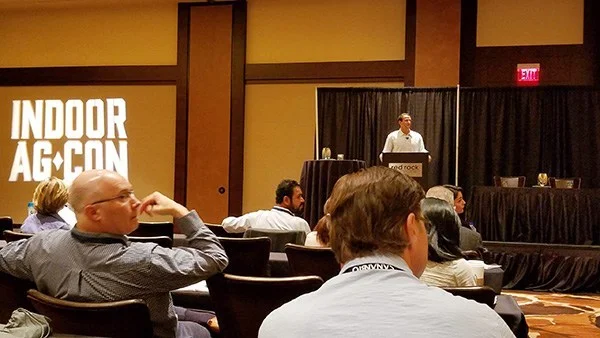
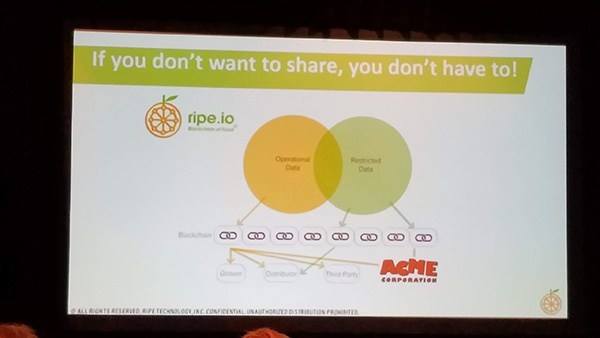
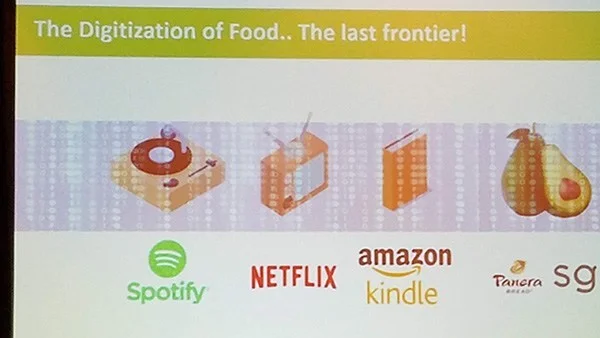
A great way to introduce my experiences at Indoor Ag-Con Las Vegas 7 is to highlight important themes highlighted by industry leaders Brad McNamara of Freight Farms, Irving Fain of Bowery, and Viraj PuriI of Gotham Greens.
In his keynote, Brad McNamara, CEO and co-founder of Freight Farms, emphasized how the oldest GenZer is 22 years old, is trading wealth for health, is interested in doing good while eating well and is focused on improving sustainability and in promoting local and transparent food systems: which he emphasized is a fundamental shift in the food business. He also detailed an evolving new generation of urban farmers who are motivated, trained and focused to meet these new food standards – requiring a transition in university agriculture programs and training.
He also discussed a growing global network of farms, collaborating and learning from each other regarding subjects like best practices, marketing, what to grow, seed material, light, food safety and nutrients. Additionally, they discuss farmer failures and farm dynamics (such as optimizing air flow problems and optimizing shelf space).
After his keynote, Brad and I discussed how his network rescues and repurposes obsolete growing containers as well as STEM training for the local cooperative extension and local K through 12 school system. These subjects will be discussed in more detail in a separate article.
Irving Fain of Bowery’s keynote focused on innovation profiles and related case studies which he described as being relevant to the future of urban controlled environment agriculture, both in terms of marketing and of science, emphasizing how this emergent sector is just in its infancy and how it can benefit from learning how other global businesses spawned from their innovations. For example, he described how NetFlix evolved from a basic delivery service to a content provider and a value chain itself, propelled in growing by rapidly improving infrastructure and technology. He also highlighted how Uber had only 3 cars when it launched but he described how, through continuous innovation and network expansion, Uber had transformed from a simple concierge limousine service into a comprehensive global transportation and delivery service. Additionally, he discussed the evolution of Amazon via continuous consumer benefits, loyalty via Amazon Prime and via increasingly sophisticated fulfillment centers – and how they cumulatively have led to Amazon’s ascension deeper into the value chain of global customer needs.
Irving Fain in particular emphasized how national grocers demand more local produce than ever before and that a large portion of grocery purchases in the future will be grown indoors.
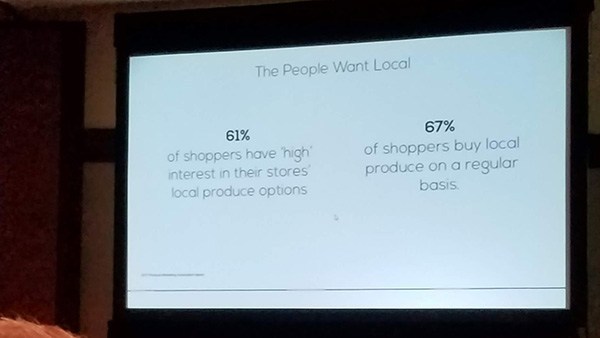

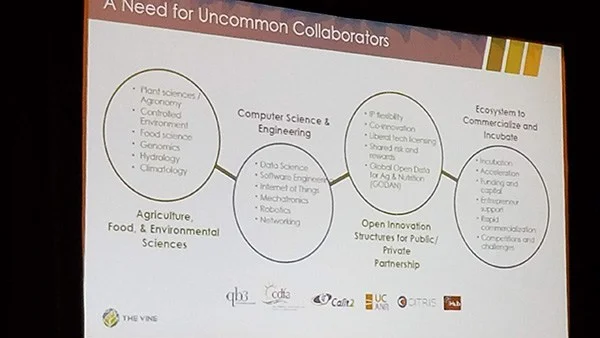
Unfortunately, due to an unavoidable conflict, I missed the keynote of Viraj Puri of Gotham Greens but I have been privileged to hear him speak previously, including at last year’s Indoor Ag-Con Las Vegas. He is a true industry rockstar and I am especially impressed by his outreach to the broader community and by the generosity of his time and expertise to wonderful institutions such as Stephen Ritz’ Green Bronx Machine. Click here for inspiring information on this innovative corporate-academic partnership
Gotham Greens has built and operates over 170,000 square feet of technologically advanced, urban rooftop greenhouses across 4 facilities in New York City and Chicago.
Below are some other presentations and topics that caught my attention and which I will be exploring and expanding upon in the future. There were so many tracks and so many speakers and so many vendors that I could only scratch the surface of everything that was offered at this Conference. Equally important, and perhaps most important, was the willingness and eagerness of the new Conference owners to receive constructive feedback and suggestions for how to grow this important conference in the future. The worlds of food science, food policy, food marketing, food education, food technology, food logistics, food justice are constantly evolving and growing in new and exciting ways. So too has and will the Indoor Ag-Con Conference – both here in Las Vegas and globally.



BLOCKCHAIN AND LEDGER TECHNOLOGY FOR THE FOOD SUPPLY CHAIN
Speaker: Raja Ramachandran, CEO and Co-Founder, ripe.io
Raja Ramachandran discussed regulatory compliance, traceability, food safety via usage of blockchain and ledger technology for more sustainable and healthier food business – resulting in increased efficiency, trust and social impact via digital records. He discussed how complex supply chains for a manufacturer or consumer products company can integrate internal and external supply chains on one digital ledger. And how dual supply and buyer managements can be networked. He presented how ripe.io creates digital Food Bundles to map the food journey that engenders transparency, trust, and honesty for food producers, distributors, and consumers.
After his presentation, Raja and I discussed how his blockchain and ledger technology might work in the entrepreneurial ecosystem being created here in Las Vegas on behalf of the United States Air Force. I hope to explore this topic in the future.
CO-CREATING THE FUTURE OF INDOOR AG; LESSONS FROM SINGAPORE, TAIWAN & JAPAN
Speaker: Jacob Eisenberg, product manager, OnePointOne Farms
Jake Eisenberg is Product Manager at OnePointOne Farms Santa Clara, California. Prior to joining, Jake spent extended time in Japan, Singapore, and Taiwan as a freelance researcher examining the industry and market development among Asian Plant Factories and indoor growing facilities.
Jacob Eisenberg discussed his creation of a toolkit which validates commercial ideas and production models, and lowering barriers of entry for new farms and technology via:
Pilot Matchmakers,
Collective Researchers,
R&D Partners
Tech Matchmakers
Hubs
Local for local Advocates which spread the ideal of competitive cooperation
Jacob writes regularly on this topic at https://medium.com/agri-futures
After his session I discussed with Jacob about important agricultural hubs and connections in the Philippines such as https://agrea.publishpath.com and http://www.gk1world.com/home which are global forces for economic change and nation building via Agriculture. They were related resources for a number of other speakers especially in exploring the future societal impact of indoor agriculture globally
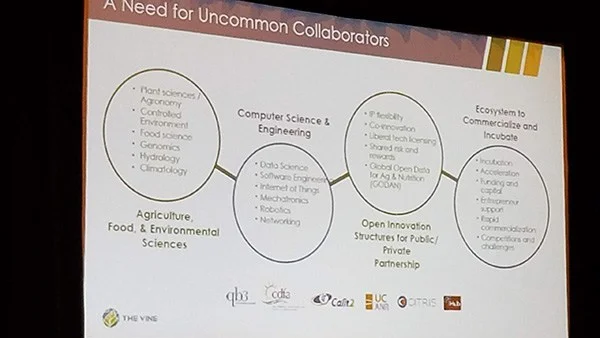

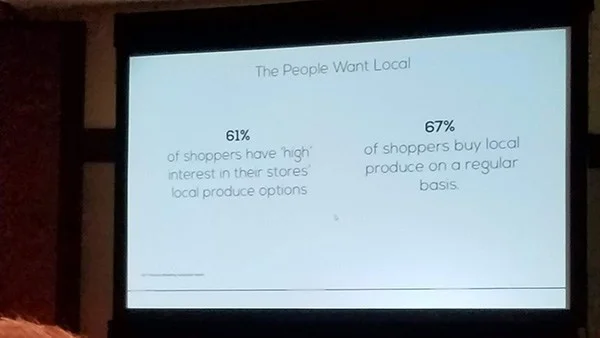
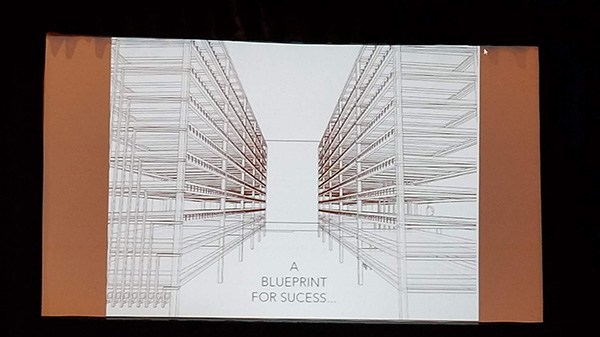
UNLOCKING AGRICULTURE INNOVATION THROUGH UNCOMMON COLLABORATION WITH UC ANR
Speaker: Gabriel Youtsey, Chief Innovation Officer, UC Agriculture & Natural Resources
Gabriel (Gabe) Youtsey serves as the Chief Innovation Officer for UC Agriculture and Natural Resources (UC ANR). He is leading the California VINE initiative, which) brings the power of science to deliver practical solutions in California by addressing major challenges such as fire, water shortages, safe food, urban pests, college readiness and poor nutrition. (“VINE will connect existing clusters of innovation across California and link entrepreneurs with mentors, advisors, collaborators, events, competitions, education and other services to turn good ideas into products and services people can use.”)
Professor Youtsey highlighted on unsustainable current agricultural practices in California area in terms of issues related to workforce, cost compliance, water, land economics, climate change and biodiversity, food safety, consumer preferences and international trade. He emphasized how ag tech is advancing globally in areas like robotic harvesting, robotic weeding, drones, LED lighting, better genetics and evolving business models. He emphasized the need for uncommon collaboration, globally.
I was very impressed by the breath and extent and diversity of the entities which are being coordinated and collaborated by UC ANR but I see the potential for much broader policy discussions especially with entities such as the Resnick School for Food Law & Policy, with the Los Angeles Food Policy Council, and global best practices such as the Milan Urban Food Policy Pact.
THE SOCIETAL IMPACT OF INDOOR VERTICAL FARMING
Speaker: Brian Lanes, Industry Consultant
Building on the societal and policy themes on the increasing importance of this sector was the presentation by industry consultant Brian Lanes. His extensive resume is aptly summarized here. Here are some highlights:
“Brian Lanes is an opportunity scout and catalyst with 40+ years of consulting and business development experience. Brian works with early movers, innovative thinkers, and intrepid leaders who seek to devote their resources to tackling some of the core problems facing us today.
Brian co-founded Wintergreen Partners in 1991, developing strategic alliances and a global network of people and their companies to best serve common areas of interest. The primary areas of focus of Wintergreen include food-energy-water; health care-med/tech and areas where social capital influence global change.”
Brian Lanes’ presentation focused on the impact of vertical farming in the Third World, specifically in war-torn Monrovia, Liberia from a “design-thinking” point of view in “repositioning” energy policy and thinking, and building upon his long time experience with the Stanford Plant Lab studies, https://dschool.stanford.edu/classes/feed-lab-food-system-design-innovation
He emphasized that especially in Liberia the key factor was the role of women in culture in response to challenges such as an inconsistent and highly intermittent energy grid, urbanization and job training needs. He also related successes such as scaling his programs to 70 cities across the Sub Saharan Africa. At its core, Brian Lanes stressed that his mission and vision globally is that a Healthy Community is a Human Right, globally.
Personally as a Returned U.S. Peace Corps Volunteer, I was encouraged and delighted that Brian Lane stated that an influential advisor for this and Wintergreen Partners’ global team also is a former U.S. Peace Corps Volunteer, And after his session, Mr. Lane and I discussed a variety of international collaborators for his important work including some of my links in the Philippines which I already have highlighted like Agrea and Gawad Kalinga. I also mentioned the National Peace Corps Association https://www.peacecorpsconnect.org/cpages/home which connects the approximate 230,000 Returned Peace Corps Volunteers.
I was very excited to meet with Brian Lane and to learn about how he and his team of visionaries are making the future of food globally one of increasing food justice. And to explore further how I might make some rippling impacts on his collective efforts.
Conclusion
In this overview, I can only give a glimpse of what I experienced and learned and networked and seeded at Indoor Ag-Con Las Vegas 7. And I left out a number of equally compelling and important and impactful encounters and topics and threads that I intend to explore in much greater detail in the near future.
Overall, it was a very rewarding and inspiring and enlightening gathering and it truly proved to be a bridge for a slew of opportunities and collaborations in the future that will impact our World’s Food Future in empowering and important ways, especially in terms of sustainability and food justice.
About the author: Rick Passo is a social activist passionate about moving Las Vegas to the front of the of the global food movement while at the same time fighting for the creation of food hubs, incubators, urban agriculture, ecoTherapy, community gardens, food insecurity and food justice via empowering, training & employing vulnerable populations, especially those with mental and physical disabilities.

Secretary Perdue Praises Farming Innovations at Forbes AgTech Summit
At the fifth-annual Forbes AgTech Summit in Salinas, U.S. Secretary of Agriculture Sonny Perdue noted his admiration for the level of innovation that continues to be developed in the agricultural sector
JULY 2, 2019 AGRI-BUSINESS, USDA-NRCS



At the fifth-annual Forbes AgTech Summit in Salinas, U.S. Secretary of Agriculture Sonny Perdue noted his admiration for the level of innovation that continues to be developed in the agricultural sector. During his discussion with Forbes CEO Mike Federle, the Secretary described the agtech environment as being “on the cusp” of making revolutionary improvements to the field of agriculture and noted that USDA wants to help facilitate those advancements.
“We want to help form a regulatory framework that works with our innovators, and creators, and entrepreneurs rather than against them,” said Secretary Perdue. “We have the ability here at USDA, through our land grant universities and our extension service, to get that to the ground floor of producers, to understand the new technology here.”
Many of the technologies being developed for agricultural application are going to rely on consistent internet access. The issue of broadband internet, which the Secretary described as having a “transformational capacity,” will need to be addressed with improvements to infrastructure. “As we move as a society to the internet of things, agriculture is going to be one of the beneficiaries, but it’s going to rely on connectivity,” Secretary Perdue noted. “We’ve got some gee-whiz kind of productivity increases out there in precision agriculture that could be utilized today but they’re dependent upon connectivity.”
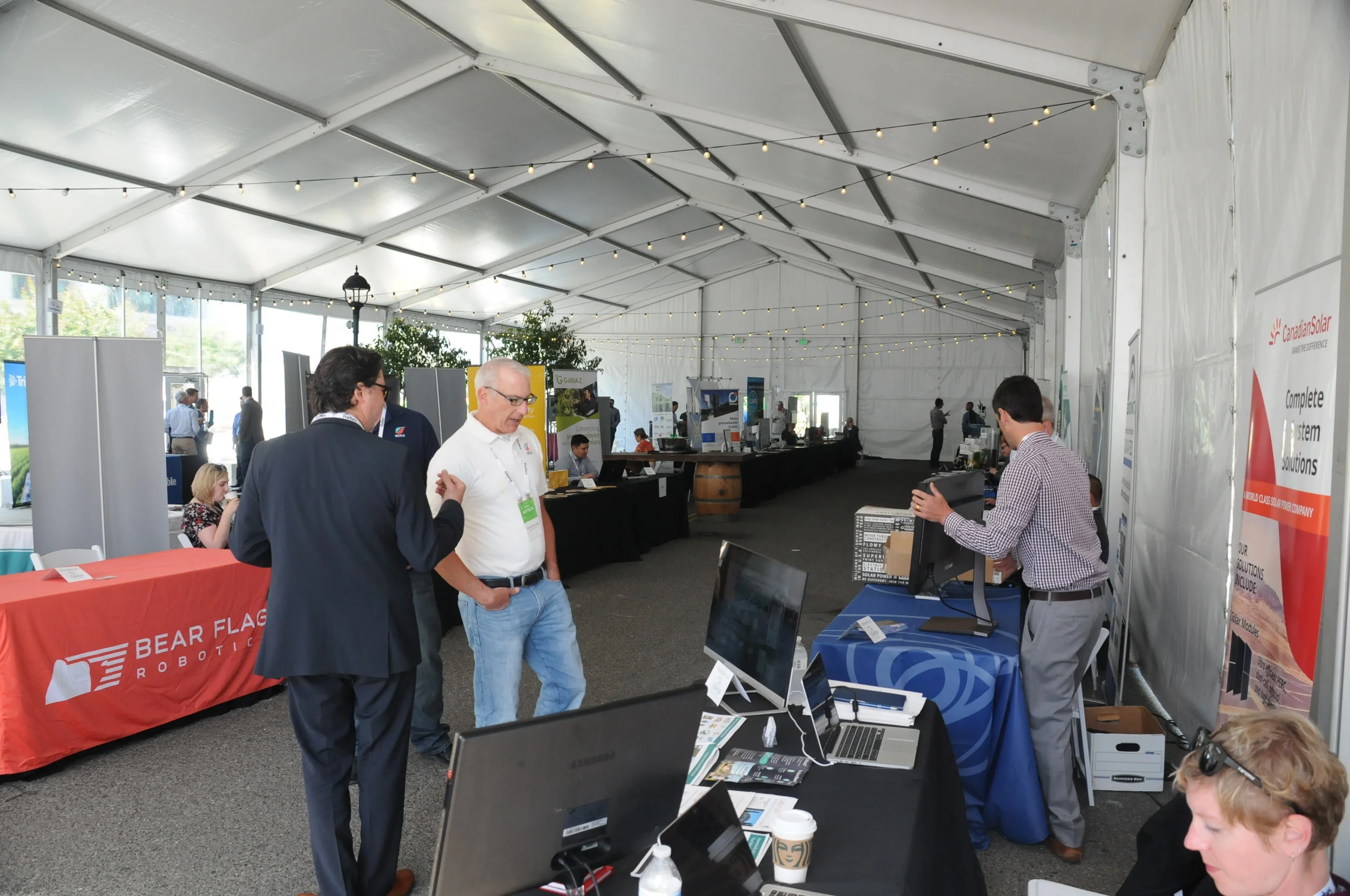
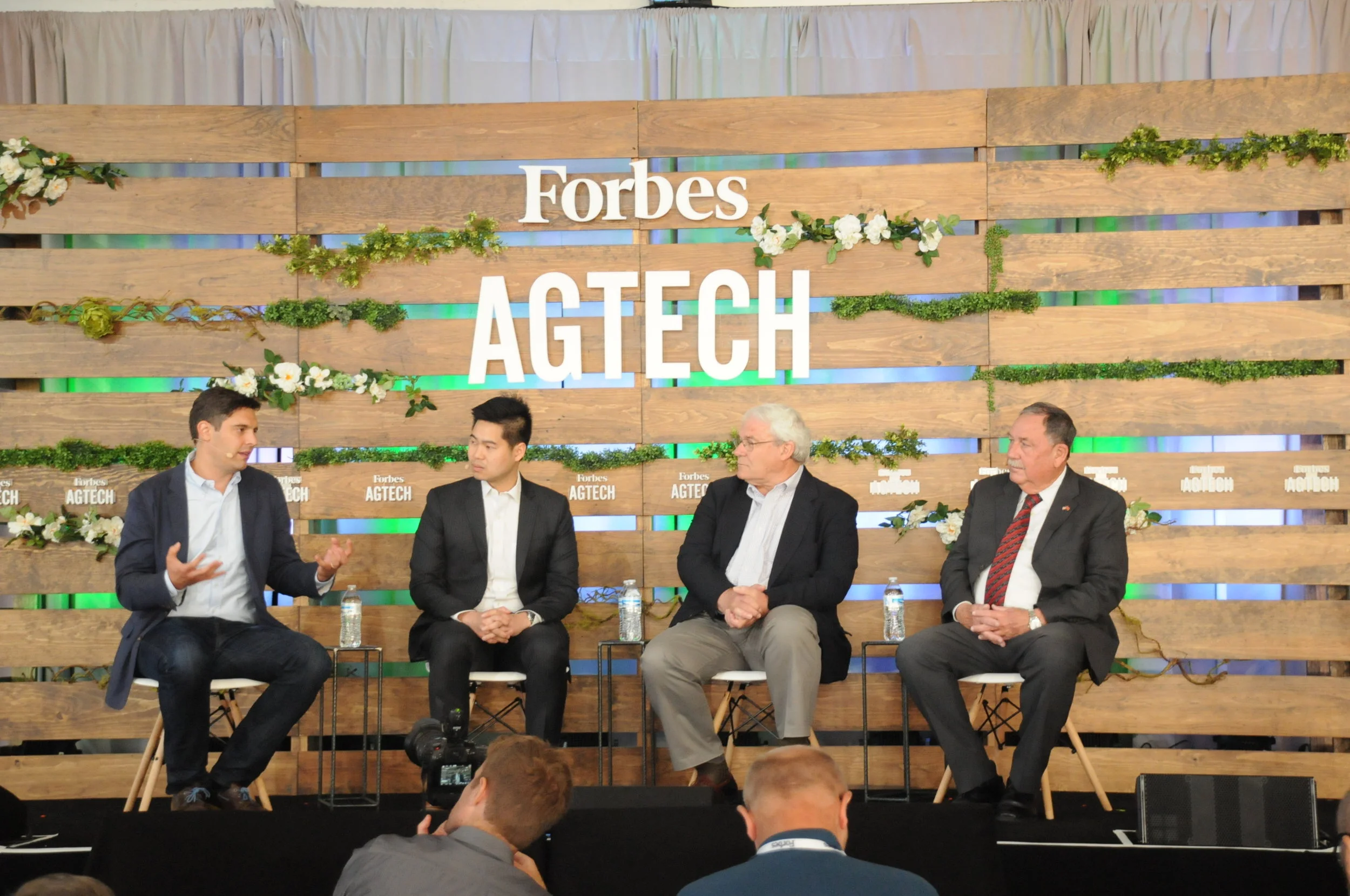
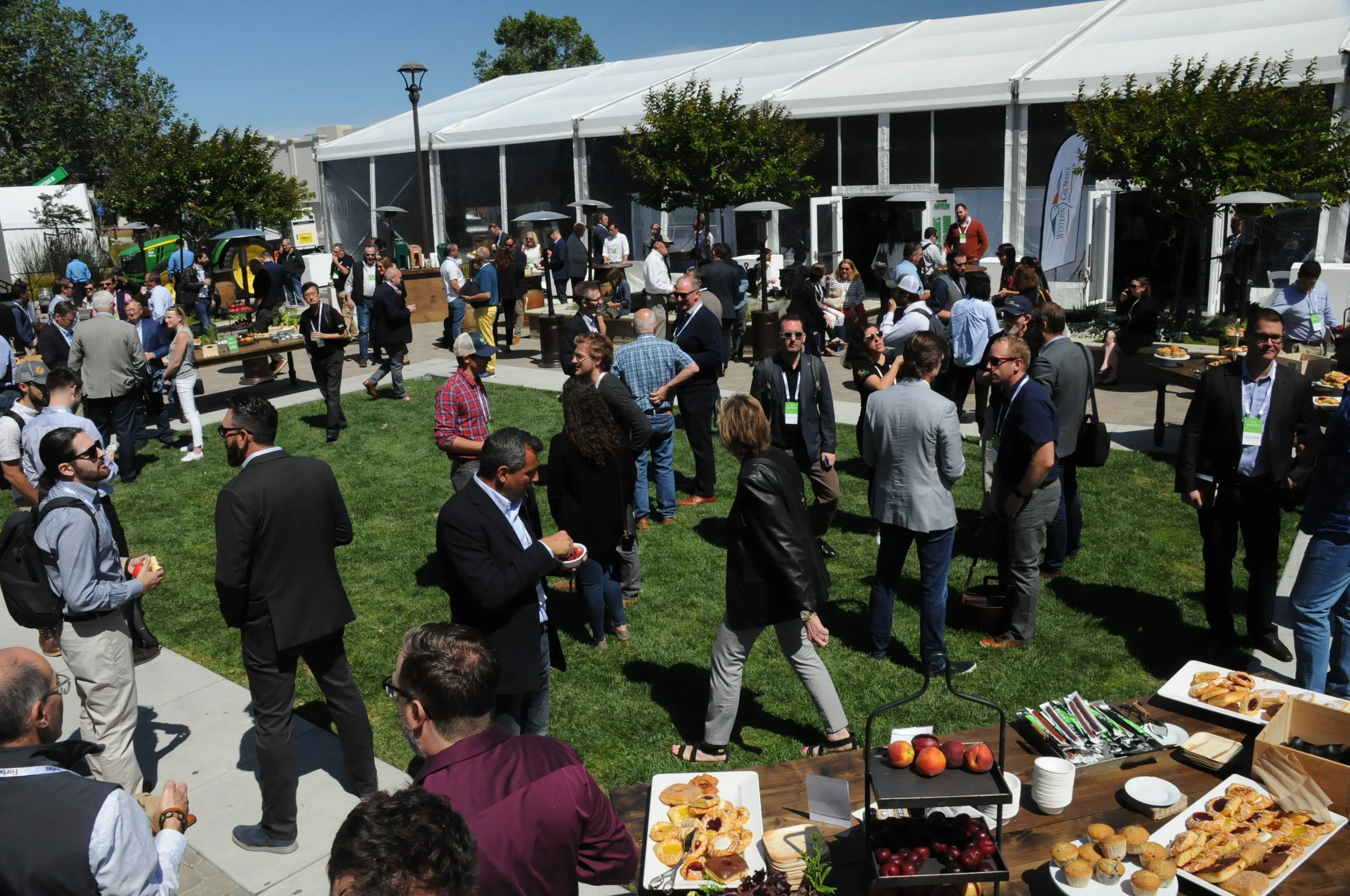
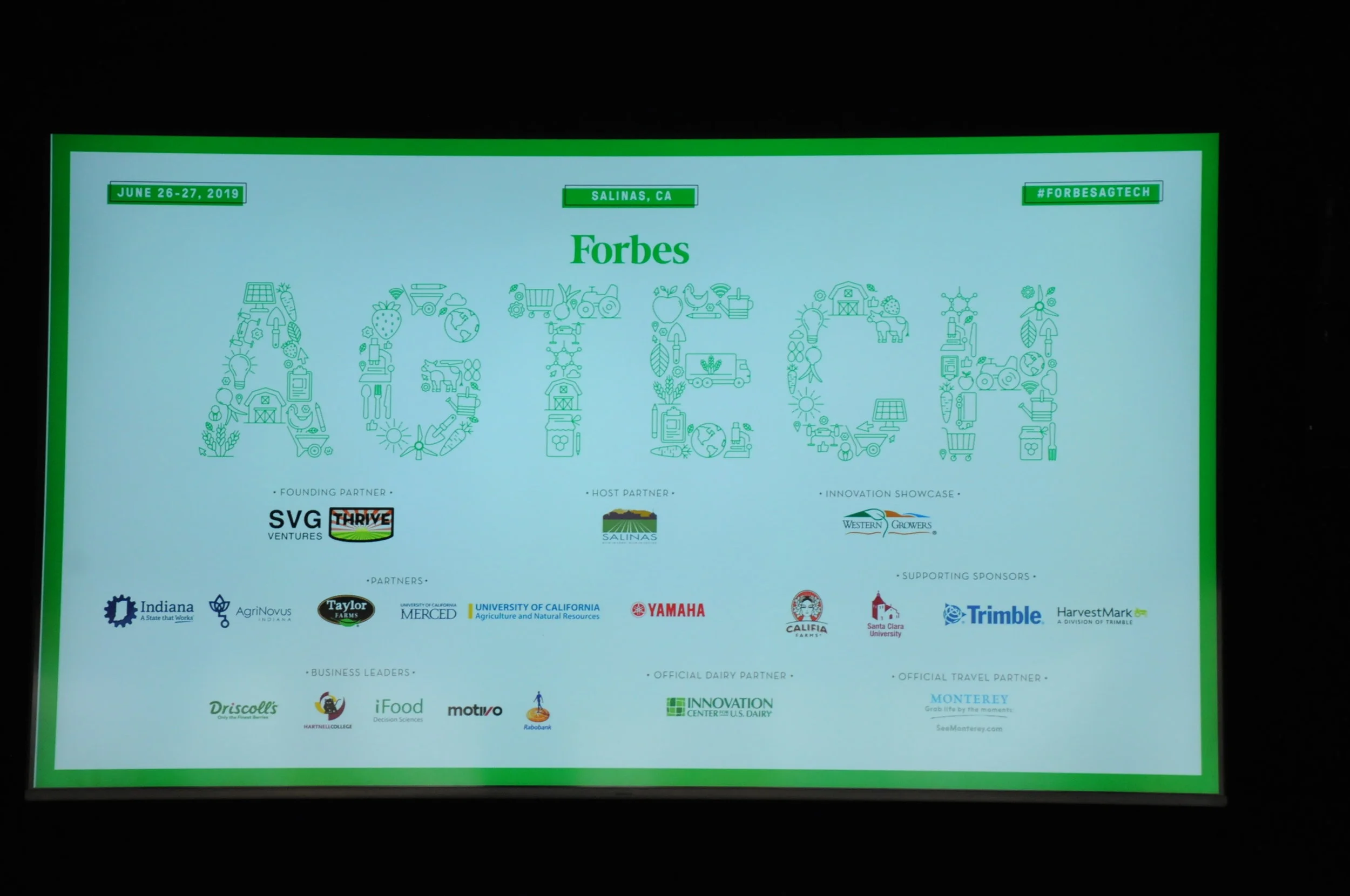
Along with agricultural innovations, the Secretary also addressed trade concerns as they relate to China. While the troubling trade market is not likely to remain the status quo, Secretary Perdue noted that it is because of American farmers success that they carry much of the burden when trade tensions run high. “We’re blessed to be in a nation where we can produce more than we can consume domestically,” said Secretary Perdue. “Farmers, because of the trade surplus that they enjoy in agriculture, they’re the tip of the spear. When people are going to retaliate then that’s where they go.”
The Forbes AgTech Summit was one of several stops the Secretary made on his most recent trip to California. Secretary Perdue visited the indoor vertical farming company Plenty to review the techniques being used to grow food in an urban environment. The Secretary also toured Driscoll’s Berries, as well as the C.W. Bill Jones Pumping Plant, a key component of the Central Valley Project. During his California visit, Secretary Perdue also met with local politicians and community members at several town hall events that took place in Clarksburg, Watsonville, Los Banos, and Yolo County.
Listen to Secretary Perdue’s discussion at the Forbes AgTech Summit below.

Feeding The Masses With Indoor Farming - Agriculture Finally Grows Up
Food insecurity happens when the people it affects do not have consistent access to nutritious foods. Then, the problems span from stunted growth in childhood to obesity because people cannot get enough nutrient-rich, healthy food to maintain an ideal body weight.
June 11, 2019
Food insecurity happens when the people it affects do not have consistent access to nutritious foods. Then, the problems span from stunted growth in childhood to obesity because people cannot get enough nutrient-rich, healthy food to maintain an ideal body weight.
Credit: MetsikGarden, Pixabay
Traditional farming can help alleviate some food insecurity, but the agricultural industry is heavily dependent on Mother Nature. Unusual weather patterns, poor soil conditions and invasive pests are some of the many things that can cause farmers to have disappointing growing seasons. There’s also the reality that some areas of the world do not have the climates necessary for producing some types of food, and that problem could get worse due to global warming.
So, what if it were possible to take all those outdoor variables out of the picture? That’s happening already thanks to an increasing interest in indoor farming.
Growing Things Vertically
Indoor farming is also called greenhouse farming. Discussions surrounding either of those terms often bring up the concept of vertical farming. It involves growing crops in vertically orientated stacks. This method allows for practically utilizing the available space. Moreover, parties in the vertical farming industry typically use sensors that detect the precise amounts of light, water and other essentials that the crops need to grow.
Taking this approach avoids the waste and uncertainty that can accompany traditional farming. AeroFarms, located in New Jersey, is one of the largest indoor farms. It substitutes LED lights for the sun and uses a specialized cloth instead of soil. Plus, the operation reportedly uses up to 95% less water than standard methods of farming because it delivers a mist of water and nutrients to the root structure.
Other vertical farms operate in similar ways, and their overall methods result in shortened growing times. It’s also worth noting that although the exact statistics vary, an acre of vertical farming could produce as much as a conventional farm that’s at least ten times larger.
Population Growth Is a Pressing Matter
Researchers understand that there’s no time to waste when figuring out how to feed the world’s population. Some estimates say that as the global population grows from 7.3 billion to 9.6 billion people by 2050, we’ll need to produce 70% more food to feed them all. LED lights are particularly advantageous in indoor farms because they allow offering dynamic light spectrums for individual plants. Sunlight is comparatively unpredictable.
But, customizable light is not the only aspect of indoor farming that could make it a feasible way to feed future generations. Some indoor farms use robots to manage many of the necessities. Research shows that labor costs represent as much as 80% of an indoor farm’s operating expenses, but many are using automation to keep costs down. Doing that could help tackle the problem of aging farmers contributing to a labor shortage.
Vertical Farms Help Solve Problems With a Lack of Land
When people bring up matters related to population growth, they often talk about how the increase of people on the planet makes it more difficult for those individuals to secure housing. In the agriculture sector, the opposite problem can arise, whereby an uptick of buildings for houses and offices leaves less land for agricultural development.
Indoor farms address that problem since they can exist inside of or on buildings — such as in one case where a former warehouse in Brooklyn now has a rooftop garden. Then, in the Sunqiao district of Shanghai, vertical greenhouses are integrated parts of the city, showing that farms can thrive without vast expanses of land.
Dealing With the Sustainability Challenge
Vertical farms offer higher yields than outdoor farms, and they’re compatible with urban environments. Many companies also sell compact indoor growing solutions for households, and those product manufacturers took inspiration from the large-scale indoor farms. All of those things are good news for fixing food insecurity.
But, critics point out that some indoor farms are not always sustainable options due to the energy required for things like climate control. That’s a valid argument, but people need to realize that no single solution will completely encompass the issue related to both food insecurity and sustainability.
As mentioned earlier, indoor farms use less water than traditional farms. Plus, they typically don’t require pesticides, which is another advantage for the planet. If enough indoor farms meet food availability needs, it’s also possible that produce would not need to travel as far to reach the people who eat it. That’s a sustainable outcome, too.
The possible downsides of indoor farms should merely be reminders of how solving the problem of feeding the future should take sustainability into account. Then, the results could mean that more people have access to the food they need, and the planet gets the necessary protection.

Want Chemical-Free Vegetables? Vertical Farming Might Be The Answer
These vertical farming towers developed by the Telangana State Centre of Excellence may be the answer to the increasing demand for chemical-free leafy green vegetables
JULY 01, 2019
The Telangana State Centre of Excellence (TSCoE) in Jeedimetla feels like an oasis, in contrast to the barren highway that leads to the area and the humble residential colony in its vicinity. The 10.35-acre facility managed by the department of horticulture is a hub of experiments for cultivation of vegetables and flowers.
In one of the poly houses covered by a UV-stabilising film, more than 800 PVC pipes have been converted into vertical farming towers. Each of these pipes have been filled with a mix of coco peat, red soil, neem cake, vermicompost and micronutrients that help plant growth. Each pipe has more than 20 slots from which small branch-like extensions emanate, it is in these that green leafy vegetables are grown.
The CoE designed and tested such prototypes in December 2018, approved by the department of horticulture authorities and a technical committee of agriculture experts; it has so far grown coriander, amaranthus, bacchali (Malabar spinach) and palak (spinach). At the moment, the 800-plus towers grow spinach, some of them ready to harvest.
A retail counter near the entrance of the premises sells fresh greens and vegetables grown at the centre and it’s a big hit with the neighbourhood. Palak is sold at ₹40 per kg, double the price of wholesale market, but there are many takers since these greens are free of chemical pesticides. There have been days when the centre sold 400 to 600 bunches of leafy greens.
Around the world
Singapore: The vertical urban farm called Sky Greens, located in Lim Chu Kang, harvests 500kg of green leafy produce every day. According to a Straits Times report, the yield in this farm is 10 times that of traditional farms, as it uses tiered metal towers up to nine metres tall. The rotation of these towers in glass buildings allows all the plants to get uniform sunlight.
San Francisco: Tigris, a hydroponic vertical farm in San Francisco, is a futuristic project focusing on growing leafy greens. The new farm reportedly can grow one million plants at a given time.
While vertical ornamental gardens add aesthetics to premises, vertical farming is more utilitarian. CoE intends to encourage residential colonies in urban areas and farmers at the district and zilla parishad levels to grow more greens using vertical farming.
The CoE feels that having several small crop colonies in urban pockets and rural areas might help meet some of the growing demand for vegetables in the state. Leafy greens, tomatoes, brinjals, chillies and okra, for instance, can be cultivated in balconies and terrace gardens to meet individual home needs.
In addition, enterprising farmers in both urban and rural areas can do vertical farming to grow greens that meet the needs of their neighbourhoods, believes the CoE. “Green vegetables are the need of the hour. They perish easily and don’t withstand long-distance transport. A lot of greens available in the market are also laced with chemical pesticides. There’s an increasing awareness today about safe food. Growing your own greens will ensure safe food and reduce food miles,” says K Latha, assistant director of horticulture, CoE.
Traditional farmers can use vertical farming towers to step up the yield. “In flat-surface farms, it’s tough to harvest green leaves during monsoon. Leafy vegetables can be harvested every 25 to 30 days, so ideally you can aim for 12 harvests a year. In flat cultivation farmers only manage eight or nine harvests. Using these towers and a poly film roof, greens can be grown all round the year,” she says.

K Latha, additional director of horticulture, COE, with agriculture engineering students at the vertical farming polyhouse | Photo Credit: K V S Giri
The coco peat and nutrient mixture in these towers can be replenished after three or four harvests to get quality produce. To counter weeding, the CoE uses a weeding mat on the ground. Small outflow pipes from each of the towers drain excess water.
To make vertical farming economical, the CoE uses non-ISI mark PVC pipes that cost ₹400 to 500 each, as opposed to ISI-certified ones that cost around ₹5000. However, the non-ISI pipes stand the risk of damage when exposed to prolonged heat. The UV-stabilising poly film roof counters this problem.
Latha points out that there are several smart vertical farming methods worldwide, including those that use hydroponics and aeroponics. “There are various designs of vertical farming towers too, across the world. The indigenous technology we developed is one of the methods,” she says, signing off.
Planet Healers celebrates eco-conscious initiatives. If you know an eco warrrior, write in to hydmetroplus@thehindu.co.in

Square Roots Is Bringing NYC’s Freshest Herbs To Whole Foods
Three times a week, Square Roots delivers fresh herbs from our indoor farms in Bed-Stuy to grocers all over New York City. We’re now adding stops at Whole Foods Markets!
Square Roots | 06.28.19
Three times a week, Square Roots delivers fresh herbs from our indoor farms in Bed-Stuy to grocers all over New York City. We’re now adding stops at Whole Foods Markets!
Square Roots e-trike delivering hyper-local herbs to grocery stores across New York City and Brooklyn.
Herbs make cooking easy and delicious. Especially when they’re fresh and grown in the perfect climate—which Square Roots indoor farms guarantee, all year round. So we’re really excited to bring our herbs to Whole Foods shoppers!
Our expansion into Whole Foods has an impact way beyond the grocery aisle. National grocers who act locally have the opportunity to promote change in our food systems. For instance, when Whole Foods works with Square Roots, they’re not only bringing more local produce to New Yorkers, they’re also directly supporting a new generation of local farmers. The Square Roots Next-Gen Farmer Training Program is at the heart of our business. It creates opportunities for young people to become farmers and future leaders in sustainable, urban food communities—and trains them how to grow delicious food.
Initially, Square Roots will have chives and mint available at Whole Foods’ Gowanus and Williamsburg stores. We’ll be popping up at both locations to better get to know Whole Foods shoppers, talk to people about what they love to cook, and introduce people to herbs they may have never used before.
Come taste our herbs, and get to know a farmer, at one of our in-store pop-ups. And keep an eye out for our blue labels on your next Whole Foods trip!
Come by Whole Foods in Gowanus and Williamsburg to taste our herbs and get to know a farmer.
Whole Foods In-Store Events
Whole Foods Gowanus | Tues July 9 | 10 am - 2 pm
Whole Foods Williamsburg | Tues July 9 | 10 am - 2 pm
Whole Foods Gowanus | Tues July 9 | 3 pm - 7 pm
Whole Foods Gowanus | Thurs July 11 | 3 pm - 7 pm
Whole Foods Williamsburg | Tues July 15 | 10 am - 2 pm
Whole Foods Gowanus | Tues July 15 | 3 pm - 7 pm
Whole Foods Williamsburg | Fri July 19 | 10 am - 2 pm
Whole Foods Gowanus | Fri July 19 | 10 am - 2 pm
Whole Foods Williamsburg | Mon July 22 | 3 pm - 7 pm
Whole Foods Gowanus | Wed July 24 | 3 pm - 7 pm
Whole Foods Williamsburg | Sat July 27 | 3 pm - 7 pm
Whole Foods Williamsburg | Mon July 29 | 10 am - 2 pm
Whole Foods Gowanus | Mon July 29 | 3 pm - 7 pm
Find Square Roots herbs at a store near you via our store locator and subscribe to our newsletter for updates.

Climate Change Made Europe's Heatwave At Least Five Times More Likely
The team of European researchers who conducted the work also found humanity’s warming of the planet made the heatwave about 4°C hotter than it would otherwise have been. The findings came as new data showed that the average European temperature last month was the hottest ever for June
2 July 2019
By Adam Vaughan
Climate change made last week’s deadly heatwave in Europe at least five times more likely, according to a rapid analysis.
The team of European researchers who conducted the work also found humanity’s warming of the planet made the heatwave about 4°C hotter than it would otherwise have been. The findings came as new data showed that the average European temperature last month was the hottest ever for June.
The intense heatwave affected large areas of Europe, setting temperature records in Germany, Austria, Spain, the Czech Republic, Switzerland and the Netherlands. France saw the hottest temperatures, including an all-time high of 45.9°C near the city of Nîmes, a level more typical of Death Valley, California. Manure self-ignited in Spain, causing a wildfire.
Hoping to avoid a repeat of the 2003 heatwave which killed more than 70,000, authorities in France postponed exams and set up ‘cool rooms’ for people, while Germany imposed motorway speed restrictions over fears of roads cracking. At least seven deaths have been linked to the heatwave; the true toll will not become clear until much later.
Read more: Weather forecasts could soon pin extreme events on climate change
But we now know the exceptional heatwave was made much more likely by global warming, due to an assessment published on Tuesday by the World Weather Attribution group.
They used computer models to calculate the temperatures we would expect to see in France with the 1°C of warming – our current level above pre-industrial temperatures – and also without it.
They then looked at the average temperature in three days in June across France and in the French city of Toulouse and compare the observations with the models.
The results for France as a whole showed that climate change increased the probability of the heatwave by at least a factor five. The results were similar for Toulouse.
While the researchers were very confident in the heatwave being made at least five times more likely, they said the real world temperature data shows the probability could have been increased by as much as 100 times.
Geert Jan van Oldenborgh of the Royal Netherlands Meteorological Institute says although five times is the minimum, the true figure “could be much higher.” Up to 100 times is a possibility but should not be taken too seriously, the team says, because of the difficult of modelling clouds, the interaction between atmosphere and soil, and reproducing such extreme, record-breaking temperatures in models.
Compared to a heatwave in June in 1901, last week’s one was about 4°C hotter. “This is a strong reminder again, that climate change is happening here and now,” said Friederike Otto of the University of Oxford.
More on these topics: climate change
Pure Flavor®’s Mini Sweet Pepper Tribelli Seed Wins International Taste Institute Award
“After years of research & development with Enza Zaden, the Tribelli seed has proven to be a key item for our mini pepper program, said Jamie Moracci, President



Leamington, ON (July 1st, 2019)
Unique flavor profiles are driving consumers wild with authentic eating experiences worldwide. While the choices are endless at retail, greenhouse vegetable growers and seed companies are strengthening their partnerships to develop varieties that continue to raise the bar in quality & flavor. Pure Flavor® vegetable seed partner Enza Zaden recently won the prestigious International Taste Institute Award for the company’s Tribelli® seed which produces Pure Flavor®’s Aurora Bites Mini Sweet Peppers.
“After years of research & development with Enza Zaden, the Tribelli seed has proven to be a key item for our mini pepper program, said Jamie Moracci, President. Packed under Pure Flavor®’s Aurora Mini Sweet Peppers brand, Tribelli® comes in a variety of colors, has an exceptional taste profile, very low seed count, and comes from a plant that produces a consistent flavor, size, and quality, regardless of the season.
“Our partnership with Enza Zaden on this variety is an important one, we have worked very hard on building this brand of mini sweet peppers to meet the needs of retailers expanding their snacking category of items. As a vertically integrated grower, it is a true honor for Enza Zaden to receive the International Taste Institute Award for the Tribelli variety of mini sweet peppers”, said Moracci.
At the International Taste Institute, all products are analyzed, judged, and scored following a strict and objective methodology through a blind tasting panel. While not knowing the origin of the products they are tasting, the experts also give comments and suggestions to the producers to guide them for future product improvements or new item launches. Depending on the results of the sensory analysis, certified products are awarded the Superior Taste Award with one, two or three stars, somewhat similar to Michelin stars. The Tribelli® variety was awarded the Superior Taste Award with two stars.
“Tribelli® has earned praise from the most sophisticated palates, proving that it is more than just a pepper. Tribelli® is the concentration of an intense flavor, where taste is always what makes the difference in customers’ experience,” commented Jean-Francois Thomin, Marketing Manager, Enza Zaden North America.
Grown in a variety of very distinct colors, Enza Zaden partners with Pure Flavor® to develop the product in high tech greenhouses all throughout North America. Pure Flavor® has grown the Tribelli® seed that produces the multiple colors of Aurora Sweet Mini Sweet Peppers for the last 5 years. “I believe Enza Zaden is cracking the code to more vegetable consumption worldwide by developing seed varieties that are flavor forward and building a portfolio of cutting-edge innovations like Tribelli®”, said Thomin.
“As a brand, we take great pride in marketing the exceptional characteristics of the strategic varieties that we grow. Consumers let us know all the time how much they enjoy the product and how easy it is use, no matter the application,” commented Matt Mastronardi, Executive Vice-President. Pure Flavor® has developed an extensive variety of recipe ideas for consumers to create their own dishes from. The flavor strategy for all of Pure Flavor®’s recipes is to ensure exceptional eating experiences where the consumer can fully enjoy the key characteristics of the ingredients in the dish.
The Tribelli variety plays an important role in Pure Flavor®’s product offering not only as the Aurora Mini Sweet Peppers brand but also as a key ingredient in the Pure Flavor®’s Mini Munchies Snack Sized Veggie Program. The Mini Munchies pack contains Aurora Bites Mini Sweet Peppers, Juno Bites Red Grape Tomatoes, and Poco Bites Cocktail Cucumbers in a convenient 4oz pack.
“I love all the the mini sweet peppers, they are so colorful, crunchy, and sweet. I eat them on their own or with hummus in my lunch at school. My favorite one is the Orange one as it has very few seeds,” said Layla, age 13. Pure Flavor® provides fresh vegetable snacks like the Aurora Mini Sweet Peppers to schools in Leamington, ON, San Antonio, TX, and Fort Valley, GA as part of the company’s ‘Adopt-A-School’ Program.
Grown in high tech greenhouses, Pure Flavor®’s Aurora Bites Mini Sweet Peppers are available year-round in pre-packaged to bulk formats for both retail & foodservice customers.
To learn more about Pure Flavor®’s Aurora Bites Mini Sweet Peppers, please visit Pure-Flavor.com/MiniSweetPeppers
-30-
About Pure Flavor® -
Pure Flavor® is a family of greenhouse vegetable growers who share a commitment to bringing A Life of Pure Flavor™ to communities everywhere. Our passion for sustainable greenhouse growing, strong support for our retail & foodservice customers, and focus on engaging consumers is built on a foundation drawn from generations of growing expertise.
We are the next generation of vegetable growers, inspired to put quality, flavor, and customers first by providing greenhouse-grown vegetables from our farms that are strategically located throughout North America.
About The International Taste Institute (formerly ITQi) -
The International Taste Institute, is an independent organization formed by top Chefs and Sommeliers with Michelin star accreditation. The Institute is dedicated to certifying superior tastes of food & beverages worldwide. The jury of experts and opinion leaders from the gastronomy sector, is selected from the sixteen most prestigious professional culinary associations in Europe.

Barbados: Teachers' Training College Opens Aquaponics Farm to Staff and Students
The Erdiston Teachers’ Training College is on its way to becoming a green campus. After three months of construction, the institution officially opened its aquaponics farm to the staff and students.
The farm which is being facilitated by the school’s Climate-Smart Aquaponics for a Sustainable Future project, attempts to integrate the disciplines of Science, Technology, Engineering and Mathematics (STEM) into the primary school science classrooms. The project was planned by a group of third-year University of the West Indies, Bachelors in Education students.
“There are some deficiencies as it relates to the application of STEM [in the schools]. This Climate-Smart Aquaponics initiative bridges the gap. It allows persons to have a sense of how to go about teaching STEM, particularly at the primary level in Barbados,” said aquaponics consultant and project facilitator Rozanne Walrond.

The College science lecturer revealed the facility accommodates 460 plants and small-scale fish farming. It will be chiefly utilised by Erdiston Teachers’ Training College students but will also be open to primary and secondary school students for use. Walrond insists that exposure to aquaponics from an early age would educate students on the importance of sustainable and renewable energies.
“One of the benefits of aquaponics is that… where there is a deficiency in arable land and you have a system of this nature, the opportunities are endless in how much you can actually reap,” she continued.
Walrond disclosed that the opening of the aquaponics farm was the first phase of the college’s plan to become fully sustainable and promote renewable energy. The facility will be using recycled water and will be sustained by solar energy, thanks to the support of Williams Solar which has donated photovoltaic panels.
“We want to become iconic in terms of having this college be promoted as a smart and sustainable institution,” commented Walrond.
US (IL): Vertical Harvest Wants to Expand Greenhouse Concept Into Chicago
An innovative greenhouse that backs up to the Millward Street parking garage, now has $500,000 in hand to study expanding into Chicago
$500,000 Grant To Study Expansion
An innovative greenhouse that backs up to the Millward Street parking
garage now has $500,000 in hand to study expanding into Chicago
The Federal National Mortgage Association, or Fannie Mae, awarded Vertical Harvest a grant of that sum through its Sustainable Communities Innovation Challenge.
The grant program is a partnership with the National Affordable Housing Trust, which presents exciting prospective growth opportunities for the community greenhouse formed a decade ago by valley residents Nona Yehia, Penny McBride and Caroline Croft Estay.
“I think the National Affordable Housing Trust has 1,452 sites that they’re going to be developing in the next 10 years,” said Sam Bartels, Vertical Harvest’s business development director. “Jackson has always been our proof of concept and our pilot,” she said. “We’ve had people from all over the world contact us on a weekly basis about how they could do this.”
While adding Vertical Harvest-like facilities around the country and planet may be the long-term vision, the product of the grant is initially much more narrow.
The half-million dollars will be put toward a feasibility study that will analyze the efficacy of building vertical greenhouses at three existing affordable housing developments in the Chicago area, Yehia said.
Source: Jackson Hole News & Guide (Bradly J. Boner)
Publication date: 6/27/2019