

Welcome to iGrow News, Your Source for the World of Indoor Vertical Farming
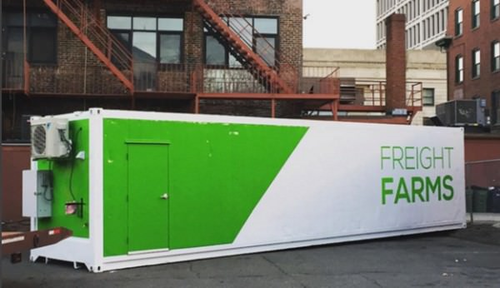
On March 25th Steven Warren Released Form D. Freight Farms $13.07 Million Financing.
A form D was filed by Freight Farms, Inc., Corporation because of $13.07 million equity financing. The date of first sale was 2017-04-04. Freight Farms sold $8.09 million or 61.90 % of the fundraising offer.In total it’s $13.07 million
Posted by Mike Johnson
March 25, 2019
Freight Farms Fundraising
A form D was filed by Freight Farms, Inc., Corporation because of $13.07 million equity financing. The date of first sale was 2017-04-04. Freight Farms sold $8.09 million or 61.90 % of the fundraising offer.In total it’s $13.07 million. On 2019-03-25 the document was filed and the reason was: unspecified. The fundraising still has about $4.98 million more and is not closed yet. We have to wait more to see if the offering will be fully taken.
Freight Farms is based in Massachusetts. The filler works in the Other Technology business. The person that filed the form was Steven Warren Treasurer. The company was incorporated more than five years ago. The filler’s address is: 340 Summer Street, Suite 108, Boston, Ma, Massachusetts, 02127. Brad Mcnamara is the related person in the form and it has address: 840 Summer Street, Suite 108, Boston, Ma, Massachusetts, 02127. Link to Freight Farms Filing: 000159280019000003.
Freight Farms Offering Details
The startups in the Other Technology sector sell on avg 85.80 % of their offerings amount. Freight Farms have sold 61.90 % so far. The financing is still open. Also companies in the Other Technology industry have an avg fundraising size of $1.54 million.And the total raised amount is 425.26 % bigger than the average.As for minimum investment it is set at $0.
Form D – advantages and disadvantages
Usually Form D fillings have information that ventures and startups don’t like revealing. More precisely they reveal plans and reasons for funds raising. On other hand this could help understand better your competitors.
Freight Farms ‘s pluses of Fundraising Reporting
The Form D signed by Steven Warren might help Freight Farms, Inc. as clients feel much more safe to work with a better financed firm. Chances are high that Freight Farms, Inc. will stay financially sound. There are good PR effects as well as more attention from angels venture-capital, firms and funds.

US (NY): Cornell University Hosts CEA Conference
April 22, 2019
Geneva, New York
Cornell University is hosting a CEA conference on Friday April 26. The Cornell Controlled Environment Agriculture (CEA) advisory/stakeholder group was formed to address the increasing demands of consumers for fresh, local, and year-round produce. In the Northeast, meeting this demand means incorporating various technologies to extend the growing season.
The CEA advisory/stakeholder meetings are designed to address this challenge with a multifaceted approach made possible by the diversity of its participants, which include: New York State producers, agribusiness professionals, supermarkets, government agencies, financial management companies, and Cornell faculty and faculty/staff from the Cornell AgriTech, the Charles S. Dyson School of Applied Economics and Management, the School of Integrative Plant Science, and the Department of Biological and Environmental Engineering.
The April 26, 2019 conference is designed to explore possibilities that could enable New York State to become a leader in the industry. Participants will hear from industry experts and leading academics about how they can create and capture economic synergies that will provide tremendous lasting value for New York State and beyond.
The meeting will be held at the Jordan Hall Auditorium at Cornell AgriTech, 614 W North St., Geneva, N.Y. Parking is free and located directly behind the building.

GP Solutions (OTC: GWPD) Innovative Indoor Farming Technology Addressing Billion Dollar Opportunities
March 29, 2019 admin CEO Interview, Consumer
GP Solutions (OTC: GWPD) Interview with Shannon Illingworth, chairman and founder discussing the company’s GrowPod turnkey indoor organic farming solution, which uses re-purposed shipping containers, and optimized environmental controls. Shannon explains how GrowPod’s address a multi-billion market opportunity.
Shannon Illingworth, Chairman & Founder
GP Solutions (OTC: GWPD) Interview with Shannon Illingworth, chairman and founder discussing the company’s GrowPod turnkey indoor organic farming solution, which uses re-purposed shipping containers, and optimized environmental controls

UK: Roof Of Community Food Market Will Produce Enough Fresh Vegetables And Herbs To Feed 100,000 In London
The rooftop farm, using 1200 sq m of hydroponics, will produce 60-80 tonnes of mixed vegetables a year – largely leaves such as lettuce and spinach – retailing to diners at around £8 per kilo, compared to around £25 per kilo in supermarket
Day and night: the hydroponic farm sits on the roof one storey, timber structure of the food market. Interrobang
Thirty food stalls and seating for 600 people will take up the ground floor with the farm covering the entire roof.
By John Walsh
Forbes
March 25, 2019
Excerpt:
The rooftop farm, using 1200 sq m of hydroponics, will produce 60-80 tonnes of mixed vegetables a year – largely leaves such as lettuce and spinach – retailing to diners at around £8 per kilo, compared to around £25 per kilo in supermarkets.
To put the harvest into some kind of context “we will easily provide fruit or salad in a good portion for around 100,000 people, probably around 20% of what we need,” says Rasca.
Redbridge Council, working with the Greater London Authority and London Enterprise Partnership, attracted funding for the regeneration project of which £1.4 million be used to fund the Ilford market.
Rasca never thinks of himself as a leader – “I just have ideas” – but he has thought about food since he was six years old.
Read the complete article here.
Will Vertical Farming Solve The World’s Growing Ecological And Human Crises?
4 Apr 2019 by Jonny Williamson
Vertical Farming is a new approach that could help solve the world’s escalating food chain crisis. And it is all made possible by data and Lean manufacturing.
We have witnessed an exponential rise in the capability of digital systems to gather data through sensors and process and analyse it – image courtesy of Depositphotos.
Though vertical farming is not a new concept – the theory that food can be grown in large quantities inside tall buildings has been around for decades, it is only recently that it has become possible at a price point that matches that of produce grown using traditional methods, and that is thanks to the same digital manufacturing technologies that are revolutionising our factories.
AeroFarms of Newark, New Jersey, is a pioneer of aeroponic farming with an ambition to set up vertical farms in towns and cities across the world to meet the growing ecological and human crises of the next few decades.
(Unlike hydroponics, where plant roots sit in a small container of water, aeroponics involves ‘misting’ roots with water and nutrients.)
Founded in 2004, and the recipient of substantial financial investment from major Ag investors like ADM Capital, to global celebrity chef David Chang, and the Swedish furniture giant IKEA, AeroFarms is the very model of a solution rising to a global challenge using imagination, ingenuity and technology.
As the company’s founding date suggests, it takes time, coupled with intensive, micro-level R&D to reach that critical point where costs are brought down, allowing prices to compete with traditionally farmed produce.
AeroFarms co-founder David Rosenberg says they are there, producing their own-label pre-packed ‘Dream Greens’. But it was not always easy.
“We didn’t always understand why plants sometimes grew, sometimes didn’t grow,” he told me. “We started tracking data, at first for data’s sake, seeing if we could understand what’s going on in this puzzle called plant biology.
“Slowly, after disseminating the data, the picture became clearer, and we understood sometimes we were saturating a plant with too much light. Sometimes not enough. Sometimes not enough water, sometimes too much. Sometimes different nutrients and micronutrients. The problems we have to solve are analogous to the field, and at the same time, very different.”
Technology growth
AeroFarms is a pioneer of aeroponic farming with an ambition to set up vertical farms in towns and cities across the world – image courtesy of AeroFarms.
The technology world today is also very different from 2004. We have witnessed an exponential rise in the capability of digital systems to gather data through sensors (IoT) and process and analyse it, and an exponential fall in the transmission and storage costs that that data analysis requires.
As the technology matured, so Rosenberg and his team began to acquire the tools they needed to refine how their vertical farm works.
“Having access to the information at our fingertips, having it separated into its different components to be interpreted is key,” he said. “We have used imaging systems, including multispectral cameras to capture our plants in our farm. We have sensors that are connected wirelessly through systems like the Dell Gateways, to connect to our different people.
“We have plant scientists, physiologists, plant pathologists, and molecular biologists that are trying to understand what’s going on. We have people in operations using Lean manufacturing. So, the interconnectedness of the farm is all coming together. It wouldn’t be possible without a complete harmony of these systems, hardware and software, that are connecting all the data.”
It is the application of manufacturing principles like Lean, in a way that could never happen in traditional agriculture, that stood out for Nigel Moulton, Global CTO for Dell EMC, whose systems make the AeroFarms ambitions possible.
“If you take the Six Sigma principle, and you applied it to agriculture, you end up with AeroFarms,” he told me. “It is the combination of a lean process married to a set of technologies that help you deliver Six Sigma, in this case, in agriculture.
“There is the added benefit that it’s in a brownfield location that might have very low yield and use if it weren’t for somebody as innovative as AeroFarms coming in and saying, ‘We can occupy this space, we can apply Six Sigma. We can apply technology to actually grow something.’”
Global challenge:
70% of the world’s water goes to agriculture
70% of freshwater contamination is caused by agriculture
50% more people on the planet by 2050
30% loss of arable land over 40 years
60% of food currently spoiled before it’s eaten
CO2 emissions from food miles increasing
AeroFarms grows produce without sun or soil in a fully-controlled indoor environment – image courtesy of AeroFarms.
Upscaling
Nigel Moulton’s point about the sites AeroFarms uses is well made. Their global HQ is their ninth farm, and is in a converted steel mill in Newark, New Jersey. It’s R&D centre, also in Newark, is a former nightclub. Another farm in Newark is a former paintball and laser tag arena. This is entirely consistent with their philosophy of using as few new resources as possible and recycling as much as they can.
AeroFarms is a member of the Ellen McArthur Foundation’s Circular Economy 100, an elite grouping of companies whose goal is to minimise waste and live by the principles of the circular economy.
Inevitably, it was their ability to micromanage waste out of the system that also contributed to reaching that crucial price point. As a small example, if a plant only needs a part of the light spectrum to grow, why not find a way to deliver just the bit it needs?
AeroFarms is also a certified B Corporation, which means they meet “the highest standards of verified social and environmental performance, public transparency, and legal accountability to balance profit and purpose.”
Their contribution to social and environmental good is augmented by programmes such as placing a growing unit inside inner city schools to enable children to see the technology at work – and give them fresh food to eat.
AeroFarm solution vs traditional field farms
Up to 95% less water used and no pesticides
Up to 50% less time to grow plants
Millions of data points each harvest
390-times more productivity annually
One million kilos of leafy greens per farm annually by AeroFarms
Farms growing food where people live
The future is vertical
AeroFarms’ commitment to the philosophy and principles of the B Corporation is apparent in more than just the way its values and management are entirely bent towards solving global issues such as population growth, hunger and water contamination. It is also obvious in the way that this is not just another high-tech company seeking to corner a lucrative market for itself.
“AeroFarms are the world leaders in this space,” David Rosenberg told me. “But it’s
not a space where there’s one winner and lots of losers. There’s going to be several winners in this space. It is not unlike other industries: there’s a rush of people getting in, excited and inspired by what AeroFarms is doing. And hopefully that competition is good, ups the game, and makes us innovate faster and get to our goals faster.”
To put it another way, onwards and upwards.
How does AeroFarm’s do it?
Smart aeroponics
Mist the roots of the greens with nutrients, water, and oxygen. The aeroponic system is a closed-loop system, using up to 95% less water than field farming and 40% less than hydroponics.
Smart light
LED lights create a specific light recipe for each plant, giving the greens exactly the spectrum, intensity and frequency they need for photosynthesis in the most energy-efficient way possible. This allows control of size, shape, texture, colour, flavour and nutrition with razor-sharp precision and increased productivity.
Smart nutrition
Constantly monitoring all the macro- and micro-nutrients for plants to provide them with everything that they need to thrive. The exact same seed from the field can be grown in half the time as a traditional field farmer, leading to 390 times more productivity per square foot annually than a commercial field farm.
Smart data
Plant scientists monitor millions of data points every harvest, constantly reviewing, testing and improving the growing system using predictive analytics to create a superior and consistent result. With remote monitoring and controls in place, the typical risks associated with traditional agriculture are minimised.
Smart substrate
A patented, reusable cloth medium for seeding, germinating, growing, and harvesting. The growing cloth medium is made out of BPA-free, post-consumer recycled plastic, each taking 350 500ml water bottles out of the waste stream. The cloth can be fully sanitised after harvest and reseeded with no risk of contamination, acting as a barrier between the mist and the plants.
*Adapted from here – courtesy of AeroFarms

Student Farmers Get A Chance To Learn How Their Garden Grows
On April 19, Meier and Mital will present “The Grow Pod Lab: A UO Indoor Agriculture Experiment” at the food studies Food Talks series. UO and community members are invited to tour the pod and learn more about potential research, curriculum and community engagement opportunities associated with the Grow Pod
April 8, 2019
On the outside, it may look like an ordinary industrial shipping container, but on the inside it’s nothing short of extraordinary.
Step into the temperature-controlled environment — a virtual oasis of calm bathed in purple lights that emanate from dozens of overhead, state-of-the art LED lights — and breathe in the rich aroma of soil and take in the rows upon rows of grow trays teeming with verdant green plants and herbs.
First-year students in Bean Hall’s Community for Environmental Leaders academic residential community — many of whom have never grown plants from seeds before — have spent the last few months getting their hands dirty and raising their first crops of indoor tomatoes.
“The students just light up when they come into the pod,” said Briana Meir, a doctoral student in the environmental sciences, studies and policy program and graduate employee in the Office of Sustainability. “It smells like dirt and plants and soil, and it’s funny because it’s a shipping container: It’s gray, it’s metal, it’s sort of ugly on the outside and you walk inside and there’s all this light. They find it a relaxing place. They have formed friendships.”
Designed to promote ongoing research, learning and innovation for sustainable urban food production, the idea for bringing indoor agriculture to the UO campus came with the generous donation of a shipping container by Imagination International Inc. Additional help came from a $10,000 applied environmental science seed grant awarded to the food studies program and the UO Office of Sustainability to support the start-up.
“These young environmental leaders in their first year at the UO are helping to grow food,” said Steve Mital, UO’s sustainability director. “Access to and knowledge about food production are an important part of a sustainability-focused education, and we’re hopeful that some of them will really explore these issues more deeply while they are undergraduate students here at the university.”
As the first group of academic residential community students to tend to and nurture a crop of tomatoes in the Grow Pod, emulating inside a 20-foot-long metal box what naturally occurs outside comes with its own set of challenges. That includes everything from determining the correct amount and strength of light the plants get, how much water they get and the precise consistency of soil and nutrients to figuring out how the plants can pollinate if there is no wind or bees to carry the pollen from plant to plant.
When a student posed the pollination question, it led to an ingenious solution: electric toothbrushes. Applied gently to the plant’s blooms, the vibration releases the pollen into the enclosed environment allowing pollination to occur.
Meir said the learn-as-you go approach has evolved since they started last fall, and recently they brought in a master gardener to help.
“It’s been a collective effort to figure out things as we go along, but the students are doing a pretty good job of taking ownership over it,” she said.
Courtney Kaltenbach, a music major, and Sydney Gastman, who is majoring in landscape architecture, got involved in the Grow Pod project through the Environmental Leaders academic community and agree the experience has been amazing.
“The greatest satisfaction was seeing something grow and being a part of that and working with a team of people with the same goals,” Kaltenbach said.
“Understanding how plants grow and getting involved with the science of it all has been such a great learning experience,” Gastman said. “I may not have the opportunity to take biology classes, so it’s been a really good way to get my science fix.”
Look for students from the program selling a variety of plant starts at a table outside the Erb Memorial Union during Earth week, April 22-24.
The Office of Sustainability is also exploring a number of additional academic and co-curricular opportunities. They include computer science classes using data generated from the lab to study machine learning, and UO business classes identifying income-generating opportunities for crops raised in the pod.
The indoor, controlled-environment agriculture industry has grown dramatically in the past several years. Shipping containers outfitted for growing vegetables are being used by farm-to-table restaurants, to support experiential education programs and for niche social enterprises that increase local food production in areas where land-based farming is limited.
Mital said shipping containers might support urban homesteading or post-disaster recovery efforts in the future. “We’re hoping our faculty and local entrepreneurs help us explore the possibilities,” he said.
On April 19, Meier and Mital will present “The Grow Pod Lab: A UO Indoor Agriculture Experiment” at the food studies Food Talks series. UO and community members are invited to tour the pod and learn more about potential research, curriculum and community engagement opportunities associated with the Grow Pod.
—By Sharleen Nelson, University Communications
RELATED LINKS

How This Man Has Turned A Warehouse Into An Organic Farm
UNS farm to soon make of greens available at local super markets at affordable prices
April 05, 2019
Mustafa Moiz, MD of UNS Hydroponic Farms, explains functioning and benefits of Hydroponic farms at the UNS Farms in Al Quoz.Image Credit: Clint Egbert/Gulf News
Dubai: Sustainable urban farming has now become a reality in the UAE. Instead of picking up expensive organic vegetables that have travelled thousands of miles around the world guzzling aviation fuel and clocking high on the carbon footprint, we now have an alternative. We can actually have pesticide-free, zero carbon, indigenously grown, reasonably priced organic vegetables round the year.
Meet Mustafa Moiz, a young Indian expatriate and resident entrepreneur from Dubai. He is the Managing Director of UNS farm situated in a large warehouse of Al Quoz Industrial area. Utilising principles of vertical farming with eight vertical levels of farming, his farm utilises 30,000 square feet of space and is the largest urban farm in the city.
“There is a misconception that good quality, organic, pesticide-free vegetables have to be expensive. We are offering through UNS affordably priced vegetables for all,” said Moiz
UNS farm that began operation in September 2018, harvests anything between 1,000 to 1,500kg of vegetables every day and is currently supplying to gourmet chefs, hotels and restaurants. However, its produce will soon be available to individuals on supermarket shelves.
Hydroponic farmers work hard at growing viable and sustainable herbs, fruits and vegetables at the UNS Farms in Al Quoz.
The farm works on principles of hydroponics which rests on growing vegetables soil free in peat moss. Nutrition is supplied to plants through macro and micronutrients dissolved in water, through drip farming optimising the use of water. The indoor farm is temperature controlled so has the same yield throughout the year, even during the peak of summers. It is sustainable because it uses minimum water and the green, red and yellow ultraviolet solar colours that are used in the indoor farm come from energy saving LED lights.
The Moiz family which also runs a family hardware business, invested $10 million (Dh36.7 million) in this project as they completely believe in organic, sustainable urban farming. Moiz added: “Urban farming is the future of the world. Using the principles of drip irrigation and aerial farming and economising on congested city spaces, it is not only eco-friendly but is also financially and environmentally sustainable. Most cities can actually become self- sufficient in indigenous food production. This is the key to food security in our near future.”
The Uns farm currently produces tonnes of greens — baby spinach, kale, basil, lettuce and salad leaves. The farm plans to diversify into growing fruit such as strawberry and also cultivate mushrooms. It also is into cultivation of flowers.
The produce, minus pesticides and harmful chemicals, are imbued with great natural flavours. Moiz added: “The vegetables grown here taste incredible. Usually soils in general have chemicals and pesticides leeched into it over some years. But here we grow without soil and there is no contamination of any kind of harmful chemicals.”
Hydroponic farmers work hard at growing viable and sustainable herbs, fruits and vegetables at the UNS Farms in Al Quoz.Image Credit: Clint Egbert/Gulf News
Uns plans to get into mushroom cultivation soon. “Worldwide mushrooms are the favourite fungi for exotic cuisines but are not required to be grown in compost base which is not always very hygienic. We will be adhering to very high hygienic standards while cultivating mushrooms too. We want people to know that health and quality need not come at a premium, and at UNs were are working towards that goal,” added Moiz.
How does Hydroponic farming at UNS happen?
Each herb or green has its own cycle of growth from 7-14 days. The farm follows definite steps for cultivation:
• Seeds of the plants to be cultivated are procured and filled with nutrients.
• They are inserted in oasis sheets which is then soaked in hydrogen peroxide solution and kept for 10 minutes. This is done to avoid fungal and other bacterial growth. Again the seeds are sprayed with the nutrient solution which are bio stimulators enhancing the growth of the crop.
• These seeds are then taken to the growing trays where they are continuously supplied with nutrient filled irrigation solution supplied through three dedicated nutrient tanks. There are three ozone units installed in the farm that kills any kind of bacterial growth
• The farm temperature is maintained under 24 degree Celsius, the PH level is maintained at 5.80 and carbon dioxide is maintained is at 600 ppm. All of which is controlled and maintained by an automated control panel that checks optimum PH, temperature, nutrient target and humidity.
Hydroponic farmers work hard at growing viable and sustainable herbs, fruits and vegetables at the UNS Farms in Al Quoz.Image Credit: Clint Egbert/Gulf News
• The LED lights supply nourishment through the colours of the rays.
• The harvesting depends on the kind of crop. Some crops start germinating between the fifth and seventh day. The harvest can be done from tenth day and the same plant can is re-harvested up to 4 or 5 times from the same growing tray.
• The crop is taken to the harvest machine where it is sized uniformly and then is taken to the sterilising bubble washing machine where it sterilises the plants and increases the shelf life
• The crop is then taken to the dryer where it is dried in a manner that 10 per cent of the moisture is retained to maintain the freshness of the crop.
Hydroponics nutrition
The composition of the nutrients in hydroponic farming is essential as plants grow without soil. There are over 20 elements that are essential. These include elements such as carbon, hydrogen and oxygen that the plant absorbs from the air and water. In addition plants require essential minerals and nutrients that are dissolved in water in correct proportions and delivered to the plant through drip irrigation.
The essential minerals in solution for hydroponic farming must include”
•Nitrogen (N)
•Potassium (K)
•Phosphorus (P)
•Calcium (Ca)
•Magnesium (Mg)
•Sulphur (S)
•Iron (Fe)
•Manganese (Mn)
Hydroponic farmers work hard at growing viable and sustainable herbs, fruits and vegetables at the UNS Farms in Al Quoz.Image Credit: Clint Egbert/Gulf News
Across China: Profits Grow Out of "Plant Factory"
The factory, with an area of over 10,000 square meters, is a project of Chinese e-commerce giant JD.com.
Source: Xinhua| 2019-03-30 | Editor: mingmei
BEIJING, March 30 (Xinhua) -- At 8 a.m., Qin Peng puts on a white coat and stands in front of a machine that blows dust off of him, preparing to start work.
Qin, 45, said the dust on the human body may contain pest eggs, so it has to be blown off.
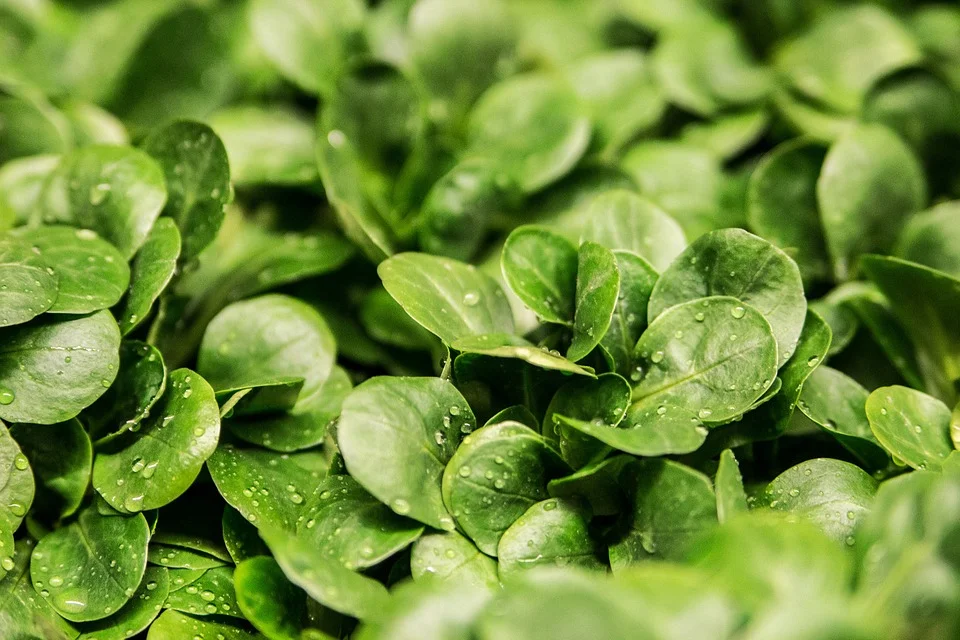
Qin is a vegetable planter. Instead of toiling in fields, he works in a "plant factory" in the southeastern suburb of Beijing, where eight types of vegetables including lettuce and spinach are growing on planting beds.
The factory, with an area of over 10,000 square meters, is a project of Chinese e-commerce giant JD.com.
Last December, the company's fresh food brand JD Fresh partnered with Japanese chemical manufacturing giant Mitsubishi Chemical to open the factory featuring Japanese hydroponic technology.
To enhance livability, seeds are isolated in a sealed seedling box for around one week. The temperature, humidity and carbon dioxide concentration inside the box are adjustable to keep seeds growing in the best condition. LED lights are also equipped to accelerate the growth of vegetables.
After maturing, the seeds are taken out of the box and plugged into the holes on the plant beds, where their roots can be soaked in a nutrient solution.
The adoption of the recycled nutrient solution enables the factory to consume 90 percent less water than a traditional plantation, and the standard growing process is much more efficient, said Zhao Lei, head of the plant factory project.
"For instance, the growing season of spinach is only 19 days, which allows 19 harvests in one year, while the traditional cultivation of spinach on a farmland plot has only four harvests each year at most," he said.
Zhao said the factory-grown vegetables are sold both online and offline at four to five times the market price of ordinary vegetables, but still sell out every day.
The company aims to set up to 10 plant factories in China. The newly built facility is located in the Tongzhou District of Beijing and is expected to produce 300 tons of vegetable annually with its 11,040 square meter production area.
Zhou Wenjuan, a customer in Changping District, Beijing, has been ordering hydroponic vegetables online for more than a month.
"They are so clean that I don't even need to wash them. The vegetables are grown in a fully enclosed room without pests, and thus pesticide is not used," she said.
With rising incomes and a growing demand for a better life, an increasing number of Chinese consumers are willing to spend more on high-quality food that is nutritious and free of pesticides.
Besides the hydroponic plant factory in Beijing, similar soilless cultivation projects are seen in Shenzhen, Suzhou, Dalian, Changchun and other cities across the country.
Many enterprises, including China's largest food trade company COFCO, and scientific research institutions like the Chinese Academy of Sciences, have been engaged in the sector.
Zhao did not disclose the profits of the plant factory but said they are planning to expand.
"The factory does not need pesticides and can avoid soil pollution. Our 10,000-square-meter factory only needs eight workers. These advantages ensure the profitability prospect of the plant factory," he said.
“The JD Plant Factory in Tongzhou marks JD’s entry into the very beginning of the fresh food production chain, allowing us to guarantee that the fresh goods we sell have been treated with the care JD applies to everything we do. JD’s supply chain technology, logistics network and e-commerce expertise combined with Mitsubishi Chemical’s sophisticated growing technology puts us in an ideal position to create an entirely new model for agriculture, and cultivates a fresh and healthy lifestyle in China,” said Xiaosong Wang, president of JD FMCG and food businesses

New Hydroponic Gardens Sprouting At The University of Utah
March 31, 20196
Hydroponics gardens located at the U's Lassonde Studios (Courtesy of Dylan Wootton)
The Sustainable Campus Initiative Fund here at the U, which was set up for faculty and students alike to “propose projects that enhance the sustainability of our campus and community,” has granted thousands of dollars towards a project proposed by the U’s Hydroponics Club which plans to plant hydroponic gardens in Lassonde Studios.
SCIF was set up in 2008 by ASUU when there became “an increasing demand for sustainable infrastructure on campus.” It is also student funded, costing $2.50 in student fees. Since its inception, there have been over $900,000 allocated to SCIF projects. This particular project was granted $6,000, and plans to use it to “construct a series of gardens on the first floor of the Lassonde Institute.”
Dylan Wootton, a member of the U’s Hydroponics Club, holds lettuce grown in hydroponic incubators. (Courtesy of Dylan Wootton)
Hydroponic agriculture is an innovative way to yield more crops with less water — a win-win. The Daily Utah Chronicle spoke with Dylan Wootton, a senior at the U studying biomedical engineering, about the project. Wootton is also a resident assistant on the second floor of Lassonde. Every Lassonde floor is themed, and the second floor is the “Sustainability and Global Impact” floor. As you step off the elevators at night, you can see the bluish glow of fluorescent hydroponic grow lights on the soilless, budding plants.
“Hydroponics is a unique form of agriculture where plants are grown in a nutrient-rich solution typically placed indoors,” Wootton said. What is the benefit of this? “Hydroponics enables plants to grow significantly faster — in about half the time — and more sustainably — using only 10 percent of the water — than traditional agricultural methods.” Also, the planting substances can even be recycled.
“We’re planning on using this money to build four vertical ‘Garden Walls’ that people can see when they first enter Lassonde,” Wootton explained. Speaking on the potentiality of hydroponics, Wootton discussed just how important innovative agricultural systems are to the future of food consumption. “Agriculture is one of the leading contributors to greenhouse gas emissions and uses about 70 percent of the world’s fresh water. Developing the next generation of food production can serve to significantly reduce emissions and wasted water. If climate change or the impending water crisis are issues that you’re interested in, hydroponics is for you.”
As for the next step after the grant, Wootton said they will “use [the] system to test new technologies and build innovative solutions to scaling our operations.” Additionally, their yields will continue to serve the Feed U Pantry, the U’s on-campus food bank, and provide “fresh fruits and vegetables to the campus community, free of charge.”
Hydroponic use and awareness is growing rapidly in the United States. Elon Musk’s brother, Kimbal Musk, launched an “urban farming incubator program” called Square Roots where they give young entrepreneurs a chance to start their own vertical farm. The vertical farms can yield a lot — ”everything grows inside 320-square-foot steel shipping containers. Each container can produce about 50,000 mini-heads of lettuce per year.” The USDA even gave these young entrepreneurs loans to help with operating expenses. It seems we are at least looking up in the right direction when it comes to farming innovation.

Feeding Roots Via Nutritious Mist
First lettuce from French aeroponic greenhouse
The roots of the plants are hanging in the air. Nutricients, needed for the growth, are directly sprayed under the roots. This way a one hectare greenhouse equipped with the CombaSystem would be able to produce 750 tons of salad per year.
The recently installed pilot greenhouse is 5,000 sqm. From the location in Châteauneuf-sur-Loire, French retail and foodservice markets will be supplied with fresh salads and herbs.
The greenhouse is an initiative from CombaGroup and Les Crudettes . Les Crudettes is the French leader in bagged salads, CombaGroup is a Swiss agro-technology company active in aeroponic solutions.
Since 2013, CombaGroup has developed an innovative technological solution for growing healthy, pesticide-free salads and aromatic herbs. Its pilot greenhouse is installed in Molondin (Vaud, Switzerland). Since mid-February their first commercial greenhouse has been operational in Châteauneuf-sur-Loire (France). Comprising 5,000 sqm, it will supply French retail and foodservice markets.
To celebrate the launch of this first commercial project with Les Crudettes and to share further information about the partnership and the project, CombaGroup will host an event at Châteauneuf-sur-Loire (France) on 2 April. Over here the CombaGroup's Mobile Aeroponics will be presente.
"This solution of soilless agriculture in controlled-environment greenhouses reduces water consumption by 97 per cent and makes it possible to avoid any use of pesticides and phytosanitary treatment (including biological)", the team with CombaGroup explains. "Our farming system is committed to delivering the vegetables of the future with sustainably produced agriculture that benefits both the environment and consumers." To achieve this, nutrients necessary for the natural growth of plants are directly sprayed under the roots.
Mobile Aeroponics
"The CombaSystem™ contains two key innovative elements: mobile aeroponics, which is the automated spraying of a nutritive mist on roots hanging in the air, and space optimisation thanks to growing plates that move according to the stages of development of the product”, says Serge Gander, CEO of CombaGroup.
"As an innovation in innovation, this mobile and evolutionary system with additional faster harvest facilitation, immediately attracted the attention of French customer Les Crudettes, convincing them to implement the first CombaSystem™ greenhouse in France."
“The lettuce production and demonstration greenhouse located in Châteauneuf-sur-Loire is coupled to our bagging facilities, will allow us to deliver the freshest products possible to our customers”, says Thierry Dubois, General Manager of Les Crudettes.
Publication date : 3/27/2019
Author: Arlette Sijmonsma
© HortiDaily.com

Montreal Hits The Roof For Veggies
March 18, 2019 - Produce with Pamela
Lufa Farms, a rooftop hydroponic farming venture launched in Montreal in 2011, has been finding success with the urban greenhouse approach and has been profitable since 2016.
Canada’s Prime Minister, Justin Trudeau, toured Lufa’s new 63,000-square-foot facility in Montreal last year.
This particular structure was Lufa’s third rooftop hydroponic greenhouse and helped bring the grower’s total square footage to 138,000 across three Montreal-area rooftops. The greenhouse features purple LED lighting—in addition to available sunlight—so crops can grow year round.
Lufa offers direct-to-consumer, customized baskets, in a business model that is a combination of AmazonPrime and community supported agriculture (CSA). Customers are emailed Friday when the website’s marketplace opens, and they can then customize their basket up until Sunday night at midnight.
Lufa provides about a quarter of the food it sells on the marketplace, including hydroponically grown bok choy, cucumbers, eggplant, lettuce, peppers, and zucchini. Combining this harvest with those of other local growers results in a varied mix of fresh produce, ready for pickup at one of 300 locations throughout the city or for delivery by electric car (for an additional fee). The growing company delivers over 12,000 baskets every week in the Montreal area.
A different rooftop approach, albeit not in a greenhouse, has also been gathering attention in Montreal. Atop an IGA Duchemin store in St. Laurent, 30 varieties of organic produce, including tomatoes, herbs, peppers, and lettuce, are grown for purchase in the grocery store below.
The 25,000-square-foot farm accepts orders from a kiosk located in the produce department downstairs, and shoppers can use the touchscreen to prompt a harvester on the roof to pick their basket and send it down to the store below.
There are also eight beehives on the roof, providing shoppers the opportunity to purchase hyper-local honey. In a smart marketing move, IGA Duchemin has created and posted an entertaining video of the ordering process at the store, available on YouTube.
In addition to Lufa Farms and IGA Duchemin’s rooftop greenhouses, other local sourcing efforts are popping up in the region. Solar and cold weather greenhouses are being improved in hopes of extending the growing season and cultivating food nearer to population centers, and vertical farming initiatives are also getting attention from the research community.
McGill University’s Mark Lefsrud, associate professor of bioresource engineering, knows from his days at NASA (the U.S. National Aeronautics and Space Administration) that it “takes a little less than eight square meters to feed a human.”
Vertical farms, if financially sustainable, could feed the masses near multiple population centers in the provinces. Lefsrud consulted with Urban Barns Foods, Inc. in the grower’s recent efforts in Quebec to make vertical (hydroponic) farming a reality, particularly with respect to leafy greens.
The company has since relocated to Milner, British Columbia, and operates under the name Cubic Farms. Founder Dave Dinesen continues to advocate for urban farming, including in a recent TEDx speech on lettuce—since Canada imports nearly a billion heads of lettuce every year.
This is an excerpt from the most recent Produce Blueprints quarterly journal. Click here to read the full article.
Tagged Quebec

Singapore Focuses On Food Security To Counter External Threats
Singapore, which imports 90% of the food it consumes, is making concerted efforts to produce and store its own food, as it seeks greater food security in the face of external threats such as climate change and pressures from neighboring Malaysia
City-state rolls out 'agri tech park' project as it seeks to reduce dependency on food imports
JUSTINA LEE, Nikkei staff writer
MARCH 30, 2019
The Singapore government has launched a series of new food projects in order to be able to feed its growing population. Earlier this month, it announced it would open an 'Agri-Food Innovation Park' for high-tech farming processes. © AP
SINGAPORE -- Singapore, which imports 90% of the food it consumes, is making concerted efforts to produce and store its own food, as it seeks greater food security in the face of external threats such as climate change and pressures from neighboring Malaysia.
The Singapore government has launched a series of new food projects in order to be able to feed its growing population. Earlier this month, it announced that it would open a 18ha "Agri-Food Innovation Park" which will be used for high-tech farming processes and research and development activities including insect farms.
"We are working with local and overseas industry players to develop this first phase of the park, which will be ready from the second quarter of 2021 with potential for future expansion," said Koh Poh Koon, Singapore's senior minister of state for trade and industry.
Singapore is also looking to develop a new sector of agri-technology using local talent in its bid for more secure food supplies. SEEDS Capital, the investment arm of government agency Enterprise Singapore, has appointed seven co-investment partners to inject more than S$90 million into Singapore-based agri-food tech startups.
With no natural resources of its own, Singapore depends heavily on foreign food imports, including live animals, worth around S$11.3 billion in 2018 alone. Less than 10% of its food is homegrown due to its small territory and limited available land. Most of its food comes from countries including Malaysia, Australia and Indonesia.
Additional factors such as climate change and tensions with Malaysia mean the city-state is vulnerable to potential disruptions to its food supply.
Last December, Saifuddin Nasution Ismail, Malaysia's domestic trade and consumer affairs minister, said Malaysia was looking at limiting or stopping exports of eggs in order to ensure a sufficient supply for its domestic market. Singapore imports approximately 73 per cent of its eggs from Malaysia, according to the Agri-Food and Veterinary Authority of Singapore.
To prevent shortages from any such potential moves, and despite its limited resources, Singapore is aiming to triple its home-grown food productivity by 2030.
Some local companies are involved in the efforts. Sustenir Agriculture, a local vertical farming company, has successfully cultivated strawberry plants in the laboratory, with the fruits already being sold at Singaporean online supermarket operator Redmart. It has also grown some vegetables which are being sold locally.
Paul Teng, managing director and dean of the National Institute of Education in Singapore, noted that such efforts could help Singapore to boost its food productivity, as indoor vertical farms do not require "large land pockets" which the city-state does not have. "It can be expected that land will not be a major roadblock," he said.
However, due to the heavy involvement of technology in the growing processes, food grown in Singapore might become more expensive, he warned. "Singapore-produced vegetables need to have a justified price premium due to the relatively higher costs of per kilogram production when compared to imports from neighboring countries."
"Food safety, freshness and sustainable production may be part of the certification required to help consumers choose in favor of local produce," he added.
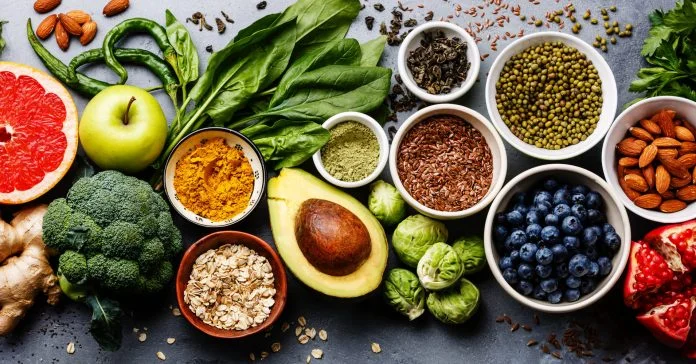
It‘s Impossible To Eat Healthfully. Here‘s Why
For millions around the world, hidden killers in our broken food system make healthy eating impossible, says a new report that warns of the damage from air pollution, water contamination and antibiotic resistance
By Milbank News Writer -
March 29, 2019
Increasing awareness of the impact of diet on health has led many people to reconsider what’s on their plate. For some, this may mean steering clear of processed foods and sugary drinks, for others cutting down on red meat. But eating healthily is not just about what we eat. It’s also about how food is produced.
For millions around the world, hidden killers in our broken food system make healthy eating impossible, says a new report that warns of the damage from air pollution, water contamination and antibiotic resistance. The report, released on Wednesday at the World Economic Forum in Davos, Switzerland, calls for a redesign of the food industry.
Food has been as a major cause of health problems in the U.S., with of all deaths due to heart disease, stroke and diabetes. Yet, even if we improve diet, we are still exposed to the damaging health impacts of what the report from the Ellen MacArthur Foundation calls the “industrial” way that food is produced. By 2050, warns the report, around 5 million people a year could die.
“The way we produce food today is not only extremely wasteful and damaging to the environment, it is causing serious health problems,” said Ellen MacArthur, founder of the foundation and former record-breaking sailor. “People around the world need food that is nutritious, and that is also grown, produced and delivered in a way that benefits their health, the environment and the economy.”
According to the report, overuse and misuse of antibiotics in fish and livestock farming contributes to the and antibiotics to humans via waterways and the environment. Antibiotic resistance – which could make it impossible to treat common infections – may cost society as much as $125 trillion by 2050, says the report, with food and agriculture responsible for up to 22 percent of those costs.
Agriculture is estimated to be responsible for as much as 20 percent of air pollution deaths around the world, mainly due to the overuse of fertilizers and manure, according to the report. Farmworker exposure to pesticides costs $900 billion globally, with long-term exposure to low levels of pesticides linked to , and .
The other major killer is poor wastewater management or irrigation, which is to blame for spreading diseases and contaminating drinking water.

Agriculture and Food Research Initiative - Sustainable Agricultural Systems
Program:
Agriculture and Food Research Initiative (AFRI) | AFRI Sustainable Agricultural Systems
Applications to the FY 2019 Agriculture and Food Research Initiative - Sustainable Agricultural Systems (SAS) Request for Applications (RFA) must focus on approaches that promote transformational changes in the U.S. food and agriculture system within the next 25 years.
NIFA seeks creative and visionary applications that take a systems approach, and that will significantly improve the supply of abundant, affordable, safe, nutritious, and accessible food, while providing sustainable opportunities for expansion of the bioeconomy through novel animal, crop, and forest products and supporting technologies.
These approaches must demonstrate current and future social, behavioral, economic, health, and environmental impacts.
Additionally, the outcomes of the work being proposed must result in societal benefits, including promotion of rural prosperity and enhancement of quality of life for those involved in food and agricultural value chains from production to utilization and consumption. See AFRI SAS RFA for details.
APPLY FOR GRANT(LINK IS EXTERNAL)VIEW RFA
ELIGIBILITY DETAILS
Who Is Eligible to Apply:
1862 Land-Grant Institutions, 1890 Land-Grant Institutions, 1994 Land-Grant Institutions, Other or Additional Information (See below), Private Institutions of Higher Ed, State Controlled Institutions of Higher Ed
More on Eligibility:
Note: This RFA invites only integrated project (must include research, education, and extension) applications. Please see Part III, A. of the this AFRI SAS RFA for more specific eligibility requirements for integrated projects. Applications from ineligible institutions will not be reviewed.
IMPORTANT DATES
Posted Date:
Friday, March 29, 2019
Closing Date:
Thursday, September 26, 2019
Other Due Date:
Letter of Intent Due:
Tuesday, June 4, 2019
ADDITIONAL INFORMATION
For More Information Contact:
AFRI Sustainable Agricultural Systems Team
Contact for Electronic Access Problems:
electronic@nifa.usda.gov(link sends e-mail)
Funding Opportunity Number:
USDA-NIFA-AFRI-006739
CFDA number:
10.310
Previous fiscal year(s) RFA:
FY 2018 AFRI SAS FINAL RFA (431.48 KB)
Estimated Total Program Funding:
$90,000,000
Percent of Applications Funded:
10%
Cost Sharing or Matching Requirement:
See RFA
Range of Awards:
$5,000,000 - $10,000,000

The Future of Sustainable Food Is Fishy
Marketing manager Shawn Bonnough, Farm manager Jeff Smith and General Manager Barbara Bonnough are behind the new Aquaponics Training Institute. (Brieanna Charlebois - Morning Star)
Aquaponics Training Institute officially
launched last weekend in Vernon
April. 2, 2019
A new way to grow food has come to Vernon.
It’s called aquaponics and is the combination of aquaculture (breeding fish in captivity as a food source) and hydroponics (growing plants without soil).
Jeff Smith is the farm manager at the recently opened Aquaponics Training Institute in Vernon. He explained the process as a “match made in heaven.” In the symbiotic system, fish provide fertilizer for the plants, and the plants clean the water for the fish, eliminating water waste and making it the ultimate sustainable food source.
Link To Video
Marketing manager Shawn Bonnough said that his ultimate goal is to show people how to minimize their ecological footprint by growing food at home throughout the year.
“We’re really just a small training company with a small local footprint and our doors are open to the local traffic, but we have a global solution to a problem that we’re all going to be facing in 8.3 years and we’re going to hit a tipping point,” said Bonnough.
Smith explained that the system uses less than a tenth the amount of water in comparison to any other agricultural system. Very little waste is produced.
“There is no real waste to this system other than the evaporation. The fish are fed the appropriate ratio of food to produce the appropriate amount of food,” he said.
Bonnough said he hopes to be able to bring this science to small communities in northern Canada that don’t have food readily available based on distance to farmed food and weather conditions. Located at 4877 Haynes Road, the Institute is an indoor facility that will operate all year long.
“With a background in education, we formed the Aquaponics Training Institute to be able to take food security to our planet’s most vulnerable population and that’s usually Indigenous communities worldwide,” said Bonnough. “We’ve got a scalable worldwide solution to a worldwide problem. When you look at the economic impact to a community who is shipping vegetables 50 to 100 kilometres on average to get to their community, we can turn that around and create jobs and opportunity for fresh, nutritious vegetables and fish, that are both healthy when they’re combined.”
The first information session took place Saturday, March 30 and hosted about a dozen local hobbyists. The next session is set to take place Saturday, April 6 from 9 a.m.-12 p.m. From there, people can sign up for workshops on how to build their own system.
Those who are travelling to Vernon for courses are also able to stay at the accommodations on site.
For more details, visit the Aquaponics Training Institute website.
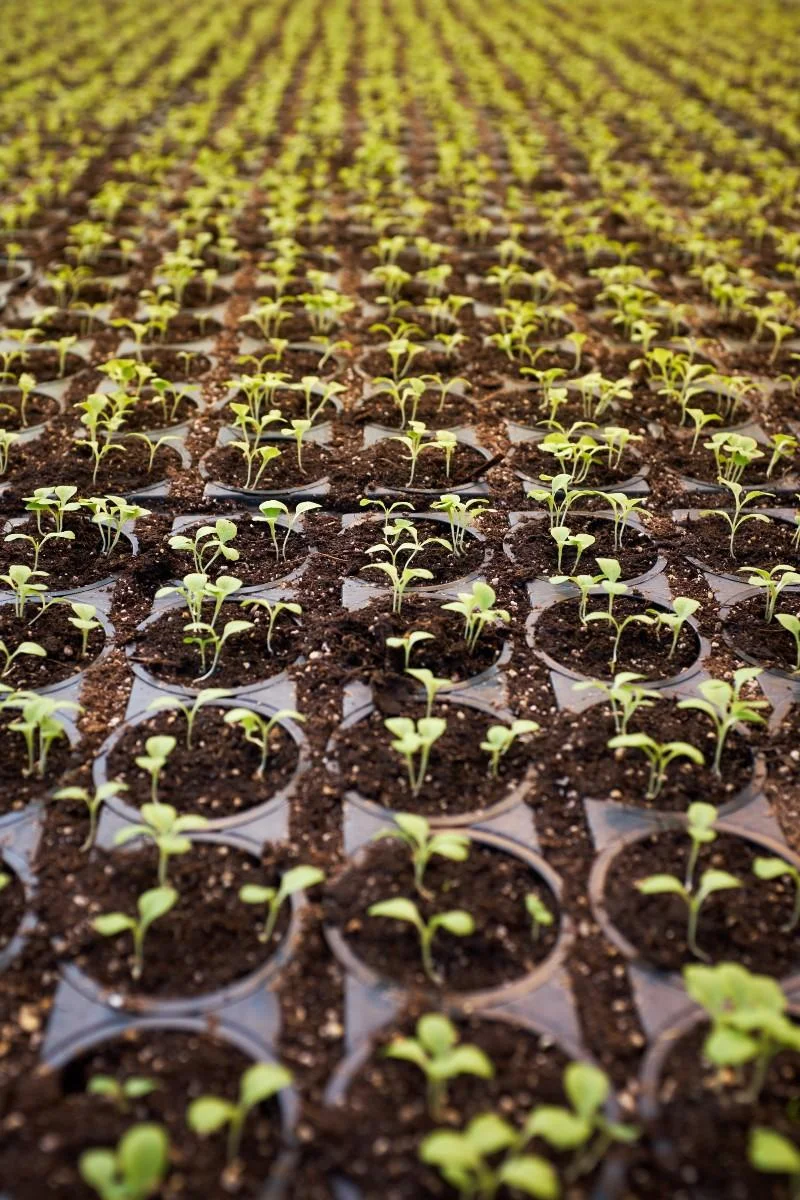
Future Farms: Agritech Innovations To Feed A Changing Planet
Hydroponic and vertical farming systems have long been touted as a solution to the problem of land use by agriculture, since much of the arable land is already taken and 31% of total global rice, wheat, and maize production in eastern Asia and northwest Europe has already plateaued.
April 3rd, 2019 by The Beam
The future of agriculture will be directly impacted by two of humanity’s biggest menaces on the horizon: population growth and climate change. With more mouths to feed and less planet to feed them on, and increasingly alarming predictions of environmental shifts, innovators working in crop agriculture have to figure out how to grow more food, faster, with fewer resources, by developing new technologies to scale up the planet’s food production mechanisms sustainably.
With 815 million people on the planet suffering from hunger and 1 in 3 malnourished already, the Food and Agriculture Organization of the United Nations has set sustainable development goals to eliminate world hunger by 2030. Adding at least 2 billion more people to feed by 2050, the FAO has estimated food production will have to increase by 70%.
To achieve these goals, agritech must overcome food production plateaus in areas that are being farmed to their maximum capacity, and ensure that these areas will continue to yield more food year over year without endangering future generations’ access to non-renewable resources. Balancing the need for technological innovation to increase food production at all costs to stop hunger in the next 12 years, while managing the conservation of the natural resources essential to modern agriculture is no small task: sustainable agriculture is already at odds with the status quo. New technologies must address the ways industrial agriculture currently uses land, water, fertilizers, pesticides, and energy resources.
On top of this challenge, the future is not yet evenly distributed. As high-tech innovations sweep Europe and North America, projects in China, India, and Africa are supporting the 500 million family farms that feed 80% of the planet. If all 570 million farms on the planet are able to operate at the efficiency levels demonstrated by these technological trends, agriculture in 2050 will look very different from today.
Growing trend: precision farming
Precision farming combines information science with agricultural engineering, harvesting massive amounts of data from the farming process. Utilizing technological advances like advanced sensors, machine learning, and artificial intelligence for data processing, precision farming helps monitor big picture environmental factors like weather patterns, water distribution, and soil chemistry, as well as tiny measurements like nutrient deficiencies in individual plants. Called the next “digital revolution” for agriculture, precision farming has already been shown to increase crop yields while reducing fertilizer and pesticide use, which decreases the pollution of groundwater and depletion of non-renewable resources like phosphorus.
GPS may not seem like a radical new technology, but its integration into John Deere tractors in 2001 allowed data to be collected on their location with precision down to a few centimeters. This innovation alone reduced fuel costs for tractors by as much as 40% in some cases by keeping them from covering redundant areas or missing a spot.
Using precision farming tech like driverless tractors tilling only specific land areas and quadcopters collecting data on soil chemistry, water content, nutrients, and growth, Dutch farmers, the world’s top exporters of potatoes and onions, and the second largest exporter of vegetables in overall value, are able to more than double the amount of potato yield per acre compared to the global average and reduce dependence on water by 90%.
For this trend to sweep the globe and be available to the 144 million farmers in Asia, basic digital literacy is the first step. While many of these populations now have access to smartphones, very few are using them for farming. Once these farmers are connected to digital infrastructures and can use these technologies to enable data-driven decision making, they too will be able to join the digital green revolution.
Precision farming agritech startups to watch:
Taranis, an aerial imaging company that provides farms in Argentina, Brazil, Russia, Ukraine and the United States with data to identify potential crop issues.
Tule Technologies, which focuses on irrigation and water use data.
Pynco, an agricultural data analytics platform available for over 160 countries that sends alerts directly to the farmers’ smartphones.
Hacking biology to feed the planet
Biotechnology that modifies the genetic code of crops to make them more nutritious, grow more quickly, and resist diseases and pests are the backbone of modern multinational industrial agriculture. Many anti-GMO lobbyists and farmers believe that tampering with the genetic code of food products is too risky to try at scale, but to grow food under the conditions that global warming will bring, scientists are hastening work on mutations that will help make crops more resistant to drought, heat, cold, and salt.
CRISPR, the gene-editing bacteria that has been making headlines for its potential use in the human genome, is one of the biotechnologies that scientists are using to make crops grow more plentifully by allowing more efficient photosynthesis, as in the C4 Rice Project, or to encourage nitrogen fixing in crops that don’t naturally pull nitrogen from the air, which would mean less fertilizer used, and less fertilizer runoff polluting groundwater.
Agritech is also turning to nature to find solutions to problems that are currently being solved synthetically with fertilizers and pesticides. As one example, Seattle’s Adaptive Symbiotic Technologies has created non-toxic and non-pathogenic microbes that grow alongside plants and help them be more nutrient efficient, tolerate environmental stress, and yield more produce. In high stress growing seasons field tested across the globe, these microbes have increased crop yields by 10–50%. Koppert Biological Systems, founded in the Netherlands, also uses solutions found in nature by providing the natural predators and micro-organisms that can eliminate pests and diseases. Farmers using Koppert’s bees instead of artificial pollination have reported a 20–30% increase in yields and fruit weight, another reason that saving the world’s bee populations is essential to sustainable agriculture.
Biotechnologies have reached the developing world in the form of innovations like Golden Rice, a genetically modified strain of rice that contains vitamin A. According to a paper by Dr. R. B. Singh, the Assistant Director-General and Regional Representative for the UN’s Food and Agriculture Organization in the Asia-Pacific region, 180 million children in developing countries suffer from deficiency in vitamin A, resulting in 2 million deaths annually. With the FAO behind the development and distribution of Golden Rice and the Bill and Melinda Gates Foundation supporting similar biotechnology projects like breeding bananas that provide higher levels of iron in sub-Saharan Africa, genetically modified crops will be a major technological trend in ending world hunger and providing for the population of 2050.
Three biotech startups to watch:
Trace Genomics, called the “23andMe for farms,” which does rapid microbiome testing for pathogens.
Symbiota, an open-source content management system for biodiversity data.
Clear Labs, a genetic sequencing startup built to look out for food-borne illnesses and pathogens on the molecular level.
Farms in the city
The CEO of Iron Ox, a hydroponic farm that is managed by precision farming techniques and automation, argues that “If farms are to survive, we need to think about them as tech companies.” What makes Iron Ox unique from other hydroponic operations is the amount of automation it uses, having developed a 1,000-lb robot arm that is finely tuned to harvest the 26,000 leafy green plants and herbs in its California facility. The robot, nicknamed Angus, also has an array of Lidar sensors that allow it to identify diseases, pests, and abnormalities plant by plant, and picks them up by grasping specially designed pots that don’t damage the veg. Through all of these innovations, Iron Ox has managed to boast production of 30% more produce than traditional farms.
Hydroponic and vertical farming systems have long been touted as a solution to the problem of land use by agriculture, since much of the arable land is already taken and 31% of total global rice, wheat, and maize production in eastern Asia and northwest Europe has already plateaued. While these extant farms are nudged by other technologies to increase yield and use less resources, indoor farms in urban areas are expanding the potential area that can be used to grow crops.
Since hydroponic systems are soil-less, isolated from environmental stress, pests, and diseases, and commonly use drip irrigation techniques, they avoid a lot of the problems faced by outdoor farms in conserving resources, but their many obstacle is energy. Running LED lights for indoor farms 24 hours per day is not sustainable, even for Iron Ox: it plans to expand into traditional greenhouses supplemented by LEDs. Some indoor and vertical farmers are already looking to solve the energy and light problem: Growing Underground, a UK operation set up in World War II bomb shelters, uses LED lights that only emit at spectrum ranges optimal for photosynthesis, and there are several companies including Valoya, Heliospectra, and even Philips, that are specifically developing longer-lasting and more energy-efficient LEDs for indoor agriculture. Another solution, pioneered by the Sky Greens vertical farming system in Singapore, uses a hydraulic system that consumes the equivalent of one lightbulb’s energy to rotate troughs of produce up and down 9-meter tall towers to take turns basking in sunlight.
Today, 54% of the world’s population lives in urban areas, and this number is predicted to rise to 66% by 2050. With the potential effects that global warming will have on the efforts of traditional agriculture, it’s a safe bet for vertical farms to develop in urban areas alongside advances in agritech for outdoor farms. Vertical farms can integrate many of technological innovations developed for traditional farms to produce as much food as possible, while isolating crops from pests and diseases, conserving non-renewable resources by closely controlling inputs and outputs, and minimizing transportation costs to put food on the table for booming urban populations.
Urban farming startups could be coming to a city near you:
Freight Farms, creators of the Leafy Green Machine™, a complete hydroponic system built into a 40-ft. shipping container.
AeroFarms, which has converted a 69,000-foot former steel mill into a facility to breed 1.5 million pounds of produce annually.
Edenworks, which has developed an aquaponic ecosystem for New York City’s rooftops.
If the predictions of experts on the climate and population for the next 10–25 years are correct, technological innovators in industrial agriculture have their work cut out for them. These future trends of farms moving into cities, biotechnology making food more nutritious and faster-growing, and precision farming incorporating big data with agricultural science will help tackle one of humanity’s greatest challenges yet, eliminating hunger while conserving the natural resources of the planet for future generations.
Key stats:
815 million: the number of people on the planet who suffer from hunger, 1 in 3 from malnourishment
70%: the amount global food production must increase to meet population growth demands by 2050
2/3: the fraction of the world population estimated to live in water-stressed countries by 2025
By Jonny Tiernan
This series of articles has been prepared with the support of our partner Viessmann, which has celebrated 100 years of its company in 2017 and is actively involved in positively shaping the next 100 years.

BGC, Bafi Shows Developers What To Do With Your Available Open Spaces
By: Amor Maclang
April 3, 2019
Ralph Becker of Urban Greens
MANILA-based Agri-Tech and urban farming company Urban Greens, (Urban Greens Hydroponics Systems Inc.) is announcing a project tie-up with the Bonifacio Arts Foundation Inc. (Bafi) under the direction of the head curator of The Mind Museum, who oversees all things art- and science-related in BGC.
The project is based on the creation of a prototype hydroponic setup within the premises of The Mind Museum science museum, to show off futuristic farming techniques like hydroponics to grow clean and healthy greens right in the heart of the city space.
Fresh, affordable produce in our cities is often difficult to find. Supermarkets and local markets are still dependent on vegetables grown with traditional farming methods and transported from distant farms.
Filipinos battle with rising food prices, inconsistent quality produce, and limited supply. This will prove unsustainable as the Philippine population is projected to increase from 106 million (in 2018) to 142 million by 2045—about two thirds of which will live in urban areas.
A growing movement of urban farming is providing methods towards more sustainable agriculture practices. Integrating hydroponic farms into our present and future urban spaces is one way to secure access to cleaner and fresher grown produce.
Environment-friendly farming
Urban Greens, a farming company founded in 2016, advocates hydroponic farming as a means to unlocking the ability of anyone, including urban dwellers, to grow their own food more efficiently. Hydroponic farming or hydroponics is when plants are grown without soil. Instead, the plant roots absorb the nutrients it needs from nutrient-rich water.
Compared to traditional farming that is resource-intensive and utilizes chemical inputs, hydroponics uses 90 percent less water and does not use chemical weed or pest-control products. This is critical as the world’s resources of clean water, fossil fuels and arable soil is finite. Decades of intensive agriculture production has also damaged different environments. What is often forgotten is that the health of the planet impacts the health of the people. Finding alternative systems, such as growing food in our own communities, enables our lands and resources to recover for the use of future generations.
Climate-resilient communities and farming systems
Developing climate-resilient communities must be prioritized as the Philippines ranks fifth among the countries most affected to extreme weather events from 1998 to 2017. Scientists have projected that temperatures will continue to increase until the end of the century resulted to extended droughts or intense rainfall, sea-level rise and stronger typhoons. The urban landscape creates opportunities for more protected and controlled farms from the changing climate.
Even with limited space, an urban farmer can choose to stack hydroponic systems or to plant “vertically” to maximize available space both indoors and outdoors. Options that improve the availability and accessibility of quality produce at consistent prices. Vegetables and herbs could be easily grown and harvested indoors, such as offices, restaurants and homes. One could also tend to the plants in an outdoor setting, such as under-utilized rooftops, terraces or backyards.
Urban Greens works with individuals and organizations to find the types of hydroponic system that would address their needs. The company strives to build systems that can be easily used, maintained and refitted using local materials.
Promoting healthier lifestyles and well-being
The proximity of one’s food to the place of work and inhabit encourages individuals to reconnect with nature and what they eat. Freshly picked vegetables are more nutritious and retain improved aroma and flavor. These are often lost when vegetables are packaged and transported through traffic-laden routes.
More hydroponically grown vegetables may help improve the eating habits of Filipinos. In urban areas where convenience is preferred, studies show that the total of local household food expenditures for food away from home has gradually increased from 11.5 percent in 2000 to 17.5 percent in 2012.
The per-capita consumption of Filipino households of vegetables only averages 22.4 kilograms per year. This pales in comparison to the Food and Agriculture Organization (FAO) recommended level consumption of 146 to 182 kg/yr. Higher intake of fresh greens reduce the risks of major chronic diseases and avert nutritional deficiencies.
Settling roots within communities
Establishing hydroponic farms and community gardens make cities more sustainable, providing both green public spaces and access to quality nutrition. In such environment, creative synergy is able to flourish and partnerships can begin to cultivate among residents, farmers, local businesses, academe and local leaders.
As of 2018, Urban Greens has been building a prototype farm in collaboration with the Bafi. Based on its modular and scalable nature, it has the potential to be developed on a much bigger scale supplying produce to establishments and residents within Bonifacio Global City and neighboring communities. Other projects of the company include a partnership with a major real estate developer.
Urban Greens envisions that hydroponic urban farming will evolve the Philippine vegetable food scene and provide a sustainable addition to our communities.
If you want to know more about how to grow your own vegetables and become an urban farmer, Urban Greens also offers to a Hydroponics 101 Workshops for individuals and companies.
Hydroponics is the process of growing plants without soil. As only water is used, there is no need for pesticides, fertilizers or fungicides and much less water than conventional farming is used. Not needing soil or land-space makes it perfect for the urban setting.
In addition, as those greens are grown amid a highly urbanized area surrounded by numerous restaurants and condo units, this project demonstrates how to provide the vegetables and herbs needed by those establishments and dramatically reduce the time and energy used in transportation – resulting in cheaper, fresher and tastier greens. The system itself will always be connected to Internet of Things devices, monitoring the overall status and sending the data to their cloud servers, as to optimize the growing conditions for the plants. This highly modular and scalable prototype system can serve as a potential template for a much bigger urban farm setup.
Apart from the project with The Mind Museum, Urban Greens has secured a strategic partnership with one of the major Philippine property developers who has invested an undisclosed sum into the hydroponics company. The main objective of the investment is to revolutionize the hydroponics and precrafted structures business and the vision is to reinvent the farming system, and fabrication, supply and installation of technology of modular buildings, homes, event spaces and other structures making the Urban Greens the biggest vertical farm in the Philippines, and eventually in the global market. Once established, it will not only solve high cost, and inconsistent quality and supply of fresh produce, but also expand its business in branding, marketing, licensing, management, design and supply.
Urban Greens is the regional representative of the international Association for Vertical Farming and the only member in the Philippines.
Urban Greens is a 2-year-old start-up founded by former tech/ corporate biz dev, turned hydroponic enthusiast Filipino-German Ralph Becker with a big vision for accessible and high-end hydroponically grown food for big scale businesses as well as home usage.

How Does A Virginia Herb Company Grow? By Moving Nature Indoors
The company, which lies two hours west of Washington, is disrupting agriculture from the bottom up, just as Amazon/Whole Foods, Instacart, FreshDirect and others are changing the way people buy groceries from the top down
Tim Heydon, chief executive of Shenandoah Growers, at an indoor grow room with trays of microgreens. The Harrisonburg, Va., company is one of the largest producers of organic herbs in the United States. (Norm Shafer/For The Washington Post)
By Thomas Heath
Part of the genius of investing is recognizing a great business that others miss. Warren Buffett has the knack. He invested in newspapers such as The Washington Post and the Buffalo News in the 1970s, when he saw the potential for local monopolies that can raise advertising prices. Buffett saw the brand dominance of Coca-Cola and invested in the beverage giant when it stumbled in the late 1980s.
Tim Heydon is no Warren Buffett. But he had his one golden insight when he and his business school team from James Madison University tackled a project called Shenandoah Growers in the 1990s.
Heydon saw a $1 million Virginia farm growing herbs — as demand for fresh organic produce was exploding. He saw a location that was a 10-minute drive from Interstate 81, allowing access to markets up and down the East Coast.
Heydon and his team didn’t miss the one-acre greenhouse on the property, either. They grasped a chance to control the growing cycle. That would enable them to increase crop yields and profits by bringing everything indoors.
Two decades on, Shenandoah Growers of Harrisonburg, Va., has blossomed into a business with an expected $120 million in revenue this year. It serves 23,000 stores across the country, including 16 of the 20 largest food retailers. I see its “That’s Tasty” brand in my neighborhood Whole Foods. (I recently kept a bag of its basil alive for weeks in glass of water in my kitchen.)
Heydon and his 1,200 employees have captured 35 percent of the retail fresh organic herb market. And they want more.
The company, which lies two hours west of Washington, is disrupting agriculture from the bottom up, just as Amazon/Whole Foods, Instacart, FreshDirect and others are changing the way people buy groceries from the top down. (Amazon’s founder and chief executive, Jeffrey P. Bezos, owns The Washington Post.)
“This is the future,” Heydon says, standing in a football-field-size greenhouse amid thousands of trays of young basil, mint, cilantro and dill. “We are not changing nature — just bringing the growing indoors and optimizing the conditions. We are increasing the metabolism so we can grow more organic produce at a faster rate.”
The Harrisonburg campus is one of its 11 indoor growing facilities across the United States, including Hawaii. Ninety-five company trucks delivered 13 million pounds of Shenandoah’s herbs to stores in 2018. Labor and delivery to stores are the company’s largest expenses.
A big test is coming. The company is spending tens of millions to double the amount of produce it grows indoors, from 40 percent of its production currently to 80 percent by 2021. The move should allow Shenandoah to place growing facilities closer to customer distribution centers, cutting the delivery costs.
The payoff could be worth it. Taking agriculture indoors raises the yield from 60 percent on crops planted to 90 percent. Profit margins, which the company was reluctant to detail, rise by 25 percent when crops are grown indoors, compared with in the field.
Demand for fresh produce is soaring, as Americans pay more attention to diet. Heydon said the company expects its investment in expanding his indoor production to pay for itself within three years.
The food grown in the Shenandoah Valley will be in the produce section in less than a month’s time.
Shenandoah investors have put $62 million in the company in the past several years, including food and agriculture technology investors such as S2G Ventures, XPV Water Partners, Advantage Capital Partners and D.C.-based Middleland Capital and Arborview Capital.
This is no Civil War-era farming community, which was decimated by Union Gen. Philip Sheridan. Some of the heated, LED-lighted rooms at the Harrisonburg facility, which measures six acres, are right out of a science fiction film. Heydon pointed to one pile of “bricks” made of coconut cores from Sri Lanka. The bricks are a key ingredient in the company’s proprietary soil blend.
The company’s secret sauce that gives it a competitive advantage includes its patented overhead lighting, its hub-and-spoke next-day delivery system and packaging that keeps products fresher longer.
Heydon took me to one room and mysteriously asked me not to take photos or ask too many questions. It involved two large tanks whose mixture helps water and soil accelerate the growing cycle. (I could almost hear Rod Serling’s “Twilight Zone” voice in the background.)
“We have a bigger mission,” Heydon says, “to keep optimizing commercial amounts of product on a small footprint. We are removing the variability of rain from the equation, which makes the cycle far more efficient. Otherwise, we let nature do its thing.”
Heydon, 50, grew up in New Jersey and graduated from West Virginia University. He received an MBA from James Madison in 1998. He tasted business early, while working at his father’s concrete company.
“I didn’t want to just have a job,” he says, describing his desire to attend a business school with an entrepreneurship track. “I love creating.”
Like many business schools, James Madison was pairing its students with local companies to get out of the classroom and into real-life business situations.
Heydon and his student group chose Shenandoah, a sleepy agriculture company that began in 1990. One of the founders had passed away, and the company needed direction.
“The co-founder’s death had taken a lot out of their sales, and they wanted help,” Heydon says. “I didn’t know anything about the business, but I had a passion to develop a company and teams.”
Heydon came along at the right time. It was the late 1990s, and he was mindful of the growing market for nutritious food: “Supermarkets were starting to put full, fresh herbs on the shelves. Healthy eating was going mainstream. Whole Foods was blossoming,” he says.
He became a sweat equity partner, which means he was given a share of the business in return for his work on the job. He said the company had a strong employee base, with a good work ethic, but lacked a strategy.
Heydon would supply the vision. He saw the potential for the Route 81 corridor, which had access to supermarket warehouses from North Carolina to Baltimore.
He attributes the growth to a strong management team and to key angel investors who shared his vision that there was traction in fresh produce. The angels connected Shenandoah to Ulf Jonsson, a European horticultural entrepreneur who played a key role in the company’s success as an indoor grower.
“We really took off after we launched our first certified organic indoor facility in 2008,” Heydon says. Another key move was buying a West Coast competitor in 2016, which opened California and put That’s Tasty in all 50 states.
Heydon said his smartest move has been hiring good people and putting them around him. The management team was so strong that when Heydon took time off to care for his terminally ill younger sister, the company didn’t miss a beat.
The investors, including the original two owners or their survivors, eventually cashed out when the company was recapitalized.
Heydon said he still owns a stake in the company but he would not tell me how much. I asked him whether he had become rich from his success, and he said no, “not yet, anyway. Maybe someday.”
Like Warren Buffett, he’s a long-term investor.
Starbuck's Is Anchoring New Food And Tech Fund Valor Siren Ventures With $100M Investment
March 22, 2019
Starbucks announced it is making a $100 million investment in Valor Siren Ventures Fund (VSV), a newly launched venture fund that will back the next generation of food and retail technology startups.
In the coming months, VSV said that it is aiming to raise another $300 million from other outside investors.
“We believe that innovative ideas are fuel for the future, and we continue to build on this heritage inside our company across beverage, experiential retail, and our digital flywheel,” said Kevin Johnson, president and CEO, Starbucks.
Managed by Chicago-based Valor Equity Partners, a leading growth private equity investment firm that is a backer of Tesla and a long-time investor in food tech, this new fund will identify and invest in innovative companies that are developing new technologies, products, and solutions for the food and retail sectors.
Founded in 1995 by managing partner and CIO Antonio J. Gracias, Valor Equity is a previous investor in SpaceX, Tesla, Eatsa, Fooda, and Wow Bao, among others. And in July of last year, raised $1.05 billion for its Fund IV, bringing the total funds raised by the company, at the time, to more than $2 billion.
The fund also will act as an incubator for startups with which Starbucks can partner, and gives the company first-hand access to innovations that it can leverage to advance its own technology and retail platforms.
“At the same time, and with an eye toward accelerating our innovation agenda, we are inspired by, and want to support the creative, entrepreneurial businesses of tomorrow with whom we may explore commercial relationships down the road,” said Johnson. “This new partnership with Valor presents exciting opportunities, not only for these startups, but also for Starbucks, as we build an enduring company for decades to come.”
I Think We’ll Need a Bigger Wagon…
In recent years there has been a flurry of accelerators and venture capital arms launched by large CPG companies. This reflects the continued truth that there is a shift occurring within the food sector that is creating a scenario in which Big Food needs the rapid-response innovation generated by startups as much as startups need the capital available from Big Food.
The move to launch venture capital arms and accelerator programs or incubators has become a widely used method by some of the world’s largest and most conventional companies to achieve diversification, and to gain a foothold and to establish relevance in a swiftly changing consumer market. CPG companies also use these programs as a means to stay a step ahead of their competition while realizing the growth potential in disruptive food innovation.
Others that have come before include:
General Mills, which launched 301 Inc., in October 2015 – a venture capital arm that has gone on to outrank the likes of Time Warner and Merck for investment activity.
Campbell’s Soup, which launched its $125 million venture capital fund, Acre Venture Partners, in February 2016.
Anheuser-Busch, which partnered with Techstars to launch an accelerator in April 2016.
Danone, whose venture capital fund Danone Manifesto Ventures made its first investment in June 2016 in France’s Michel et Augustin, a producer of premium biscuits, dairy products, fresh desserts, and beverages.
Tyson, which launched its $150 million venture fund, Tyson New Ventures, in December 2016.
Kellogg’s, which launched its venture capital unit, eighteen94, in January 2017, making its first investment in Kui Kuli, a manufacturer and distributor of moringa-based bars, powders, and energy shots.
Barilla, which launched Blu1877, a hybrid venture capital fund and innovation hub, in November 2017.
Pepsi, whose PepsiCo HIVE made its first investment in Health Warrior, a producer of plant-based and superfood snacks and protein powders in October 2018.
And Mars, which announced the launch of Seeds of Change™, an early stage, food-focused accelerator, in March of this year.
At this point, an initial investment for the Valor Siren Ventures Fund has not been disclosed, however a company statement noted that Starbucks is “embracing new ideas and innovations that are relevant to Starbucks customers, inspiring to its partners, and meaningful to its business.”
Valor Equity CIO Antonio J. Gracias said, “as experienced investors in food and retail technology, we are thrilled to partner with Starbucks, one of the most iconic and forward-thinking global brands. Under our partner Jon Shulkin’s leadership, we are incredibly excited to partner with Starbucks to drive innovation in the food and retail industries.”
~ Lynda Kiernan
Lynda Kiernan is Editor with GAI Media and daily contributor to GAI News. If you would like to submit a contribution for consideration, please contact Ms. Kiernan at lkiernan@globalaginvesting.com.

Rooftop Farming to Help Meet Demand For Fresh Produce
The implementation of urban gardens on building rooftops could help boost the production of agricultural crops and ensure the food security of cities.
Urban agriculture on rooftops is an optimal and feasible solution to produce healthy, fresh and sustainable food in the face of increasing demand for these products in cities, according to a study by the Institute of Environmental Science and Technology (ICTA-UAB).
According to this research, carried out within the framework of the FertileCity project, the implementation of urban gardens on building rooftops would allow the production of agricultural foods and help guarantee the food sovereignty of cities, which are increasingly populated. ICTA researchers estimate that by 2050, 66% of the world's population will reside in cities and the demand for food will increase by 30%.
In this context, urban agriculture is not only a more sustainable food production system, but also leads to improvements in air quality and temperatures, reduces the environmental impact of freight transport and helps support local economies.
On the rooftops
The fertilecity project, which also counts with the participation of researchers from the Polytechnic University of Catalonia (UPC), has analyzed the implementation of urban agriculture on the roofs of buildings with the aim of taking advantage of these empty spaces through the installation of greenhouses.
The study highlights that one of the factors that limit the development of urban agriculture is the fear that air pollution in cities could have an impact on the healthiness of cultivated agricultural foods.
The results show that the vegetables produced both in the ICTA-UAB greenhouse (located on the UAB campus next to the AP-7) and in other orchards located in areas with high traffic density in Barcelona are not contaminated with heavy metals, and that the levels of nickel, arsenic, cadmium and lead are well below the legal limits.
The study analyzed the production of soilless vegetables using perlite as a substrate and providing the plant with the necessary nutrients, together with irrigation water from the rain. The contamination with heavy metals through the substrate was also ruled out.
Source: efeagro.com
Publication date: 4/5/2019