

Welcome to iGrow News, Your Source for the World of Indoor Vertical Farming

Finland: Fully Automatic Vertical Farm Demo Facility Opened
Netled Continues Developing Grow Recipes
“Growing in vertical farms differs from greenhouse growing a lot. This is why new growing recipes and guidance needs to be offered together with the equipment." Speaking is Niko Kivioja, CEO with Netled Oy.
The company develops and sells turn-key fully automatic vertical farms and has just opened a new demo facility in the company's premises in Pirkkala.
"The demo facility serves R&D purposes, but also works for variety testing in order to find and develop most suitable varieties for vertical farming", Niko explains.
Furthermore, the demo facility enables Netled to accurately define the optimal growing environment setups in their Vera® vertical farm system for different varieties. The company has started the variety tests in the demo facility, which works as a platform for their recipe development.
"As a result, we can offer our customers fully tested and verified growing recipes, which enables them to take new varieties in their growing process without investing time and money in their own separate testing procedures."
At the moment the first crops are harvested.
The demo facility is not open to the public, but customers are invited to presentations regularly and of course we will keep you updated on that!
For more information
Netled Oy
Niko Kivioja
T: +358-50-360-8121
niko.kivioja@netled.fi
Publication date : 12/14/2018
Author: Arlette Sijmonsma
© HortiDaily.com

CO2 GRO Announces The Signing Of Its First Commercial Agreement
TORONTO, ON – December 12, 2018
Toronto based CO2 GRO Inc. (“GROW”) (TSX-V: GROW, OTCQB: BLONF, Frankfurt: 4021) is pleased to announce the signing of its first Commercial Agreement.
GROW has granted a technology site license to US based Tumbleweed Farms a greenhouse grower for a patent protected CO2 Foliar Spray system. The technology site license term is perpetual. Engineering installation starts immediately for completion in January 2019. The date of the agreement is December 4, 2018.
Fees upon start-up will be paid monthly on a per square foot basis. Fees charged will cover engineering support, installation, monitoring and telemetry of GROW’s Foliar Spray technology as well as the technology site license.
This US grower was more than satisfied with all of GROW’s plant science research and commercial grow trial results so went directly to a commercial installation.
John Archibald, CEO, stated “This is the first of a series of expected Commercial Agreements in four plant verticals GROW is targeting for 2019 – indoor and outdoor cannabis, hemp, flowers and leafy vegetables in North America. While the revenues from this technology site license will be modest initially there is the potential for revenues to grow significantly over time”.
About http://www.co2gro.ca/
Inc.
GROW's mission is to accelerate all indoor and outdoor value plant growth naturally, safely, and economically using its patented advanced CO2 Foliar Spray technologies. GROW’s global target plant markets are retail food at $8 trillion per year (Plunkett Mar 2017) and retail non-food at an estimated $1.2 trillion per year with retail tobacco at $760 billion (BA Tobacco estimate), floriculture at $100 billion by 2022 (MarketResearch.Biz estimate) and legal cannabis at $50 billion per year by 2022 (Bay St. Analyst estimates).
GROW's CO2 technologies are commercially proven, scalable and easily adopted into existing irrigation systems. GROW's proven crop yield enhancements and revenue model are compelling for growers and Agri-industrial partners.
GROW's sole focus is working with its plant grower and Agri-industrial partners in proving and adopting its CO2 technologies for specific growers’ plant yield needs.
The CO2 technologies work by transferring CO2 gas into water and foliar spraying water across the entire plant leaf surface area, which is a semi permeable membrane. The dissolved concentrated CO2 then penetrates a leaf's surface area naturally like nicotine naturally dissolves through human skin from a nicotine patch.
Foliar spraying of natural water, dissolved nutrients and chemicals on plant leaves has been used for over 60 years by millions of indoor and outdoor plant growers. To date, outdoor growers have not had any way to enhance plant CO2 gas uptake for faster growth.
Indoor use of CO2 gassing has enhanced plant yields for over 60 years. However, about 60% of the CO2 gas is typically lost through ventilation. Current greenhouse CO2 gassing levels of up to 1500 PPM are also not ideal for worker health and safety. GROW's safer infused CO2 foliar spray can be used by indoor and outdoor plant growers with minimal CO2 gas lost and much greater plant bioavailability resulting in higher yields.
Forward-Looking Statements This news release may contain forward-looking statements that are based on CO2GRO's expectations, estimates and projections regarding its business and the economic environment in which it operates. These statements are not guarantees of future performance and involve risks and uncertainties that are difficult to control or predict. Therefore, actual outcomes and results may differ materially from those expressed in these forward-looking statements and readers should not place undue reliance on such statements. Statements speak only as of the date on which they are made, and the Company undertakes no obligation to update them publicly to reflect new information or the occurrence of future events or circumstances, unless otherwise required to do so by law.
Neither the TSX Venture Exchange nor its Regulation Services Provider (as that term is defined in the policies of the TSX Venture Exchange) accepts responsibility for the adequacy or accuracy of this release.
For more information, please visit www.co2gro.ca or contact Sam Kanes, VP Business Development at 416-315-7477.
AVF Advertises Vertical Farming In Asia
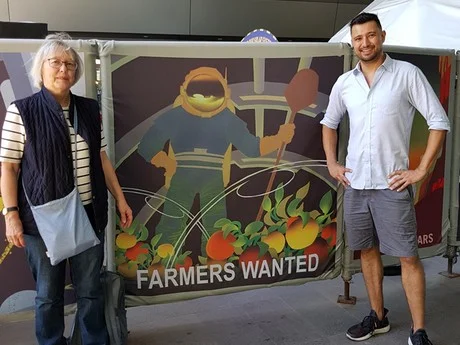
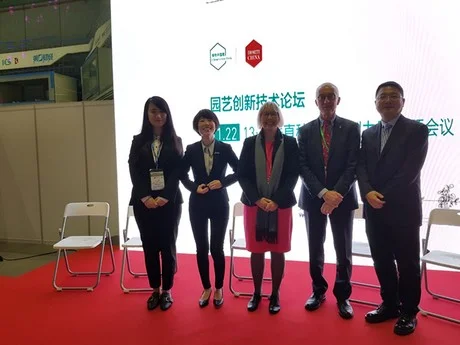

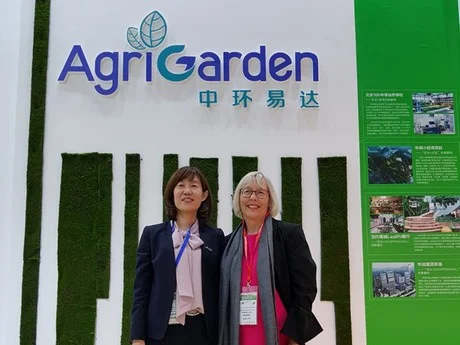
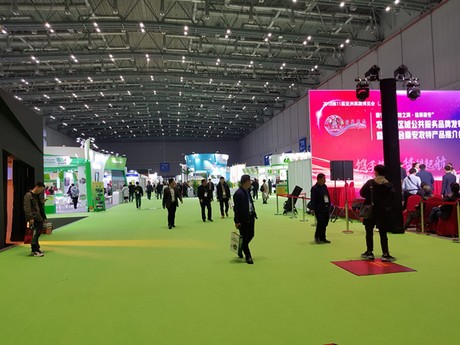


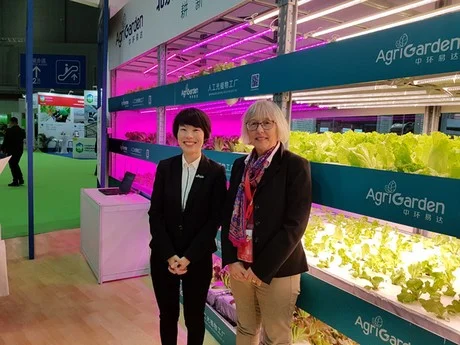
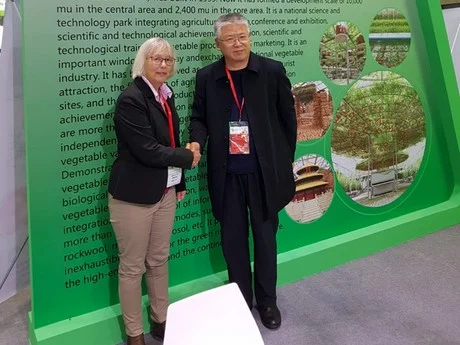
You can catch a glimpse of AVF’s Asian activities through these photos:
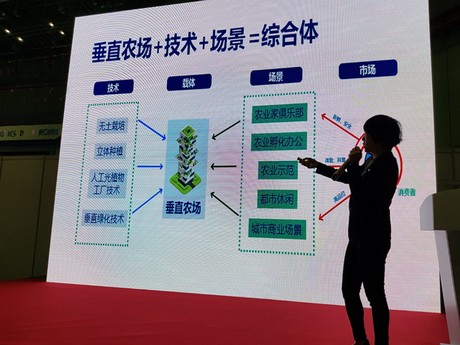
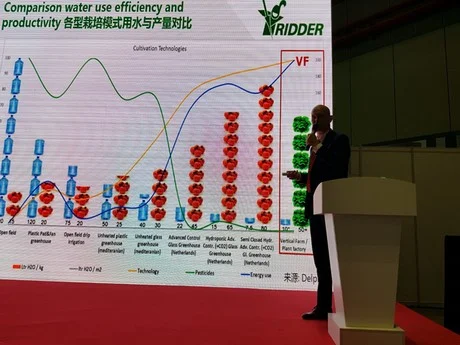
Horti China was the host to AVF's latest design thinking event in the search for a comprehensive roadmap for vertical farming. Prof. Jasper den Besten, Honorary Board Member, and Fulco Wijdooge, General Manager of Ridder Group in China talked about the science and scaling of vertical farming. The role of LED lighting in vertical farming was presented by member TüVSüd, and the Association's chairwoman met with Ms. Wei, the president of Agrigarden, one of the leading players in China's urban agriculture.
Before attending Horti China in Shanghai, AVF’s chairwoman Christine Zimmermann-Loessl visited Manila, Philippines to visit Urbangreens' project at the Science Museum in Manila, where visitors can learn about hydroponics, and she also attended the 25th Asian Seed Congress. She was invited to give a keynote speech in the Special Interest Group on Vertical Farming. According to the AVF, it was very well received and opened doors for more collaboration on future topics like "Nurturing Seeds of Tomorrow".
For more information:
Association for Vertical Farming
Marschnerstrasse,
81245 Munich,
Germany
info@vertical-farming.net
NatureFreshTM Farms Gives Back to Leamington & Delta Communities This Holiday Season
Leamington, ON & Delta, OH (December 19th, 2018) –During the 2018 holiday season, the NatureFreshTM Farms team was busy spreading good will by volunteering with local partners, spreading cheer at holiday events, helping deserving families, and donating food to feed people in need. Giving back to the communities they grow in is an integral part of the NatureFreshTM Farms identity!
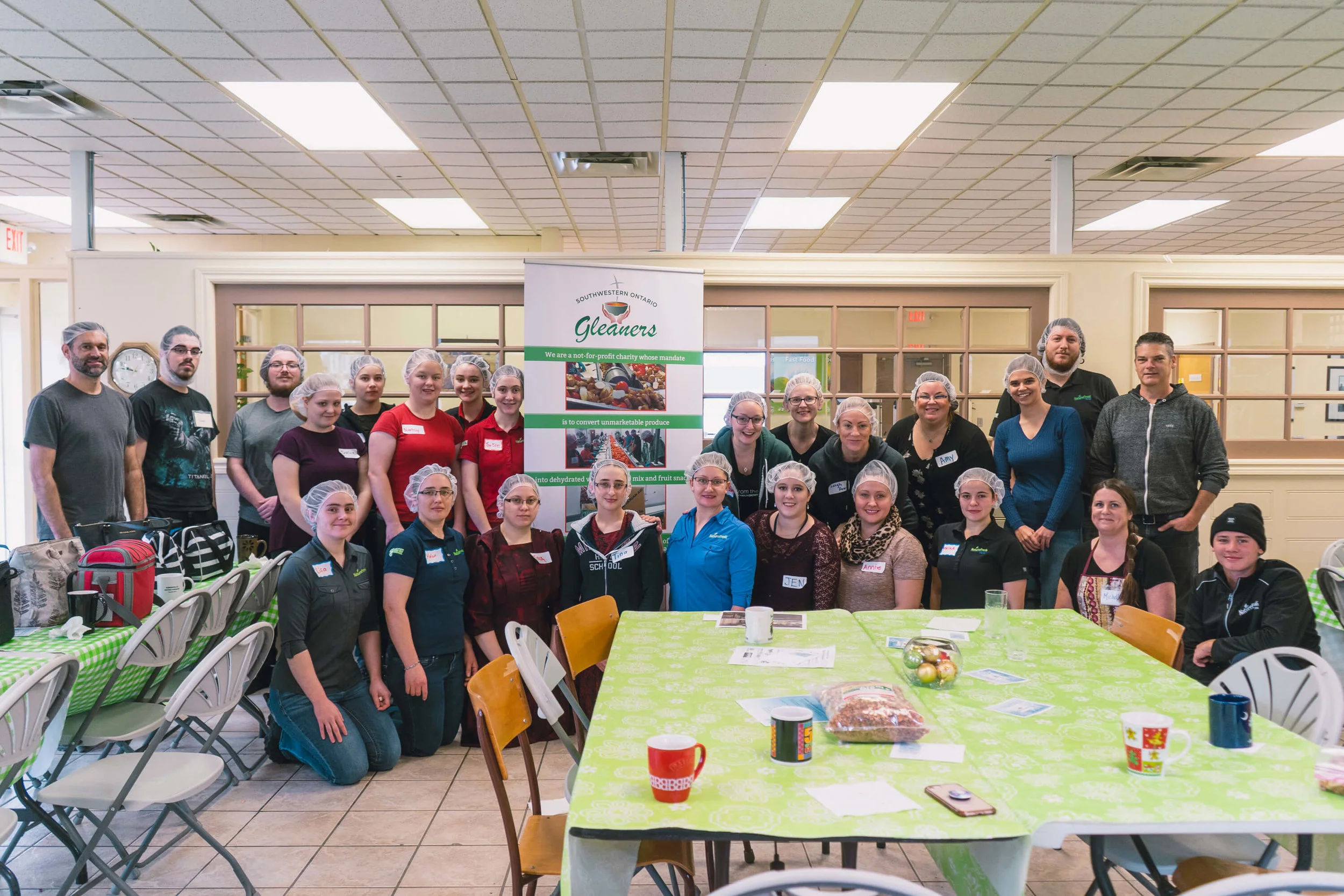

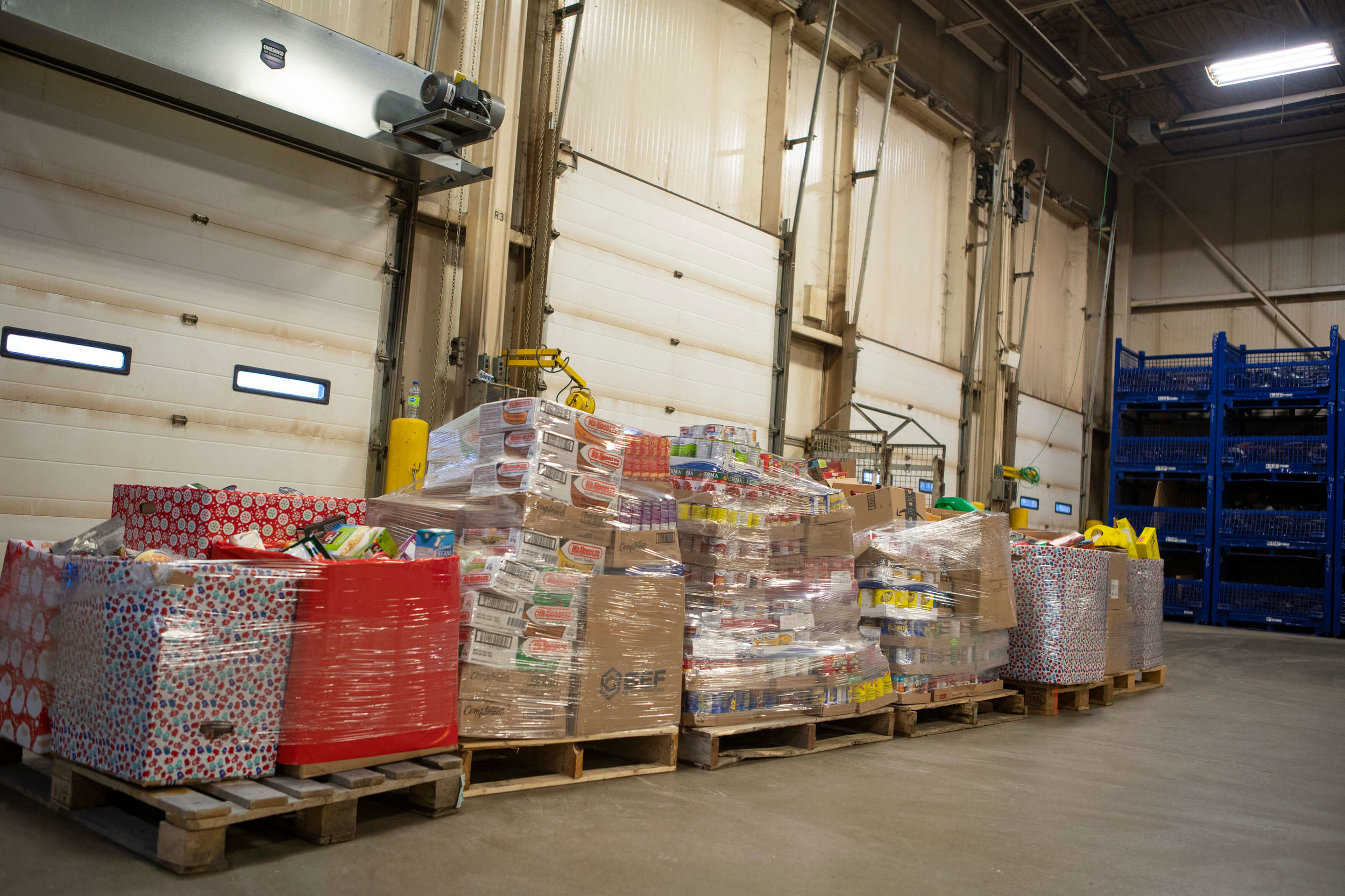
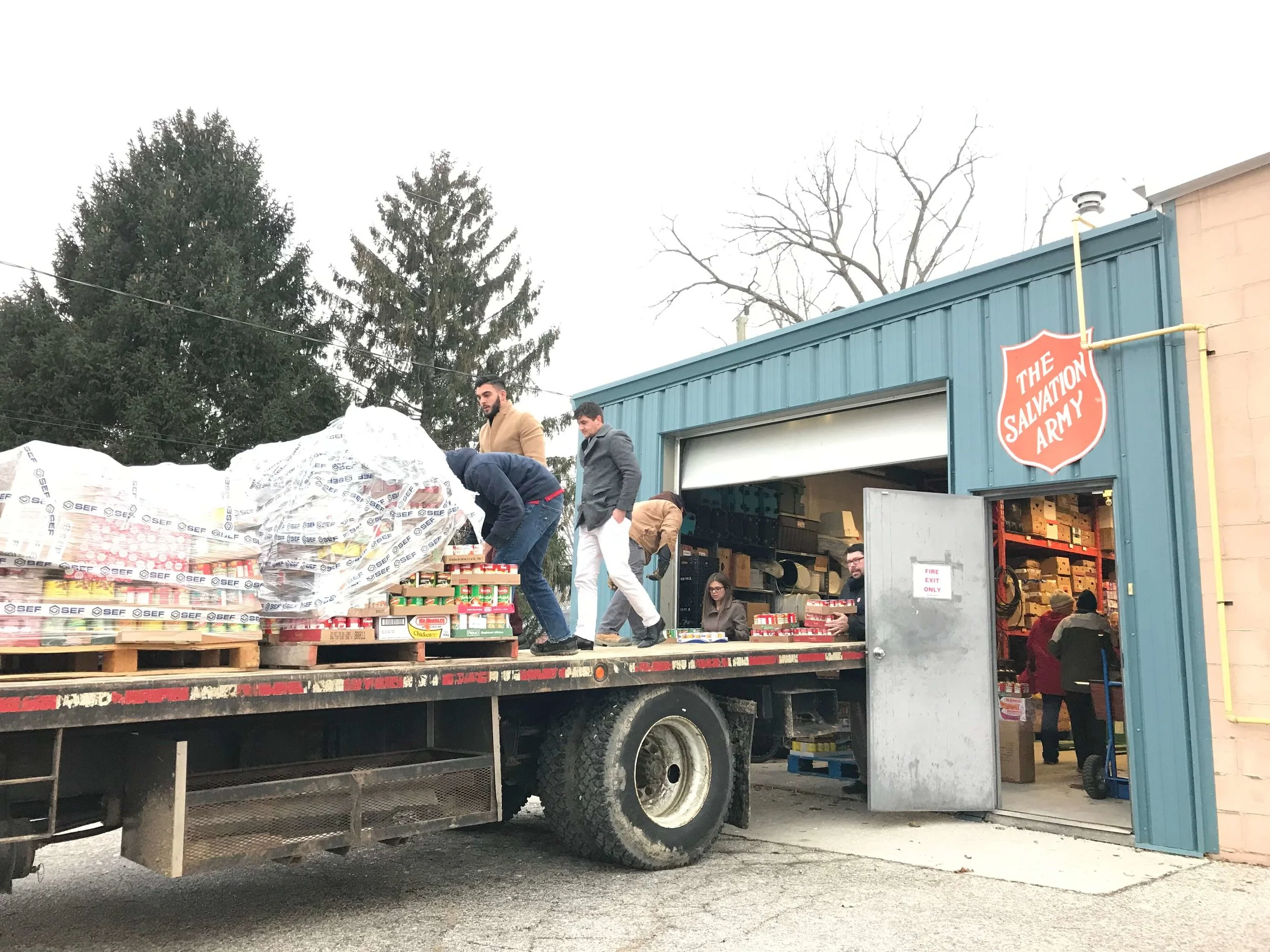
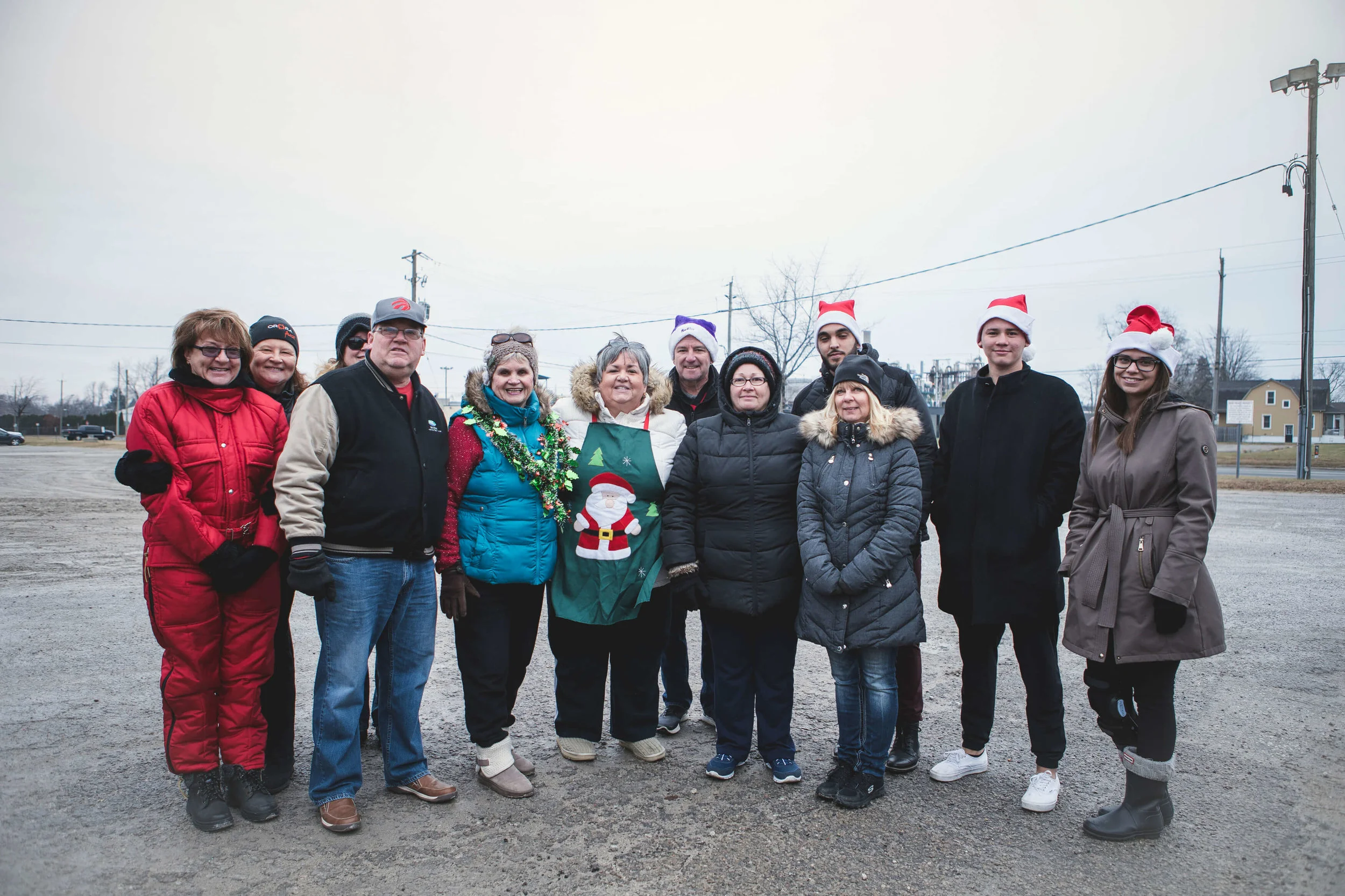
NatureFreshTM Farms kicked off the season of giving by sending a group of volunteers to Southwestern Ontario Gleaners, a charitable organization in Leamington, ON that distributes nutritious food to people in need both locally and internationally. NatureFreshTM Farms regularly donates Bell Peppers to this organization so that they can create healthy soup mix bags for charitable distribution. In one volunteer session, the NatureFreshTM Farms team was able to prepare roughly 25,000 servings of soup!
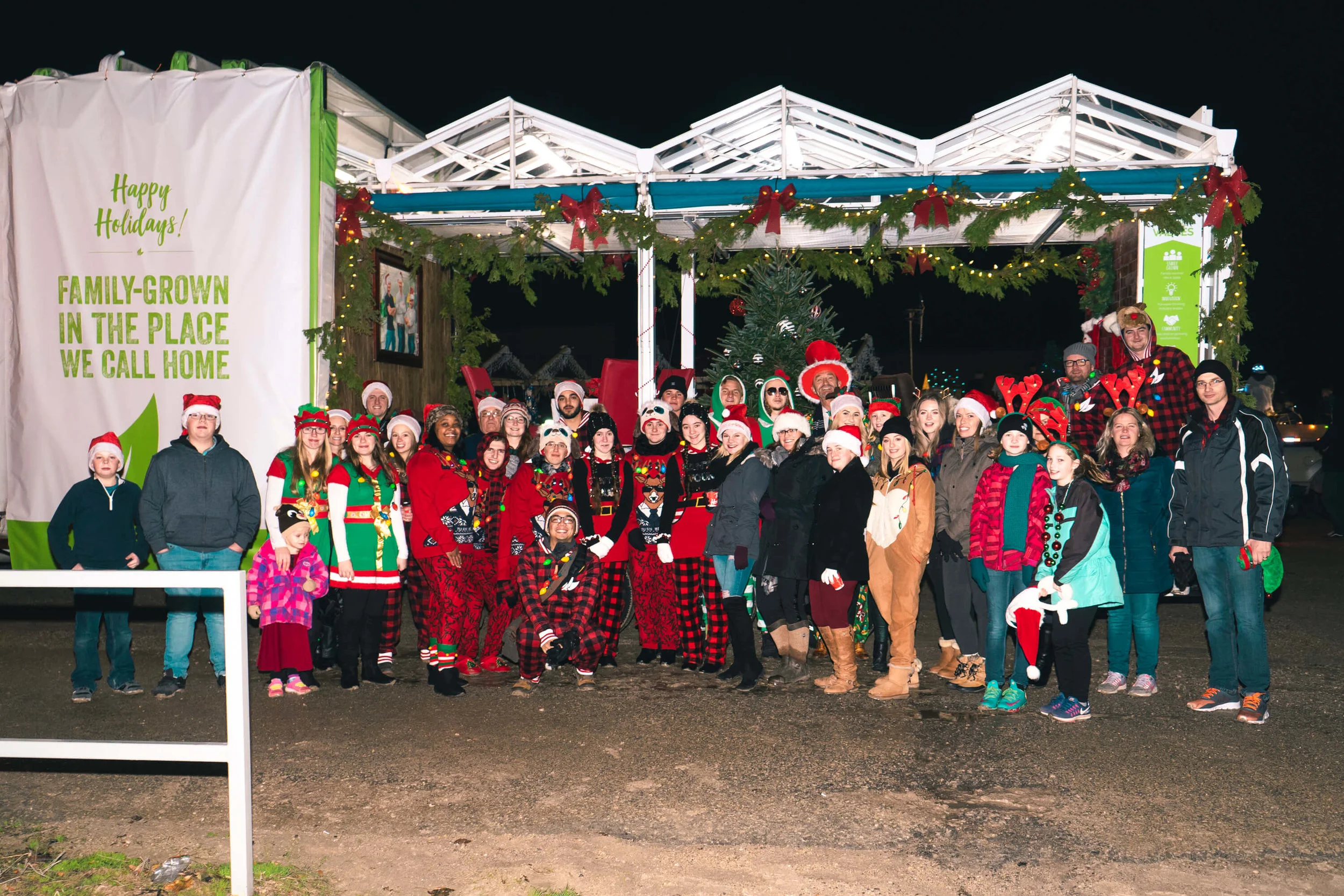
Leamington’s Annual Christmas Parade, which took place on November 24th this year, presented the NatureFreshTM Farms team with an opportunity to spread holiday cheer in a community they have called home for twenty years. The team gave their Greenhouse Education Center trailer a festive makeover for the event, and Peter Quiring, Matt Quiring, John Ketler, and dozens of their NatureFreshTM Farms employees accompanied the float, wishing happy holidays to families watching the parade.
To help their neighbors have a happy holiday season, NatureFreshTM Farms also ran a Holiday Sweepstakes campaign in Fulton County, Ohio, calling members of the community to nominate five deserving families to receive a helping hand. Cornelius Neufeld, Operations Manager at NatureFreshTM Farms USA, explained how this initiative got started: “Our employees in Ohio really drove this initiative – a lot of them knew neighbors or friends who would benefit from a helping hand during the holidays. They came to us asking what NatureFreshTM could do to support their community – so that’s where it all began.” The families who are chosen will each receive $500 grocery gift cards and NatureFreshTM Farms food baskets – they should expect the delivery of their care packages before Christmas Day.
All year long, NatureFreshTM Farms feeds their communities with healthy, flavorful Tomatoes, Bell Peppers, and Cucumbers, but their team decided to take things a step further this year and run a cross-company food drive during the holidays.
Collectively, they were able to gather 6,330 non-perishable food items for donation! Donations were made to The Salvation Army in Leamington, ON and The Open Door in Delta, OH, and they were made in Peter Quiring’s name – a gesture that he says was very humbling: “These donations were given in my name as a gift from my team – it was incredibly humbling to see how everyone was inspired to give back to people in need in our communities in such a meaningful way.”
One more initiative that NatureFreshTM Farms supported this holiday season was Talking Over Turkey. This Leamington-based initiative will bring hundreds of food boxes to families in need this holiday season throughout the Leamington, ON area. Through the donations of South Essex Fabricating, NatureFreshTM Farms, and NatureFreshTM Farms Sales, approximately 200 Leamington-based families will receive a healthy holiday food box.
Connecting with the communities they grow in is always a top priority at NatureFreshTM Farms, whether it’s the holiday season or not – as far as their team is concerned, year-round growing is just as important as year-round giving!
-30-
About NatureFreshTM Farms
NatureFreshTM Farms has grown to become one of the largest independent, vertically integrated greenhouse vegetable growers in North America. Growing in Leamington, ON and Delta, OH, NatureFreshTM Farms prides itself on exceptional flavor & quality. Family owned since 1999, NatureFreshTM Farms ships fresh greenhouse grown produce year-round to key retailers throughout North America.
SOURCE:
NatureFreshTM Farms | info@naturefresh.ca
T: 519 326 1111 | www.naturefresh.ca

On The 5th & 6th of December, The Third Annual International Investment Forum Greenhouse Complexes Russia 2018 Was Held With Great Success
On the 5th & 6th of December, the Third Annual International Investment Forum Greenhouse Complexes Russia 2018 was held with great success, drawing participation from over 700 leaders and executives of agricultural holdings, greenhouse complexes, initiators of investment projects, investors, trading networks, government representatives, producers and installers of equipment and related services for the greenhouse industry.
The event hosted delegates from 20 countries. Throughout the course of the forum, over 500 meetings were conducted.
PHOTO GALLERY
First Deputy Minister of Agriculture of the Russian Federation Dzhambulat Khatuov spoke at a plenary session of the Forum, noting that thanks to effective support on the part of the Russian government, a consistently fast pace of construction in new, high-tech greenhouse complexes has been achieved: We observe a stable rise in investment volume in the industry, alongside a stable and positive dynamic in production volumes that began already several years ago. New projects are regularly launched to full production capacity, and with each year we increase gross harvests of fresh vegetables. Total harvests of closed-field vegetables from domestic agricultural organisations exceeded 920 000 tonnes last year, and this year, forecasts predict a result above 1 million tonnes – both successive records for the industry. Thanks to recent successes in greenhouse vegetable cultivation, the level at which domestic market demands are met by domestic greenhouse production has now risen to 57% versus 40% in 2015. Khatuov further asserted that the chosen dynamic and realisation of government support measures should continue to provide significant results in the industry for the future – it is therefore important to develop not only the domestic market, but also to consider the possibility of future export growth in connection with future goals and tasks to be established by the President.
The second day of the Forum was divided into three streams – the Conference; Focus Day: Storage, Processing, Logistics; Agronomists’ Day.
During the Conference stream sessions, banks alongside forum guests discussed questions of preferred credit financing, and project financial management. A separate session was dedicated to energy-efficiency at greenhouse complexes, in which Agrocomplex Churilovo offered a range of practical experience. The session on production planning and sales strategies featured experts’ experiences with plant varieties, the broader panel of available varieties, assessment of sales markets, marketing, and innovations in sorting and packaging. Dinko Gadzhev, Commercial Director, Fruit and Vegetables at O’KEI discussed strategies for collaboration among trading networks and greenhouse operators. Driss Dehbi, Managing Director, Suhool Arabia Investment, invited producers of fruit and vegetables to collaborate on exports to the UAE.
The conference concluded with a round table led by Galina Lishinaya, Acting Provost for Academic and Scientific Work, Russian Academy for Agricomplex Personnel, who led the institution’s educators along with business representatives in a discussion of the most pertinent questions relevant to providing greenhouse enterprises with qualified personnel.
Leading experts during Agronomists’ Day were Marite Gailite, Latvia and Jenny Harris and Joe Schwartz, USA, who held professional master classes on contemporary approaches to growing tomatoes, cucumbers, and salad greens.
Focus Day was used to address questions of storage, reprocessing, and realisation of agricultural production. Leading industry figures took part in special parallel sessions: executives of major agricultural parks, wholesale distribution and logistics centres, agricultural holdings and other agricultural enterprises, initiators of investment projects, experts in agricultural logistics – RosAgroMarket Holding, Agroproduction Park Kazan, Agroproduction Park Samara, ORC Magistral, UK Grando, Nord-Ovosh, PRODO, Businovsky MPK, Razdolye, Agrocomplex Eseninsky, YugOvoshSbyt, Yugagroholding, FOOD CITY, AGROCITY, Victoria Estate, Romex Group and many others. A special stream was also visited by over 90 companies involved in investment projects in the industry: construction of vegetable and fruit storage facilities, grain storage and elevators, and wholesale distribution centers.
During the specialised exhibition, innovative developments were presented by major producers of equipment and technologies in Russia, the CIS, Europe, and Africa.
Forum Sponsors:
Gold Sponsor: Grodan;
Silver Sponsors: Signify, SVETOGOR, Green Automation Group, BLV, C-LED;
Bronze Sponsors: Royal Brinkman, AWETA, Lider-Pak, Mir Stekla, Rijk Zwaan;
Video Sponsors: Richel Group, 3DSmartGarden, OHK «URALCHEM»;
Evening guests were also offered an outstanding opportunity to make new acquaintances and strengthen existing business connections in an informal setting at the gala dinner, which also included a formal awards ceremony to recognise leaders of the Russian greenhouse agriculture industry for 2018.
Vertical Farm Company Raises $90 Million To Grow More Veggies In The Middle Of New York City
December 15, 2018

Senior Editor, UK | Contactable via charlotte@livekindly.co
Vertical farming company Bowery has closed a $90 million fundraising round, allowing it to grow even more veggies in the middle of New York City. Google Ventures led the round, which was also participated in by Uber CEO Dara Khosrowshahi.
According to Venture Beat, First Round Capital, General Catalyst, GGV Capital, and Temasek also participated in the round, which follows the $27.5 million the business raised in June; the total amount raised by Bowery now stands at $117.5 million.
Founded in 2017, Bowery intends to revolutionize the agriculture industry. The company currently has two farms in New York, but thanks to the new funding, in 2019, it plans to open two more, in cities that are currently unnamed. It also hopes to advance company tech and innovation with the funding.
According to Bowery, indoor farms provide a solution to impending water scarcity and don’t require the use of harmful pesticides. The farms are unaffected by the weather or season changes, and they allow scientists to closely monitor the crop-growing process, enabling them to give the plants no more than exactly what they need. Bowery currently grows crops such as baby kale, arugula, and butterhead lettuce and supplies them to vegan-friendly restaurant chain Sweetgreen and Whole Foods stores.
Speaking to Fortune earlier this year, Bowery’s CEO Irving Fain said, “We’re growing post-organic produce, it’s the next evolution. It’s a better product for us and better way of growing and less destructive to the earth, we’re using technology to grow the purest food possible.”
He continued, “At Bowery, we’re re-thinking what agriculture looks like in a world where water is scarce, people live in cities, and we’re waking up to the dangers of pesticides and other chemicals.”
Growing Demand For Indoor Vertical Farms
As populations rise around the world and climate change looms, the need for indoor farming facilities is growing. Companies are striving to minimize their carbon footprint by purchasing sustainable produce from farms that are close by.
Bowery isn’t alone in satisfying this demand, indoor farming company Farm.One – based underneath a New York Michelin-starred restaurant – delivers its produce to the best eateries in the city via bike or subway.
In Las Vegas, Oasis Biotech recently set up its first indoor vertical farm, and In August, Plenty attended its first-ever event, Outside Lands music festival in San Francisco, selling its vertically grown kale and arugula.
Image Credit: Farm.One
Speaking to Fortune earlier this year, Bowery’s CEO Irving Fain said, “We’re growing post-organic produce, it’s the next evolution. It’s a better product for us and better way of growing and less destructive to the earth, we’re using technology to grow the purest food possible.”
He continued, “At Bowery, we’re re-thinking what agriculture looks like in a world where water is scarce, people live in cities, and we’re waking up to the dangers of pesticides and other chemicals.”
Growing Demand For Indoor Vertical Farms
As populations rise around the world and climate change looms, the need for indoor farming facilities is growing. Companies are striving to minimize their carbon footprint by purchasing sustainable produce from farms that are close by.
Bowery isn’t alone in satisfying this demand, indoor farming company Farm.One – based underneath a New York Michelin-starred restaurant – delivers its produce to the best eateries in the city via bike or subway.
In Las Vegas, Oasis Biotech recently set up its first indoor vertical farm, and In August, Plenty attended its first-ever event, Outside Lands music festival in San Francisco, selling its vertically grown kale and arugula.
Image Credit: Farm.One
Speaking to Fortune earlier this year, Bowery’s CEO Irving Fain said, “We’re growing post-organic produce, it’s the next evolution. It’s a better product for us and better way of growing and less destructive to the earth, we’re using technology to grow the purest food possible.”
He continued, “At Bowery, we’re re-thinking what agriculture looks like in a world where water is scarce, people live in cities, and we’re waking up to the dangers of pesticides and other chemicals.”
Growing Demand For Indoor Vertical Farms
As populations rise around the world and climate change looms, the need for indoor farming facilities is growing. Companies are striving to minimize their carbon footprint by purchasing sustainable produce from farms that are close by.
Bowery isn’t alone in satisfying this demand, indoor farming company Farm.One – based underneath a New York Michelin-starred restaurant – delivers its produce to the best eateries in the city via bike or subway.
In Las Vegas, Oasis Biotech recently set up its first indoor vertical farm, and In August, Plenty attended its first-ever event, Outside Lands music festival in San Francisco, selling its vertically grown kale and arugula.
Image Credit: Farm.One
Speaking to Fortune earlier this year, Bowery’s CEO Irving Fain said, “We’re growing post-organic produce, it’s the next evolution. It’s a better product for us and better way of growing and less destructive to the earth, we’re using technology to grow the purest food possible.”
He continued, “At Bowery, we’re re-thinking what agriculture looks like in a world where water is scarce, people live in cities, and we’re waking up to the dangers of pesticides and other chemicals.”
Growing Demand For Indoor Vertical Farms
As populations rise around the world and climate change looms, the need for indoor farming facilities is growing. Companies are striving to minimize their carbon footprint by purchasing sustainable produce from farms that are close by.
Bowery isn’t alone in satisfying this demand, indoor farming company Farm.One – based underneath a New York Michelin-starred restaurant – delivers its produce to the best eateries in the city via bike or subway.
In Las Vegas, Oasis Biotech recently set up its first indoor vertical farm, and In August, Plenty attended its first-ever event, Outside Lands music festival in San Francisco, selling its vertically grown kale and arugula.
Image Credit: Farm.One
Speaking to Fortune earlier this year, Bowery’s CEO Irving Fain said, “We’re growing post-organic produce, it’s the next evolution. It’s a better product for us and better way of growing and less destructive to the earth, we’re using technology to grow the purest food possible.”
He continued, “At Bowery, we’re re-thinking what agriculture looks like in a world where water is scarce, people live in cities, and we’re waking up to the dangers of pesticides and other chemicals.”
Growing Demand For Indoor Vertical Farms
As populations rise around the world and climate change looms, the need for indoor farming facilities is growing. Companies are striving to minimize their carbon footprint by purchasing sustainable produce from farms that are close by.
Bowery isn’t alone in satisfying this demand, indoor farming company Farm.One – based underneath a New York Michelin-starred restaurant – delivers its produce to the best eateries in the city via bike or subway.
In Las Vegas, Oasis Biotech recently set up its first indoor vertical farm, and In August, Plenty attended its first-ever event, Outside Lands music festival in San Francisco, selling its vertically grown kale and arugula.
Image Credit: Farm.One
Speaking to Fortune earlier this year, Bowery’s CEO Irving Fain said, “We’re growing post-organic produce, it’s the next evolution. It’s a better product for us and better way of growing and less destructive to the earth, we’re using technology to grow the purest food possible.”
He continued, “At Bowery, we’re re-thinking what agriculture looks like in a world where water is scarce, people live in cities, and we’re waking up to the dangers of pesticides and other chemicals.”
Growing Demand For Indoor Vertical Farms
As populations rise around the world and climate change looms, the need for indoor farming facilities is growing. Companies are striving to minimize their carbon footprint by purchasing sustainable produce from farms that are close by.
Bowery isn’t alone in satisfying this demand, indoor farming company Farm.One – based underneath a New York Michelin-starred restaurant – delivers its produce to the best eateries in the city via bike or subway.
In Las Vegas, Oasis Biotech recently set up its first indoor vertical farm, and In August, Plenty attended its first-ever event, Outside Lands music festival in San Francisco, selling its vertically grown kale and arugula.
Image Credit: Farm.One
Speaking to Fortune earlier this year, Bowery’s CEO Irving Fain said, “We’re growing post-organic produce, it’s the next evolution. It’s a better product for us and better way of growing and less destructive to the earth, we’re using technology to grow the purest food possible.”
He continued, “At Bowery, we’re re-thinking what agriculture looks like in a world where water is scarce, people live in cities, and we’re waking up to the dangers of pesticides and other chemicals.”
Growing Demand For Indoor Vertical Farms
As populations rise around the world and climate change looms, the need for indoor farming facilities is growing. Companies are striving to minimize their carbon footprint by purchasing sustainable produce from farms that are close by.
Bowery isn’t alone in satisfying this demand, indoor farming company Farm.One – based underneath a New York Michelin-starred restaurant – delivers its produce to the best eateries in the city via bike or subway.
In Las Vegas, Oasis Biotech recently set up its first indoor vertical farm, and In August, Plenty attended its first-ever event, Outside Lands music festival in San Francisco, selling its vertically grown kale and arugula.
Image Credit: Farm.One
Speaking to Fortune earlier this year, Bowery’s CEO Irving Fain said, “We’re growing post-organic produce, it’s the next evolution. It’s a better product for us and better way of growing and less destructive to the earth, we’re using technology to grow the purest food possible.”
He continued, “At Bowery, we’re re-thinking what agriculture looks like in a world where water is scarce, people live in cities, and we’re waking up to the dangers of pesticides and other chemicals.”
Growing Demand For Indoor Vertical Farms
As populations rise around the world and climate change looms, the need for indoor farming facilities is growing. Companies are striving to minimize their carbon footprint by purchasing sustainable produce from farms that are close by.
Bowery isn’t alone in satisfying this demand, indoor farming company Farm.One – based underneath a New York Michelin-starred restaurant – delivers its produce to the best eateries in the city via bike or subway.
In Las Vegas, Oasis Biotech recently set up its first indoor vertical farm, and In August, Plenty attended its first-ever event, Outside Lands music festival in San Francisco, selling its vertically grown kale and arugula.
Image Credit: Farm.One
Speaking to Fortune earlier this year, Bowery’s CEO Irving Fain said, “We’re growing post-organic produce, it’s the next evolution. It’s a better product for us and better way of growing and less destructive to the earth, we’re using technology to grow the purest food possible.”
He continued, “At Bowery, we’re re-thinking what agriculture looks like in a world where water is scarce, people live in cities, and we’re waking up to the dangers of pesticides and other chemicals.”
Growing Demand For Indoor Vertical Farms
As populations rise around the world and climate change looms, the need for indoor farming facilities is growing. Companies are striving to minimize their carbon footprint by purchasing sustainable produce from farms that are close by.
Bowery isn’t alone in satisfying this demand, indoor farming company Farm.One – based underneath a New York Michelin-starred restaurant – delivers its produce to the best eateries in the city via bike or subway.
In Las Vegas, Oasis Biotech recently set up its first indoor vertical farm, and In August, Plenty attended its first-ever event, Outside Lands music festival in San Francisco, selling its vertically grown kale and arugula.
Image Credit: Farm.One
Speaking to Fortune earlier this year, Bowery’s CEO Irving Fain said, “We’re growing post-organic produce, it’s the next evolution. It’s a better product for us and better way of growing and less destructive to the earth, we’re using technology to grow the purest food possible.”
He continued, “At Bowery, we’re re-thinking what agriculture looks like in a world where water is scarce, people live in cities, and we’re waking up to the dangers of pesticides and other chemicals.”
Growing Demand For Indoor Vertical Farms
As populations rise around the world and climate change looms, the need for indoor farming facilities is growing. Companies are striving to minimize their carbon footprint by purchasing sustainable produce from farms that are close by.
Bowery isn’t alone in satisfying this demand, indoor farming company Farm.One – based underneath a New York Michelin-starred restaurant – delivers its produce to the best eateries in the city via bike or subway.
In Las Vegas, Oasis Biotech recently set up its first indoor vertical farm, and In August, Plenty attended its first-ever event, Outside Lands music festival in San Francisco, selling its vertically grown kale and arugula.
Image Credit: Farm.One
Speaking to Fortune earlier this year, Bowery’s CEO Irving Fain said, “We’re growing post-organic produce, it’s the next evolution. It’s a better product for us and better way of growing and less destructive to the earth, we’re using technology to grow the purest food possible.”
He continued, “At Bowery, we’re re-thinking what agriculture looks like in a world where water is scarce, people live in cities, and we’re waking up to the dangers of pesticides and other chemicals.”
Growing Demand For Indoor Vertical Farms
As populations rise around the world and climate change looms, the need for indoor farming facilities is growing. Companies are striving to minimize their carbon footprint by purchasing sustainable produce from farms that are close by.
Bowery isn’t alone in satisfying this demand, indoor farming company Farm.One – based underneath a New York Michelin-starred restaurant – delivers its produce to the best eateries in the city via bike or subway.
In Las Vegas, Oasis Biotech recently set up its first indoor vertical farm, and In August, Plenty attended its first-ever event, Outside Lands music festival in San Francisco, selling its vertically grown kale and arugula.
Image Credit: Farm.One
Speaking to Fortune earlier this year, Bowery’s CEO Irving Fain said, “We’re growing post-organic produce, it’s the next evolution. It’s a better product for us and better way of growing and less destructive to the earth, we’re using technology to grow the purest food possible.”
He continued, “At Bowery, we’re re-thinking what agriculture looks like in a world where water is scarce, people live in cities, and we’re waking up to the dangers of pesticides and other chemicals.”
Growing Demand For Indoor Vertical Farms
As populations rise around the world and climate change looms, the need for indoor farming facilities is growing. Companies are striving to minimize their carbon footprint by purchasing sustainable produce from farms that are close by.
Bowery isn’t alone in satisfying this demand, indoor farming company Farm.One – based underneath a New York Michelin-starred restaurant – delivers its produce to the best eateries in the city via bike or subway.
In Las Vegas, Oasis Biotech recently set up its first indoor vertical farm, and In August, Plenty attended its first-ever event, Outside Lands music festival in San Francisco, selling its vertically grown kale and arugula.
Image Credit: Farm.One
Speaking to Fortune earlier this year, Bowery’s CEO Irving Fain said, “We’re growing post-organic produce, it’s the next evolution. It’s a better product for us and better way of growing and less destructive to the earth, we’re using technology to grow the purest food possible.”
He continued, “At Bowery, we’re re-thinking what agriculture looks like in a world where water is scarce, people live in cities, and we’re waking up to the dangers of pesticides and other chemicals.”
Growing Demand For Indoor Vertical Farms
As populations rise around the world and climate change looms, the need for indoor farming facilities is growing. Companies are striving to minimize their carbon footprint by purchasing sustainable produce from farms that are close by.
Bowery isn’t alone in satisfying this demand, indoor farming company Farm.One – based underneath a New York Michelin-starred restaurant – delivers its produce to the best eateries in the city via bike or subway.
In Las Vegas, Oasis Biotech recently set up its first indoor vertical farm, and In August, Plenty attended its first-ever event, Outside Lands music festival in San Francisco, selling its vertically grown kale and arugula.
Image Credit: Farm.One
Speaking to Fortune earlier this year, Bowery’s CEO Irving Fain said, “We’re growing post-organic produce, it’s the next evolution. It’s a better product for us and better way of growing and less destructive to the earth, we’re using technology to grow the purest food possible.”
He continued, “At Bowery, we’re re-thinking what agriculture looks like in a world where water is scarce, people live in cities, and we’re waking up to the dangers of pesticides and other chemicals.”
Growing Demand For Indoor Vertical Farms
As populations rise around the world and climate change looms, the need for indoor farming facilities is growing. Companies are striving to minimize their carbon footprint by purchasing sustainable produce from farms that are close by.
Bowery isn’t alone in satisfying this demand, indoor farming company Farm.One – based underneath a New York Michelin-starred restaurant – delivers its produce to the best eateries in the city via bike or subway.
In Las Vegas, Oasis Biotech recently set up its first indoor vertical farm, and In August, Plenty attended its first-ever event, Outside Lands music festival in San Francisco, selling its vertically grown kale and arugula.
Image Credit: Farm.One
Speaking to Fortune earlier this year, Bowery’s CEO Irving Fain said, “We’re growing post-organic produce, it’s the next evolution. It’s a better product for us and better way of growing and less destructive to the earth, we’re using technology to grow the purest food possible.”
He continued, “At Bowery, we’re re-thinking what agriculture looks like in a world where water is scarce, people live in cities, and we’re waking up to the dangers of pesticides and other chemicals.”
Growing Demand For Indoor Vertical Farms
As populations rise around the world and climate change looms, the need for indoor farming facilities is growing. Companies are striving to minimize their carbon footprint by purchasing sustainable produce from farms that are close by.
Bowery isn’t alone in satisfying this demand, indoor farming company Farm.One – based underneath a New York Michelin-starred restaurant – delivers its produce to the best eateries in the city via bike or subway.
In Las Vegas, Oasis Biotech recently set up its first indoor vertical farm, and In August, Plenty attended its first-ever event, Outside Lands music festival in San Francisco, selling its vertically grown kale and arugula.
Image Credit: Farm.One
Speaking to Fortune earlier this year, Bowery’s CEO Irving Fain said, “We’re growing post-organic produce, it’s the next evolution. It’s a better product for us and better way of growing and less destructive to the earth, we’re using technology to grow the purest food possible.”
He continued, “At Bowery, we’re re-thinking what agriculture looks like in a world where water is scarce, people live in cities, and we’re waking up to the dangers of pesticides and other chemicals.”
Growing Demand For Indoor Vertical Farms
As populations rise around the world and climate change looms, the need for indoor farming facilities is growing. Companies are striving to minimize their carbon footprint by purchasing sustainable produce from farms that are close by.
Bowery isn’t alone in satisfying this demand, indoor farming company Farm.One – based underneath a New York Michelin-starred restaurant – delivers its produce to the best eateries in the city via bike or subway.
In Las Vegas, Oasis Biotech recently set up its first indoor vertical farm, and In August, Plenty attended its first-ever event, Outside Lands music festival in San Francisco, selling its vertically grown kale and arugula.
Image Credit: Farm.One
Speaking to Fortune earlier this year, Bowery’s CEO Irving Fain said, “We’re growing post-organic produce, it’s the next evolution. It’s a better product for us and better way of growing and less destructive to the earth, we’re using technology to grow the purest food possible.”
He continued, “At Bowery, we’re re-thinking what agriculture looks like in a world where water is scarce, people live in cities, and we’re waking up to the dangers of pesticides and other chemicals.”
Growing Demand For Indoor Vertical Farms
As populations rise around the world and climate change looms, the need for indoor farming facilities is growing. Companies are striving to minimize their carbon footprint by purchasing sustainable produce from farms that are close by.
Bowery isn’t alone in satisfying this demand, indoor farming company Farm.One – based underneath a New York Michelin-starred restaurant – delivers its produce to the best eateries in the city via bike or subway.
In Las Vegas, Oasis Biotech recently set up its first indoor vertical farm, and In August, Plenty attended its first-ever event, Outside Lands music festival in San Francisco, selling its vertically grown kale and arugula.
Image Credit: Farm.One
Speaking to Fortune earlier this year, Bowery’s CEO Irving Fain said, “We’re growing post-organic produce, it’s the next evolution. It’s a better product for us and better way of growing and less destructive to the earth, we’re using technology to grow the purest food possible.”
He continued, “At Bowery, we’re re-thinking what agriculture looks like in a world where water is scarce, people live in cities, and we’re waking up to the dangers of pesticides and other chemicals.”
Growing Demand For Indoor Vertical Farms
As populations rise around the world and climate change looms, the need for indoor farming facilities is growing. Companies are striving to minimize their carbon footprint by purchasing sustainable produce from farms that are close by.
Bowery isn’t alone in satisfying this demand, indoor farming company Farm.One – based underneath a New York Michelin-starred restaurant – delivers its produce to the best eateries in the city via bike or subway.
In Las Vegas, Oasis Biotech recently set up its first indoor vertical farm, and In August, Plenty attended its first-ever event, Outside Lands music festival in San Francisco, selling its vertically grown kale and arugula.
Image Credit: Farm.One
Speaking to Fortune earlier this year, Bowery’s CEO Irving Fain said, “We’re growing post-organic produce, it’s the next evolution. It’s a better product for us and better way of growing and less destructive to the earth, we’re using technology to grow the purest food possible.”
He continued, “At Bowery, we’re re-thinking what agriculture looks like in a world where water is scarce, people live in cities, and we’re waking up to the dangers of pesticides and other chemicals.”
Growing Demand For Indoor Vertical Farms
As populations rise around the world and climate change looms, the need for indoor farming facilities is growing. Companies are striving to minimize their carbon footprint by purchasing sustainable produce from farms that are close by.
Bowery isn’t alone in satisfying this demand, indoor farming company Farm.One – based underneath a New York Michelin-starred restaurant – delivers its produce to the best eateries in the city via bike or subway.
In Las Vegas, Oasis Biotech recently set up its first indoor vertical farm, and In August, Plenty attended its first-ever event, Outside Lands music festival in San Francisco, selling its vertically grown kale and arugula.
Image Credit: Farm.One
Speaking to Fortune earlier this year, Bowery’s CEO Irving Fain said, “We’re growing post-organic produce, it’s the next evolution. It’s a better product for us and better way of growing and less destructive to the earth, we’re using technology to grow the purest food possible.”
He continued, “At Bowery, we’re re-thinking what agriculture looks like in a world where water is scarce, people live in cities, and we’re waking up to the dangers of pesticides and other chemicals.”
Growing Demand For Indoor Vertical Farms
As populations rise around the world and climate change looms, the need for indoor farming facilities is growing. Companies are striving to minimize their carbon footprint by purchasing sustainable produce from farms that are close by.
Bowery isn’t alone in satisfying this demand, indoor farming company Farm.One – based underneath a New York Michelin-starred restaurant – delivers its produce to the best eateries in the city via bike or subway.
In Las Vegas, Oasis Biotech recently set up its first indoor vertical farm, and In August, Plenty attended its first-ever event, Outside Lands music festival in San Francisco, selling its vertically grown kale and arugula.
Image Credit: Farm.One
Speaking to Fortune earlier this year, Bowery’s CEO Irving Fain said, “We’re growing post-organic produce, it’s the next evolution. It’s a better product for us and better way of growing and less destructive to the earth, we’re using technology to grow the purest food possible.”
He continued, “At Bowery, we’re re-thinking what agriculture looks like in a world where water is scarce, people live in cities, and we’re waking up to the dangers of pesticides and other chemicals.”
Growing Demand For Indoor Vertical Farms
As populations rise around the world and climate change looms, the need for indoor farming facilities is growing. Companies are striving to minimize their carbon footprint by purchasing sustainable produce from farms that are close by.
Bowery isn’t alone in satisfying this demand, indoor farming company Farm.One – based underneath a New York Michelin-starred restaurant – delivers its produce to the best eateries in the city via bike or subway.
In Las Vegas, Oasis Biotech recently set up its first indoor vertical farm, and In August, Plenty attended its first-ever event, Outside Lands music festival in San Francisco, selling its vertically grown kale and arugula.
Image Credit: Farm.One
Speaking to Fortune earlier this year, Bowery’s CEO Irving Fain said, “We’re growing post-organic produce, it’s the next evolution. It’s a better product for us and better way of growing and less destructive to the earth, we’re using technology to grow the purest food possible.”
He continued, “At Bowery, we’re re-thinking what agriculture looks like in a world where water is scarce, people live in cities, and we’re waking up to the dangers of pesticides and other chemicals.”
Growing Demand For Indoor Vertical Farms
As populations rise around the world and climate change looms, the need for indoor farming facilities is growing. Companies are striving to minimize their carbon footprint by purchasing sustainable produce from farms that are close by.
Bowery isn’t alone in satisfying this demand, indoor farming company Farm.One – based underneath a New York Michelin-starred restaurant – delivers its produce to the best eateries in the city via bike or subway.
In Las Vegas, Oasis Biotech recently set up its first indoor vertical farm, and In August, Plenty attended its first-ever event, Outside Lands music festival in San Francisco, selling its vertically grown kale and arugula.
Image Credit: Farm.One
Speaking to Fortune earlier this year, Bowery’s CEO Irving Fain said, “We’re growing post-organic produce, it’s the next evolution. It’s a better product for us and better way of growing and less destructive to the earth, we’re using technology to grow the purest food possible.”
He continued, “At Bowery, we’re re-thinking what agriculture looks like in a world where water is scarce, people live in cities, and we’re waking up to the dangers of pesticides and other chemicals.”
Growing Demand For Indoor Vertical Farms
As populations rise around the world and climate change looms, the need for indoor farming facilities is growing. Companies are striving to minimize their carbon footprint by purchasing sustainable produce from farms that are close by.
Bowery isn’t alone in satisfying this demand, indoor farming company Farm.One – based underneath a New York Michelin-starred restaurant – delivers its produce to the best eateries in the city via bike or subway.
In Las Vegas, Oasis Biotech recently set up its first indoor vertical farm, and In August, Plenty attended its first-ever event, Outside Lands music festival in San Francisco, selling its vertically grown kale and arugula.
Image Credit: Farm.One
Speaking to Fortune earlier this year, Bowery’s CEO Irving Fain said, “We’re growing post-organic produce, it’s the next evolution. It’s a better product for us and better way of growing and less destructive to the earth, we’re using technology to grow the purest food possible.”
He continued, “At Bowery, we’re re-thinking what agriculture looks like in a world where water is scarce, people live in cities, and we’re waking up to the dangers of pesticides and other chemicals.”
Growing Demand For Indoor Vertical Farms
As populations rise around the world and climate change looms, the need for indoor farming facilities is growing. Companies are striving to minimize their carbon footprint by purchasing sustainable produce from farms that are close by.
Bowery isn’t alone in satisfying this demand, indoor farming company Farm.One – based underneath a New York Michelin-starred restaurant – delivers its produce to the best eateries in the city via bike or subway.
In Las Vegas, Oasis Biotech recently set up its first indoor vertical farm, and In August, Plenty attended its first-ever event, Outside Lands music festival in San Francisco, selling its vertically grown kale and arugula.
Image Credit: Farm.One
Speaking to Fortune earlier this year, Bowery’s CEO Irving Fain said, “We’re growing post-organic produce, it’s the next evolution. It’s a better product for us and better way of growing and less destructive to the earth, we’re using technology to grow the purest food possible.”
He continued, “At Bowery, we’re re-thinking what agriculture looks like in a world where water is scarce, people live in cities, and we’re waking up to the dangers of pesticides and other chemicals.”
Growing Demand For Indoor Vertical Farms
As populations rise around the world and climate change looms, the need for indoor farming facilities is growing. Companies are striving to minimize their carbon footprint by purchasing sustainable produce from farms that are close by.
Bowery isn’t alone in satisfying this demand, indoor farming company Farm.One – based underneath a New York Michelin-starred restaurant – delivers its produce to the best eateries in the city via bike or subway.
In Las Vegas, Oasis Biotech recently set up its first indoor vertical farm, and In August, Plenty attended its first-ever event, Outside Lands music festival in San Francisco, selling its vertically grown kale and arugula.
Image Credit: Farm.One
Speaking to Fortune earlier this year, Bowery’s CEO Irving Fain said, “We’re growing post-organic produce, it’s the next evolution. It’s a better product for us and better way of growing and less destructive to the earth, we’re using technology to grow the purest food possible.”
He continued, “At Bowery, we’re re-thinking what agriculture looks like in a world where water is scarce, people live in cities, and we’re waking up to the dangers of pesticides and other chemicals.”
Growing Demand For Indoor Vertical Farms
As populations rise around the world and climate change looms, the need for indoor farming facilities is growing. Companies are striving to minimize their carbon footprint by purchasing sustainable produce from farms that are close by.
Bowery isn’t alone in satisfying this demand, indoor farming company Farm.One – based underneath a New York Michelin-starred restaurant – delivers its produce to the best eateries in the city via bike or subway.
In Las Vegas, Oasis Biotech recently set up its first indoor vertical farm, and In August, Plenty attended its first-ever event, Outside Lands music festival in San Francisco, selling its vertically grown kale and arugula.
Image Credit: Farm.One
Speaking to Fortune earlier this year, Bowery’s CEO Irving Fain said, “We’re growing post-organic produce, it’s the next evolution. It’s a better product for us and better way of growing and less destructive to the earth, we’re using technology to grow the purest food possible.”
He continued, “At Bowery, we’re re-thinking what agriculture looks like in a world where water is scarce, people live in cities, and we’re waking up to the dangers of pesticides and other chemicals.”
Growing Demand For Indoor Vertical Farms
As populations rise around the world and climate change looms, the need for indoor farming facilities is growing. Companies are striving to minimize their carbon footprint by purchasing sustainable produce from farms that are close by.
Bowery isn’t alone in satisfying this demand, indoor farming company Farm.One – based underneath a New York Michelin-starred restaurant – delivers its produce to the best eateries in the city via bike or subway.
In Las Vegas, Oasis Biotech recently set up its first indoor vertical farm, and In August, Plenty attended its first-ever event, Outside Lands music festival in San Francisco, selling its vertically grown kale and arugula.
Image Credit: Farm.One
Speaking to Fortune earlier this year, Bowery’s CEO Irving Fain said, “We’re growing post-organic produce, it’s the next evolution. It’s a better product for us and better way of growing and less destructive to the earth, we’re using technology to grow the purest food possible.”
He continued, “At Bowery, we’re re-thinking what agriculture looks like in a world where water is scarce, people live in cities, and we’re waking up to the dangers of pesticides and other chemicals.”
Growing Demand For Indoor Vertical Farms
As populations rise around the world and climate change looms, the need for indoor farming facilities is growing. Companies are striving to minimize their carbon footprint by purchasing sustainable produce from farms that are close by.
Bowery isn’t alone in satisfying this demand, indoor farming company Farm.One – based underneath a New York Michelin-starred restaurant – delivers its produce to the best eateries in the city via bike or subway.
In Las Vegas, Oasis Biotech recently set up its first indoor vertical farm, and In August, Plenty attended its first-ever event, Outside Lands music festival in San Francisco, selling its vertically grown kale and arugula.
Image Credit: Farm.One
Speaking to Fortune earlier this year, Bowery’s CEO Irving Fain said, “We’re growing post-organic produce, it’s the next evolution. It’s a better product for us and better way of growing and less destructive to the earth, we’re using technology to grow the purest food possible.”
He continued, “At Bowery, we’re re-thinking what agriculture looks like in a world where water is scarce, people live in cities, and we’re waking up to the dangers of pesticides and other chemicals.”
Growing Demand For Indoor Vertical Farms
As populations rise around the world and climate change looms, the need for indoor farming facilities is growing. Companies are striving to minimize their carbon footprint by purchasing sustainable produce from farms that are close by.
Bowery isn’t alone in satisfying this demand, indoor farming company Farm.One – based underneath a New York Michelin-starred restaurant – delivers its produce to the best eateries in the city via bike or subway.
In Las Vegas, Oasis Biotech recently set up its first indoor vertical farm, and In August, Plenty attended its first-ever event, Outside Lands music festival in San Francisco, selling its vertically grown kale and arugula.
Image Credit: Farm.One
Speaking to Fortune earlier this year, Bowery’s CEO Irving Fain said, “We’re growing post-organic produce, it’s the next evolution. It’s a better product for us and better way of growing and less destructive to the earth, we’re using technology to grow the purest food possible.”
He continued, “At Bowery, we’re re-thinking what agriculture looks like in a world where water is scarce, people live in cities, and we’re waking up to the dangers of pesticides and other chemicals.”
Growing Demand For Indoor Vertical Farms
As populations rise around the world and climate change looms, the need for indoor farming facilities is growing. Companies are striving to minimize their carbon footprint by purchasing sustainable produce from farms that are close by.
Bowery isn’t alone in satisfying this demand, indoor farming company Farm.One – based underneath a New York Michelin-starred restaurant – delivers its produce to the best eateries in the city via bike or subway.
In Las Vegas, Oasis Biotech recently set up its first indoor vertical farm, and In August, Plenty attended its first-ever event, Outside Lands music festival in San Francisco, selling its vertically grown kale and arugula.
Image Credit: Farm.One
Speaking to Fortune earlier this year, Bowery’s CEO Irving Fain said, “We’re growing post-organic produce, it’s the next evolution. It’s a better product for us and better way of growing and less destructive to the earth, we’re using technology to grow the purest food possible.”
He continued, “At Bowery, we’re re-thinking what agriculture looks like in a world where water is scarce, people live in cities, and we’re waking up to the dangers of pesticides and other chemicals.”
Growing Demand For Indoor Vertical Farms
As populations rise around the world and climate change looms, the need for indoor farming facilities is growing. Companies are striving to minimize their carbon footprint by purchasing sustainable produce from farms that are close by.
Bowery isn’t alone in satisfying this demand, indoor farming company Farm.One – based underneath a New York Michelin-starred restaurant – delivers its produce to the best eateries in the city via bike or subway.
In Las Vegas, Oasis Biotech recently set up its first indoor vertical farm, and In August, Plenty attended its first-ever event, Outside Lands music festival in San Francisco, selling its vertically grown kale and arugula.
Image Credit: Farm.One
Speaking to Fortune earlier this year, Bowery’s CEO Irving Fain said, “We’re growing post-organic produce, it’s the next evolution. It’s a better product for us and better way of growing and less destructive to the earth, we’re using technology to grow the purest food possible.”
He continued, “At Bowery, we’re re-thinking what agriculture looks like in a world where water is scarce, people live in cities, and we’re waking up to the dangers of pesticides and other chemicals.”
Growing Demand For Indoor Vertical Farms
As populations rise around the world and climate change looms, the need for indoor farming facilities is growing. Companies are striving to minimize their carbon footprint by purchasing sustainable produce from farms that are close by.
Bowery isn’t alone in satisfying this demand, indoor farming company Farm.One – based underneath a New York Michelin-starred restaurant – delivers its produce to the best eateries in the city via bike or subway.
In Las Vegas, Oasis Biotech recently set up its first indoor vertical farm, and In August, Plenty attended its first-ever event, Outside Lands music festival in San Francisco, selling its vertically grown kale and arugula.
Image Credit: Farm.One
Speaking to Fortune earlier this year, Bowery’s CEO Irving Fain said, “We’re growing post-organic produce, it’s the next evolution. It’s a better product for us and better way of growing and less destructive to the earth, we’re using technology to grow the purest food possible.”
He continued, “At Bowery, we’re re-thinking what agriculture looks like in a world where water is scarce, people live in cities, and we’re waking up to the dangers of pesticides and other chemicals.”
Growing Demand For Indoor Vertical Farms
As populations rise around the world and climate change looms, the need for indoor farming facilities is growing. Companies are striving to minimize their carbon footprint by purchasing sustainable produce from farms that are close by.
Bowery isn’t alone in satisfying this demand, indoor farming company Farm.One – based underneath a New York Michelin-starred restaurant – delivers its produce to the best eateries in the city via bike or subway.
In Las Vegas, Oasis Biotech recently set up its first indoor vertical farm, and In August, Plenty attended its first-ever event, Outside Lands music festival in San Francisco, selling its vertically grown kale and arugula.
Image Credit: Farm.One
Speaking to Fortune earlier this year, Bowery’s CEO Irving Fain said, “We’re growing post-organic produce, it’s the next evolution. It’s a better product for us and better way of growing and less destructive to the earth, we’re using technology to grow the purest food possible.”
He continued, “At Bowery, we’re re-thinking what agriculture looks like in a world where water is scarce, people live in cities, and we’re waking up to the dangers of pesticides and other chemicals.”
Growing Demand For Indoor Vertical Farms
As populations rise around the world and climate change looms, the need for indoor farming facilities is growing. Companies are striving to minimize their carbon footprint by purchasing sustainable produce from farms that are close by.
Bowery isn’t alone in satisfying this demand, indoor farming company Farm.One – based underneath a New York Michelin-starred restaurant – delivers its produce to the best eateries in the city via bike or subway.
In Las Vegas, Oasis Biotech recently set up its first indoor vertical farm, and In August, Plenty attended its first-ever event, Outside Lands music festival in San Francisco, selling its vertically grown kale and arugula.
Image Credit: Farm.One
Speaking to Fortune earlier this year, Bowery’s CEO Irving Fain said, “We’re growing post-organic produce, it’s the next evolution. It’s a better product for us and better way of growing and less destructive to the earth, we’re using technology to grow the purest food possible.”
He continued, “At Bowery, we’re re-thinking what agriculture looks like in a world where water is scarce, people live in cities, and we’re waking up to the dangers of pesticides and other chemicals.”
Growing Demand For Indoor Vertical Farms
As populations rise around the world and climate change looms, the need for indoor farming facilities is growing. Companies are striving to minimize their carbon footprint by purchasing sustainable produce from farms that are close by.
Bowery isn’t alone in satisfying this demand, indoor farming company Farm.One – based underneath a New York Michelin-starred restaurant – delivers its produce to the best eateries in the city via bike or subway.
In Las Vegas, Oasis Biotech recently set up its first indoor vertical farm, and In August, Plenty attended its first-ever event, Outside Lands music festival in San Francisco, selling its vertically grown kale and arugula.
Image Credit: Farm.One
Speaking to Fortune earlier this year, Bowery’s CEO Irving Fain said, “We’re growing post-organic produce, it’s the next evolution. It’s a better product for us and better way of growing and less destructive to the earth, we’re using technology to grow the purest food possible.”
He continued, “At Bowery, we’re re-thinking what agriculture looks like in a world where water is scarce, people live in cities, and we’re waking up to the dangers of pesticides and other chemicals.”
Growing Demand For Indoor Vertical Farms
As populations rise around the world and climate change looms, the need for indoor farming facilities is growing. Companies are striving to minimize their carbon footprint by purchasing sustainable produce from farms that are close by.
Bowery isn’t alone in satisfying this demand, indoor farming company Farm.One – based underneath a New York Michelin-starred restaurant – delivers its produce to the best eateries in the city via bike or subway.
In Las Vegas, Oasis Biotech recently set up its first indoor vertical farm, and In August, Plenty attended its first-ever event, Outside Lands music festival in San Francisco, selling its vertically grown kale and arugula.
Image Credit: Farm.One

E. coli Prompts Wegmans To Recall Cauliflower Products From Six States
December 19, 2018
Wegmans Food Markets Inc. has issued a voluntary recall of fresh Cauliflower Rice, Veggie Cauliflower Rice Blend and Stir-Fry Mix with Cauliflower, sold in the produce department Dec. 7-18 because it may be contaminated with Escherichia coli O157:H7bacteria. The recalled products were distributed to 98 Wegmans stores in New York, New Jersey, Pennsylvania, Maryland, Virginia and Massachusetts.
E. coli O157:H7 causes a diarrheal illness often with bloody stools. Although most healthy adults can recover completely within a week, some people can develop a form of kidney failure called Hemolytic Uremic Syndrome, which is most likely to occur in young children and the elderly. The condition can lead to serious kidney damage and even death.
The recalled products are as follows:
Wegmans Cauliflower Rice, one-pound UPC #25313500000
Wegmans Cauliflower Rice, eight-ounce UPC #25307200000
Wegmans Stir Fry Blend (with cauliflower), one-pound UPC #25335800000
Wegmans Veggie (cauliflower) Rice Blend (sold by the pound), UPC #253162000000
No illnesses have been reported to date.
The recall was initiated by Produce Packaging Inc. based in Cleveland, which supplies these products to Wegmans and notified Wegmans that the product may have been contaminated.

Nothing Is Wasted In This Greenhouse Restaurant
It has been there for a while, restaurant the Green House in the center of Utrecht (Netherlands). On April 9, the restaurant opened its doors, and since then the visitors have been able to enjoy food which is harvested above their heads in the greenhouse. The video below gives a good overview of the restaurant.
For more information, read the article published before on Horti Daily.
For more information:
The Green House
Croeselaan 16, 3521 CA Utrecht
Netherlands
+31 (0)6 2213 1447
info@thegreenhouserestaurant.nl
www.thegreenhouserestaurant.nl
Publication date : 12/13/2018

Danone Invests in Urban Farming Business Agricool
French dairy giant Danone has taken part in a US$28m investment round in local pesticide-free fruits and vegetable business Agricool.
By Andy Coyne | 5 December 2018
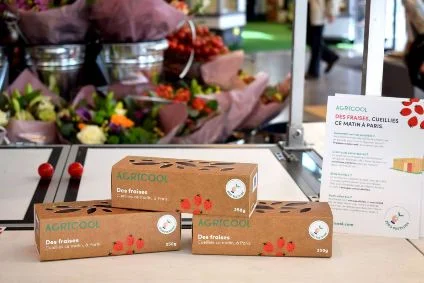
Danone - investing in French urban farming business
The investment was made through its Danone Manifesto Ventures venture fund arm.
Urban farming business Agricool said the investment will allow it to pursue its ambition to make "excellent, pesticide-free fruits and vegetables accessible to all".
The other investors in the round included Bpifrance Large Venture Fund, French businessman Antoine Arnault via Marbeuf Capital, Docker co-founder Solomon Hykes, as well as a dozen other 'business angels'.
Existing investors - which include venture-capital funds Daphni and XAnge, Xavier Niel via the Kima Ventures venture-capital firm and Henri Seydoux, the founder of civil-drone business Parrot - also participated in the new funding round.
In the past three years, Agricool's teams have developed a technology to grow local, healthy fruits and vegetables more productively and within small and controlled spaces, known as "Cooltainers" (recycled shipping containers transformed into urban farms).
Agricool said that, thanks to this new funding round, it will be able to confirm its role in the development of this new type of agriculture, while positioning itself as a key player in the segment of vertical farming in France and worldwide.
It said it plans to multiply production by a hundredfold by 2021, in Paris first, then internationally starting with Dubai, where a container has already been installed.
Agricool has ambitions to employ 200 people by 2021.

Medi Kingdom Ltd The African Pioneers Poised To Become Leader In Legal Cannabis Production
The RH Lesotho Prime Minister Dr.Thomas Thabane & CEO James Mather formally cut the ribbon opening ceremony at Medi-Central
December 10, 2018-Lesotho. The Kingdom of Lesotho, a landlocked country in Africa, after having achieved its independence from the UK in 1966, is emerging as a leader on the African continent in the legal production, cultivation, and exportation, of medical cannabis throughout the world.
Lesotho Prime Minister Dr. Thom Thabane, accompanied by cabinet members, formally attended the inaugural opening of the Medi Kingdom’s third site & head office ‘Medi-Central’, a 42 hectare site in Lesotho dedicated exclusively to the cGMP production, cGAP cultivation and research of medical cannabis. In addition, much of the 1st production of the cannabis will be exported to Australia now Medi Kingdom is approved by the ODC (Australian) Office of Drug Control.
The PM thanked James Mather and recognised Medi Kingdom as a valuable partner in pioneering and advancing medical cannabis, growth, exploration, and research, in Lesotho.
In an interview with the Medi Kingdom Chief Executive and founder, James Mather, said the company was committed to working and in marketing Lesotho as a world-class cultivator of cannabis for medical purposes. The plant and cultivation facilities are all owned by Medi Kingdom Ltd.
Medi kingdom is a Public Lesotho company with the founder having strong ties in Lesotho, the United Kingdom & Australia including pharmaceutical and biotechnology industry partnerships.
Medi Kingdom began cultivating medical cannabis in the Qacha’s Nek district in 2016 and has worked closely with the government acting as unofficial ambassadors over the past several years to establish Lesotho a leader on the African continent in the cultivation of legal cannabis.
Daily research is beginning to show the benefits of cannabis and its derivatives in areas dealing with depression, epilepsy, cancer, arthritis, seizures, and other health issues that remain untreated, or in which overdosing of potential addictive , health threatening drugs has been the only option.
Mr. Mather continued to explain that by Lesotho focusing on becoming a leader in the cultivation of cannabis in a land locked country such as Lesotho, the economic opportunities for its citizens in the fields of agriculture, and farming will become available in a way that could not have been imagined 5 years ago.
In addition, as the opportunities present themselves, foreign capital will become available in a way that provides security and the ability to tap into the African potential in an environmentally conscious way that will not result in depleting African resources as has often been the case in the past.
“Millions of people are enjoying the medical use of cannabis throughout the world. Our work here is to ensure that Lesotho is recognised as a world-class cultivator of the finest medical cannabis on the planet,” as well as our continued support to OVC’s through ‘Medi Kingdom Foundation’ registered charity no. 57794,
Mr. Mather said...
Not withstanding the foundation work James Mather also announced that as part of Medi Kingdom’s corporate & social responsibility they had committed during 2019 to build a new football ground named ‘Medi Qoaling Stadium’ for the local communities use & management.
Medi Kingdom, and Lesotho are working together to create a new and sustainable economy for Lesotho, its citizens, and future working partners and look to make steps with government to legalising the use of cannabis medicines in 2019.
Growing Underground: The Hydroponic Farm Hidden 33 Metres Below London
"We have a growing population and a finite amount of land. We've got to find other spaces to grow in"Steven Dring, founder, Growing Underground
Thursday 13 April 2017
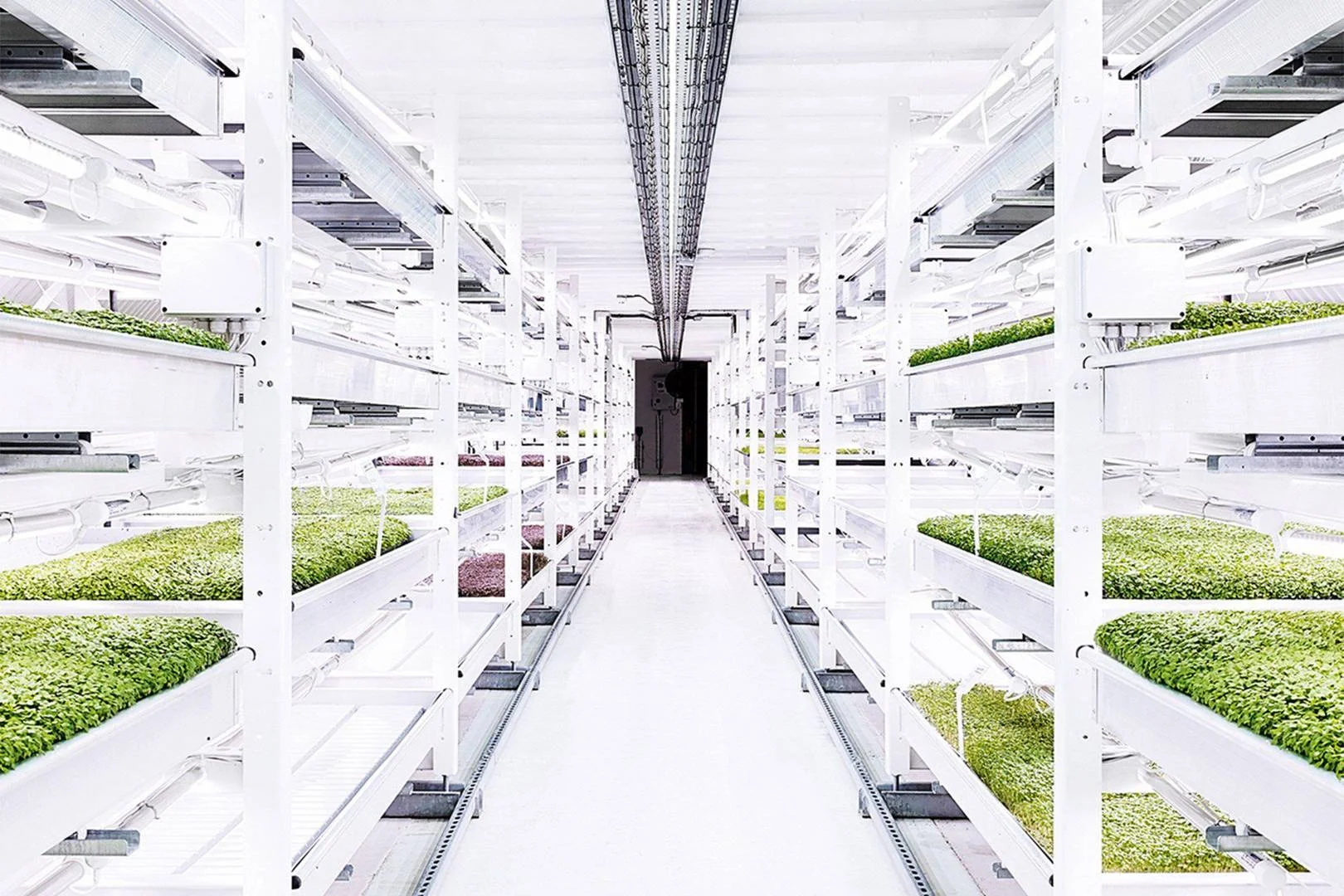
Forget everything you were taught in biology – plants don't need sunlight to grow. Growing Underground is a farm 33 metres below Clapham, south London, swapping sunlight for LEDs. "Over the past three to five years, LED development has reached the stage where we can grow without any natural light whatsoever," says Steven Dring, who founded the project with fellow Bristolian Richard Ballard. "You can even change the light spectrum to cater to the different plants that you're growing."
Growing Underground's focus is on the leafier vegetables, from microherbs to baby leaf salad. They grow quickly and need little space. "What's new about the latest lights is that you can stack them very close to the crops, 25cm away, if not closer," says Dring, "so you can layer products and lights on top of products and lights." This means that spaces such as car parks, warehouses and Growing Underground's second world war tunnels are all commercially viable spaces.
Presently, Dring and Ballard are using a 550-square-metre area fitted with hydroponics that will produce about 20,000kg of greens every year. As the business grows, so will the farm – they have 20,000 square metres to expand into. And their produce will be exclusively for those within the M25. "We'll be cutting it at four in the afternoon and people will be eating it at the next lunch time," he says. "And there's a desire to do this in other cities."
Moving production underground frees up more space on the surface for bulkier crops or livestock. "We have a growing population and a finite amount of land," says Dring. "We've got to find other spaces to grow in."
This article was originally published in March 2016.
Appleton, WI Greenhouse To Grow Industrial Hemp
It's industrial hemp, and it's growing in popularity in Wisconsin. And after an experimental growing season, an Appleton greenhouse is now making room to meet the expected demand.
by Eric Peterson, FOX 11 News
December 4, 2018 (WLUK/Eric Peterson)
APPLETON, Wis. (WLUK) -- It looks like marijuana, but it's not.
It's industrial hemp, and it's growing in popularity in Wisconsin.
And after an experimental growing season, an Appleton greenhouse is now making room to meet the expected demand.
For nearly a century, Memorial Florists & Greenhouses has grown plants of all kinds, but a new look at an old variety has president Bob Aykens very interested.
"They came in as cuttings, and they're in the process of being rooted and propagated," said Aykens, the business's president.
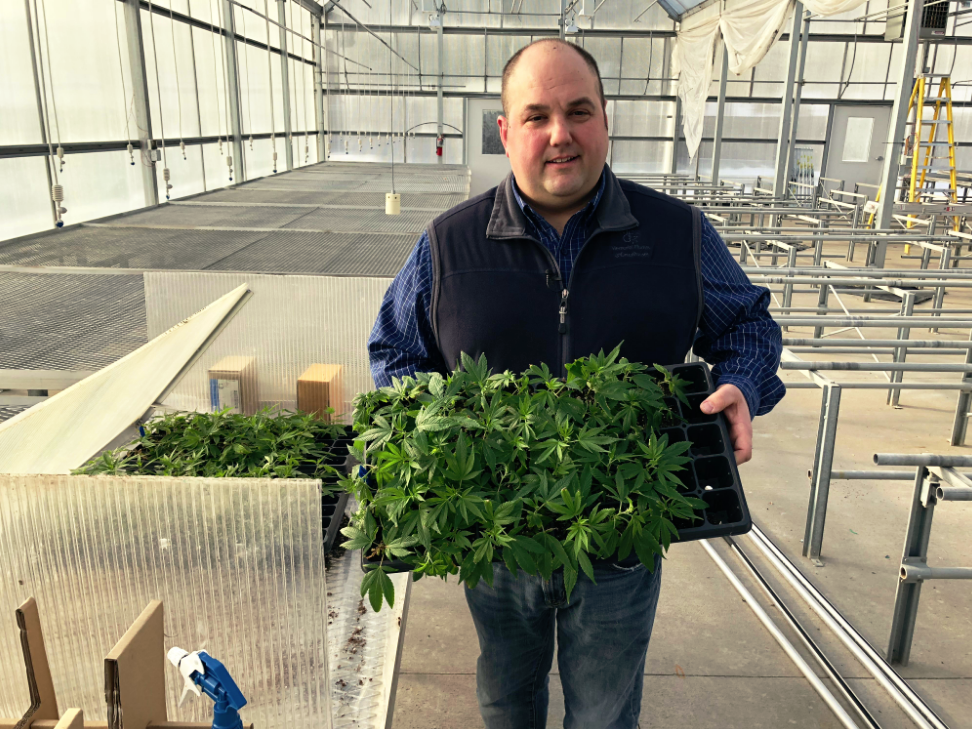
Aykens says through a lease agreement with Colorado-based company Front Range Biosciences, a 15,000 square foot greenhouse will soon grow hemp.
"Our production plan says 250,000 clones will go out of here for next spring," he said.
The greenhouse will be fitted with lights, a network of nozzles will spray the plants on a regular basis. Farmers will place their orders, and the hemp will be delivered from the bio-secure area to the producers in the field.
"I think to have that ability for a farmer to come in, and have the confidence of what they're planting, is is going to succeed, and prosper here in the state," said Rob Richard, Wisconsin Farm Bureau Federation Senior Director of Governmental Relations.
Richard represents hemp farmers around the state. He says last year, there were more than 200 licensed producers. He calls the first season a success, and expects that number to grow.
Aykens agrees. He says a quarter of a million hemp plants is a good start.
"That probably won't meet the demand, I'm going to guess. But we'll be looking at expanding upon what those needs are, once we know what they are," said Aykens.
Wisconsin's Department of Agriculture Trade, and Consumer Protection oversees the hemp industry.
Industrial hemp licensing applications are available for the 2019 season. You have until the end of the year to apply.
Aquaponics in STEM Breakout Discussions
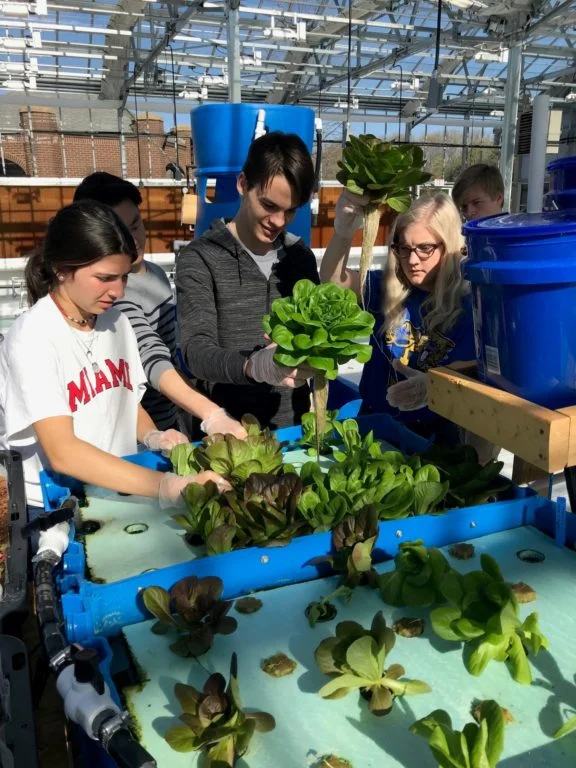
The Aquaponics Association’s Putting Up Shoots conference in September, 2018 featured breakout discussion sessions for Aquaponics in STEM Education and for other sub-fields of aquaponics.
By Kevin Savage
The Aquaponics Association’s Putting Up Shoots conference in September, 2018 featured breakout discussion sessions for Aquaponics in STEM Education and for other sub-fields of aquaponics. These sessions allowed all conference participants to give input and discuss steps we can take together to advance aquaponics in our respective areas.
In September 2012, I attended my first Aquaponics Association conference in Denver, CO. I was new to aquaponics, and new to attempting to use aquaponics as a model for teaching science and agriculture in a high school setting. The conference was a bit overwhelming with technical presentations, conversations during breaks and at meals, and networking with aquaponics practitioners (many of whom are now close friends). I distinctly recall, however, that I met only one or two other individuals who were doing aquaponics in a secondary school setting.
At the 2013 Tucson conference, the number of educators and professional who were working with school had increased significantly, and by the 2016 and 2017 conferences (Austin, TX and Portland, OR), educators had dedicated presentation tracks to share with others how they were using aquaponics in elementary, middle, and high school, as well as college and university settings, to teach a myriad of science, agriculture, engineering, and mathematics principles.
In September 2018, members and friends of the Aquaponics Association gathered in Hartford, Connecticut for the Association’s “Putting Up Shoots” conference. The “Shoots” conference included a STEM (Science-Technology-Engineering-Mathematics) technical track each day for education-focused presentations. Each day also include STEM-focused breakout sessions, where educators and those interested in adding aquaponics to a school or classroom had the opportunity to gather and discuss such topics as “How do I get my administration on board with aquaponics?”, “How do I incorporate aquaponics into my biology/chemistry/botany curriculum?”, and “Where do I find funding to cover the costs of starting aquaponics?” Some questions were easily addressed, but many others remained open-ended or unanswered, reflecting both the challenges and the opportunities for educators with a passion for experiential learning through aquaponics. The most exciting part of these breakout sessions was that over the three days of the conference, nearly 40 different individuals attended at least one of these sessions, and 25 individuals attended at least two of them! The participation of members in aquaponics in education continues grow!
Significant outcomes of these breakout sessions included introductions and networking, creation of a STEM education email group, and a “handshake” agreement to work with the educators of the U.S. Aquaculture Society to develop a forum or outlet for educators to share ideas and lesson plans, and to have a community in which to ask questions or seek assistance.
STEM Education is a primary focus area for the 2018 and 2019 Board of Directors, with the goal of creating a STEM Education Working Group. This working group will be composed of Association Members with a passion to see aquaponics education continue to grow, and a willingness to contribute to this growth. More information on the creation of this working group will be sent out in the near future.
Federal Farm Bill Expected To Benefit Urban Farmers In New Jersey
Eyewitness News
December 17. 2018
NEWARK, New Jersey (WABC) --
New Jersey Senator Bob Menendez paid a visit to a farm in Newark Monday to discuss how the federal farm bill passed by Congress last week would benefit the Garden State.
Menendez said the bill would produce "major wins" for urban farmers while creating jobs and new economic opportunities for New Jerseyans.
Menendez said until now, urban farmers have been excluded from federal programs and funding through the U.S. Department of Agriculture (USDA) that have been designed for traditional farming.
He said he cosponsored a provision included in the 2018 Farm Bill to correct this disparity.
The remarks came during a visit to Aero Farms the world's largest indoor vertical farm, growing organic produce all year, every day.
"This is about how we transform agriculture," said Mark Oshima, co-founder of AeroFarms. "This is about how we can bring the farming indoors and be able to grow with greater efficiency."
AeroFarms has five facilities in Newark and hires most of its workers from the city. The company is expanding and says the new farm bill is expected to make that easier.
"Companies like AeroFarms are proving that agriculture can thrive not only in our beautiful farmlands but here in the midst of our bustling cities," said Menendez.
Urban farms were not eligible to participate in federal programs that offered money, low interest loans and other business assistance that traditional farms have had access to. But this new growth industry will now, under the farm bill.
"As farming moves to urban farming centers we should be able to take advantage of that, the jobs that it's creating," said Newark Mayor Ras Baraka.
Beyond jobs, AeroFarms hopes to make a local impact on the nutritional habits and choices in urban communities. It has hydroponic farms in two Newark schools and a dietician on its staff.

IKEA and Tom Dixon Announce Urban Farming Collection
The project aims to motivate and enable a healthier and sustainable lifestyle for people in cities by making "homes the new farmland".
Gunseli Yalcinkaya | 29 November 2018 4 comments
IKEA has teamed up with British designer Tom Dixon to launch an urban farming project that encourages city-dwellers to grow food locally.
Dixon and the homeware brand are developing a series of gardening products and tools that can be used by individuals in cities to grow their own food and medicinal plants at home, available in IKEA stores globally in 2021.
Collaboration aims to encourage growing food at home
The project aims to motivate and enable a healthier and sustainable lifestyle for people in cities by making "homes the new farmland".
It also aims to build awareness of where food comes from and show the ways in which growing produce can be introduced into the home. "Food is a crucial part of everyday life, and IKEA wants to inspire and enable a healthier and more sustainable life," said IKEA.

Renders of the two planned levels at the Tom Dixon and IKEA RHS Chelsea Flower Show installation in May 2019
"If more greens were to be grown in homes, it would have a positive impact on the planet with fewer transports, lower water usage and less food waste."
Presentation at Chelsea Flower Show will demonstrate possibilities
An experimental model for growing plants in urban environments will be presented in May 2019 at the annual RHS Chelsea Flower Show in Chelsea in London.
It will feature a garden that is divided into two levels. The base garden will include a "horticultural laboratory" where hydroponic technology will be used to grow "hyper-natural" plants.
The raised level – described as a "botanical oasis" – will have a canopy-like ecosystem of trees and plants chosen for their medicinal, health and environmental properties.
The installation aims to explore the difference between natural and technology-driven approaches to farming. "Gardening is unique in its universal appeal and its transformational power," said Dixon.
"Although we are not traditional garden designers, we think we can demonstrate ways that anybody could make a small difference and broadcast not only the beauty but also the functional importance of horticulture through both traditional knowledge and the latest in growing innovation," he explained.
IKEA builds on previous urban gardening products
This is not the first time IKEA has branched into urban farming products. In 2016, the Swedish brand launched an indoor gardening product, intended to bring home hydroponics to a larger market.
"For IKEA, this collaboration is about challenging the way society looks at growing in general and addressing that it’s both possible and rewarding to have a place to grow your own plants in the city," said James Futcher, creative leader at IKEA Range and Supply.
"Food is key to humanity and design can support with better solutions. Because at the end of the day we need people to feel inspired to grow and harvest their own edibles within their homes and communities."
IKEA and Tom Dixon's previous project together was a bed that launched earlier this year with a distinctive furry cover and modular elements that allowed customers to modify the product for their own needs.
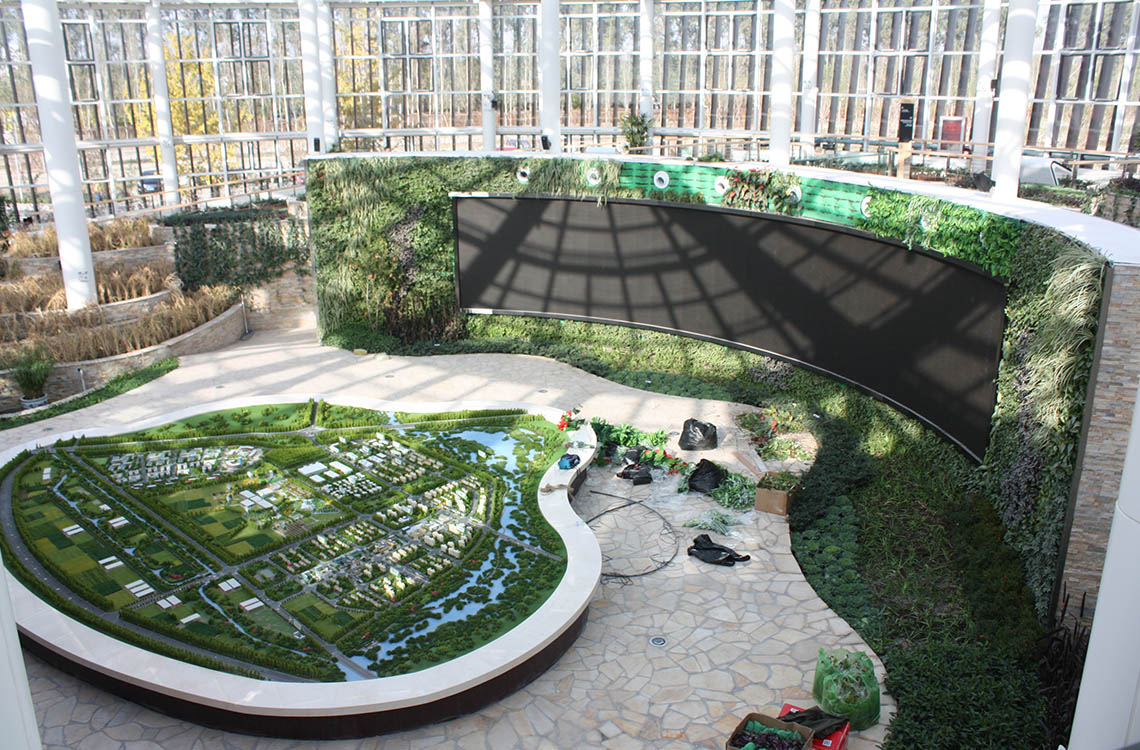
Farms in the City: How a Chinese Firm Uses Tech to Boost Yield
In suburban Beijing, a number of plant factories built with innovative techniques have incorporated farming into urban growth.
By Feng Yilei
2018-12-01 08:01 GMT+8
Updated 2018-12-01 09:06 GMT+8
An appetite for clean, fresh greens is growing with the burgeoning population in Chinese cities and towns. But feeding the rising demand is a challenge, partly because of the country's massive shift from being an agrarian to urban economy.
In the next 15 years, over 200 million Chinese are expected to move from rural areas into urban and suburban environments. This will greatly reduce the labor force on China's arable lands, which some say calls for a revolution in farming methods in order to create sustainable food production.

Beijing COFCO wisdom farm. /COFCO Photo
In suburban Beijing, a number of plant factories built with innovative techniques have incorporated farming into urban growth.
Dr. Wei Lingling, a researcher at the Chinese Academy of Agricultural Sciences, said controlled environmental agriculture (CEA) aims to get the most output with the least resources at the highest efficiency. They use technology like artificial intelligence (AI) and the Internet of Things (IoT) to precisely control production.
On a small plot of indoor space, plants are rooted on layered shelves vertically and bathe in light continuously during the day. Sensors linked to automatic irrigation and temperature control systems provide optimal conditions for growing.
Planned production means a higher yield resource-wise, space optimization, and labor savings. Dr. Wei believes CEA technologies will be more accurate in the future to better balance cultivation and the environment with less energy consumption.
“And in this closed production system, we circulate water and fertilizer to cut emissions, and improve sustainability of agriculture,” she added.

Plant factory using artificial light. /VCG Photo
While many believe this industrialized and intelligent way of farming will gradually replace extensive farming, which relies heavily on manual work and land usage for mass production, ordinary Chinese may have to accept difficulties in their daily lives during the process of moving on to the next stage.
For individual farmers that own the country's hundreds of millions of small plots, some have temporarily transferred their leaseholds to these high-tech farms and are adapting to their new roles.
Villager Wang Xiangang said that he got paid for both his land and working on the farm as an employee meaning he no longer worries about natural disasters and has time to learn about organic farming. He doesn't make as much as he used to, but it is stable.
And when conditions are ripe – will consumers be ready to pay a higher price for the products? Experts say the public will recognize the value of these crops as awareness of food safety and environmental stewardship rises. And once the demand rises, more players are expected to use tech-based food production, which will drive down prices.
Bowery, An Indoor Farming Startup, Raises $90 Million More, Including To Counter A SoftBank-Funded Rival
Connie Loizos@cookie / December 12, 2018
When in July of last year, SoftBank’s Vision Fund led a whopping $200 million round in the Silicon Valley startup Plenty, investors behind a competing indoor farming startup across the country, New York-based Bowery, were left reeling. Just one month earlier, they’d closed on a round that brought Bowery’s total funding to $31 million. As one of Bowery’s backers told us in the immediate aftermath of Plenty’s enormous round, SoftBank’s involvement “definitely gives you pause.”
Its involvement has not, however, prompted investors to give up. On the contrary, Bowery just today announced that it has raised $90 million in fresh funding led by GV, with participation from Temasek and Almanac Ventures; the company’s Series A investors, General Catalyst and GGV Capital; and numerous of its seed investors, including First Round Capital.
It’s easy to understand investors’ unwavering interest in the company and the space, given the opportunity that Bowery, and Plenty, and hundreds of other indoor farming startups, are chasing. As Bowery outlined in a post this morning, “traditional agriculture uses 700 million pounds of pesticides annually, and fresh food takes weeks” and sometimes longer to land on the dinner table. Along the way, terrible things sometimes happen, including E.coli outbreaks, like the kind recently linked to the sale of romaine lettuce in the U.S.
Meanwhile, Bowery, which is growing crops inside two warehouses in New Jersey, can promise people in New York that their bok choy didn’t travel far at all.
Bowery also appears to be gaining the kind of momentum that VCs want to see. According to the company, it started life with five employees three years ago; today its staff has ballooned to 65 people. It has established a distribution partnership with Whole Foods. It has partnered with sweetgreen, the fast-food chain known for its farm-to-table salad bowls, and Dig Inn, a New York- and Boston-based chain of locally farm-sourced restaurants.
Unsurprisingly, the company says it plans to partner with new retail, food service and restaurant partners in the new year, too.
Bigger picture, Bowery says it plans to build a “global distributed network of farms” that are connected to each other through a kind of operating system, and that it has already begun work on the first of these outside the tri-state area.
Whether it succeeds in that vision is anyone’s guess at this point. It’s hard to know how big an impact that Bowery, or Plenty (which plans to build 300 indoor farms in or near Chinese cities) or any of its many competitors will ultimately have. But given that we’ll need to feed two billion more people by 2050 without overwhelming the planet, it’s also easy to understand from a humanitarian standpoint why investors might be keen to write these companies big checks. In fact, the rest of us should probably be rooting them on, too.
Image Credits: Tom Baker / EyeEm

Altius Farms Is Supplying Local Restaurants
High-Tech Urban Greenhouse Takes Local Farming To A New Level In Denver
December 14, 2018
By: Liz Gelardi
DENVER -- People walking or driving by Altius Farms have picked up their phone to call and ask about the greenhouse at 25th and Lawrence. The glass-enclosed structure houses an urban farm that is using advanced technology to change the way we think about growing food.
"This is our mission, is to bring urban farming back into our communities," said Altius Farms Founder and CEO Sally Herbert.
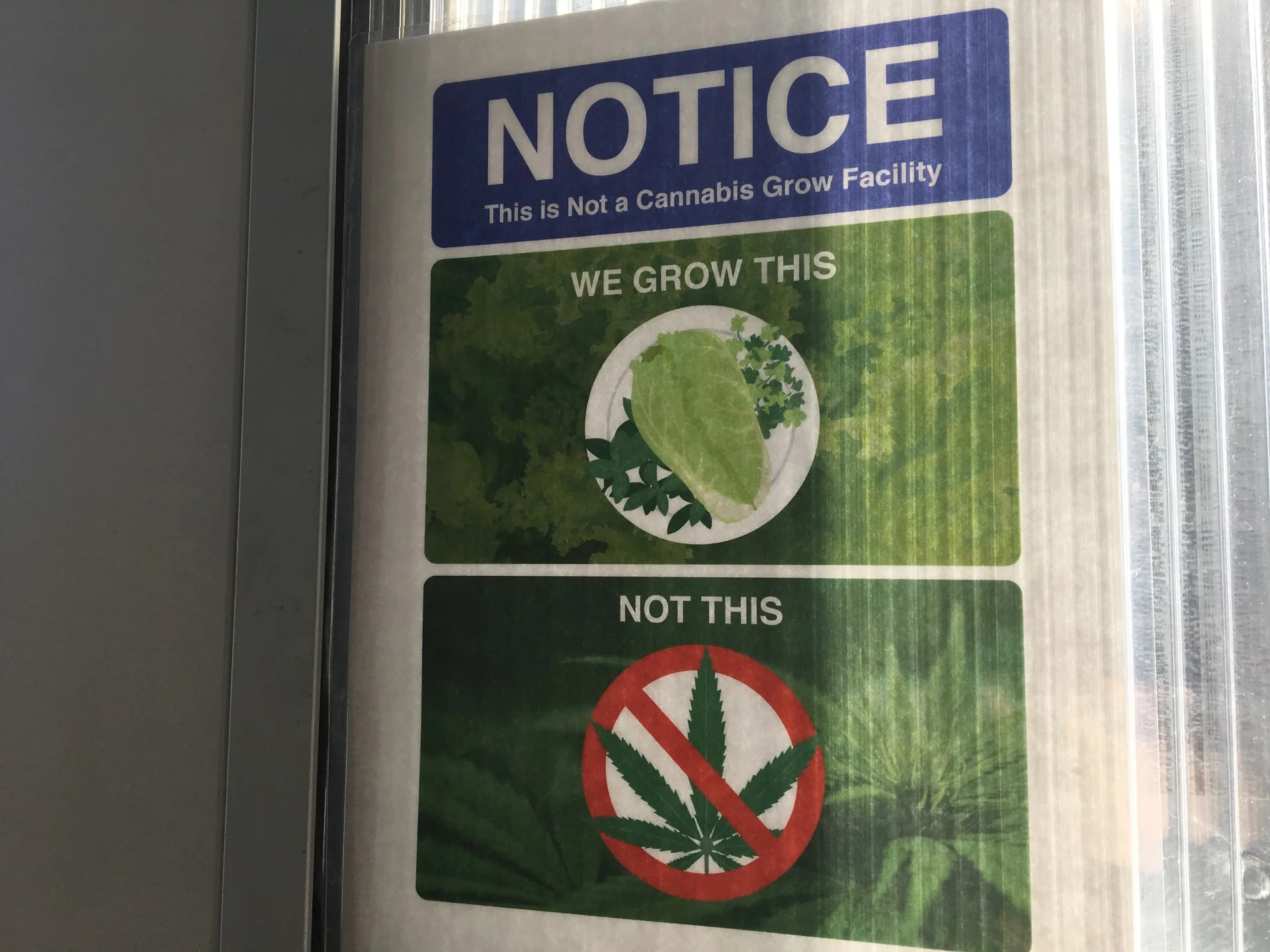
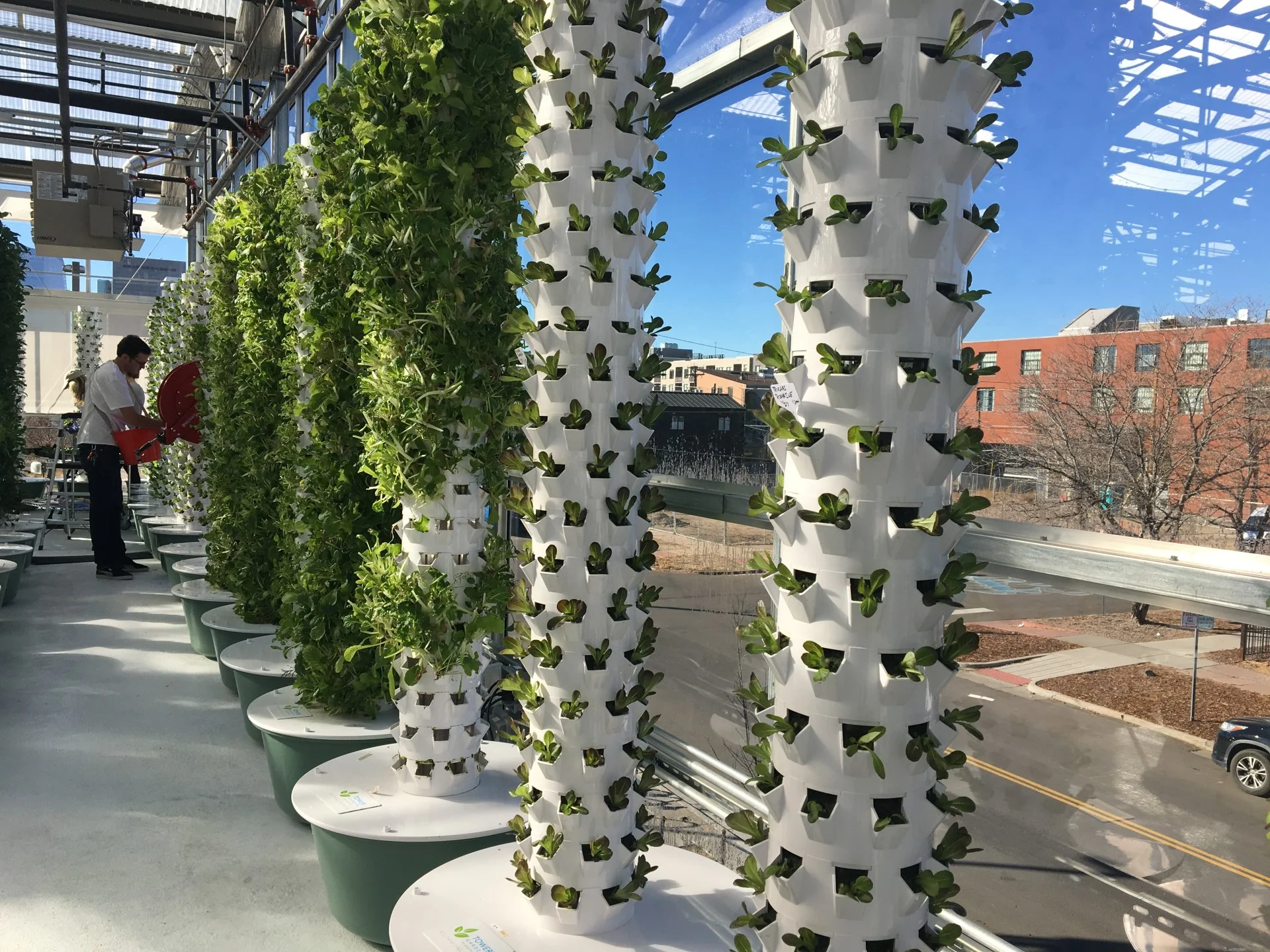
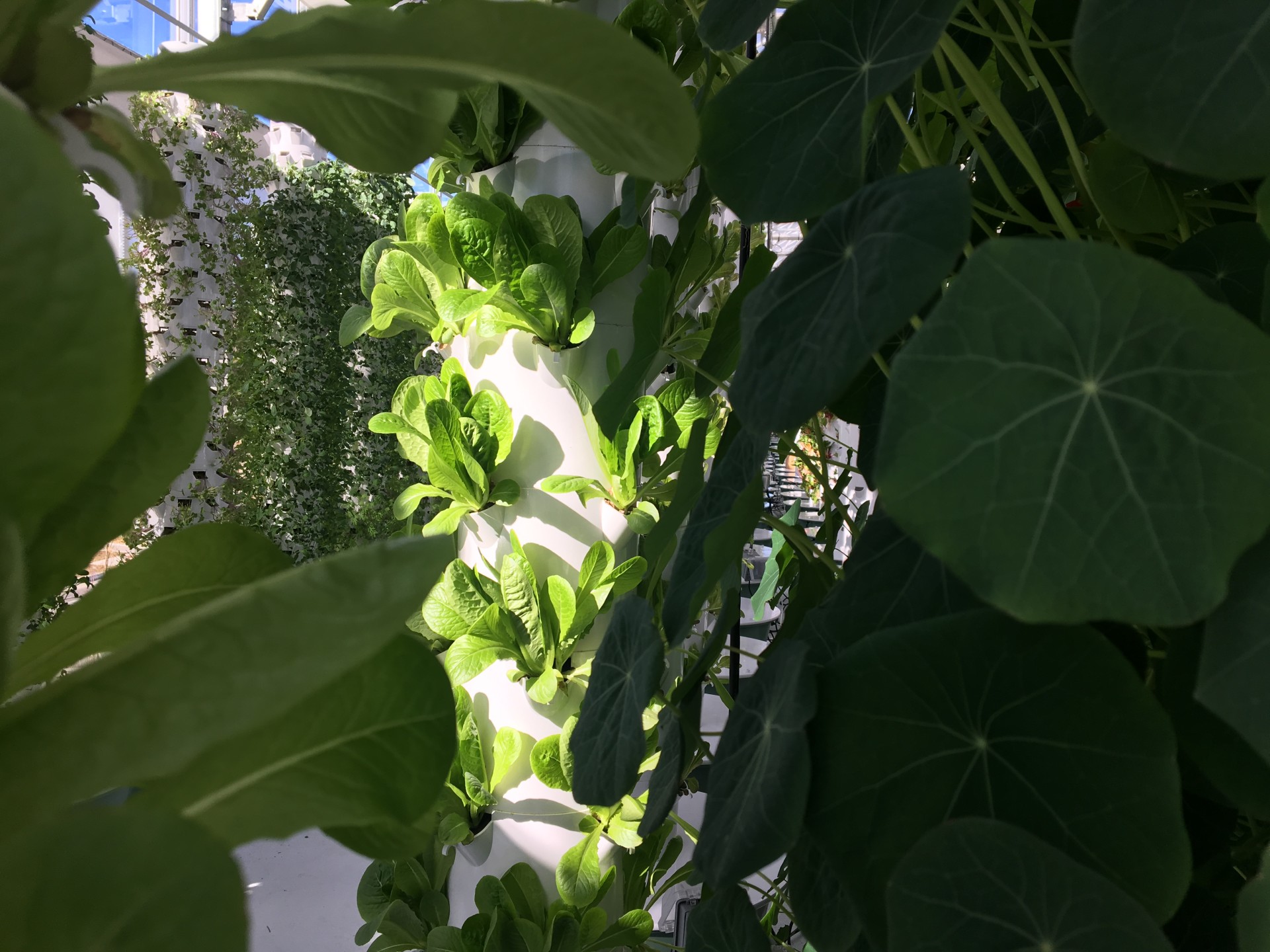
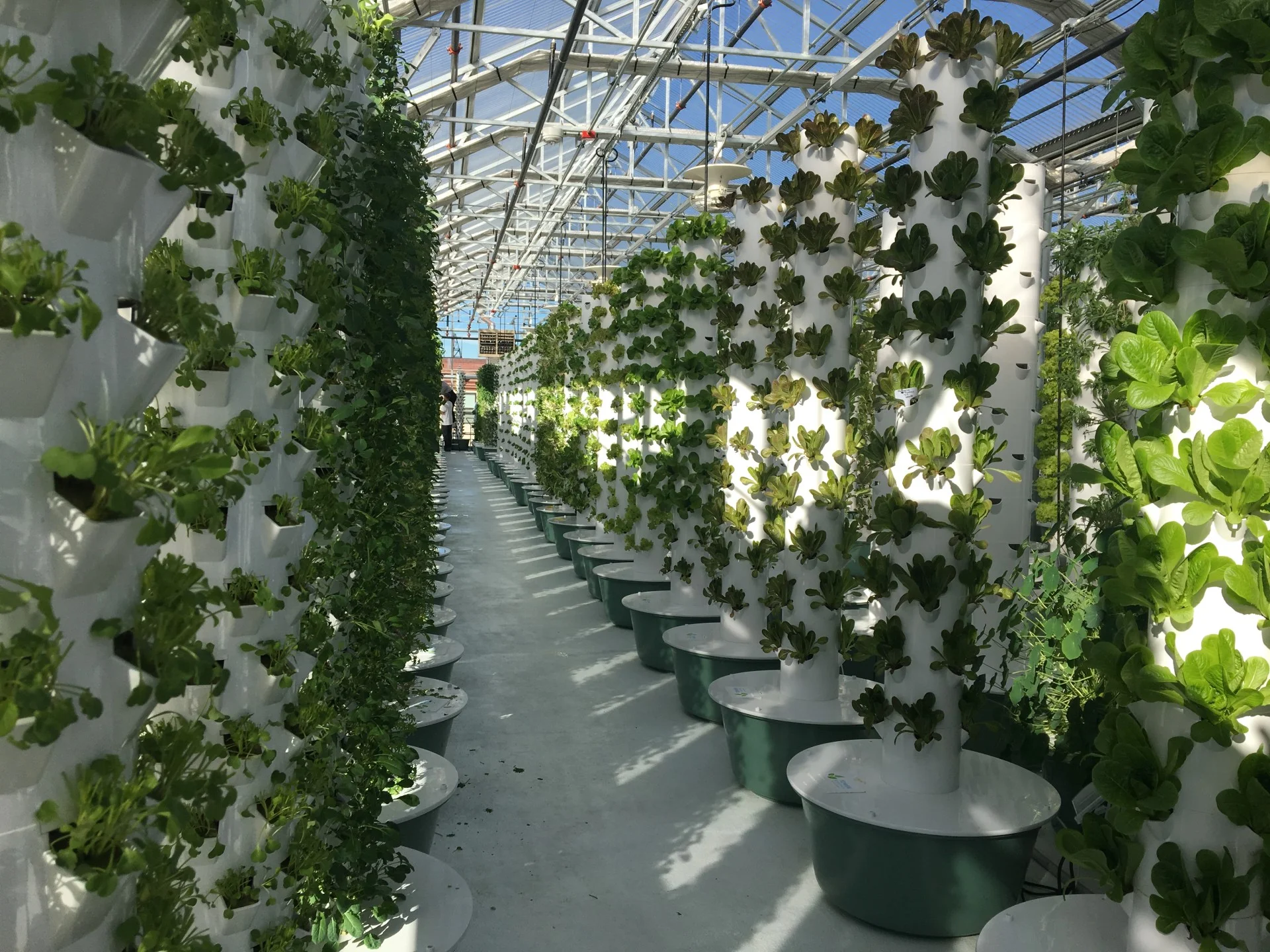
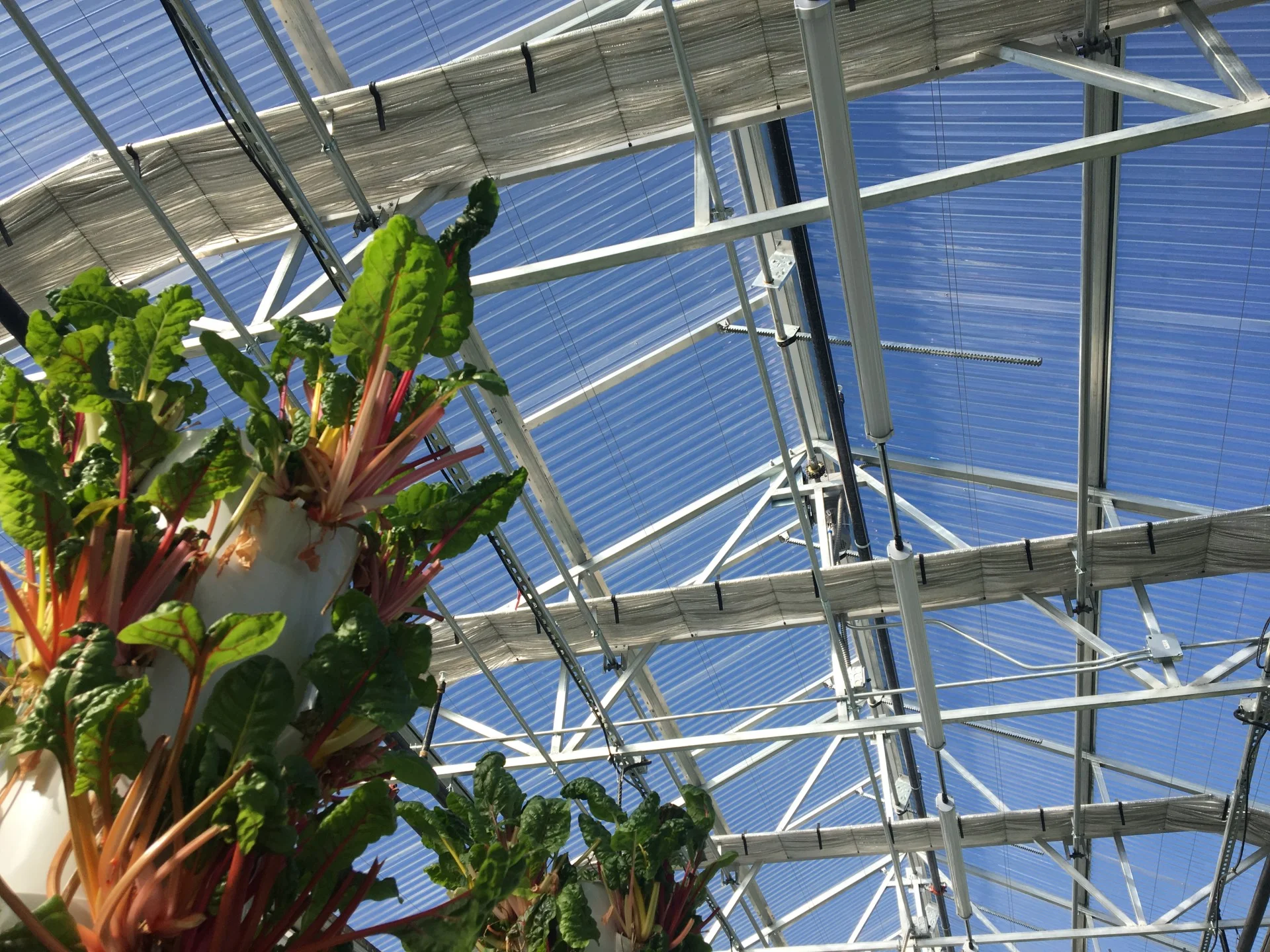
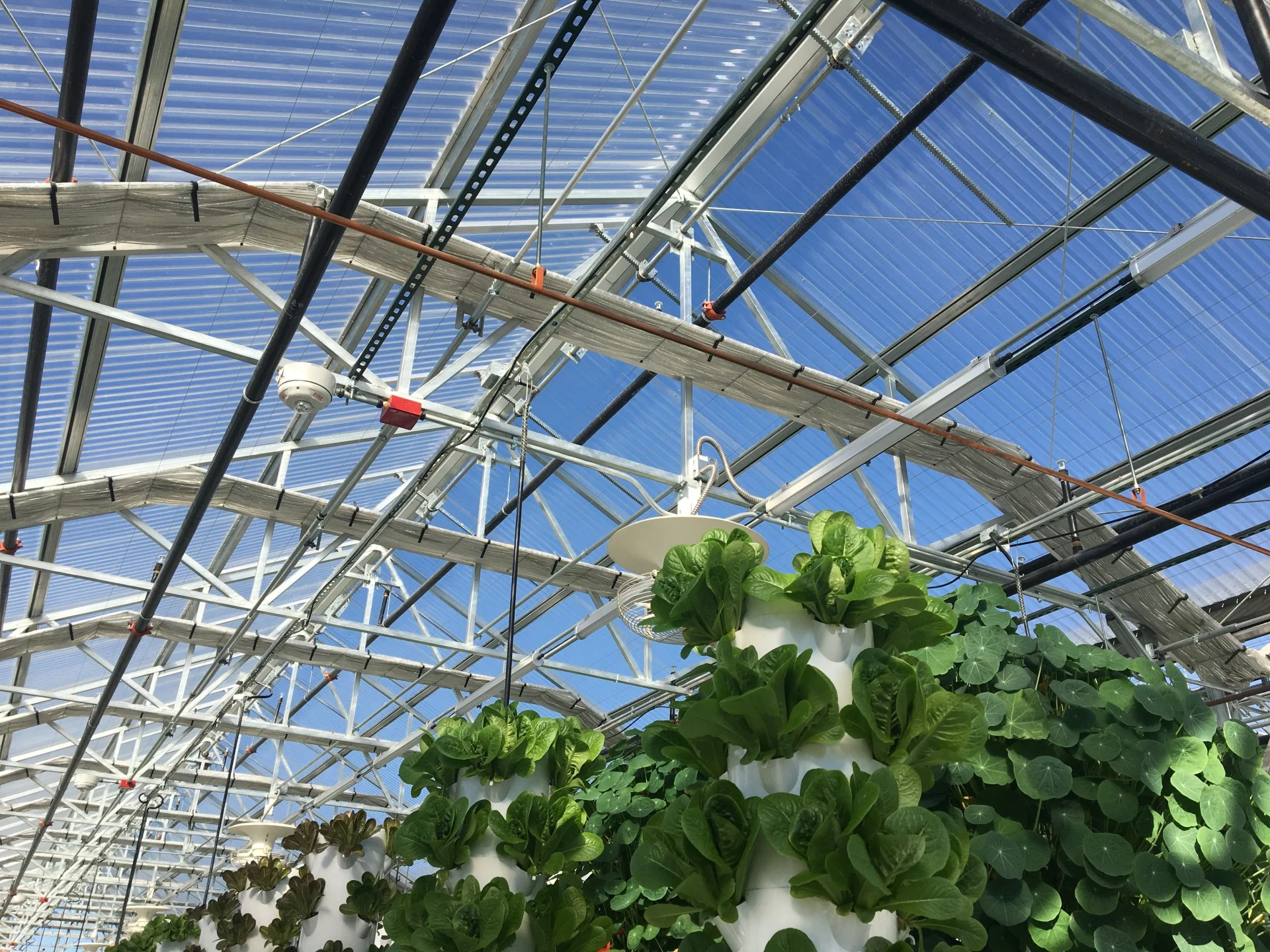
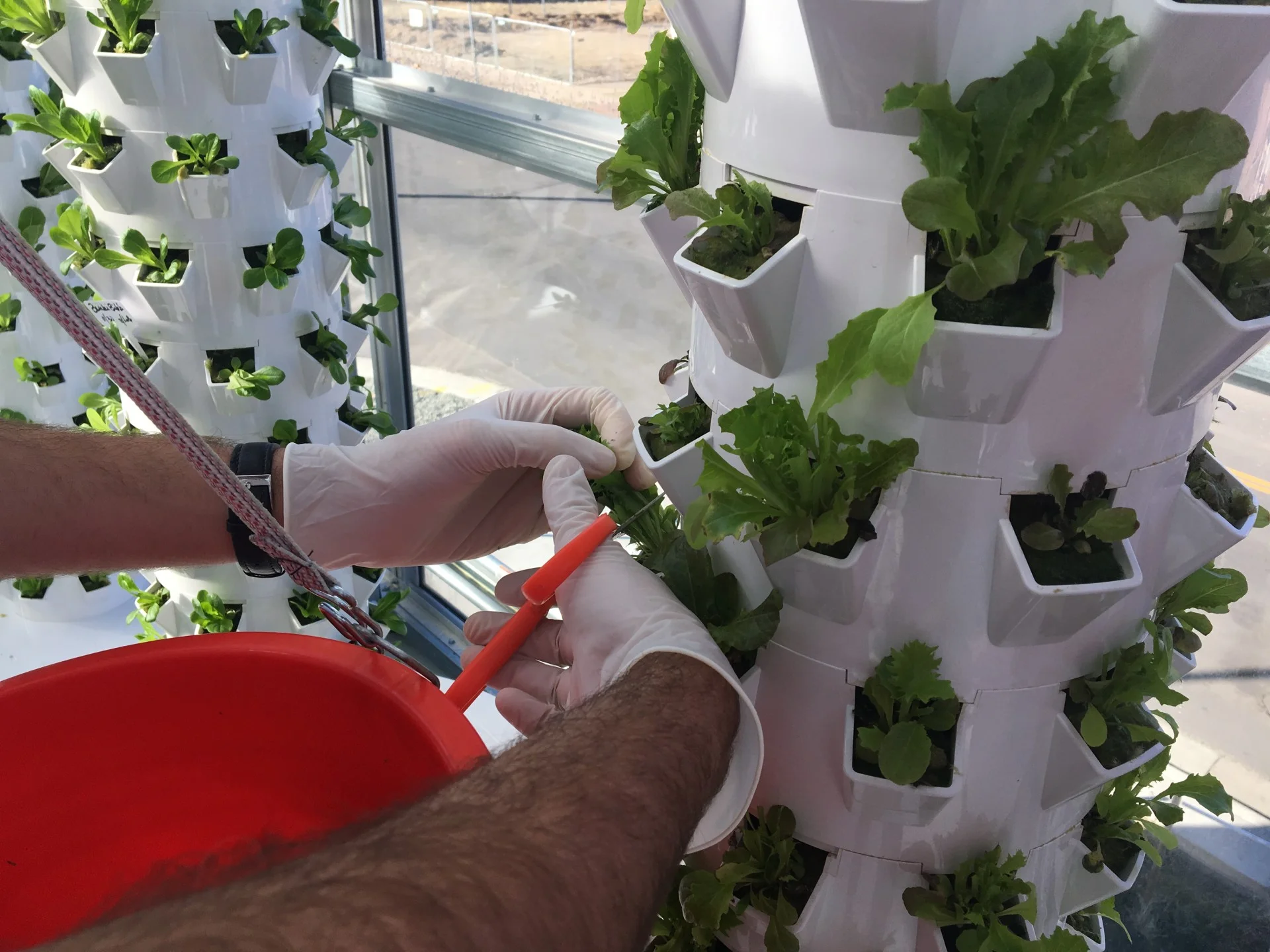
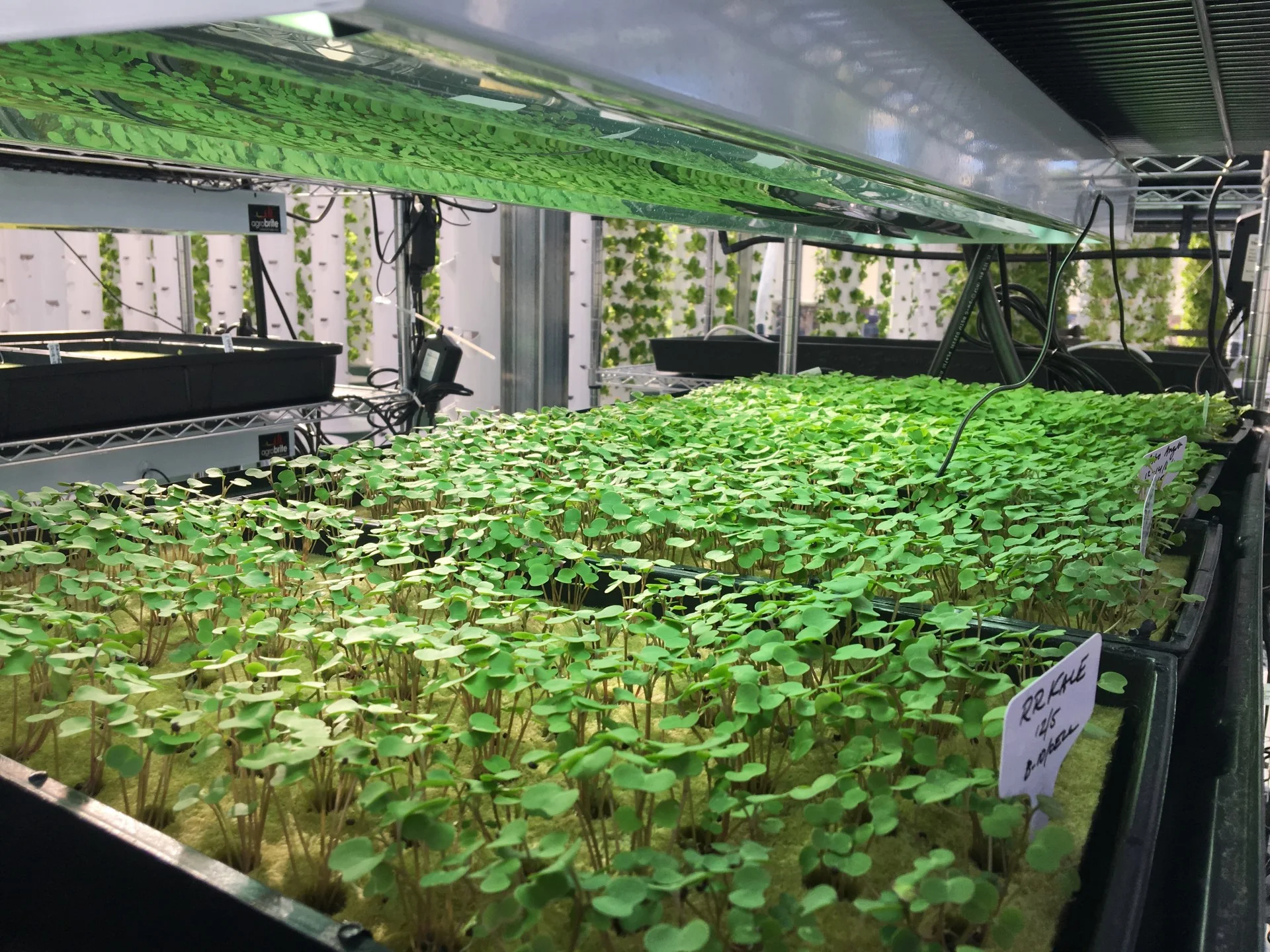
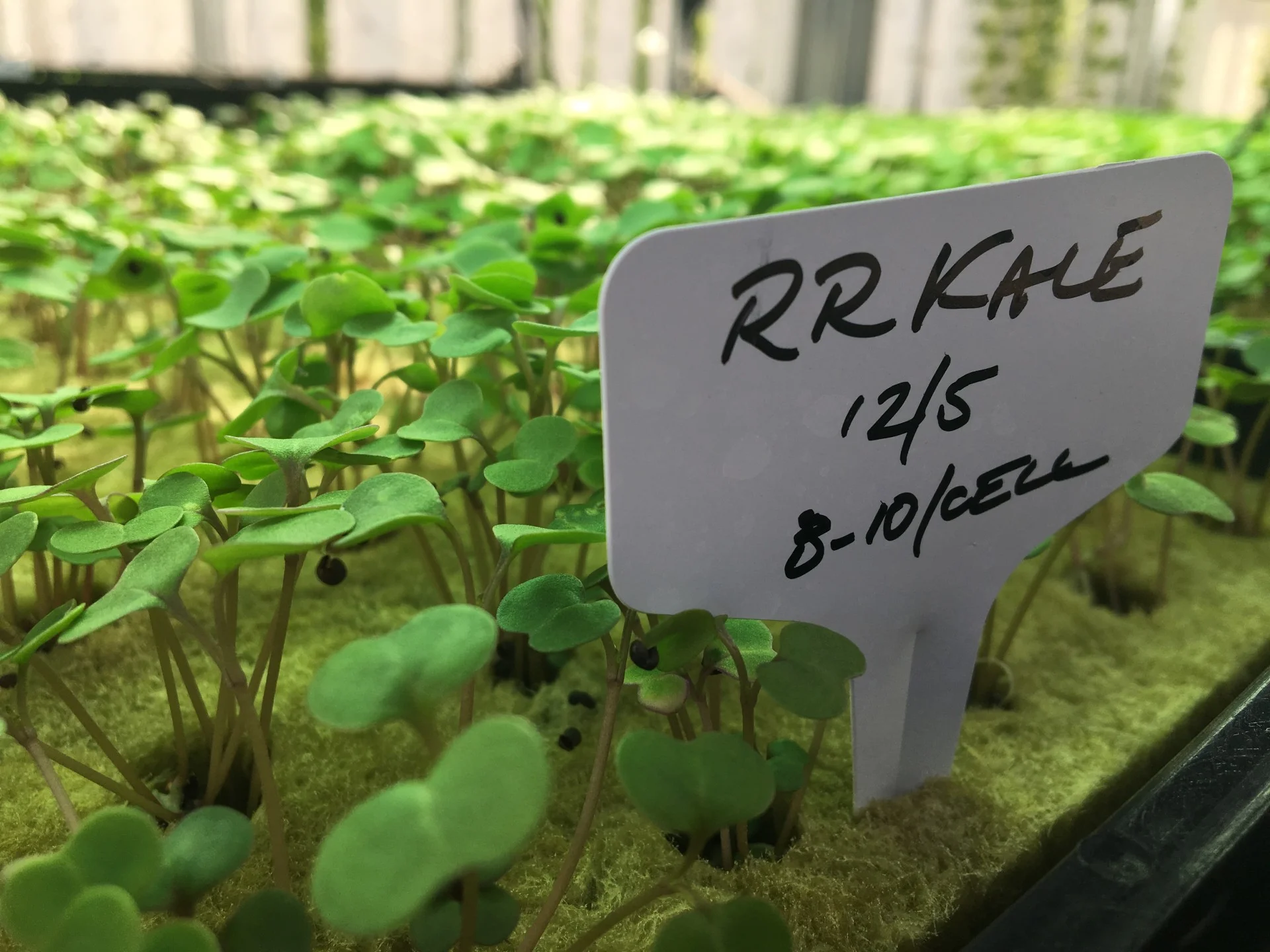
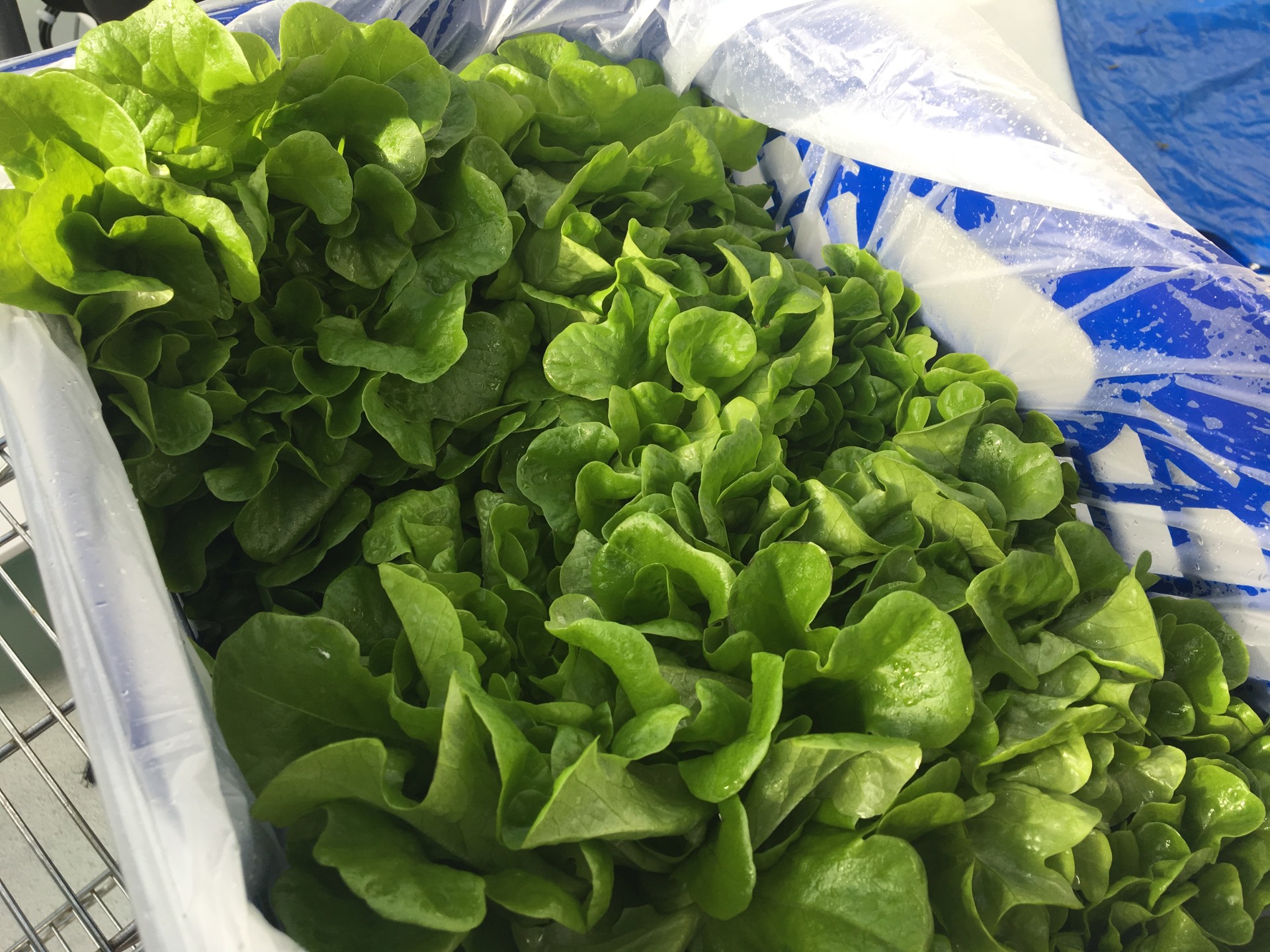
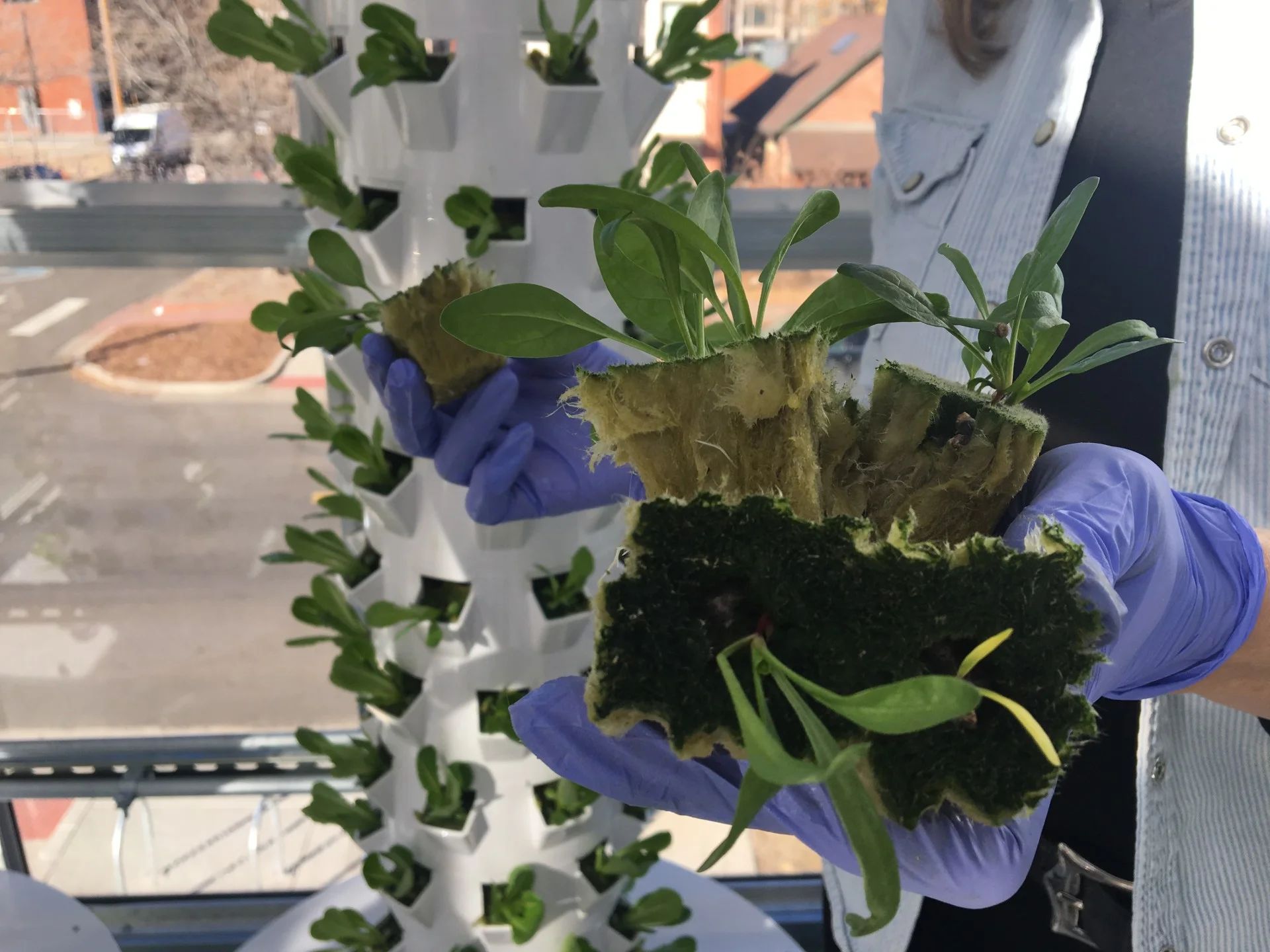
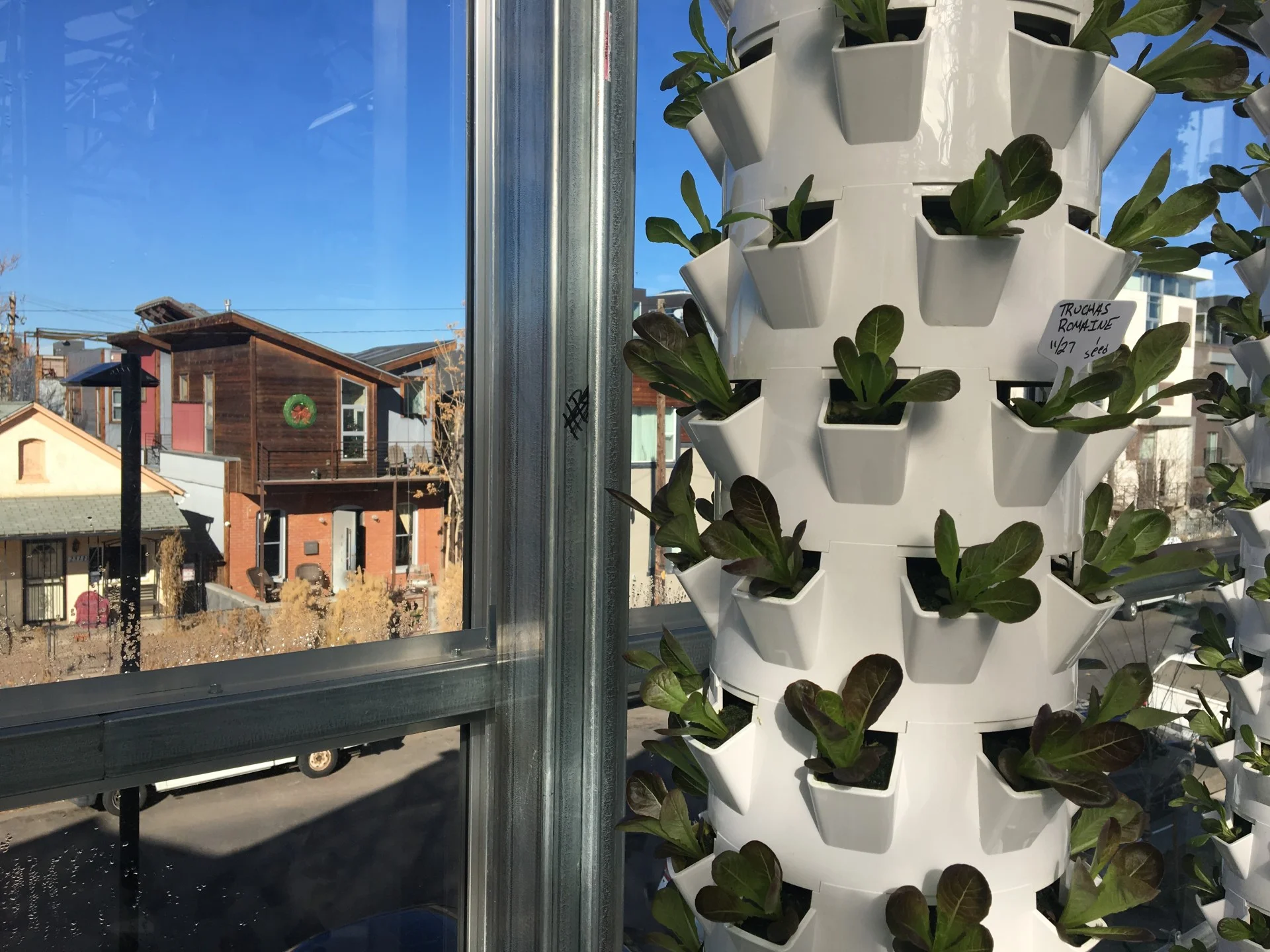
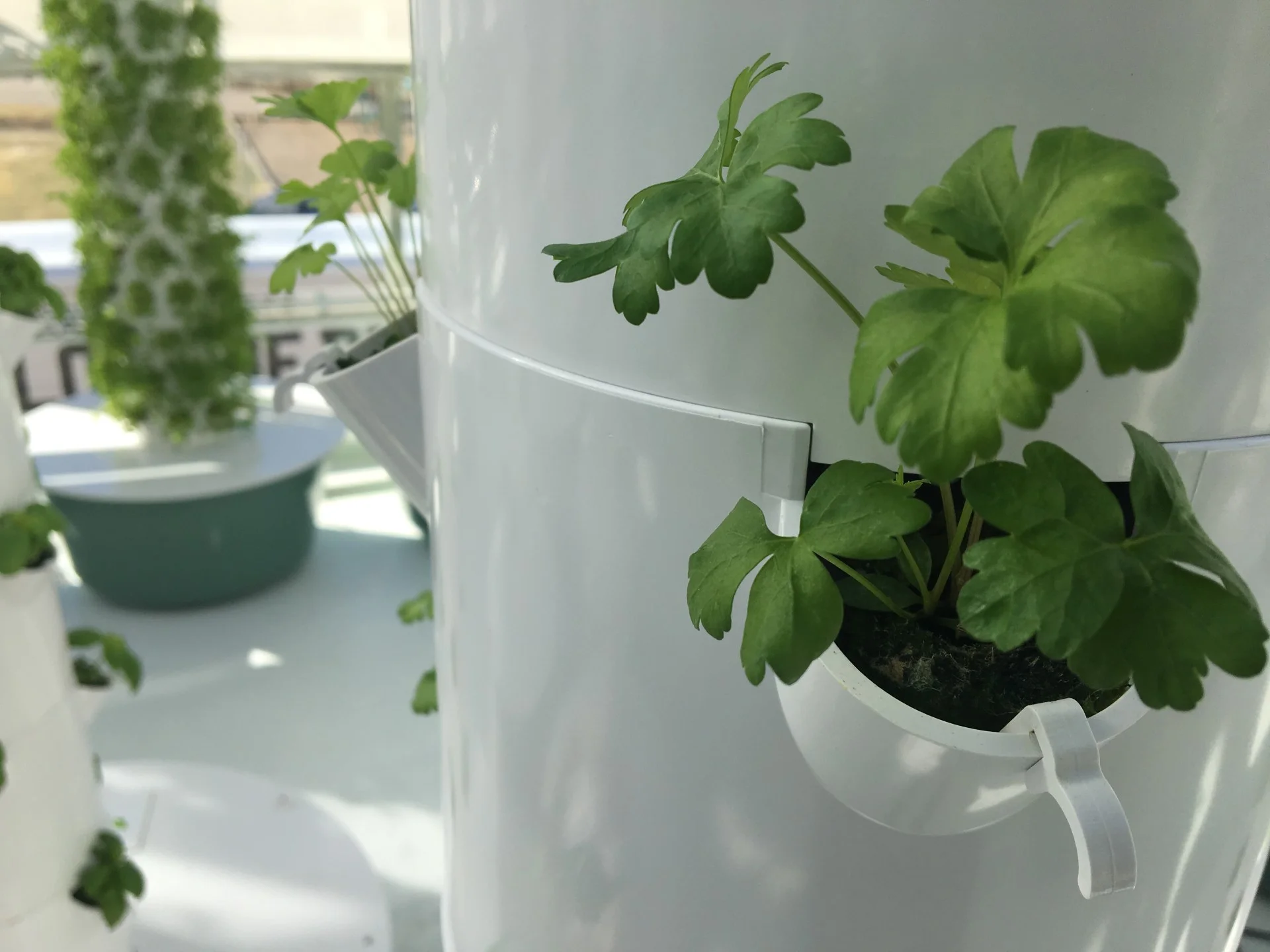
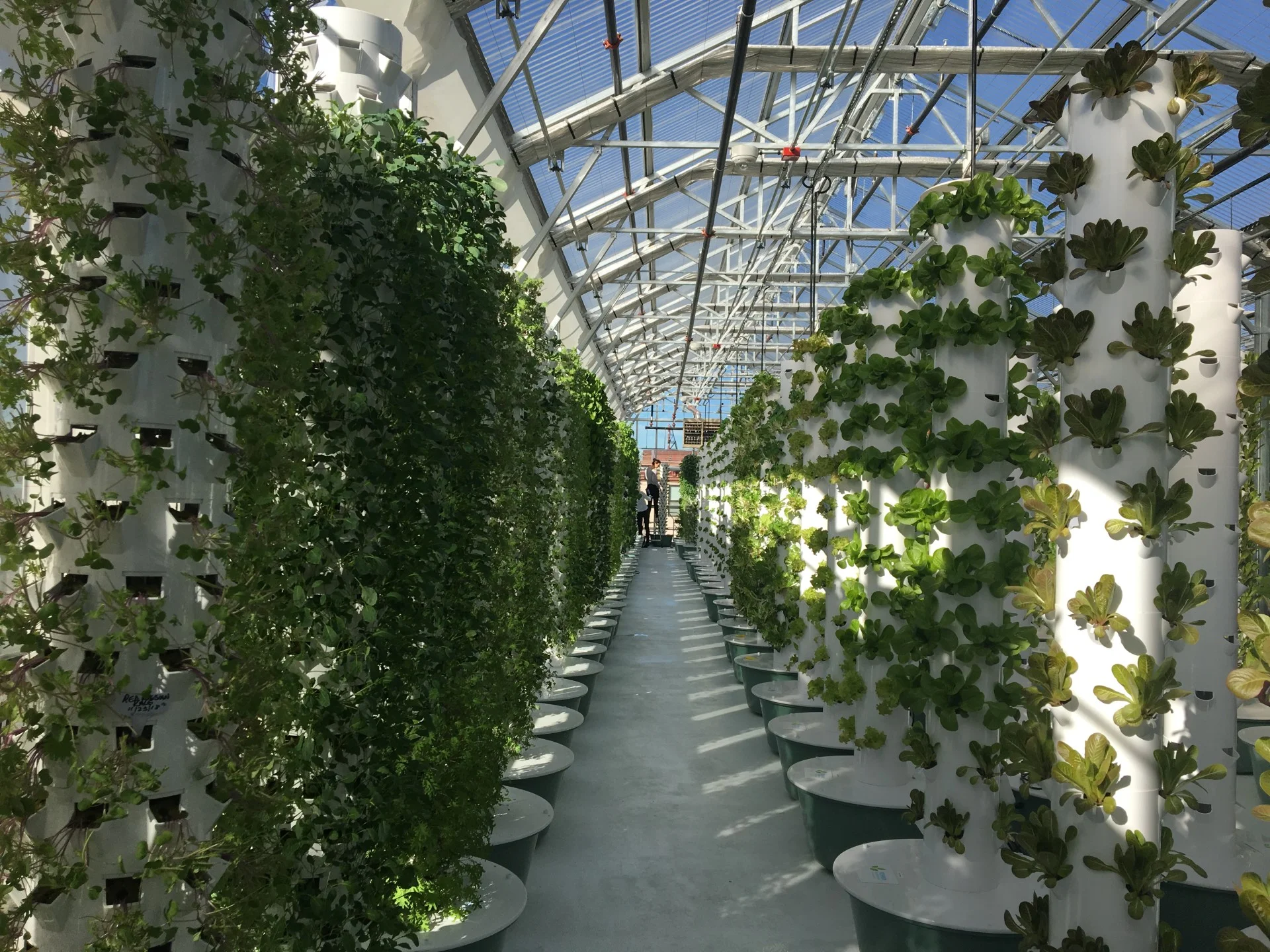

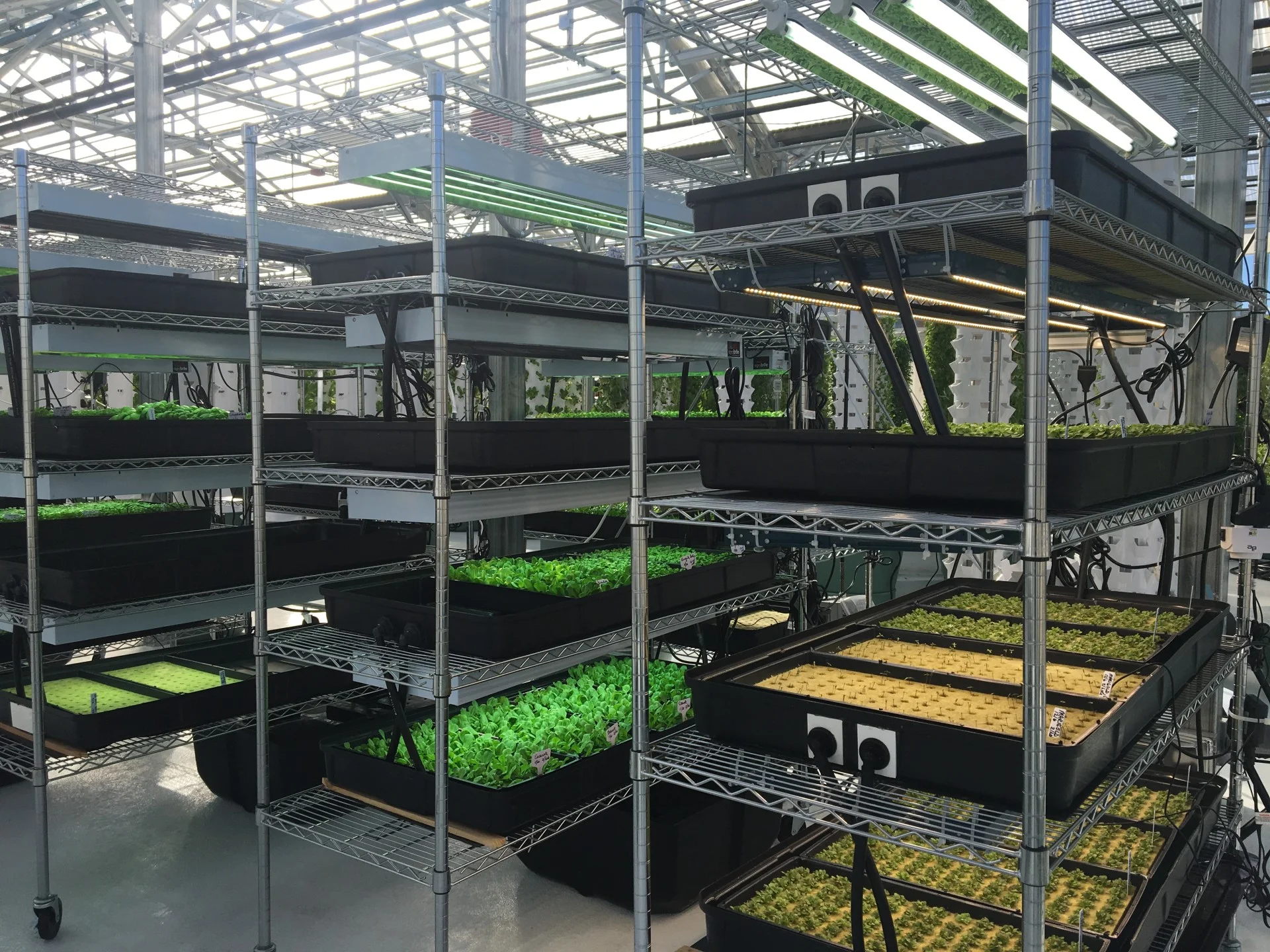
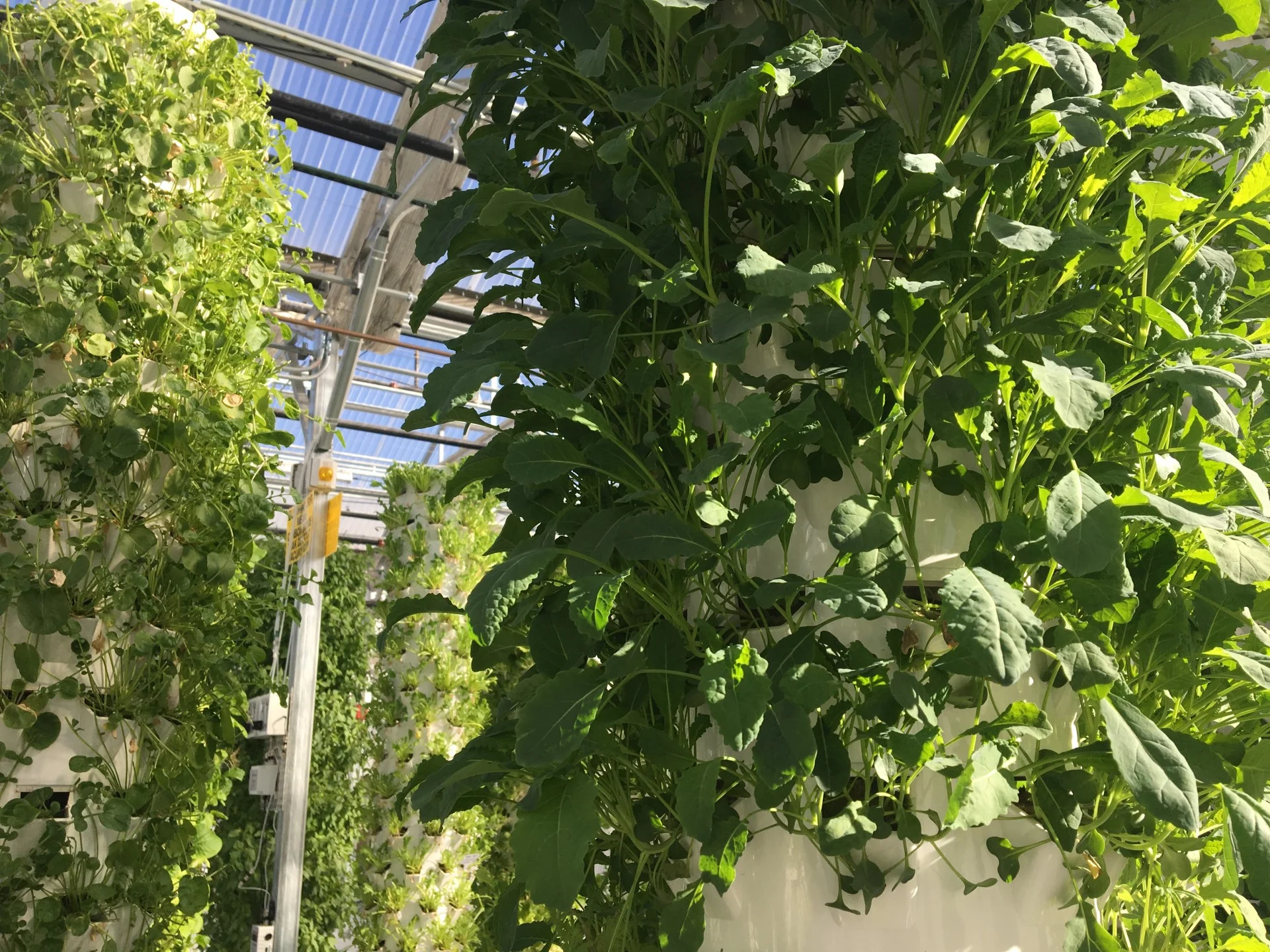
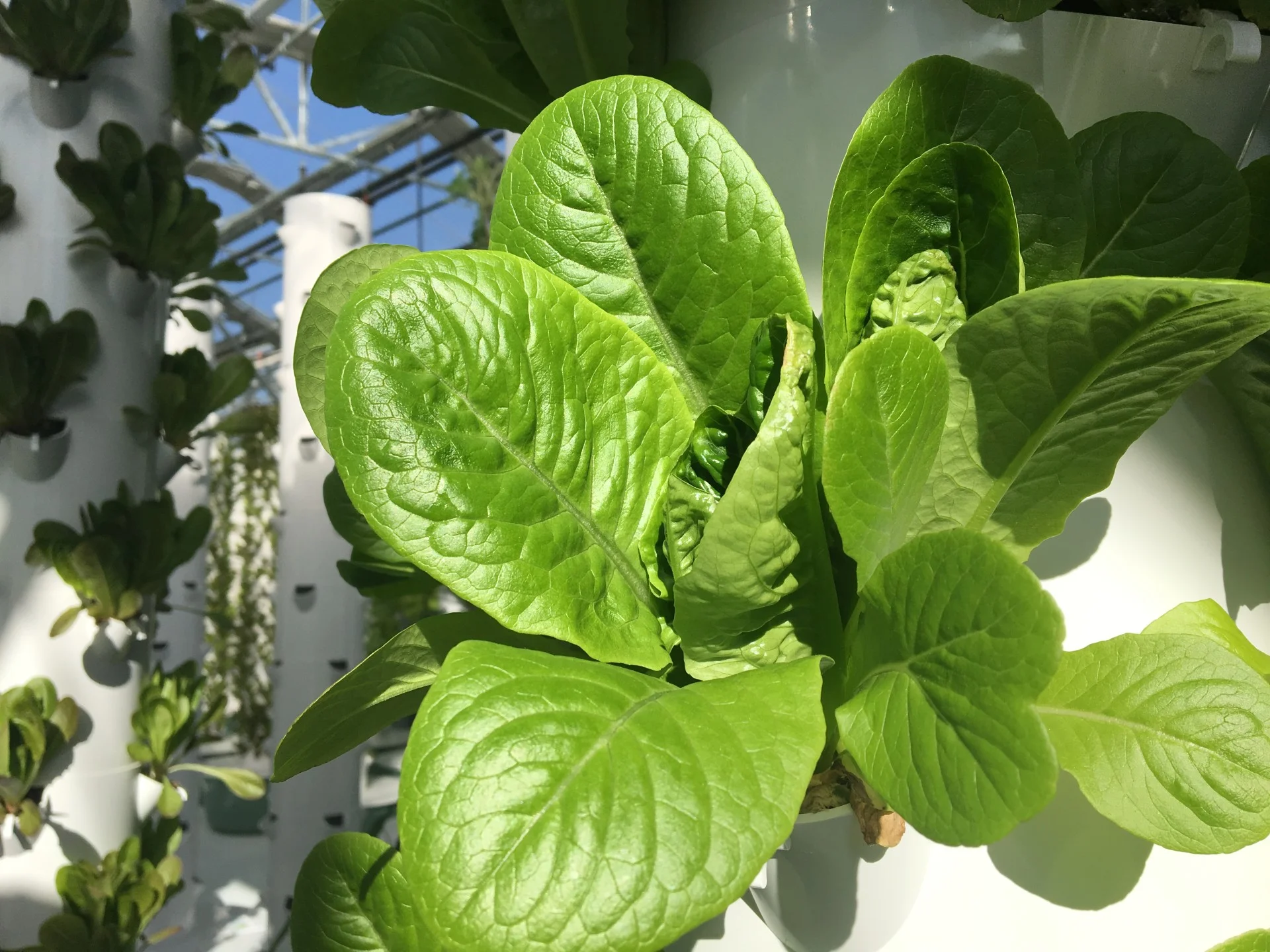
Photos: Altius Farms uses vertical farming to supply local Colorado restaurants and stores
The farm is already supplying about 20 local restaurants and Marczyk's Fine Foods with fresh produce. Herbert hopes to introduce a community-supported agriculture (CSA) program where people will be able to buy directly from the farm.
"People can know their farmer. These restaurateurs and their customers will understand where their food is coming from every day," said Herbert.
Herbert gave Denver7 a tour of the facility, starting with the steps everyone has to take to in order to enter the greenhouse's controlled environment. She started by rinsing her shoes, washing her hands and putting on gloves. Then she explained the control panels that essentially run the 8,000 square-foot building.
"It really does most of the work for us – everything from nutrients to the plants to CO2 production," said Herbert.
Sensors on the inside and outside of the greenhouse check the environment every 90 seconds. If the temperature or humidity is off, adjustments are made automatically. Panels on the side of the building open and close to let cool air in. The greenhouse almost feels like it's breathing when the roof opens to let warm air out.
The plants seem to be thriving in the environment. Twenty-eight different varieties are currently growing inside, including herbs, a variety of lettuces and edible flowers.
The vertical towers give them the ability to maximize the space, allowing them to produce 10 times as much as conventional farming while using only 10 percent of the water. The seedlings get their start with supplemental light but the rest of the greenhouse utilizes Colorado's natural sunlight.
Altius Farms uses vertical farming to supply local Colorado restaurants and stores and gives you home growing tips
As Herbert walks around, she samples some fresh arugula and parsley. She's fairly new to the agriculture business and got her start after a career in corporate America. She served on the board of an organization called Veterans to Farmers, where the idea to start her own farm was born. Herbert is also a veteran and is now hiring vets to help grow the business.
“I can’t say enough about this team. This team makes it happen," said Herbert.

BREAKING NEWS: It's Time To Make Weed Legal In NY 'Once And For All,' Cuomo Says
The governor said he wants to legalize recreational pot early in his third term, but offered no details on how to do it.
By Noah Manskar, Patch Staff | Dec 17, 2018
NEW YORK — Gov. Andrew Cuomo on Monday named legalizing recreational marijuana among his priorities for the first 100 days of his next term, but offered no details on how to do it. The Democratic governor fully embraced legalization as a key to ending racial inequities in the criminal justice system during a wide-ranging speech in Midtown outlining an ambitious policy agenda.
"We have had two criminal justice systems: One for the wealthy and well off, and one for everyone else. And that's going to end," Cuomo said.
"We must also end the needless and unjust criminal convictions and the debilitating criminal stigma," he added. "And let's legalize the adult use of recreational marijuana once and for all."
The speech cemented a significant shift in Cuomo's position on legalizing recreational pot, a step nine other states have taken despite the drug's illegality under federal law.
The governor was opposed to legalization as recently as last year, reportedly calling it a "gateway drug." He did not mention marijuana in this year's State of the State speech in January. About two weeks later he announced a study of legalization, which concluded it would do more good than harm.
The governor's movement on the issue coincided with a primary challenge to his re-election from Cynthia Nixon, who embraced legalization early in her campaign.
Cuomo's speech left many open questions about what legalization could look like in New York. He did not say how exactly the drug would be regulated, how marijuana tax revenues would be used, or whether he will include a plan in his upcoming state budget.
Cuomo also did not directly say whether he wants to expunge the criminal records of New Yorkers with pot-related offenses, as his state Department of Health recommended this summer.
Legalizing pot was just one item on Cuomo's lengthy to-do list for the first few months of next year. In the same breath he repeated his support for ending the state's cash bail system, in which many people charged with crimes have to pay money to be freed from jail.
The governor got behind bail reform in his January State of the State speech, but legislation to change the system has gotten stalled.
"A judge should determine the individual's risk of release rather than the individual's access to wealth," Cuomo said Monday.
Also among the governor's priorities for next year are banning corporate political contributions; passing a law to make it easier for childhood sexual abuse victims to sue their abusers; and ending vacancy decontrol, a provision under which rent-stabilized apartments fall out of regulation when their rents get high enough.
He also got behind major election reforms, including automatic voter registration, early voting and making Election Day a state holiday. Officials called for some such changes after chaos unfolded at New York City polling places last month.
Much of Cuomo's agenda would not have stood a chance in Albany with Republicans still in control of the state Senate. But many proposals could become reality with Democrats in control of both houses of the Legislature come January.
"There are no more excuses, my friends," Cuomo said. "Now is the time to stand up and lead and do what you've said you were going to do all those years and make a Democratic vision a reality."
(Lead image: Gov. Andrew Cuomo speaks at the New York City Bar Association on Monday. Photo from Gov. Andrew Cuomo's Office/Flickr)

California Farm Linked To Romaine Lettuce E.coli Outbreak Recalls Additional Produce
To View The Video, Please Click Here
FDA believes market has been purged of contaminated romaine
A California farm that federal health officials traced to the recent E.coli outbreak from romaine lettuce has recalled additional produce “out of an abundance of caution,” the facility announced Thursday.
Adam Bros. Farming Inc. in Santa Maria has recalled red leaf lettuce, green leaf lettuce, and cauliflower that was harvest from Nov. 27 to Nov. 30.
Planning a trip to the sapphire seas of Aruba shouldn’t make you feel blue. Save time and money when you book air + hotel with JetBlue Vacations.
SOME ROMAINE LETTUCE SAFE TO EAT AGAIN, FDA SAYS
While none of the recalled products have tested positive for E. coli, and no illnesses associated with these produce items have been reported, the farm said: “Out of an abundance of caution, Adam Bros. Farming, Inc. is initiating this voluntary recall in cooperation with the FDA.”
“The recall was initiated after it was discovered that sediment from a reservoir near where the produce was grown tested positive for E. coli,” the farm explained.
Adam Bros. Farming Inc. added the recalled produce was “grown in particular fields” and does not involve all of its products.
“None of the filtered, treated water has tested positive for E. coli, all E. coli tests returning negative,” Adam Bros. Farming Inc. said, adding the bacteria “may cause a diarrheal illness from which most healthy adults can recover completely within a week. Some people can develop a form of kidney failure called Hemolytic Uremic Syndrome (HUS). HUS is most likely to occur in young children and the elderly. The condition can lead to serious kidney damage and even death.”
While Adam Bros. Farming Inc. has been linked to the food poisoning outbreak from romaine lettuce, federal health officials cautioned that other farms are likely involved in the E. coli outbreak and consumers should continue checking the label before purchasing romaine lettuce.
At least 59 people in 15 states have now been sickened by the tainted lettuce, the FDA said.
That said, regulators said they are fairly confident that the lettuce which first triggered the outbreak has been removed from the market. The FDA told consumers to avoid romaine lettuce just before Thanksgiving.
To learn more about the recent red leaf lettuce, green leaf lettuce and cauliflower recall -- like where these produce items were distributed -- click here.
The Associated Press contributed to this report.
Madeline Farber is a Reporter for Fox News. You can follow her on Twitter @MaddieFarberUDK.