


Welcome to iGrow News, Your Source for the World of Indoor Vertical Farming
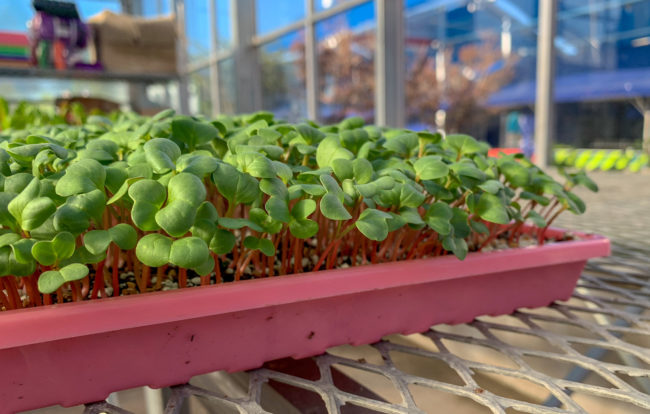
Big Tex Urban Farms: The Huge Power of Microgreens
Have you heard about microgreens lately? If you have, you’re not alone; they are very trendy right now and are taking the horticulture and culinary scenes by storm!
By PHILLIP MORALES | November 7, 2018
Posted in: Big Tex Urban Farms.
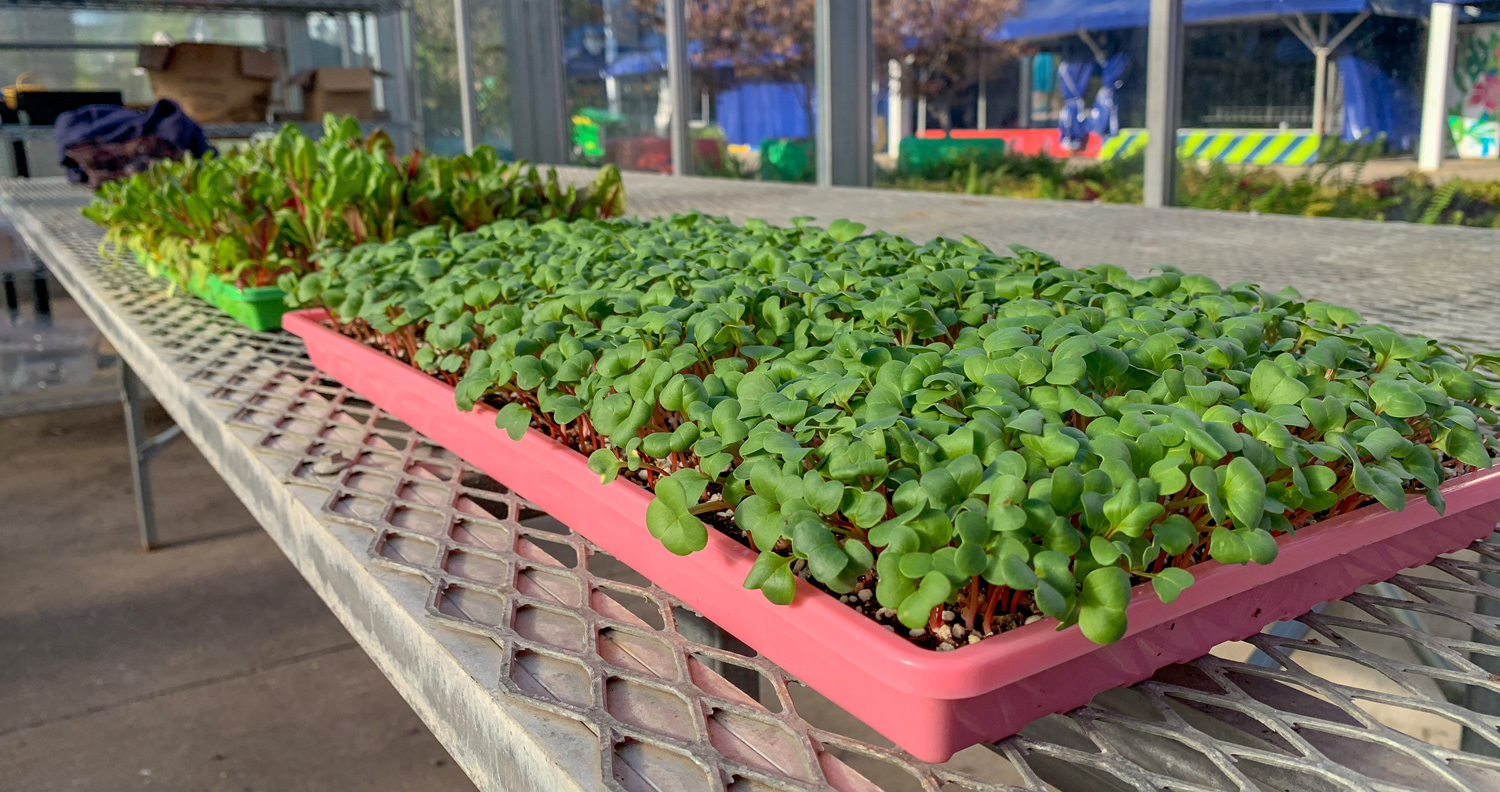
Have you heard about microgreens lately? If you have, you’re not alone; they are very trendy right now and are taking the horticulture and culinary scenes by storm! At the Big Tex Urban Farms we’ve started harnessing the power of microgreens in our greenhouse and during the Fair this year we had the humble opportunity to educate curious people about them. So what’s the deal with microgreens and why are they all the rage?
WHAT IS A MICROGREEN?
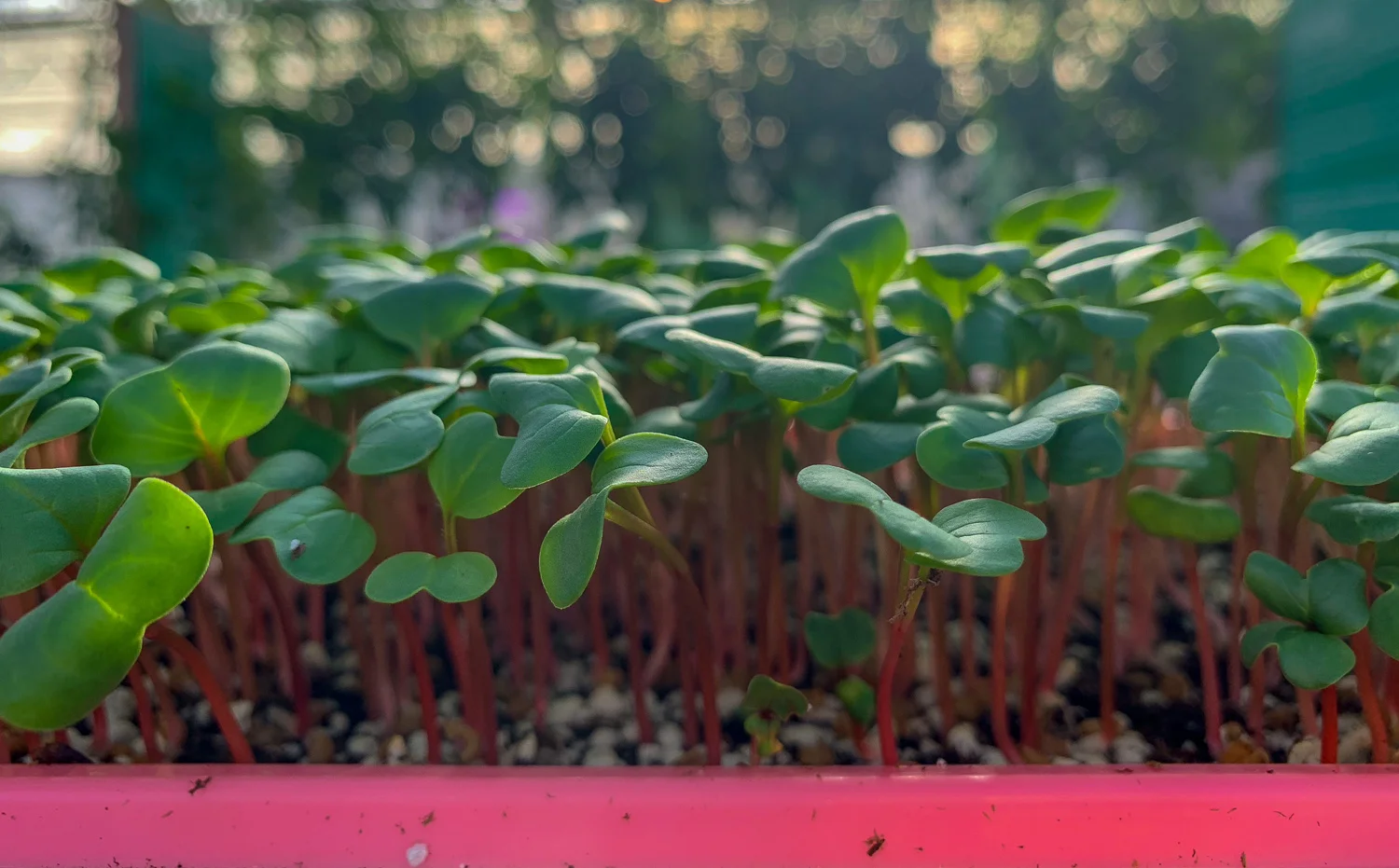
In a nut shell, microgreens – sometimes just called “micros” – are plants that sprouted from seeds that are placed very close together, thus causing a super dense area of growth. Once sprouted, these plants are then only allowed to grow to a very small size and are harvested “young” compared to other plants. With many varieties to choose from, microgreens come in many shapes, sizes, colors, and flavors. This broad palette of shapes and colors make them very popular garnishes for chefs to use. They are also a very healthy addition to any diet.
WHAT PLANTS MAKE GOOD MICROGREENS?
Almost any edible plant can be grown as a microgreen but some plants allow for better growth than others. Most farmers and home gardeners prefer to use leafy greens and herbs for microgreens; like lettuce. Peas and certain varieties of beans are also popular. Some of the most standard garden plants make great microgreens, including broccoli, collards, mustard, and basil. The Big Tex Urban Farms soon plans to add pea shoots and fava beans to our microgreens but we’re already quickly growing collards, mustard, arugula, basil, and radish. I love the spicy flavor of all of these varieties!
HOW WE GROW MICROGREENS: THE HYDROPONIC METHOD
In the Greenhouse on the Midway, the Big Tex Urban Farms grows micros on long, rectangular 10-inch by 20-inch trays using hydroponics and potting soil. In the hydroponic method we use a product called a cress plate to start our seeds on. Cress plates are thin sheets of rockwool (the sheets we use to start our hydroponic transplants with are made of this also!) that fit inside of our trays. Before placing anything on it, we first wet the cress plate then cover it with a thin even layer of seeds. Seeds are then watered lightly. If we’re planting several trays of micros, we stack the seeded and watered trays on top of each other, completing the stack with an empty tray on top. Lastly, we place a small concrete block on top of the empty tray at the top of the stack! This may sound crazy but it works and here’s why: the weight from the concrete block creates compression and causes the seeds to germinate faster.
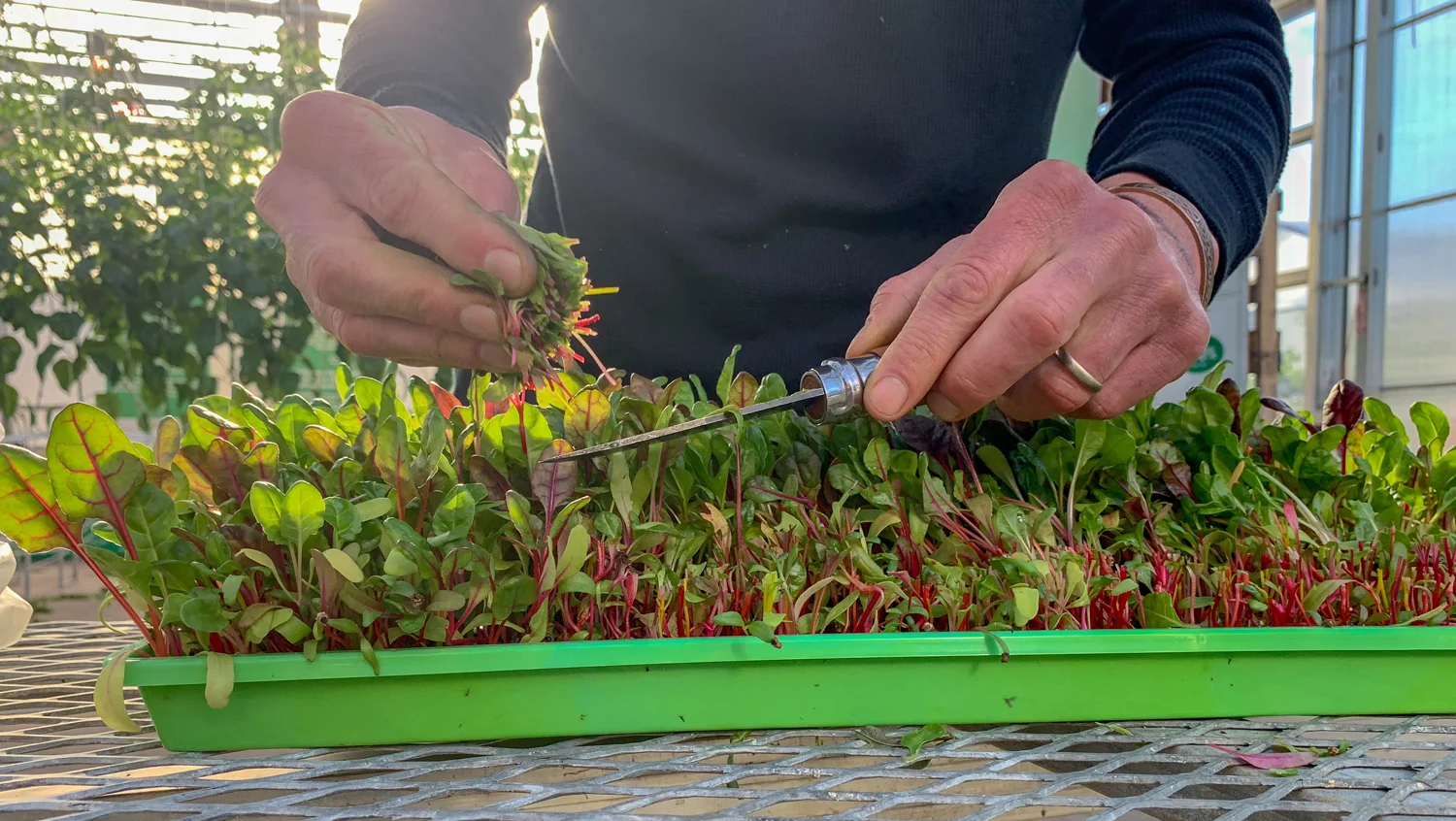
After about three days the seeds will be germinated and will literally press upward and lift the top tray up – rock and all. At this point the trays are spaced out on one of our grow racks and continue growing under LED grow lights until they’re ready to be harvested; usually seven to 10 days.
HOW WE GROW MICROGREENS: THE POTTING SOIL METHOD
Growing microgreens using the potting soil method is very similar to the hydroponic method. We simply fill the 10-inch by 20-inch trays with potting soil instead of using a cress plate and then repeat the process above. When all the trays have sprouted we uncover them and put them on a table rather than a grow rack like the cress plate sprouts. These soil based trays are not given artificial light and rely solely on the natural sunlight in our greenhouse to finish growing. That being said, we do sometimes add supplemental lighting to our microgreens when the short days of winter approach. Potted soil microgreens are usually ready in harvest in about 14 days.
In my opinion, the potting soil method for growing micros is easy enough for anybody to use at home. A bright sunny windowsill or a shady patio would be an ideal spot to grow micros. The use of an LED grow light can also allow you to do this anywhere in the home and allow microgreen farming year round. I particularly like the fact that the potting soil used in this method is compostable and reusable in time.
SMALL BUT POWERFUL
In addition to their flavor and cosmetic appeal micros pack a ton of nutritional value too! They might be small when harvested but they are filled with vitamins and antioxidants. In fact, it’s said that you can get the same amount of nutritional content from a hand full of microgreens as you can get from a whole head of lettuce. The Brassica family of plants, in particular, are thought to have strong regenerative and anti-carcinogenic properties so varieties like broccoli, cabbage, collards, and mustard make for super healthy micros.
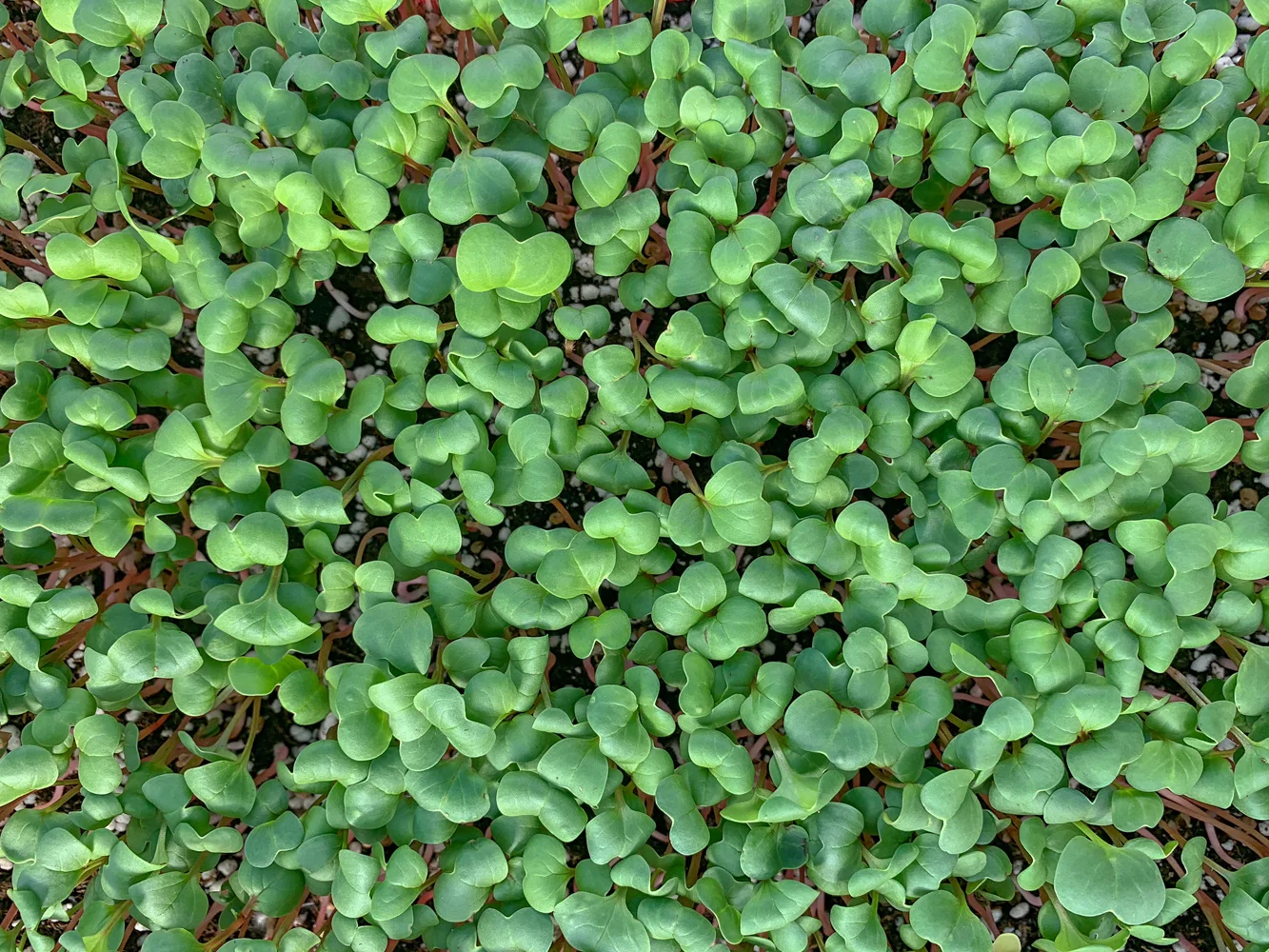
Eating microgreens can be a quick and easy way to add necessary nutrients to your diet. Think of micros as living multivitamins. Consider adding them to your favorite sandwich, wrap, smoothie or juice to get your day started off right. This time of year you can even use them to accent your favorite Thanksgiving dish!
IN OTHER PARTS OF THE GARDEN
Around the home garden don’t forget that fall is the best time to plant trees and hardy shrubs. Even things like roses, irises, and berries can be planted now. To add some color to your landscape, it’s time to start planting my favorite winter flower, pansies, (totally edible flowers by the way) as well as ornamental kale, cabbage, and violas. Also, be sure to mulch your beds and get ready to winterize those sensitive plants you may be growing as cold weather will soon be here.
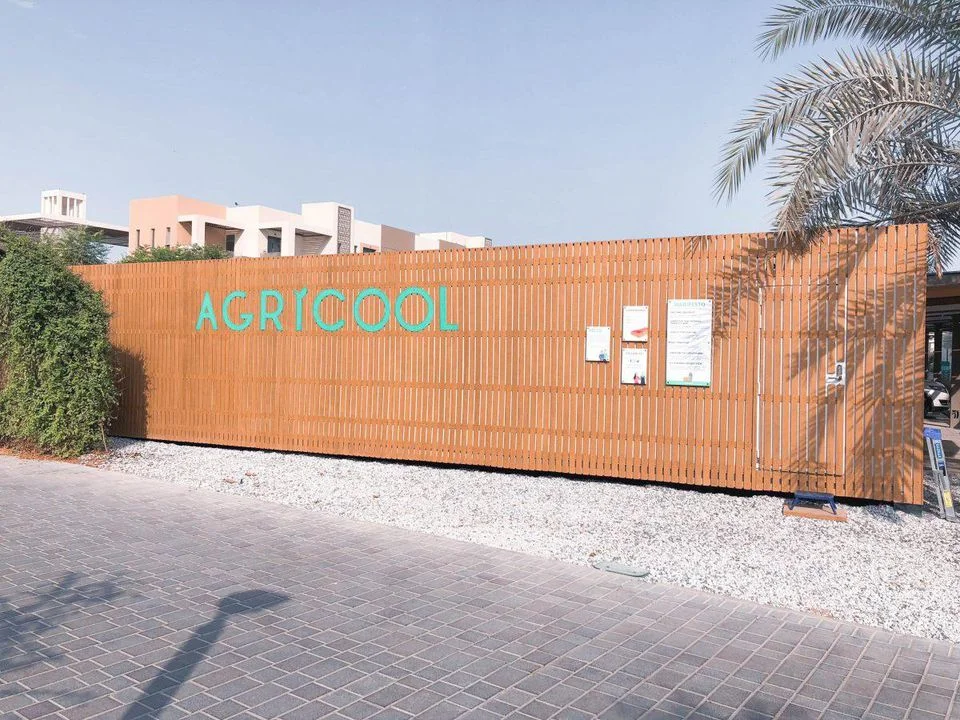
Agricool Is 'Growing Food In The Cities Where You Live'
Agricool grows fruit in shipping containers in urban areas
Alex LedsomContributor
Agricool is a Parisian startup on a mission to grow delicious strawberries in inner city areas, at scale and for profit, which can be transported ‘from field to fork’ in just 20 km. What’s more, it’s a sustainable business that be replicated worldwide.
Agricool grows fruit in shipping containers in urban areasAGRICOOL
Agricool grows its strawberries in shipping containers using vertical farming methods; this is where food is grown in vertical shelves or on walls, to maximise the surface area used for cultivation. Founders Guillaume Fourdinier and Gonzague Gru are the sons of farmers from the north of France. As CEO Fourdinier explains, he arrived in Paris at age 20 and it wasn’t long before he was seriously missing ‘quality fruit and vegetables’ from the countryside. Strawberries are notoriously challenging to grow well, he says; they are fragile with a growing cycle and post-harvesting process which can be difficult to manage. Also, with increased urbanisation, more and more food is transported into city areas pumped with pollutants to ensure they survive the journey which usually means they are less tasty. He is convinced that ‘strawberries have got lost in the last 30 years’.
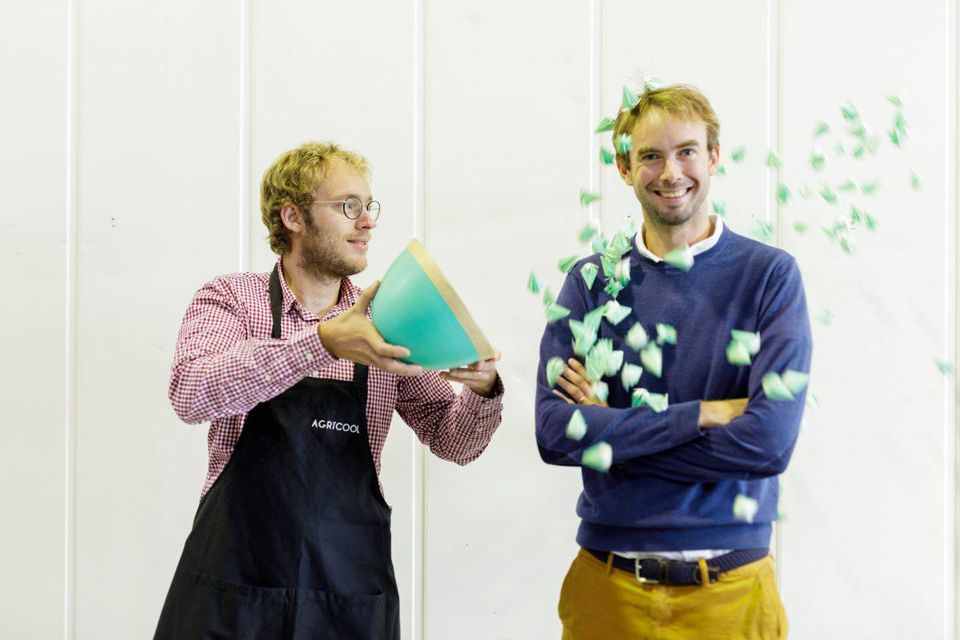
Founders Guillaume Fourdinier and Gonzague GruAGRICOOL
And so the two partners began to see if it was possible to find a way to harvest the highest quality strawberries under urban conditions. Fourdinier is keen to point out that this business didn’t start as a shipping container business — the idea to use containers was much more practical and organic. They had previously used containers on their families’ farms and once they had used up all the room in their apartment, it was ‘the easiest room to find’ and highly functional because the size is standardised, you can transport it easily, and you can scale up profitably.
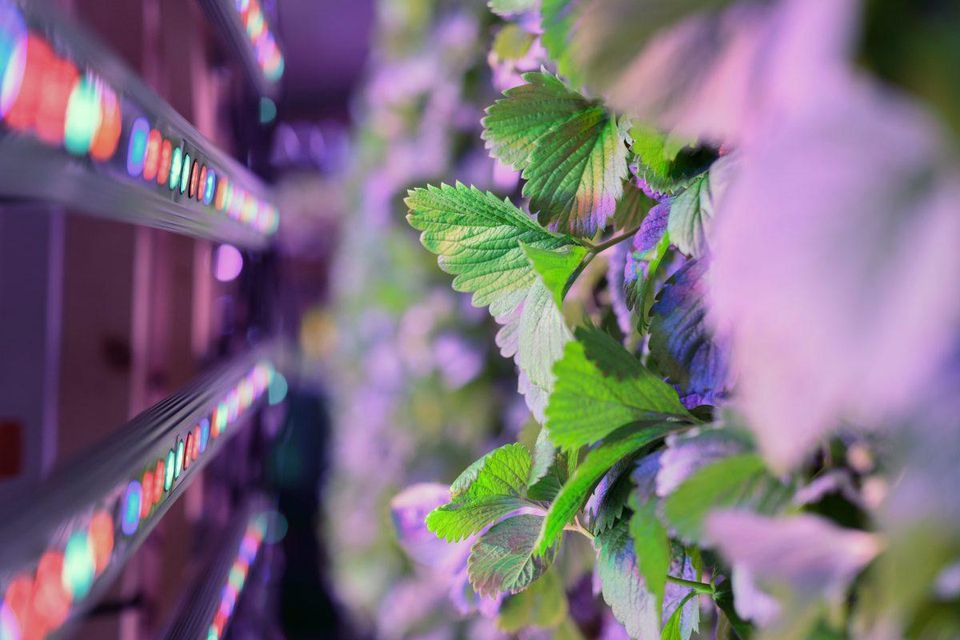
The inside of a cooltainerAGRICOOL
Growing strawberries in containers is an incredibly technical process with an extraordinary amount of factors to control. The fruit has a three-month cycle; two months from the day of planting to the first harvest, and then there is one month where the fruit can be harvested every day. Climate-wise, the temperature, air humidity and carbon dioxide must all be varied in quantity over the course of the three-month cycle. Agricool uses a closed-loop water system, meaning that they fill a tank for three months and use the same water over that period, which uses 99% less water. When strawberries are grown in a field, they are planted in soil where the roots soak up moisture. Agricool uses aeroponics instead of a soil-based system, where the plants’ roots are directly exposed to the air, taking in moisture from mist sprays. Agricool doesn’t aim for having a completely bacteria-free environment — believing this to be impossible, it grows its own ‘friendly’ bacteria, putting ‘friendly fungi in the water and friendly insects into the containers’, to protect against the risk of damaging insects finding a way inside. In this sense, the containers grow their own antibodies. Finally, the lighting is key. Agricool uses LED lights, not just to regulate the intensity of light but also the spectrum of light that the strawberries receive. Fourdinier says that one of the biggest challenges for vertical farming is to get this intensity just right. And never mind the calculations for the number of bees in bee boxes required for pollination... The one drawback always levelled at vertical farming is the amount of energy it consumes but Agricool counter this argument by using renewable energy. They believe it is better to grow food locally in large cities with artificial lighting rather than transporting produce from far away, where it loses its taste and chalks up the food miles.
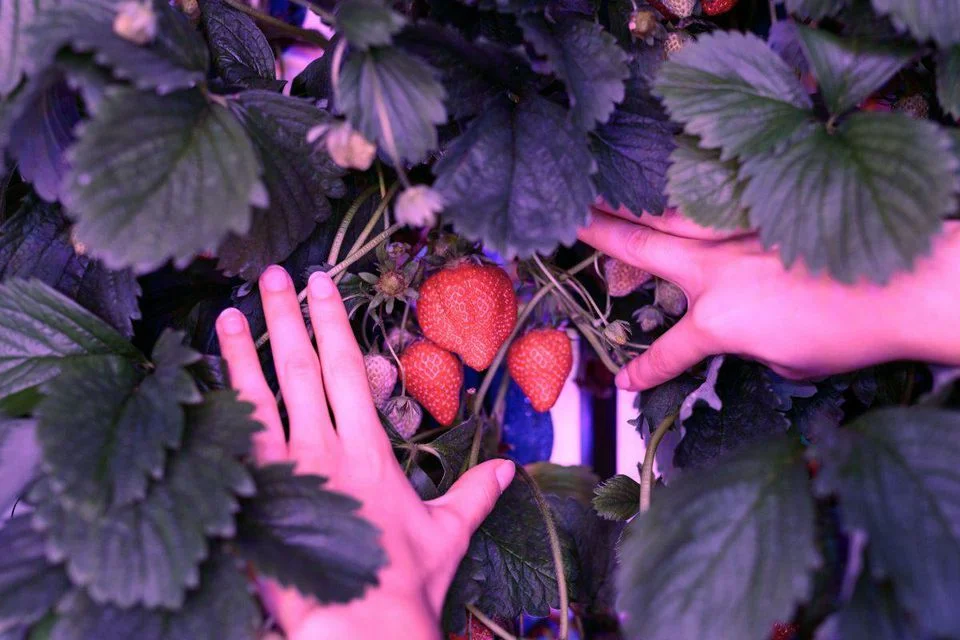
Harvesting strawberriesAGRICOOL
The business model is to sell directly to the customer, without a middleman and this strategy appears to be working; French customers have been abandoning poorer quality fruit and vegetables sold in some French supermarkets, and so chains have been very receptive to Agricool’s new agricultural model. The company produced its first box of strawberries in October 2015 and now have over 60 staff.
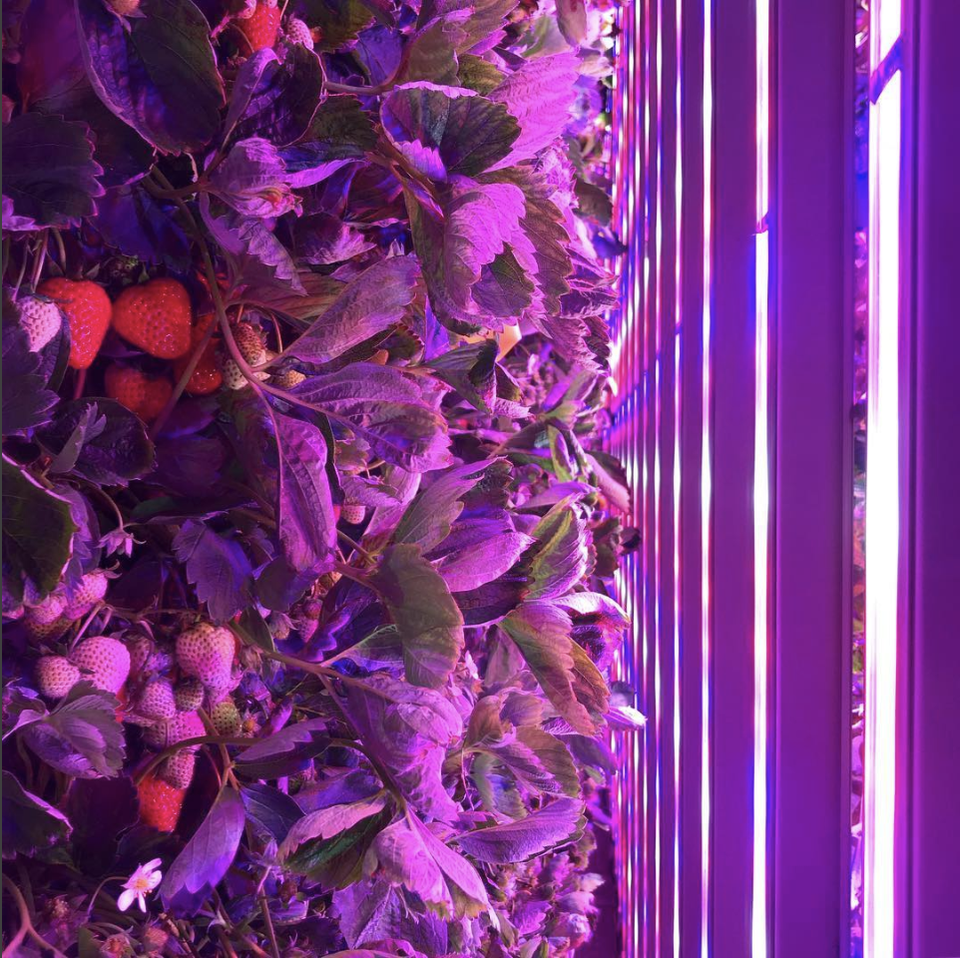
The strawberries look like artAGRICOOL
Funding came in two funding rounds from European venture capitalists. Its CEO adds that it isn’t possible to be profitable if you are not vertically integrated; that is to say, you must own and produce the products you use in your supply chain. And this has been where the real challenge lies, as to develop the best possible LED light for its containers, in the most profitable way, Agricool has had to develop its own technology. They now design and manufacture their own LEDs, which are three times more efficient for their lighting needs at the energy spectrum they require than other LEDs they could find.
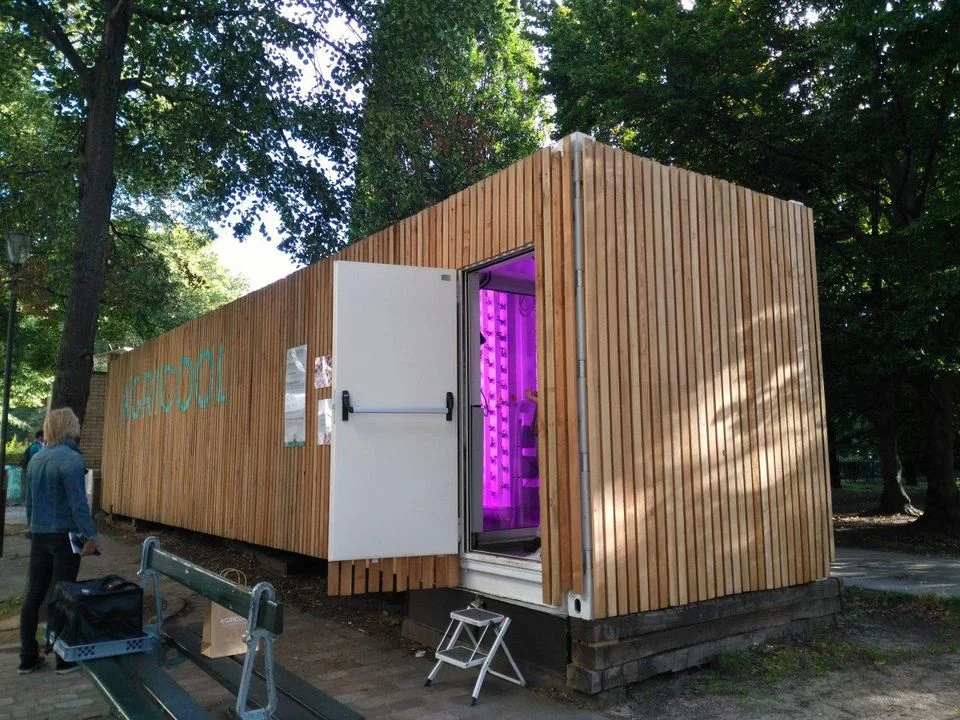
A cooltainer in Bercy, ParisAGRICOOL
Urban vertical farming is incredibly on-trend. Just like like the mushroom farms in New York, people are turning to more sustainable farming in urban areas for the quality and ethos but also the urban aesthetic — under the luminous lights, this fruit looks more and more like art. The difference between Agricool and its competitors is that it believes it has the recipe to scale up. Fourdinier explains,
Indeed, Agricool already operates a container in Dubai from its French headquarters.
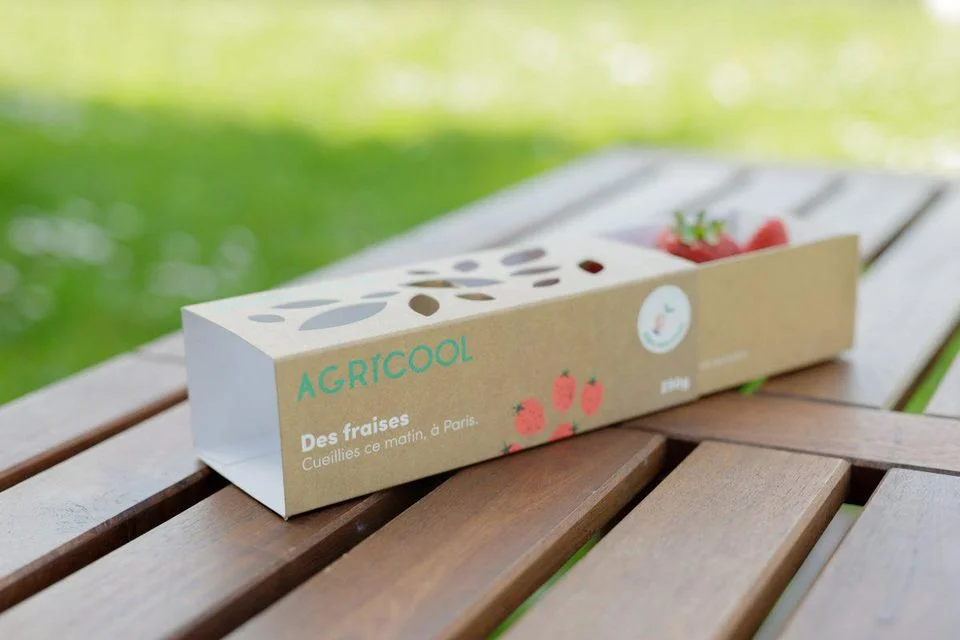
The end result AGRICOOL
The downsides are really the same as the upsides in that the opportunities are immense but the technology makes each stage a huge challenge. It isn’t a straightforward business; a truth highlighted by the fact that 70% of its staff are in R&D.
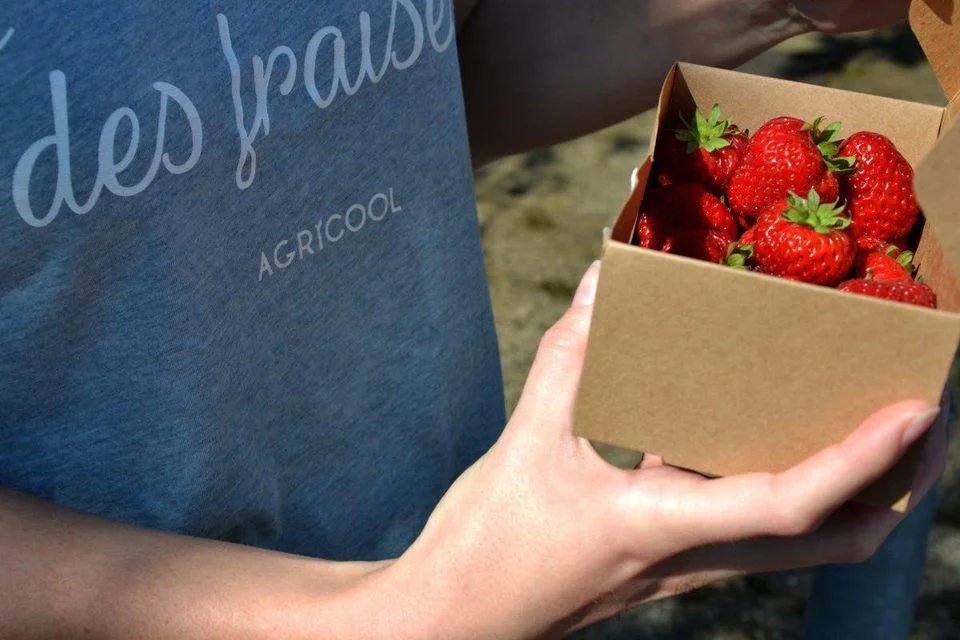
The harvest AGRICOOL
And the statistics are impressive for this startup aiming to ‘feed the cities of tomorrow’. Its strawberries have 30% more vitamins than conventional strawberries and contain 20% more sugar. Its containers can yield 10 times as much as a greenhouse and 120 times as much as a field. And while Agricool is keen to point out that farming today is mostly woods and rice, which are difficult to grow vertically at the moment, it believes in 30 years time, about 30% of what we grow will be farmed in cities, for cities. Today Agricool sells about 200kg of strawberries each week but in one years' time, they expect this to be 2,000kg, ten times as much. As Agricool begins to branch out into tomatoes, which are similar in complexity to strawberries, its slogan ‘we grow food where you live’ has never been more true or more deliciously tempting.

GV Leads $90 Million Investment In Bowery Farming
December 12, 2018
( Photo courtesy Bowery Farming )
With a $90-million investment, Bowery Farming plans to build large-scale indoor farms in cities across the country.
Bowery Farming, Kearny, N.J., recently closed the investment deal led by GV, previously Google Ventures.
The new capital — a Series B funding round — brings the indoor vertical farming company’s funding to $117.5 million, according to a news release. The total includes investments from GGV, General Catalyst, First Round Capital and Almanac, the food-tech fund of David Barber, co-owner of sustainable restaurant, working farm Blue Hill and consulting company. Singapore-based investor Temasek and Dara Khosrowshahi, CEO of Uber, have also invested.
Prior investors include celebrity chefs Tom Colicchio, Carla Hall and José Andrés.
Bowery plans to use the capital to build warehouse farms in cities nationwide, opening them by the end of 2019, according to the release.
“We leverage our nascent technology, computer vision and machine learning to build a farm that gives plants exactly what they need,” Bowery CEO and co-founder Irving Fain said at a Dec. 4 media dinner showcasing the company’s products.
Since launching in February 2017, Bowery has opened two farms in Kearny. Tristate area groceries and restaurants are customers of the greens.
Related Topics: Produce Retail Produce Tech Lettuce

Europe's Largest Vertical Farm Is Out To Crack The Hydroponic Puzzle
Vertical farming isn’t new, but now that it’s reaching industrial scale, farmers need to get their business model right
Vertical farming requires skills from many different sectors. For business models to work, there needs to be knowledge transfer between farming and technology
Holly Challinor
Tuesday 4 December 2018
Hairnet-equipped, white coverall zipped up, lab boots on and hands both washed and disinfected: Paul Challinor, the co-founder of the Jones Food Company (JFC), is all set. He is about to enter the germination room of the hyper-clean facility in North Lincolnshire where, four weeks ago, JFC started growing its first crops. This is Europe’s largest vertical farm, with crops soaring up over 17 storeys high. And there’s not a spot of soil in sight.
JFC’s vertical farm is built in an old cold store, which high ceilings let crops grow over 17 storeys. The 5,000 square-meter production site is one of the largest in the world | Holly Challinor
All the crops at JFC are grown hydroponically. Plants are fed the necessary nutrients, diluted in water, with the effect of sunlight created by the eerie, artificial glow of pink-hued, LED lights.
Before he walks in, Challinor still needs to spend a couple of minutes standing in what he calls an “air shower”, to blow off any dust that might be lurking on his exposed hair and skin. “It is crucial that we ensure that our crops don’t get contaminated,” Challinor says, “so that we optimise our production, and provide the highest-quality plants on the market at an industrial scale.”
The site is kept to the highest standards of cleanliness to avoid germs to contaminate the crops. This means that crop yield is optimised compared to traditional methods of farming | Holly Challinor
In the 5,000 square-metre production site – previously a cold store, with high ceilings that provide a perfect setting for a vertical farm – JFC are claiming that they will be able to deliver 420 tonnes of plants per year once the farm reaches full capacity. At this scale, it’s not just the largest vertical farm, it’s right up there with some of the largest in the world, coming close to rivalling AeroFarm’s 6,500 square-metre facility in the US.
Growing underground: the hydroponic farm hidden 33 metres below London
The reason that we need to convert farming from landscape to portrait mode? Food security. The UK’s population is steadily growing at about 0.6 per cent a year – while the country is expected to face a shortfall of two million hectares of farmable land by 2030. Add Brexit into the mix and food security is a significant cause for concern.
In these circumstances, farming methods that don’t rely on traditional agriculture, with its risk of bad harvests because of uncontrollable weather, become very attractive. Last summer, for example, UK consumers saw fruit and vegetable prices rise because farmers struggled to grow crops in high temperatures. The heatwave caused lettuce yields to plummet 25 per cent, while prices went up 22 per cent.
Vertical farms, on the other hand, can produce the same quantity and quality of crops all year round. And they have a significant advantage over greenhouses, too: they take up less space. In theory, they could even operate right at the centre of our cities. Dickson Despommier, professor of public health at Columbia University, draws an apt analogy: “In the context of a densely-populated city, vertical farming is the equivalent of apartment-houses, and greenhouses are similar to single-family houses,” he says.
One of the main advantages of vertical farms is that they take up less space than traditional farming or green houses. They could be built right in the centre of our cities | Holly Challinor
JFC is one of only a few operational vertical farms in the UK, alongside Intelligent Growth Solutions (IGS) in Scotland and the Growing Underground project, which grows crops in a converted air raid shelter below Clapham Common in London.
Neat in theory, vertical farming is more difficult in practice. Plenty of vertical farming projects have gone bust around the world. Podponics and Farmed Here are just two examples of the many projects that failed in past years. Experts say there are plenty of reasons why vertical farms are struggling commercially - and fail.
Rhydian Beynon-Davies, head of novel growing systems at horticultural research organisation Stockbridge Technology Centre (STC), explains previous failures: “Startups come into the industry with too little knowledge of it,” he says. “There isn’t enough knowledge transfer between different sectors. So they aren’t capable of building appropriate business models”.
Vertical farming is an integrated system with different variables, he continues. You have to think of lighting, humidity, air flow, irrigation, and many more. To manage all of those, many skills from different sectors have to be brought together.
STC’s goal is to attract those different skills and bridge between them. The centre has two small vertical farms, where developers can trial and test their technology. “We can generate data about the efficiency of different systems,” says Beynon-Davies. “The ultimate goal is to have a visible supply chain, to make business planning much easier.”
Peter Lane, the founder of CEAR&D, a research and development firm dedicated to controlled-environment agriculture, concurs. “There is a lack of understanding of the complexities of vertical farming,” he says. “It’s like trying to build a house only with a plumber. The plumbing work may be perfect, but the rest will fall apart.”
To try and avoid this pitfall, JFC struck a partnership with Current – a division of General Electric – to manage the LED lighting technology. Current’s lighting solution is only used in one other vertical farm in the UK – and that’s one of the two facilities at the STC. “At the moment Current is ahead of other systems,” says STC chief executive Graham Ward. Current claims that its system generates 33 per cent less heat than competitive products, which means the cooling process is less energy-greedy.
In an industry where energy use is estimated to make up for 20 to 30 per cent of the total production cost, that’s key. “We learned before going into this that the main reason for companies going bust was electricity,” says James Lloyd-Jones, JFC’s managing director. That’s why the farm also uses solar panels to reduce its electricity bills; it is currently 20 per cent carbon neutral and aims to become entirely self-sufficient.
The JFC team is confident that the site is set to become a commercial success – but you shouldn’t expect JFC-made tomatoes or cucumbers anytime soon. The farm is currently growing herbs and leafy greens, like most vertical farms. Technically it’s possible to grow any plant – but basil, dill, chives and the like are a lot more financially viable, mostly because they are smaller and can be grown at scale.
To get started, JFC is focusing on crops that are financially viable – namely, herbs and leafy greens. But it hopes that it can increase crop diversification in the future | Holly Challinor
“The market is built for certain products that we wish to focus on,” says Challinor. “This is the first stage. Only once we have a viable and consistent business, will we look at growing more consumer crops.”
It’s clearly not just the technology that’s a challenge for vertical farms; getting the business model right is a heavy lift too. For Lloyd-Jones, however, it’s only a matter of time: in ten years, he says, we could see vertical farms completely replace greenhouses.

Valoya Has One Of the Largest Patent Portfolios of the Horticultural Lighting Industry
Since its founding in 2009 Valoya’s focus has been on research in plant biology and technology for the purpose of creating the best possible LED lighting solutions for growers worldwide. In this process Valoya has accumulated 86 patents making it one of the greatest patent holders in the horticultural lighting industry, globally.
‘None of our spectra are ‘off-the-shelf’ but rather results of years of research. Thus far we have tested more than 60 spectra variations before we commercialized the 6 that we offer at the moment. We believe that a finely balanced spectrum can make all the difference for growers and enable them to bring superior products to the market. This stands for the crop science field as well as the emerging markets such as vertical farming and cannabis’ says Nemanja Rodic, the Marketing Manager of Valoya.
Nowadays the number of LED lighting providers is growing rapidly creating confusion for growers when making their purchase decisions. Furthermore, as LED technology evolves, technical specifications among various manufacturers’ products are converging. One way for growers to identify superior lighting providers is to analyze the amount of research they have conducted and published in plant biology and technology fields as well as the number of patents the company holds. This ensures that claims made by that lighting manufacturer can be substantiated with data and are not just replicated industry standard figures e.g. a 50 000 hour life span of the luminaire, which few manufacturers could show actual light-decay-over-time data on.
Valoya’s research has partially been done in-house and partially in collaboration with various partners, companies and research institutes around the world. This commitment to research has earned it high profile clients including 8 out of 10 world’s largest agricultural companies in addition to countless other partners in the 51 countries Valoya has sold to thus far.
Next year the company will celebrate its 10th anniversary making it one of the most experienced horticultural LED lighting companies in the market. The commitment to research and development continues, especially nowadays in the time of Valoya’s rapid expansion.
To see the full list of Valoya’s patents, please go to: valoya.com/patents
About Valoya Oy
Valoya is a provider of high end, energy efficient LED grow lights for use in crop science, vertical farming and medicinal plants cultivation. Valoya LED grow lights have been developed using Valoya's proprietary LED technology and extensive plant photobiology research. Valoya's customer base includes numerous vertical farms, greenhouses and research institutions all over the world (including 8 out of 10 world’s largest agricultural companies).
Additional information:
Valoya Oy, Finland
Tel: +358 10 2350300
Email: sales@valoya.com
Web: www.valoya.com
Facebook: https://www.facebook.com/valoyafi/
Twitter: https://twitter.com/valoya

Canadian Cannabis Growing Facility Binding Agreement Signed
On acquisition, THC Global will complete the build out of a full-scale cannabis growing facility which will be able to offer direct retail sales in addition to supporting other commercial sales.
Key Points:
• THC Global’s wholly owned subsidiary, Vertical Canna Inc has signed a binding due diligence agreement for the build out of a Canadian licenced cannabis producer
• Acquisition remains subject to due diligence and finalisation of terms • On acquisition, and subject to finalisation of licencing, THC Global will own a full-scale cannabis growing facility in Canada in addition to its Australian facilities
• Targeting the Canadian medicinal and recreational cannabis markets with direct sales
THC Global Group Limited (THC Global or the Company) (ASX: THC) advises that its wholly owned subsidiary, Vertical Canna Inc has entered into a binding agreement to conduct due diligence for the acquisition of a Canadian company which is in final stages of becoming a Licenced Producer of Cannabis.
On acquisition, THC Global will complete the build out of a full-scale cannabis growing facility which will be able to offer direct retail sales in addition to supporting other commercial sales. THC Global is also in negotiations to engage specialist personnel in the Cannabis sector to support this build out.
THC Global’s objective is for Vertical Canna to pursue a build out of a vertically integrated cannabis business across North America through strategic acquisitions and partnerships with a focus on short paths to profitability with strong potential for value development. In parallel to this strategy, Vertical Canna is currently developing a new retail cannabis and equipment brand which will soon be available across stores in Canada.
The pursuit of a stronger presence in Canada is in response to positive feedback received from the Canadian capital markets and the broader cannabis sector towards THC Global as a high-growth cannabis business with the capacity to produce large quantities of pharma-grade product in the near term.
Chief Executive Officer, Ken Charteris, commented: “THC Global is looking at entering new international markets to further cement its presence as a full-scale global cannabis producer. Canada is a logical next step in the Company’s global expansion plans given our existing Canadian presence with Crystal Mountain Products. Our focus in identifying new global opportunities will be to seek acquisition assets and strategic partnerships that lead to near term revenue generation.
“Further, the opportunity to enter the retail sector in Canada in the coming months is very attractive and will offer deep synergies with our Crystal Mountain Products business and may lead to future supply opportunities from our existing Australian production facilities.”
For further information, please contact:
Ken Charteris
Chief Executive Officer
Henry Kinstlinger
Company Secretary
THC Global Group Limited Level 2, 131 Macquarie Street Sydney, NSW 2000 Australia
P: +61 2 9251 7177 E: henry.kinstlinger@thcl.com.au E: ken.charteris@thcl.com.au
Michael Lovesey
Director Corporate Media Relations
MMR Corporate Services Pty Ltd Level 2, 131 Macquarie Street Sydney, NSW 2000 Australia
P: +61 2 9251 7177 M: +61 449 607 636 E: michaell@mmrcorporate.com
THC Global Group Limited (ASX: THC)
THC Global operates under a ‘Farm to Pharma’ pharmaceutical model and is currently delivering high quality medicinal cannabis products to Australian patients through existing access schemes. Having secured both a significant growing capacity over two grow sites, and an industry-leading pharmaceuticals biomanufacturing facility with attached testing and product development laboratory, THC Global is in prime position to service both domestic patients and the export market. THC Global’s commercial partners operate across four continents, supporting future international growth. In addition to its core medicinal cannabis business, THC Global owns two Canadian companies, being Crystal Mountain Products and Vertical Canna Inc. Crystal Mountain Products operates a revenue generating global hydroponics retailer and distributor of equipment, material, and nutrients to cannabis growers and producers. Vertical Canna Inc is an investment vehicle through which THC Global intends to build, through acquisitions and strategic partnerships, a vertically integrated Canadian cannabis producer and retailer.

BREAKING: Bowery Raises $90m Series B From GV, Temasek
DECEMBER 12, 2018 LOUISA BURWOOD-TAYLOR
Bowery Farming, the New York-based indoor farming group, has closed a $90 million Series B round of funding in a round led by Google’s venture arm GV, an existing investor in the startup.
Singapore state fund Temasek also joined the round as a new investor alongside Almanac Investments, and Dara Khosrowshahi (CEO of Uber).
Bowery sells eight pesticide-free leafy green products: arugula, butterhead lettuce, romaine, bok choy, basil, and lettuce mixes branded as spring blend, kale mix, and sweet and spicy mix. Customers include Whole Foods, Foragers and Sweetgreens in the New York area, as well as a few restaurants.
The deal brings Bowery’s total funding to $117.5 million after it closed a $20 million Series A last year. Existing investors GGV Capital, General Catalyst and First Round Capital re-upped their investment in this round. Other shareholders include local New York chef sTom Colicchio, José Andrés and Carla Hall.
Bowery argues that it’s two vertical farms in the Tristate area are the most technologically advanced in the world. It uses a variety of hydroponic systems but they are all connected by its proprietary software system called BoweryOS. The system uses computer vision and robotic automation technology, guided by machine learning algorithms to monitor its crops and all the variables that drive their growth throughout the day.
Did you know that AgFunder is one of the most active agrifood tech investors?
We are democratizing access to venture capital. Learn how you can invest with us.
What's In Your Water?
Posted by Zack Foust, Sales Representative on 12/4/2018
One aspect of farming that is often overlooked is the quality of source water being used for crop production. For many greenhouse growers, winter provides a break to clean up and analyze data after a long growing season. Having a sample of your source water analyzed from time to time provides important information for realizing patterns and planning for the next growing season.
Results from a water analysis provide the following information:
Electrical conductivity (expressed in mS) – total concentration of salts dissolved in your water
pH – acidity or alkalinity of your water; pure water has a pH of 7.0
Concentration of ions dissolved in water – narrowed down to essential elements for plant nutrition. Read about these important elements here.
Presence of carbonates and bicarbonates (“hardness” of your water) – concentration of bicarbonates (up to pH 8.2) and/or carbonates (pH of 8.3+) that increase pH buffering capacity
It is important to take action once you receive your results so you could potentially improve your production by:
Adjusting the EC so as not to exceed the set points appropriate for any given time of the year
Meeting nutrient targets for the crop being grown; saving money by switching from a pre-mixed fertilizer to a custom recipe which prevents over-feeding your crop nutrients already found in your source water.
Properly adjusting pH to keep the nutrient solution closer to your set point based on the hardness of your water and the presence of individual ions
Contact CropKing for options to have your water sample analyzed. We also offer an interpretation service for water and tissue samples, and can make recommendations based on the results.
For more information on our custom fertilizer recipes, click here!
Bonus: Sending plant tissue samples to a lab and having them analyzed is also an important step in improving your operation. Tissue analyses provide a breakdown of elements present in the sampled crops. Growers receive the greatest benefit from tissue analyses by:
Sending samples before and after altering fertilizer and/or pH regimes
Provides quantitative data to show how changes affect crop nutrition
Submitting multiple samples throughout the growing season to quickly catch imbalances
Compiling results and identifying patterns to improve future production
Category: News and Updates
Turn Africa’s Cities into Vertical Farms
African cities, according to a World Bank report, are home to 472-million people — almost half of Africa’s total population. This number is expected to double by 2050.
Esther Ngumbi 16 Nov 2018 00:00

Aerofarms in Newark, New Jersey, is the world’s largest high-tech vertical ‘farm’. It’s in a 9 144m2 warehouse, which has no sun or soil and uses less water
African cities, according to a World Bank report, are home to 472-million people — almost half of Africa’s total population. This number is expected to double by 2050.
One would expect these African cities to serve as hubs of productivity and hotspots of innovation where solutions to Africa’s problems, such as poverty, hunger and food insecurity, are born, incubated and implemented. One would also expect them to drive economic development and put the continent on a path towards achieving the United Nations’ sustainable development goals.
Yet residents of these rapidly urbanising cities face problems such as rising poverty, hunger, food insecurity and unemployment.
Such difficulties generate stress for people, but also political, economic and environmental upheavals. These cities are ticking time bombs.
Nigeria, for example, was recently reported to have overtaken India as the country with the largest number of people living in extreme poverty. In another report, two of Nigeria’s cities, Abuja and Port Harcourt, were ranked high on a list of fragile cities. In Kenya, the people most vulnerable to food insecurity live in the cities, specifically in the slums. And the country’s growing unemployment, especially in cities has been described as a national disaster.
Although the problems are enormous, cities can also offer unique opportunities to reduce poverty, deliver prosperity and economic development and tackle other issues that affect agriculture, including climate change. But African cities can be turned into agricultural hubs.
Agriculture is the source of livelihood for many Africans and contributes on average 15% of Africa’s total gross domestic product. It is regarded as the sector that offers the greatest potential for reducing poverty and inequality.
African cites should consider the value of vertical farming. Conventional agriculture has driven many energetic, creative and tech-savvy young people away from the rural areas.
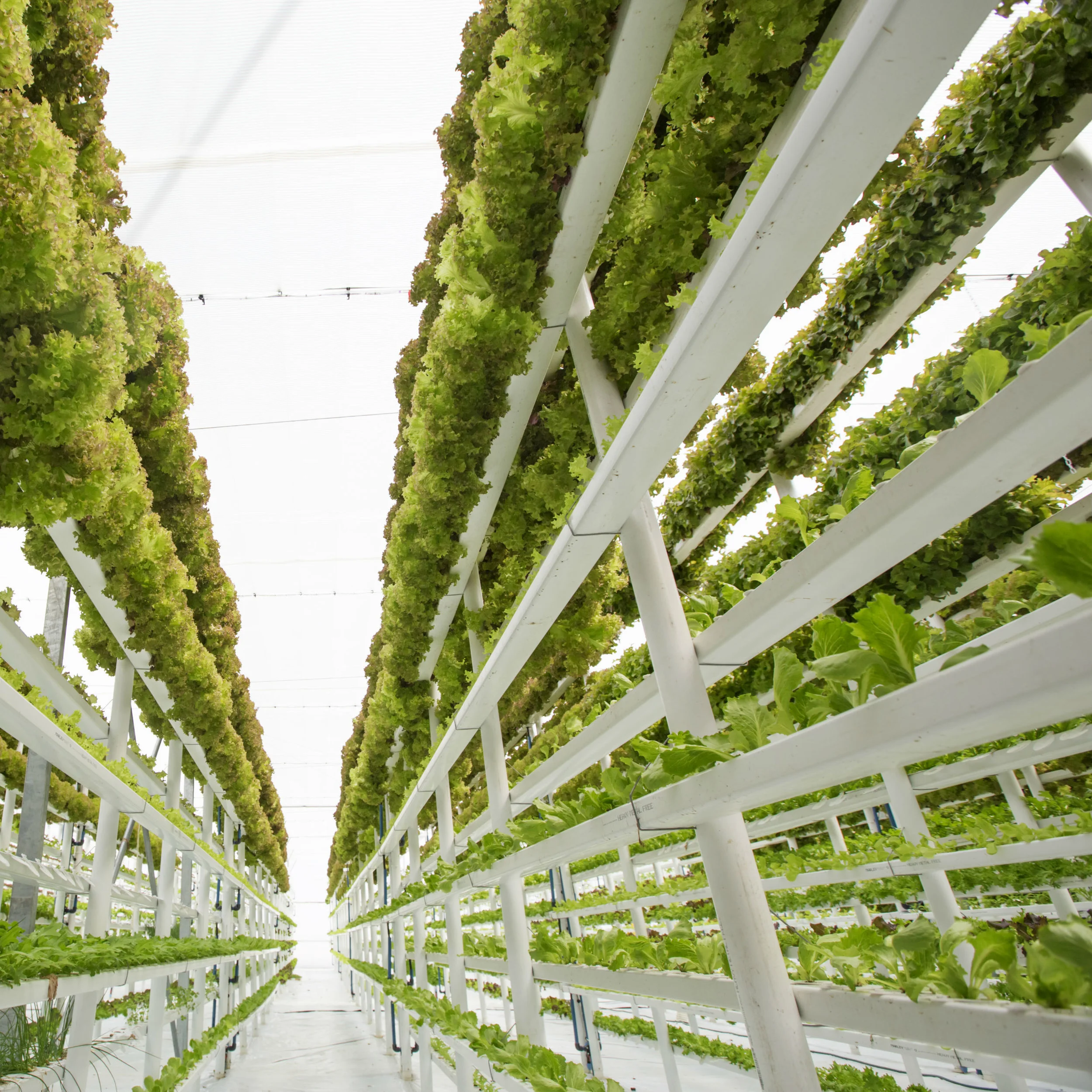
From Aerofarms in New Jersey in the United States and Sky Greens in Singapore to Grow Up in the United Kingdom, vertical farms are becoming part of the fabric of some of the world’s cities. These farms epitomise what innovation can produce.
Vertical farms use sophisticated technology and climate-controlled buildings to grow crops. Because it is a closed system, vertical farms use 95% less water than farming on land. Vertical farming in cities can help to deal with the problems of rapid urbanisation. It also offers urban residents pesticide-free food. And they can provide employment.
Of course, vertical farming also has its own set of unique problems, especially in Africa. These include unreliable sources of energy and water and startup costs are high. But establishing partnerships that include the government, the private sector, universities, research institutions and civil society can counteract these obstacles.
Some African cities are uniquely positioned to establish vertical farming. Take the case of Nairobi, home to Konza Technology City. The government set aside 2 00 hectares of land 64km south of Nairobi to develop this technology hub. Now, what if the city of Nairobi fills this space with skyscrapers that are growing fresh food for urban dwellers? It would be a place where families can go to have intimate encounters with the food they eat and where Nairobi’s unemployed youth would find meaningful work.
Through these partnerships, Nairobi could unlock the power of the city to deliver economic development for its residents and the continent. The city could set the pace for other African cities and put the continent on the path towards achieving sustainable development and prosperity for all.
Esther Ngumbi is a postdoctoral researcher in the department of entomology at the University of Illinois
How-To: Microgreen Growing
Make the right decisions while growing healthy and nutritional microgreens.
November 15, 2018
Nick Greens
Photo courtesy of CropKing
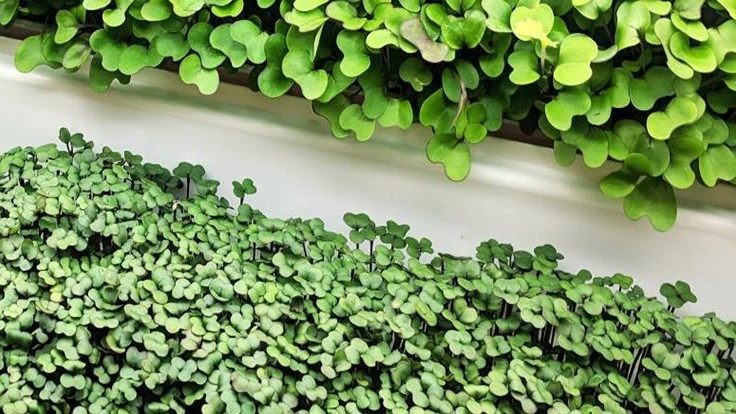
Are you interested in growing microgreens indoor year round, or for the winter months? This post will help you make the right decisions while growing healthy and nutritional microgreens. Microgreens are most commonly harvested from leafy greens such as kale, arugula, radish greens and herbs. The taste of microgreens depends on the original vegetable. Microgreens have a very strong and concentrated taste of the original vegetable. This means that cilantro microgreens will still taste of cilantro, but with a stronger taste and condensed format.
Here are your instructions:
1. Get a 10 x 20 tray or container. 10 x 20 trays are the best, but my personal favorite are those clear plastic salad containers with a lid. It’s a little harder to harvest, and you may not get ideal air flow, but the lids are nice for keeping the seeds moist while in the germination stage.
2. Get a growing medium such as bio strate, burlap or soil. Pre-moisten your growing medium by soaking in a 5 gallon bucket or a big bowl. Keep the medium soaking for a couple of hours.
3. Place the growing medium in the tray and make sure to flatten the medium with your hands.
4. Sprinkle seeds over the top of the medium. Don’t worry about spacing. You’ll be harvesting so soon that a nice little carpet is what you’re going for. For best results use a spice shaker to spread the seeds evenly.
5. Spray your seeds with a spray bottle or water lightly and then spray the inside of your humidity dome. Cover your tray with the humidity dome and place in a dark location. Covering the tray helps keeps in the moisture, and the darkness helps the seeds to germinate.
6. Remove cover after seeds sprout, which should take a few days. Remove the cover and place in front of a sunny window sill.
7. Carefully water your microgreens. The best option is to bottom water, which is setting your tray with drainage holes in a sink of water and letting the microgreens soak it up. If you top water, be careful not to flatten the tiny greens.
8. Cut your microgreens with a sharp knife, most are delicious after they develop their second set of leaves, and are about 2 inches tall.
9. Eat your microgreens! You can eat them on sandwiches, in stir fry, on pizza, in green smoothies, in salads, or as a garnish or other ingredient.
These are simple and easy instructions for growing microgreens year-round. Microgreens can be a refreshing addition to your food in winter months when fresh produce isn’t always as available as it might be in the summer. If you have any questions don’t hesitate to reach out.

Bowery Farming Adding Microgrid With Solar, Natural Gas And Storage
Schneider Electric and Scale Microgrid Solutions have announced an agreement to design, engineer and build a new microgrid for modern-farming company Bowery Farming.
Posted by
November 15, 2018
Schneider Electric and Scale Microgrid Solutions have announced an agreement to design, engineer and build a new microgrid for modern-farming company Bowery Farming.
Under the terms of the agreement, Scale Microgrid Solutions will build, own and operate a proprietary hybrid microgrid system that leverages Schneider Electric EcoStruxure technology for Bowery’s newly commissioned facility in New Jersey.
The system will use distributed energy resources, including a rooftop solar array, a natural gas generator equipped with advanced emissions-control technologies and Schneider Electric’s lithium-ion battery energy storage system interconnected in a behind-the-meter configuration.
“Bowery has created a facility wherein crop production is already 100 times more efficient than traditional farmland, creating a greater need for reliable, efficient power,” says Ryan Goodman, CEO of Scale Microgrid Solutions. “Microgrids offer a compelling value proposition, but they’re inherently complex machines, and not many companies have the in-house expertise needed to make the investment. We’re excited to deploy an affordable microgrid solution in conjunction with Schneider Electric that will further reduce Bowery’s carbon footprint and provide critical resilience.”
Schneider Electric’s EcoStruxure Microgrid Advisor (EMA), a cloud-connected, demand-side energy management software platform, will be integrated to optimize the system’s performance. By leveraging predictive and learning algorithms, EMA will empower Scale Microgrid Solutions to better manage the production and consumption of its renewable energy and control energy spend. The system will also be equipped to operate in parallel with traditional utility electric services during normal operating conditions and in “island mode” to ensure that the farm remains powered during unexpected outages.
“Bowery is committed to growing food for a better future, and we are excited to have found partners in Schneider Electric and Scale Microgrid Solutions, who will help us achieve our mission,” says Brian Donato, senior vice president of operations at Bowery Farming. “We’re looking forward to continuing to provide consumers with access to local, high-quality produce and drive a more sustainable future.”
Commissioning of the Bowery microgrid project is scheduled for the first quarter of 2019.
Report Points to 'Difficult and Worrying' 2019 for U.S. Agriculture
Market volatility caused by President Donald Trump's trade disputes, extreme weather and the potential spread of African Swine Fever could threaten the stability of global food commodity prices next year.
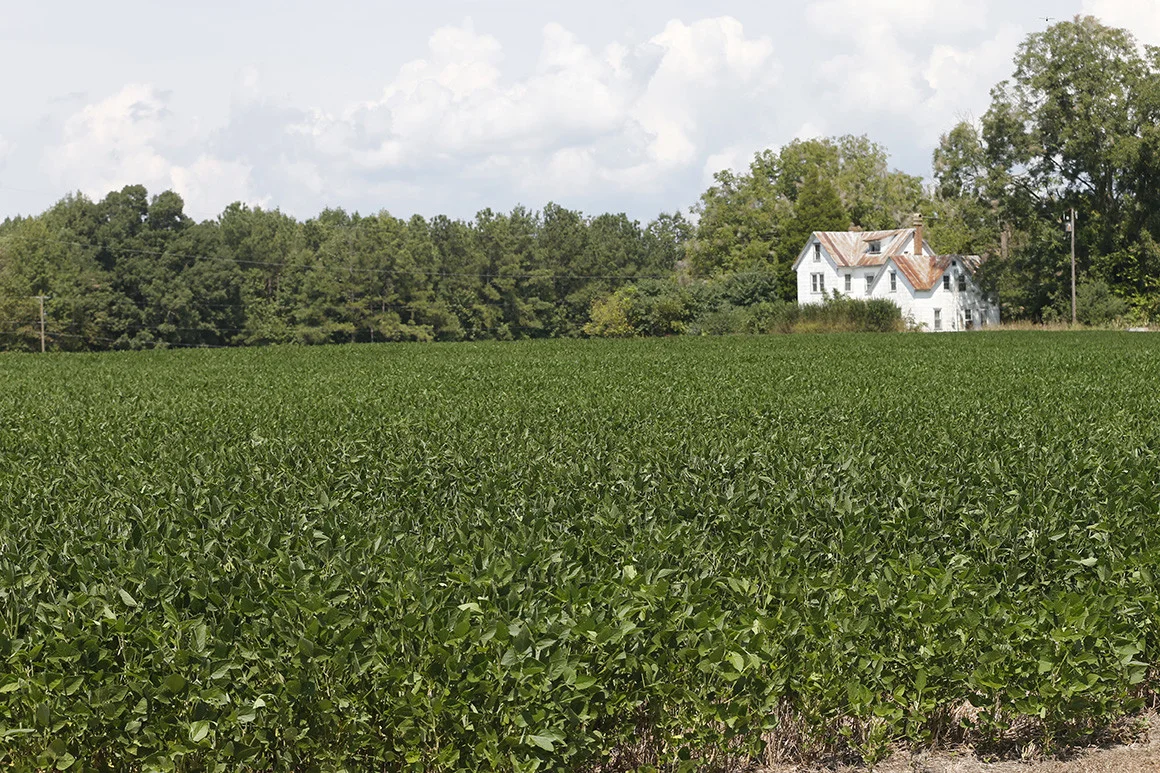
The downward trend of U.S. farmers' profitability will only get worse if China continues to ignore American agricultural imports, the report said. | Steve Helber/AP Photo
By SARAH ZIMMERMAN
11/15/2018 11:34 AM EST
Market volatility caused by President Donald Trump's trade disputes, extreme weather and the potential spread of African Swine Fever could threaten the stability of global food commodity prices next year, the agricultural banking company Rabobank warned Thursday in a new report.
“The agri-commodity price environment may be relatively stable currently, but it’s difficult to remember a time [when] there were so many threats to food commodity prices on so many fronts,” Stefan Vogel, Rabobank's head of agricultural commodity markets and a co-author of the report, said in a statement.
In Rabobank's annual Outlook report, the Holland-based company predicted that trade uncertainty remains the largest threat facing U.S. farmers next year. The downward trend of U.S. farmers' profitability will only get worse if China continues to ignore American agricultural imports, the report said. Fiscal 2018 marked the second-worst profitability year for American farmers in nearly the last decade, the report said, despite record-smashing corn and soybean yields and the fact that Chinese retaliatory tariffs only directly affected one-quarter of the 12-month period.
Rabobank anticipates that American soybean farmers will continue to take the biggest hit if Beijing keeps its tariffs in place — and that U.S. soybean stocks "will easily double" under that scenario. USDA Secretary Sonny Perdue has said that farmers will not receive additional trade aid for 2019 production, reasoning that Trump's tariff policies have already altered markets and that farmers must now react accordingly.
In many cases, that may be easier said than done. "These measures," the report said, referring to tit-for-tat tariffs, "change the structure of global trade and increase U.S. inventories to new all-time highs, while hurting U.S. farmer margins, and resulting in great uncertainty when it comes to prices and the upcoming 2019 planting season."
Agricultural producers should prepare for other factors beyond trade, according to the report. If African Swine Fever, which has cropped up in places in China's massive pork industry, spreads to become a full-on outbreak, consumer concern could lead to shifts in preferences, in turn affecting global trade flows.
In addition, the report noted that climate experts are forecasting an 80 percent chance of El Niño weather conditions being formally declared "by the end of the northern winter." El Niño-related weather patterns tend to make the U.S. Southern Plains wetter and can also lead to drier conditions in the northern part of the U.S. Midwest.
With El Niño-like effects already being experienced in parts of Australia, Brazil and India, the report said, further weather change holds the potential to hurt crop yields and production, and influence global trade in agricultural commodities.
“Food producers face a melting pot of risks,” Justin Sherrard, a global strategist for animal protein at Rabobank, said in a statement. “Although it’s possible that not all of them will come to pass, they need to be prepared for a difficult and worrying year in 2019.”
The report predicted a hefty surplus in U.S. soybeans next year and a global glut in coffee and, less significantly, in palm oil and sugar. It forecast global deficits in corn, wheat, cocoa and cotton, noting that hurricane-related damage affected the U.S. cotton crop this year.
With Trump expected to talk trade with Chinese President Xi Jinping at the end of the month, the report was not overly pessimistic about the possibility that the two economic superpowers could strike a deal to ease trade tension.
The report said it "may take very long negotiations" to address America's trade deficit with China "by any significant amount." However, Rabobank said it was "surprising" how quickly the new North American trade agreement came together and that "we can’t rule out a speedy resolution to the U.S.-China trade war."
"Once achieved," the report said of a U.S.-China trade deal, "it will likely result in China buying increasing quantities of American goods. Under a Chinese tariff regime, however, the U.S. will easily double its soybean stocks."

German University Conducts Research On Urban Farming In Growtainer
Mobile Greenhouse Is Financed By Gemüsering Thüringen
The Weihenstephan-Triesdorf University of Applied Sciences received a growtainer at the beginning of the year, intended for research and teaching purposes. The "Gemüsering Thüringen" company is financing the mobile greenhouse for a period of ten years. This is a fully insulated container that has been specially modified to create optimal production conditions for vertical planting systems, regardless of the environment and climate.
Since that time, the growtainer has been put into operation and is now used in particular for research projects in the field of "urban farming". Prof. Dr. Heike Mempel heads the project group of the same name, dealing with scientific questions on possible advantages and disadvantages of a closed indoor farm without sunlight.
Indoor-Farming
Horticultural engineer Ivonne Jüttner is involved in the project "Product Quality and Resource Efficiency in Plant Production in Indoor Farming Systems" with an economically and ecologically meaningful cultural selection and the development and optimization of the associated procedures in a completely closed culture area. It compiles input/output balances of all material and energy flows, evaluates them with regard to sustainability and with the overriding goal of resource conservation. The project is funded by the Bavarian Ministry of Food, Agriculture and Forestry.
Another experimental setup examines the transpirational behavior of the growing plant. In the closed environment of the container, this parameter plays a key role. The transpiration flow through the plant is the driving force for nutrient and water uptake by the roots and it affects plant growth. At the same time, perspiration leads to increased humidity in the enclosed culture area. This must be removed by technical means, after which it is returned to the irrigation system in order to maintain the water cycle. This in turn results in an important advantage of indoor farming systems: water consumption is reduced enormously. The water absorption of the plant also influences the consequent dry matter of the products and thus their quality. Ivonne Jüttner is currently working on recording and visualizing the temperature and humidity distributions, as well as the air movement caused by the two incorporated fans.
LED lighting
The culture system and the design of the container significantly affect the climate in Growtainer. The homogeneous and exactly controllable culture guidance in closed systems with LED exposure in particular is a decisive advantage over conventional culture systems. The ability to precisely adjust the climate and growth conditions influences growth and ingredients in a targeted manner. These freely adjustable conditions allow a year-round and consistent production on site. In the coming year, a scientific assessment of the functionality of the Growtainers will be created. As soon as any weak points have been identified, the technical equipment can be optimized as the project progresses.
Using modern measuring and sensor technology, data on resource consumption and plant growth are recorded over the entire project period. Despite the use of energy-saving LEDs and good insulation of indoor farms, scientific studies show that energy use is the most critical factor compared to traditional culture methods. Nevertheless, the entire resource efficiency is mainly due to a reduced use of water and pesticides as the major advantage of indoor production. A comprehensive scientific analysis of the possible uses and limitations of closed indoor farming concepts using the example Growtainer, with subsequent practical evaluation of the results, in any case will be an important prerequisite for opening up application areas and fields of activity for horticulture in this innovative segment.
Smart Greenhouse Management System
The combination of the findings from the "Process Simulation based on Plant Response (Prosibor)" project, with project results from the Growtainer trials, will make it possible to compare indoor systems against conventional greenhouse production. Through the "Prosibor" project, a sensor-based intelligent greenhouse management system will be developed in cooperation with the Humboldt University of Berlin and the company RAM from Herrsching. Ivonne Jüttner will also develop a comprehensive analysis of potential plants that could be of interest for cultivation in pure artificial light systems. A special focus will lie on the potential added value that cultivation with artificial lighting systems could offer over cultivation under glass.
The added value can be a result of the increase in desired ingredients, the year-round production of, for example, flowers or fruits, production without the use of pesticides, or other criteria. As part of the study "Substance Use of Crops for the Chemical Industry", the HSWT, together with the State Research Center for Agriculture and other project partners, had already analyzed potentials for regional cultivation of medicinal and aromatic plants and evaluated initial approaches to indoor production.
Photosynthesis
In one of the two compartments of the Growtainers, students of the 5th Horticulture semester will carry out the first plant experiments in the greenhouse module. For example, they are investigating the suitability of different LED lights for the culture of Asian lettuces. The plants are hydroponically cultivated on several layers, one above the other. The energy required for the photosynthesis of plants is provided via LED modules at each shelf level. These immerse the interior of the Growtainer in a purple light; a combination of the blue and red spectral ranges. This light combination is used very efficiently for photosynthesis by the plants. To the human eye, however, it is rather uncomfortable, which is why any activity within the Growtainer is restricted to the use of safety goggles or with the LEDs switched off. In this exposure, the leaf colors of the plants might also not be judged correctly, which complicates an assessment of the nutritional status of the plants.
Findings from the already completed project "Energy Saving and Increased Efficiency in Horticultural Production with LED Exposure Systems" also show that for most plants an even broader spectrum of light, in addition to blue and red, optimizes the product quality: a supplement of yellow and green light, for example. This spectrum then appears white to the human eye, and the plants growing under the LED lights will have a natural green color, which facilitates not only positive growth effects but also the necessary work being done in the Growtainer. The determination of the ideal light spectrum for different plant species and their stages of growth is also an important issue in the research of the Growtainer.
For more information:
Hochschule Weihenstephan-Triesdorf
Am Hofgarten 4, 85354 Freising
Tel: +49 (0)8161 71-3416
Fax: +49 (0)8161 71-4402
www.hswt.de
Publication date : 12/7/2018

It’s A Wrap: Australia’s Largest Ever Agricultural Innovation Trade Fair Concludes – But There’s More To Come…
GFIA in Focus Australia Conference and Exhibition
GFIA In Focus Australia, Australia’s biggest agricultural innovation trade fair has concluded after two days of conferences and seminars that attracted an impressive number of visitors.
Focusing on precision agriculture and protected cropping, the event was attended by international delegates, investors and high-profile food producers who all took advantage of the opportunity to learn from a variety of industry exhibitors, educational sessions, networking events and conferences.
This was GFIA’s first Australian event – and David Stradling, Sales Director of One CMG Group, the company behind GFIA In Focus Australia describes it as a “fantastic showcase of some of Australia’s most innovative, forward-thinking exhibitors.”
With innovation being a theme at the forefront of the conference, key guest speaker topics included a panel discussion led by Richard Health from Australian Farm Institute, which covered the digitalization of agriculture, and highlighted challenges and opportunities for Australia’s food and water security. Also hugely popular were a presentation on precision agriculture and the use of digital technologies on Branson Farms by Mark Branson, and a keynote speech from Tim Gentle, founder of Think Digital, which covered a range of fascinating topics, including immersive technologies in agriculture.
International delegate Nguyen Thi Phuong Thao, Deputy General Director for Vietnamese farm group VinEco (a member of VinGroup) attended the conference to learn more about the latest trends. “I’ve seen lots of great stuff here,” she says. “I’ve been very impressed by the stands, which have showcased so much new technology and innovation, particularly in AI and automation, as well as some really valuable information on everything from irrigation systems and bio-systems to new materials and software for quality and food management. We can now clearly see how we can apply this to our systems to improve efficiencies and save on labour costs.”
Agronomist Daniel Rollinson and beef producer and agent Henry Leonard
Beef producer and agent Henry Leonard was also full of praise for the event: “There have been some really excellent speakers, and it was incredible to learn more about some of the research currently being done in this sector. The scope and diversity of investment makes it a very exciting time for the agriculture and food production sector.”
Peter Smith, Training Manager of event sponsor Agforce, says that GFIA In Focus Australia’s first event in the Australian market won’t be their last. “I see the whole concept of GFIA as having great longevity. The plan is to build on this year’s event to stage a permanent annual innovation event in Brisbane, and for this to be the biggest in Australia. There’s a great deal of scope for including other streams of ag tech, and to also branch out into other types of ag-events. We think the approach is flexible and sustainable enough to allow the event to grow in all kinds of directions.”
David Stradling is similarly optimistic about GFIA In Focus Australia’s role in shaping the nation’s agricultural targets for years to come. “GFIA aims to bridge the gap between international markets and Australia tech suppliers – and in response to this year’s success, next year’s GFIA conference will include multiple excursions by key stakeholders into Australian leadership and innovation in the agriculture and food production sector. This is the next leap of the journey to support the Australian Government’s ambition to make agriculture a $100 billion industry by 2030, and we’re looking forward to making next year’s event even bigger and better than this one.”
If you didn’t make it to GFIA in Focus Australia this year, don’t miss out on the opportunity to be a part of 2019’s even more ambitious offering. For more information visit www.gfiaaustralia.com
About GFIA
The Global Forum for Innovations in Agriculture has emerged as a global authority on sustainable food production, driving innovation through exhibitions and conferences across the globe. GFIA exhibitions have welcomed more than 25,000 visitors, and worked with over 50 international partners to showcase innovative products with a proven benefit to the agricultural industry. Their conferences offer stakeholders pioneering forums and marketplaces to foster meaningful dialogue, collaboration, recognition and action between regional food producers, buyers, innovators, policy makers and investors.
Media Enquiries: C7EVEN Communications
Kate Munsie
(02) 6766 4513 / 0421 935 843
kate.munsie@c7even.com.au

JD.com Opens High-Tech Indoor Farm In Beijing
Chinese E-Commerce Group In Strategic Tie-Up With Mitsubishi Chemical
SHUNSUKE TABETA, Nikkei staff writer
December 7, 2018
BEIJING -- China's No. 2 e-commerce operator JD.com has opened a hydroponic vegetable factory in Beijing, seeking to win over the growing ranks of middle-income families worried about food safety.
JD.com said Thursday that the factory, built by Mitsubishi Chemical, is part of a strategic partnership with the Japanese company.
The $3.56 million factory, situated in Beijing's Tongzhou district, is one of the country's largest at some 11,000 sq. meters and can produce vegetables in a clean and controlled environment. With annual capacity of about 300 tons, it will grow lettuce and about five other leafy vegetables. JD.com will begin online sales soon.
After beginning the growing process with artificial light, produce is grown on the pesticide-free farm with solar light. Temperature and humidity are controlled and water is purified with treatment equipment. Crops will be ready to ship in five weeks, the company said.
JD.com will lean on its e-commerce and logistics expertise to bring safe and fresh foods to consumer tables, said Xiaosong Wang, the head of the company's food businesses.
JD.com will assess the needs of safety-focused consumers and share the data with the Mitsubishi Chemical Holdings unit so that the Japanese partner can update the factory with the latest technology. The Chinese company will also encourage its partner farm owners to adopt the same technology, seeking to build a domestic network of 10 such factories.
Mitsubishi Chemical has so far delivered 18 farming facilities in China. The company aims to set up 10 a year in the country, said Hitoshi Sasaki, managing executive officer. It seeks to double Chinese sales by 2020.

CO2 GRO Announces Dramatic Improvement In Resistance To Pathogens and Pests from Employing CO2 Foliar Spray
TORONTO, ON – December 06, 2018
Toronto based www.co2gro.ca
. (“GROW”) (TSX-V: GROW, OTCQB: BLONF, Frankfurt: 4021) is pleased to announce dramatic plant resistance improvement against common pathogens and a common predator using CO2 Foliar Spray. Bacterial (E. coli) and fungal (F. oxysporum) numbers showed a reduction by two orders of magnitude (over 90%) while a significant reduction in aphid counts was also identified.
Foliar Spray plants once infected with powdery mildew had over a 100% increase in days of plant survival post infection versus plants grown conventionally and CO2 gassed plants. The CO2 gassed plants had similar low results to conventional plants showing minimal pathogen resistance improvement using CO2 gas.
These pathogen and pest results will add to grower confidence to use GROW’s natural CO2 Foliar Spray which is proven to sharply enhance plant growth and value. It could lead to the reduction of the amount of chemical pesticides, insecticides and fungicides used for optimal plant growth with CO2 Foliar Spray use.
CO2 FOLIAR SPRAY SCIENTIFIC TRIAL METHODOLOGY
Antipathogen experimentation considered bacterial (E. coli), fungal (F. oxysporum) Powdery Mildew strains and aphids (insects). Six individual experiments were conducted at St. Cloud State University under Dr. Matt Julius. Two grew pathogens directly on agar plates (one E. coli and one F. oxysporum). Four used peppers as a host for the pathogens; one used E. coli, one used F. oxysporum and one used Powdery Mildew. The sixth experiment used predator aphids.
CO2 Foliar Spray at 800 PPM dissolved was applied every fifteen minutes for three hours per day. E. coli, fungi, and aphid trials were five days long while the powdery mildew trials were 21 days in length.
With the powdery mildew trial, three variations were considered. A control, CO2 gassing at 1200 PPM, and CO2 foliar infusion at 800 PPM. Plants were infected with Powdery Mildew and days to mortality were counted for each experimental plant.
All experiments were compared with standard statistical methods and found major increases in resistance for all pathogens and predators trialed.
CANNABIS TRIALS PENDING
Several LP cannabis growers waiting to trial CO2 Foliar Spray following approval expressed concerns that its use could increase powdery mildew risk with limited Health Canada powdery mildew treatment options. These non-cannabis plant scientific results using powdery mildew prove the opposite.
The next series of scientific pathogen and predator resistance trials will be performed at two legal US cannabis facilities in early Q1, 2019. Results will be filed with Health Canada in support of approving the Canadian usage by LPs of CO2 Foliar Spray during plant cutting transplant and vegetative growth phases for superior pathogen and predator resistance.
Dr. Matt Julius concluded “These results are consistent with the hypothesis that CO2 Foliar Spray use inhibits the growth of E. Coli, fungus and Powdery Mildew and retards insect grazers.”
John Archibald, CEO of GROW stated "These results add further confidence to our potential cannabis and non-cannabis plant growers of the dramatic plant value superiority using CO2 Foliar Spray over no CO2 gassing as well as over plants CO2 gassed.”
About CO2 GRO Inc.
GROW's mission is to accelerate all indoor and outdoor value plant growth naturally, safely, and economically using its patented advanced CO2 foliar technologies. GROW’s global target plant markets are retail food at $8 trillion per year (Plunkett Mar 2017) and retail non-food at an estimated $1.2 trillion per year with retail tobacco at $760 Billion (BA Tobacco estimate), floriculture at $100B by 2022 (MarketResearch.Biz estimate) and legal retail cannabis at $50 billion per year by 2022 (Bay St Analyst estimates).
GROW's CO2 technologies are commercially proven, scalable and easily adopted into existing irrigation systems. GROW's proven crop yield enhancements and revenue model are compelling for growers and Agri-industrial partners.
GROW's sole focus is working with its plant grower and Agri-industrial partners in proving and adopting its CO2 technologies for specific growers’ plant yield needs.
The CO2 technologies work by transferring CO2 gas into water and foliar spraying across the entire plant leaf surface area, which is a semi permeable membrane. The dissolved concentrated CO2 then penetrates a leaf's surface area naturally like nicotine naturally dissolves through human skin from a nicotine patch.
Foliar spraying of natural water, dissolved nutrients and chemicals on plant leaves has been used for over 60 years by millions of indoor and outdoor plant growers. To date, outdoor growers have not had any way to enhance plant CO2 gas uptake for faster growth.
Indoor use of CO2 gassing has enhanced plant yields for over 60 years. However, about 60% of the CO2 gas is typically lost through ventilation. Current greenhouse CO2 gassing levels of up to 1500 PPM are also not ideal for worker health and safety. GROW's safer infused CO2 foliar spray can be used by indoor and outdoor plant growers with minimal CO2 gas lost and much greater plant bioavailability resulting in higher yields.
Forward-Looking Statements This news release may contain forward-looking statements that are based on CO2 GRO's expectations, estimates and projections regarding its business and the economic environment in which it operates. These statements are not guarantees of future performance and involve risks and uncertainties that are difficult to control or predict. Therefore, actual outcomes and results may differ materially from those expressed in these forward-looking statements and readers should not place undue reliance on such statements. Statements speak only as of the date on which they are made, and the Company undertakes no obligation to update them publicly to reflect new information or the occurrence of future events or circumstances, unless otherwise required to do so by law.
Neither the TSX Venture Exchange nor its Regulation Services Provider (as that term is defined in the policies of the TSX Venture Exchange) accepts responsibility for the adequacy or accuracy of this release
The Importance of Daily Light Integral (DLI) For Indoor Cannabis Cultivation
Daily light integral (DLI), represents the number of photosynthetically active photons that are delivered to a given space over the course of a day. Considering not all wavelengths of light can be utilized by plants, it’s important to distinguish between PAR light and visible light. PAR stands for photosynthetic active radiation and represents the area within the visible light spectrum that drives photosynthesis (400 – 700 nm).
This range in the visible light spectrum is also known as the quantum response area. PAR light is typically measured as PPFD, photosynthetic photon flux density. PPFD measures the precise number of photons that are delivered to one square meter in a given second. Quantum sensors are used to measure PAR light. They help growers calculate the daily light integral, the most accurate measurement for horticultural lighting.
Factors that can affect DLI are geographic location, weather and season. These variables cannot be controlled in an outdoor environment. Indoor horticulture allows for control of these metrics and consistency throughout a grow cycle. Light, temperature and carbon dioxide concentrations are the three factors that affect the rate of photosynthesis. An increased rate of photosynthesis promotes root development, plant growth and overall biomass production.
Many studies have shown that dialing in DLI values for specific crops can lead to increased flower number, larger biomass and decreased growth cycles. Various crop species require different DLI values for optimal growth. Plants also require different DLI values during various points in their life cycle. For instance, fruits and vegetables require DLIs ranging from 14-40 mol m-2d-2. Meanwhile, cannabis requires a much higher DLI. Large cannabis plants need about 65 mol m-2d-2 during their flower cycle. Sea of green grown cannabis requires about 48 mol m-2d-2 during flower. The sea of green growing method focuses on cultivating a large quantity of small plants, typically grown in vertical racking systems. Traditionally, growers cultivated a small number of large plants.
Read more at Smart Grow Systems
Publication date : 12/3/2018

Ford Motors Is Using Vertical Farming To Feed And Educate Detroit
Ford Motors Is Using Vertical Farming To Feed And Educate Detroit
November 30, 2018

On Wednesday, Ford Motors and Detroit’s Cass Community Social Services announced a new hydroponic container farm that will grow produce year-round and help to feed Detroit’s food-insecure areas.
The 40-foot shipping container was donated by the Ford’s philanthropic arm, the Ford Motor Company Fund. It’s the second part of a larger $250,000 grant from Cass Community Social Services received from the Ford Motor Farm project. In March of 2018, Ford and Cass unveiled the first part, a F-150 Ford pickup with a garden bed and glass cover that visits local schools.
This latest initiative, dubbed the Ford Freight Farm, will reportedly be used to grow lettuce and greens that will be used in Cass’s non-profit community kitchen, which serves up over 700,000 meals per year. The meals themselves go towards feeding Detroit’s homeless population.
Like other container farms, this one uses LED lighting and has a capacity equivalent to two acres of traditional farmland. That gives Ford and Cass the ability to grow up to 52 harvests per year. “This is urban gardening at its best because we can grow in every season of the year,” Cass Executive Director, Faith Fowler, said in the press release. “And it delivers fresh produce, farm-to-table in half an hour!”
Ford Motor Farm is housed at the Cass Community Social Services’ World Building in Detroit and operates without soil, sunlight, or pesticides. And in addition to providing food, it will also offer some part-time employment to adults with development disabilities.
The entire project was conceived by a group of Ford employees who, in 2017, participated in the company’s philanthropic leadership program called Thirty under 30. The group was tasked with improving Ford’s mobile food pantries
It also underscores a question I keep hearing in conversations with people: urban farming sounds great in theory, but is it a realistic solution to helping feed food-insecure populations? Or as one writer put it, Is urban farming only for rich hipsters?
That’s not to depreciate the good work done by startups like Square Roots, Freight Farms, and the dozens of others looking at new ways to farm more locally. Realistically, though, container farms have high operational costs, high labor costs and require funds to educate those who do the actual care for the plants (because at the end of the day, farming is a skill). Little wonder, then, that the leafy greens coming from these farms cost anywhere from $5 to $15 per bag.
Even so, there’s a rising need to make the benefits of urban farming accessible to a wider population. Backing from a company like Ford will be one approach we’re likely to see more of in the future.

The U.S. Government’s Fourth National Climate Assessment (November, 2018) Highlights The Need To Adopt Aquaponics At A Large Scale Nationwide
Aquaponics Association
By Brian Filipowich, Chairman
The report states: “over the next few decades, overall, yields from major U.S. crops are expected to decline as a consequence of increases in temperatures and possibly changes in water availability, soil erosion, and disease and pest outbreaks”; furthermore: “[c]limate change is also expected to lead to large-scale shifts in the availability and prices of many agricultural products across the world, with corresponding impacts on U.S. agricultural producers and the U.S. economy.”
So how can aquaponics help?
Aquaponics is a method of growing fish and plants in efficient, recirculating systems. Aquaponics does not require soil, and is practiced across the nation from cities to deserts. The ability to grow food anywhere allows all regions of the U.S. to create their own food supply without relying on long-distance, carbon-intensive food transport.
Aquaponics requires over 90% less water than traditional soil growth, making production far less susceptible to water shortages.
Aquaponics does not require synthetic pesticides, fertilizers, or antibiotics.
Also, aquaponic systems not only produce fruits and vegetables, but also edible fish — an extremely efficient source of healthy protein that can be grown in any environment.
Unfortunately, the U.S. economy is not set up to incentivise efficient food production methods like aquaponics, hydroponics, and vertical agriculture. A free market economy is based on producers incorporating all costs of production into the prices for goods. But certain costs of agriculture are not realized at the time of production and are passed to other parties or future generations, creating artificially low prices for inefficient goods.
Modern large-scale agriculture uses excessive amounts of water, carbon, pesticides, antibiotics and fertilizers. These elements create enormous costs passed to others such as climate change adaptation, healthcare costs, food waste, antibiotic resistance, and toxic nutrient runoff.
Conversely, aquaponic systems can grow much more efficiently, but without a means to monetize this efficiency.
The U.S. Government Climate Report highlights the need to change the current system: “[n]umerous adaptation strategies are available to cope with adverse impacts of climate variability and change on agricultural production. These include altering what is produced, modifying the inputs used for production, adopting new technologies, and adjusting management strategies.”
It will take a large-scale, concerted nationwide effort to change the way we incentivize food production. Until that point, our economic system will steer consumers towards produce that adds to the problem of climate change, and is less able to adapt to climate change.
Read more: https://www.cnn.com/2018/11/23/health/climate-change-report-bn/index.html?no-st=1543264267

New Plug And Play Devices Deliver Dissolved Oxygen To Plant Roots
Dissolved oxygen (DO) does many things for your plant. It is a critical but often overlooked piece that helps plants uptake nutrients through the roots. Dissolved oxygen is the mechanism that allows the nutrients to be absorbed through the root membrane. "Without sufficient levels of DO, there will be no growth. It is proven that higher levels of DO help prevent “lockout” which is when your plant is getting enough water/nutrients, but not absorbing it.", says Dennis Clark with O2 Grow.
pH, TDS and EC
Dennis explains why a DO meter is an important measuring device that every grower should have. "Most growers already have pH, TDS and EC meters, but not many have a DO meter. A quality DO meter is about the only way for a grower to know if the nutrient water has enough dissolved oxygen."
DO is typically measured in either mg/L or ppm. "Most plants need a DO level of about 6 ppm to grow, some water sources such as well water can have readings as low as 2 ppm. University trials have proven that DO levels above 10 ppm will drive enhanced growth, with a better more robust root system that supports more flowering sites on each plant."
A healthier root system also enables the plant to stave off disease and other ailments common with low DO. "University of Minnesota studies revealed as much as a 30% increase in the number of peppers in a controlled study. Other studies conducted by the University of Wisconsin reported a significant increase in root mass and yield for Crown Peas grown in Nutrient Film Technique (NFT). Also noted, was the enhanced green leaf growth. The plants were simply fuller, healthier and more produced more flowering sites."
The Oxygen Research Group has introduced a product called the O2 Grow. The O2 Grow units deliver supplemental oxygen to nutrient water via the process of electrolysis. "This process converts water molecules into nano bubbles of oxygen gas", Dennis shows.
The tiny bubbles are too small to break the surface tension of the water and are therefore absorbed back into the water. "This process will saturate the nutrient water with as much dissolved oxygen as the water can hold. When measured with a DO meter, water at 20 degrees Celsius can hold as much as 14-16 ppm of oxygen. The O2 Grow units will quickly and efficiently saturate the water to the maximum amount of oxygen the water can hold."
The O2 Grow units require very little energy to operate. They are adapted to run off of a battery source which means they can be run in a field setting or off of a solar grid. "The units are quiet and compact", Dennis shows. "Units are designed to fit a specific nutrient reservoir size based on gallons of water used to water plants from as small as 10 gallons up to 250 gallons. Simply place the emitters into your nutrient water and switch the unit on. Since the units do not need to be run continuously to maintain the higher DO levels, some growers find it easier to set up the units on a timer so nutrient water is ready to go when they need it."
The O2 Grow units can be used for both hydroponic and soil based methods of growing as well as in both indoor and outdoor environments. The units are sized based on the number of gallons/litres of water that the grower will be oxygenating. Units range from 10 gallons (37.8L) up to 250 gallons (946L). There are also units designed specifically for deep water culyure (DWC). Operating the unit is easy, simply plug in and run the O2 Grow emitters prior to watering or set the units up on a schedule with a timer.
For more information:
Oxygen Research Group
15320 Minnetonka Industrial Rd
Minnetonka, MN 55345
952-474-5820
info@o2grow.com
Publication date : 12/5/2018